
Moche Engineering Prowess: Building Roads, Canals, and Structures

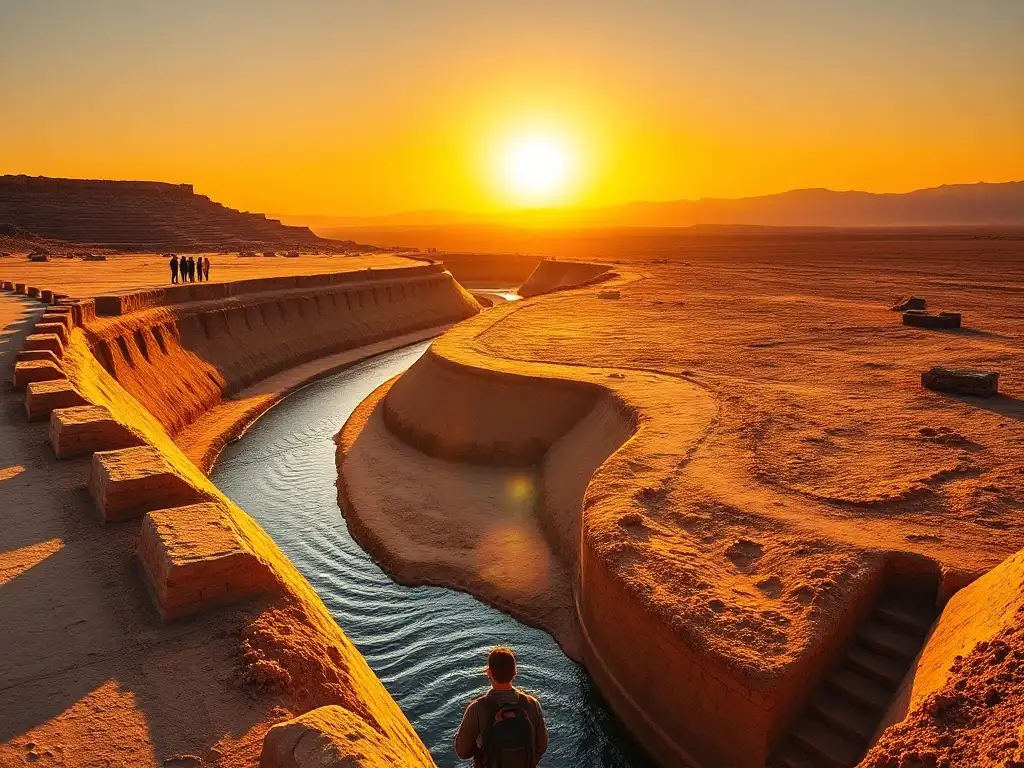
Unravel the mysteries of a lost world, where ingenuity sculpted mountains and ambition defied deserts. Prepare to be astonished by the Andean Civilizations, a realm of breathtaking artistry and unparalleled engineering. Did you know the Moche mastered intricate irrigation canal systems that transformed arid landscapes into thriving oases? Dive into the fascinating story of their Moche irrigation canal systems and discover the secrets behind their remarkable achievements. Explore now and uncover the brilliance of a civilization that continues to inspire awe.
The Moche civilization, flourishing along the arid northern coast of Peru from approximately 100 CE to 800 CE, stands as a testament to human ingenuity and adaptation. Their remarkable achievements in engineering, particularly their sophisticated irrigation canal systems, were crucial to their societal success and the development of a complex and vibrant culture.
This article delves into the impressive engineering feats of the Moche, exploring their road networks, intricate canal systems, and the monumental structures they constructed, showcasing their mastery of hydraulics, resource management, and architectural design. We will examine how these engineering marvels not only facilitated agriculture and trade but also shaped their social structure and religious beliefs, leaving an enduring legacy that continues to fascinate and inspire researchers today.
Understanding the Moche's mastery of water management is key to understanding their prosperity and the complexity of their society, a topic often overshadowed by their striking artistic achievements. This exploration will highlight the ingenuity behind their solutions to the challenges posed by their harsh desert environment, emphasizing their innovative approach to Moche irrigation canal systems.
The Mastery of Water: Moche Irrigation Canal Systems
The Moche's success hinged on their ability to harness scarce water resources. Their ingenuity in designing and maintaining extensive irrigation canal systems is particularly noteworthy. These weren't simply ditches; they were complex networks of canals, aqueducts, and reservoirs, skillfully engineered to channel water from rivers and streams across the arid landscape, reaching even the most distant agricultural lands. Evidence suggests the Moche employed a sophisticated understanding of hydrology, topography, and materials science. They used a variety of techniques, including the construction of terraces and check dams, to control water flow and prevent erosion. The scale of these projects was immense, requiring substantial labor and meticulous planning, demonstrating impressive organizational skills and social cooperation. The precise methods used for surveying and alignment remain areas of ongoing research, but the surviving remnants testify to their remarkable precision and engineering prowess. The construction of these remarkable systems involved significant labor, likely organized through a complex system of social hierarchy and communal effort. This intricate network of canals provided the lifeblood of the Moche economy, enabling intensive agriculture and supporting a dense population.
Road Networks: Connecting the Moche Realm
Beyond their mastery of water management, the Moche also constructed extensive road networks that connected different parts of their territory. These roads, often paved with stone, facilitated trade, communication, and the movement of people and goods. While not as extensively studied as their irrigation systems, the roads played a vital role in the Moche's ability to manage their resources and maintain social cohesion across a geographically diverse area. The routes likely followed natural contours where possible, taking advantage of existing topography to minimize construction difficulties.
[Specific details on road construction materials and techniques pending]. The presence of these roads suggests a highly organized society capable of undertaking large-scale infrastructure projects, underlining their advanced organizational and engineering capabilities. The strategic placement of these roads likely also played a role in military defense and administrative control.
Monumental Architecture: A Reflection of Engineering Skill
The Moche's engineering skills are also evident in their monumental architecture. Their impressive pyramids, platforms, and temples, often built from adobe bricks, demonstrate a mastery of construction techniques and a sophisticated understanding of structural mechanics. These structures were not merely functional; they served as important religious and ceremonial centers, reflecting the power and prestige of the Moche elite.
The precise methods used in constructing these massive structures, particularly the techniques employed to ensure stability in earthquake-prone regions, continue to be subjects of intense study. The scale and complexity of these structures testify to the Moche's advanced engineering knowledge and their ability to mobilize significant labor resources. The construction of these structures also required careful planning and coordination, suggesting a well-organized and hierarchical society.
Furthermore, the intricate designs and decorations found on these structures highlight the sophisticated artistic and aesthetic sensibilities of the Moche culture. The legacy of their architectural achievements is visible today, in the impressive ruins that continue to inspire awe and wonder. The careful consideration of both functionality and aesthetic appeal demonstrates a holistic approach to engineering, characteristic of a mature and sophisticated society.
The Enduring Legacy of Moche Engineering
The Moche's engineering achievements represent a significant milestone in Andean history. Their mastery of water management, road construction, and monumental architecture significantly impacted their societal development, enabling intensive agriculture, facilitating trade and communication, and supporting a complex social structure. The ingenuity and sophistication of their engineering solutions, particularly their innovative approach to Moche irrigation canal systems, continue to inspire researchers and engineers today. Understanding their techniques provides valuable insights into ancient Andean societies and offers lessons for contemporary challenges in water management and sustainable development.
The sophisticated engineering of the Moche civilization serves as a powerful reminder of the human capacity for innovation and adaptation, even in the face of challenging environmental conditions. Their legacy continues to shape our understanding of ancient Andean cultures and serves as a testament to their remarkable ingenuity and resilience. 🎉
- The Mastery of Water: Moche Irrigation Canal Systems
- Road Networks: Connecting the Moche Realm
- Monumental Architecture: A Reflection of Engineering Skill
- The Enduring Legacy of Moche Engineering
- How sophisticated were the Moche irrigation canal systems?
- What materials did the Moche use to build their canals?
- How did the Moche canals impact their society?
- What challenges did the Moche face in building and maintaining their canals?
- How did the Moche irrigation technology compare to other ancient civilizations?
The Ingenious Engineering of the Moche Civilization
Introduction to Moche Engineering and Infrastructure
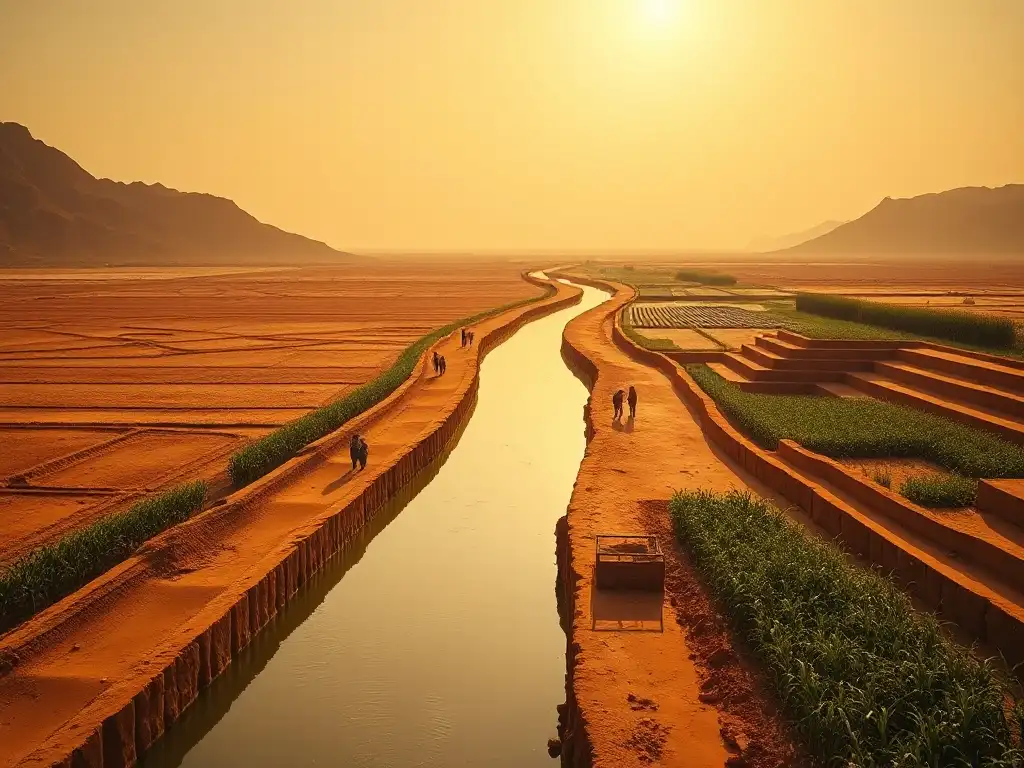
The Moche, a pre-Columbian civilization flourishing along the northern coast of Peru (circa 100-800 CE), demonstrated remarkable engineering skills, particularly in the realm of water management. Their survival in a geographically challenging environment, characterized by arid desert punctuated by fertile river valleys, hinged on their ability to harness scarce water resources. This ingenuity is evident in their sophisticated Moche irrigation canal systems, a testament to their deep understanding of hydrology and their advanced construction techniques.
These weren't simply ditches; they were complex networks, often spanning vast distances, meticulously designed to channel water from rivers and streams to agricultural fields, ensuring consistent crop yields even in the driest seasons. The scale and precision of these systems are truly impressive, showcasing a level of societal organization and technological prowess rarely seen in other contemporaneous civilizations. Their mastery extended beyond irrigation; the Moche also excelled in road construction, facilitating trade and communication across their territory, and in the creation of impressive monumental architecture.
The combination of these engineering feats underlines the Moche's ability to adapt to their environment and build a thriving society in a challenging landscape. Further research into the specific materials used, the labor organization involved, and the long-term sustainability of these systems is crucial to fully appreciate the sophistication of Moche engineering.
Moche Architectural Marvels: Temples and Urban Centers
The Moche's architectural achievements are as striking as their hydraulic engineering. Their cities, though not as densely populated as some later Andean civilizations, were meticulously planned and constructed. This is most clearly seen in their monumental architecture—the impressive huacas, or ceremonial mounds, that served as temples and administrative centers. These structures, often built from adobe bricks, were not simply functional; they were powerful statements of the Moche's religious beliefs and social organization.
The construction of these massive structures required significant engineering knowledge, including expertise in earthworks, brick-making, and structural design. Consider the Huaca del Sol and Huaca de la Luna near Trujillo: these enormous pyramids, built over centuries, demonstrate a sophisticated understanding of load-bearing structures and the management of large-scale construction projects. The intricate designs, including the use of ramps and internal chambers, reveal meticulous planning and execution. Furthermore, the artistry displayed in the decorative elements of these structures, such as the intricate friezes and murals, highlights the close relationship between engineering and artistic expression within Moche society.
Analysis of the construction techniques employed, the types of materials used, and the organization of labor needed for such projects could reveal further insights into the social and economic structures of the Moche civilization. The precise methods used in shaping and firing the adobe bricks, for instance, are still being investigated, revealing the sophistication of their material science. The impressive scale and detail of Moche architecture underscores their advanced engineering capabilities and their ability to mobilize significant resources for large-scale construction projects. The surviving structures stand as powerful testaments to their ingenuity and societal complexity.
Moche Road Networks: Connecting the Realm
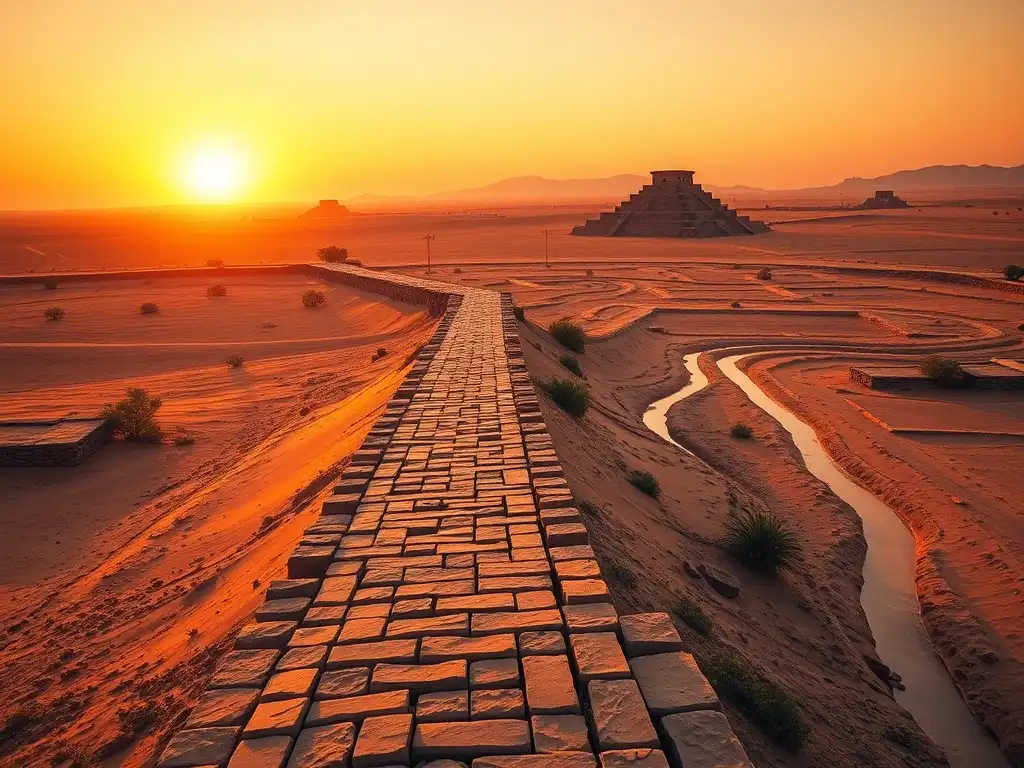
The Moche, a pre-Columbian civilization flourishing along the northern coast of Peru (circa 100-800 CE), were not only masterful artisans and agricultural innovators but also skilled engineers. Their achievements extended beyond the iconic ceramics and monumental architecture for which they are renowned, encompassing sophisticated road networks that played a crucial role in their societal development and economic prosperity. These roads, often overlooked in favor of the more visually striking aspects of Moche culture, represent a significant feat of engineering, reflecting a deep understanding of terrain and materials.
Understanding the Moche road systems provides crucial insights into their logistical capabilities and the scale of their empire. The efficiency of their transportation systems directly contributed to their success in managing resources, facilitating trade, and maintaining control over a geographically diverse territory. This section will delve into the construction, purpose, and overall impact of these remarkable roads.
The Purpose and Design of Moche Roads
The primary purpose of the Moche road system was to connect disparate settlements and facilitate the movement of goods, people, and information across their territory. Unlike the grand, paved roads of later empires like the Inca, Moche roads were more varied in their construction and design, adapting to the challenging coastal and highland terrain. Evidence suggests that some roads were primarily pathways, possibly used for pedestrian traffic and the transport of smaller loads using llamas.
Others were wider and more substantial, potentially supporting the movement of larger quantities of goods and possibly even rudimentary wheeled carts, although concrete evidence of wheeled vehicles in the Moche era remains limited. The design often followed natural contours, minimizing the need for extensive earthworks. Strategic placement ensured access to vital resources like agricultural lands, quarries, and coastal fishing grounds.
The roads were not simply linear routes; they formed a complex network, enabling efficient connections between key settlements and facilitating the flow of resources throughout the Moche state. This intricate network demonstrates sophisticated planning and a centralized administrative system capable of undertaking large-scale infrastructure projects.
Construction Techniques of Moche Road Systems
The construction techniques employed by the Moche in building their roads varied depending on the terrain and the intended use of the path. In flatter areas, the roads may have simply been compacted earth surfaces. However, in more challenging terrain, the Moche demonstrated impressive engineering skills.
They employed techniques such as terracing and retaining walls to stabilize slopes and create level surfaces. The use of stone paving was also common, particularly in sections of the roads that experienced heavy traffic or were located in areas prone to erosion. These stones were often carefully fitted together, indicating a high level of craftsmanship and attention to detail.
In some cases, the use of adobe bricks, a signature building material of the Moche, has been found in road construction, suggesting a more robust and durable road surface capable of withstanding heavier loads and the elements. The selection of materials was clearly strategic, reflecting an understanding of local geology and the properties of different materials. This adaptability, coupled with the precision of their construction, highlights the ingenuity of the Moche engineers.
Impact of Roads on Moche Trade and Communication
The Moche road system had a profound impact on the civilization's trade and communication networks. The ability to efficiently transport goods across their territory stimulated economic growth and facilitated the exchange of resources. Agricultural products from fertile valleys could be readily transported to coastal settlements, while fish and other marine resources were easily distributed inland.
The roads also facilitated trade with neighboring cultures, further enriching the Moche economy and contributing to the exchange of ideas and technologies. Beyond trade, the roads played a crucial role in communication. Messages, news, and administrative orders could be rapidly conveyed across the Moche realm, strengthening central authority and enabling a more efficient response to challenges and opportunities.
The improved communication facilitated by these roads was essential for maintaining the cohesion and stability of the Moche state. The construction and maintenance of this infrastructure underscore the importance the Moche placed on efficient transportation and communication as pillars of their societal and economic success. The legacy of the Moche road system serves as a testament to their advanced engineering capabilities and their sophisticated understanding of the vital role infrastructure plays in the development of a thriving civilization.
Moche Irrigation Canal Systems: A Masterpiece of Hydraulic Engineering
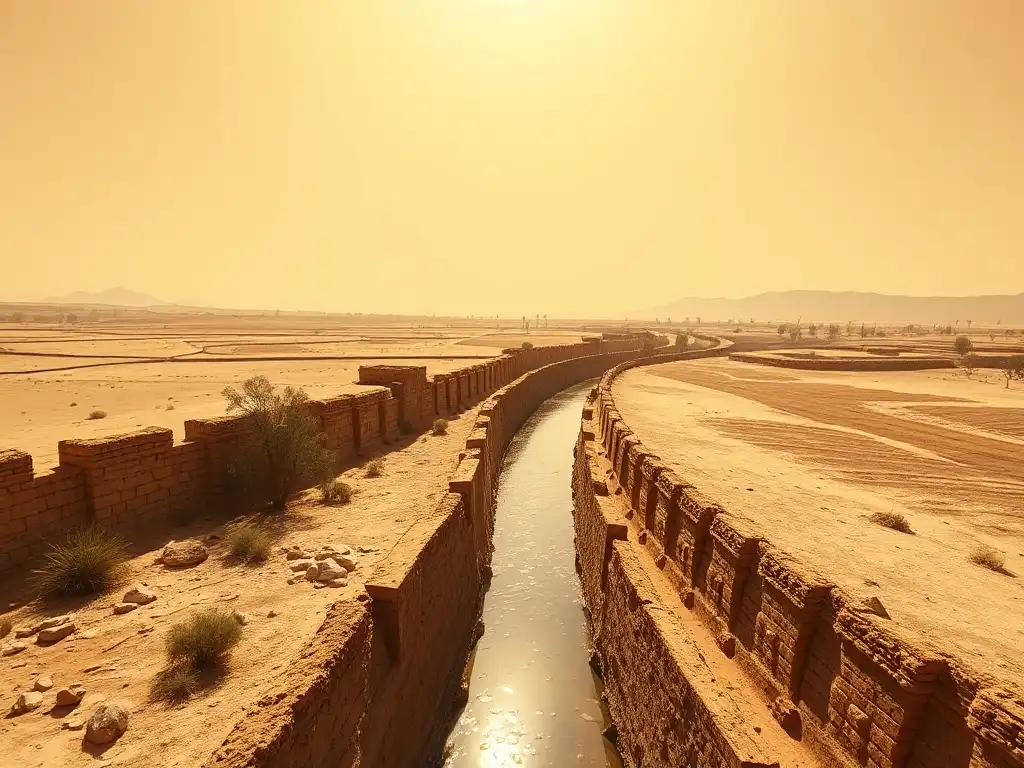
The Moche civilization, flourishing along the arid northern coast of Peru from approximately 100 to 800 CE, achieved remarkable feats of engineering, particularly in their sophisticated water management systems. Their success wasn't solely reliant on fertile land; it was their ingenious ability to harness scarce water resources that fueled their agricultural prosperity and societal growth. The Moche irrigation canal systems stand as a testament to their advanced understanding of hydraulics and their capacity for large-scale, collaborative projects.
These weren't simply ditches; they were a complex network strategically designed to capture, transport, and distribute water across a challenging landscape. The intricate design and scale of these systems reveal a deep understanding of hydrology, topography, and materials science, far surpassing the capabilities attributed to many contemporary societies. Their mastery of water control directly impacted their ability to cultivate crops, sustain population growth, and build a complex social hierarchy.
The Importance of Water Management for Moche Agriculture
The coastal desert of northern Peru presents a stark environment, characterized by minimal rainfall and intense sun. Sustainable agriculture in this region was entirely dependent on the availability of water. The Moche understood this intimately.
Their survival, and indeed the very existence of their civilization, hinged on their ability to efficiently manage the limited water resources provided by infrequent river floods and underground aquifers. The Moche irrigation canal systems weren't just about providing water; they were about controlling its flow, timing its application, and ensuring equitable distribution across the agricultural lands. This sophisticated approach enabled them to cultivate a variety of crops, including maize, beans, squash, cotton, and various fruits, supporting a large and densely populated society.
The success of their agricultural practices directly translated into economic stability, social stratification, and the resources necessary for constructing monumental architecture and elaborating their unique artistic traditions. Without effective water management, the Moche civilization wouldn't have flourished as it did. The evidence suggests a highly organized and centralized system for overseeing the construction and maintenance of these vital infrastructure projects, indicative of a strong political authority and a highly structured society.
Design and Construction of Moche Irrigation Canals
The construction of Moche irrigation canals was a monumental undertaking, requiring significant labor and advanced engineering knowledge. These canals weren't simply dug; their construction involved precise surveying, careful planning, and the skillful use of available materials. Evidence suggests that the Moche employed a variety of techniques, including digging with simple tools, terracing hillsides to create level channels, and using stone and clay to line and reinforce the canal walls.
The canals were often built along the contours of the landscape, minimizing the need for significant earthworks and maximizing the efficiency of water flow. They incorporated features like strategically placed weirs and spillways to regulate water levels and prevent erosion. Furthermore, the Moche demonstrated an understanding of gradients and water pressure, designing canals with carefully calculated slopes to ensure a consistent flow of water throughout the system.
Detailed archaeological investigations have uncovered remnants of these canals, revealing the precision and expertise involved in their construction. The intricate network of canals, some stretching for kilometers, demonstrates the Moche's capacity for collaborative work and sophisticated engineering solutions. The longevity of these systems, some of which remained in use for centuries, speaks to the quality of their design and construction.
Types of Moche Canals: Diversion and Storage
Moche irrigation systems weren't monolithic; they comprised a diverse network of canals serving distinct purposes. Two primary types can be identified: diversion canals and storage canals. Diversion canals were designed to intercept water from rivers and streams, diverting it into the agricultural fields. These canals often featured ingenious structures like check dams and diverting weirs to manage water flow and direct it to specific areas.
The construction of these diversion canals required a deep understanding of river dynamics and hydrology. The Moche effectively managed the seasonal fluctuations in river flow, ensuring a consistent supply of water throughout the year. In contrast, storage canals focused on collecting and storing water for later use. These canals often incorporated reservoirs and underground cisterns, allowing the Moche to conserve water during periods of drought.
The construction of these storage systems involved advanced techniques for waterproofing and preventing seepage, highlighting their mastery of materials and engineering. The integration of both diversion and storage systems showcased the Moche's comprehensive approach to water management. This integrated approach ensured resilience against climate variability and optimized agricultural productivity, a testament to their sophisticated understanding of both immediate and long-term water needs. The effectiveness of this dual system is evident in the thriving agricultural economy and the overall prosperity of the Moche civilization.
The Scale and Complexity of Moche Irrigation Infrastructure
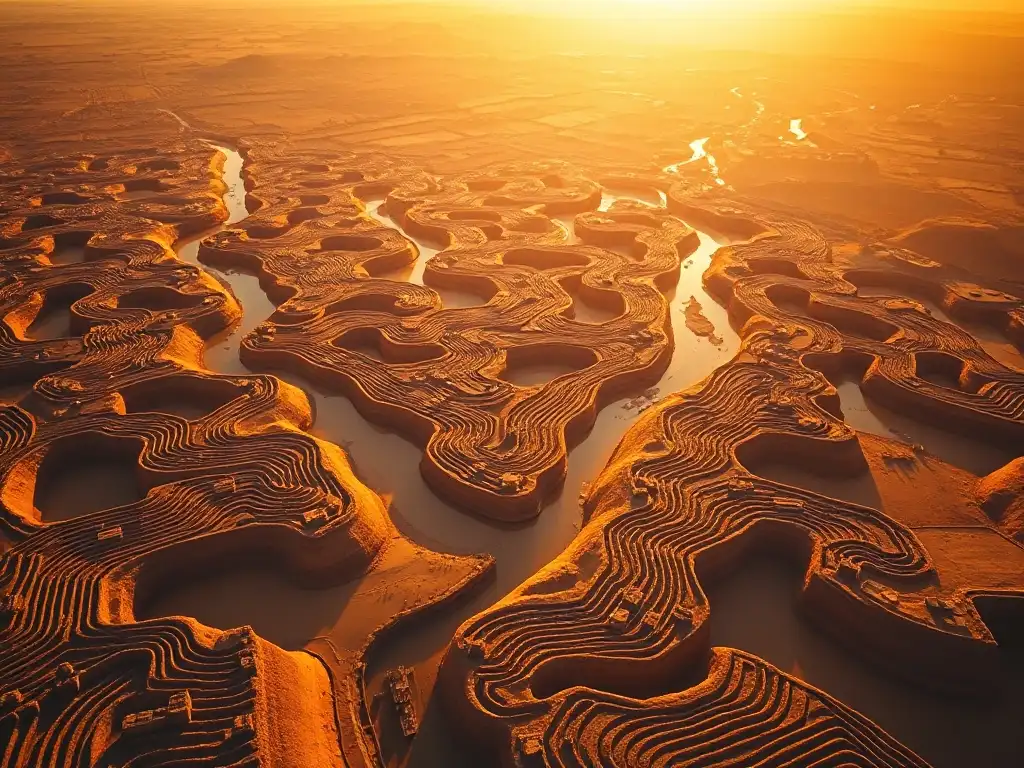
The Moche irrigation canal systems represent a monumental feat of engineering, showcasing a sophisticated understanding of hydraulic principles and a remarkable capacity for large-scale construction. These weren't simple ditches; they were intricate networks of canals, aqueducts, and reservoirs, some stretching for tens of kilometers across diverse terrains. The sheer scale of the undertaking is staggering, requiring the coordinated effort of thousands of workers, meticulous planning, and advanced surveying techniques. Archaeological evidence suggests the use of sophisticated tools and materials, including stone, wood, and possibly even some form of rudimentary cement to reinforce the canal structures and prevent erosion.
The canals were not only long but also remarkably well-designed to manage water flow effectively, incorporating features such as strategically placed spillways and sediment traps to ensure a consistent water supply. Furthermore, the integration of the canals with the landscape itself demonstrates an understanding of topography and hydrology, reflecting a deep knowledge of the environment. The Moche's ability to manipulate the arid coastal landscape to create a thriving agricultural system is a testament to their engineering ingenuity and organizational capabilities.
The precision and complexity of the Moche canal system far surpass those of many other contemporaneous civilizations, highlighting the advanced nature of their technological prowess. The construction and maintenance of such a vast and intricate network required sophisticated social organization and a strong centralized power structure to coordinate labor and resource allocation. This intricate network represents a profound achievement in ancient engineering.
The Role of Moche Canals in Supporting Population Growth
The Moche irrigation canal systems were not merely impressive feats of engineering; they were the cornerstone of the civilization's remarkable population growth and societal development. By harnessing the scarce water resources of the arid coastal valleys, the Moche were able to cultivate vast tracts of land previously unsuitable for agriculture. This increased agricultural productivity led to a surplus of food, supporting a larger and more densely populated society. The reliable water supply provided by the canals allowed for the cultivation of diverse crops, contributing to a varied and nutritious diet.
This abundance of resources, in turn, facilitated population growth and allowed for the development of specialized labor and social stratification. Archaeological evidence suggests a direct correlation between the expansion of the irrigation systems and the growth of Moche urban centers. The availability of surplus food also allowed for the support of a larger population of non-agricultural specialists, including artisans, priests, and administrators, further contributing to the complexity and sophistication of Moche society.
The canal systems, therefore, were not just infrastructure projects; they were fundamental to the very fabric of Moche society, enabling its economic prosperity, social development, and ultimately, its significant population growth. Without the ingenuity and scale of their irrigation systems, the Moche civilization's rise to prominence would have been significantly hindered, if not impossible. The impact of these irrigation systems on the Moche population is undeniable, showcasing their crucial role in the civilization's success and demonstrating the profound link between technological advancement and societal flourishing.
Moche Structures and Buildings: Adapting to the Environment
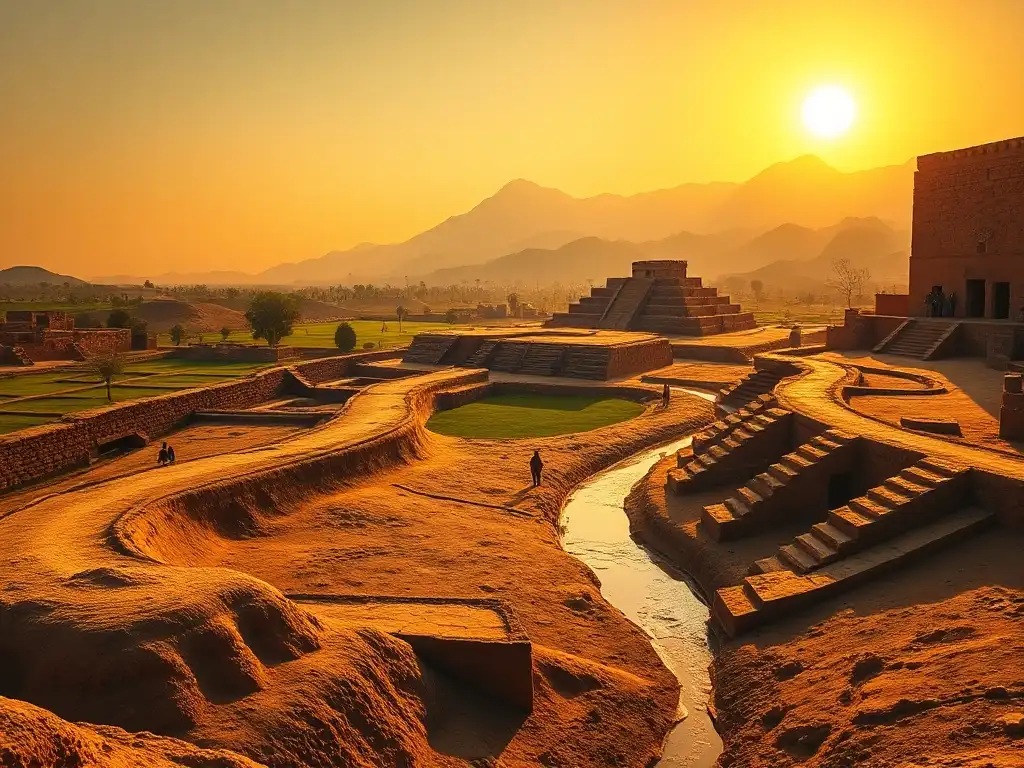
The Moche civilization, flourishing along the arid northern coast of Peru from approximately 100 to 800 CE, demonstrated remarkable engineering skills in adapting to their challenging environment. Their ingenuity is evident not only in their sophisticated Moche irrigation canal systems, but also in the impressive structures and buildings they constructed. These architectural feats, built using readily available materials, showcase a deep understanding of engineering principles and a profound connection to their surroundings.
The Moche weren't just building structures; they were creating a landscape that supported their complex society and reflected their rich culture and beliefs. Their architectural choices reveal a practical approach combined with aesthetic considerations, resulting in structures that were both functional and visually striking. Understanding their building techniques offers valuable insights into their societal organization and technological advancements.
Moche Pyramids: Huacas del Sol and Huaca de la Luna
The most iconic examples of Moche architecture are undoubtedly the monumental pyramids of Huaca del Sol and Huaca de la Luna, located near the modern-day city of Trujillo. These massive structures, constructed primarily from adobe bricks, are testaments to the Moche's organizational capabilities and engineering prowess. Huaca del Sol, the larger of the two, is believed to have been a ceremonial center, possibly associated with the Moche elite.
Its imposing size and scale suggest a significant investment of labor and resources, reflecting the power and prestige of the ruling class. Huaca de la Luna, on the other hand, exhibits more intricate detailing and evidence of ritual activities, possibly serving as a religious or administrative center.
Both pyramids were built in stages, with successive layers added over time. This demonstrates a long-term commitment to construction and a flexibility to adapt the structures as needed. The construction techniques employed, including the use of massive adobe bricks and sophisticated earthworks, are indicative of advanced planning and organization.
Analysis of the construction materials provides insights into the Moche's understanding of soil properties and their ability to build durable structures in a seismically active region. Archaeological excavations have unearthed numerous artifacts within and around these pyramids, providing invaluable evidence of Moche religious practices, social structures, and artistic achievements. The intricate murals and sculptures found within Huaca de la Luna, for instance, offer a glimpse into their vibrant mythology and beliefs.
The scale and complexity of these pyramids underscore the Moche's sophisticated understanding of engineering principles, logistics, and social organization. The sheer volume of material moved and the precision of their construction are truly remarkable.
Moche Residential Buildings and Urban Planning
Beyond the monumental pyramids, the Moche also created extensive residential areas, showcasing their understanding of urban planning and residential architecture. While less grand in scale than the Huacas, these buildings reveal a remarkable level of organization and attention to detail. Evidence suggests a degree of planned urban development, with residential areas organized around plazas and public spaces. The layout of these settlements reflects a hierarchical social structure, with larger, more elaborate dwellings likely occupied by the elite, while smaller houses accommodated the common population.
Many residential structures were also built from adobe bricks, reflecting the widespread use of this readily available material. The construction techniques varied depending on the social status of the occupants, with some buildings exhibiting more sophisticated construction methods than others. The layout and design of these residential areas indicate a focus on functionality and community organization.
The presence of public spaces and communal facilities suggests a strong sense of community and collective identity. Further research is needed to fully understand the complexity of Moche urban planning and the social dynamics reflected in their residential architecture. [Specific information pending: detailed analysis of residential layouts in different Moche settlements].
Moche Use of Adobe and Construction Materials
The Moche's widespread use of adobe bricks in their construction projects is a testament to their ingenuity and resourcefulness. Adobe, a mixture of sun-dried clay and organic materials, was readily available in the region and provided a durable and readily available building material. The Moche mastered the art of adobe brick production, creating bricks of consistent size and quality.
They also developed sophisticated techniques for laying the bricks, ensuring the stability and longevity of their structures. Their understanding of the properties of adobe, and their ability to adapt its use to different construction projects, is a key element of their engineering success.
Beyond adobe, the Moche also utilized other locally sourced materials, demonstrating their ability to adapt to the available resources. [Specific information pending: detailed list of other construction materials used by the Moche and examples of their use in different structures]. The selection and utilization of these materials reveal a deep understanding of the local environment and a practical approach to construction.
Their ability to create durable and aesthetically pleasing structures using readily available materials highlights the Moche's remarkable engineering skills and their adaptability in the face of environmental challenges. The Moche's construction techniques, materials, and architectural designs reflect a sophisticated and innovative approach to engineering, contributing significantly to their success as a civilization. Their legacy continues to inspire awe and admiration for their remarkable achievements.
The Huaca de la Luna: A Multi-Layered Adobe Pyramid
The Huaca de la Luna, meaning "Pyramid of the Moon," stands as a testament to the Moche's sophisticated architectural abilities and their deep connection to their environment. This impressive adobe pyramid, located near the Huaca del Sol in the Moche Valley, is not just a single structure but a complex layered edifice built over centuries. Archaeological evidence suggests that construction began around 100 CE and continued through various phases of Moche occupation, reflecting evolving societal structures and beliefs. The layering itself is fascinating; each level reveals new construction techniques and alterations, showcasing the adaptation of building practices over time. The use of adobe bricks, sun-dried clay blocks, allowed for flexibility and relatively rapid construction, but the scale of the project speaks volumes about the Moche's ability to mobilize labor and resources. The pyramid’s size and complexity are also indicative of a centralized power structure capable of directing large-scale building projects.
The intricate murals adorning the Huaca de la Luna are particularly noteworthy. These vibrant paintings depict scenes of ritual sacrifice, warfare, and daily life, providing invaluable insights into Moche society and religious practices. The pigments used were sourced locally, demonstrating the Moche’s understanding of their environment and their capacity to harness natural resources for artistic expression.
The detailed imagery, often showing intricate patterns and vivid colors, suggests a high degree of artistic skill and specialized labor within Moche society. Analysis of the murals also reveals information about Moche clothing, weaponry, and social hierarchy, painting a picture of a complex and stratified society. The preservation of these murals, despite the passage of centuries, is a testament to the Moche's masterful building techniques and their understanding of the local climate.
Beyond the murals, the architectural design of the Huaca de la Luna itself is remarkable. The pyramid's multi-layered construction allowed for repeated expansion and modification, reflecting the dynamic nature of Moche society. The use of ramps and internal chambers suggests a carefully planned design, indicative of sophisticated engineering principles.
The presence of extensive drainage systems within the pyramid further points to the Moche's advanced understanding of hydraulics and their ability to adapt their structures to the often-challenging environmental conditions of the coastal desert. These features, combined with the intricate artistry of the murals, make the Huaca de la Luna a truly exceptional example of Moche engineering and architectural prowess, showcasing their skill in utilizing local resources to create impressive and enduring structures. The ongoing archaeological investigations continue to unveil new details, further enriching our understanding of this monumental site and its role within Moche civilization.
The Legacy of Moche Engineering
The Moche civilization, flourishing along the arid northern coast of Peru from approximately 100 to 800 CE, left behind a remarkable legacy of engineering feats. Their ingenuity in overcoming the challenges of a desert environment is particularly evident in their sophisticated irrigation systems, monumental architecture, and extensive road networks. This advanced engineering wasn't merely a practical solution to survival; it profoundly shaped their social structure, religious beliefs, and economic prosperity.
The scale and complexity of their projects demonstrate a high level of organizational skills, specialized labor, and a deep understanding of hydrology and construction techniques. Understanding their engineering achievements provides crucial insights into the overall sophistication and complexity of Moche society.
The meticulous planning and execution of these projects showcase a mastery of both practical engineering and resource management that continues to impress researchers today. The longevity of some of these structures, despite the harsh environmental conditions, is a testament to the quality of Moche workmanship and their profound understanding of the local environment.
The Influence of Moche Engineering on Later Andean Cultures
The impact of Moche engineering extended far beyond their own civilization. Their innovative irrigation techniques, particularly their intricate network of canals and reservoirs, served as a blueprint for subsequent Andean cultures. The Chimu, for example, directly built upon the Moche infrastructure, expanding and improving upon existing canal systems to support their growing population and agricultural needs.
Evidence suggests that the Chimu learned from and adapted Moche engineering practices, refining them to suit their own context. This continuity in engineering practices underscores the long-term influence of the Moche, demonstrating how their technical achievements became integral to the development of later Andean societies. Even the Inca, who rose to prominence centuries later, likely benefited indirectly from the accumulated knowledge and experience passed down through generations of Andean engineers, a knowledge base that was originally shaped by Moche innovations in water management.
The enduring impact of Moche irrigation canal systems is a testament to their ingenuity and foresight. Their solutions to the challenges of desert agriculture resonated throughout Andean history.
Comparison with Nazca Water Management Techniques
While both the Moche and Nazca civilizations developed remarkable water management systems in similarly arid environments, their approaches differed significantly. The Nazca, known for their intricate geoglyphs, focused on a system of underground aqueducts known as puquios. These channeled water from underground sources to surface oases, a technique requiring a deep understanding of subsurface hydrology.
The Moche, in contrast, primarily relied on surface canals, which, while requiring more maintenance, allowed for more extensive irrigation networks. This difference likely reflects variations in the availability of underground water sources and the specific geographical conditions of each region. While the Nazca puquios were masterful feats of engineering in their own right, the Moche's extensive canal systems were arguably more impactful in terms of their scale and contribution to large-scale agriculture.
A detailed comparison of these two distinct approaches reveals valuable insights into the adaptive strategies employed by different Andean cultures in confronting the challenges of desert living. Further research comparing the long-term sustainability of both Moche canals and Nazca puquios is needed.
The Significance of Moche Engineering for Understanding Their Society
Moche engineering achievements offer critical insights into the societal structures and power dynamics of the civilization. The construction of massive projects like the extensive irrigation canal systems required significant coordination, labor mobilization, and resource allocation. This implies a complex social organization with specialized labor forces, likely overseen by a centralized authority.
The scale of these endeavors suggests a highly stratified society with a powerful elite capable of directing large-scale public works. The meticulous planning and execution of these projects demonstrate a high degree of social cohesion and collective effort. The canals themselves were not merely functional; they were also likely imbued with symbolic significance, reflecting the Moche's worldview and their relationship with the environment.
Analyzing the distribution of water resources and the location of canals can help researchers understand patterns of settlement, economic activity, and social hierarchy within the Moche state. Therefore, studying Moche engineering is not just about understanding their technological prowess; it is about gaining a deeper understanding of their complex society and its intricate workings. The study of Moche irrigation canal systems is therefore key to unlocking the secrets of their societal organization.
Modern archaeological research continues to unveil the sophistication of Moche engineering, particularly regarding their irrigation canal systems. High-resolution aerial photography and ground-penetrating radar have allowed researchers to map extensive networks of canals previously unknown, revealing a far more complex and widespread system than initially thought. These technologies have not only identified the location of canals but also provided insights into their construction techniques and the scale of the Moche’s engineering projects. For example, recent discoveries in the Chicama valley have revealed intricate systems of water diversion and storage, including reservoirs and check dams, showcasing a deep understanding of hydraulics and water management. This sophisticated understanding allowed the Moche to adapt their irrigation systems to varying terrains and seasonal rainfall patterns, maximizing agricultural productivity in a challenging environment.
The use of sophisticated surveying techniques, possibly involving rudimentary forms of astronomy to predict water flow and seasonal changes, is also a subject of ongoing investigation. The discovery of tools and materials used in the construction of canals, such as specialized digging implements and ceramic pipes, provides further evidence of the Moche's remarkable engineering skills and organized labor force. Furthermore, analysis of sediment samples from the canals is helping researchers understand the environmental impact of Moche irrigation and the long-term sustainability of their water management practices. The ongoing research promises to further refine our understanding of Moche engineering achievements and their profound impact on the development of their civilization.
The meticulous and innovative approach of the Moche to irrigation exemplifies their advanced technological capabilities and underscores their remarkable ability to adapt to and thrive within their environment. The ongoing discoveries continually challenge previous assumptions about the Moche and their capabilities, highlighting the continuing relevance of archaeological investigation in enriching our understanding of this fascinating civilization. The potential for future discoveries related to Moche infrastructure remains significant, promising to further illuminate the ingenuity and complexity of their engineering practices. This ongoing exploration is crucial not only for understanding the Moche but also for informing contemporary approaches to water management and sustainable development in arid regions.
Frequently Asked Questions
How sophisticated were the Moche irrigation canal systems?
The Moche irrigation systems were incredibly sophisticated, utilizing complex networks of canals and reservoirs to manage water resources effectively, enabling large-scale agriculture in the arid coastal desert. This was crucial to supporting their large population and complex society.
What materials did the Moche use to build their canals?
The Moche primarily used stone, clay, and earth to construct their canals. They also employed skilled labor and sophisticated engineering techniques to ensure the canals were durable and efficient.
How did the Moche canals impact their society?
The Moche canals were essential for their survival and prosperity. They enabled intensive agriculture, supporting a large population and allowing for the development of a complex social and political structure. This surplus also facilitated the creation of art and architecture.
What challenges did the Moche face in building and maintaining their canals?
Building and maintaining the canals presented significant challenges, including arid climate conditions, terrain difficulties, and the need for constant repair and maintenance. They had to manage water flow and prevent erosion and leaks.
How did the Moche irrigation technology compare to other ancient civilizations?
The Moche's irrigation systems were among the most advanced of their time, rivaling those of other ancient civilizations in their complexity and effectiveness. Their innovative techniques and engineering skills allowed them to thrive in a challenging environment.
Final Reflection: The Enduring Legacy of Moche Ingenuity
The Moche people's mastery of hydraulic engineering remains a testament to human ingenuity, a feat of construction that continues to inspire awe and inform modern approaches to water management. Their sophisticated canal systems, meticulously planned and executed across challenging terrain, stand as a powerful symbol of human adaptation and resilience in the face of environmental limitations. This sophisticated infrastructure wasn't merely a practical solution; it was the bedrock of a thriving civilization, a testament to the power of collaborative effort and forward-thinking planning.
The impact of the Moche's achievements extends far beyond their own time. Their innovative techniques, developed with limited technology, offer valuable lessons for contemporary societies grappling with water scarcity and sustainable development. The past is never dead. It's not even past.
– William Faulkner. This quote perfectly encapsulates the enduring relevance of the Moche's legacy; their solutions to water management continue to resonate today, reminding us of the importance of understanding and respecting the delicate balance between human needs and environmental resources. Their story serves as a powerful reminder that even in the face of seemingly insurmountable challenges, human ingenuity can triumph.
Consider the ingenuity of the Moche for a moment. Imagine the collaborative effort, the meticulous planning, the sheer determination required to construct such extensive and complex irrigation systems. Now, consider how you can apply that same spirit of innovation and perseverance to the challenges you face in your own life. What seemingly insurmountable obstacles can you overcome with careful planning, resourcefulness, and a collaborative spirit? Let the legacy of the Moche inspire you to find creative solutions and build a more sustainable and prosperous future for all.
Unlock the Secrets of Moche Engineering!
Delve deeper into the fascinating world of the Moche civilization and their ingenious engineering feats, from intricate irrigation canals to extensive road networks. Let's build on this knowledge and take action!
- **Expand your understanding:** Explore the remarkable achievements of ancient engineers worldwide through your local library, online resources, or museum exhibits.
- **Share your discoveries:** Discuss the fascinating aspects of Moche engineering with friends, family, or online communities, sparking conversations about Andean civilizations.
- **Connect with fellow enthusiasts:** Join a local history group, online forum, or archaeological society to engage with like-minded individuals who share your passion for this remarkable culture.
Which aspect of Moche engineering captivates you the most, and how do you believe it impacted their daily lives?