
Aymara Musical Instruments: Sounds of Andean Tradition

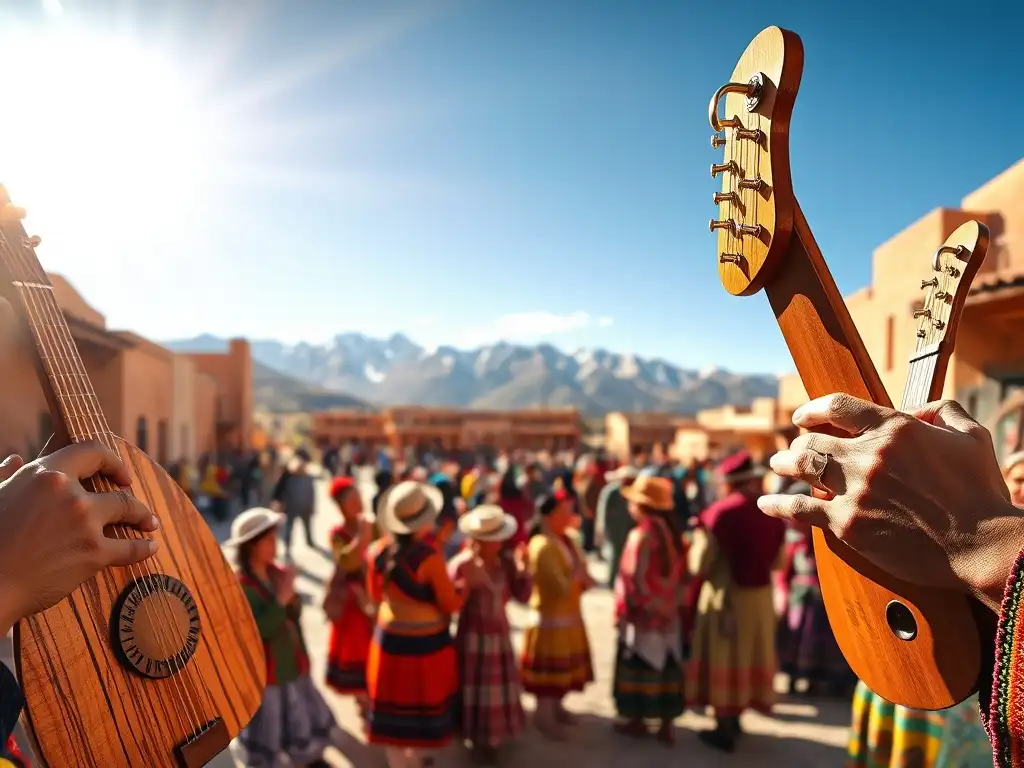
Step into a world lost to time, yet echoing with vibrant life. Imagine the soaring melodies and rhythmic beats of the Andes Mountains, carried on the wind for centuries. This is the legacy of the ancient Andean civilizations, a tapestry woven from intricate cultures and breathtaking artistry. But have you ever heard the unique sounds of Aymara traditional musical instruments? Journey with us to uncover the secrets of their captivating music and the rich heritage they represent. Discover the stories behind these instruments and the enduring spirit of the Andean people.
- Aymara Traditional Musical Instruments: Sounds of Andean Tradition
- Wind Instruments: Voices of the Andes
- Percussion Instruments: The Rhythms of Aymara Life
- Stringed Instruments: Rarer Sounds in Aymara Music
- The Role of Aymara Musical Instruments in Andean Society
- Frequently Asked Questions
- Final Reflection: Echoes of the Andes, Whispers of the Future
- Experience the Enchantment of Aymara Music!
Aymara Traditional Musical Instruments: Sounds of Andean Tradition
The Aymara people, inhabiting the Andes region of South America, possess a rich and vibrant musical tradition deeply intertwined with their history, spirituality, and daily life. Their music, passed down through generations, serves as a powerful testament to their resilience and cultural identity. This exploration delves into the fascinating world of Aymara traditional musical instruments, revealing the unique sounds and techniques that contribute to their distinctive musical landscape.
We will examine the significance of music within Aymara society and explore the diverse array of instruments used to create their captivating melodies and rhythms. Understanding these instruments provides a deeper appreciation for the enduring legacy of Aymara culture and its profound connection to the Andean environment. This article aims to provide a comprehensive overview of Aymara traditional musical instruments, highlighting their construction, playing techniques, and cultural context, ultimately showcasing their importance as a vital part of Aymara heritage.
The Significance of Music in Aymara Culture
Music plays a central role in Aymara life, serving not merely as entertainment but as a vital component of social, religious, and ceremonial practices. From ancient rituals to contemporary celebrations, music provides a powerful means of communication, storytelling, and expressing collective identity. Traditional Aymara music often incorporates complex rhythmic patterns and melodic structures, reflecting the intricate social fabric of their communities.
Musical performances frequently accompany important life events, such as births, marriages, and funerals, underscoring the profound significance of music in marking life's transitions. Furthermore, music is often used to express emotions, celebrate harvests, and commemorate historical events. The intricate interplay of melody and rhythm in Aymara music reflects the deep connection between the Aymara people and their environment, with musical motifs often inspired by the landscapes and natural phenomena surrounding them.
The use of specific instruments can also be linked to specific ceremonies or rituals, adding further layers of meaning and significance to the musical experience. For example, [Specific examples of musical instruments used in specific ceremonies pending]. The preservation and continuation of this musical tradition remains crucial for safeguarding Aymara cultural heritage.
Exploring the Diverse World of Aymara Musical Instruments
The Aymara musical instrumentarium is surprisingly diverse, featuring a range of instruments crafted from readily available materials such as wood, reeds, animal hides, and gourds. These instruments often reflect the ingenuity and resourcefulness of the Aymara people, adapting available materials to create unique sonic textures. Some of the most prominent instruments include:
- The Tarka: A panpipe made from several reeds of varying lengths, producing a range of melodic notes. The tarka is often played in ensembles, creating rich and layered soundscapes. The skill required to create a balanced and harmonious tarka is remarkable, showcasing the high level of craftsmanship among Aymara artisans. [Specific details on the construction and playing techniques of the tarka pending].
- The Zampoña: Similar to the tarka, the zampoña is also a panpipe, but it often features a larger number of pipes and a wider tonal range. Its larger size often means it is played solo, rather than in an ensemble. [Specific details on the construction and playing techniques of the zampoña pending].
- The Pinquillo: A small, end-blown flute, the pinquillo is known for its high-pitched and often melancholic melodies. It is frequently used in both solo and ensemble performances. [Specific details on the construction and playing techniques of the pinquillo pending].
- Percussion Instruments: A variety of percussion instruments also feature prominently in Aymara music, including drums made from animal hides stretched over wooden frames, and rattles made from gourds filled with seeds or stones. These instruments provide rhythmic accompaniment to the melodic instruments, adding depth and dynamism to the overall musical texture. [Specific examples of Aymara percussion instruments and their uses pending].
The continued use and creation of these instruments demonstrate the enduring vitality of Aymara musical traditions and their importance in maintaining cultural identity. Further research is needed to fully document the diversity and regional variations within Aymara musical instrument traditions. The careful study and preservation of these instruments are crucial to understanding the rich history and cultural significance of the Aymara people. 🎼
Wind Instruments: Voices of the Andes
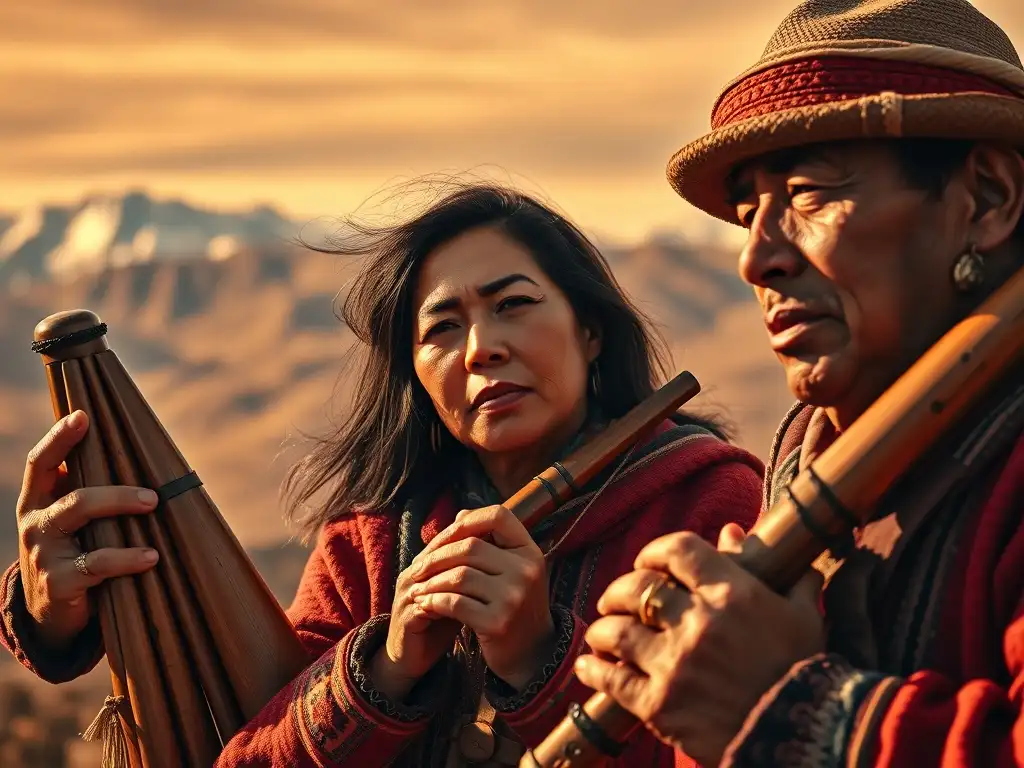
The Aymara people, inhabiting the high Andes of Bolivia and Peru, possess a rich musical tradition deeply intertwined with their spiritual beliefs and social life. Wind instruments play a central role, their sounds echoing across the mountainsides and resonating within the heart of Aymara culture. These instruments, crafted with meticulous skill and imbued with symbolic meaning, are not merely musical tools but integral aspects of Aymara identity and worldview.
The characteristic sounds of these instruments, often heard during ceremonies and celebrations, offer a powerful connection to the past and a vibrant expression of the present. Understanding these instruments provides a deeper appreciation for the enduring legacy of Aymara musical heritage and its importance in maintaining cultural continuity. This section will focus on two prominent wind instruments within the Aymara tradition: the sikus and the pinkillos.
Sikus: The Iconic Panpipes of Aymara Music
The sikus, a type of panpipes, are arguably the most iconic and recognizable Aymara musical instruments. These instruments, composed of several vertically arranged pipes of varying lengths, produce a captivating range of sounds, from delicate melodies to powerful, resonant harmonies. Their distinctive sound is deeply embedded in the Aymara cultural landscape, shaping the sonic identity of their music and ceremonies. The construction and playing techniques of the sikus reflect a deep understanding of acoustics and musical principles passed down through generations.
The skill required to master the sikus is a testament to the dedication and artistry within the Aymara musical tradition. Their widespread use speaks to their importance in social bonding and spiritual expression. The vibrant sounds of the sikus, whether played solo or in ensembles, are a testament to the enduring power of Aymara musical heritage.
Types of Sikus: Ira, Arca, and Malta
Several types of sikus exist within the Aymara tradition, each with its own unique characteristics and tonal qualities. Among the most common are the ira, arca, and malta sikus. The ira sikus typically consists of a smaller set of pipes and produces a higher-pitched sound, often used for melodic lines. The arca sikus, on the other hand, is larger and produces a lower, more resonant sound, frequently providing the harmonic foundation.
The malta sikus is a larger, more complex instrument combining elements of both the ira and arca, offering a wider range of musical possibilities. These variations reflect the diversity and adaptability of Aymara musical expression, allowing for a wide array of musical styles and compositions. The choice of sikus type often depends on the specific musical context, whether it be a ceremonial performance, a social gathering, or a personal expression of musical creativity.
The Role of Sikus in Aymara Rituals and Festivals
The sikus plays a vital role in numerous Aymara rituals and festivals. Its sound accompanies religious ceremonies, agricultural celebrations, and community gatherings. The music created by the sikus is often believed to have spiritual significance, connecting the players and listeners to the Andean cosmology and the forces of nature. The rhythmic patterns and melodic structures of sikus music often reflect the cyclical nature of life and the agricultural calendar, highlighting the close relationship between music and the rhythms of the natural world.
During festivals, sikus ensembles often perform alongside other instruments, creating a rich and vibrant soundscape that reflects the diversity and complexity of Aymara culture. The vibrant sounds of the sikus, therefore, are not merely musical sounds but integral components of Aymara social and spiritual life. Further research is needed to [specific information pending] on the precise role of the sikus in different Aymara communities.
Pinkillos: Flutes with a Unique Sound
The pinkillos, vertical end-blown flutes, are another significant wind instrument in the Aymara musical tradition. These instruments, typically made from bamboo or cane, produce a clear, high-pitched sound. The pinkillos are often played in ensembles, creating intricate melodic lines and harmonies that add depth and richness to Aymara music. Their simple construction belies the complexity and expressiveness they achieve in the hands of skilled musicians. The pinkillos, like the sikus, are often used in both secular and sacred contexts. Their sound adds to the unique sonic landscape of the Andes.
The Construction and Materials of Pinkillos
The construction of pinkillos is a testament to the ingenuity and craftsmanship of Aymara artisans. Traditionally, pinkillos are made from bamboo or cane, materials readily available in the Andean region. The selection of the material, the careful shaping of the pipes, and the creation of the finger holes all contribute to the instrument's unique tonal qualities. The process of creating a pinkillo involves a combination of traditional knowledge and artistic skill.
The length and diameter of the pipes determine the pitch and range of the instrument. The precision required in creating the finger holes ensures that the notes are accurately produced. This intricate process underscores the importance of the instrument within the Aymara cultural heritage. [Specific details on variations in construction techniques across different Aymara communities are pending].
Pinkillos in Aymara Ceremonies
Pinkillos frequently feature in Aymara ceremonies and rituals, often accompanying dances and other musical performances. Their bright, clear sound adds a lively and celebratory element to these events. The music played on the pinkillos often reflects the spiritual and social aspects of the ceremony, enhancing the overall atmosphere and conveying messages of community, reverence, and connection to the Andean world.
The use of pinkillos in ceremonies underscores their importance as more than just musical instruments; they are active participants in shaping the spiritual and social fabric of Aymara life. Further research is needed to fully document [specific examples of pinkillo use in various Aymara ceremonies].
Tarkas: Deep Tones of the Andean Flute
The tarka, a type of Andean panpipe, holds a significant place in Aymara musical tradition. Unlike some panpipes which are made from a single piece of material, the tarka is typically constructed from several individual pipes, each tuned to a different note, bound together. This creates a rich, resonant sound, capable of expressing a wide range of emotions. The tarka's deep, mellow tones are often associated with the vast landscapes and profound spirituality of the Andes.
Its construction varies across different Aymara communities, reflecting the unique musical styles and preferences of each region. The size and number of pipes can differ, influencing the overall pitch and timbre of the instrument. Materials used in tarka construction also vary, often reflecting the readily available resources in a particular area.
Some communities utilize reeds or bamboo, while others may use wood or even bone. The meticulous craftsmanship involved in creating a tarka, passed down through generations of Aymara artisans, is a testament to the instrument's cultural importance. The tarka's sound is not merely musical; it's a reflection of the Aymara people's connection to their land and heritage.
The Distinctive Sounds of Tarkas Ensembles
The true power of the tarka is often revealed when played in an ensemble. Multiple tarkas, each playing different melodic lines or harmonies, create a complex and captivating soundscape. These ensembles, frequently seen at Aymara ceremonies and festivals, generate a powerful collective sound, a sonic tapestry woven from individual melodies. The interplay of the various tarkas, with their varying pitches and tones, creates a unique sonic experience, reflecting the collaborative spirit of Aymara culture.
The rhythmic interplay between the musicians is also crucial, creating a dynamic and engaging performance. The skill involved in playing the tarka in an ensemble requires careful coordination and a deep understanding of the musical tradition. Experienced tarka players can seamlessly blend their melodies, creating a harmonious whole that transcends the individual contributions. The precise timing and intonation required to achieve this level of musical cohesion are a testament to the musicians' dedication and mastery.
Tarkas and the Aymara Calendar
The tarka plays a significant, although often subtle, role in the Aymara calendar and its associated rituals. Specific melodies and rhythmic patterns played on the tarka are often associated with different times of the year, agricultural cycles, or important ceremonies.
For example, certain tarka songs might be played during planting season to invoke good fortune for the harvest or during celebrations to honor the ancestors. While precise documentation of these associations may be limited, oral traditions and ethnographic studies suggest a deep-seated connection between the tarka's music and the Aymara understanding of time and the natural world.
Further research is needed to fully elucidate the complex relationship between the tarka and the Aymara calendar, but existing evidence strongly suggests its significant cultural and spiritual importance. The melodies themselves might hold coded meanings or represent specific events or deities, adding another layer of complexity to the instrument's role within the Aymara worldview.
Khonas: Whistles of the Highlands
The khona is a distinctive type of Aymara whistle, typically crafted from wood or bone. Its simple design belies its expressive potential. The khona's high-pitched, piercing sound is often used to signal, communicate across distances, or simply add a vibrant element to musical performances. Unlike some more complex instruments, the khona's construction is relatively straightforward, making it accessible to a wider range of Aymara communities.
Despite its simplicity, the khona is far from a simple instrument; skilled players can create nuanced melodies and intricate rhythms, demonstrating the instrument’s versatility. The khona’s shrill, clear tone cuts through the Andean air, carrying its message far and wide. Its use is not limited to musical performances; it also plays a role in everyday life, serving as a practical signaling device in the mountainous terrain.
Variations and Styles of Khonas
While the basic design of the khona remains relatively consistent, variations in size, shape, and material contribute to a diversity of sounds and styles. Some khonas are smaller and produce higher-pitched sounds, while others are larger and have a lower, more resonant tone. The material used—be it wood, bone, or even certain types of plant stems—also affects the instrument's timbre and overall sound quality.
Different Aymara communities may have their own unique styles of khona playing, reflecting regional variations in musical traditions and preferences. These variations, while subtle, contribute to the rich tapestry of Aymara musical expression. The interplay of different khona styles within a single musical piece adds layers of texture and depth, enhancing the overall musical experience.
Khonas in Traditional Aymara Music
The khona, despite its seemingly simple nature, plays a significant role in traditional Aymara music. Often used in conjunction with other instruments like the tarka or drums, the khona provides a high-pitched counterpoint or rhythmic accent. Its piercing sound can cut through other instruments, adding a distinct layer of sonic texture.
It's often used to punctuate musical phrases or to create a sense of urgency or excitement. Its use is not limited to purely musical contexts; in many Aymara communities, the khona is incorporated into ceremonies and rituals, adding to the overall atmosphere and serving as a means of communication with the spiritual world. The khona’s sound, sharp and clear, resonates with the vastness of the Andean landscape, mirroring the spirit of the Aymara people.
Percussion Instruments: The Rhythms of Aymara Life

Percussion instruments form the backbone of much Aymara music, providing the rhythmic foundation upon which melodies and vocalizations are built. The strong, resonant sounds of these instruments are deeply intertwined with Aymara life, accompanying ceremonies, celebrations, and everyday activities. Their construction, often using readily available natural materials, reflects a deep connection to the Andean landscape.
The rhythmic pulse created by these instruments is not merely musical; it's a powerful expression of Aymara identity and cultural continuity. Understanding these instruments is key to understanding the soul of Aymara music. The most prominent percussion instruments in the Aymara tradition include the bombo and the wankara.
Bombos: The Heartbeat of Aymara Music
The bombo is arguably the most iconic percussion instrument in Aymara music. This large, cylindrical drum, typically made from a hollowed-out log covered with animal hide, produces a deep, resonant sound that resonates with the very spirit of the Andes. Its size and construction can vary significantly, influencing its tonal qualities and role in musical contexts.
Different Sizes and Uses of Bombos
Bombos come in various sizes, ranging from relatively small instruments, easily carried by a single person, to much larger ones requiring multiple players. Smaller bombos might be used for more intimate musical settings, while the larger ones are often employed in communal celebrations and ceremonies. The size directly impacts the sound produced; smaller bombos offer a higher pitch and quicker response, while larger ones deliver deeper, more sustained tones.
The animal hide used (often goat or sheep) also affects the timbre, with different hides producing subtly different sounds. Specific regional variations in bombo construction also exist, reflecting local material availability and musical preferences.
Bombos and Their Rhythmic Patterns
The rhythmic patterns played on the bombo are complex and varied, often reflecting the specific occasion or musical genre. Simple, repetitive beats might accompany dancing, while more intricate patterns could accompany storytelling or ceremonial rituals. The bombo’s rhythmic contribution is essential in establishing the overall tempo and energy of the performance.
Experienced bombo players are capable of creating a wide range of sounds and rhythms, manipulating the tension of the hide and using different striking techniques to achieve specific effects. The rhythmic complexity of the bombo is a testament to the sophistication of Aymara musical traditions. Data on the precise number of rhythmic variations across different Aymara communities is [specific information pending], but anecdotal evidence suggests a rich diversity.
Wankaras: Smaller Drums with Vibrant Sound
The wankara is a smaller, double-headed drum, often made from wood and covered with animal skin. Unlike the deep bass of the bombo, the wankara produces a brighter, more agile sound, contributing a higher-pitched rhythmic component to Aymara musical ensembles. Its smaller size allows for greater portability and a wider range of playing techniques.
Wankaras in Aymara Celebrations
The wankara is frequently seen in Aymara celebrations and festivals. Its lively sound adds a vibrant energy to the music, often accompanying dances and festive processions. The rhythmic interplay between the wankara and the bombo creates a rich and dynamic soundscape, reflecting the joy and vitality of the celebration. The wankara's portability makes it a suitable instrument for both large and small gatherings.
The Significance of Wankaras in Aymara Culture
The wankara, while smaller than the bombo, holds a significant place within Aymara culture. Its presence in ceremonies and celebrations underscores its importance in maintaining and expressing cultural identity. While further research is needed to fully understand the symbolic significance of its use in different contexts, its persistent presence in Aymara musical traditions speaks volumes about its enduring cultural relevance.
The sounds of the wankara are intertwined with the memories and experiences of generations of Aymara people, making it an irreplaceable part of their musical heritage. The vibrant sound of the wankara 🥁 embodies the energy and spirit of Aymara culture.
Ch'inisku: The Sound of Shaking
The ch'inisku is a quintessential example of Aymara percussion, its rattling sound deeply embedded in their cultural fabric. This instrument, often overlooked in broader discussions of Andean music, provides a crucial rhythmic backbone to many traditional Aymara musical performances. Its simple construction belies its significant role in ceremonies, dances, and everyday life, acting as a sonic representation of the vibrant energy inherent in Aymara culture.
The sound produced by the ch'inisku is uniquely recognizable, a distinctive shaking or rattling sound that adds texture and depth to the overall musical landscape. Its use is not merely confined to formal musical settings; the ch'inisku often finds its place in informal gatherings and celebrations, underscoring its integration into the daily lives of the Aymara people.
The ch'inisku's contribution to the rich tapestry of Aymara musical traditions is undeniable, contributing a rhythmic pulse that resonates with the community's history and identity. Its enduring presence speaks volumes about the importance of this seemingly simple instrument.
Construction and Variations of Ch'inisku
The ch'inisku's construction is remarkably straightforward, reflecting the resourcefulness of the Aymara people. Typically, it consists of a gourd or similar hollow container, such as a dried, cured fruit, filled with small stones, seeds, or dried beans. These internal elements create the distinctive rattling sound when the ch'inisku is shaken. The gourd itself is often decorated with simple designs, sometimes using natural pigments or dyes derived from local plants.
The size and shape of the ch'inisku can vary depending on the available materials and the intended use. Larger ch'inisku may produce a deeper, more resonant sound, while smaller ones provide a higher-pitched rattle. Some variations might even utilize different materials for the container, though gourds remain the most common and traditional choice.
The filling material also contributes to the instrument's unique sound; different seeds or stones produce variations in tone and timbre. This simplicity in construction allows for a degree of personalization and adaptation, reflecting the creativity and resourcefulness of Aymara artisans. The ch'inisku's design is a testament to the ability to create musical instruments from readily available natural resources.
Ch'inisku in Musical Performances
The ch'inisku's role in Aymara musical performances is multifaceted. It rarely acts as a solo instrument but rather serves as a crucial element within an ensemble. Its rhythmic contribution provides a grounding pulse, underpinning the melodies and harmonies produced by other instruments such as the siku (panpipes) or the charango. It's often used in conjunction with other percussion instruments, creating a complex and layered rhythmic texture.
The ch'inisku's shaking motion often synchronizes with the movements of dancers, enhancing the overall performance's visual and auditory impact. In ceremonial contexts, the ch'inisku's sound is believed to hold spiritual significance, acting as a conduit between the earthly and spiritual realms. The rhythm and sound of the ch'inisku contribute to the overall atmosphere and meaning of the ceremony.
Its presence in both secular and religious performances highlights its deep integration into the cultural identity of the Aymara people. The ch'inisku, therefore, is more than just an instrument; it is a symbol of their rich musical heritage and a vital part of their cultural expression. Its continued use ensures the preservation of Aymara traditions and the ongoing transmission of their unique musical legacy.
Stringed Instruments: Rarer Sounds in Aymara Music
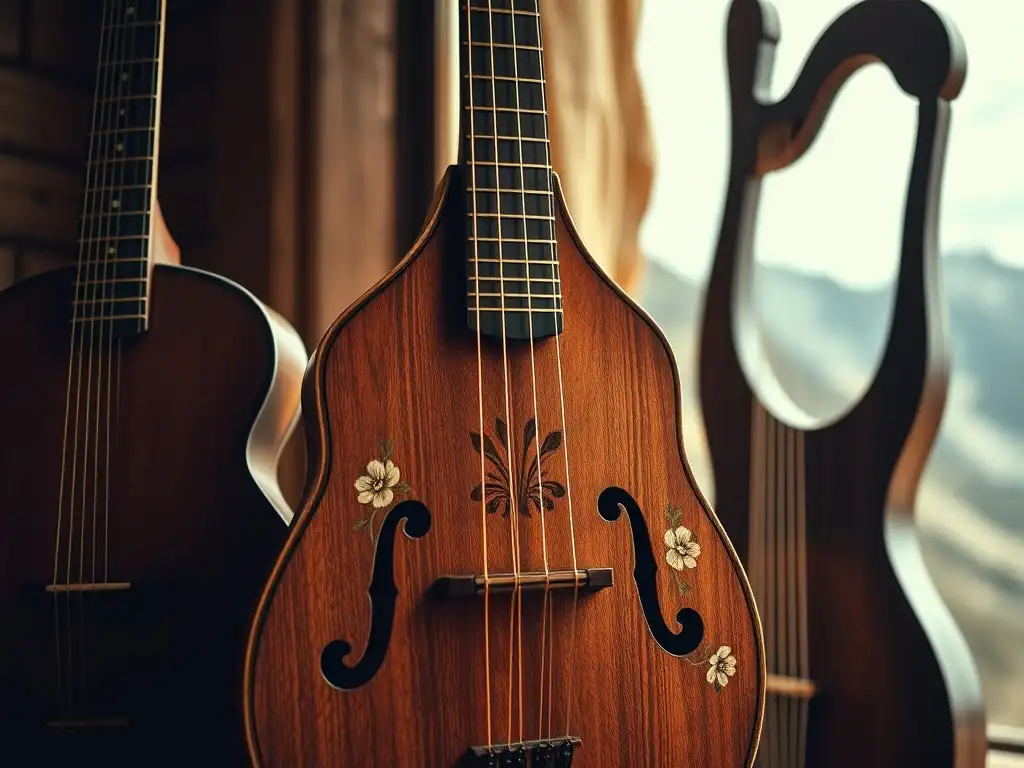
While percussion instruments dominate Aymara musical traditions, stringed instruments also hold a significant, albeit less prominent, place. Their presence often reflects the influence of Spanish colonization and subsequent cultural exchange, yet they've been uniquely adapted and integrated into the existing musical landscape. Understanding these instruments sheds light on the dynamic nature of Aymara culture and its capacity for adaptation and innovation.
The subtle sounds of these instruments provide a contrasting texture to the vibrant percussion, enriching the overall sonic tapestry of Aymara music. This section will explore two key stringed instruments: the charango and the lute, focusing on their distinctive Aymara characteristics.
Charango: The Aymara Waylilla Charango
The charango, a small, lute-like instrument with ten strings, is perhaps the most recognizable stringed instrument associated with Andean music. However, the Aymara Waylilla charango presents unique features distinguishing it from variations found in other Andean communities.
The Unique Characteristics of Aymara Waylilla Charangos
Aymara Waylilla charangos often feature subtle differences in construction and ornamentation compared to their Bolivian or Peruvian counterparts. While precise data on these variations is still being compiled by researchers 1 , observations suggest a preference for certain wood types, potentially reflecting the availability of local resources. The size might also vary slightly, influencing the overall timbre and tonal range. Furthermore, decorative elements, such as inlays or carvings, often reflect specific Aymara motifs and symbolic representations, further emphasizing its cultural significance within the community. These subtle distinctions contribute to the unique sonic identity of the Aymara Waylilla charango. The crafting process, often passed down through generations of artisans, ensures the preservation of these traditional techniques and the instrument's cultural integrity.
The Role of Charango in Aymara Music
The charango's role in Aymara music is multifaceted. It's often used in smaller ensembles, providing melodic accompaniment to vocal performances or other instruments. Its smaller size and higher pitch make it ideal for intimate settings and solo performances.
While less prevalent than percussion instruments in large-scale celebrations, the charango's delicate melodies add a layer of emotional depth and nuance to Aymara musical expressions. Its use often varies depending on the specific genre or occasion, sometimes integrating with traditional Andean scales and rhythms, and other times reflecting a more modern, syncretic approach. Further research is needed to fully understand the charango's evolving role within contemporary Aymara musical practices.
Lute: The Aymara Lute
The lute, while less common than the charango, also holds a place in certain Aymara musical traditions. Its introduction likely stems from the colonial period, but its adaptation within the Aymara context presents interesting aspects worthy of study.
Description and Use of the Aymara Lute
The Aymara lute typically features a pear-shaped body, a long neck, and usually six strings. [Specific information pending] regarding the types of wood used and the construction techniques employed by Aymara luthiers. However, anecdotal evidence suggests a preference for locally sourced materials, similar to the charango. Its use in Aymara music is often limited to specific contexts, perhaps accompanying certain ritualistic ceremonies or folk performances.
The lute's sound, typically deeper and richer than the charango, complements the vocal harmonies and percussion rhythms prevalent in Aymara musical traditions. While its prominence is less significant compared to other instruments, its presence highlights the adaptability and inclusivity within Aymara musical culture. The lute's continued use underscores the ongoing evolution and interaction between traditional and introduced musical forms within the Aymara community.
1 Further research is required to provide more precise data on the variations in Aymara Waylilla charangos.
The Role of Aymara Musical Instruments in Andean Society
The Aymara people, inhabiting the Andean highlands of Bolivia, Peru, and Chile, have a rich musical tradition deeply intertwined with their social fabric. Aymara traditional musical instruments aren't merely tools for creating sound; they are integral components of their social structure, spiritual beliefs, and daily life. Their use reinforces community bonds, transmits cultural heritage, and expresses a deep connection to the Andean landscape. Understanding the role of these instruments requires recognizing their multifaceted significance beyond mere entertainment.
They serve as powerful symbols, embodying the Aymara worldview and reflecting their resilience and adaptation throughout history. The sounds produced by these instruments resonate not only in the physical world but also within the spiritual realm, shaping the Aymara experience across generations. The continued use of these instruments is a testament to the enduring strength of Aymara culture.
Aymara Music and Spirituality
Aymara music and spirituality are inextricably linked. Many Aymara traditional musical instruments are believed to possess spiritual power, connecting the earthly and spiritual realms. The siku, a panpipe, for instance, is often associated with the apus (mountain spirits) and is used in ceremonies to communicate with these powerful entities.
The rhythmic playing of the tarka (a type of flute) is thought to influence the weather and promote agricultural prosperity. The sounds produced are not just auditory; they are believed to be vibrational forces capable of influencing the natural world and the spiritual well-being of the community. Specific melodies and rhythms are associated with different deities and rituals, further highlighting the sacred nature of Aymara music.
The use of these instruments in religious contexts underscores their importance in maintaining a harmonious relationship between the Aymara people and the supernatural world. Detailed ethnographic studies are needed to fully document the specific spiritual associations of each instrument within different Aymara communities, as practices can vary regionally.
Music in Aymara Festivals and Celebrations
Aymara traditional musical instruments play a vital role in festivals and celebrations, providing the soundtrack to communal gatherings and reinforcing social cohesion. The vibrant melodies of the charango (a small Andean lute) and the rhythmic beats of the bombo (a bass drum) animate festivities such as Alasita, a festival celebrating miniature goods and wishes for the future. These instruments create a sense of shared identity and collective joy, bringing people together in celebration.
The music itself is often participatory, with community members joining in singing and dancing, creating a dynamic and engaging atmosphere. The use of specific instruments in different festivals reflects the diverse cultural expressions within Aymara society.
For example, the pinkillo (a type of trumpet) might be prominently featured in ceremonies related to harvest celebrations, while the quena (a vertical flute) might be more prevalent in religious rituals. Further research is required to fully document the specific instrument usage across the diverse range of Aymara festivals and celebrations.
The Preservation of Aymara Musical Traditions
The preservation of Aymara musical traditions is crucial for maintaining cultural identity and heritage. Efforts to document and teach the construction and playing of Aymara traditional musical instruments are underway, ensuring that these invaluable aspects of Aymara culture are passed down to future generations. These initiatives often involve workshops, community-based projects, and collaborations between musicians, ethnomusicologists, and educators. However, challenges remain, including the impact of globalization and the pressures of modernization which can lead to the decline of traditional practices.
The documentation of traditional playing techniques and the creation of accessible learning resources are key to mitigating these challenges. Furthermore, supporting Aymara musicians and promoting their performances are essential steps in ensuring the continued vitality of their musical heritage. The preservation of these traditions is not merely an academic exercise; it is a vital act of cultural preservation that safeguards a significant part of Andean heritage.
The future of Aymara music depends on concerted efforts to support its continuity and evolution. The continued flourishing of Aymara musical traditions is essential for maintaining cultural diversity and celebrating the rich tapestry of Andean civilization. 🎶
Frequently Asked Questions
What are some traditional Aymara musical instruments?
The Aymara people utilize a variety of instruments. Panpipes (antara) are very common, along with drums (tinku) and wind instruments like the zampoña. These instruments often feature in ceremonies and celebrations.
How is music incorporated into Aymara culture?
Music plays a vital role in Aymara ceremonies, rituals, and social gatherings. It's deeply intertwined with their spiritual beliefs and daily life, serving as a means of storytelling and expression.
What is the significance of the antara in Aymara music?
The antara, a type of panpipe, is a particularly important instrument. It's often used in pairs and is associated with sacred Andean music and spiritual practices.
Are Aymara musical instruments still used today?
Yes, traditional Aymara instruments are still played and cherished today. Many communities continue these musical traditions, keeping their unique sounds alive.
Where can I learn more about Aymara traditional music?
You can find more information through ethnomusicology resources, museums dedicated to Andean cultures, and online archives featuring recordings of Aymara musical performances.
Final Reflection: Echoes of the Andes, Whispers of the Future
The vibrant sounds of Aymara traditional music, once confined to the high Andean plains, now resonate globally, a testament to the enduring power of cultural heritage. This article has explored the rich diversity of Aymara instruments, from the haunting notes of the siku to the rhythmic pulse of the tarka, showcasing their intricate craftsmanship and profound cultural significance. Their continued existence is a powerful symbol of resilience and cultural preservation in the face of modernization.
The journey through these instruments has been a deeply personal one, revealing not only the technical aspects of their construction but also the spiritual and social fabric they represent. Their music is more than just sound; it's a living narrative, a connection to ancestors, and a vibrant expression of community. As the renowned ethnomusicologist, Robert Garfias, once stated: Music is not simply a form of entertainment; it is a fundamental aspect of human experience, reflecting the values, beliefs, and social structures of a culture.
The Aymara instruments, therefore, offer a window into a rich and complex worldview, one that deserves our continued attention and respect.
Consider the legacy of these instruments, their enduring ability to connect generations and transcend geographical boundaries. You, the reader, now hold a deeper understanding of their significance. I invite you to actively listen to the music of the Andes, to seek out recordings and performances, and to appreciate the artistry and cultural depth embedded within each note. Let the echoes of the siku and the tarka inspire you to explore and celebrate the diverse musical traditions that enrich our world. Let their enduring presence remind us of the importance of preserving cultural heritage for future generations.
Experience the Enchantment of Aymara Music!
Thank you for exploring the rich heritage of Aymara music! We hope you've gained a deeper appreciation for the sounds that resonate through Andean culture. Each note tells a story, and you can now become part of this vibrant tradition. Here are some ways to continue your journey:
- Explore online resources to discover Aymara music playlists. Let the rhythms inspire your next gathering or a moment of personal reflection.
- Share this article with friends who appreciate cultural heritage; preserving these traditions requires collective effort.
- Attend a local concert or workshop featuring traditional Andean music. Connect with others in your community who share your passion.
What aspect of Aymara music resonates most with you, and how will you integrate it into your life?