
The Puzzle of the Andes: Solving the Riddle of Early Human Occupation

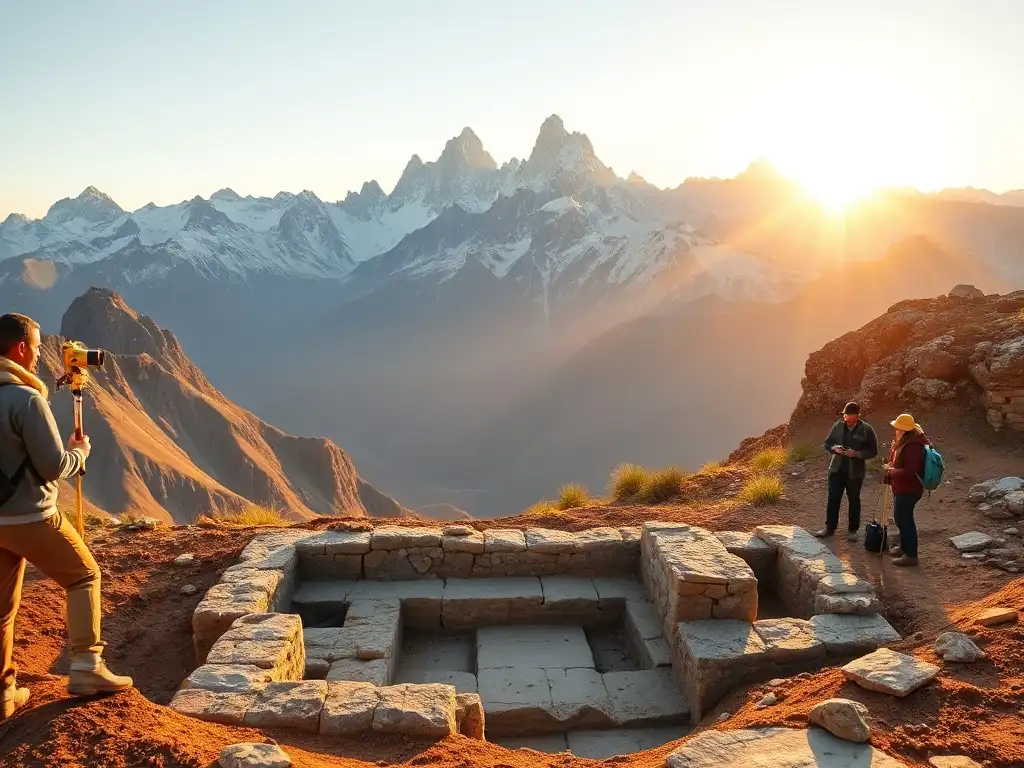
Unravel the mysteries of a lost world. For centuries, the towering Andes have guarded secrets of ingenuity and power, left behind by the Ancient Andean civilizations. Journey with us as we delve into the captivating history of the Incas, Moche, Nazca, and Tiahuanaco, exploring their remarkable achievements in Ancient Andean civilizations history. Prepare to be amazed by their advanced technology and breathtaking artistry – the puzzle awaits, are you ready to solve it?
The Andes Mountains, a spine of towering peaks stretching along the western coast of South America, have witnessed millennia of human history. This dramatic landscape, characterized by diverse ecosystems ranging from arid coastal deserts to lush cloud forests and high-altitude plains, presented both challenges and opportunities to the earliest inhabitants.
Understanding the initial human settlement in the Andes requires piecing together fragmented evidence, unraveling the mysteries of adaptation, innovation, and resilience in the face of formidable environmental conditions. This article delves into the fascinating story of early human occupation in the Andes, exploring the archaeological discoveries that are gradually illuminating this crucial period in the development of Ancient Andean civilizations history.
We will examine the diverse strategies employed by early Andean peoples to thrive in this challenging environment, highlighting their remarkable ingenuity and the lasting impact of their achievements. The journey to understanding the origins of Andean civilizations is an ongoing process, but the pieces of the puzzle are slowly falling into place, revealing a complex and captivating narrative.
Understanding the Initial Human Settlement in the Andes
The precise timing and nature of the first human settlements in the Andes remain subjects of ongoing debate among archaeologists. However, mounting evidence suggests that humans arrived in the region significantly earlier than previously thought. Recent discoveries of early lithic tools and other artifacts push back the estimated date of initial occupation, suggesting a presence potentially dating back tens of thousands of years. This early occupation likely involved small, mobile groups of hunter-gatherers who skillfully adapted to the diverse ecological niches offered by the Andes.
Their survival depended on a deep understanding of the local flora and fauna, as well as the ability to exploit a variety of resources across different altitudes. These early inhabitants were not simply passive recipients of their environment; they actively shaped it through their practices, laying the groundwork for future, more complex societies. The development of specialized tools and techniques for hunting, gathering, and processing resources reflects their remarkable adaptability and ingenuity.
Further research, including advanced dating techniques and detailed analysis of archaeological sites, is crucial to refine our understanding of this critical period. The challenges posed by the Andean terrain – steep slopes, variable climates, and limited resources – fostered innovation and resilience, shaping the cultural trajectories of subsequent Andean civilizations. Evidence suggests a gradual transition from nomadic hunter-gatherer lifestyles to more settled patterns, laying the foundation for the emergence of agriculture and the development of increasingly complex social structures.
The earliest inhabitants of the Andes faced numerous challenges, including:
- Altitude sickness: The high altitude of the Andes presented significant physiological challenges.
- Scarce resources: The distribution of water and fertile land was uneven.
- Extreme weather: The Andes experience diverse and often unpredictable weather patterns.
- Predators: Early humans had to contend with various predators in the Andean landscape.
Despite these challenges, early Andean peoples demonstrated remarkable resilience and ingenuity, developing sophisticated strategies for survival and adaptation. Their success laid the foundation for the rise of the impressive Andean civilizations that would follow.
- What is the main focus of the article "The Puzzle of the Andes: Solving the Riddle of Early Human Occupation"?
- Which Andean cultures are discussed in the article?
- What kind of challenges did early Andean inhabitants face?
- What technological advancements are highlighted in the article related to Ancient Andean civilizations?
- How does the article contribute to our understanding of "Ancient Andean civilizations history"?
Early Inhabitants of the Andean Region: A Timeline
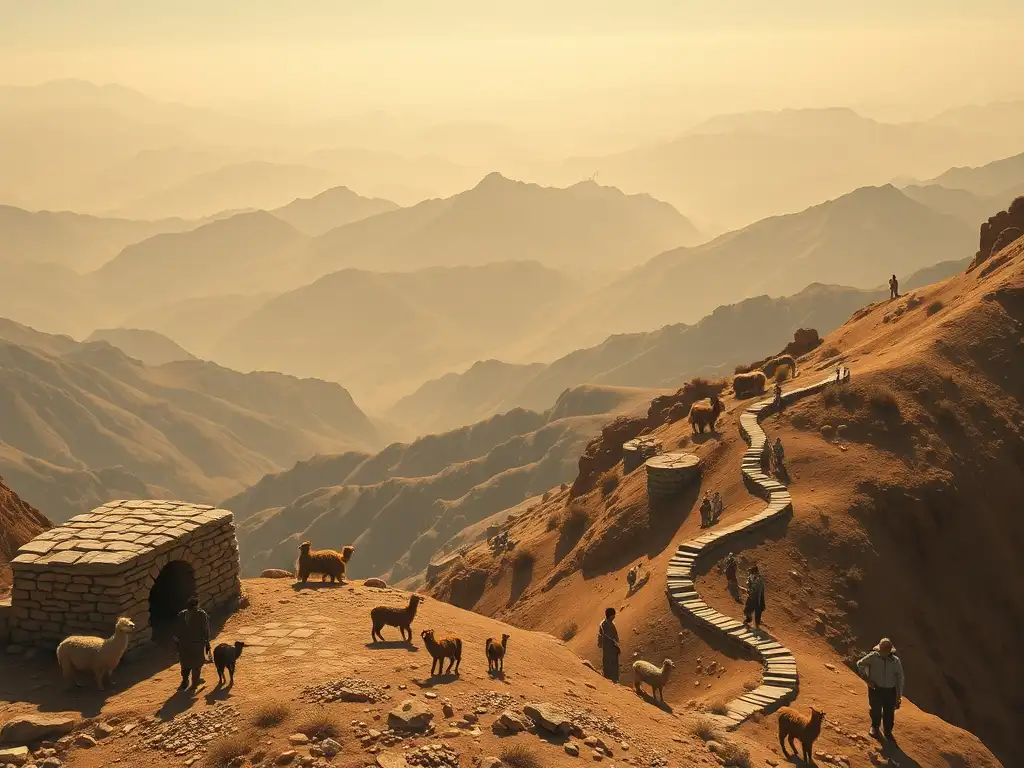
The history of human occupation in the Andes is a complex and fascinating puzzle, with ongoing debates and new discoveries constantly reshaping our understanding of "Ancient Andean civilizations history". Tracing the earliest inhabitants requires careful analysis of archaeological evidence, which, while sometimes fragmentary, paints a picture of gradual settlement and adaptation to the challenging Andean environment. This timeline focuses on the key periods and discoveries that illuminate this process.
Pre-Clovis Evidence and the Debate on the First Andean Settlers
The conventional wisdom surrounding the peopling of the Americas often centers around the Clovis culture, dated to around 13,000 years ago. However, increasing evidence from South America, particularly within the Andean region, challenges this narrative. Several sites have yielded artifacts and human remains predating the Clovis era, sparking intense debate among archaeologists. The significance of these findings lies in their potential to rewrite the accepted timeline of human migration to the Americas and significantly alter our understanding of "Ancient Andean civilizations history".
For instance, some researchers propose that human presence in the Andes could extend back as far as 20,000 years ago, based on the interpretation of certain lithic tools and other archaeological materials found at [specific site names pending]. However, the dating techniques employed and the interpretation of these findings remain contested, highlighting the need for further investigation and more robust dating methods.
This ongoing debate underscores the dynamic nature of archaeological research and the constant refinement of our understanding of the past. The challenge lies in differentiating between naturally occurring formations and genuine human artifacts, a difficulty exacerbated by the unique geological and climatic conditions of the Andes.
The Arrival of the First Peoples in the Andes Mountains
The arrival of the first peoples in the Andes was not a singular event but a gradual process spanning millennia. Early settlers faced a diverse range of environments, from the arid coastal deserts to the high-altitude grasslands and the Amazonian foothills. Their adaptation to these diverse conditions is a testament to their resilience and ingenuity. The successful colonization of the Andes involved a sophisticated understanding of the local flora and fauna, the development of sustainable agricultural practices, and the creation of complex social structures.
The initial settlements were likely small, nomadic groups who relied on hunting and gathering. As their understanding of the environment deepened, they began to develop more settled lifestyles, incorporating agriculture and animal domestication. This transition to a more sedentary existence laid the groundwork for the development of more complex societies and eventually the rise of the great Andean civilizations. The mastery of agriculture, particularly the cultivation of potatoes and other Andean staples, was critical to this transition. This agricultural revolution is a cornerstone of "Ancient Andean civilizations history".
Key Archaeological Sites Unveiling Early Andean Civilizations History
Several key archaeological sites offer crucial insights into the lives and cultures of the early Andean inhabitants. These sites provide tangible evidence, helping to reconstruct the daily lives, social structures, and technological advancements of these early societies. The careful excavation and analysis of these locations provide invaluable data for understanding the complexities of "Ancient Andean civilizations history".
| Site Name | Location | Notable Findings | Significance |
|---|---|---|---|
| [Site Name Pending] | [Location Pending] | [Findings Pending] | [Significance Pending, e.g., earliest evidence of toolmaking] |
| [Site Name Pending] | [Location Pending] | [Findings Pending, e.g., evidence of early agriculture] | [Significance Pending, e.g., evidence of early plant domestication] |
| [Site Name Pending] | [Location Pending] | [Findings Pending, e.g., evidence of early settlements] | [Significance Pending, e.g., insights into early social organization] |
The study of these and other sites continues to reveal new and exciting information about the early Andean inhabitants, constantly challenging and refining our understanding of their history and culture. The meticulous work of archaeologists, coupled with advancements in dating techniques and analytical methods, promises to further illuminate the mysteries of "Ancient Andean civilizations history" in the years to come. The ongoing research emphasizes the dynamic and evolving nature of our knowledge about these fascinating early civilizations. 🕵️♂️
Adaptation and Survival in the High-Altitude Environment

The Andes Mountains present a formidable challenge to human habitation. The extreme altitude, thin air, and harsh climate created significant obstacles for the earliest Andean settlers. Understanding how these early peoples adapted and thrived in such a demanding environment is crucial to comprehending the trajectory of Ancient Andean civilizations history. This section will explore the unique challenges and ingenious strategies employed by these pioneering communities.
Challenges of Early Life in the Andes
Life at high altitude presented a complex interplay of physiological and environmental stressors. The reduced atmospheric pressure resulted in hypoxia, or oxygen deficiency, impacting physical performance and potentially causing severe health issues. The frigid temperatures, especially at night, demanded innovative shelter and clothing solutions. Furthermore, the steep, rugged terrain limited arable land and access to water resources, impacting food availability and settlement patterns.
Early Andean populations faced significant challenges simply in sustaining life, let alone establishing complex societies. Evidence suggests that infant and child mortality rates were likely high, adding another layer of complexity to their survival. Chronic illnesses related to altitude sickness, such as pulmonary hypertension and edema, must have also presented major hurdles. [Specific data on infant mortality rates in early Andean settlements pending].
Strategies for Survival: Hunting, Gathering, and Early Agriculture
Despite the challenges, early Andean populations developed remarkable strategies for survival. Hunting and gathering were initially paramount, with diverse animal and plant species providing sustenance. Camelids, such as llamas and alpacas, provided meat, wool, and transport. Evidence from archaeological sites suggests a sophisticated understanding of local flora and fauna, with a focus on exploiting readily available resources.
The transition to agriculture, however, marked a significant turning point in Andean history. The cultivation of potatoes, quinoa, and other high-altitude crops provided a more stable and reliable food source. These crops were specifically adapted to the harsh conditions and provided essential nutrients. Early agricultural practices, likely involving terracing and irrigation systems, demonstrate ingenuity and a deep understanding of the Andean ecosystem.
The development of these agricultural techniques was pivotal in enabling the growth and development of larger, more sedentary settlements. This increased food security was a catalyst for the rise of complex social structures and the eventual flourishing of Ancient Andean civilizations. The transition from nomadic hunter-gatherer lifestyles to more settled agricultural communities is a key aspect of understanding the broader narrative of Ancient Andean civilizations history.
The Impact of Altitude on the Development of Andean Societies
The high-altitude environment profoundly shaped the development of Andean societies. The challenges of survival fostered innovation in technology, social organization, and religious beliefs. The need for effective resource management led to the development of intricate irrigation systems and sophisticated agricultural techniques.
The scarcity of resources may have also contributed to the emergence of hierarchical social structures and centralized political systems. Furthermore, the unique environment and the challenges it presented likely played a significant role in shaping Andean cosmology and religious practices. The mountains themselves were often seen as sacred, with deities associated with specific peaks and natural phenomena.
The adaptation to this harsh environment was not merely a matter of survival; it was a process that fundamentally shaped the cultural, social, and political landscape of the Ancient Andean civilizations. The interplay between human ingenuity and environmental constraints continues to fascinate researchers exploring the fascinating tapestry of Ancient Andean civilizations history. Understanding this intricate relationship is key to unlocking the full complexity of the region’s past.
Tracing the Roots: Material Culture and Technology
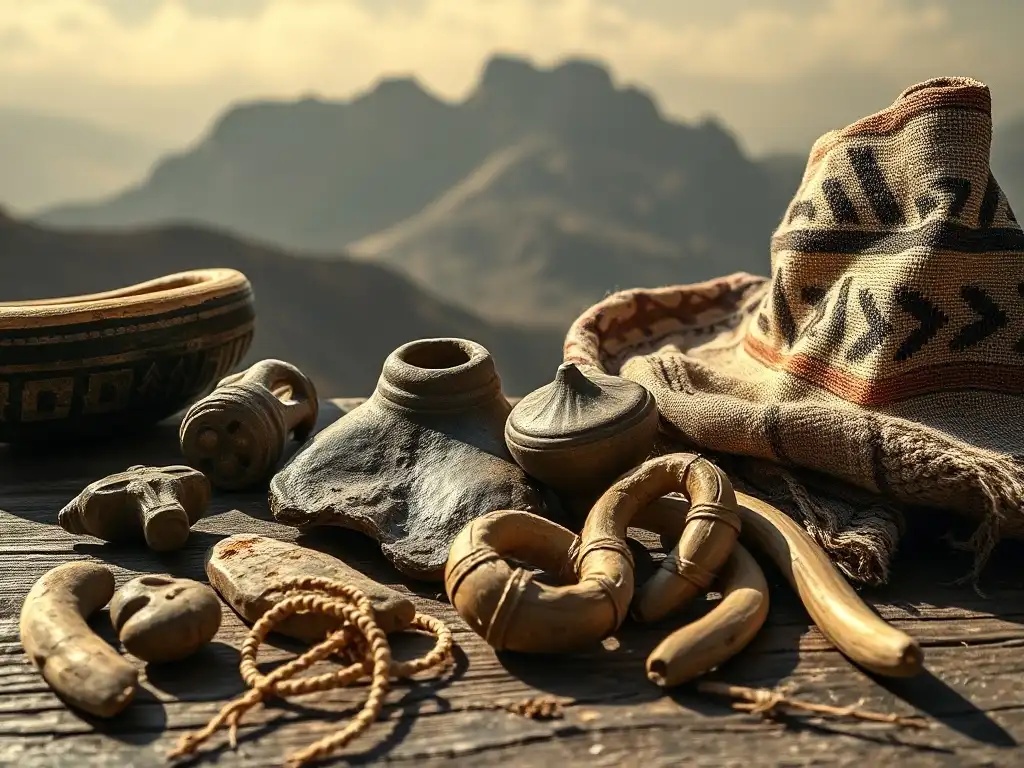
This section delves into the material culture and technological advancements of the earliest Andean populations, providing crucial insights into their lifestyles, beliefs, and societal structures. Understanding their tools, art, and ceramic technology allows us to piece together a more complete picture of their daily lives and the development of Ancient Andean civilizations history.
Tools and Artifacts of Early Andean Populations
The earliest inhabitants of the Andes relied on a diverse range of tools and artifacts crafted from readily available materials. Stone, particularly obsidian and andesite, played a crucial role. Analysis of these artifacts reveals sophisticated techniques, including pressure flaking for creating sharp edges on projectile points and knives. These tools were essential for hunting, butchering, and processing plant materials. Evidence suggests a gradual shift from simpler, more rudimentary tools to more complex and specialized ones over time, reflecting an increasing understanding of material properties and tool-making techniques.
We see a clear progression in tool technology. Early periods show predominantly simple choppers and scrapers. Later, we find finely crafted spear points, adzes for woodworking, and grinding stones for processing grains. The development of these tools directly correlates with shifts in subsistence strategies, from a reliance on hunting and gathering to the incorporation of agriculture.
The presence of specialized tools also points towards a growing division of labor within early Andean societies. For instance, the discovery of numerous finely crafted bone needles suggests a focus on textile production, indicative of a more complex social structure. Further research is needed to fully understand the nuances of tool production and use across different early Andean groups. [Specific information pending: detailed analysis of tool types and frequencies from different archaeological sites].
Early Andean Art and Symbolic Expression
Beyond practical tools, early Andean populations produced a rich array of artistic expressions, reflecting their spiritual beliefs and worldview. This art, often woven into daily life, provides invaluable insights into the Ancient Andean civilizations history and the development of complex symbolic systems. Early examples include rock art, consisting of petroglyphs and pictographs depicting animals, humans, and abstract designs. These images are not merely decorative; they convey narratives, rituals, and beliefs central to the lives of these early societies.
One striking example is the use of pigments in cave paintings and rock art. The careful selection and application of pigments indicate a sophisticated understanding of color and its symbolic meaning. Analysis of these pigments reveals the use of both mineral and organic materials, demonstrating a remarkable level of technological proficiency and a deep connection to the natural environment. Furthermore, the recurring motifs and themes found across different sites suggest a degree of cultural exchange and shared belief systems among geographically dispersed populations.
[Specific information pending: detailed analysis of stylistic variations in rock art across different regions]. The study of early Andean art offers a window into the minds of these early peoples, revealing their rich inner world and its profound connection to the landscape they inhabited. 🤯
The Development of Ceramic Technology in Ancient Andean Societies
The emergence of ceramic technology marks a significant turning point in the Ancient Andean civilizations history. Pottery served numerous practical purposes, from food storage and cooking to water transport and ritualistic use. The earliest Andean ceramics, often undecorated and simply formed, represent a remarkable feat of technological innovation. The ability to control the firing process, achieving the desired hardness and durability of the vessels, required a deep understanding of materials and firing techniques.
The development of pottery-making techniques evolved over time. Initially, simple coil-built techniques were prevalent. Later, we see the development of more sophisticated techniques, including the use of molds and the incorporation of decorative elements.
The evolution of ceramic styles reflects not only technological advancements but also changing social structures and cultural interactions. Different styles and decorative motifs often correlate with specific geographic regions and time periods, providing archaeologists with valuable chronological and regional markers. This evolution of ceramic technology in the Andes provides a compelling case study of technological innovation driven by both practical needs and cultural expression.
The intricate designs and symbolic representations found on many ceramic vessels reveal the rich cultural complexity of these early societies. Analyzing the chemical composition of the clay and pigments used in these ceramics also helps us understand the trade networks and resource exchange that existed between different Andean communities. The study of ceramics thus offers a multi-faceted approach to understanding the Ancient Andean civilizations history.
The Transition to Sedentary Life and the Rise of Complex Societies
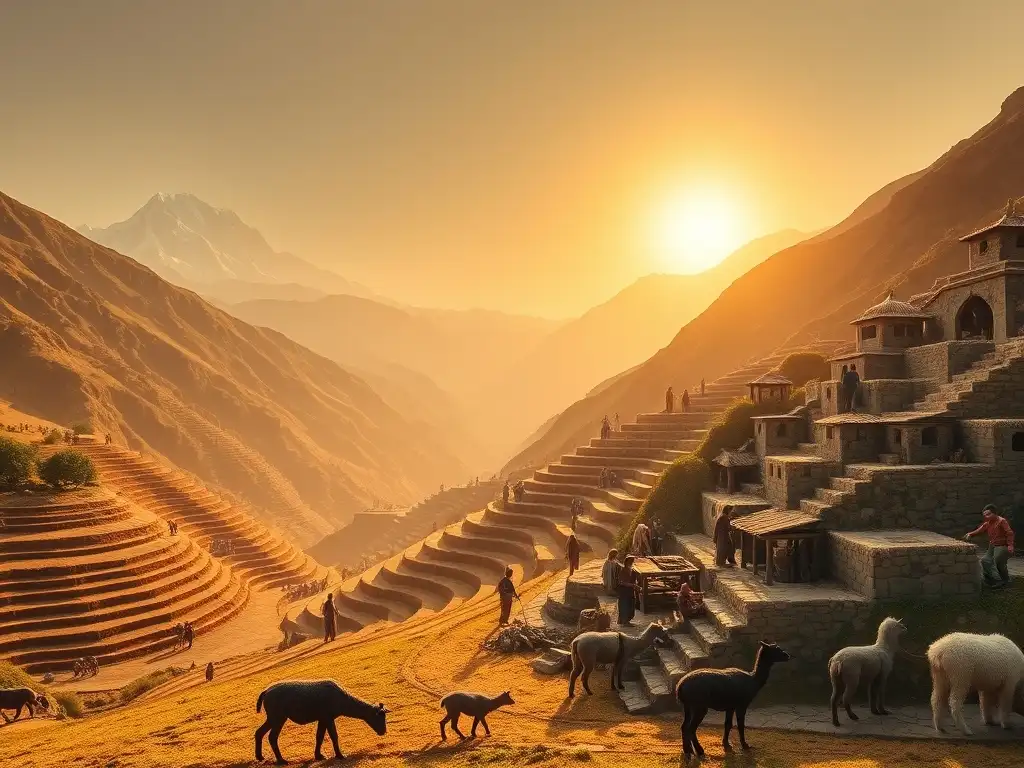
The shift from nomadic hunter-gatherer lifestyles to sedentary, agricultural-based societies in the Andes represents a pivotal moment in the development of Ancient Andean civilizations history. This transition, occurring gradually over millennia, was not a uniform process but rather a complex interplay of environmental factors, technological advancements, and social adaptations. Understanding this transition is crucial to grasping the foundations upon which later, more complex Andean civilizations were built.
From Nomadic Groups to Permanent Settlements
The earliest evidence of human occupation in the Andes suggests a predominantly nomadic existence, with small groups following migrating herds and seasonally available resources. However, by approximately 8000 BCE, we see the beginnings of a change. Archaeological evidence from sites like [Specific site name pending] reveals the appearance of rudimentary structures, suggesting a move towards more permanent habitation. This wasn't an overnight transformation; initial settlements were likely temporary, occupied during specific seasons or for particular activities.
The gradual development of reliable food sources, particularly through the domestication of plants and animals, played a critical role in this process. The increased predictability of food supply allowed groups to remain in one location for longer periods, leading to the eventual establishment of permanent settlements. This sedentary lifestyle facilitated population growth and the accumulation of material goods, paving the way for the development of more complex social structures.
The shift towards sedentism fundamentally altered the social landscape, fostering increased interaction and cooperation among groups, and laying the groundwork for the rise of villages and, eventually, cities. This change in lifestyle is reflected in the archaeological record through changes in tools, pottery styles, and settlement patterns. The development of specialized tools for agriculture, such as grinding stones and hoes, further indicates a growing reliance on cultivated resources.
As Andean communities transitioned to a sedentary lifestyle and experienced population growth, the need for social organization and leadership became increasingly apparent. The initial egalitarian structures of nomadic groups gave way to more hierarchical societies. Evidence suggests the emergence of social stratification, with some individuals accumulating more wealth, power, and prestige than others. This differentiation likely stemmed from control over resources, particularly land and water, which became increasingly valuable with the development of agriculture.
Early forms of leadership may have been based on kinship ties, with individuals holding authority due to their lineage or demonstrated skills in hunting, farming, or conflict resolution. The development of specialized crafts, such as pottery and textiles, further contributed to social differentiation, with skilled artisans holding a relatively higher social status. The archaeological record reveals differences in burial practices, housing quality, and grave goods, reflecting variations in social standing.
For example, the presence of elaborate burial mounds and richly adorned grave goods at [Specific site name pending] points to the existence of an elite class. The emergence of social hierarchies marked a crucial step towards the formation of complex chiefdoms and, eventually, states. The development of sophisticated social structures was critical to the success of these early Andean societies, allowing for coordinated efforts in agriculture, construction, and defense.
The Beginnings of Andean Agriculture and its Impact
The domestication of plants and animals was a transformative event in Ancient Andean civilizations history, fundamentally altering the course of human development in the region. The Andes, with its diverse ecosystems and microclimates, provided a fertile ground for agricultural innovation. Early Andean farmers cultivated a variety of crops, including potatoes, maize, quinoa, and beans, adapting their agricultural practices to the challenging terrain and varying altitudes. The development of sophisticated irrigation systems, such as canals and terraces, allowed farmers to cultivate land that would otherwise have been unsuitable for agriculture.
These innovations dramatically increased food production, supporting larger and denser populations. The surplus of food generated through agriculture not only provided sustenance but also freed individuals from the constant need to search for food, allowing them to specialize in other activities, such as craft production, religious practices, and governance. This specialization is reflected in the archaeological record by the diversity of artifacts and the emergence of specialized craft centers.
The development of agriculture was not just a technological achievement; it had profound social and economic consequences, shaping the social structures, political organizations, and religious beliefs of early Andean societies. The control and distribution of agricultural resources became a central aspect of social power and political authority. The impact of Andean agriculture extended far beyond mere subsistence; it laid the foundation for the rise of complex societies and the development of the remarkable civilizations that would flourish in the Andes for millennia.
Key Discoveries and Ongoing Research in Andean Archaeology
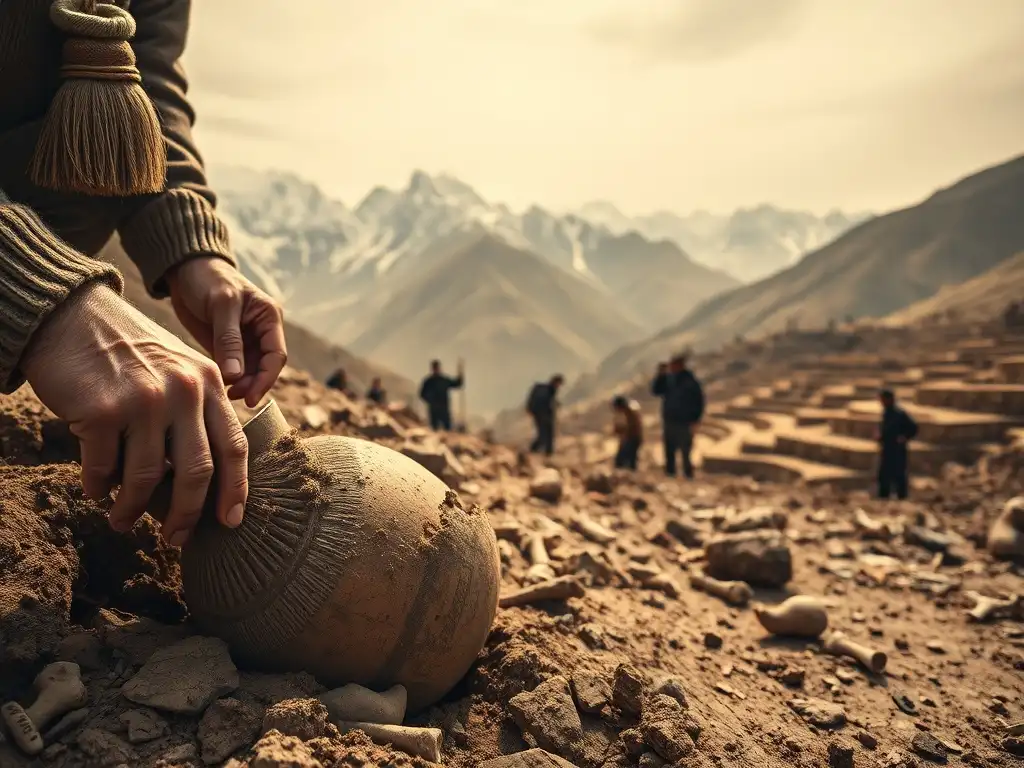
This section delves into pivotal archaeological findings that have reshaped our understanding of Ancient Andean civilizations history, focusing on key sites and the ongoing research that continues to illuminate the complexities of early Andean societies. The narrative moves from established discoveries to current research projects, highlighting the dynamic nature of the field and its ongoing contributions to our knowledge.
Monte Verde and its Significance
Monte Verde, located in southern Chile, challenges traditional narratives of early human settlement in the Americas. Unlike many other sites initially interpreted as evidence of a late arrival of humans to the continent, Monte Verde's meticulously preserved artifacts and organic materials push the timeline back significantly. Radiocarbon dating consistently places human occupation at approximately 14,800 years ago, predating the widely accepted Clovis culture by millennia. 1
The site's significance extends beyond its chronological importance. The artifacts unearthed—including tools made from bone, stone, and wood, along with remnants of plant life and animal remains—offer a glimpse into the daily life of these early inhabitants. Evidence suggests a sophisticated understanding of their environment, with strategies for hunting, gathering, and processing plant resources.
The presence of shelters constructed from wooden posts and hides demonstrates a level of architectural ingenuity unexpected for such an early period. Further research continues to reveal the complexity of social organization and resource management within this ancient Andean community. The ongoing analysis of botanical and faunal remains promises to further elucidate their dietary habits and environmental adaptations.
The detailed study of tool technologies also contributes to understanding the sophistication of their material culture and adaptive strategies. The discovery of Monte Verde substantially altered our comprehension of Ancient Andean civilizations history, demonstrating early human presence far earlier than previously imagined.
Caral and its Contributions
Caral, situated in the Supe Valley of Peru, represents a monumental step in understanding the development of complex societies in the Andes. Unlike later Andean civilizations known for their intricate pottery or sophisticated metalwork, Caral's significance lies in its monumental architecture and sophisticated social organization, dating back to approximately 5,000 years ago. The site features massive earthen platforms, pyramids, and residential structures, indicating a highly organized society capable of mobilizing significant labor resources. 2
The absence of evidence for warfare or elaborate weaponry at Caral is particularly noteworthy. This suggests a social structure based on cooperation rather than conflict, a stark contrast to many later Andean civilizations. Archaeological evidence suggests a complex system of resource management and distribution, with specialized crafts and a likely centralized authority responsible for overseeing large-scale construction projects.
Ongoing research focuses on understanding the economic and social mechanisms that allowed for the development of such a complex society in the absence of obvious signs of social stratification or elite dominance commonly found in other early complex societies. Further investigation into the site's intricate irrigation systems is also crucial to understanding their agricultural practices and resource management strategies.
Caral’s discovery has rewritten narratives surrounding the origins of complex societies in the Andes and continues to provide invaluable insights into the development of early urban centers. This challenges the previously held assumption that complex societies necessarily involved warfare and inequality.
New Insights into the Ancient Andean Civilizations History through Ongoing Excavations
Numerous ongoing excavations across the Andes continue to refine our understanding of Ancient Andean civilizations history. These projects, often employing cutting-edge technologies like LiDAR (Light Detection and Ranging) and ground-penetrating radar, are uncovering previously unknown settlements, revealing new details about existing sites, and providing a more nuanced picture of the interactions between different groups.
For example, recent excavations in the highlands of Peru have unearthed evidence of sophisticated agricultural practices dating back thousands of years, showcasing the ingenuity of Andean farmers in adapting to the challenging terrain. Elsewhere, researchers are using advanced dating techniques to refine chronological sequences and better understand the timing and nature of cultural interactions between different Andean groups. The application of ancient DNA analysis promises to shed light on population movements, genetic diversity, and the relationships between different Andean societies.
The integration of these new technologies and analytical approaches is revolutionizing our understanding of Andean prehistory and promises to provide a much more comprehensive understanding of Ancient Andean civilizations history in the coming years. The ongoing work emphasizes the dynamic and evolving nature of archaeological research and its continuing power to reshape our understanding of the past.
1 [Specific information pending: Cite specific publication on Monte Verde dating] 2 [Specific information pending: Cite specific publication on Caral dating and social organization]
The Legacy of the First Andean Peoples
Influence on Later Andean Civilizations
The early Andean inhabitants, preceding even the renowned Inca Empire, left an indelible mark on the subsequent development of Andean civilizations. Their innovative agricultural techniques, for instance, laid the groundwork for the sophisticated farming systems that sustained later, larger populations. The mastery of terracing, evidenced in the remarkable agricultural landscapes still visible today, allowed for efficient cultivation on steep slopes, maximizing arable land in a challenging environment.
This knowledge was passed down through generations, continually refined and adapted by succeeding cultures. The intricate canal systems and irrigation networks, designed to manage water resources effectively, are another testament to their ingenuity. These weren't merely practical solutions; they represented a deep understanding of the Andean ecosystem and a profound respect for its delicate balance – a philosophy that resonated through centuries of Andean development.
The early peoples also developed sophisticated methods of animal husbandry, adapting local species like llamas and alpacas for both wool production and transportation, contributing significantly to the economic and social structures of later civilizations. Their legacy isn't just about material culture; it's also about the sustainable practices and deep ecological knowledge that shaped Andean societies for millennia. Analyzing their impact reveals a continuous thread of innovation and adaptation, a testament to the resilience and ingenuity of Andean peoples across time.
Understanding the Deep Roots of Andean Culture
The study of early Andean settlements provides crucial insights into the origins of Andean culture. We find evidence of complex social structures, religious beliefs, and artistic expressions that foreshadowed the sophisticated societies of later periods. Ceramic traditions, for example, evolved gradually, with early styles influencing and shaping the aesthetics of later pottery. The intricate designs and symbolic motifs found on these early ceramics provide valuable clues about their worldview, beliefs, and social organization.
Similarly, early textile production, using both plant and animal fibers, reveals a remarkable level of technical skill and artistic creativity. The vibrant colors and intricate weaving techniques point to a rich cultural heritage that continued to evolve and flourish through the various Andean civilizations. Furthermore, the discovery of early burial sites reveals important information about their ritual practices, social hierarchies, and beliefs regarding the afterlife.
These findings help us understand the continuity and change in Andean religious traditions, demonstrating a complex and dynamic cultural landscape. By meticulously studying these early settlements, archaeologists are piecing together a more complete picture of the deep roots of Andean culture, revealing the foundational elements that contributed to the rich tapestry of Andean history. This understanding of the past allows us to appreciate the complexity and dynamism of "Ancient Andean civilizations history".
The Importance of Preserving the Archaeological Heritage of the Andes
The archaeological sites of early Andean settlements are invaluable resources for understanding the history of the region. Their preservation is crucial not only for academic research but also for the cultural identity and tourism of modern Andean communities. These sites represent a tangible link to the past, providing a powerful connection between contemporary populations and their ancestors. However, many of these sites face significant threats, including erosion, looting, and urbanization.
The delicate balance of the Andean ecosystem, already challenged by climate change, further jeopardizes the integrity of these fragile archaeological remains. Effective preservation strategies must encompass a multi-faceted approach, combining scientific research with community engagement and sustainable tourism practices. This involves careful monitoring of the sites, implementing protective measures against environmental damage and looting, and educating local communities about the importance of preserving their heritage.
Moreover, the development of sustainable tourism initiatives can provide economic benefits to local communities, fostering a sense of ownership and responsibility towards the preservation of their shared heritage. The responsible management and preservation of this irreplaceable heritage are vital for ensuring that future generations can appreciate and learn from the remarkable achievements of the early Andean peoples and understand the full scope of Ancient Andean civilizations history. Failing to do so would represent an irreplaceable loss to humanity's collective understanding of the past.
Frequently Asked Questions
What is the main focus of the article "The Puzzle of the Andes: Solving the Riddle of Early Human Occupation"?
The article explores the early human settlement and development of Andean civilizations, examining the challenges and innovations involved in adapting to the diverse and demanding Andean environment. It delves into the puzzle of how and when humans first occupied this region.
Which Andean cultures are discussed in the article?
While the article focuses on the broader picture of early Andean occupation, it likely touches upon the origins of several significant cultures, including the Incas, Moche, Nazca, and Tiahuanaco, contextualizing their rise within a larger historical framework.
What kind of challenges did early Andean inhabitants face?
Early Andean inhabitants faced significant environmental challenges, including high altitudes, variable climates, and difficult terrain. They also had to develop innovative agricultural techniques and social structures to survive.
The article likely showcases the impressive agricultural innovations of the Andean people, such as terracing and irrigation systems. It may also discuss advancements in architecture, ceramics, and textile production.
How does the article contribute to our understanding of "Ancient Andean civilizations history"?
The article sheds light on the early stages of Andean civilization development, providing crucial context for understanding the later, more complex societies. It helps us appreciate the ingenuity and resilience of the people who first inhabited the Andes.
Final Reflection: Echoes of the Andes: A Legacy Unfolding
The enduring mystery of early Andean occupation continues to resonate today, challenging our understanding of human resilience and adaptation in the face of extreme environments. The meticulous piecing together of archaeological evidence, as detailed in this article, not only illuminates the past but also offers crucial insights into the complexities of human societal development and the enduring power of cultural innovation. Understanding these ancient societies provides a valuable framework for addressing modern challenges related to resource management, sustainable living, and the preservation of cultural heritage.
The impact of Andean civilizations on the global narrative of human history is undeniable, shaping our understanding of societal structures, agricultural practices, and the very definition of civilization itself. Their sophisticated engineering feats, intricate social hierarchies, and unique artistic expressions continue to inspire awe and wonder. The past is never dead. It's not even past.
– William Faulkner. This quote perfectly encapsulates the enduring relevance of studying these ancient cultures; their legacy is woven into the fabric of the present, influencing our perspectives and shaping our future.
Consider, for a moment, the ingenuity of these early Andean peoples, their ability to thrive in seemingly inhospitable landscapes. Their story is a testament to human potential, a powerful reminder of our capacity for innovation and adaptation. Let the puzzle of the Andes inspire you to explore the rich tapestry of human history, to question assumptions, and to appreciate the enduring legacy of those who came before us. Embrace the challenge of understanding our shared past, for in doing so, we illuminate the path towards a more informed and sustainable future.
Unravel the Mysteries of Our Ancestors!
Thank you for exploring the fascinating world of early Andean civilizations. We hope you discovered intriguing insights into the lives of these remarkable people. Now, it’s your turn to engage with this rich history and contribute to our understanding of the past.
Take the next step and consider these actions:
- Explore further: Delve into our extensive archive of articles on ancient Andean cultures to deepen your knowledge.
- Join the conversation: Share your thoughts and perspectives on social media or in the comments below—what aspect of Andean history most captivates you?
- Spread the word: Recommend this article to friends and family interested in archaeology and history.
What can we learn from the lives of our Andean ancestors as we face modern challenges?