
The Weight of Tradition: The Social Significance of Metal in the Andes

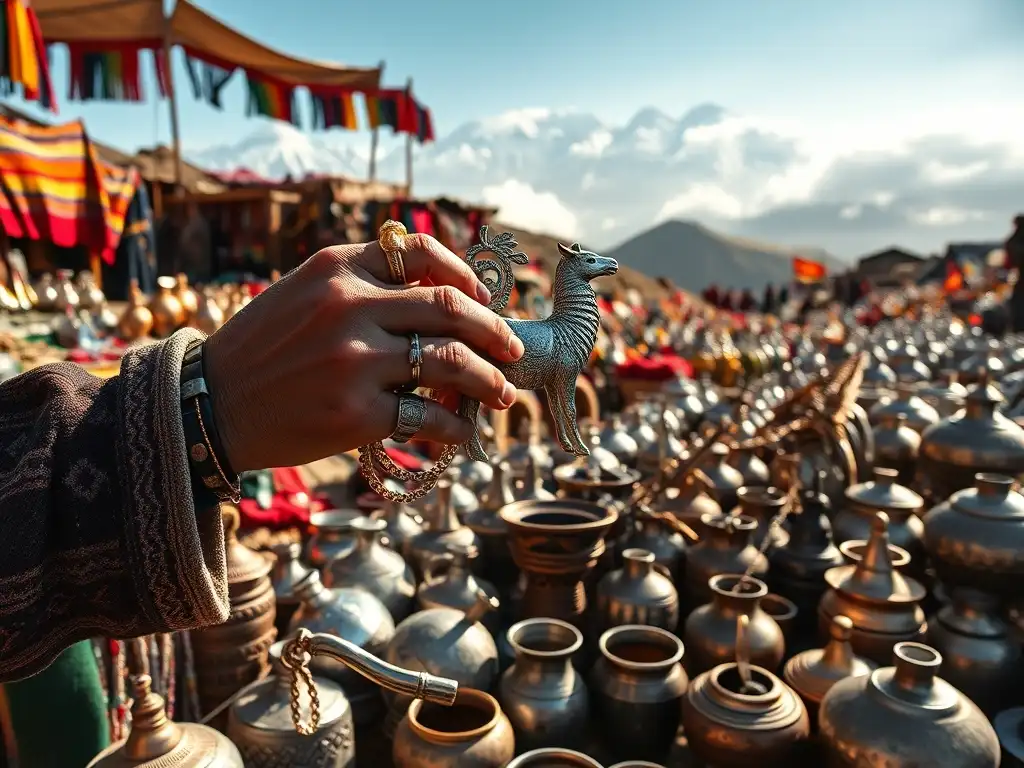
Step into a world lost to time, yet echoing with the whispers of a magnificent past. Imagine societies shaping mountains into monuments and forging metals into symbols of power and divinity. This is the Andean world, a tapestry woven with intricate artistry and profound social structures. Discover the compelling story behind Andean metalwork social significance, unraveling the secrets held within these ancient artifacts and the profound impact they had on Andean societies. Prepare to be amazed as we delve into the fascinating legacy of these remarkable civilizations.
The shimmering allure of gold, the cool gleam of silver, the practical utility of copper – these metals weren't merely raw materials in the Andes; they were potent symbols woven deeply into the fabric of Andean societies. This article delves into the profound social significance of metalwork in ancient Andean civilizations, exploring how its presence shaped social structures, religious beliefs, and political power from the earliest metallurgical experiments to the height of the Inca Empire.
We will examine the techniques employed, the symbolic weight attributed to different metals, and the ways in which metalwork served as a powerful tool for expressing social status, religious devotion, and political authority. Understanding the role of metal in Andean life provides a crucial lens through which to interpret the complexities of these fascinating cultures and their enduring legacy.
We will explore the artistry, technology, and ultimately, the social impact of Andean metalworking, focusing on the key role it played in shaping Andean identities and power structures.
Introduction to Andean Metalworking and its Importance
Andean metalworking represents a remarkable achievement in pre-Columbian technology and artistry. The mastery of metallurgy, particularly the ability to work with gold, silver, and copper, allowed Andean societies to create objects of immense beauty and symbolic power. These objects weren't simply decorative; they served crucial roles in religious ceremonies, political displays, and everyday life. The production and distribution of metal goods were often controlled by elites, reinforcing existing social hierarchies and demonstrating the power and prestige of those who controlled access to these valuable resources. The sheer technical skill involved in shaping these metals, often using sophisticated techniques like hammering, casting, and alloying, showcased the advanced technological capabilities of these civilizations. The social impact of this technological prowess is undeniable, shaping artistic expression, religious practices, and the very structure of Andean societies for centuries. The development of metalworking also significantly influenced trade networks and economic systems across the Andean region.
The Early Use of Metals in Andean Societies
The earliest evidence of metalworking in the Andes dates back to approximately 2000 BCE, with the initial use of copper. This marked a significant technological advancement, transforming the capabilities of Andean artisans and profoundly impacting social dynamics. The initial stages were characterized by a relatively simple hammering technique, slowly evolving into more complex methods as knowledge and skill accumulated across generations.
The scarcity of metal ores and the specialized knowledge required for their processing meant that metalwork was not widely accessible, concentrating its benefits and symbolic power within specific groups. This initial period laid the foundation for the later flourishing of Andean metalworking, setting the stage for the elaborate and sophisticated creations that would come to define later cultures.
Pre-Incan Metalworking Techniques
Pre-Inca cultures, such as the Moche and Nazca, developed sophisticated metalworking techniques, demonstrating remarkable skill and ingenuity. They mastered techniques such as lost-wax casting, allowing them to create intricate and detailed objects. The Moche, for example, are renowned for their intricate gold and silver jewelry, often depicting deities, animals, and scenes from their mythology. The Nazca, on the other hand, were skilled in the production of copper tools and ornaments. These techniques, passed down through generations, were not merely technical achievements; they were integral parts of cultural and religious practices, reflecting the deep-seated beliefs and values of these societies. The precision and artistry evident in these objects underscore the high social standing of the metalworkers themselves.
The Role of Copper in Early Andean Cultures
Copper, being more readily available than gold or silver, played a vital role in the early development of Andean metalworking. Its use extended beyond simple tools; copper objects were also incorporated into religious ceremonies and adorned the bodies of the elite. The malleability of copper allowed for the creation of a wide range of objects, from simple tools to elaborate ceremonial items.
The association of copper with specific deities or rituals further cemented its importance in Andean society. The use of copper, therefore, provides crucial insights into the early development of Andean metallurgy and its growing social significance. Further research into specific copper deposits used by different groups is needed to fully understand the extent of early trade networks.
Gold and Silver: Symbols of Power and Prestige
As Andean societies developed, gold and silver emerged as potent symbols of power and prestige. These precious metals were associated with the sun, the moon, and other celestial bodies, further enhancing their sacred significance. Elaborate gold and silver ornaments, jewelry, and ceremonial objects became markers of elite status, reinforcing social hierarchies and demonstrating the power of ruling classes.
The intricate designs and masterful craftsmanship displayed in these objects served as powerful expressions of political authority and religious ideology. The control over the production and distribution of these precious metals was a key element in maintaining social order and political stability within Andean societies. The sheer weight of these gold and silver items, both literally and figuratively, underscored their importance in Andean life.
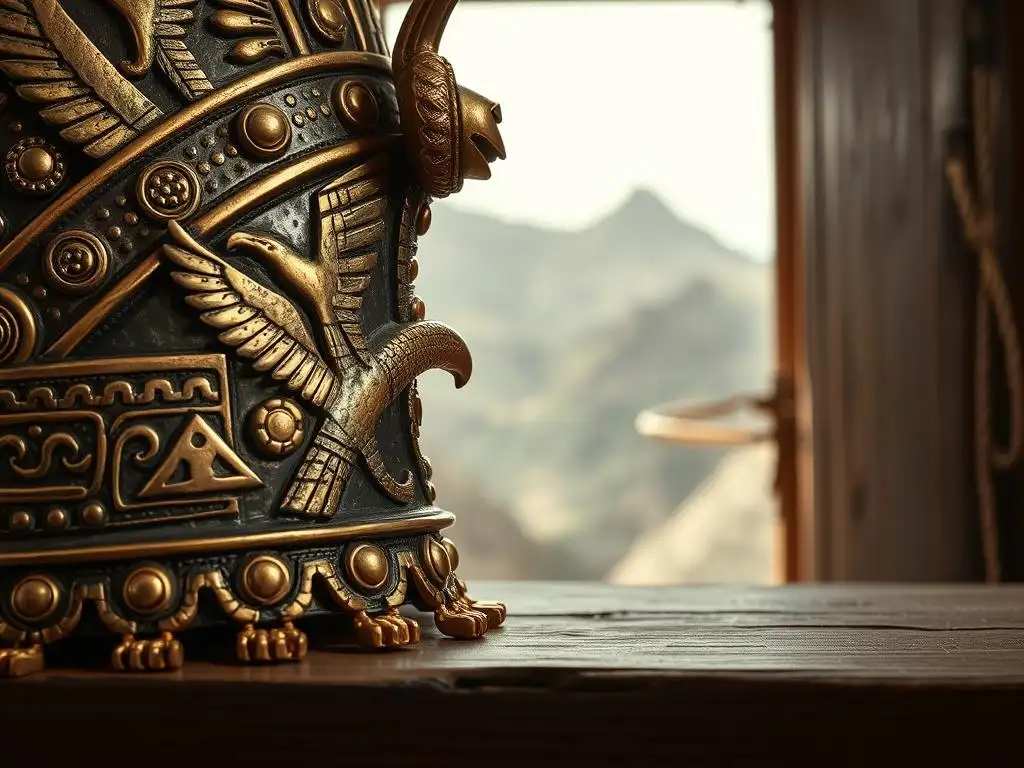
The study of Andean metalwork offers a fascinating window into the complex social structures and beliefs of the ancient civilizations that thrived in the Andes Mountains. The presence, type, and craftsmanship of metal objects reveal much about the social hierarchy, religious practices, and political power dynamics of these societies. Understanding the social significance of Andean metalwork allows us to interpret these objects not merely as decorative artifacts, but as powerful symbols imbued with meaning and social weight.
The sheer artistry and technical skill involved in Andean metalworking, coupled with the strategic use of precious materials, underscores the profound impact metal had on Andean societies. This section explores the multifaceted ways in which metal shaped Andean social life, examining its role as a marker of social status, a tool for political power, and a crucial element in religious practices.
Metal Ornaments and Rank in Andean Society
The use of metal ornaments in Andean society directly correlated with social status. Individuals of higher rank, such as elites and priests, frequently adorned themselves with elaborate metal jewelry, including elaborate necklaces, earrings, and headdresses crafted from gold, silver, and copper alloys. The complexity of the designs, the quality of the materials, and the sheer quantity of metal used all served as indicators of wealth and prestige.
For example, the Moche culture, known for its sophisticated metalworking techniques, produced intricate gold and silver ornaments that were exclusively worn by members of the ruling class. The intricate designs, often depicting mythological figures or scenes of ritual importance, further enhanced their symbolic value and reinforced the wearer's social standing.
Analysis of burials consistently reveals that individuals interred with significant quantities of metal artifacts occupied positions of power and influence within their communities. The presence of these objects serves as a tangible testament to their elevated status.
The Importance of Metal in Rituals and Ceremonies
Metal played a vital role in Andean religious rituals and ceremonies. Metal objects, frequently adorned with intricate designs and symbolic imagery, were used in ceremonies to honor deities and ancestors. The use of precious metals like gold, often associated with the sun and its divine power, further emphasized the sacred nature of these rituals.
For instance, ceremonial vessels made from gold and silver were used to offer libations to the gods, while elaborate metal headdresses and masks were worn by priests and shamans during religious performances. The careful craftsmanship and the use of highly valued materials highlight the importance of these objects in connecting the living with the spiritual realm. The sheer scale of some ritual objects suggests large-scale community involvement and the immense social importance of these events.
Metal Objects as Burial Goods and Offerings
Metal objects were commonly included as grave goods in Andean burials. The types and quantities of metal objects found in tombs provide crucial insights into the social status of the deceased and the beliefs surrounding the afterlife. Elites were often buried with large quantities of gold and silver ornaments, ceremonial weapons, and vessels, reflecting their high social standing and the belief that these objects would accompany them into the next world.
These burials weren't simply about personal adornment; they were ritualistic acts aimed at ensuring a successful transition to the afterlife. The careful placement of metal objects within the tombs suggests a deliberate and ritualistic process, reinforcing their importance in the funerary context. The presence of metal tools and other objects associated with daily life further reveals insights into the beliefs and practices surrounding death and the afterlife.
Andean Metalwork and Political Power
Metal as a Tool for Displaying Authority
Andean rulers utilized metalwork as a powerful tool to display their authority and legitimacy. The production and control of metal resources, particularly gold and silver, were often centralized under the control of the ruling elite. This control allowed rulers to directly influence the distribution of prestige items and consolidate their power.
Monumental sculptures, intricate weaponry, and lavish ceremonial objects served as powerful visual displays of royal power and divine right to rule. The sheer scale and artistry of these works served to awe and impress the populace, reinforcing the ruler's authority and legitimacy. The meticulous detail and the use of rare materials reinforced the message of power and authority.
Royal Regalia and the Use of Precious Metals
The use of precious metals like gold and silver in royal regalia further emphasized the power and prestige of Andean rulers. Crowns, scepters, and other royal insignia were often crafted from these materials, symbolizing the ruler's divine connection and their control over valuable resources. The intricate designs often incorporated symbolic imagery, further reinforcing the ruler's authority and divine right to rule.
The exclusive use of these materials in royal contexts underscored the social distance between the ruling class and the general population. The sheer weight of gold and silver used in royal regalia was a physical manifestation of the ruler’s power and wealth.
Control Over Mining and Metal Production
Control over mining and metal production was a key element in maintaining political power in many Andean societies. The ability to access and control valuable metal resources allowed rulers to amass wealth, reward loyal followers, and maintain their dominance. The organization of mining operations required significant administrative capabilities, further strengthening the power of the state.
Evidence suggests that Andean rulers implemented sophisticated systems for the extraction, processing, and distribution of metals, showcasing their organizational prowess and reinforcing their political authority. The strategic control of these resources allowed for the creation of powerful symbols of authority, solidifying the ruler’s position and shaping the social landscape.
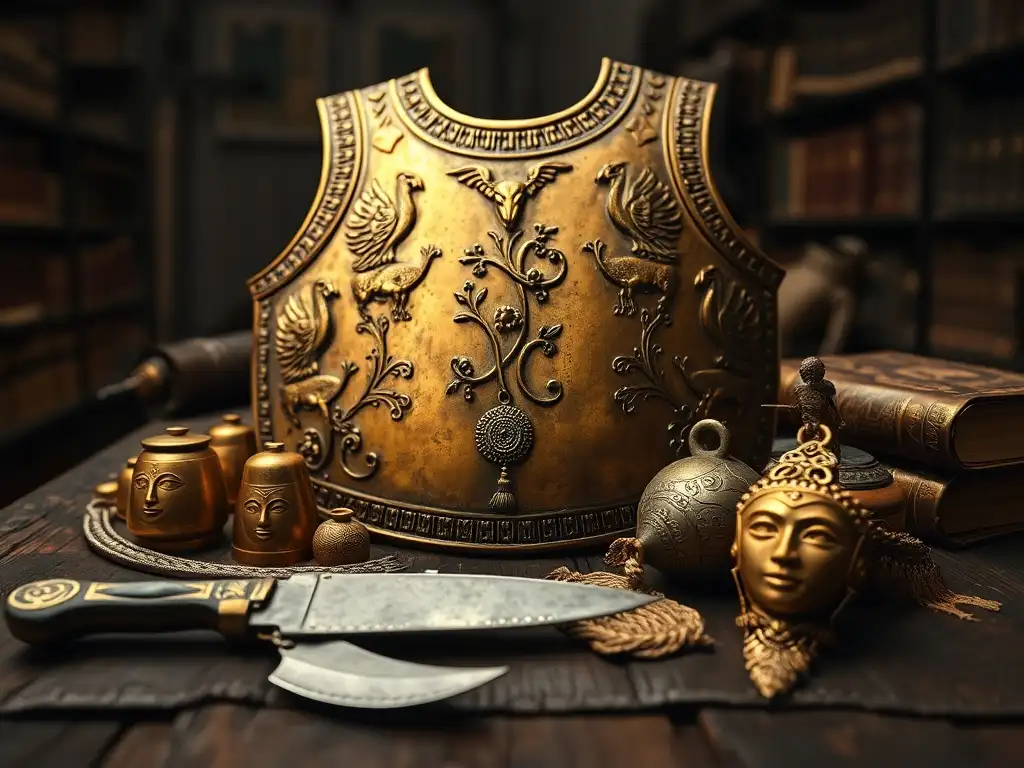
This section delves into the concrete examples of Andean metalworking and its profound social implications across different cultures. We will explore how the presence or absence of metal objects, their design, and the techniques used in their creation reflected and reinforced social hierarchies, religious beliefs, and political power. The skillful manipulation of metals like gold, silver, copper, and alloys wasn't merely a technical achievement; it was a powerful statement of social standing and cultural identity within Andean societies.
Analyzing specific examples allows us to appreciate the nuanced ways in which metalwork served as a tangible representation of Andean social structures. The weight of tradition, literally and figuratively, is evident in the careful craftsmanship and symbolic power embedded within these artifacts.
The Moche Culture: Metalworking and Warrior Status
The Moche civilization (c. 100-800 CE) of northern Peru provides a compelling case study of the link between metalwork and social stratification, specifically warrior elites. Moche metalworking demonstrates remarkable technical skill, with artisans mastering intricate casting and repoussé techniques. The presence of metal objects, particularly within elite burials, clearly indicates their social significance.
Moche Metal Masks and Their Symbolic Meaning
Moche metal masks, often crafted from copper alloys, are stunning examples of their artistry. These masks, frequently found in elite tombs, were not simply decorative items; they served as powerful symbols of authority and religious power. Their intricate designs, often depicting deities, fierce warriors, or supernatural beings, reinforced the wearer's elevated status within the Moche society.
The meticulous detail and the use of precious metals highlighted the wearer's connection to the supernatural and their right to rule. The masks acted as visual representations of power, connecting the elite to the spiritual world and solidifying their position in the social hierarchy. Analysis of these masks reveals a sophisticated understanding of metallurgy and a deep-seated belief in the power of symbolic representation.
Metal Armor and Weapons in Moche Art
Beyond masks, Moche metalworking also produced sophisticated weaponry and armor. Depictions in Moche pottery show warriors adorned with metal breastplates and helmets, wielding metal weapons such as spears and knives. These depictions, coupled with the archaeological discovery of actual metal weaponry, demonstrate that access to metal goods was closely tied to military power and elite status within Moche society.
The creation of these metal artifacts required specialized skills and access to resources, further emphasizing the social distinction of the warrior class. The craftsmanship evident in these items suggests a high level of social organization and control over metal production. The very existence of metal armor and weaponry reinforced the Moche social structure, where military prowess and leadership were highly valued.
Inca Metalwork: Standardized Production and Imperial Control
In contrast to the Moche, the Inca Empire (c. 1438-1533 CE) saw a far more centralized and standardized approach to metalworking. The Inca's control over metal production became a crucial aspect of their imperial power and social control. The vast empire’s sophisticated organization and administrative capabilities are reflected in the standardization and control of metalworking practices.
The Inca's Use of Metal in Infrastructure and Architecture
While the Inca are famous for their stonework, metal played a significant, albeit less visible, role in their infrastructure. Gold and silver were used in the construction of certain religious structures and palaces. While not a primary building material, the strategic use of precious metals in key locations reinforced the Inca's power and legitimacy. The use of these metals in official contexts, such as temples and palaces, solidified the emperor's divine right to rule and the empire's prestige. [Specific examples of Inca metal use in architecture pending].
Inca Metal Figurines and Religious Practices
Inca metal figurines, often depicting deities or animals, played a crucial role in religious practices. These objects were not simply decorative; they were integral to rituals and ceremonies, acting as intermediaries between the human and spiritual worlds. The careful craftsmanship and use of precious metals underscored their sacred significance. The intricate detail and the use of gold and silver in these figurines highlighted their importance in Inca religious beliefs. [Specific examples of Inca religious metal figurines and their associated rituals pending].
The Inca Metalworking System and Labor Organization
The Inca controlled metal production through a highly organized system of labor. Artisans, known as mitmaq, were often relocated to specific workshops to produce metal goods for the state. This system ensured a steady supply of metal objects for the Inca elite and facilitated the empire's control over resources and production.
The Inca’s system of labor organization, mita, ensured a steady supply of skilled labor for their metalworks, contributing to the standardization and large-scale production of metal artifacts. This centralized control over metal production mirrored the Inca's broader political control over the empire. The Inca system's effectiveness is evident in the quantity and quality of metalwork produced during their reign, signifying a distinct approach compared to earlier Andean cultures.
The Impact of Metalwork on Andean Trade and Economy
The mastery of metalworking in the Andes profoundly impacted the region's trade and economy, creating complex networks of exchange and fueling economic growth. The production of sophisticated metal objects, from intricately designed jewelry to powerful ceremonial tools, demanded specialized skills and resources. This specialization, in turn, fostered economic interdependence between different Andean communities.
Communities rich in mineral deposits, such as copper in the north and silver in the south, became vital trading partners for those with skilled artisans but limited access to raw materials. The resulting trade routes facilitated not only the distribution of metal goods but also the exchange of other vital resources, strengthening economic ties and fostering cultural interaction across vast distances.
The sheer volume of metal artifacts discovered across diverse Andean regions provides compelling evidence of this widespread trade network. Archaeological excavations have unearthed countless examples of metal objects—from everyday tools to elite adornments—demonstrating the pervasive influence of metalworking on Andean economic life.
Metal as a Valuable Trade Commodity
Metal, particularly gold, silver, and copper, quickly became highly valued trade commodities in the Andes. Its rarity, durability, and aesthetic appeal made it a prized possession, reflecting wealth, power, and social status. Gold, in particular, held immense symbolic significance, often associated with the sun and divine power.
The control and distribution of gold became a key element in the political and economic strategies of Andean elites. Evidence suggests that gold objects were often used as gifts, tributes, or payments in transactions between different groups, strengthening alliances and solidifying political power. The sheer weight of gold artifacts discovered in royal tombs and ceremonial contexts underscores its significance as a symbol of power and a driver of economic activity.
The production, trade, and control of gold, therefore, played a pivotal role in shaping the economic landscape of the Andes. The demand for gold spurred the development of specialized mining techniques and transportation networks, impacting both the environment and the social organization of Andean societies.
The Role of Metal in Inter-Regional Exchange
The exchange of metal objects wasn't limited to simple bartering; it facilitated complex inter-regional interactions and fostered long-distance trade networks. Different Andean regions specialized in the production of particular metal goods. For instance, some areas excelled at goldsmithing, while others focused on copper alloys or silverwork.
This specialization led to vibrant exchange networks connecting distant communities. The presence of metal objects from distant regions in archaeological sites provides strong evidence of these extensive trade routes. The styles and techniques employed in metalworking also reveal the movement of ideas and artisans across the Andes.
Certain stylistic motifs and technological innovations can be traced across different regions, indicating the diffusion of knowledge and the mobility of skilled metalworkers. This inter-regional exchange not only enriched the Andean economy but also played a crucial role in the dissemination of cultural practices and beliefs. The movement of metal objects and artisans acted as a catalyst for cultural interaction and exchange, shaping the diverse artistic and technological landscapes of the Andean world.
The Economic Significance of Metal Workshops
The establishment of specialized metal workshops played a crucial role in the Andean economy. These workshops weren't simply places of production; they were centers of economic activity, employing skilled artisans and generating significant wealth. The organization and management of these workshops often involved complex social structures, reflecting the hierarchical nature of Andean societies.
Evidence suggests that some workshops were directly controlled by elites, while others were operated by independent artisans or guilds. The scale of some workshops, as indicated by the volume of artifacts produced and the size of the associated settlements, suggests a significant economic impact. The workshops not only produced goods for local consumption but also supplied metal objects for regional and even long-distance trade.
The economic success of these workshops contributed to the growth of settlements and the development of urban centers, transforming the economic and social landscape of the Andean region. The economic significance of metal workshops is further evidenced by the discovery of specialized tools, waste materials, and other evidence of metalworking processes at numerous archaeological sites. These finds provide valuable insights into the organization, technology, and economic impact of these crucial centers of production.
The Legacy of Andean Metalwork and its Contemporary Relevance
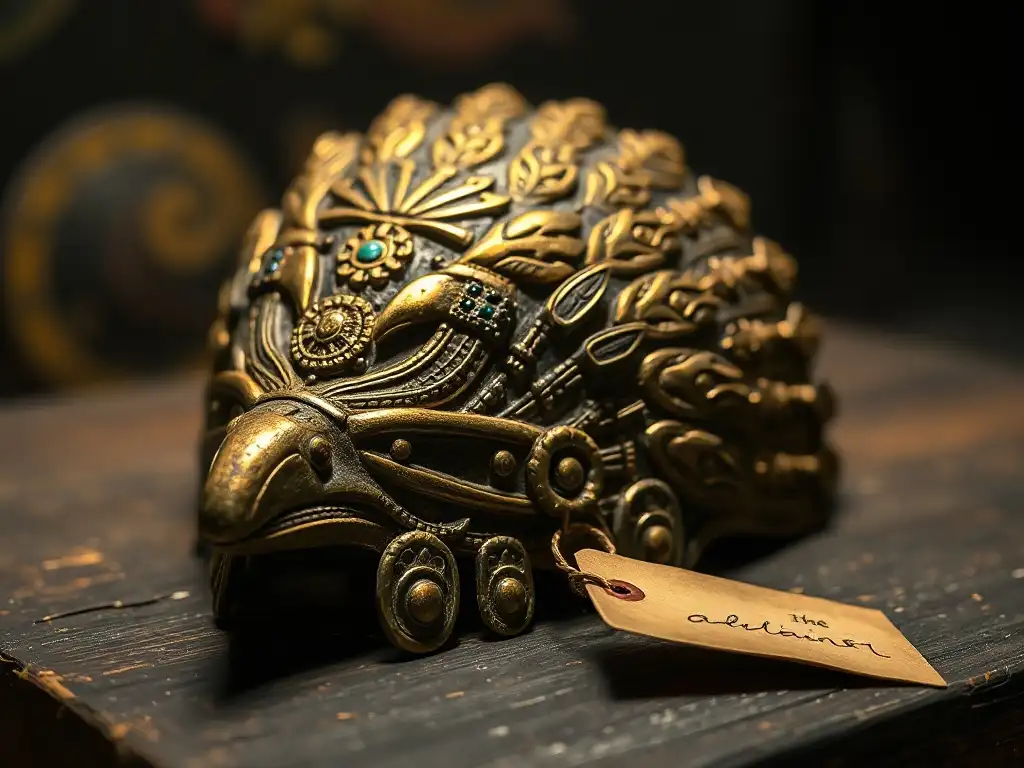
The legacy of Andean metalwork extends far beyond the glittering artifacts unearthed from ancient tombs. Its influence resonates deeply within the social fabric of Andean communities, shaping cultural identity, artistic expression, and even economic realities. Understanding the Andean metalwork social significance requires acknowledging its enduring presence in contemporary life, a testament to its historical weight and enduring power.
The intricate techniques, symbolic motifs, and social contexts surrounding metalworking in pre-Columbian societies continue to inform and inspire artistic practices, tourism initiatives, and even political discourse in modern-day Andean nations. The vibrant colors, intricate designs, and symbolic representations found in ancient Andean metalwork are not simply relics of the past; they are actively reinterpreted and reimagined in the present, reflecting a continuity of cultural heritage that spans millennia. This section will delve into the ways in which this rich legacy continues to shape modern Andean societies.
The Continuity of Metalworking Traditions in the Andes Today
Many communities throughout the Andes maintain traditional metalworking practices, albeit often adapted to modern demands and markets. Artisans in regions like Peru, Bolivia, Ecuador, and Colombia continue to utilize techniques passed down through generations, employing techniques such as lost-wax casting, hammering, and repoussé to create jewelry, tools, and decorative objects. These craftspeople often incorporate traditional designs and motifs, reflecting the enduring influence of Inca, Moche, and other pre-Columbian styles.
For example, the use of gold and silver, along with less precious metals such as copper and bronze, remains prevalent, reflecting the historical preference for these materials and their symbolic significance. The continued use of these metals speaks to the enduring Andean metalwork social significance in the region's cultural identity.
The integration of these traditional techniques with modern tools and materials is also noteworthy. Some artisans skillfully blend ancient methods with contemporary technologies, resulting in unique pieces that bridge the gap between past and present. This fusion not only ensures the survival of traditional practices but also allows for greater creative expression and economic opportunities for the artisans involved.
The economic impact of this craft is significant, contributing to the livelihoods of many families and helping to preserve cultural heritage. Specific data on the economic contribution of Andean metalworking to national economies is [specific information pending], but anecdotal evidence suggests a considerable impact, particularly in rural communities.
Modern Interpretations of Andean Metalworking Techniques
Modern Andean artists are not simply replicating ancient styles; they are engaging in a dynamic process of reinterpretation and innovation. Contemporary artists draw inspiration from the rich iconography and technical mastery of their ancestors, while simultaneously incorporating their own unique perspectives and artistic sensibilities. This results in a vibrant and evolving artistic landscape, where ancient motifs are reimagined in new and exciting ways. For instance, the use of traditional Andean symbols, such as the condor, the puma, or the serpent, can be seen in contemporary jewelry, sculptures, and other artworks, but often with a modern aesthetic sensibility.
The incorporation of new materials and techniques also plays a crucial role. While traditional metals remain central, contemporary artists sometimes experiment with different materials, combining them with precious metals to create unique pieces that reflect a blend of traditional and modern aesthetics. This creative fusion enriches the artistic landscape and demonstrates the enduring relevance of Andean metalworking traditions in the 21st century.
The continued evolution of Andean metalwork reflects not only artistic innovation but also a dynamic relationship between past and present, tradition and modernity. The Andean metalwork social significance is thus not static, but rather a living, breathing aspect of Andean culture.
Preserving the Cultural Heritage of Andean Metalwork
The preservation of Andean metalworking traditions requires a multifaceted approach. Efforts to safeguard this invaluable cultural heritage involve not only the support of individual artisans and communities but also broader initiatives encompassing education, tourism, and governmental policies. Education plays a crucial role in ensuring the transmission of knowledge and skills to future generations. Workshops, apprenticeships, and educational programs can help perpetuate traditional techniques and promote the appreciation of Andean metalwork's historical and artistic significance.
Tourism, while presenting potential challenges, also offers opportunities for the economic empowerment of artisans and the promotion of their work. Responsible tourism initiatives can ensure that the cultural heritage is respected and that artisans receive fair compensation for their skills and artistry. Governmental policies and support are also essential for the long-term preservation of Andean metalworking traditions.
This includes providing access to resources, protecting intellectual property rights, and promoting the cultural significance of Andean metalwork both domestically and internationally. The preservation of this heritage is not just about safeguarding ancient artifacts but also about supporting the living culture and the people who continue to practice these ancient crafts. The lasting Andean metalwork social significance depends on these collaborative efforts.
The Role of Andean Metalwork in Contemporary Art
Andean metalwork's influence extends far beyond its historical context; it continues to inspire and inform contemporary artistic expression. Many contemporary artists actively engage with pre-Columbian techniques and aesthetics, reinterpreting ancient motifs and styles in new and innovative ways. This isn't simply imitation; it's a dialogue, a conversation across centuries, where artists draw upon the rich vocabulary of forms, techniques, and symbolic meanings developed by their Andean predecessors. The enduring power of these ancient aesthetics speaks to their inherent beauty and the deep cultural resonance they possess.
The use of traditional Andean metals, such as gold, silver, and copper, remains prevalent in contemporary Andean art. However, modern artists often combine these materials with other media, creating hybrid works that blend ancient traditions with contemporary sensibilities. For instance, some artists might incorporate recycled materials, challenging traditional notions of preciousness and highlighting themes of environmental sustainability – a critical lens through which to view the legacy of resource extraction in the Andes.
Others might integrate modern tools and techniques, juxtaposing the ancient craftsmanship with the precision and possibilities of contemporary technologies. This fusion creates a unique aesthetic, a compelling blend of the old and the new.
Furthermore, the symbolic power of Andean metalwork continues to resonate in contemporary interpretations. The intricate designs, often imbued with deep spiritual and cosmological meaning, are reinterpreted to reflect contemporary concerns and experiences. Artists may incorporate traditional motifs, but imbue them with new narratives, reflecting modern social and political realities.
The enduring appeal of these symbols – from the stylized animals and deities to the geometric patterns – offers a powerful framework for artistic expression, allowing contemporary artists to explore themes of identity, cultural heritage, and social justice through a lens informed by the rich tapestry of Andean history. This ongoing engagement with the past makes Andean metalwork a vibrant and dynamic force in contemporary art, ensuring its legacy continues to evolve and inspire. The continued study and appreciation of Andean metalworking techniques and symbolism are crucial for understanding this evolving dialogue between past and present.
Frequently Asked Questions
What role did metal play in Andean societies?
Metalwork held immense social significance in Andean civilizations. It was used to create prestige objects for elites, signifying power and status, and was also incorporated into religious rituals and ceremonies.
How did Andean metalworking techniques vary across different cultures?
Different Andean cultures developed unique metalworking techniques. The Moche were known for their elaborate gold and silver work, while the Inca mastered alloying techniques to create diverse metal objects.
What were some common objects made from metal in the Andes?
Andean metalworkers produced a wide range of objects, including jewelry, tools, weapons, and ritual vessels. The style and materials used often indicated the social status of the owner.
What materials were most commonly used in Andean metalwork?
Gold, silver, copper, and bronze were the most common metals used. The availability of these resources, and their symbolic meaning, varied across different regions and cultures.
The social significance of metal evolved alongside Andean societies. While initially associated with elite status, metalwork became increasingly widespread, though its symbolic value remained important throughout various periods.
Final Reflection: Echoes of the Andes: A Legacy Forged in Metal
The intricate artistry of Andean metalwork isn't merely a historical artifact; it's a vibrant testament to the enduring power of tradition, echoing through time and resonating with contemporary social issues. The techniques, the motifs, the very materials themselves speak volumes about the societies that crafted them, offering invaluable insights into their beliefs, social structures, and political landscapes. Understanding this legacy is crucial to understanding the complexities of Andean culture today.
The enduring influence of Andean metalworking traditions is profoundly moving. The skill, passed down through generations, represents a powerful connection to ancestry and a tangible link to a rich cultural heritage. The past is never dead. It's not even past.
- William Faulkner. This quote perfectly encapsulates the ongoing relevance of Andean metalwork; its impact continues to shape artistic expression, cultural identity, and even economic development in the region. The pieces themselves serve as powerful symbols of resilience, creativity, and the enduring spirit of the Andean people.
Consider the weight of these ancient objects, both literally and metaphorically. Their intricate designs, their careful craftsmanship, their very existence speak to the dedication and artistry of their creators. You, the reader, are now part of this conversation.
Take a moment to reflect on the power of tradition and its ability to shape our present. How can we, in our own lives, honor and preserve the legacies that shape our identities and communities? Let the echoes of the Andes inspire you to appreciate the enduring power of cultural heritage and the importance of preserving the stories woven into the very fabric of our societies.
Thank you for joining us on this enlightening journey into the profound social significance of metalworking in the Andes. We hope you've gained valuable insights into how these traditions shape culture and identity. Now, let's put that inspiration into action!
- Dive Deeper: Explore the work of local artisans—visit craft markets or galleries to support and learn from those who keep these rich traditions alive. You might even discover unique pieces that reflect the artistry and heritage of the Andes.
- Share Your Knowledge: Discuss the importance of Andean metalworking with friends and family. Sharing this article on social media can inspire others to appreciate and understand these fascinating traditions.
- Get Involved: Consider taking a metalworking workshop to experience firsthand the artistry and skill involved in this ancient craft. It's a wonderful way to connect with the heritage of the Andes.
Which aspect of Andean metalworking traditions resonates most with you, and how will you share this newfound appreciation with your community?