
The Inti Raymi Festival: Celebrating the Sun God and the Winter Solstice

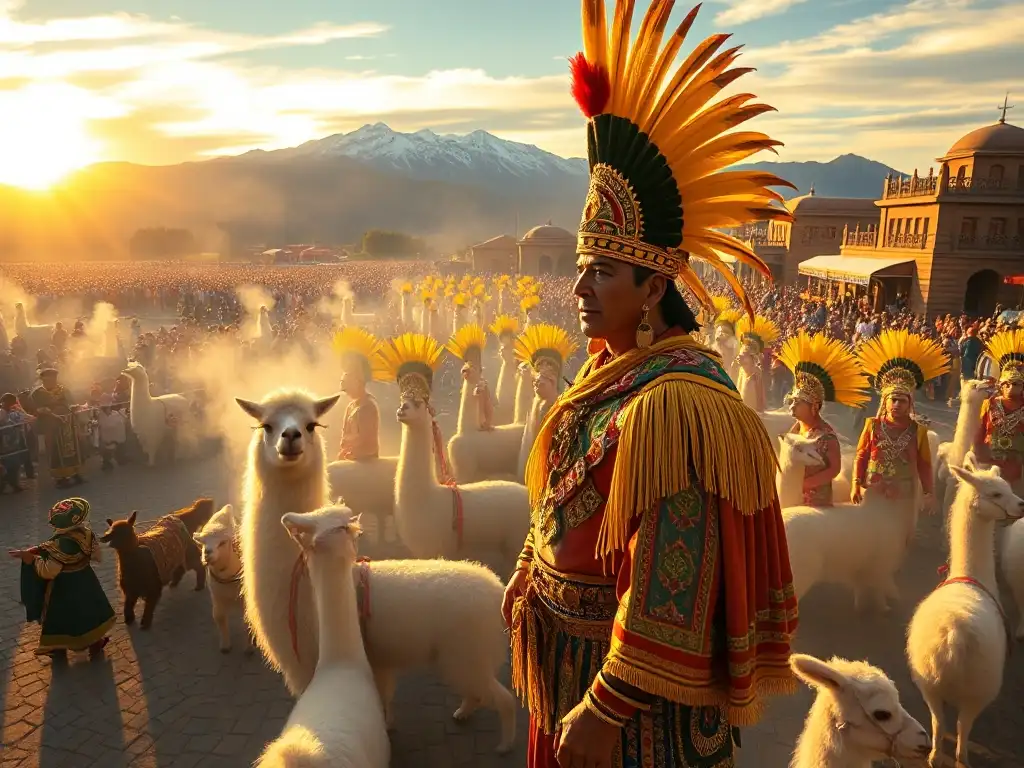
Step into a world lost in time, where the sun god Inti reigned supreme. Uncover the mysteries of the Andes, a land sculpted by ancient civilizations and brimming with untold stories. From the breathtaking artistry of the Nazca lines to the ingenious engineering of the Incas, prepare to be amazed.
But first, delve into the vibrant heart of Inca culture with our exploration of the Inti Raymi festival history: a captivating celebration that continues to resonate through the ages. Discover the secrets behind this spectacular event and unravel the threads of a civilization that defied the heights of the Andes.
The Inca Empire, a civilization that flourished in the Andes Mountains for centuries, left behind a rich legacy of intricate societal structures, breathtaking architecture, and deeply spiritual beliefs. Central to their worldview was the worship of the sun god, Inti, whose power was believed to sustain life itself.
The Inti Raymi festival, meaning "Festival of the Sun" in Quechua, was the most important religious celebration in the Inca calendar, a vibrant and powerful display of reverence for Inti and a celebration marking the winter solstice. This article delves into the fascinating history of the Inti Raymi festival, exploring its significance within Inca society and the enduring legacy it holds today.
We will explore the ceremony's key elements, its historical context, and the reasons why understanding Inti Raymi is crucial to comprehending the heart of Inca religious practices and their relationship with the natural world. Prepare to be transported to the heights of the Andes and witness the spectacle that was, and in some ways still is, Inti Raymi.
Understanding Inti Raymi: A Key Inca Ceremony
Inti Raymi was not merely a festive occasion; it was a complex and meticulously orchestrated religious ceremony that involved weeks of preparation and the participation of thousands of people. The festival's central focus was the worship of Inti, the sun god, considered the supreme deity in the Inca pantheon. The Inca emperor, considered a descendant of the sun god, played a pivotal role, acting as the intermediary between the divine and the human realms.
The festivities, which took place over nine days, involved elaborate processions, sacrifices (typically llamas and other animals, although human sacrifices were recorded in some instances), and theatrical performances that reenacted mythical stories and celebrated the Inca's agricultural achievements. The entire event was imbued with a profound sense of spiritual significance, reflecting the Inca's deep connection to the natural world and their dependence on the sun for their survival. The timing of the festival, coinciding with the winter solstice, further highlights its importance, as it marked the renewal of the sun's power and the promise of a bountiful harvest.
Think of it as a cosmic reset button, a time of renewal and hope for the coming year. The vibrant colors, the intricate costumes, and the sheer scale of the event made Inti Raymi a truly unforgettable spectacle. The precise details of many aspects of the ceremony remain partially obscured by the passage of time, however archeological findings and surviving accounts continue to shed light on this awe-inspiring tradition.
The Historical Significance of Inti Raymi Festival
The Inti Raymi festival held immense historical significance for the Inca Empire. It served not only as a religious observance but also as a powerful display of imperial power and social cohesion. The emperor's participation solidified his authority as the divine ruler, chosen by Inti himself. The massive gatherings of people from across the empire fostered a sense of unity and shared identity, strengthening the bonds between different regions and ethnic groups.
The festival also played a crucial role in the Inca's agricultural calendar, marking the beginning of a new agricultural cycle and ensuring the continued fertility of the land. The meticulous planning and execution of the festival involved the coordination of vast resources and manpower, showcasing the Inca's impressive organizational skills and administrative capabilities. The rituals performed during Inti Raymi were aimed at securing the favor of Inti and ensuring the prosperity of the empire.
Historians believe that the festival's significance extended beyond the purely religious realm, serving as a critical element in maintaining social order, political stability, and economic prosperity within the vast Inca Empire. The meticulous records kept by the Inca, while incomplete, provide a fascinating glimpse into this vital aspect of their culture and beliefs. The continued celebration of a modernized version of Inti Raymi in Cusco today underscores its lasting impact on Andean culture and heritage.
Inti Raymi Festival History: Tracing its Origins
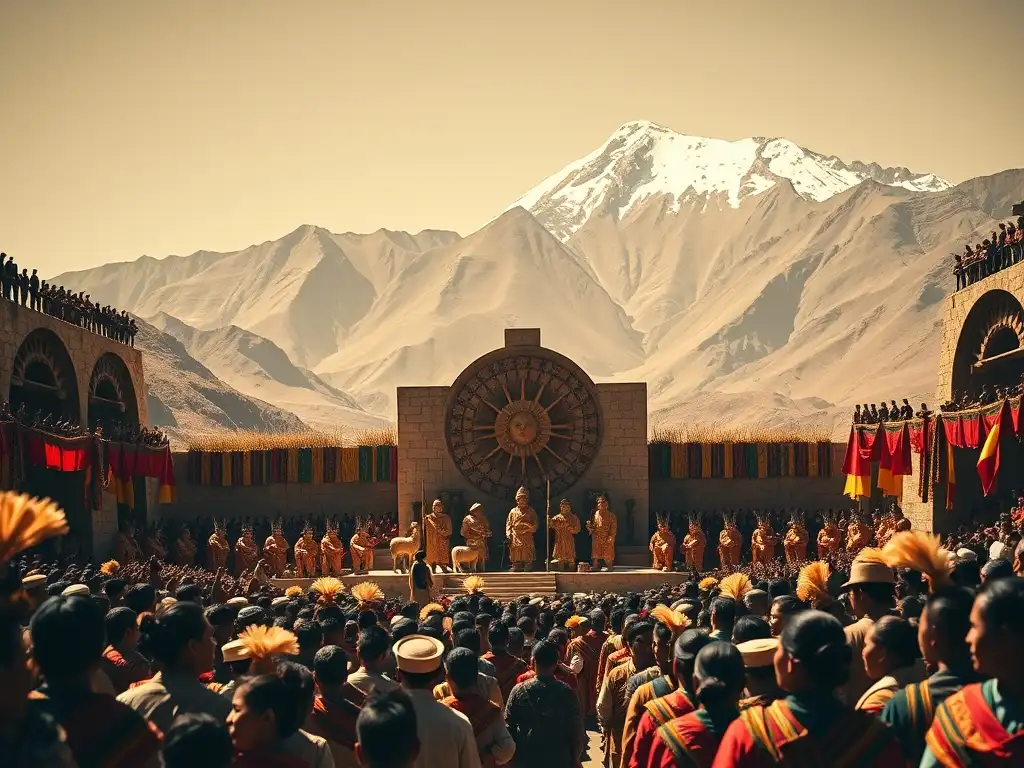
The Inti Raymi festival, a vibrant celebration of the Andean sun god Inti, boasts a history deeply intertwined with the pre-Columbian cultures of the Andes. Understanding its origins requires delving into the rich tapestry of Inca beliefs and practices, as well as recognizing the influence of earlier traditions that shaped this significant annual event. The festival's enduring legacy speaks volumes about the enduring power of Andean spirituality and its connection to the natural world.
To truly grasp the Inti Raymi festival history, we must explore its evolution from ancient rituals to its modern-day resurgence. The keyword "Inti Raymi festival history" encapsulates the very essence of this exploration.
Pre-Columbian Roots of the Sun Festival
Long before the Inca Empire rose to prominence, Andean cultures revered the sun. Archaeological evidence suggests sun worship was prevalent among various pre-Inca societies, including the Nazca and Tiahuanaco cultures. While the specific rituals might have varied, the fundamental veneration of the sun as a life-giving force remained consistent.
These earlier traditions likely laid the groundwork for the elaborate Inti Raymi celebrations later adopted and refined by the Inca. For instance, the Nazca Lines, though their precise purpose remains debated, possibly served astronomical functions, demonstrating a sophisticated understanding of the sun's movements and its significance in their cosmology.
The intricate designs and precision of these geoglyphs suggest a deep connection to the celestial bodies, hinting at the rich ceremonial life surrounding solar worship that predated the Inca. This pre-Inca legacy significantly contributed to the development of the Inti Raymi festival as we understand it today, enriching its symbolic weight and ritual complexity.
The Inca Empire and the Importance of the Sun God Inti
The Inca Empire elevated the sun god Inti to the apex of their pantheon. Inti, considered the father of the Sapa Inca (the emperor), was not merely a deity; he was the source of life, fertility, and imperial power. The Inca believed the emperor's legitimacy stemmed directly from his lineage to the sun god.
This divine connection imbued the Inti Raymi festival with immense political and religious significance. The festival served as a powerful display of imperial authority, reinforcing the emperor's sacred status and the empire's dominion. The elaborate ceremonies, massive participation, and lavish offerings were all carefully orchestrated to strengthen the bond between the Inca ruler, the sun god, and the populace.
The meticulous organization of the festival reflects the highly structured nature of Inca society and the profound reverence held for Inti. This deep-seated belief system formed the cornerstone of the Inti Raymi festival during the Inca Empire’s zenith, shaping its grandeur and importance.
Inti Raymi Rituals in Ancient Times
The ancient Inti Raymi festival was a multi-day event, filled with elaborate rituals and ceremonies. The celebrations involved processions, sacrifices (often llamas, but sometimes other offerings), musical performances, feasts, and a general atmosphere of jubilation and reverence. The festival’s climax typically involved the Sapa Inca himself, who would perform sacred rituals at the main temple dedicated to Inti, located in Cusco.
These rituals often involved offerings of gold, silver, and other precious items, symbolizing the Inca's devotion and their dependence on the sun for sustenance. Descriptions from Spanish chroniclers, though sometimes biased, provide valuable glimpses into the scale and complexity of these ancient rituals. They recount enormous gatherings of people, elaborate costumes, and the symbolic significance of each action performed during the festival.
While the exact details of some rituals remain lost to time, the available historical accounts paint a vivid picture of a powerful and awe-inspiring celebration, deeply embedded in the religious and political fabric of the Inca Empire. The reconstruction of these ancient Inti Raymi rituals continues to be a focus of ongoing research, enriching our understanding of the festival's profound historical significance.
The Re-enactment of Inti Raymi: A Modern Tradition
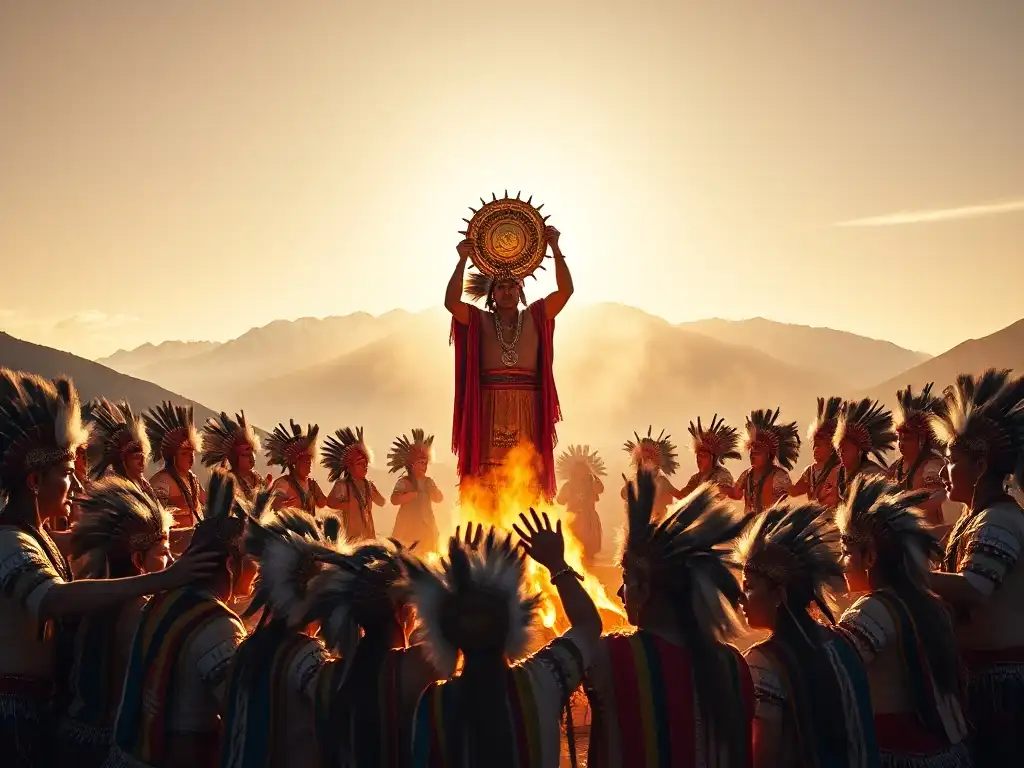
The Inti Raymi festival, as celebrated today, is a meticulously crafted re-enactment of what historians believe were ancient Inca rituals. While we lack detailed, firsthand accounts from the Inca themselves regarding the precise nature of their solstice celebrations, archaeological evidence, colonial chronicles, and ethnographic studies provide a basis for the modern interpretation. The current festival, therefore, represents a reconstruction, blending historical research with contemporary artistic expression. This careful reconstruction aims to evoke the spirit and grandeur of the original Inti Raymi, even if the specifics might differ.
Understanding this distinction is crucial to appreciating the festival's significance. It's not a direct continuation of an unbroken tradition, but rather a vibrant, ongoing effort to recreate and honor a lost past. The Inti Raymi festival history is therefore a story of both historical investigation and cultural revitalization.
The Revival of Inti Raymi in Cusco
The revival of Inti Raymi in Cusco is a relatively recent phenomenon, gaining significant momentum in the 20th century. After centuries of suppression following the Spanish conquest, which saw the Inca religion actively persecuted, efforts began to reclaim and celebrate aspects of Inca heritage. The modern Inti Raymi, as we know it, was officially revived in 1944, marking a significant turning point in the cultural landscape of Cusco and Peru. This wasn't a spontaneous resurgence, but a conscious decision by individuals and groups dedicated to the preservation and promotion of Inca culture.
Their initiative involved extensive research, consultation with historians and anthropologists, and a collaborative effort to reconstruct the rituals and ceremonies. The process was, and continues to be, a dynamic one, constantly evolving as new information emerges and interpretations shift. The ongoing research into Inti Raymi festival history constantly refines and enriches the modern celebration.
The Contemporary Inti Raymi Festival: A Spectacle
Today's Inti Raymi is a major tourist attraction, drawing thousands of visitors annually to Cusco. The festival unfolds as a grand theatrical production, meticulously staged with hundreds of participants dressed in vibrant traditional costumes, recreating scenes from Inca life and mythology. The spectacle involves elaborate choreography, music, and symbolic acts, all designed to immerse the audience in the atmosphere of the Inca Empire.
The scale of the modern Inti Raymi is undoubtedly larger than any historical counterpart could have been, reflecting the contemporary context and the festival's role as a major cultural event. However, the core elements – the reverence for the sun god Inti, the celebration of the solstice, and the dramatic portrayal of Inca rituals – remain central to the experience. The modern festival is a powerful testament to the enduring legacy of the Inca civilization and a successful example of cultural preservation and revival.
Key Elements of the Modern Inti Raymi Celebration
The modern Inti Raymi celebration incorporates several key elements, meticulously researched and recreated:
- The Sacred Plaza: The festival begins in the Plaza de Armas of Cusco, where the Inca emperor (played by an actor) performs significant rituals. This central location underscores the importance of the Inca capital and its role in the empire's religious practices.
- The Procession: A vibrant and colorful procession, featuring participants representing different social classes and roles within Inca society, winds its way through the city. This procession is a visually striking representation of the social hierarchy and the grandeur of the Inca Empire.
- The Sacrifice (Symbolic): While human sacrifice is no longer part of the modern festival (obviously! ), symbolic offerings are presented to Inti, representing the continuation of the ancient tradition in a respectful and ethical manner.
- The Music and Dance: Traditional Inca music and dances, meticulously researched and reconstructed, play a crucial role in the festival's atmosphere. These performances are not merely entertainment; they are an integral part of the ritual itself.
- The Setting: The location of the festival—Sacsayhuamán, a magnificent Inca fortress overlooking Cusco—adds to its historical significance. This choice of location enhances the immersive experience of the event and connects the modern celebration to the physical remains of the Inca past.
The ongoing evolution of the Inti Raymi festival is a testament to the resilience of Inca culture and the dedication of those who work to preserve and share its rich history. The festival serves as both a historical reenactment and a vibrant celebration of Andean heritage, captivating audiences worldwide. The Inti Raymi festival history is therefore a dynamic and evolving narrative, constantly shaped by new research and interpretations.
Inti Raymi and Inca Cosmology
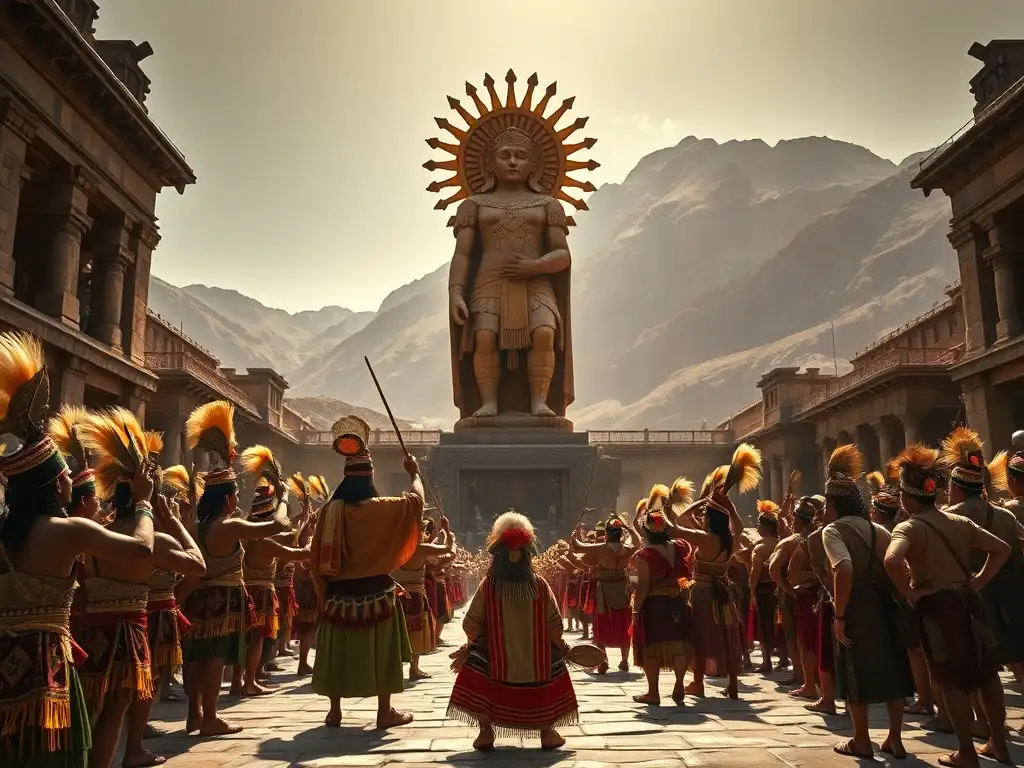
The Role of the Sun in Inca Beliefs
The Inti Raymi festival, deeply rooted in Inca cosmology, wouldn't exist without a profound reverence for the sun, Inti. To the Inca, Inti wasn't merely a celestial body; he was the supreme deity, the source of life, fertility, and imperial power. Inca religion was heavily solar-centric, with Inti at the apex of a complex pantheon of gods and spirits. The emperor, the Sapa Inca, was considered Inti's representative on Earth, a divine intermediary between the celestial and terrestrial realms.
This divine connection legitimized the Inca's rule and reinforced their authority. The Inca believed that the sun's daily journey across the sky mirrored the emperor's control over his vast empire. The sun's life-giving energy was seen in the flourishing crops, the abundance of livestock, and the overall prosperity of the kingdom. Any perceived weakening of the sun's power, such as a prolonged drought or eclipse, was interpreted as a sign of divine displeasure and often led to elaborate rituals and sacrifices aimed at appeasing Inti.
The Inca's deep-seated belief in the sun's power is evident in their sophisticated astronomical observations and the intricate calendar system they developed to track the sun's movements and predict agricultural cycles. These astronomical observations were not merely scientific endeavors; they were integral parts of their religious practices, reinforcing the sacred nature of Inti and his influence on their lives. The Inca worldview was intricately woven with the sun's rhythms, highlighting its central role in their spiritual and temporal existence.
Inti Raymi as a Celebration of the Winter Solstice
Inti Raymi, meaning "Festival of the Sun," wasn't just a random celebration; it was meticulously timed to coincide with the winter solstice in the Southern Hemisphere (around June 21st). This astronomical event held immense significance for the Inca. The winter solstice marked the apparent death and rebirth of the sun, a crucial moment in the annual cycle of life and death that mirrored the Inca worldview. After the shortest day of the year, the sun began its gradual return, promising longer days and the renewal of life.
This cyclical pattern, reflecting the sun's power, was a crucial element of Inca religious belief and heavily influenced their agricultural practices. The timing of Inti Raymi at the winter solstice underscores the festival's profound connection to the solar cycle and the Inca's dependence on the sun for their survival. The festival served as a vital ritual to ensure the sun's continued strength and to guarantee a bountiful harvest in the coming year.
The precise timing, coupled with the elaborate ceremonies, highlights the Inca's sophisticated understanding of astronomy and their deep-seated faith in the sun's power. It demonstrates a unique blend of astronomical knowledge and religious devotion, central to the Inca civilization's identity and survival. The celebration was a powerful affirmation of faith and a public display of the Inca's devotion to their supreme deity.
Symbolism and Meaning in the Inti Raymi Ceremony
The Inti Raymi ceremony was rich in symbolism, meticulously designed to honor Inti and ensure the continuation of the Inca empire's prosperity. The Sapa Inca, dressed in ornate gold garments, played a central role, acting as the intermediary between the human and divine realms. The rituals involved elaborate processions, sacrifices (often including llamas and other animals), and offerings of gold and silver, symbolizing the Inca's wealth and devotion. The consumption of chicha, a fermented corn beverage, was also a significant part of the ceremony, representing the life-giving power of the earth and its connection to the sun.
The use of coca leaves, chewed as a stimulant and offering, further highlights the Inca's intricate relationship with their environment and the spiritual significance of their natural resources. The location of the festival, initially at the sacred site of Sacsayhuamán near Cusco, also held immense symbolic importance, connecting the celebration to the ancestral spirits and the Inca's imperial capital. The entire ceremony, from the elaborate costumes to the specific offerings, was carefully orchestrated to reinforce the Inca ideology and their belief in the sun's power. The symbolism embedded in the Inti Raymi festival provides valuable insights into the Inca worldview, their complex religious beliefs, and their sophisticated understanding of their natural environment.
The meticulous planning and execution of the ceremony demonstrate the central role of religion in Inca society and its impact on all aspects of their lives. The festival served as a powerful reminder of the Inca's divine connection and their dependence on the sun god, Inti, for their continued prosperity and survival. Understanding this symbolism is key to grasping the true significance of the Inti Raymi festival within the broader context of Inca culture and history.
The Inti Raymi Festival Today: Cultural Impact
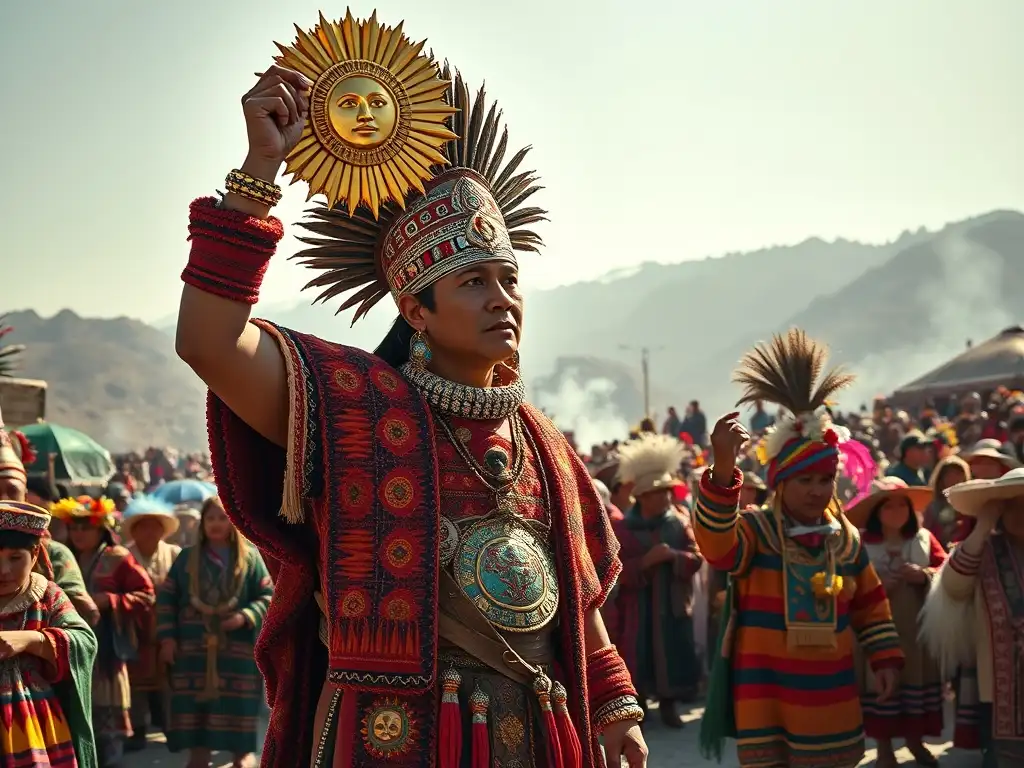
The Inti Raymi festival, while rooted deeply in Inca history, continues to hold immense significance in modern-day Andean culture. Its evolution from a sacred ritual to a vibrant celebration reflects the enduring power of tradition and its adaptability to changing times. The festival's continued practice underscores the resilience of Andean identity in the face of colonization and globalization. Understanding its contemporary impact requires examining its role in shaping Andean identity, its influence on modern culture, and its economic importance as a major tourist attraction.
Inti Raymi's Importance for Andean Identity
Inti Raymi is more than just a spectacle; it's a powerful symbol of Andean identity. For many indigenous communities, participating in or witnessing the festival is a deeply emotional experience, reaffirming their connection to their ancestors and their rich cultural heritage. The festival serves as a potent reminder of the Inca Empire's legacy and the enduring strength of Andean spirituality. The vibrant costumes, the intricate choreography, and the ancient Quechua language used throughout the ceremony all contribute to a sense of cultural pride and continuity. The festival provides a platform for the expression of indigenous identity, countering centuries of marginalization and promoting cultural revitalization. The re-enactment of ancient rituals strengthens community bonds and transmits cultural knowledge across generations, ensuring that the traditions of Inti Raymi are preserved and celebrated for years to come. This ongoing connection to the past fosters a sense of belonging and collective identity within Andean communities.
The Festival's Influence on Contemporary Culture
Beyond its significance for indigenous communities, Inti Raymi's influence extends to contemporary Peruvian culture as a whole. The festival has become a national celebration, attracting participants and spectators from across the country. Its imagery and symbolism are frequently used in art, music, literature, and tourism marketing. The festival's popularity has led to a renewed interest in Inca history and Andean culture, prompting increased research, preservation efforts, and educational initiatives.
Furthermore, the festival serves as a platform for showcasing traditional Andean arts and crafts, boosting local economies and supporting artisan communities. The vibrant colors, intricate designs, and unique musical styles associated with Inti Raymi have significantly impacted contemporary Peruvian artistic expressions, inspiring new creations and reinterpretations of traditional motifs. This cultural cross-pollination has led to a richer and more diverse artistic landscape in Peru.
Inti Raymi as a Tourist Attraction
The Inti Raymi festival has also become a major tourist attraction, drawing thousands of visitors from around the world each year. This influx of tourism generates substantial revenue for the local economy, supporting businesses, creating jobs, and improving infrastructure. However, the commercialization of the festival also presents challenges, raising concerns about the potential for cultural commodification and the need for sustainable tourism practices.
Balancing the economic benefits of tourism with the preservation of the festival's cultural integrity is a crucial task for local authorities and community leaders. Careful management and responsible tourism initiatives are essential to ensure that the festival remains a meaningful cultural celebration while also contributing to economic development.
The delicate balance between preserving authenticity and catering to the needs of a large tourist population is a dynamic and ongoing process requiring careful planning and community involvement. The success of this endeavor hinges on the ability to effectively manage the influx of visitors while respecting the sacred nature of the event.
Experiencing Inti Raymi: Practical Information
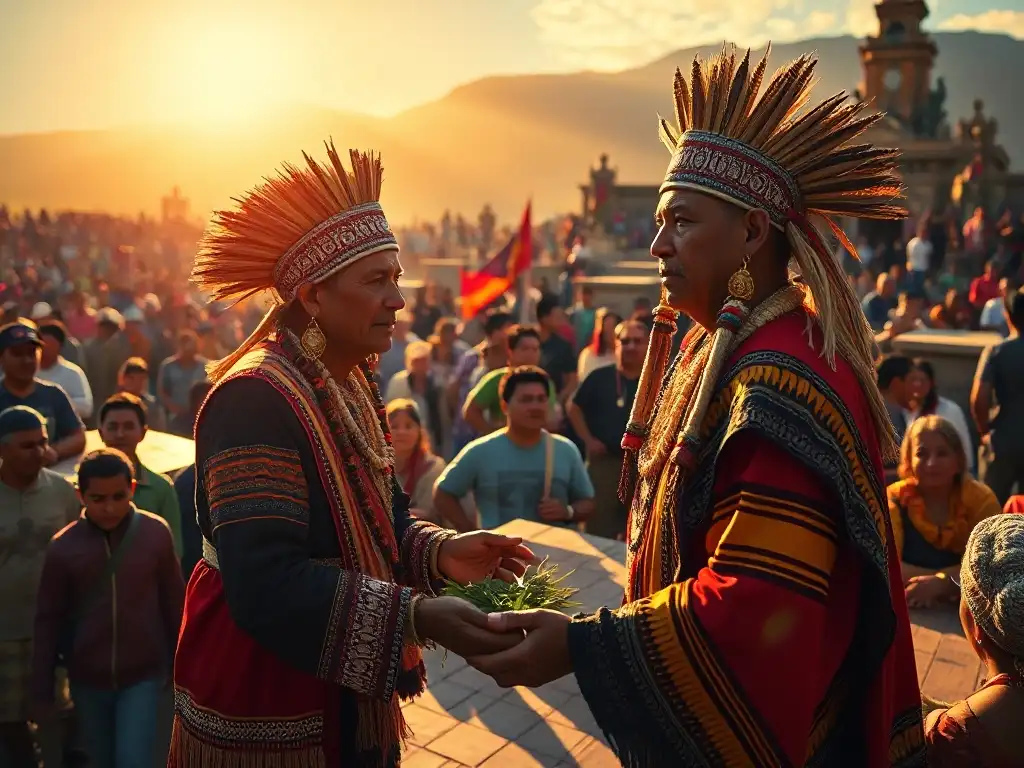
This section delves into the practical aspects of experiencing the Inti Raymi festival, providing essential information for those planning a visit. Understanding the logistics beforehand will significantly enhance your enjoyment of this spectacular event. The Inti Raymi festival history is rich and complex, but experiencing it firsthand is truly unforgettable.
Key Locations for Inti Raymi Celebrations
The main Inti Raymi celebrations unfold across several significant locations in Cusco and its surrounding areas. The festival's dramatic shifts in location mirror the sun's journey and the Inca's reverence for the natural world. Knowing these locations beforehand helps you plan your viewing spots and appreciate the symbolic significance of each stage.
- Sacsayhuamán: This imposing fortress, overlooking Cusco, serves as the breathtaking backdrop for a significant portion of the Inti Raymi ceremony. The majestic ruins provide a powerful setting for the ritualistic dances and offerings. The sheer scale of Sacsayhuamán enhances the spectacle, creating a truly unforgettable experience. Expect large crowds here, so arrive early to secure a good view.
- Qoricancha (Temple of the Sun): While the original Qoricancha is largely in ruins, its historical importance remains paramount. The Inti Raymi celebrations often incorporate symbolic reenactments within or near this sacred site, representing the Inca's profound devotion to the sun god, Inti. This location offers a more intimate, yet equally significant, perspective on the festival.
- Plaza de Armas (Cusco): The central square of Cusco plays a vital role in the festival's proceedings. Many ceremonial aspects, including processions and speeches, take place in this historically and culturally rich location. It’s a great place to observe the vibrant costumes and experience the festive atmosphere. Be aware of potential crowds and plan your arrival accordingly.
Tips for Attending the Inti Raymi Festival
Attending the Inti Raymi festival requires careful planning to ensure a smooth and enjoyable experience. Here are some crucial tips to maximize your enjoyment:
- Book accommodations and flights well in advance: The Inti Raymi festival attracts a significant number of tourists, leading to high demand for accommodations and transportation. Booking well in advance is crucial to secure your preferred options and avoid disappointment. Consider booking at least six months in advance, especially if traveling during peak season.
- Dress appropriately: Comfortable clothing and footwear are essential, as you'll likely be doing a fair amount of walking. The weather in Cusco can be unpredictable, so layers are recommended. Remember that the altitude can affect your stamina, so prepare accordingly.
- Stay hydrated: The altitude of Cusco can cause dehydration, so it's crucial to drink plenty of water throughout the day. Carry a reusable water bottle and refill it regularly.
- Be aware of altitude sickness: Cusco sits at a high altitude, and altitude sickness is a real concern. Take it easy on your first day, avoid strenuous activities, and consider consulting your doctor about altitude sickness medication if necessary.
- Respect the culture: The Inti Raymi festival is a sacred event for many people. Be respectful of local customs and traditions.
What to Expect During the Inti Raymi Celebrations
The Inti Raymi festival is a multi-faceted event, unfolding over several hours and locations. The experience is vibrant, dynamic, and deeply rooted in Inca traditions. Knowing what to expect will enhance your appreciation of the event's rich history and cultural significance.
- A Spectacle of Color and Sound: Expect a vibrant display of color, sound, and movement. The costumes are elaborate and stunning, the music is captivating, and the dances are powerful and expressive. The atmosphere is electric, filled with energy and excitement.
- Symbolic Performances: The Inti Raymi festival is more than just a show; it's a reenactment of ancient Inca rituals. The performances are deeply symbolic, representing the Inca's connection to the sun god, Inti, and the cycles of nature. Pay attention to the details of the performances to gain a deeper understanding of their significance.
- Large Crowds: Be prepared for large crowds, particularly at the main locations. Arriving early and securing a good viewing spot are essential to fully appreciate the event. Consider using a guided tour to navigate the crowds and learn more about the festival's history and significance.
- Emotional Intensity: The Inti Raymi festival is an emotionally charged event. The combination of the breathtaking scenery, the powerful performances, and the palpable sense of history can be deeply moving. Be prepared for an intense and unforgettable experience. The sheer scale and intensity of the festival are remarkable and create a lasting memory. The reenactments are powerful, and the energy of the crowds is infectious.
Conclusion: The Enduring Legacy of Inti Raymi
The Inti Raymi festival, a vibrant testament to the Inca's profound reverence for the sun god Inti, continues to resonate deeply within Peruvian culture and beyond. Its enduring legacy transcends its historical significance, shaping modern perceptions of Inca civilization and fostering a powerful sense of national identity. Understanding the Inti Raymi festival history allows us to appreciate not only the sophisticated astronomical knowledge of the Inca but also their intricate social structures and deeply spiritual worldview.
The festival's survival, albeit in a modified form, speaks volumes about the resilience of Inca traditions and the enduring power of cultural memory. Even today, the echoes of this ancient celebration can be heard in the vibrant music, colorful costumes, and deeply felt spirituality that permeate the modern-day reenactment.
The festival serves as a powerful reminder of the richness and complexity of the Inca Empire, attracting tourists and scholars alike, contributing significantly to Peru's cultural tourism sector. Analyzing the festival's evolution provides valuable insights into the processes of cultural adaptation and transmission across centuries.
Inti Raymi: A Celebration of Inca Heritage
The Inti Raymi festival is more than just a historical reenactment; it's a living embodiment of Inca heritage. The meticulous recreation of Inca costumes, the precise choreography of the dances, and the symbolic offerings all contribute to a powerful sense of continuity with the past. The festival's enduring popularity reflects a deep-seated desire among Peruvians to connect with their ancestral roots and celebrate their rich cultural legacy.
This connection is not merely nostalgic; it's a dynamic process of cultural revitalization, where ancient traditions are reinterpreted and adapted to contemporary contexts. The festival serves as a platform for the transmission of cultural knowledge, ensuring that the stories, beliefs, and practices of the Inca continue to thrive in the 21st century. The festival's significance extends beyond national borders, attracting international attention and fostering intercultural dialogue.
It showcases the enduring appeal of Inca culture and its capacity to inspire and engage audiences worldwide. The celebration's impact on local communities is significant, providing economic opportunities and promoting cultural pride. This economic boost is a tangible benefit that contributes to the sustainable preservation of Inca heritage.
The Future of the Inti Raymi Tradition
The future of the Inti Raymi tradition hinges on several crucial factors. The continued support of the Peruvian government and local communities is paramount for ensuring the festival's long-term sustainability. Efforts to preserve and promote the authenticity of the celebration while adapting to modern contexts are essential. This includes careful documentation of traditional practices, training of new performers, and promoting responsible tourism.
Furthermore, fostering educational initiatives that raise awareness of the Inti Raymi festival history amongst younger generations is crucial for securing the festival's legacy. This involves integrating the festival's significance into school curricula and promoting community involvement. The challenge lies in balancing the need to preserve the historical authenticity of the festival with the demands of a modern, globalized world. Striking this balance requires a collaborative effort between government agencies, cultural organizations, and local communities.
The successful navigation of these challenges will determine whether the Inti Raymi festival continues to thrive as a vibrant celebration of Inca heritage for generations to come. Careful consideration of these factors will ensure that the festival remains a powerful symbol of Peruvian identity and a testament to the enduring legacy of the Inca Empire. The continued evolution of the Inti Raymi festival will depend on the collective commitment to preserving and celebrating this vital aspect of Peruvian culture. The ongoing research into Inca history and culture will also contribute to a deeper understanding of the festival's origins and significance, further enriching the celebration.
Frequently Asked Questions
What is Inti Raymi?
Inti Raymi is a celebration of the Inca sun god, Inti. It's a festival marking the winter solstice in the Southern Hemisphere and was a significant event in Inca culture. The festival involves elaborate ceremonies and rituals.
When is Inti Raymi celebrated?
Inti Raymi is celebrated annually on June 24th, coinciding with the winter solstice in the Southern Hemisphere. This date marks the shortest day and longest night of the year.
Where was Inti Raymi originally celebrated?
The festival was originally celebrated in Cusco, the Inca capital, and involved a large procession to the sacred site of Sacsayhuamán. Today, it's still predominantly celebrated in Cusco.
What are the main activities during Inti Raymi?
The festival involves elaborate ceremonies, music, dance, and offerings to the sun god. Participants dress in traditional Inca clothing and recreate ancient rituals. Sacrificial offerings (symbolic nowadays) are a key part of the tradition.
How does the Inti Raymi festival relate to Inca beliefs?
Inti Raymi was deeply connected to Inca cosmology and religion. The sun god Inti was revered as the most important deity, and the winter solstice was considered a crucial time for renewal and ensuring a successful harvest. The festival was essential for maintaining cosmic balance according to Inca beliefs.
Final Reflection: The Enduring Legacy of Inti Raymi
The vibrant traditions of Inti Raymi, a celebration deeply rooted in Inca history, continue to resonate powerfully in modern Peru and beyond, reminding us of the enduring strength of cultural heritage in a rapidly changing world. This festival, far from being a relic of the past, serves as a potent symbol of resilience, cultural pride, and the enduring human need to connect with the natural world and celebrate the cyclical rhythms of life.
The spectacle of Inti Raymi, with its breathtaking costumes, captivating dances, and the palpable energy of the participants, leaves an indelible mark on the soul. It's a testament to the power of storytelling and ritual to transmit cultural values across generations. The past is never dead. It's not even past.
– William Faulkner. This quote perfectly encapsulates the enduring relevance of Inti Raymi; its history is not merely a historical record, but a living, breathing force that shapes Peruvian identity and continues to inspire awe and wonder.
Consider the profound implications of this ancient festival. How can we, in our own lives, better connect with the natural world and celebrate the cycles of life? How can we safeguard and celebrate the rich tapestry of cultural traditions that enrich our shared human experience? Let Inti Raymi inspire you to explore your own heritage, to appreciate the beauty of diversity, and to actively participate in preserving the cultural treasures that make our world so vibrant and meaningful. Let the sun god's light illuminate your path towards a deeper understanding and appreciation of the past, present, and future.
Embrace the Spirit of Inti Raymi Today!
Thank you for exploring the vibrant traditions of the Inti Raymi Festival with us! You've discovered the beauty of celebrating the Sun God and the winter solstice. Now, let's put that inspiration into action.
Here are some exciting ways to continue your journey:
- Host your own celebration! Gather friends and family for a mini Inti Raymi event in your backyard, complete with traditional Andean food and music.
- Learn more about Andean culture! Visit local museums or cultural centers to delve deeper into the rich history and significance of festivals like Inti Raymi. You might even find fascinating details about the Inca Empire and its traditions.
- Share your enthusiasm! Post a photo or story about your celebration on social media—use relevant hashtags or tag our page to connect with others who share your passion for Andean traditions.
How will you honor the Sun God in your daily life?