
The Language of Lines: Exploring the Engravings on Andean Metalwork

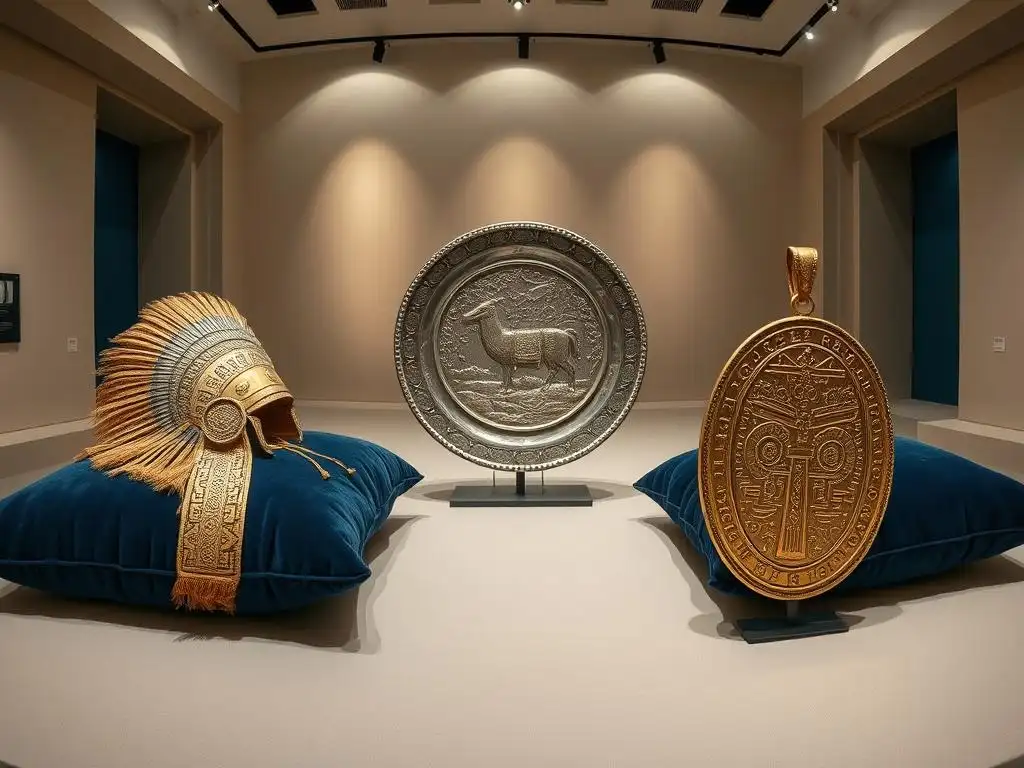
Uncover a lost world of artistry and ingenuity! Journey with us into the heart of the Andes, where ancient civilizations left behind a legacy etched in metal. Prepare to be mesmerized by the intricate detail and symbolic power of Andean metalwork engravings, a testament to the sophisticated artistry and cultural depth of the Inca, Moche, Nazca, and Tiahuanaco. What secrets do these ancient lines hold? Explore the captivating world of Andean art and iconography and discover the answers within.
The intricate artistry of the ancient Andean civilizations is renowned worldwide, with their mastery of metalwork standing as a testament to their advanced technological skills and profound spiritual beliefs. This article delves into the fascinating world of Andean metalwork engravings, exploring the techniques, symbolism, and cultural significance embedded within these captivating designs.
From the delicate repoussé work of the Moche to the bold geometric patterns of the Inca, these engravings offer a unique window into the lives, beliefs, and artistic sensibilities of these remarkable societies. We will examine how these seemingly simple lines and shapes communicate complex narratives, revealing insights into Andean cosmology, social structures, and daily life.
Understanding the language of these engravings provides a deeper appreciation for the ingenuity and cultural richness of the Andean civilizations, allowing us to connect with their legacy in a tangible and meaningful way. We will explore specific examples and techniques employed, highlighting the remarkable skill and artistic vision of Andean artisans.
Introduction to Andean Metalworking and Artistic Expression
Andean metalworking represents a pinnacle of pre-Columbian craftsmanship. The mastery of techniques like hammering, casting, soldering, and gilding allowed artisans to create objects ranging from intricate jewelry to monumental ceremonial artifacts. The availability of various metals—gold, silver, copper, and alloys like tumbaga (a gold-copper alloy)—influenced both the artistic expression and the symbolic meaning of the finished pieces. The process wasn't merely technical; it was deeply intertwined with ritual and spiritual beliefs.
The creation of metalwork was often accompanied by elaborate ceremonies, reflecting the societal importance attributed to these objects. For instance, the Moche civilization, known for its sophisticated metalworking, often depicted scenes of warfare, rituals, and daily life in their intricate gold and silver objects. These depictions weren't merely decorative; they served as powerful visual narratives that conveyed complex social and religious messages. The use of specific metals also held symbolic value.
Gold, for example, was often associated with the sun and divinity, while silver represented the moon and fertility. This symbolic language enriched the meaning of the metalwork, adding layers of significance beyond their aesthetic appeal. The artisans’ profound understanding of metallurgy and their artistic skill combined to create objects of unparalleled beauty and cultural significance, with engravings serving as a key component of their expressive power.
The Significance of Engraving in Ancient Andean Art
Engraving played a crucial role in enhancing the visual storytelling of Andean metalwork. More than simple decoration, the engraved designs often served as powerful symbols conveying complex narratives and religious beliefs. The techniques varied across different cultures and time periods, reflecting regional stylistic preferences and technological advancements. Some common techniques included incision, chasing, and repoussé. Incision involved cutting lines directly into the metal's surface, while chasing involved hammering from the back to create raised designs.
Repoussé, a more complex technique, involved hammering from both the front and back to create three-dimensional effects. The choice of technique often influenced the overall aesthetic and the level of detail achievable. For example, the Nazca culture is known for its incredibly fine line engravings, requiring exceptional skill and precision. These engravings often featured intricate geometric patterns, zoomorphic designs (depicting animals), and stylized representations of deities and mythical creatures. The Inca, on the other hand, often incorporated more bold and simplified geometric designs, reflecting their imperial style and emphasis on order and symmetry.
The subject matter of the engravings varied widely, reflecting the diverse beliefs and practices of different Andean cultures. Frequently depicted motifs included celestial bodies (sun, moon, stars), agricultural symbols (plants, animals), and representations of deities and mythical beings. These engravings weren't simply decorative elements; they were integral to the overall meaning and function of the metalwork, enriching its cultural and spiritual significance. Analyzing these engravings allows us to decipher the complex visual language of the Andean civilizations and gain a deeper understanding of their rich cultural heritage.
- Introduction to Andean Metalworking and Artistic Expression
- The Significance of Engraving in Ancient Andean Art
Techniques and Tools Used in Andean Metalwork Engraving
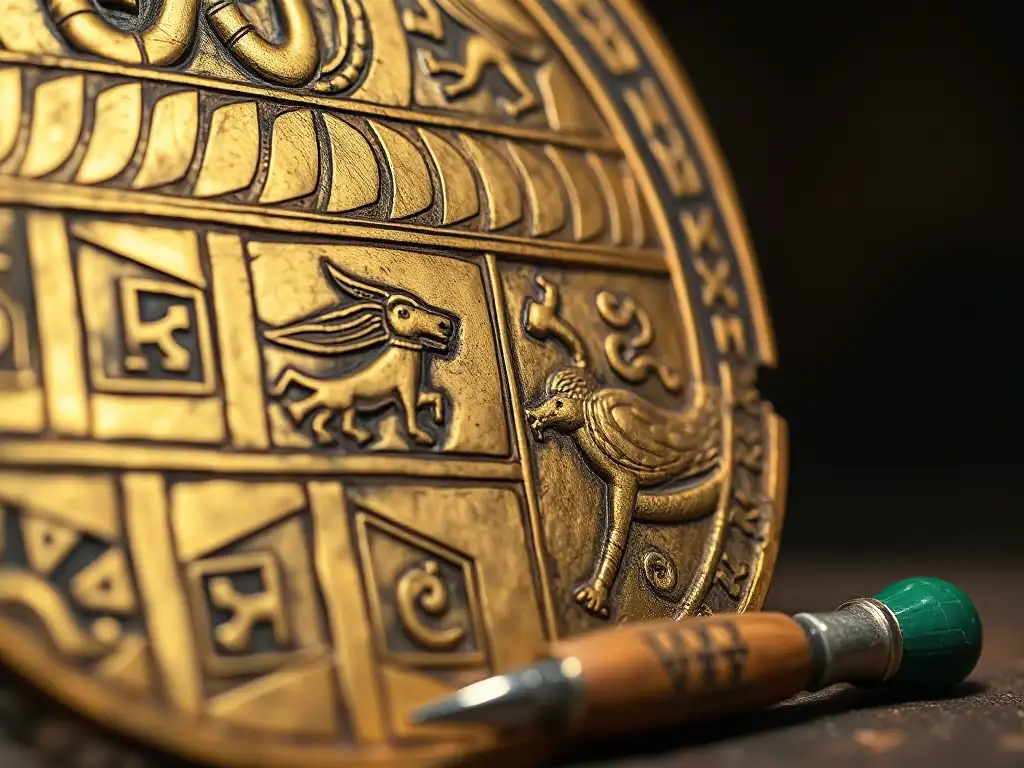
This section delves into the fascinating techniques and tools employed by Andean artisans to create the intricate engravings adorning their renowned metalwork. Understanding these methods provides crucial insight into their artistry and the sophisticated level of their metallurgical expertise. The precision and artistry displayed in these pieces highlight the advanced technological capabilities of these ancient civilizations, leaving a lasting legacy for us to admire and study. The study of Andean metalwork engravings allows us to appreciate not only the aesthetic beauty but also the cultural and social context surrounding their creation.
Traditional Methods of Metal Engraving in the Andes
Andean metalworkers utilized a range of techniques to etch their designs onto gold, silver, and copper alloys. These weren't simply crude markings; they were carefully planned and executed processes resulting in remarkably detailed and delicate engravings. Evidence suggests that hammering and repoussé techniques were commonly used.
Repoussé, involving hammering from the reverse side to raise a design on the surface, was particularly effective in creating three-dimensional effects. The artisans likely used various mallets and punches of different shapes and sizes to achieve the desired level of detail. Furthermore, the use of carefully selected stones or hard materials as hammers and punches, alongside the application of heat for annealing, allowed for the creation of intricate designs.
[Specific details on annealing techniques pending]. The process required considerable skill and patience, indicating a high level of specialization within Andean societies. The mastery of these techniques highlights the significant cultural value placed on metalwork within these civilizations.
The Use of Chisels and Punches in Andean Metal Craft
Chisels and punches played a pivotal role in the creation of Andean metalwork engravings. These tools, fashioned from durable materials like stone or hardened metals, allowed artisans to create a diverse range of textures and lines. Different sized punches were utilized to create varied depths and widths of lines, contributing to the overall complexity of the design.
Some punches may have had intricate tips, enabling the creation of more detailed patterns. The use of chisels allowed for the removal of metal, producing lines, grooves, and even more complex shapes. The skill in handling these tools is evident in the precision and control demonstrated in surviving examples of Andean metalwork.
Analyzing the tool marks on these artifacts provides valuable information about the techniques employed and the level of craftsmanship achieved. For instance, the subtle variations in line weight and depth suggest a high degree of control and artistic sensitivity. The careful placement of these marks indicates a clear understanding of design principles and the desired aesthetic effect.
Materials Employed for Engraving: Gold, Silver, and Copper Alloys
The choice of metal significantly impacted the engraving process and the final aesthetic result. Gold, with its malleability, allowed for intricate details and fine lines. Silver, while also malleable, presented slightly different challenges, requiring adjustments in technique to achieve comparable results. Copper alloys, such as tumbaga (an alloy of gold and copper), offered a different palette of colors and textures, influencing the design choices and engraving methods.
The use of these different metals wasn't arbitrary; it often reflected the symbolic meaning associated with each material within Andean culture. For example, gold often represented the sun and divinity, while silver might be associated with the moon or other celestial bodies. The artisans' selection of metal thus became an integral part of the artistic expression, communicating deeper cultural and religious meanings beyond mere aesthetics.
Further research is needed to fully understand the relationship between material choice and engraving techniques in different Andean cultures. [Data on specific alloy compositions and their impact on engraving techniques pending]. The interplay of metal properties, artistic skill, and cultural symbolism resulted in the creation of truly remarkable and unique artifacts.
Decoding the Iconography of Andean Metalwork Engravings
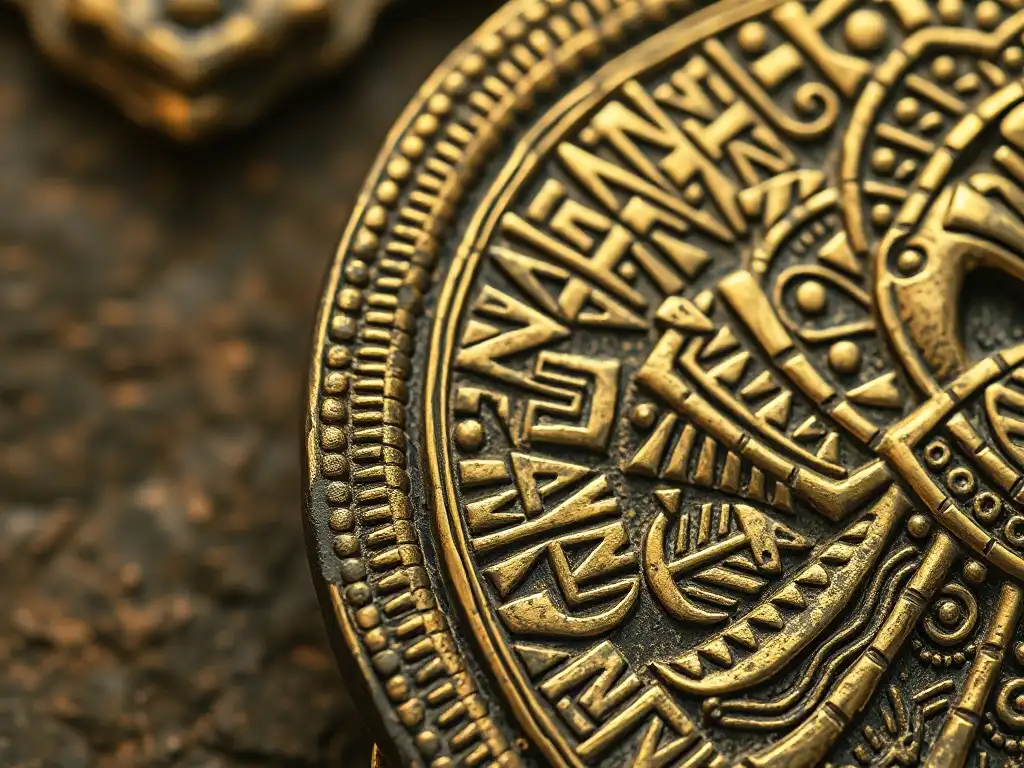
This section delves into the intricate world of Andean metalwork engravings, focusing on the iconography and symbolism embedded within these remarkable artifacts. Understanding these engravings provides crucial insights into the beliefs, social structures, and artistic expressions of the diverse Andean cultures. The analysis of these engravings requires a multi-faceted approach, considering not only the individual motifs but also their arrangement, context, and the stylistic variations across different regions and time periods.
The sheer diversity of motifs found on Andean metalwork — from realistic depictions of animals to abstract geometric patterns — presents a rich tapestry of cultural significance waiting to be unravelled. Analyzing Andean metalwork engravings provides a direct line to the thoughts and beliefs of these ancient peoples.
Common Motifs in Andean Metal Art: Animals, Deities, and Geometric Patterns
Andean metalworkers skillfully incorporated a wide array of motifs into their engravings, reflecting their close relationship with the natural world and their complex religious beliefs. Animal representations are particularly prevalent, often depicting creatures significant in Andean cosmology. For example, condors, jaguars, and snakes frequently appear, symbolizing power, strength, and spiritual connection. The meticulous detail in these engravings often reveals not just the animal itself, but also its posture and context, suggesting specific narratives or symbolic meanings.
Furthermore, depictions of deities and anthropomorphic figures are commonly found, albeit often stylized and abstract. These figures, frequently adorned with elaborate headdresses and jewelry, likely represented important gods or ancestors, reflecting the Andean people's hierarchical social structures and belief systems. The presence of these figures on prestigious objects suggests their importance in ritualistic or ceremonial contexts.
Geometric patterns, including spirals, zigzags, and stepped frets, also feature prominently in Andean metalwork engravings. These abstract designs, while seemingly simple, hold complex symbolic meanings, potentially representing celestial bodies, agricultural cycles, or cosmological principles. The precise arrangement and repetition of these patterns further enhances their symbolic significance. Researchers continue to debate the precise meanings of many of these geometric forms, highlighting the ongoing need for interdisciplinary research combining art historical analysis with archaeological and anthropological perspectives. The precise interpretation of these patterns, however, often requires considering the specific cultural context and the overall design of the artifact.
The Symbolic Meaning of Engraved Lines and Shapes
Beyond the easily identifiable motifs, the lines and shapes themselves in Andean metalwork engravings carry significant symbolic weight. The thickness, direction, and density of lines can convey different meanings, ranging from simple ornamentation to complex narratives. For instance, parallel lines might represent cultivated fields or textile patterns, while wavy lines could symbolize water or rivers. The use of different engraving techniques, such as incision, repoussé, and chasing, also influenced the visual effect and possibly contributed to the symbolic meaning of the engravings.
Consider the use of spirals, a recurring motif across various Andean cultures. While sometimes appearing as simple decorations, spirals are often interpreted as representations of the cyclical nature of life, death, and rebirth, aligning with the Andean worldview that emphasized continuous renewal and regeneration. Similarly, the use of stepped frets, a pattern characterized by a series of interconnected rectangles, may have symbolized agricultural terraces or the layered structure of the Andean cosmos.
The intricate interplay of these lines and shapes creates a visual language that requires careful decoding to fully appreciate its richness and complexity. Further research is needed to fully understand the nuances of these symbolic systems, particularly concerning less-studied Andean cultures.
Regional Variations in Engraving Styles Across Andean Cultures
The styles of Andean metalwork engravings varied considerably across different regions and cultures. The Moche culture, known for its elaborate ceramics and metalwork, produced engravings characterized by a high degree of realism and detail, often depicting scenes of warfare, hunting, or ritual ceremonies. In contrast, the Nazca culture, famous for its geoglyphs, employed a more stylized and geometric approach to engraving, focusing on abstract patterns and repetitive motifs.
The Inca Empire, with its vast territory, also exhibited regional variations in metalwork engraving styles. While Inca metalwork often featured imperial symbols, like the chakana (Andean cross), local stylistic preferences and traditions persisted, resulting in a diverse range of engraving styles across the empire. This regional diversity underscores the importance of considering the specific cultural context when interpreting Andean metalwork engravings.
The study of these regional variations helps us understand the relationship between central authority and local traditions within the Inca Empire and other Andean societies. A detailed comparative analysis of engraving styles across different Andean cultures is crucial for a comprehensive understanding of their artistic practices and beliefs. A comprehensive catalog of these variations, including detailed photographic records, would be a valuable contribution to the field.
Examples of Masterful Andean Metalwork Engravings
This section showcases the remarkable artistry of Andean metalworkers, focusing on the intricate engravings adorning their creations. These engravings weren't mere decoration; they were powerful expressions of religious beliefs, social structures, and cosmological understandings. The skill and precision involved in creating these designs, often on delicate gold and silver sheets, are testament to the advanced metallurgical techniques and artistic talents of Andean civilizations. The study of these Andean metalwork engravings reveals a wealth of information about their creators and their world. Analyzing the iconography, style, and techniques used offers invaluable insights into the cultural complexities of ancient Andean societies.
The Intricate Detail of Moche Metal Engravings
The Moche culture (c. 100-800 CE), known for its vibrant ceramics, also excelled in metalworking. Their engravings are characterized by an astonishing level of detail and realism. Depictions of deities, mythical creatures, and scenes of daily life are rendered with remarkable precision.
Often, these engravings are found on thin sheets of gold and silver, hammered into intricate shapes before the engravings are painstakingly applied. Consider, for example, the intricate details found on Moche gold ornaments depicting richly adorned warriors or shamanistic figures engaged in ritualistic acts. The masterful use of fine lines, subtle shading, and the ability to capture movement and expression within such a small scale is truly breathtaking.
The use of repoussé and chasing techniques further enhanced the three-dimensionality of these images, adding depth and realism to the Andean metalwork engravings. These engravings frequently show scenes of sacrifice, warfare, and agricultural practices, providing valuable insights into Moche society and religious beliefs.
The level of skill required to create these miniature masterpieces is astounding. Imagine the patience and precision needed to create such fine lines and detailed figures on such a delicate material. The tools used, likely made of stone or bone, must have been incredibly sharp and finely crafted. The existence of these objects demonstrates not only the Moche's artistic prowess but also their advanced metallurgical knowledge and technological capability.
The Geometric Precision of Tiahuanaco Metalwork
In contrast to the naturalistic style of Moche engravings, Tiahuanaco metalwork (c. 500-1000 CE) exhibits a striking preference for geometric patterns and stylized figures. Their Andean metalwork engravings often feature intricate designs incorporating stepped pyramids, intricate knotwork, and repeated motifs representing their complex cosmology. These engravings, usually found on copper and bronze objects, display a remarkable sense of symmetry and precision.
The lines are crisp, the angles sharp, and the overall effect is one of powerful geometric order. This emphasis on geometric precision reflects the Tiahuanaco's focus on monumental architecture and their sophisticated understanding of mathematics and cosmology. These designs were likely imbued with symbolic meaning, reflecting their beliefs about the cosmos and their relationship to the divine.
Unlike the Moche, who often depicted scenes of daily life, the Tiahuanaco focused on abstract forms and symbolic representations. This difference reflects the distinct cultural values and beliefs of these two powerful Andean civilizations. Further research into the specific symbols and their arrangement within the Andean metalwork engravings could reveal deeper insights into Tiahuanaco religion and society. The precise execution of these designs reveals a high level of technical skill and planning, suggesting a specialized class of metalworkers within Tiahuanaco society.
Inca Metalwork and its Engraved Designs
Inca metalwork (c. 1438-1533 CE) represents the pinnacle of Andean metallurgical achievement. While known for their masterful gold and silver work, Inca Andean metalwork engravings often took a more subdued approach compared to earlier cultures. Instead of elaborate scenes, Inca engravings frequently featured simpler, repetitive patterns or stylized representations of animals and plants.
This stylistic choice may reflect the Inca's emphasis on imperial power and uniformity. Their designs often incorporated symbolic elements reflecting their imperial ideology and their control over vast resources. The use of gold, silver, and other precious metals served as a powerful visual representation of their authority and wealth.
The Inca's mastery of techniques such as repoussé and casting allowed them to create large, complex pieces adorned with finely detailed engravings. These pieces, often ceremonial objects or royal regalia, were not only aesthetically pleasing but also held significant symbolic meaning. The relatively simpler style of Inca Andean metalwork engravings, compared to the intricate scenes of the Moche, does not diminish their artistic merit.
The precision and quality of the work, combined with the use of precious metals, speak volumes about the Inca's power and sophisticated artistic capabilities. Further study of the specific iconography used in Inca metalwork could provide more insights into their worldview and imperial ideology. The development of Inca metalworking techniques, including advancements in casting and alloying, deserves further investigation.
The Sechin Alto Plaque: Analysis of a Notable Engraved Artifact
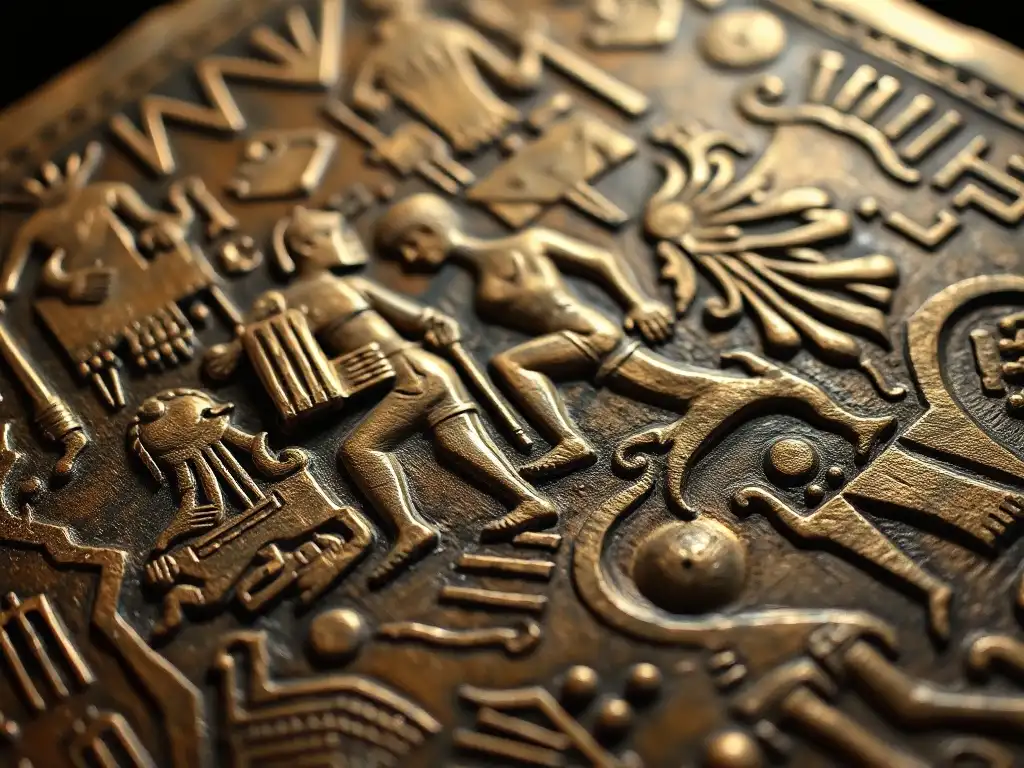
The Sechin Alto Plaque stands as a testament to the sophisticated engraving techniques employed by the pre-Inca cultures of the north coast of Peru. Dating back to approximately 1500 BCE, this artifact, made from hammered sheet gold, showcases a remarkable level of detail and artistry. The plaque's relatively small size, approximately [specific dimensions pending], belies the complexity of its imagery. The engravings depict a scene seemingly related to a ritual or ceremony, featuring stylized human figures, possibly warriors or priests, engaged in what appears to be a procession.
The figures are depicted with exaggerated features, including large eyes and prominent noses, characteristics typical of Sechin Alto iconography. The lines used in the engravings are remarkably precise, despite the challenges associated with working with gold. Researchers have noted the use of fine burins and punches to create both incised lines and raised relief elements, demonstrating a sophisticated understanding of metalworking techniques.
The overall effect is a vibrant and dynamic narrative frozen in time, offering invaluable insights into the religious beliefs and social structures of the Sechin Alto culture. The remarkable preservation of the plaque also highlights the advanced metallurgical knowledge of the artisans who created it, ensuring the longevity of this piece of Andean metalwork. Further analysis using [mention specific techniques like X-ray fluorescence or electron microscopy if available] could reveal additional details about the alloys used and the techniques employed in its creation.
The stylistic elements found on the plaque also offer valuable comparative data for studying the evolution of Andean art and the interconnectedness of different coastal cultures. Understanding the Sechin Alto Plaque's engravings is key to unlocking a deeper understanding of the broader context of Andean metalwork engravings.
The Lambayeque Tumis: Examining the Engravings of Another Key Piece
The Lambayeque culture, flourishing between 700 and 1375 CE on the northern coast of Peru, produced some of the most iconic examples of Andean metalwork, particularly their elaborate tumis, ceremonial knives. These knives weren't merely practical tools; they served as powerful symbols of authority and status, often adorned with intricate engravings that reflect the culture's mythology, cosmology, and social hierarchy. The engravings on these tumis are often far more extensive than those found on other pieces of Andean metalwork, covering the entire blade and handle.
The imagery varies considerably, but frequently features depictions of deities, mythical beings, and scenes of ritual sacrifice or warfare. The style of engraving is distinct from that of earlier cultures, often featuring a greater use of negative space and more dynamic compositions. The artisans employed a combination of techniques, including repoussé (hammering from the back to create raised relief) and chasing (hammering from the front to refine details).
The use of different metals, such as gold, silver, and copper alloys, further enhanced the visual impact of the engravings. One notable example, a tumi found in [specific location pending], features an elaborate depiction of a feline deity, possibly associated with the Lambayeque pantheon. The meticulous detail in the rendering of the feline's fur and features showcases an exceptional level of skill.
The vibrant colors, achieved through the use of inlay techniques with other metals or pigments [additional information about pigments used is needed], added another layer of richness to the piece. Studying the Lambayeque tumis and their engravings provides critical insights into the religious beliefs, social structures, and artistic capabilities of this significant Andean culture, contributing significantly to the ongoing study of Andean metalwork engravings. The sheer variety in subject matter and stylistic approaches among different tumis further underscores the complexity and sophistication of Lambayeque metalworking traditions.
The Cultural Significance of Andean Metalwork Engravings
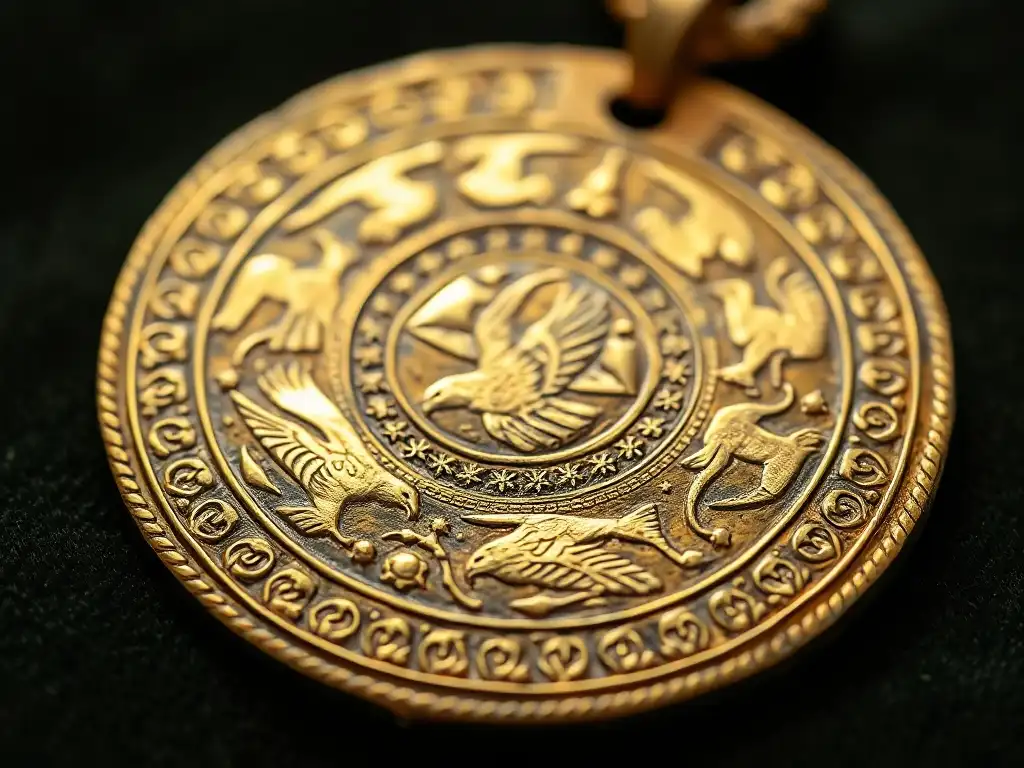
The intricate engravings adorning Andean metalwork are far more than mere decoration; they represent a powerful visual language reflecting the complex social, religious, and cosmological beliefs of these ancient societies. Studying these engravings provides invaluable insight into the worldview and daily life of the Incas, Moche, Nazca, and other Andean cultures. The meticulous detail and stylistic variations found across different regions and time periods reveal a sophisticated system of symbolic representation, deeply intertwined with the cultural fabric of Andean civilizations.
Understanding these engravings unlocks a deeper appreciation for the artistry and cultural significance of Andean metalwork. The analysis of these engravings offers a unique lens through which to examine the social hierarchy, religious practices, and belief systems of the Andean world.
Analyzing the subject matter, style, and technique of the engravings allows researchers to piece together a more comprehensive understanding of Andean culture. The sheer diversity of motifs and their consistent presence across different metalwork objects underscores their importance in Andean society.
The presence and complexity of engravings on Andean metalwork often correlated with social status. Elaborately engraved objects, featuring intricate designs and precious metals like gold and silver, were likely reserved for the elite, signifying power, wealth, and prestige. For example, large, intricately engraved gold tumblers have been found in elite burials, suggesting their use as markers of high social standing.
Conversely, simpler objects with fewer or less detailed engravings may have belonged to individuals of lower social standing. This isn't to say that simpler pieces lacked meaning; rather, the level of craftsmanship and decorative detail likely reflected social hierarchy. The difference in the quantity and quality of the metal, along with the complexity of the engravings, created a visual hierarchy reflecting the social stratification within Andean societies.
Further research is needed to fully understand the specific iconographic elements that signified particular levels of social status, but the correlation between elaborate engravings and elite burials is undeniable. The study of Andean metalwork engravings, therefore, provides valuable insights into the social dynamics and power structures of these ancient civilizations.
Metalwork Engravings in Religious and Ceremonial Contexts
Many Andean metalwork engravings depict religious figures, deities, and mythological scenes. These engravings played a crucial role in religious ceremonies and rituals. For example, engravings of feline deities, common in Moche metalwork, likely represented powerful figures within their pantheon.
The presence of these engravings on ceremonial objects, like ritual vessels, suggests their use in religious practices. Furthermore, the careful selection of specific motifs and their placement on the object itself often held deeper symbolic meaning. Consider the use of specific zoomorphic and anthropomorphic figures; their arrangement and context within the overall design could indicate a narrative or a specific ritual context.
More research is needed to fully decipher the religious iconography present in Andean metalwork, but the evidence strongly suggests that engravings were an integral part of Andean religious life. The use of specific metals, such as gold, often associated with the sun and divinity, further underscores the religious significance of these engraved artifacts.
The Role of Engraving in Transmitting Cultural Beliefs
Andean metalwork engravings served as a powerful medium for transmitting cultural beliefs and knowledge across generations. The consistent use of certain motifs, such as stylized animals, plants, and geometric patterns, suggests the existence of a shared symbolic language understood by different communities. These engravings acted as visual narratives, conveying stories, myths, and cosmological beliefs.
The repetition of certain motifs across different regions and time periods highlights their importance in maintaining cultural continuity and identity. The transmission of these visual narratives through generations ensured that cultural beliefs were preserved and passed down, even in the absence of a written language. The careful execution of these engravings, often requiring specialized skills and knowledge, suggests a dedicated class of artisans responsible for perpetuating these cultural traditions.
The stylistic variations that do appear across different regions and time periods offer clues to the evolution of these beliefs and the development of unique regional identities within the broader Andean cultural landscape. The study of these engravings provides a unique window into the transmission of knowledge and the preservation of cultural memory in pre-Columbian Andean societies.
Preservation and Study of Andean Metalwork Engravings
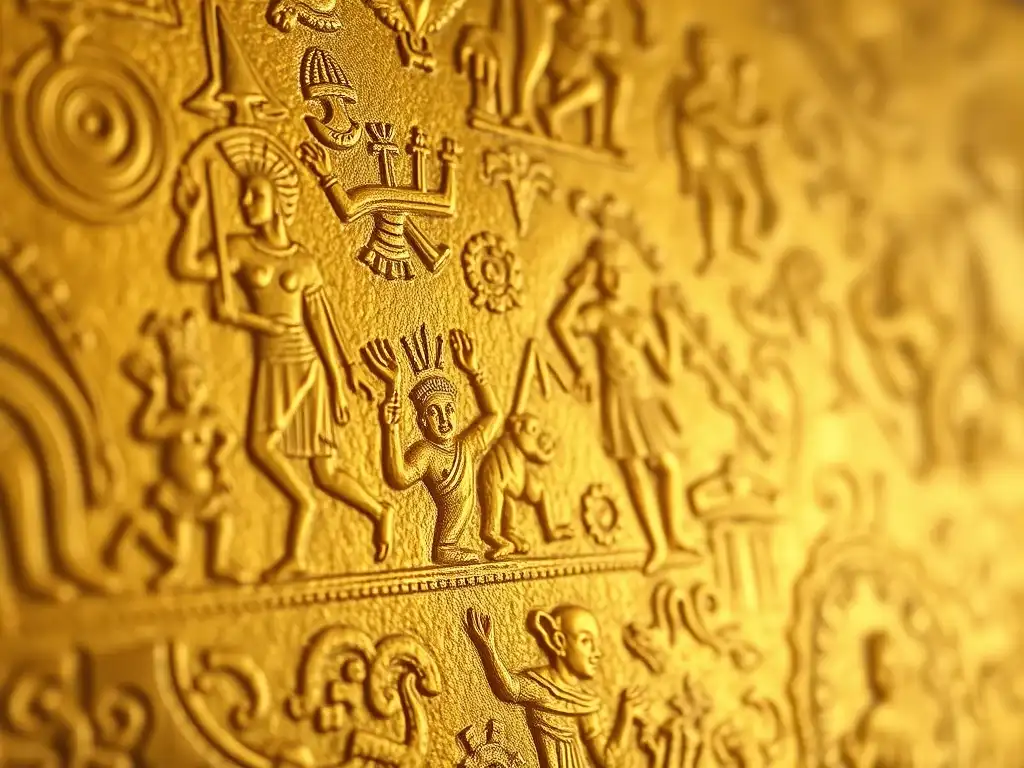
The intricate engravings adorning Andean metalwork represent a significant challenge for preservation and study. These artifacts, often crafted from gold, silver, copper, and alloys, are susceptible to various forms of deterioration over time. Understanding these threats is crucial for ensuring the longevity of these invaluable pieces and for unlocking the secrets they hold.
Challenges in Conserving Ancient Metal Artifacts
The primary challenges in conserving Andean metal artifacts stem from their inherent material properties and the environmental conditions they've endured. Gold, while relatively inert, can still suffer from abrasion and deformation. Silver, on the other hand, is prone to tarnishing and corrosion, especially in humid environments. Copper alloys, frequently used in Andean metalwork, are particularly susceptible to oxidation and the formation of patinas, which can obscure the delicate engravings.
Furthermore, the techniques used in creating these artifacts often contribute to their fragility. Many pieces were hammered thin, making them vulnerable to damage. The use of various alloys, sometimes with uneven distribution of metals, can lead to differential corrosion, further compromising the integrity of the engravings. The very act of excavation and handling can introduce new stresses and damage.
Detailed records of the condition of each artifact upon discovery are essential, providing a baseline for tracking deterioration and informing conservation strategies. Environmental controls, such as maintaining stable temperature and humidity levels, are crucial in slowing down the degradation process. Careful cleaning and stabilization techniques are also necessary, but must be employed with extreme caution to avoid further damage to the already fragile engravings.
The choice of cleaning methods must consider the specific metal and the type of engraving. For instance, laser cleaning offers a precise approach for removing surface contaminants without harming the underlying metal, but it requires specialized expertise and equipment.
The preservation of Andean metalwork engravings is a continuous process, demanding ongoing research and the development of new, non-invasive techniques. The long-term preservation of these artifacts depends on a careful balance between preservation and access for study and display. This delicate balance requires careful planning and collaboration between conservators, archaeologists, and museum professionals.
Current Research and Analysis of Andean Metal Engraving Techniques
Current research focuses not only on preserving existing engravings but also on understanding the techniques used to create them. Advanced imaging technologies, such as X-ray fluorescence (XRF) and scanning electron microscopy (SEM), are employed to analyze the metal composition and the engraving process itself. These methods allow researchers to identify the tools used, the sequence of steps taken, and even the skill level of the artisan.
For example, SEM analysis can reveal microscopic details of the tool marks, providing insights into the type of tool and the pressure applied during the engraving process. This information sheds light on the craftsmanship and technological sophistication of Andean metalworkers.
Researchers are also investigating the symbolic meaning embedded within the engravings. The stylistic variations across different regions and time periods suggest a complex system of visual communication. Detailed catalogs and databases are being created to document the stylistic features of different engraving styles, allowing researchers to trace the evolution of these techniques and to better understand their cultural significance.
This detailed analysis is crucial for understanding the social and political contexts in which these artifacts were created and used. The study of Andean metalwork engravings also allows for better understanding of the relationship between different Andean cultures, tracing potential influences and artistic exchanges.
The Importance of Studying Engravings for Understanding Andean Cultures
The study of Andean metalwork engravings offers invaluable insights into the beliefs, practices, and social structures of ancient Andean societies. These engravings often depict mythical beings, deities, and scenes from daily life, providing visual narratives that complement and enrich other archaeological evidence. The motifs found in the engravings—such as stylized animals, geometric patterns, and human figures—can reveal much about the cosmology, rituals, and social hierarchy of these cultures. For instance, the repeated appearance of specific motifs across numerous artifacts may indicate their importance in Andean religious beliefs or social status.
Analyzing the distribution of specific stylistic features geographically and chronologically can help researchers understand the connections between different Andean communities and the ways in which artistic styles spread and evolved over time. The stylistic variations between different groups and regions provide a detailed record of cultural differentiation and interaction. The study of Andean metalwork engravings thus offers a unique window into the rich tapestry of Andean cultures, enriching our understanding of their artistic achievements, social structures, and worldview.
The detailed analysis of these engravings provides tangible evidence of the complex societies that thrived in the Andes long before the arrival of Europeans, enriching our understanding of their artistic achievements and complex social structures. This interdisciplinary approach, combining art history, archaeology, and materials science, allows us to unlock the secrets hidden within these remarkable artifacts and appreciate the ingenuity and artistry of ancient Andean metalworkers.
Conclusion: The Enduring Legacy of Andean Metalwork Engravings
This exploration of Andean metalwork engravings reveals a sophisticated artistic tradition intertwined with complex social and religious practices. The intricate designs, often painstakingly rendered on precious metals, offer invaluable insights into the worldview, beliefs, and daily lives of ancient Andean societies. From the subtly nuanced iconography of the Moche to the geometric precision of the Nazca, these engravings transcend mere decoration; they are powerful statements of cultural identity and artistic achievement.
Understanding these engravings requires a multifaceted approach, incorporating archaeological findings, stylistic analysis, and anthropological interpretations. The enduring legacy of this art form is not only aesthetic but also profoundly historical and cultural.
The Artistic and Technical Mastery of Andean Metalworkers
The artistry displayed in Andean metalwork engravings is truly remarkable. Consider the sheer technical skill involved: hammering thin sheets of gold, silver, and copper into intricate shapes, then meticulously engraving detailed designs without the aid of modern tools. The precision and control demonstrated in these pieces are awe-inspiring.
For example, the Moche's mastery of repoussé, a technique involving hammering from the back of the metal to create raised designs, resulted in incredibly lifelike depictions of deities, animals, and scenes from daily life. The Nazca, known for their complex textiles, translated this intricate attention to detail into their metalwork, creating geometric patterns and stylized figures with astonishing accuracy. This technical prowess speaks to a highly developed metallurgical knowledge and a dedication to artistic excellence that persists in the admiration we feel for these pieces today.
Further research into the specific tools and techniques employed would illuminate this aspect even more fully, potentially revealing previously unknown intricacies of their metalworking processes. The sheer variety of techniques used – hammering, casting, inlaying, engraving – underscores the advanced level of technological development within Andean societies. Analyzing the specific alloys used in different pieces could also shed light on the sophistication of their metallurgical knowledge and the potential trade networks involved in acquiring rare metals.
The Continuing Relevance of Andean Metal Art
Andean metalwork engravings continue to hold significant relevance in the 21st century. Their aesthetic appeal remains undeniable, inspiring contemporary artists and designers. The symbolic language embedded within these engravings continues to fascinate scholars and the public alike, prompting ongoing research into their cultural significance.
Studying these artifacts offers a unique window into the past, allowing us to connect with the creativity and ingenuity of ancient Andean civilizations. Moreover, the preservation and study of Andean metalwork engravings is crucial for understanding the broader context of Andean art and culture. It allows us to appreciate the interconnectedness of different artistic expressions and the sophisticated worldview of these societies.
The enduring power of these engravings lies in their ability to connect us to the past, fostering a deeper understanding and appreciation of human creativity and cultural heritage. This enduring legacy is reflected in the continued interest in Andean art and the ongoing efforts to preserve and study these incredible artifacts. The vibrant colors and intricate designs still captivate audiences today, demonstrating the timeless appeal of this ancient art form.
Future Directions in the Study of Engraved Metalwork
Future research on Andean metalwork engravings should focus on several key areas. A more comprehensive analysis of the iconography, incorporating interdisciplinary approaches from art history, anthropology, and archaeology, is needed to fully decipher the meaning and context of the engraved designs. Technological advancements in material analysis can provide further insights into the metals used, the techniques employed, and the potential origins of the raw materials.
Furthermore, a deeper understanding of the social and religious contexts in which these objects were created and used is crucial. This might involve examining their association with specific rituals, burials, or elite individuals. Finally, collaborative projects involving researchers, museums, and local communities can ensure the responsible preservation and dissemination of knowledge about these invaluable artifacts.
By combining traditional scholarship with cutting-edge technologies and community engagement, we can unlock even more of the secrets held within these remarkable pieces of Andean metalwork, enriching our understanding of Andean civilizations for generations to come. The future of studying these engravings promises exciting discoveries and a deeper appreciation of their cultural significance. The ongoing development of new analytical techniques, coupled with a renewed focus on collaborative research, will undoubtedly lead to a more complete understanding of this fascinating aspect of Andean heritage.
Frequently Asked Questions
What makes Andean metalwork engravings so unique?
Andean metalwork engravings are unique due to their intricate detail and the variety of techniques used, including repoussé, chasing, and incision. The iconography often depicts complex mythological scenes and everyday life.
What types of metals were used in Andean metalwork?
Andean artisans primarily used gold, silver, copper, and bronze, sometimes in combination, to create their stunning works. The choice of metal often reflected the status and purpose of the object.
What are some common themes depicted in Andean metalwork engravings?
Common themes include mythological figures, animals, plants, and geometric patterns. These engravings often tell stories about religious beliefs, social structures, and cosmological views.
How did Andean artisans create such precise engravings?
The creation of these engravings involved specialized tools and advanced techniques. Artisans possessed a sophisticated understanding of metallurgy and artistic expression, resulting in exceptional precision and detail.
Where can I see examples of Andean metalwork engravings?
Examples of Andean metalwork engravings can be found in museums around the world, including the Larco Museum in Lima, Peru, and major museums in the United States and Europe. Many are also featured in academic publications and online databases.
Final Reflection: Echoes of the Andes in Metal and Meaning
The intricate engravings adorning Andean metalwork aren't merely decorative; they are vibrant echoes of a rich cultural past, speaking volumes about beliefs, social structures, and artistic mastery that continue to resonate today. These meticulously crafted images offer a powerful lens through which we can understand the complexities of Andean civilizations and their enduring legacy. Their survival, despite the passage of centuries, underscores the enduring power of human creativity and the importance of preserving cultural heritage.
The enduring influence of Andean metalwork engravings is undeniable. They continue to inspire artists, historians, and anthropologists alike, prompting new interpretations and deeper understandings of the societies that created them. Their aesthetic beauty is matched only by the profound narratives they convey, offering glimpses into a world both familiar and utterly foreign. The past is never dead. It's not even past.
– William Faulkner. This quote perfectly encapsulates the enduring relevance of these engravings; they are not relics of a bygone era, but active participants in an ongoing conversation about identity, artistry, and the human spirit.
Consider the stories etched into these ancient metals. Imagine the hands that painstakingly crafted them, the minds that conceived the intricate designs, and the communities that valued and preserved them. You, the reader, are now part of this ongoing dialogue. Take a moment to reflect on the power of visual storytelling, the importance of preserving cultural heritage, and the enduring legacy of the Andean civilizations. Let the language of lines inspire you to seek out and appreciate the artistry and narratives hidden within the objects that surround us, connecting us to the past and shaping our future.
**Unveil the Stories Behind Andean Engravings! **
Thank you for exploring the fascinating world of Andean metalwork with us! You've discovered how intricate engravings tell the stories of these ancient civilizations and their rich culture. Now, let's build on that knowledge!
Here are some ways to further explore this captivating subject:
- Visit a local museum to examine Andean artifacts firsthand and appreciate the narratives embedded within their engravings.
- Share your discoveries and insights with friends, family, or online communities to inspire conversations about the vibrant Andean culture.
- Engage with online forums and groups dedicated to Andean civilizations to connect with fellow enthusiasts, exchange ideas, and ask questions.
What aspect of Andean engravings has most captivated your interest?