
The Intricacies of Inca Weaving Techniques: A Masterclass in Craftsmanship

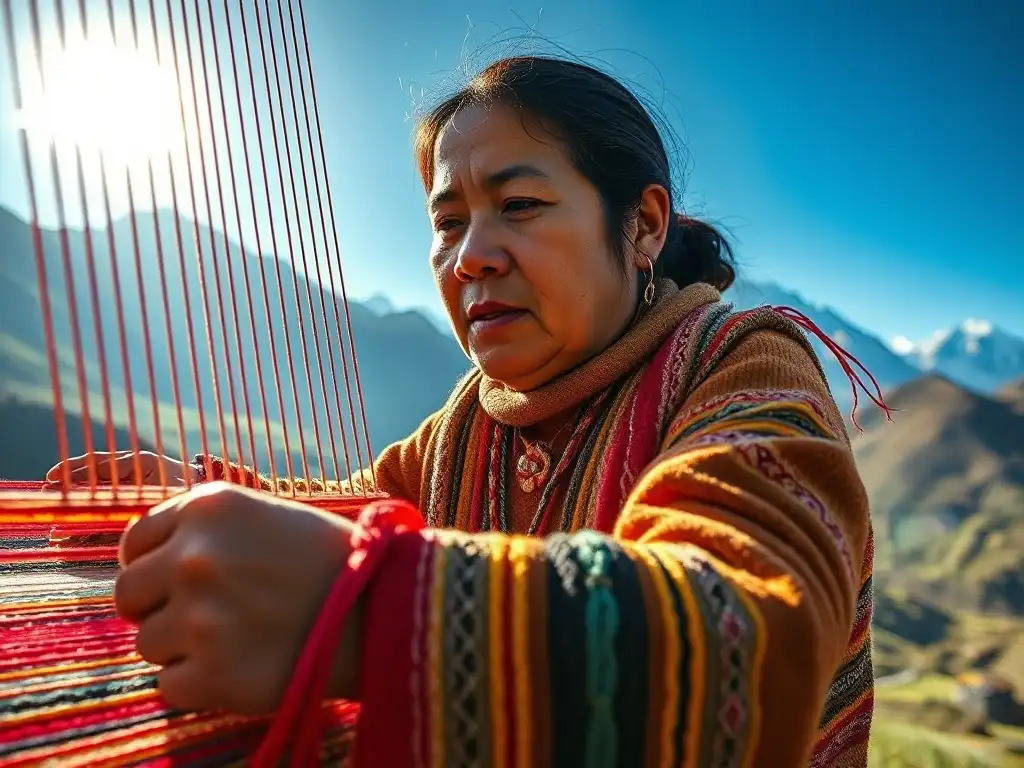
Step into a world lost to time, yet vibrantly preserved in the threads of history. Imagine the intricate artistry of the Andes, where civilizations like the Inca, Moche, and Nazca flourished, leaving behind a legacy of breathtaking ingenuity. This is your portal to understanding their remarkable achievements, and it all begins with an unparalleled masterclass in Inca weaving techniques. Prepare to be captivated by the secrets woven into their textiles—a story waiting to be unravelled.
The Inca Empire, renowned for its sophisticated infrastructure and intricate social organization, also left behind a breathtaking legacy of artistic achievement. Among these accomplishments, Inca weaving stands out as a testament to their unparalleled skill and ingenuity. This masterclass delves into the fascinating world of Inca textile production, exploring the techniques, materials, and symbolism embedded within these remarkably preserved artifacts.
We will unravel the complexities of their weaving methods, revealing the secrets behind the vibrant colors, intricate designs, and the enduring cultural significance of their textiles. From the preparation of the raw materials to the creation of exquisite garments and ceremonial objects, we will examine the entire process, highlighting the mastery and precision that characterized Inca weaving, solidifying its place as a pinnacle of Andean artistry.
Understanding these techniques provides a deeper appreciation for the Inca civilization and their profound impact on the cultural landscape of South America. Prepare to be amazed by the ingenuity and artistry of a lost civilization.
Gathering and Preparing the Raw Materials: The Foundation of Inca Weaving
The creation of any masterpiece begins with its raw materials, and Inca textiles were no exception. The Incas utilized a variety of natural fibers, primarily alpaca and llama wool, renowned for their softness, warmth, and durability. These animals were carefully herded and their fleece meticulously collected.
The process wasn't simply shearing; it involved careful sorting and cleaning of the wool to ensure the highest quality. Different types of wool were often blended to achieve specific textures and colors. The preparation involved washing, carding (separating and aligning the fibers), and spinning, often using a drop spindle – a simple yet effective tool that allowed for the creation of strong, even yarn.
The meticulous nature of this initial stage laid the groundwork for the exceptional quality of the finished textiles. Evidence suggests that the Incas also used cotton, particularly in warmer coastal regions, further demonstrating their adaptability and resourcefulness in material selection. The color palette was derived from natural dyes obtained from plants, minerals, and insects, resulting in a stunning array of vibrant hues that have remarkably endured the test of time.
The Loom and its Techniques: Unraveling the Weaving Process
The Inca loom, a remarkably sophisticated piece of technology for its time, was the heart of their textile production. While different types of looms existed, many were backstrap looms, characterized by their portability and adaptability. These looms, often made from wood and ropes, allowed weavers to create textiles of varying widths and lengths. The weaving itself involved a complex interplay of warp and weft threads, meticulously interlaced to create intricate patterns and designs.
The Incas mastered a variety of weaving techniques, including plain weave, tapestry weave, and supplementary weft techniques, allowing them to create textures ranging from smooth and delicate to richly textured and intricately patterned. The precision and control displayed in their work is truly remarkable, indicating a deep understanding of textile mechanics and years of dedicated practice. Furthermore, the ability to create complex designs, often incorporating symbolic imagery, demonstrates a high level of skill and artistic expression.
Symbolism and Design: More Than Just Fabric
Inca textiles were not merely functional garments or household items; they were imbued with deep cultural and symbolic meaning. The designs woven into the textiles often represented deities, animals, plants, and significant events. Geometric patterns, such as stripes, chevrons, and zigzags, were frequently used, often conveying status and social hierarchy. The colors themselves held symbolic weight, with different colors associated with specific deities or aspects of the Inca worldview.
For example, red might represent power and war, while yellow could symbolize royalty or divinity. The intricate designs and the careful selection of colors were not arbitrary; they were carefully chosen to convey specific messages and to reflect the wearer's social standing or the intended purpose of the textile. This rich tapestry of symbolism adds another layer of complexity and appreciation to Inca weaving.
Preservation and Legacy: A Continuing Source of Inspiration
Despite the passage of centuries, many Inca textiles have survived, offering invaluable insights into their weaving techniques and artistic achievements. These remarkably preserved pieces, often discovered in archaeological sites, continue to inspire awe and admiration. The vibrant colors, intricate designs, and exceptional craftsmanship are a testament to the skill and dedication of Inca weavers.
Their legacy continues to resonate today, influencing contemporary textile artists and designers. Studying these textiles allows us to connect with the past, to understand the ingenuity of a remarkable civilization, and to appreciate the enduring power of art and craftsmanship. The meticulous detail and artistic expression found within these textiles remain a source of fascination and inspiration, proving that the Inca's mastery of weaving techniques is a legacy that continues to captivate and inform us.
- Gathering and Preparing the Raw Materials: The Foundation of Inca Weaving
- The Loom and its Techniques: Unraveling the Weaving Process
- Symbolism and Design: More Than Just Fabric
- Preservation and Legacy: A Continuing Source of Inspiration
Understanding the Significance of Inca Textiles
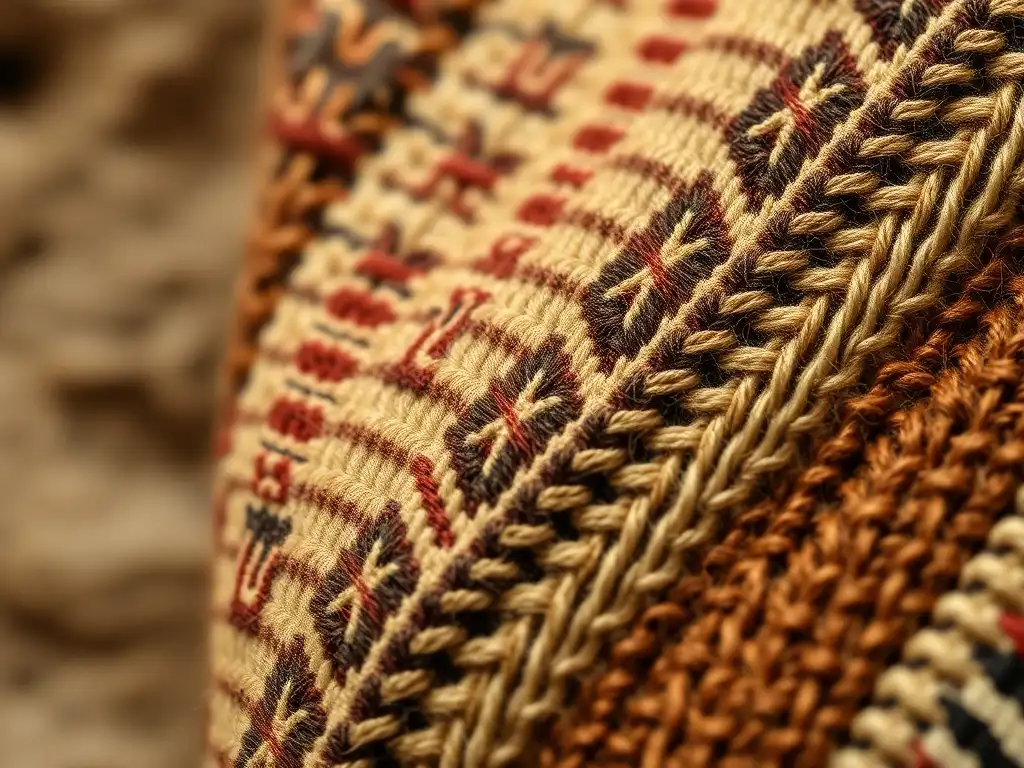
Inca weaving techniques weren't merely a craft; they were integral to the very fabric of Inca society, deeply intertwined with their social structure, religious beliefs, and daily life. Understanding the significance of Inca textiles requires appreciating their multifaceted role, extending far beyond simple clothing or decoration. The mastery of these techniques represented a sophisticated understanding of both natural resources and complex social hierarchies.
The Inca Empire, renowned for its impressive infrastructure and administrative prowess, also demonstrated unparalleled skill in textile production, a testament to their advanced technological capabilities and organizational structure. This section will explore the profound significance of Inca textiles, examining their social, religious, and symbolic importance within the empire.
The Role of Weaving in Inca Society
Weaving in Inca society wasn't confined to a specialized class; it was a widespread practice, engaging individuals across various social strata. However, the quality and complexity of the textiles varied significantly depending on social standing. Elite artisans, often associated with the royal court or religious institutions, produced the most intricate and elaborate pieces, using the finest materials and techniques.
These individuals possessed specialized knowledge passed down through generations, ensuring the continuity of these unique artistic traditions. Their work served not only as clothing but also as a representation of their status and skill. Commoners also participated in weaving, creating functional textiles for everyday use, contributing to the overall economic productivity of the empire.
This widespread participation underscores the importance of weaving in the Inca economy and social fabric. The intricate organization of textile production, involving both specialized artisans and widespread community involvement, reflects the Inca's remarkable ability to manage resources and coordinate labor effectively. We can imagine bustling workshops humming with activity, a tangible manifestation of the vibrant social life intertwined with textile production.
Inca Textiles as Status Symbols
The use of specific colors, fibers, and weaving techniques in Inca textiles directly correlated with social status. For instance, the cumbi, a type of fine wool fabric, was exclusively reserved for the Inca elite. Similarly, the use of vibrant, richly hued dyes, often derived from rare plants and insects, signified high social standing.
These dyes, painstakingly produced and carefully applied, required significant skill and resources, making them accessible only to the upper echelons of society. The intricate designs woven into the textiles, often incorporating symbolic motifs representing the Inca worldview, further enhanced their status. These designs, often geometric or zoomorphic, were not only aesthetically pleasing but also carried deep cultural and religious meaning.
The more complex and elaborate the design, the higher the status of the individual who wore the garment. Archaeological evidence supports this assertion, with royal mummies often adorned in extraordinarily fine and richly decorated textiles. This clear association between textile quality and social standing highlights the importance of weaving as a marker of power and prestige within the Inca Empire.
Religious and Ritualistic Uses of Inca Fabrics
Inca textiles played a crucial role in religious ceremonies and rituals. Certain fabrics were specifically designated for sacred purposes, often used to adorn temples, idols, and ceremonial objects. These textiles, frequently featuring intricate designs and symbolic motifs, served as a visual representation of Inca cosmology and religious beliefs. The vibrant colors and complex patterns symbolized the Inca's connection to the supernatural world, reinforcing their religious beliefs and strengthening their spiritual bonds.
For example, specific colors might represent deities or natural elements, imbuing the textiles with sacred significance. The use of textiles in mummification practices further demonstrates their religious importance. Textiles served not only as burial shrouds but also as offerings for the deceased, suggesting a belief in the continued significance of these objects in the afterlife.
The meticulous care taken in preparing these ritual textiles underscores the profound religious significance attributed to them within Inca culture. The intricate weaving techniques and symbolic designs woven into these fabrics served as powerful mediums for communicating religious beliefs and reinforcing spiritual connections within the Inca world. The careful preservation of these textiles through mummification practices highlights their enduring importance in Inca spiritual life.
Key Materials and Tools of Inca Weavers
The unparalleled artistry of Inca weaving was deeply intertwined with the availability and skillful manipulation of specific materials and tools. Understanding these elements is crucial to appreciating the complexity and sophistication of their textile production. The Inca's mastery wasn't just about technique; it was about a complete understanding of the resources at their disposal and their ingenious use of them.
This section delves into the key components that formed the backbone of Inca textile production, providing a detailed look at the materials and tools that shaped their iconic creations. This masterclass in Inca weaving techniques necessitates an understanding of these foundational elements.
Andean Fibers: Alpaca, Llama, and Vicuña
The Andes Mountains provided Inca weavers with a remarkable palette of natural fibers. Three animals, in particular, were central to their textile industry: the alpaca, the llama, and the vicuña. Each animal yielded a fiber with distinct characteristics, influencing the final product's texture, warmth, and durability.
- Alpaca: Known for its incredibly soft, luxurious fiber, alpaca wool was highly prized. Its fine texture allowed for intricate designs and delicate weaves. The fiber's natural insulating properties made alpaca garments ideal for the Andean climate's extremes. Different alpaca breeds produced fibers ranging in color from creamy white to deep browns and blacks, offering a natural color variation.
- Llama: Llama fiber is coarser than alpaca but still highly valued for its strength and durability. Often blended with alpaca or other fibers, llama wool added resilience to textiles, making them longer-lasting. Its natural warmth also made it suitable for clothing and blankets. The color palette of llama fiber was similarly diverse, ranging from light beige to dark brown.
- Vicuña: Vicuña fiber is arguably the most luxurious of the three. Incredibly soft, fine, and lightweight, it was reserved for the Inca elite. Its rarity and exquisite quality made vicuña textiles symbols of status and power. The naturally light beige color of vicuña fiber was often left undyed, showcasing its inherent beauty.
The selection of fiber directly influenced the intended use of the textile. Fine alpaca might be used for intricate ceremonial garments, while a blend of llama and alpaca might be used for more durable everyday clothing. This careful consideration of fiber properties showcases the Inca’s deep understanding of their materials and their ability to tailor their production to specific needs and social hierarchies.
Natural Dyes from Plants, Minerals, and Insects
The vibrant colors of Inca textiles weren't achieved with synthetic dyes; rather, they were the result of painstaking work extracting pigments from a variety of natural sources. This process required significant expertise and knowledge of the local flora and fauna. The resulting colors were often subtle and nuanced, reflecting the complexity of the dyeing process. The choice of dye also held symbolic meaning, further enriching the cultural significance of the textiles.
The Inca utilized a wide range of materials:
- Plants: Many plants provided vibrant hues. For example, [specific plant names and resulting colors pending] were commonly used. Different parts of the plants – roots, leaves, bark – could yield different shades.
- Minerals: Minerals provided earthy tones and vibrant blues. [Specific mineral examples and resulting colors pending] were used extensively. The process of extracting and preparing mineral dyes was often laborious and required specialized skills.
- Insects: Certain insects, such as the cochineal insect, were used to produce a rich, crimson red. [Specific insect examples and resulting colors pending] The use of insects as a source of dye highlights the Inca's comprehensive knowledge of their environment and their ability to utilize even the most unexpected resources.
The preparation of these natural dyes was a complex process, often involving multiple steps and requiring precise control of temperature and time. The resulting colors were often remarkably fast, lasting for many years. The use of natural dyes is a testament to the Inca's sophisticated understanding of chemistry and their ability to harness the resources of their environment to create stunning works of art.
Traditional Backstrap Looms and Weaving Tools
The Inca's weaving prowess wasn't solely dependent on the quality of their materials; it was also profoundly shaped by their innovative use of tools and techniques. The backstrap loom, a portable and versatile device, was the cornerstone of their weaving process. This simple yet ingenious tool allowed for the creation of intricate textiles of varying sizes and complexities.
The backstrap loom consisted of:
| Component | Description |
|---|---|
| Warp Threads | The lengthwise threads that form the foundation of the woven fabric. |
| Weft Threads | The crosswise threads that are interwoven with the warp threads to create the fabric. |
| Loom Beam | A horizontal bar around which the warp threads are wound. |
| Backstrap | A strap or rope that is attached to the loom beam and worn around the weaver's waist. |
| Shed Stick | A tool used to separate the warp threads to create a space for the weft thread. |
| Shuttle | A tool used to carry the weft thread across the warp threads. |
| Spindle Whorl | A weighted disc used to spin the yarn. |
Beyond the loom itself, Inca weavers employed a variety of specialized tools: [Specific tool names and functions pending]. These tools, combined with the backstrap loom, allowed for intricate techniques such as tapestry weaving, brocade, and supplementary weft techniques. The efficiency and portability of the backstrap loom allowed Inca weavers to create complex textiles virtually anywhere, showcasing both their adaptability and their skill. The mastery of these tools and techniques is a key element in understanding the intricacies of Inca weaving techniques. The backstrap loom, along with the associated tools, represents a crucial aspect of this masterclass.
Fundamental Inca Weaving Techniques
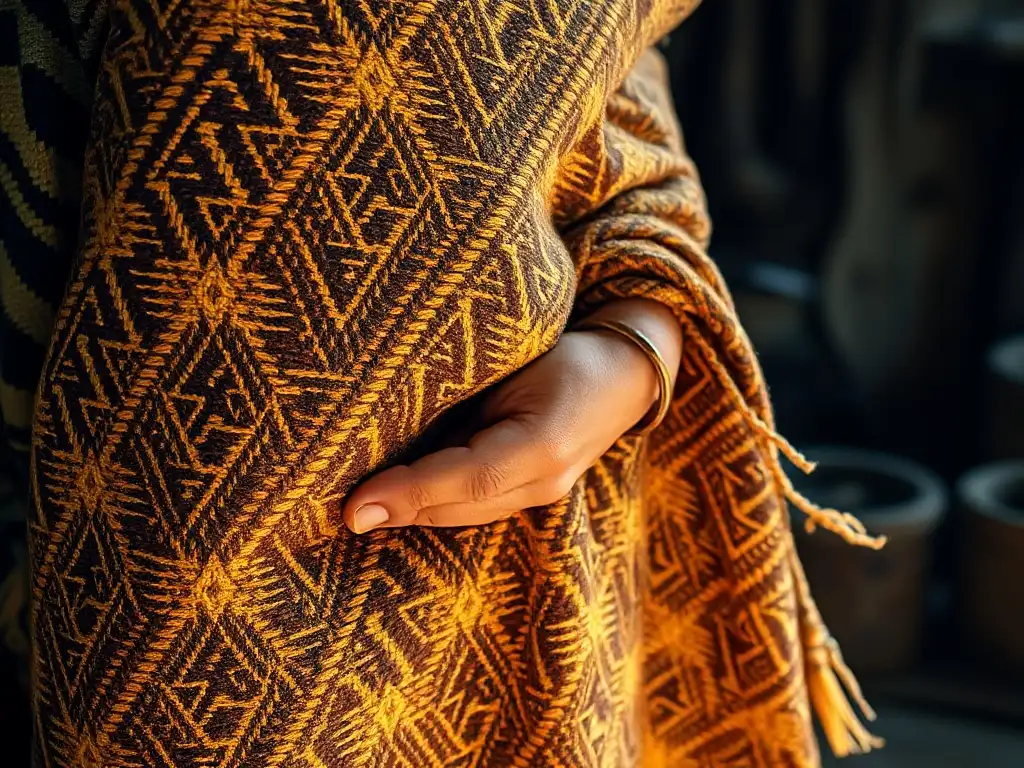
This section delves into the core techniques that underpinned Inca textile production, revealing the ingenuity and skill involved in creating their renowned textiles. Understanding these foundational methods is crucial to appreciating the artistry and complexity of Inca weaving. We will explore the essential elements of warp and weft, the building blocks of any woven fabric, and how Inca artisans manipulated these elements to achieve remarkable results.
The mastery of these techniques allowed them to produce textiles of unparalleled quality and intricate designs, showcasing their advanced understanding of textile production. This "Inca weaving techniques masterclass" will equip you with a deeper understanding of their sophisticated craftsmanship.
The Art of Warp and Weft in Inca Textile Production
Inca weaving, like most forms of weaving, relies on two fundamental elements: the warp and the weft. The warp consists of the lengthwise threads that are stretched taut on a loom. The weft, on the other hand, are the crosswise threads that are interwoven through the warp to create the fabric.
The Inca's mastery lay not just in the use of these basic elements, but in their innovative manipulation. They employed various types of fibers, including alpaca, llama, vicuña, and cotton, each chosen for its specific properties – strength, softness, color – to create textiles suited for different purposes. The preparation of these fibers, involving careful cleaning, spinning, and dyeing, was itself a highly specialized skill, passed down through generations.
For example, the vibrant reds often seen in Inca textiles were achieved through the use of cochineal insects, demonstrating their advanced knowledge of natural dyes and colorfastness. The precision with which they controlled the tension of the warp threads and the spacing of the weft threads is evident in the evenness and durability of the surviving textiles. This meticulous attention to detail is a hallmark of their weaving expertise, elevating their craft to an art form.
Complementary Warp Weaving
Beyond the basic warp and weft structure, Inca weavers employed more sophisticated techniques, such as complementary warp weaving. This method uses two or more sets of warp threads, each with a different color or texture. By carefully controlling which warp threads are brought to the surface at various points in the weaving process, Inca artisans created intricate patterns and designs.
This technique allowed them to achieve a level of complexity and visual richness that was unmatched by other cultures of the time. The precise manipulation of multiple warp threads required exceptional skill and patience, illustrating the high level of training and expertise within Inca weaving communities. Think of it as a form of advanced weaving, where the interplay of different colored warps creates a tapestry of visual interest, far exceeding the capabilities of simpler weaving techniques.
This precise control over the warp threads allowed for the creation of geometric patterns, zoomorphic designs, and even representations of scenes from Inca life, all within the same piece of fabric. The surviving examples of this technique showcase the artistry and precision of Inca weaving, a testament to their advanced knowledge of textile production.
Interlocking Techniques for Complex Patterns
To further enhance the complexity and visual appeal of their textiles, Inca weavers utilized various interlocking techniques. These techniques involved intricately weaving the weft threads to create raised patterns, three-dimensional effects, and even tapestry-like images. These advanced methods required a deep understanding of weaving principles and a high degree of dexterity. Some examples include techniques where weft threads are passed over and under multiple warp threads in a carefully planned sequence, creating intricate interlocking structures.
These interlocking structures not only added visual interest but also provided increased strength and durability to the textiles. The resulting fabrics were not just visually stunning but also remarkably resilient, able to withstand the rigors of daily use and the passage of time. The creation of these complex patterns speaks to the high level of skill and artistic vision possessed by Inca weavers.
They weren't merely producing functional textiles; they were creating works of art that expressed cultural identity and social status. The legacy of these intricate weaving techniques continues to inspire awe and admiration today, showcasing the peak of Inca textile artistry. The mastery of these advanced techniques is a clear indication of the high value placed on textiles within Inca society and the significant role weaving played in their culture.
Tapestry Weaving in Inca Art
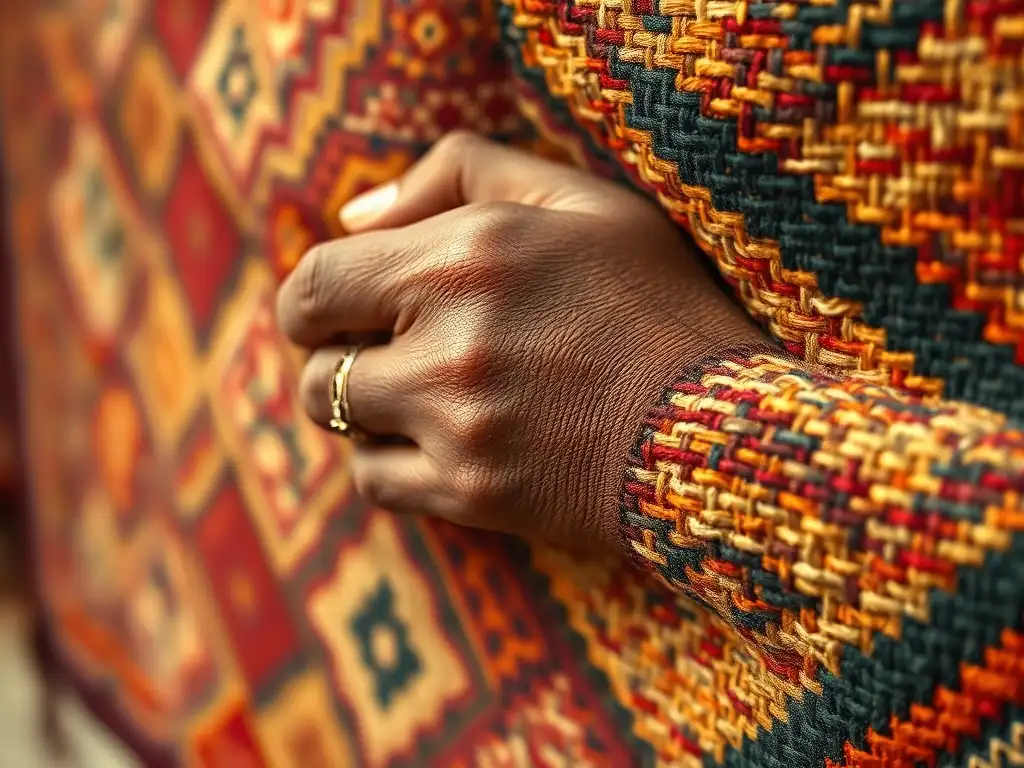
Tapestry weaving, a hallmark of Inca artistry, represents a sophisticated technique showcasing their mastery of textile production. Unlike other weaving methods where the design is integrated into the fabric structure itself, tapestry weaving involves creating the image by weaving separate colored threads onto a base cloth. This allowed Inca artisans to achieve intricate designs with remarkable detail and vibrant color contrasts. The process required exceptional skill and patience, as each thread was carefully positioned to form the desired image.
Consider the iconic depictions of animals, mythical creatures, and geometric patterns frequently found on Inca textiles. These weren't simply decorative elements; they often conveyed complex narratives, religious beliefs, or social status. The precision and artistry involved in creating these tapestries speak volumes about the weavers' understanding of color theory, design principles, and the symbolic language woven into their art. The use of natural dyes, sourced from plants and minerals found throughout the Andes, further enhanced the visual impact, producing a range of rich, earth-toned hues.
The durability of these tapestries, many surviving for centuries, is a testament to the quality of the materials and the skill of the weavers. The surviving examples are not merely artifacts; they are windows into the rich cultural and spiritual life of the Inca civilization, offering invaluable insights into their worldview and artistic expression. Analyzing the surviving tapestries allows researchers to understand the social structures and beliefs of the time, as well as the advanced techniques employed by these master craftspeople.
Brocade Techniques Used by Inca Artisans
Inca brocade weaving stands as a testament to their advanced textile technology. This complex technique involved the incorporation of supplementary weft threads to create raised, textured patterns on the fabric's surface. Unlike tapestry weaving, which uses separate threads to create a design on top of the base cloth, brocade integrates the pattern directly into the fabric's structure. This required an incredibly high level of skill and precise manipulation of the warp and weft threads. The resulting textiles displayed remarkable three-dimensionality and visual richness.
The designs were often intricate and sophisticated, incorporating geometric motifs, stylized animals, and symbolic representations. The use of contrasting colors and textures further enhanced the visual impact. Consider the meticulous detail found in surviving examples of Inca brocade: the subtle variations in texture, the precise alignment of the threads, and the harmonious blend of colors all contribute to the overall aesthetic effect. Inca artisans employed different types of brocade techniques, each producing unique textural effects. Some examples show a simple floating weft technique, while others employ more complex methods involving supplementary weft threads interwoven with the ground weft.
The level of skill required for these techniques highlights the advanced technological understanding and artistic prowess of Inca weavers. The creation of brocade textiles was likely a specialized craft, with weavers possessing a deep understanding of both the technical aspects of weaving and the symbolic meanings embedded within their designs. These textiles were not merely functional items; they served as important markers of social status, religious significance, and artistic achievement within Inca society. The legacy of Inca brocade continues to inspire contemporary textile artists and provides a rich source of study for scholars exploring ancient Andean technologies.
Advanced Inca Weaving Skills and Patterns
The Inca Empire's mastery of weaving transcended mere textile production; it was a sophisticated art form reflecting their complex social structure, religious beliefs, and sophisticated understanding of textile technology. Their advanced techniques, passed down through generations, resulted in incredibly intricate and durable textiles. This section delves into the specialized skills and patterns that elevated Inca weaving to an unparalleled level of artistry, solidifying their position as masters of their craft. Understanding these techniques provides a deeper appreciation for the Inca weaving techniques masterclass that their legacy represents.
Creating Intricate Geometric Designs
Inca weavers demonstrated exceptional skill in creating complex geometric designs. These weren't simply random patterns; they were meticulously planned and executed, often incorporating symbolic meaning. Common motifs included stepped frets, zigzags, triangles, and diamonds, frequently arranged in repeating sequences to create larger, more elaborate designs. The precision required to achieve such intricate patterns is astonishing, especially considering the tools available to them.
They utilized a variety of techniques, including supplementary weft weaving, tapestry weaving, and brocade, to achieve different textures and visual effects within a single piece. For example, a single lliclla (a woman's shawl) might incorporate several geometric patterns, each executed with a different technique, demonstrating the weaver's mastery across multiple methods. The consistency and precision of these geometric designs across vast distances within the empire point to a standardized system of teaching and practice.
Representational Motifs in Inca Textiles
While geometric patterns dominated Inca textiles, representational motifs were also significant, though often subtly integrated within the larger design. These motifs typically depicted animals, plants, and even human figures, though often stylized and symbolic rather than realistic. Condor feathers, for instance, frequently appeared, representing power and prestige. Similarly, depictions of snakes, jaguars, and other animals held spiritual significance, often related to Inca mythology and cosmology.
The inclusion of these representational motifs within the geometric framework showcases the Inca weaver's ability to seamlessly blend abstract and figurative elements, further highlighting the complexity of their artistic vision. The precise rendering of these symbols, often within limited color palettes, speaks to the incredible skill and patience involved in the process. Detailed analysis of these motifs reveals a rich tapestry of cultural and religious symbolism, underscoring the deep connection between Inca weaving and their worldview.
The Use of Color Symbolism in Inca Weaving
Color played a crucial role in Inca weaving, extending beyond mere aesthetics. Specific colors carried symbolic weight, often associated with deities, social status, or specific events. For example, red was associated with power and royalty, often reserved for elite garments.
Yellow, representing the sun god Inti, was also highly prized. Other colors, such as purple, green, and blue, held different meanings, intricately woven into the narrative of the textile. The skillful blending and contrasting of these colors adds another layer of complexity to Inca textile designs, enhancing their symbolic depth.
The strategic use of color, alongside the intricate patterns and techniques, demonstrates the sophisticated understanding of symbolism within Inca culture. Further research into specific color combinations found in different regions and time periods could provide a deeper understanding of regional variations and changes in symbolic meaning over time. The subtle variations in hue and shade, achievable through the use of natural dyes, demonstrate the weavers' profound understanding of their materials and the nuanced expressions they could achieve.
Double Cloth Techniques in Ancient Inca Weaving
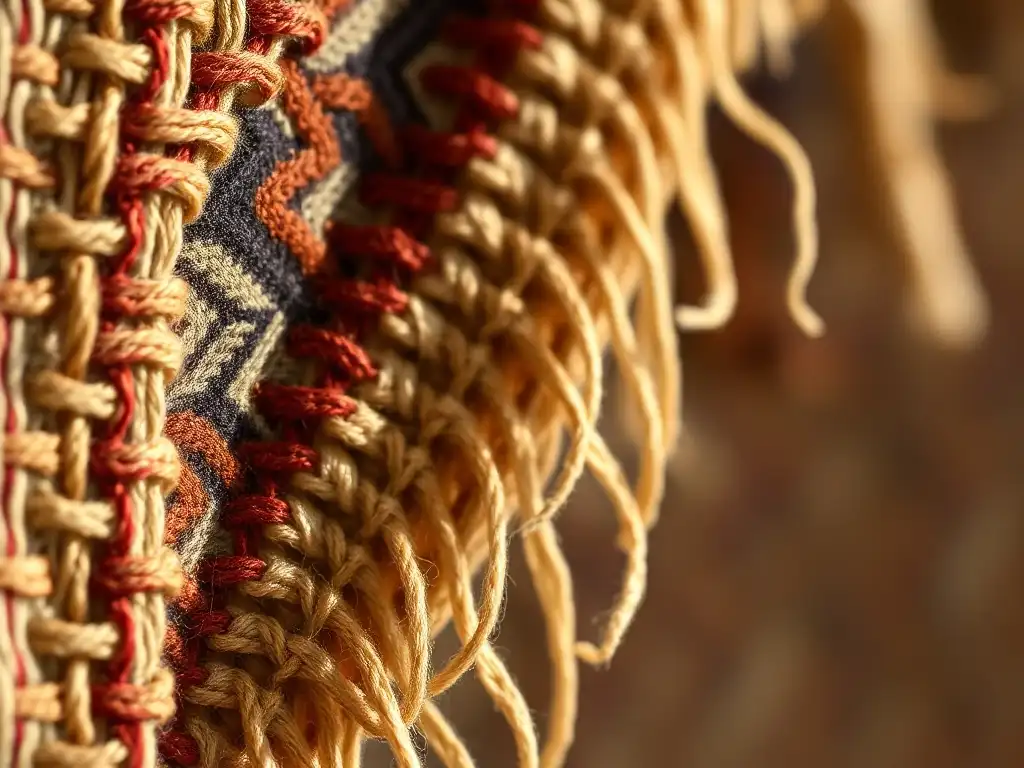
Double cloth weaving, a hallmark of Inca textile artistry, represents a significant advancement in Andean weaving techniques. This sophisticated method involved creating two separate layers of cloth simultaneously, often with contrasting colors and designs, interconnected by warp threads. The result was a richly textured fabric with a reversible design, sometimes even with different patterns on each side. This wasn't merely a decorative flourish; the double cloth technique allowed for the creation of exceptionally durable and warm garments, crucial for the varied Andean climates.
Imagine the meticulous planning and skill required to manage the hundreds, even thousands, of warp threads necessary for a large textile! The precision needed to ensure the alignment of the two layers, and the intricate manipulation of the weft threads to create the desired patterns, highlights the advanced level of technical expertise possessed by Inca weavers. Archaeological evidence suggests that different regions within the Inca Empire may have had variations in their double cloth techniques, indicating a complex and regionally diverse textile tradition.
The discovery of fragments of double cloth textiles in various Inca sites, from mountain passes to coastal regions, underscores the widespread application of this technique across the empire and its adaptation to different environments and needs. Furthermore, the discovery of incomplete pieces reveals the painstaking and time-consuming nature of the process, adding to the appreciation of the weavers' skill and dedication. The study of surviving examples continues to fascinate researchers, revealing subtleties in the techniques and shedding more light on the social and economic significance of Inca textiles.
Creating the Key Pattern: A Step-by-Step Guide
The iconic key pattern, a prominent motif in Inca weaving, showcases the Inca's mastery of geometric design and their ability to manipulate complex weaving structures. Creating this pattern wasn't a simple task, requiring a deep understanding of both the weaving process and the mathematical principles underlying the design. Let's break down a simplified version of how this intricate pattern might have been achieved:
- Warp Preparation: First, the weaver carefully prepared the warp threads, selecting threads of different colors to create the contrasting elements within the key design. The number of warp threads would depend on the desired size and complexity of the finished textile. This initial stage required meticulous planning and precision, as any error would significantly impact the final pattern.
- Weft Insertion: The key pattern is largely defined by the strategic insertion of the weft threads. The weaver would systematically interlace the weft threads over and under the warp threads, following a pre-determined sequence to create the characteristic stepped or "key" shape. This involved a high degree of dexterity and mental visualization of the pattern's progression. The use of different colored weft threads further enhanced the pattern's visual impact.
- Supplementary Weft: In some cases, supplementary weft threads might have been used to further define the key shapes and add another layer of complexity to the design. These threads would be woven in between the main weft threads, creating a raised or textured effect that enhanced the three-dimensionality of the pattern.
- Finishing Touches: Once the key pattern was complete, the weaver would carefully secure the loose ends of the weft threads, ensuring the durability and longevity of the textile. This final stage, while seemingly simple, was crucial in preventing the unraveling of the intricate design. It is this attention to detail that highlights the Inca's deep commitment to craftsmanship. The completed textile, a testament to the weaver's skill and patience, would then be used for clothing, ceremonial items, or other important purposes within Inca society. The key pattern, therefore, was not just a decorative element but a symbol of Inca ingenuity and cultural identity. The process, although simplified here, demonstrates the remarkable level of skill and precision inherent in Inca weaving techniques.
The Legacy of Inca Weaving: Modern Interpretations and Preservation
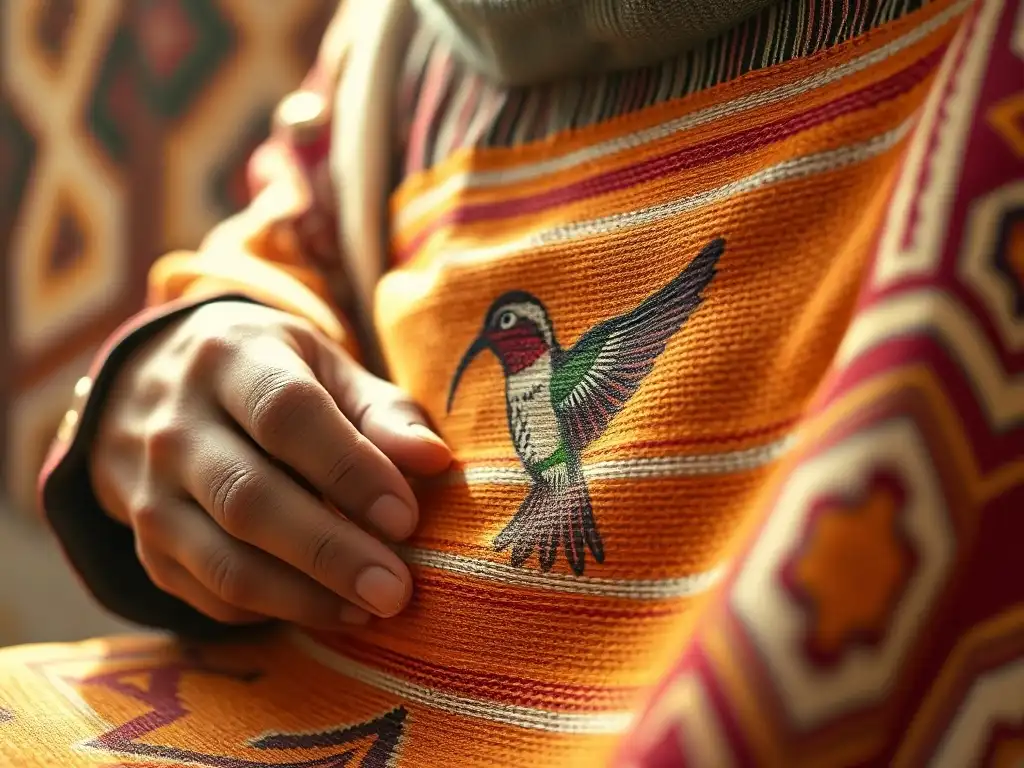
The intricate artistry of Inca weaving techniques continues to resonate powerfully in contemporary Andean culture, influencing both artistic expression and economic livelihoods. The legacy of this sophisticated textile tradition is not merely historical; it's a living heritage actively shaped and preserved by modern artisans and institutions alike. Understanding this enduring influence is crucial to appreciating the full scope of Inca ingenuity and its lasting impact.
The vibrant colors, complex patterns, and exceptional quality of Inca textiles serve as a constant source of inspiration, fueling a continuous cycle of innovation and tradition. We'll explore how these ancient techniques are being preserved and reinterpreted in the modern world.
The Impact of Inca Weaving on Contemporary Andean Textiles
Inca weaving techniques, characterized by their use of camelid fibers (alpaca, llama, vicuña), intricate designs, and sophisticated dyeing methods, profoundly shaped the development of Andean textiles. Contemporary Andean weavers continue to utilize many of these same techniques, adapting them to modern aesthetics and demands. For example, the iconic ichu grass, used by Inca artisans for rope-making and certain textile components, is still utilized in some regions for creating unique textures. The vibrant natural dyes derived from plants and minerals, a hallmark of Inca textile production, remain a significant part of the contemporary palette.
Moreover, traditional backstrap looms, a cornerstone of Inca weaving, are still widely used, ensuring the continuity of ancestral practices. However, modern adaptations are also evident. Some artisans now incorporate synthetic fibers or modern dyeing techniques alongside traditional methods, creating a fascinating blend of old and new.
The resulting textiles are a testament to the enduring power and adaptability of Inca weaving traditions. The intricate geometric patterns, often imbued with symbolic meaning, continue to be a prominent feature in contemporary Andean textiles, albeit with occasional modern reinterpretations that reflect changing cultural landscapes. This dynamic interplay between tradition and innovation keeps the legacy of Inca weaving vibrant and relevant.
Preserving Traditional Inca Weaving Techniques
The preservation of traditional Inca weaving techniques is a multifaceted endeavor involving collaborative efforts from various stakeholders. Museums and cultural institutions play a vital role in archiving and exhibiting Inca textiles, providing valuable insights into past techniques and inspiring future generations. These institutions often conduct research and documentation projects, meticulously analyzing the structure, materials, and dyeing methods of ancient textiles. This research is essential for understanding the complexities of Inca weaving and informing restoration efforts.
Furthermore, workshops and training programs are crucial in transmitting knowledge to younger artisans. These programs, often led by master weavers, provide hands-on instruction in traditional techniques, ensuring the survival of these valuable skills. The transmission of knowledge often occurs within families, sustaining a generational lineage of expertise.
However, organized efforts to support these artisan communities are increasingly important, especially given the pressures of globalization and changing economic realities. These preservation efforts not only safeguard a rich cultural heritage but also contribute to the economic sustainability of Andean communities. Documentation efforts are increasingly focused on digital archiving, creating accessible records of techniques and designs for future study and dissemination.
Modern Artisans of Chinchero Inspired by Inca Craftsmanship
Chinchero, a town located near Cusco, Peru, is renowned for its vibrant textile tradition deeply rooted in Inca heritage. Modern artisans in Chinchero continue to produce exquisite textiles using techniques and designs inspired by Inca craftsmanship. Many artisans in Chinchero specialize in creating llicllas, traditional Andean shawls, using natural dyes and intricate weaving patterns. The unique blend of ancient techniques and modern interpretations results in textiles that are both visually stunning and deeply connected to their cultural heritage.
These artisans often incorporate both traditional and contemporary designs, reflecting the dynamic evolution of Andean textile art. The community in Chinchero actively works to preserve and promote its unique textile tradition through tourism and the sale of handcrafted goods. Many workshops are open to visitors, offering a firsthand glimpse into the processes involved in creating these exquisite textiles.
This direct engagement with artisans and their craft contributes to the preservation and appreciation of Inca weaving techniques. The economic benefits derived from textile production also play a vital role in sustaining the community and its cultural heritage, showcasing a successful model of cultural preservation intertwined with economic viability. The vibrant colors and intricate designs of Chinchero textiles continue to attract both local and international attention, ensuring the enduring legacy of Inca weaving techniques.
The Importance of Understanding Inca Textile Heritage
Understanding Inca textile heritage is crucial for several reasons. Firstly, it provides invaluable insights into the social, political, and economic structures of the Inca Empire. The intricate designs and the materials used often held symbolic meaning, reflecting the wearer's status, clan affiliation, and even their relationship to the Inca gods.
Analyzing these textiles allows historians and anthropologists to decipher complex social hierarchies and power dynamics that might otherwise remain obscure. For example, the use of specific dyes or weaving techniques could indicate a connection to the royal family or a particular religious order. The meticulous craftsmanship evident in surviving textiles speaks volumes about the high level of skill and organization within Inca society.
Secondly, preserving and studying Inca weaving techniques helps us understand the ingenuity and innovation of Andean artisans. The Inca mastered techniques like tapestry weaving, backstrap loom weaving, and the use of a wide variety of natural dyes, creating textiles of exceptional quality and beauty. Their mastery of these techniques allowed them to create not just clothing and blankets, but also highly sophisticated ceremonial items and intricate tapestries used in religious rituals.
Understanding these techniques allows us to appreciate the sophisticated knowledge systems and technological advancements of the Inca, showcasing their remarkable abilities in manipulating natural resources. This knowledge can even inform contemporary textile practices, inspiring new techniques and designs.
Finally, the preservation of Inca textile heritage is essential for cultural identity and tourism. These textiles represent a significant part of Peru's cultural legacy and attract tourists from around the world. By understanding and preserving these artifacts, we ensure the continuation of a vital part of Andean cultural identity and contribute to the economic well-being of communities involved in the preservation and recreation of these techniques.
The ongoing efforts to document, conserve, and interpret Inca textiles are vital in safeguarding this heritage for future generations, ensuring that the legacy of Inca weaving continues to inspire and educate. The intricate stories woven into the fabric itself need to be understood and shared to fully appreciate the scope of Inca artistry. Without this understanding, a crucial part of Andean history risks being lost.
Conclusion: The Enduring Art of Inca Weaving
The artistry and technical proficiency demonstrated in Inca weaving techniques represent a pinnacle of textile production in pre-Columbian South America. Their mastery wasn't merely about creating functional textiles; it was a deeply symbolic act, imbuing garments and artifacts with cultural significance and reflecting the intricate social hierarchy of the Inca Empire. The enduring legacy of Inca weaving continues to inspire awe and admiration, reminding us of the ingenuity and skill of the ancient Andean cultures.
Understanding these techniques offers a window into the worldview and societal structures of the Inca, providing valuable insights into their daily lives, religious beliefs, and social organization. Even today, the vibrant colors and intricate designs echo through the surviving textiles, a testament to the lasting impact of Inca craftsmanship.
The Mastery of Inca Weavers
Inca weavers possessed an unparalleled skillset, mastering techniques that continue to fascinate textile experts. Their ability to create incredibly fine and durable textiles stemmed from a deep understanding of both the materials and the processes involved. They expertly manipulated various fibers, including alpaca, llama, vicuña, and cotton, employing techniques such as:
- Spindle spinning: Creating fine yarns from raw fibers using a simple hand-held spindle. The fineness of the yarn directly impacted the quality and delicacy of the final textile.
- Backstrap loom weaving: This ingenious loom, using the weaver's back as an anchor, allowed for precise control over the weaving process, enabling the creation of intricate patterns and complex designs. The mastery of this technique required years of practice and training.
- Supplementary weft techniques: These methods, including tapestry and brocade, allowed for the creation of multi-colored designs and intricate patterns, demonstrating a sophisticated understanding of color theory and design principles. Examples include the use of khipu (knotted string records) to plan complex designs before weaving.
- Dyeing techniques: Inca weavers employed a wide range of natural dyes derived from plants, minerals, and insects, achieving a stunning array of colors. The durability and vibrancy of these dyes are a testament to their expertise in chemical processes. Achieving specific shades required precise control over the dyeing process, showcasing a deep understanding of chemistry and color manipulation.
The precision and complexity of Inca weaving are evident in the surviving textiles, showcasing the extraordinary skill and dedication of the weavers. Their work wasn't simply a craft; it was an art form that reflected the rich cultural heritage of the Inca Empire.
Appreciating the Complexity of Inca Textile Art
The complexity of Inca textile art extends beyond the technical skills involved. The designs themselves held profound cultural significance, conveying social status, religious beliefs, and historical narratives. Specific motifs, colors, and techniques were used to denote different social classes, ceremonial occasions, and even specific deities. For instance, the use of specific colors and patterns could indicate the wearer's rank within the Inca hierarchy, while certain designs were associated with religious ceremonies or important historical events.
| Motif | Significance | Example |
|---|---|---|
| Geometric patterns | Social status, hierarchy | Stripes, chevrons, zigzags |
| Animal figures | Religious beliefs, shamanic practices | Condors, jaguars, snakes |
| Human figures | Royal lineage, historical events | Representations of Inca rulers, warriors |
| Plant motifs | Agricultural cycles, fertility | Maize, coca leaves, flowers |
The use of these symbols wasn't arbitrary; they communicated a wealth of information, making Inca textiles not just beautiful objects but also powerful vehicles for conveying cultural meaning. The level of detail and precision in the execution of these designs further underscores the weavers' mastery and the importance of their craft within Inca society. Studying these designs offers a deeper understanding of the Inca worldview and the intricate relationship between art, religion, and social structure.
The Value of Inca Weaving Techniques for Future Generations
The preservation and study of Inca weaving techniques are crucial for several reasons. First, it allows us to appreciate the ingenuity and artistic achievements of a remarkable civilization. Second, it helps us understand the cultural and social context of Inca society, providing valuable insights into their beliefs, values, and daily lives. Third, it inspires contemporary textile artists and craftspeople, encouraging the exploration of traditional techniques and the creation of new artistic expressions.
The continued study of Inca weaving offers opportunities for:
- Ethnographic research: Further investigation into the social and cultural aspects of Inca weaving can reveal more about their society and beliefs.
- Artistic inspiration: Modern artists can draw inspiration from Inca designs and techniques, creating contemporary works that honor this rich tradition.
- Textile conservation: Efforts to preserve and restore existing Inca textiles ensure that these invaluable artifacts are available for future generations.
- Educational initiatives: Sharing knowledge about Inca weaving techniques through educational programs can help promote cultural understanding and appreciation.
The legacy of Inca weaving is not merely a historical artifact; it is a living tradition that continues to inspire and inform us today. By understanding and appreciating these techniques, we can connect with the past and learn valuable lessons about artistry, craftsmanship, and the enduring power of cultural heritage. 🧶
Frequently Asked Questions
What makes Inca weaving techniques so unique?
Inca weaving was incredibly sophisticated, utilizing complex techniques like double-faced weaving and spindle whorls to create incredibly detailed and durable textiles. Their mastery of color and intricate designs is also unparalleled.
What materials did the Inca use for their weaving?
The Inca primarily used alpaca and llama wool, known for its softness and warmth. They also incorporated cotton and other natural fibers depending on the region and intended use of the textile.
How did the Inca dye their textiles?
Inca dyers utilized a wide range of natural dyes derived from plants, minerals, and insects, achieving a remarkable array of vibrant and long-lasting colors. Their knowledge of dyeing techniques was highly advanced.
What types of textiles did the Inca create?
The Inca produced a vast range of textiles, including clothing, blankets, tapestries, and religious objects. Their textiles served both practical and ceremonial purposes within their society.
Where can I learn more about Inca weaving techniques?
This masterclass provides a comprehensive overview. Additionally, many museums and academic resources offer further information on Inca textile traditions and techniques.
Final Reflection: The Enduring Legacy of Inca Weaving
The intricate artistry of Inca weaving remains a powerful testament to human ingenuity, a legacy that continues to inspire and amaze us today. Its sophisticated techniques, far from being relics of the past, offer valuable lessons in sustainability, precision, and the profound connection between artistry and culture. The enduring beauty of Inca textiles speaks volumes about the enduring power of human creativity.
The impact of Inca weaving extends far beyond the realm of textile production; it represents a profound understanding of cultural identity and social structure. The symbolism woven into each piece, the meticulous craftsmanship reflecting social standing, and the sheer artistry involved all contribute to a rich tapestry of meaning. The threads themselves are a language, speaking of history, belief, and the very soul of a people.
This quote, while not directly from an Inca source, encapsulates the profound cultural significance embedded within these remarkable textiles. Their influence can still be seen in contemporary Andean art and design, a testament to their lasting impact.
Consider the meticulous detail, the innovative use of natural dyes, and the sheer skill required to create these masterpieces. You, too, can appreciate the enduring power of craftsmanship. Take a moment to reflect on the artistry you encounter in your own life, and consider how the dedication and skill of the Inca weavers can inspire you to approach your own endeavors with similar passion and precision. Let the legacy of Inca weaving inspire you to find beauty in detail and meaning in creation.
Unveil the Beauty of Inca Weaving Today!
Thank you for exploring the artistry of Inca weaving techniques! You've gained valuable insights into this intricate craft and its rich cultural heritage. Now, let's build on that knowledge and immerse yourself further in the world of weaving and creativity!
**Here are some ways to continue your journey:**
- **Participate in a local weaving workshop:** Experience the art of Inca weaving firsthand and connect with skilled artisans in your community.
- Explore online resources and tutorials on traditional techniques to deepen your understanding and perhaps even create your own woven piece.
- **Share your inspiration:** Discuss what excites you about Inca weaving in the comments below or on social media; let's inspire others in our community!
Which weaving technique are you most eager to try, and how do you think it might connect you to Andean culture?