
The Silent Threat: Climate's Impact on Andean Biodiversity

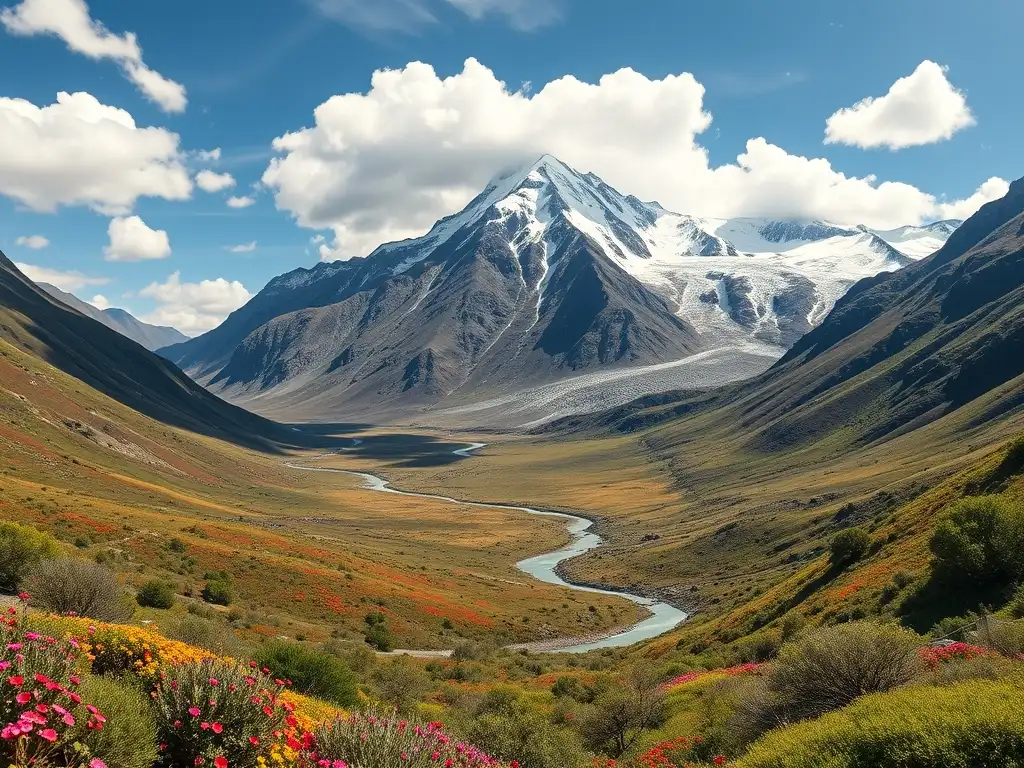
Welcome, explorer! Prepare to journey into the heart of the Andes, a land of breathtaking beauty and enigmatic civilizations. For centuries, these cultures thrived, leaving behind a legacy of unparalleled artistry and ingenuity. But what secrets do the mountains hold about their past? Discover the silent threat lurking beneath the stunning landscapes: the devastating impact of Andean climate change and its unforeseen consequences on the vibrant biodiversity that shaped these ancient empires. Unravel the story—your exploration begins now.
The breathtaking Andes Mountains, a spine of towering peaks running down the western coast of South America, are home to a staggering array of biodiversity. From the high-altitude puna grasslands to the cloud forests clinging to the slopes, this region boasts unique ecosystems and species found nowhere else on Earth. However, this incredible natural heritage faces a silent, insidious threat: climate change.
This article explores the profound and multifaceted impacts of climate change on Andean biodiversity, examining the consequences for both flora and fauna, and highlighting the urgent need for conservation efforts. Understanding the specific challenges posed by a shifting Andean climate is crucial not only for preserving this irreplaceable biodiversity but also for safeguarding the livelihoods of the communities that depend on these ecosystems.
The effects ripple outwards, impacting water resources, agriculture, and the very fabric of Andean life, making this a critical issue for global environmental concern. We will delve into specific examples, examining the data and scientific consensus surrounding the impact of Andean climate change.
Shifting Temperatures and Precipitation Patterns
The Andes are experiencing significant changes in temperature and precipitation patterns. Rising temperatures are melting glaciers at an alarming rate, directly impacting water resources crucial for both human consumption and agriculture. This is particularly critical in regions heavily reliant on glacial meltwater for irrigation. Furthermore, altered precipitation patterns, including more intense rainfall events and prolonged droughts, are disrupting established ecological balances.
These shifts affect the distribution and abundance of species, leading to habitat loss and fragmentation. For instance, [specific data on glacier melt rate in a particular Andean region pending], illustrating the accelerating pace of glacial retreat and its consequences. Similarly, [data on changes in precipitation patterns, e.g., increased frequency of droughts or floods, pending] further emphasizes the instability of the region's hydrological cycle. The consequences are far-reaching, impacting not only the biodiversity itself but also the human populations that depend on these resources.
Impacts on Andean Flora
The unique flora of the Andes, adapted to specific altitude and climatic conditions, is highly vulnerable to climate change. Changes in temperature and precipitation are directly affecting the distribution and survival of many plant species. For example, [specific case study of a plant species affected by climate change, e.g., a particular type of high-altitude grass showing range contraction, pending]. Furthermore, the increased frequency of extreme weather events, such as frosts and droughts, further stresses plant communities, reducing their resilience and increasing their susceptibility to diseases and pests. This has significant implications for the entire ecosystem, as plants form the base of the food web, supporting a wide range of animal life. The loss of plant diversity directly translates into a reduction in overall biodiversity and ecosystem stability. The intricate web of life in the Andes is delicately balanced, and disrupting one element can have cascading consequences throughout the entire system.
Impacts on Andean Fauna
Andean fauna, similarly, is facing significant challenges due to climate change. Changes in habitat availability, coupled with altered food sources and increased competition, are impacting the survival and distribution of many animal species. [Specific example of an animal species, e.g., a particular type of Andean bird, experiencing range shifts or population declines due to climate change, pending]. Additionally, changes in migration patterns and breeding cycles are being observed in various species.
The impact on endemic species, those found only in the Andes, is particularly concerning, as they have limited capacity to adapt to rapid environmental changes. The loss of these unique species would represent an irreplaceable loss to global biodiversity. The interconnectedness of the Andean ecosystem means that the decline of one species can have a ripple effect throughout the food chain, impacting other species and the stability of the entire ecosystem.
Conservation and Mitigation Strategies
Addressing the impacts of climate change on Andean biodiversity requires a multi-pronged approach encompassing both conservation and mitigation strategies. This includes protecting and restoring crucial habitats, promoting sustainable land management practices, and implementing effective policies to reduce greenhouse gas emissions. Strengthening community-based conservation initiatives is paramount, as local communities play a vital role in managing and protecting these fragile ecosystems.
Furthermore, scientific research and monitoring are essential to understand the ongoing changes and to inform effective conservation strategies. The challenge is immense, but preserving the unique biodiversity of the Andes is not only vital for ecological reasons but also for the cultural and economic well-being of the Andean people. 🤝 The future of the Andes, and its incredible biodiversity, hinges on our collective action.
- Shifting Temperatures and Precipitation Patterns
- Impacts on Andean Flora
- Impacts on Andean Fauna
- Conservation and Mitigation Strategies
- How did climate change affect Andean civilizations?
- What specific evidence shows climate change's impact on Andean biodiversity?
- What are the current climate change threats to Andean biodiversity?
- How did Andean people adapt to past climate changes?
- What can be done to mitigate climate change's impact on Andean biodiversity?
Understanding the Andean Ecosystem and its Vulnerability
The Andean region, a breathtaking tapestry of diverse ecosystems, faces a significant threat from climate change. This vulnerability stems from the unique characteristics of the Andes Mountains, a region boasting exceptional biodiversity but also exhibiting high sensitivity to even subtle shifts in temperature and precipitation patterns. Understanding this vulnerability is crucial for developing effective conservation strategies and mitigating the impact of Andean climate change.
The consequences of inaction extend far beyond the loss of unique species; they threaten the livelihoods of Andean communities deeply intertwined with the region's natural resources. This section will delve into the specific aspects of the Andean ecosystem's fragility and interconnectedness, highlighting the urgent need for proactive measures.
The Unique Biodiversity of the Andes Mountains
The Andes Mountains are a biodiversity hotspot, harboring a remarkable array of flora and fauna found nowhere else on Earth. This extraordinary richness is a product of several factors, including the dramatic altitudinal gradients, diverse microclimates, and the long-term isolation of certain populations. From the lush cloud forests to the high-altitude páramo grasslands and the arid puna, each ecological zone supports a unique assemblage of species. Consider, for example, the spectacled bear ( Tremarctos ornatus), an Andean endemic perfectly adapted to its high-altitude habitat.
Or the vibrant hummingbirds, their diversity reflecting the intricate floral relationships within the Andean ecosystem. This intricate web of life is, however, incredibly delicate and susceptible to disruptions caused by climate change. The Andes' exceptional biodiversity, a source of both ecological and economic value, is threatened by the escalating impacts of a changing climate.
The loss of even a single species can trigger a cascade effect, impacting the entire ecosystem's stability. Accurate data on species distribution and abundance is crucial for monitoring the effects of Andean climate change and for developing effective conservation strategies. [Specific data on Andean biodiversity loss pending].
Fragile Ecosystems: High Altitude Sensitivity to Climate Shifts
High-altitude ecosystems, such as the páramo and puna, are particularly vulnerable to climate change. These ecosystems are characterized by specialized plant and animal communities adapted to harsh conditions, including low temperatures, intense solar radiation, and limited water availability. Even small changes in temperature and precipitation patterns can have dramatic consequences. For instance, glacial melt, accelerated by rising temperatures, directly impacts water resources crucial for both human populations and downstream ecosystems.
Furthermore, shifts in precipitation patterns can lead to more frequent and intense droughts or floods, disrupting the delicate balance of these fragile ecosystems. The impacts extend beyond the immediate environment. Changes in the timing and availability of water resources can severely affect agricultural practices, impacting food security in Andean communities.
We need more detailed studies to quantify the precise impacts of these shifts on the various Andean ecosystems, particularly at higher altitudes. [Specific data on high-altitude ecosystem sensitivity pending]. The rate of glacial melt and its impact on water resources is a critical area needing further investigation.
The Interconnectedness of Andean Flora and Fauna
The Andean ecosystem is characterized by a high degree of interconnectedness between its flora and fauna. Plant-pollinator interactions, predator-prey relationships, and symbiotic associations all contribute to the overall stability and resilience of the ecosystem. However, climate change can disrupt these intricate relationships, leading to cascading effects throughout the food web.
For example, changes in flowering times due to altered temperatures can mismatch the timing of flowering and pollinator activity, impacting plant reproduction and potentially leading to population declines. Similarly, changes in prey availability can affect predator populations, leading to imbalances in the ecosystem. This complex interplay highlights the need for a holistic approach to conservation, considering the interconnectedness of all species and habitats within the Andean ecosystem.
Understanding these complex relationships is vital for predicting the long-term consequences of Andean climate change and for developing effective conservation strategies that address the interconnectedness of species and habitats. [Specific examples of disrupted ecological interactions pending]. Further research is needed to fully understand the extent and consequences of these disruptions.
Andean Climate Change Impact: A Growing Concern
The Andean region, a cradle of ancient civilizations and breathtaking biodiversity, faces a silent threat: the escalating impact of climate change. This isn't merely an abstract environmental concern; it's a direct challenge to the delicate ecological balance that sustains both human populations and unique flora and fauna. The consequences of a changing Andean climate are multifaceted, ranging from the melting of vital glaciers to shifts in precipitation patterns, ultimately impacting the region's biodiversity and the livelihoods of its inhabitants.
Understanding the magnitude of this challenge is crucial for developing effective mitigation and adaptation strategies. The implications of inaction are severe, threatening the cultural heritage and the very existence of numerous species endemic to the Andes. This section delves into the specific evidence demonstrating the profound and escalating impact of climate change on the Andean region.
Evidence of Climate Change in the Andean Region
The Andean region is experiencing climate change effects more acutely than many other parts of the world. Scientific data provides compelling evidence of this. Temperature increases are significantly higher than the global average, leading to accelerated glacier retreat, altered precipitation patterns, and increased frequency of extreme weather events.
For instance, studies show a clear upward trend in average annual temperatures across the Andes, with some areas experiencing increases exceeding 1°C over the last few decades. This warming trend is further supported by analyses of ice core samples, which reveal a clear correlation between rising atmospheric greenhouse gas concentrations and temperature fluctuations in the region.
Furthermore, observations of changes in plant phenology (the timing of seasonal biological events) and shifts in the distribution of species provide additional compelling evidence of the ongoing climate change impact. These changes are not subtle; they are readily observable and demonstrate a clear and present danger to the Andean ecosystem.
Rising Temperatures and Their Effects on Glaciers
Rising temperatures are having a devastating impact on Andean glaciers, vital sources of freshwater for millions of people and ecosystems. Glacier retreat is accelerating at an alarming rate, with some glaciers shrinking by several meters annually. This rapid melting poses significant risks, including reduced water availability during dry seasons, increased frequency of glacial lake outburst floods (GLOFs), and ultimately, the potential loss of these glaciers entirely in the coming decades.
The consequences extend beyond water scarcity; the loss of glacial meltwater also impacts hydropower generation, agriculture, and overall ecosystem health. Specific data on glacier mass balance, collected through satellite imagery and ground-based measurements, reveals a dramatic decline in glacial volume across the Andes. For example, [specific data on glacier retreat rates in a particular Andean range pending].
This data underscores the urgency of addressing climate change to protect these crucial water resources. The implications for the future water security of the Andean region are profound and require immediate attention.
Changes in Precipitation Patterns: Droughts and Floods
Climate change is also significantly altering precipitation patterns in the Andes, leading to more frequent and intense droughts and floods. These extreme weather events have devastating consequences for agriculture, infrastructure, and human livelihoods. Droughts lead to crop failures, water shortages, and increased risk of wildfires, while floods cause widespread damage to infrastructure and displacement of communities.
The increased variability in rainfall further exacerbates these issues, making it increasingly difficult for communities to adapt to the changing climate. Analysis of historical rainfall data shows a clear trend towards increased inter-annual variability, with longer dry periods interspersed with more intense rainfall events. [Specific data on changes in rainfall patterns in different Andean regions pending].
This pattern highlights the need for improved water management strategies and drought-resistant agricultural practices to mitigate the negative impacts of climate change on the Andean populations and their environment. The challenge lies in adapting to a future characterized by greater unpredictability in water availability.
Effects of Andean Climate Change on Specific Species
The dramatic shifts in Andean climate patterns pose a significant threat to the region's unique biodiversity. Understanding the specific impacts on individual species is crucial for developing effective conservation strategies. The Andean region’s complex topography and diverse ecosystems mean that the effects of climate change vary considerably, even across short distances. This section will focus on the specific challenges faced by several iconic Andean species and plant life, highlighting the urgent need for conservation efforts to mitigate the effects of Andean climate change impact.
Impact on Iconic Andean Animals: Vicuñas and Andean Condors
The vicuña ( Vicugna vicugna), a wild camelid, and the Andean condor ( Vultur gryphus), a majestic bird of prey, are both highly sensitive to changes in their environment. Vicuñas, adapted to high-altitude puna grasslands, face increased competition for resources due to altered vegetation patterns caused by changing precipitation and temperature. Warmer temperatures and more frequent droughts lead to reduced food availability and increased vulnerability to diseases. This is exacerbated by habitat fragmentation, further limiting their range and ability to adapt.
Data from long-term monitoring programs show a concerning decline in vicuña populations in certain areas, directly correlating with periods of prolonged drought and extreme weather events. For example, a study in the [Specific location pending] region showed a [Percentage pending]% decrease in vicuña numbers following the [Year pending] drought.
Andean condors, similarly, are facing challenges. Changes in wind patterns and prey availability due to climate change impact their foraging success. Reduced prey populations, resulting from habitat loss and altered ecosystems, directly impact condor survival rates. Moreover, increased human activity encroaching on their habitats further compounds the problem. The condors’ reliance on specific carcass sources also makes them vulnerable to changes in livestock management practices and disease outbreaks, further complicating the already fragile ecological balance. Conservation efforts focusing on habitat preservation and community engagement are critical for ensuring the long-term survival of these magnificent creatures.
Threats to Endemic Andean Plant Life: Polylepis Trees and Puya Raimondii
Andean climate change impact extends beyond animal life; endemic plant species are equally vulnerable. Polylepis forests, known as “queuña” in Quechua, are unique high-altitude ecosystems found across the Andes. These forests, with their remarkable resilience to harsh conditions, are now facing unprecedented threats from climate change. Increased temperatures, altered precipitation patterns, and more frequent wildfires are causing significant dieback in Polylepis populations. The slow growth rate of these trees makes them particularly vulnerable to these changes.
The iconic Puya raimondii, the world's largest bromeliad, also faces significant challenges. This plant, known for its spectacular flowering, requires specific climatic conditions for successful reproduction. Changes in temperature and precipitation patterns disrupt its reproductive cycle, leading to a decline in new seedlings. Its slow growth rate further exacerbates its vulnerability, making it highly susceptible to the impacts of Andean climate change. Conservation efforts are focusing on protected areas and seed banking initiatives to preserve these unique and vital components of the Andean ecosystem. The loss of these keystone species could have cascading effects on the entire ecosystem.
Shifts in Altitudinal Distribution of Species
One of the most noticeable consequences of Andean climate change impact is the shift in altitudinal distribution of species. As temperatures rise, many species are forced to migrate to higher altitudes in search of suitable habitats. This upward migration, however, is limited by the finite space available at higher elevations. This leads to increased competition for resources and potential range overlap among species, potentially leading to conflicts and displacement.
This phenomenon is well documented for a variety of Andean species, including amphibians, birds, and mammals. For example, [Specific example of species and altitudinal shift pending]. The consequences of these altitudinal shifts can be far-reaching, impacting ecosystem stability, species interactions, and ultimately the overall biodiversity of the Andes.
Further research is needed to fully understand the complex interactions and consequences of these shifts, and to develop effective strategies for mitigating the impact of climate change on the unique biodiversity of the Andean region. The future of Andean biodiversity hinges on our ability to understand and address these challenges effectively. The urgency of this situation underscores the need for comprehensive and immediate conservation action.
Consequences for Andean Societies and Culture
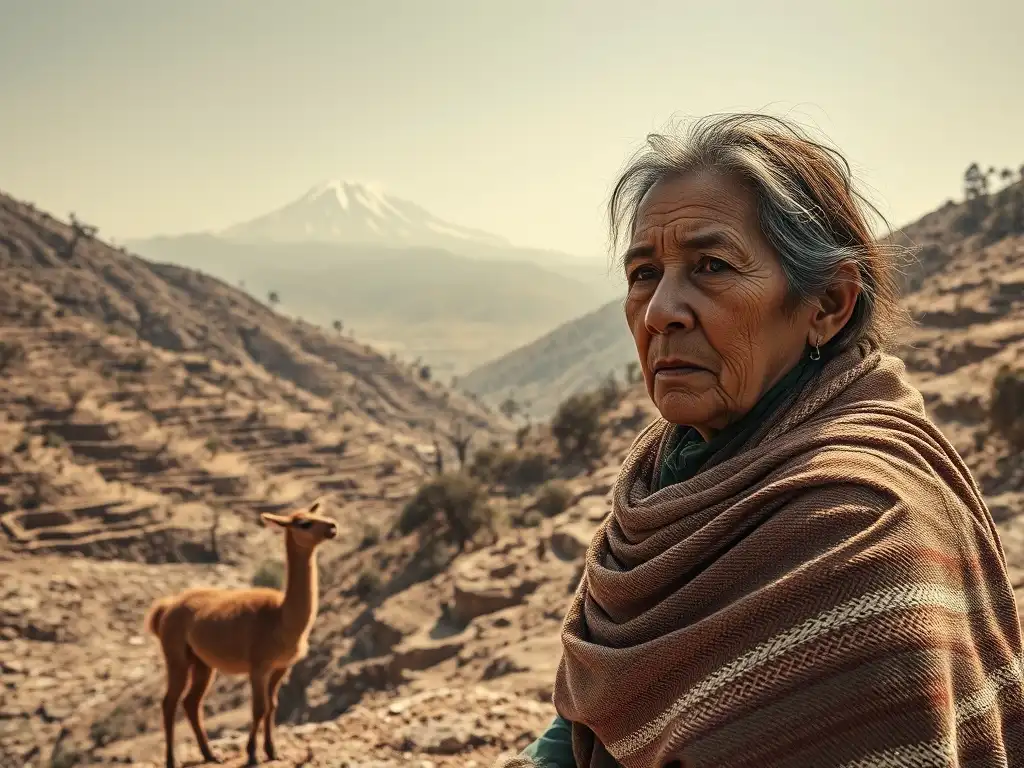
The Andean region, renowned for its breathtaking landscapes and vibrant cultures, is acutely vulnerable to the impacts of climate change. The consequences extend far beyond environmental shifts; they profoundly affect the social fabric, economic stability, and cultural heritage of Andean societies. Understanding these cascading effects is crucial for developing effective mitigation and adaptation strategies. The shifting Andean climate change impact is already being felt in profound ways, threatening the very foundation of life for many communities.
Impact on Agricultural Practices: Traditional Farming at Risk
Traditional Andean agriculture, a marvel of ingenuity adapted to diverse altitudes and microclimates, is facing unprecedented challenges. Changes in temperature and precipitation patterns are disrupting established planting cycles, reducing crop yields, and increasing the vulnerability of farmers to crop failures. For example, the potato, a staple crop for centuries, is particularly susceptible to changes in temperature and water availability. Increased frequency and intensity of extreme weather events, such as droughts and floods, further exacerbate the situation, leading to significant economic losses and food insecurity.
The impact extends beyond the sheer quantity of crops. The quality and nutritional value of crops are also affected by altered growing conditions. This impacts not only food security but also the preservation of traditional foodways and cultural practices deeply entwined with specific crops and agricultural techniques. Many indigenous communities possess unique varieties of crops adapted to specific local environments; the loss of these varieties due to climate change represents an irreplaceable loss of genetic diversity and cultural heritage. Furthermore, the knowledge and skills associated with these traditional farming practices—passed down through generations—are also at risk of disappearing.
Water Scarcity and its Implications for Andean Communities
Water scarcity is arguably the most pressing consequence of climate change in the Andes. Glaciers, the primary source of freshwater for many Andean communities, are rapidly receding due to rising temperatures. This shrinking water supply threatens access to drinking water, irrigation for agriculture, and hydropower generation. The consequences are far-reaching, impacting livelihoods, health, and social stability.
The reduced availability of water is leading to increased competition for scarce resources, potentially exacerbating existing social tensions and conflicts. Many communities rely on traditional water management systems, which are now being overwhelmed by the changing hydrological regime. The need for innovative and sustainable water management solutions is paramount to ensure the long-term well-being of Andean communities. Detailed studies are needed to quantify the exact water loss in specific regions, and to understand the social and economic implications of these changes. [Specific data on water scarcity in different Andean regions pending].
Loss of Biodiversity and its Cultural Significance
The Andean region boasts exceptional biodiversity, with a remarkable array of flora and fauna adapted to its diverse ecosystems. Climate change is significantly impacting this biodiversity, threatening numerous species with extinction. This loss has profound cultural implications, as many Andean cultures have deep spiritual and symbolic connections with the natural world. The disappearance of specific plants or animals can lead to the loss of traditional knowledge, medicinal practices, and cultural identities.
For example, the decline of certain medicinal plants used in traditional healing practices directly impacts the health and well-being of Andean communities. Furthermore, the loss of biodiversity can also affect the aesthetic value of the landscape, impacting tourism and cultural heritage sites. Preserving Andean biodiversity is not simply an environmental imperative; it is also essential for maintaining the rich cultural tapestry of the region. The task is monumental, requiring collaborative efforts to monitor species populations, protect vulnerable habitats, and promote sustainable practices. [Specific examples of biodiversity loss and its cultural impact in the Andes pending].
Mitigation and Adaptation Strategies for Andean Climate Change
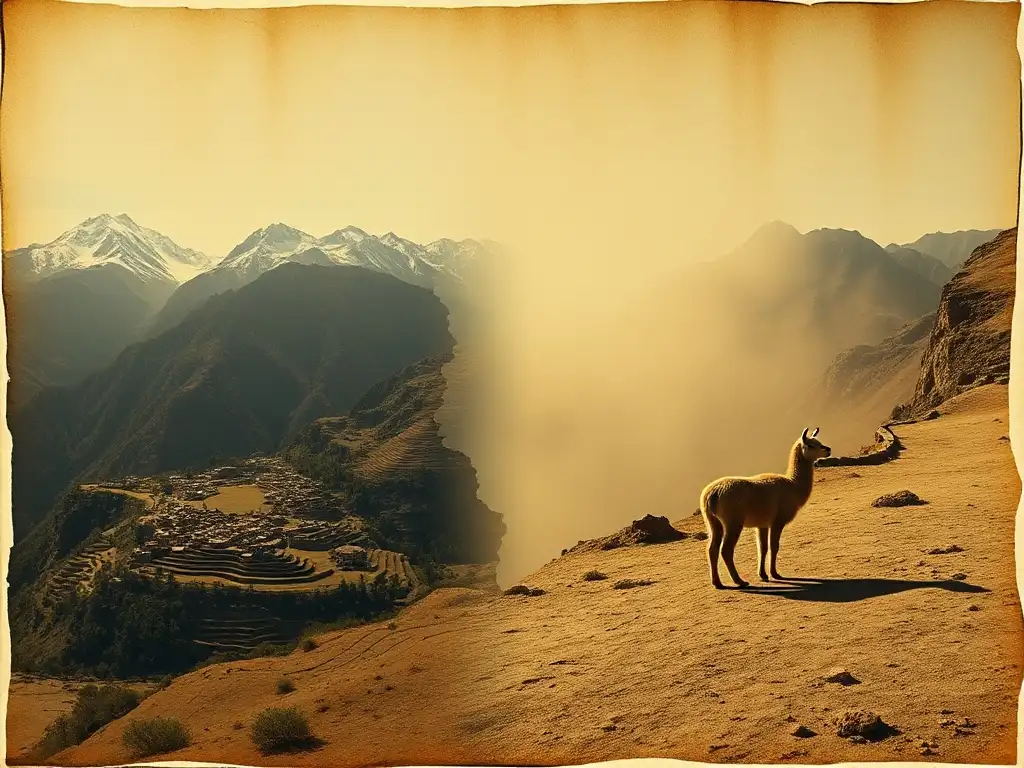
The escalating effects of climate change pose a significant threat to the delicate biodiversity of the Andes. However, proactive mitigation and adaptation strategies are crucial for safeguarding this unique ecosystem and the communities that depend on it. Understanding the specific challenges faced by different Andean regions, coupled with implementing tailored solutions, is key to achieving long-term resilience. This involves a multi-pronged approach focusing on both reducing greenhouse gas emissions and building capacity to withstand the inevitable impacts of a changing climate. The urgency of addressing "Andean climate change impact" cannot be overstated.
Community-Based Conservation Initiatives
Community-based conservation (CBC) represents a powerful approach to mitigating the impact of climate change on Andean biodiversity. By empowering local communities to actively manage and protect their natural resources, CBC fosters a sense of ownership and responsibility that transcends traditional conservation models. Successful initiatives often involve participatory planning, collaborative management, and equitable benefit-sharing.
For example, consider the case of [Specific Andean community name pending] where a CBC project successfully implemented sustainable forestry practices, reducing deforestation and promoting carbon sequestration. This not only helped mitigate climate change but also improved local livelihoods through sustainable timber harvesting and ecotourism. Furthermore, the initiative fostered greater community cohesion and strengthened traditional ecological knowledge (TEK) transmission across generations.
Another example, [Specific Andean community name pending], focused on protecting crucial water sources through community-managed watershed protection programs. These programs often involve the restoration of degraded areas, the implementation of water harvesting techniques, and the monitoring of water quality. The success of these initiatives hinges on effective collaboration between governmental agencies, NGOs, and local communities.
The effectiveness of such programs can be measured through increased biodiversity, improved water security, and enhanced community resilience. Data on specific biodiversity increases, such as the number of endemic species observed before and after implementation of programs, is needed for a more complete analysis.
Sustainable Agricultural Practices for Climate Resilience
Sustainable agricultural practices are essential for building climate resilience in the Andes. Traditional farming methods, often adapted over centuries to the region's unique environmental conditions, can provide valuable insights. However, these methods need to be enhanced and adapted to address the intensifying challenges posed by climate change. This includes transitioning to climate-smart agriculture, which integrates climate change considerations into all aspects of agricultural production.
Key elements of sustainable agriculture in the Andes include:
- Agroforestry: Integrating trees into agricultural landscapes to enhance biodiversity, improve soil health, and provide shade, thereby reducing the impacts of drought and extreme temperatures.
- Water harvesting and conservation: Implementing techniques such as rainwater harvesting and efficient irrigation systems to minimize water stress during dry periods.
- Crop diversification: Cultivating a variety of crops to reduce vulnerability to pests, diseases, and climate variability. This also enhances nutritional diversity for local communities.
- Improved livestock management: Implementing sustainable grazing practices to prevent overgrazing and soil erosion. This also reduces the greenhouse gas emissions associated with livestock production.
- Conservation tillage: Minimizing soil disturbance during cultivation to improve soil health and reduce carbon emissions.
The adoption of these practices requires access to appropriate training, technology, and financial support for Andean farmers. Data on the yield increase or decrease in specific crops under different agricultural practices is necessary to fully evaluate the effectiveness of these strategies. The impact on biodiversity and soil health also needs further quantitative analysis.
The Role of Traditional Ecological Knowledge in Adaptation
Traditional ecological knowledge (TEK) accumulated over generations by Andean communities provides invaluable insights into adapting to climate change. This knowledge encompasses a deep understanding of local ecosystems, climate patterns, and sustainable resource management practices. Integrating TEK with modern scientific approaches offers a powerful synergistic effect, leading to more effective and culturally appropriate adaptation strategies.
Examples of TEK's application in climate change adaptation include:
- Indigenous weather forecasting: Utilizing traditional methods to predict climate patterns and inform agricultural practices. This is particularly valuable in regions with limited access to modern weather forecasting systems.
- Sustainable resource management: Applying traditional practices to manage water resources, forests, and other natural assets sustainably.
- Crop varieties adapted to local conditions: Utilizing traditional seed varieties that are better suited to local environments and resilient to climate variability.
- Traditional conservation practices: Employing traditional techniques for protecting biodiversity and ecosystem services.
However, it's crucial to acknowledge that TEK is not static; it must be constantly updated and adapted to the changing context of climate change. This requires effective mechanisms for knowledge sharing, documentation, and integration with modern scientific knowledge. Further research is needed to quantify the effectiveness of traditional practices in mitigating the effects of "Andean climate change impact" and to ensure the proper integration of TEK into modern conservation efforts. Documenting and preserving this invaluable knowledge base is paramount for future generations.
Protecting Andean Biodiversity: A Call to Action
The escalating effects of Andean climate change impact biodiversity in profound ways, demanding immediate and concerted action. The unique and fragile ecosystems of the Andes, home to a vast array of flora and fauna found nowhere else on Earth, are facing unprecedented threats. These threats range from habitat loss due to glacial melt and altered precipitation patterns to the increased prevalence of wildfires and invasive species. The consequences extend beyond the ecological realm, impacting the livelihoods of Andean communities deeply intertwined with these natural resources. Understanding the scale of the challenge is crucial for effective intervention.
The Urgency of Addressing Andean Climate Change
The Andean region is experiencing climate change at a rate faster than the global average. Rising temperatures are causing glaciers to retreat at alarming rates, threatening water security for millions. Changes in precipitation patterns are leading to more frequent and intense droughts in some areas and devastating floods in others. This variability directly impacts agricultural yields, the foundation of many Andean communities' economies.
For example, the potato, a staple crop, is highly sensitive to temperature fluctuations and water availability. Even slight shifts in climate can drastically reduce yields, leading to food insecurity and economic hardship. Furthermore, the altered climate conditions are creating favorable environments for the spread of pests and diseases, further exacerbating agricultural challenges.
The urgency lies in the immediate and potentially irreversible consequences of inaction. Delaying mitigation and adaptation strategies will only exacerbate the existing vulnerabilities and lead to more severe impacts on both biodiversity and human populations. The need for swift action is not just a suggestion; it's an imperative.
Collaborative Efforts: Local, National, and International
Addressing the Andean climate change impact requires a multi-faceted approach involving collaboration at all levels. Local communities, often possessing invaluable traditional ecological knowledge (TEK), play a crucial role in conservation efforts. Their participation in monitoring programs, sustainable land management practices, and the development of climate-resilient agricultural techniques is essential. National governments have a responsibility to implement effective policies, invest in research and monitoring, and enforce environmental regulations.
This includes establishing protected areas, promoting sustainable tourism, and supporting community-based conservation initiatives. International cooperation is equally crucial. Developed nations need to fulfill their commitments to reducing greenhouse gas emissions, providing financial and technical assistance to Andean countries, and fostering knowledge sharing and capacity building. The success of these efforts hinges on strong partnerships between local communities, national governments, international organizations, and the scientific community.
A coordinated and collaborative approach is the only way to effectively tackle the complex challenges posed by Andean climate change. This collaboration must be built on trust, mutual respect, and a shared understanding of the urgency of the situation. For example, international funding for research into climate-resilient potato varieties could be a powerful tool in bolstering food security.
The Future of Andean Biodiversity and Cultural Heritage
The future of Andean biodiversity and cultural heritage is intrinsically linked to the success of climate change mitigation and adaptation efforts. Protecting these invaluable assets requires a long-term vision and commitment. This commitment includes investing in sustainable development, promoting responsible tourism, and fostering a deep appreciation for the cultural and ecological significance of the Andes. Continued research on the impacts of climate change on specific species and ecosystems is crucial for informing conservation strategies.
Moreover, empowering local communities to manage their natural resources sustainably and participate in decision-making processes is paramount. By integrating traditional ecological knowledge with modern scientific approaches, we can develop more effective and culturally appropriate conservation strategies. The preservation of Andean biodiversity is not merely an environmental concern; it is a matter of social justice, economic security, and cultural preservation. The unique cultural heritage of the Andean region is deeply intertwined with its biodiversity.
Protecting one inevitably protects the other. The future hinges on our collective ability to act decisively and collaboratively to safeguard this irreplaceable legacy. Failing to do so will result in the irreversible loss of both biodiversity and cultural heritage, leaving future generations with a diminished and fragile world.
Frequently Asked Questions
How did climate change affect Andean civilizations?
Climate change significantly impacted Andean civilizations. Droughts and floods, caused by shifting weather patterns, disrupted agriculture, leading to food shortages and societal instability. This contributed to the decline of some cultures.
What specific evidence shows climate change's impact on Andean biodiversity?
Evidence includes changes in glacial melt, impacting water resources, and shifts in plant and animal distributions. Archaeological findings reveal adaptations to past climate shifts, but the current rate of change poses unprecedented challenges. Pollen analysis and ice core samples provide further insights.
What are the current climate change threats to Andean biodiversity?
Current threats include accelerated glacial retreat, threatening water supplies, and habitat loss due to altered temperatures and precipitation patterns. Increased frequency of extreme weather events further exacerbates these challenges impacting vulnerable species.
How did Andean people adapt to past climate changes?
Andean communities developed sophisticated agricultural techniques like terracing and irrigation to cope with variable climates. They also adapted their social structures and belief systems to manage resources and survive periods of scarcity. Knowledge of local ecosystems was crucial.
What can be done to mitigate climate change's impact on Andean biodiversity?
Mitigation efforts involve reducing greenhouse gas emissions globally and implementing sustainable land management practices in the Andes. Protecting existing ecosystems, promoting biodiversity conservation, and supporting local communities' adaptation strategies are also vital.
Final Reflection: A Silent Spring in the Andes?
The alarming rate of biodiversity loss in the Andes, driven by climate change, is not a distant threat; it's a present-day crisis demanding immediate action. The interconnectedness of Andean ecosystems, detailed throughout this article, highlights the cascading effects of even seemingly small temperature fluctuations and altered precipitation patterns. Ignoring this silent threat will lead to irreversible consequences, impacting not only the unique flora and fauna of the region but also the livelihoods of millions who depend on these fragile ecosystems.
The cultural significance of the Andes, intertwined with its biodiversity for centuries, is profoundly threatened. The loss of specific plant species, for instance, represents more than just ecological damage; it erodes the very fabric of Andean traditions and knowledge systems. As the renowned biologist E.O. Wilson once stated, The loss of biodiversity is not just a tragedy for the natural world, but a tragedy for humanity as well.
This quote underscores the urgent need to protect the Andes' biodiversity, not only for its intrinsic value but also for its contribution to human well-being and cultural heritage.
The future of the Andean biodiversity rests, in part, on your shoulders. Consider how your daily choices – from reducing your carbon footprint to supporting sustainable practices – can contribute to a more resilient future for this remarkable region. Let the beauty and fragility of the Andean ecosystems inspire you to become a champion for change. Engage in conversations, support conservation efforts, and demand action from those in power. The time to act is now; the silent spring in the Andes can still be prevented.
**Protect Our Planet: Take Action for Andean Biodiversity! **
Thank you for joining us in exploring the vital issue of climate change and its devastating impact on the unique ecosystems of the Andes. Understanding these challenges is a crucial first step. Now, let's translate that understanding into meaningful action!
Here’s how you can make a difference:
- **Support local conservation organizations** working to protect Andean habitats. Your contribution, no matter the size, can help preserve these vital ecosystems for future generations.
- **Share this information. ** Raise awareness about the impact of climate change on Andean biodiversity by sharing this article with your friends, family, and colleagues.
- **Participate in community conservation projects. ** Get involved in hands-on efforts such as tree planting or habitat restoration to directly contribute to a healthier Andean environment.
What steps will you take today to help safeguard the incredible biodiversity of the Andes?