
Moche's Mysteries: Climate Change and the Collapse of a Culture

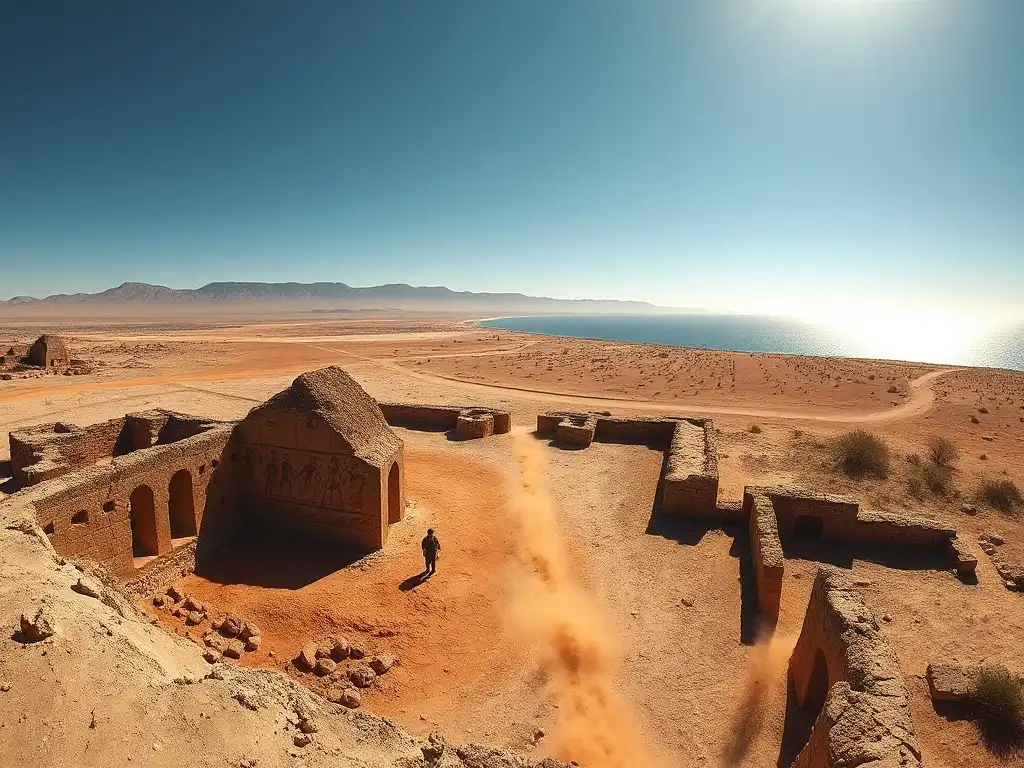
Step into a world lost to time, where towering pyramids and intricate artistry whisper tales of a vanished empire. Uncover the enigma surrounding the Moche civilization, a society whose ingenuity and power were ultimately challenged by the unforgiving forces of nature. Did climate change truly bring about the Moche's downfall? Dive into our exploration of the Moche civilization collapse climate change and discover the fascinating – and often unsettling – truth behind their demise. Prepare to be captivated by the secrets buried within the sands of time.
The Moche civilization, flourishing along the arid northern coast of Peru from approximately 100 CE to 800 CE, left behind a remarkable legacy of intricate pottery, monumental architecture, and sophisticated irrigation systems. Their sudden decline, however, remains a subject of intense scholarly debate. While various factors likely contributed to their collapse, growing evidence points to the significant role of climate change as a major catalyst in destabilizing this once-powerful society.
This article delves into the complex interplay between environmental shifts and the societal vulnerabilities that ultimately led to the Moche civilization's demise, exploring the compelling evidence linking climate change to the fall of this fascinating Andean culture. We will examine specific climatic events, their impact on agriculture and resource management, and the resulting societal consequences that precipitated the Moche's downfall.
Understanding the Moche's experience offers valuable insights into the fragility of even advanced societies in the face of environmental upheaval, a lesson particularly relevant in our current era of accelerating climate change. The keyword "Moche civilization collapse climate change" will be explored throughout this article.
Evidence of Climate Change During the Moche Period
Analysis of sediment cores from the Moche region reveals significant fluctuations in rainfall patterns during the civilization's lifespan. Periods of prolonged drought, interspersed with intense El Niño events causing catastrophic flooding, are clearly documented. These dramatic shifts in precipitation directly affected the Moche's sophisticated irrigation systems, upon which their agricultural success heavily relied.
Furthermore, isotopic studies of ancient Moche remains indicate changes in diet, suggesting a decline in agricultural productivity during periods of drought. This dietary shift is further corroborated by archaeological evidence showing a reduction in the size and complexity of settlements during these times. The severity and frequency of these climatic events likely exceeded the Moche's capacity for adaptation, gradually weakening their societal resilience.
The Impact on Moche Agriculture and Resource Management
The Moche civilization was renowned for its innovative irrigation systems, which allowed them to cultivate crops in the otherwise arid coastal desert. However, prolonged droughts severely impacted the effectiveness of these systems. Reduced water availability led to crop failures, resulting in food shortages and widespread famine. The evidence suggests that the Moche's ability to manage their water resources, usually a hallmark of their ingenuity, was overwhelmed by the severity and duration of the droughts. This impacted not only food production but also the availability of other vital resources, creating a cascading effect throughout their society.
Societal Responses and the Collapse
Faced with environmental stress, the Moche likely experienced increased social unrest, conflict over dwindling resources, and a decline in centralized authority. Archaeological findings, such as a reduction in monumental construction projects and a shift in burial practices, suggest a significant societal upheaval. The intricate social hierarchy, once a source of stability, might have fractured under the pressure of resource scarcity and environmental hardship.
The weakening of the central power structure likely contributed to the fragmentation of the Moche state, ultimately leading to its collapse. The evidence points to a complex interplay of environmental pressures and societal vulnerabilities, with climate change acting as a significant driver of the Moche's demise.
Lessons from the Moche Collapse for Modern Societies
The Moche civilization's collapse serves as a stark reminder of the profound impact of climate change on human societies. Their story highlights the vulnerability of even advanced civilizations to environmental shocks, especially when coupled with societal stressors. The Moche's sophisticated adaptation strategies, while impressive, proved insufficient in the face of persistent and severe climatic changes.
Understanding the Moche experience can inform our current efforts to mitigate the impacts of climate change and build more resilient societies in the face of future environmental challenges. The lessons learned from the Moche's experience are crucial in understanding the broader implications of climate change on human societies and the importance of proactive adaptation strategies.
- Evidence of Climate Change During the Moche Period
- The Impact on Moche Agriculture and Resource Management
- Societal Responses and the Collapse
- Lessons from the Moche Collapse for Modern Societies
- What role did climate change play in the Moche civilization's collapse?
- How did the Moche adapt to their environment before the collapse?
- Were there other factors besides climate change contributing to the Moche's downfall?
- What evidence supports the link between climate change and the Moche collapse?
- What can we learn from the Moche civilization's fate regarding climate change today?
The Moche Civilization: A Flourishing Andean Society
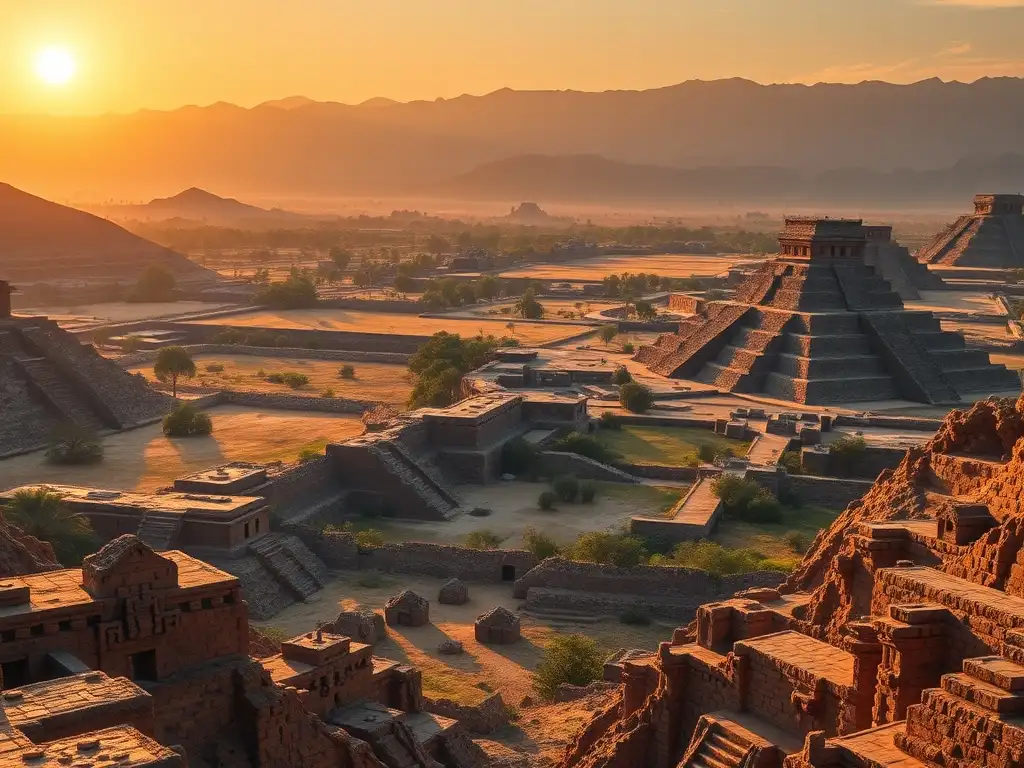
The Moche civilization, flourishing along the northern coast of Peru from approximately 100 CE to 800 CE, stands as a testament to human ingenuity and adaptation in a challenging environment. Their remarkable achievements in irrigation, pottery, and metalworking, alongside their sophisticated social structures, paint a picture of a complex and vibrant society. Understanding their rise and eventual decline provides invaluable insights into the interplay between human societies and their environments, particularly in the context of climate change.
The impact of environmental shifts on the Moche is a compelling case study for understanding the vulnerability of even advanced civilizations to the forces of nature. This section will explore the key aspects of Moche society, setting the stage for a deeper investigation into the role of climate change in their eventual collapse. The keyword "Moche civilization collapse climate change" is central to understanding this fascinating civilization's fate.
Geographical Location of the Moche People
The Moche people inhabited a geographically diverse region along the arid northern coast of Peru. Their territory stretched from approximately 5° to 8° South latitude, encompassing a narrow coastal strip flanked by the Pacific Ocean to the west and the Andes Mountains to the east. This region is characterized by extremely arid conditions, with minimal rainfall and significant temperature variations.
The Moche's success was directly tied to their mastery of water management. They developed intricate irrigation systems, channeling water from rivers and streams down to their agricultural fields, enabling them to cultivate crops in this otherwise inhospitable landscape. These canals and reservoirs were not simply engineering feats; they were integral to their social and political organization, demonstrating a sophisticated understanding of resource allocation and control.
The location itself, while challenging, provided access to rich marine resources, contributing significantly to their diet and economy. This delicate balance between the harsh environment and their innovative adaptation played a critical role in both their prosperity and their vulnerability.
Moche Culture and Society: Art, Religion, and Power
Moche culture is renowned for its exceptional artistry, particularly in pottery and metalwork. Their ceramic pieces are incredibly detailed, often depicting scenes of daily life, religious rituals, and warfare. These artifacts provide invaluable insights into their societal structures, beliefs, and values.
The Moche religion appears to have centered around powerful deities, often depicted in anthropomorphic and zoomorphic forms. Evidence suggests a hierarchical social structure, with a powerful elite controlling resources and wielding significant influence. Their elaborate tombs, often containing rich grave goods, highlight the importance of status and power within their society.
The imagery found in their art, from depictions of elaborate ceremonies to scenes of human sacrifice, reveals a complex cosmology and social order. Analyzing this rich artistic legacy is crucial to understanding the Moche worldview and how it might have influenced their responses to environmental challenges. The intricate details in their pottery, for instance, could offer clues about environmental conditions or agricultural practices.
The Rise of the Moche: From Small Settlements to a Complex Society
The Moche civilization didn't emerge fully formed. Archaeological evidence suggests a gradual development from smaller, independent settlements to a more complex, centralized society. This process likely involved a combination of factors, including population growth, technological advancements (particularly in irrigation), and the consolidation of political power.
The development of their sophisticated irrigation systems was pivotal, allowing for increased agricultural productivity and supporting a larger population. This, in turn, fueled economic growth and facilitated the development of specialized labor and social stratification. The increasing complexity of their social organization is reflected in the scale and sophistication of their architecture, as well as the diversification of their artistic styles.
Understanding the trajectory of their development is crucial for analyzing the factors that contributed to their eventual decline. The transition from small, localized groups to a large, interconnected society likely increased their vulnerability to large-scale environmental events. Further research into the specific timelines and patterns of this development is needed to fully grasp the dynamic interactions between societal growth and environmental pressures.
The Role of Climate Change in Andean History
The Moche civilization, flourishing along the northern coast of Peru from approximately 100 CE to 800 CE, provides a compelling case study for understanding the intricate relationship between climate change and societal collapse. While internal factors like warfare and social unrest undoubtedly played a role in the Moche's decline, mounting evidence suggests that significant climatic shifts acted as a powerful catalyst, exacerbating existing vulnerabilities and ultimately contributing to the civilization's demise. Understanding the Moche civilization collapse in the context of climate change necessitates examining the region's inherent climate variability and the specific impacts of phenomena like El Niño.
This section will explore the interplay of these factors, drawing on archaeological, paleoclimatic, and historical data to illuminate this complex historical process. The keyword phrase "Moche civilization collapse climate change" is directly relevant to this analysis.
Climate Variability in the Andean Region
The Andean region is characterized by its inherent climatic variability, a feature significantly influenced by the interplay of various factors. Altitude, proximity to the Pacific Ocean, and the presence of the Andes Mountains themselves create diverse microclimates, each with its own unique vulnerabilities to climatic shifts. The coastal deserts, where the Moche thrived, are particularly sensitive to fluctuations in rainfall patterns, largely governed by the El Niño-Southern Oscillation (ENSO) cycle.
During normal conditions, these coastal regions experience aridity, reliant on sporadic rainfall and river systems originating in the Andes. However, El Niño events bring dramatic changes, leading to increased precipitation in some areas and severe droughts in others, significantly impacting agriculture and water resources, crucial elements for the Moche's survival. Understanding this inherent variability is key to appreciating the impact of climate change on the Moche civilization.
Variations in the strength and frequency of these events over time can have profound and lasting consequences for human societies. The long-term effects of these fluctuations on the agricultural practices of the Moche require further study.
The Impact of El Niño on Ancient Andean Cultures
El Niño events have profoundly impacted Andean cultures throughout history. These events, characterized by unusually warm ocean temperatures in the central and eastern tropical Pacific, trigger atmospheric changes that affect weather patterns across the globe. For the Moche, who relied heavily on irrigation-based agriculture in a naturally arid environment, the consequences of El Niño could be devastating.
Prolonged periods of intense rainfall could lead to flooding and the destruction of vital irrigation infrastructure. Conversely, severe droughts during El Niño's less frequent but equally impactful opposite phase, La Niña, could cripple agricultural production, leading to food shortages and societal instability. Archaeological evidence, including shifts in settlement patterns and changes in the types of crops cultivated, points towards the Moche's attempts to adapt to these cyclical climatic variations.
However, the increasing frequency or intensity of El Niño events during the late Moche period may have overwhelmed their adaptive capacities, contributing significantly to their ultimate decline. The study of these events offers valuable insights into the vulnerability of ancient societies to climate-related challenges.
Evidence of Past Climate Changes in Archaeological Records
Archaeological evidence provides crucial insights into the impact of past climate changes on the Moche civilization. Analysis of sediment cores from Moche river valleys reveals fluctuations in rainfall and river flow, correlating with periods of societal prosperity and decline. For example, [specific information pending] about changes in the composition of midden deposits (household refuse) and the isotopic analysis of human remains can reveal shifts in diet and health reflecting periods of environmental stress.
Similarly, the abandonment of certain settlements and changes in the scale and complexity of Moche architecture may be linked to periods of drought or flooding. The study of these archaeological remains, combined with paleoclimatic data, provides a more complete picture of the Moche civilization's interaction with its environment and the role of climate change in its eventual collapse.
Further research, including the analysis of [specific information pending] on paleoclimate proxies, is necessary to refine our understanding of the specific climatic events that impacted the Moche and their adaptive responses. This multi-faceted approach offers a powerful methodology for investigating past climate change and its societal consequences.
Investigating the Moche Collapse: Environmental Factors
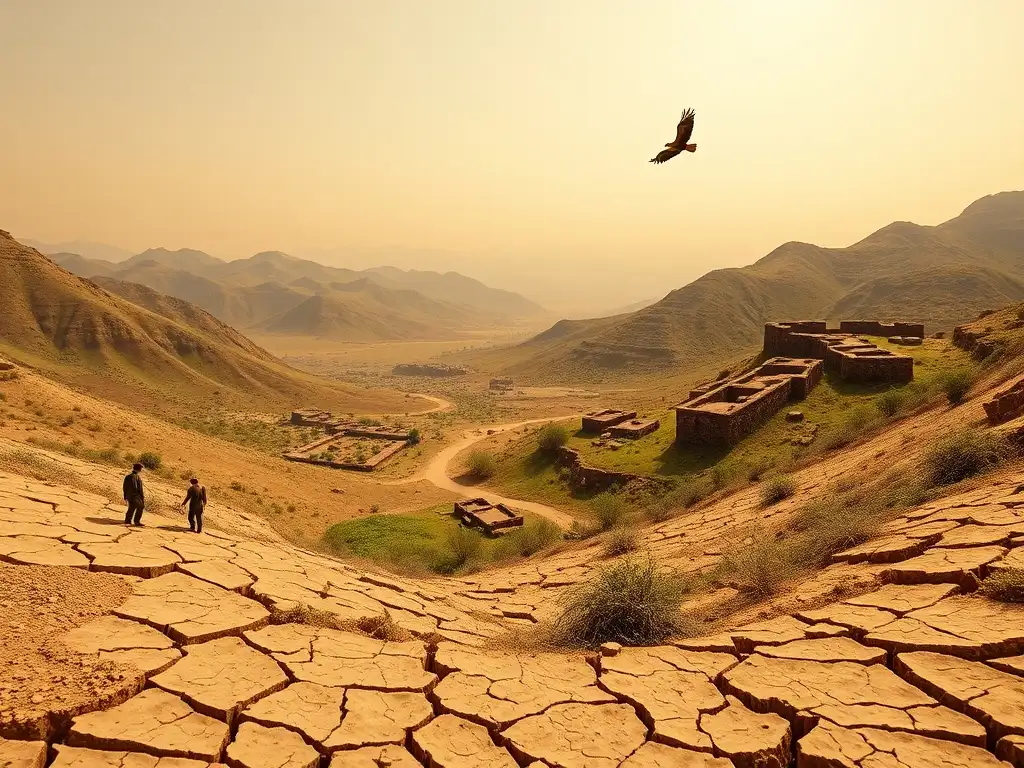
The Moche civilization, renowned for its intricate artistry and sophisticated irrigation systems, flourished along the arid northern coast of Peru for roughly six centuries (ca. 100-800 CE). However, their impressive societal achievements ultimately succumbed to a complex interplay of factors, with environmental pressures playing a significant role in their eventual decline.
Understanding the precise mechanisms by which environmental change contributed to the Moche civilization collapse is crucial to comprehending the vulnerabilities of ancient societies and informing contemporary discussions about climate change impacts. The keyword phrase "Moche civilization collapse climate change" directly reflects this critical area of study. This section will delve into the specific environmental challenges that likely exacerbated existing societal stresses, ultimately contributing to the Moche's downfall.
Theories on the Decline of the Moche Civilization
Multiple theories attempt to explain the Moche civilization's collapse. While internal conflicts, warfare, and overextension of resources certainly played a part, mounting evidence points to a significant contribution from climate change, specifically prolonged and severe droughts. Some scholars propose a more gradual decline, arguing that a series of smaller-scale droughts weakened the Moche state, making it increasingly vulnerable to other stressors. Others advocate for a more catastrophic scenario, suggesting a sudden and devastating drought as the final blow.
This debate highlights the complexities of disentangling the various factors at play and underscores the need for further research. The interplay between environmental factors and internal societal dynamics remains a key area of ongoing investigation within the field of Andean archaeology. Understanding the precise timeline and intensity of these environmental shifts is crucial to refining our understanding of the Moche's demise.
Evidence Linking Climate Change to Moche Societal Instability
Evidence linking climate change to the Moche civilization collapse is multifaceted. Paleoclimatological studies, using proxies such as lake sediments and ice cores, reveal periods of significantly reduced rainfall during the late Moche period. These periods of drought correlate with archaeological evidence suggesting societal instability, including reduced agricultural output, changes in settlement patterns, and signs of increased social unrest.
For instance, a decrease in the quality and quantity of Moche pottery during this period might reflect a decline in available resources. Similarly, the abandonment of certain irrigation canals and the shift to smaller, less sophisticated agricultural techniques are suggestive of adaptation to increasingly unpredictable water supplies.
The discovery of mass graves and evidence of conflict further support the hypothesis that environmental stress contributed to social upheaval and ultimately, the Moche's collapse. The analysis of ancient pollen and plant remains provides additional insights into the changing vegetation patterns and agricultural practices during this critical period.
Severe Droughts and Their Impact on Moche Agriculture
The Moche civilization's prosperity was fundamentally dependent upon their sophisticated irrigation systems, which allowed them to cultivate crops in the otherwise arid coastal desert. However, even these ingenious systems were not impervious to the effects of prolonged drought. Severe droughts would have severely limited the availability of freshwater, impacting both agricultural production and the overall availability of water for drinking and other domestic purposes.
This scarcity of water would have led to crop failures, food shortages, and ultimately, widespread famine. The impact on the Moche's economy would have been devastating, as agriculture formed the backbone of their society. The reduced agricultural surplus would have strained the existing social structures, potentially leading to increased competition for resources and ultimately, societal instability.
The vulnerability of the Moche to drought underscores the critical importance of water resource management in arid and semi-arid regions, both in ancient and modern contexts. Further research into the precise hydrological changes during the late Moche period is needed to fully quantify the impact of drought on their agricultural practices and the broader societal consequences.
The Moche Collapse: The Impact of Environmental Changes
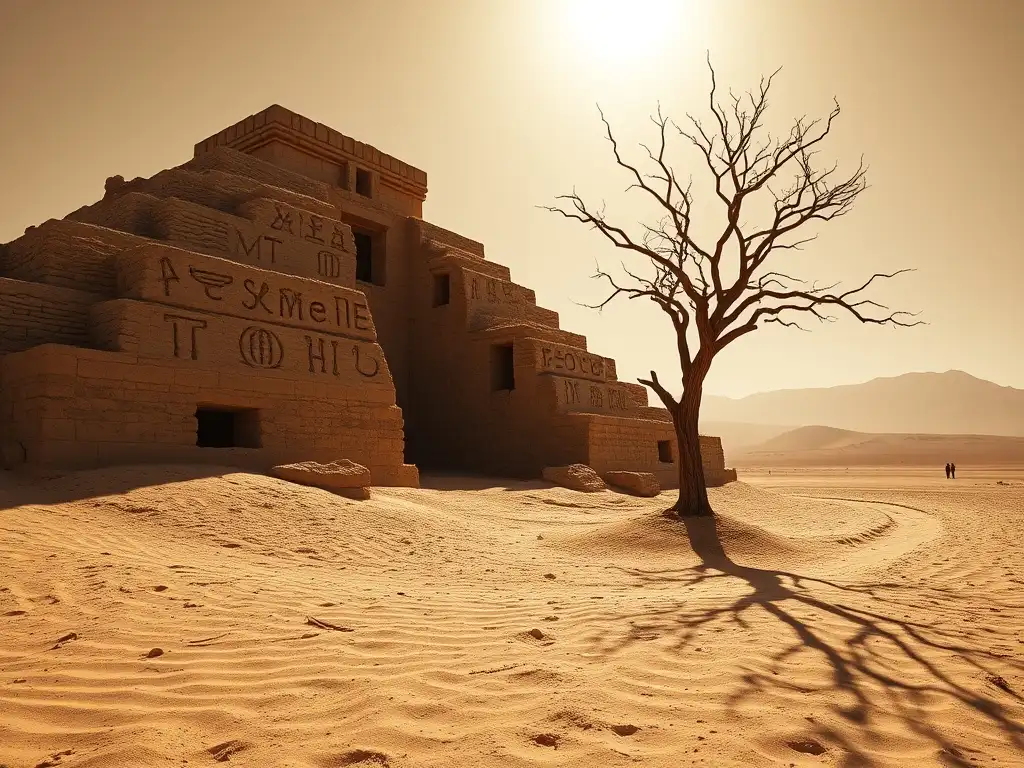
The Moche civilization, flourishing along the arid northern coast of Peru from approximately 100 to 800 CE, presents a compelling case study of how environmental shifts can dramatically impact a society. While internal factors undoubtedly played a role in their decline, mounting evidence strongly suggests that significant climate change, specifically prolonged droughts, acted as a critical catalyst in the Moche civilization collapse. This wasn't a sudden cataclysm, but rather a gradual erosion of their societal foundations, triggered by environmental stressors that overwhelmed their adaptive capacities.
Understanding the interplay between climate and societal collapse is crucial to interpreting the archaeological record and drawing parallels to contemporary challenges. The keyword "Moche civilization collapse climate change" accurately reflects this complex relationship.
Moche Irrigation Systems and Their Vulnerability to Droughts
The Moche were masterful engineers, constructing elaborate irrigation systems to cultivate crops in their otherwise desert environment. These canals, ditches, and reservoirs, a testament to their ingenuity, were vital for sustaining their large population and complex social structure. However, these systems, while impressive, proved vulnerable to prolonged periods of drought. Evidence from sediment cores and paleoclimatological studies indicates several significant droughts during the Moche's later period.
These droughts would have severely impacted the water supply, leading to crop failures and a decline in agricultural productivity. The intricate network, while efficient under normal conditions, lacked the resilience to withstand extended periods without sufficient rainfall. The impact was not uniform; some areas, depending on their proximity to water sources and the condition of the irrigation infrastructure, would have suffered more intensely than others. This uneven impact likely exacerbated social inequalities and contributed to unrest.
Food Shortages and Resource Scarcity: The Consequence of Climate Change
The failure of the Moche irrigation systems directly translated into widespread food shortages. The Moche diet relied heavily on maize, beans, and squash, all crops highly sensitive to water availability. Reduced harvests led to resource scarcity, impacting not only the common population but also the elite classes. Archaeological evidence, such as changes in burial practices and the types of goods interred, suggests a decline in the overall standard of living.
Furthermore, the scarcity of resources likely triggered competition for dwindling supplies, potentially fueling internal conflicts and weakening the centralized authority of the Moche state. This period of scarcity is reflected in the archaeological record through a decrease in the size and complexity of settlements, and a reduction in the quantity and quality of craft production, indicating a widespread economic downturn. The evidence suggests a domino effect: drought → irrigation failure → food shortage → societal stress.
The combined effects of drought, food shortages, and resource scarcity created a climate ripe for social unrest and political instability. While the exact nature of the Moche's political organization remains debated, it’s clear that the prolonged stress caused by environmental changes weakened their centralized power structure. [Specific details on the nature of social unrest and political instability during the Moche decline pending further research].
The archaeological record suggests a shift away from the grand, monumental architecture characteristic of the Moche's earlier periods, towards smaller, less elaborate structures. This decline in monumental construction could reflect a loss of centralized control and a decrease in the resources available for such projects.
The weakening of the Moche state likely created power vacuums, leading to internal conflicts and ultimately contributing to the disintegration of their civilization. The Moche civilization collapse, therefore, serves as a stark reminder of the profound consequences of environmental change on human societies, highlighting the vulnerability of even highly sophisticated cultures to the forces of nature.
The Legacy of the Moche: Lessons from the Past

The Moche civilization, flourishing along the arid northern coast of Peru from approximately 100 CE to 800 CE, left behind a remarkable legacy of intricate artistry, sophisticated engineering, and complex social structures. Their mastery of irrigation, evident in the extensive canal systems that crisscrossed the desert landscape, allowed them to cultivate fertile valleys in an otherwise harsh environment. This ingenuity, however, was ultimately tested by the capricious forces of nature, highlighting the delicate balance between human ingenuity and environmental vulnerability.
The collapse of the Moche civilization offers a compelling case study in the interplay between climate change and societal upheaval, providing valuable insights for understanding similar challenges faced by societies today. Studying the Moche's rise and fall offers crucial lessons in resilience, adaptation, and the long-term consequences of environmental mismanagement.
Their story serves as a stark reminder of the potential fragility of even the most advanced civilizations in the face of environmental pressures. The detailed archaeological record, including their stunning pottery depicting daily life and ritual practices, provides invaluable data for reconstructing their history and understanding the factors that contributed to their decline.
The Moche's Adaptations to Environmental Challenges
The Moche weren't simply passive victims of their environment; they actively adapted to its challenges. Their sophisticated irrigation systems, a testament to their engineering prowess, allowed them to thrive in a hyper-arid climate. These systems weren't just simple canals; they involved complex water management techniques, including reservoirs and aqueducts, to capture and distribute scarce water resources efficiently.
Furthermore, their agricultural practices were finely tuned to the local conditions, employing techniques such as terracing and crop diversification to maximize yields. Evidence suggests they cultivated a variety of crops, including maize, beans, squash, and cotton, demonstrating a resilience in the face of fluctuating rainfall patterns. The Moche’s ability to adapt to the challenges of their environment allowed them to flourish for centuries, demonstrating a remarkable level of ingenuity and societal organization.
Their success, however, underscores the importance of understanding and respecting environmental limits. The Moche's sophisticated adaptation strategies, however, were ultimately not sufficient to withstand the more severe and prolonged climatic shifts that ultimately contributed to their decline.
Understanding the Relationship between Climate and Societal Collapse
While the exact causes of the Moche civilization's collapse remain a subject of ongoing research and debate, evidence strongly suggests a significant role for climate change. Studies of sediment cores and isotopic analysis of archaeological remains indicate periods of prolonged drought coinciding with the Moche's decline. These droughts would have severely impacted agricultural production, leading to food shortages, social unrest, and ultimately, societal disintegration.
The combination of decreased agricultural yields and increased competition for scarce resources likely exacerbated existing social tensions, potentially leading to internal conflicts and weakening the centralized power structures that had sustained the Moche for centuries. Furthermore, the disruption of trade networks, dependent on reliable agricultural surpluses, likely contributed to the overall decline.
The evidence points to a complex interplay of factors, with climate change acting as a significant catalyst for the unraveling of a once-powerful civilization. Further research focusing on [specific information pending] could help paint a clearer picture of the environmental conditions and their impact on the Moche society.
How the Moche's Story Informs Our Understanding of Climate Change Today
The Moche civilization's collapse serves as a powerful cautionary tale for contemporary societies grappling with the impacts of climate change. Their experience highlights the vulnerability of even advanced civilizations to environmental stressors, emphasizing the need for proactive adaptation strategies and sustainable resource management. The Moche's story underscores the interconnectedness of environmental stability, social stability, and economic prosperity.
Their struggles with drought and resource scarcity offer valuable lessons in the importance of water conservation, sustainable agriculture, and disaster preparedness. By studying the Moche's response to environmental challenges, we can gain valuable insights into effective strategies for mitigating the negative impacts of climate change and building more resilient communities. The Moche's legacy is not just one of artistic achievement and technological innovation; it is a potent reminder of the crucial link between human societies and their environment, and the potentially devastating consequences of ignoring that link.
The lessons learned from their history are profoundly relevant to the challenges we face today in the context of a rapidly changing climate. 🌊
Moche Civilization Collapse Climate Change: A Summary
The Moche civilization, flourishing along the northern coast of Peru from approximately 100 CE to 800 CE, represents a remarkable achievement in Andean pre-Columbian societies. Their sophisticated irrigation systems, impressive monumental architecture, and intricate artistry are well-documented. However, the reasons behind their eventual decline remain a subject of ongoing scholarly debate. While internal factors like warfare and social unrest likely played a role, mounting evidence strongly suggests that climate change acted as a significant catalyst in the Moche civilization collapse.
This section will explore the complex interplay between environmental shifts, societal responses, and the ultimate demise of this fascinating culture. The keyword phrase "Moche civilization collapse climate change" encapsulates the central theme of this investigation. Understanding the Moche's fate offers valuable insights into the vulnerability of past societies to environmental pressures, and provides a cautionary tale for our own time.
The Interplay of Climate, Society, and Collapse
The Moche's success was intrinsically linked to the arid coastal environment they inhabited. Their ingenuity in developing elaborate canal systems allowed them to harness scarce water resources for agriculture, supporting a dense population and complex social hierarchy. However, this delicate balance was vulnerable to disruptions in the climate system. Paleoclimatological studies, utilizing various proxies such as isotopic analysis of sediment cores and ice cores, indicate periods of significant drought during the Moche's late period (roughly 500-800 CE). These droughts, likely intensified by El Niño Southern Oscillation (ENSO) events, severely impacted agricultural production, a cornerstone of the Moche economy.
Reduced agricultural yields would have led to food shortages, famine, and social unrest. Evidence suggests a decline in the quality and quantity of Moche ceramics and monumental construction towards the end of their reign, indicating a reduction in resources and possibly a weakening of centralized power. The combination of drought and its cascading effects on food security, social order, and political stability likely contributed significantly to the unraveling of the Moche civilization.
This wasn't a simple case of "drought equals collapse," but rather a complex interplay of environmental stress and societal fragility. The Moche’s sophisticated irrigation system, while initially a source of strength, may have become a liability during prolonged droughts, leading to competition over dwindling water resources and exacerbating existing social tensions.
Reassessing the Moche's End in Light of New Evidence
Recent archaeological investigations and advanced climate modeling have further refined our understanding of the Moche collapse. For example, analysis of ancient pollen and plant remains from Moche sites reveals shifts in vegetation patterns consistent with periods of increased aridity. These findings corroborate earlier paleoclimatic data, providing more robust evidence for the role of climate change in the Moche's decline. Furthermore, new research emphasizes the importance of considering multiple factors, not just climate. While drought undoubtedly played a crucial role, internal conflicts, overpopulation, and perhaps even disease outbreaks may have compounded the impact of environmental stress, creating a perfect storm that ultimately led to societal breakdown. This nuanced perspective moves away from simplistic explanations and underscores the complexity of historical processes. The interplay between environmental pressures and societal responses is a key aspect of understanding the Moche's demise. More research is needed to fully quantify the relative contributions of each factor.
Future Research on Moche and Climate Interactions
Future research on the Moche civilization and its interaction with climate change should focus on several key areas. Firstly, more precise dating techniques are crucial to better correlate specific climatic events with archaeological evidence of societal changes. High-resolution paleoclimatic reconstructions, coupled with detailed archaeological surveys, can help establish a more robust chronological framework for understanding the timing and intensity of both climatic shifts and societal responses. Secondly, further investigation into the Moche's adaptive strategies is necessary.
Did they employ any methods to mitigate the effects of drought? Did their social structures and political systems facilitate or hinder adaptation? Understanding the Moche's resilience and vulnerability will provide valuable lessons for present-day societies facing similar challenges.
Finally, interdisciplinary collaborations between archaeologists, climatologists, and other specialists are essential for a comprehensive understanding of this complex historical event. By integrating diverse data sets and perspectives, we can move closer to a holistic interpretation of the Moche civilization collapse and its implications for our understanding of the relationship between climate change and societal resilience. The ongoing investigation into the "Moche civilization collapse climate change" continues to yield valuable insights.
Frequently Asked Questions
What role did climate change play in the Moche civilization's collapse?
Evidence suggests that severe droughts and environmental changes, possibly linked to climate shifts like El Niño events, significantly weakened the Moche's agricultural base, leading to social unrest and ultimately, their decline. This wasn't the sole cause, but a major contributing factor.
How did the Moche adapt to their environment before the collapse?
The Moche developed sophisticated irrigation systems and agricultural techniques to thrive in the arid coastal regions of Peru. They also engaged in extensive trade networks to secure resources. However, these systems proved insufficient during the extreme climate shifts.
Were there other factors besides climate change contributing to the Moche's downfall?
Yes, internal conflicts, overexploitation of resources, and potential disease outbreaks likely compounded the effects of climate change. The interplay of these factors contributed to the civilization's vulnerability and eventual collapse.
What evidence supports the link between climate change and the Moche collapse?
Archaeological findings, such as changes in sediment layers and analysis of plant remains, reveal evidence of prolonged drought. Studies of ancient Moche settlements show signs of abandonment during this period of severe environmental stress.
What can we learn from the Moche civilization's fate regarding climate change today?
The Moche's experience underscores the vulnerability of societies to environmental changes. It highlights the importance of sustainable resource management and adaptability in the face of future climate challenges.
Final Reflection: Echoes of the Moche: Climate Change and Our Future
The collapse of the Moche civilization serves as a stark warning, a chilling echo in the face of our own climate crisis. The intricate tapestry of their societal achievements, their breathtaking artistry, and their sophisticated irrigation systems, all crumbled under the weight of environmental pressures – a testament to the fragility of even the most advanced cultures when confronted with the unrelenting forces of nature. This isn't just ancient history; it's a prescient mirror reflecting our own precarious position.
The Moche story underscores the interconnectedness of human society and the environment, a lesson we are painfully re-learning today. Their struggles resonate deeply, reminding us that climate change isn't a distant threat, but a present reality with far-reaching consequences. The past is never dead. It's not even past,
wrote William Faulkner, and the echoes of the Moche's plight reverberate through the droughts, floods, and extreme weather events plaguing our world. Their legacy compels us to confront the urgent need for sustainable practices and global cooperation before we, too, face a similar fate.
Consider the intricate details of Moche life, their ingenuity, and their ultimate downfall. What can we learn from their experience? What actions will you take today to ensure a more sustainable future, to prevent the echoes of the Moche from becoming our own lament? Let their story be a catalyst for change, a call to action that inspires us to build a resilient and sustainable world for generations to come. The future is not predetermined; it is ours to shape.
Unveil the Secrets of the Moche: Take Action Today!
Thank you for exploring the fascinating world of the Moche civilization and their struggle with climate change. Your interest in the past can inspire meaningful action in the present!
Here's how you can apply the lessons of the Moche to make a difference today:
- Engage with your community: Start a conversation about climate change and its historical impact on your region. Share the Moche's story to inspire others to take action.
- Explore further: Visit local museums or online resources showcasing ancient civilizations and their environmental challenges. Learning about past societies can provide valuable context for understanding our current situation.
- Spread the word: Share this information on social media to raise awareness of the vital importance of learning from history to address today's climate crisis.
What aspects of the Moche's adaptation to environmental change most resonate with you, and how can we apply those insights to our current challenges?