
The Secrets of Andean Soil: The Foundation of Agricultural Success

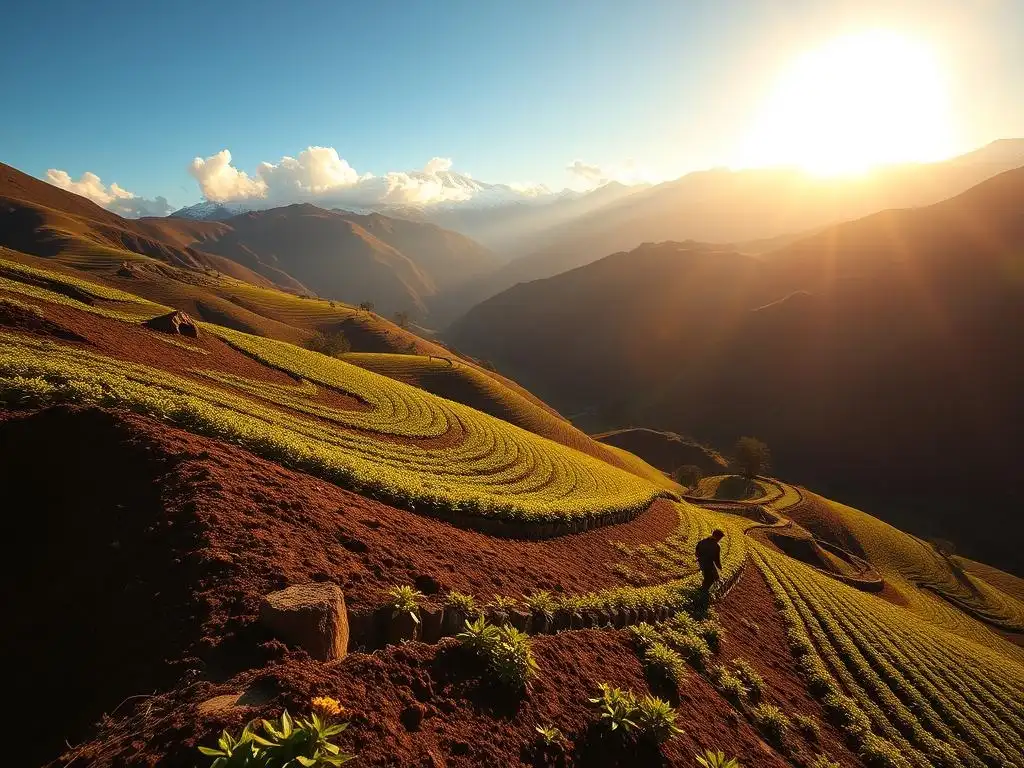
Uncover the mysteries behind the astonishing agricultural achievements of the Andes! For centuries, civilizations like the Inca, Nazca, and Moche thrived in seemingly impossible terrains. Their success wasn't by chance; it was built upon ingenious Andean agriculture soil techniques. Prepare to be amazed as we delve into the secrets of their sophisticated farming methods, revealing how they transformed challenging landscapes into bountiful sources of life. Discover the ingenuity that allowed these remarkable societies to flourish – a legacy that continues to inspire today.
The Andes Mountains, a spine of towering peaks running down the western coast of South America, presented ancient civilizations with a formidable challenge: cultivating food in diverse and often harsh environments. This article delves into the ingenious agricultural techniques employed by Andean cultures, focusing on their deep understanding and masterful manipulation of the region's varied soils.
From the volcanic slopes to the arid coastal plains and the fertile river valleys, Andean farmers developed sophisticated methods to maximize crop yields, ensuring the survival and prosperity of their societies. We will explore how their intimate knowledge of Andean agriculture soil techniques allowed them to thrive in challenging landscapes, leaving behind a legacy of sustainable practices that continue to inspire today.
Understanding their achievements offers valuable insights into sustainable agriculture and resource management in challenging environments, a crucial aspect considering contemporary global challenges. This exploration will uncover the secrets behind their success, revealing the profound connection between Andean civilizations and the land that sustained them.
Understanding Andean Soil: A Key to Ancient Agriculture
The success of Andean agriculture wasn't merely a matter of luck or chance; it was a testament to a profound understanding of soil properties and their impact on crop production. Andean farmers meticulously observed the different soil types across their vast territories, adapting their cultivation methods accordingly. They recognized that soil fertility wasn't uniform, and that various factors like altitude, rainfall, and proximity to water sources dramatically influenced soil composition and agricultural potential.
This understanding, passed down through generations, formed the cornerstone of their agricultural expertise. Their sophisticated knowledge allowed them to not only choose the most suitable crops for each soil type but also to implement innovative techniques to enhance soil fertility and productivity. This included the use of terraces, raised fields, and irrigation systems, all tailored to the specific characteristics of the local soil.
The Diversity of Andean Soils and Their Characteristics
The Andean region boasts an astonishing diversity of soil types, each with its unique properties and challenges. This heterogeneity forced Andean farmers to develop a highly specialized approach to agriculture, adapting their techniques to the specific characteristics of the land. The soils can be broadly categorized into three main types: volcanic soils from the high Andes, arid coastal soils, and fertile valley soils. Let's examine each type in detail.
Volcanic Soil Composition
High-altitude Andean soils are predominantly volcanic in origin, rich in minerals but often deficient in organic matter. These soils, characterized by their dark color and slightly acidic pH, presented both opportunities and limitations. While rich in nutrients like potassium and phosphorus, their porosity and susceptibility to erosion required careful management. Andean farmers addressed this challenge by employing techniques like terracing to reduce erosion and retain moisture.
They also incorporated organic matter through the use of manure and crop residues, improving soil structure and fertility. The specific mineral composition varied depending on the volcanic activity and geological history of the region. For example, soils near recently active volcanoes might have higher levels of readily available nutrients compared to those further away.
Arid Coastal Soil Characteristics
The coastal regions of the Andes are characterized by arid conditions and sandy soils, often low in organic matter and nutrients. The scarcity of water presented a major challenge to cultivation. Innovative irrigation systems, such as canals and underground channels, were crucial for transporting water from rivers and streams to the fields. Andean farmers also developed techniques to improve soil moisture retention, such as using mulch and windbreaks.
These soils often require careful management to avoid salinization, a process where salts accumulate in the soil, rendering it unsuitable for cultivation. The coastal soils, though challenging, supported specific crops adapted to arid conditions, demonstrating the ingenuity of Andean agricultural practices. [Specific data on soil salinity levels in different coastal regions pending].
Fertile Valley Soil Properties
The fertile river valleys, nestled between the mountains and the coast, provided more favorable conditions for agriculture. These alluvial soils, formed by the deposition of sediments from rivers, were generally rich in organic matter and nutrients, making them ideal for a wider range of crops. The availability of water from rivers and streams further enhanced their agricultural potential. Even in these fertile valleys, however, Andean farmers implemented sophisticated techniques to maintain soil fertility and prevent erosion.
They rotated crops, used manure as fertilizer, and constructed irrigation systems to manage water resources effectively. The specific nutrient content of these valley soils varied depending on the river's source and the geological composition of the surrounding area. [Specific data on nutrient composition of different valley soils pending].
Traditional Andean Soil Management Techniques
Andean agriculture thrived not merely on fertile land, but on ingenious techniques developed over millennia to maximize yields in challenging terrains. These techniques, passed down through generations, demonstrate a deep understanding of soil properties and the delicate balance of the Andean ecosystem. The success of Andean agriculture wasn't simply about planting seeds; it was a sophisticated system of soil management that ensured long-term productivity.
This intricate system, adapted to diverse environments, ranging from arid coastal deserts to high-altitude plains, showcases the remarkable adaptability and ingenuity of Andean cultures. Understanding these techniques provides crucial insight into the sustainability and resilience of Andean agricultural practices. The knowledge gained from studying these methods can even inform modern sustainable farming practices.
Terracing: Maximizing Land Use
Terracing, the creation of step-like formations on slopes, is perhaps the most visually striking example of Andean ingenuity in soil management. By carving terraces into hillsides, farmers dramatically increased the amount of arable land available. This wasn't merely a matter of expanding acreage; terraces also reduced soil erosion significantly. The flat surfaces retained water and prevented topsoil from being washed away by rain, a crucial consideration in the steep Andean landscapes.
The precise construction of terraces, often incorporating retaining walls made of stone, varied depending on the specific location and the slope's gradient. Some terraces were small and meticulously crafted, while others were larger and more expansive, testament to the scale of collaborative efforts undertaken by Andean communities. The effectiveness of terracing is still evident today in many Andean regions, where these ancient agricultural features continue to support farming activities.
Irrigation Systems: Water Management
Water scarcity is a significant challenge in many parts of the Andes. However, ancient Andean civilizations developed sophisticated irrigation systems to overcome this limitation. These systems, often involving canals, channels, and reservoirs, efficiently channeled water from rivers and streams to agricultural fields. The design of these systems was remarkably complex, often taking into account the topography of the land and the seasonal variations in water availability.
The ingenuity of these systems is particularly evident in arid coastal regions, where water was a precious resource. The construction of these irrigation networks required significant community involvement, reflecting the collaborative nature of Andean society. Some systems utilized gravity to transport water, while others incorporated ingenious techniques to lift water to higher elevations. The remarkable efficiency of these ancient irrigation systems continues to inspire modern water management strategies.
Crop Rotation and Soil Fertility
Andean farmers employed crop rotation techniques to maintain soil fertility and prevent nutrient depletion. By alternating the types of crops grown in a particular field, they ensured a balanced nutrient cycle. This practice not only prevented soil degradation but also helped to control pests and diseases. The selection of crops was carefully considered, with farmers choosing plants that complemented each other in terms of their nutrient requirements.
This holistic approach to agriculture demonstrates a deep understanding of ecological principles and the interconnectedness of different plant species. The specific crop rotation practices varied according to the local environment and the available resources. Careful observation and experimentation played a key role in developing effective crop rotation strategies.
The Use of Guano as Fertilizer
Guano, the excrement of seabirds, was a crucial component of Andean agriculture. Rich in nitrogen and other essential nutrients, guano was a highly effective natural fertilizer. The harvesting and distribution of guano were carefully managed, often involving complex systems of ownership and control.
The use of guano significantly enhanced crop yields and contributed to the prosperity of Andean civilizations. The understanding of guano's value as a fertilizer highlights the sophisticated knowledge of Andean farmers regarding soil chemistry and nutrient cycling. The strategic use of guano, coupled with other soil management practices, played a vital role in the success of Andean agriculture.
Specific Andean Soil Preparation Methods
The preparation of the soil for planting was a crucial step in the Andean agricultural process. This wasn't a simple matter of tilling the land; it involved a series of techniques designed to optimize soil conditions for planting and growth. The methods used varied depending on the specific soil type and the crops being grown, showcasing the adaptability of Andean farming practices. The careful preparation of the soil directly impacted the success of the harvest.
Manual Soil Turning Techniques
Before the widespread use of metal tools, Andean farmers relied on manual techniques for turning and preparing the soil. These techniques involved the use of digging sticks, hoes, and other hand tools. The precise methods varied depending on the soil type and the terrain. In some cases, farmers might have used fire to clear vegetation and improve soil drainage before planting. The labor-intensive nature of these techniques highlights the importance of community cooperation in Andean agriculture. The effectiveness of these manual techniques is a testament to the skill and knowledge of Andean farmers.
Drainage Systems Using Sloping Land
Given the mountainous terrain of the Andes, drainage was a critical aspect of soil preparation. Andean farmers used the natural slope of the land to their advantage, creating drainage systems that prevented waterlogging and ensured proper aeration of the soil. These systems often involved creating channels and ditches to divert excess water away from fields. The design of these drainage systems was carefully adapted to the specific topography of the land. The effective management of water was crucial for preventing damage to crops and maintaining soil health.
The Impact of Seasonal Rainfall
Seasonal rainfall patterns significantly influenced Andean soil preparation methods. Farmers adapted their techniques to account for the timing and intensity of rainfall. In some regions, farmers might have planted crops during the rainy season, while in other areas, they might have relied on irrigation to supplement rainfall. The timing of soil preparation was crucial to ensure that the land was ready for planting at the optimal time. The ability to adapt to the variability of rainfall is a testament to the resilience of Andean agricultural practices. Understanding the impact of rainfall allowed farmers to maximize yields and minimize losses.
The Impact of Andean Soil on Crop Yields
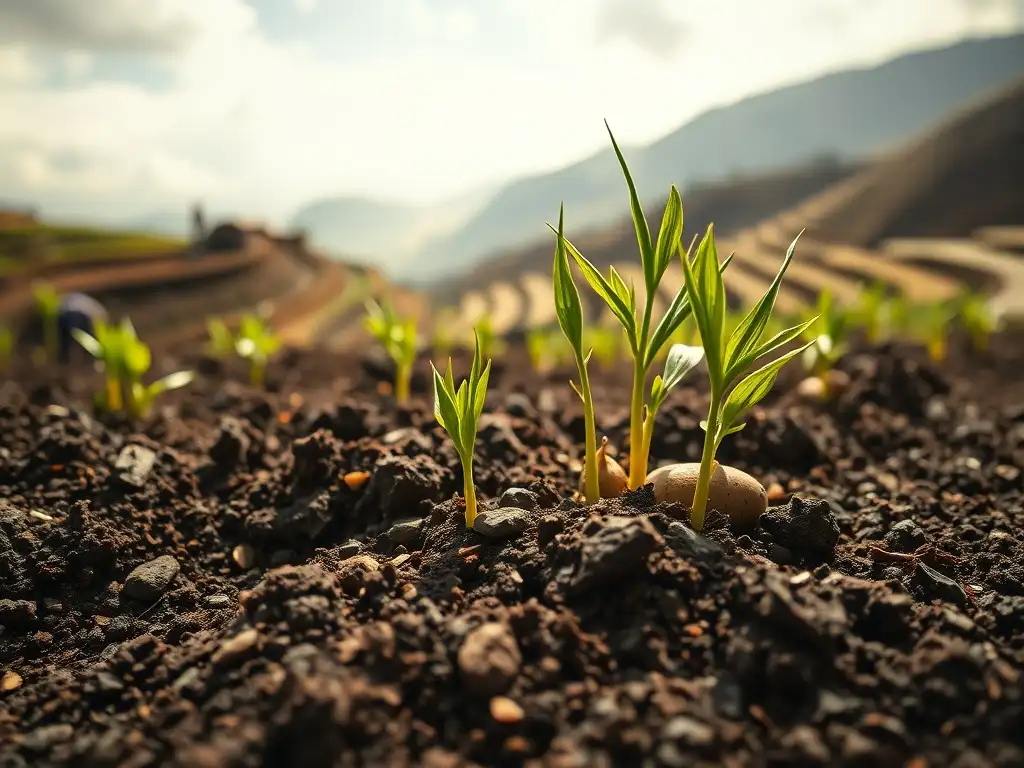
The unique characteristics of Andean soils played a crucial role in the agricultural success of ancient civilizations. The high altitude, varied topography, and diverse microclimates resulted in a wide range of soil types, each with its own strengths and weaknesses. For example, volcanic soils, prevalent in many regions, are rich in minerals but can be prone to erosion. Conversely, alluvial soils found in valleys are fertile but require careful water management.
Understanding these variations was key to the Incas' mastery of agriculture. They developed sophisticated terracing techniques to control erosion and optimize water retention in sloping areas, maximizing yields from even the most challenging terrains. Their knowledge of soil drainage and irrigation systems further enhanced crop production, allowing them to cultivate a diverse range of crops across varying elevations and soil conditions.
The impact of this understanding is evident in the impressive agricultural output of the Inca empire, which supported a large and densely populated society. The success of Andean agriculture wasn't solely dependent on soil fertility; it was a product of a deep understanding of the interaction between soil type, climate, and agricultural practices. This intricate knowledge allowed for efficient resource utilization and high crop yields, even in environments considered challenging for agriculture today.
Native Crops and Soil Adaptation
Andean agriculture thrived on a remarkable diversity of crops, each uniquely adapted to specific soil conditions. Potatoes, for instance, exhibit an astonishing range of varieties, each suited to different altitudes, soil types, and climates. Some varieties thrive in volcanic soils rich in minerals, while others prefer the well-drained alluvial soils of river valleys.
Similarly, quinoa, a staple crop, demonstrates remarkable adaptability to diverse soil conditions, from sandy to clay-rich soils. This adaptability, coupled with the Incas' knowledge of soil properties, enabled them to cultivate a wide variety of crops within a relatively small geographic area, ensuring food security and dietary diversity. The intricate relationship between native Andean crops and the soil highlights the importance of biodiversity in agriculture.
Understanding how each crop interacts with its environment is crucial not only for maximizing yields but also for ensuring the long-term sustainability of agricultural practices. The resilience of these crops to harsh conditions serves as an inspiration for modern agricultural research focused on developing drought-resistant and nutrient-efficient crops.
Soil Nutrients and Crop Nutritional Value
The nutritional content of Andean crops is closely linked to the mineral composition of the soils in which they are grown. Volcanic soils, rich in potassium, phosphorus, and other essential minerals, contribute to the high nutritional value of many Andean crops, including potatoes and quinoa. These crops are renowned for their high protein content, essential amino acids, and vitamins, contributing significantly to the health and well-being of Andean populations for centuries.
The Incas' understanding of soil fertility and its impact on crop quality highlights the importance of soil health in ensuring nutritional security. This knowledge was crucial in maintaining the health and productivity of their populations.
Further research is needed to fully understand the complete range of nutrients present in these ancient crops and their correlation with specific soil characteristics. The potential of harnessing this knowledge to improve the nutritional value of modern crops offers significant opportunities for addressing global food security issues.
Modern Applications of Andean Soil Knowledge
The insights gained from studying ancient Andean agricultural practices are increasingly relevant in contemporary agriculture. The challenges of climate change, soil degradation, and food security make the lessons learned from the Incas and other Andean civilizations particularly valuable. Their techniques for soil conservation, water management, and crop diversification offer sustainable solutions to modern agricultural problems. Modern agricultural practices can draw significant inspiration from their techniques.
Organic Farming Practices
Andean agricultural practices inherently incorporated many principles of organic farming. The absence of chemical fertilizers and pesticides in their systems resulted in healthy soils teeming with beneficial microorganisms. Their reliance on crop rotation and intercropping further enhanced soil fertility and pest control, demonstrating the effectiveness of natural methods in maintaining soil health.
These techniques provide valuable insights into sustainable agricultural practices for modern farmers seeking to reduce their environmental impact. Organic farming practices, inspired by Andean techniques, offer a viable pathway towards more sustainable and environmentally friendly agriculture. The revival and adaptation of these ancient methods can contribute significantly to the global movement towards more sustainable food systems.
Lessons for Sustainable Agriculture
The Andean civilizations offer crucial lessons in sustainable agriculture. Their emphasis on soil conservation, water management, and crop diversification provides a model for achieving food security while minimizing environmental impact. Their sophisticated techniques for terracing, irrigation, and crop rotation are highly relevant in addressing contemporary challenges such as soil erosion, water scarcity, and climate change.
Understanding and adapting these techniques to modern agricultural systems can contribute significantly towards achieving global food security goals while preserving the environment. The wisdom embedded in these ancient practices offers valuable guidance for creating more resilient and sustainable agricultural systems capable of withstanding the pressures of a changing climate.
Integrating Ancient Practices with Modern Techniques
The integration of ancient Andean agricultural knowledge with modern techniques offers a powerful approach to enhancing agricultural productivity while maintaining sustainability. Modern soil science can be combined with ancient practices like terracing and crop rotation to optimize yields and minimize environmental impact. Precision agriculture technologies can be used to monitor soil conditions and optimize irrigation, building upon the Incas' understanding of water management.
By combining traditional wisdom with modern technology, we can develop more effective and sustainable agricultural systems that address the challenges of food security and environmental sustainability. This integrated approach offers a pathway towards a future where agriculture contributes positively to both human well-being and environmental health, drawing on the rich legacy of Andean agricultural ingenuity.
The Future of Andean Agriculture and Soil Conservation
The future of Andean agriculture hinges on the continued adaptation and innovation of soil management practices. The challenges are significant, ranging from the impacts of climate change to the pressures of population growth and globalization. However, the rich history of sustainable agricultural techniques in the Andes provides a strong foundation for addressing these challenges. Successful strategies will need to integrate traditional knowledge with modern scientific understanding.
This includes a focus on resilient crop varieties, improved water management techniques, and sustainable fertilization techniques that minimize environmental impact. Furthermore, the development of robust market systems that fairly compensate farmers for their sustainable practices is crucial for long-term success. Without such systems, farmers may be forced to abandon traditional methods in favor of practices that, while potentially more profitable in the short term, lead to long-term soil degradation. The balance between economic viability and environmental sustainability is paramount.
Climate Change and Soil Degradation
Climate change is already significantly impacting Andean agriculture. Changes in rainfall patterns, increased frequency of extreme weather events (such as droughts and floods), and rising temperatures are all contributing factors to soil degradation. Increased erosion, reduced soil fertility, and the spread of pests and diseases are just some of the consequences.
For example, the increased frequency of El Niño events has led to devastating floods and landslides in various Andean regions, severely impacting agricultural lands and causing significant soil loss. Addressing this requires a multi-faceted approach, including the development of climate-resilient crops, improved irrigation systems that can cope with water scarcity, and the implementation of soil conservation measures such as terracing and contour farming.
Investing in research to understand the specific impacts of climate change on different Andean ecosystems is also essential for developing effective adaptation strategies. The vulnerability of Andean agriculture to climate change underscores the urgent need for proactive measures.
Importance of Indigenous Knowledge
Indigenous communities in the Andes possess a wealth of knowledge regarding sustainable soil management practices honed over millennia. This knowledge, often passed down through generations, includes techniques such as the creation of andenes (terraces), waru waru (raised bed agriculture), and the use of organic fertilizers. These techniques demonstrate a deep understanding of the local environment and the specific needs of different soils and crops.
For example, waru waru systems not only improve drainage and water retention but also create microclimates that are beneficial for crop growth. Integrating this traditional knowledge with modern scientific methods can lead to the development of more effective and sustainable agricultural practices.
However, it's crucial to acknowledge and respect the intellectual property rights of these communities and to ensure that they benefit from the commercialization of any knowledge or technologies derived from their traditional practices. Ignoring this vital knowledge base would be a significant oversight, hindering progress towards sustainable agriculture in the Andes.
Community-Based Soil Management Projects
Successful soil conservation efforts require the active participation of local communities. Community-based projects that empower farmers to manage their own resources are essential for long-term sustainability. These projects often involve participatory approaches to planning and implementation, ensuring that the needs and priorities of the local community are taken into account.
Such initiatives might include training programs on sustainable agricultural techniques, the provision of resources such as improved seeds and tools, and the establishment of cooperative marketing systems. Successful examples might include projects that focus on promoting agroforestry, integrated pest management, and the diversification of crops. These projects often also incorporate monitoring and evaluation components to ensure their effectiveness and to adapt strategies as needed.
The success of these projects depends heavily on strong community leadership, effective communication, and the provision of adequate financial and technical support. Furthermore, ensuring that the benefits of improved soil management are shared equitably within the community is crucial for long-term success.
Conclusion: The Enduring Legacy of Andean Soil Management
The Andean civilizations developed remarkable agricultural techniques that allowed them to thrive in challenging environments. Their understanding of soil management, combined with ingenuity and adaptation, provided the foundation for centuries of agricultural success. While facing new challenges such as climate change and population growth, the enduring legacy of Andean soil management practices remains a valuable resource.
By integrating traditional knowledge with modern science, and by empowering local communities, it is possible to build a future where Andean agriculture remains both productive and sustainable. The future of Andean agriculture relies on the continued understanding and application of these time-tested principles, ensuring that the rich agricultural heritage of the Andes continues to flourish. The preservation and advancement of Andean soil management techniques are not merely a historical imperative; they are crucial for ensuring food security and environmental sustainability in the region for generations to come.
- Understanding Andean Soil: A Key to Ancient Agriculture
- The Diversity of Andean Soils and Their Characteristics
- Traditional Andean Soil Management Techniques
- Specific Andean Soil Preparation Methods
- The Impact of Andean Soil on Crop Yields
- Modern Applications of Andean Soil Knowledge
- The Future of Andean Agriculture and Soil Conservation
- Conclusion: The Enduring Legacy of Andean Soil Management
- What innovative soil techniques did Andean civilizations use?
- How did terracing contribute to Andean agricultural success?
- What is waru waru, and how did it work?
- Besides terracing and waru waru, what other soil management strategies did Andean farmers use?
- How did the unique Andean environment influence their agricultural practices?
Frequently Asked Questions
What innovative soil techniques did Andean civilizations use?
Andean civilizations employed several innovative techniques, including terracing, raised fields, and waru waru (a system of raised beds with irrigation canals). These methods optimized water use and soil fertility in diverse terrains.
How did terracing contribute to Andean agricultural success?
Terracing, the creation of flat agricultural plots on slopes, reduced soil erosion and provided level surfaces for planting. This allowed for efficient irrigation and increased yields in mountainous regions.
What is waru waru, and how did it work?
Waru waru is a sophisticated raised-field system that involved creating interconnected raised beds separated by canals. This system improved drainage, moderated temperatures, and retained moisture, leading to increased crop production.
Besides terracing and waru waru, what other soil management strategies did Andean farmers use?
Andean farmers utilized techniques like crop rotation, fertilization with animal manure and guano, and intercropping, which improved soil health and increased biodiversity, contributing to sustainable farming practices.
How did the unique Andean environment influence their agricultural practices?
The challenging Andean environment, with its diverse altitudes and climates, necessitated the development of innovative soil management techniques. Farmers adapted their methods to the specific conditions of each location, demonstrating remarkable ingenuity and resilience.
Final Reflection: Cultivating a Legacy from Andean Soil
The ingenious soil management techniques of the Andes, far from being relics of the past, offer crucial lessons for sustainable agriculture in a world grappling with climate change and food security. These ancient practices, honed over millennia, demonstrate the power of understanding and respecting the intricate relationship between soil health and agricultural success. Their enduring relevance is undeniable.
The impact of Andean agricultural practices extends far beyond the fertile valleys of the Andes themselves. Their wisdom, passed down through generations, challenges the modern industrial model of agriculture, which often prioritizes short-term gains over long-term sustainability. The ingenuity of these techniques, from terracing to crop rotation, speaks to a deep understanding of ecological balance. The land is not an inheritance from our ancestors; it is a loan from our children.
This quote encapsulates the profound responsibility we have to nurture the soil, a responsibility echoed in the sustainable practices of Andean farmers.
Consider the implications of this knowledge for your own life. What steps can you take, however small, to support sustainable agriculture? Perhaps it's choosing locally sourced produce, supporting farmers who employ regenerative practices, or simply learning more about the crucial role healthy soil plays in our food system. Let the secrets of Andean soil inspire you to cultivate a more sustainable and responsible relationship with the land, ensuring a bountiful future for generations to come.
Unlock the Potential of Andean Soil Today!
Thank you for joining us on this enlightening journey into the secrets of Andean soil! We've explored its remarkable characteristics, and now it's time to put that knowledge to practical use and strengthen your understanding of this vital agricultural foundation.
Here's how you can continue your exploration:
- Visit local farms and markets that utilize traditional Andean soil techniques. Witness firsthand the impact of these methods on crop yields and overall soil health.
- Share your knowledge with others. Social media is a powerful tool for spreading awareness about sustainable agriculture and the importance of protecting Andean soil.
- Join a community dedicated to sustainable farming or soil health. Connecting with like-minded individuals can provide valuable support, resources, and inspiration.
As you reflect on the importance of Andean soil, consider how you can integrate sustainable practices into your own gardening or farming, honoring the rich agricultural heritage of Andean civilizations.