
The Engineering Behind Andean Canals: Precision and Skill


Step into a world lost to time, yet echoing with ingenuity. Imagine civilizations that sculpted mountains and defied deserts, harnessing the power of nature with breathtaking skill. This is the legacy of the Andes, and we invite you to uncover its secrets. Prepare to be amazed by the Andean canal engineering techniques that shaped empires and continue to inspire awe – a testament to the brilliance of ancient Andean civilizations. Discover how they achieved such precision, and delve into the intricate world of their remarkable architecture and engineering.
-
Andean Canal Engineering Techniques: Precision and Skill
- Introduction to Andean Irrigation Systems
- The Importance of Water Management in Andean Civilizations
- Pre-Inca Canal Systems: Foundations of Andean Engineering
- Inca Canal Engineering: Mastering the Landscape
- Andean Canal Engineering Techniques: A Deep Dive
- Key Features of Andean Canal Systems
- The Legacy of Andean Canal Engineering
- Challenges and Adaptations in Canal Construction
- Case Study: Cumbe Mayo Canal, Peru
- Conclusion: Enduring Ingenuity of Andean Engineers
-
Frequently Asked Questions
- What makes Andean canal engineering so remarkable?
- What materials were primarily used in the construction of Andean canals?
- How did Andean civilizations overcome the challenges of building canals in mountainous regions?
- What was the purpose of the extensive canal systems in the Andes?
- How did Andean canal engineering impact the development of their societies?
- Final Reflection: The Enduring Legacy of Andean Ingenuity
- Unleash the Power of Andean Innovation!
Andean Canal Engineering Techniques: Precision and Skill
The Andes Mountains, a formidable natural barrier, presented ancient civilizations with a unique set of challenges and opportunities. While the towering peaks and steep slopes posed significant obstacles to agriculture, the meltwater from glaciers and the rivers carving through the valleys offered a vital resource: water. This article delves into the remarkable engineering feats of the Andean civilizations, specifically focusing on their sophisticated canal systems.
We will explore the ingenuity and precision employed in the construction and maintenance of these irrigation networks, showcasing the advanced understanding of hydraulics and surveying possessed by these ancient societies. Understanding the "Andean canal engineering techniques" provides crucial insight into the societal, economic, and technological advancements that shaped these powerful cultures.
From the intricate channels of the Nazca to the extensive systems of the Inca, we'll uncover the secrets behind their success in harnessing water, the lifeblood of their thriving societies. This exploration will reveal not just impressive feats of engineering, but also a deep understanding of their environment and a sophisticated approach to resource management.
Introduction to Andean Irrigation Systems
Andean irrigation systems were far from simple ditches. They represent a sophisticated understanding of hydrology, topography, and engineering principles. These systems weren't merely functional; they were integral to the social and political structures of these societies.
The construction and maintenance of these canals required significant coordinated labor, often involving entire communities. Different civilizations developed unique approaches based on their specific environments and technological capabilities. For instance, the Nazca utilized a network of canals to irrigate their arid coastal plains, while the Inca Empire developed expansive systems across diverse landscapes, adapting their techniques to mountainous terrains and varying water sources.
The scale and complexity of these projects are truly remarkable, highlighting the advanced organizational and technological capabilities of these ancient cultures. We can observe evidence of sophisticated techniques like terracing, which not only increased arable land but also helped to control water flow and erosion. The integration of these canals into the broader landscape demonstrates a deep understanding of environmental sustainability and resource management.
The Importance of Water Management in Andean Civilizations
Water was, and remains, the lifeblood of the Andes. The success of any Andean civilization hinged on its ability to effectively manage and distribute this precious resource. Without efficient irrigation, agriculture would have been severely limited, impacting food production, population growth, and societal stability.
The construction of canals was therefore not merely an engineering achievement but a fundamental aspect of survival and prosperity. The complexity of these systems reflects the importance placed on water management, indicating a high level of social organization and planning. The precise alignment of canals, often over long distances and across challenging terrain, demonstrates a sophisticated understanding of surveying and hydraulics.
Furthermore, the maintenance of these systems required ongoing effort and community participation, highlighting the social cohesion and shared responsibility inherent in Andean societies. The sophisticated techniques employed in water management underscore the advanced technological and organizational capabilities of these civilizations, allowing them to flourish in often harsh and challenging environments. The legacy of their ingenuity continues to inspire modern-day engineering and water resource management practices.
Pre-Inca Canal Systems: Foundations of Andean Engineering
The development of sophisticated canal systems in the Andes wasn't solely an Inca achievement. Centuries before the Inca Empire rose to prominence, various Andean cultures had already mastered impressive irrigation techniques, laying the groundwork for the later, larger-scale projects. These early systems, while perhaps less complex than those of the Inca, demonstrate a deep understanding of hydrology and a remarkable ability to manipulate the landscape for agricultural purposes.
The challenges posed by the steep slopes and diverse terrains of the Andes were met with ingenuity and adaptation, reflecting a profound connection between the people and their environment. Evidence suggests that these early canal systems, though simpler in design, were crucial for supporting growing populations and ensuring food security in challenging environments.
The knowledge and experience gained through generations of building and maintaining these earlier systems undoubtedly informed and influenced the later, more ambitious projects undertaken by the Inca. Understanding these pre-Inca foundations is key to appreciating the full scope of Andean canal engineering.
Early Irrigation Techniques in the Andes
Early Andean irrigation techniques varied significantly depending on the specific geographical location and the resources available to the local communities. In some regions, simple gravity-fed channels were carved into the slopes to divert water from streams and rivers to agricultural fields. Other techniques involved the construction of small reservoirs or the creation of intricate networks of smaller canals to distribute water more efficiently. The use of rudimentary tools, such as stone picks and shovels, combined with an intimate knowledge of the terrain, allowed for the successful implementation of these early irrigation systems.
These early systems represent a remarkable achievement, considering the limited tools and technologies available at the time. Archaeological evidence continues to reveal new insights into these early systems, continually expanding our understanding of Andean ingenuity. The development of these techniques laid the groundwork for the more complex and extensive systems that would follow.
The Role of the Moche in Canal Development
The Moche civilization (c. 100-800 CE), known for its impressive artistic achievements and sophisticated social organization, also played a significant role in the development of Andean canal engineering. Their canal systems, found primarily along the northern coast of Peru, were often integrated into larger water management strategies that included reservoirs and aqueducts. The Moche demonstrated a sophisticated understanding of hydraulic principles, using a combination of gravity and possibly even pressure to move water over considerable distances.
Their canals weren't merely functional; they were integrated into the broader Moche landscape, reflecting their deep connection to the environment and their reliance on agriculture. The scale and complexity of their canal systems suggest a high level of societal organization and engineering expertise, contributing significantly to the advancement of Andean canal engineering techniques.
Nazca Water Management Strategies
The Nazca culture (c. 100 BCE – 800 CE), famous for its enigmatic geoglyphs, also developed advanced water management strategies, including extensive canal systems. The Nazca lived in a remarkably arid region, making efficient water management crucial for survival. Their canals were often remarkably long and intricate, traversing challenging terrain to deliver water to agricultural fields.
The Nazca's ingenuity is particularly evident in their ability to construct canals across varied landscapes, demonstrating a sophisticated understanding of topography and hydrology. Their techniques, while differing in some aspects from those of other Andean cultures, contributed significantly to the overall body of Andean canal engineering knowledge. The precise methods used by the Nazca in canal construction are still being investigated, highlighting the enduring mystery and complexity of their achievements.
Inca Canal Engineering: Mastering the Landscape
The Inca Empire (c. 1438-1533 CE) inherited a rich tradition of canal engineering and significantly expanded upon it. The Inca's mastery of canal construction is evident in the scale and complexity of their systems, which often spanned vast distances and served large populations. Their engineering feats were not simply about moving water; they were integral to the Inca's social and political organization, reflecting their power and ability to manage resources effectively.
The Inca's engineering skills were crucial to their success and the stability of their vast empire. The Inca canal system serves as a testament to their sophisticated understanding of engineering principles and their ability to organize large-scale construction projects.
Inca Canal Design Principles
Inca canal design incorporated several key principles. First, careful surveying and planning were essential to determine the optimal route for the canal, taking into account the terrain, water sources, and the location of agricultural fields. Gravity was the primary force used to move water, and the canals were carefully graded to ensure a consistent flow. The design often included features such as spillways and sediment traps to manage water flow and prevent erosion.
The Inca also understood the importance of maintaining a consistent water supply, even during periods of drought. This involved careful management of water sources and the construction of reservoirs and other water storage facilities. The design principles employed by the Inca reflect a deep understanding of hydraulics and a remarkable ability to adapt to the challenges of the Andean landscape.
Construction Methods of Inca Canals
The construction of Inca canals was a complex undertaking that required the coordinated efforts of large workforces. The Inca used a variety of tools, including stone picks, shovels, and possibly even some form of rudimentary metal tools. The canals were often cut into the bedrock or constructed using stone blocks, carefully fitted together to create a watertight seal.
In some cases, the canals were lined with clay or other materials to prevent leakage. The construction process would have involved extensive planning and coordination, with specialized workers responsible for different aspects of the project. The scale and precision of Inca canal construction are remarkable, especially considering the tools and technologies available at the time.
The Use of Terraces and Canals
The Inca cleverly integrated their canal systems with agricultural terraces, creating a highly efficient and sustainable system of water management. Terraces helped to level the steep slopes of the Andes, providing suitable land for agriculture. Canals were then used to irrigate these terraces, ensuring a consistent water supply to the crops.
This combined system maximized the available agricultural land and allowed the Inca to support a large population. The integration of terraces and canals demonstrates the Inca's sophisticated understanding of both agriculture and engineering. This synergistic approach to land use and water management stands as a testament to their ingenuity and practical understanding of their environment.
Materials Used in Inca Canal Construction
The materials used in Inca canal construction varied depending on the local resources. Stone was a common material, especially in areas where suitable stone was readily available. Stone blocks were carefully shaped and fitted together to create durable and watertight canals. In other areas, clay or other materials were used to line the canals and prevent leakage.
The choice of materials reflects the Inca's adaptability and their ability to utilize the resources available to them in different regions. The durability of many Inca canals, even after centuries of use, speaks to the quality of materials and workmanship. The selection and use of appropriate materials were fundamental to the longevity and effectiveness of Inca irrigation systems.
Andean Canal Engineering Techniques: A Deep Dive
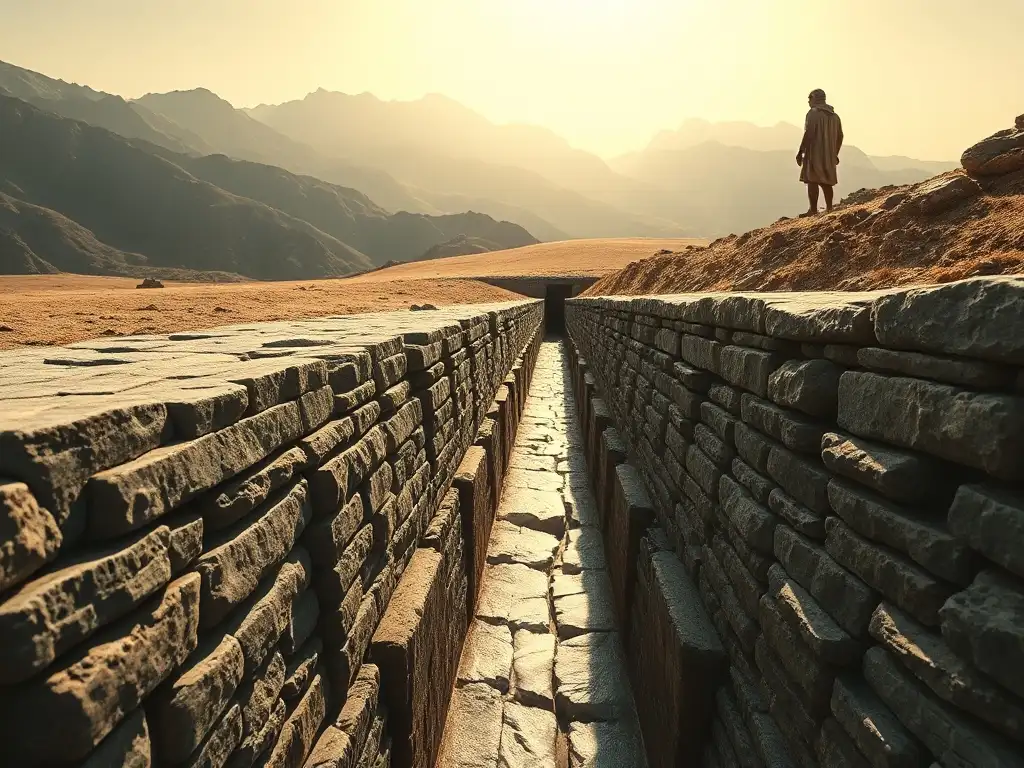
The ingenuity of Andean canal engineering is truly remarkable, showcasing a deep understanding of hydraulic principles and sophisticated construction techniques. These weren't simply ditches dug in the earth; they were meticulously planned and executed systems demonstrating an advanced grasp of surveying, hydrology, and materials science. The scale of some projects, like the extensive canal networks found in the Nazca region, is breathtaking, reflecting a highly organized society capable of mobilizing significant labor and resources for long-term infrastructure projects.
The effectiveness of these systems, which lasted for centuries in many cases, speaks volumes about the expertise of the engineers and builders who created them. Their success wasn't merely a matter of chance; it was a result of careful planning and execution based on a profound understanding of their environment.
This understanding allowed them to overcome significant geographical challenges, harnessing water resources in some of the world's most arid and challenging terrains. The precision and skill involved are evident in the enduring legacy of these ancient water management systems.
Precise Measurement and Topography
Andean engineers employed sophisticated techniques for surveying and mapping the terrain, crucial for the accurate construction of canals. While the exact methods remain a subject of ongoing research, evidence suggests the use of rudimentary surveying instruments and perhaps even a form of triangulation to determine precise elevations and slopes. Their understanding of topography was crucial in determining the optimal routes for canals, minimizing the need for extensive earthworks and maximizing the efficiency of gravity-fed water distribution.
The ability to accurately measure distances and elevations was essential for ensuring the proper gradient of the canals, preventing excessive water velocity or stagnation. These measurements, though likely less precise than modern techniques, were sufficiently accurate to support the construction of extensive and durable irrigation networks. The survival of these networks for centuries testifies to the accuracy of their initial surveys.
Slope and Gradient Calculations
Achieving the correct slope was paramount in Andean canal design. Too steep a gradient would lead to erosion and rapid water flow, while too shallow a gradient would result in sluggish flow and potential silting. Andean engineers likely used a combination of observation, practical experience, and perhaps simple tools to determine the ideal gradient for their canals. This required a deep understanding of the relationship between water flow, slope, and the soil type.
The gradients varied depending on the terrain and the intended purpose of the canal, with steeper slopes used in shorter sections and gentler slopes used for longer stretches. The mastery of this aspect of canal engineering is evident in the efficient functioning of the surviving sections of many ancient Andean canal systems. Further research is needed to fully understand the specific calculations used, but the results speak for themselves.
The Use of Gravity in Water Distribution
Gravity played a central role in the Andean canal systems. The canals were meticulously designed to utilize the natural slope of the terrain to move water from its source to the fields. This eliminated the need for energy-intensive pumping mechanisms, showcasing a sustainable and ingenious approach to water management. The engineers' understanding of gravity allowed them to create a network of interconnected canals that efficiently distributed water across vast areas.
This reliance on gravity also influenced the overall design and layout of the canal systems, with canals often following contours and avoiding unnecessary elevation changes. This efficient use of gravity is a testament to the sophisticated understanding of hydraulic principles possessed by Andean engineers. The design minimized energy consumption and maximized the efficient use of available water resources.
Water Diversion and Control Structures
The Andean canal systems included a variety of sophisticated structures for diverting and controlling the flow of water. These structures ranged from simple weirs and check dams to more complex systems of gates and sluices. These components allowed for the precise regulation of water flow, ensuring an equitable distribution to different agricultural areas and adapting to seasonal variations in water availability. The construction of these structures required considerable engineering skill and a deep understanding of hydraulic principles.
Their design and placement were carefully planned to optimize water distribution and minimize erosion. The precise control of water flow was crucial to the success of Andean agriculture, enabling farmers to effectively irrigate their crops throughout the year. The complexity and effectiveness of these control structures highlight the advanced engineering capabilities of Andean societies.
Key Features of Andean Canal Systems
The Andean canal systems were remarkable not only for their scale and ingenuity but also for their resilience and adaptability to the challenging environment.
Canal Linings and Waterproofing
Many Andean canals featured linings to improve water retention and reduce seepage. The specific materials used varied depending on the region and availability of resources, but common choices included clay, stone, and even compacted earth. These linings helped to prevent water loss through percolation, maximizing the efficiency of the irrigation system.
The application of these linings required specialized skills and knowledge of materials, further highlighting the expertise of Andean canal builders. The effectiveness of these linings is evident in the longevity of many canal systems, which remained functional for centuries. The techniques employed demonstrate a sophisticated understanding of soil mechanics and water management.
Filtration Systems in Andean Canals
While less extensively documented, some evidence suggests the incorporation of rudimentary filtration systems in certain Andean canals. These systems may have involved the use of natural materials like gravel or sand to filter out sediment and debris from the water. This would have been crucial in maintaining the integrity of the canals and ensuring the delivery of clean water to agricultural fields.
The implementation of these filtration systems, even in a rudimentary form, demonstrates a keen awareness of water quality and its importance for successful agriculture. Further research is needed to fully understand the extent and sophistication of these filtration techniques.
Maintenance and Repair of Ancient Canals
The long-term success of the Andean canal systems depended on ongoing maintenance and repair. Evidence suggests that these societies invested considerable effort in keeping their canals in good working order. This involved regular inspections, cleaning of sediment, repair of damaged sections, and the periodic reconstruction of aging structures.
The commitment to maintenance reflects a deep understanding of the importance of these systems to their economy and society. This dedication to long-term sustainability is a key aspect of the Andean legacy in water management. The continued functionality of many canal systems for centuries points to the effectiveness of their maintenance strategies.
The Legacy of Andean Canal Engineering
The legacy of Andean canal engineering is profound and far-reaching, impacting not only the civilizations that built them but also subsequent societies and our understanding of water management. These intricate systems represent a remarkable feat of human ingenuity, demonstrating a deep understanding of hydrology, topography, and sustainable resource management. The ingenuity of these ancient engineers is evident in the precision and scale of their projects, which often involved diverting water across significant distances and varying terrains. Their expertise allowed them to create a reliable irrigation system that supported thriving agricultural societies for centuries. The sophisticated techniques employed, including terracing, water diversion structures, and sophisticated canal design, showcase a level of technological advancement that continues to inspire awe and admiration. The enduring impact of these systems is a testament to the foresight and skill of the Andean engineers, whose legacy continues to shape our understanding of water management and sustainable development.
Impact on Agriculture and Food Production
Andean canal engineering had a transformative impact on agriculture and food production. The reliable water supply provided by these meticulously designed canals allowed for the cultivation of a wide variety of crops, leading to increased agricultural yields and food security. This, in turn, supported larger, more densely populated settlements and the development of complex social structures. The ability to irrigate arid and semi-arid lands allowed the Andean civilizations to thrive in challenging environments, transforming previously unproductive areas into fertile agricultural lands. The surplus food production facilitated specialization of labor and the development of sophisticated trade networks, contributing significantly to the overall economic and social prosperity of these societies. Studies show a direct correlation between the expansion of canal systems and the growth of Andean populations and the diversification of their diets. The success of these systems highlights the crucial role of water management in shaping the development of early civilizations.
Lessons for Modern Water Management
The ingenuity of Andean canal engineering offers valuable lessons for modern water management practices. Their sustainable approaches to water resource management, which prioritized conservation and efficiency, are particularly relevant in today's world, where water scarcity is a growing concern. The emphasis on careful planning, precise construction, and community involvement in the construction and maintenance of the canals provides a model for collaborative water management initiatives.
Modern engineers can learn from the Andean approach to adapting canal construction to diverse climates and geographical challenges, incorporating principles of sustainability and resilience into their designs. The integration of traditional knowledge with modern engineering techniques can lead to more effective and sustainable water management solutions. For instance, the use of natural materials and techniques for canal lining, inspired by Andean practices, can reduce the environmental impact of modern irrigation projects.
Andean Canal Systems as Cultural Heritage
Andean canal systems are not merely engineering marvels; they represent a crucial aspect of the region's cultural heritage. These systems are tangible expressions of the ingenuity, knowledge, and cultural values of the ancient Andean civilizations. Their preservation and study offer valuable insights into the history, technology, and social organization of these societies. Many of these canals remain visible today, serving as powerful reminders of the achievements of past generations.
The preservation of these sites is essential for understanding the rich cultural heritage of the Andes and for promoting sustainable tourism that benefits local communities. Recognizing these systems as invaluable cultural assets ensures their protection and promotes their importance in shaping our understanding of human history and technological innovation. The ongoing study and preservation of these sites are crucial for future generations to appreciate the legacy of Andean ingenuity.
Challenges and Adaptations in Canal Construction
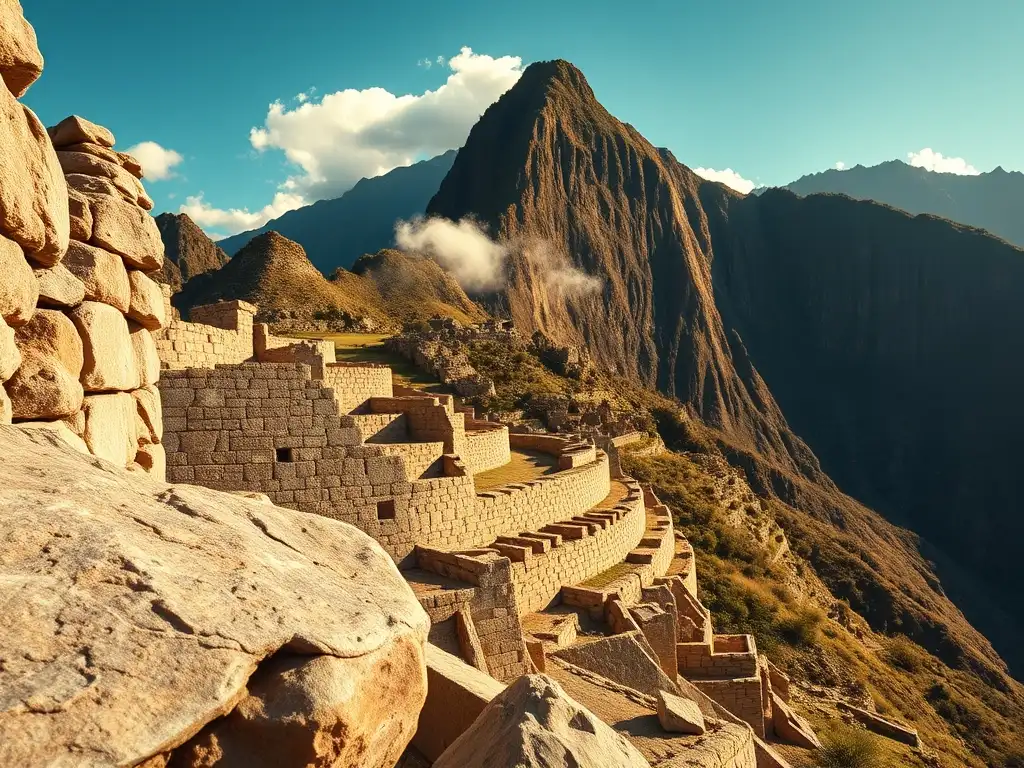
Constructing canals in the Andes presented numerous challenges, requiring innovative solutions from the engineers of the time. The diverse topography, varying climates, and unpredictable weather patterns demanded adaptability and ingenuity. These challenges necessitated a deep understanding of the local environment and a sophisticated approach to planning and construction.
Overcoming these obstacles required a combination of technological skill, community collaboration, and a deep understanding of the natural environment. The successful construction and maintenance of these systems showcase the remarkable problem-solving abilities of Andean civilizations. The ingenuity displayed in overcoming these challenges is a testament to their advanced engineering skills and their deep connection to the land.
Overcoming Geographical Obstacles
The Andean landscape, characterized by steep slopes, rugged terrain, and high altitudes, posed significant geographical obstacles to canal construction. Engineers had to navigate challenging terrain, often working with limited tools and technology. This required careful planning and the development of innovative techniques for diverting water across steep slopes and around mountains.
The construction of terraces, aqueducts, and other water diversion structures exemplifies the remarkable skill and ingenuity employed to overcome these obstacles. The precise alignment of canals, often over considerable distances, demonstrates a sophisticated understanding of surveying and engineering principles. The integration of these structures into the landscape minimized environmental impact while maximizing water efficiency, showcasing a deep respect for the environment.
Adapting to Diverse Climates
The Andes region experiences a wide range of climates, from arid deserts to high-altitude grasslands, requiring adaptations in canal construction techniques. Variations in rainfall, temperature, and humidity necessitated different approaches to canal design and construction. Engineers had to consider factors such as water evaporation, freezing, and soil erosion when designing and building their canals.
This required a deep understanding of local climate conditions and the ability to adapt their techniques to specific environmental contexts. The use of different materials and construction methods in different climatic zones demonstrates a remarkable ability to adapt to diverse environmental conditions. This adaptation ensured the long-term sustainability and resilience of the canal systems.
Sustainable Practices in Canal Construction
Andean canal construction incorporated sustainable practices that minimized environmental impact and maximized water efficiency. The use of locally sourced materials, such as stone and earth, reduced transportation costs and environmental damage. The integration of the canals into the landscape minimized disruption to natural ecosystems. The careful planning and construction techniques ensured the long-term sustainability of the systems, minimizing water loss and soil erosion.
The design of canals often incorporated features to promote infiltration and groundwater recharge, contributing to the overall health of the ecosystem. These sustainable practices are particularly relevant today, as we face increasing challenges related to water scarcity and environmental degradation. The Andean approach provides a valuable model for sustainable water management in modern contexts.
Case Study: Cumbe Mayo Canal, Peru
Description of the Cumbe Mayo Canal System
The Cumbe Mayo canal system, located in the Andes Mountains of Peru, stands as a testament to the advanced hydraulic engineering skills of pre-Inca cultures. Dating back approximately 2,000 years, this remarkable system consists of a network of canals carved directly into the rocky Andean landscape. The main canal stretches for approximately 8 kilometers (5 miles), showcasing a remarkable feat of precision and labor.
It's not just a single channel; rather, it's a complex arrangement of canals, aqueducts, and reservoirs designed to transport water from mountain springs to agricultural fields in the valleys below. The system's ingenuity lies in its ability to navigate challenging terrain, utilizing ingenious techniques to overcome steep slopes and rocky obstacles.
Archaeological evidence suggests that the system was likely expanded and maintained over several centuries, reflecting a continuous investment in water management and agricultural productivity. The system's longevity underscores the effectiveness of its design and the enduring knowledge of its creators.
Engineering Techniques Applied in Cumbe Mayo
The construction of the Cumbe Mayo canal required sophisticated engineering techniques. The builders utilized a combination of stone tools, likely including chisels and hammers made from hard stone, to carve the canals directly into the andesite rock. The precision of the cuts is astounding, with many sections demonstrating remarkably straight lines and consistent channel widths. This suggests a high level of planning and skilled craftsmanship.
The channels were not simply dug; they incorporated sophisticated techniques to manage water flow. Features such as strategically placed spillways, siphons, and reservoirs regulated the water supply and prevented erosion. The builders also displayed a deep understanding of topography and hydrology, selecting optimal routes for the canals and incorporating natural features to minimize construction challenges.
Evidence suggests the use of techniques to ensure the canals remained level, possibly involving sophisticated leveling instruments or methods that are still not fully understood by modern researchers. The system's ability to efficiently transport water over long distances across varied terrain demonstrates a remarkable mastery of hydraulic principles. Further research is needed to fully understand the tools and techniques employed.
Impact and Significance of the Cumbe Mayo System
The Cumbe Mayo canal system played a crucial role in the development of agriculture and settlement in the region. By providing a reliable source of irrigation water, the system allowed for the cultivation of crops in areas that would otherwise have been unsuitable for farming. This increased agricultural productivity likely supported a larger and more stable population.
The system's success is reflected in the prolonged occupation of the region, evidenced by the presence of numerous settlements along the canal's route. The Cumbe Mayo canal is not merely an engineering marvel; it is a key element of the region's cultural heritage, representing the ingenuity and resilience of its builders. Its significance extends beyond its practical function; it provides invaluable insights into the technological advancements and societal organization of pre-Inca Andean societies.
The system's enduring legacy serves as a powerful reminder of the importance of sustainable water management practices. The long-term impact of the Cumbe Mayo system on the local environment and its social structures is a continuing area of study for archaeologists and historians.
Conclusion: Enduring Ingenuity of Andean Engineers
The Andean canal systems, exemplified by the Cumbe Mayo canal, showcase the remarkable engineering skills and ingenuity of pre-Columbian Andean civilizations. These systems were not merely functional; they were sophisticated expressions of cultural and technological advancement. Their construction required precise planning, advanced knowledge of hydraulic principles, and meticulous craftsmanship.
The enduring legacy of these systems highlights the importance of understanding and appreciating the advanced knowledge and skills of Andean engineers. The sophisticated techniques employed in their construction, combined with their long-term impact on the landscape and society, remain a source of fascination and inspiration for modern engineers and researchers alike. Further study of these systems promises to reveal even more about the technological sophistication and cultural achievements of the ancient Andes.
The legacy of Andean canal engineering continues to inform contemporary approaches to water management and sustainable development in challenging environments. The precision and skill demonstrated in these projects are truly remarkable.
Frequently Asked Questions
What makes Andean canal engineering so remarkable?
Andean canal engineering is remarkable due to its precision and scale, often built across challenging terrain with limited tools. These systems show a deep understanding of water management and landscape.
What materials were primarily used in the construction of Andean canals?
Andean canals were primarily constructed using stone, earth, and sometimes adobe bricks. The specific materials varied depending on the region and the availability of resources.
How did Andean civilizations overcome the challenges of building canals in mountainous regions?
They employed ingenious techniques like terracing, stonework, and aqueducts to navigate steep slopes and uneven terrain. Their understanding of water flow and gravity was crucial.
What was the purpose of the extensive canal systems in the Andes?
These canals served a variety of purposes, including irrigation for agriculture, water supply for settlements, and potentially ritualistic functions. Reliable water access was essential for survival.
How did Andean canal engineering impact the development of their societies?
The sophisticated canal systems were essential for supporting large populations and intensive agriculture. This reliable water supply facilitated economic growth and social stability.
Final Reflection: The Enduring Legacy of Andean Ingenuity
The intricate canal systems of the Andes, a testament to human ingenuity and adaptation, remain a powerful symbol of sustainable engineering and community collaboration, even in our modern age of advanced technology. Their sophisticated design and construction, achieved with limited tools, continue to inspire awe and challenge our assumptions about what is possible with resourcefulness and a deep understanding of the environment. The precision and skill employed centuries ago offer valuable lessons for contemporary engineering challenges, particularly in water management and sustainable development.
The impact of these ancient Andean engineering feats extends far beyond their historical significance. They represent a profound connection between humans and their environment, a harmonious relationship that we are only beginning to fully appreciate in the face of climate change and resource scarcity. The mountains are my teachers,
a Quechua proverb aptly states, highlighting the deep respect and understanding that fueled this remarkable achievement. This understanding, this deep connection to the land, is something we can all learn from and strive to emulate in our own approaches to engineering and resource management.
Consider the ingenuity of these ancient builders, their profound understanding of water flow and terrain. Let their achievements inspire you to seek innovative solutions to modern challenges, to approach problems with creativity and resourcefulness. You too can be an engineer, not just in the traditional sense, but in the broader sense of shaping a more sustainable and equitable future. Embrace the spirit of collaboration and respect for the environment that characterized the creation of the Andean canals, and let it guide your own endeavors.
Unleash the Power of Andean Innovation!
Thank you for exploring the fascinating world of Andean canals and their remarkable engineering achievements! Your curiosity has provided valuable insights into the precision and skill of these ancient marvels. Now, let's put that knowledge to practical use.
Here are some ways you can get involved:
- **Explore local waterways:** Visit a nearby river or canal and observe its design and flow. Consider how ancient Andean techniques could inspire more sustainable solutions for modern water management.
- **Participate in or initiate a community project:** Join a local group working to preserve historical sites or educate the public about water engineering or ancient civilizations, or even start your own initiative.
- **Share your newfound knowledge:** Discuss the innovative engineering of the Andean civilizations with friends, family, or online communities to inspire a wider appreciation for these remarkable achievements.
What innovative ideas do you have for improving canal functionality in the modern world? We'd love to hear your thoughts!