
Huari Influence: How They Shaped the Future of Andean Civilizations

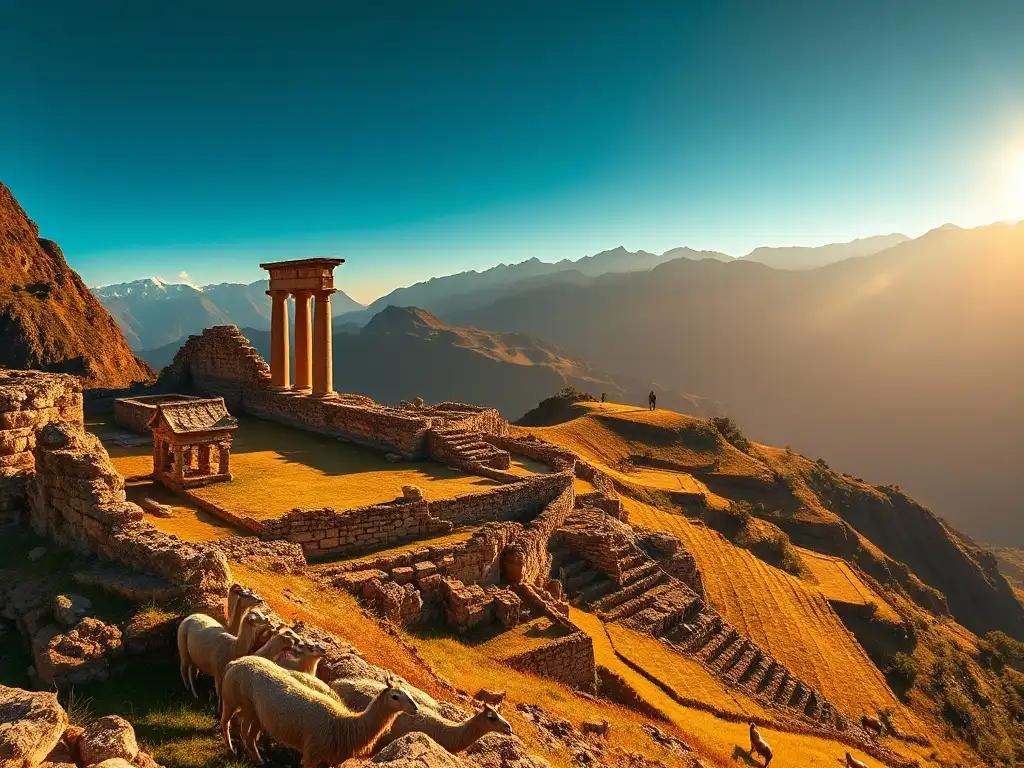
Unravel the mysteries of the Andes! Journey back in time to discover a world of breathtaking artistry, sophisticated engineering, and powerful empires. But what if the story you've been told about the rise of the Incas is incomplete? This website delves into the fascinating Huari impact on Andean culture, revealing how this enigmatic civilization shaped the future of the region and paved the way for the Inca's dominance. Prepare to be amazed as we explore the legacy of the Pre-Incan cultures of the Highlands – a legacy that continues to resonate today. Dive in and uncover the secrets!
- Huari Influence: Shaping the Development of Andean Civilizations
- Huari Art and Architecture: Pillars of Cultural Legacy
- Huari Impact on Andean Culture: Key Areas of Influence
- The Lasting Legacy of the Huari: Echoes in Later Andean Societies
- Conclusion: The Unmistakable Mark of the Huari
- Frequently Asked Questions
- Final Reflection: The Enduring Legacy of Huari
- Unlock the Secrets of the Huari Legacy!
Huari Influence: Shaping the Development of Andean Civilizations
The Huari Empire, a pre-Inca civilization that flourished in the Andes between approximately 600 and 1000 CE, left an indelible mark on the subsequent development of Andean cultures. Their impact resonates even today, visible in the architectural styles, artistic motifs, and societal structures of later Andean societies. This article delves into the significant influence of the Huari, exploring their rise to power, their expansion across the Andes, and the lasting legacy they left on the cultural tapestry of the region.
Understanding the Huari's impact is crucial for a complete appreciation of the complex evolution of Andean civilizations, providing a deeper understanding of the "Huari impact on Andean culture." We will examine specific examples of their influence, highlighting their lasting contributions to the rich heritage of the Andes. Prepare to be amazed by the scale and sophistication of this remarkable civilization and its profound and lasting impact.
Understanding the Huari Empire and its Significance
The Huari Empire, centered in the Ayacucho region of modern-day Peru, was a powerful and sophisticated civilization. Unlike the Inca, who built a vast, centralized state with a highly structured bureaucracy, the Huari employed a more decentralized system of control. Evidence suggests a complex network of regional centers connected by a sophisticated road system, facilitating communication and trade across their vast territory. Their influence extended far beyond their core territories, reaching into the coastal regions and even into parts of Bolivia. The Huari were master builders, renowned for their impressive urban planning and monumental architecture. Their cities were carefully planned, with intricate networks of streets, canals, and public spaces. This urban planning demonstrates a level of societal organization and engineering prowess rarely seen in other contemporary Andean civilizations.
The Huari also developed a distinctive artistic style, characterized by its geometric patterns and stylized representations of animals and humans. This style, easily recognizable in their pottery and textiles, was widely adopted and adapted by later cultures, showcasing the far-reaching effects of their artistic innovations. The Huari's impact wasn't limited to architecture and art; it extended to their agricultural techniques and administrative systems, leaving a lasting impression on how subsequent Andean societies were organized and governed.
The Rise of the Huari: A Pre-Incan Powerhouse
The exact origins of the Huari remain a topic of ongoing research, but archaeological evidence points to a gradual rise to prominence in the Ayacucho region. Initially a regional power, the Huari strategically expanded their influence through a combination of military conquest and diplomatic alliances. Their military prowess was undoubtedly a factor in their success, but their ability to integrate conquered populations into their system and manage diverse regions was equally crucial.
This integration was facilitated, in part, by the standardization of certain aspects of culture, such as pottery styles and architectural designs. This standardization helped to create a sense of unity and shared identity across their vast empire. The Huari's success wasn't merely a matter of brute force; it was a testament to their adaptability and their capacity for political and economic innovation.
The development of efficient agricultural practices, allowing for increased food production, was key to supporting their growing population and expanding army. This agricultural surplus enabled them to support a complex social hierarchy and fund ambitious construction projects.
Huari Expansion and Territorial Control in the Andes
The Huari Empire's expansion was a remarkable feat of logistical and administrative skill. Their control extended across diverse ecological zones, from the high Andes to the arid coastal deserts. This expansive territory required a sophisticated system of administration and communication.
Archaeological evidence suggests the Huari constructed extensive road networks, connecting their various administrative centers and facilitating trade and movement of troops. Their control wasn't always direct; they often exerted influence through alliances and the establishment of regional centers governed by Huari-appointed officials. This strategy of indirect rule allowed them to maintain control over a vast and geographically diverse empire with a relatively small military force.
The impact of Huari expansion on the Andean region is evident in the widespread adoption of Huari-style pottery, architecture, and other cultural traits in regions far from their core territory. The extent of their influence demonstrates the effectiveness of their strategies for maintaining control and integrating diverse populations into a single, albeit decentralized, political system. This system, though eventually succumbing to internal pressures and external threats, provided a template for subsequent Andean empires, notably the Inca, who would later build upon and refine these strategies.
Huari Art and Architecture: Pillars of Cultural Legacy
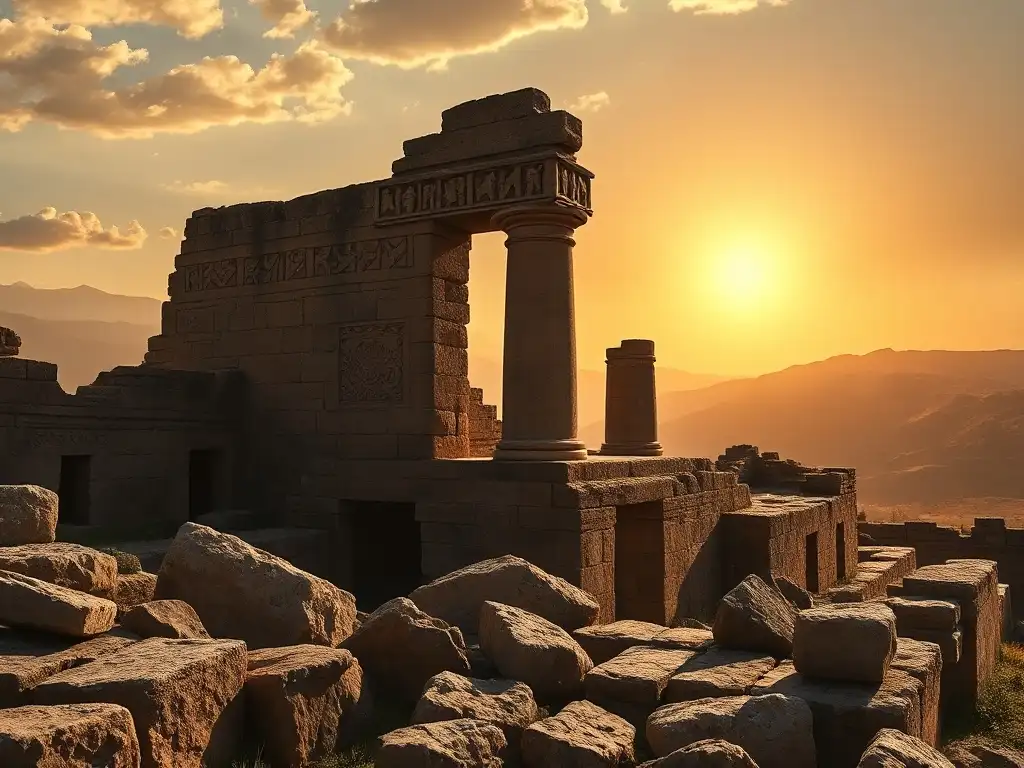
The Huari impact on Andean culture is profoundly visible in their remarkable artistic and architectural achievements. Their sophisticated urban planning, distinctive ceramic styles, and innovative textile techniques left an indelible mark on subsequent Andean civilizations, influencing artistic expression for centuries. Understanding these aspects provides crucial insight into the Huari's power and influence, revealing a civilization far more complex than previously thought. The Huari legacy wasn't just about conquest; it was about the systematic dissemination of a distinct cultural identity across a vast territory.
Huari Urban Planning: Designing Centers of Power
Huari urban planning represents a significant advancement in Andean city design. Unlike earlier settlements, Huari cities were meticulously planned, characterized by a grid-like layout and standardized structures. This standardized approach facilitated efficient administration and control over a large, diverse population.
The uniformity in building styles and city layouts suggests a centralized authority actively shaping the urban landscape. This is a key element of their impact; they didn't simply conquer, they administered, creating a system that imposed a distinct cultural order. We can see this in the consistent use of rectangular structures, often built from adobe bricks, and the strategic placement of monumental buildings within the urban grid.
The careful organization of residential areas, administrative centers, and religious structures showcases a sophisticated understanding of urban design and social organization – a defining aspect of the Huari impact on Andean culture. Further research is needed to fully understand the logistical challenges overcome in constructing and maintaining these vast, planned cities. [Specific information pending: precise population numbers for major Huari cities].
Huari Ceramics: Artistic Expression and Cultural Diffusion
Huari ceramics are instantly recognizable for their distinctive style and widespread distribution. The characteristic use of polychrome painting, intricate designs, and standardized forms facilitated the identification and analysis of their pottery. These pieces weren't just functional; they served as powerful tools for cultural dissemination. The consistent style across a wide geographical area indicates a centralized production system, or at least a strong influence that encouraged uniformity in artistic expression. This standardization is a hallmark of Huari cultural impact.
Specific motifs, like stylized animals and geometric patterns, recur across various regions, showcasing the extent of Huari influence and control. Analysis of chemical composition of the clay used in pottery production could provide further evidence of centralized production or trade networks. [Specific information pending: detailed chemical analysis of Huari ceramics from different regions]. The widespread distribution of these ceramics underscores their role in solidifying Huari cultural hegemony across the Andean region.
Huari Textile Art: Weaving a Legacy of Innovation
Huari textile art demonstrates a high level of technical skill and artistic sophistication. The intricate weaving techniques, use of vibrant colors, and complex designs surpassed those of preceding cultures. The Huari impact on Andean culture is evident in the subsequent adoption and adaptation of their textile techniques.
The use of camelid fibers, such as alpaca and llama wool, allowed for the creation of durable and richly textured fabrics. The sophistication of their weaving techniques, including tapestry and brocade, demonstrates a mastery of textile production. [Specific information pending: detailed analysis of different weaving techniques used by Huari artisans].
Furthermore, the stylistic elements found in Huari textiles often appear in later Andean cultures, showcasing the enduring legacy of their artistic innovations. The intricacy and quality of these textiles suggest a significant investment of time and resources, highlighting the importance of textile production within Huari society and its lasting impact on Andean artistic traditions. The Huari's influence on textile production is a testament to their sophisticated understanding of materials and techniques, leaving a lasting mark on Andean cultural development.
Huari Impact on Andean Culture: Key Areas of Influence
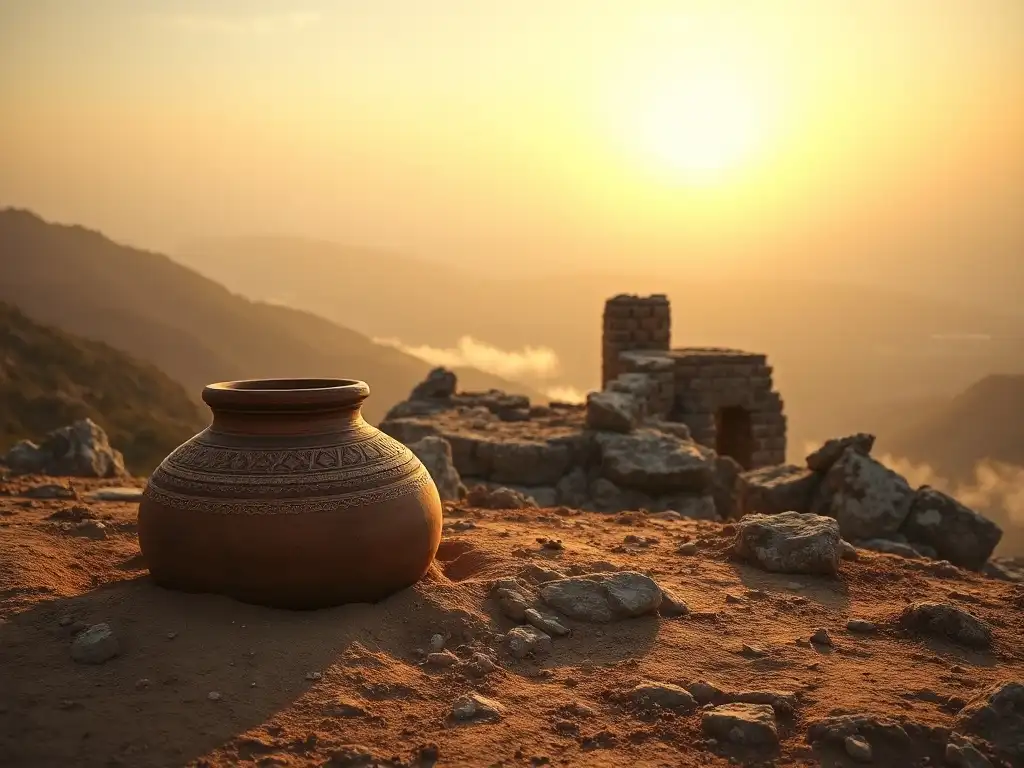
The Huari Empire, flourishing from approximately 600 to 1000 CE in the central Andes, left an indelible mark on the trajectory of subsequent Andean civilizations. Their influence extended far beyond their territorial reach, profoundly shaping the political, religious, and agricultural landscapes of the region. Understanding the Huari impact on Andean culture requires examining their key contributions across various aspects of life. This section will delve into three crucial areas: administrative systems, religious practices, and agricultural techniques.
The Huari legacy continues to resonate in the Andean world, providing crucial insights into the development of later empires like the Inca. The lasting impact of Huari demonstrates their mastery not only of military conquest but also of sophisticated administrative strategies and cultural integration. The pervasive nature of Huari influence underscores their significance as a pivotal civilization in the Andean cultural narrative.
Huari Administrative Systems: Laying the Groundwork for Future Empires
The Huari were masterful administrators, establishing a highly organized and centralized state. Unlike many preceding Andean societies, the Huari implemented a complex system of regional control, likely involving a network of strategically placed administrative centers and outposts. Archaeological evidence suggests a hierarchical structure, with elite centers radiating influence over smaller provincial settlements.
This intricate administrative system facilitated the efficient management of resources, the standardization of practices, and the effective control of a vast territory. The Huari's ability to maintain control over such a diverse population and geography set a precedent for future Andean empires, particularly the Inca. The sophisticated techniques of record-keeping, likely employing quipu-like systems, allowed for the precise allocation of resources and the monitoring of production.
This efficient system contrasts sharply with the more decentralized governance structures of earlier Andean societies. The Huari's administrative innovations represent a significant leap forward in Andean political organization, directly influencing the development of future imperial structures. Their legacy is evident in the carefully planned urban layouts and standardized architectural styles found in subsequent Andean settlements.
The Huari administrative system is believed to have employed a combination of strategies, including:
- Provincial Governors: Appointed officials overseeing specific regions.
- Centralized Resource Management: Efficient distribution of goods and resources.
- Standardized Architecture: Uniform building styles reflecting centralized control.
- Communication Networks: Facilitating communication across vast distances.
The precise mechanisms of Huari administration remain a subject of ongoing research, but the enduring impact of their organizational prowess is undeniable.
Huari Religious Practices: Shaping Andean Beliefs
Huari religious practices played a crucial role in unifying their vast empire and influencing subsequent Andean beliefs. While the specific details of their religious system remain partially enigmatic, archaeological findings reveal a complex cosmology and a pantheon of deities. Evidence suggests the prominence of ancestor veneration and the use of elaborate ritual practices. The Huari frequently incorporated religious iconography into their art and architecture, suggesting a deeply ingrained religious influence on daily life.
The widespread distribution of similar religious artifacts across the empire indicates a degree of religious standardization, contributing to the cohesion of the diverse populations under Huari rule. The Huari's emphasis on ceremonial centers and the construction of monumental architecture further highlights the importance of religion in their society. This focus on religious unity likely contributed to the empire's stability and longevity.
The influence of Huari religious beliefs is visible in the religious practices of later Andean cultures. For example, certain iconographic motifs and ritualistic elements found in Huari contexts reappear in later Inca art and religious practices, suggesting a direct line of influence. The legacy of Huari religious practices is not merely a matter of shared iconography; it also points towards a shared understanding of the Andean worldview.
The Huari arguably laid the groundwork for the complex religious systems of later Andean empires, demonstrating the enduring power of their religious traditions. Further research into Huari religious sites and artifacts will undoubtedly shed more light on their beliefs and their impact on subsequent Andean cultures.
Huari Agricultural Techniques: Innovations in Farming and Resource Management
The Huari's success was inextricably linked to their agricultural innovations and resource management strategies. Facing the challenges of a diverse and often arid landscape, the Huari developed sophisticated techniques to maximize agricultural output. Evidence suggests the widespread use of terracing, irrigation systems, and raised fields to enhance crop yields. These techniques allowed the Huari to support a large population and maintain a stable food supply.
Furthermore, their mastery of water management was crucial for their ability to expand into different ecological zones. The Huari's ingenuity in adapting their agricultural practices to varied environments highlights their understanding of the Andean ecosystem. Their ability to efficiently manage resources contributed significantly to the empire's economic strength and stability.
The Huari's agricultural innovations had a lasting impact on Andean farming practices. Subsequent cultures adopted and adapted many of their techniques, leading to improved agricultural productivity throughout the region. The legacy of Huari agricultural innovations is visible in the enduring effectiveness of their methods and their adoption by later Andean civilizations.
Their sophisticated approach to resource management served as a model for future Andean empires, demonstrating the long-term impact of their agricultural expertise on the development of Andean societies. The Huari's commitment to agricultural innovation highlights their pragmatic approach to governance and their understanding of the importance of food security in maintaining a stable and prosperous empire. The continued relevance of Huari agricultural techniques underscores their enduring contribution to the Andean cultural heritage.
The Lasting Legacy of the Huari: Echoes in Later Andean Societies
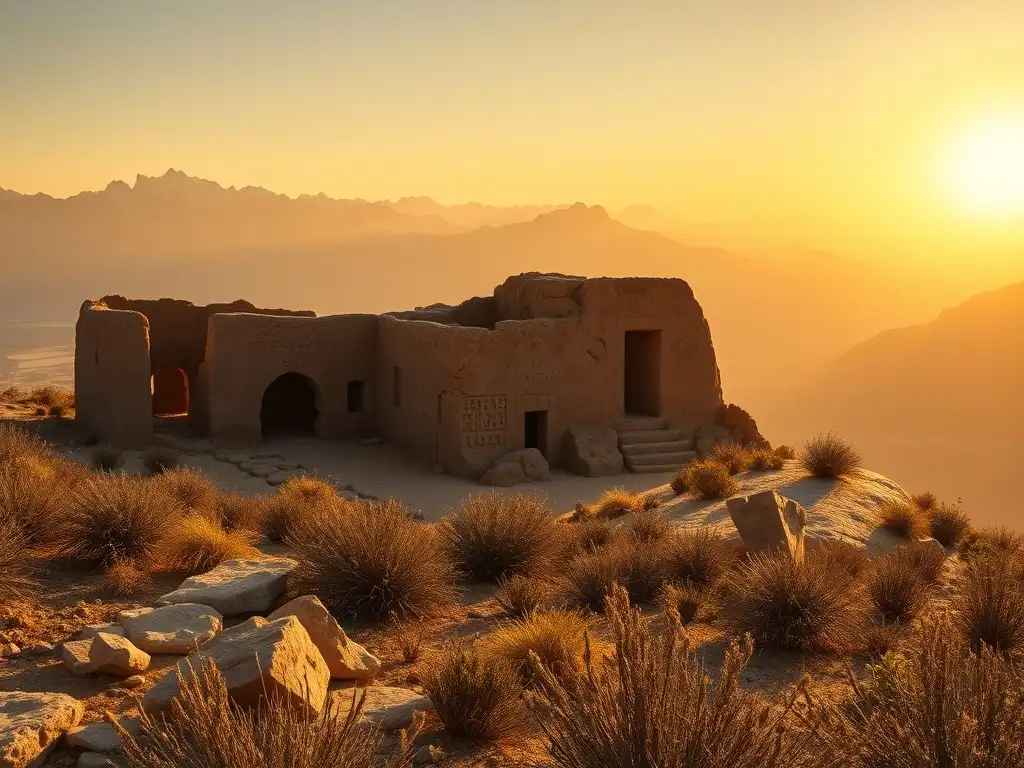
The Huari impact on Andean culture is undeniable, leaving a profound and lasting mark on subsequent civilizations. Their influence extended far beyond their relatively short-lived empire (c. 600-1000 CE), shaping the political, social, and artistic landscapes of the Andes for centuries to come. Understanding the Huari's contribution is crucial to comprehending the trajectory of Andean societies, particularly the rise of the Inca Empire.
This legacy wasn't simply a matter of conquest and subjugation; it was a complex interplay of cultural exchange, adaptation, and the absorption of innovative ideas and practices. The Huari's sophisticated administrative systems, artistic styles, and urban planning techniques served as blueprints for future Andean power structures, leaving an indelible footprint on the region's cultural identity. The extent of this influence is a testament to the Huari's remarkable organizational capabilities and their ability to integrate diverse Andean populations into a vast, interconnected network.
Huari Influence on the Inca Empire: A Direct Lineage
The Inca Empire, renowned for its impressive administrative prowess and vast territorial control, owed a significant debt to the Huari. While not a direct descendant in a purely genealogical sense, the Inca undoubtedly inherited and adapted many aspects of Huari political organization. The Huari's system of provincial administration, characterized by strategically located administrative centers and a network of roads connecting them, served as a model for the Inca's own highly centralized empire.
Evidence suggests that the Inca meticulously studied and replicated Huari techniques of resource management and population control. Furthermore, the Inca's use of standardized weights and measures, crucial for their efficient taxation system, can be traced back to similar practices implemented by the Huari. The Inca's adoption of a hierarchical, bureaucratic structure, with clearly defined roles and responsibilities, also echoes the well-organized administrative apparatus of the Huari state.
This direct lineage isn't just a matter of speculation; archeological findings continuously reveal striking similarities in urban planning, infrastructure development, and administrative strategies between the two empires. The Huari's legacy provided a solid foundation upon which the Inca built their own expansive and enduring empire. Understanding this connection clarifies the Inca's success and provides a deeper appreciation for the complexities of Andean history.
Huari Cultural Traits in Later Andean Civilizations: Wari-Style Pottery, Grid-Patterned Settlements
The Huari's artistic and architectural innovations profoundly impacted subsequent Andean cultures. The distinctive Wari-style pottery, characterized by its refined craftsmanship, intricate designs, and standardized forms, became a hallmark of Andean art for centuries. This style wasn't simply copied; it was adapted and reinterpreted by succeeding cultures, reflecting a process of cultural exchange and assimilation.
The spread of Wari-style pottery across the Andes serves as a powerful indicator of the Huari's cultural reach and influence. Beyond pottery, the Huari's innovative approach to urban planning, characterized by grid-patterned settlements, also left a lasting impression. This efficient layout, with its clearly defined streets and carefully planned residential areas, was adopted and refined by later civilizations, including the Inca.
The grid pattern wasn't just an aesthetic choice; it facilitated efficient administration, resource distribution, and social control. The persistence of this architectural style showcases the enduring legacy of Huari's urban planning expertise and its impact on subsequent Andean societies. The influence extended beyond direct imitation; it inspired further innovation and adaptation, enriching the architectural heritage of the Andes.
The Enduring Impact of Huari on Andean Identity
The Huari's influence on Andean identity transcends specific artistic styles or administrative systems. Their empire, although relatively short-lived, fundamentally reshaped the social and political landscape of the Andes, creating a shared cultural framework that extended far beyond their territorial boundaries. The integration of diverse Andean populations into a single, interconnected network fostered a sense of shared identity and cultural exchange.
This process of cultural fusion, albeit often uneven and marked by periods of conflict, laid the groundwork for the later development of pan-Andean identities. The Huari's legacy extends beyond material culture; it's embedded in the very fabric of Andean society, shaping its values, beliefs, and social structures. The Huari's impact is not merely a historical footnote; it is a vital component of understanding the continuous evolution of Andean civilization and its enduring cultural richness.
Their contributions serve as a testament to their ingenuity and their lasting impact on the Andean world. The study of the Huari's influence continues to reveal new insights into the complexities of Andean history and the interconnectedness of its diverse cultures.
Conclusion: The Unmistakable Mark of the Huari
The Huari impact on Andean culture is undeniable. Their sophisticated administrative system, advanced agricultural techniques, and widespread influence left an enduring legacy on subsequent Andean civilizations, particularly the Inca. While the exact mechanisms of their power and the reasons for their eventual decline remain subjects of ongoing debate, the sheer scale of their achievements and the breadth of their influence across the central Andes cannot be overstated.
Their standardized pottery, distinctive architectural styles, and the widespread adoption of their administrative practices are all testament to a powerful and highly organized empire. The Huari's ability to integrate diverse populations and forge a relatively unified cultural sphere across vast geographical distances represents a remarkable feat of political and social engineering, one that profoundly shaped the future trajectory of Andean societies.
Analyzing the Huari's influence allows us to better understand the complexities of pre-Columbian Andean societies and the processes of cultural exchange and political dominance that shaped the region. The depth and breadth of their impact continues to resonate in the cultural landscape of the Andes even today.
Reassessing the Importance of the Huari Culture in Andean History
Traditional narratives often focus heavily on the Inca Empire, sometimes overshadowing the significant contributions of preceding cultures like the Huari. However, a reassessment of Andean history necessitates a deeper understanding of the Huari's role as a crucial intermediary between earlier regional cultures and the later Inca. The Huari's extensive road network, for example, facilitated trade and communication across vast distances, laying the groundwork for the Inca's later achievements in infrastructure development.
Furthermore, the Huari's standardized administrative practices, potentially involving a complex system of record-keeping and resource management (though the specifics remain debated), offer valuable insights into the evolution of Andean governance. Recent archaeological discoveries, such as [specific information pending regarding recent discoveries and their implications for Huari administration], continue to challenge existing interpretations and highlight the sophistication of their societal structures. By acknowledging the pivotal role of the Huari, we gain a more nuanced and accurate perspective on the long-term development of Andean civilizations.
Their influence transcends simple conquest; it involved a complex interplay of cultural exchange, technological diffusion, and political integration. This complex interaction resulted in a cultural synthesis that formed the bedrock for later Andean empires. The Huari were not merely a precursor to the Inca; they were a vital architect of the Andean cultural landscape.
Future Research and Exploration of Huari Sites
Further research is crucial to fully comprehend the Huari impact on Andean culture. Many Huari sites remain unexplored or partially excavated, holding the potential to reveal invaluable information about their daily life, social structures, and economic activities. Advanced technologies, such as [specific examples of advanced technologies, e.g., ground-penetrating radar, LiDAR], can play a significant role in uncovering new sites and providing detailed insights into existing ones.
Moreover, comparative studies between Huari sites and those of contemporary and subsequent cultures can shed light on the nature and extent of cultural exchange and influence. A more systematic analysis of Huari pottery styles, textile production techniques, and architectural designs, across various regions under Huari control, would provide a more comprehensive understanding of the empire's internal dynamics and its impact on local populations. The integration of interdisciplinary approaches, combining archaeology, anthropology, and historical linguistics, is essential for a more holistic understanding of the Huari's legacy.
This multi-faceted approach will help to refine our understanding of the Huari's influence and its lasting impact on Andean civilizations. The ongoing investigation of Huari sites promises to significantly enrich our knowledge of this pivotal Andean culture.
The Huari Legacy: A Foundation for Andean Civilizations
The Huari legacy extends far beyond their geographical boundaries and temporal existence. Their impact on Andean culture is evident in the subsequent development of other powerful Andean civilizations, most notably the Inca. The Inca inherited and adapted many aspects of Huari administrative structures, agricultural techniques, and even architectural styles. The widespread adoption of Huari pottery styles in later periods is a clear indication of the long-lasting cultural influence of the Huari empire.
Furthermore, the Huari's influence can be seen in the development of Andean religious beliefs and practices. While specific details remain elusive, archaeological evidence suggests [specific examples of evidence linking Huari religious practices to later Andean cultures]. The Huari's contribution to the development of sophisticated irrigation systems and agricultural practices also had a profound and lasting effect on the ability of subsequent Andean societies to support larger and more complex populations.
In essence, the Huari provided a foundation upon which later Andean civilizations built, demonstrating their remarkable and enduring impact on the cultural, political, and economic landscape of the Andes. Their sophisticated systems and innovations helped shape the course of Andean history for centuries to come. The Huari's influence is a testament to their considerable achievements and their enduring legacy.
Frequently Asked Questions
What was the Huari Empire's geographical extent?
The Huari Empire controlled a vast territory in the central Andes, encompassing much of modern-day Peru and extending into parts of Bolivia, Chile, and Argentina. Their influence stretched far beyond their directly controlled areas.
How did the Huari impact Andean art and architecture?
Huari influence is seen in a standardized style of architecture and art across their empire. This included the use of similar building materials and decorative motifs, creating a sense of unified cultural identity. Their monumental architecture is particularly impressive.
What was the nature of Huari political organization?
The Huari state was likely a highly centralized empire, employing a sophisticated administrative system to manage its vast resources and diverse populations. Evidence suggests a complex network of roads and administrative centers.
How did the Huari interact with other Andean cultures?
The Huari engaged in both conflict and cooperation with neighboring cultures. They conquered some groups, while others were incorporated peacefully through trade and cultural exchange. This resulted in a significant cultural blending.
What ultimately led to the decline of the Huari Empire?
The exact causes of the Huari collapse are still debated, but likely involved a combination of internal revolts, environmental factors such as drought, and possibly external pressures from other groups. The empire gradually fragmented.
Final Reflection: The Enduring Legacy of Huari
The sophisticated urban planning, intricate pottery, and widespread influence of the Huari Empire continue to resonate in the Andean world today, a testament to their enduring impact on the cultural landscape. Their achievements weren't simply a fleeting moment in history; they laid the foundation for subsequent Andean civilizations, shaping their political structures, artistic styles, and even agricultural practices. The echoes of Huari's power can still be heard in the vibrant tapestry of Andean cultures.
The Huari's ability to integrate diverse populations and create a unified, albeit sometimes coercive, empire is particularly striking, a lesson in both the potential and the pitfalls of large-scale societal organization. The past is never dead. It's not even past.
– William Faulkner. This quote perfectly encapsulates the Huari's lasting influence; their legacy isn't confined to dusty museum exhibits but lives on in the very fabric of Andean identity, influencing everything from modern artistic expressions to ongoing debates about regional identity and governance. Understanding their methods, both successful and unsuccessful, offers valuable insights into the complexities of empire building and cultural exchange.
Consider the Huari's impact on your understanding of civilization and power. How does their story challenge your preconceived notions about societal development and cultural exchange? Take a moment to reflect on the parallels between the challenges faced by the Huari and the challenges we face today in creating inclusive and sustainable societies. Let their story inspire you to explore the rich tapestry of Andean history and to appreciate the enduring power of cultural legacy, reminding us that the past is not merely a collection of facts, but a living force that shapes our present and future.
Unlock the Secrets of the Huari Legacy!
Thank you for exploring the fascinating world of Huari influence on Andean civilizations! You've gained valuable insights into their remarkable achievements and lasting impact on the region's history. Now, let's delve deeper into the rich tapestry of Andean culture.
Here are some ways to further your understanding and share your passion:
- Connect with fellow history enthusiasts. Join a local historical society or an online forum dedicated to Andean history to discuss the Huari and their enduring legacy with others who share your interest.
- Experience Huari heritage firsthand. Visit local museums and cultural centers that celebrate Andean history, and consider engaging with contemporary Andean communities whose lives are still shaped by the Huari's influence.
- Share your knowledge and inspire others. Write a blog post or share your insights on social media, sparking interest in the Huari's significant role in shaping Andean civilization.
What aspects of Huari culture most captivate you, and how can you use this knowledge to strengthen your appreciation of Andean history?