
Paracas Weaving Techniques: The Intricacies of their Textile Production

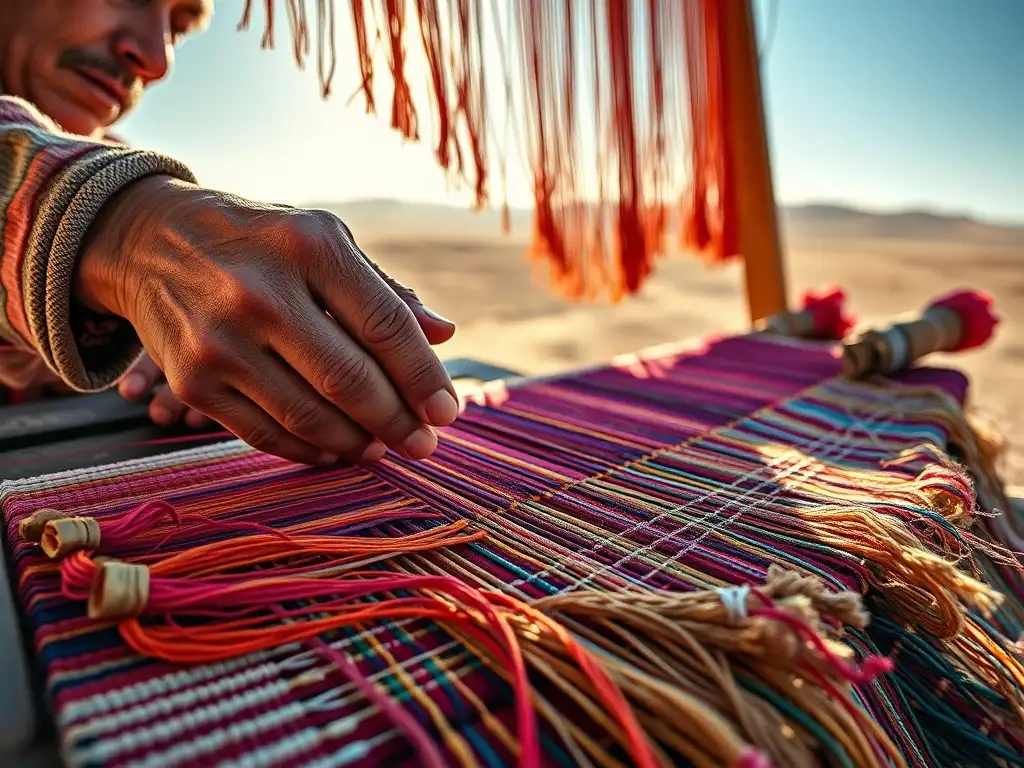
Unravel the mysteries of a lost world. Dive into the vibrant tapestry of Andean civilizations, where ingenuity and artistry flourished for millennia. From the breathtaking artistry of the Nazca lines to the sophisticated engineering of Machu Picchu, this journey explores the incredible achievements of ancient Andean cultures. But what secrets lie hidden within the intricate threads of Paracas weaving techniques and their influence on the Inca? Discover the answers and more as you explore the captivating world of Pre-Incan coastal cultures.
The Paracas culture, flourishing on the southern coast of Peru from approximately 800 BCE to 200 CE, left behind a legacy far exceeding their relatively short lifespan. While renowned for their elaborate burial practices and iconic pottery, the Paracas people are perhaps most celebrated for their mastery of textile production. Their weaving techniques, innovative and sophisticated for their time, represent a pinnacle of Andean textile artistry and provide invaluable insights into their social structures, beliefs, and daily lives.
This article delves into the intricacies of Paracas weaving, exploring the techniques employed, the materials used, and the enduring significance of their textile legacy, particularly in relation to the later Inca civilization which inherited and adapted many of these techniques. Understanding Paracas weaving techniques offers a crucial perspective on the evolution of Andean textile traditions and the remarkable continuity of artistic expression across different Andean cultures, including the impact of these techniques on the subsequent Inca textile production.
The exploration of these techniques reveals a complex interplay of artistry, technology, and cultural expression that continues to fascinate and inspire researchers and art enthusiasts alike. This exploration will also shed light on the "Paracas weaving techniques Inca" connection, highlighting the lasting influence of Paracas craftsmanship on later Andean cultures.
Introduction to Paracas Textile Art and its Significance
Paracas textiles are renowned for their vibrant colors, intricate designs, and exceptional technical skill. Unlike many other ancient cultures whose textiles have largely degraded, the arid climate of the Paracas region has remarkably preserved a vast collection of these extraordinary pieces. These textiles, often found within the elaborate bundles containing the mummified remains of Paracas individuals, reveal a complex system of symbolism and social hierarchy.
The sheer variety of techniques employed – from plain weave to intricate tapestry and gauzes – demonstrates a high level of technical expertise and specialization within Paracas society. The use of natural dyes derived from plants, insects, and minerals resulted in a stunning array of colors, many of which retain their vibrancy even after centuries. The designs themselves are incredibly diverse, featuring geometric patterns, stylized animals, and representations of mythical beings, reflecting a rich tapestry of religious beliefs and social customs.
The sheer scale of textile production also suggests a significant economic and social investment in this craft, indicating its importance within Paracas society. The intricate detail and artistry displayed demonstrate a level of technical proficiency that profoundly influenced subsequent Andean cultures, including the Inca. The enduring influence of Paracas weaving techniques on the Inca Empire underscores the importance of understanding this pre-Inca culture's artistic achievements.
Detailed Analysis of Paracas Weaving Techniques: Materials and Processes
The Paracas people were masterful in their selection and use of raw materials. Their primary fiber source was cotton, cultivated in the coastal valleys, supplemented by camelid fibers such as alpaca and llama. The preparation of these fibers was a laborious process, involving cleaning, carding, and spinning to create strong, fine threads. The diversity of weaving techniques employed showcases their technical proficiency.
Plain weave formed the foundation for many of their textiles, but they also mastered more complex techniques such as tapestry, which allowed for the creation of intricate multicolored designs. Another remarkable technique was the creation of gauzes, incredibly lightweight and delicate fabrics, requiring an advanced understanding of weaving principles. Furthermore, they employed techniques like embroidery and appliqué to further enhance the decorative elements of their textiles.
The use of supplementary weft techniques allowed for the creation of complex pictorial representations and geometric patterns. Evidence suggests that specialized workshops or groups existed within Paracas society dedicated to textile production, highlighting the division of labor and the importance of this craft. The meticulous preparation and execution of these techniques demonstrate a deep understanding of fiber manipulation, resulting in textiles of exceptional quality and durability.
The Symbolism and Iconography in Paracas Textiles: Decoding the Visual Language
The iconography found in Paracas textiles offers a fascinating window into their worldview. The designs are not merely decorative; they are rich in symbolism and convey significant cultural information. Recurring motifs include stylized representations of animals such as birds, felines, and marine creatures, often interpreted as representing deities, shamans, or ancestors.
Geometric patterns, frequently incorporating intricate spirals and zigzags, likely held religious or ritualistic significance. The use of color also played a vital role in conveying meaning, with certain colors potentially associated with specific deities or social status. The complexity of the iconography suggests a sophisticated system of visual communication, reflecting a complex social and religious structure.
Researchers continue to decipher the meaning behind these intricate designs, with ongoing studies revealing new insights into the beliefs and practices of the Paracas people. The detailed representations in Paracas textiles provide crucial context to understand their worldview and the connection to subsequent Inca iconography.
The Legacy of Paracas Weaving Techniques: Influence on Subsequent Andean Cultures
The impact of Paracas weaving techniques extends far beyond their own time. Their innovative techniques and artistic styles significantly influenced subsequent Andean cultures, notably the Inca. The Inca, known for their own advanced textile production, clearly inherited and adapted many of the techniques developed by the Paracas.
While the Inca developed their own unique stylistic conventions, the underlying technical expertise evident in their textiles can be traced back to the innovations of the Paracas. The continuity in techniques and the use of similar materials demonstrates a clear link between these two important Andean cultures.
The mastery of color, the complexity of designs, and the sophisticated weaving techniques all point to a direct lineage, underscoring the enduring influence of Paracas artisanship on the textile traditions of the Inca Empire. The legacy of Paracas weaving techniques highlights the importance of appreciating the artistic and technological achievements of pre-Inca cultures in shaping the cultural landscape of the Andes.
- Introduction to Paracas Textile Art and its Significance
- Detailed Analysis of Paracas Weaving Techniques: Materials and Processes
- The Symbolism and Iconography in Paracas Textiles: Decoding the Visual Language
- The Legacy of Paracas Weaving Techniques: Influence on Subsequent Andean Cultures
Materials and Tools Used in Paracas Weaving
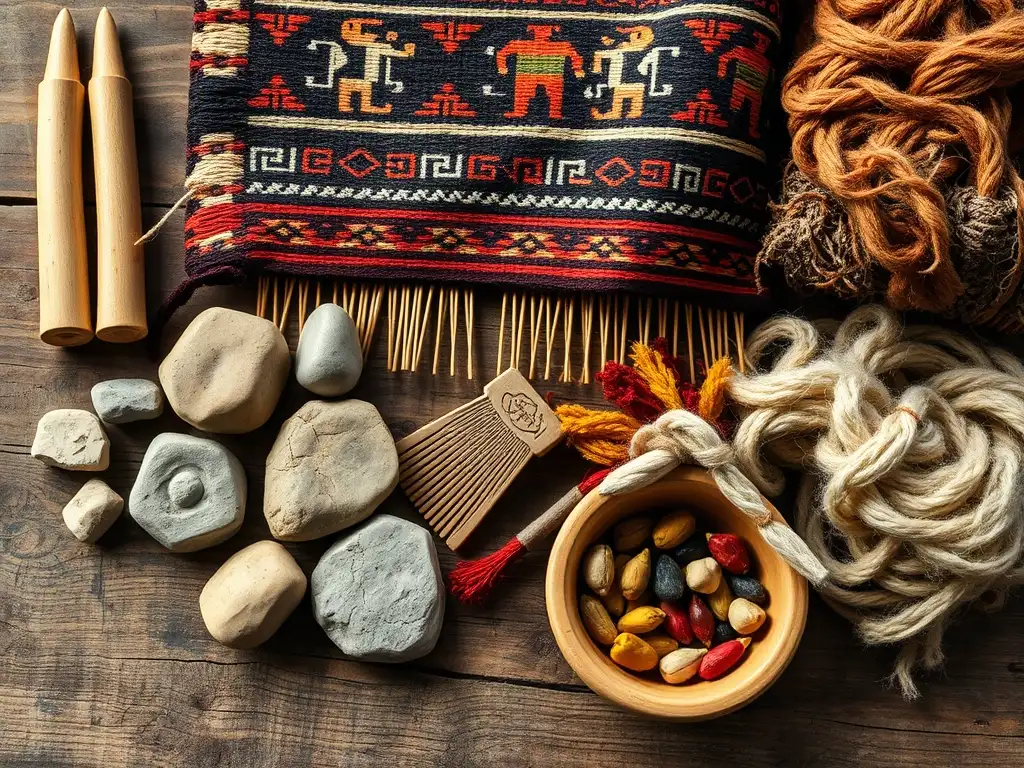
The remarkable artistry of Paracas textiles is inextricably linked to the materials and tools employed by these skilled weavers. Their mastery extended beyond simple craftsmanship; it involved a deep understanding of the properties of natural fibers and the careful selection of tools to achieve their intricate designs. Understanding these elements is crucial to appreciating the technical prowess and cultural significance embedded within each Paracas textile.
The sophisticated techniques, combined with the high-quality materials, resulted in textiles that have survived for millennia, showcasing the enduring legacy of Paracas weaving techniques. The influence of these techniques can even be observed in later Andean cultures, including the Inca, highlighting their lasting impact on Andean textile traditions.
Natural Fibers Employed by Paracas Weavers
Paracas weavers primarily utilized readily available natural fibers, skillfully transforming them into luxurious and durable textiles. The most common fiber was cotton, cultivated in the coastal valleys of southern Peru. Different varieties of cotton, varying in color and texture, allowed for a rich palette of hues and textures within their woven pieces. The soft, fine fibers of Pima cotton, for example, were likely favored for finer garments and intricate designs, while coarser varieties were possibly used for utilitarian textiles.
Beyond cotton, the Paracas also incorporated camelid fibers, such as alpaca and vicuña. These fibers, renowned for their softness and warmth, were likely sourced from the Andean highlands, demonstrating the extensive trade networks that connected the coastal Paracas culture with the inland regions. The use of both cotton and camelid fibers speaks to the Paracas' resourcefulness and their understanding of the varying properties of different fibers, adapting their choices based on the desired outcome.
The integration of these high-quality fibers directly contributes to the exceptional preservation of many Paracas textiles discovered to this day. This careful selection of raw materials underscores the meticulous attention to detail characteristic of Paracas weaving techniques. The skillful blending of cotton and camelid fibers showcases a deep understanding of material properties and a commitment to achieving superior quality in their textile production.
Paracas Spinning Techniques: Preparing the Threads
Before the actual weaving process could begin, the Paracas weavers engaged in a meticulous process of spinning the fibers into threads. This wasn't merely a mechanical task; it was an art form in itself, influencing the final texture and appearance of the finished textile. Evidence suggests they employed a spindle whorl spinning technique, a method involving a spindle weighted with a whorl to control the twist and tension of the fibers.
This technique allowed for the creation of threads of varying thicknesses and strengths, crucial for the diverse weaving techniques employed by the Paracas. The evenness and consistency of the spun threads directly impacted the quality of the final textile, highlighting the importance of this preparatory stage in the overall process. The fine threads, often spun from Pima cotton, allowed for the creation of incredibly detailed designs, while coarser threads were used for structural elements.
The mastery of spinning techniques is a testament to the skill and experience of the Paracas weavers, laying the foundation for the intricate tapestries and garments they produced. [Specific information pending on the types of spindle whorls used and variations in spinning techniques]. The ability to control thread thickness and consistency through skilled spinning directly relates to the complexity and durability of the final woven product, a key component of Paracas weaving techniques Inca.
Looms and Weaving Tools of the Paracas Culture
The Paracas weavers utilized various types of looms to create their impressive textiles. While the exact types of looms are still under investigation, archaeological evidence suggests the prevalence of backstrap looms, a portable and versatile tool. The backstrap loom, secured to a post or the weaver's waist, allowed for greater control over the tension of the warp threads. This control was essential for creating the intricate designs and complex structures found in many Paracas textiles.
Furthermore, the use of a backstrap loom likely aided in the creation of the large-scale tapestries frequently unearthed from Paracas tombs. In addition to the loom itself, other tools were essential to the weaving process. These included simple implements like heddles (to lift and lower warp threads), shuttles (to carry the weft threads across the warp), and combs (to compact the woven fabric).
[Specific information pending on the materials used for these tools]. The sophistication and efficiency of their tools, combined with their weaving skills, allowed the Paracas to produce textiles of exceptional quality and intricacy, further solidifying their reputation for advanced weaving techniques. The effectiveness of the Paracas weaving techniques Inca is partly explained by the skillful use and adaptation of their weaving tools and looms.
Paracas Weaving Techniques: A Detailed Exploration
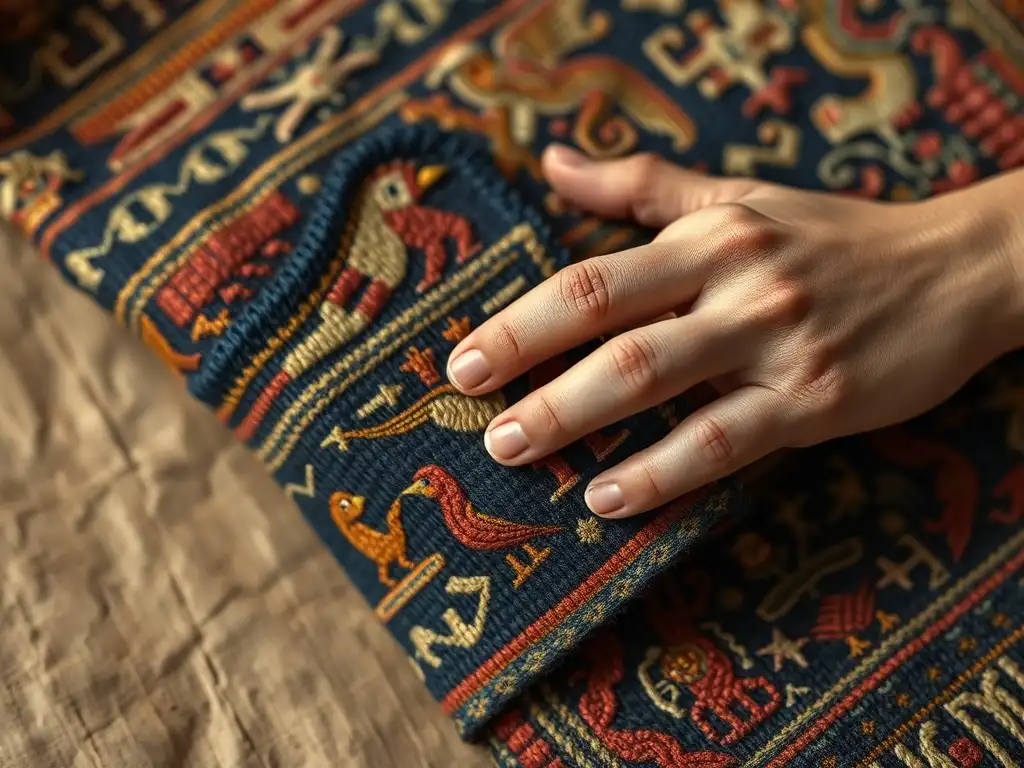
This section delves into the sophisticated weaving techniques employed by the Paracas culture, a pre-Inca civilization inhabiting the southern coast of Peru. Their mastery of textile production is renowned, showcasing remarkable skill and artistry that continues to fascinate researchers and textile enthusiasts alike. The Paracas people's weaving techniques, often considered precursors to those of the Inca, represent a high point of Andean textile artistry.
Understanding these methods provides invaluable insight into their societal structure, beliefs, and daily life. The intricate designs and vibrant colors used in Paracas textiles reflect a rich cultural heritage and a profound understanding of their environment. The legacy of Paracas weaving techniques continues to inspire contemporary artists and designers, highlighting the enduring power of this ancient craft.
The Art of Interlacing: Basic Weaving Methods
The foundation of Paracas textile production lay in their mastery of basic weaving techniques. While seemingly simple, these methods, executed with exceptional precision, formed the basis for their more complex creations. The most common technique was plain weave, a straightforward interlacing of warp and weft threads. However, even in this seemingly basic method, Paracas weavers demonstrated remarkable skill in controlling tension and creating even, consistent fabric. Variations in the type and thickness of yarn, along with the density of the weave, allowed them to produce a wide range of textures, from fine, delicate fabrics to thicker, more durable cloths.
Beyond plain weave, Paracas artisans employed twill weaves, creating diagonal patterns that added visual interest and strength to their textiles. This technique involved passing the weft thread over and under two or more warp threads, resulting in a characteristic diagonal line. The complexity of these twill weaves varied significantly, ranging from simple 2/2 twill to more intricate patterns involving more warp and weft threads.
The skillful manipulation of these basic weaving methods allowed Paracas weavers to create a foundation upon which they built their more elaborate textile creations. Careful examination of surviving textiles reveals the meticulous attention to detail and the high level of technical proficiency achieved by these ancient artisans.
Embroidered Textiles: Adding Depth and Detail
Embroidery significantly enhanced the aesthetic appeal and symbolic meaning of Paracas textiles. Using a variety of stitches and colored threads, they added intricate details to their woven fabrics, creating rich tapestries of color and design. The most common embroidery technique was surface embroidery, where stitches were applied directly to the surface of the fabric. This technique allowed for a wide range of decorative possibilities, from simple geometric patterns to complex figurative representations. The use of multiple colors and the skillful blending of shades created a depth and richness rarely seen in other ancient textile traditions.
Paracas embroidery frequently featured depictions of mythical creatures, stylized plants, and geometric motifs, reflecting their worldview and spiritual beliefs. The precision and detail of the embroidery are truly astonishing. Some pieces showcase incredibly fine stitches, demonstrating a level of dexterity that is both impressive and awe-inspiring.
The use of different colored threads, often sourced from natural dyes, further enhances the visual impact of these embroidered textiles. Analyzing the embroidery techniques reveals not only the technical skill of the artisans but also their deep understanding of symbolic representation within their culture. The meticulous nature of their work suggests a significant investment of time and effort, indicating the high value placed on these textiles within Paracas society.
Tapestry Weaving in Paracas: Complex Designs
Tapestry weaving represents the pinnacle of Paracas weaving techniques. This method, involving the manipulation of differently colored weft threads to create intricate designs within the fabric, required a high level of skill and planning. Unlike embroidery, which is added to a pre-woven base, tapestry weaving incorporates the design directly into the fabric structure. This technique allowed Paracas weavers to produce textiles with complex and highly detailed images, often depicting scenes from daily life, mythology, and ritual practices.
The use of tapestry weaving demonstrates a sophisticated understanding of textile production and design. Careful planning and precise execution were necessary to create the intricate patterns found in these textiles. The sheer scale of some of the tapestry-woven pieces, coupled with the complexity of their designs, underscores the significant amount of time and labor invested in their creation.
These textiles were likely important ceremonial objects or items of high social status. The use of a variety of yarns, including camelid fibers and cotton, further contributed to the visual richness and texture of these remarkable works of art. The surviving examples of Paracas tapestry weaving offer a unique window into the artistic achievements and cultural practices of this remarkable civilization, demonstrating their advanced understanding of "Paracas weaving techniques Inca" precursors.
Double Cloth Technique: Creating Two-Layered Fabrics
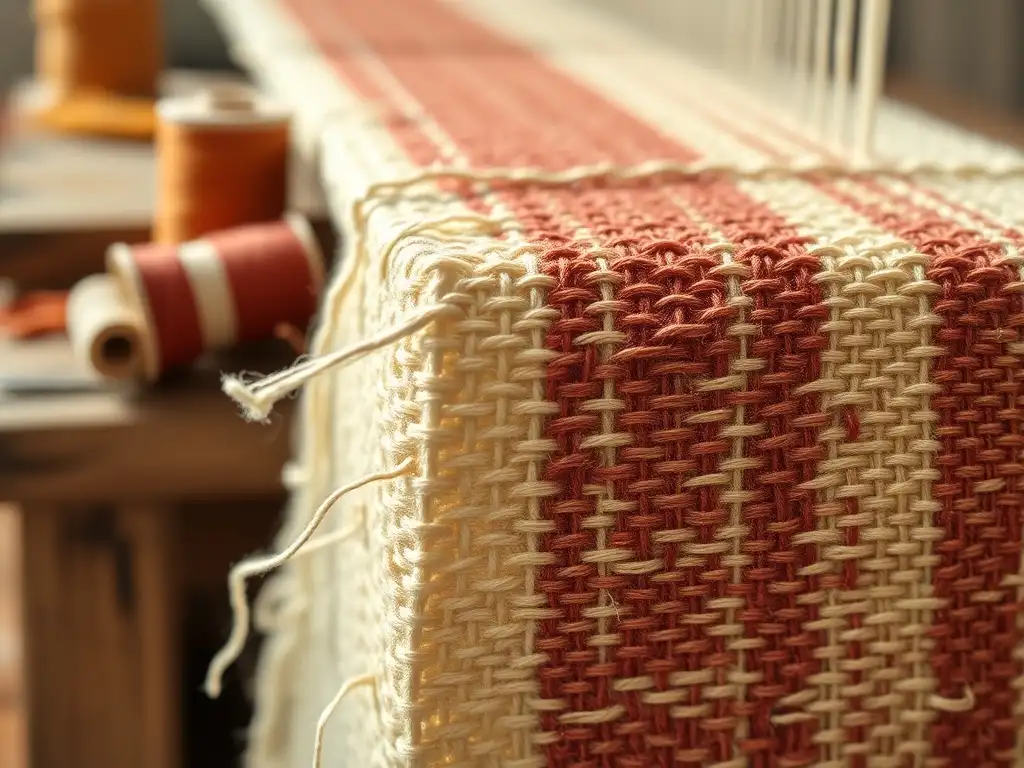
The Paracas culture's mastery of textile production is perhaps most strikingly evident in their innovative use of the double cloth technique. This wasn't simply layering two fabrics; it was a far more intricate process involving the simultaneous weaving of two separate layers of cloth, often with completely different designs and colors on each side. Imagine the incredible precision required to manage multiple warp and weft threads, independently creating two distinct textiles at once!
This wasn't achieved through simple juxtaposition; the layers were intricately connected, sometimes through specific weft threads that passed through both layers, creating a complex, almost three-dimensional effect. The result was a remarkably durable and richly textured fabric, far exceeding the capabilities of simpler weaving methods. The double cloth technique allowed Paracas artisans to create textiles with incredible visual depth and complexity, demonstrating a sophisticated understanding of textile structure and manipulation.
The ability to create reversible fabrics, each side boasting a unique design, further highlights the advanced skill and planning involved in this process. This technique showcases not only their technical prowess but also their artistic vision, as the interplay between the two layers often created stunning visual effects. The double cloth technique is a testament to the Paracas commitment to excellence in textile production, a hallmark of their cultural identity.
The Use of Dyes and Color in Paracas Textiles
The vibrant and enduring colors of Paracas textiles are a testament to their advanced knowledge of natural dyes and dyeing techniques. They skillfully harnessed the rich palette offered by the Andean flora, extracting dyes from various plants, insects, and minerals. Cochineal insects, for instance, provided a range of brilliant reds, while certain plants yielded yellows, browns, and greens. The precise recipes and methods employed by Paracas dyers remain partially a mystery, but analysis of surviving textiles reveals a sophisticated understanding of color mixing and mordanting (a process that helps the dye bind to the fibers).
The remarkable vibrancy and longevity of the colors, even after centuries, speak volumes about the quality and effectiveness of their techniques. Furthermore, the strategic use of color within their designs demonstrates an impressive artistic sensibility. Color wasn't simply decorative; it played a crucial role in conveying meaning and symbolism within the textile's design. Certain colors might have been associated with specific deities, social status, or ceremonial occasions.
The complex interplay of colors in their intricate patterns suggests a symbolic language woven into the very fabric of their culture. The Paracas’ expertise in dyeing techniques, combined with their artistic vision, transformed their textiles into stunning works of art that continue to fascinate and inspire us today. The legacy of their color mastery remains a vital aspect of understanding Paracas weaving techniques and their cultural significance. Further research into the specific plant and insect sources used for dyeing would significantly enhance our understanding of this crucial aspect of Paracas textile production.
Motifs and Iconography in Paracas Weavings
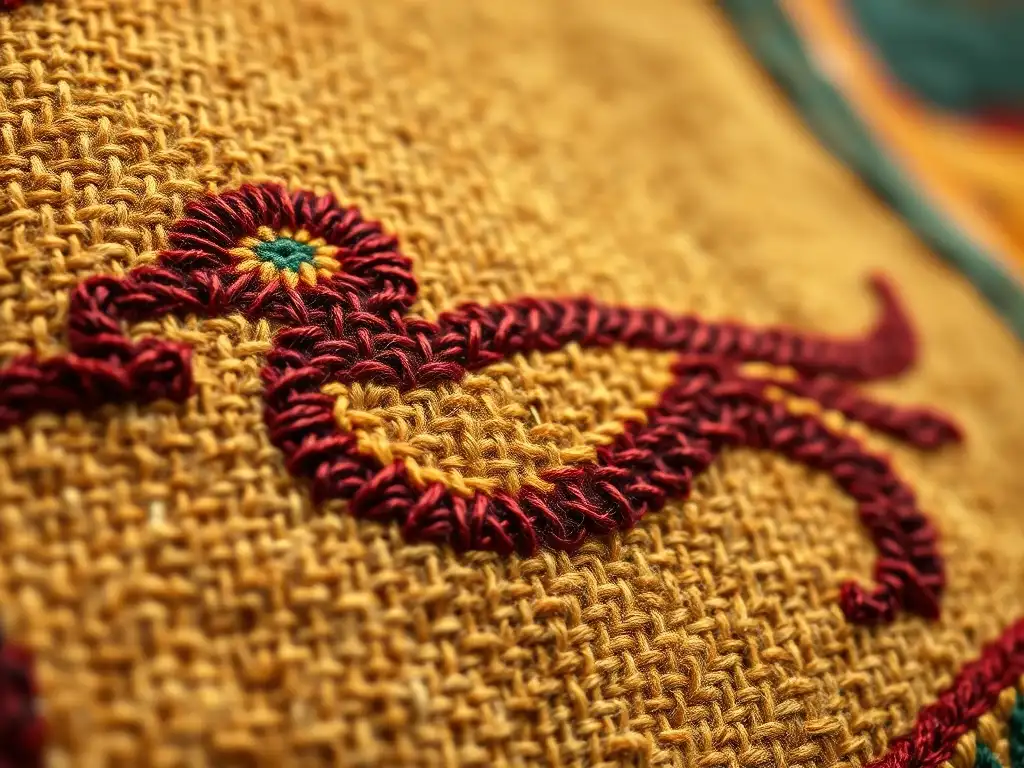
The vibrant textiles of the Paracas culture, flourishing on the southern coast of Peru from approximately 800 BCE to 200 CE, are renowned for their intricate designs and symbolic richness. These weavings, often found within their elaborate burial bundles, provide invaluable insights into their worldview, social structures, and artistic prowess. Understanding the motifs and iconography used in Paracas weaving techniques—a crucial element of their cultural legacy—requires careful analysis of both the individual elements and their arrangement within the larger textile composition.
The Paracas weaving techniques, while distinct, show some fascinating overlaps with later Inca textile traditions, suggesting a possible influence or shared ancestry in certain design elements. This section will delve into the symbolic meanings of these designs, explore common motifs, and highlight regional variations within Paracas textile art.
Symbolic Meaning of Paracas Textile Designs
Interpreting the symbolic meaning of Paracas textile designs is a complex undertaking. Scholars often debate the precise meaning of specific motifs, but several recurring themes emerge. Many designs appear to represent deities, supernatural beings, and mythological creatures central to Paracas cosmology. For instance, feline figures, often depicted with elongated bodies and stylized features, may symbolize power, hunting prowess, and connection to the spirit world.
Similarly, bird motifs, particularly those of raptors, could represent shamanistic journeys, celestial deities, or the cyclical nature of life and death. The use of color also holds significant meaning. Red, for example, is often associated with blood, sacrifice, and fertility, while blue might represent the sky, water, and the divine realm.
Unfortunately, a complete and universally accepted key to deciphering all Paracas symbols is still lacking; further research and cross-referencing with other archaeological evidence are necessary for a more comprehensive understanding. However, the existing scholarship allows for a rich interpretation of the cultural values and beliefs reflected in these extraordinary textiles, demonstrating some overlap with later Inca symbolic systems. The intricate weaving techniques themselves, with their complex structures and use of multiple colors and fibers, likely added layers of symbolic meaning, further highlighting the importance of these objects in Paracas society.
Common Motifs: Animals, Deities, and Geometric Patterns
Paracas weavings showcase a diverse array of motifs, primarily focusing on animals, deities, and geometric patterns. Animal motifs are particularly prominent, with representations of felines, birds of prey, snakes, camelids (llamas and alpacas), and marine life frequently appearing. These animals were likely significant in Paracas society, either as sources of sustenance, symbols of power, or representations of spiritual entities.
Deities are often depicted in anthropomorphic or zoomorphic forms, sometimes exhibiting hybrid characteristics, combining human and animal features. These depictions suggest a complex religious system with powerful gods and goddesses playing a crucial role in Paracas life. Geometric patterns, including stepped frets, triangles, and spirals, frequently appear alongside figurative motifs, sometimes acting as a backdrop or framing device, and sometimes forming independent patterns.
These geometric designs may have had symbolic significance in their own right, perhaps representing cosmological concepts, social structures, or abstract ideas. The skillful integration of these diverse motifs within a single textile demonstrates the sophisticated artistic abilities of Paracas weavers and the richness of their cultural imagination. The frequency of certain motifs, such as the feline and bird imagery, may reflect their importance within Paracas religious beliefs, providing parallels to some Inca iconography.
Regional Variations in Paracas Textile Art
While sharing common stylistic features, Paracas textile art exhibits regional variations reflecting differences in resources, artistic traditions, and perhaps even social organization. For example, textiles from the northern Paracas region might display a preference for certain color palettes or motifs compared to those from the south. The availability of different dyes and fibers could have influenced color choices and techniques.
Further, stylistic changes over time within the Paracas culture itself indicate an evolving artistic tradition. [Specific data on regional variations pending]. Detailed analysis of these variations, through careful cataloging and comparison of textiles from different sites, can provide further insights into the internal dynamics of Paracas society and the extent of interaction between different communities.
While the overall style remains recognizable as Paracas, these subtle differences highlight the complexity and dynamism of their artistic production, hinting at the diversity of artistic expression within this fascinating culture. Future research, incorporating advanced analytical techniques like fiber analysis and dye identification, will help to further illuminate these regional differences and their significance. The investigation of these regional variations is crucial to understanding the full spectrum of Paracas weaving techniques and their evolution over time, leading to a more nuanced appreciation of their connection to later Inca textile traditions.
Paracas Textile Conservation and Preservation
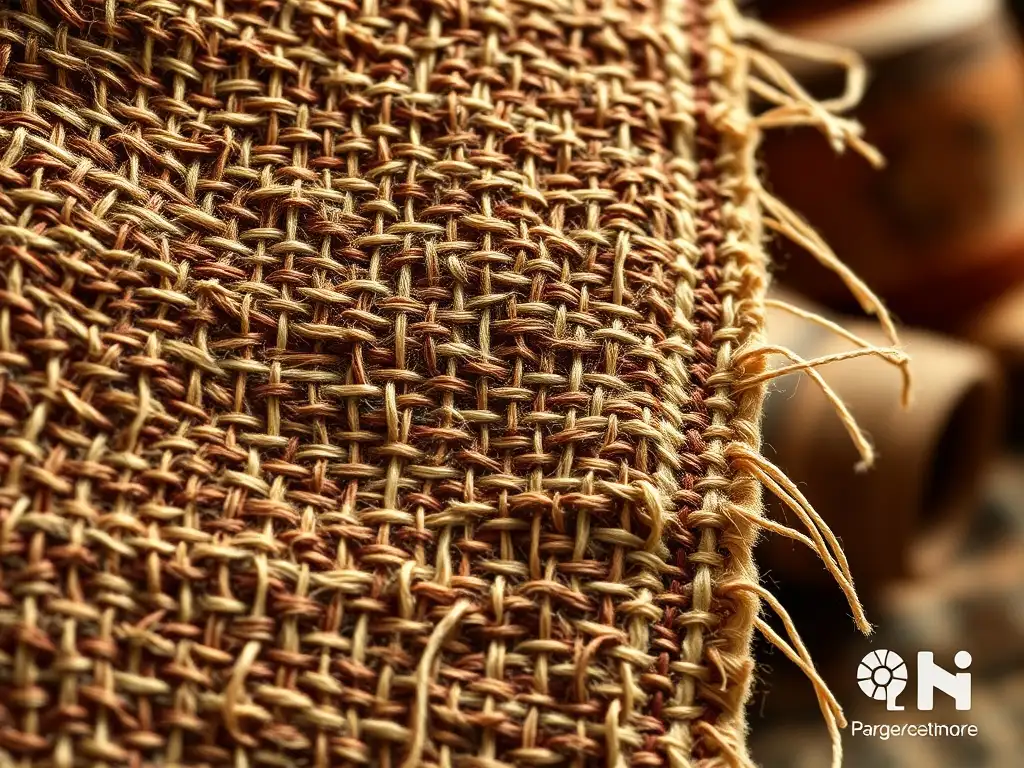
The exceptional artistry of Paracas textiles presents a significant challenge to modern conservators. Their age, the materials used, and the environmental conditions to which they've been exposed over centuries have resulted in significant degradation. Understanding these factors is crucial for developing effective preservation strategies. The fragility of these artifacts necessitates meticulous care and advanced techniques to ensure their longevity for future generations to appreciate. This section delves into the complexities of preserving these invaluable pieces of Andean heritage.
Challenges in Preserving Ancient Paracas Fabrics
The primary challenges in preserving Paracas fabrics stem from the materials themselves and their exposure to the elements over time. Many textiles utilize natural fibers like cotton and camelid wool, which are susceptible to degradation from various factors.
- Fiber Deterioration: The natural fibers are prone to weakening and breaking due to oxidation, hydrolysis, and biological attack (e.g., insect infestation). The arid coastal climate of Paracas, while seemingly protective, can still contribute to slow but steady degradation. Fluctuations in temperature and humidity, even within a controlled museum environment, can exacerbate this process.
- Dye Degradation: The vibrant colors achieved by Paracas weavers using natural dyes are also vulnerable. Exposure to light, particularly ultraviolet (UV) radiation, can cause fading and discoloration. The chemical composition of the dyes themselves may also contribute to their instability over time. Some dyes may react with the fibers, causing further damage.
- Mechanical Damage: Handling and previous improper storage practices have caused physical damage to many textiles, including tears, holes, and fraying. The delicate nature of the weaving techniques makes them particularly vulnerable to such damage. Even the weight of the textile itself can contribute to stress and breakage over time.
- Biological Degradation: Insect infestations and fungal growth are constant threats to the textiles. These organisms can feed on the fibers, causing significant damage and weakening the fabric's structure. This requires careful monitoring and preventative measures.
The complexity of these challenges necessitates a multi-faceted approach to conservation, involving careful environmental control, preventative measures, and the judicious application of specialized conservation techniques. [Specific data on the rate of degradation of various Paracas textile types pending].
Modern Techniques for Paracas Textile Analysis
Modern scientific techniques play a vital role in understanding the composition, age, and history of Paracas textiles, informing best practices for their preservation. These analytical methods provide invaluable insights into the materials used, the weaving techniques employed, and the cultural context of these extraordinary artifacts.
- Fiber Analysis: Microscopic examination allows for the identification of the specific fibers used (cotton, alpaca, llama, vicuña). This helps determine the geographic origin of the materials and the sophistication of Paracas weaving practices. Chemical analysis can further reveal details about the fiber's treatment and processing.
- Dye Analysis: Chromatographic and spectroscopic methods are used to identify the natural dyes employed in Paracas textiles. This analysis reveals the plant and mineral sources of the dyes, providing insights into the extensive knowledge of botany and chemistry possessed by Paracas artisans. [Specific examples of identified dyes and their sources pending].
- Weaving Technique Analysis: Detailed examination of the weaving structures reveals the intricate techniques used, including the types of weaves, the density of the fabric, and the use of supplementary weft techniques. This analysis helps to understand the skill levels of the weavers and the stylistic evolution of Paracas weaving.
- Dating Techniques: Radiocarbon dating and other dating techniques can be used to determine the age of the textiles, helping to establish chronological sequences within the Paracas culture and its relationship to other Andean cultures. [Specific examples of dating techniques used on Paracas textiles pending].
These advanced analytical methods provide crucial information for conservation efforts, informing decisions about appropriate storage conditions, handling procedures, and restoration techniques. They also enhance our understanding of the Paracas culture and their place within the broader context of Andean textile traditions.
The Importance of Paracas Weaving in Understanding Andean History
Paracas weaving techniques, characterized by their exceptional complexity and artistry, provide invaluable insights into the social, economic, and religious aspects of Paracas society, and its connections to later Andean cultures, including the Inca. The intricate designs and the high-quality materials used reflect the sophisticated social organization and technological capabilities of the Paracas culture.
The textiles served various functions within Paracas society. They were used for clothing, burial shrouds, and ceremonial objects. The iconography depicted in the textiles provides clues to Paracas religious beliefs, mythological figures, and cosmological concepts. Analyzing the motifs and their evolution over time reveals important information about the cultural transformations within the Paracas culture.
The continuity and evolution of certain weaving techniques and motifs can be traced from the Paracas period to later Andean cultures, including the Inca. This demonstrates the influence of Paracas textile traditions on subsequent Andean civilizations. The high-quality craftsmanship and the use of rare materials suggest that textile production was a prestigious activity, possibly associated with elite groups or religious institutions within Paracas society.
The discovery of elaborate burial bundles containing intricately woven textiles further underscores the importance of textiles in Paracas funerary rituals. The Paracas weaving techniques, therefore, serve as a powerful lens through which we can understand the complexities of Andean history and the enduring legacy of this remarkable culture. The intricate relationship between Paracas weaving techniques and Inca traditions is a subject of ongoing research, highlighting the importance of continued study and preservation of these invaluable artifacts.
Conclusion: The Enduring Legacy of Paracas Weaving Techniques
The mastery of Paracas weaving techniques represents a significant achievement in Andean textile production, showcasing an unparalleled level of skill and artistry. Their innovative techniques, complex designs, and vibrant colors left an indelible mark on subsequent Andean cultures, influencing textile traditions for centuries to come. Understanding these techniques provides invaluable insight into the social, religious, and economic structures of Paracas society.
The intricate details woven into their textiles tell stories of their beliefs, their lives, and their connection to the natural world. The legacy of Paracas weaving continues to inspire awe and admiration, reminding us of the remarkable ingenuity of these ancient artisans.
The sophisticated understanding of fiber preparation, dyeing processes, and weaving structures employed by the Paracas people remains a subject of ongoing study and fascination, further highlighting the complexity and sophistication of their civilization. Their innovative approach to textile production significantly impacted later Andean cultures, notably influencing the Inca's own textile traditions.
The Impact of Paracas Textile Art on Later Andean Cultures
The influence of Paracas weaving techniques on subsequent Andean cultures, particularly the Inca, is undeniable. While the Inca developed their own distinct textile styles, clear evidence suggests the adoption and adaptation of several Paracas techniques. For example, the intricate use of multiple colors and complex patterns, a hallmark of Paracas textiles, finds echoes in Inca textiles, albeit often simplified or adapted to fit Inca aesthetics.
The advanced knowledge of dyeing techniques, using natural pigments derived from plants and minerals, was clearly passed down and refined by later Andean cultures. The meticulous craftsmanship and attention to detail evident in Paracas textiles set a high standard for future generations of Andean weavers. The sophisticated use of different fiber types, including cotton and camelid fibers like alpaca and vicuña, also reflects a continuity of knowledge and practice.
The stylistic elements, such as the use of specific motifs and symbolic representations, can be traced from Paracas textiles to those of later periods, demonstrating a clear cultural lineage. The Paracas legacy in textile production demonstrates a clear line of cultural transmission and technological advancement within the Andean region. Further research into comparative textile analysis could reveal even more intricate connections between Paracas and Inca weaving practices.
Current Research and Discoveries in Paracas Textile Production
Ongoing research continues to shed light on the intricacies of Paracas weaving techniques. Modern scientific analysis, including microscopic examination of fibers and dyes, reveals new details about the materials and processes used. Researchers are constantly uncovering new examples of Paracas textiles, expanding our understanding of their stylistic range and technological capabilities.
The application of advanced imaging techniques allows for non-invasive study of fragile artifacts, preserving these invaluable pieces while gaining deeper insights into their construction. These studies are not only revealing the technical aspects of Paracas weaving but also providing valuable information about the social and economic contexts of textile production. For instance, the identification of specific dyes and fibers can help determine trade routes and interactions with other cultures.
The analysis of textile fragments found in burial contexts provides clues about social status and ritual practices. The ongoing exploration and analysis of Paracas textiles promise to unveil even more secrets about this remarkable ancient civilization and its significant contributions to Andean textile art. The future of Paracas weaving research holds the potential to unlock a more comprehensive understanding of their techniques and their impact on the broader Andean cultural landscape, furthering our appreciation for their artistic and technological achievements.
Frequently Asked Questions
What makes Paracas textiles so unique?
Paracas textiles are renowned for their exceptional craftsmanship, vibrant colors, and complex iconography. Their intricate weaving techniques, using a variety of fibers and dyes, produced extraordinarily detailed and durable fabrics.
How did Paracas weaving techniques differ from Inca techniques?
While both cultures were masters of textile arts, Paracas techniques emphasized elaborate embroidery and multi-colored designs, whereas Inca textiles often featured geometric patterns and finer, more standardized weaving structures.
What materials did Paracas weavers use?
Paracas weavers primarily used cotton and camelid fibers (alpaca and llama), expertly spun and dyed using natural pigments derived from plants and minerals. Their mastery of these materials is a key element of their artistry.
What are some examples of Paracas weaving techniques?
Paracas weavers employed a variety of techniques including gauze, tapestry, brocade, and embroidery. They combined these techniques to create richly textured and visually stunning fabrics.
How did Paracas weaving techniques influence later Andean cultures, such as the Inca?
Paracas weaving traditions, particularly their advanced techniques and vibrant aesthetic, undoubtedly influenced subsequent Andean cultures, including the Inca, who likely adopted and adapted some of their methods and designs.
Final Reflection: The Enduring Legacy of Paracas Weaving
The intricate artistry of Paracas textiles continues to resonate today, a testament to the ingenuity and cultural richness of a civilization lost to time. Their mastery of weaving, dyeing, and design remains a source of wonder and inspiration, challenging modern textile artists and historians alike. The techniques employed, passed down through generations, offer a glimpse into a complex society with a deep connection to its environment and spiritual beliefs.
The impact of Paracas weaving extends far beyond the realm of archaeology; its influence can be seen in contemporary textile arts, inspiring new designs and techniques. The vibrant colors, intricate patterns, and innovative use of materials continue to captivate audiences worldwide. Their legacy serves as a powerful reminder of the enduring power of human creativity and cultural expression. The past is never dead. It's not even past.
- William Faulkner. This quote perfectly encapsulates the enduring relevance of Paracas weaving techniques, their influence echoing through the centuries.
Consider, for a moment, the sheer skill and dedication required to create these masterpieces. Now, imagine the stories woven into each thread, the cultural beliefs embedded within the designs. You, too, can connect with this rich history by appreciating the artistry and innovation of Paracas weaving. Take the time to explore the details, to marvel at the complexity, and to reflect on the enduring legacy of a civilization that continues to inspire awe and wonder. Let their artistry ignite your own creativity and appreciation for the enduring power of human craftsmanship.
Unleash Your Creativity with Paracas Weaving!
Thank you for exploring the fascinating world of Paracas weaving. You've discovered the intricate artistry behind these textiles, and now it's time to get creative! Deepen your connection with this beautiful craft by trying these ideas:
- Create your own textile: Gather basic materials and design your own piece inspired by traditional Paracas patterns. Experiment with different colors and textures to develop your own unique style.
- Join a weaving community: Connect with other enthusiasts online or in your local area. Sharing experiences and learning from others will accelerate your progress and provide valuable support.
- Take a weaving class or workshop: Hands-on learning provides an immersive experience, allowing you to develop your skills while exploring the rich history of Andean textiles.
What patterns or designs inspire you? Share your ideas and join the conversation!