
Andean Resilience: How Societies Endured Climate Extremes

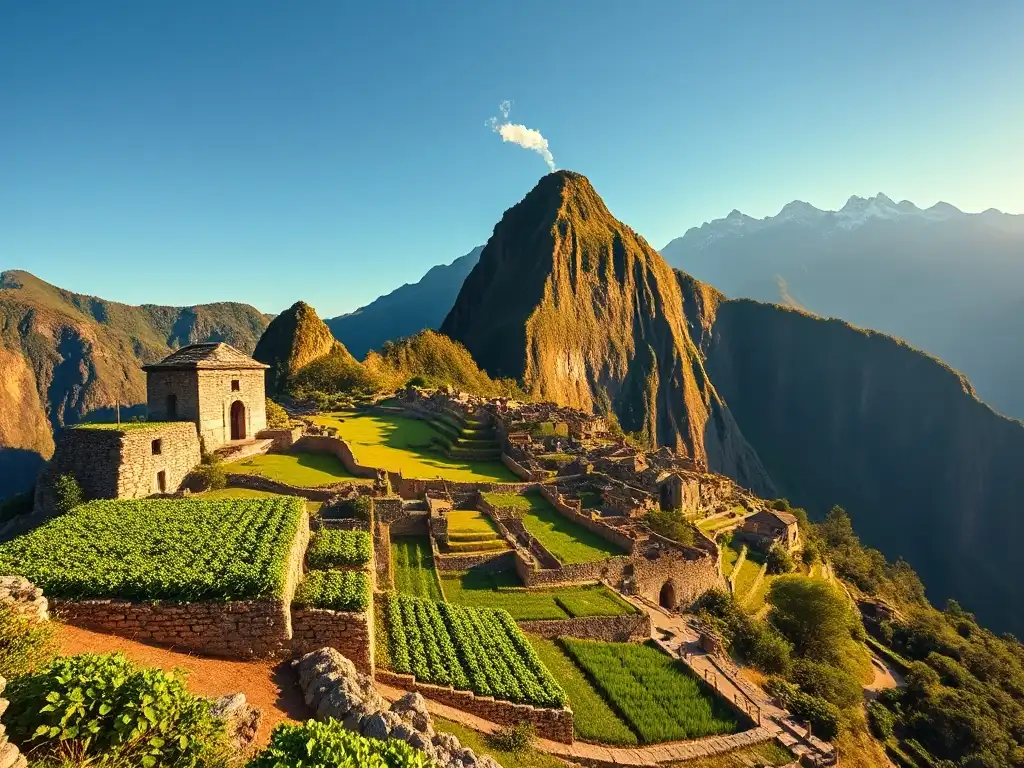
Step into a world lost to time, yet echoing with resilience. For centuries, the Andean civilizations thrived amidst volatile landscapes and dramatic climate shifts. But how did they survive? Discover the ingenious strategies employed by the Incas, Moche, and other remarkable cultures in our exploration of Andean civilizations climate change resilience. Uncover the secrets behind their enduring legacy and prepare to be amazed by their ingenuity in the face of extreme environmental challenges. The answers await...
The Andes Mountains, a spine of towering peaks running down the western coast of South America, have witnessed millennia of human civilization thriving amidst some of the planet's most challenging environmental conditions. This article explores the remarkable resilience of Andean societies, specifically focusing on their adaptations and responses to climate extremes. From the pre-Inca cultures of the Nazca and Moche to the sophisticated Inca Empire, these civilizations developed ingenious strategies to survive and even flourish in the face of droughts, floods, and other climatic oscillations.
Understanding their successes offers valuable insights into the human capacity to adapt to environmental change and provides crucial lessons for navigating the challenges of modern climate change. We will examine the specific environmental pressures these societies faced, analyze their responses, and highlight the ingenuity and adaptability that allowed them to endure for centuries.
This exploration of Andean civilizations' climate change resilience is vital not only for understanding the past but also for informing our approach to future environmental challenges. The study of their strategies provides valuable data for developing effective mitigation and adaptation plans in the face of the ongoing climate crisis.
The Environmental Challenges Faced by Ancient Andean Cultures
The Andes present a uniquely demanding environment. Altitude significantly impacts temperature and precipitation, creating diverse microclimates that range from arid deserts to lush cloud forests. El Niño-Southern Oscillation (ENSO) events, characterized by irregular shifts in ocean temperatures and atmospheric pressure, caused dramatic variations in rainfall patterns, leading to periods of intense drought followed by devastating floods.
These unpredictable climatic shifts posed a constant threat to agricultural production, the lifeblood of these societies. Furthermore, the mountainous terrain itself presented challenges, limiting arable land and making transportation and communication difficult. Ancient Andean cultures weren't simply passive victims of these environmental forces; they actively engaged with their surroundings, developing sophisticated agricultural techniques and social structures to mitigate the risks.
These challenges were not uniform across all Andean societies. Coastal cultures like the Nazca and Moche faced different issues than those of the high-altitude civilizations like the Tiwanaku. The Nazca, for example, developed complex irrigation systems to cope with the aridity of the coastal plains, while the Tiwanaku in the Altiplano region adapted to the challenges of high altitude and fluctuating water availability.
Understanding these diverse challenges and the specific solutions employed by each culture is critical to appreciating the breadth of Andean resilience. The following sections delve deeper into the specific strategies employed by various Andean cultures to overcome these obstacles. We’ll examine their agricultural practices, water management systems, and social structures that facilitated survival and prosperity in the face of environmental uncertainty.
Understanding the Impact of Climate Variability on Andean Civilizations
Climate variability, particularly the effects of El Niño, significantly impacted the trajectory of Andean civilizations. Archaeological evidence shows correlations between periods of drought and societal instability, including warfare and population decline. For example, [specific information pending on the impact of a particular El Niño event on a specific Andean civilization].
Conversely, periods of favorable climate often coincided with periods of expansion and prosperity. This dynamic interplay between climate and societal development highlights the importance of understanding climate variability in interpreting the rise and fall of these empires. The sophisticated engineering projects undertaken by many Andean societies, such as the extensive irrigation canals of the Nazca and the terraced agriculture of the Inca, were not simply feats of ingenuity but also crucial survival strategies designed to mitigate the risks associated with unpredictable rainfall.
The ability to adapt to both drought and flood conditions was crucial for the long-term survival of these societies. This adaptive capacity, often reflected in their social organization and political structures, was a key component of their resilience. Furthermore, the development of diverse cropping systems and storage technologies helped to buffer against the impacts of crop failures during periods of drought.
Andean Societies' Responses to Climate Change
Andean civilizations, renowned for their ingenuity and adaptability, developed a range of strategies to cope with the highly variable climate of the Andes Mountains. Their survival depended on understanding and responding to the cyclical nature of droughts, floods, and temperature fluctuations. These responses weren't simply reactive; they were proactive, integrated into their social structures, agricultural practices, and political systems.
The ability to predict and mitigate the impacts of climate change was crucial for maintaining social stability and ensuring the continuity of their cultures. This involved a deep understanding of their environment, a sophisticated knowledge of agriculture, and the development of resilient social structures capable of adapting to fluctuating resources and environmental challenges.
Their success in enduring centuries of climatic extremes serves as a powerful testament to human adaptability and ingenuity in the face of environmental adversity. Understanding these strategies offers valuable insights for modern societies facing similar challenges in a changing climate.
Adapting Agricultural Practices to Variable Climates
Andean agricultural practices were remarkably sophisticated and tailored to the specific environmental conditions of different altitudes and microclimates. Terracing, for instance, was a widespread technique used to create level agricultural plots on steep slopes, reducing soil erosion and optimizing water retention. This was crucial in areas with steep terrain and highly variable rainfall.
Different crops were cultivated at varying altitudes, taking advantage of diverse microclimates and optimizing yields. The use of raised fields, particularly in wetland areas, allowed for controlled irrigation and improved drainage, increasing crop productivity even in challenging environments. Furthermore, Andean farmers employed crop diversification strategies, cultivating a variety of crops to reduce the risk of complete crop failure due to climatic variations.
This minimized their vulnerability to droughts or other climate-related events that could affect a single crop. The integration of these diverse techniques demonstrates the sophisticated understanding of Andean farmers in managing resources and adapting their agricultural practices to the unpredictability of the Andean climate.
Social and Political Strategies for Climate Resilience
Beyond agricultural adaptations, Andean societies developed intricate social and political structures designed to mitigate the impacts of climate change. These structures were often hierarchical, with centralized leadership playing a key role in resource management and crisis response. Effective communication networks allowed for the rapid dissemination of information regarding impending droughts or floods, enabling timely responses and resource allocation.
Storage facilities, such as qollqas (Inca storehouses), played a critical role in buffering against food shortages during periods of drought. These storage facilities allowed for the accumulation of surplus agricultural production during favorable years, providing a safety net during lean times. Furthermore, reciprocal labor systems, such as ayni and mita, facilitated community-based responses to environmental challenges, ensuring collective action in times of crisis.
The combination of centralized leadership and community-based cooperation proved essential in ensuring social stability and resilience in the face of climate variability. These systems, while hierarchical, demonstrably fostered cooperation and collective resilience, a key ingredient in overcoming environmental challenges.
Case Studies of Andean Civilizations and Their Climate Resilience
Several Andean civilizations stand out for their remarkable resilience to climate change. Their strategies, though varied, shared a common thread: an intimate understanding of their environment and a capacity for adaptation. Each civilization's story reveals unique approaches to managing resources, mitigating risks, and ensuring the continuity of their societies in the face of environmental challenges. The following case studies highlight the ingenious strategies employed by some of the most prominent Andean cultures.
The Inca Empire's Adaptability to Environmental Challenges
The Inca Empire, known for its vast territorial expanse and sophisticated administrative system, demonstrated remarkable adaptability to environmental challenges. Their extensive road network facilitated efficient communication and resource mobilization across diverse ecological zones. This allowed for the rapid response to localized droughts or floods, ensuring the timely movement of food and other essential resources. The Inca's sophisticated water management systems, including canals, aqueducts, and reservoirs, played a vital role in ensuring agricultural productivity across diverse terrains.
Their understanding of different microclimates allowed for the efficient cultivation of a wide variety of crops, reducing their dependence on any single crop and minimizing their vulnerability to climate-related shocks. The Inca's success highlights the importance of infrastructure development, efficient resource management, and adaptive governance in building resilience to climate change. Their centralized system, while potentially authoritarian, ensured a coordinated response to environmental crises.
The Moche Culture's Response to El Niño Events
The Moche civilization, flourishing on the northern coast of Peru, faced the recurring challenge of El Niño events, which brought intense rainfall and flooding. Their response involved developing sophisticated irrigation systems to manage water resources effectively. They constructed elaborate canals and reservoirs to harness water during periods of heavy rainfall, and they developed techniques to manage flooding and prevent damage to agricultural lands.
Their remarkable engineering feats, such as the construction of massive irrigation canals along the arid coastal plains, are a testament to their understanding of hydraulic engineering and their ability to adapt to the unpredictable nature of El Niño events. The Moche's resilience highlights the importance of infrastructure development and hydraulic engineering in mitigating the risks associated with extreme weather events. Their ability to manage water resources during both floods and droughts was critical to their survival.
The Nazca Culture's Ingenious Water Management Systems
The Nazca civilization, known for its iconic geoglyphs, thrived in one of the most arid regions of the world. Their survival depended on their remarkable ability to manage scarce water resources. They constructed underground aqueducts, known as puquios, which tapped into underground water sources, bringing water to the surface for irrigation. These ingenious systems allowed them to cultivate crops in the otherwise arid desert environment.
Their sophisticated understanding of hydrology and their ability to build complex underground water systems are a testament to their ingenuity and adaptability. The Nazca's success highlights the importance of water management and resource conservation in building resilience to drought. Their ingenuity in developing sustainable water solutions is a lesson in resource management for arid and semi-arid regions.
Tiahuanaco’s Advanced Agricultural Techniques in a High-Altitude Environment
The Tiahuanaco culture, located in the high Andes, faced the unique challenges of a high-altitude environment characterized by cold temperatures, limited rainfall, and short growing seasons. They developed advanced agricultural techniques, including raised fields and terracing, to maximize agricultural productivity in this challenging environment. Raised fields, constructed in wetland areas, allowed for controlled irrigation and improved drainage, increasing crop yields. Terracing helped to reduce soil erosion and optimize water retention on steep slopes.
Their mastery of agricultural techniques allowed them to successfully cultivate crops at high altitudes, ensuring the food security of their population. Their success showcases the potential of advanced agricultural techniques to enhance food security even in challenging environmental conditions. The Tiahuanaco’s achievements in high-altitude agriculture are a testament to human ingenuity and adaptability.
Lessons from the Andes: Insights for Modern Climate Resilience
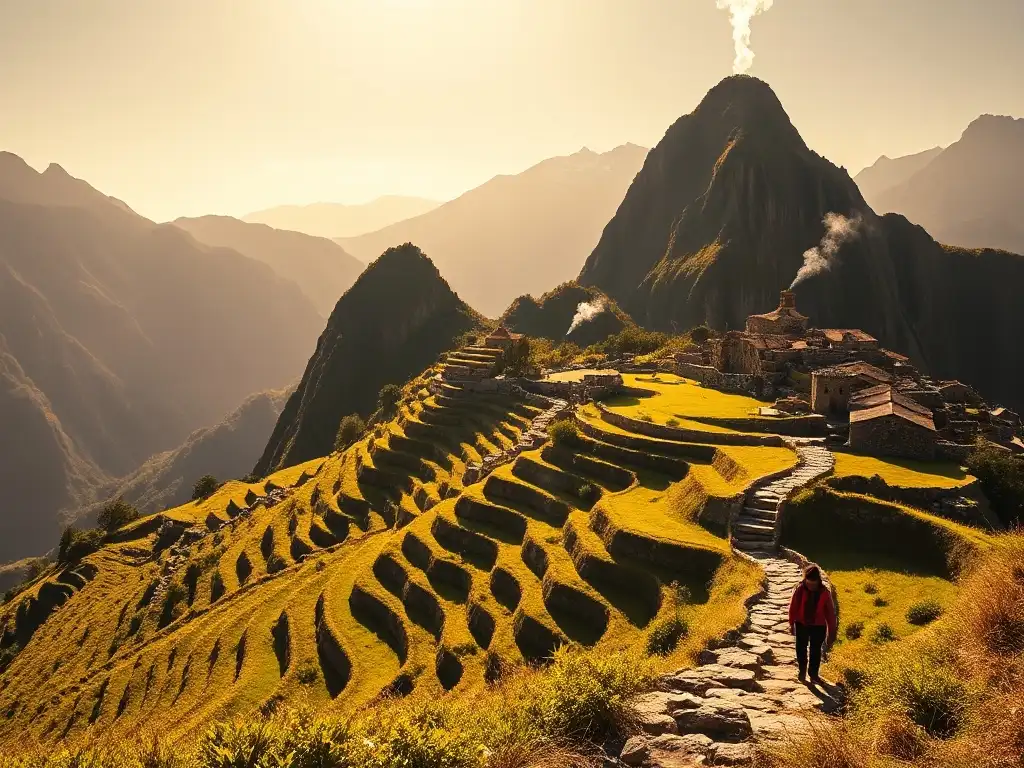
The remarkable ability of Andean civilizations to adapt to dramatic climate shifts offers invaluable lessons for contemporary societies grappling with the escalating impacts of climate change. Their strategies, honed over millennia, highlight the importance of integrated approaches that combine technological innovation with deep understanding of local ecosystems. For instance, the sophisticated water management systems employed by the Inca, such as intricate canal networks and terraced agriculture, demonstrate the power of infrastructure development in mitigating drought and optimizing water resources.
These systems weren't simply engineering feats; they were intrinsically linked to a profound understanding of hydrology and the delicate balance of Andean water cycles. Modern societies can learn from this holistic approach, moving beyond isolated technological solutions towards comprehensive strategies that consider the interconnectedness of water, agriculture, and societal structures. Furthermore, the Inca's system of mit'a, a form of labor tax that contributed to large-scale public works projects, showcases the potential of collaborative efforts in building climate resilience.
This highlights the importance of community engagement and collective action in addressing climate challenges, a stark contrast to individualistic approaches often seen in modern societies. Finally, the Inca's meticulous record-keeping, often using quipus (knotted strings), provides a powerful reminder of the crucial role of data collection and monitoring in understanding and responding to climate variability. Accurate data allows for better prediction, planning, and adaptation strategies, crucial elements missing in many contemporary climate change responses.
The Legacy of Andean Civilizations Climate Change Resilience
The legacy of Andean civilizations' resilience to climate change is not merely historical; it's a living testament to the adaptability of human societies. Their enduring impact can be seen in the continued use of traditional agricultural techniques, such as terraced farming and crop diversification, in many Andean communities today. These practices, passed down through generations, demonstrate the long-term sustainability of methods developed to cope with variable climates. Moreover, the knowledge embedded within these techniques extends beyond practical applications; it reflects a deep-seated understanding of ecological interconnectedness and the importance of respecting environmental limits.
This ethos of sustainability is increasingly relevant in a world grappling with environmental degradation. The resilience of Andean cultures also highlights the importance of social and cultural factors in adapting to climate change. Strong social networks, community-based resource management, and a deep connection to the land all contributed to the ability of these societies to weather climate extremes.
These social structures provided essential support systems during periods of stress, enabling communities to share resources and knowledge, thereby enhancing their collective resilience. Preserving and learning from this rich cultural heritage is crucial for building more resilient communities in the face of future climate challenges. The integration of traditional knowledge with modern scientific understanding can unlock powerful synergies, leading to more effective and sustainable adaptation strategies.
Exploring the Enduring Wisdom of Andean Adaptation Strategies
The Andean civilizations' success in adapting to climate change stemmed from a multifaceted approach that integrated technological innovation with a deep understanding of their environment and social structures. Their sophisticated water management systems, such as the intricate canal networks of the Inca and the sophisticated irrigation systems of the Nazca, are prime examples of technological ingenuity applied to climate adaptation. These weren't simply engineering marvels; they were designed with an intimate knowledge of the Andean landscape and its hydrological patterns. Furthermore, their agricultural practices, including terraced farming and crop diversification, demonstrated a remarkable understanding of ecological principles, enabling them to maximize yields even under challenging climatic conditions.
The use of frost-resistant crops and the development of microclimates within terraces are testament to their keen observation and adaptive capacity. Beyond technology and agriculture, the social fabric of Andean societies played a critical role in their resilience. Strong community bonds, collaborative resource management, and flexible social structures allowed them to respond effectively to climate-related shocks.
The Inca's ayllu system, a form of communal land tenure, fostered cooperation and ensured equitable distribution of resources during times of scarcity. This emphasis on social cohesion and collective action offers valuable lessons for modern societies facing the challenges of climate change. Understanding and applying these Andean strategies—integrating technology, respecting ecosystems, and fostering strong communities—can be crucial in building a more resilient future.
- The Environmental Challenges Faced by Ancient Andean Cultures
- Understanding the Impact of Climate Variability on Andean Civilizations
- Andean Societies' Responses to Climate Change
- Case Studies of Andean Civilizations and Their Climate Resilience
- Lessons from the Andes: Insights for Modern Climate Resilience
- The Legacy of Andean Civilizations Climate Change Resilience
- Exploring the Enduring Wisdom of Andean Adaptation Strategies
- How did Andean civilizations adapt to climate change?
- What role did agriculture play in Andean civilizations' climate change resilience?
- Did the Inca Empire have specific strategies for dealing with climate variability?
- How did the Andean civilizations' understanding of their environment contribute to their resilience?
- What lessons can we learn from Andean civilizations' resilience to climate change today?
Frequently Asked Questions
How did Andean civilizations adapt to climate change?
Andean societies developed remarkable resilience to climate variability. They employed sophisticated agricultural techniques like terracing and irrigation to manage water resources and ensure food security, even during droughts or floods. This adaptability was crucial to their survival.
What role did agriculture play in Andean civilizations' climate change resilience?
Agriculture was fundamental. Innovative farming methods, including the cultivation of diverse crops and the domestication of camelids for transportation and wool, allowed for flexibility and sustainable food production in diverse environments. This ensured survival during climate shifts.
Did the Inca Empire have specific strategies for dealing with climate variability?
Yes, the Inca Empire implemented extensive infrastructure projects, such as sophisticated irrigation systems and storehouses (qollqas) for food storage, to mitigate the effects of climate extremes. Their centralized administration helped to manage resources efficiently during challenging periods.
How did the Andean civilizations' understanding of their environment contribute to their resilience?
Their deep knowledge of local ecosystems and climatic patterns was essential. This allowed for the development of adaptive strategies specific to their environment, enhancing their ability to cope with both short-term and long-term climate changes.
What lessons can we learn from Andean civilizations' resilience to climate change today?
The ingenuity of Andean societies offers valuable insights into sustainable resource management and community-based adaptation. Their practices demonstrate the importance of diversification, innovation, and collaboration in building resilience to present-day challenges.
Final Reflection: Echoes of Resilience in a Changing World
The lessons etched in the stone and woven into the fabric of Andean societies offer a powerful counterpoint to the anxieties of our modern climate crisis. Their ingenuity in adapting to extreme weather patterns, documented through centuries of meticulous observation and innovative practices, serves as a stark reminder that human resilience is not a passive trait, but an active, evolving response to environmental pressures. We stand at a critical juncture, facing challenges of unprecedented scale, and understanding the strategies of past civilizations can illuminate pathways forward.
The enduring legacy of Andean resilience is not merely a historical curiosity; it's a living testament to the power of human adaptation and the profound interconnectedness between culture and environment. Their sophisticated understanding of their ecosystems, their intricate water management systems, and their deeply ingrained respect for the natural world offer invaluable insights for contemporary societies grappling with climate change. The mountains are our mother, and we must respect her.
This sentiment, echoing through generations, speaks to a fundamental truth: sustainable coexistence with the environment is not optional, but essential for long-term survival.
Consider the ingenuity of the Andean people, their ability to thrive in seemingly inhospitable landscapes. Let their story inspire you to seek innovative solutions to the challenges we face today. Embrace the spirit of adaptation, learn from the past, and actively participate in building a more sustainable future. The echoes of Andean resilience call to us, urging us to act with foresight, creativity, and a deep respect for the delicate balance of our planet. Let us heed their call.
Embrace Resilience and Take Action!
Thank you for exploring the inspiring stories of resilience from the Andes! You've learned how Andean communities adapted and thrived in the face of extreme climate conditions. Now, let's put that knowledge into action.
Here are some ways you can get involved:
- **Support Local Sustainability Efforts:** Connect with organizations in your community working on climate adaptation and sustainable practices. Volunteer your time or attend their events.
- **Share Your Discoveries:** Discuss what you've learned with friends, family, and on social media. Use the hashtag #AndeanResilience to help spread awareness of the importance of climate adaptation.
- **Learn More About Andean History:** Explore books and documentaries about Andean civilizations and their remarkable ability to overcome adversity.
Consider this: **How can we apply the wisdom of Andean resilience to build a more sustainable and climate-ready future? **