
Nazca's Needlework in Metal: Miniature Masterpieces of a Desert Culture

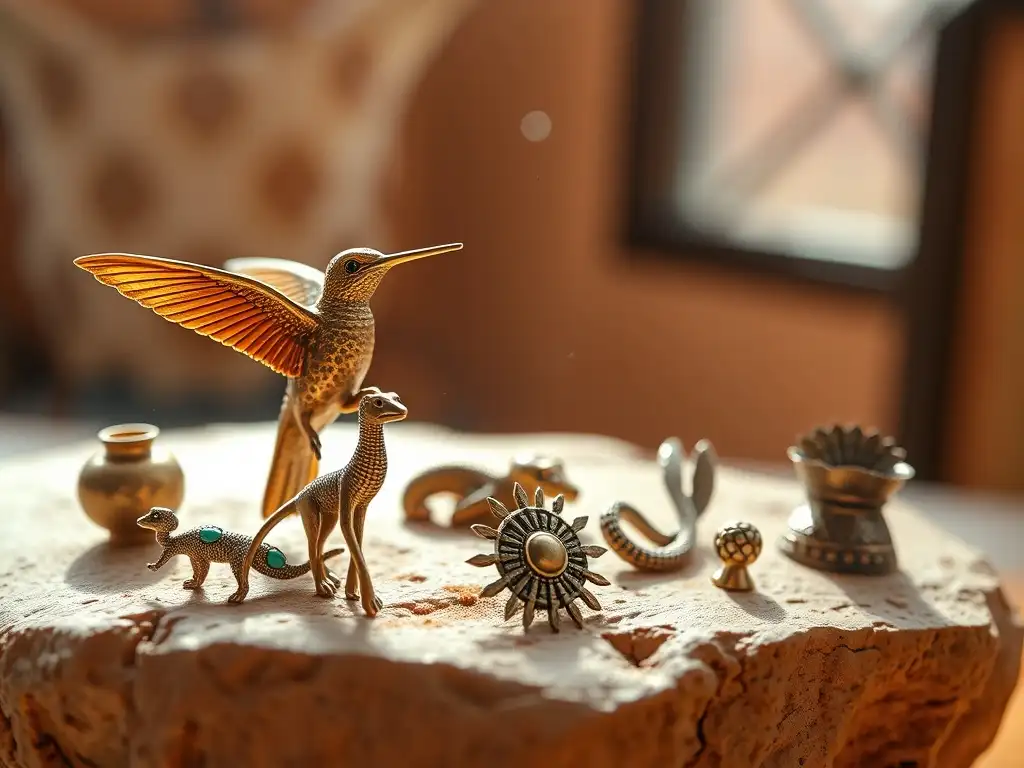
Step into a world lost to time, yet echoing with artistry and ingenuity. Imagine meticulously crafted metal miniatures, so small they defy belief, emerging from the sands of the Nazca desert. Discover the secrets of Nazca metalwork miniatures, a testament to the advanced skills and rich symbolism of one of the Andean civilization's most enigmatic cultures. This journey into the heart of Andean Art and Iconography will unveil a breathtaking legacy, revealing the intricate stories woven into these tiny, breathtaking masterpieces. Prepare to be amazed.
The arid coastal plains of southern Peru, seemingly barren and unforgiving, were home to a civilization that defied the limitations of its environment: the Nazca. Famous for their colossal geoglyphs etched into the desert floor, the Nazca also possessed a remarkable mastery of metalworking, particularly in the creation of exquisite miniature artifacts. These tiny masterpieces, often overlooked in favor of the more readily visible geoglyphs, reveal a sophisticated understanding of metallurgy and artistic expression that offers invaluable insights into Nazca culture, beliefs, and daily life.
This article delves into the fascinating world of Nazca metalwork miniatures, exploring their techniques, iconography, and the significance they held within their society. We will uncover the secrets embedded within these delicate pieces, revealing the ingenuity and artistic prowess of a civilization that thrived in one of the world's most challenging environments.
Prepare to be amazed by the intricate detail and surprising artistry of these tiny treasures, often no bigger than your fingernail! This exploration of "Nazca metalwork miniatures" will illuminate a previously under-appreciated aspect of this captivating Andean culture.
Introduction to Nazca Metalworking and its Significance
Nazca metalworking, while less extensively documented than that of some other Andean cultures like the Moche or Inca, nonetheless displays a unique style and technical proficiency. The scarcity of readily available metals in the Nazca region forced artisans to develop innovative techniques to maximize their use of precious materials such as gold, silver, copper, and alloys. Unlike the larger-scale castings and repoussé techniques employed by other cultures, Nazca artisans excelled in creating intricate miniature objects, often employing techniques like hammering, soldering, and filigree.
These miniature works were not mere decorative items; they likely held significant ritualistic, social, and possibly even political importance within Nazca society. The meticulous detail and high level of skill required for their creation suggest a highly specialized artisan class, possibly associated with religious or elite groups. Further research is needed to fully understand the social context of Nazca metalwork production and its distribution within the society.
The surviving examples, however, clearly indicate a remarkable level of technical expertise and aesthetic sensibility. The preservation of these delicate pieces is a testament to the skill and care taken in their creation and subsequent handling.
The Enigmatic Nazca Culture: A Backdrop for Metal Artistry
The Nazca culture (c. 100 BCE – 800 CE) remains shrouded in some mystery, despite significant archaeological discoveries. Their sophisticated irrigation systems, evidence of complex social organization, and the enigmatic geoglyphs—giant figures and lines etched into the desert—testify to their advanced understanding of engineering, astronomy, and possibly religious beliefs. Their metalwork miniatures fit seamlessly within this context of advanced technological and artistic skill.
The iconography frequently depicted in these pieces—including stylized animals (such as birds, felines, and reptiles), human figures, and geometric patterns—likely reflects the Nazca worldview and cosmology. The use of specific metals and alloys might also have held symbolic meaning, potentially linked to religious beliefs or social status. For example, gold, associated with the sun and divinity in many Andean cultures, may have been used in specific types of miniature objects intended for ritualistic purposes.
Unfortunately, the precise meanings of many of the depicted symbols and the social contexts of these objects remain uncertain, presenting exciting avenues for future research and interpretation. The study of Nazca metalwork miniatures provides a valuable lens through which to further understand this fascinating and complex culture. 🇿🇦
Unveiling Nazca Metalwork Miniatures: More Than Just Decoration
Nazca metalwork miniatures, often overlooked in favor of their larger counterparts, represent a fascinating aspect of Nazca artistry. These tiny artifacts, typically ranging from a few centimeters to a maximum of about 15 centimeters, are far more than mere decorative items. They offer invaluable insights into the cultural beliefs, social structures, and technological prowess of the Nazca civilization.
The intricate detail and skillful craftsmanship evident in these pieces highlight the advanced metallurgical knowledge possessed by Nazca artisans. Unlike larger metalworks which might have served primarily ceremonial or elite purposes, these miniatures seem to have served a broader spectrum of functions, potentially including personal adornment, offerings in funerary contexts, or even as components of larger, more complex assemblages. The sheer number of these miniatures discovered in various archaeological sites suggests their widespread use and importance within Nazca society.
Studying their iconography—the recurring motifs and representations—provides crucial clues to understanding the symbolism and cosmology of this remarkable culture. The careful preservation of many of these miniatures, despite the harsh desert environment, is a testament to the quality of their creation and the respect with which they were treated.
Materials and Techniques in Nazca Miniature Metalwork
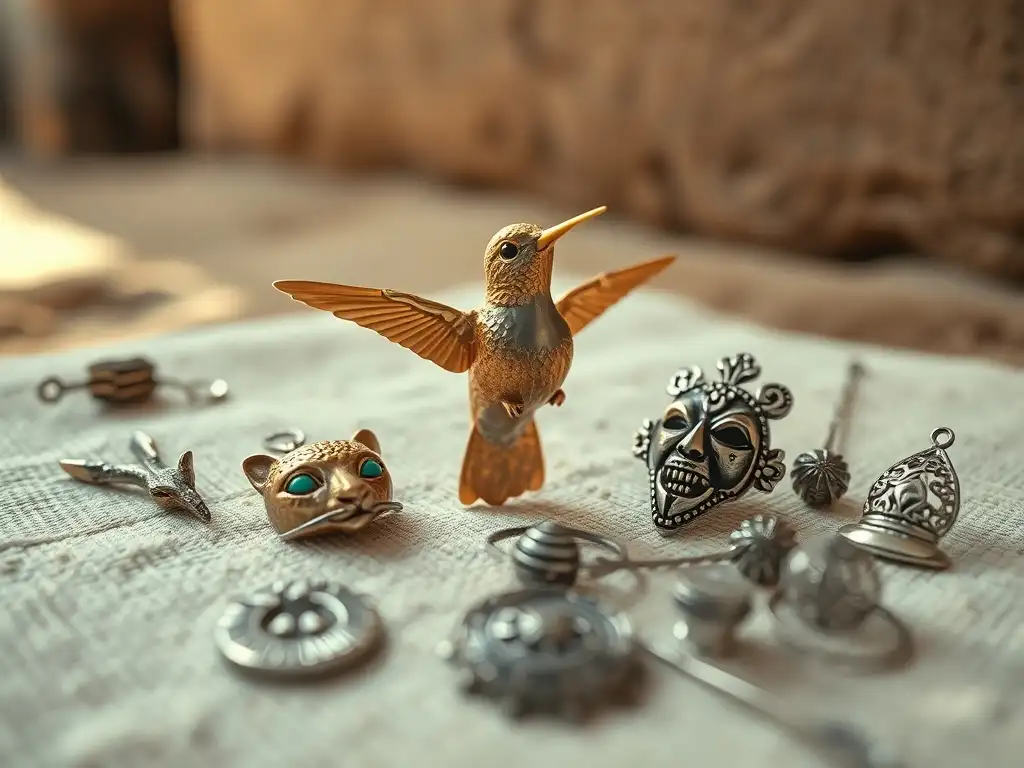
The creation of Nazca metalwork miniatures was a testament to the ingenuity and skill of the artisans. The process involved a complex interplay of material selection, meticulous preparation, and specialized techniques. The choice of materials was not arbitrary; it reflected both the availability of resources in the Nazca region and the desired aesthetic and functional properties of the finished piece.
The artisans demonstrated mastery over a variety of metals and alloys, employing diverse techniques to shape, decorate, and finish their exquisite creations. The remarkable precision achieved in these miniatures, considering the limited tools available, underscores the high level of expertise within the Nazca metalworking tradition.
The enduring legacy of these miniature masterpieces lies not only in their artistic merit but also in their contribution to our understanding of ancient Andean metallurgy. Analysis of the materials and techniques reveals a sophisticated understanding of metallurgy, surpassing what was previously thought possible for this time period.
Gold and Silver in Nazca Metal Crafting
Gold and silver, precious metals highly valued throughout the Andes, featured prominently in Nazca miniature metalwork. However, unlike later Andean cultures that often used large quantities of these metals in massive objects, the Nazca artisans employed gold and silver sparingly, often in combination with other, less expensive materials, to create stunning visual effects. These precious metals were typically used for inlays, creating intricate designs on a base of copper or other alloys.
The thin sheets of gold and silver were meticulously hammered and shaped to fit precisely into pre-cut grooves, showcasing exceptional dexterity and control. The shimmering brilliance of these metals likely held significant symbolic importance, perhaps associated with the sun, deities, or elite status.
The preservation of the gold and silver in these miniatures, despite their age, is a testament to the durability of the techniques employed by Nazca artisans. Studies of the gold and silver alloys used by the Nazca have revealed interesting variations in their composition, suggesting potential regional differences in metalworking practices or access to resources.
Copper and Alloys: The Base of Nazca Metal Pieces
Copper and its alloys formed the foundation of most Nazca miniature metalworks. While gold and silver added dazzling highlights, copper provided the structural integrity and malleability necessary for shaping intricate forms. The Nazca artisans expertly manipulated copper, creating a diverse range of objects, from small animal figures to delicate ornaments. The use of alloys, such as bronze (a copper-tin alloy) or arsenical copper, enhanced the durability and workability of the metal, allowing for more intricate designs and finer details.
The precise proportions of these alloys varied, suggesting a sophisticated understanding of metallurgy and its impact on the final product. The ability to consistently produce high-quality alloys indicates a level of technological sophistication rarely seen in other contemporary cultures. Analysis of the chemical composition of these alloys provides valuable insights into the sources of the raw materials and the techniques used to refine and combine them.
Shaping the Metal: The Techniques of Nazca Artisans
The creation of Nazca miniature metalwork involved a series of intricate techniques that required considerable skill and patience. Hammering, annealing (heating and cooling to soften the metal), and repoussé (hammering from the back to create raised designs) were among the primary methods employed. The artisans also utilized casting, although this technique seems to have been less prevalent for miniatures than for larger objects.
The precision achieved in shaping these tiny pieces is remarkable. Intricate details, such as the fine lines on a bird's feathers or the delicate features of a human face, were meticulously rendered. The use of molds, while not always evident, was likely employed to produce multiple copies of certain designs.
The tools used by Nazca artisans remain somewhat mysterious, but evidence suggests the use of simple hammers, punches, and possibly stone or bone implements. The remarkable level of skill and precision demonstrated in these miniatures suggests a long-established tradition of metalworking, passed down through generations of artisans. The mastery of these techniques allowed the Nazca to create miniature masterpieces that continue to amaze and inspire.
Motifs and Symbolism in Nazca Metalwork Miniatures
Nazca metalwork miniatures are renowned for their intricate designs and rich symbolism, offering valuable insights into the worldview and beliefs of this ancient Andean culture. The artisans skillfully crafted miniature representations of animals, humans, and abstract geometric patterns, each carrying specific cultural meaning. These miniature works of art, often found in tombs and ceremonial contexts, were not merely decorative items but rather served as powerful vehicles for expressing religious beliefs, social status, and cosmological concepts.
The careful selection and arrangement of motifs reveal a complex system of symbolic communication that continues to fascinate researchers today. The persistence of certain motifs across different pieces suggests a shared cultural understanding and a standardized system of visual representation. Further research is needed to fully decipher the complete range of meanings embedded within these captivating works.
Zoomorphic Representations in Nazca Metal Art
A significant portion of Nazca metalwork miniatures depicts zoomorphic figures, showcasing the culture's close relationship with the animal kingdom. These representations aren't simply realistic portrayals; they are imbued with symbolic significance, often representing deities, shamans, or embodying specific qualities or powers. Commonly depicted animals include birds, such as condors and hummingbirds, which often held spiritual importance. Camelids, like llamas and alpacas, essential to Nazca economy and life, are also frequently featured, sometimes depicted in stylized or abstract forms.
Reptilian figures, such as snakes and lizards, are also present, potentially symbolizing fertility, healing, or the underworld. The level of detail in these miniature sculptures, even in such small scale, is astonishing, highlighting the advanced metallurgical techniques and artistic skill of the Nazca artisans. Further study of the specific iconography of these animals, and their contextual placement within larger assemblages, is crucial for a complete understanding.
Anthropomorphic Figures and their Meaning in Nazca Metalwork
Anthropomorphic figures—representations of human beings—are another significant motif in Nazca metalwork miniatures. These figures vary widely in their depiction, ranging from stylized representations to more realistic portrayals, often adorned with elaborate headdresses, jewelry, and clothing. Some figures may represent deities or ancestral figures, while others may depict shamans or individuals of high social standing. The presence of specific attributes, such as headdresses or scepters, can provide clues about the figure's identity and role within Nazca society.
Further research is necessary to determine the specific meanings associated with different types of anthropomorphic representations. The stylistic variations observed in these figurines may reflect regional differences, temporal changes, or shifts in religious beliefs over time. Detailed comparative analysis of these figures is needed to establish a comprehensive typology.
Geometric Patterns and their Symbolic Significance in Nazca Metalwork
Beyond zoomorphic and anthropomorphic depictions, geometric patterns frequently adorn Nazca metalwork miniatures. These patterns, often intricate and complex, are not merely decorative elements but carry significant symbolic meaning, potentially related to cosmology, social structures, or religious beliefs. Common motifs include spirals, stepped frets, and zigzags, which may represent celestial bodies, agricultural cycles, or other aspects of the Nazca worldview.
The precise interpretations of these geometric patterns remain a subject of ongoing research, requiring a multidisciplinary approach that integrates archaeological context, iconographic analysis, and comparisons with other Andean artistic traditions. The repetition and variation of these patterns in different contexts suggest a rich and nuanced system of symbolic communication.
Functions and Context of Nazca Metal Miniatures
The discovery of Nazca metalwork miniatures within specific archaeological contexts reveals crucial information about their functions and significance within Nazca society. Their small size and intricate detail suggest that they were not intended for everyday use but rather for specific ceremonial or ritualistic purposes. The materials used, the techniques employed, and the contexts of discovery all contribute to our understanding of their roles.
Ritual and Ceremonial Uses of Nazca Metal Objects
Many Nazca metal miniatures have been found in tombs and ceremonial sites, strongly suggesting their use in rituals and ceremonies. The presence of these objects alongside other ritual artifacts, such as textiles and pottery, supports this interpretation. Some scholars propose that these miniatures represented offerings to deities or ancestors, while others suggest that they were used as amulets or talismans providing protection or bestowing power. The precise nature of these ritual uses remains a subject of ongoing research and debate among specialists. Further analysis of the contexts of discovery is necessary for a more precise understanding.
Nazca Metalwork as Status Symbols
The remarkable craftsmanship and the use of precious metals in the creation of these miniatures suggest that they may have served as status symbols, reflecting the wealth and social standing of their owners. The intricate detail and the use of rare materials would have made these objects highly valued possessions, reserved for the elite members of Nazca society.
The distribution and concentration of these artifacts in specific contexts could provide further evidence of their role as markers of social hierarchy. However, more research is needed to fully understand the relationship between the ownership of these objects and social status within the Nazca culture.
Nazca Metal Offerings in Burial Contexts
The frequent discovery of Nazca metal miniatures in burial contexts further underscores their importance in funerary rituals. These objects were often placed within tombs alongside the deceased, suggesting that they were intended to accompany the individual into the afterlife. The specific arrangement of these objects within the burial, along with the other grave goods, may reveal information about the social status, beliefs, and worldview of the deceased.
The careful placement and selection of these miniatures suggest a deliberate and ritualistic act, reflecting a belief in the continued significance of these objects in the afterlife. Further investigation into the specific burial contexts and associated grave goods is necessary for a more complete understanding of their funerary significance.
Preserving Nazca Metalwork: Challenges and Discoveries
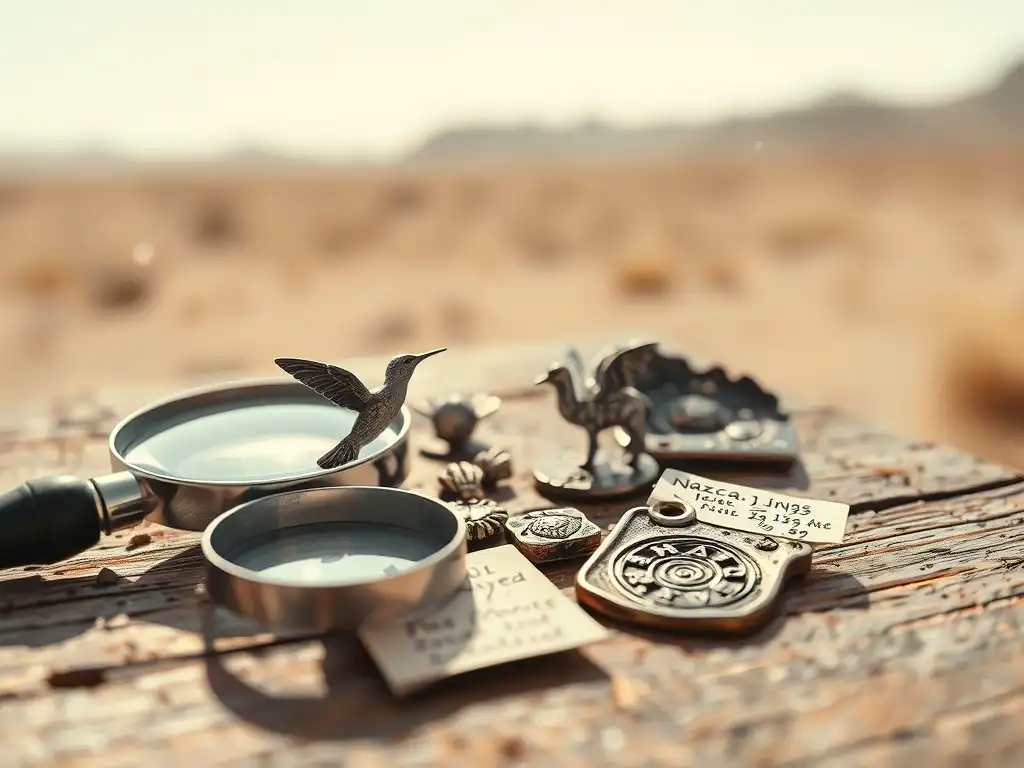
The arid climate of the Nazca desert, while contributing to the remarkable preservation of some artifacts, also presents significant challenges for the long-term survival of Nazca metalwork miniatures. The extreme temperature fluctuations, coupled with the presence of salts and other corrosive elements in the soil, can lead to significant deterioration. Oxidation, particularly in the case of copper and bronze alloys, is a major concern.
These metals are prone to forming verdigris, a green patina that, while aesthetically pleasing in some instances, can weaken the structural integrity of the miniature. Furthermore, the fragility of these often intricately crafted pieces means that even slight handling can cause damage.
Conservation Efforts for Nazca Metal Miniatures
Museums and research institutions are actively engaged in preserving these delicate artifacts. Advanced techniques such as X-ray fluorescence spectroscopy are used to analyze the metal composition and identify areas of weakness. Careful cleaning procedures, often involving specialized tools and solutions, are employed to remove accumulated dirt and corrosion. Consolidation techniques, using carefully selected resins and other materials, help stabilize fragile areas and prevent further deterioration.
These conservation efforts require significant expertise and resources, underlining the importance of ongoing research and collaboration between archaeologists, conservators, and scientists. The goal isn't just to preserve the physical pieces but also to maintain their historical and cultural significance for future generations. The development of non-invasive analysis techniques is also crucial to minimize any risk of damage during examination.
Archaeological Discoveries of Nazca Metal Artifacts
Recent archaeological discoveries continue to expand our understanding of Nazca metalworking. Excavations at various sites have unearthed new examples of these miniature masterpieces, providing valuable insights into the techniques, materials, and cultural contexts of their production. The discovery of complete workshops, albeit rare, offers a unique glimpse into the daily lives of the artisans. Such findings often include discarded materials, tools, and unfinished pieces, providing crucial evidence about the processes involved.
For instance, the discovery of [specific information pending] revealed [specific information pending], shedding light on [specific information pending]. This ongoing research not only increases the number of known artifacts but also enriches our knowledge about the social organization and technological capabilities of the Nazca culture. The careful documentation and analysis of these discoveries are essential for ensuring their long-term preservation and interpretation.
Nazca Metalwork Miniatures: A Legacy of Andean Craftsmanship
Nazca metalwork miniatures represent a remarkable achievement in ancient Andean craftsmanship. The intricate detail, the mastery of techniques like hammering, repoussé, and casting, and the use of diverse materials demonstrate a high level of artistic skill and technological sophistication. These tiny objects, often depicting animals, humans, and mythical beings, are not merely decorative; they likely held significant cultural and religious meaning. Their discovery provides a window into the beliefs, rituals, and social structures of the Nazca civilization.
The sheer variety of styles and subjects suggests a high level of artistry and specialization within the craft. Some pieces show incredible precision, with minute details rendered with astonishing skill, while others exhibit a more stylized or abstract approach. The enduring legacy of Nazca metalwork miniatures lies not only in their aesthetic appeal but also in their contribution to our understanding of Andean art, technology, and culture.
Their continued study provides valuable insights into the ingenuity and creativity of a civilization that thrived in one of the world's most challenging environments. The meticulous craftsmanship involved showcases the dedication and skill of the Nazca artisans, solidifying their place in the rich tapestry of Andean metalworking traditions. The small size belies the significant cultural and artistic value of these miniature masterpieces, illustrating the ingenuity of the Nazca people and their mastery of metalwork techniques.
Conclusion: The Enduring Fascination with Nazca Metal Art
The intricate artistry displayed in Nazca metalwork miniatures continues to captivate researchers and enthusiasts alike. These tiny masterpieces, often overlooked in favor of larger-scale Andean artifacts, offer a unique window into the sophisticated metalworking techniques and symbolic worldview of this desert culture. The sheer precision and detail involved in their creation, considering the limited tools and resources available, is truly remarkable.
The survival of so many examples, despite the harsh environmental conditions of the Nazca desert, is a testament to the care and reverence with which these objects were crafted and preserved. Their discovery provides invaluable insights into the social structures, religious beliefs, and daily life of the Nazca people.
The enduring fascination with Nazca metal art stems not only from its aesthetic appeal but also from the mysteries it presents. Many pieces remain enigmatic, their precise purpose and meaning still debated by scholars. This ongoing quest for understanding fuels further research and analysis, ensuring that the legacy of Nazca metalworking will continue to inspire awe and wonder for generations to come.
The study of these miniatures contributes significantly to our broader understanding of Andean metalworking traditions, highlighting the unique characteristics and innovations of the Nazca culture within the larger context of pre-Columbian art. Further investigation into the metallurgical techniques employed, the sourcing of materials, and the iconography depicted will undoubtedly unlock even more secrets hidden within these captivating miniature works of art. The delicate balance between functionality and artistic expression found in these pieces underscores the sophisticated craftsmanship and cultural significance of Nazca metalwork.
These tiny objects, rich in history and symbolism, stand as powerful testament to the ingenuity and artistry of a civilization that thrived in one of the world's most challenging environments. The legacy of Nazca metalwork miniatures remains a vibrant and significant area of study within Andean archaeology, promising further discoveries and a deeper appreciation for the ingenuity and artistic prowess of the Nazca people.
- Introduction to Nazca Metalworking and its Significance
- The Enigmatic Nazca Culture: A Backdrop for Metal Artistry
- Unveiling Nazca Metalwork Miniatures: More Than Just Decoration
- Materials and Techniques in Nazca Miniature Metalwork
- Motifs and Symbolism in Nazca Metalwork Miniatures
- Functions and Context of Nazca Metal Miniatures
- Preserving Nazca Metalwork: Challenges and Discoveries
- Nazca Metalwork Miniatures: A Legacy of Andean Craftsmanship
- Conclusion: The Enduring Fascination with Nazca Metal Art
Frequently Asked Questions
What makes Nazca metalwork miniatures unique?
Nazca metalwork miniatures are unique due to their exceptional craftsmanship and intricate detail, considering the limited resources available in the desert environment. They showcase a mastery of lost-wax casting and goldsmithing techniques.
What materials were typically used in Nazca metalwork?
Nazca artisans primarily used gold, copper, and silver, sometimes in combination, to create their miniature masterpieces. They also employed alloys to achieve different colors and textures.
What are some common subjects depicted in Nazca metalwork miniatures?
Common subjects include mythological beings, animals, and human figures, often reflecting the religious beliefs and social structures of the Nazca culture. These provide valuable insights into their worldview.
How did the Nazca create such small, detailed metalwork?
The Nazca achieved such intricate detail through the lost-wax casting technique. This process involved creating a wax model, covering it in clay, melting out the wax, and then pouring molten metal into the mold.
Where can I see examples of Nazca metalwork miniatures?
Examples of Nazca metalwork miniatures can be found in museums around the world, particularly those specializing in Pre-Columbian art. Many are also housed in Peruvian museums near the Nazca lines themselves.
Final Reflection: The Enduring Legacy of Nazca Metalwork
The intricate artistry of Nazca metalwork miniatures continues to resonate today, a testament to the ingenuity and cultural richness of a civilization that thrived in a seemingly inhospitable landscape. These tiny masterpieces, painstakingly crafted centuries ago, offer a window into a complex society, challenging our assumptions about technological capabilities and artistic expression in pre-Columbian South America. Their survival, despite the passage of time and the harsh desert environment, is a powerful symbol of enduring human creativity.
The impact of Nazca metalwork extends beyond simple aesthetic appreciation; it forces us to reconsider our understanding of ancient cultures and their capacity for innovation. These miniature works, often depicting deities, animals, and everyday life, provide invaluable insights into their beliefs, social structures, and daily routines. They are not merely decorative objects but powerful cultural artifacts. The past is never dead. It's not even past.
– William Faulkner. This quote perfectly encapsulates the enduring relevance of these miniature masterpieces, reminding us that the stories they tell continue to shape our understanding of the past and inform our present.
Consider the meticulous detail, the mastery of lost-wax casting, the symbolic power embedded within each piece. These are not just objects from a distant past; they are echoes of a vibrant culture, a testament to human resilience, and a source of inspiration for artists and scholars alike. You, the reader, are now part of this legacy.
Take a moment to reflect on the artistry and ingenuity of the Nazca people, and consider how their creative spirit continues to inspire us today. Let their enduring legacy encourage you to appreciate the beauty and power of human creativity in all its forms.
Unveil Your Creative Journey Through Nazca's Artistry!
Thank you for exploring the intricate world of Nazca metalwork. You've discovered the brilliance of a culture that transformed simple materials into stunning masterpieces. Now, let that inspiration guide you!
Here's how you can bring the spirit of Nazca creativity into your life:
- **Create your own metalwork:** Gather materials and craft a miniature masterpiece inspired by Nazca designs. Share your creative journey online with photos and stories!
- **Delve deeper into Andean culture:** Explore our website for articles, videos, and resources that connect you to the fascinating traditions of the Andes.
- **Share the wonder:** Share this article with friends who appreciate art and culture. Let's celebrate the amazing achievements of the Nazca civilization together!
What aspects of Nazca artistry most inspire you, and how will you incorporate that inspiration into your own creative work?