
The Paracas Calendar System: How They Tracked Time and Seasons

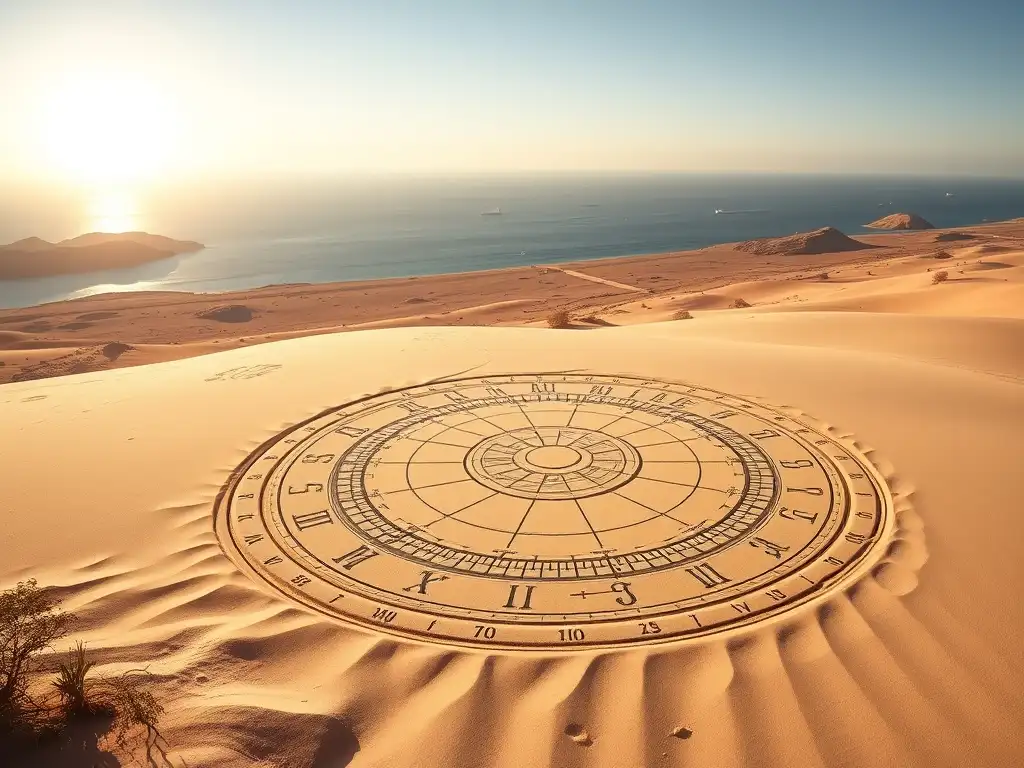
Dive into the enigmatic world of the Andean civilizations! Journey through millennia of breathtaking artistry, sophisticated engineering, and deeply rooted spiritual beliefs. But what secrets lie hidden within the intricate astronomical knowledge of the ancient Andes? Uncover the mysteries surrounding the Paracas calendar system and its surprising connections to the Inca, a revelation that will reshape your understanding of pre-Incan coastal cultures. Prepare to be amazed as we unravel the threads of this fascinating story.
-
The Paracas Calendar System: A Glimpse into Ancient Andean Timekeeping
- Evidence for a Paracas Calendar: Textile Clues and Astronomical Alignments
- Agricultural Practices and the Paracas Calendar: A Symbiotic Relationship
- Comparing the Paracas and Inca Calendar Systems: Continuity and Innovation
- Unanswered Questions and Future Research: Exploring the Mysteries of Paracas Timekeeping
- Understanding the Paracas Culture and its Context
- The Need for a Calendar System in Paracas Society
- Unveiling the Paracas Calendar System
- How the Paracas Tracked Time
- The Paracas Calendar and its Relation to Seasons
- The Paracas Calendar System: Comparison with Other Andean Calendars
- Significance of the Paracas Calendar System
- Conclusion: The Enduring Mystery of the Paracas Calendar
-
Frequently Asked Questions
- What is the Paracas calendar system, and how does it relate to the Inca?
- How did the Paracas track time and seasons?
- What evidence supports the existence of a Paracas calendar system?
- How accurate was the Paracas calendar system?
- How does the Paracas calendar system compare to the Inca calendar system?
- Final Reflection: Unraveling the Threads of Time: The Paracas and Their Legacy
- Unveil the Secrets of Time with the Paracas Calendar!
The Paracas Calendar System: A Glimpse into Ancient Andean Timekeeping
The Paracas culture, flourishing along the southern coast of Peru from approximately 800 BCE to 200 CE, developed a sophisticated understanding of their environment, reflected in their remarkable textile artistry and surprisingly advanced agricultural practices. While not as extensively documented as the Inca calendar system, emerging evidence suggests the Paracas possessed a complex system for tracking time and the cyclical changes of seasons, crucial for their survival in a challenging desert environment.
This system, intricately interwoven with their religious beliefs and agricultural practices, remains a fascinating area of ongoing research, offering valuable insights into the intellectual achievements of this pre-Inca civilization. Understanding the Paracas' approach to timekeeping provides a richer context to the later, more widely-known Inca calendar, highlighting the continuity and evolution of Andean astronomical knowledge.
This article explores the current understanding of the Paracas calendar system, examining the available evidence and the ongoing debates surrounding its interpretation, focusing on how it relates to the later Inca calendar system and its place within the broader context of Andean timekeeping.
Evidence for a Paracas Calendar: Textile Clues and Astronomical Alignments
One of the primary sources of information regarding the Paracas calendar system comes from their iconic textiles. These intricately woven fabrics, often adorned with complex geometric patterns and depictions of celestial bodies, are believed to encode astronomical information. Researchers have identified recurring motifs—like specific star constellations, the sun, and moon—that may represent celestial cycles and seasonal changes. The precision and repetition of these patterns suggest a deliberate attempt to record and interpret astronomical phenomena.
Furthermore, the discovery of possible astronomical alignments of certain Paracas structures with significant celestial events, such as solstices and equinoxes, further supports the existence of a sophisticated calendar system. However, definitive proof remains elusive, as the interpretation of these textile motifs and architectural alignments is often subject to ongoing debate among scholars. More research is needed to fully understand the meaning and function of these patterns and alignments.
Agricultural Practices and the Paracas Calendar: A Symbiotic Relationship
The Paracas calendar system, if indeed it existed in the form we theorize, was inextricably linked to their agricultural practices. Their survival depended on successfully cultivating crops in a harsh desert environment, requiring precise knowledge of seasonal variations, rainfall patterns, and optimal planting times. The ability to predict these cycles with accuracy would have been crucial for their economic well-being.
We can infer that their understanding of the celestial movements helped them predict the best times for planting and harvesting, maximizing their yield and ensuring food security. The complexity of their irrigation systems and agricultural techniques suggests a deep understanding of environmental cycles, further supporting the idea of a sophisticated calendar system for agricultural planning. [Specific examples of Paracas agricultural techniques and their relation to the calendar pending].
Comparing the Paracas and Inca Calendar Systems: Continuity and Innovation
While the Paracas calendar system remains less well understood than the Inca system, similarities exist that suggest a clear lineage of astronomical knowledge. Both cultures likely utilized observations of the sun, moon, and stars to track time and predict seasonal changes. However, the Inca system, with its more extensive documentation and elaborate infrastructure (e.g., Intihuatana stones), represents a more developed and centralized approach to timekeeping.
The Inca calendar, renowned for its intricate integration with their social, religious, and agricultural life, likely built upon the foundations laid by earlier cultures like the Paracas. The study of both systems provides a deeper appreciation for the evolution of Andean astronomical knowledge and its role in shaping Andean societies. [Further comparative analysis of specific calendar elements pending].
Unanswered Questions and Future Research: Exploring the Mysteries of Paracas Timekeeping
Despite significant progress, many questions regarding the Paracas calendar system remain unanswered. Further research is essential to confirm existing hypotheses and uncover new insights. This includes more detailed analysis of Paracas textiles, a thorough investigation of potential astronomical alignments of Paracas sites, and comparative studies with other contemporary Andean cultures.
The integration of advanced technologies, such as digital imaging and 3D modeling, could significantly aid in the interpretation of complex textile patterns. The continuing exploration of the Paracas calendar system promises to reveal more about the ingenuity and sophistication of this remarkable pre-Inca civilization and its contribution to the broader history of Andean timekeeping. The quest to fully understand the "Paracas calendar system Inca" connection is an ongoing and exciting endeavor in Andean archaeology.
Understanding the Paracas Culture and its Context
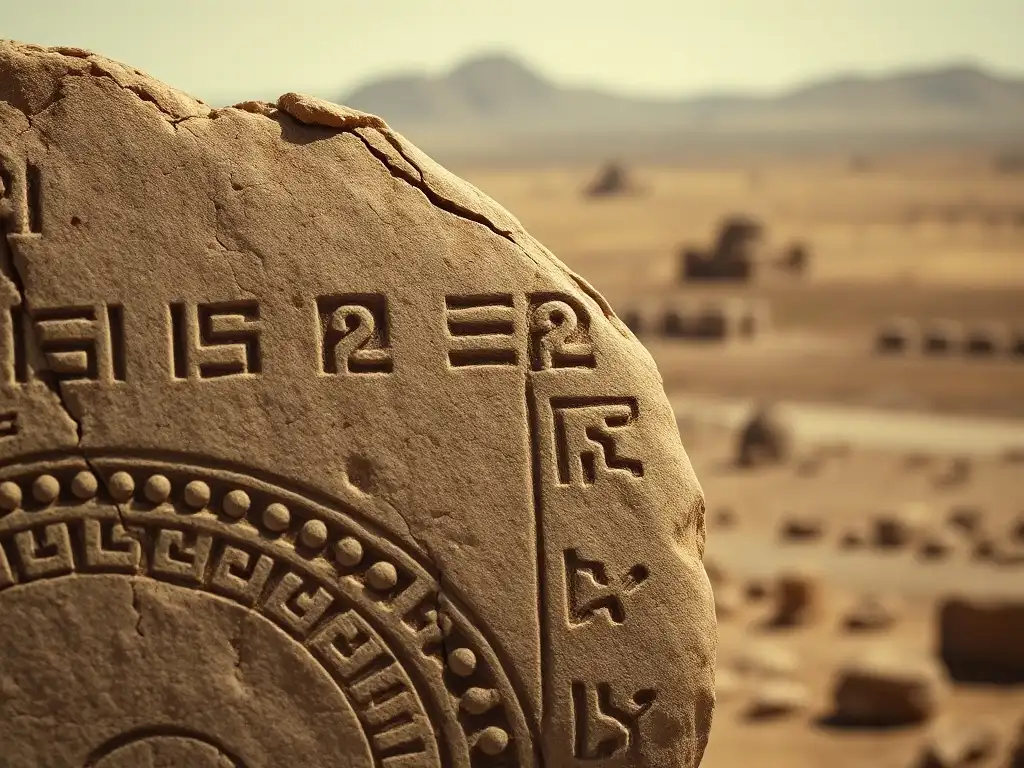
This section delves into the fascinating world of the Paracas culture, providing crucial background information to understand their unique calendar system. While often overshadowed by the later Inca empire, the Paracas' advancements, particularly in textile arts and possibly their astronomical observations, significantly contributed to the rich tapestry of Andean civilization. Understanding their societal structure and achievements is key to appreciating the sophistication of their potential calendar system, a system which, while not as extensively documented as the Inca's, warrants further investigation and analysis.
The Paracas calendar system, though not explicitly confirmed in the same way as other Andean calendars, represents a significant area of ongoing research, fueled by new discoveries and interpretations of existing artifacts. Understanding the Paracas' place in the broader Andean context is essential to evaluating any evidence related to a potential Paracas calendar system.
The Paracas Civilization: A Coastal Power in Ancient Peru
The Paracas culture flourished along the southern coast of Peru, between approximately 700 BCE and 100 CE. They are renowned for their incredibly intricate textiles, considered some of the finest examples of pre-Columbian Andean art. These textiles, often adorned with complex geometric patterns and depictions of deities and animals, were not merely decorative but likely held significant ritual and social importance.
The Paracas were skilled artisans, mastering techniques like tapestry weaving, embroidery, and dyeing to create breathtakingly detailed pieces. Their mastery of these techniques suggests a sophisticated level of organization and social complexity, hinting at a possible advanced understanding of timekeeping and seasonal cycles, reflected perhaps in their textile designs or even in a dedicated calendar system.
The intricacy of these textiles, along with their seemingly astronomical elements in some cases, suggests a high level of societal organization and a potential connection to astronomical observations which may have informed a calendar system. This suggests a deeper understanding of their environment and the passing of time, which is fundamental to the development of any calendar system.
Geographical Location and Timeline of the Paracas People
The Paracas people inhabited the arid coastal plains of southern Peru, a region characterized by dramatic cliffs, expansive deserts, and a starkly contrasting environment compared to the mountainous regions further inland. This coastal location likely influenced their lifestyle and economy, which centered around fishing and agriculture, demanding a keen understanding of the cyclical nature of the marine environment and seasonal changes.
Their settlement patterns, as far as we know, indicate a relatively decentralized society with multiple smaller settlements rather than large, centralized cities. This decentralized nature might explain the lack of extensive documentation regarding a formal calendar system, though it does not discount its potential existence.
The Paracas Early Period (700-200 BCE) and the Paracas Late Period (200 BCE-100 CE) are key divisions within the Paracas cultural development. Archaeological evidence suggests a gradual evolution of their artistic styles and technologies over this time, potentially indicating changes in their societal organization and beliefs, which may also be reflected in any potential evolution of a calendar system.
Paracas Culture: Key Characteristics and Achievements
The Paracas are known for several key characteristics, including their exceptional textile production, distinctive funerary practices (mummification), and their sophisticated metalworking skills. Their intricate textiles, often featuring vibrant colors and elaborate designs, are considered masterpieces of pre-Columbian art. The Paracas' mummification techniques were also highly advanced, involving extensive preparation and the use of elaborate grave goods, reflecting their complex beliefs about the afterlife.
While their metalworking was not as prominent as in other Andean cultures, they still demonstrated skill in the production of copper and gold artifacts. The Paracas were not only skilled artisans but also innovative agriculturalists, developing irrigation systems to cultivate crops in their arid environment. This adaptation to their environment demonstrates an awareness of seasonal cycles, further suggesting the possibility of a sophisticated calendar system to manage agricultural activities and religious ceremonies.
The combination of these achievements – textile arts, mummification, metalworking, and agriculture – points to a complex society capable of intricate planning and time management, strongly suggesting the potential for a developed, albeit potentially undocumented, calendar system. Further research, particularly the detailed analysis of textile patterns and the careful excavation of additional sites, may reveal more evidence related to a Paracas calendar system, potentially bridging the gap between their known achievements and the hypothesis of a sophisticated timekeeping system.
The Need for a Calendar System in Paracas Society
The Paracas culture, flourishing along the southern coast of Peru between 700 BCE and 200 CE, developed a sophisticated calendar system crucial to their survival and societal structure. Understanding their timekeeping methods reveals insights into their agricultural practices, religious beliefs, and social organization. The Paracas calendar system, while less extensively documented than that of the later Inca civilization, demonstrably influenced subsequent Andean cultures, highlighting its importance within the broader context of "Paracas calendar system Inca" research. Its precision allowed for effective planning and resource management in a challenging environment.
Agricultural Practices and the Importance of Seasonal Cycles
The arid coastal region where the Paracas resided demanded precise knowledge of seasonal cycles for successful agriculture. Their economy heavily relied on cultivating crops like cotton, beans, and maize, requiring careful planning of planting and harvesting times. The Paracas calendar system likely incorporated observations of celestial bodies, such as the sun and stars, to predict the onset of crucial seasons, such as the rainy season vital for irrigation. Evidence suggests they used a combination of techniques:
- Observational Astronomy: Careful monitoring of the sun's position and the appearance of specific constellations likely provided indicators for planting and harvesting. This knowledge was likely passed down through generations, becoming embedded within their cultural traditions.
- Water Management: The Paracas developed sophisticated irrigation systems to maximize the use of limited water resources. Their calendar system would have been essential in managing water distribution throughout the year, ensuring optimal use during crucial growth periods.
- Crop Rotation: The Paracas may have employed crop rotation techniques, a practice requiring a precise understanding of seasonal changes and soil fertility. This sophisticated agricultural knowledge would have been intricately linked to their calendar system.
The precision of their agricultural practices, as evidenced by the successful cultivation of crops in a challenging environment, speaks to the effectiveness of their calendar system. Further research into Paracas agricultural techniques could provide additional data on the specific astronomical observations used to refine their calendar.
Religious Rituals and the Need for a Timekeeping System
Beyond practical applications, the Paracas calendar system likely played a significant role in their religious beliefs and practices. Many Andean cultures associated celestial events with deities and spiritual power. The Paracas, with their elaborate textile traditions and complex burial rituals, probably integrated their calendar into religious ceremonies.
- Festivals and Celebrations: Specific celestial events, accurately predicted by the calendar, might have triggered important festivals and religious observances. These could have been linked to cycles of fertility, harvest, or ancestor veneration.
- Sacred Sites: The alignment of certain structures or sites with celestial bodies suggests a deliberate connection between their calendar system and religious practices. The precise orientation of these sites may provide further clues about the astronomical knowledge embedded within their calendar.
- Textile Representations: Paracas textiles often depict celestial motifs, which may represent aspects of their calendar system or cosmological beliefs. A detailed analysis of these depictions could reveal symbolic representations of time and seasonal cycles.
While the exact nature of their religious calendar remains partially unknown, the complexity of their culture and the importance of religious practices suggest a close relationship between their calendar and spiritual life. Further investigation into their iconography and religious practices is needed to fully understand this aspect of their calendar system.
The Paracas calendar system also had implications for social organization and resource management. A well-functioning society requires efficient coordination of labor and resources. Their advanced understanding of time allowed for:
- Labor Allocation: The Paracas calendar system would have enabled the effective allocation of labor for agricultural tasks, construction projects, and other societal needs based on seasonal demands. This suggests a level of centralized planning or at least a well-defined system of community cooperation.
- Resource Distribution: Accurate predictions of harvests and other resources would have been crucial for equitable distribution within the community, minimizing potential conflicts and ensuring social stability. This centralized control over resources likely played a crucial role in their social hierarchy.
- Governance and Authority: The ability to predict and manage resources likely strengthened the authority of those who possessed this knowledge, possibly contributing to the development of a hierarchical social structure. Those who understood and controlled the calendar system held a position of power and influence.
The Paracas calendar system, therefore, was not merely a tool for tracking time but a fundamental element in the organization and governance of their society. Its precision and accuracy contributed to the overall success and stability of the Paracas culture, leaving a legacy that influenced later Andean civilizations. Further research into their social structures could reveal a clearer picture of the role of the calendar system in their social organization.
Unveiling the Paracas Calendar System
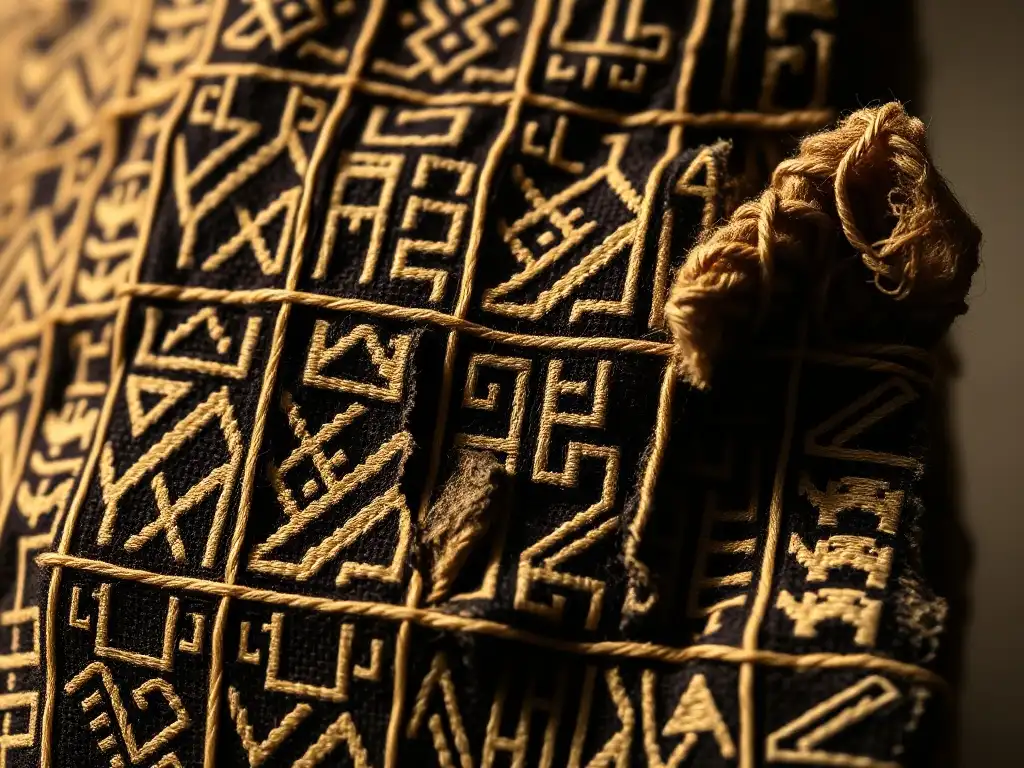
The Paracas culture, flourishing on the southern coast of Peru from roughly 800 BCE to 200 CE, developed a sophisticated understanding of astronomy and its implications for agriculture and social organization. While direct evidence of a formal written calendar system comparable to the later Inca quipus remains elusive, archaeological findings and anthropological interpretations strongly suggest the Paracas possessed a complex method of tracking time and the seasonal cycles crucial to their survival.
This system, though not fully understood, likely incorporated astronomical observations to predict agricultural seasons and religious festivals, highlighting the Paracas' advanced knowledge of their environment and the cosmos. The intricacy of their textile work, which often depicts celestial motifs, further supports the hypothesis of a detailed understanding of the celestial movements.
This understanding is crucial to understanding their advancements and place within the broader context of pre-Incan coastal cultures, and its potential influence on later Andean civilizations, like the Inca. The search for a concrete "Paracas calendar system Inca" connection remains a field of ongoing research.
Evidence of Paracas Timekeeping: Archaeological Discoveries
The lack of a written Paracas calendar doesn't negate the existence of a sophisticated timekeeping system. Archaeological evidence points towards a nuanced understanding of celestial cycles. For example, the precise orientation of certain Paracas structures, such as burial sites and ceremonial platforms, suggests deliberate alignment with solstices or equinoxes. This deliberate positioning, though not a calendar in itself, speaks volumes about their astronomical awareness.
Furthermore, the recurring motifs found in their intricate textiles—often depicting celestial bodies like the sun, moon, and stars—indicate a deep symbolic association with astronomical events. The detailed weaving techniques and the consistent representation of these motifs across numerous textiles suggest a standardized system of meaning, possibly reflecting a calendar-based system of recording events or marking significant dates. Analyzing the iconography within these textiles, combined with geospatial analysis of architectural remains, offers promising avenues for further research into the Paracas "Paracas calendar system Inca" relationship.
The Paracas Calendar: A Lunisolar System?
Given the available evidence, it's plausible to hypothesize that the Paracas calendar system was lunisolar, meaning it integrated both lunar and solar cycles. Many ancient Andean cultures utilized such a system, and the Paracas' proximity to the coast, with its readily observable tides influenced by the moon, makes a lunisolar calendar particularly likely. The moon's phases would have provided a clear, easily observable marker for shorter time periods, perhaps months, while the solar year, marked by the solstices and equinoxes, would have dictated the longer agricultural cycles.
This system would have allowed for accurate prediction of planting and harvesting times, crucial for the survival of their agricultural society. The precise length of their "months" and the exact method of synchronization between lunar and solar cycles remain unclear, requiring further investigation.
However, the integration of both lunar and solar observations provides a reasonable framework for understanding their timekeeping. Further research on the relationship between the Paracas calendar system and the later Inca system could reveal valuable insights.
Possible Calendar Structures: Twelve Months and Approximately 365 Days
While the exact structure of the Paracas calendar remains speculative, a twelve-month calendar, each potentially corresponding to a lunar cycle, is a plausible reconstruction. This is consistent with many other ancient calendrical systems around the world. Furthermore, the agricultural cycle of the Paracas region strongly suggests a calendar of approximately 365 days, matching the solar year.
Reconciling these two—the lunar months and the solar year—would have required a system of intercalation, a method of adding extra days to keep the calendar synchronized with the solar year. This intercalation might have been achieved through various methods, such as adding extra months periodically or adjusting the length of certain months. The precise method employed by the Paracas remains unknown, representing a significant area for future research.
Understanding this aspect is crucial for a complete understanding of the Paracas calendar and its potential relationship to later Andean calendars, including the sophisticated Inca system. The possibility of a "Paracas calendar system Inca" connection is a compelling avenue for ongoing investigation.
How the Paracas Tracked Time
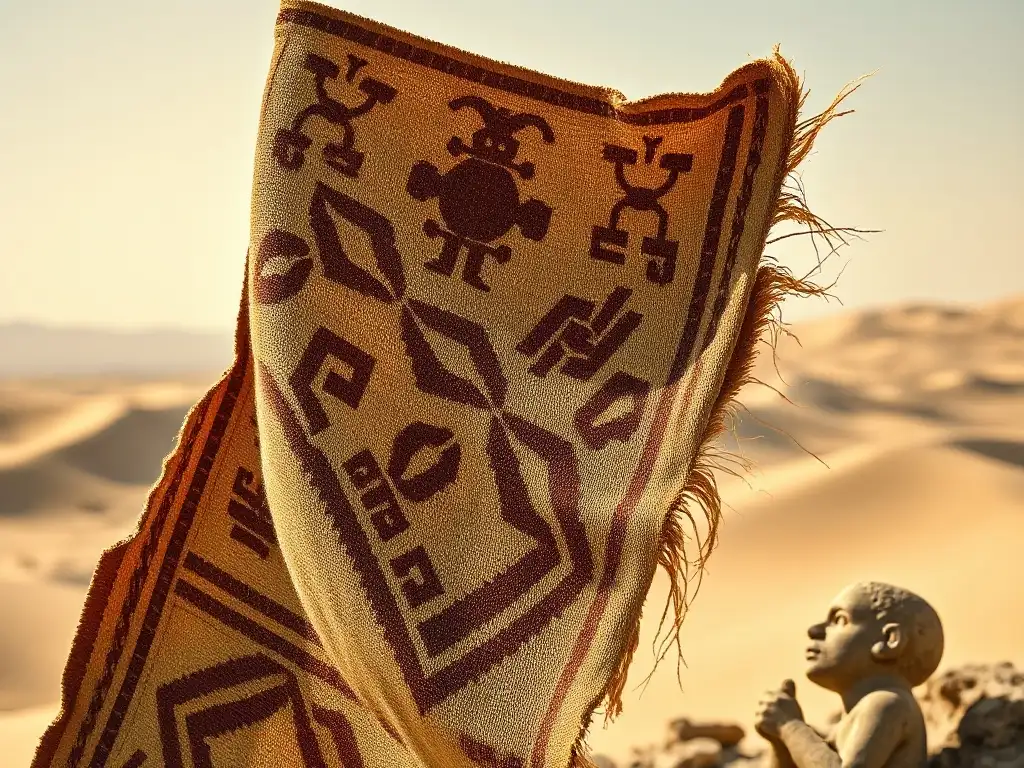
The Paracas culture, flourishing on the southern coast of Peru between 800 BCE and 200 CE, developed a sophisticated understanding of time, crucial for their agricultural practices and societal organization. While lacking a written language comparable to later Andean civilizations like the Inca, their calendar system, subtly woven into their architecture, textile designs, and potentially even ritual practices, reveals a remarkable ability to observe and interpret celestial events.
Understanding their methods provides valuable insight into their worldview and their connection to the environment. The Paracas calendar system, while not as explicitly documented as the later Inca quipus, offers fascinating clues about their astronomical knowledge and its practical applications.
This understanding of time, inextricably linked to the agricultural cycle, was fundamental to their survival and prosperity. The influence of their astronomical observations may also be seen in later Andean cultures, further highlighting the importance of the Paracas contribution to the development of Andean timekeeping.
Observation of Celestial Bodies: Sun, Moon, and Stars
The Paracas’ comprehension of time was undeniably rooted in their keen observation of celestial bodies. The sun, moon, and stars provided the fundamental framework for their calendar. The annual cycle of the sun, marking the solstices and equinoxes, dictated the agricultural year, determining planting and harvesting times. Evidence suggests a deep understanding of the sun's movements, possibly reflected in the orientation of certain structures or the design motifs on their textiles.
Detailed analysis of Paracas textiles, for example, reveals recurring patterns that might represent constellations or lunar phases. Furthermore, the moon, with its predictable cycles, likely played a role in shorter-term timekeeping, influencing activities related to fishing and other coastal pursuits. The precise methods employed remain under investigation, but the presence of recurring motifs strongly suggests a systematic approach to tracking lunar phases, potentially informing their societal calendar.
Further research into the symbolic language of their textiles could unlock more secrets about their astronomical knowledge. The stars, especially prominent in the clear desert night sky, likely provided additional navigational and temporal cues, potentially linked to ritual practices or seasonal celebrations. Detailed studies of the astronomical knowledge of the Paracas calendar system are ongoing, promising to reveal more about their celestial observations.
Use of Landmarks and Natural Features for Time Reckoning
Beyond celestial observations, the Paracas likely utilized terrestrial landmarks and natural features to track time and seasons. The changing positions of the sun relative to mountains or coastal formations could have served as markers for specific times of the year. For example, the appearance of the sun at a specific point on the horizon at sunrise during the summer solstice might have marked the beginning of the planting season.
Similarly, the angle of the sun's shadow cast by prominent hills could have indicated the progress of the day or the season. This method, common in many ancient societies, is entirely plausible for the Paracas, given their coastal location and the presence of distinctive geographical features. The precise methods employed by the Paracas in this area require further investigation and possibly archaeological surveys to identify potential sites used for such observations.
The identification of such locations would allow a more comprehensive understanding of their timekeeping techniques. This terrestrial approach to time reckoning would have complemented their celestial observations, providing a practical and readily accessible system for daily and seasonal tracking.
Paracas Astronomical Alignments: The Alignment of Chavin de Huantar with the Pleiades
While not directly Paracas sites, the alignment of structures in earlier Andean sites like Chavin de Huantar with constellations like the Pleiades reveals a broader astronomical tradition that likely influenced the Paracas. The Pleiades, a prominent constellation visible in the southern hemisphere, held significant importance in various Andean cultures, potentially influencing agricultural practices and religious beliefs. The possible connection between the Paracas calendar system and these earlier astronomical alignments suggests a continuity in Andean astronomical knowledge.
While direct evidence linking specific Paracas structures to precise astronomical alignments is currently limited, the legacy of astronomical observation and its connection to societal organization suggests that similar practices were likely employed. Further research and archaeological investigation could uncover further evidence of Paracas astronomical alignments, enriching our understanding of their calendar system and its broader context within the Andean astronomical tradition.
🕵️♂️ The study of possible alignments is a complex area, requiring sophisticated techniques and interdisciplinary collaboration between archaeologists, astronomers, and anthropologists. Further investigation into this fascinating area promises to yield significant insights into the cultural and religious practices of the Paracas.
The Paracas Calendar and its Relation to Seasons
The Paracas calendar system, while not as extensively documented as the Inca calendar, reveals a sophisticated understanding of celestial cycles and their impact on the coastal Peruvian environment. Unlike the Inca's sophisticated quipu-based record-keeping, Paracas evidence points to a system primarily expressed through their textile art and potentially through a less formalized system of oral tradition passed down through generations.
The intricate designs woven into their textiles, particularly the iconic Paracas mantles, are believed to encode astronomical information, reflecting a deep connection between the Paracas people and the rhythms of nature. This intricate relationship is key to understanding their agricultural practices and adaptation to a challenging coastal environment.
The Paracas calendar system, although indirectly represented, was crucial for their survival and prosperity, demonstrating a remarkable level of astronomical observation and agricultural expertise predating the Inca empire and influencing later Andean cultures. The keyword "Paracas calendar system Inca" highlights this important connection and contextualization within the broader Andean astronomical tradition.
Identifying Planting and Harvesting Seasons
Paracas textiles often depict scenes of agricultural activities, alongside celestial motifs. Scholars suggest that these depictions are not merely decorative but rather serve as a visual calendar, indicating optimal times for planting and harvesting. For example, the repeated appearance of certain bird species in specific contexts on textiles may correspond to the migratory patterns of these birds, which in turn coincided with seasonal changes relevant to agriculture.
The intricate weaving techniques themselves, with variations in color and pattern, might also have encoded information about the length of the growing season and the expected yield of different crops. Detailed analysis of these textiles using advanced imaging techniques could potentially reveal further encoded information, clarifying our understanding of their agricultural calendar.
Furthermore, the choice of specific fibers and dyes used in the textiles might also have held symbolic meaning related to the seasonal availability of these materials, adding another layer to the calendrical system. This nuanced approach to studying Paracas textiles suggests that the "Paracas calendar system Inca" lineage may be more complex than previously thought, emphasizing the importance of interdisciplinary research.
The Role of the Calendar in Agricultural Planning
The Paracas calendar system was integral to their agricultural planning. The ability to predict the arrival of the rainy season, crucial for irrigation, was essential for crop success. Evidence suggests that the Paracas people cultivated diverse crops, including cotton, beans, and squash, requiring careful timing for planting and harvesting. Their agricultural prowess, partially facilitated by their astronomical knowledge, allowed them to thrive in a relatively arid coastal region.
The absence of extensive written records necessitates reliance on archaeological evidence, such as the distribution of agricultural settlements and the analysis of plant remains, to corroborate the calendrical information inferred from textiles. Further research, including detailed pollen analysis from archaeological sites, could provide additional data to refine our understanding of Paracas agricultural practices and their relationship to their calendar system. The detailed study of this "Paracas calendar system Inca" precursor sheds light on the evolution of agricultural techniques in the Andes.
Tracking the Arrival of El Niño Events and Other Climatic Changes
The Paracas coast is susceptible to El Niño events, which can cause significant disruptions to agriculture. It is hypothesized that the Paracas calendar system also served to predict or at least identify the signs of these climatic fluctuations. The depiction of marine life, particularly specific fish species, in their textiles might reflect the abundance or scarcity of these resources, indicating the presence or absence of El Niño conditions.
Changes in ocean currents and sea temperatures associated with El Niño directly impact the availability of marine resources and therefore the Paracas diet and economy. Analyzing the frequency of certain motifs on textiles across different time periods could provide insights into the cyclical nature of El Niño events and their impact on the Paracas society. While further research is needed to fully understand the extent of their ability to predict El Niño, the evidence suggests a remarkable level of environmental awareness and adaptation.
The "Paracas calendar system Inca" narrative becomes richer by acknowledging this sophisticated observation of environmental patterns in a pre-Inca context. Understanding their methods could potentially contribute to modern climate change prediction models.
The Paracas Calendar System: Comparison with Other Andean Calendars
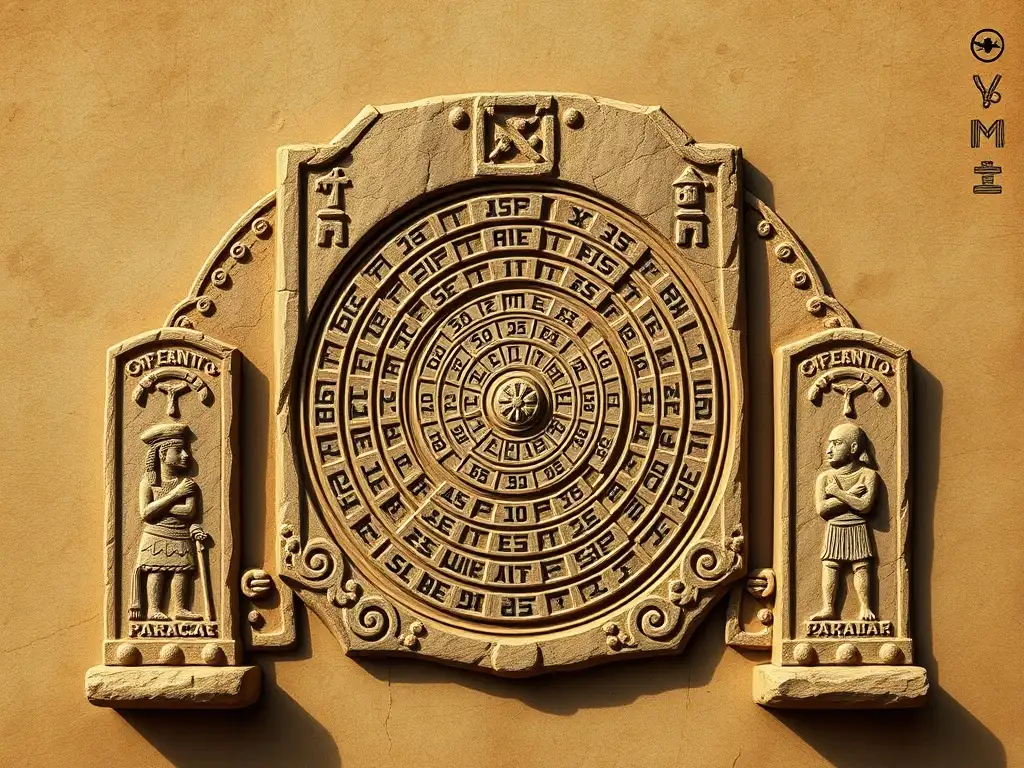
This section delves into the fascinating world of Paracas timekeeping, comparing and contrasting their unique calendar system with those of other prominent Andean civilizations, particularly the Inca and Nazca cultures. Understanding these similarities and differences provides crucial insights into the development of astronomical knowledge and its societal impact across the Andean region.
The Paracas calendar system, while less documented than the Inca's, reveals a sophisticated understanding of celestial movements and their agricultural implications. The impact of the Paracas calendar system on their societal structure and daily life remains a subject of ongoing research and debate, with new discoveries continually reshaping our understanding.
Paracas Timekeeping vs. Inca Calendars: Similarities and Differences
While the Inca quipus (knotted-cord record-keeping system) provides extensive evidence of their intricate calendar system, direct comparisons with the Paracas system are challenging due to limited surviving Paracas documentation. However, we can infer some similarities and differences based on archaeological evidence and contextual analysis.
Both cultures clearly demonstrated a sophisticated understanding of the solar year, using astronomical observations to predict solstices and equinoxes—crucial for agricultural planning. The Inca calendar, for instance, meticulously tracked the wari (a year divided into twelve months), aligning with the agricultural cycle. Evidence suggests the Paracas calendar may have also been closely tied to agriculture, with the timing of planting and harvesting heavily influenced by celestial events. However, the specific methods used by the Paracas to track these events remain largely unknown.
A key difference likely lies in the formalization of the calendar. The Inca calendar appears to have been more centralized and standardized, possibly enforced by the empire's administrative structure. The Paracas, lacking a similarly centralized state, may have had more localized and varied calendar systems, adapted to specific ecological conditions within their territories. Further research into Paracas textile designs and iconography might reveal more about their specific timekeeping methods. The possibility of a lunar calendar supplementing the solar calendar in Paracas society is also an area requiring further investigation.
Comparison with other Pre-Incan Calendars: Nazca Calendar
The Nazca culture, geographically proximate to the Paracas, offers a useful point of comparison. Both cultures flourished along the arid southern coast of Peru, facing similar agricultural challenges. The Nazca are renowned for their geoglyphs, vast earthworks visible only from the air. While the precise purpose of these geoglyphs remains debated, some researchers suggest they may have had calendrical or astronomical significance, possibly aligning with specific solar or stellar events.
Unlike the Paracas, the Nazca left behind more evidence of their astronomical knowledge through their pottery and other artifacts. These artifacts depict celestial bodies and constellations, hinting at a sophisticated understanding of the night sky. Comparing the astronomical representations in Nazca pottery with the limited Paracas artifacts that depict celestial patterns could reveal potential shared beliefs or different interpretations of the same celestial events.
This comparison allows us to understand the broader context of Andean astronomical knowledge and its regional variations. Further comparative studies focusing on the specific constellations or celestial bodies depicted in both cultures' art would illuminate the similarities and differences in their cosmological perspectives.
Unique Features of the Paracas Calendar System
Despite the scarcity of direct evidence, certain unique features of the Paracas calendar system can be tentatively hypothesized. Given their expertise in textile production, it's plausible that their calendar was intricately woven into their textile designs. Complex patterns and motifs on Paracas textiles might encode astronomical information, representing celestial cycles, constellations, or specific calendar dates. This hypothesis requires further detailed analysis of Paracas textiles, using advanced imaging techniques and cross-referencing with existing astronomical data.
Another potential unique aspect could be the integration of the calendar with their religious practices. The Paracas are known for their elaborate burial rituals and mummification techniques. The timing of these rituals might have been determined by their calendar, aligning with specific astronomical events deemed auspicious or significant. Further research on Paracas burial sites and associated artifacts could reveal potential connections between their calendar and funerary practices.
The potential use of specific plant cycles, beyond simple agricultural timing, to mark calendar events also warrants further investigation. The Paracas calendar system, while shrouded in mystery, promises to yield further insights as research continues. The development of new techniques in archaeological analysis and the discovery of new artifacts will undoubtedly shed more light on this intriguing aspect of Paracas culture.
Significance of the Paracas Calendar System
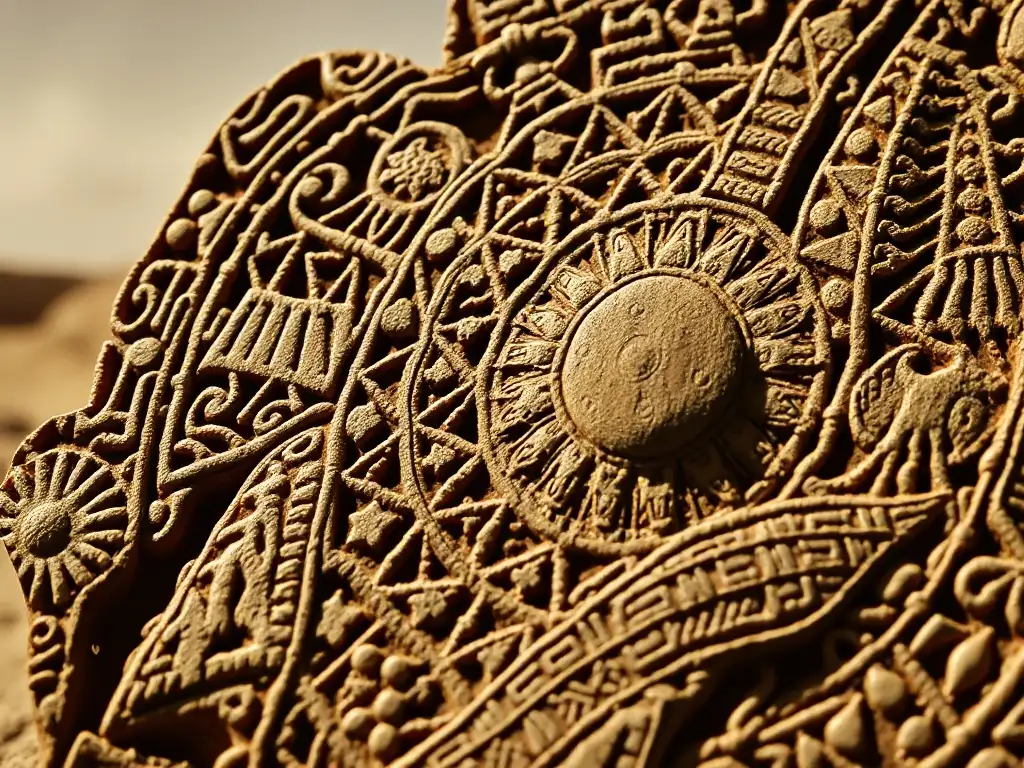
The Paracas calendar system, while less extensively documented than that of later Andean civilizations like the Inca, holds profound significance in understanding the advanced astronomical knowledge and societal organization of this pre-Incan coastal culture. Its importance lies not just in its ability to track time and seasons, crucial for agricultural planning and religious ceremonies, but also as a testament to the sophisticated observation skills and mathematical capabilities of the Paracas people. Unlike many simpler early calendar systems based solely on lunar cycles, evidence suggests the Paracas incorporated solar observations, potentially leading to a more accurate and complex system for predicting agricultural cycles and celestial events.
This level of astronomical sophistication is particularly remarkable considering the technology available to them. The precision required to make such observations and build a functional calendar system showcases a deep understanding of the cosmos and its impact on their daily lives. The Paracas calendar system, therefore, represents a significant milestone in the development of Andean astronomical knowledge, paving the way for more complex systems developed by subsequent cultures.
Further research is needed to fully unravel the intricacies of their time-keeping methods, especially in relation to the development of the later Inca calendar. The study of the Paracas calendar offers a unique window into the intellectual achievements of this fascinating civilization.
The Paracas Calendar: A Testament to Ancient Astronomical Knowledge
The Paracas calendar, though not fully deciphered, demonstrates a sophisticated understanding of celestial movements. Evidence from archaeological findings, such as the precise alignment of structures and the intricate designs on textiles and ceramics, suggests a deep awareness of the solar year and possibly lunar cycles. The recurring motifs on Paracas textiles, often depicting celestial bodies and constellations, could represent a symbolic representation of their calendar system.
These motifs are not merely decorative; they appear to be carefully planned and repeated, suggesting a standardized system of representation tied to the passage of time and the changing seasons. While we lack a written record of their calendar, the consistency and complexity of these visual representations strongly indicate a well-established system for tracking time. For example, the recurring depiction of specific constellations in relation to other motifs might represent the timing of planting or harvesting seasons.
Furthermore, the precise orientation of certain Paracas burial sites suggests that astronomical alignments played a significant role in their funerary practices, further highlighting the importance of celestial observations in their society. The detailed analysis of these artifacts, coupled with further archaeological investigation, is crucial to unlocking the secrets of the Paracas calendar and understanding its intricacies. The Paracas calendar system, even in its partially understood state, stands as a remarkable achievement in ancient astronomy.
Impact of the Calendar on Paracas Society and Development
The Paracas calendar system had a profound impact on their society, shaping their agricultural practices, religious beliefs, and social organization. Accurate prediction of seasonal changes was crucial for their agricultural success, allowing for optimal planting and harvesting times. This, in turn, influenced their food security and population growth, contributing to the overall development of their civilization. The calendar likely played a central role in their religious ceremonies, with specific rituals and festivals timed to coincide with significant astronomical events.
These events might have been linked to fertility rites, harvest celebrations, or other important aspects of their spiritual life. The knowledge and expertise required to maintain and interpret the calendar likely resided within a specialized priestly class, further highlighting its social and political importance. The calendar system, therefore, was not merely a tool for tracking time; it was deeply intertwined with the fabric of Paracas society, influencing their economy, religion, and social structure.
Understanding its impact provides crucial insight into the complexities of Paracas civilization and its remarkable achievements. Further research into the social organization of the Paracas may reveal a more complete picture of the calendar's role in their daily lives. The study of the calendar's influence reveals a civilization deeply connected to both the natural world and the rhythms of the cosmos.
Legacy of the Paracas Calendar: Influence on later coastal cultures
While the specifics of the Paracas calendar remain partly enigmatic, its influence on subsequent coastal cultures, particularly those leading up to the Inca, is undeniable. The sophisticated astronomical knowledge displayed by the Paracas almost certainly served as a foundation for the more advanced calendar systems developed later. The continuity of certain astronomical motifs and symbolic representations across different coastal cultures suggests a transmission of knowledge and practices. The later Nazca culture, for instance, is known for its intricate geoglyphs, some of which may be linked to astronomical observations and the tracking of celestial events.
These geoglyphs, though vastly different in scale and style from Paracas textiles, possibly share a common root in the astronomical understanding developed by earlier coastal communities. Furthermore, the Inca calendar, with its sophisticated system of tracking time and seasons, might have inherited some elements from the earlier Paracas tradition. Though the direct lineage is difficult to trace definitively, the general advancement in Andean astronomical knowledge suggests a cumulative process, with the Paracas making significant early contributions.
The Paracas calendar, therefore, represents a crucial link in the chain of astronomical development along the Andean coast, a legacy that continues to fascinate and inspire researchers today. Further comparative studies of pre-Inca coastal cultures are needed to fully understand the extent of Paracas influence on later calendar systems. The Paracas "Paracas calendar system Inca" legacy is a testament to the enduring power of cultural transmission and innovation.
Conclusion: The Enduring Mystery of the Paracas Calendar
The Paracas calendar system, while not as extensively documented as that of the later Inca civilization, presents a fascinating glimpse into the sophisticated astronomical knowledge and meticulous timekeeping practices of this pre-Incan coastal culture. Its complexity, revealed through careful analysis of textiles and potentially other artifacts, suggests a deep understanding of celestial cycles and their impact on agriculture and social life.
While much remains unknown, the evidence suggests a system far more advanced than initially presumed, rivaling in intricacy the calendrical systems of other contemporary Andean societies. The Paracas calendar system, therefore, offers a crucial piece of the puzzle in understanding the broader development of Andean astronomy and its influence on the cultural and societal structures of the region.
Further investigation is crucial to unlocking its full secrets and appreciating the ingenuity of the Paracas people. The enduring mystery surrounding its precise mechanisms only enhances its allure and underscores the importance of continued research in this field.
Summary of the Paracas Timekeeping System
The Paracas calendar system, as understood from current research, appears to have been primarily based on observations of the sun and moon, possibly supplemented by observations of other celestial bodies. Evidence suggests a likely combination of solar and lunar cycles, potentially integrated with agricultural cycles and other seasonal events. The precise methodology remains unclear, but the intricate designs on Paracas textiles, particularly the recurring motifs of celestial bodies and possibly constellations, provide strong indicators of a complex system of timekeeping.
Analysis of these textiles reveals a level of precision and detail that points to a sophisticated understanding of astronomy and its practical applications. Unfortunately, the lack of surviving written records makes deciphering the system challenging.
However, ongoing research using advanced imaging techniques and comparative analysis with other Andean calendrical systems is slowly unveiling aspects of their timekeeping methods. The system may have tracked not only the passage of days, months, and years, but also potentially predicted significant astronomical events, such as solstices and equinoxes, which were likely crucial for agricultural planning.
Further Research and Open Questions about the Calendar
Many questions about the Paracas calendar system remain unanswered. The exact length of their year and the nature of their months are still subjects of debate. Further research is needed to determine whether their system utilized a purely solar, lunar, or a lunisolar calendar.
The role of specific textile motifs in representing particular celestial events or periods requires detailed iconographic analysis. The possibility of a connection between the Paracas calendar and those of other contemporary Andean cultures, such as the Nazca, needs further investigation. Furthermore, the exploration of other potential artifacts, beyond textiles, that might hold clues to their calendar system is warranted.
For example, are there any surviving architectural features or other forms of markings that could provide additional data? The use of advanced technologies such as 3D modeling and spectral analysis could potentially reveal hidden details within the textiles and potentially other artifacts. The continued application of interdisciplinary approaches, combining archaeological, astronomical, and art historical methods, is crucial to unraveling this intriguing aspect of Paracas culture.
The Importance of Preserving Paracas Cultural Heritage
The study and understanding of the Paracas calendar system is not merely an academic pursuit; it is vital for preserving and appreciating the rich cultural heritage of the Paracas people. By uncovering the complexities of their timekeeping methods, we gain a deeper understanding of their worldview, their societal organization, and their remarkable achievements. Protecting the remaining Paracas textiles and other artifacts through appropriate conservation measures is paramount.
Furthermore, promoting public awareness of their remarkable achievements in astronomy and their sophisticated calendar system is crucial. This preservation effort is not just about safeguarding physical objects; it is about safeguarding the legacy of a fascinating civilization and its contribution to the broader tapestry of Andean history. The continued investigation and dissemination of knowledge about the Paracas calendar system contribute to a more complete and nuanced understanding of Andean civilizations and their place within the history of human civilization.
Preserving this heritage ensures that future generations can appreciate the ingenuity and sophistication of the Paracas people and their remarkable contributions to Andean culture. The Paracas calendar system, therefore, serves as a powerful reminder of the importance of cultural preservation and the enduring value of understanding our shared past.
Frequently Asked Questions
What is the Paracas calendar system, and how does it relate to the Inca?
The Paracas calendar system is a complex astronomical system developed by the Paracas culture before the Inca. While not directly used by the Inca, their own calendar likely drew inspiration from earlier Andean traditions, including Paracas advancements in astronomy and timekeeping. It's a subject of ongoing research.
How did the Paracas track time and seasons?
The Paracas utilized observations of celestial bodies, such as the sun, moon, and stars, to create a calendar. They likely incorporated this knowledge into their agricultural practices and religious rituals, aligning activities with seasonal changes.
What evidence supports the existence of a Paracas calendar system?
Evidence comes from archaeological findings including textiles, ceramics, and geoglyphs that depict celestial events and patterns. These artifacts suggest a sophisticated understanding of astronomy and a structured calendar system for tracking time and agricultural cycles.
How accurate was the Paracas calendar system?
The accuracy of the Paracas calendar is still being researched, but evidence suggests a high degree of precision for its time. Their understanding of astronomical cycles allowed them to predict events like solstices and equinoxes with significant accuracy for agricultural planning and religious ceremonies.
How does the Paracas calendar system compare to the Inca calendar system?
While both systems relied on astronomical observations, the exact mechanisms and methodologies differed. The Inca calendar was more centralized and integrated into their empire's administration, whereas the Paracas system likely served more localized needs. Further research is needed to fully understand the relationship between the two.
Final Reflection: Unraveling the Threads of Time: The Paracas and Their Legacy
The Paracas calendar system, a sophisticated method of tracking time and seasons predating the Inca, remains a testament to the ingenuity and deep understanding of the natural world possessed by ancient Andean civilizations. Its intricate design, revealed through painstaking research and analysis of artifacts, challenges our assumptions about pre-Columbian societies and highlights the advanced knowledge they possessed long before the arrival of Europeans. This understanding is not merely historical curiosity; it offers valuable insights into sustainable living and resource management in the face of environmental challenges.
The enduring influence of the Paracas' meticulous observation of celestial cycles continues to resonate today. Their sophisticated understanding of agriculture and its relationship to the cosmos serves as a powerful reminder of the interconnectedness of humanity and nature. The past is never dead. It's not even past.
- William Faulkner. This quote perfectly encapsulates the ongoing relevance of the Paracas calendar system, reminding us that the wisdom of past civilizations holds valuable lessons for our present and future. Their methods of predicting seasons and optimizing agricultural practices offer a powerful counterpoint to our modern, often unsustainable, approaches to resource management.
Consider the implications of the Paracas' achievements. Their dedication to understanding the rhythms of the natural world allowed them to thrive in a challenging environment. You too can cultivate a deeper connection with the natural world around you. Take a moment to observe the changing seasons, the movements of the sun and moon, and reflect on the intricate balance of the ecosystem. By embracing a more mindful and sustainable approach to life, we can honor the legacy of the Paracas and build a more resilient and harmonious future for ourselves and generations to come.
Unveil the Secrets of Time with the Paracas Calendar!
Thank you for exploring the fascinating world of the Paracas calendar system! You've gained insight into this ancient civilization's ingenious methods of tracking time and seasons, a testament to their deep connection with the natural world. Now, let's put that knowledge to practical use!
Here are some ways to further your understanding and appreciation of ancient timekeeping:
- Delve deeper into Paracas culture: Explore scholarly articles and documentaries to uncover more about their rich history and compare their calendar system to those of other ancient civilizations.
- Connect with nature's rhythms: Observe seasonal changes in your environment and consider creating your own calendar based on these natural events. This hands-on approach will foster a deeper appreciation for the cyclical nature of time.
- Share your discoveries: Discuss your newfound knowledge with friends, family, or in online communities dedicated to history and archaeology. Your insights are sure to spark engaging conversations and collaborative learning!
What aspect of the Paracas calendar most captivates you, and how can you integrate this ancient approach to timekeeping into your modern life? We'd love to hear your thoughts!