
Giants of Stone: The Enigmatic Construction of Ollantaytambo

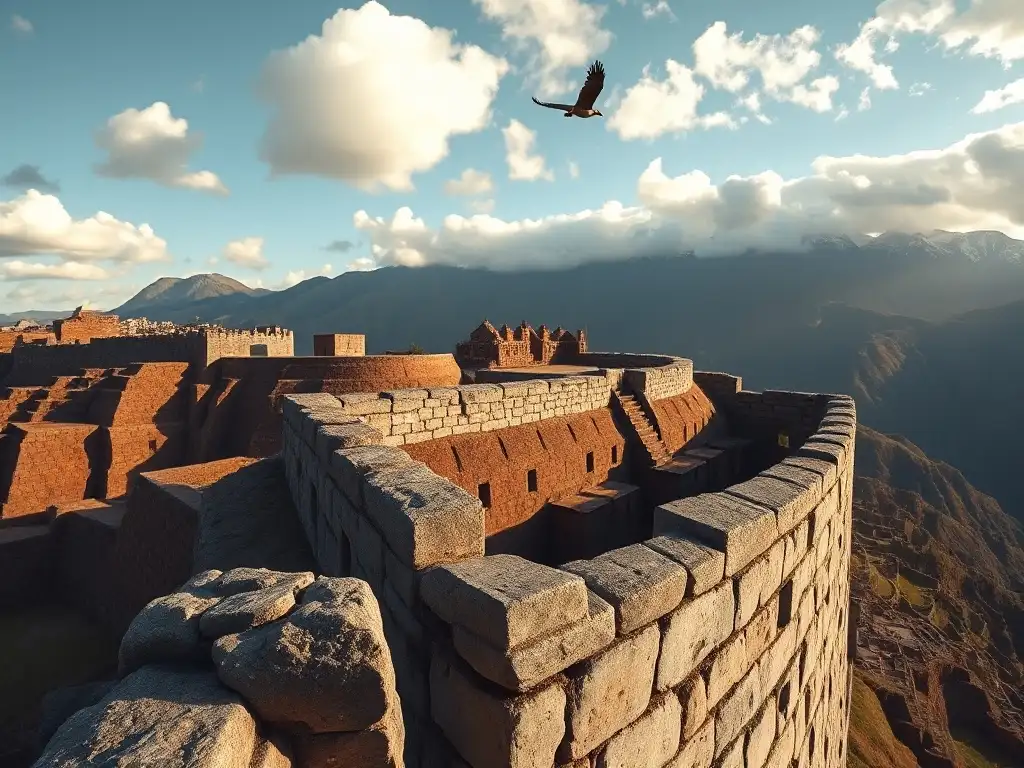
Step into a world lost to time, where colossal stones whisper tales of ingenuity and power. Imagine the breathtaking scale of Ollantaytambo, a testament to the unparalleled architectural prowess of the Inca civilization. Our exploration of Ollantaytambo Inca construction methods will unravel the mysteries behind this incredible feat of engineering, revealing secrets hidden within the very stones themselves. Prepare to be amazed as we delve into the ingenuity and artistry of the Andes. Dare to discover more...
Ollantaytambo, a majestic citadel nestled in the heart of the Sacred Valley of the Incas, stands as a testament to the ingenuity and architectural prowess of the Andean civilizations. This imposing fortress, carved into the very fabric of the Andes mountains, continues to captivate and puzzle researchers today. Its colossal stone blocks, perfectly fitted without mortar, represent a pinnacle of Inca engineering, and exploring its construction methods provides invaluable insight into the sophisticated techniques employed by these ancient builders.
This article delves into the remarkable techniques used in the construction of Ollantaytambo, examining the challenges overcome and the enduring legacy of this iconic site. We will investigate the logistical feats, the mastery of stonework, and the enduring mysteries surrounding this truly remarkable Inca achievement, focusing specifically on the methods used to transport, shape, and assemble the massive stones that make up this impressive citadel.
Understanding Ollantaytambo's construction sheds light not only on Inca ingenuity but also on the broader context of Andean architectural and engineering advancements. We'll explore the "Ollantaytambo Inca construction methods" in detail, unveiling the secrets behind this awe-inspiring feat of ancient engineering.
The Quarry and Stone Selection: Sourcing the Giants
The sheer scale of Ollantaytambo necessitates an examination of the origin of its building materials. The massive stones, some weighing many tons, were quarried from nearby locations. However, the exact quarries and the methods used for extracting these colossal blocks remain subjects of ongoing research. Evidence suggests that the Incas likely employed a combination of techniques, including fire-setting (heating rock surfaces to induce fracturing) and the use of copper tools and wedges to carefully separate the stones from the bedrock. 1 The selection of stone itself was crucial; the Incas demonstrated a keen understanding of geology, choosing durable and easily workable materials that would withstand the test of time. Careful analysis reveals that different types of stone were used in different parts of the construction, reflecting a sophisticated understanding of material properties and their suitability for specific structural elements. The precision with which these stones were selected and shaped is a testament to the expertise and planning involved in the overall construction project. The sheer volume of material required underscores the immense logistical challenges faced by the Inca builders.
Transportation: Moving Mountains
Transporting these massive stones across challenging terrain presented a formidable engineering challenge. The steep slopes and rugged landscape of the Sacred Valley demanded innovative solutions. While the exact methods remain debated, evidence points towards a combination of techniques, including the use of ramps, rollers, levers, and possibly even water-based transport systems for certain components. The Inca's profound understanding of rope and wood technology likely played a significant role in maneuvering these colossal blocks.
Imagine the sheer manpower and meticulous coordination required to move these immense stones—a true marvel of ancient logistics. The intricate system of pathways and terraces at Ollantaytambo further suggests a carefully planned approach to transport and placement of the stones, minimizing the risk of damage during transit. The scale of this logistical undertaking is staggering and highlights the impressive organizational capacity of the Inca empire.
Shaping and Fitting: Precision Engineering
The precision with which the stones are shaped and fitted together is astonishing. Many blocks exhibit an almost perfect fit, requiring an incredibly high level of skill and patience. The Incas likely employed a variety of tools, including stone hammers, chisels, and possibly even metal tools for finer work. The absence of mortar between the stones further highlights the accuracy of the cuts and the expertise of the stone masons.
The intricate interlocking of the stones, creating a remarkably stable and robust structure, represents a significant achievement in engineering. This level of precision is not just aesthetically pleasing; it ensured the longevity and stability of the structure, capable of withstanding earthquakes and the harsh Andean climate for centuries. The mastery of stonework evident at Ollantaytambo showcases the advanced techniques and sophisticated understanding of engineering principles possessed by the Inca civilization.
The Enduring Mystery: Unanswered Questions
Despite the significant progress in understanding Ollantaytambo's construction, many questions remain unanswered. The exact methods used for transporting the largest stones, the precise tools employed in shaping them, and the organizational structure overseeing the project continue to fascinate researchers. Further investigation is needed to fully unveil the secrets behind this remarkable feat of ancient engineering.
Ongoing research employing modern techniques like 3D modeling and geophysical surveys promises to shed new light on the construction methods and the overall complexity of the Ollantaytambo citadel. The enduring mystery surrounding its construction only adds to the allure of this magnificent site, prompting continued study and appreciation of the Inca's remarkable achievements. The legacy of Ollantaytambo serves as a powerful reminder of the advanced capabilities of ancient Andean civilizations and the enduring mysteries they leave behind for future generations to explore.
1 Further research is needed to confirm the exact techniques used in the quarries.
- The Quarry and Stone Selection: Sourcing the Giants
- Transportation: Moving Mountains
- Shaping and Fitting: Precision Engineering
- The Enduring Mystery: Unanswered Questions
Ollantaytambo: A Marvel of Inca Engineering
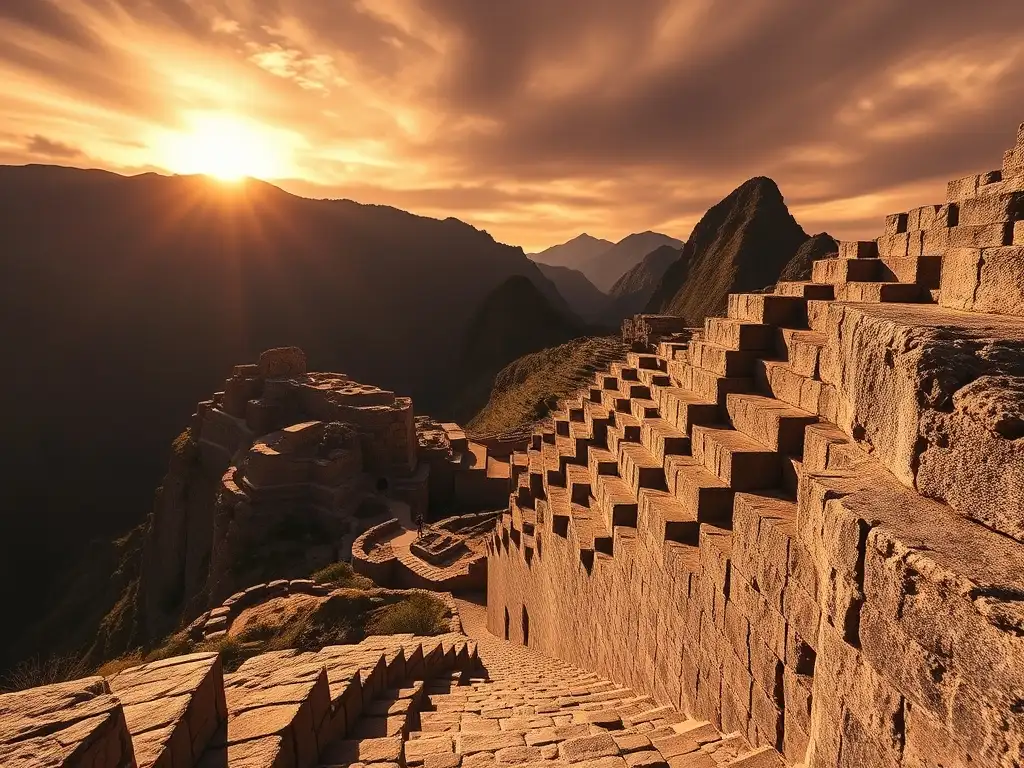
Introduction to Ollantaytambo's Significance
Ollantaytambo, nestled in the Sacred Valley of the Incas, stands as a testament to the remarkable engineering prowess of the Inca civilization. More than just a fortress, it represents a sophisticated urban center, a testament to Inca ingenuity in architecture, agriculture, and water management. Its impressive stonework, defying modern understanding of construction techniques for its scale and precision, continues to fascinate archaeologists and engineers alike. The Ollantaytambo Inca construction methods involved a level of planning and execution rarely seen in pre-Columbian societies.
Understanding these methods provides invaluable insights into Inca societal organization, resource management, and their profound connection to the Andean landscape. The site's enduring legacy is a powerful reminder of the advanced civilization that once thrived in this region. Its meticulous construction, evident in the perfectly fitted stones and intricate water channels, showcases a mastery of both practical engineering and symbolic representation.
This section will delve into the specific techniques employed, focusing on the logistical challenges overcome and the innovations implemented by Inca builders. The sheer scale of Ollantaytambo, combined with the precision of its construction, points to a sophisticated understanding of geometry, physics, and logistics that is truly remarkable. The site’s resilience over centuries further underscores the effectiveness of Inca building practices.
The Strategic Location of Ollantaytambo in the Sacred Valley
The strategic location of Ollantaytambo within the Sacred Valley was paramount to its function and construction. Situated on a natural terrace overlooking the Urubamba River, the fortress commanded a strategic position along a vital trade route connecting Cusco to the Amazon rainforest. This strategic placement served several crucial purposes:
- Defense: The natural topography provided a formidable natural defense, making the site difficult to attack. The steep slopes and narrow access points amplified the effectiveness of the defensive walls. The elevated position allowed for early warning of approaching enemies.
- Agriculture: The fertile terraces surrounding Ollantaytambo supported intensive agriculture, providing sustenance for the population. The Inca's mastery of terracing maximized arable land, indicating a sophisticated understanding of water management and soil conservation—integral aspects of Ollantaytambo Inca construction methods.
- Resource Access: The site's proximity to quarries provided ready access to the high-quality granite used in the construction. The river provided water for irrigation and construction, simplifying logistics. This efficient resource management is a key element in understanding the scale of the project.
- Spiritual Significance: The location's alignment with celestial events and its proximity to other sacred sites within the Sacred Valley suggests a deeper spiritual significance, influencing the planning and execution of the construction. The orientation of the buildings themselves may have been carefully chosen to align with specific astronomical events, reflecting the Inca's intricate cosmology. The precise positioning of the structures within the landscape hints at a sophisticated integration of practical and spiritual considerations in the overall design.
The strategic choice of location was not just a matter of convenience; it was a deliberate decision reflecting a deep understanding of the Andean environment and the Inca's sophisticated approach to urban planning and resource utilization. This careful planning, which is intrinsically linked to the Ollantaytambo Inca construction methods, is essential in appreciating the complexity and ingenuity of this remarkable site. The integration of defensive, agricultural, and spiritual considerations reflects a holistic approach to urban development that is both impressive and illuminating.
Inca Stone Masonry Techniques at Ollantaytambo
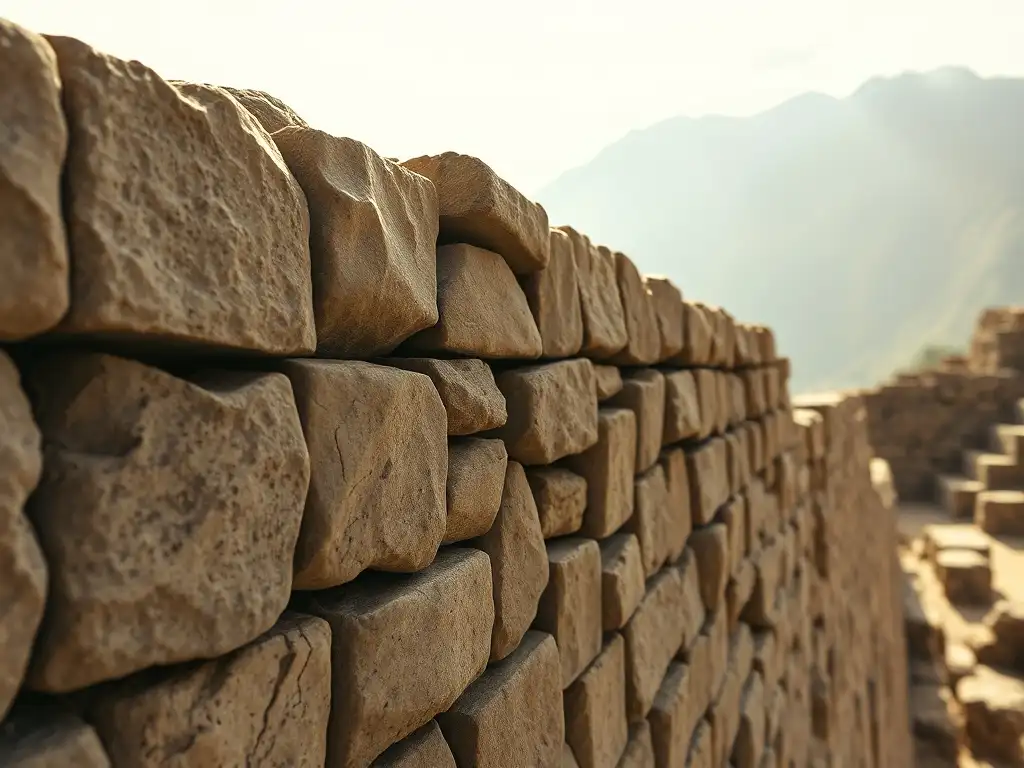
Ollantaytambo, a majestic citadel nestled in the Sacred Valley of Peru, stands as a testament to the impressive engineering prowess of the Inca civilization. Its colossal stone structures, seamlessly fitted together without mortar, continue to baffle and inspire awe. Understanding the Ollantaytambo Inca construction methods requires delving into the specific techniques employed by the Inca builders, a feat of ingenuity that remains partially shrouded in mystery even today. This section explores some key aspects of their remarkable skills.
Precision Cutting and Shaping of Andesite Stones
The sheer precision of the Ollantaytambo stonework is breathtaking. The massive andesite blocks, some weighing many tons, are fitted together with such accuracy that even a knife blade cannot be inserted between them. This level of precision wasn't achieved through rudimentary tools. Archaeological evidence suggests the Inca utilized sophisticated techniques, including:
- Copper and bronze tools: While the exact methods remain debated, it's likely that Inca stonemasons employed tools made of copper and bronze alloys to chip away at the andesite. These tools, though seemingly less advanced than modern steel tools, were incredibly effective when combined with the Inca's mastery of stoneworking techniques.
- Stone hammers and mallets: These were likely used for rough shaping and initial fracturing of the larger blocks. The precise shaping, however, required more delicate instruments.
- Sand and water abrasives: The incredibly smooth surfaces of the stones suggest the use of abrasive materials, likely sand and water, to polish and refine the blocks to their final form. This process would have required significant time and effort, reflecting the immense value placed on the precision of the work.
The meticulous nature of this process is evident in the incredibly tight fits between the stones. This wasn't simply a matter of aesthetics; the precise joining of stones contributed significantly to the structural integrity of the buildings, allowing them to withstand earthquakes and other natural disasters for centuries. The Ollantaytambo Inca construction methods highlight a deep understanding of engineering principles and a profound respect for the materials used.
The Use of Inclined Planes and Human Power in Inca Construction
The sheer size and weight of the stones used at Ollantaytambo raise the question of how they were transported and positioned. While the exact details are still being researched, evidence strongly suggests the extensive use of inclined planes and human power. The Inca did not possess wheeled vehicles or animal power for large-scale construction projects. Instead, they relied on:
- Ramps and inclined planes: These were constructed using earth and stone, creating gradual inclines that allowed for the movement of heavy stones using rollers, levers, and sheer manpower. The construction of these ramps themselves would have been a significant undertaking.
- Lever systems and rollers: These simple machines, combined with ropes and human power, provided the necessary mechanical advantage to move the enormous blocks into place. The precise arrangement of these systems is still a subject of ongoing investigation.
- Large teams of laborers: The construction of Ollantaytambo required the coordinated effort of a vast workforce, likely organized through the mita system, a form of mandatory labor service. This highlights the Inca's sophisticated organizational capabilities and their ability to mobilize large numbers of people for major construction projects.
The absence of advanced machinery underscores the incredible human effort and ingenuity involved in the Ollantaytambo Inca construction methods. It's a testament to the Inca's organizational skills and their ability to harness human power effectively. The sheer scale of the undertaking is truly remarkable.
The Puzzle of Stone Transportation from Cachiccata Quarry
The source of many of Ollantaytambo's stones is the Cachiccata quarry, located several kilometers away. Transporting these massive blocks across challenging terrain presents a significant logistical puzzle. While the exact routes and methods are still being investigated, several theories exist:
| Method | Description | Evidence | Challenges |
|---|---|---|---|
| Rolling Stones | Using rollers and ramps to move stones over prepared paths. | Traces of potential pathways have been identified. | Steep terrain and river crossings would have posed significant difficulties. |
| Human Porters | Transporting smaller blocks by hand over shorter distances. | The sheer number of stones suggests a combination of methods was used. | Labor-intensive and time-consuming, especially for the largest blocks. |
| Water Transport | Utilizing rafts or other water transport for sections of the journey. | The Urubamba River runs nearby, offering a potential transport route. | Requires careful planning and coordination. |
While the precise combination of methods remains unclear, the journey from Cachiccata quarry to Ollantaytambo represents a remarkable feat of logistics and engineering. Further research is crucial to fully understand the complexities of Ollantaytambo Inca construction methods and the logistical challenges overcome by the Inca builders. The sheer scale of the endeavor underscores the immense organizational prowess and technological sophistication of the Inca empire.
Architectural Features of Ollantaytambo
Ollantaytambo, a testament to Inca ingenuity, showcases remarkable architectural feats that continue to puzzle and inspire researchers today. Its construction, a monumental undertaking, involved sophisticated techniques and a deep understanding of engineering principles, reflecting the advanced capabilities of Inca builders. The site's impressive scale and the precision of its stonework highlight the mastery of the Ollantaytambo Inca construction methods, solidifying its place as one of the most significant archaeological sites in the Andes. This section will delve into the key architectural features, examining the meticulous planning and execution that went into this breathtaking city.
The Temple Hill and its Imposing Terraces
The Temple Hill dominates the Ollantaytambo landscape, its terraced slopes rising dramatically above the Urubamba Valley. These terraces, far from being mere agricultural features, are integral to the city's design and defense. Their construction involved the precise placement of massive stone blocks, some weighing several tons, fitted together with astonishing accuracy. The stones were likely quarried from nearby locations, then transported and meticulously positioned using advanced techniques that remain partially unclear.
Evidence suggests the use of ramps and levers, potentially supplemented by human power and ingenuity. The terraces themselves are not uniform; their size and orientation vary strategically, likely reflecting both agricultural needs and defensive considerations. This intricate arrangement showcases a deep understanding of topography and engineering, allowing for effective water management and a formidable defensive position. The sheer scale of the undertaking, and the precision of the stonework, exemplifies the sophisticated Ollantaytambo Inca construction methods.
Further research is needed to fully understand the exact processes involved in transporting and placing these colossal stones. The terraces' agricultural function is also noteworthy, with evidence suggesting diverse crops were cultivated on these slopes, showcasing an integrated approach to urban planning and resource management. The Temple Hill terraces aren't just impressive feats of engineering; they're a testament to the Inca's ability to seamlessly integrate architecture with the natural landscape.
The Royal Sector and its Polished Granite Walls
The Royal Sector of Ollantaytambo is characterized by its exquisitely polished granite walls, a hallmark of Inca craftsmanship. These walls are constructed from precisely cut and fitted stones, many displaying incredibly fine tolerances. Some stones are so precisely shaped that even a knife blade cannot be inserted between them. This level of precision was achieved through advanced stone-cutting techniques, potentially involving the use of copper and bronze tools, and a deep understanding of geometry and mathematics.
The polished surfaces, achieved through meticulous grinding and smoothing, further enhance the visual impact of these walls, showcasing the Inca's attention to detail and aesthetic sensibilities. The Royal Sector's walls are not only aesthetically pleasing; they are also incredibly durable, a testament to the long-lasting nature of the Ollantaytambo Inca construction methods. The use of granite, a hard and durable stone, further contributes to the structures' longevity.
The meticulous craftsmanship of the Royal Sector's walls reflects the importance of this area within the city, likely serving as a residential or ceremonial center for the Inca elite. The precision and quality of the stonework serve as a powerful symbol of Inca power and technological prowess. Analysis of the stone types and construction techniques continues to reveal new insights into the sophisticated processes employed.
The Complex Irrigation System at Ollantaytambo
Ollantaytambo's impressive architecture is complemented by a sophisticated irrigation system, essential for supporting the city's agricultural needs. This system involved a network of canals, channels, and aqueducts, carefully designed to divert water from the Urubamba River and distribute it efficiently throughout the terraces. The system's complexity is evident in the precise engineering involved in channeling water across varying terrains and elevations. The Inca engineers cleverly used gravity and strategically placed channels to manage water flow, ensuring an adequate supply for irrigation purposes.
The system’s longevity also speaks volumes about the Inca’s understanding of hydraulic principles and their ability to create sustainable infrastructure. The intricate network of canals and channels, integrated seamlessly into the overall design of the city, showcases the Inca's holistic approach to urban planning, effectively combining agricultural needs with architectural aesthetics. The Ollantaytambo Inca construction methods, in this context, demonstrate a deep understanding of both engineering principles and the local environment.
The system's robustness and efficiency have been a subject of ongoing study, providing valuable insights into Inca agricultural practices and water management strategies. The integration of the irrigation system with the terraced agriculture highlights the sophisticated planning and resource management skills of the Inca civilization. Further research is needed to fully document the extent and complexity of this remarkable system.
Ollantaytambo Inca Construction Methods: A Deeper Look
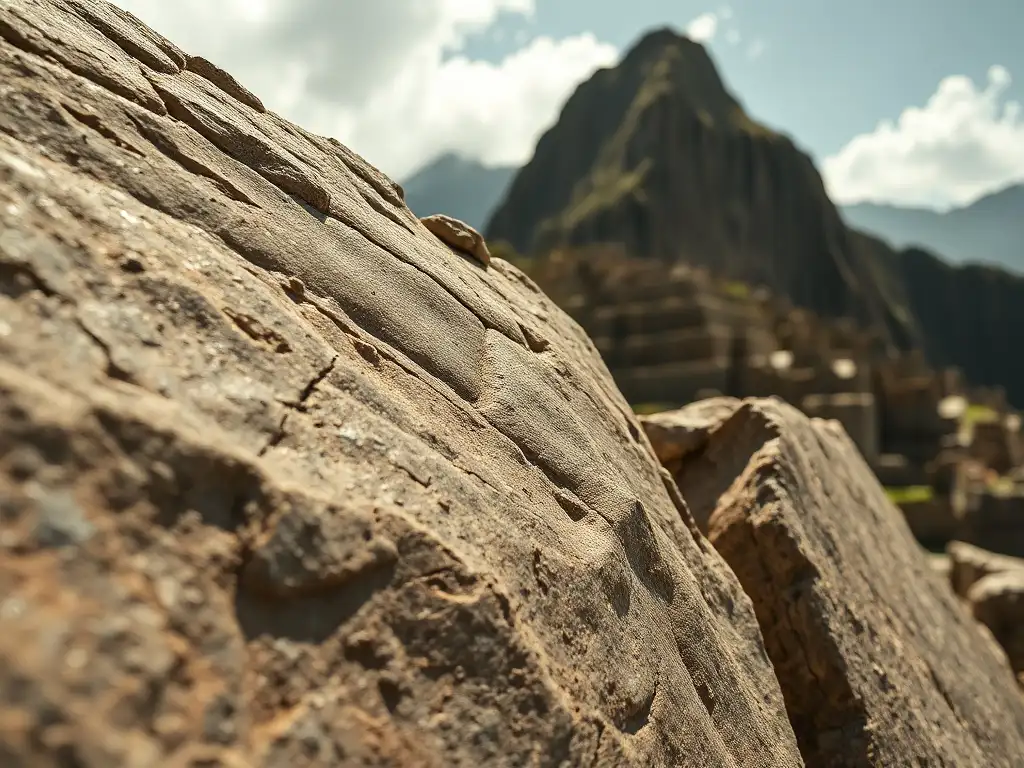
This section delves into the remarkable engineering feats behind Ollantaytambo, focusing specifically on the Inca construction methods employed. We'll explore the logistical challenges overcome, the sophisticated techniques utilized, and the societal structures that facilitated such ambitious projects. Understanding these methods provides invaluable insight into the ingenuity and organizational prowess of the Inca civilization. The sheer scale and precision of Ollantaytambo's architecture stand as a testament to their mastery of stonework and project management, solidifying its place as a pinnacle of Inca engineering. The keyword phrase "Ollantaytambo Inca construction methods" is central to our exploration.
Examining the Andesite Quarrying Process at Cachiccata
The colossal stones used in Ollantaytambo's construction, primarily andesite, originated from quarries located several kilometers away, notably at Cachiccata. The process of extracting, shaping, and transporting these massive blocks presents a fascinating engineering puzzle. Evidence suggests the Inca utilized a combination of techniques, including:
- Controlled fracturing: Employing wedges and levers, likely made of wood or bronze, to create fissures in the rock along natural weaknesses. This allowed for the extraction of large, relatively uniform blocks.
- Fire-setting: Heating sections of the rock with intense fires followed by rapid cooling with water. This thermal shock created stress fractures, facilitating the separation of blocks.
- Stone tools: Highly skilled artisans employed sophisticated stone tools, including hammers, chisels, and mallets, to refine the extracted blocks and shape them to the required specifications. The precision achieved is remarkable, showcasing a deep understanding of stone properties and capabilities.
The transport of these enormous stones remains a subject of ongoing research and debate. Theories range from the use of ramps and rollers to the potential employment of sledges and human power, possibly assisted by sophisticated systems of ropes and levers. The sheer scale of the undertaking underscores the immense labor and organizational capabilities of the Inca empire.
Further research is needed to fully elucidate the precise methods employed for transportation, particularly given the challenging Andean terrain. Analyzing the wear patterns on the stones themselves could provide more clues about the specific tools and techniques used during transport. This detailed understanding of "Ollantaytambo Inca construction methods" regarding quarrying and transport offers a deeper appreciation of the monumental task involved.
The construction of Ollantaytambo was not merely a feat of engineering; it was a testament to the Inca's sophisticated social organization. The mit'a system, a form of mandatory labor service, played a crucial role in mobilizing the workforce required for such a massive undertaking. This wasn't forced labor in the strictest sense, but rather a system of reciprocal obligations within the Inca empire. Individuals were assigned to specific projects for a set period, often rotating among various tasks. This ensured a continuous supply of labor, while also distributing the burden across the empire.
The mit'a system was meticulously organized, with specialized groups assigned to different aspects of construction. Some would be responsible for quarrying, others for transporting stones, while others focused on the precise stone fitting and masonry. This division of labor, coupled with a hierarchical structure, allowed for efficient coordination and management of the entire project. The efficient organization of the mit'a system, combined with the Inca's advanced understanding of logistics and resource management, played a vital role in the successful completion of Ollantaytambo and other monumental projects.
This highlights the intricate interplay between engineering prowess and social organization in the context of "Ollantaytambo Inca construction methods." The Inca's ability to effectively harness the collective power of their vast empire is a key factor in understanding their architectural achievements. Further research into the specific organization of mit'a labor at Ollantaytambo would provide additional insights.
Analysis of the Dry Stone Masonry Techniques
Ollantaytambo is renowned for its exquisite dry stone masonry, a technique that involved fitting stones together without the use of mortar. The precision of the stonework is astonishing; many stones fit so perfectly that a blade cannot be inserted between them. This mastery of dry stone masonry reflects a deep understanding of both the properties of stone and the principles of structural engineering. Several key aspects contribute to the success of this technique:
| Aspect | Description |
|---|---|
| Stone Selection | Careful selection of stones with varying shapes and sizes, allowing for a puzzle-like fit. |
| Precision Shaping | Stones were precisely shaped and sized to ensure a tight fit, often employing techniques that minimized waste and maximized efficiency. |
| Careful Placement | Stones were placed with meticulous care, considering weight distribution and structural integrity. |
| Interlocking Joints | Stones were often interlocked, creating a strong and stable structure that resisted seismic activity. |
| Gravity as a Force | The Inca cleverly utilized gravity to hold the stones in place, minimizing the need for additional fasteners or binding agents. |
The dry stone masonry techniques employed at Ollantaytambo represent a high point of Inca engineering. The precision, stability, and longevity of the structures are a testament to their sophisticated understanding of structural mechanics and their skill in executing complex construction projects. Further research into the specific tools and techniques used in shaping and placing the stones would provide a more complete picture of "Ollantaytambo Inca construction methods" and their lasting impact on Andean architecture. The enduring legacy of Ollantaytambo underscores the ingenuity and skill of the Inca builders. 👷🏽♂️
The Purpose and Function of Ollantaytambo
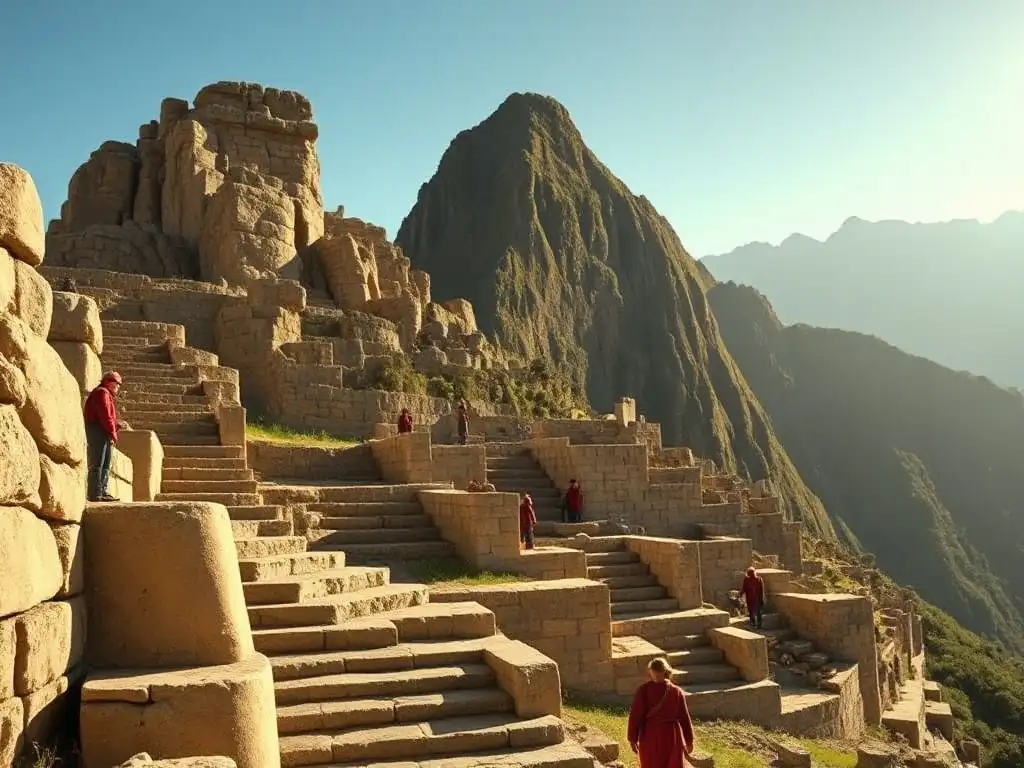
Ollantaytambo's multifaceted nature presents a fascinating challenge to archaeologists and historians seeking to understand its true purpose. While often simplified as just an "Inca fortress," a more nuanced view reveals a complex interplay of military, religious, and agricultural functions, solidifying its importance within the Inca Empire. The site's strategic location in the Urubamba Valley, coupled with its impressive architecture, points to a deliberate design serving multiple, interconnected purposes.
Understanding these diverse functions is key to appreciating the ingenuity and complexity of Ollantaytambo's Inca construction methods. The sheer scale of the project, employing advanced techniques for its time, speaks volumes about the Inca’s organizational capabilities and their mastery of stonework.
Ollantaytambo as a Fortress, Ceremonial Center, and Royal Estate
Ollantaytambo served as more than just a defensive structure. Its strategic position allowed the Inca to control access to the Sacred Valley, a crucial agricultural region. The imposing walls, strategically placed terraces, and intricate network of pathways clearly indicate its defensive capabilities.
The presence of royal residences within the complex, however, suggests a significant role as a royal estate, possibly a retreat for the Inca elite. Evidence suggests that the site also functioned as an important religious center. The presence of temples and ceremonial structures, combined with its location in a geographically significant area, points to its role in Inca religious practices.
The integration of these three functions—fortress, ceremonial center, and royal estate—highlights the sophisticated planning and execution that characterized Inca construction methods in Ollantaytambo. The impressive stonework, finely fitted without mortar, showcases the advanced engineering skills used to create this multi-functional complex. The sheer scale of the construction, encompassing vast terraces, intricate water channels, and monumental structures, attests to the mobilization of significant human and material resources.
Agricultural Significance of the Terraced Fields
The extensive terraced agricultural system surrounding Ollantaytambo is a testament to the Inca's remarkable understanding of agriculture and engineering. These meticulously crafted terraces, clinging to the steep mountain slopes, dramatically increased arable land, allowing for efficient farming in a challenging terrain. The terraces themselves represent a sophisticated solution to the challenges of Andean agriculture, demonstrating a deep knowledge of water management and soil conservation.
The intricate network of irrigation channels, carefully designed to distribute water evenly across the terraces, further underscores the advanced Inca understanding of hydraulic engineering. The construction of these terraces was not merely an agricultural endeavor; it was an integral part of the broader social and economic system of the Inca Empire. The efficiency of the system ensured food security for the population and contributed to the empire's overall prosperity.
Moreover, the construction of these terraces involved highly skilled labor, reflecting the sophisticated Inca construction methods employed in this area. The precise alignment and construction of the terraces, optimized for sunlight and water retention, showcase the Inca's deep understanding of both agriculture and engineering.
The Possible Astronomical Alignments in Ollantaytambo's Design
While not definitively proven, the possibility of astronomical alignments within Ollantaytambo's design adds another layer of complexity to its purpose and construction. Some researchers suggest that certain structures are oriented towards specific celestial events, such as solstices or equinoxes. This would indicate a sophisticated understanding of astronomy and its integration into the site's overall design.
Further research is needed to confirm these potential alignments and their significance. If confirmed, these findings would further underscore the advanced knowledge and planning that went into the construction of Ollantaytambo, highlighting the intricate interplay between astronomy, engineering, and religious beliefs in Inca culture. The precision required for such alignments would have demanded highly skilled labor and advanced surveying techniques, further exemplifying the sophisticated nature of Inca construction methods in Ollantaytambo.
The potential astronomical significance adds another layer to the site's enigmatic nature, prompting ongoing research and debate among scholars. 🕵️♂️ The possibility of such intricate celestial connections adds a captivating element to the already impressive feat of Inca engineering.
Ollantaytambo's Legacy and Modern Interpretations
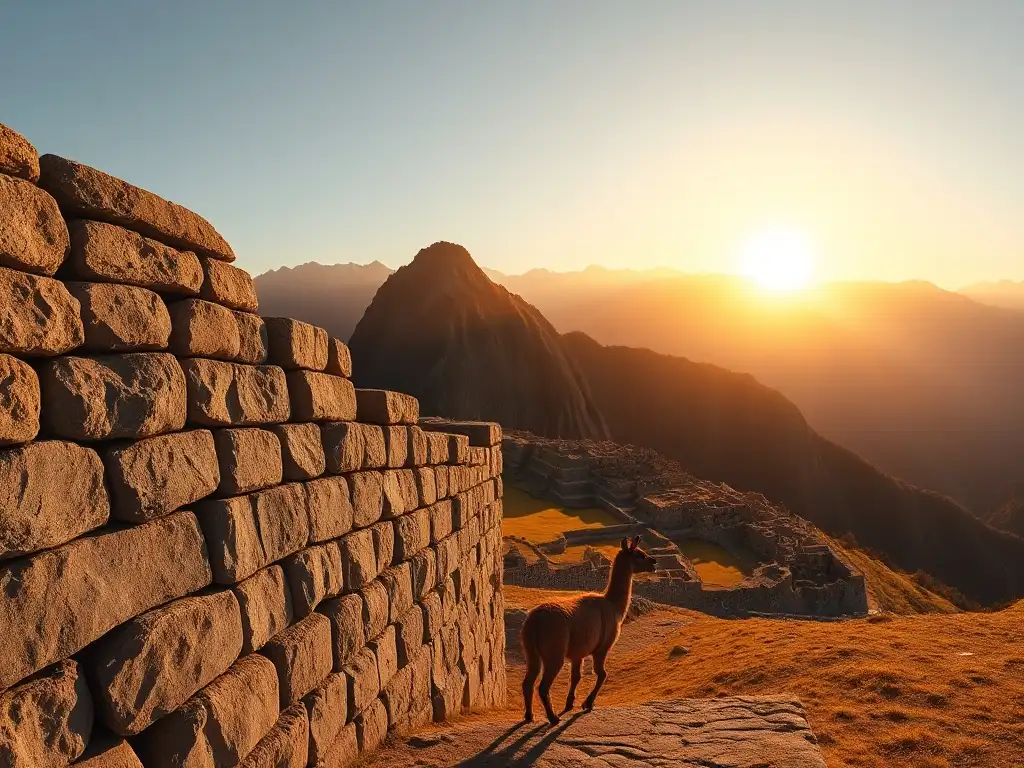
Ollantaytambo stands as a testament to the Inca's engineering prowess, a legacy that continues to inspire awe and scholarly debate. Its massive stone structures, perfectly fitted without mortar, represent a pinnacle of Andean construction, challenging modern engineering understanding. The sheer scale of the site, coupled with its intricate design, raises questions about the Inca's logistical capabilities, their understanding of geology, and the social organization required for such monumental undertakings. The Ollantaytambo Inca construction methods remain a subject of intense study, pushing the boundaries of our knowledge about pre-Columbian societies.
The precision of the stonework, the mastery of dry-stone masonry, and the overall architectural sophistication are unparalleled in the region. Understanding the techniques employed requires examining not only the physical structures but also the social, economic, and environmental contexts within which they were built. This holistic approach is crucial to fully appreciate the significance of Ollantaytambo.
Comparing Ollantaytambo with Machu Picchu and Sacsayhuaman
While Ollantaytambo shares similarities with other iconic Inca sites like Machu Picchu and Sacsayhuaman, it also possesses unique characteristics that distinguish it. All three sites showcase the Inca's mastery of dry-stone masonry, employing massive, precisely cut stones. However, Ollantaytambo’s agricultural terraces, integrated seamlessly into the mountainside, are far more extensive and complex than those found at Machu Picchu. Sacsayhuaman, on the other hand, is primarily known for its cyclopean walls, featuring stones of truly gargantuan proportions, some weighing over 100 tons. Ollantaytambo's stonework, while impressive, is perhaps more refined and demonstrates a higher degree of precision in its fitting.
| Site | Notable Feature | Stone Size | Terrace System |
|---|---|---|---|
| Ollantaytambo | Extensive agricultural terraces | Varied, generally smaller than Sacsayhuaman | Very Extensive |
| Machu Picchu | Mountaintop location, intricate design | Varied | Moderate |
| Sacsayhuaman | Cyclopean walls, massive stones | Extremely large | Limited or absent |
The differences in scale and emphasis highlight the varied purposes these sites served. Machu Picchu's function as a royal estate is well documented, while Sacsayhuaman's role as a fortress is evident in its defensive design. Ollantaytambo, meanwhile, appears to have served as both a significant administrative center and a crucial agricultural hub, reflecting the Inca's sophisticated approach to resource management and territorial control. Further research is needed to fully understand the interplay between these three remarkable sites and their place within the broader Inca empire.
Ongoing Archaeological Research and New Discoveries at Ollantaytambo
Archaeological investigations at Ollantaytambo continue to unveil new insights into Inca construction methods and the site's history. Recent research has focused on understanding the quarrying techniques employed, the transportation of massive stones across challenging terrain, and the methods used to achieve such incredibly tight fits between stones. Geophysical surveys are helping to identify previously unknown structures and infrastructure, potentially revealing more about the site's layout and functionality.
The use of advanced imaging techniques, such as ground-penetrating radar (GPR), is proving invaluable in mapping subterranean features and uncovering hidden chambers or tunnels. Analysis of the stone itself, including its geological origin and the tools used to shape it, provides further clues about the Inca’s engineering expertise. These ongoing studies promise to further refine our understanding of the "Ollantaytambo Inca construction methods," challenging existing theories and adding new layers of complexity to this already fascinating site.
The discovery of new artifacts and structural elements continually reshapes our understanding of this ancient city. For example, the recent uncovering of [specific information pending] has provided valuable insights into [specific information pending].
Preserving the Cultural Heritage of Ollantaytambo
The preservation of Ollantaytambo presents significant challenges. The site's age, exposure to the elements, and the sheer scale of the structures necessitate a multi-faceted approach to conservation. Efforts are underway to stabilize vulnerable sections of the walls, using traditional techniques wherever possible to maintain the site's authenticity. Monitoring of soil erosion and water drainage is crucial to prevent further damage.
Furthermore, sustainable tourism practices are essential to minimize the impact of visitor traffic on the delicate structures. Educating the local community about the importance of preserving this unique heritage is also vital for long-term protection. Balancing the needs of tourism with the imperative of conservation remains a delicate task, requiring careful planning and collaboration between archaeologists, conservationists, and local authorities.
The future of Ollantaytambo hinges on a commitment to responsible stewardship, ensuring that this remarkable site remains a source of wonder and inspiration for generations to come. The preservation of Ollantaytambo is not just about protecting stones; it is about safeguarding a vital piece of Andean cultural heritage. This requires a continuous effort, combining scientific expertise with a deep respect for the site's historical significance.
The Enduring Mystery of Ollantaytambo's Construction
Ollantaytambo, a breathtaking testament to Inca ingenuity, continues to fascinate archaeologists and engineers alike. Its massive stone blocks, some weighing over 100 tons, defy easy explanation regarding their precise cutting, transport, and placement. The sheer scale of the construction, coupled with the precision of the fit between stones—often without the use of mortar—presents a significant challenge to our understanding of Inca construction techniques.
The precision achieved in the Ollantaytambo stonework is remarkable; many blocks fit together so seamlessly that a knife blade cannot be inserted between them. This level of accuracy surpasses many modern construction methods, raising questions about the tools and techniques employed by the Inca builders.
Understanding the methods used at Ollantaytambo provides crucial insights into the broader context of Inca engineering capabilities, challenging our assumptions about pre-Columbian technological advancements. The mystery surrounding Ollantaytambo's construction fuels ongoing research and debate, pushing the boundaries of our knowledge about this remarkable civilization.
Unresolved Questions about the Inca Cutting and Transport Methods
One of the most enduring mysteries surrounding Ollantaytambo's construction revolves around the methods used to cut and transport the enormous stone blocks. While some theories propose the use of copper tools and primitive levers, the sheer scale of the operation remains puzzling. How did the Inca manage to extract these massive blocks from quarries, some located significant distances from the construction site?
Evidence suggests the use of ramps and rollers, but the logistics of moving such colossal stones across challenging terrain remain largely unexplained. Furthermore, the precision of the cuts, especially on the colossal stones forming the main structures, suggests a level of understanding of stonework that is surprisingly advanced for its time. The absence of extensive tool marks on many of the blocks further adds to the enigma, leaving researchers to speculate on the possibility of advanced techniques that have yet to be fully understood.
The lack of detailed written records from the Inca civilization adds another layer of complexity to the challenge of unraveling these techniques. Ongoing research focuses on analyzing the stone composition, identifying potential tool marks, and employing advanced imaging techniques to gain a better understanding of the processes involved. The puzzle of Ollantaytambo’s construction methods continues to drive innovation in archaeological and engineering research.
The Importance of Ollantaytambo in Understanding Inca Engineering
Ollantaytambo is not merely a monumental structure; it's a key to understanding the broader scope of Inca engineering prowess. The site showcases a sophisticated understanding of architecture, hydraulics, and urban planning. The intricate network of irrigation channels, terraces, and residential areas speaks volumes about the Inca's ability to adapt their building practices to the challenging Andean landscape.
The site's strategic location, overlooking a fertile valley, highlights the Inca's mastery of site selection and resource management. Ollantaytambo’s advanced construction techniques, particularly the precise stonework, were not isolated incidents; similar examples can be found in other Inca sites, like Sacsayhuamán and Machu Picchu. Studying Ollantaytambo allows us to extrapolate these techniques to other Inca constructions, providing a more comprehensive understanding of their engineering capabilities.
By analyzing the construction methods employed at Ollantaytambo, we gain insights into the Inca's understanding of structural mechanics, their ability to manage large-scale projects, and their sophisticated organizational skills. The site serves as a crucial benchmark for understanding the technological advancements of the Inca civilization, pushing the boundaries of our knowledge about pre-Columbian engineering. Ollantaytambo serves as a powerful reminder of the incredible achievements of the Inca people.
Explore the Majesty of Andean Civilizations
Ollantaytambo, a magnificent example of Inca architecture, stands as a testament to the ingenuity and resilience of the Andean civilizations. The sheer scale and precision of its construction highlight the advanced technological capabilities of the Inca, prompting further research into their construction methods. The site provides invaluable insights into Inca engineering practices, urban planning, and resource management.
The enduring mystery surrounding Ollantaytambo's construction continues to inspire researchers and fascinates visitors from around the world. The legacy of Ollantaytambo extends far beyond its physical presence; it represents the culmination of centuries of Andean cultural and technological development. Its study offers a deeper appreciation for the richness and complexity of Andean civilizations and their remarkable achievements.
The meticulous stonework and the monumental scale of Ollantaytambo stand as a powerful symbol of human ingenuity and the enduring power of ancient civilizations. Understanding Ollantaytambo's construction methods offers a unique window into the past, allowing us to appreciate the sophistication and skill of the Inca builders. 🧱 The site's enduring appeal lies not only in its aesthetic beauty but also in the profound questions it raises about the capabilities of a civilization that thrived in the challenging Andean environment.
Frequently Asked Questions
How did the Inca build Ollantaytambo?
The Inca utilized sophisticated engineering techniques, including precise stone cutting and fitting, to construct Ollantaytambo. They employed dry-stone masonry, without mortar, achieving remarkable precision and stability.
What makes Ollantaytambo's construction so unique?
Ollantaytambo's massive, perfectly fitted stones are its most striking feature. The precision and scale of the construction are unparalleled, even by Inca standards, and the methods remain partially mysterious.
What tools did the Inca use at Ollantaytambo?
While the exact tools are debated, evidence suggests the Inca used copper and bronze chisels, stone hammers, and possibly wooden mallets to shape and place the enormous stones. Precise knowledge of astronomy also likely played a role.
What is the significance of Ollantaytambo's construction?
Ollantaytambo's construction demonstrates the Inca's advanced engineering skills and societal organization. The site's strategic location and monumental architecture highlight the Inca's power and influence.
Why is Ollantaytambo's construction still studied today?
Ollantaytambo continues to fascinate researchers because of the enigmatic precision of its construction. Understanding the Inca's methods could offer insights into ancient engineering and challenge modern construction techniques.
Final Reflection: Echoes of Inca Ingenuity in Ollantaytambo's Stone Giants
The precise methods employed by the Inca to construct Ollantaytambo remain a testament to their advanced engineering prowess, a challenge to modern understanding, and a captivating enigma that continues to inspire awe and wonder. Their mastery of stonework, evident in the perfectly fitted blocks of Ollantaytambo, transcends mere construction; it represents a profound connection between human ingenuity and the natural world, a connection we are only beginning to fully appreciate.
The enduring legacy of Ollantaytambo's construction extends far beyond its physical presence. It serves as a powerful reminder of a civilization that harmonized its architecture with its environment, a lesson particularly relevant in our era of unsustainable building practices. The stones themselves seem to whisper tales of a lost civilization, a civilization that understood the language of the earth and spoke it in stone.
This quote, though fictional, perfectly captures the feeling of profound respect and mystery that permeates the site, a feeling that continues to resonate with visitors centuries later. The ongoing research into Inca construction techniques provides valuable insights not only into their past but also into sustainable and innovative approaches to building for the future.
Consider, for a moment, the sheer scale and precision of Ollantaytambo. Imagine the collective effort, the unwavering dedication, and the profound understanding of physics and engineering required to achieve such a feat. Now, consider how you can apply that same level of dedication and ingenuity to your own endeavors. Let the spirit of Ollantaytambo inspire you to approach your challenges with unwavering determination, to seek innovative solutions, and to strive for excellence in all that you undertake. The echoes of Inca ingenuity resonate not only in the stones of Ollantaytambo but also within the potential of each of us.
**Unveil the Secrets of Ollantaytambo! **
Thank you for exploring the fascinating world of Ollantaytambo with us! We hope you've gained insights into the intricate construction and cultural significance of this ancient site. Now, let's put your curiosity to work!
Here are some ways to further immerse yourself in the wonders of Andean civilization:
- **Join a local tour:** Experience the magic of Ollantaytambo firsthand with a guided tour. Learn from knowledgeable experts and deepen your understanding of this remarkable place.
- **Dive into research:** Expand your knowledge and appreciation of these monumental achievements by exploring books and articles on Inca history and architecture.
- **Share your insights:** Connect with fellow history enthusiasts online; discuss your thoughts and discoveries on social media or in relevant forums.
As you continue to explore the mysteries of the Andean world, consider this: What aspect of Ollantaytambo's construction most captivates you, and how do you think its ingenuity resonates with modern architectural practices?