
The Environmental Impact of Andean Food Storage Practices

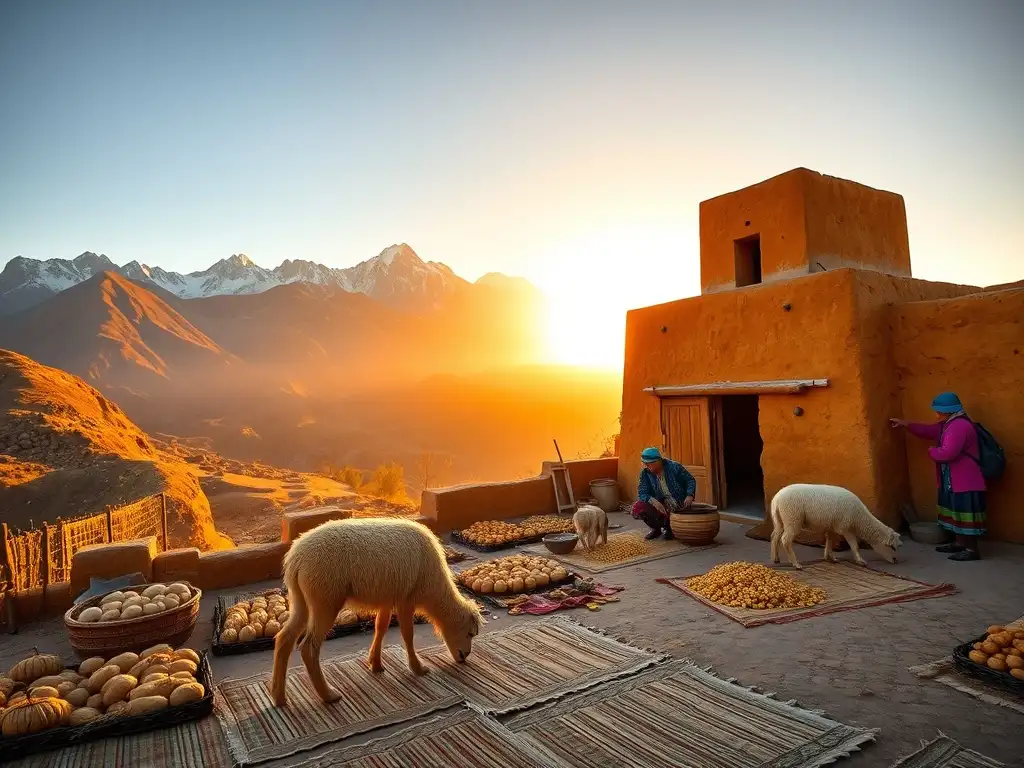
Step into a world lost to time, yet echoing with innovation. For centuries, the towering Andes Mountains witnessed the rise and fall of incredible civilizations. But how did these ingenious cultures, from the Incas to the Nazca, thrive in such a challenging environment? The answer lies partly in their mastery of Andean food preservation methods, a story of ingenuity and resilience that shaped not only their survival but also the very landscape they inhabited. Discover the secrets of their remarkable agricultural practices and their lasting environmental impact – a legacy that continues to intrigue and inspire.
The Andes Mountains, a geographically diverse region spanning several South American countries, fostered the development of ingenious and sophisticated agricultural practices in ancient civilizations. These civilizations, including the Incas, Moche, Nazca, and Tiahuanaco, faced significant environmental challenges in preserving their food supply, leading to the creation of innovative storage and preservation methods.
This article delves into the environmental impact of these traditional Andean food preservation methods, exploring both their positive contributions to sustainability and any potential negative consequences. We will examine how these methods shaped the landscape and interacted with the fragile Andean ecosystem, ultimately contributing to our understanding of "Andean food preservation methods" and their lasting legacy.
Understanding this complex relationship between ancient food storage and the environment offers valuable insights into sustainable food systems, particularly in regions facing similar climatic and geographical constraints today. This exploration moves beyond a simple cataloging of techniques; it examines the interwoven relationship between human ingenuity and environmental responsibility in the Andes.
Introduction to Traditional Andean Food Preservation
Andean food preservation methods were not merely techniques; they were integral to the survival and prosperity of ancient societies. The harsh climate, including extreme altitudes, variable temperatures, and limited arable land, necessitated resourceful approaches to food preservation. These methods were highly diverse, reflecting the varied ecological niches and the ingenuity of different Andean cultures. Common techniques included:
- Sun Drying: A widespread method used for fruits, vegetables, and meat, leveraging the intense Andean sunlight to reduce moisture content and inhibit microbial growth. This method, while effective, could lead to nutrient loss if not managed correctly.
- Freeze-drying: At high altitudes, the combination of low temperatures and low humidity naturally freeze-dried certain foods. This method, while energy efficient, was limited to certain climates and food types.
- Storage in underground cellars (qollqas): The Incas, in particular, were masters of constructing sophisticated subterranean storage facilities, utilizing the stable temperature and humidity of the earth to preserve food for extended periods. These structures, often built into hillsides, minimized spoilage and reduced the need for artificial preservation methods.
- Salting and smoking: These methods, while effective in preserving food, involved resource extraction (salt) and potentially contributed to deforestation (fuel for smoking).
- Fermentation: Various fermentation techniques were employed to preserve and enhance the flavor of foods like maize and potatoes. These processes, while generally sustainable, could have localized environmental impacts depending on the scale and specific techniques used.
The success of these techniques relied heavily on a deep understanding of the local environment and the properties of different foods. The impact of these methods varied geographically and temporally, reflecting the dynamic interplay between human practices and the Andean ecosystem.
Understanding the Andean Environment and its Challenges for Food Storage
The Andean environment presents unique challenges for food preservation. High altitudes mean lower temperatures and reduced oxygen levels, which can affect both the growth of microorganisms and the rate of food spoilage. The varying climates across different altitudes, from arid deserts to lush cloud forests, further complicated food storage strategies. The terrain itself, characterized by steep slopes and limited flat land, restricted the availability of suitable storage locations.
Additionally, the Andean ecosystem is highly fragile and susceptible to environmental degradation. Unsustainable practices, such as deforestation for fuel or overgrazing, could have had negative impacts on the long-term availability of resources necessary for food preservation. For example, the collection of firewood for smoking could have contributed to deforestation in certain areas, potentially leading to soil erosion and habitat loss. Similarly, over-reliance on specific preservation techniques might have led to localized resource depletion, particularly in the case of salt extraction.
The challenges posed by the Andean environment necessitated ingenious solutions, but it's crucial to understand that even sustainable practices could have unintended consequences if not carefully managed. The delicate balance between human needs and environmental sustainability was a constant challenge for Andean civilizations.
Ancient Andean Techniques for Food Preservation: A Sustainable Approach?
The sustainability of ancient Andean food preservation methods is a complex issue. While many techniques, such as utilizing the natural environment for storage (qollqas) and sun drying, were relatively low-impact, others, like salting and smoking, required resource extraction and potentially contributed to environmental degradation. The overall environmental impact depended heavily on factors such as population density, technological advancements, and the specific techniques employed.
The ingenuity of these methods is undeniable. The ability to preserve food for extended periods allowed for population growth, the development of complex social structures, and the flourishing of Andean civilizations. However, a nuanced perspective requires considering potential negative consequences, such as localized deforestation or resource depletion. Further research is necessary to fully quantify the long-term environmental impact of these practices and to understand the extent to which they contributed to the sustainability of Andean societies.
A comprehensive evaluation needs to consider the scale of these practices, the availability of resources, and the impact on biodiversity. The legacy of these ancient food preservation techniques provides valuable lessons for modern sustainable food systems, particularly in regions with similar environmental challenges. Careful consideration of both the benefits and potential drawbacks is essential for developing responsible and environmentally sound food preservation practices in the 21st century.
- Introduction to Traditional Andean Food Preservation
- Understanding the Andean Environment and its Challenges for Food Storage
- Ancient Andean Techniques for Food Preservation: A Sustainable Approach?
- What were some common Andean food preservation methods?
- How did the environment influence Andean food preservation?
- What role did storage structures play in Andean food preservation?
- Did Andean food preservation methods have any negative environmental impacts?
- How did Andean food preservation techniques contribute to societal stability?
The Environmental Footprint of Specific Andean Food Preservation Methods
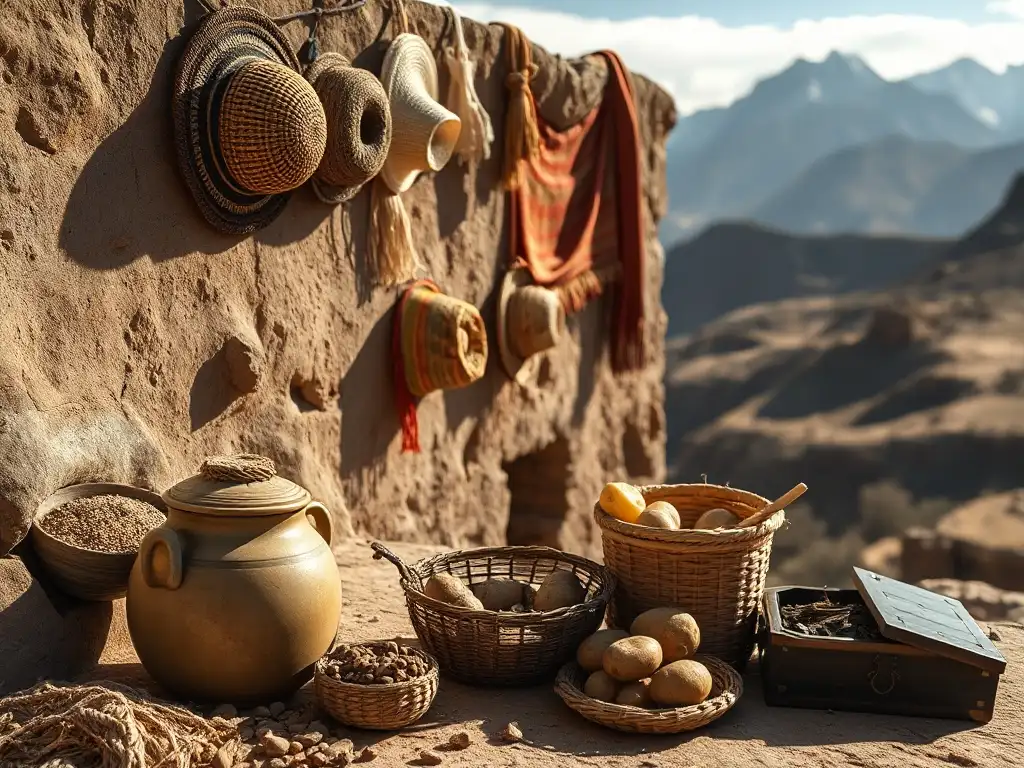
This section delves into the environmental impact of several key Andean food preservation methods, analyzing their sustainability and potential consequences on the fragile Andean ecosystems. Understanding the ecological footprint of these traditional techniques is crucial for appreciating the ingenuity of past Andean societies and for informing contemporary sustainable agricultural practices in the region. We will examine the impact of different methods, considering factors like water usage, land use change, energy consumption, and waste generation.
The goal is to provide a nuanced perspective, acknowledging both the benefits and drawbacks of these time-honored techniques. The analysis focuses primarily on the environmental consequences, leaving aside socio-economic considerations for other sections of this article. Our discussion will center on the "Andean food preservation methods" employed across various cultures, highlighting the specific ecological effects of each.
The Impact of Freeze-Drying (Chuño and Tunta) on Andean Ecosystems
Freeze-drying, employed in the Andes for centuries to create chuño (freeze-dried potatoes) and tunta (freeze-dried quinoa), presents a unique approach to food preservation. While seemingly low-impact, the process isn't without its environmental considerations. The traditional method relies on freezing temperatures at high altitudes, a readily available resource in the Andes.
However, the prolonged exposure of potatoes and quinoa to freezing and thawing cycles can lead to soil erosion if not managed carefully. Furthermore, the selection of specific potato varieties for chuño production can potentially reduce biodiversity if only certain high-altitude varieties are favored. The energy expenditure is minimal, relying solely on solar energy and the natural environment, but the land use and potential for soil degradation require further study.
The long-term effects on soil health and biodiversity associated with extensive chuño and tunta production need more research to quantify the exact impact. Further investigation is needed to determine if modern, energy-efficient freeze-drying techniques could offer a more sustainable alternative while preserving the traditional flavors and nutritional value of these Andean staples. Quantifying the precise environmental impact necessitates more detailed studies on soil erosion rates, biodiversity changes, and water usage across different regions and production scales.
Evaluating the Environmental Cost of Sun-Drying Andean Crops
Sun-drying, a widespread Andean food preservation method, is generally considered a low-energy, sustainable approach. However, several factors need consideration. The large surface areas required for drying can contribute to land use pressures, especially in densely populated areas. Additionally, the effectiveness of sun-drying depends heavily on weather conditions.
Prolonged periods of cloud cover or rain can lead to spoilage, necessitating re-drying or discarding the crop, resulting in food waste and inefficiency. While the process itself consumes minimal energy, the potential for crop losses due to unpredictable weather conditions needs to be factored into a complete environmental assessment. Moreover, the process can contribute to dust and particulate matter in the atmosphere, particularly in arid regions.
The environmental cost of sun-drying is thus a complex issue, varying greatly depending on geographic location, climate, crop type, and the presence of mitigation strategies. Further research is needed to quantify the specific impact of sun-drying on air quality and land use patterns across diverse Andean environments. A comprehensive life-cycle assessment would be beneficial to understand the overall environmental footprint of this ancient technique.
The Use of Salt in Andean Food Preservation: Ecological Implications
Salt, a crucial element in many Andean food preservation methods, presents a unique set of environmental considerations. While salt itself is a naturally occurring resource, the extraction and transportation of salt can have significant environmental impacts. Traditional salt mining can lead to habitat destruction and soil degradation, while large-scale salt production often involves substantial energy consumption and water usage. The runoff of excess salt from salting processes can also contaminate water sources and impact surrounding ecosystems.
Furthermore, the disposal of brine (saltwater byproduct) presents a potential pollution risk if not managed properly. The sustainability of salt-based preservation techniques in the Andes depends on responsible sourcing and waste management practices. Sustainable salt production methods, such as solar evaporation in areas with abundant sunlight, could offer a more environmentally friendly alternative.
It's crucial to consider the full life cycle of salt, from extraction to disposal, to accurately assess its environmental footprint in Andean food preservation. More research is needed to quantify the environmental impact of different salt sourcing and use practices across the diverse Andean regions. A detailed investigation into the brine disposal methods and their ecological consequences is also warranted.
The Role of Fermentation in Andean Food Storage and its Environmental Effects
Fermentation, a cornerstone of Andean food preservation methods, significantly impacted the environment, both positively and negatively. The process, utilizing naturally occurring microorganisms to transform food, offered a crucial strategy for extending the shelf life of staples like maize, potatoes, and beans, reducing food waste and increasing food security. This minimized the need for large-scale, energy-intensive refrigeration, thereby lowering the carbon footprint associated with modern preservation techniques. The reliance on naturally occurring yeasts and bacteria also avoided the environmental concerns linked to industrial production and transportation of artificial preservatives.
However, the environmental impact wasn't solely beneficial. Certain fermentation processes, particularly those involving large-scale production of chicha, a fermented maize beverage, could have led to localized deforestation due to the demand for firewood for cooking and processing. The disposal of fermentation byproducts also posed a potential environmental challenge if not managed sustainably.
While the overall impact of fermentation on the environment was likely less detrimental than many modern methods, a nuanced understanding requires considering both the positive aspects of reduced food waste and the potential negative effects of resource consumption and waste management. Further research is needed to quantify the precise environmental impact of specific fermentation techniques employed by different Andean communities. For instance, the scale of chicha production in various regions and corresponding wood consumption rates need further investigation to fully assess the environmental consequences.
Additionally, analyzing the composition and impact of fermentation byproducts on soil and water quality would provide a more comprehensive picture. The sustainability of traditional fermentation practices is increasingly important to consider in the context of modern environmental challenges and the preservation of Andean cultural heritage.
Comparing Modern and Traditional Andean Food Storage from an Environmental Perspective
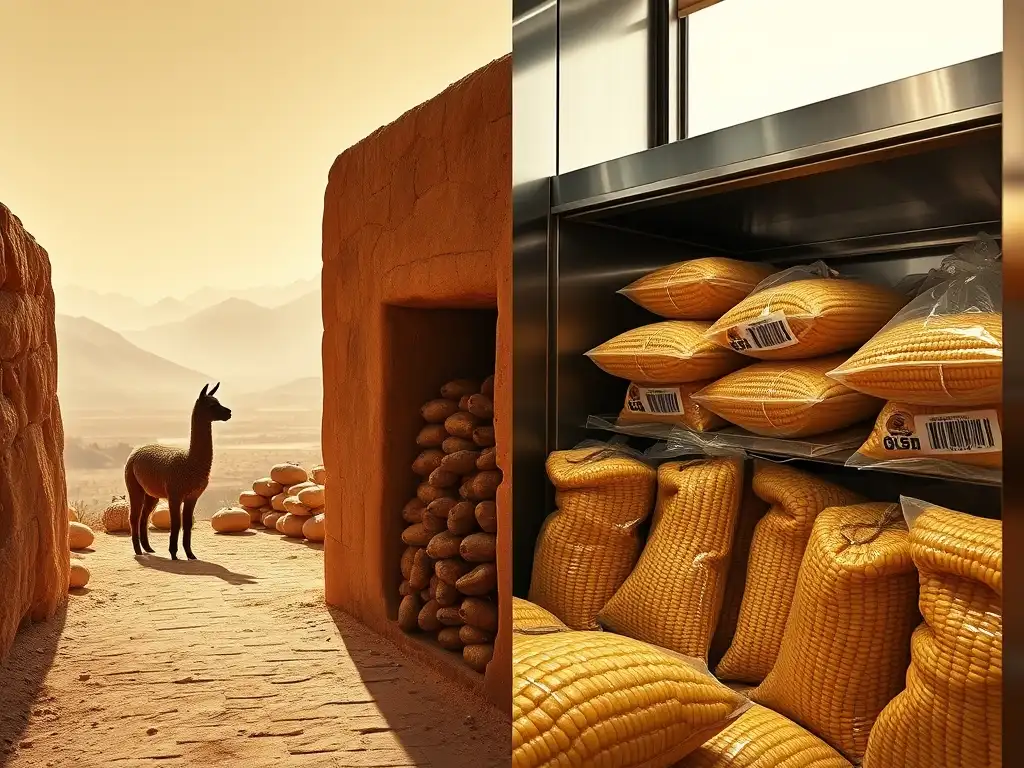
This section delves into a comparative analysis of traditional Andean food preservation methods and their modern counterparts, focusing specifically on their environmental impact. While modern techniques often boast higher efficiency in terms of preserving larger quantities of food, a closer examination reveals a significant difference in their ecological footprint. Understanding this contrast is crucial for appreciating the ingenuity of ancient Andean practices and informing sustainable food systems today. The core of this comparison lies in assessing energy consumption, waste generation, and land use.
Energy Consumption in Traditional versus Modern Food Storage
Traditional Andean food preservation, relying heavily on techniques like chullpas (stone towers) for storage and natural drying methods, exhibited minimal direct energy consumption. The construction of chullpas, while labor-intensive, utilized locally sourced materials and often integrated seamlessly with the landscape. Drying techniques, harnessing solar energy, were passive and didn't require external fuel sources. This stands in stark contrast to modern food storage, which is heavily reliant on energy-intensive technologies.
Refrigeration, a cornerstone of contemporary food preservation, consumes significant electricity, often generated from non-renewable sources, contributing to greenhouse gas emissions. Furthermore, the transportation of food to and from these refrigerated facilities adds to the overall energy expenditure. Estimates suggest that modern food storage contributes significantly to overall energy consumption in developed nations, a burden largely absent in traditional Andean practices.
To illustrate, consider the energy required to maintain a large-scale refrigerated warehouse versus the minimal energy input needed to maintain a well-constructed chullpa. The difference is substantial, highlighting the environmental advantage of traditional methods. Further research is needed to quantify precisely the energy difference, but qualitative observations clearly indicate a significant discrepancy.
Waste Generation in Andean Practices Compared to Contemporary Methods
A key element in evaluating the environmental impact of food preservation is waste generation. Traditional Andean methods, with their emphasis on careful selection and preparation of food, resulted in minimal waste. Food was often consumed seasonally, reducing the need for long-term storage and minimizing spoilage. Any unavoidable waste was often composted, enriching the soil and contributing to a closed-loop system.
In contrast, modern food storage, despite its advanced technology, generates a considerable amount of waste. Spoilage due to power outages or equipment malfunction is a constant threat. Furthermore, the demand for aesthetically pleasing produce often leads to significant discarding of food that is perfectly edible but doesn't meet market standards.
Supermarkets discard tons of food annually due to cosmetic imperfections, a problem rarely encountered in traditional Andean systems. Precise figures on waste comparison are difficult to obtain due to the lack of standardized data collection across diverse regions and time periods. However, anecdotal and observational evidence strongly suggests that traditional Andean methods resulted in significantly less food waste than modern practices.
Land Use and its Impact: Traditional Andean Storage versus Modern Warehouses
The land use associated with food storage also presents a compelling comparison. Traditional Andean storage structures, such as qollqas (underground storage chambers) and chullpas, occupied relatively small land areas. These structures were often integrated into the existing landscape, minimizing disruption to natural ecosystems. The construction materials were locally sourced, further reducing the environmental footprint.
Modern food storage, on the other hand, requires vast tracts of land for the construction of large-scale warehouses and distribution centers. These facilities often require extensive infrastructure, including roads and utilities, further increasing their land footprint and environmental impact. The construction itself may involve clearing forests or converting valuable agricultural land, contributing to habitat loss and biodiversity reduction.
While precise data comparing land usage is challenging to obtain without extensive archaeological surveys and modern land-use mapping, the scale of modern warehouses compared to traditional Andean structures clearly indicates a significantly larger land footprint for modern methods. The ecological consequences of this difference are substantial and warrant further investigation. A detailed analysis utilizing GIS technology and archaeological surveys would help quantify this difference more precisely.
Case Studies: Examining the Environmental Impact of Andean Food Storage
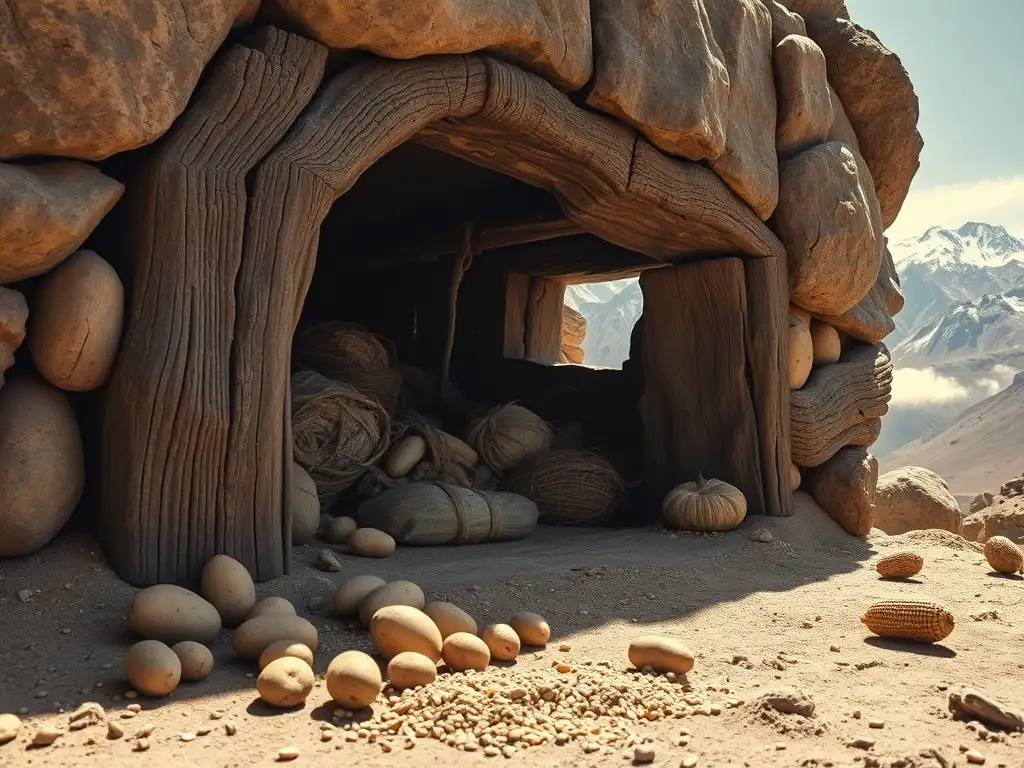
This section delves into specific examples of Andean food storage practices and analyzes their environmental consequences. We'll explore how different techniques, adapted to diverse ecological zones, impacted the surrounding environment, considering both positive and negative effects. Understanding these case studies provides crucial insight into the complex relationship between Andean civilizations and their environment, highlighting the ingenuity of their preservation methods while also acknowledging their potential ecological footprint. The sustainable practices employed by these ancient cultures offer valuable lessons for contemporary approaches to food preservation and environmental stewardship.
Case Study: The Aymara Community of the Altiplano and Chuño Production
The Aymara people of the Bolivian Altiplano have, for centuries, relied on chuño, a freeze-dried potato, as a crucial food source. This Andean food preservation method involves a complex process: first, potatoes are harvested and exposed to freezing temperatures at night. Then, during the day, they are subjected to intense sunlight, which freezes and thaws the potatoes repeatedly. This process removes moisture and creates a product that can last for years without refrigeration.
While chuño production is remarkably efficient in terms of food preservation, its environmental impact requires careful consideration. The process relies heavily on the unique climatic conditions of the Altiplano, specifically its extreme temperature fluctuations. The large-scale production of chuño may lead to increased pressure on water resources, especially if the process is not carefully managed.
Additionally, the considerable area required for spreading the potatoes to freeze and dry could impact the local biodiversity, although the extent of this impact remains a subject of further research. However, the long shelf life of chuño significantly reduces the need for frequent harvests and minimizes post-harvest losses, thereby contributing to a more sustainable food system overall. Further research is needed to quantify the exact environmental footprint of chuño production, considering factors such as water usage, land usage, and biodiversity impact.
Case Study: Potato Storage in the Sacred Valley of Peru
The Sacred Valley of Peru, known for its diverse microclimates and rich agricultural traditions, offers a compelling case study in Andean food preservation. The Incas, and the communities that followed, utilized a range of techniques to store potatoes, including underground storage pits and above-ground structures. These methods varied depending on the specific potato variety, the local climate, and the quantity of potatoes to be stored.
Underground storage, often lined with straw and sealed with earth, maintained a cool and relatively stable temperature and humidity, minimizing spoilage. This method, while effective, did require significant labor for construction and maintenance. Above-ground storage structures, constructed from stone or adobe, were used for smaller quantities of potatoes and offered better ventilation.
The environmental impact of these storage methods was relatively minimal, relying primarily on readily available local materials and minimizing energy consumption. However, the construction of storage facilities, particularly larger ones, could have involved some disruption to the local landscape, although this is likely to have been far less significant than the impact of modern large-scale agriculture.
The success of these traditional Andean food preservation methods highlights the importance of understanding and adapting to local environmental conditions. The Incas' approach, deeply integrated with their environment, stands in stark contrast to modern, energy-intensive preservation techniques.
Case Study: Comparing Storage Methods in the Bolivian Highlands and the Peruvian Coast
A comparison of Andean food preservation methods across different ecological zones reveals fascinating adaptations. The Bolivian highlands, characterized by their high altitude and extreme temperatures, necessitated techniques like chuño production, as discussed above. In contrast, the Peruvian coast, with its arid climate, saw the development of different strategies.
The coastal communities often relied on techniques that focused on minimizing moisture content and preventing insect infestation. This might involve drying techniques, the use of airtight containers, or storage in cool, dry caves. These methods, while less reliant on extreme temperature fluctuations than chuño production, still faced challenges related to preserving food quality and preventing spoilage.
The environmental impact of coastal preservation techniques was likely less intensive in terms of land usage than highland practices, but the reliance on specific materials and possibly the use of specific storage locations could have had localized environmental consequences. Further detailed studies comparing the full lifecycle environmental impact of these different methods across the Andean region are needed to draw definitive conclusions.
The available data suggests a nuanced picture, with both highland and coastal methods demonstrating both ingenuity and potential environmental trade-offs. This diversity underscores the adaptability and resilience of Andean cultures in their response to varying environmental challenges.
The Sustainability of Andean Food Preservation in the Modern Era
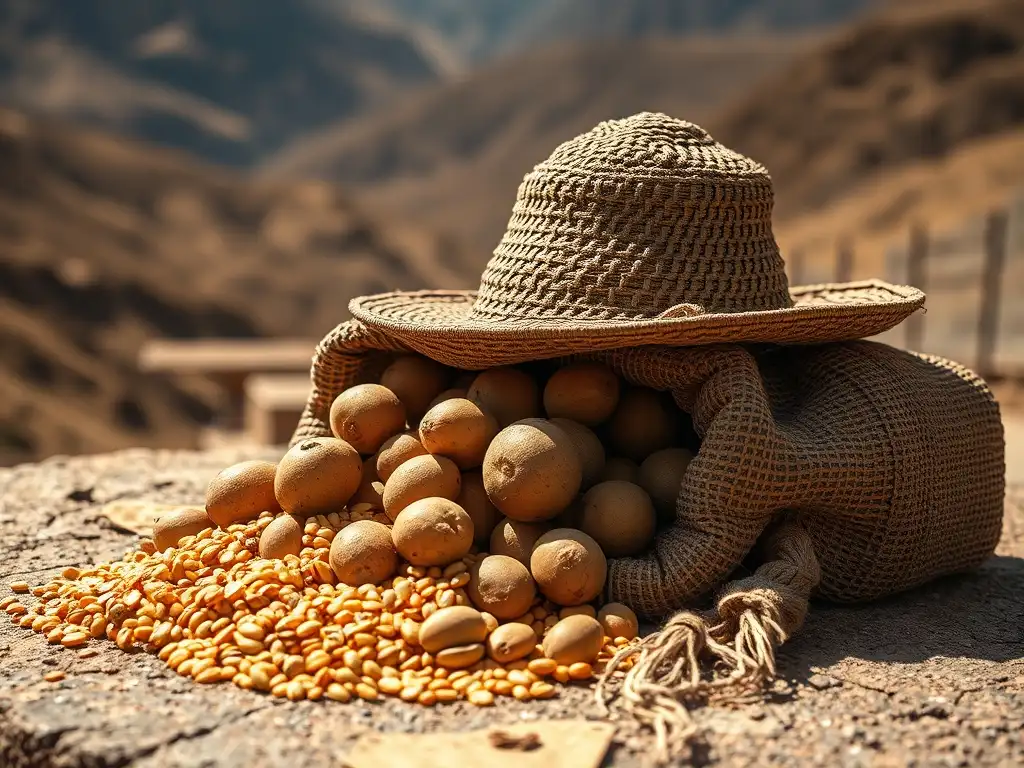
The ingenuity of Andean food preservation methods is increasingly relevant in our era of climate change and growing concerns about food security. These techniques, developed over millennia to cope with the challenging Andean environment, offer valuable lessons for contemporary sustainable practices. Understanding the long-term environmental impact of these traditional methods reveals a remarkable degree of sustainability, often surpassing modern industrial approaches.
For example, the use of naturally occurring materials like clay and woven textiles for storage minimized reliance on energy-intensive manufacturing processes. Furthermore, the emphasis on local resources and seasonal harvesting reduced the carbon footprint associated with long-distance transportation and intensive farming.
Lessons from Andean Food Storage for Contemporary Sustainable Practices
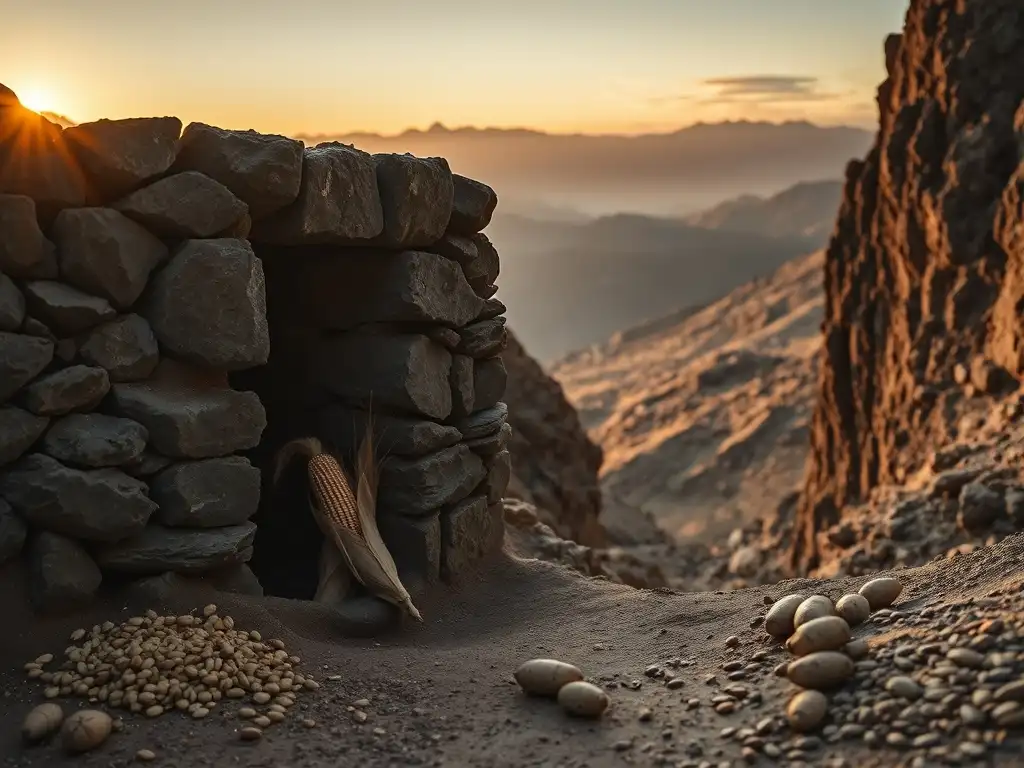
Andean civilizations mastered techniques like chullpas (stone towers used for storage) and qollqas (underground storage structures) which provided excellent temperature and humidity control, minimizing spoilage and extending the shelf life of food. These structures, often integrated seamlessly into the landscape, exemplified a harmonious relationship between human activity and the environment. Modern sustainable food preservation can learn from this integration.
For instance, the design principles of qollqas—utilizing natural insulation and ventilation—could inspire the creation of energy-efficient storage facilities. The Andean focus on preserving diverse crops, rather than relying on monocultures, also offers a valuable lesson in biodiversity conservation and resilience to climate shocks. This approach contrasts sharply with the vulnerability inherent in modern food systems often reliant on a small number of high-yield crops.
The Potential of Traditional Andean Techniques in Modern Food Security
The application of traditional Andean food preservation methods holds significant potential for enhancing modern food security, particularly in regions with limited access to refrigeration or advanced technologies. Consider the chuño process, a freeze-drying method for potatoes, which allowed the Incas to store vast quantities of food for extended periods. This technique, still practiced today, offers a viable solution for preserving perishable crops in regions with harsh climates or limited infrastructure.
Similarly, the use of natural preservatives like salt and herbs, common in Andean practices, could reduce reliance on synthetic additives, promoting healthier and more environmentally friendly food production. The revival and adaptation of these techniques could significantly improve food access in vulnerable communities, enhancing both food security and nutritional outcomes. Further research into the exact antimicrobial properties of specific Andean preservation methods could unlock even greater potential for application in modern food systems.
Challenges in Adapting Andean Methods to Wider Global Contexts
While the advantages of Andean food preservation methods are compelling, adapting them to wider global contexts presents significant challenges. One key obstacle is the scalability of traditional techniques. Methods that worked effectively for small-scale, localized communities may not be readily adaptable to large-scale industrial food production.
Furthermore, the cultural and ecological specificities of the Andes must be carefully considered when attempting to transfer these practices to different environments. Factors such as climate, available resources, and local knowledge will influence the effectiveness and feasibility of adaptation. Careful research and community engagement are crucial to ensure responsible and successful implementation.
A thorough understanding of the specific needs and limitations of different contexts is imperative to avoid unintended consequences and to ensure the long-term sustainability of adapted Andean techniques. For example, the successful implementation of chuño production outside of high-altitude environments might require significant modifications to the process. More research is needed to determine the optimal adaptations for different climates and potato varieties.
Conclusion: The Enduring Legacy and Environmental Wisdom of Andean Food Storage
The ingenious Andean food preservation methods, developed over millennia in response to challenging environmental conditions, offer valuable lessons for contemporary food systems. While some techniques, like freeze-drying, might seem technologically advanced even by today's standards, many others relied on simple, readily available materials and a deep understanding of the local environment. This intimate knowledge of their surroundings allowed Andean communities to minimize their environmental impact while ensuring food security.
Their practices, far from being primitive, represent a sophisticated approach to resource management that deserves careful study and consideration. The enduring legacy of these techniques speaks to their effectiveness and sustainability. Understanding these methods isn't just about exploring the past; it's about finding solutions for the future.
Recap of the Environmental Benefits and Drawbacks of Andean Food Preservation
Andean food preservation, while largely sustainable, wasn't without its environmental footprint. The benefits were primarily centered around reduced food waste and enhanced food security. Techniques like charki (freeze-drying meat) minimized spoilage and extended shelf life, reducing the need for constant harvests and minimizing land degradation associated with intensive agriculture.
The use of natural materials like clay and woven baskets for storage further reduced reliance on resource-intensive packaging. However, some practices, particularly those involving large-scale irrigation for certain crops, could have had localized impacts on water resources, especially during periods of drought. Similarly, the collection of certain plant materials for preservation could have, in some cases, led to over-harvesting if not carefully managed.
A balanced assessment acknowledges both the positive and negative aspects, highlighting the need for responsible adaptation of these methods in modern contexts. Further research into the long-term environmental impact of specific techniques, considering factors like soil erosion and biodiversity, is needed for a comprehensive understanding.
The Importance of Preserving Traditional Knowledge for Food Sustainability
The preservation of traditional Andean food storage techniques is crucial for achieving global food sustainability. These methods, honed over generations, offer viable alternatives to energy-intensive modern preservation techniques. Their inherent resilience and adaptability to diverse climates and environments make them particularly relevant in the face of climate change. Documenting and promoting these practices isn't merely an academic exercise; it's a critical step towards building more resilient and sustainable food systems.
By supporting local communities and empowering them to maintain their traditional knowledge, we can ensure the continued use and evolution of these invaluable techniques. This involves not only archiving the knowledge but also fostering intercultural dialogue and collaboration to adapt and refine these methods for modern use while respecting their cultural significance. The loss of this knowledge would represent a significant blow to our collective efforts towards food security and environmental stewardship.
Future Directions for Research and Implementation of Andean Food Storage Techniques
Future research should focus on several key areas. Firstly, a comprehensive life-cycle assessment of various Andean food preservation methods is needed to quantify their environmental impact accurately. This would involve comparing energy consumption, greenhouse gas emissions, and resource use with modern techniques.
Secondly, further investigation into the potential for scaling up certain techniques while maintaining their sustainability is crucial. This includes exploring innovative ways to combine traditional methods with modern technologies to improve efficiency and reach. Thirdly, research should focus on the social and economic aspects of implementing these techniques, considering factors such as community involvement, economic viability, and market access.
Finally, collaborative projects involving Andean communities, researchers, and policymakers are essential to ensure that the revitalization of these practices is both culturally sensitive and environmentally responsible. This integrated approach will not only safeguard a valuable cultural heritage but also contribute significantly to global food security and sustainability. The potential benefits are immense, offering a path towards a more environmentally conscious and resilient future for food production.
Frequently Asked Questions
What were some common Andean food preservation methods?
Andean civilizations employed various techniques, including sun drying, freeze-drying, and storage in underground cellars. These methods helped extend the shelf life of crucial crops like potatoes and maize.
How did the environment influence Andean food preservation?
The high altitude, variable climate, and availability of specific resources directly shaped the techniques used. For instance, the cold, dry air at high altitudes facilitated natural freeze-drying.
What role did storage structures play in Andean food preservation?
Ingenious storage structures, like qollqas (stone structures) and underground cellars, provided controlled environments to protect food from pests, moisture, and temperature fluctuations, ensuring food security.
Did Andean food preservation methods have any negative environmental impacts?
While generally sustainable, some practices, particularly extensive land clearing for agriculture, might have caused localized soil erosion or habitat loss. However, the impact was often less significant than in other regions.
How did Andean food preservation techniques contribute to societal stability?
Effective preservation methods ensured food security throughout the year, mitigating the risks of famine and supporting larger, more complex societies. This stability fostered cultural and technological advancements.
Final Reflection: A Legacy of Ingenuity, A Future of Sustainability
The ingenious food preservation methods of the Andes, once vital for survival, now hold a critical key to addressing global food security and environmental challenges. The traditional techniques, passed down through generations, offer sustainable alternatives to modern, often environmentally damaging, practices. Their continued relevance in a world grappling with climate change and resource depletion cannot be overstated.
The impact of Andean food preservation on the cultural landscape is profound, extending far beyond mere sustenance. These methods are intrinsically linked to Andean identity, reflecting a deep respect for nature and a sophisticated understanding of its rhythms. They represent a powerful example of sustainable living, a model that deserves wider recognition and implementation. We do not inherit the earth from our ancestors, we borrow it from our children.
This sentiment, often attributed to Native American wisdom, perfectly encapsulates the enduring legacy of Andean food preservation practices and their crucial role in safeguarding our planet's future.
Consider the ingenuity of these methods – the sun-drying, the freezing at high altitudes, the fermentation techniques. These are not merely historical curiosities; they are viable, environmentally friendly solutions to modern problems. You, the reader, have the power to champion these sustainable practices.
Explore these methods, learn from the wisdom of the Andes, and integrate these principles into your own life – whether it's reducing food waste, choosing locally sourced ingredients, or simply appreciating the interconnectedness of our food systems and the environment. Let us build a future where sustainability is not just a concept, but a lived reality, inspired by the enduring legacy of the Andes.
Transform Your Impact: Embrace Sustainable Andean Practices!
Thank you for exploring the rich history and significance of Andean food storage techniques. We hope you now understand their profound environmental benefits. Ready to make a difference? Here are some simple yet powerful steps you can take:
- Adopt sustainable food storage at home: Explore traditional methods inspired by Andean cultures, such as using clay pots or natural preservatives like herbs and salt. This reduces reliance on energy-intensive modern methods.
- Share this knowledge: Discuss what you've learned with friends and family, or share this article to raise awareness about these sustainable practices.
- Join a community focused on sustainable living: Connect with like-minded individuals to inspire collective action and share ideas for a more sustainable lifestyle. Consider local workshops or online forums.
How will you integrate these sustainable Andean practices into your daily life to help protect the planet?