
Valdivia's Musical Instruments: Sounds of an Ancient Culture

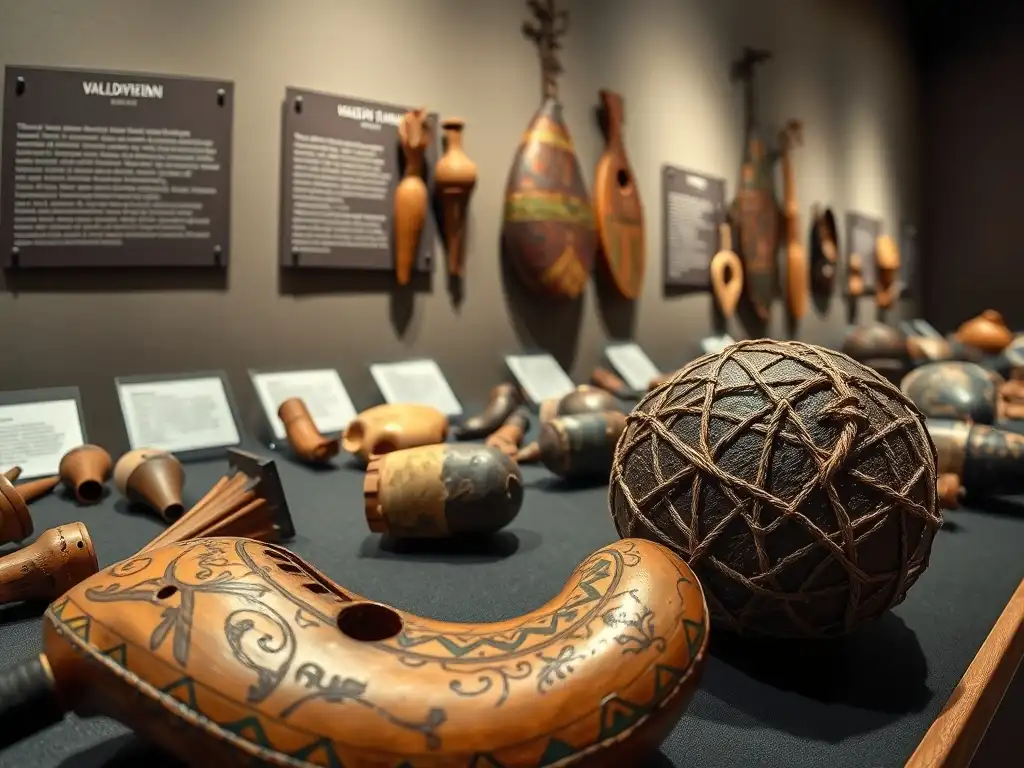
Uncover the echoes of a lost world. Journey with us into the heart of the Andes, where ancient civilizations flourished, leaving behind a legacy of breathtaking artistry and ingenuity. But did you know that the pre-Incan Valdivia culture, nestled along the coast, possessed a sophisticated musical tradition? Prepare to be captivated by the mysterious sounds of the Valdivia musical instrument types, and discover a fascinating chapter in the vibrant story of Andean history – a story waiting to be fully explored.
The Valdivia culture, flourishing along the coast of present-day Ecuador from approximately 3500 to 1800 BCE, represents one of the earliest known complex societies in South America. While renowned for its exquisite ceramic artistry, particularly its female figurines, the Valdivia people also possessed a rich sonic landscape, evidenced by the discovery of various musical instruments.
This article delves into the fascinating world of Valdivia musical instruments, exploring the types identified by archaeologists and offering insights into the potential role of music in their daily lives and spiritual practices. Understanding these instruments provides a crucial window into the cultural complexities and daily rhythms of this remarkable civilization, adding another layer to our comprehension of their advanced societal structures and artistic achievements.
We will examine the available evidence, analyze the types of instruments discovered, and speculate on their possible uses within the context of Valdivia society. This exploration aims to illuminate the significance of music in shaping the identity and experience of this ancient coastal culture, enriching our understanding of their sophisticated and nuanced world.
Introduction to Valdivia Culture and its Sonic Heritage
The Valdivia culture is characterized by its sophisticated ceramics, intricate shell carvings, and evidence of early agriculture. While the specifics of their musical traditions remain partially shrouded in the mists of time, archaeological findings offer tantalizing clues. The discovery of fragments of instruments, alongside depictions on pottery, suggests that music played a significant role in Valdivia society.
Imagine the soundscapes of their villages: the rhythmic beating of drums accompanying ceremonial dances, the melodic strains of flutes during celebrations, or the haunting whispers of wind instruments used in spiritual rituals. Unfortunately, the organic nature of many potential musical instruments means that complete, intact examples are rare. However, the surviving fragments, coupled with comparative analysis of instruments from similar contemporaneous cultures, allow us to reconstruct a plausible picture of Valdivia’s musical heritage.
The limited evidence available suggests a diverse range of instruments, possibly incorporating materials like wood, gourds, and bone, reflecting the ingenuity and resourcefulness of the Valdivia people in harnessing their environment for artistic and musical expression. Further research and discoveries are crucial for a more complete understanding of their musical world.
Valdivia Musical Instrument Types: An Overview
While complete instruments are scarce, archaeological evidence points towards several types of Valdivia musical instruments. Analysis of fragmented artifacts suggests the presence of:
- Percussion Instruments: Pottery fragments exhibiting signs of wear and tear consistent with rhythmic percussion suggest the use of drums or similar instruments. The materials used likely included hollowed-out gourds or possibly even ceramic vessels specifically crafted for musical purposes. The size and shape of these hypothetical drums remain unknown, limiting our ability to speculate on the range of sounds they produced. Further research into similar instruments from neighboring cultures could offer valuable insights.
- Wind Instruments: The possibility of flutes or panpipes cannot be ruled out. While no complete examples have been discovered, small, hollowed-out bone fragments could have served as components of such instruments. The exact type and construction of these hypothetical wind instruments remain uncertain, requiring further investigation and comparative studies with contemporaneous Andean cultures.
- Idiophones: The use of idiophones, instruments that produce sound through the vibration of the instrument itself, is a possibility. This could have included instruments made from materials like shells or bone, possibly used in rituals or dances. The specific types and sounds produced by these instruments are largely speculative, awaiting further archaeological discoveries.
The limited evidence currently available underscores the need for further research and excavation to fully understand the breadth and diversity of Valdivia's musical instruments. Detailed analysis of existing fragments, combined with comparative studies of instruments from neighboring cultures, is crucial to reconstructing a more comprehensive picture of their sonic world. The potential for future discoveries to shed light on this intriguing aspect of Valdivia culture remains substantial. The sounds of Valdivia remain partially lost to time, but the fragments we possess offer a captivating glimpse into the musical heart of this remarkable ancient civilization.
- Introduction to Valdivia Culture and its Sonic Heritage
- Valdivia Musical Instrument Types: An Overview
- What types of musical instruments did the Valdivia culture use?
- How do we know about Valdivia music if there are no surviving instruments?
- Are there any similarities between Valdivia instruments and those of later Andean cultures?
- What materials were likely used to create Valdivia musical instruments?
- Where can I learn more about Valdivia musical instruments and the research being done?
Wind Instruments of the Valdivia Culture
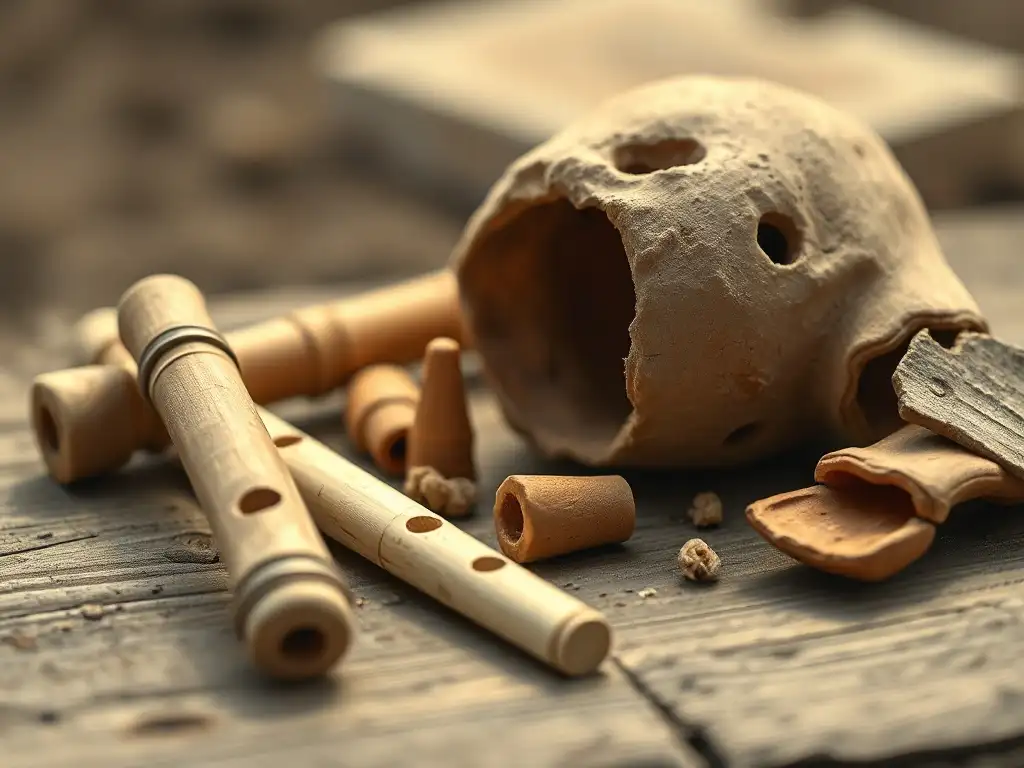
The Valdivia culture, flourishing along the coast of present-day Ecuador from approximately 3500 to 1800 BCE, left behind a rich archaeological record, hinting at a sophisticated understanding of music and its role in their society. While the exact nature of Valdivia music remains largely a mystery, the discovery of various wind instruments provides invaluable insights into their musical practices and cultural beliefs. The analysis of these artifacts, combined with ethnographic parallels from later Andean cultures, allows us to speculate on the potential soundscapes and functions of these ancient instruments.
The scarcity of well-preserved instruments, however, necessitates cautious interpretation and further research to fully understand their place within Valdivia society. The study of Valdivia musical instrument types is crucial to understanding their complex culture.
The Significance of Flutes in Valdivia Rituals
Flutes, arguably the most prevalent type of Valdivia wind instrument discovered, are often associated with ritualistic practices in many ancient cultures. Their delicate construction suggests a level of craftsmanship and artistic skill beyond mere utilitarian purposes. Archaeological evidence indicates that some flutes were crafted from bone, others from clay, suggesting a potential differentiation in their use or social standing.
The discovery of flutes alongside other ceremonial objects, such as pottery and elaborate grave goods, strongly points towards their use in religious ceremonies or shamanistic practices. The sounds produced by these flutes, likely high-pitched and ethereal, might have been used to invoke spiritual entities, accompany sacred dances, or mark important life cycle events. Further research into the size and number of holes on discovered flutes could reveal clues about the musical scales and melodies employed by the Valdivia people.
The presence of these instruments within burial contexts might even indicate a belief in music's power to guide the deceased into the afterlife. 🎶
The limited number of complete flutes discovered presents a challenge for researchers. More detailed analysis of fragmented pieces, coupled with comparative studies of flute-making techniques in neighboring cultures, could shed more light on the Valdivia flute's role in their daily life and religious beliefs. Determining the materials used (bone, clay, wood - if present) and their origins would provide further insights into the economic and social organization of the Valdivia society.
Valdivia Whistles and their Unique Tones
Valdivia whistles, another class of wind instruments, represent a distinct category within their musical repertoire. Unlike flutes, whistles typically produce a single, clear tone, lending themselves to signaling or simpler melodic patterns. The shape and size of these whistles varied considerably, suggesting a range of pitches and tonal qualities. Some whistles were intricately decorated, hinting at their symbolic or ritualistic significance.
The discovery of whistles in both residential and ceremonial contexts suggests their use in a broader array of activities, from everyday communication to ritual performances. The unique tones produced by these whistles could have played a vital role in social organization, signaling warnings, announcing gatherings, or marking territorial boundaries. Further investigation into the acoustics of these instruments could help reconstruct the soundscapes of Valdivia settlements and better understand their social dynamics.
We need more data on the materials used in the construction of these whistles. Were they made from the same materials as the flutes, or were different materials employed? A systematic study comparing the whistles with the flutes could provide valuable information about the cultural significance and potential functional differences between these two types of Valdivia musical instruments. This could reveal information about the Valdivia's understanding of acoustics and sound manipulation.
Panpipes: Variations and Construction Techniques
While evidence for panpipes in the Valdivia culture is less abundant compared to flutes and whistles, the possibility of their existence cannot be entirely dismissed. The discovery of fragments of small, cylindrical tubes in some archaeological contexts raises the possibility of their use in constructing panpipes. These tubes, if indeed parts of panpipes, would represent a more complex instrument than the simpler flutes and whistles, suggesting a higher level of musical sophistication.
The construction of panpipes requires a precise understanding of acoustics and the ability to create tubes of varying lengths to produce different notes. The presence of such an instrument would indicate a more developed musical tradition within the Valdivia culture than currently understood.
Further research is needed to confirm the existence of panpipes in the Valdivia culture. A detailed analysis of the discovered tubes, including their dimensions, materials, and associated artifacts, is crucial. Comparative studies with later Andean cultures that used panpipes could also aid in identifying potential Valdivia panpipe fragments. The potential discovery of more complete or better-preserved panpipes would provide invaluable insights into the musical complexity and cultural richness of the Valdivia civilization. The potential discovery of panpipes would significantly advance our understanding of "Valdivia musical instrument types".
Percussion Instruments of the Valdivia People
The Valdivia culture, flourishing along the coast of present-day Ecuador from approximately 3500 to 1800 BCE, left behind a fascinating array of artifacts, including evidence suggesting a rich musical tradition. While written records are absent, archaeological findings offer glimpses into the types of instruments used by this early Andean society. The focus here will be on percussion instruments, a category seemingly prominent in Valdivia culture based on the surviving fragments and their inferred uses.
Understanding these instruments offers valuable insights into the social, ritualistic, and daily life of the Valdivia people, shedding light on their sophisticated craftsmanship and artistic expression. The analysis of Valdivia musical instrument types reveals a surprising level of complexity for a culture of that era.
Drums: Materials and Methods of Construction
Evidence directly linking specific artifacts to drums is scarce. However, fragments of pottery exhibiting hollowed-out sections and potential attachment points suggest the existence of drums. The construction likely involved shaping clay into a cylindrical or bowl-like form, possibly with animal skin stretched over the opening.
The scarcity of complete examples could be attributed to the organic nature of the drumheads, which would have decayed over millennia. Further research and excavation are needed to confirm the prevalence of drums and to determine the specific types of wood or other materials used in their construction. The size and shape of these drums remain largely unknown, as do the techniques used to create the sound.
It is speculated that some may have been smaller, hand-held instruments, while others might have been larger, potentially used in communal ceremonies. Further analysis of the pottery fragments, including microscopic examination of residues, could potentially reveal more about the drums’ construction and use.
Rattles and Shakers: Sounds for Ceremonial Practices
Rattles and shakers represent a more readily identifiable category of Valdivia percussion instruments. Numerous fragments of pottery exhibiting perforations and internal spaces have been unearthed. These artifacts, likely used as rattles, were likely filled with small pebbles, seeds, or other materials to create a distinctive sound. The shapes varied, ranging from simple, spherical forms to more complex designs.
Some were intricately decorated, suggesting a ritualistic or ceremonial function. The materials used in their creation varied. Clay was the primary material, but some rattles might have incorporated shells, bone, or other organic materials.
The sounds produced by these varied materials would have contributed to the overall sonic landscape of Valdivia rituals and ceremonies. The size and weight of these rattles would have influenced the type of sound produced, with smaller rattles creating higher-pitched sounds and larger, heavier ones creating lower-pitched sounds. The rhythmic shaking of these rattles likely played a crucial role in accompanying dances, chants, and other ceremonial activities.
Percussion Artifacts: Clay, Shell, and Stone
Beyond the more clearly identifiable rattles and potential drums, other artifacts suggest a broader use of percussion in Valdivia culture. Fragments of clay objects with irregular shapes, some showing signs of wear, could indicate the use of rudimentary percussion instruments made from readily available materials. Similarly, various shell fragments and even small, smooth stones could have been used as percussive elements, perhaps in conjunction with other instruments or as independent sound-making tools.
The exact nature of their use remains speculative, but their presence suggests a diverse range of sonic possibilities within the Valdivia culture. Analysis of wear patterns on these artifacts could provide further insight into their function and use. The presence of these diverse materials highlights the resourcefulness and adaptability of Valdivia artisans in creating instruments from the materials available in their environment.
Further investigation, particularly focusing on the analysis of wear patterns and associated finds, could further illuminate the role of these artifacts in Valdivia musical practices. The study of Valdivia musical instrument types is an ongoing process, with new discoveries continually adding to our understanding of this ancient culture. 🌍
Stringed Instruments: Absence of Evidence
The Valdivia culture, renowned for its sophisticated ceramics and early evidence of agriculture in South America, presents a fascinating puzzle regarding its musical instruments. While substantial archaeological evidence exists for various percussion and potentially wind instruments, the presence of stringed instruments remains a significant area of debate among researchers. This lack of direct evidence warrants a closer examination, particularly regarding the possibility of stringed instruments and the methods used to produce sound in Valdivia society.
The absence of artifacts that definitively point towards stringed instruments, such as string fragments, instrument parts, or depictions in ceramics, forms the basis of our current understanding. However, this absence doesn't necessarily equate to their non-existence; rather, it highlights the limitations of our current archaeological record.
Further research and more extensive excavation efforts are needed to potentially uncover evidence that would alter this perception. The scarcity of organic materials in archaeological contexts further complicates the search for such delicate items as strings.
Lack of Direct Evidence for Stringed Instruments
The most significant challenge in establishing the existence of Valdivia stringed instruments is the sheer lack of direct archaeological evidence. Unlike the numerous examples of pottery whistles and other instruments found across various Valdivia sites, no clear examples of stringed instruments, or even fragments thereof, have been reliably identified. This contrasts sharply with later Andean cultures, such as the Inca, where various stringed instruments are well-documented through both archaeological findings and historical accounts.
The absence of depictions in Valdivia pottery, which otherwise shows rich detail in daily life and ritual activities, is also notable. One might expect to see, at least occasionally, a representation of a stringed instrument being played, especially considering the prevalence of musical depictions in the ceramics of other contemporary cultures.
This absence raises questions about the role of music in Valdivia society and the potential preservation bias against organic materials. It is possible that stringed instruments were present but made from perishable materials that have not survived the passage of time.
Alternative Theories on Sound Production
While the lack of direct evidence is significant, it doesn't entirely rule out the possibility of stringed instruments in the Valdivia culture. Alternative theories propose that sound production might have relied on methods that didn't leave readily identifiable archaeological traces. For example, simple stringed instruments could have been constructed using readily available natural materials such as plant fibers or animal sinews, which degrade rapidly over time and leave little behind for archaeologists to discover. These instruments might have been simple in design, lacking the elaborate ornamentation seen in later Andean stringed instruments, making their identification even more challenging.
Another possibility is that the sounds produced were not intended to be musical in the Western sense. Instead, the sounds generated might have been used for ritual purposes, signaling, or other non-musical functions. This would explain the lack of elaborate instruments and their absence from artistic depictions.
Further research focusing on the acoustic properties of various materials available to the Valdivia people might shed light on potential alternative sound-producing techniques that don't leave easily identifiable traces in the archaeological record. The study of similar contemporary cultures that utilize less durable materials for musical instruments could also offer valuable comparative insights. This interdisciplinary approach, combining archaeological investigation with ethnomusicological studies, is crucial for a more comprehensive understanding of Valdivia’s musical landscape.
Materials Used in Valdivia Instrument Making
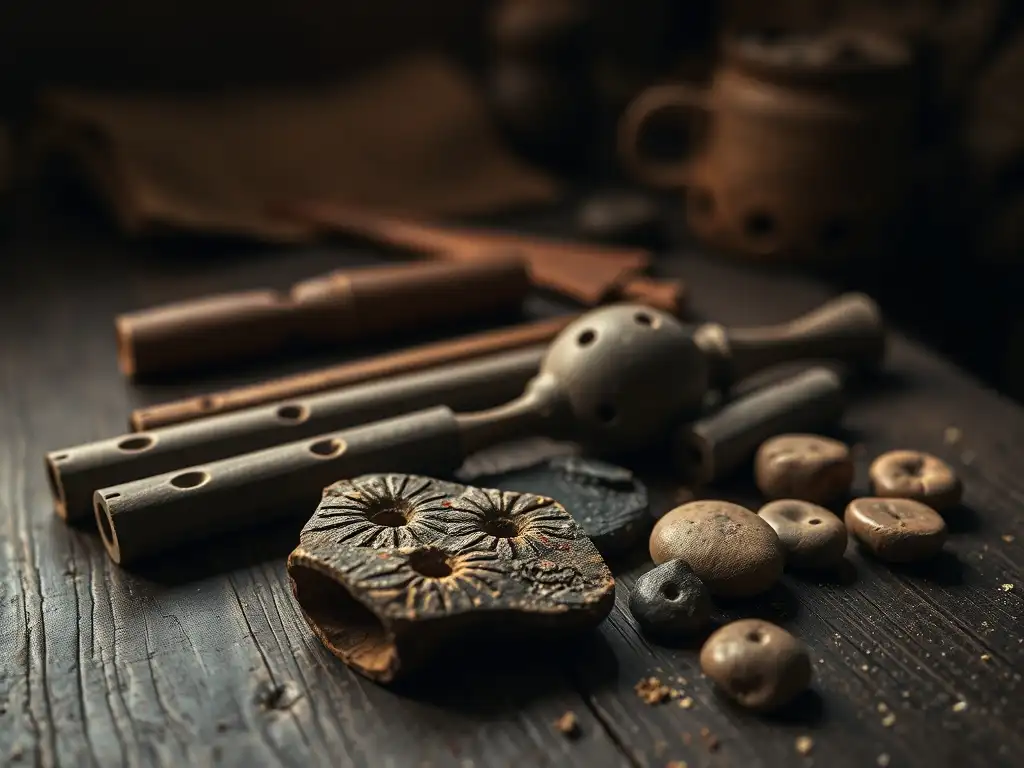
The Valdivia culture, flourishing along the coast of present-day Ecuador from approximately 3500 to 1800 BCE, left behind a fascinating legacy, including evidence of a surprisingly sophisticated musical tradition. While complete instruments are rare, archaeological findings offer valuable clues about the materials used in their construction, shedding light on the ingenuity and resourcefulness of Valdivia artisans. Understanding the materials provides insight into the Valdivia musical instrument types and their potential sounds.
The scarcity of intact instruments necessitates careful analysis of fragmented remains and contextual clues to reconstruct their appearance and function. This section focuses on the primary and secondary materials used in crafting these ancient instruments.
Clay: The Primary Material for Valdivia Instruments
Clay, readily available along the Ecuadorian coast, served as the primary material for many Valdivia musical instruments. Archaeological excavations have unearthed numerous fragments of clay whistles, ocarinas, and possibly even rudimentary flutes. These fragments often display intricate decorations, suggesting that the instruments were not merely functional but also held aesthetic value.
The type of clay used likely varied depending on location and availability, influencing the sound quality and durability of the instruments. Some fragments exhibit a fine, reddish-brown texture, while others are coarser and darker. This variation might reflect differences in firing techniques or the specific clay sources employed by Valdivia artisans.
Further research is needed to analyze the clay's chemical composition and correlate it with the potential sounds produced. The use of clay allowed for relatively easy shaping and decoration, making it a practical and versatile material for instrument making. The creation of different whistles sizes would have offered a range of pitches, increasing the complexity of their music.
Bone and Shell: Secondary Materials Used in Construction
While clay predominated, bone and shell also played a role in Valdivia instrument construction. Fragments of bone, possibly from fish or birds, have been found in association with clay instruments, suggesting their use as sound resonators, mouthpieces, or decorative elements. The polished surfaces of some bone fragments indicate careful shaping and suggest potential use as whistles or flutes.
Similarly, shell fragments, likely from marine mollusks readily available along the coast, might have been incorporated into instruments as resonators or decorative inlays. The hardness and density of these materials could have resulted in instruments with distinct tonal qualities compared to those made entirely of clay.
Unfortunately, the limited number of bone and shell fragments discovered restricts a more comprehensive understanding of their specific roles in Valdivia musical instrument types. More detailed analysis, including microscopic examination and isotopic studies, could reveal more precise information about the origin of these materials and their function within the instruments.
Plant Fibers: Use in Instrument Construction
The role of plant fibers in Valdivia instrument making remains largely speculative, due to the perishable nature of these materials. However, the presence of woven textiles and cordage in other Valdivia artifacts suggests that plant fibers might have been used to bind clay components, create carrying straps, or even serve as resonating elements within instruments.
For example, reeds or other fibrous plants could have been used to create simple flutes or panpipes. The use of plant fibers would have added a level of flexibility and lightness to the instruments, potentially influencing their acoustic properties.
Further research, including analysis of organic residues on clay fragments and comparative studies of other ancient Andean cultures that utilized plant fibers in instrument construction, is crucial to better understanding this aspect of Valdivia technology and musical culture. The potential presence of plant fibers in Valdivia musical instruments highlights the holistic approach of the Valdivia artisans in utilizing a variety of available resources to create their musical instruments.
The Role of Music in Valdivia Society
The Valdivia culture, flourishing along the coast of present-day Ecuador from approximately 3500 to 1800 BCE, wasn't just about sophisticated pottery and impressive societal organization; it also possessed a vibrant musical tradition. While direct evidence is scarce due to the organic nature of musical instruments, archaeological findings and inferences from similar contemporary cultures suggest music played a significant role in their daily lives and spiritual beliefs. Understanding the role of music in Valdivia society provides valuable insight into their social structures, religious practices, and overall worldview.
The limited surviving artifacts, however, leave much to the imagination and necessitate careful interpretation of available data to reconstruct their musical landscape. The study of Valdivia musical instrument types is therefore crucial in understanding this aspect of their culture.
Music and its Connection to Valdivia Religious Practices
The connection between music and religion in Valdivia society is strongly suggested by evidence from other contemporary Andean cultures. Many pre-Columbian Andean societies integrated music into their religious ceremonies and rituals. It's highly probable that the Valdivia followed a similar pattern. Music may have been used to invoke deities, accompany shamanistic practices, or to create an atmosphere conducive to spiritual experiences.
The rhythmic sounds and melodies could have been employed to enhance trance states, facilitate communication with the spirit world, and reinforce community bonds during religious events. Unfortunately, specific details regarding the types of Valdivia musical instrument types used in religious contexts remain largely unknown. Further archaeological research, focusing on ritual sites and burial contexts, is needed to unearth more conclusive evidence. The discovery of a single, well-preserved instrument alongside religious artifacts would be incredibly valuable in confirming these hypotheses.
Musical Instruments in Valdivia Daily Life
While the precise types of Valdivia musical instruments remain a mystery, it is plausible to assume that music was woven into the fabric of daily Valdivia life. Consider the prevalence of music in numerous contemporary societies across the globe. Music accompanies work, celebrations, and even mundane activities.
It's reasonable to assume that the Valdivia people, with their developed social structures and artistic sensibilities, also utilized music in their everyday lives. The sounds of simple percussion instruments, such as rattles made from seeds or shells, might have accompanied agricultural activities or fishing expeditions. Songs and melodies could have been used for storytelling, lullabies, or simple forms of entertainment.
The rhythmic pulse of music likely provided a sense of community and shared identity. The absence of direct evidence for specific instrument types doesn't negate the high probability of their presence and importance in daily life. More research into the Valdivia material culture is required to provide a fuller picture of their musical practices.
The social significance of music in Valdivia communities can be inferred from the importance of social cohesion within the culture, evidenced by their settlement patterns and elaborate ceramic artistry. Music, as a powerful unifying force, likely played a vital role in strengthening social bonds and reinforcing community identity. Musical performances could have served as a focal point for social gatherings, fostering a sense of shared experience and collective identity.
Think of the role of music in modern societies—weddings, funerals, festivals—all use music to create a shared experience. The Valdivia, with their sophisticated social organization, likely used music similarly. This communal aspect of music is a crucial element in understanding Valdivia society and the role of their musical instrument types in forging a strong, cohesive group.
Further investigation into Valdivia social structures and community dynamics is essential for a more comprehensive understanding of the social function of their music. The limited data available currently prevents a complete reconstruction of their musical practices, but further research promises to illuminate this fascinating aspect of their rich culture.
Analysis of Valdivia Musical Instrument Design
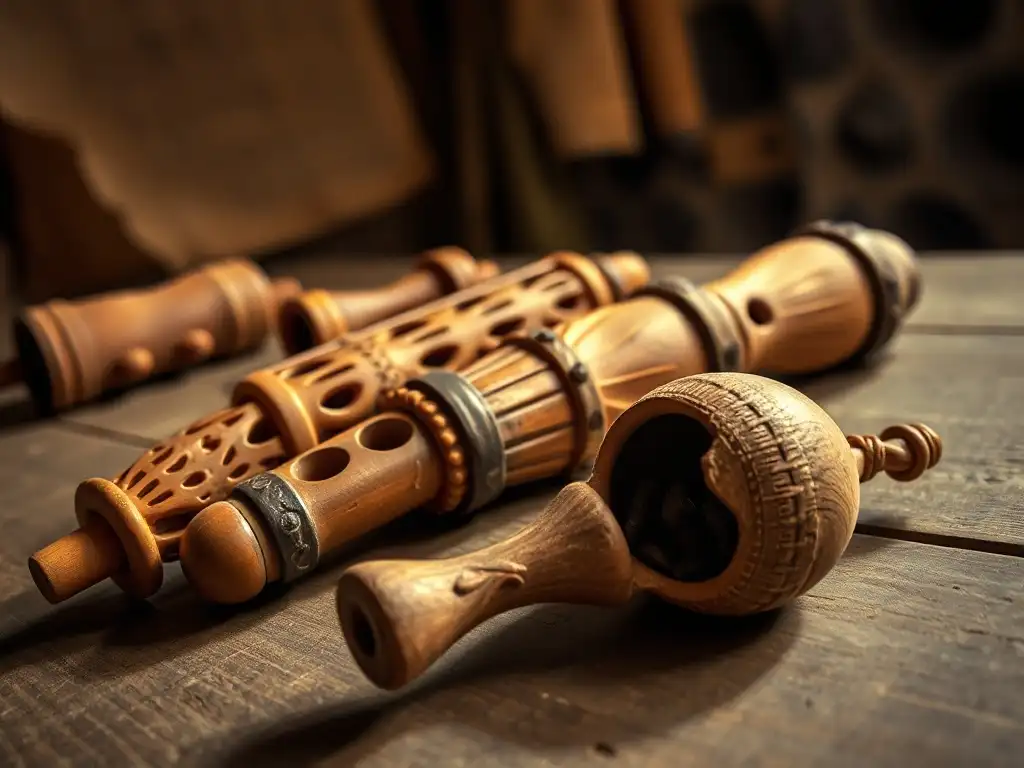
The Valdivia culture, flourishing along the coast of present-day Ecuador from approximately 3500 to 1800 BCE, left behind a fascinating legacy that extends beyond its renowned ceramics. While textual records are absent, archaeological findings offer intriguing glimpses into their musical practices, revealing a sophisticated understanding of sound production and instrument design. Analysis of excavated artifacts suggests a surprising diversity in Valdivia musical instrument types, challenging previous assumptions about the technological capabilities of this early civilization.
The study of Valdivia musical instruments provides invaluable insights into their social structures, religious beliefs, and daily life, enriching our understanding of this formative period in Andean prehistory. This section delves into the design aspects of these instruments, exploring their unique characteristics and the ingenious techniques employed in their creation.
Unique Characteristics of Valdivia Instrument Shapes
The shapes of Valdivia musical instruments exhibit a remarkable range of forms, defying easy categorization. Unlike later Andean cultures with standardized instrument designs, Valdivia instruments show a degree of stylistic variation, possibly reflecting diverse regional traditions or individual artisan preferences. Many instruments are made from readily available materials such as clay, bone, and possibly wood (though preservation of wood artifacts is challenging).
- Clay Whistles: These are among the most frequently discovered Valdivia instruments. They often feature simple, tubular designs, sometimes with added decorative elements like incised lines or small appendages. However, some whistles exhibit more complex shapes, including those with multiple chambers or intricate internal passages, suggesting a sophisticated understanding of acoustics. Analysis of their acoustic properties reveals a diverse range of tones and pitches.
- Bone Flutes: Fragmentary evidence suggests the use of bone flutes, though complete examples are rare. The scarcity of these artifacts might be due to the fragility of bone and the challenges of preservation. Further research is needed to fully understand the construction and acoustic properties of Valdivia bone flutes. [Specific information pending: detailed dimensions and analysis of discovered bone flute fragments].
- Possible Percussion Instruments: While direct evidence is limited, the presence of various types of stones and shells in Valdivia sites suggests the potential use of percussion instruments. These might have included rattles made from gourds filled with seeds or stones, or possibly struck lithophones made from carefully selected stones with resonant properties. [Further research needed: detailed analysis of potentially percussive artifacts].
Techniques Used in the Creation of Valdivia Sound Devices
The craftsmanship evident in Valdivia musical instruments points to advanced technical skills. The creation of clay whistles, for example, required a precise understanding of clay properties and firing techniques to achieve the desired acoustic results. The creation of internal chambers and air passages within whistles demanded a high level of dexterity and precision.
- Clay Shaping and Firing: Valdivia artisans skillfully manipulated clay to create the desired shapes, demonstrating control over the consistency and firing temperature of the clay. Improper firing could easily compromise the integrity and sound quality of the instrument.
- Bone Carving: The creation of bone flutes, if indeed they existed, would have required specialized tools and a deep understanding of bone structure to avoid fracturing the material. [Specific information pending: details on potential tool marks and carving techniques].
- Surface Decoration: Many Valdivia instruments display decorative elements, ranging from simple incised lines to more complex patterns. These decorations could have served both aesthetic and symbolic purposes, possibly reflecting social status or religious beliefs.
Comparison with Contemporary Cultures
Comparing Valdivia musical instruments with those of contemporary cultures in the region and beyond provides valuable context. While direct parallels are difficult to establish due to the limited nature of the Valdivia archaeological record, some tentative comparisons can be made. For example, the use of clay whistles is a common feature across various ancient cultures, suggesting a widespread adoption of this simple yet effective technology.
However, the specific shapes and decorative styles of Valdivia whistles set them apart from those found in other regions. Further research into the acoustic properties of Valdivia instruments, combined with comparative studies of contemporary cultures, will help to further refine our understanding of the unique place of Valdivia music within the broader Andean context.
The development of Valdivia musical instrument types showcases the ingenuity and artistic expression of this early Andean culture, paving the way for the rich musical traditions that would follow in subsequent periods. 🎶
Preserving the Legacy of Valdivia Music
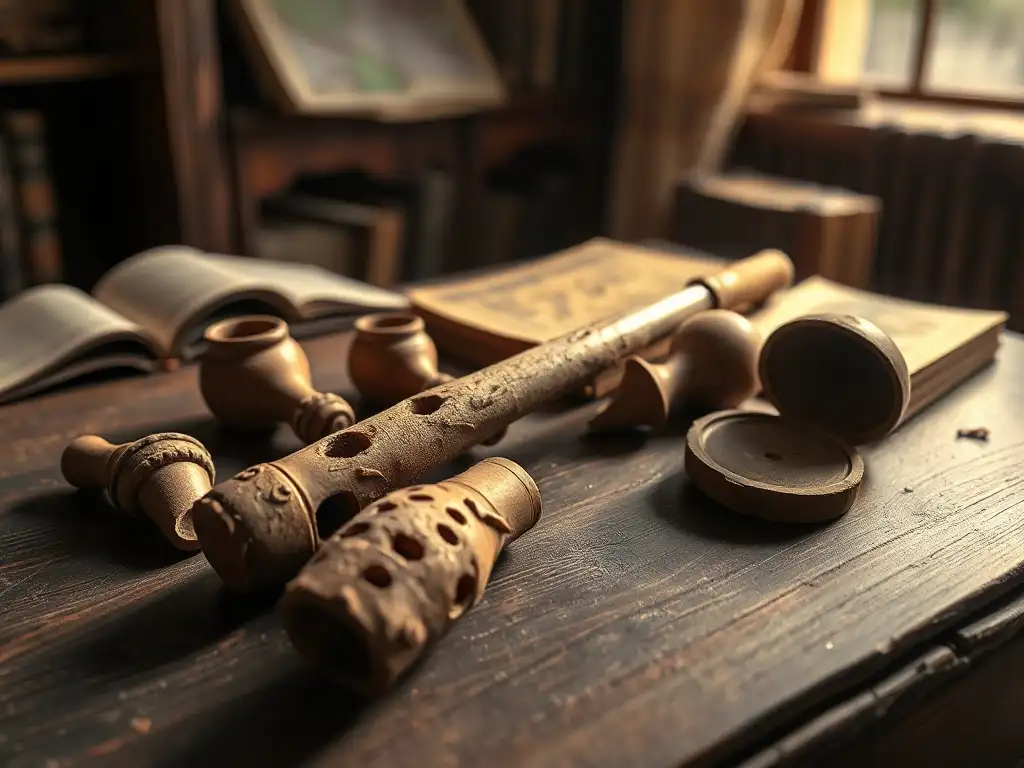
The Valdivia culture, flourishing along the coast of present-day Ecuador from approximately 3500 to 1800 BCE, left behind a fascinating array of artifacts. While direct evidence of musical instruments is scarce, archaeological findings and modern research shed light on the sounds that may have characterized their society. Understanding the Valdivia people's musical practices requires a multi-faceted approach, combining careful analysis of discovered objects with informed interpretations based on comparative studies of other ancient Andean cultures.
The quest to reconstruct their musical landscape is an ongoing process, enriching our understanding of their complex social and spiritual life. The preservation of this cultural heritage is crucial not just for historical accuracy but also for appreciating the rich tapestry of Andean musical traditions.
Archaeological Findings and Their Contribution
Archaeological excavations in Valdivia sites have yielded limited, yet significant, clues about their musical instruments. While complete instruments are rare, fragments of pottery and other artifacts suggest the possibility of certain instruments. For example, some researchers propose that certain types of clay whistles, unearthed in various Valdivia settlements, might have served a musical function. These whistles, often small and intricately decorated, display diverse shapes and sizes, hinting at a potential range of pitches and timbres. Their presence in burials suggests a possible ritual or ceremonial role.
Further investigation into the Valdivia's use of bone and wood is needed. While these materials are less likely to survive the passage of time, their potential use in creating musical instruments like flutes or drums cannot be entirely discounted. The discovery of [specific bone or wood fragments pending further archaeological research] could provide crucial insights into this aspect of their musical culture.
The absence of readily identifiable instruments shouldn't be interpreted as a lack of musicality; rather, it highlights the challenges of preserving organic materials over millennia. The careful study of surviving fragments, combined with advanced analytical techniques, holds the key to unlocking further mysteries of Valdivia sounds. The painstaking work of archaeologists continues to provide valuable, albeit fragmented, pieces of this fascinating puzzle.
Modern Research and Interpretation of Valdivia Sound
Modern researchers employ various methods to interpret potential Valdivia musical instruments. Ethnomusicological studies, comparing Valdivia artifacts to similar instruments from later Andean cultures, offer valuable insights. This comparative approach helps us speculate on the possible sounds and functions of Valdivia musical instruments. For example, analyzing the size and shape of the discovered clay whistles, researchers can estimate their potential pitch range using acoustic modeling techniques. These models, while not definitive, provide valuable hypotheses about the sonic characteristics of these instruments.
Furthermore, the study of Valdivia art offers additional clues. Petroglyphs and ceramic decorations sometimes depict figures holding or playing instruments—though often symbolically—providing visual representations that can be compared to instruments from other cultures. The interpretation of these artistic representations, however, requires caution, as symbolic meaning might overshadow direct depictions of instruments.
Ultimately, the reconstruction of Valdivia music remains a challenging task, requiring interdisciplinary collaboration between archaeologists, ethnomusicologists, and acoustic engineers. The meticulous approach and rigorous methodology employed in these studies are crucial in understanding the limitations and possibilities of interpreting the evidence. The quest for a clearer understanding of Valdivia sounds is a journey of scientific investigation and careful interpretation.
Protecting Valdivia Cultural Heritage
Protecting Valdivia cultural heritage, including its potential musical legacy, requires a multifaceted approach. Firstly, responsible archaeological excavation and preservation techniques are paramount. This includes meticulous documentation of all findings, careful handling of fragile artifacts, and the establishment of secure storage facilities for excavated materials. Secondly, raising public awareness about the importance of preserving these sites and artifacts is crucial. Educational initiatives, museum exhibits, and public outreach programs can help foster a sense of appreciation for Valdivia culture and its musical potential.
Furthermore, promoting research and collaboration between different academic disciplines is essential. Funding for ongoing research into Valdivia culture is vital for unraveling the mysteries surrounding their musical instruments. International collaboration among researchers and institutions can facilitate the sharing of knowledge and resources.
Finally, implementing strict regulations to prevent looting and damage to archaeological sites is essential for the long-term preservation of Valdivia's cultural heritage. The protection of these sites is not simply a matter of preserving artifacts; it's about preserving a part of humanity's shared history and understanding the rich diversity of cultural expressions throughout time. The preservation of Valdivia's musical heritage is a collective responsibility, requiring the concerted efforts of governments, researchers, and the public alike.
Conclusion: The Enduring Echoes of Valdivia Sounds
The study of Valdivia musical instruments offers a captivating glimpse into the sophisticated cultural and social life of this early Andean civilization. While much remains unknown, the surviving artifacts, coupled with careful analysis and comparison to later Andean musical traditions, paint a picture of a people who valued music deeply, integrating it into various aspects of their daily existence, from ritual ceremonies to everyday life. The limited number of discovered instruments underscores the challenges of archaeological research but also highlights the importance of each find.
Further research, including advanced scientific analysis of unearthed fragments, holds the potential to unlock even more secrets about the sounds of this fascinating pre-Columbian culture. The echoes of Valdivia music, though faint, resonate through time, reminding us of the rich tapestry of human expression that existed millennia ago.
Understanding their musical heritage helps us appreciate the complexity and ingenuity of the Valdivia people and enriches our understanding of the broader Andean musical landscape. The unique characteristics of Valdivia instruments contribute significantly to our understanding of the evolution of musical instruments in the region.
Recap of Valdivia Musical Instrument Types
The current archaeological record suggests a limited, but intriguing, range of Valdivia musical instrument types. While definitive classification is often hampered by fragmentary remains, several categories can be tentatively identified based on available evidence:
- Possible Flutes: Fragments of bone and possibly clay pipes have been found, suggesting the use of simple flutes. The exact design and range of these instruments remain largely speculative, pending further analysis and discovery of more complete specimens. The size and shape of the bone fragments indicate a potential range in pitch and tone.
- Pottery Whistles/Ocarinas: Small ceramic artifacts, often intricately decorated, exhibit features consistent with whistles or ocarinas. These appear to have been produced using a variety of clay types and firing techniques, potentially indicating variations in sound production. The decorative elements on these artifacts suggest they might have held symbolic or ritualistic significance.
- Idiophones: While no definitive examples have been conclusively identified, the possibility of percussion instruments made from stone or shell cannot be entirely dismissed. Further research and excavation may reveal evidence of these types of instruments. The presence of stone tools and carved objects suggests the potential for instruments created from these materials.
| Instrument Type | Material | Evidence | Potential Sounds |
|---|---|---|---|
| Possible Flutes | Bone, Possibly Clay | Fragmentary Remains | High-pitched whistles |
| Pottery Whistles/Ocarinas | Ceramic | Intact and Fragmented | Varied, High-pitched |
| Idiophones (Speculative) | Stone, Shell | Indirect Evidence | Percussion Sounds |
The scarcity of complete instruments emphasizes the need for more extensive archaeological investigation to fully elucidate the musical landscape of the Valdivia culture. The discovery of a single, complete instrument could significantly broaden our understanding.
The Significance of Valdivia's Musical Heritage
The study of Valdivia musical instruments is crucial for several reasons:
- Understanding Social Structures: The presence and type of musical instruments can offer insights into the social organization and ritual practices of the Valdivia. Did music play a role in ceremonies? Were instruments used for entertainment or communication? These questions are central to understanding their society.
- Technological Advancements: The creation of musical instruments demonstrates a level of technological skill and craftsmanship. The precision needed for making flutes or whistles reflects an advanced understanding of materials and sound production. The techniques used to create these artifacts showcase the Valdivia's capabilities.
- Cultural Exchange: Comparing Valdivia instruments with those of later Andean cultures can illuminate potential cultural exchange and influence throughout the region. Did certain techniques or instrument types spread across different groups? Analyzing similarities and differences provides valuable information about the diffusion of ideas and practices.
- Evolution of Andean Music: Valdivia's musical heritage contributes to a larger understanding of the evolution of Andean music and its enduring influence on subsequent cultures. By studying their instruments, we gain a deeper appreciation for the historical continuity of musical traditions in the Andes.
The limited evidence available underscores the importance of continued research and preservation efforts. The discovery of new artifacts, alongside advanced analytical techniques, will undoubtedly enrich our knowledge of Valdivia music and its place within the broader context of Andean civilization. Each new discovery helps to fill the gaps in our understanding and brings us closer to hearing the sounds of this ancient culture. 🎶
Frequently Asked Questions
What types of musical instruments did the Valdivia culture use?
While direct evidence is scarce, archaeological findings suggest the Valdivia likely used percussion instruments made from materials like clay and stone. It's speculated that they might have also utilized simple wind instruments made from reeds or bone, though confirmation is lacking.
How do we know about Valdivia music if there are no surviving instruments?
We infer the existence of music through indirect evidence. Figurines and iconography sometimes depict individuals playing instruments, or at least holding objects that could be interpreted as such. Further research may uncover more direct proof.
Are there any similarities between Valdivia instruments and those of later Andean cultures?
The relationship between Valdivia instruments and those of later cultures is still being researched. However, the use of percussion and potentially wind instruments suggests a possible continuity in musical traditions across different Andean societies.
What materials were likely used to create Valdivia musical instruments?
Based on the materials commonly used in Valdivia artifacts, we can assume instruments were crafted from clay, stone, wood, bone, and possibly reeds. The exact techniques employed remain largely unknown.
Where can I learn more about Valdivia musical instruments and the research being done?
More information can be found by searching academic databases for papers on Valdivia archaeology and Andean music. Museums with collections from the Valdivia period may also hold relevant artifacts and information.
Final Reflection: Echoes of Valdivia: A Legacy in Sound
The intricate craftsmanship and diverse forms of Valdivia musical instruments offer a powerful glimpse into a sophisticated ancient culture, a testament to human creativity that resonates even today. Their discovery challenges our preconceived notions of pre-Columbian societies and highlights the rich tapestry of artistic expression that existed thousands of years ago. The meticulous detail preserved in these artifacts speaks volumes about the importance of music and ritual in Valdivia life.
The enduring mystery surrounding the exact sounds produced by these instruments continues to fuel scholarly debate and inspires a sense of wonder. The very act of imagining the melodies and rhythms that once filled Valdivia settlements connects us to a past that, despite its distance, feels surprisingly intimate. The past is never dead. It's not even past.
- William Faulkner. This quote perfectly encapsulates the enduring power of the Valdivia culture, whose musical legacy continues to speak to us across millennia, prompting further research and appreciation.
Consider the echoes of these ancient sounds. Imagine the vibrant rituals, the communal celebrations, the intimate moments of personal expression that these instruments accompanied. You, the reader, are now part of this ongoing conversation. Take a moment to reflect on the power of music to transcend time and culture, and consider how the legacy of the Valdivia people inspires us to appreciate and preserve our own artistic heritage. Let the sounds of Valdivia resonate within you, a reminder of the enduring human spirit and the power of artistic expression.
Unleash Your Inner Musician and Connect with Ancient Sounds!
Thank you for exploring the fascinating world of Valdivia's musical instruments! You've uncovered a rich tapestry of culture through these ancient sounds, a heritage that continues to resonate today. Now, let's put your newfound knowledge into practice and experience the magic firsthand.
Here are some **powerful and accessible ways** to connect with this ancient music:
- Play a replica of a traditional instrument! Research local music shops or online retailers to find reproductions of Valdivian instruments. Feel the connection to the past as you create music inspired by ancient techniques.
- Join or start a music group dedicated to ancient music. Connecting with others who share your passion will enrich your experience, whether you collaborate online or in person.
- Share your discoveries! Spread the word about Valdivia's musical heritage by posting about your exploration on social media or starting a blog. Inspire others to appreciate and discover these captivating ancient sounds.
Imagine how Valdivian instruments might sound in modern compositions—what genres do you think would best complement their unique qualities? Let's discuss in the comments!