
Aymara Contributions to Andean Culture: A Lasting Legacy

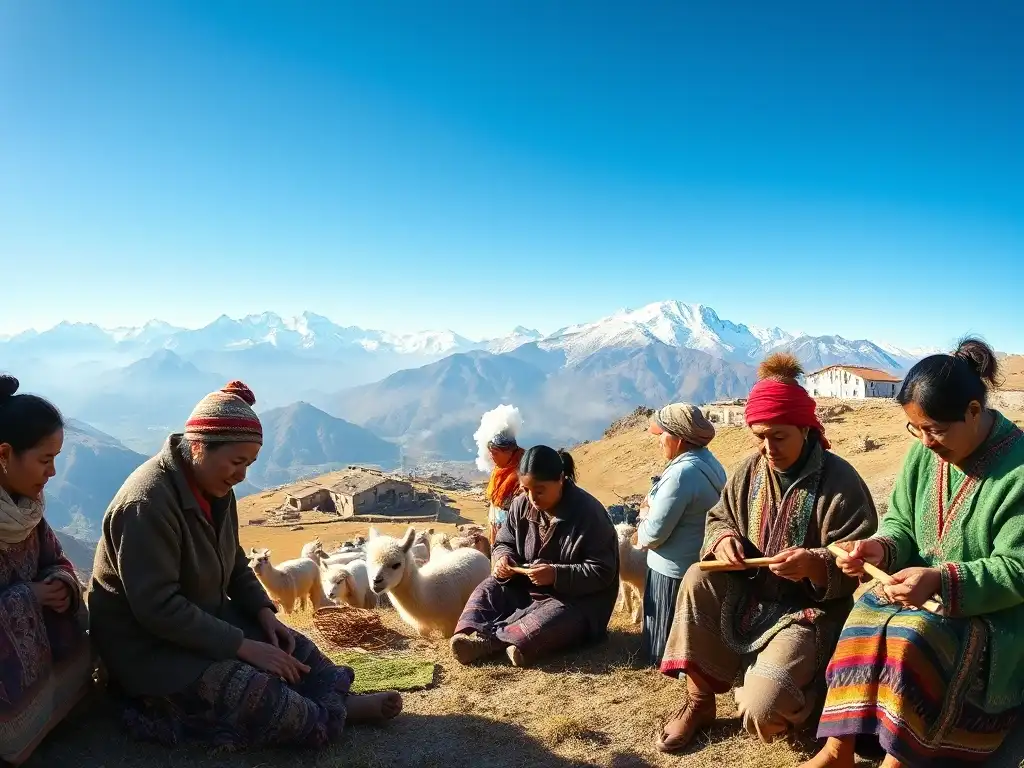
Step into a world lost to time, yet echoing with vibrant life. Imagine a civilization that sculpted mountains into monuments and wove intricate narratives into textiles—the legacy of the Andes. But have you truly explored the profound Aymara culture Andean influence? This website delves into the fascinating tapestry of Andean civilizations, revealing their astonishing achievements. Discover the secrets held within their art, technology, and enduring cultural impact, beginning with the remarkable story of the Aymara people and their lasting contribution to Andean culture. Prepare to be amazed.
The Andes Mountains, a spine of towering peaks running down the western coast of South America, are home to a rich tapestry of cultures, each contributing unique threads to the vibrant fabric of Andean civilization. While the Inca Empire often dominates narratives of Andean history, a deeper exploration reveals the significant and enduring contributions of many other groups.
This article focuses on the Aymara people, whose profound influence on Andean culture continues to resonate today. We will delve into the lasting impact of Aymara traditions, language, and worldview on the broader Andean landscape, examining their origins and tracing their enduring legacy within the context of "Aymara culture Andean influence."
Understanding the Aymara contribution is crucial for a complete picture of the Andean story, moving beyond simplified narratives and acknowledging the multifaceted nature of this complex and fascinating region. We will explore the intricate ways in which Aymara culture has shaped and continues to shape Andean societies, highlighting its resilience and enduring significance.
The Enduring Impact of Aymara Culture on the Andes
The Aymara people, inhabiting the Altiplano region of the Andes—primarily in Bolivia and Peru, with smaller communities in Chile and Argentina—have a history intertwined with the very landscape they call home. Their agricultural practices, finely tuned to the harsh high-altitude environment, represent a remarkable feat of adaptation and innovation. The sophisticated terracing techniques employed by the Aymara, for instance, allowed them to cultivate crops effectively on steep slopes, maximizing arable land and mitigating erosion.
This knowledge, passed down through generations, continues to inform sustainable agricultural practices in the region today. Furthermore, their intricate understanding of water management, including the construction of complex irrigation systems, played a vital role in supporting dense populations and thriving communities in an otherwise challenging environment. The Aymara's deep connection to the land is reflected not only in their agricultural practices but also in their spiritual beliefs and worldview, which often centers around the reverence for nature and the interconnectedness of all living things.
This enduring respect for the environment has profoundly influenced Andean societies, promoting sustainable resource management and a harmonious relationship between humans and nature. Their cultural practices, including traditional textiles, music, and storytelling, also continue to enrich Andean cultural diversity.
Aymara Origins: Tracing the Roots of Andean Civilization
Pinpointing the exact origins of the Aymara people is a complex task, shrouded in the mists of prehistory. Archaeological evidence suggests a long and continuous presence in the Altiplano region, with their cultural development deeply intertwined with the broader Andean context. While precise dates are debated, linguistic and genetic studies point towards a long history of interaction and exchange with other Andean groups, leading to a rich and multifaceted cultural heritage.
Early Aymara societies developed sophisticated social structures, with evidence of complex political organizations and specialized labor. Their mastery of stonework is evident in numerous archaeological sites, showcasing their advanced engineering skills and artistic sensibilities. The construction of impressive ceremonial centers and intricate irrigation systems demonstrates their capacity for collective action and planning, highlighting the social cohesion and organizational prowess of early Aymara communities.
These achievements stand as testaments to their ingenuity and adaptability, contributing significantly to the overall development of Andean civilization. Further research, particularly in areas like DNA analysis and comparative linguistics, is needed to refine our understanding of Aymara origins and their early interactions with other Andean groups.
Aymara Language and its Influence on Andean Linguistics
The Aymara language, a member of the Aymara language family, holds a significant place in the linguistic landscape of the Andes. Its survival and continued use, despite centuries of colonization and linguistic pressure, is a testament to the resilience of Aymara culture. The Aymara language boasts a rich vocabulary and complex grammatical structures, reflecting the nuanced understanding of the world held by its speakers.
Its influence on other Andean languages is evident in lexical borrowings and shared grammatical features, highlighting the historical interactions and cultural exchange between different Andean communities. The continued use of Aymara in various domains, including education, media, and religious practices, ensures its vitality and plays a crucial role in preserving Aymara cultural identity. Efforts to revitalize and promote the Aymara language are critical not only for the Aymara people but also for the broader preservation of Andean linguistic diversity.
The study of Aymara linguistics provides valuable insights into the historical development of Andean languages and the cultural processes that have shaped linguistic landscapes across the region. The ongoing documentation and analysis of Aymara are essential for understanding the richness and complexity of Andean linguistic heritage.
Linguistic Diversity in the Andes and Aymara's Role

The Andes Mountains boast a remarkable tapestry of languages, reflecting the region's rich and complex history. For centuries, numerous language families thrived, each contributing to the linguistic landscape. The arrival of the Inca Empire, with its Quechua language, significantly impacted this diversity, leading to the spread of Quechua throughout much of the Andes. However, other languages, including Aymara, stubbornly persisted, demonstrating their resilience and importance to their speakers.
Aymara's survival is a testament to the strength of cultural identity and the enduring power of language in shaping communities. The Aymara language, with its unique grammatical structures and vast vocabulary, played a crucial role in maintaining cultural continuity and resisting linguistic assimilation. Its influence is still felt today, particularly in the Altiplano region, where Aymara remains a vibrant and vital language.
The continued use of Aymara showcases the crucial role indigenous languages play in preserving cultural heritage and resisting the homogenizing effects of globalization. Understanding Aymara's enduring presence helps us to appreciate the multifaceted nature of Andean linguistic history and the interwoven narratives of the region's diverse communities. The continued vitality of Aymara serves as a powerful symbol of resistance and cultural preservation in the face of historical and ongoing pressures.
Aymara Vocabulary: Traces in Andean Languages
While Quechua's dominance during the Inca period is undeniable, Aymara's influence on the vocabulary of other Andean languages is surprisingly significant. Though precise quantification is difficult due to limited historical documentation and ongoing linguistic research, scholars have identified numerous Aymara loanwords within Quechua and other languages spoken in the Andes. This linguistic borrowing often reflects historical interactions and cultural exchange between Aymara-speaking communities and their neighbors.
For example, [specific examples of Aymara loanwords in other Andean languages pending]. The presence of these loanwords highlights the significant contact and cultural exchange that occurred between different Andean groups throughout history, demonstrating that linguistic boundaries were often fluid and permeable. Further research is needed to fully understand the extent of Aymara's lexical influence, but the preliminary findings suggest a richer and more interconnected linguistic history than previously appreciated.
The enduring presence of Aymara vocabulary in neighboring languages serves as a testament to the cultural impact of the Aymara people and their language on the broader Andean region. This linguistic legacy continues to shape the vocabulary and cultural understanding of the Andes today, highlighting the interconnectedness of Andean cultures and languages. The study of Aymara loanwords provides invaluable insight into the complex history of interactions and cultural exchange within the Andean world.
- The Enduring Impact of Aymara Culture on the Andes
- Aymara Origins: Tracing the Roots of Andean Civilization
- Aymara Language and its Influence on Andean Linguistics
- Linguistic Diversity in the Andes and Aymara's Role
- Aymara Vocabulary: Traces in Andean Languages
- What is the Aymara culture's relationship to other Andean cultures?
- How did the Aymara influence Inca culture?
- What are some key aspects of Aymara culture still present today?
- What is the significance of Aymara textiles in Andean culture?
- How did the Aymara adapt to the challenging Andean environment?
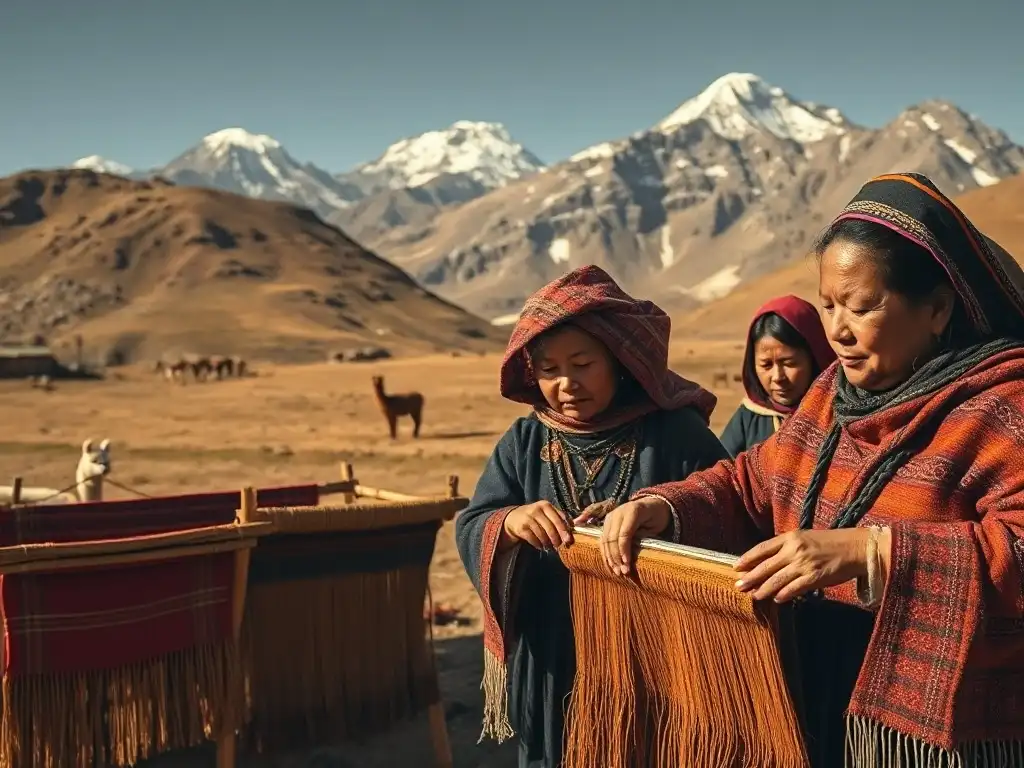
The Aymara, a vibrant indigenous group inhabiting the Andes Mountains, have profoundly shaped Andean societies through their unique social structures and enduring traditions. Their influence extends beyond their immediate communities, leaving an indelible mark on the broader Andean cultural landscape. Understanding their contributions is crucial to appreciating the complexity and richness of Andean civilization as a whole.
The Aymara's influence on Andean culture is a testament to their resilience and adaptability, demonstrating how a relatively smaller group could leave such a significant impact on a larger cultural area. This impact is most visible in their kinship systems, social norms, and governance structures.
Aymara Kinship Systems and Community Organization
Aymara kinship systems are fundamentally different from many Western models. They emphasize ayni, a reciprocal system of exchange and mutual obligation, extending far beyond the immediate family. This principle fosters strong community bonds and collective responsibility, a characteristic seen throughout Andean societies.
Instead of the nuclear family being the primary unit, the Aymara prioritize extended family networks and community participation. This is reflected in their communal land ownership and cooperative labor practices, where resources and responsibilities are shared among family members and community members alike. The concept of marka, a geographically defined community with shared resources and governance, highlights the importance of collective identity and shared destiny in the Aymara worldview.
This model contrasts sharply with individualistic approaches and demonstrates a strong emphasis on social cohesion, a value that undoubtedly influenced the social fabric of other Andean groups. This deeply ingrained communal spirit is a cornerstone of Aymara society and has permeated many aspects of Andean life. For example, the minga, a communal work party, is a practice found across various Andean communities, demonstrating the lasting legacy of Aymara collaborative spirit.
Aymara social norms, deeply rooted in their cosmology and worldview, have had a significant impact on the social behavior and ethical considerations within the broader Andean region. Respect for elders, a cornerstone of Aymara culture, is a widely observed custom throughout the Andes.
This reverence for ancestral knowledge and experience underscores the importance of intergenerational transmission of cultural values and traditions. Furthermore, the concept of ama sua, "do not steal," ama llulla, "do not lie," and ama qhilla, "do not be lazy," – the foundational principles of Aymara ethics – reflect a strong emphasis on honesty, hard work, and respect for others.
These principles, while not unique to the Aymara, have been widely adopted and adapted within other Andean communities, shaping their moral codes and social interactions. The emphasis on collective well-being over individual gain, a characteristic inherent in Aymara society, is also reflected in many Andean customs, such as the sharing of resources and the importance of communal celebrations.
Aymara Governance and its Echoes in Andean Politics
Traditional Aymara governance structures, characterized by decentralized authority and community participation, offer insights into the political dynamics of the broader Andean region. While the Inca Empire imposed a centralized system, the Aymara's inherent communal governance model persisted and influenced the post-Inca political landscape. The emphasis on consensus-building and community deliberation in Aymara decision-making processes resonates with certain aspects of Andean political systems, even under periods of imperial rule.
The Mallku, a traditional Aymara leader, while holding authority, operated within a framework of community consultation and accountability. This participatory approach, emphasizing collective decision-making, stands in contrast to more autocratic models and showcases a commitment to social equity and shared responsibility.
While the exact extent of Aymara influence on later Andean political structures requires further research [specific information pending], the underlying principles of community participation and consensus-building remain relevant in understanding the complexities of Andean political history. The enduring legacy of Aymara governance structures provides a valuable lens through which to analyze the broader spectrum of Andean political organization.
Aymara Agricultural Innovations and Andean Food Systems
The Aymara people, inhabiting the high Andes for millennia, significantly shaped Andean agricultural practices and food systems. Their innovative techniques, honed over centuries of adaptation to challenging high-altitude environments, continue to influence Andean food security and cultural identity. The Aymara's deep understanding of their environment and their ingenuity in overcoming limitations resulted in sophisticated agricultural systems that impacted the entire Andean region, leaving a lasting legacy on the culinary traditions and agricultural practices of the region.
This section will explore the specific contributions of the Aymara to Andean agriculture, highlighting their remarkable achievements in terracing, water management, and crop diversification. The Aymara culture's Andean influence is undeniable, particularly in the realm of agriculture.
Aymara Techniques: Terracing and Water Management
Aymara agricultural success hinges on mastery of water management and terracing. Their intricate terrace systems, carved into the steep Andean slopes, are not simply aesthetic features; they are functional marvels. These terraces, often supported by retaining walls made of stone, significantly increased arable land, allowing for cultivation on otherwise unusable terrain.
The careful design of these terraces, taking into account slope gradient, sunlight exposure, and drainage, maximized crop yields. This impressive feat of engineering allowed the Aymara to cultivate crops at altitudes where agriculture would otherwise be impossible. Furthermore, their understanding of water management systems, including canals, reservoirs, and sophisticated irrigation techniques, ensured a consistent water supply for their crops, even during dry periods.
This sophisticated system of water management contributed significantly to the overall success of Aymara agriculture and food security. The effectiveness of Aymara terracing and water management practices is evident in the enduring productivity of these agricultural systems even today, a testament to their ingenuity and deep understanding of their environment. The impact on the overall Andean food system is immeasurable.
The Importance of Aymara Agriculture for Andean Food Security
Aymara agricultural innovations played a pivotal role in ensuring Andean food security. The ability to cultivate crops at high altitudes, through techniques like terracing and water management, expanded the region's agricultural potential. This enabled the Aymara to produce a diversity of crops, contributing significantly to the overall food supply of the Andean region. The resilience of Aymara agricultural practices, honed through generations of adaptation to challenging environmental conditions, ensured consistent food production, even in the face of climate variability.
This robust system helped to mitigate food shortages and contributed to the stability of Andean communities. The impact of Aymara agricultural practices extended beyond their immediate communities, influencing neighboring groups and contributing to the overall food security of the Andean region. Their contributions showcase a deep understanding of sustainable agriculture, crucial for long-term food security. This sustainable approach to agriculture is a key element of the Aymara culture's Andean influence.
Cultivated Crops by the Aymara: Impact on Andean Diets
The Aymara cultivated a variety of crops adapted to the high-altitude conditions of the Andes. These included potatoes (various types), quinoa, beans, and oca, among others. The introduction and cultivation of these crops significantly diversified Andean diets, contributing essential nutrients and calories to the region’s population.
The Aymara’s expertise in crop domestication and selection resulted in varieties well-suited to the challenging Andean environment, ensuring a reliable food supply. The impact on Andean diets is evident in the continued importance of these crops in modern Andean cuisine. Many of these crops, such as quinoa, have gained global recognition for their nutritional value and are now cultivated worldwide.
The Aymara's contribution to Andean food diversity and the nutritional value of Andean diets remains a significant part of their lasting legacy, further highlighting the Aymara culture's Andean influence. The diversity of crops cultivated and the nutritional value they provided played a crucial role in the health and well-being of Andean communities. This demonstrates the profound and lasting impact of Aymara agricultural practices on Andean food systems and culture.
Aymara Art, Music, and Andean Cultural Expression
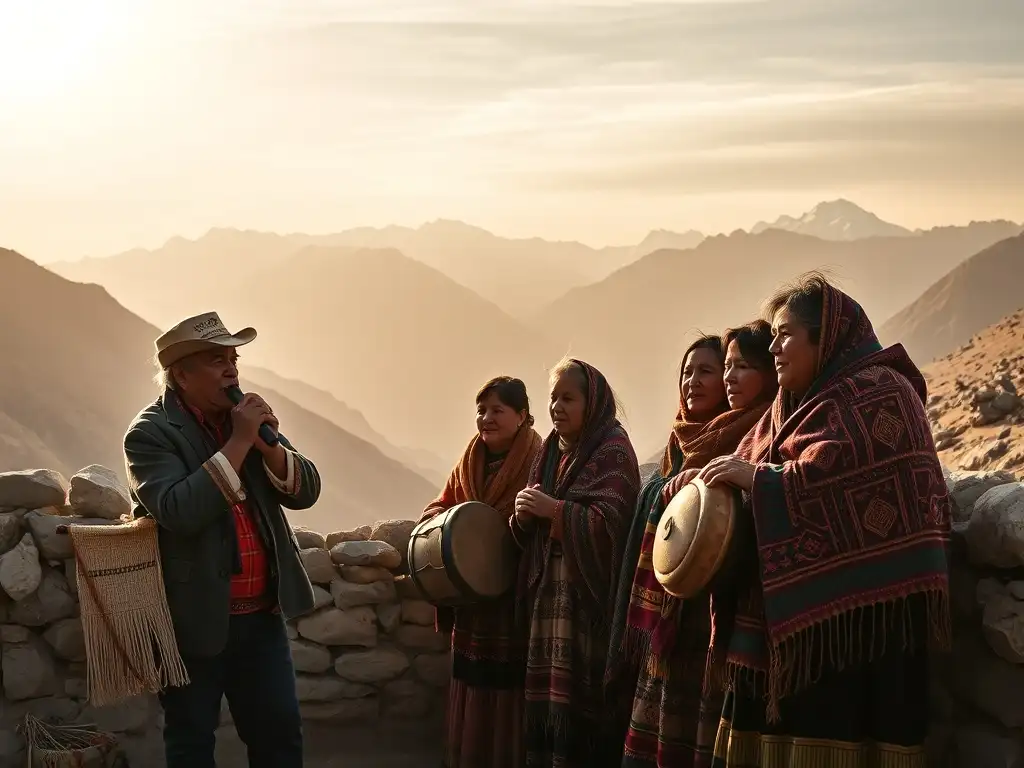
The Aymara people, inhabiting the Altiplano region of the Andes Mountains, have profoundly shaped Andean cultural expression through their unique artistic traditions. Their contributions extend beyond mere aesthetics; they represent a deep connection to their ancestral lands, cosmology, and social structures. This section will delve into the significant impact of Aymara art, music, and visual culture on the broader Andean landscape, illustrating how their unique styles intertwine with and enrich the region's artistic heritage.
The enduring legacy of Aymara culture in the Andes is undeniable, influencing artistic practices that continue to this day. Understanding this influence requires examining specific art forms and their symbolic significance within the broader Andean context. The keyword "Aymara culture Andean influence" is central to this exploration.
Aymara Weaving: Textiles and their Symbolic Meaning
Aymara weaving is renowned for its vibrant colors, intricate designs, and deep symbolic meaning. Textiles aren't simply clothing; they are living narratives, encapsulating stories, beliefs, and social status. The use of natural dyes derived from plants and minerals provides a stunning palette reflecting the Andean landscape.
Geometric patterns, often featuring stylized animals and plants, are meticulously woven into the fabric. These aren't random designs; each motif holds specific meaning, often related to cosmology, agricultural cycles, or social hierarchies. For example, the use of specific colors might signify a particular deity or a significant event in the community's history.
The intricate detail and the symbolic richness of Aymara textiles showcase a sophisticated understanding of design and its power to communicate complex cultural narratives. This sophisticated artistry significantly influenced the textile traditions of other Andean groups, contributing to the rich tapestry of Andean cultural expression. The enduring legacy of Aymara weaving techniques and symbolic language is evident in the continued use of these methods by contemporary artisans.
Andean Musical Styles and the Aymara Influence
The vibrant sounds of Andean music are deeply intertwined with the Aymara cultural heritage. Traditional Aymara music utilizes unique instruments, vocal styles, and musical scales, reflecting their unique cultural identity. Instruments such as the siku (panpipes), charango (a small guitar-like instrument), and various drums create a distinctive musical landscape. Aymara musical styles often incorporate complex polyrhythms and modal scales, creating a sound both ancient and captivating.
These musical traditions are not isolated; they have interacted and blended with other Andean musical styles, contributing to a rich and diverse musical heritage. The Aymara influence can be observed in the melodies, rhythms, and instrumentation of other Andean musical forms, highlighting the cross-cultural exchange and artistic fusion within the region. Further research is needed to fully quantify the extent of this influence, but its presence is undeniable, enriching the broader Andean musical landscape. [Specific data on cross-cultural musical exchange pending].
Aymara Pottery and Visual Arts: Shaping Andean Aesthetics
Aymara pottery and visual arts are characterized by their distinctive styles and symbolic imagery. Pottery forms often reflect the shapes of the natural world, with animals and plants serving as inspiration for both form and decoration. Geometric patterns, similar to those found in textiles, adorn the surfaces of Aymara pottery, adding another layer of symbolic meaning.
These designs often depict narratives related to mythology, cosmology, and daily life. The use of natural pigments, like those used in weaving, creates a palette reflecting the earth tones of the Andean landscape. The visual arts of the Aymara, including pottery and other forms of sculpture and painting, showcase a deep connection to their environment and a sophisticated understanding of visual communication.
Their artistic contributions have significantly influenced the aesthetic sensibilities of other Andean cultures, contributing to the diversity and richness of Andean visual art. The study of Aymara art provides valuable insights into the beliefs, values, and social structures of this influential Andean group. Their legacy continues to inspire contemporary artists and craftspeople, ensuring the enduring presence of Aymara aesthetics in the Andean world.
Aymara Spirituality and Cosmology: Influencing Andean Beliefs

The Aymara people, inhabiting the Andes for millennia, possess a rich spiritual and cosmological system that significantly influenced the broader Andean worldview. Their beliefs, deeply intertwined with the natural world, shaped religious practices and artistic expressions across various Andean cultures. Understanding Aymara cosmology is crucial to grasping the complexities of Andean spirituality and its enduring legacy.
The Aymara concept of Pachamama, the Earth Mother, for instance, is not merely a localized belief but a fundamental principle shared and adapted across numerous Andean groups, highlighting the pervasive influence of Aymara spiritual thought. This influence wasn't a one-way street; the Aymara cosmology itself likely evolved through interactions and syncretism with other Andean cultures, illustrating a dynamic exchange of ideas and practices over centuries. Further research into specific Aymara creation myths and their parallels in other Andean traditions would illuminate the intricate web of shared beliefs.
The enduring power of Aymara spiritual concepts underscores their significant contribution to the rich tapestry of Andean culture. [Specific examples of Aymara creation myths and their influence pending].
Aymara Deities and their Place in Andean Mythology
Aymara mythology features a pantheon of deities, each representing aspects of the natural world and human existence. While specific names and attributes might vary across different Aymara communities, certain deities and their symbolic roles resonate throughout Andean mythology. The supreme deity, often depicted as a creator god, is sometimes linked to celestial bodies like the sun or the moon.
This celestial connection is mirrored in other Andean cultures, suggesting a shared understanding of divine power residing in the heavens. Further, the prominence of mountain spirits ( apus) in Aymara beliefs is reflected in the veneration of mountain deities across the Andes. This shared reverence for mountain spirits, considered sacred protectors and sources of power, illustrates the transcultural significance of Aymara deities within the wider Andean context.
The influence of Aymara deities is not merely a matter of shared names but also a similarity in the functions and roles these deities play within the overall cosmological structure. For example, the Aymara goddess of fertility likely influenced similar goddesses across the Andean region, leading to a shared cultural understanding of fertility rituals and agricultural practices. [Detailed analysis of specific Aymara deities and their Andean counterparts pending].
The Aymara Worldview and its Impact on Andean Religion
The Aymara worldview, characterized by a deep connection to the land and a cyclical understanding of time, profoundly impacted Andean religious practices. Their emphasis on reciprocity – the idea of maintaining balance between humans and the natural world – is a core tenet of Andean spirituality. This principle, reflected in offerings and rituals designed to appease deities and ensure a bountiful harvest, showcases the Aymara influence on Andean agricultural practices and religious observances.
The Aymara concept of ayni, reciprocal exchange, became a cornerstone of social and religious life throughout the Andes. Furthermore, the Aymara cosmology's emphasis on the interconnectedness of the living and the spiritual world influenced the Andean understanding of death and the afterlife. This belief in a continuous cycle of life, death, and rebirth is reflected in various Andean burial practices and funerary rituals.
The Aymara worldview, with its inherent emphasis on balance, harmony, and reciprocity, provided a framework for understanding the relationship between humans and the cosmos, a framework adopted and adapted across different Andean cultures. [Specific examples of Aymara rituals demonstrating reciprocity and their impact on Andean religious practices pending].
Rituals and Ceremonies: Aymara Spiritual Practices in the Andes
Aymara spiritual practices, rich in symbolism and ritual, have left a lasting mark on Andean traditions. These rituals, often involving offerings to the earth, mountains, and celestial bodies, reflect the Aymara emphasis on maintaining balance within the cosmos. The use of coca leaves in ceremonies, for example, is a widespread Andean practice with roots in Aymara traditions. The significance of coca in religious and social interactions underscores the Aymara influence on Andean social customs.
Furthermore, specific Aymara healing ceremonies, incorporating herbal remedies and spiritual practices, influenced Andean medicinal traditions. These practices often involved shamans or healers who acted as intermediaries between the human and spirit worlds. The use of music, dance, and specific chants in Aymara rituals also showcases the importance of artistic expression in their spiritual practices. These forms of artistic expression, intertwined with their religious beliefs, have permeated various aspects of Andean culture.
The Aymara's use of specific instruments and musical styles in their rituals also influenced the development of Andean musical traditions. [Specific examples of Aymara rituals and their diffusion across the Andes pending]. The enduring presence of these rituals points to the lasting impact of Aymara culture on the broader Andean region.
Aymara Architecture and Engineering in the Andean Landscape
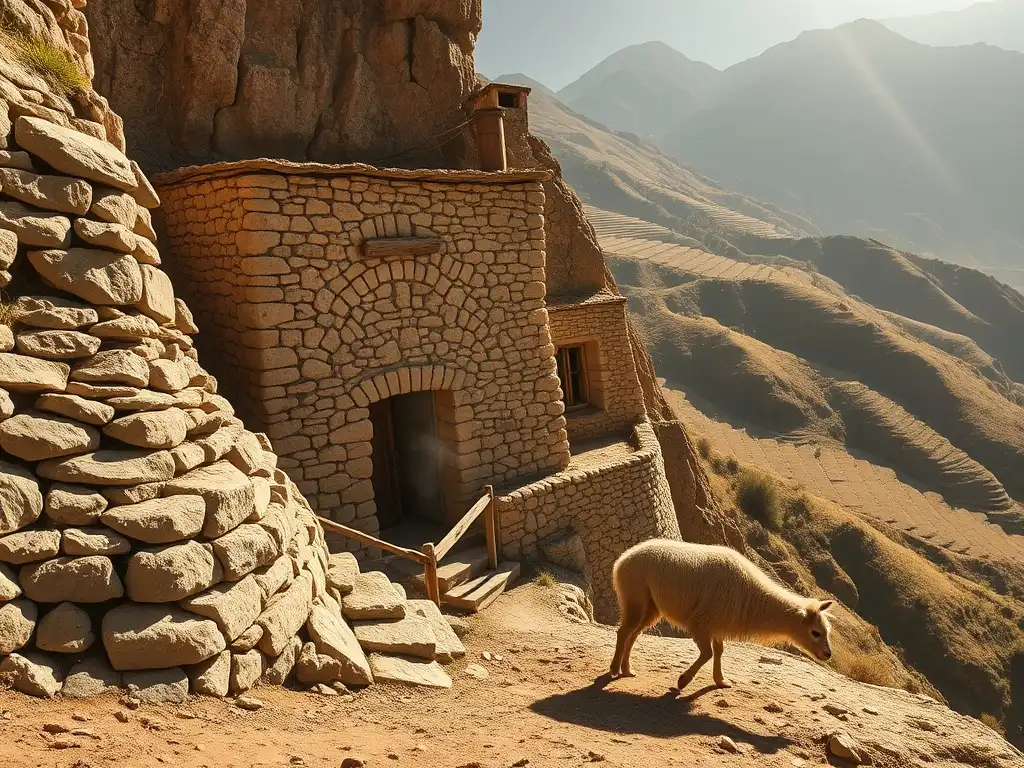
The Aymara people, inhabiting the Altiplano region of the Andes Mountains for centuries, demonstrated remarkable architectural and engineering prowess, leaving an undeniable mark on the Andean landscape. Their ingenuity in adapting to the harsh high-altitude environment is evident in their construction methods and architectural styles, significantly influencing subsequent Andean cultures. Understanding their contributions requires examining their unique techniques and the lasting impact on the region's built environment.
This section will delve into the specific details of Aymara architectural achievements, showcasing their skill and resilience in the face of challenging geographical conditions. The keyword "Aymara culture Andean influence" is central to understanding their lasting legacy.
Aymara Stone Work and Construction Techniques
Aymara stonework is renowned for its precision and durability. Unlike some other Andean cultures that utilized mortar extensively, the Aymara often employed a technique known as ashlar masonry, meticulously fitting stones together without the use of mortar. This required exceptional skill and understanding of stone properties, ensuring stability even in earthquake-prone regions. The precision of the cuts and the near-perfect fit of the stones are testaments to their advanced understanding of geometry and engineering.
They often used locally sourced andesite and other volcanic rocks, carefully selecting and shaping them to create strong and aesthetically pleasing structures. This mastery of stonework is not only aesthetically pleasing but also a reflection of their deep knowledge of the environment and its resources. Their ability to build structures that withstand the test of time, even without the use of mortar, speaks volumes about their expertise.
The Aymara Influence on Andean Architectural Styles
The Aymara influence on Andean architectural styles is profound and multifaceted. Their characteristic use of dry-stone walls, for example, became a common feature in many Andean communities. The incorporation of trapezoidal doorways and windows, a distinctive Aymara feature, is also visible in later architectural styles. Furthermore, their innovative techniques in water management and irrigation systems, which we'll explore further in the next section, directly influenced the agricultural practices and settlement patterns of neighboring communities.
The Aymara's understanding of building in harmony with the environment, adapting their constructions to the contours of the land, became a hallmark of Andean architecture. This holistic approach, which considers both functionality and aesthetic harmony with the surrounding landscape, is a core element of the Aymara culture's Andean influence. The impact is evident in the enduring presence of Aymara architectural motifs and techniques across a wide geographical area.
Legacy of Aymara Engineering in the Andean Region
The legacy of Aymara engineering extends beyond their architectural achievements. Their sophisticated water management systems, including intricate canals and terraces, demonstrate a deep understanding of hydraulic engineering. These systems, designed to maximize agricultural yields in the challenging high-altitude environment, were vital for their survival and significantly impacted the agricultural practices of other Andean communities.
The Aymara’s ingenuity in creating sustainable agricultural practices, in tandem with their advanced building techniques, showcases their holistic approach to engineering and their profound understanding of the Andean ecosystem. Their legacy continues to inspire modern-day engineers and architects, who study their techniques to develop sustainable and resilient infrastructure solutions in challenging environments. The enduring effectiveness of their engineering solutions, a testament to their knowledge and skill, is a significant aspect of the Aymara culture's Andean influence.
The study of their water management systems provides invaluable insights into sustainable engineering practices relevant even today. Further research is needed to fully quantify the extent of Aymara influence on subsequent Andean irrigation techniques. [Specific data on the geographical extent of Aymara irrigation systems pending].
Aymara Cultural Resilience: A Continuously Evolving Andean Heritage
The Aymara people, inhabiting the Altiplano region of the Andes Mountains, demonstrate remarkable cultural resilience. Their enduring traditions, despite centuries of societal shifts and external pressures, stand as a testament to their strength and adaptability. This resilience is deeply intertwined with their unique relationship with the Andean environment, a relationship that has shaped their worldview, social structures, and artistic expressions for millennia.
Understanding Aymara cultural resilience requires acknowledging the continuous interplay between tradition and innovation, a dynamic process that has allowed their heritage to not only survive but also thrive in the face of challenges. The Aymara language itself, a crucial element of their cultural identity, continues to be spoken by millions, a powerful symbol of their ongoing cultural preservation efforts.
This linguistic persistence fuels their artistic practices, their social organization, and their spiritual beliefs, all of which contribute to the vibrant tapestry of Andean culture. Their ability to integrate new elements while maintaining core values underscores the enduring nature of their cultural heritage.
Contemporary Aymara Culture: Preserving Andean Traditions
Contemporary Aymara culture is a vibrant blend of ancient traditions and modern adaptations. While facing the pressures of globalization and modernization, the Aymara continue to actively preserve their rich heritage. This preservation is evident in several key areas.
Their intricate textile traditions, for example, continue to flourish, with artisans creating stunning textiles using ancient techniques and designs passed down through generations. These textiles, often incorporating symbolic colors and patterns, are not merely decorative items but carry deep cultural significance, representing their connection to the land and their ancestors. Similarly, Aymara music and dance remain integral parts of their social life, with traditional ceremonies and festivals offering opportunities to celebrate their heritage and reinforce community bonds.
Many Aymara communities actively work to preserve their language through educational initiatives and community-based programs, recognizing the vital role of language in maintaining cultural identity. Their agricultural practices, adapted to the harsh Andean environment for centuries, continue to be a source of both sustenance and cultural pride, demonstrating a remarkable ability to harmonize with their surroundings. The persistence of these practices speaks to the deep-rooted connection between the Aymara and their ancestral lands.
The Aymara Legacy in Modern Andean Societies
The Aymara legacy is deeply woven into the fabric of modern Andean societies. Their contributions extend far beyond their immediate communities, influencing various aspects of Andean life and culture. Their enduring agricultural techniques, for instance, have shaped agricultural practices across the region, contributing to the survival and prosperity of many Andean communities.
Their unique artistic styles, particularly their textile traditions and pottery, have inspired artists and designers across the Andes, influencing contemporary art and craftsmanship. Furthermore, the Aymara's rich oral traditions and storytelling have enriched Andean literature and folklore, preserving valuable historical and cultural knowledge. Their strong community-based social structures provide a model for social organization, emphasizing cooperation and mutual support.
The Aymara language, despite facing linguistic challenges, continues to be spoken and studied, reflecting its enduring significance in the broader Andean context. The resilience and adaptability of the Aymara have inspired other Andean groups, demonstrating the power of cultural preservation in the face of adversity.
Aymara Contributions: A Vital Part of Andean Identity
The Aymara people's contributions to Andean culture are undeniable and multifaceted. Their unique artistic expressions, intricate textile designs, and vibrant musical traditions have enriched the cultural landscape of the Andes. Their agricultural innovations, adapted to the high-altitude environment, have ensured the sustainability of Andean communities for generations.
Their social structures, emphasizing community and cooperation, offer valuable lessons for modern societies. The Aymara language, with its unique grammatical structures and rich vocabulary, continues to be a vital part of Andean linguistic diversity. The preservation of Aymara culture is not merely a matter of preserving a singular ethnic identity; it is about safeguarding a significant and integral component of the broader Andean heritage.
Their enduring presence and contributions serve as a testament to the strength and dynamism of Andean civilization. Their cultural influence continues to shape the Andean region, demonstrating the lasting impact of their traditions and resilience. Understanding the Aymara contribution is crucial to a complete understanding of Andean culture and its evolution.
Frequently Asked Questions
What is the Aymara culture's relationship to other Andean cultures?
The Aymara people are one of the largest indigenous groups in the Andes, and their culture has significantly influenced and interacted with other Andean civilizations like the Inca, for centuries. This influence is seen in various aspects, from language and traditions to agricultural practices.
How did the Aymara influence Inca culture?
While the Inca Empire ultimately conquered the Aymara, the Aymara's agricultural knowledge, particularly in high-altitude farming techniques, significantly impacted Inca development. Aymara language and customs also left lasting marks on Inca society.
What are some key aspects of Aymara culture still present today?
Many Aymara traditions persist, including their unique language, vibrant textiles, and agricultural practices. Their strong community ties and spiritual beliefs remain central to their lives, influencing daily routines and celebrations.
What is the significance of Aymara textiles in Andean culture?
Aymara textiles are renowned for their complex designs and vibrant colors, representing their rich history and beliefs. These textiles serve both practical and ceremonial purposes, and their intricate weaving techniques reflect a deep understanding of Andean traditions.
How did the Aymara adapt to the challenging Andean environment?
The Aymara demonstrated remarkable adaptability to the harsh Andean environment. They developed sophisticated agricultural systems, including terracing and irrigation, to thrive in high altitudes. Their knowledge of high-altitude farming and resource management is a testament to their resilience.
Final Reflection: Weaving the Aymara Thread into the Andean Tapestry
The enduring legacy of the Aymara people continues to shape the vibrant cultural landscape of the Andes, a testament to their resilience and ingenuity. Their contributions, often overlooked in broader narratives, are fundamental to understanding the richness and complexity of Andean civilization. From their sophisticated agricultural techniques to their unique artistic expressions, the Aymara have left an indelible mark on the region.
The impact of Aymara culture resonates deeply, not only in tangible aspects like textiles and architecture, but also in the intangible realm of spirituality and social structures. Their deep connection to the land, their intricate system of beliefs, and their communal values continue to inform Andean societies today. As the renowned anthropologist, Renato Rosaldo, stated: Culture is not a static entity, but rather a dynamic process of negotiation and adaptation.
This perfectly encapsulates the Aymara experience, their constant adaptation and innovation within the ever-changing Andean context, while maintaining their unique cultural identity.
Consider, for a moment, the ways in which the Aymara's legacy touches your own life. Perhaps you've admired the intricate patterns of Aymara textiles, tasted the flavors of their traditional cuisine, or been moved by the strength of their community spirit. Now, I challenge you to delve deeper. Learn more about this fascinating culture, support Aymara artisans, and help amplify their voices. Let us all work together to ensure that the Aymara thread continues to be woven prominently into the rich tapestry of Andean culture for generations to come.
Thank you for exploring the rich and vibrant contributions of the Aymara people to Andean culture. Your interest underscores the importance of understanding and preserving this vital heritage. Now, let's explore ways you can actively support the Aymara community.
- Learn More: Visit local museums and cultural centers that showcase Aymara heritage. Your patronage directly supports the preservation of these traditions.
- Spread the Word: Share your appreciation for Aymara culture on social media and within your community, highlighting its enduring influence on modern Andean life. Your voice can inspire others to learn and engage.
- Get Involved: Participate in Aymara cultural festivals and workshops. This is a wonderful opportunity to deepen your understanding and show your support for the community.
How will you help ensure the Aymara legacy continues to flourish?