
Divine Rulers: Exploring the Role of Religion in the Formation of Andean States

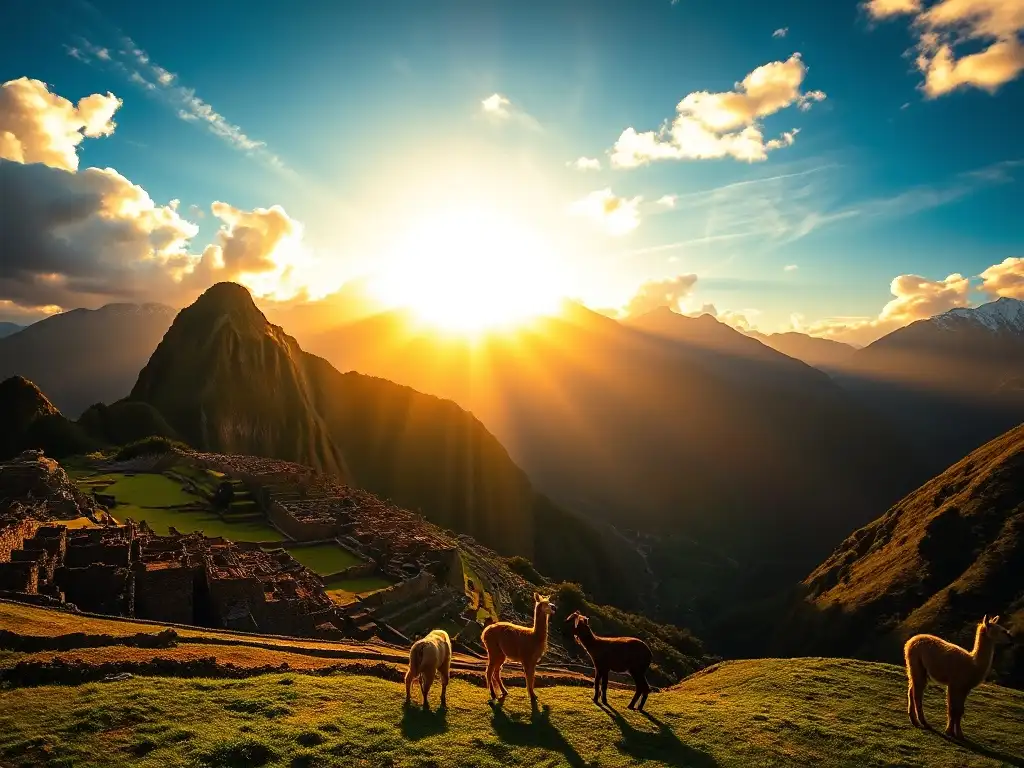
Step into a world lost to time, yet echoing with the whispers of gods and emperors. Discover the intricate tapestry of Andean civilizations, where the lines between earthly power and divine authority blurred. The Andean civilizations’ religious role wasn't merely a matter of belief; it was the very foundation upon which these magnificent states were built. Unravel the mysteries behind their awe-inspiring structures and captivating rituals – a journey into the heart of a civilization where religion shaped destiny itself. Prepare to be amazed as we delve into the fascinating story of Divine Rulers and their profound influence.
- Divine Rulers: Exploring the Religious Role in the Formation of Andean States
- The Intertwined Relationship: Religion and Power in Ancient Andes
- Key Deities and Their Influence on Andean Political Structures
- The Religious Infrastructure of Andean Statecraft
- Case Studies: The Religious Role in Specific Andean Civilizations
- The Legacy of Andean Religious Practices in Political Structures
-
Frequently Asked Questions
- What was the most important aspect of religion in Andean civilizations?
- How did religion influence the daily lives of Andean people?
- What role did human sacrifice play in Andean religions?
- How did Andean religious beliefs impact their art and architecture?
- Did different Andean cultures share similar religious beliefs?
- Final Reflection: The Enduring Legacy of Andean Faith
- Unveil the Power of Faith: Transform Your Understanding Today!
Divine Rulers: Exploring the Religious Role in the Formation of Andean States
The rise of complex societies in the Andes wasn't solely a matter of military prowess or agricultural innovation; it was deeply intertwined with a sophisticated and pervasive religious system. This article delves into the crucial role religion played in shaping the political structures and social hierarchies of Andean civilizations, particularly focusing on how the concept of divine rulership legitimized power and fostered social cohesion across diverse groups.
We will examine how religious beliefs and practices influenced the development of states among cultures like the Incas, Moche, Nazca, and Tiahuanaco, exploring the intricate relationship between the sacred and the secular in the Andean world. Understanding this complex interplay is essential to grasping the full scope of Andean societal development and the enduring legacy of these remarkable civilizations.
This exploration will reveal how religious ideology wasn't just a separate aspect of Andean life, but rather a fundamental building block in the construction and maintenance of their powerful states. The Andean civilizations religious role is a complex and fascinating topic, and we will unpack its many layers in the sections below.
The Inca Empire: A Theocracy Built on Divine Lineage
The Inca Empire, arguably the most extensive and powerful Andean state, presented a clear example of a theocracy. The Sapa Inca, the emperor, wasn't merely a political leader; he was considered a direct descendant of the sun god, Inti, and a divine intermediary between the human and spiritual realms. This divine lineage legitimized his absolute authority and ensured the obedience of his subjects.
The elaborate rituals and ceremonies surrounding the Sapa Inca, including the Capac Raymi (the most important Inca festival), reinforced his sacred status and strengthened the empire's ideological foundations. Detailed records, though limited due to the Spanish conquest's destruction of many sources, indicate the immense resources dedicated to maintaining the religious apparatus supporting the emperor's divine authority. The Inca's religious system was not merely a set of beliefs; it was the very backbone of their political and social order.
The intricate network of priests, temples, and religious festivals served to reinforce the Inca's power and maintain social control, illustrating the profound influence of religion on the empire's structure and longevity. Even the vast infrastructure projects, like the road system, were imbued with religious significance, demonstrating the deep integration of religious and secular aspects of life.
Moche: Religious Iconography and Political Power
Unlike the Inca's centralized theocracy, the Moche civilization (100-800 CE) showcased a more complex relationship between religion and political authority. While the Moche rulers weren't explicitly considered divine, their power was deeply intertwined with religious imagery and ritual practices. Their elaborate iconography, particularly the depictions of powerful warrior-priests and sacrificial ceremonies on their ceramics, suggests a close connection between the elite and the supernatural.
These depictions weren't mere artistic expressions; they were potent statements of power, illustrating the rulers' control over both the earthly and spiritual realms. The Moche's elaborate tomb complexes, filled with rich offerings and sophisticated craftsmanship, also highlight the importance of religious beliefs in their social structure.
Archaeological evidence suggests that religious rituals played a crucial role in legitimizing the Moche elite's authority and maintaining social order within their highly stratified society. The precise nature of the relationship between religious leaders and political rulers remains a subject of ongoing research, but the evidence strongly indicates a significant interplay.
Nazca and Tiahuanaco: Religious Centers and Societal Organization
Both the Nazca (100 BCE – 500 CE) and Tiahuanaco (1500 BCE – 1100 CE) cultures developed monumental religious centers that served as focal points for their respective societies. The Nazca's famous geoglyphs, visible only from the air, and their elaborate ceramic artistry, suggest a complex religious worldview centered around water and fertility. These monumental works likely served to consolidate social identity and reinforce the power of the ruling elite, even if the precise nature of their political organization remains debated.
Similarly, Tiahuanaco's massive stone structures and intricate religious iconography point to a sophisticated religious system that likely played a crucial role in organizing and controlling their vast territory. The scale and complexity of these religious centers suggest a high level of social organization and resource mobilization, indicating the significant role of religion in shaping these societies.
Further research is needed to fully understand the specific mechanisms through which religion influenced the political and social structures of both Nazca and Tiahuanaco. However, the existing evidence clearly points to a strong correlation.
The Enduring Legacy: Religion's Influence on Andean Identity
The pervasive influence of religion on the formation of Andean states continues to resonate even today. The enduring presence of Andean religious beliefs and practices in contemporary Andean cultures demonstrates the deep-rooted significance of these traditions. The integration of indigenous religious elements with Catholicism, a result of the colonial period, showcases the resilience and adaptability of Andean spirituality.
Understanding the historical role of religion allows us to appreciate the complexity and richness of Andean cultures and their lasting impact on the region's identity and societal structures. The legacy of these ancient civilizations continues to shape the cultural landscape of the Andes, underscoring the profound and lasting impact of their religious systems. The study of Andean civilizations religious role is therefore not simply an academic exercise; it is crucial to understanding the present-day Andes.
The Intertwined Relationship: Religion and Power in Ancient Andes
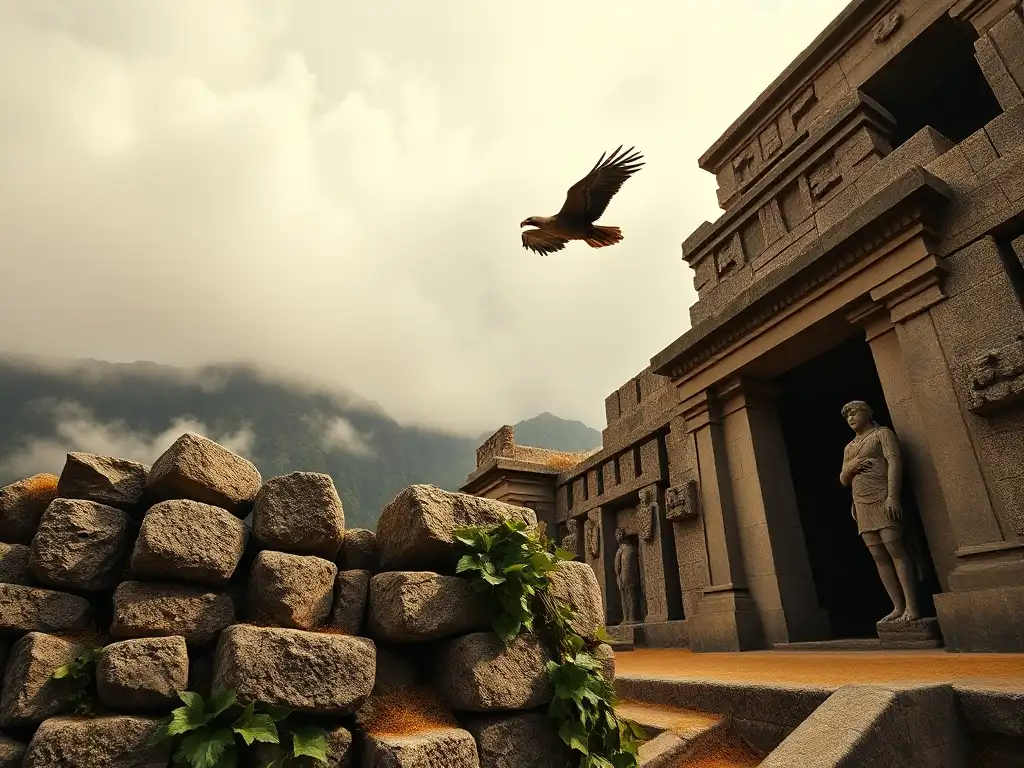
The Andean civilizations religious role wasn't merely a matter of spiritual practice; it was fundamentally intertwined with the very fabric of political power. Understanding the rise of complex societies in the Andes requires acknowledging this deeply embedded relationship. Religion wasn't separate from governance; it was governance, providing the ideological framework, social cohesion, and legitimacy that allowed for the development of powerful states.
The divine authority of rulers, the elaborate rituals, and the pervasive influence of religious beliefs all contributed to the stability and expansion of these impressive civilizations. This section delves into the specific mechanisms through which religion shaped the political landscape of the Andes. We'll explore how religious legitimacy underpinned the authority of rulers, how cosmological beliefs influenced state formation, and the significant role of religious specialists in governance.
The legitimacy of Andean rulers was inextricably linked to their perceived connection to the divine. They weren't simply political leaders; they were considered intermediaries between the human and spiritual realms. This divine connection was often emphasized through elaborate rituals, ceremonies, and iconography that reinforced their authority and the sacred nature of their rule.
For instance, Inca emperors were considered descendants of the sun god Inti, a lineage that provided a powerful justification for their absolute power. This wasn't simply a claim; it was a deeply held belief that permeated all levels of society, ensuring obedience and loyalty. The Inca's capacocha sacrifices, while undeniably brutal, served to reinforce this divine connection, showcasing the emperor's ability to communicate with and appease the gods.
Similarly, the Moche rulers, depicted in powerful and often gruesome imagery, also projected an image of divine power, with their authority rooted in their ability to control the forces of nature and ensure the prosperity of their realm. The elaborate tombs and accompanying grave goods found in Moche sites further support this assertion, showcasing the immense wealth and power associated with their religious authority. The construction of monumental architecture, such as Machu Picchu, also served as powerful symbols of this religious legitimacy, demonstrating the ruler's ability to mobilize resources and command the labor of their subjects in the name of the divine.
Andean cosmology and its influence on state formation
Andean cosmology, with its complex system of beliefs about the universe, the gods, and the relationship between the human and supernatural worlds, profoundly influenced the formation and structure of Andean states. The concept of Pachamama, the Earth Mother, for example, played a crucial role in shaping social organization and resource management. The reverence for Pachamama emphasized the interconnectedness of all living things and the importance of maintaining a harmonious relationship with the natural world.
This belief system fostered sustainable agricultural practices and a deep respect for the environment, crucial factors in the development of stable and prosperous societies. Furthermore, the Andean worldview, characterized by a hierarchical structure mirroring the cosmos, influenced the organization of the state itself. The emperor, at the apex of the social hierarchy, was seen as a reflection of the celestial order, with his authority flowing down through a carefully structured system of nobles, priests, and commoners.
This cosmological order provided a framework for social control and political stability, shaping not only the political structure but also the social norms and customs of Andean societies. The cyclical nature of Andean cosmology, emphasizing renewal and regeneration, also impacted governance strategies, with rulers engaging in rituals and ceremonies designed to ensure the cyclical continuity of power and the prosperity of their realms.
The Role of Priests and Shamanic Practices in Early Andean Governance
Priests and shamans held significant power and influence within Andean societies, acting as intermediaries between the rulers and the divine. Their expertise in religious rituals, divination, and healing gave them considerable authority, often exceeding that of secular officials. They played a crucial role in advising rulers, interpreting omens, and ensuring the proper performance of ceremonies essential for maintaining social order and cosmic balance. In some societies, like the Nazca, the production of elaborate textiles and ceramics, often depicting religious themes, was overseen by religious specialists, further solidifying their position within the social hierarchy.
The intricate knowledge of astronomy, demonstrated in the Nazca Lines, suggests a close relationship between religious practice and astronomical observations, highlighting the role of priests in understanding and interpreting celestial events. The Inca's amautas—learned priests and scholars—were responsible for preserving and transmitting knowledge, influencing education and shaping the cultural values of the empire. Their influence extended beyond religious matters, impacting legal codes, agricultural practices, and even military strategies.
The power and influence of these religious specialists underscore the deep integration of religion and politics in the formation and governance of Andean states. [Specific information pending: a more detailed analysis of the social status and power structures involving priests and shamans in various Andean societies]. The evidence suggests a complex and dynamic relationship, with the influence of priests varying across different cultures and time periods.
Key Deities and Their Influence on Andean Political Structures
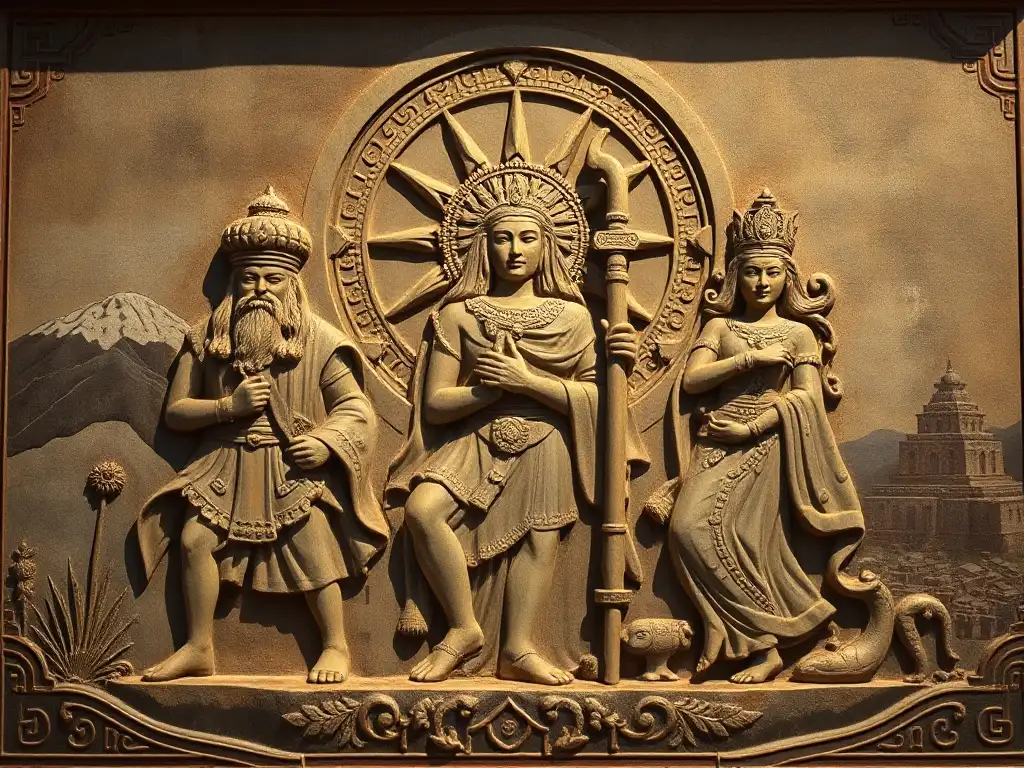
The Andean civilizations' religious role was paramount in shaping their political structures. Belief systems weren't merely spiritual practices; they were integral to the legitimacy of rulers, the organization of society, and the justification of state power. The complex interplay between religious beliefs and political power is evident in the prominence given to specific deities and their associated rituals and practices.
Understanding this dynamic is crucial to comprehending the rise and fall of these remarkable societies. The following sections explore the influence of three key deities—Viracocha, Inti, and Pachamama—on the formation and maintenance of Andean states. Their impact extended far beyond the purely spiritual realm, profoundly shaping political landscapes and social hierarchies.
Viracocha: The Creator God and Royal Lineages
Viracocha, the creator god, held a central position in the cosmologies of several Andean cultures, including the Inca. Often depicted as a bearded figure, sometimes with a staff, Viracocha was credited with creating the world, humanity, and the cosmos. His influence on Andean political structures manifested primarily through the legitimization of royal lineages. Rulers often claimed descent from Viracocha, thereby reinforcing their authority and divine right to rule. This claim wasn't merely symbolic; it provided a powerful ideological foundation for their power.
The Inca emperors, for example, meticulously constructed a narrative linking their ancestry to Viracocha, emphasizing their divine origins and reinforcing their legitimacy among the populace. This carefully cultivated image was reinforced through elaborate ceremonies, monumental architecture, and meticulously crafted iconography. The construction of impressive temples and shrines dedicated to Viracocha further solidified the connection between the deity and the ruling class, showcasing the ruler's power and divine mandate.
The intricate details of these structures, often incorporating astronomical alignments, served to further awe and impress the populace, strengthening the emperor's authority. Control over the Viracocha cult was therefore a key element in maintaining political stability and centralized power within the Inca Empire. Challenging the emperor's claim to Viracocha's lineage was tantamount to challenging the very foundation of the Inca state.
Inti: The Sun God and the Inca State Religion
Inti, the sun god, was the supreme deity in the Inca state religion, holding unparalleled importance in Inca society. The Inca emperors were considered direct descendants of Inti, further solidifying their divine right to rule. This connection between the sun god and the ruling dynasty was not merely a matter of symbolic association; it was deeply embedded in the political and social fabric of the Inca Empire.
The cult of Inti involved elaborate ceremonies and rituals, often performed by specialized priests and involving human sacrifices. These ceremonies were not simply religious events; they were carefully orchestrated political spectacles designed to reinforce the emperor's power and the legitimacy of the Inca state. The annual Inti Raymi festival, a grand celebration honoring the sun god, was a particularly important event, showcasing the emperor's authority and the empire's might.
The festival involved massive gatherings, elaborate processions, and lavish displays of wealth and power, all designed to impress and inspire loyalty among the Inca subjects. The intricate system of mit'a labor, which involved the conscription of citizens for public works, was also directly connected to the cult of Inti, with many projects—temples, roads, irrigation systems—being explicitly dedicated to the sun god. This ensured the continuous flow of resources and manpower to support both religious and state activities.
Pachamama: The Earth Mother and its impact on Andean agricultural practices
Pachamama, the Earth Mother, represented the fertility of the land and was a vital deity throughout the Andes. While not directly linked to the legitimization of rulers in the same way as Viracocha or Inti, Pachamama held immense influence over Andean societies, particularly in relation to agricultural practices and the organization of communities. Her importance stemmed from the crucial role of agriculture in Andean life. The success or failure of harvests directly impacted the survival and prosperity of the entire population.
The worship of Pachamama involved various rituals and offerings aimed at ensuring bountiful harvests. These practices weren't simply agricultural techniques; they were deeply ingrained religious observances, reflecting the close connection between the spiritual and material realms. Farmers would make offerings to Pachamama before planting and harvesting, seeking her blessings for a successful crop.
These offerings often included coca leaves, food, and other valuable items. Furthermore, the intricate systems of terrace farming and irrigation, characteristic of Andean agriculture, can be viewed not merely as technological achievements, but also as expressions of reverence for Pachamama and a desire to work in harmony with the natural world. The careful management of water resources, crucial for successful agriculture, was imbued with religious significance, reinforcing the interconnectedness of religious belief and agricultural practices.
The success of agricultural production was thus deeply intertwined with the appeasement of Pachamama, highlighting the profound influence of this deity on the social and economic structures of Andean civilizations. Failure to honor Pachamama could be interpreted as a reason for crop failure, potentially leading to social unrest and challenging the authority of local leaders.
Mountain Gods (Apus) and their connection to regional power
The towering Andes Mountains weren't merely geographical features to the Andean civilizations; they were living entities, powerful deities known as Apus. These mountain gods held immense sway over the lives of the people, influencing everything from agricultural cycles to political structures. Their perceived favor or displeasure directly impacted the legitimacy and power of regional leaders. A ruler's ability to maintain a harmonious relationship with the Apus was crucial for maintaining control and ensuring the prosperity of their realm. This connection wasn't abstract; it was deeply ingrained in the practical aspects of governance.
For example, the successful cultivation of crops, the lifeblood of Andean societies, was inextricably linked to the perceived benevolence of the Apus. Rituals, offerings, and elaborate ceremonies were meticulously performed to appease these powerful entities and ensure bountiful harvests. Leaders who demonstrated a particular skill in mediating this relationship, successfully negotiating with the mountain gods on behalf of their people, solidified their authority and gained the loyalty of their subjects.
Conversely, a ruler's failure to maintain this delicate balance could lead to widespread famine, social unrest, and ultimately, the erosion of their power. This direct link between religious practice and political stability highlights the profound influence of the Apus on the formation of Andean states. The successful ruler wasn't just a skilled warrior or administrator; they were also a skilled intermediary between the human world and the spiritual realm of the mountains.
Evidence of this intricate relationship can be found in the archaeological record. Many Andean sites were strategically located near mountain peaks considered sacred, emphasizing the importance of geographical proximity to the Apus. Furthermore, the construction of elaborate irrigation systems, often involving arduous feats of engineering, could be interpreted as a form of offering to the mountain gods, demonstrating the ruler's commitment to maintaining a harmonious relationship with the spiritual forces that controlled the life-giving waters.
The intricate network of roads and pathways connecting different settlements also suggests a deliberate attempt to physically link human communities with the sacred spaces of the Apus, further solidifying the power structure centered around these divine beings. The Andean worldview, deeply intertwined with the natural world, shaped the political landscape in profound ways, demonstrating the critical role of religion in the formation of Andean states.
Understanding the significance of the Apus is essential to grasping the complexities of Andean political structures. Their influence extended far beyond mere symbolism; it was a tangible force that shaped the very fabric of Andean society.
The Religious Infrastructure of Andean Statecraft
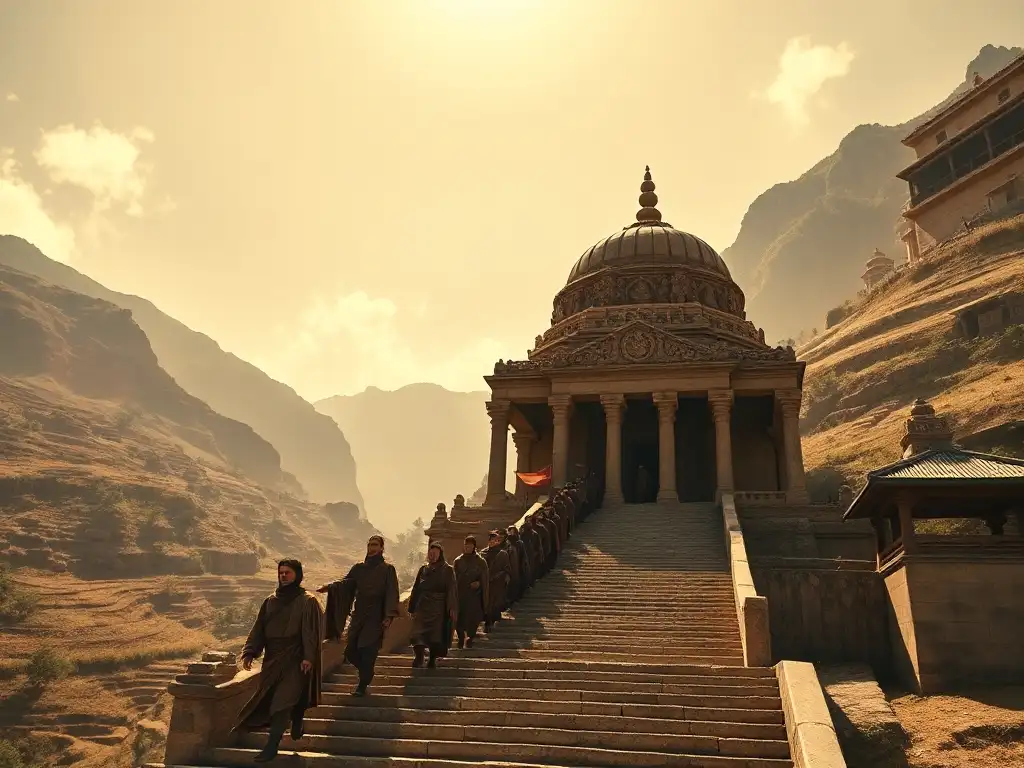
The rise of complex societies in the Andes was inextricably linked to the development of sophisticated religious systems that served not only spiritual needs but also played a crucial role in consolidating and legitimizing political power. The Andean civilizations religious role was multifaceted, influencing everything from urban planning to warfare. This section examines the key ways in which religion underpinned the formation and maintenance of Andean states.
The intricate interplay between religious beliefs and political structures demonstrates how divine authority was strategically employed to strengthen state control and enhance the prestige of ruling elites. Analyzing this relationship provides critical insights into the dynamics of power and the construction of identity in these fascinating ancient societies.
Sacred Centers and Temples as Symbols of Power
The construction of monumental religious centers served as a powerful display of state power and divine legitimacy in Andean societies. These weren't simply places of worship; they were meticulously planned urban spaces, often located strategically within the landscape, reflecting a deep understanding of cosmology and geography.
For example, the massive temple complexes at Chavín de Huántar and Moche's Huaca del Sol and Huaca de la Luna stand as testament to the immense resources and organizational capabilities of these early states. Their sheer scale and architectural complexity served to awe and impress, reinforcing the power and authority of the ruling class.
The placement of these sacred centers also held symbolic significance. Many were situated at points of intersection of important geographical features, such as rivers or mountain passes, highlighting the ruler's control over vital resources and trade routes. The intricate networks of roads and pathways connecting these centers further emphasized the state's reach and influence.
This carefully orchestrated spatial arrangement was not accidental; it was a conscious strategy to visually and symbolically demonstrate the state's dominance over its territory and its people. Furthermore, the construction itself involved a massive mobilization of labor, highlighting the ruler’s ability to command and control human resources, further solidifying their position as divinely appointed leaders.
Rituals and Ceremonies Strengthening State Control
Religious rituals and ceremonies were not merely spiritual practices; they were vital instruments of state control and social cohesion within Andean civilizations. Elaborate ceremonies, often involving human sacrifice in some cultures, served to reinforce the power of the ruling elite and instill a sense of awe and obedience among the populace. These events were carefully orchestrated spectacles designed to showcase the ruler's connection to the supernatural realm and their ability to mediate between the human and divine worlds.
The cyclical nature of many Andean agricultural practices was mirrored in the rhythmic performance of rituals. This ensured a constant reinforcement of the ruler’s role as an intermediary between the people and the forces that ensured bountiful harvests. The timing and scale of these rituals were carefully planned, often coinciding with crucial agricultural periods or significant celestial events, further emphasizing their importance in the lives of the people.
The participation of large segments of the population in these ceremonies fostered a sense of collective identity and loyalty to the state, strengthening social bonds and minimizing internal conflict. The detailed records, albeit fragmented, from various Andean cultures demonstrate the meticulous planning and execution of these events, pointing towards a highly organized and centralized system of religious control.
The Use of Religious Iconography in Political Propaganda
The Andean civilizations skillfully employed religious iconography as a potent tool of political propaganda. Rulers frequently portrayed themselves as divine intermediaries or even divine incarnations, using religious symbols and imagery to legitimize their authority and enhance their prestige. This strategy extended beyond simple representations; it permeated all aspects of state-sponsored art, architecture, and textiles.
For example, the Moche culture's elaborate ceramic vessels often depicted rulers performing rituals or engaging in acts of conquest, thereby associating their power with divine approval. Similarly, the Inca's use of the chakana (Andean cross) and other religious symbols on textiles, architecture, and tools served to constantly remind the population of the Inca's divine mandate.
These visual representations were not mere decorations; they were carefully crafted messages designed to reinforce the ideology of state power and maintain social order. The consistent and widespread use of this iconography across various Andean cultures demonstrates its effectiveness as a tool of political control and ideological reinforcement.
The detailed study of these symbols reveals a complex interplay of religious beliefs and political realities, offering invaluable insights into the mechanisms of power in Andean societies. Further research into the specific meanings and contexts of these symbols is needed to fully understand their impact on the Andean populations.
Pilgrimage and its role in unifying diverse Andean communities
Pilgrimage played a crucial role in forging a sense of unity and shared identity across the geographically diverse and often ethnically distinct communities of the Andes. These journeys, often arduous and demanding, weren't simply acts of individual devotion; they served as powerful mechanisms of state-building and social cohesion. The shared experience of the pilgrimage, the collective effort required to undertake it, and the shared destination – a significant religious site – fostered a sense of common purpose and belonging among participants from disparate regions.
For instance, the pilgrimage to the Inca site of Machu Picchu, though its significance likely evolved over time, exemplifies this unifying power. While the Inca Empire itself facilitated and controlled access to such sites, the act of pilgrimage itself predated the Inca, suggesting a long-standing tradition of regional convergence around sacred spaces. The journey itself involved traversing challenging terrains, often requiring cooperation and mutual support among pilgrims.
This shared hardship cemented bonds and fostered a sense of collective accomplishment upon arrival. The rituals performed at the destination further reinforced this sense of shared identity and religious affiliation, strengthening the ties between communities and the ruling power.
Furthermore, the carefully planned and managed pilgrimage routes themselves contributed to the integration of the Andean world. These routes weren't just paths; they were strategically placed infrastructure projects that facilitated trade, communication, and the movement of people. The establishment and maintenance of these routes, often with accompanying rest stops and infrastructure, demonstrates the state's active role in not only facilitating religious practices but also in forging a unified economic and social landscape.
The presence of state officials along these routes also ensured social order and the collection of tributes, further linking religious practice with state power. The successful management of these large-scale pilgrimages showcased the organizational capacity of Andean states, reinforcing their legitimacy and authority.
The economic benefits derived from the pilgrimages, such as increased trade and the exchange of goods and ideas, also further contributed to the integration and interconnectedness of Andean communities. The shared experience of religious devotion thus became a powerful tool for political integration and the consolidation of state power.
Case Studies: The Religious Role in Specific Andean Civilizations
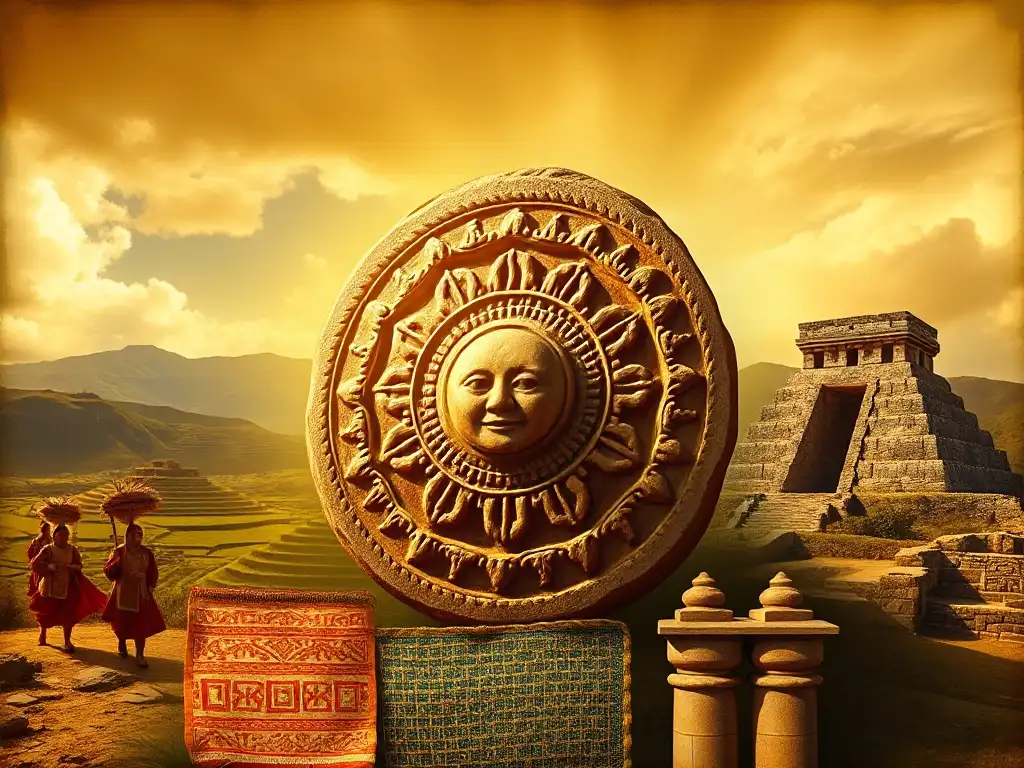
This section delves into the specific ways religious beliefs and practices shaped the formation and development of several key Andean states. We'll examine how religious ideologies influenced political structures, social hierarchies, and economic systems, ultimately contributing to the rise of complex societies across the Andes. The examples provided illustrate the diverse manifestations of religious power and its integral role in the Andean world.
The analysis will focus on the interplay between religious belief and the practical aspects of state-building, highlighting the significant impact of religious authority on the political landscape. Understanding this relationship is crucial to grasping the unique characteristics of these ancient Andean civilizations and their enduring legacy.
The Moche: Religious Art and Sacrificial Practices in State Building
The Moche civilization (c. 100-800 CE), known for its sophisticated irrigation systems and elaborate artistic traditions, provides compelling evidence of religion's central role in state formation. Moche rulers, often depicted in magnificent ceramic vessels and monumental architecture, were considered intermediaries between the human and divine realms. Their power was deeply intertwined with religious authority, legitimizing their rule and consolidating their control over resources and populations.
The Moche's religious beliefs revolved around a pantheon of deities, including powerful figures associated with fertility, warfare, and the forces of nature. This is vividly portrayed in their intricate pottery, which frequently depicts scenes of ritual sacrifice, warfare, and elaborate ceremonies. These depictions are not merely artistic representations; they are powerful statements about the Moche worldview, showcasing the importance of ritual in maintaining cosmic order and ensuring the prosperity of the state.
Sacrifice, a central aspect of Moche religious practice, played a crucial role in state building. Evidence suggests that both human and animal sacrifices were performed, often on a grand scale, to appease the gods, ensure bountiful harvests, and guarantee the success of military campaigns. These acts of sacrifice reinforced the power of the ruling elite and their connection to the supernatural, further strengthening the state's authority and legitimacy. The elaborate nature of these rituals, as evidenced by archaeological discoveries, underscores the immense investment of resources and labor, illustrating the high value placed on religious activities within Moche society.
The Nazca: Geoglyphs and Ritual Landscapes
The Nazca culture (c. 100 BCE – 800 CE) is renowned for its enigmatic geoglyphs, vast lines and figures etched into the desert surface visible only from the air. While the exact purpose of these geoglyphs remains debated, their scale and complexity suggest a significant religious function. These monumental earthworks likely served as part of a larger ritual landscape, connecting sacred sites and facilitating communication with the supernatural world.
The Nazca's religious beliefs focused on deities associated with water and fertility, reflecting the arid environment in which they lived. Their sophisticated irrigation systems, a testament to their engineering prowess, were likely integrated into their religious practices, emphasizing the vital link between water, agriculture, and the divine. The geoglyphs themselves may have played a role in ritual processions or ceremonies, reinforcing the social and political power of the elite who controlled the resources and labor necessary for their creation.
The creation of the Nazca Lines required immense organization and coordination, indicating a highly centralized power structure. This suggests that religious leaders, or those wielding religious authority, played a crucial role in managing the labor force and resources needed to construct these massive earthworks.
The Nazca Lines, therefore, are not merely artistic expressions; they are tangible evidence of the powerful role of religion in shaping the social, political, and economic landscape of the Nazca civilization, demonstrating the integration of religious beliefs into the very fabric of their society. Further research on the Nazca Lines and their associated sites is needed to fully understand their religious significance.
Tiahuanaco: Religious Syncretism and State Expansion
The Tiahuanaco civilization (c. 500-1000 CE) stands out for its sophisticated urban planning, monumental architecture, and evidence of religious syncretism. Located on the shores of Lake Titicaca, Tiahuanaco's influence extended across a vast area of the Andes, signifying its considerable political and religious power. The state's expansion was closely tied to its religious ideology, which combined elements of various Andean traditions into a powerful syncretic belief system.
The Tiahuanaco state employed a complex system of religious beliefs and practices to consolidate its power and legitimize its rule over a diverse population. Their religious ideology incorporated elements from earlier Andean traditions, creating a unified religious system that transcended regional differences and fostered a sense of shared identity. This syncretic approach facilitated the integration of conquered territories into the Tiahuanaco empire, contributing to its expansion and long-term stability. The iconic Gate of the Sun, with its intricate carvings depicting various deities and figures, stands as a powerful symbol of this syncretic religious ideology and the state's authority.
The monumental architecture of Tiahuanaco, including the Gate of the Sun and the Kalasasaya Temple, served not only as administrative centers but also as important religious sites. These structures were carefully planned and constructed, demonstrating the state's ability to mobilize resources and labor on a massive scale. The construction of these impressive monuments reinforced the state's power and legitimacy, impressing both subjects and potential rivals.
The religious significance of these structures further strengthened the ruler's authority, connecting their power directly to the divine. The sophisticated organization necessary for building such structures is a testament to the central role of religion in the Tiahuanaco state. The influence of Tiahuanaco's religious system on subsequent Andean cultures is a testament to its power and longevity.
The Inca: Sun Worship and Imperial Consolidation
The Inca Empire, at its zenith, controlled a vast territory stretching along the Andes Mountains. Their success wasn't solely due to military prowess or efficient administration; their deeply ingrained religious beliefs played a crucial role in forging a unified and powerful state. The Inca worldview, centered around the worship of Inti, the sun god, provided a powerful unifying force across diverse ethnic groups.
Inti wasn't merely a deity; he was considered the ancestor of the Sapa Inca, the emperor, legitimizing his rule and connecting him directly to the divine. This divine right to rule permeated all aspects of Inca society, ensuring loyalty and obedience from conquered peoples.
The Inca cleverly integrated the religious practices of conquered populations into their own system. While Inti remained paramount, the Inca incorporated local deities and rituals into the imperial pantheon, subtly demonstrating power and control while avoiding outright suppression. This strategy of religious syncretism proved remarkably effective in managing a vast and diverse empire. The incorporation of local deities helped maintain social order and prevent widespread rebellion, demonstrating a sophisticated understanding of religious diplomacy.
The elaborate state-sponsored festivals and ceremonies dedicated to Inti further reinforced the emperor's authority and the legitimacy of the Inca rule. These events weren't simply religious observances; they were powerful displays of imperial power, showcasing the Inca's wealth, military might, and divine connection.
The impressive scale of these celebrations, involving thousands of participants and vast quantities of resources, served as a constant reminder of the Inca's dominance. The construction of magnificent temples dedicated to Inti, such as the Coricancha in Cusco, served as tangible symbols of the empire's power and religious devotion, and became focal points for reinforcing the Inca's authority.
Furthermore, the Inca state controlled the religious specialists – the amautas and yachaywasi – who interpreted religious doctrines and performed rituals. This control allowed the Inca to maintain a firm grasp on religious ideology, ensuring that religious beliefs supported the imperial agenda. The state’s control over religious specialists and the interpretation of religious doctrines allowed for the manipulation of religious beliefs to serve political ends.
This manipulation was not necessarily coercive; rather, it was a sophisticated form of social engineering that effectively maintained social order and strengthened the empire. The Inca's masterful use of religion as a tool for imperial consolidation stands as a compelling example of the profound impact of religious beliefs on the formation of Andean states. The integration of religion into the very fabric of Inca society solidified its power and ensured its longevity, at least until the arrival of the Spanish conquistadors.
The Legacy of Andean Religious Practices in Political Structures
The Andean civilizations’ religious role extended far beyond simple spiritual practice; it was deeply interwoven with the very fabric of their political structures. The divine legitimacy of rulers, the organization of labor, and even the construction of monumental architecture were all informed by a complex interplay of religious beliefs and political power. Understanding this intricate relationship is key to comprehending the rise and fall of these powerful societies and their enduring influence on the region.
Analyzing the legacy of Andean religious practices in political structures reveals a sophisticated system where the spiritual and the secular were inextricably linked. This wasn't a simple case of rulers using religion for control; rather, religion formed the very foundation upon which political power was built and legitimized.
The intricate rituals, elaborate iconography, and widespread veneration of deities all contributed to a unified and powerful state. The concept of ayni, reciprocal exchange, extended beyond simple bartering to encompass a spiritual obligation to the community and the cosmos, reinforcing social cohesion and political stability.
The Enduring Influence of Andean Cosmology on Later Polities
Andean cosmology, with its emphasis on the interconnectedness of the natural and supernatural worlds, profoundly impacted the political landscape for centuries after the decline of the Inca Empire. The belief in Pachamama, Mother Earth, and the sacred mountains continued to shape the relationship between communities and their environment. Even after the Spanish conquest, indigenous communities adapted and integrated elements of their pre-Columbian beliefs into their interactions with the colonial authorities.
This syncretism, a blending of indigenous and colonial religious practices, allowed for the preservation of core Andean cosmological principles while accommodating the imposed religious structure. For example, the veneration of certain saints was often overlaid onto existing pre-Columbian deities, preserving the essence of the original worship while conforming to the new religious order. This subtle yet powerful adaptation demonstrates the enduring influence of Andean cosmology on the political and social structures that followed.
The persistence of these beliefs highlights the deeply ingrained nature of Andean religious practices and their resilience in the face of external forces. This resilience is evident in the ongoing influence of Andean cosmology on contemporary political and social movements aiming to reclaim indigenous identities and traditions. The continued importance of Pachamama in various Andean communities, for instance, is a testament to the enduring legacy of this ancient worldview.
Religious Continuity and Adaptation in the Post-Conquest Period
The Spanish conquest dramatically altered the religious landscape of the Andes, imposing Catholicism upon the indigenous population. However, Andean religious practices did not simply disappear; instead, they underwent a complex process of adaptation and syncretism. Indigenous communities cleverly integrated aspects of their traditional beliefs into the new religious framework, ensuring the survival of their spiritual heritage.
This process involved the adoption of new saints and rituals, often overlaying them onto pre-existing beliefs and practices. For example, the Virgin Mary sometimes took on attributes associated with Pachamama, effectively blending indigenous and Catholic beliefs. This syncretism wasn't a passive acceptance of the new religion; rather, it was a conscious act of cultural resistance and preservation.
The continued practice of traditional rituals, albeit sometimes in a modified form, demonstrates the tenacity of Andean religious traditions and their capacity for adaptation in the face of significant challenges. The persistence of these syncretic practices provides a fascinating case study of cultural resilience and the enduring power of indigenous beliefs. [Specific examples of syncretic practices in different Andean communities pending].
The Impact of Andean Beliefs on Modern Andean Societies
The legacy of Andean religious beliefs continues to profoundly shape the social and political fabric of modern Andean societies. Indigenous communities maintain and revitalize traditional practices, often incorporating them into contemporary social movements and political activism. The resurgence of indigenous identities and the demand for greater autonomy are often intertwined with a renewed emphasis on traditional beliefs and spiritual practices.
The celebration of ancient festivals, the continued veneration of apus (mountain spirits), and the practice of traditional medicine all testify to the vibrant continuity of Andean religious traditions. This resurgence is not simply a nostalgic return to the past; it is a powerful affirmation of cultural identity and a tool for social and political mobilization. Contemporary Andean art, literature, and music often draw upon ancient religious themes and imagery, reflecting the ongoing relevance of these beliefs in modern society.
The profound impact of Andean beliefs on modern Andean societies highlights the enduring power of these traditions and their role in shaping contemporary identities and political landscapes. The continued relevance of these ancient beliefs demonstrates their resilience and their capacity to adapt and evolve while preserving their core essence. The ongoing struggle for indigenous rights and recognition often finds its expression in the reaffirmation of Andean religious practices, thereby demonstrating the intricate link between spirituality, identity, and political agency.
Unresolved Questions: Exploring the nuances of Andean religious influence
The pervasive influence of religion on the formation and governance of Andean states is undeniable, yet many questions remain unanswered. While we can point to clear correlations between religious beliefs and political structures, the precise nature of this relationship continues to be a subject of scholarly debate. For example, the extent to which religious leaders held direct political power varies considerably across different Andean cultures and time periods.
In some cases, like the Inca Empire, the Sapa Inca held both supreme religious and political authority, blurring the lines between the sacred and the secular. However, other societies may have seen a more complex interplay between religious specialists (shamans, priests) and political elites, with power dynamics shifting depending on specific circumstances.
Further complicating the picture is the challenge of interpreting archaeological evidence. While monumental architecture, iconography, and human sacrifice offer valuable insights, their precise meanings often remain elusive. The symbolic language employed in Andean art and religious practices is rich and layered, requiring careful consideration of context and multiple interpretations.
For instance, the depiction of specific deities or mythical creatures on textiles or pottery might reflect a variety of meanings related to power, lineage, or cosmological beliefs – or a combination thereof. The lack of written records for many Andean cultures further hampers our understanding, forcing researchers to rely on indirect evidence and careful comparative analysis.
Another crucial area demanding further investigation is the role of religious rituals in maintaining social order and legitimizing political authority. While ceremonies and festivals undoubtedly played a vital role in reinforcing social hierarchies and reinforcing the power of rulers, the exact mechanisms through which this occurred are not fully understood. Did participation in religious events serve as a form of social control, fostering a sense of collective identity and obedience?
Or did religious rituals primarily function as displays of power, showcasing the ruler's connection to the divine and reinforcing their legitimacy to rule? These are just some of the many nuanced questions that continue to challenge our understanding of the interplay between religion and politics in ancient Andean societies.
Future research, incorporating interdisciplinary approaches and advanced analytical techniques, is crucial to shed more light on this fascinating and complex topic. A deeper understanding of these unresolved questions is key to a more complete picture of the "Andean civilizations religious role" in shaping their remarkable history.
Frequently Asked Questions
What was the most important aspect of religion in Andean civilizations?
The religious beliefs of Andean civilizations were deeply intertwined with their political structures. Rulers often held divine authority, legitimizing their power through their connection to the gods and ancestors. This ensured social order and control.
How did religion influence the daily lives of Andean people?
Religion permeated all aspects of daily life, from agriculture and trade to warfare and festivals. Rituals, offerings, and sacrifices were commonplace, reflecting the importance of maintaining a harmonious relationship with the supernatural.
What role did human sacrifice play in Andean religions?
Human sacrifice, while practiced by some Andean cultures like the Incas, wasn't a ubiquitous practice across all groups. It was often seen as a way to honor deities, ensure agricultural prosperity, or appease angry spirits, rather than simply a display of brutality.
How did Andean religious beliefs impact their art and architecture?
Andean art and architecture are replete with religious symbolism. Temples, palaces, and other structures were designed and decorated to reflect cosmological beliefs and honor deities. Ceramics and textiles also served religious purposes.
While there were common threads like ancestor veneration and agricultural fertility cults, different Andean cultures also had unique pantheons and rituals. However, there was considerable cultural exchange and interaction, leading to syncretism and shared beliefs between groups.
Final Reflection: The Enduring Legacy of Andean Faith
The intricate relationship between religion and state-building in the Andes remains profoundly relevant today, demonstrating the enduring power of belief systems to shape societies and leave an indelible mark on history. Understanding this dynamic offers crucial insights into the complexities of power, governance, and cultural identity, not just in ancient societies but also in the modern world grappling with similar questions of authority and belief.
The influence of Andean religious practices continues to resonate in the cultural landscape, shaping artistic expression, social structures, and even political discourse. The deep-seated reverence for the sacred mountains, the intricate cosmology, and the enduring legacy of Inca traditions are palpable even centuries later. The past is never dead. It's not even past.
– William Faulkner. This quote perfectly encapsulates the ongoing influence of Andean religious beliefs, which continue to inform contemporary identities and perspectives. Their impact extends beyond the archaeological record, weaving itself into the fabric of modern Andean life.
Consider the ways in which faith shapes your own world. How do belief systems influence your understanding of power, community, and the natural world? I urge you to reflect on the parallels between the Andean experience and your own, recognizing the enduring power of faith to both unite and divide, to inspire and to control. By understanding the past, we can better navigate the complexities of the present and build a more informed and empathetic future.
Unveil the Power of Faith: Transform Your Understanding Today!
Thank you for exploring the fascinating intersection of religion and state formation in Andean civilizations. You've gained valuable insights into how deeply spiritual beliefs shaped these societies. Now, let's delve even deeper!
- Dive Deeper: Explore additional resources on Andean religions to uncover the complexities of their beliefs and rituals. Consider researching specific deities or rituals to gain a more nuanced understanding.
- Share Your Thoughts: Join the discussion by commenting below. Let's explore how religious beliefs continue to influence modern societies and cultures.
- Engage with Community: Connect with other history enthusiasts on our social media pages to share insights and learn from each other's perspectives.
How do the spiritual beliefs of ancient Andean civilizations continue to influence contemporary cultural practices? What aspects remain visible today, and how have they adapted and evolved?