
Chavín's Use of Stone: Building with Intention and Purpose

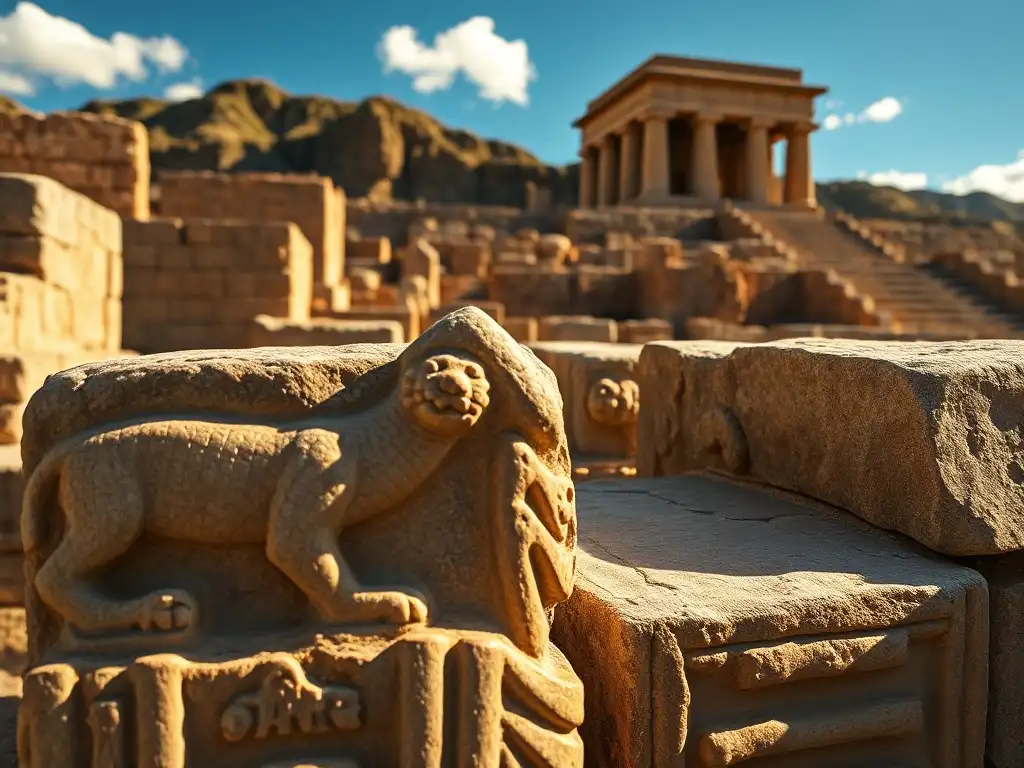
Step into a world lost to time, yet echoing with the whispers of ancient power. Andean Civilizations unveils the mysteries of a captivating past, from the towering heights of the Incas to the enigmatic artistry of cultures that predate them. Prepare to be amazed by the ingenuity and sophistication of these remarkable societies. Discover how the mastery of Chavín stone carving techniques shaped not only breathtaking sculptures, but entire civilizations – a legacy that continues to resonate today. Unravel the secrets hidden within the stone... read on to explore the artistry and intentionality of Chavín's remarkable achievements.
The Chavín culture, flourishing in the Andes Mountains of Peru between 1200 and 200 BCE, left behind a legacy of monumental architecture and intricate artistry, primarily carved from stone. This article delves into the remarkable Chavín stone carving techniques, exploring the ingenuity and precision employed in shaping the landscape and creating iconic religious structures. Their mastery of stonework wasn't merely functional; it was deeply intertwined with their spiritual beliefs and served as a powerful means of expressing their worldview.
We will examine the unique methods, tools, and artistic intentions behind their impressive achievements, revealing the sophisticated understanding of stone manipulation that characterized this formative Andean civilization. Understanding their techniques provides crucial insight into the social organization, religious practices, and technological prowess of the Chavín people, a society that profoundly influenced the subsequent development of Andean cultures.
The Raw Material: Sourcing and Selection of Stone
The Chavín utilized a variety of stones, carefully selecting materials based on their properties and intended use. Evidence suggests that they sourced materials from both nearby and distant locations, indicating a sophisticated understanding of geology and resource management. Granite, a particularly hard and durable stone, was favored for monumental structures and sculptures, demanding significant skill and effort to work. Other stones, such as andesite and limestone, were also employed, often depending on the specific project and the desired aesthetic effect.
The selection process likely involved considerations of color, texture, and workability, reflecting a keen awareness of the material's potential. Further research is needed to fully understand the logistics of stone transportation and the potential role of specialized labor in this process. [Specific information pending on exact quarries used and transportation methods].
Tools and Techniques: Shaping Stone into Art and Architecture
Chavín artisans employed a range of tools, many of which have been discovered at archaeological sites. These included stone hammers, chisels, and abrasives, used in a process that involved both percussion and abrasion. Percussion techniques involved striking the stone with a hammer to remove larger pieces, while abrasion involved smoothing and refining the surface using finer tools and abrasive materials like sand or grit. The precision and detail evident in Chavín carvings suggest a high level of skill and expertise, passed down through generations of artisans. The creation of complex designs, intricate reliefs, and lifelike representations of animals and deities required a mastery of these techniques and a deep understanding of the stone's properties.
We can imagine the artisans, meticulously chipping away at the stone, their movements precise and deliberate, guided by both skill and vision. 🔨
Iconography and Symbolism: Meaning Behind the Stonework
The stone carvings of the Chavín are not merely decorative; they are rich in symbolic meaning. Recurring motifs, such as jaguars, snakes, and stylized human figures, are often incorporated into architectural elements and sculptures. These motifs are believed to represent powerful deities and spiritual forces central to the Chavín worldview. The intricate designs and careful placement of these symbols within larger structures suggest a deep understanding of cosmology and a desire to create spaces that reflected their spiritual beliefs.
The placement and orientation of structures, like the Lanzón monolith, further emphasize the symbolic significance of the stonework. This intentional use of stone transcends purely functional considerations and demonstrates the profound role religion played in shaping Chavín society. 🦁
Legacy and Influence: The Enduring Impact of Chavín Stone Carving
The Chavín's mastery of stone carving left an indelible mark on subsequent Andean cultures. Their techniques and artistic styles were adopted and adapted by later civilizations, influencing the development of stonework throughout the region. The sophisticated understanding of stone manipulation and the symbolic use of carvings, which characterized Chavín artistry, became a cornerstone of Andean artistic expression.
The legacy of Chavín stone carving continues to inspire awe and admiration, providing a window into the rich cultural and spiritual world of this ancient civilization. The precision and artistry displayed in their work remain a testament to their skill and ingenuity. ✨
- The Raw Material: Sourcing and Selection of Stone
- Tools and Techniques: Shaping Stone into Art and Architecture
- Iconography and Symbolism: Meaning Behind the Stonework
- Legacy and Influence: The Enduring Impact of Chavín Stone Carving
- What materials did the Chavín culture primarily use for their stone carvings?
- What were some of the unique characteristics of Chavín stone carving techniques?
- How did Chavín stone carvers transport and handle such large stones?
- What were some of the common themes or motifs depicted in Chavín stone carvings?
- What is the significance of Chavín stone carving techniques in the broader context of Andean art?
The Significance of Stone in Chavín Culture
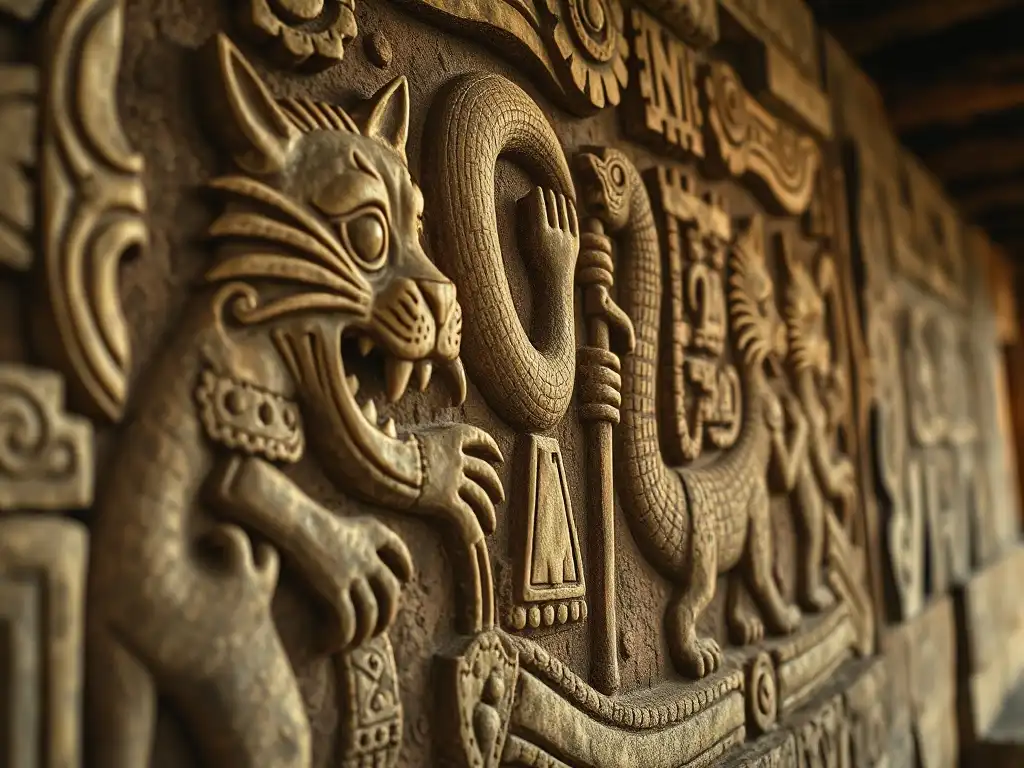
The Chavín culture, flourishing in the Andes from roughly 1200 to 200 BCE, left behind a remarkable legacy, largely embodied in their monumental stone architecture. Understanding their sophisticated Chavín stone carving techniques requires appreciating the profound significance stone held within their worldview. It wasn't merely a building material; it was a conduit to the spiritual realm, a canvas for intricate symbolism, and a testament to their advanced engineering prowess. This section delves into the multifaceted role of stone in Chavín society, exploring its selection, ritualistic uses, and the symbolic meanings embedded within their impressive structures.
Chavín's Choice of Stone: More Than Just a Building Material
Chavín artisans didn't haphazardly select their stone. Their choice of material, often a durable, dark grey volcanic rock known as andesite, reflects a deep understanding of the properties of different stones and their suitability for specific purposes. Andesite, readily available in the surrounding mountains, possesses excellent strength and resistance to weathering, ensuring the longevity of their structures. This wasn't simply a practical decision; the selection itself likely held symbolic meaning.
The dark, imposing nature of the andesite might have been associated with the powerful forces of nature or the underworld, reflecting their complex cosmology. Further research is needed to fully understand the nuances of their material selection, particularly whether lighter colored stones were used for specific purposes or held different symbolic weight within their culture. We know they also utilized other materials like limestone and obsidian, but andesite seems to have been the preferred material for their large-scale constructions.
Religious and Ritualistic Importance of Stone in Chavín Architecture
The monumental architecture of Chavín de Huántar, the culture's principal site, is inextricably linked to religious practices. The massive stone structures, intricately carved with zoomorphic and anthropomorphic figures, weren't merely buildings; they were sacred spaces designed to facilitate communication with the supernatural. The placement of the structures, often strategically aligned with astronomical events, suggests a sophisticated understanding of the cosmos and its influence on their lives. The elaborate carvings, which often depict jaguars, snakes, and other powerful creatures, likely served as focal points for rituals and ceremonies.
Consider the Lanzón, a massive, monolithic stone sculpture depicting a deity. Its placement deep within the temple complex underscores the importance of the stone itself as a sacred object, acting as a powerful symbol of their religious beliefs. The very act of carving and shaping the stone was likely a ritualistic process, imbued with spiritual significance.
Symbolism and Meaning Embedded in Chavín Stone Structures
The Chavín stone carving techniques were not merely functional; they were deeply symbolic. The intricate carvings, often depicting hybrid creatures and supernatural beings, tell a story of a complex cosmology. The repeated motifs, such as the jaguar and the serpent, likely represented powerful forces in their world, possibly embodying concepts such as power, fertility, and the cyclical nature of life and death.
The precision and skill involved in the carving process further emphasize the importance of these images. The use of techniques like bas-relief and intaglio allowed the Chavín artisans to create highly detailed and expressive sculptures, showcasing their mastery of the craft. Furthermore, the overall arrangement of the structures within the temple complex is itself symbolic, creating a powerful and evocative spatial experience designed to inspire awe and reverence in those who entered.
Analyzing the spatial relationships between different structures and the symbolic meaning of the carvings provides deeper insights into the Chavín worldview. The precise meanings remain a subject of ongoing scholarly debate, but the sheer artistry and symbolic richness of their stonework are undeniable. Further research into iconography and comparative analysis with other Andean cultures could unlock further secrets of their symbolic language.
Chavín Stone Carving Techniques: Precision and Detail
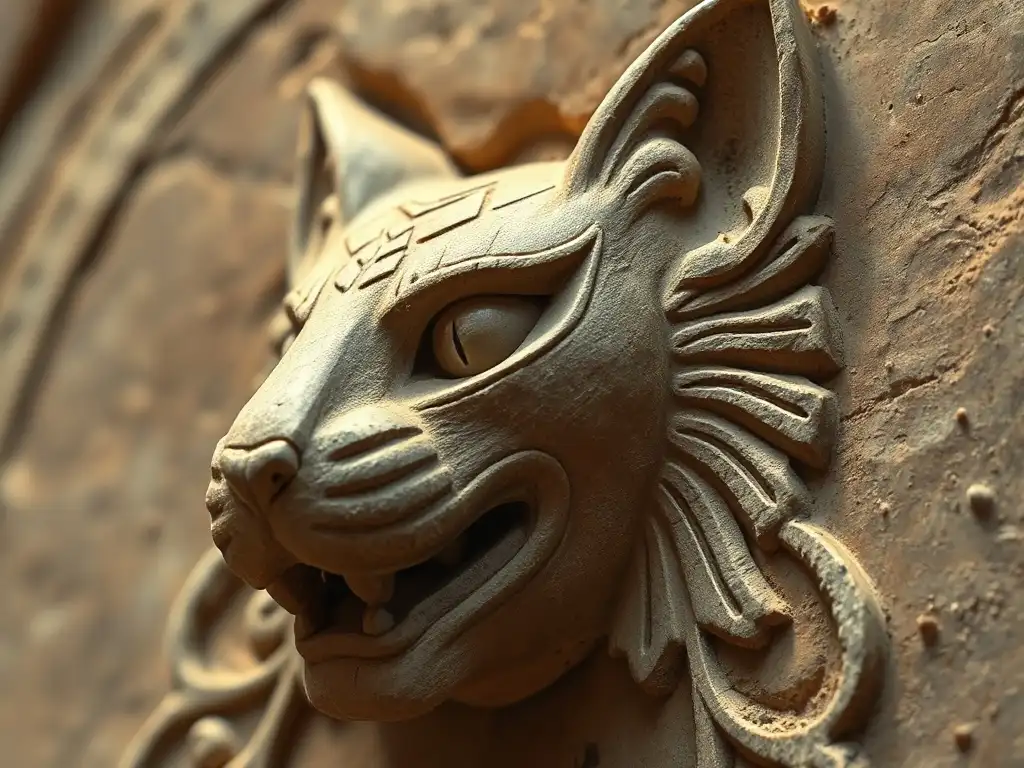
The Chavín culture, flourishing in the northern Andes from roughly 900 to 200 BCE, left behind a legacy of monumental stone architecture and intricate carvings that continue to fascinate and inspire awe. Their mastery of stone carving, a testament to their advanced technological and artistic capabilities, is a key element of their cultural identity. Understanding the Chavín stone carving techniques reveals insights into their societal organization, religious beliefs, and the sophisticated engineering skills they possessed. This section delves into the specific methods employed, the tools utilized, and the remarkable precision achieved by these early Andean masters.
Early Chavín Stone Working Practices: An Overview
Early Chavín stone working likely involved a combination of techniques, evolving over time as their skills and tools improved. Initial stages probably focused on rough shaping using large, heavy percussive tools like stone hammers and possibly antler or wooden mallets. Evidence suggests that the selection of stone was crucial; they favored readily available, durable stones like andesite and diorite, known for their hardness and resistance to weathering. The process likely began with the selection of suitable stone blocks from quarries, followed by initial shaping through hammering and chipping.
This initial stage would have involved removing large quantities of material to create a basic form. The process was undoubtedly labor-intensive, requiring significant manpower and coordination. We can imagine teams of workers collaborating, guided by skilled master artisans.
The early stages of Chavín stone carving show a focus on functionality over intricate detail. Early structures, while impressive in scale, display less refined carving compared to later examples. This suggests a gradual development of techniques and a refinement of artistry over time. Further research into early Chavín quarries and unfinished works could provide more insights into these initial processes. Detailed analysis of the wear patterns on discovered tools would also aid in reconstructing the techniques used.
Advanced Chavín Stone Carving Methods: Achieving Intricate Designs
As Chavín society developed, so did their stone carving techniques. The transition to more intricate designs involved a shift towards finer tools and more precise methods. Instead of solely relying on percussive techniques, Chavín artisans adopted abrasive techniques, using grinding stones and sand to smooth surfaces and create detailed carvings. This process would have been significantly more time-consuming and required a high degree of skill and patience.
The iconic Chavín style, characterized by its intricate zoomorphic and anthropomorphic figures, testifies to this mastery. The ability to carve deeply into the stone, creating complex textures and three-dimensional forms, demonstrates a sophisticated understanding of both the material and the tools used. The precision involved in creating the fine details, such as the individual scales on a serpent or the intricate patterns on a deity's garment, is truly remarkable.
This level of detail suggests a high degree of specialization within Chavín society, with skilled artisans dedicating their lives to perfecting their craft. The use of different types of abrasives, perhaps varying in grain size, might have allowed for the creation of different textures and levels of detail.
Tools and Technologies Used in Chavín Stone Sculpture
The tools used by Chavín artisans were primarily made of stone, bone, and possibly wood. Stone hammers and chisels, varying in size and shape, were essential for the initial shaping and rough carving. Grinding stones, likely made from harder materials, were used for smoothing and polishing the surfaces. Sand and water would have been used as abrasives to aid in the grinding process. The exact composition of the abrasives remains to be fully determined, but analysis of residues on tools could reveal further information.
Further Research Needed
While much is known about Chavín stone carving, many questions remain unanswered. Further research is needed to fully understand the specific techniques employed, the organization of workshops, and the training processes for Chavín artisans. Detailed analysis of surviving artifacts, combined with archaeological excavations, is crucial to further illuminate these aspects of Chavín culture.
The development of these tools and techniques reflects a gradual process of innovation and refinement. The sophisticated level of craftsmanship evident in Chavín stone carvings highlights their advanced technological knowledge and their deep understanding of the properties of stone. The combination of percussive and abrasive techniques, combined with the careful selection of materials, allowed Chavín artisans to create some of the most impressive and enduring works of art in the ancient Andes.
The legacy of their Chavín stone carving techniques continues to inspire artists and researchers alike. The precision and detail achieved remains a testament to their skill and ingenuity.
Chavín Relief Carving Techniques: Creating Dynamic Surfaces
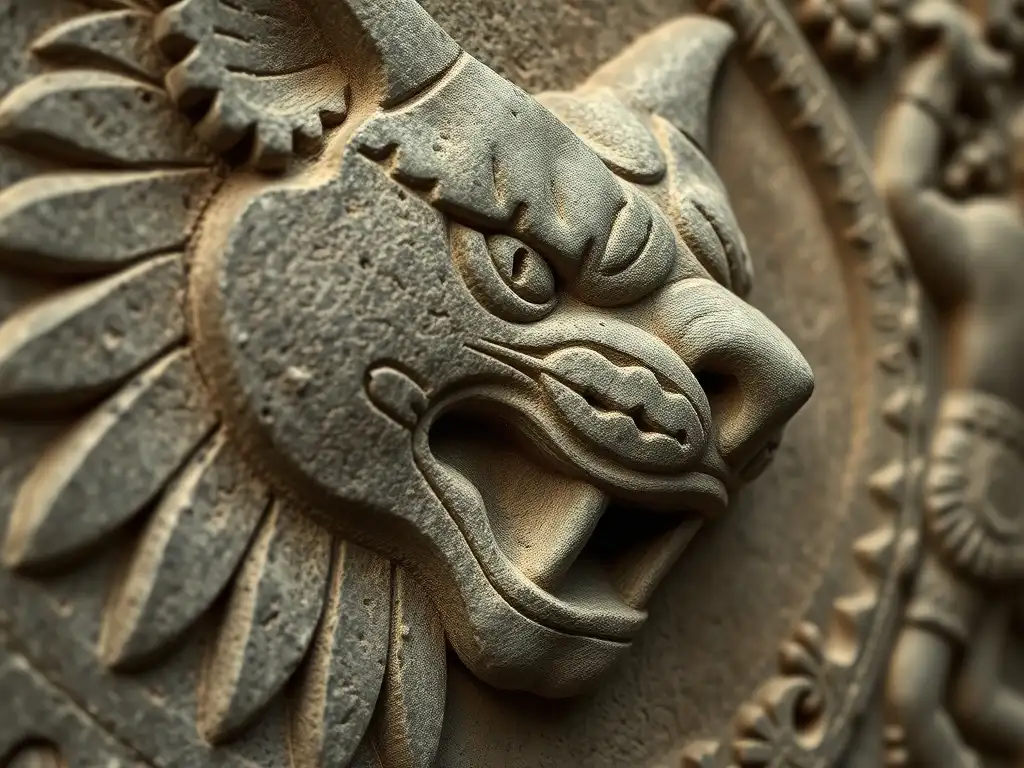
Chavín artisans demonstrated exceptional skill in relief carving, a technique that involved sculpting images that project from a background surface. Unlike simple bas-relief, where the image is only slightly raised, Chavín relief carving often employed a high degree of projection, creating a dramatic three-dimensional effect. This wasn't simply decorative; the depth and dynamism of the carvings contributed to the powerful religious and symbolic impact of their art.
Consider, for example, the iconic jaguar heads found throughout Chavín sites. The way the fangs jut out, the eyes deeply recessed, and the powerful muscles subtly suggested through the carving, all contribute to a sense of awe and perhaps even fear. The artists didn't just represent the jaguar; they evoked its essence, its power.
The creation of these dynamic surfaces required a sophisticated understanding of stone properties. The Chavín people expertly selected the right type of stone, often a hard volcanic rock, to withstand the rigorous carving process. They likely used various tools, including stone hammers and chisels made from harder materials, to achieve different levels of relief. The precision required to create such intricate details, particularly in the larger sculptures, is astonishing.
Evidence suggests that the process involved multiple stages, with rough shaping followed by finer detailing, and possibly the use of abrasive materials for polishing. The mastery of these techniques allowed Chavín artists to create surfaces that were not merely flat planes but active, almost tactile, engagements with the viewer. The interplay of light and shadow across these textured surfaces further enhanced the visual impact, adding another layer of complexity to the narrative conveyed by the carvings.
Chavín Stone Engraving: Detailing and Embellishment
Beyond relief carving, Chavín artists were masters of stone engraving, a technique used to create intricate lines and details on stone surfaces. This technique was often employed to embellish already carved reliefs, adding a layer of complexity and refinement. The engravings, often incredibly fine and precise, served to enhance the narrative, adding symbolic elements or further defining the features of the figures depicted. The patience and skill required for this type of work are truly remarkable.
The tools used for engraving were likely smaller and more delicate than those employed for relief carving. Archaeological evidence suggests the use of finely crafted stone points or possibly even bone or antler tools for the most delicate work. The precision of the engravings is breathtaking; some are so fine that they are barely visible to the naked eye, requiring magnification to appreciate fully.
These engravings frequently included intricate geometric patterns, stylized plants, and other symbolic motifs, further enriching the meaning and context of the larger sculptures. The repetitive nature of some of the patterns suggests that they may have held significant ritual or symbolic meaning within Chavín culture.
The combination of relief carving and engraving created a multi-layered visual experience, inviting viewers to engage with the artwork on multiple levels, appreciating both the broad strokes and the intricate details. The integration of these techniques highlights the sophistication of Chavín artistic practices and their deep understanding of stone as a medium for expressing complex ideas and beliefs.
Architectural Marvels: Examples of Chavín Stone Use
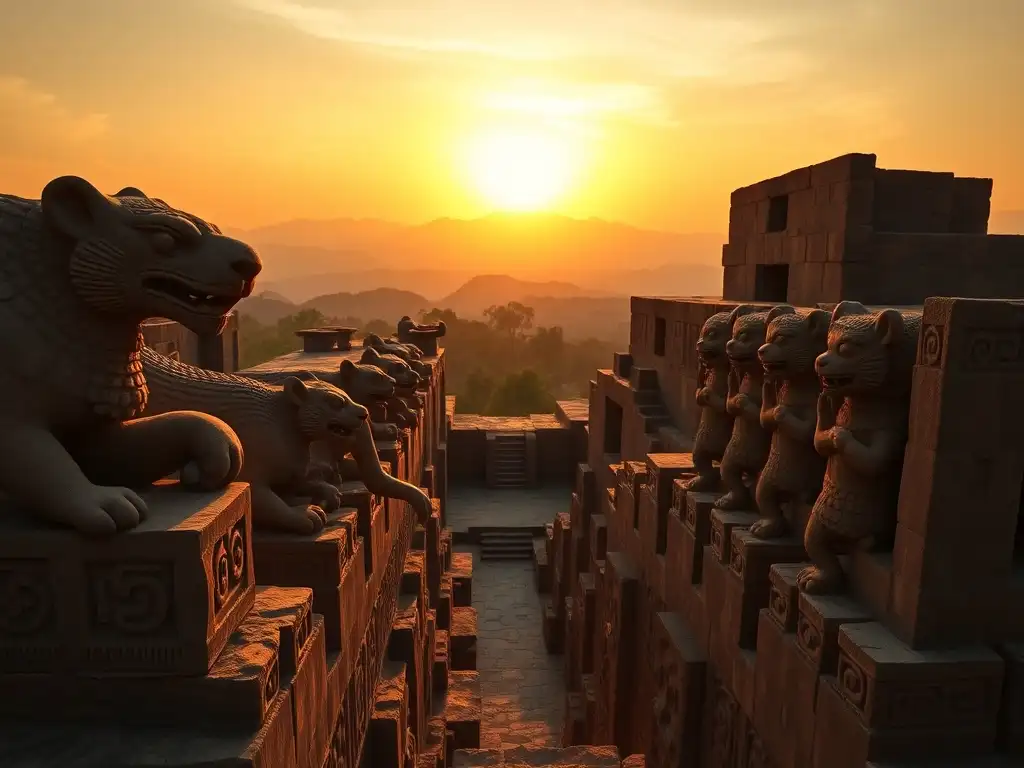
The Chavín culture, renowned for its sophisticated artistry and complex religious beliefs, left behind a legacy of impressive stone structures. Their mastery of stone carving techniques is evident in the scale and precision of their architectural achievements, showcasing a deep understanding of both engineering and symbolic representation. The use of stone wasn't merely utilitarian; it was deeply intertwined with their cosmology and served as a powerful medium for expressing their worldview.
This section will explore some key examples of Chavín stonework, highlighting the unique techniques employed and the significance of these structures within the broader Chavín context. Understanding these techniques provides valuable insight into the advanced level of societal organization and technological prowess achieved by this pre-Incan civilization.
Chavín de Huántar: A Masterpiece of Stone Construction
Chavín de Huántar, the most significant Chavín site, stands as a testament to their exceptional abilities in stone construction and Chavín stone carving techniques. The site's complex layout, incorporating plazas, temples, and underground galleries, demonstrates a sophisticated understanding of architecture and engineering. The massive scale of the structures, combined with the intricate detail of the carvings, points to a highly organized workforce and a centralized authority capable of mobilizing significant resources.
The Lanzón Monolith: A Prime Example of Chavín Stone Sculpture
The Lanzón, a towering monolith carved from a single block of diorite, is arguably the most iconic example of Chavín stone carving techniques. This imposing figure, depicting a deity with feline features, stands over 15 feet tall and showcases an unparalleled level of skill in sculpting and polishing stone. The intricate details, including the deity's fangs, claws, and headdress, were meticulously carved, highlighting the advanced tools and techniques employed by Chavín artisans.
The Lanzón's placement within the main temple underscores its central role in Chavín religious practices. Its creation required immense effort, implying a significant investment of labor and resources, reflecting the importance of the deity it represents.
The Circular Plaza and its Stone Elements
The circular plaza at Chavín de Huántar is another remarkable example of Chavín architecture. Its construction involved the precise placement of massive stone blocks, forming a carefully planned and symmetrical space. The stones themselves are often adorned with intricate carvings, further enhancing the plaza's symbolic significance. The precise fitting of these blocks, with minimal use of mortar, points to a sophisticated understanding of stone-cutting techniques and engineering principles. Analysis of the stone types used reveals a careful selection process, demonstrating awareness of the properties of different stones and their suitability for specific architectural elements.
The Use of Stone in Chavín Underground Galleries
The underground galleries of Chavín de Huántar are a unique feature, showcasing the Chavín's ability to manipulate stone in confined spaces. These narrow, labyrinthine passages, carved into the bedrock, create a powerful and evocative atmosphere. The stone walls are often adorned with carvings, adding to the mystical quality of these spaces.
The precision required to carve these galleries, particularly in the limited space, highlights the advanced skills of the Chavín stoneworkers. The purpose of these galleries remains a subject of ongoing research, but it is believed they played an important role in Chavín religious rituals. The acoustics within the galleries are particularly noteworthy, suggesting a possible link to sound-based ceremonies.
Other Chavín Sites and their Stone Structures
While Chavín de Huántar is the most well-known site, the Chavín style and its characteristic stone carving techniques are evident in other locations. These sites, though smaller in scale, offer valuable insights into the wider reach and influence of Chavín culture. The consistent use of specific stone types and similar carving styles across different sites suggests a degree of cultural and technological exchange across a significant geographical area.
Garagay: U-Shaped Temples and Stone Reliefs
Garagay, located [specific location pending], features U-shaped temples constructed from large stone blocks. These temples display similar stylistic elements to those found at Chavín de Huántar, including intricate stone reliefs depicting stylized figures and mythical creatures. The use of specific types of stone at Garagay, such as [specific stone type pending], further strengthens the connection to the Chavín tradition. Analysis of the stone carving techniques at Garagay reveals similarities to those used at Chavín de Huántar, suggesting a shared artistic heritage and possibly the movement of skilled artisans between sites.
Caballo Muerto: Monumental Platforms and Stone Carvings
Caballo Muerto, another significant site, is characterized by monumental platforms constructed from massive stone blocks. These platforms are adorned with intricate stone carvings, demonstrating a continuation of the Chavín artistic tradition. The scale of these structures is impressive, highlighting the significant engineering and labor involved in their creation.
Further research is needed to fully understand the function of these platforms, but their prominent position within the landscape suggests a significant role in Chavín social and religious life. The style of the stone carvings at Caballo Muerto shows a clear connection to the Chavín artistic canon, demonstrating the wide dissemination of their distinctive artistic style and sophisticated Chavín stone carving techniques.
The Purpose and Meaning Behind Chavín Stone Art
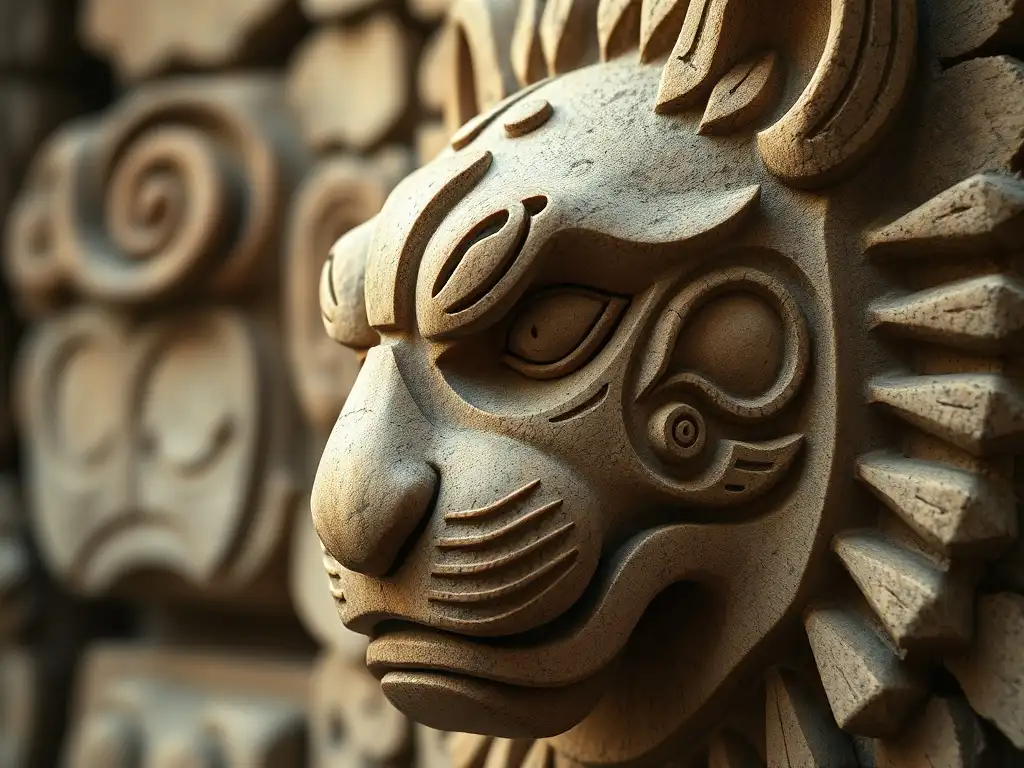
The Chavín culture, flourishing in the Andes from approximately 1200 to 200 BCE, left behind a legacy of monumental stone architecture and intricate carvings. Understanding their "Chavín stone carving techniques" requires moving beyond mere technical analysis to explore the profound symbolic and ritualistic purposes embedded within these creations. The stone itself wasn't just a building material; it was a medium for communicating complex ideas about power, religion, and the cosmos.
The artisans weren't simply shaping stone; they were actively participating in a sacred process, imbuing the material with meaning and intention. This section will delve into the deeper meanings behind their masterful artistry, revealing the sophisticated worldview reflected in their stonework.
Chavín's use of stone communicated power and authority on multiple levels. The sheer scale of their monumental architecture—the Lanzón monolith, for instance, stands over 15 feet tall—immediately impressed viewers with the power and resources of the Chavín elite. The meticulous craftsmanship, demanding immense skill and time, further reinforced this message.
Intricate carvings depicting powerful figures, often with jaguar-like features, visually asserted dominance and control. These weren't simply decorative elements; they were carefully placed statements of power, reinforcing the authority of the ruling class and the sacred nature of the Chavín religious system. The placement of these carved stones within temple complexes further emphasized their importance and the sacred nature of the spaces they occupied.
Consider, for example, the strategic positioning of the Lanzón, a central element within the main temple structure, visually dominating the space and focusing religious veneration. The very act of carving and placing these massive stones was a display of power, a testament to the organized labor and sophisticated engineering capabilities of the Chavín civilization. This strategic use of stone served as a powerful tool for social control and the maintenance of the existing social hierarchy.
Depicting Deities and Mythological Beings in Stone
The Chavín stone carvings are rich with depictions of deities and mythological beings, providing valuable insights into their complex religious beliefs. Many carvings feature hybrid creatures, combining features of jaguars, snakes, and other animals, reflecting a worldview that blurred the lines between the human and animal realms. These hybrid figures likely represented powerful deities or supernatural entities, embodying the potent forces of nature and the underworld.
The detailed and often terrifying expressions on these carved faces suggest a reverence for these powerful entities, and perhaps a sense of awe and fear. The meticulous detail in the stonework, often including intricate patterns and symbolic motifs, suggests a deep understanding of these mythological figures and their significance within Chavín society. Analysis of numerous carvings reveals a consistent iconography, suggesting a standardized system of religious beliefs and practices spread across the Chavín sphere of influence.
Furthermore, the repetition of certain motifs across various sites hints at a shared religious identity and a cohesive worldview uniting disparate Chavín communities. The intricate detail in these carvings surpasses mere artistry; it is a visual representation of a complex religious system and a powerful tool for religious indoctrination.
Chavín Stone Art as a Reflection of Cosmology and Beliefs
Chavín stone art provides a window into their cosmology and spiritual beliefs. Recurring motifs, such as snakes and jaguars, are often interpreted as representing powerful forces in nature and the underworld. The intricate designs, sometimes incorporating geometric patterns and abstract symbols, may reflect a sophisticated understanding of the cosmos and the interconnectedness of the natural world.
The use of specific stones, potentially chosen for their symbolic or ritualistic significance, further strengthens this connection between the material and the spiritual. For example, the selection of specific types of stone, their color, and texture may have held particular religious meaning, enhancing the symbolic power of the carvings. The arrangement of carved stones within temple complexes may also reflect a carefully planned cosmology, with certain areas dedicated to specific deities or rituals.
Further research into the specific types of stone used, their origins, and the potential symbolic meanings associated with them is required to fully understand the complex relationship between Chavín stone carving techniques and their cosmology. The careful study of these carvings offers a rich and complex understanding of the Chavín worldview, highlighting the deep connection between their artistic expression and their spiritual beliefs.
The Role of Stone in Chavín Ritual Practices
The Chavín culture's reverence for stone extended far beyond mere construction; it deeply intertwined with their complex ritual practices. Stone wasn't simply a building material; it was a sacred element, imbued with spiritual power and used to facilitate communication with the supernatural world. Evidence suggests that many carved stones, particularly those featuring zoomorphic and anthropomorphic figures, played a crucial role in rituals. These weren't just decorative pieces; their placement within temples and ceremonial centers indicates a deliberate intention to harness their perceived power.
Consider the intricately carved Lanzón, the massive monolith found in the main temple at Chavín de Huántar. This towering stone figure, with its feline-like features and powerful presence, likely served as a focal point for important rituals. Scholars hypothesize that offerings were made to the Lanzón, perhaps involving blood sacrifices or other symbolic acts designed to appease or connect with the deities it represented.
The very act of carving the Lanzón, a process requiring immense skill and effort, further underscores its ritual significance. The monumental scale of the project itself likely held symbolic meaning, signifying the power and importance of the deities and the religious authority of the Chavín priests.
Furthermore, smaller carved stones, often depicting jaguars, snakes, and other powerful animals, were likely used in more intimate rituals. These objects may have served as ritual tools, amulets, or personal offerings. Their presence in tombs and burial sites strengthens the association between stone artifacts and funerary practices.
The careful placement and orientation of these objects within burial contexts suggest a belief that these carved stones would aid the deceased in their journey to the afterlife or provide continued protection. The detailed craftsmanship and the symbolic nature of the imagery point towards a deeply spiritual significance within the Chavín worldview. The meticulous detail and the use of specific motifs highlight the sophistication of Chavín religious beliefs and the central role that stone played in enacting them.
Understanding the role of stone in Chavín ritual practices requires examining not only the objects themselves but also their context within the broader religious and social framework of the culture. Further research into the chemical composition of residues found on some of these artifacts could shed additional light on the types of offerings made during these ceremonies.
Legacy of Chavín Stone Work: Influence on Later Andean Cultures
The Chavín culture's mastery of stone carving and architectural techniques left an undeniable mark on subsequent Andean civilizations. Their innovative approaches to stonework, particularly their sophisticated carving techniques and monumental architecture, served as a blueprint for later cultures, influencing both artistic styles and building practices for centuries. Understanding the legacy of Chavín stonework is crucial to appreciating the broader trajectory of Andean artistic and architectural development.
The impact wasn't merely a simple imitation; rather, it was a complex process of adaptation and innovation, with later cultures reinterpreting and expanding upon Chavín techniques to create their own unique artistic expressions. This legacy is visible in the stylistic elements, construction methods, and even the symbolic meanings embedded in the stonework of later Andean societies. The precise extent of this influence is still a subject of ongoing research, with new discoveries continually enriching our understanding of the Chavín cultural impact.
The Impact of Chavín Stone Carving on Subsequent Traditions
Chavín's distinctive style of stone carving, characterized by its intricate detail, zoomorphic motifs (often featuring feline and serpent imagery), and the use of a unique "feline-style" eye, became a powerful influence on later Andean artists. The Moche culture, for example, demonstrably incorporated elements of Chavín iconography into their own ceramic and metalwork, showcasing a clear artistic lineage. While the Moche developed their own distinct artistic voice, the underlying influence of Chavín's stylistic conventions is unmistakable.
The stylistic elements were not just copied; they were adapted and reinterpreted, reflecting the Moche's own cultural values and beliefs. Similarly, the Nazca culture, known for its massive geoglyphs, also shows some subtle echoes of Chavín's stylistic preferences in their ceramic decorations. The precise pathways of cultural exchange and artistic transmission remain a topic of scholarly debate, but the presence of Chavín-inspired motifs in subsequent artistic traditions is undeniable.
Further research into comparative analyses of stylistic elements across different Andean cultures could reveal more nuanced connections and better contextualize the evolution of Andean art. The spread of Chavín influence wasn't limited to a single region; instead, it resonated across a vast geographical area, demonstrating the significant cultural impact of Chavín art.
Chavín Architectural Techniques Adopted by Later Societies
Beyond artistic styles, Chavín's architectural innovations also profoundly impacted later Andean societies. Their mastery of large-scale stone construction, including the precise fitting of massive stones without mortar (a technique sometimes referred to as ashlar masonry), became a hallmark of Andean architecture. The monumental structures of Chavín de Huántar, with their complex internal layouts and intricate carvings, served as a model for subsequent cultures.
While later societies like the Wari and Tiwanaku developed their own unique architectural styles, they clearly built upon the foundation laid by the Chavín. For example, the use of massive stone blocks and the integration of complex internal spaces are features shared across these different cultures, suggesting a continuity of architectural knowledge and techniques. This transmission of architectural knowledge likely occurred through various mechanisms, including direct cultural contact, migration patterns, and the diffusion of ideas across Andean networks.
Detailed studies comparing the construction methods and materials used in Chavín and later Andean sites could further illuminate the extent of this architectural legacy. Analyzing the structural engineering principles employed in these sites would offer further insights into the transfer of technological knowledge and the evolution of Andean building practices.
Continuing Relevance of Chavín Stone Art in Understanding Andean History
The study of Chavín stone carving techniques remains vitally important for understanding the broader history and cultural development of the Andes. The sophisticated artistry and technical skill displayed in Chavín artifacts provide valuable insights into the social organization, religious beliefs, and technological capabilities of this influential culture. Furthermore, the stylistic and technological influences exerted by Chavín on later cultures underscore the interconnectedness of Andean societies and highlight the enduring legacy of this early civilization.
Analyzing the iconography and symbolism embedded in Chavín stone carvings offers a window into the worldview and cosmology of the Chavín people. The detailed depictions of mythical creatures and supernatural beings provide clues to their religious beliefs and practices. By studying the evolution of Chavín-inspired motifs in later Andean art, we can trace the transmission of cultural ideas and the changing interpretations of these symbols over time.
Continued research and analysis of Chavín stonework, combined with interdisciplinary approaches involving archaeology, anthropology, and art history, will further enrich our understanding of this pivotal Andean culture and its lasting impact on the region's artistic and cultural landscape. The detailed study of Chavín stone carving techniques, therefore, is not merely an academic pursuit; it is a key to unlocking a deeper understanding of Andean history and civilization.
Frequently Asked Questions
What materials did the Chavín culture primarily use for their stone carvings?
The Chavín primarily used volcanic rock, such as andesite and basalt, for their intricate carvings. These materials were readily available and durable, ensuring the longevity of their art.
What were some of the unique characteristics of Chavín stone carving techniques?
Chavín artists employed highly skilled techniques including meticulous polishing, precise carving, and the use of negative space to create dramatic effects in their sculptures and reliefs. They also mastered techniques for creating large-scale works.
How did Chavín stone carvers transport and handle such large stones?
The transportation and placement of massive stones remains a subject of ongoing research, but it likely involved sophisticated systems of ramps, rollers, and levers, along with a large workforce.
What were some of the common themes or motifs depicted in Chavín stone carvings?
Chavín carvings frequently depict mythological figures, such as feline-like deities, jaguars, and serpents, reflecting their complex religious beliefs and cosmology. Stylized representations of plants and animals were also common.
What is the significance of Chavín stone carving techniques in the broader context of Andean art?
Chavín stone carving techniques exerted a significant influence on subsequent Andean cultures. Their innovative styles and mastery of stonework became a foundation for future artistic developments throughout the region.
Final Reflection: Echoes of Chavín in Stone
The meticulous artistry of Chavín stone carving isn't merely a relic of the past; it's a powerful testament to human ingenuity and a profound connection to the natural world that resonates deeply with our contemporary understanding of sustainable practices and artistic expression. The precision and scale of their work, from the monumental structures to the intricately carved details, continue to inspire awe and challenge our modern capabilities.
The enduring legacy of Chavín's stonework transcends its archaeological significance; it speaks to a fundamental human desire to create lasting monuments that reflect both spiritual beliefs and societal structures. Their mastery of stone, a material both enduring and demanding, speaks volumes about their understanding of their environment and their ability to harness its resources. The past is never dead. It's not even past.
– William Faulkner. This quote perfectly encapsulates the enduring power of Chavín's legacy, reminding us that their artistic and engineering achievements continue to shape our understanding of ancient civilizations and inspire contemporary artists and architects.
Consider the implications of Chavín's dedication to precision and sustainability. How can we, in our own lives, strive for such intentionality in our actions and creations? Think about the materials you use, the impact of your choices, and the legacy you wish to leave behind. Let the echoes of Chavín's stonework inspire you to build with purpose, to create with intention, and to leave a mark on the world that is both beautiful and enduring.
Unleash Your Curiosity: Dive Into the World of Ancient Stonework!
Thank you for exploring the fascinating world of Chavín architecture! We hope you've gained insights into their skillful use of stone, which shaped both their structures and their culture. Now, let's delve deeper into this rich history!
Here are a few suggestions to continue your exploration:
- Visit a local museum with a collection of Andean artifacts to see examples of their stonework firsthand and connect with the past.
- Join an online forum or social media group dedicated to ancient civilizations to share your thoughts and learn from others who share your interest.
- Create a small stone project inspired by Chavín techniques. Sharing your experience can spark interest in ancient craftsmanship.
What aspect of Chavín stonework most captivated you, and how do you think it might influence modern architecture? We'd love to hear your thoughts!