
The Mysterious Valdivia Mounds: Religious Centers or Something Else?

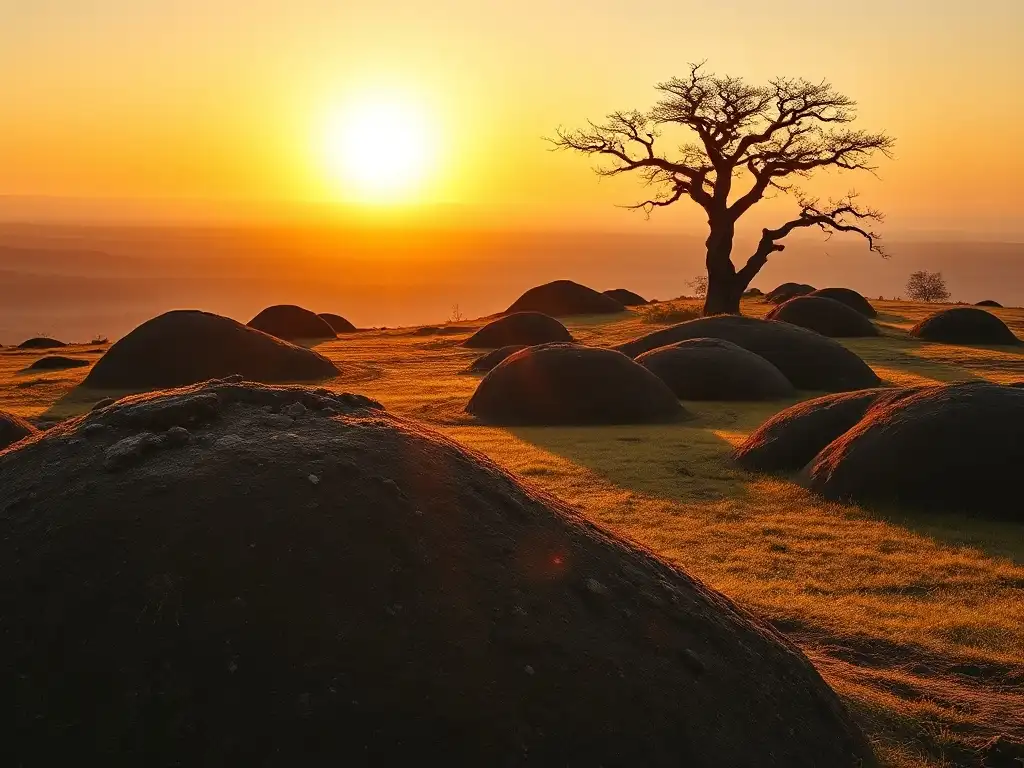
Dive into the captivating world of Andean Civilizations, where lost empires whisper secrets from the mountains and coast. From the intricate artistry of the Nazca lines to the sophisticated engineering of the Incas, our journey through time unveils a vibrant tapestry of cultures. But what mysteries lie beneath the surface? This exploration begins with the enigmatic Valdivia mounds—were they merely religious centers, or did they hold a far more profound significance? Uncover the truth and delve deeper into the fascinating pre-Incan cultures of the coast.
-
The Enigmatic Valdivia Mounds: Beyond Religious Interpretations?
- Introduction to the Valdivia Culture and its Mounds
- The Location and Structure of Valdivia Mounds
- Initial Theories: The Religious Function of Valdivia Mounds
- Challenging the Religious Interpretation of Valdivia Mounds
- Analyzing the Material Culture Found at Valdivia Mounds
- Comparative Analysis with Other Andean Mound Sites
- Reassessing the Valdivia Mounds: A Multifaceted Perspective
- Conclusion: The Ongoing Mystery of the Valdivia Mounds' Purpose
-
Frequently Asked Questions
- What is the main topic of the article "The Mysterious Valdivia Mounds: Religious Centers or Something Else? "?
- What civilization built the Valdivia mounds?
- What makes the religious significance of the Valdivia mounds so mysterious?
- Are there any theories about the Valdivia mounds besides religious significance?
- Where can I find more information about the Valdivia culture and its mounds?
- Final Reflection: Unraveling the Enigma of the Valdivia Mounds
- **Unveil the Secrets of the Valdivia Mounds! **
The Enigmatic Valdivia Mounds: Beyond Religious Interpretations?
The Valdivia culture, flourishing along the coast of present-day Ecuador from approximately 3500 to 1800 BCE, remains one of the most intriguing early complex societies in South America. Its legacy is etched not only in the exquisitely crafted ceramic figurines, often depicting stylized human figures and animals, but also in the enigmatic earthen mounds that dot the landscape.
While traditionally interpreted primarily through a religious lens, a closer examination of these mounds reveals a complexity that suggests a broader range of societal functions beyond simple ceremonial use. This article delves into the mysteries surrounding the Valdivia mounds, exploring their structure, location, and potential significance, challenging the long-held assumption that their sole purpose was religious.
We will investigate alternative hypotheses, considering the possibility of social organization, economic activities, and even defensive strategies reflected in these fascinating archaeological features. Understanding the Valdivia mounds is key to unlocking a deeper understanding of the social, political, and economic structures of this formative Andean civilization, significantly enriching our knowledge of the "Valdivia mounds religious significance" and beyond.
Introduction to the Valdivia Culture and its Mounds
The Valdivia culture represents one of the earliest examples of complex societies in South America, predating even the rise of the Olmec civilization in Mesoamerica. Their artistic achievements are particularly striking, as evidenced by their delicately crafted pottery. These ceramics, often featuring intricate designs and realistic depictions of both humans and animals, provide invaluable insights into their daily life, beliefs, and artistic capabilities. However, the Valdivia people left behind more than just beautiful pottery; they also constructed numerous earthen mounds, ranging in size and complexity.
These mounds, scattered across the coastal region of Ecuador, have long been a source of fascination and debate among archaeologists. Early interpretations focused heavily on their purported religious significance, associating them with ceremonial practices and ritual offerings. However, recent archaeological findings and reinterpretations of existing data suggest a more nuanced understanding of these structures is necessary.
The size and distribution of the mounds, along with the artifacts found within and around them, hint at a more multifaceted role in Valdivia society. For example, the discovery of [specific artifact type pending] within several mounds suggests a possible connection to [specific societal function pending]. Further research is needed to fully elucidate the complex interplay of religious, social, and economic factors that shaped the construction and use of these remarkable structures.
The Location and Structure of Valdivia Mounds
Valdivia mounds are primarily located in the coastal plains of Ecuador, strategically situated near fertile river valleys and abundant resources. This strategic placement suggests a connection between the mounds and resource management, potentially indicating a role in controlling access to vital resources or facilitating trade networks. The mounds themselves vary significantly in size and shape. Some are relatively small and simple, while others are larger and more complex, featuring multiple platforms or terraces.
The construction techniques employed also varied, with some mounds built using simple earthworks, while others incorporated more sophisticated techniques like the use of [specific construction techniques pending]. Analysis of soil samples from within and around the mounds reveals [specific soil composition pending], providing clues about the materials used in their construction and potentially indicating the presence of specific activities carried out within them. The internal structure of the mounds is often layered, with different strata revealing [specific information about layering and artifacts found in different layers pending].
This layering suggests a possible chronological development of the mounds, with additions and modifications occurring over time, reflecting the evolving needs and priorities of the Valdivia people. The precise arrangement and orientation of some mounds also raise questions about their potential astronomical significance, although further research is needed to confirm this hypothesis. The careful study of these features is crucial to understanding the complete picture of Valdivia society and the diverse purposes served by these remarkable structures.
Initial Theories: The Religious Function of Valdivia Mounds
Early interpretations of the Valdivia mounds heavily emphasized their religious significance. Archaeologists, influenced by prevailing theories about the role of monumental architecture in other ancient societies, often viewed these structures as temples or ceremonial centers. This perspective stemmed from the discovery of artifacts within and around the mounds, including elaborate pottery depicting ritualistic scenes and figurines that seemed to represent deities or shamans.
The relative size and prominent placement of some mounds within the Valdivia settlements further fueled this interpretation, suggesting a deliberate effort to create structures that held special importance within the community. The concentration of certain artifacts, such as meticulously crafted ceramic vessels and ornaments, in specific areas within the mounds also contributed to the belief that these structures were used for sacred purposes. This initial focus on religious function, however, proved to be a starting point for further investigation and nuanced understanding.
Evidence for Religious Practices at the Mounds
The presence of ceremonial objects within the Valdivia mounds provides compelling, though not conclusive, evidence for religious practices. Elaborate pottery depicting stylized figures, often interpreted as deities or shamans, has been unearthed. These figurines, frequently adorned with intricate designs and symbolic markings, are believed to have played a crucial role in Valdivia rituals.
Further supporting this interpretation are the numerous fragments of vessels found within the mounds, many bearing painted scenes that appear to depict ceremonies or mythological narratives. The careful placement of these artifacts, often in specific locations within the mounds, suggests a deliberate and ritualistic approach to their deposition.
However, the exact nature of these rituals and the beliefs they represented remain largely speculative, highlighting the need for further research to clarify their significance within the broader context of Valdivia culture. The lack of direct evidence of human sacrifice, common in other contemporaneous cultures, complicates the interpretation, suggesting a potentially different approach to religious expression.
The Role of Shamanism in Valdivia Society
The presence of distinctive figurines and pottery designs within the Valdivia mounds suggests a significant role for shamanistic practices in Valdivia society. Many of the artifacts depict individuals with exaggerated features, such as large eyes or elongated heads, which are often associated with shamanic figures in other cultures. These figures are frequently shown in dynamic poses, seemingly engaged in ritualistic activities.
The interpretation of these artifacts as representations of shamans is further strengthened by the presence of other objects associated with shamanistic practices, such as hallucinogenic plants and paraphernalia for ritualistic use. However, the specific details of Valdivia shamanism, including its organizational structure and the extent of its influence within society, remain largely unknown.
Further research is needed to fully understand the role of shamanism in shaping Valdivia beliefs and practices, and how it may relate to the construction and use of the mounds. The complexity of the iconography suggests a sophisticated system of beliefs and practices that merit further investigation.
Challenging the Religious Interpretation of Valdivia Mounds
While the initial focus on religious functions provided a valuable starting point, more recent research has challenged the exclusively religious interpretation of Valdivia mounds. The simplistic view of the mounds solely as religious sites fails to account for the complexity of Valdivia society and the multifaceted nature of their activities. Archaeological findings suggest a more nuanced picture, pointing toward alternative or complementary functions for these structures.
The lack of clear evidence of large-scale, centralized religious rituals, as compared to other contemporaneous societies, encourages a reconsideration of the initial assumptions. The distribution and size variation of the mounds also raise questions about their singular purpose, suggesting a more complex social and economic landscape.
Alternative Hypotheses: Valdivia Mounds as Astronomical Observatories
Some researchers propose that the Valdivia mounds served as astronomical observatories. The precise alignment of certain mounds with celestial bodies, particularly the sun and stars, suggests a potential connection between the mounds and astronomical observations. This hypothesis is supported by the discovery of artifacts that may have been used for astronomical calculations.
However, the evidence for this hypothesis remains somewhat circumstantial, requiring further investigation to confirm its validity. The limited data currently available makes definitive conclusions challenging, but the potential connection between astronomy and the mounds remains an intriguing area of research, potentially providing a new lens through which to understand Valdivia cosmology and societal organization. Further analysis of the mounds' spatial arrangement and the orientation of key features could offer more definitive answers.
Valdivia Mounds as Centers for Social Gathering and Trade
Another hypothesis suggests that the Valdivia mounds served as centers for social gatherings and trade. The strategic location of many mounds near major waterways and trade routes suggests a role in facilitating economic exchange. The presence of diverse artifacts from different regions within the mounds supports this interpretation, indicating a potential hub for the exchange of goods and information. Furthermore, the size and layout of some mounds suggest the capacity for large gatherings, possibly for social events, ceremonies, or markets.
This hypothesis complements the religious interpretations rather than replacing them entirely, suggesting the mounds may have served multiple functions simultaneously. Further investigation into the distribution patterns of artifacts within and around the mounds could strengthen this hypothesis. The analysis of organic remains, if available, could provide additional insights into the nature of activities taking place at these sites.
The Possibility of Multifunctional Valdivia Mounds
The most likely scenario is that the Valdivia mounds served multiple functions simultaneously. Rather than being solely religious sites, they may have also played important roles in social gathering, trade, and potentially even astronomical observation. This interpretation accounts for the complexity of the archaeological evidence and avoids reducing the mounds to a single, overly simplistic function.
The multifunctional nature of the mounds reflects the multifaceted nature of Valdivia society and its complex interactions with the environment. Further research, employing a multidisciplinary approach, is crucial to unravel the full significance of these enigmatic structures and gain a comprehensive understanding of their role in Valdivia life. This integrated approach, combining archaeological data with anthropological insights and potentially even astronomical analysis, promises to reveal a richer and more nuanced picture of Valdivia culture.
Analyzing the Material Culture Found at Valdivia Mounds
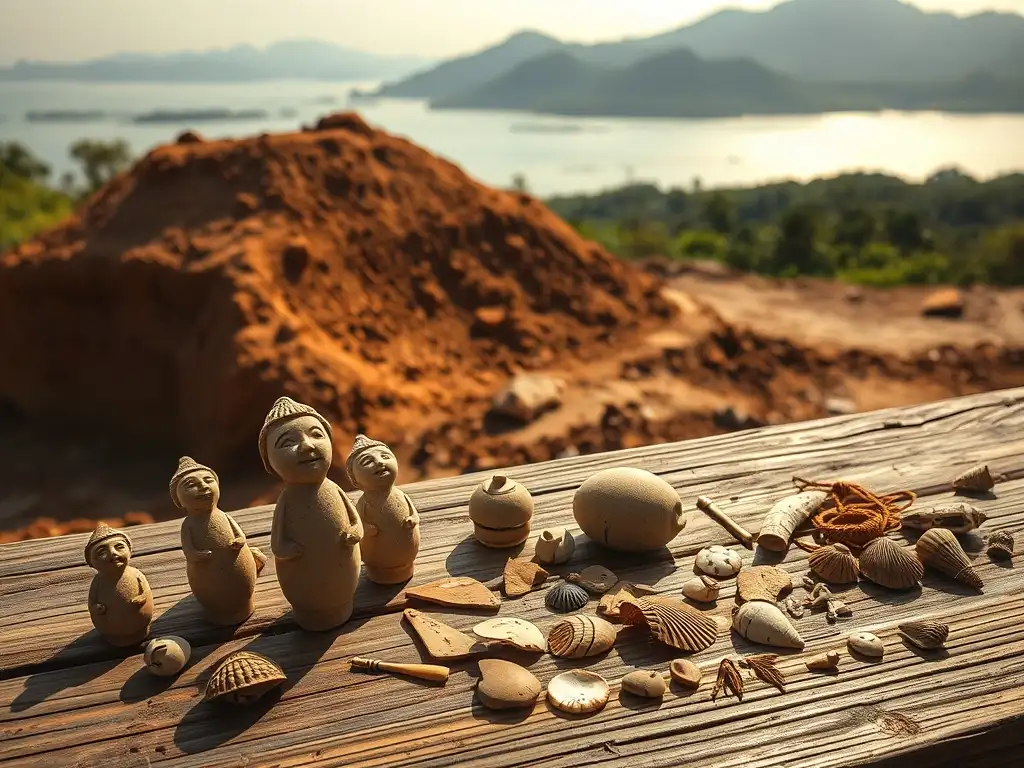
The material culture unearthed from Valdivia mounds offers invaluable insights into the daily lives and beliefs of this early Andean society. Careful excavation and analysis of artifacts provide crucial clues to understanding the function and significance of these enigmatic structures. The sheer volume of artifacts recovered suggests a consistent and possibly long-term occupation of these sites, challenging simplistic interpretations of their purpose.
Researchers have meticulously cataloged thousands of objects, from the iconic Valdivia pottery to tools, ornaments, and even remnants of organic materials. The meticulous nature of this archaeological work underscores the complexity of the Valdivia culture and the need for nuanced interpretations of their mound sites. Further research focusing on residue analysis and isotopic studies of organic remains could potentially reveal additional information about diet, social practices, and even trade networks associated with these sites.
The careful preservation and ongoing study of this material culture are essential to unlocking the secrets held within the Valdivia mounds. The sheer diversity of objects discovered continues to surprise researchers, suggesting a rich and complex social structure that shaped the construction and use of these mounds.
Pottery and Artifacts as Clues to Valdivia Practices
Valdivia pottery is particularly significant in understanding the mounds' purpose. The intricate designs and stylistic variations found in the pottery suggest a sophisticated artistic tradition and potentially a complex system of social stratification. Certain motifs and designs may represent specific clans, lineages, or even religious beliefs.
The presence of figurines, often depicting stylized human figures or animals, adds another layer of complexity to the interpretation of the mounds' significance. These figurines, often found in association with specific pottery styles, may represent deities, ancestors, or symbolic representations of the Valdivia worldview. The careful study of the pottery's clay composition, manufacturing techniques, and decorative styles helps researchers to understand trade routes, technological advancements, and the potential for ritualistic or ceremonial practices within the mounds.
Detailed analysis of artifact distribution within the mounds themselves may also reveal patterns suggesting specialized activities or areas dedicated to particular functions. The sheer variety of pottery forms discovered – from everyday vessels to elaborately decorated ceremonial pieces – highlights the dynamic and versatile nature of Valdivia society and their use of the mounds.
Examining the Architecture and Construction Techniques
The architecture and construction techniques employed in building the Valdivia mounds reveal a surprising level of sophistication for a society often characterized as "early" in Andean development. The mounds themselves are not monolithic structures but rather represent a complex interplay of construction phases and modifications over time. Analysis of the earthworks indicates that the mounds were constructed using a variety of materials, including carefully selected soils and potentially other organic components.
The strategic placement of the mounds, often overlooking fertile valleys or coastal areas, suggests careful planning and consideration of the environment. Evidence of sophisticated drainage systems in some of the larger mounds hints at advanced engineering skills and a profound understanding of hydrology. The construction techniques may vary between mounds, reflecting differences in scale, function, or perhaps even the social groups responsible for their creation.
Further research into the precise methods used, including the tools and labor involved, would enhance our understanding of Valdivia social organization and technological capabilities. The study of these construction techniques is crucial to understanding the long-term processes of mound development and their relationship to the surrounding landscape.
Comparative Analysis with Other Andean Mound Sites
Comparing the Valdivia mounds with other Andean mound sites from later periods provides a valuable framework for understanding their significance within a broader cultural context. This comparative approach allows researchers to identify unique features of the Valdivia mounds while also recognizing commonalities and trends in Andean mound-building traditions.
By examining the similarities and differences in mound size, construction techniques, and associated material culture, researchers can gain insights into the evolution of social complexity and religious practices in the Andes. This comparative analysis can help to contextualize the Valdivia mounds within the larger narrative of Andean cultural development, offering a more nuanced and comprehensive understanding of their role in the region’s prehistory.
The comparative approach highlights the unique characteristics of the Valdivia mounds while also identifying broader trends in Andean cultural development, helping to refine our understanding of the Valdivia culture's place within the larger Andean context. This comparative study also raises important questions about cultural exchange and the diffusion of ideas and technologies across the Andes.
Contrasting Valdivia Mounds with Later Andean Structures
While sharing some similarities with later Andean structures, Valdivia mounds exhibit unique characteristics that distinguish them from the monumental architecture of the later periods. The scale of Valdivia mounds is generally smaller than those constructed by later cultures such as the Moche or Inca. The materials used in construction also differ, reflecting the available resources and technological capabilities of each period.
The internal layout and organization of Valdivia mounds, as revealed through archaeological excavations, often contrasts sharply with the more structured and hierarchical designs of later Andean sites. For example, the absence of clearly defined elite residences or ceremonial plazas within Valdivia mounds suggests a different social organization than that seen in later Andean societies. This comparison highlights the evolution of Andean societies and the changing roles of monumental architecture over time.
Analyzing these differences emphasizes the unique characteristics of the Valdivia culture and its distinct approach to mound building and social organization. This contrast further underscores the need for specific research focused on the Valdivia culture, rather than simply assuming parallels with later Andean traditions.
Similarities and Differences in Mound Construction and Usage
Despite the differences between Valdivia mounds and later Andean structures, some similarities exist in mound construction and potential usage. The use of earthworks as a primary building material is a common thread across many Andean cultures, suggesting a shared understanding of the symbolic and practical value of manipulating the landscape. The strategic placement of mounds in relation to water sources and fertile lands hints at a similar focus on resource management and territorial control across different Andean societies.
However, the specific techniques employed and the scale of the constructions varied significantly. Valdivia mounds tend to be smaller and less elaborate than those built by later cultures, reflecting differences in population size, social organization, and technological capabilities. Understanding these similarities and differences allows for a more nuanced interpretation of the Valdivia mounds, acknowledging their unique features while recognizing their place within a broader Andean tradition of mound building.
The interplay of these similarities and differences offers valuable insights into the evolution of Andean culture and the changing roles of monumental architecture over time. Further research, comparing the specific techniques and materials used, could potentially reveal deeper connections and influences between the Valdivia culture and subsequent Andean civilizations.
Reassessing the Valdivia Mounds: A Multifaceted Perspective
The prevailing narrative surrounding the Valdivia mounds often centers on their religious significance. However, a more nuanced understanding requires a multifaceted perspective, acknowledging the complexity of Valdivia society and the potential for multiple functions within these enigmatic structures. Simply labeling them as solely religious centers risks oversimplifying a sophisticated culture capable of intricate social organization and diverse expressions of belief and practice.
We must move beyond the simplistic "religious center" label and explore the possibility of multiple, interconnected purposes. The size and distribution of the mounds themselves suggest a level of societal organization and planning that surpasses simple ritualistic needs. Further investigation into the artifacts found within and around these structures is crucial to fully understand their role in Valdivia life.
The Complexity of Valdivia Society and its Expressions
The Valdivia culture wasn't a monolithic entity. Archaeological evidence points to a complex social structure, likely stratified, with varying levels of power and influence. This social complexity is reflected in the diversity of artifacts discovered, ranging from intricately crafted ceramics to sophisticated tools. The mounds themselves might have served different purposes within this social hierarchy.
For example, larger mounds could have been centers of power or elite residences, while smaller ones might have held different meanings or served different social groups. The intricate designs and craftsmanship found in Valdivia pottery and figurines suggest a sophisticated understanding of aesthetics and symbolism, which could have been integral to the function of the mounds, but not necessarily exclusively religious. The variety of artifacts unearthed, from everyday tools to ceremonial objects, hints at a complex interplay of daily life and ritual within the Valdivia world.
Understanding the Valdivia Mounds in a Broader Context
To fully comprehend the Valdivia mounds, we must consider their context within the broader landscape of the Ecuadorian coast and the developmental trajectory of early Andean societies. The distribution of these mounds, their proximity to water sources and other settlements, and their relationship to the surrounding environment all contribute to a more complete picture. Comparing the Valdivia mounds to contemporary sites and similar structures from other early Andean cultures can reveal important parallels and differences.
This comparative approach can shed light on the potential functions of these structures, highlighting commonalities and unique characteristics that inform our understanding of their purpose. The spatial distribution of the mounds, for example, may indicate strategic resource management or territorial control, beyond purely religious functions.
Conclusion: The Ongoing Mystery of the Valdivia Mounds' Purpose
The Valdivia mounds remain an enigma, their purpose not easily confined to a single, simplistic explanation. While religious significance is undoubtedly a component, the evidence suggests a more multifaceted reality. The mounds may have served multiple functions simultaneously, reflecting the complexity of Valdivia society and its diverse expressions of belief, social organization, and daily life.
Further research is crucial to unravel the intricate tapestry of their significance. The potential for multiple, interconnected uses within these structures—religious, social, economic, and symbolic—should be considered. The mounds may have been centers of communal activity, places of elite residence, or even strategic locations related to resource management and territorial control.
The Importance of Continued Research into Valdivia Culture
Continued research and interdisciplinary collaboration are crucial to deepen our understanding of the Valdivia culture and its enigmatic mounds. This includes advanced archaeological techniques, detailed analysis of artifacts, and interdisciplinary approaches that integrate anthropological, sociological, and environmental perspectives. New technologies and methodologies can reveal hidden details about the construction, usage, and social context of these structures.
For example, geophysical surveys and advanced dating techniques can provide crucial insights into the chronology and evolution of the mounds. The collaboration of archaeologists, anthropologists, and other specialists is essential to achieve a comprehensive understanding of this fascinating culture. Further research may uncover additional evidence that can shed light on the true function of these significant structures.
Final Thoughts on the Valdivia Mounds Religious Significance and Beyond
While the religious significance of the Valdivia mounds cannot be dismissed, a holistic understanding requires moving beyond this singular interpretation. The evidence suggests a more complex and nuanced picture, emphasizing the multi-faceted roles these structures likely played within Valdivia society. The ongoing research underscores the importance of considering the broader social, economic, and environmental contexts in which these mounds were constructed and used.
The Valdivia mounds stand as a testament to the complexity and ingenuity of this early Andean culture, reminding us that the past is often far more intricate and multifaceted than our initial interpretations might suggest. The ongoing quest to decipher their secrets continues to challenge and enrich our understanding of the Valdivia people and their enduring legacy. 🌍
Frequently Asked Questions
What is the main topic of the article "The Mysterious Valdivia Mounds: Religious Centers or Something Else? "?
The article explores the purpose of the Valdivia mounds, focusing on the debate surrounding their religious significance versus other potential functions. It examines evidence to support both possibilities.
What civilization built the Valdivia mounds?
The Valdivia culture, one of the earliest known complex societies in South America, constructed the mounds. Their existence predates many other well-known Andean cultures.
What makes the religious significance of the Valdivia mounds so mysterious?
The lack of direct evidence for religious practices within the mounds makes determining their purpose challenging. Archaeological findings are open to multiple interpretations.
Are there any theories about the Valdivia mounds besides religious significance?
Yes, some scholars propose the mounds served practical purposes, such as ceremonial burial sites or centers for social gatherings. Other possibilities include defensive structures or centers of craft production.
Where can I find more information about the Valdivia culture and its mounds?
Further research can be conducted through academic journals, books, and museum exhibits focusing on Early Ecuadorian archaeology and the Valdivia culture. The article itself also provides further links to relevant sources.
Final Reflection: Unraveling the Enigma of the Valdivia Mounds
The enduring mystery surrounding the Valdivia mounds continues to challenge our understanding of early Andean societies, forcing us to reconsider our assumptions about the development of complex social structures and religious practices. Their enigmatic nature, even after decades of research, underscores the limitations of our current knowledge and the need for ongoing investigation. The very fact that we are still debating their purpose highlights the richness and complexity of pre-Columbian cultures.
The Valdivia mounds' influence extends far beyond the realm of archaeology; they represent a powerful symbol of the enduring human quest for meaning and connection. Their existence compels us to question our own preconceived notions about the origins of religion and societal organization. The past is never dead. It's not even past.
– William Faulkner. This quote perfectly encapsulates the ongoing relevance of the Valdivia mounds, reminding us that their secrets continue to shape our understanding of the present. Their potential religious significance, or perhaps something entirely different, continues to resonate with us, prompting further exploration and challenging our perspectives.
Consider the implications of this ongoing debate. What can we learn from the enduring mystery of the Valdivia mounds? How can we apply the lessons of careful, nuanced investigation to our own lives and our understanding of the world around us?
I urge you to delve deeper, to question your assumptions, and to embrace the power of unanswered questions. The mysteries of the past hold the keys to unlocking a richer understanding of the present and a more informed vision for the future. Let the enigma of the Valdivia mounds inspire you to seek out the hidden narratives in your own life and the world around you.
**Unveil the Secrets of the Valdivia Mounds! **
Thank you for exploring the fascinating world of the Valdivia Mounds with us! You've uncovered key insights into their intriguing history and significance. Now, let's continue your journey of discovery.
Here are some ways to deepen your understanding of this captivating topic:
- **Become a Valdivia Explorer:** Visit a museum or cultural center featuring artifacts from Andean civilizations. Share your discoveries with friends and family!
- **Join the Conversation:** Participate in online forums or local groups dedicated to ancient civilizations. Your insights will enrich the discussions.
- **Spread the Knowledge:** Share this article with your network to spark interest in the Valdivia Mounds. Sharing knowledge is crucial for its preservation and appreciation.
What aspect of the Valdivia Mounds most captivates you, and how will you explore it further?