
Threads of Time: Tracing the History of Andean Weaving Traditions

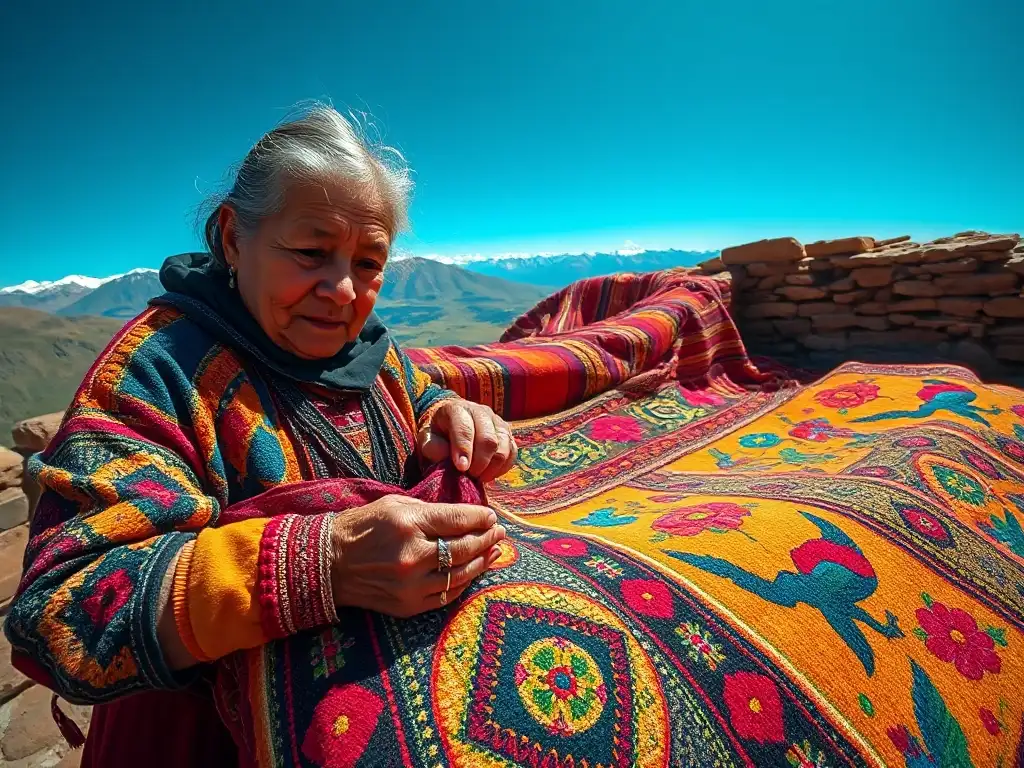
Step into a world lost in time, where vibrant threads whisper tales of empires built on mountains and artistry woven into the very fabric of existence. Discover the secrets held within the intricate designs of Andean textiles, a legacy far more complex than mere clothing. Prepare to unravel the captivating story of Andean weaving history, a journey through millennia of innovation and cultural expression that will leave you breathless. Are you ready to explore the breathtaking artistry that shaped a civilization?
The Andes Mountains, a spine of towering peaks running down the western coast of South America, are not only a geographical marvel but also a cradle of vibrant civilizations whose legacies continue to resonate today. This article delves into the rich tapestry of Andean weaving history, exploring the evolution of techniques, the symbolism embedded within textile art, and the enduring impact of these traditions on the cultural identity of the region.
From the intricate designs of the Paracas culture to the sophisticated textiles of the Inca Empire, we will unravel the threads of time to reveal the fascinating history of Andean weaving, showcasing its remarkable artistry and its profound connection to Andean spirituality and daily life. This exploration of Andean weaving history will illuminate how textile production served not just practical purposes, but also played a crucial role in social status, religious rituals, and the transmission of knowledge across generations.
Understanding Andean weaving traditions provides invaluable insight into the complexity and sophistication of these ancient societies.
Early Andean Weaving: Pre-Inca Traditions
The earliest evidence of weaving in the Andes dates back millennia, preceding even the rise of the Inca Empire. Pre-Inca cultures, such as the Paracas (ca. 800-100 BCE) and Nazca (ca. 100 BCE – 600 CE) cultures, developed remarkably advanced weaving techniques.
The Paracas, known for their elaborate mummy bundles, created textiles characterized by vibrant colors, intricate designs, and the use of diverse techniques like tapestry and embroidery. Their textiles often incorporated complex iconography, reflecting their beliefs and worldview. The Nazca, famous for their geoglyphs, produced equally impressive textiles, often featuring intricate geometric patterns and stylized representations of animals and plants.
These early examples demonstrate a sophisticated understanding of textile production, showcasing a mastery of both technical skill and artistic expression. The use of camelid fibers – alpaca, llama, and vicuña – was prevalent, reflecting the Andean environment and its resources. These early Andean weaving traditions laid the foundation for the later development of Inca textile art.
The Inca Empire: A Golden Age of Weaving
The Inca Empire (1438-1533 CE) witnessed a flourishing of textile production. Inca weaving reached unprecedented levels of sophistication, with skilled artisans creating textiles of exceptional quality and artistry. The Inca state controlled textile production, employing specialized workshops and employing a hierarchical system of textile production.
The quality of the yarn, the intricacy of the designs, and the type of textile (e.g., cumbi, a fine cloth) all reflected the social status of the wearer. Royal textiles, often adorned with intricate designs of birds, geometric patterns, and representations of mythical beings, were reserved for the elite. The Inca also developed sophisticated techniques, including complex tapestry weaving and the use of multiple colors and textures.
The use of dyes derived from natural sources, such as plants and minerals, further enhanced the vibrancy and longevity of Inca textiles. The standardization of designs and techniques across the vast empire reflects the centralized nature of the Inca state and its ability to organize and control production on a large scale. The legacy of Inca weaving continues to inspire awe and admiration, a testament to their ingenuity and artistry.
Post-Inca Weaving Traditions: Continuity and Change
Following the Spanish conquest, Andean weaving traditions did not disappear. Instead, they adapted and evolved, incorporating new influences while retaining their core elements. Indigenous weavers continued to produce textiles, often adapting traditional techniques and designs to meet new demands and incorporate new materials.
The introduction of European dyes and textiles led to some changes, but the core techniques and symbolic meanings remained largely intact. The fusion of indigenous and European elements resulted in a unique and dynamic textile tradition that continues to thrive today. Many contemporary Andean weavers continue to utilize traditional techniques and designs, preserving the rich heritage of their ancestors.
Their work not only reflects a continuity of tradition but also showcases the ongoing creativity and innovation within Andean textile art. The vibrant colors, intricate patterns, and symbolic meanings continue to tell stories of history, resilience, and cultural identity. The endurance of these traditions underscores the profound connection between Andean people and their textile heritage.
- Early Andean Weaving: Pre-Inca Traditions
- The Inca Empire: A Golden Age of Weaving
- Post-Inca Weaving Traditions: Continuity and Change
- What is the significance of Andean weaving in the region's history?
- How did Andean weaving techniques evolve over time?
- Which Andean cultures are most known for their unique weaving styles?
- What materials were commonly used in ancient Andean weaving?
- Where can I learn more about the history of Andean weaving?
The Ancient Roots of Andean Textile Art
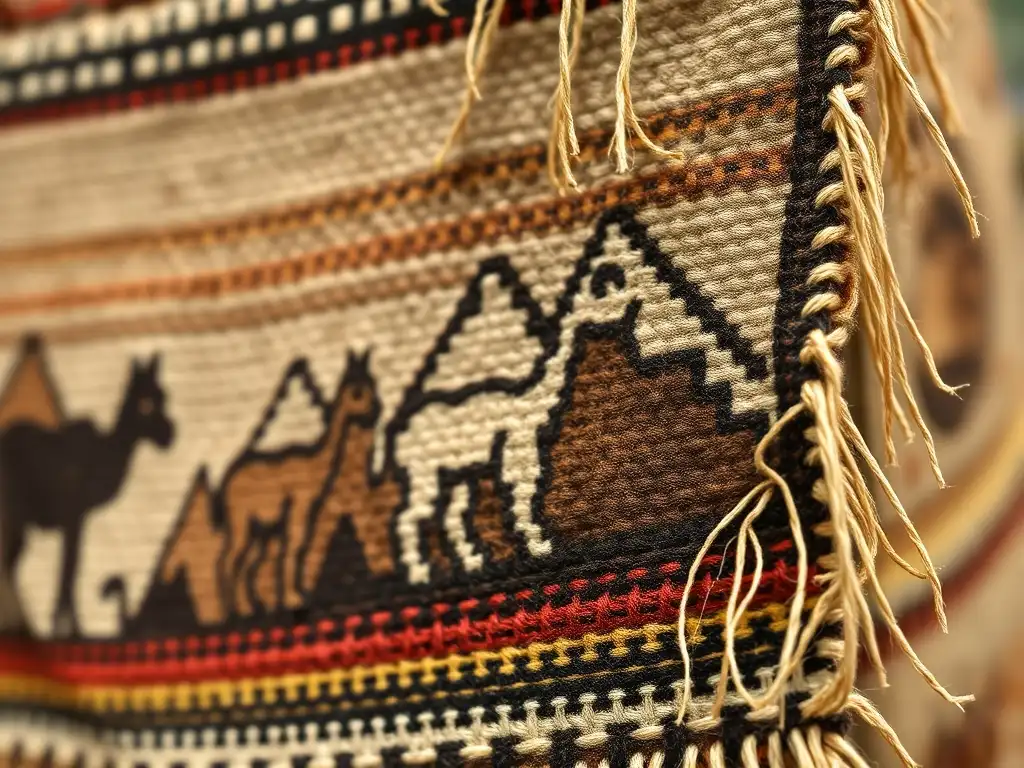
This section delves into the fascinating origins of Andean textile art, exploring its deep-rooted connection to the pre-Columbian cultures of the Andes Mountains. We'll unravel the techniques, materials, and societal significance woven into the very fabric of these ancient societies, tracing the evolution of Andean weaving history from its humble beginnings to its sophisticated heights. Understanding this rich tapestry of history helps illuminate the enduring legacy of Andean weaving traditions.
Pre-Columbian Textile Production in the Andes
Pre-Columbian textile production in the Andes wasn't merely a craft; it was an integral part of daily life, deeply intertwined with religious beliefs, social structures, and economic systems. Evidence suggests that textile production existed long before the Inca Empire, with sophisticated techniques and designs emerging as far back as the early formative period (circa 3000 BCE). Archaeological discoveries consistently reveal remarkable textiles from various Andean cultures, showcasing a diversity of styles and techniques that reflect regional variations and cultural identities.
The Nazca culture (100-800 CE), for example, is renowned for its incredibly fine textiles, often featuring intricate geometric patterns and vibrant colors. These textiles, painstakingly created using techniques like tapestry weaving and weft-faced plain weave, demonstrate a mastery of textile production that is truly awe-inspiring. Similarly, the Paracas culture (700-100 BCE) is celebrated for its elaborate embroidered textiles, which often incorporated symbolic motifs and intricate designs. These textiles serve as powerful visual records of their beliefs, rituals, and social hierarchies.
The sheer volume of surviving textiles from these periods speaks to the scale of textile production and its importance within these societies. Furthermore, the quality and complexity of the textiles suggest a highly specialized workforce, with skilled artisans dedicated to the creation of these remarkable objects. Analyzing the dyes used, the fiber types employed (such as alpaca, llama, and cotton), and the preservation techniques applied offers invaluable insights into the daily practices and technological ingenuity of these ancient Andean peoples.
Early Weaving Techniques and Materials
The earliest Andean weaving techniques were surprisingly sophisticated, considering the limited tools available. Simple backstrap looms, which were portable and easily adaptable to various terrains, were the primary tools used for centuries. These looms allowed for the creation of a wide range of textile types, from simple cloths to intricately woven tapestries. The ingenuity of Andean weavers is evident in their ability to adapt these basic tools to produce textiles of exceptional quality and complexity.
The materials used were equally diverse and reflect the ingenuity of Andean peoples in utilizing the resources available in their environment. Alpaca and llama fibers were highly valued for their softness, warmth, and durability. Cotton, grown in warmer coastal regions, provided a lighter and more breathable alternative. The use of different fibers and their combinations, along with the introduction of various dyes derived from natural sources (plants, minerals, and insects), allowed for an incredible range of colors and textures.
This mastery of materials and techniques allowed Andean weavers to create textiles that were not only functional but also aesthetically stunning. The precise methods of spinning, dyeing, and weaving remain areas of ongoing research, with new discoveries continually expanding our understanding of these early techniques. For example, the exact chemical composition of certain dyes continues to be a subject of detailed analysis.
The Significance of Textiles in Andean Societies
Textiles in Andean societies transcended mere utilitarian objects; they held profound social, religious, and economic significance. Textiles served as powerful indicators of social status, with intricate and elaborate textiles often worn by elite members of society. The complexity of the design, the quality of the materials, and the techniques employed all contributed to the social message conveyed by the textile.
Furthermore, textiles played a crucial role in religious ceremonies and rituals. Textiles were used to adorn deities, create sacred garments for priests and shamans, and were even incorporated into burial practices. The symbolic motifs and patterns woven into these textiles often held deep religious meaning, reflecting the cosmological beliefs and spiritual practices of the Andean cultures. The use of specific colors and designs often encoded particular religious messages.
Finally, textiles were also an important component of the Andean economy. The production and trade of textiles created networks of exchange and interaction across vast distances. Textiles served as a form of currency, a valuable commodity used in transactions and exchanges within and between communities.
The economic importance of textiles is evident in the scale of production and the widespread distribution of textiles across the Andean region. The sheer variety of styles and techniques further suggests a complex system of regional specialization and inter-community trade. The intricate interplay between social status, religious practices, and economic systems shaped the production and use of textiles in Andean societies, creating a complex and fascinating tapestry of cultural significance.
Key Civilizations and Their Contributions to Andean Weaving
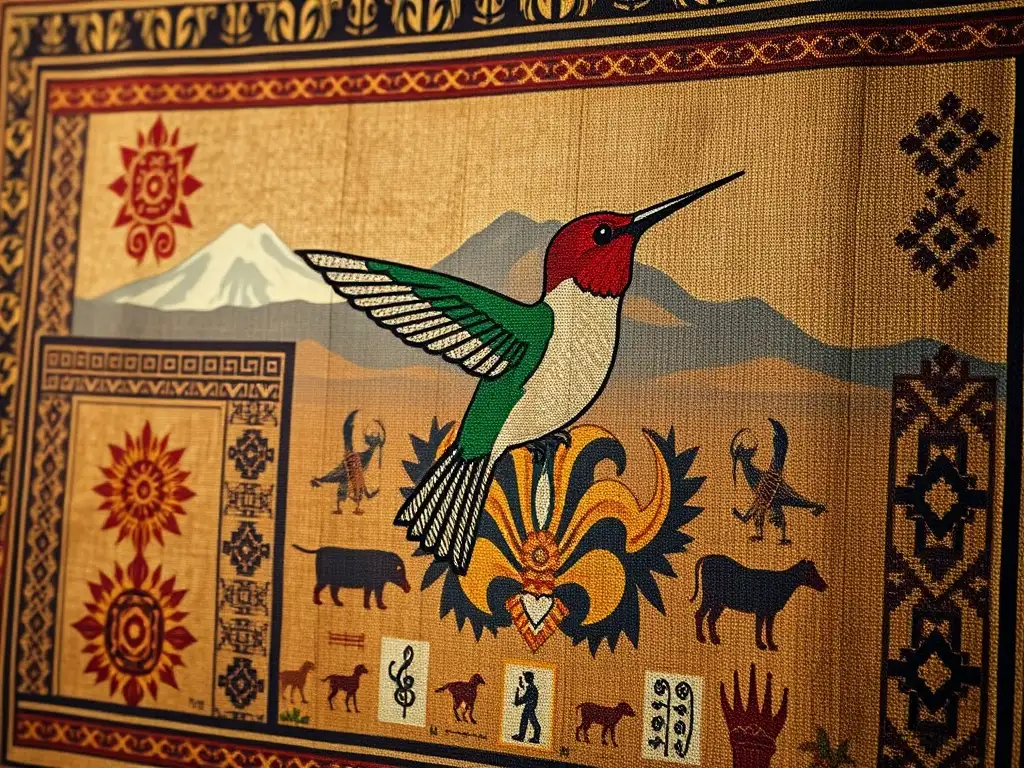
This section delves into the unique weaving traditions of several key Andean civilizations, highlighting their distinct styles, techniques, and the cultural significance embedded within their textiles. Understanding these diverse approaches to weaving provides crucial insight into the complex social structures, religious beliefs, and daily lives of these fascinating ancient cultures. The rich tapestry of Andean weaving history is revealed through the careful examination of these individual contributions.
The Paracas Culture: Master Weavers of the South Coast
The Paracas culture (circa 800-200 BCE), inhabiting the southern coast of Peru, is renowned for its incredibly sophisticated weaving techniques. Their mastery of textile production is evident in the intricate detail and vibrant colors found in their surviving artifacts. Paracas textiles are characterized by their use of complex tapestry techniques, featuring intricate designs often incorporating anthropomorphic and zoomorphic figures, geometric patterns, and stylized representations of plants and animals. The sheer scale of some Paracas textiles is also impressive, with some mantles reaching several meters in length.
The vibrant hues achieved by Paracas weavers were the result of a sophisticated understanding of natural dyes derived from plants, insects, and minerals. Researchers have identified a wide range of dyes, including those derived from the cochineal insect (producing vibrant reds), various plants like indigo (blues), and minerals like ochre (reds and yellows).
The remarkable preservation of these dyes, in some cases, after millennia, is a testament to the quality of the materials and the expertise of the artisans. Furthermore, the use of multiple colors within a single piece, often blended seamlessly, points to a high level of technical skill and artistic vision.
The cultural significance of Paracas textiles is substantial. Many were likely used in funerary contexts, adorning mummies and serving as grave goods. The intricate designs and the meticulous craftsmanship suggest that these textiles were not merely functional items but held significant symbolic value, possibly representing status, power, or religious beliefs. The detailed imagery found in these textiles offers invaluable insights into the cosmology, mythology, and social hierarchy of the Paracas people.
Nazca Textiles: Geometric Patterns and Ritual Meanings
The Nazca civilization (circa 100 BCE – 800 CE), known for its enigmatic geoglyphs, also produced highly distinctive textiles. Unlike the figurative emphasis of Paracas work, Nazca weaving is often characterized by its striking geometric designs. These patterns, frequently composed of bold lines, triangles, and stepped figures, are executed with exceptional precision and a keen sense of balance and symmetry. The colors employed are typically simpler than those of the Paracas culture, often employing a more limited palette of earth tones and vibrant reds.
The meaning behind these geometric designs remains a subject of ongoing research. However, scholars suggest that the patterns may have encoded complex social and religious meanings. Some researchers propose links between specific designs and astronomical events, or perhaps even a complex system of record-keeping.
The textiles were likely used in various contexts, including ritual ceremonies, adornment, and possibly even as forms of social communication. The textiles' use in funerary practices also reinforces their likely role in representing the beliefs and values of the Nazca people. Further investigation into the context of discovery and the associated grave goods is needed to provide a deeper understanding of the role of these geometric patterns.
Moche Weaving: Depictions of Daily Life and Mythology
The Moche culture (circa 100-800 CE) of northern Peru created textiles that vividly portray scenes of daily life, mythology, and ritual practices. Their weaving techniques, while less complex than those of the Paracas, are notable for their lively and expressive depictions. Moche textiles often feature representations of deities, warriors, rituals, and scenes of hunting, fishing, and agriculture. The use of vibrant colors and detailed figures creates a dynamic and engaging narrative, offering a unique window into the Moche worldview.
Unlike the more abstract patterns of Nazca textiles, Moche weaving presents a clear and relatively easily interpretable visual language. The imagery found on these textiles frequently depicts scenes of warfare, religious ceremonies, and scenes of everyday life, giving scholars a unique insight into the social structure and cultural practices of the Moche. The depiction of various Moche deities, for example, helps researchers understand their religious beliefs and the hierarchy of their pantheon.
The high quality of the surviving textiles, often intricately woven and richly colored, suggests that they were highly valued objects, possibly associated with elite members of society. Further research is needed to fully understand the specific meanings associated with certain iconographic elements and the social contexts in which these textiles were used. The study of Andean weaving history continues to unveil new insights into these ancient civilizations.
Tiahuanaco Textile Art: Symbolic Representations and Power
The Tiahuanaco culture, flourishing in the Bolivian Altiplano from approximately 500 to 1000 CE, left behind a legacy of sophisticated textile production deeply intertwined with their complex social and religious systems. Their weaving wasn't merely utilitarian; it served as a powerful medium for expressing religious beliefs, social status, and political authority. The intricate designs and the use of high-quality materials like camelid fibers (alpaca and llama) speak volumes about their advanced technological capabilities and the significant cultural value placed upon textiles.
Unlike some other Andean cultures, Tiahuanaco textiles often feature geometric patterns, rather than naturalistic representations. These geometric motifs, however, were far from random. Scholars believe that many designs held profound symbolic meaning, reflecting the culture's cosmology and worldview.
The recurring use of stepped pyramids, for example, likely alludes to their monumental architecture and the sacred importance of these structures. Similarly, repeating motifs of stylized animals and figures might represent deities or shamans, reinforcing the connection between the earthly realm and the spiritual world. The precise interpretation of many of these symbols remains a subject of ongoing research, but their intentional placement and repetition point to a carefully constructed system of visual communication.
The production of these elaborate textiles was not an activity accessible to everyone. The expertise required, coupled with the high-quality materials used, suggests that weaving was a specialized craft, likely controlled by the elite. Textiles served as markers of social status, with the most intricately woven and richly decorated pieces likely reserved for the ruling class or used in religious ceremonies.
The discovery of richly adorned textiles in elite tombs further supports this hypothesis, showcasing the importance of weaving in the realm of power and prestige within Tiahuanaco society. The discovery of textile fragments in various contexts, from elite burials to everyday settlements, also provides valuable insights into how these textiles were used and distributed throughout the society, further illuminating the social stratification within the Tiahuanaco culture. The Andean weaving history, particularly in Tiahuanaco, reveals a complex relationship between material culture and social organization.
Inca Weaving: Imperial Standards and Innovations
The Inca Empire, at its zenith, controlled a vast territory encompassing diverse ecological zones and cultures. This impressive feat of organization extended to textile production, resulting in a sophisticated and standardized system unlike anything seen before in the Andes. Inca weaving wasn't merely a craft; it was a crucial component of their imperial power, reflecting their social hierarchy, religious beliefs, and economic prowess.
The standardization of techniques and materials, along with the implementation of strict control over production, ensured a consistent supply of high-quality textiles for the elite and the administration. This contrasts sharply with the more localized and diverse textile traditions of preceding Andean cultures.
The scale of Inca textile production, as evidenced by archaeological findings across the empire, is a testament to their organizational capabilities and the importance placed upon this craft. The sheer volume of textiles unearthed, ranging from simple garments to elaborate ceremonial cloths, points to a highly organized and centralized system.
Inca Textile Production: Organization and Control
The Inca state exerted significant control over textile production. Archaeological evidence suggests the existence of specialized workshops, wakas (sacred places), and state-run textile centers where skilled artisans, often women, worked under strict supervision. Raw materials, like alpaca and vicuña wool, were likely collected as tribute and distributed to these workshops, ensuring quality control and a consistent supply of premium fibers.
The standardization of techniques, evident in the uniformity of certain textile designs and weaving styles across vast distances, reinforces the idea of a centralized system managed by the state. This control extended beyond the mere production of textiles. The finished products, especially those intended for the royal court or religious ceremonies, were likely subject to strict quality inspections before being distributed.
This intricate system not only ensured a steady supply of textiles for the empire's needs but also served as a powerful tool for reinforcing imperial authority and showcasing the Inca's mastery over their resources and people. Furthermore, the organization of labor allowed for the mass production of textiles for the army, officials, and the populace, highlighting the economic and logistical efficiency of the Inca state.
Inca royal textiles stand apart for their exceptional quality, intricate designs, and the use of rare materials. Garments and tapestries intended for the Sapa Inca (emperor) and the elite were often crafted from the finest vicuña wool, renowned for its softness and luxurious feel. The use of vibrant natural dyes, complex weaving techniques like plumas (feather-like designs) and intricate embroidery, elevated these textiles to works of art.
These textiles weren't merely clothing; they were powerful symbols of social status and royal authority. The exquisite craftsmanship and the use of rare materials served to visually distinguish the Inca elite from the rest of the population. The designs themselves often incorporated symbolic motifs representing the Inca worldview, further reinforcing the textiles' importance as markers of power and prestige.
Studies of royal textiles reveal a fascinating connection between textile production, political power, and religious beliefs, demonstrating the deep integration of weaving within the fabric of Inca society. The exceptional quality and intricacy of these textiles continue to amaze researchers and showcase the advanced technical skills and artistic abilities of Inca artisans.
Inca Textile Designs: Motifs and Symbolism
Inca textile designs were far from random; they were carefully chosen motifs imbued with significant meaning. Commonly recurring designs included geometric patterns, stylized animals (such as condors, jaguars, and snakes), and representations of plants and deities. These motifs weren't merely decorative; they communicated messages of power, fertility, and religious beliefs. For instance, the depiction of a condor could symbolize power and royalty, while intricate geometric patterns might represent cosmic order or agricultural cycles.
The careful placement and combination of these motifs within a textile often created a complex narrative, expressing a deeper meaning only understood by those familiar with Inca iconography. The use of color also played a vital role, with certain colors associated with specific deities or events. Understanding Inca textile designs requires delving into the intricate tapestry of their religious beliefs, social structures, and cosmological worldview.
Further research into the specific meanings of these motifs is ongoing, but the available evidence clearly demonstrates the sophisticated use of symbolism in Inca weaving. The study of Inca textile designs offers a fascinating glimpse into the rich cultural and religious landscape of the empire. The complexity and depth of the symbolism involved highlights the importance of textiles as a medium for communicating and preserving Inca cultural knowledge.
Andean Weaving Techniques: A Deep Dive
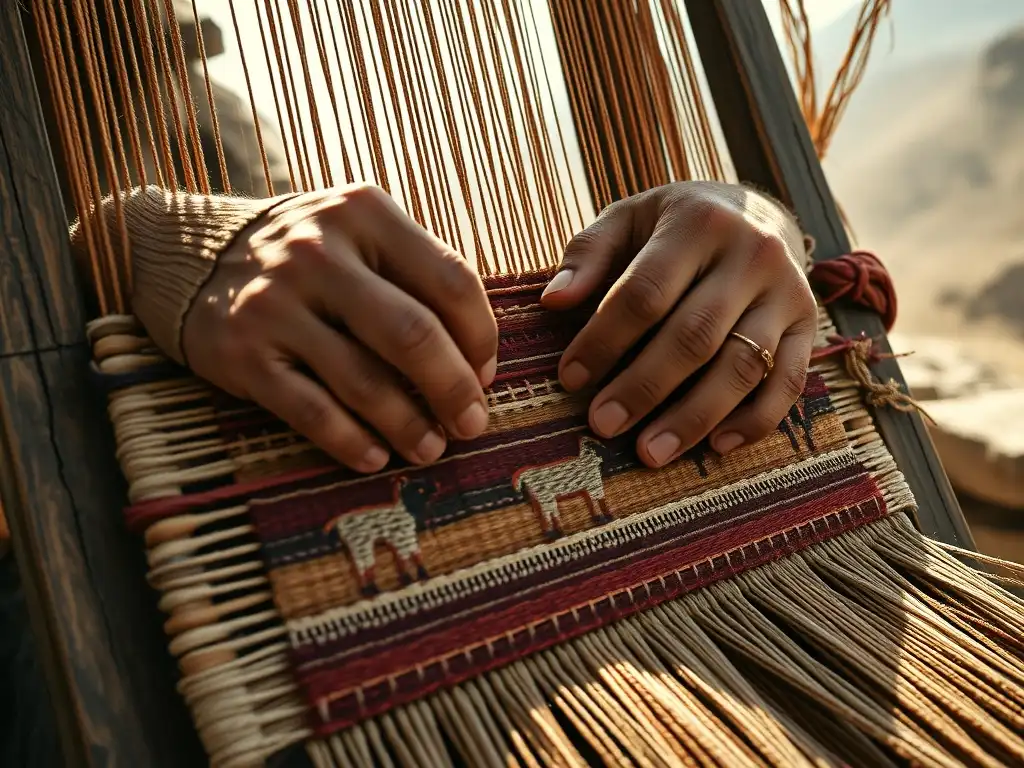
This section delves into the intricate techniques employed by Andean civilizations to create their remarkable textiles, a testament to their ingenuity and artistic prowess. Understanding these techniques is crucial to appreciating the artistry and cultural significance embedded within each woven piece. The mastery of these methods allowed for the creation of incredibly durable and visually stunning textiles, which served a multitude of purposes, from everyday clothing to elaborate ceremonial garments and sacred objects.
The enduring legacy of Andean weaving techniques continues to inspire textile artists worldwide. This exploration will focus on the tools, patterns, and dyeing processes that shaped Andean textile production.
The Backstrap Loom: A Fundamental Tool
The backstrap loom is arguably the most iconic tool associated with Andean weaving history. This portable loom, requiring minimal setup, allowed weavers incredible flexibility. It's a simple yet ingenious device consisting of a warp beam (often a sturdy stick), a heddle (a series of strings used to separate warp threads), and a backstrap that secures the loom to the weaver's body.
The weaver’s body provides the tension for the warp threads, enabling precise control over the weaving process. The portability of the backstrap loom facilitated weaving in a variety of settings – from homes to fields, allowing women to weave while performing other tasks.
The backstrap loom's simplicity belies its versatility. It allowed for the creation of a wide range of fabrics, from simple cloths to intricate tapestries. The use of supplementary weft techniques, where additional threads are added to create patterns, was commonplace and allowed for complex designs.
The precision and control afforded by this loom are evident in the quality and intricacy of surviving Andean textiles. Mastering the backstrap loom required years of practice and passed down through generations, cementing its place as a cornerstone of Andean weaving traditions. Even today, many Andean communities continue to utilize this ancient technology, preserving a vital part of their cultural heritage.
Weaving Patterns: From Simple to Complex
Andean weaving patterns are renowned for their complexity and symbolic richness. While simple geometric designs were prevalent in everyday textiles, ceremonial and elite garments often displayed elaborate motifs, reflecting intricate knowledge of cosmology, mythology, and social structures. These patterns weren't merely decorative; they conveyed profound meanings and stories, acting as visual narratives.
The evolution of Andean weaving patterns is a fascinating study. Early examples reveal basic geometric forms, such as stripes and chevrons. Over time, these patterns evolved into more complex compositions, incorporating zoomorphic and anthropomorphic figures, alongside intricate representations of celestial bodies and sacred landscapes. The use of different colors and textures further enhanced the visual impact and symbolic meaning of these designs.
Consider, for example, the intricate tapestry depicting a mythical bird found in [specific example of museum/collection pending]. The use of multiple colors, varying thread weights, and supplementary weft techniques created a three-dimensional effect, bringing the bird to life. This level of detail and skill underscores the high level of artistic sophistication achieved by Andean weavers. Analyzing these patterns offers valuable insights into the beliefs, practices, and social structures of the different Andean cultures.
Dyeing Techniques: Natural Pigments and Processes
The vibrant colors of Andean textiles are a result of ingenious dyeing techniques using natural pigments derived from plants, minerals, and insects. This palette wasn't merely aesthetic; the colors held deep symbolic meanings, often associated with specific deities, events, or social status.
The process of obtaining and applying these dyes was complex and labor-intensive. Plants like cochineal insects (producing crimson), various plants yielding yellows and browns, and minerals providing blacks and blues were carefully harvested and processed. The precise methods varied between regions and cultures, reflecting local knowledge and resources. The use of mordants—substances that help fix the dye to the fiber—was crucial to ensuring colorfastness and longevity.
The enduring brilliance of many ancient Andean textiles is a testament to the effectiveness of these natural dyes. The colors remain remarkably vibrant even after centuries, highlighting both the quality of the dyes themselves and the skill of the weavers in their application. The knowledge of these dyeing techniques, passed down through generations, represents a crucial aspect of Andean weaving history and cultural heritage.
The meticulous preparation and application of these natural dyes, combined with the artistry of the weaving techniques, resulted in textiles that are both aesthetically captivating and culturally significant. The vibrant hues and enduring quality of these textiles are a true testament to the ingenuity and skill of Andean artisans.
Spinning Techniques: Transforming Fibers into Threads
Andean spinning techniques, a cornerstone of their textile artistry, weren't uniform across all cultures and time periods. The methods varied depending on the available fibers—alpaca, llama, vicuña, cotton, and even camelid hair blends—and the desired outcome, whether it was a fine, delicate thread for intricate garments or a coarser yarn for sturdy textiles used in everyday life. The ingenuity of these techniques is evident in the remarkable quality and variety of Andean textiles that have survived to this day.
One prevalent method involved using a drop spindle, a simple yet effective tool. This involved twisting fibers by hand, using the weight of the spindle to create the twist. Archaeological evidence suggests that drop spindles were utilized across various Andean cultures for millennia, with variations in their design and materials reflecting regional differences.
The skill in using a drop spindle lay in controlling the speed and tension of the twist, resulting in a consistent and even yarn. Mastering this technique required years of practice, a testament to the dedication and patience of Andean artisans. The fineness and evenness of the spun thread directly impacted the quality of the final woven product, a factor deeply valued in Andean societies.
Beyond the drop spindle, some Andean communities employed more advanced techniques, particularly for finer yarns. These techniques may have involved the use of multiple spindles simultaneously, or specialized tools to aid in the twisting process. Unfortunately, precise details on these more sophisticated methods are often limited due to the scarcity of surviving tools and the oral nature of knowledge transmission in many Andean communities.
However, the surviving textiles themselves provide compelling evidence of their expertise, showcasing incredibly fine and intricate threads that are a testament to the advanced spinning skills of Andean weavers. Further research into these advanced techniques is crucial to fully understand the breadth and depth of Andean textile production. The discovery of new archaeological sites or the careful study of existing artifacts could shed more light on the full spectrum of Andean spinning technologies.
The choice of spinning technique was intimately linked to the type of fiber being used. For instance, the delicate vicuña fiber required a more gentle and precise spinning technique to avoid damaging its delicate structure, resulting in a luxuriously soft and fine yarn. On the other hand, coarser fibers, like llama wool, could withstand a more vigorous spinning process.
This careful consideration of fiber properties demonstrates a deep understanding of materials and their inherent characteristics, highlighting the sophisticated knowledge base underlying Andean textile production. The ability to adapt spinning techniques to suit different fibers is a key factor in the impressive diversity and quality of Andean textiles. This adaptable approach to spinning is a key element of the enduring legacy of Andean weaving history.
The Enduring Legacy of Andean Weaving
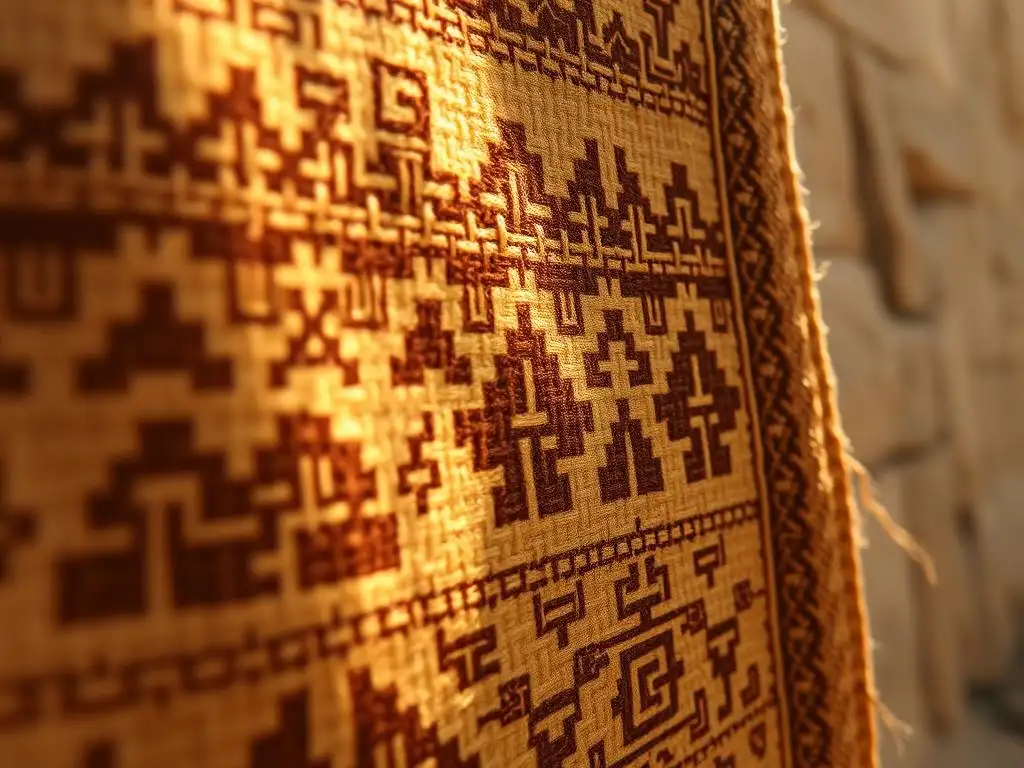
The Andean region boasts a textile tradition stretching back millennia, a vibrant tapestry woven into the very fabric of its diverse cultures. This enduring legacy, reflected in the intricate designs and sophisticated techniques, provides invaluable insight into the social structures, beliefs, and artistic sensibilities of ancient Andean societies. From the simple yet elegant textiles of early pre-Columbian cultures to the complex tapestries created by the Inca Empire and their predecessors, Andean weaving history reveals a continuous thread of innovation and adaptation.
The techniques, materials, and symbolic meanings embedded in these textiles offer a captivating journey through time, showcasing the remarkable ingenuity and artistic prowess of Andean peoples. Understanding this rich history is crucial to appreciating the contemporary expressions of this ancient craft.
The Continuity of Traditional Weaving Practices
Despite the passage of centuries and the impact of globalization, many traditional Andean weaving practices persist. Communities across the Andes maintain their unique styles, techniques, and symbolic languages expressed through textiles. For example, the use of natural dyes derived from plants and insects, a hallmark of Andean weaving for centuries, continues to be practiced by many artisans.
These vibrant colors—from the deep reds of cochineal to the rich yellows of achiote—are not merely aesthetic choices; they hold deep cultural and spiritual significance. The intricate designs, often incorporating geometric patterns, zoomorphic motifs, and representations of deities, carry encoded messages passed down through generations. Many communities continue to use traditional backstrap looms, a testament to the ingenuity and adaptability of this ancient technology.
The rhythmic motion of the loom, the careful placement of each thread, and the shared knowledge passed down within families represent a living embodiment of Andean weaving history. The continuity of these practices is a powerful testament to the enduring strength and resilience of Andean cultures. Detailed studies of these practices reveal fascinating insights into the transmission of knowledge and the social bonds that underpin textile production.
Contemporary Andean Weavers and Their Art
Contemporary Andean weavers are not merely preserving tradition; they are actively innovating and reinterpreting it. While many continue to produce textiles using traditional techniques and designs, others are incorporating modern elements and exploring new artistic expressions. This vibrant fusion of tradition and modernity is evident in the diverse range of textiles being created today.
Some weavers incorporate modern materials while retaining traditional techniques, creating a unique blend of old and new. Others experiment with innovative designs, drawing inspiration from both their cultural heritage and contemporary aesthetics. This dynamic interplay between tradition and innovation is a testament to the adaptability and creativity of Andean weavers.
The art of Andean weaving continues to flourish, enriching both the cultural landscape and the global art world. The work of these contemporary artists demonstrates the enduring vitality of Andean weaving traditions and their relevance in the 21st century. Many are actively involved in promoting and preserving their craft, ensuring that this rich legacy continues to thrive.
The Cultural Importance of Preserving Weaving Traditions
Preserving Andean weaving traditions is not simply about safeguarding a craft; it is about safeguarding a vital part of Andean cultural heritage. These traditions embody the collective memory, knowledge, and identity of Andean communities. Weaving is deeply intertwined with social structures, ritual practices, and spiritual beliefs. The intricate designs and symbolic meanings encoded within the textiles serve as powerful vehicles for transmitting cultural values and knowledge across generations.
Efforts to preserve these traditions must focus on supporting Andean weavers, promoting their art, and ensuring the continued transmission of their skills and knowledge. This includes providing access to resources, fostering collaboration among communities, and promoting fair trade practices. The loss of these traditions would represent a significant cultural loss, erasing a crucial element of Andean identity and history.
Continued support and recognition of Andean weaving are essential to ensuring its survival and continued flourishing for future generations. This cultural preservation is not just an Andean concern; it is a global responsibility to protect this invaluable aspect of human heritage. 👩🎨🧵🦙
Andean Textiles in Modern Collections and Research
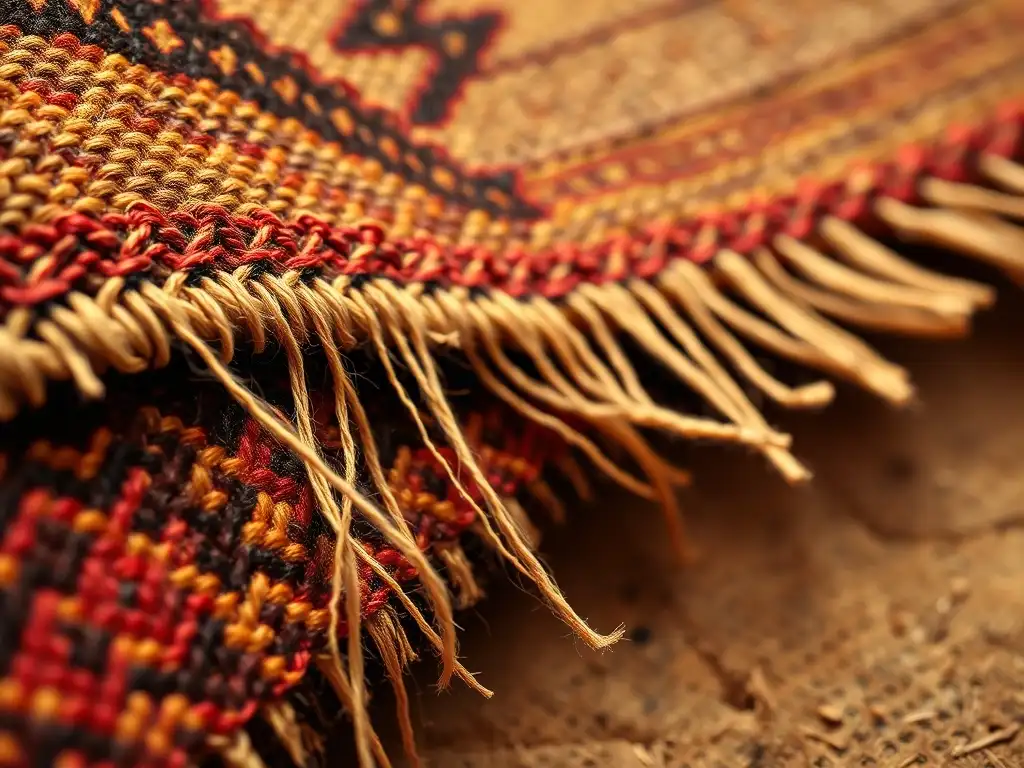
This section delves into the significant role museums and ongoing research play in preserving and understanding the rich tapestry of Andean weaving history. We'll explore where these invaluable artifacts are housed and the cutting-edge research methods used to unveil their secrets. Understanding the context of these textiles within modern academic frameworks is crucial to appreciating their historical significance and artistic merit. The study of Andean weaving history is a vibrant and evolving field.
Exploring Andean Textiles in Museums Worldwide
Major museums across the globe boast impressive collections of Andean textiles, offering invaluable resources for scholars and the public alike. The textile collections are not just static displays; they are dynamic research tools. For example, the American Museum of Natural History in New York City possesses a substantial collection representing diverse Andean cultures and periods, allowing researchers to compare and contrast weaving techniques across time and geography.
Similarly, the Museo Larco in Lima, Peru, houses a breathtaking collection showcasing the evolution of Peruvian textile art, from the Paracas culture to the Inca Empire. These museums meticulously document and preserve these fragile artifacts, ensuring their accessibility for future generations. They often use advanced techniques like digital imaging and 3D modeling to further study and protect these important pieces of Andean weaving history.
The meticulous cataloging and analysis undertaken by these institutions are essential for understanding the stylistic variations, technological advancements, and cultural significance embedded within each textile. The sheer volume of textiles held in these collections provides a vast dataset for comparative studies, allowing researchers to trace the evolution of specific motifs, techniques, and color palettes across different Andean cultures and time periods.
Current Research and Archaeological Discoveries
Recent archaeological discoveries continue to reshape our understanding of Andean weaving history. New excavations regularly unearth exceptionally well-preserved textiles, providing fresh insights into ancient weaving practices and cultural beliefs. For instance, the discovery of [specific location and date of discovery pending] yielded a remarkably intricate tapestry, offering previously unknown details about [specific cultural group] weaving techniques.
The application of scientific analysis—such as radiocarbon dating, fiber analysis, and pigment identification—to these finds provides crucial chronological and contextual information, allowing researchers to more accurately place the textiles within their historical and cultural frameworks. Furthermore, the use of advanced imaging technologies, such as multispectral imaging, allows researchers to identify subtle details and patterns invisible to the naked eye, revealing hidden information about the creation and purpose of these artifacts. This data is then used to reconstruct the social and economic structures of the Andean societies that produced these textiles, and the roles of the craftspeople involved.
The ongoing research is not limited to physical artifacts; analysis of iconography and symbolism within the textiles provides valuable insights into Andean cosmology, mythology, and social structures. The ongoing process of discovery and analysis constantly refines our understanding of Andean weaving history.
The Future of Andean Textile Studies
The future of Andean textile studies is bright, fueled by technological advancements and interdisciplinary collaboration. The integration of digital technologies, such as 3D modeling and virtual reality, offers exciting possibilities for both research and public engagement. Researchers can create highly detailed digital replicas of textiles, allowing for detailed study without risking damage to the original artifacts.
This also allows for broader access to these artifacts for scholars and enthusiasts worldwide. Furthermore, the increasing collaboration between archaeologists, textile conservators, anthropologists, and other specialists promises a more holistic understanding of Andean weaving history. By combining archaeological data with textile analysis and anthropological perspectives, researchers can create a more nuanced and comprehensive picture of the role of textiles in Andean societies.
The continued development of non-destructive analysis techniques will further enhance our ability to study these delicate artifacts without compromising their integrity. This interdisciplinary approach, combined with technological advancements, ensures that the study of Andean weaving history will continue to flourish, unveiling new insights into these remarkable artifacts and the civilizations that created them. The future promises even deeper insights into the intricacies of Andean weaving, enriching our understanding of this vital aspect of their rich cultural heritage.
Understanding the Cultural Significance of Andean Textiles
Andean weaving history is deeply intertwined with the cultural and spiritual life of the Andean peoples. Textiles were not merely clothing; they were powerful symbols, imbued with meaning and reflecting complex social structures and cosmological beliefs. Understanding this significance requires appreciating the intricate relationship between textile production, ritual practices, social hierarchy, and narrative expression.
The meticulous craftsmanship, vibrant colors, and symbolic motifs all contribute to the enduring legacy of Andean textiles as potent cultural artifacts. The enduring appeal of Andean weaving stems from its ability to transcend mere utility and become a vehicle for profound cultural expression. This section will delve into several key aspects of this multifaceted relationship.
The Role of Textiles in Rituals and Ceremonies
Textiles played a pivotal role in Andean rituals and ceremonies, serving as essential components of religious practices and offerings to deities. For example, the Inca used challis, finely woven textiles, in ceremonies honoring the sun god Inti. These were often adorned with intricate designs representing celestial bodies, agricultural symbols, and mythical creatures.
The vibrant colors themselves held symbolic significance, often related to specific deities or events within the agricultural calendar. The use of specific fibers, such as alpaca or vicuña wool, further enhanced the sacred nature of these ritual textiles. The preparation and weaving process itself was often imbued with ritualistic significance, involving specific prayers, offerings, and communal participation.
Furthermore, burial practices often included textiles as grave goods, reinforcing their importance in the afterlife and the continuity of spiritual beliefs. Archaeological evidence consistently reveals the presence of textiles in sacred sites and burial contexts, supporting their crucial role in Andean religious life. The intricacy and precision of these ritual textiles are testaments to the high regard in which they were held.
The use of textiles in ceremonies wasn't limited to the Inca. Earlier cultures, such as the Nazca and Moche, also incorporated textiles into their religious practices. While the specific forms and designs varied across cultures and time periods, the underlying significance of textiles as mediators between the human and spiritual realms remained consistent throughout Andean history. The preservation of these textiles, even after centuries, speaks to their enduring power and the importance placed upon their creation and use.
Andean weaving history also reveals the intricate relationship between textiles and social stratification. The type of fiber used, the complexity of the design, and the quality of the weaving all served as markers of social status and identity. Elites often wore garments made from luxurious vicuña wool, intricately woven with gold and silver threads, while commoners wore simpler textiles made from alpaca or llama wool.
Specific designs and colors were also associated with different social groups, clans, or even individual identities. The use of specific motifs, such as stylized animals or geometric patterns, could indicate membership in a particular lineage or community. This symbolic system allowed for the visual communication of social hierarchy and group affiliation.
This system of visual communication wasn't static. Changes in textile styles and designs often reflected shifts in power dynamics or social structures. For instance, the introduction of new technologies or the adoption of foreign motifs could signal the influence of external forces or the emergence of new elites. The study of Andean textile traditions, therefore, provides crucial insights into the complex social and political landscapes of the Andean region. Analyzing the variations in textile production across different social groups allows researchers to reconstruct past social structures and power dynamics with remarkable accuracy.
Storytelling Through Andean Textile Art
Andean textile art is not merely decorative; it is a powerful medium for storytelling. Complex narratives, historical events, and mythological tales were often woven into the fabric itself. The designs, colors, and arrangements of motifs conveyed intricate messages, often relating to ancestry, cosmology, and social history. For example, certain patterns might represent specific clans, historical battles, or mythical creatures. The narrative aspect of Andean textiles adds another layer to their cultural significance. These textiles were not just objects; they were living repositories of knowledge and tradition.
Understanding these narratives requires careful study of the iconography and symbolism embedded within the textiles. Researchers employ a variety of methods, including ethnohistorical accounts, archaeological context, and comparative analysis of similar motifs across different Andean cultures, to decipher the meaning of these visual narratives. The vibrant colors and complex designs are not merely aesthetic choices; they are carefully chosen elements that contribute to the overall narrative, creating a rich tapestry of visual storytelling.
The preservation and study of these textiles are crucial for understanding the rich cultural heritage of the Andean civilizations and the ways in which they communicated their history and beliefs across generations. The ongoing research into these intricate narratives continues to unveil fascinating insights into the worldview and cultural practices of the Andean peoples.
Frequently Asked Questions
What is the significance of Andean weaving in the region's history?
Andean weaving holds immense cultural and historical significance. It served not only as a practical necessity but also as a powerful means of social communication, religious expression, and status display. Textiles were integral to daily life and ceremonial practices.
How did Andean weaving techniques evolve over time?
Andean weaving techniques demonstrated remarkable innovation and sophistication over centuries. From simple techniques to intricate designs using complex looms and dyes, the evolution reflects the societies' growth and interaction. Technological advancements are clearly visible in the textiles.
Which Andean cultures are most known for their unique weaving styles?
Many Andean cultures excelled at weaving, but the Inca, Nazca, and Moche are particularly renowned for their distinct styles. Each culture developed unique techniques, motifs, and color palettes reflecting their individual artistic traditions.
What materials were commonly used in ancient Andean weaving?
Ancient Andean weavers utilized readily available natural fibers, primarily alpaca, llama, vicuña, and cotton. The choice of fiber often reflected the geographic location and social status of the weaver.
Where can I learn more about the history of Andean weaving?
To delve deeper into the history of Andean weaving, explore museums showcasing Andean textiles, such as the Museo Larco in Lima, Peru. You can also consult academic journals and books specializing in Andean archaeology and textile history.
Final Reflection: The Enduring Legacy of Andean Weaving
The vibrant threads of Andean weaving traditions continue to resonate today, a testament to the enduring power of cultural heritage and artistic expression. These intricate textiles, far from being mere artifacts of the past, offer profound insights into the social structures, spiritual beliefs, and resilience of Andean communities across millennia. Their continued presence in contemporary society speaks volumes about the importance of preserving and celebrating cultural legacies.
The impact of Andean weaving extends far beyond the realm of textiles; it's a living narrative woven into the very fabric of Andean identity. The techniques, designs, and symbolism embedded within these pieces reflect a deep connection to the land, ancestors, and a rich cosmology. As the renowned Peruvian anthropologist, José María Arguedas, once wrote, The Andean people express themselves through their textiles, their songs, and their stories; these are the threads that bind them to their past and their future.
This quote encapsulates the profound significance of weaving, not just as a craft, but as a vital component of Andean cultural continuity.
Consider the stories held within each intricate pattern, each vibrant color. You, the reader, are now part of this ongoing narrative. Take a moment to reflect on the power of cultural preservation and the importance of appreciating the artistry and history embedded in seemingly simple objects.
Seek out opportunities to learn more about Andean weaving, support artisans who continue these traditions, and recognize the enduring legacy of a culture that has woven its story into the very fabric of its existence. Let the threads of time inspire you to connect with your own heritage and the rich tapestry of human creativity.
Weave Your Journey: Connect with Andean Traditions
Thank you for exploring the rich tapestry of Andean weaving traditions! We hope this journey has revealed the beauty and significance of these time-honored practices. Now, it's your turn to deepen your connection to this incredible heritage.
Here are a few ways you can get involved:
- Learn traditional Andean weaving techniques by joining a workshop in your area or online. Many workshops offer hands-on instruction from skilled artisans.
- Share your appreciation for Andean weaving on social media. Post your favorite photos or videos and tag us to help spread awareness of this important cultural heritage.
- Support local artisans by purchasing their handcrafted textiles. This helps preserve these valuable skills and traditions for future generations.
What aspect of Andean weaving resonated most with you, and how will you share that inspiration with others?