
Chavín Burial Practices: Unveiling the Mysteries of the Afterlife

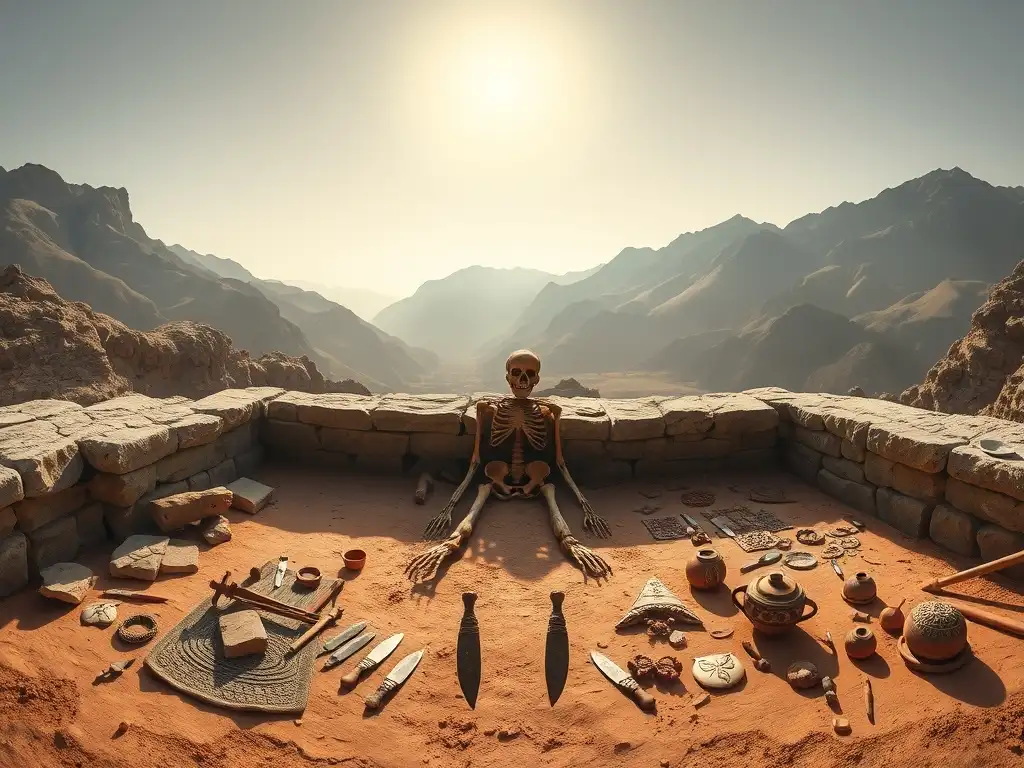
Dive into the enigmatic world of the Andes! Prepare to be captivated by the remarkable stories of ancient empires, from the intricate artistry of the Nazca to the awe-inspiring engineering of the Incas. But first, let's unravel one of the most intriguing mysteries: Chavín burial rituals. What secrets do these ancient practices hold about their beliefs in the afterlife? Journey with us to discover the answers...
The Chavín culture, flourishing in the Andes Mountains of Peru from approximately 900 to 200 BCE, remains a captivating enigma for archaeologists and historians alike. Their sophisticated artistry, complex religious beliefs, and advanced societal structures are evident in their impressive architectural remains and intricate artifacts. However, a particularly intriguing aspect of Chavín society lies in their burial practices, offering a unique window into their worldview and beliefs about the afterlife.
This article delves into the fascinating world of Chavín burial rituals, exploring the evidence unearthed by archaeological digs and analyzing the significance of their mortuary customs within the broader context of Chavín culture. We will examine the types of burials discovered, the associated grave goods, and the potential insights these offer into Chavín cosmology and social organization.
Understanding Chavín burial rituals allows us to better comprehend their complex society and the central role of death and the afterlife in their worldview. This exploration will help us uncover the mysteries surrounding their beliefs and practices concerning the transition from life to death.
Introduction to Chavín Mortuary Customs
Chavín burial sites, often located in caves or near ceremonial centers, reveal a diverse range of mortuary practices. While detailed records are scarce due to the limitations of archaeological findings and the challenges in interpreting ancient practices, several recurring themes have emerged from the excavated sites. These include both individual and collective burials, with varying degrees of complexity in the grave goods and the preparation of the deceased.
Some graves contain only basic offerings, while others feature elaborate arrangements of artifacts reflecting the social status or religious importance of the individual interred. The careful placement of bodies and the inclusion of specific objects suggest a structured and ritualistic approach to burial ceremonies. The evidence suggests a sophisticated understanding of the afterlife, where the deceased were not simply discarded but prepared for a journey into the next world.
Further research is needed to fully understand the nuances of Chavín burial practices, but the existing evidence points to a rich and complex mortuary tradition. Analysis of skeletal remains, in conjunction with the associated grave goods, can provide valuable insights into the health, diet, and social status of the deceased, further enriching our understanding of Chavín society. The study of these practices offers a crucial piece in the larger puzzle of unraveling the complexities of Chavín culture.
The Significance of Death in Chavín Culture
The significance of death within Chavín culture is inextricably linked to their religious beliefs and cosmology. While the specifics remain debated among scholars, evidence suggests a complex system of beliefs surrounding the afterlife and the spiritual world. The presence of elaborate grave goods, including intricately carved stone objects, pottery, and textiles, points to a belief in an afterlife where material possessions were deemed important.
The careful placement of bodies and the inclusion of specific offerings suggest a ritualistic preparation for the deceased's journey into the next world. The discovery of human remains alongside animal bones and offerings of food and drink suggests a belief in a continued existence where the deceased require sustenance and companionship. Furthermore, the association of certain burial sites with ceremonial centers highlights the potential connection between death rituals and the broader religious practices of the Chavín.
The careful construction of tombs and the inclusion of specific symbols and iconography suggest a deep-seated belief in the power of ritual and the importance of ensuring a proper transition for the deceased. More research is needed to fully understand the complex interplay between Chavín religious beliefs and their mortuary practices, but the available evidence points to a worldview where death was not an end but a transition to a different realm of existence. The study of Chavín burial rituals provides invaluable insights into their spiritual beliefs and their understanding of the relationship between the living and the dead.
Chavín Burial Sites: Locations and Types
Chavín burial sites, reflecting the complex social and religious organization of the Chavín culture, are diverse in their location and design. Archaeological evidence reveals a preference for both subterranean and elevated burial locations, suggesting a nuanced understanding of the afterlife and the symbolic importance of the landscape. The placement of these sites wasn't random; rather, it appears carefully chosen, often linked to significant geographical features or proximity to ceremonial centers.
The variation in burial locations and the types of tombs themselves hint at social stratification within Chavín society, with elaborate burials potentially reserved for elites or individuals of high religious standing. Further research is needed to fully understand the criteria for site selection and the correlation between burial type and social status.
The limited number of well-preserved sites also presents a challenge in achieving a comprehensive understanding of Chavín burial practices. More extensive archaeological surveys and excavations are crucial in expanding our knowledge of these fascinating sites.
Underground Tombs and Chambers
Many Chavín burials were located in underground tombs and chambers, often intricately constructed. These subterranean spaces, sometimes accessed via shafts or tunnels, provided a secluded and protected environment for the deceased. The construction of these tombs varied, ranging from simple pits to complex, multi-chambered structures. Some examples show evidence of careful stonework, suggesting significant time and labor invested in their creation.
The careful placement of the deceased within these chambers, along with the associated grave goods, suggests a ritualistic process far beyond simple interment. The discovery of multiple individuals interred in a single tomb hints at the importance of kinship and family in Chavín mortuary practices. Analysis of the skeletal remains from these tombs offers valuable insights into the health, diet, and overall lifestyle of the Chavín people, furthering our understanding of their society.
Platform Mounds as Burial Grounds
In contrast to the subterranean burials, some Chavín burial sites were located atop or within platform mounds, large-scale earthworks that served multiple purposes within the Chavín culture. These mounds, often associated with ceremonial centers, might have served as both elevated burial places and as monumental expressions of power and religious authority.
The use of platform mounds for burials suggests a connection between the deceased and the spiritual power associated with these structures. The placement of bodies within these mounds, sometimes alongside other offerings, suggests a deliberate integration of the deceased into the broader landscape and its sacred significance.
The presence of both individual and collective burials within these mounds further complicates our understanding of Chavín burial rituals and necessitates continued research to clarify the complex interplay between social status, religious beliefs, and burial practices. The scale and complexity of these platform mounds underscore the significant organizational capabilities of the Chavín civilization.
Chavín Burial Rituals and Ceremonies
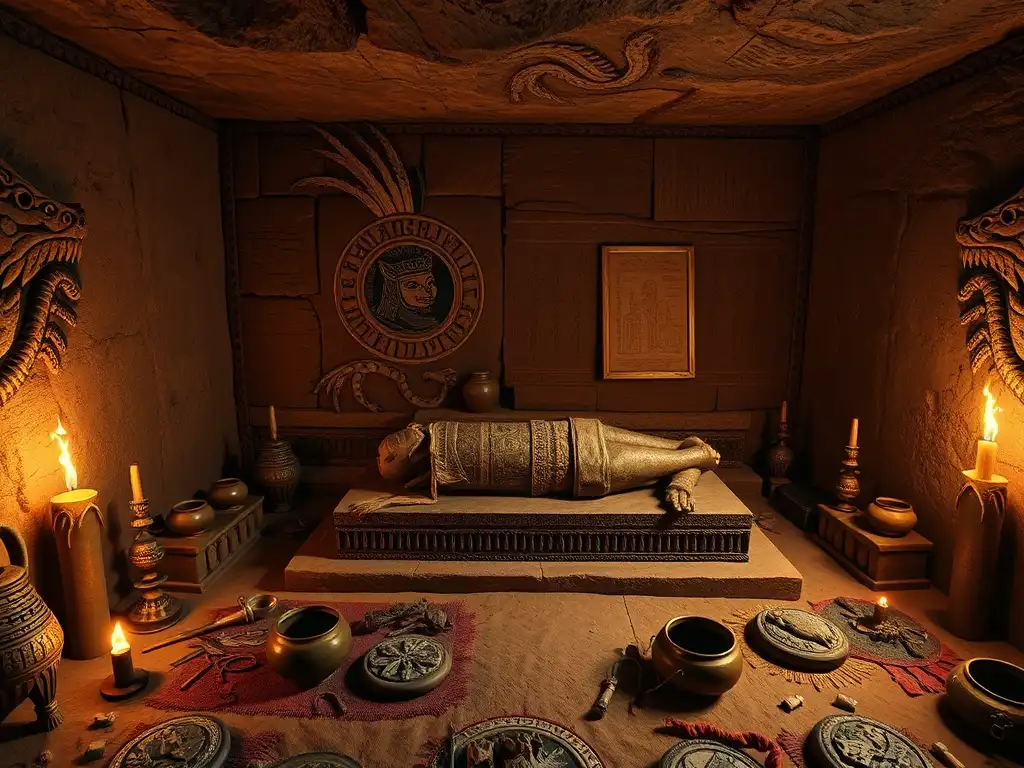
The process of preparing the deceased and conducting Chavín burial ceremonies was likely a complex and ritualistic affair, reflecting a profound belief in the afterlife and the importance of proper funerary rites. Evidence suggests a meticulous process involving specific steps and practices, deeply embedded within the religious beliefs of the culture. The limited archaeological evidence available provides only glimpses into these practices, leaving many questions unanswered. However, the artifacts found in association with the burials, along with the careful arrangement of the remains, offer clues to the elaborate nature of these rituals.
Preparations of the Deceased
The preparations of the deceased for burial likely involved a series of rituals aimed at ensuring a safe passage into the afterlife. This may have included washing and cleansing the body, dressing it in specific garments, and possibly mummification techniques. The presence of grave goods, ranging from simple pottery to elaborate ornaments, further suggests that the deceased were prepared for their journey into the afterlife equipped with the necessary provisions.
Although the specifics of these preparation rituals remain largely unknown, the careful arrangement of bodies and grave goods indicates a structured and formalized process. The discovery of certain artifacts, such as specific types of pottery or jewelry, may eventually help scholars to reconstruct the sequence of events involved in these preparations. Further research, particularly analysis of organic materials associated with the burials, may unveil more details about these practices.
The Role of Shamanic Practices in Funerals
The role of shamanic practices in Chavín funerary rituals is highly probable, given the importance of shamanism in the broader Chavín religious worldview. Shamans, believed to possess the ability to communicate with the spirit world, likely played a central role in guiding the deceased's soul into the afterlife. They may have led the ceremonies, performed rituals to appease the spirits, and ensured the proper conduct of the burial rites.
The presence of certain artifacts, such as hallucinogenic substances or objects associated with shamanic practices, in some burials suggests the active involvement of shamans in the funerary process. However, the exact nature of their participation and the specific rituals they performed remain largely speculative due to limited evidence. Further interdisciplinary research, combining archaeological data with ethnohistorical accounts and anthropological studies of similar cultures, may shed light on the role of shamans in Chavín burial rituals.
Offerings and Sacrifices at Chavín Burials
The presence of offerings and sacrifices at Chavín burials highlights the importance of providing the deceased with sustenance and protection in the afterlife. These offerings varied widely, ranging from food and drink to elaborate textiles, pottery, and precious ornaments. The type and quantity of offerings likely reflected the social status of the deceased, with individuals of higher standing receiving more elaborate offerings.
The presence of animal remains in some burials suggests that animal sacrifice was part of the funerary rites. These sacrifices, perhaps intended to appease the spirits or provide the deceased with companionship in the afterlife, offer valuable insights into the religious beliefs and practices of the Chavín culture. The careful placement of these offerings within the tombs, often arranged in specific patterns, suggests a symbolic significance beyond simple provision.
Further study of these offerings, including detailed analysis of their materials and manufacturing techniques, could provide more precise information about their meaning and significance within the context of Chavín burial rituals. The analysis of organic remains associated with these offerings is crucial to understanding the nature and role of the sacrifices themselves.
Analysis of Chavín Grave Goods
The study of Chavín grave goods provides invaluable insights into the beliefs and practices surrounding death and the afterlife in this enigmatic culture. Analyzing the types and quantities of objects interred with the deceased reveals much about their social standing, religious beliefs, and the overall worldview of the Chavín people. The meticulous preservation of organic materials in some arid Andean sites has allowed archaeologists to recover a surprisingly rich array of artifacts, offering a detailed glimpse into their mortuary rituals.
The careful arrangement of these items within the graves suggests a deliberate and highly symbolic act, far beyond simple deposition. Furthermore, the consistent presence of certain objects across multiple graves hints at shared beliefs and practices within the broader Chavín society. The absence of certain artifacts in others, conversely, suggests social and/or ritual distinctions.
Pottery and Ceramics in Burials
Pottery and ceramics constitute a significant portion of Chavín grave goods. Elaborately decorated vessels, often featuring the iconic Chavín style of feline and serpent motifs, were frequently found in burials.
These weren't merely utilitarian objects; their intricate designs and the time invested in their creation suggest a symbolic function, possibly representing the deceased's connection to the spirit world or their journey into the afterlife. The types of pottery varied depending on the burial context, with some graves containing simple, undecorated vessels, while others boasted a profusion of highly stylized and decorated pieces.
The presence of specific vessel types, such as stirrup-spout bottles or bowls with particular iconography, may have held specific ritual significance, reflecting the beliefs and practices associated with the deceased. Analysis of the clay's composition and the firing techniques employed also provides valuable information about the origin and production of these artifacts, shedding light on potential trade networks and regional interactions.
Textiles and Fabrics as Burial Offerings
Textiles and fabrics represent another important category of Chavín grave goods. While organic materials are often poorly preserved, the arid conditions of some Chavín burial sites have allowed for the recovery of surprisingly well-preserved textiles, revealing intricate weaving techniques and elaborate designs.
These fabrics were likely used to wrap the deceased, providing both a physical covering and a symbolic representation of their social status or spiritual significance. The use of specific colors, patterns, and materials in burial textiles may have held symbolic meaning, reflecting the individual's role within society or their connection to the supernatural realm.
Furthermore, the presence of specialized textile techniques, such as tapestry weaving or embroidery, suggests a high level of craftsmanship and potentially a specialized group of artisans dedicated to the creation of these funerary items. The analysis of these textiles provides crucial evidence of Chavín technology and artistic expression, while also highlighting their importance in mortuary rituals.
Metalwork and Jewelry in Chavín Funerals
While less common than pottery and textiles, metalwork and jewelry also feature in some Chavín burials, primarily those associated with elite individuals. These artifacts, often made of gold, silver, or copper, included ornaments such as necklaces, ear spools, and headdresses. The presence of such precious materials highlights the social status and power of the deceased, suggesting a hierarchical society where access to these resources was restricted to the elite.
The intricate designs and sophisticated craftsmanship of these objects further emphasize their symbolic significance, potentially representing the deceased's connection to power, wealth, and the supernatural. The study of these metal artifacts offers insights into Chavín metallurgy, artistic skills, and the role of metalwork in their social and religious practices. The techniques used in their creation, and the sourcing of the raw materials, provide further contextual information about the wider Chavín world and its interactions with other cultures.
Food and Utensils Interred with the Dead
The inclusion of food and utensils in Chavín burials suggests beliefs about the afterlife and the provision of necessities for the deceased's journey into the spirit world. While the preservation of organic remains is challenging, evidence suggests that various food items, such as maize, beans, and possibly other agricultural products, were interred along with the deceased.
The presence of cooking vessels and other utensils reinforces this interpretation. The types and quantities of food items found in different burials may reflect variations in social status or the specific beliefs associated with particular individuals or lineages.
Analysis of these organic remains, when possible, can provide valuable insights into the Chavín diet and agricultural practices, as well as their beliefs about the transition from life to death. The careful selection and placement of these items within the graves indicate a deliberate and symbolic act, illustrating the importance of providing for the deceased in the afterlife.
The analysis of Chavín burial sites reveals a complex social hierarchy reflected in the mortuary practices. Variations in grave goods, burial location, and the overall treatment of the deceased clearly suggest a stratified society with distinct social classes. The distribution of resources and the symbolic representation of power and status through burial rituals provide crucial evidence for understanding the social structure of the Chavín culture. Furthermore, the study of Chavín burials helps to illuminate the relationship between social status, religious beliefs, and access to resources.
Elite Burials vs. Commoner Burials
A significant difference exists between the burials of elite individuals and those of commoners. Elite burials are typically characterized by elaborate grave goods, including fine pottery, textiles, metalwork, and other precious items. These individuals were often interred in prominent locations, such as within the main temple structures or in specially constructed tombs.
In contrast, commoner burials were usually simpler, containing fewer and less elaborate grave goods. The location of these burials was also less prominent, often situated outside of the main ceremonial centers. This clear distinction in burial practices underscores the social stratification within Chavín society and highlights the importance of status and power in their mortuary rituals.
Variations in Grave Goods Based on Social Status
The types and quantities of grave goods found in Chavín burials directly correlate with the social status of the deceased. Elite burials contained a wide range of high-quality artifacts, reflecting their access to resources and their privileged position within society. Commoner burials, on the other hand, contained fewer and less elaborate goods, often consisting of simple pottery and utilitarian objects.
The presence of specific types of artifacts, such as gold jewelry or finely woven textiles, also indicates social status. The variations in grave goods highlight the social hierarchy and the unequal distribution of wealth and resources within Chavín society. This uneven distribution further reinforces the idea of a structured social pyramid, with clear distinctions between the elite, the commoners, and potentially intermediary social groups.
Evidence of Social Hierarchy in Mortuary Practices
The overall treatment of the deceased also reflects the social hierarchy within Chavín society. Elite individuals were often buried with elaborate rituals and ceremonies, reflecting their importance and the respect afforded to them. Their bodies were sometimes adorned with jewelry and other precious items, and their graves were carefully constructed and maintained. In contrast, commoner burials were often simpler and less elaborate, with fewer rituals or ceremonies associated with them.
These variations in mortuary practices provide further evidence of social stratification and the unequal distribution of power and resources within Chavín society. The meticulous attention to detail in elite burials, compared to the relative simplicity of commoner burials, powerfully illustrates the social hierarchy inherent in Chavín mortuary rituals. The very act of burial, therefore, served as a powerful symbol of social status and reinforced the existing power structures within the Chavín world.
The Afterlife Beliefs of the Chavín People
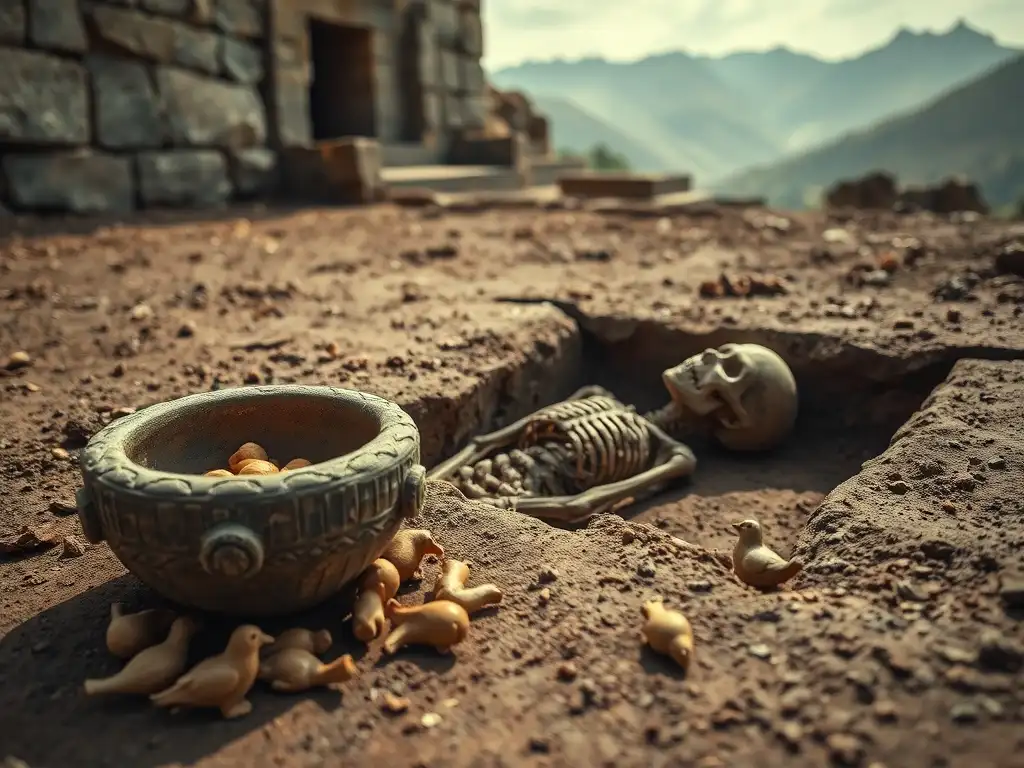
The Chavín people, flourishing in the Andean highlands from approximately 900 to 200 BCE, held complex beliefs about the afterlife, significantly influencing their elaborate burial practices. While direct textual evidence is lacking, archaeological findings—specifically the careful arrangement of grave goods and the construction of elaborate tombs—strongly suggest a belief in a continued existence beyond physical death.
The meticulous nature of these burials, often involving multiple individuals and a wealth of offerings, points to a structured worldview where the transition to the afterlife was a carefully orchestrated and significant event. Further research into the intricate iconography found on Chavín artifacts may provide deeper insights into their specific beliefs regarding the nature of the afterlife and the journey undertaken by the deceased.
The presence of specific artifacts in certain contexts may also help decipher which aspects of life were deemed important to carry into the next world. For example, the inclusion of tools or food suggests a belief in the continued need for sustenance or activity in the afterlife.
Interpretations of Chavín Iconography Related to Death
Chavín iconography, characterized by its intricate and often unsettling imagery, offers valuable clues to their understanding of death and the afterlife. The recurring motifs of jaguars, snakes, and stylized human figures, often depicted in a state of transformation or hybridity, may represent the liminal space between life and death, or perhaps different stages of the journey to the afterlife. The presence of these symbols within burial contexts strengthens their association with funerary rites and beliefs.
Scholars continue to debate the precise meaning of these symbols, but prevailing interpretations often link them to shamanistic practices, underworld deities, and the cyclical nature of life and death. For example, the jaguar, a powerful predator, might symbolize the power of the underworld or the transformative aspect of death.
Detailed analysis of the iconography found on pottery shards, carved stones, and textiles recovered from Chavín burials is crucial for unlocking a more complete understanding of their beliefs. The use of specific colors and patterns also holds significant symbolic meaning, requiring further investigation.
Symbolic Meaning of Animals and Deities in Burial Contexts
The inclusion of specific animal remains and representations of deities within Chavín burials highlights the significance of the animal kingdom and supernatural forces in their funerary rituals. The presence of jaguar bones, for instance, might represent the power and ferocity associated with the underworld, while the depiction of bird-like figures could symbolize the connection between the earthly and celestial realms.
The careful placement of these items, often in direct association with the deceased, suggests that they were not merely grave goods but rather integral components of the funerary ritual, intended to guide the deceased on their journey or provide protection in the afterlife. Further research focusing on the specific types of animals and deities found in different burial sites could reveal variations in regional beliefs or social status.
For instance, the presence of certain rare birds might indicate the high status of the deceased. Understanding the symbolic meaning of these items is essential to reconstruct the Chavín worldview and their beliefs about the afterlife.
Chavín Cosmological Views and the Journey After Death
The Chavín cosmology, interwoven with their understanding of the natural world and supernatural forces, profoundly shaped their burial practices. Their worldview likely involved a complex interplay of earthly and supernatural realms, with the journey after death representing a transition between these spheres. The elaborate nature of the tombs and grave goods suggests a belief in a complex afterlife, possibly involving different levels or realms.
The presence of specific artifacts, such as ceremonial objects or food offerings, might represent the provision of necessary items for the deceased's continued existence in this otherworldly realm. Further investigation into the spatial arrangement of grave goods and their relationship to the deceased's body could shed light on the specific journey envisioned by the Chavín people. The orientation of tombs, for example, might be linked to celestial events or specific geographical features holding cosmological significance.
Comparative Analysis: Chavín Burial Practices and Other Andean Cultures
Comparing Chavín burial practices with those of other Andean cultures provides valuable context and allows for a broader understanding of funerary traditions in the region. By examining similarities and differences, we can gain insights into the cultural exchanges and unique developments within the Andean world. This comparative approach can help to identify the specific influences on Chavín culture and highlight its unique contributions to the broader Andean funerary traditions.
Understanding the evolution of burial practices across different cultures illuminates the dynamic nature of Andean societies and their beliefs about death and the afterlife. Such a comparison helps us contextualize Chavín beliefs within a wider chronological and geographical framework.
Comparing Chavín Mortuary Customs with Moche and Nazca Cultures
The Moche and Nazca cultures, contemporary with or succeeding the Chavín, offer valuable points of comparison. While all three cultures engaged in elaborate burial practices, there were significant differences in their styles and the types of grave goods included. For example, the Moche are known for their elaborate portrait vessels and the depiction of ritual sacrifice in their burials, while the Nazca are recognized for their intricate textiles and geoglyphs which suggest different cosmological beliefs.
Comparing the iconography, grave goods, and tomb architecture of these cultures reveals both shared beliefs and unique expressions of Andean funerary traditions. The differences may reflect distinct regional variations or different social structures. Further research into the specific details of each culture's burial practices is necessary to establish a comprehensive comparative analysis.
Identifying Unique Aspects of Chavín Burial Rituals
Despite similarities with other Andean cultures, Chavín burial practices possessed unique characteristics. The specific types of artifacts included in their burials, the architectural design of their tombs, and the overall arrangement of the grave goods suggest a distinctive approach to funerary rituals. For example, the prevalence of certain iconographic motifs and the use of specific materials in tomb construction could be identified as uniquely Chavín.
Pinpointing these distinctive features requires detailed analysis of archaeological data and a thorough comparison with the burial practices of neighboring cultures. This process of identification will allow us to better appreciate the originality of Chavín culture and its impact on the development of subsequent Andean traditions. Further detailed studies of specific Chavín burial sites are needed to fully understand these unique aspects.
Influences and Legacy of Chavín Burial Practices
The Chavín culture's influence extended beyond its geographical boundaries and temporal lifespan. Their burial practices, with their emphasis on elaborate tomb construction and the inclusion of symbolic artifacts, likely influenced subsequent Andean cultures. This influence can be traced through the adoption of similar motifs, architectural styles, and ritual practices in later Andean societies.
Identifying the specific ways in which Chavín burial practices were adopted and adapted by later cultures helps us understand the long-term impact of Chavín culture on the development of Andean civilization. The study of this legacy provides valuable insights into the processes of cultural transmission and the evolution of Andean beliefs about death and the afterlife. Further research into the chronology and geographical distribution of similar burial practices will solidify our understanding of the legacy of Chavín burial rituals.
Conclusion: Understanding Chavín Burial Rituals and Their Significance
The study of Chavín burial practices offers a captivating glimpse into the cosmology and worldview of this enigmatic pre-Inca civilization. While much remains shrouded in mystery, the archaeological evidence unearthed thus far paints a picture of a society deeply concerned with the afterlife and the transition of the soul. The elaborate burial rituals, the carefully selected grave goods, and the strategic placement of tombs all point to a sophisticated understanding of death and its place within the broader cosmic order. The presence of both individual and collective burials suggests a complex social structure, with varying levels of prestige and power reflected in funerary practices.
Further research, including advanced techniques like DNA analysis and more extensive excavation of burial sites, is crucial to unraveling the remaining complexities of Chavín mortuary traditions. The painstaking work of archaeologists continues to shed light on these ancient rituals, enriching our understanding of Chavín culture and its enduring legacy. Understanding Chavín burial rituals is not merely an academic exercise; it is a journey into the heart of a civilization that shaped the Andes, leaving behind a rich tapestry of beliefs and practices that continue to fascinate and inspire. The meticulous attention to detail evident in these rituals highlights the profound importance the Chavín placed on the afterlife, underscoring their sophisticated social organization and spiritual beliefs.
The careful preservation of these sites is paramount to continue uncovering the secrets of this remarkable culture. The insights gained from studying Chavín burial practices provide invaluable context for understanding the broader development of Andean funerary traditions and their evolution through subsequent cultures. Ultimately, these rituals offer a window into the soul of a civilization, revealing their values, beliefs, and their unique perspective on the cycle of life and death. 🪦
- Introduction to Chavín Mortuary Customs
- The Significance of Death in Chavín Culture
- Chavín Burial Sites: Locations and Types
- Chavín Burial Rituals and Ceremonies
- Analysis of Chavín Grave Goods
- Social Stratification Reflected in Chavín Burials
- The Afterlife Beliefs of the Chavín People
- Comparative Analysis: Chavín Burial Practices and Other Andean Cultures
- Conclusion: Understanding Chavín Burial Rituals and Their Significance
- What were the most prominent features of Chavín burial rituals?
- How did Chavín burial practices differ from those of other Andean cultures?
- What types of artifacts are commonly found in Chavín burials?
- Where are the primary locations of discovered Chavín burial sites?
- What is the current state of research on Chavín burial rituals?
Frequently Asked Questions
What were the most prominent features of Chavín burial rituals?
Chavín burial practices were complex and varied, but often involved elaborate grave goods, reflecting the social status of the deceased. Human sacrifice was also a notable, albeit debated, element.
How did Chavín burial practices differ from those of other Andean cultures?
While similarities exist across Andean cultures, Chavín rituals show unique iconography and a potential focus on shamanistic beliefs reflected in grave offerings, differentiating them from contemporaneous cultures.
What types of artifacts are commonly found in Chavín burials?
Ceremonial objects, such as carved stones, textiles, and ornaments, are frequently discovered, alongside food offerings and sometimes human remains. These items offer valuable insights into their beliefs and society.
Where are the primary locations of discovered Chavín burial sites?
Many Chavín burial sites are located near the Chavín de Huántar temple complex in the Andes of Peru, reflecting its central role in the culture's religious and social life. Other sites are still being discovered.
What is the current state of research on Chavín burial rituals?
Research continues to uncover new information about Chavín burial practices through excavations and analysis of artifacts. Scholars are actively debating various aspects of their interpretation and significance.
Final Reflection: Echoes of Chavín: A Legacy in Stone and Spirit
The meticulous burial practices of the Chavín culture, far from being relics of a distant past, offer a powerful lens through which to examine our own enduring fascination with death and the afterlife. Their elaborate rituals, meticulously crafted artifacts, and the sheer scale of their funerary architecture continue to resonate with us today, prompting questions about mortality, legacy, and the enduring human need to connect with something beyond the tangible world.
The Chavín's profound investment in their funerary rites speaks volumes about the importance they placed on the transition to the afterlife, a belief system that profoundly shaped their society and continues to inform our understanding of early Andean civilizations. The dead are never truly gone, as long as they are remembered.
This sentiment, though not explicitly Chavín, encapsulates the enduring power of their burial rituals, a testament to the enduring human desire to leave a mark on the world, even beyond the confines of life. Their legacy, preserved in the intricate details of their tombs, challenges us to consider the ways in which we, too, strive to create lasting meaning in our own lives.
Consider the intricate details unearthed from Chavín sites – the carefully placed offerings, the symbolic artistry of the artifacts, the meticulous construction of the tombs themselves. These are not simply burial sites; they are powerful statements about the Chavín worldview, a testament to their beliefs and values. You, the reader, are now invited to reflect on your own relationship with mortality and legacy.
How do you hope to be remembered? What kind of legacy do you wish to leave behind? The echoes of Chavín whisper these questions, urging us to contemplate our own mortality and the enduring power of human connection across time.
Embrace the Afterlife Mysteries – Take Action Today!
Thank you for exploring the fascinating world of Chavín burial practices with us! Your curiosity about their profound beliefs offers a glimpse into an ancient culture that viewed life and death as deeply interconnected. Let's continue this exploration!
Here are some engaging ways you can further your journey of discovery:
- Learn more about the funerary rituals of other Andean civilizations by visiting our website – uncover the rich tapestry of beliefs and practices that shaped their cultures.
- Share your discoveries with friends and on social media! Discuss the powerful connection between death and life in Chavín culture, and invite others to join this enriching conversation.
- Join our community! Sign up for our newsletter to receive updates on the latest articles and exclusive content, deepening your understanding of Andean civilizations.
How might our understanding of ancient burial practices reshape our own perspectives on life and death?