
The Art of Adaptation: How Early Andean Peoples Conquered the Landscape

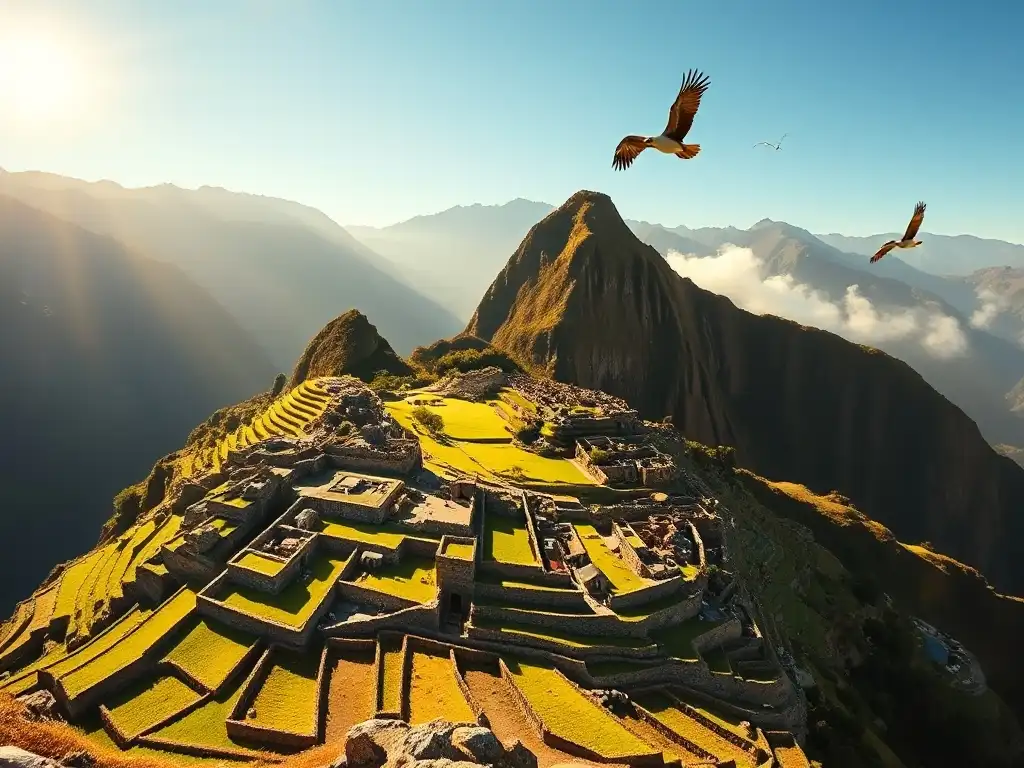
Step into a world lost to time, yet echoing with the ingenuity of empires that thrived against the odds. Imagine civilizations carving breathtaking cities into mountainsides, mastering agriculture in seemingly impossible terrains, and developing technologies far ahead of their time. This is the story of the Andean civilizations, and their remarkable adaptation strategies—a testament to human resilience and innovation. Uncover the secrets behind their survival and the enduring legacy they left behind. Prepare to be amazed.
The Andes Mountains, a formidable spine running down the western coast of South America, presented early inhabitants with some of the most challenging environmental conditions on Earth. From the arid coastal deserts to the high-altitude altiplano and the lush Amazonian foothills, the diverse geography demanded ingenuity and resilience.
This article explores the remarkable adaptation strategies employed by Andean civilizations—including the Incas, Moche, Nazca, and Tiahuanaco—to not only survive but thrive in these diverse and often unforgiving landscapes. We will delve into their innovative agricultural techniques, architectural marvels, and societal structures that allowed them to flourish for millennia, leaving behind a rich legacy that continues to fascinate and inspire us today.
Understanding these ingenious solutions provides critical insights into the resilience of human civilization and the profound relationship between people and their environment. This exploration of Andean civilizations’ adaptation strategies highlights the crucial interplay between cultural innovation and environmental pressures, demonstrating how human ingenuity can overcome even the most challenging of circumstances.
Introduction: Understanding Andean Civilizations' Early Challenges
The early inhabitants of the Andes faced a complex interplay of environmental factors that significantly shaped their development and survival. The dramatic altitudinal variations, ranging from sea level to over 6,000 meters, resulted in a wide spectrum of climates and ecosystems. The coastal deserts, characterized by extreme aridity, presented a significant challenge for water acquisition and food production.
Conversely, the high-altitude regions, while possessing rich mineral resources, were characterized by harsh weather conditions, including freezing temperatures, strong winds, and limited arable land. The mountainous terrain itself posed significant obstacles to transportation and communication, further complicating the lives of these early Andean communities. These challenges, however, did not deter these resourceful peoples; instead, they spurred innovation and the development of sophisticated adaptation strategies.
These strategies, which we will explore in detail, included the development of advanced irrigation systems, terraced agriculture, and specialized architectural techniques designed to withstand the harsh environmental conditions. The success of these strategies is a testament to the ingenuity and adaptability of early Andean civilizations.
Agricultural Innovations: Terracing and Irrigation
One of the most remarkable achievements of Andean civilizations was their mastery of agriculture in challenging terrains. The development of sophisticated irrigation systems allowed them to harness scarce water resources, transforming arid lands into fertile oases. Canal systems, often carved into rock faces, channeled water from rivers and snowmelt to fields located at significant distances.
This ingenuity is particularly evident in the coastal regions, where the scarcity of water presented a major obstacle. Furthermore, the practice of terracing transformed steep slopes into cultivatable land, significantly increasing agricultural productivity. These terraces, meticulously constructed and often supported by retaining walls, not only prevented soil erosion but also created microclimates, allowing for the cultivation of a wider range of crops.
The scale and precision of these terracing projects are breathtaking, reflecting a deep understanding of both engineering principles and environmental conditions. [Specific examples of irrigation systems and terracing projects with details pending]. The efficiency of these systems allowed for the cultivation of diverse crops, including potatoes, maize, quinoa, and beans, providing a stable and varied food source for the growing populations.
Architectural Adaptations: Building for Survival
The architecture of Andean civilizations reflects a remarkable understanding of both construction techniques and environmental pressures. The use of locally sourced materials, such as stone and adobe, allowed for the creation of structures that were well-suited to the specific environmental conditions. The construction of houses and public buildings often incorporated features designed to minimize the impact of harsh weather conditions, such as thick walls for insulation and steeply pitched roofs for shedding snow.
The impressive stonework of sites like Machu Picchu showcases not only exceptional craftsmanship but also a deep understanding of structural engineering, allowing for the creation of stable and durable structures even in precarious locations. [Specific examples of architectural adaptations to different altitudes and climates pending]. The integration of architecture with the landscape is another striking feature, with buildings often seamlessly blending into their surroundings, minimizing their environmental impact.
The success of Andean civilizations' adaptation strategies was not solely dependent on technological innovation; it was also deeply intertwined with their social organization and resource management practices. A strong sense of community and cooperation was essential for undertaking large-scale projects, such as the construction of irrigation systems and terraces. [Details on social structures and resource management systems pending]. Evidence suggests sophisticated systems of labor organization and resource distribution, ensuring equitable access to resources and minimizing social conflict.
The ability to coordinate efforts across large geographical areas and diverse populations was crucial for the long-term survival and prosperity of these societies. This collaborative approach highlights the importance of social cohesion in overcoming environmental challenges. The success of these strategies underscores the crucial role of social organization and resource management in the adaptation and resilience of Andean civilizations.
- Introduction: Understanding Andean Civilizations' Early Challenges
- Agricultural Innovations: Terracing and Irrigation
- Architectural Adaptations: Building for Survival
- Social Organization and Resource Management: Collaborative Solutions
- What were the major environmental challenges faced by Andean civilizations?
- How did Andean civilizations adapt to high altitudes?
- What role did agriculture play in Andean adaptation strategies?
- What were some examples of technological innovations employed by Andean civilizations?
- How did the different Andean cultures adapt differently to their environments?
The Initial Andean Landscape and Environmental Hurdles
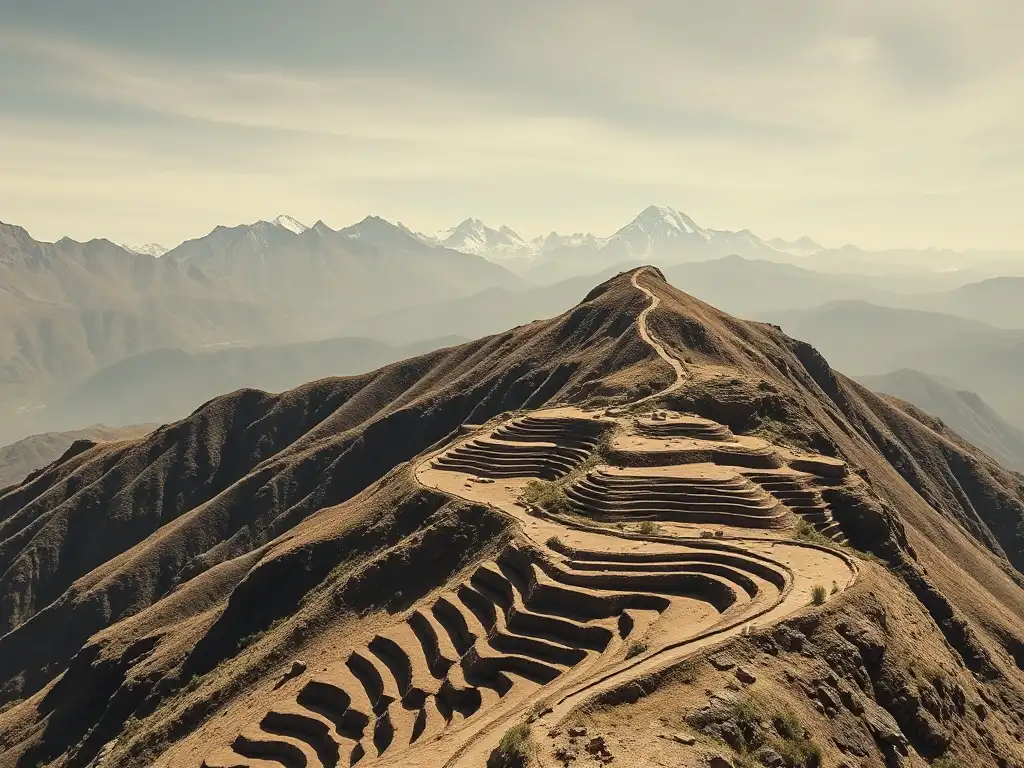
The Andes Mountains presented a formidable challenge to early Andean civilizations. Their ingenuity in overcoming these obstacles is a testament to their remarkable adaptability and resourcefulness. Understanding the initial landscape is crucial to appreciating the sophisticated strategies they developed for survival and prosperity. The term "Andean civilizations adaptation strategies" encapsulates this remarkable ability to thrive in a demanding environment.
Diverse Topography of the Andes: A Challenge for Early Settlers
The Andes are not a monolithic entity; instead, they boast a breathtaking diversity of terrains. From the arid coastal deserts, like the Atacama, to the high-altitude puna grasslands and the lush cloud forests of the Amazonian foothills, the landscape presented a patchwork of challenges. Early settlers encountered steep slopes, narrow valleys, and dramatic altitudinal variations, all impacting settlement patterns, agriculture, and resource management.
The sheer physical difficulty of navigating this terrain necessitated the development of innovative technologies and social structures. For example, the construction of terraced agriculture was essential for maximizing arable land on steep slopes, while intricate systems of trails and roads facilitated communication and trade across vastly different ecosystems.
This complex topography directly shaped the unique cultural identities and adaptation strategies of different Andean groups. The need for efficient transport and communication fostered innovations in engineering and social organization, showcasing the deep connection between environment and cultural development in the Andean context.
Climate Variability and Its Impact on Early Andean Life
Climate variability was another significant challenge. The Andes experience a wide range of microclimates, influenced by altitude, proximity to the ocean, and prevailing wind patterns. This resulted in unpredictable weather patterns, including droughts, floods, and frost, which severely impacted agricultural yields and overall survival.
Early Andean societies weren't passive victims of these climatic fluctuations; instead, they developed sophisticated strategies to mitigate the risks. Evidence suggests the use of sophisticated water management systems, including canals, reservoirs, and aqueducts, to ensure a reliable water supply for irrigation. They also developed drought-resistant crops and adapted their agricultural practices to suit specific microclimates.
The cultivation of diverse crops at varying altitudes, often within the same community, was a key element of their resilience strategy, minimizing the impact of localized climate events. Understanding the intricacies of these climate adaptation strategies is crucial for comprehending the resilience of Andean civilizations. This ability to predict and respond to climate variability is a key aspect of "Andean civilizations adaptation strategies."
Resource Scarcity in the Andean Highlands and Coastal Regions
Resource scarcity, especially in the highlands and coastal regions, further complicated the lives of early Andean settlers. The high-altitude puna grasslands offered limited arable land and resources, necessitating efficient resource management and the development of specialized agricultural techniques. Similarly, the arid coastal deserts presented challenges related to water scarcity and limited fertile land. Early Andean societies responded to these constraints through innovative solutions.
For instance, the development of sophisticated irrigation systems, like those found in the Nazca region, allowed them to cultivate crops in otherwise arid environments. The careful management of llama and alpaca herds provided crucial resources like wool, meat, and dung (used as fertilizer). Furthermore, the development of specialized technologies for processing minerals and other resources demonstrates their capacity for adaptation and innovation.
The ingenuity displayed in overcoming resource limitations underscores the remarkable resourcefulness of Andean peoples. These diverse methods of resource acquisition and management are key elements within the broader framework of "Andean civilizations adaptation strategies." The ability to thrive despite scarcity is a defining characteristic of these remarkable cultures.
Early Andean Peoples' Ingenious Adaptation Strategies
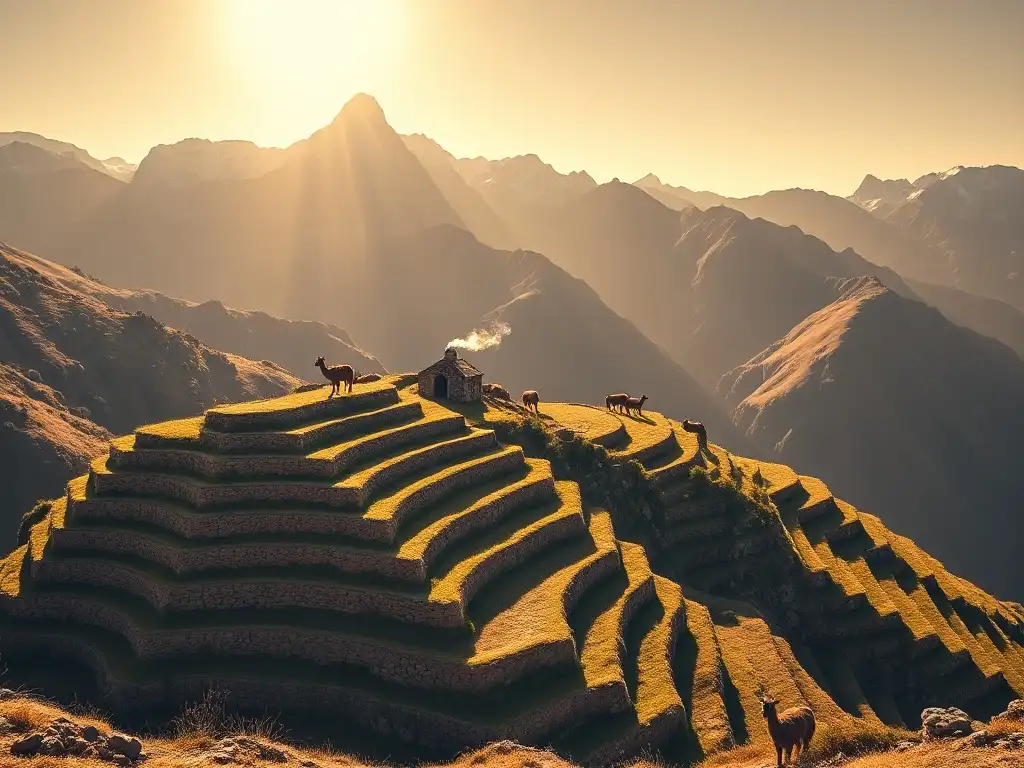
The Andes Mountains, a formidable and diverse landscape, presented significant challenges to early inhabitants. However, rather than being obstacles, these challenges spurred the development of incredibly sophisticated adaptation strategies that allowed Andean civilizations to thrive for millennia. Understanding these strategies is key to appreciating the ingenuity and resilience of these cultures, highlighting their remarkable ability to shape their environment to meet their needs.
This section will delve into some of the most impressive examples of Andean civilizations adaptation strategies, focusing on their mastery of verticality, water management, and agricultural innovation. The ingenuity displayed in overcoming the harsh realities of the Andes showcases the deep connection between these early peoples and their environment, a relationship that defined their societies and continues to resonate today.
Vertical Archipelago System: Maximizing Resource Diversity
The Andes' dramatic altitudinal variation, creating distinct ecological zones, presented both a challenge and an opportunity. Early Andean peoples recognized this and developed a sophisticated system often referred to as the "vertical archipelago." This wasn't simply about inhabiting different altitudes; it was about strategically exploiting the diverse resources available at each level.
Communities would control multiple ecological niches, from the high-altitude puna grasslands suitable for grazing llamas and alpacas, to the warmer valleys ideal for cultivating maize, potatoes, and other crops. This vertical integration minimized risk; if one zone suffered a crop failure due to frost or drought, others could compensate.
This system wasn't random; it involved careful planning and management. The exchange of goods and resources between communities at different altitudes was crucial, creating complex trade networks that strengthened social cohesion and ensured economic stability. Archaeological evidence reveals intricate systems of trails and pathways connecting these settlements, facilitating the movement of people, animals, and produce. This sophisticated logistical network is a testament to the advanced organizational skills and understanding of their environment possessed by these early Andean communities. The strategic use of verticality exemplifies the core of Andean civilizations adaptation strategies.
Terracing Techniques: Transforming Slopes into Cultivable Land
The steep slopes of the Andes posed a major obstacle to agriculture. However, Andean peoples developed remarkable terracing techniques that transformed these seemingly unusable slopes into productive farmland. These terraces, often built in cascading steps along mountain sides, served several crucial purposes. They created level platforms for planting, preventing soil erosion and maximizing arable land. The terraces also helped to retain water, crucial in the often-arid Andean climate. Different types of terraces were built to suit varying slopes and soil conditions, showcasing a deep understanding of agricultural engineering.
The construction of these terraces was a monumental undertaking, requiring considerable labor and expertise. This collaborative effort highlights the importance of community organization and social cooperation in Andean societies. The terraces weren't simply agricultural structures; they were integral parts of the landscape, profoundly impacting the environment and shaping the cultural identity of Andean communities. The enduring legacy of these terraces, many of which are still visible today, stands as a powerful symbol of human ingenuity and adaptation. The scale and sophistication of these projects underscore the importance of agricultural innovation within Andean civilizations adaptation strategies.
Irrigation Systems: Mastering Water Management in Arid Environments
Water scarcity was a constant concern in many parts of the Andes. To overcome this challenge, Andean peoples developed sophisticated irrigation systems that channeled water from rivers and streams to their fields. These systems were not merely rudimentary ditches; they were complex networks of canals, aqueducts, and reservoirs, often utilizing gravity and ingenious engineering principles to distribute water efficiently. The construction of these systems required meticulous planning, surveying, and labor organization, reflecting a deep understanding of hydrology and engineering principles.
The effectiveness of these irrigation systems is evident in the agricultural productivity of Andean societies. They allowed for the cultivation of a wide range of crops, supporting dense populations and fostering social complexity. The design and maintenance of these systems were crucial aspects of Andean social organization, requiring collective action and shared responsibility. The sophistication of these irrigation systems, adapted to the specific conditions of each region, showcases the remarkable adaptability and resourcefulness of Andean peoples. Mastering water management was critical to the success of Andean civilizations adaptation strategies, allowing for sustainable agriculture in challenging environments.
Specific Examples of Adaptation in Early Andean Cultures
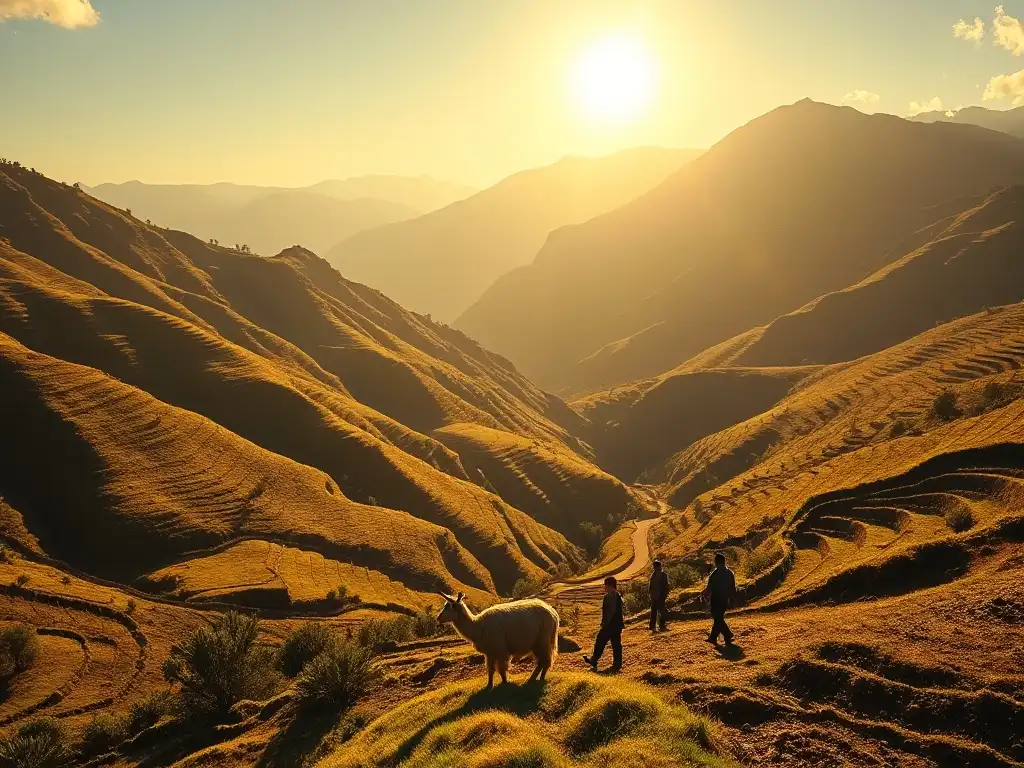
This section delves into the remarkable ingenuity of early Andean peoples in overcoming the challenges posed by their diverse and often harsh environment. Their success wasn't merely survival; it was the flourishing of complex societies, leaving behind a rich legacy of art, architecture, and social structures. Understanding their adaptation strategies is key to appreciating the full scope of Andean civilizations adaptation strategies. We will examine specific examples illustrating their resourcefulness and resilience.
Adaptation Strategies of the Chinchorro Culture: Case Study
The Chinchorro culture, flourishing along the arid northern coast of Chile between 7020 and 1500 BCE, provides a compelling case study in coastal adaptation. Facing a desert environment with scarce resources, the Chinchorro developed unique strategies for survival and thrived for millennia. Their mastery of marine resources was paramount. They were skilled fishermen, utilizing a variety of techniques to harvest fish, shellfish, and marine mammals. Evidence suggests the use of sophisticated fishing implements, including nets, hooks, and possibly even boats, although the exact nature of their seafaring technology remains a subject of ongoing research.
Beyond their fishing prowess, the Chinchorro demonstrated impressive skills in resource management. Their diet wasn't solely based on seafood; they supplemented it with plant resources, albeit sparingly due to the arid climate. They likely employed sophisticated techniques for gathering and storing what limited vegetation was available. This required a deep understanding of the local flora and its seasonal cycles.
Perhaps most striking is the Chinchorro's unique approach to mortuary practices. Their elaborate mummification techniques, predating those of the ancient Egyptians, involved complex procedures to preserve the bodies of the deceased. This wasn't simply a matter of religious belief; it likely reflected a deep understanding of the challenges of preserving organic material in the arid coastal environment. The mummies, often incredibly well-preserved, offer invaluable insights into the physical characteristics and health of the Chinchorro people, further enriching our understanding of their adaptation strategies.
Early Farming Techniques in the Casma Valley: A Detailed Look
The Casma Valley, located on the central coast of Peru, presents a fascinating example of early Andean agricultural innovation. The valley's geography, characterized by steep slopes and limited water resources, posed significant challenges to agricultural development. However, the people inhabiting the Casma Valley developed sophisticated irrigation systems and farming techniques to overcome these obstacles. This involved meticulous planning and construction of canals and terraces to channel water from rivers and streams to otherwise arid fields.
The construction of these intricate irrigation systems required a high level of social organization and cooperation. Evidence suggests the existence of a centralized authority or leadership structure capable of coordinating large-scale public works projects. Their success is reflected in the abundance of agricultural remains found in the region, indicating the successful cultivation of diverse crops, including maize, beans, squash, and cotton.
The Casma Valley's success in agriculture demonstrates the crucial role of water management in Andean civilizations adaptation strategies. Their engineering skills and social organization allowed them to transform a seemingly inhospitable landscape into a productive agricultural region, providing the foundation for a thriving society. This ingenuity paved the way for later, even more ambitious irrigation projects throughout the Andes.
Coastal Adaptation and Fishing Practices of the Valdivia Culture
The Valdivia culture, located along the coast of Ecuador, is recognized for its early adoption of agriculture and its remarkable adaptation to the coastal environment. While agriculture played a significant role, fishing and shellfish gathering were equally important aspects of their subsistence strategy. Their location provided access to a rich marine ecosystem, but harnessing its resources required specialized knowledge and technology.
The Valdivia people developed sophisticated fishing techniques, using a variety of tools and strategies. They likely employed nets, hooks, and possibly even small boats, though the specifics of their maritime technology remain partly obscured by time. The abundance of shellfish remains in Valdivia archaeological sites attests to their success in exploiting these resources. They likely developed a deep understanding of tidal patterns and the distribution of shellfish beds, optimizing their harvesting efforts.
Beyond fishing and gathering, the Valdivia culture's adaptation to the coastal environment extended to their settlement patterns. Their villages were strategically located near both freshwater sources and the coast, providing access to both agricultural lands and marine resources. This careful selection of settlement locations reflects a clear understanding of the resources available and the need to balance agricultural and marine-based subsistence. This balance, showcasing their ingenuity in responding to environmental challenges, further emphasizes the importance of diversified strategies within Andean civilizations adaptation strategies.
High Altitude Adaptation and Livestock Management of the Pucara Culture
The Pucara culture, flourishing in the high Andes of southern Peru between roughly 1–700 CE, provides a compelling example of human adaptation to challenging environments. Their success hinged on a sophisticated understanding of their surroundings and the implementation of innovative strategies for survival and prosperity in the harsh, high-altitude landscape. This involved not only adapting to the thin air and extreme temperatures but also developing effective methods of livestock management crucial for their subsistence.
The Pucara people inhabited a region characterized by steep slopes, scarce arable land, and unpredictable weather patterns. The thin air at high altitudes presented significant physiological challenges, including hypoxia (reduced oxygen levels). Evidence suggests they may have adapted through genetic predisposition, gradually developing physiological traits better suited to the environment over generations. Furthermore, their settlements were strategically located to maximize access to resources and minimize exposure to the elements, often utilizing natural features like caves and rock shelters for protection. This careful consideration of location minimized energy expenditure and maximized resource availability.
Their mastery of livestock management was equally impressive. The Pucara culture relied heavily on camelids – llamas and alpacas – for their wool, meat, and as beasts of burden. Successfully raising these animals in the high Andes required a deep understanding of their needs and the development of specific herding techniques. Archaeological findings indicate the use of sophisticated terracing and irrigation systems to create pasturelands, optimizing the limited available space for grazing.
This suggests a level of agricultural planning and resource management far exceeding simple subsistence farming. The Pucara people likely employed rotational grazing techniques, moving their herds between different pastures to prevent overgrazing and maintain the health of their animals and the land. This sustainable approach ensured the long-term viability of their livestock-based economy.
The management of these animals was not merely a matter of survival; it was integral to their social structure and religious practices, as evidenced by the depiction of camelids in their art and artifacts. The careful integration of their livestock into their overall societal fabric is a testament to their remarkable adaptation skills. Further research into Pucara agricultural practices might reveal even more sophisticated techniques, contributing to a more comprehensive understanding of their remarkable adaptation strategies.
Technology and Innovation in Early Andean Adaptation
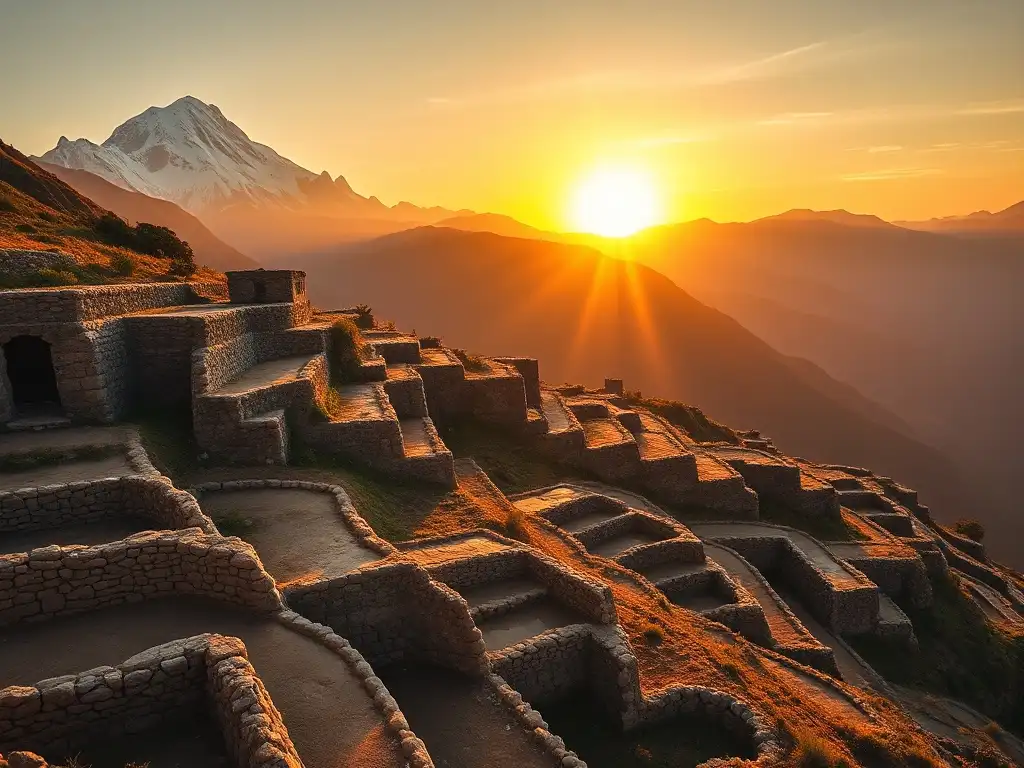
The remarkable success of Andean civilizations hinged on their ability to adapt to a challenging environment. This adaptation wasn't merely a matter of survival; it fueled innovation and technological advancements that shaped their societies. Understanding their strategies reveals a deep connection between ingenuity and environmental pressures.
The development of specialized tools, textiles, and construction techniques showcases the profound understanding early Andean peoples had of their landscape and the remarkable ways they harnessed its resources. This section explores some key examples of their technological prowess, illustrating how innovation was intrinsically linked to their survival and prosperity. The keyword phrase "Andean civilizations adaptation strategies" is exemplified throughout these advancements, highlighting the ingenuity of these cultures.
Development of Specialized Agricultural Tools and Techniques
Early Andean agricultural practices were far from rudimentary. The diverse topography, ranging from arid coastal deserts to high-altitude mountains, demanded innovative solutions. Instead of passively accepting limitations, Andean peoples developed sophisticated techniques to maximize their yields. This included the creation of specialized tools adapted to the specific needs of their environment.
For instance, the chaquitaclla, a foot-powered plow, allowed for efficient cultivation even in challenging terrain. Its design minimized soil disturbance, optimizing water retention in arid regions. Furthermore, the development of sophisticated irrigation systems, such as canals and terraces, allowed them to cultivate crops in areas previously unsuitable for agriculture. The Nazca lines, while famous for their enigmatic nature, also served as part of a larger irrigation system, showcasing the ingenuity of their water management strategies.
These systems weren't merely functional; they were testaments to a deep understanding of hydrology and a commitment to sustainable agriculture – a crucial aspect of their overall adaptation strategies. Detailed records of these techniques, while fragmented, reveal a remarkable understanding of water flow and soil composition. The effectiveness of their systems is evident in the sustained agricultural productivity of these regions for centuries.
Early Andean Textile Technology as a Form of Adaptation
Textile production in the Andes wasn't just a craft; it was a vital component of their adaptation strategies. The harsh Andean climate necessitated clothing that provided both warmth and protection. The development of advanced weaving techniques allowed Andean peoples to create textiles of exceptional quality and durability. The use of diverse fibers, including alpaca, llama, and cotton, showcased their understanding of the properties of different materials and their suitability for varying conditions.
The intricate designs and complex weaving techniques employed reflect not only aesthetic sensibilities but also a deep understanding of the environment. Certain patterns might have been linked to specific agricultural cycles or climatic events, suggesting a close relationship between textile production and the rhythms of nature. The creation of waterproof textiles using techniques like felt-making demonstrates further mastery over material science, providing protection against the harsh elements.
This mastery wasn't limited to clothing; textiles were also used in construction, demonstrating their versatility and significance as a core element of Andean adaptation strategies. Analysis of surviving textiles reveals sophisticated knowledge of dyeing techniques and the use of natural pigments, further highlighting their advanced technological capabilities.
Construction Methods and Architecture Suited to the Andean Environment
The architecture of Andean civilizations stands as a powerful testament to their remarkable ability to adapt to the challenges of their environment. From the monumental structures of Tiahuanaco to the intricate stonework of Machu Picchu, their buildings reflect a sophisticated understanding of engineering principles and a deep respect for the landscape.
The use of locally sourced materials, such as stone and adobe, minimized environmental impact and maximized durability. Innovative construction techniques, including the precise fitting of stones without mortar, ensured structural stability even in earthquake-prone regions. The design of buildings often incorporated features that optimized natural ventilation and insulation, providing comfort in diverse climates.
For example, the use of strategically placed windows and ventilation shafts in Inca structures demonstrates an understanding of passive solar heating and cooling techniques. This detailed knowledge of their environment is evident in the design of terraces, which not only enabled agriculture on steep slopes but also helped to stabilize the soil and prevent erosion.
The ingenuity of these construction methods is a clear example of how technological advancements were central to the success of Andean civilizations, solidifying their position within the broader discussion of "Andean civilizations adaptation strategies." The longevity of many of these structures is a testament to the effectiveness of their building techniques.
The Legacy of Early Andean Adaptation Strategies
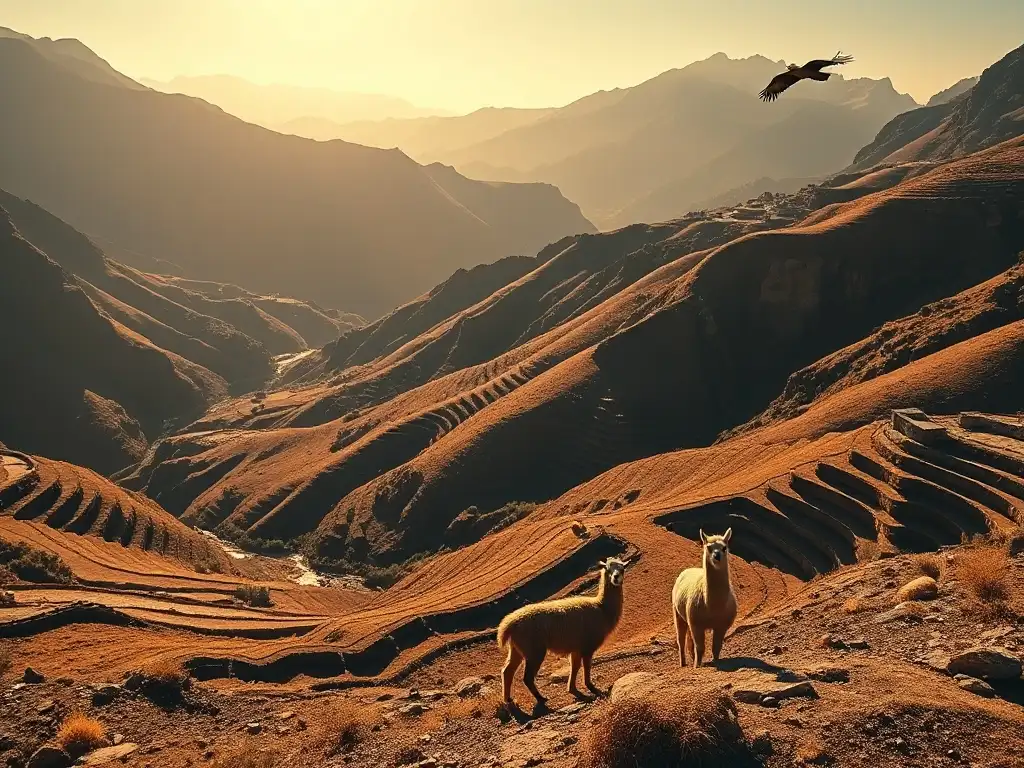
The ingenuity of early Andean peoples in adapting to the challenging Andean environment laid the groundwork for the remarkable achievements of later civilizations. Their strategies weren't merely survival tactics; they were sophisticated systems that shaped societal structures, economic practices, and even artistic expression. Understanding these early adaptations is crucial to appreciating the full complexity and resilience of Andean civilizations. This section will explore the lasting impact of these early strategies, focusing on their contribution to the success of subsequent Andean cultures. The keyword "Andean civilizations adaptation strategies" is central to understanding this legacy.
Lasting Impact on Later Andean Civilizations: The Foundation of Success
The sophisticated agricultural techniques developed by early Andean communities, such as terracing and irrigation, were refined and expanded upon by later civilizations like the Inca. The Inca Empire, known for its impressive road network and administrative prowess, built upon the pre-existing agricultural infrastructure, ensuring food security and supporting a large, densely populated empire. The mastery of water management, initially developed to overcome the challenges of arid and mountainous terrain, became a cornerstone of Inca imperial power, allowing for the cultivation of diverse crops at varying altitudes.
Consider the example of the Nazca culture. Their expertise in irrigation, evidenced by the intricate network of canals that crisscrossed the desert, provided the agricultural base for their flourishing civilization. This knowledge and technology were not lost; they were passed down through generations, influencing subsequent cultures and contributing to the overall development of Andean agricultural practices.
The ability to adapt to the diverse ecological zones of the Andes—from the arid coastal deserts to the high-altitude puna—was a crucial factor in the long-term sustainability and success of Andean societies. This cumulative knowledge, passed down through generations, showcases the enduring power of early Andean adaptation strategies.
Lessons from Early Andean Adaptation for Modern Sustainability
The challenges faced by early Andean communities – water scarcity, steep slopes, and unpredictable weather patterns – resonate with many of the environmental issues confronting the world today. Their innovative solutions, developed over millennia, offer valuable lessons for contemporary sustainable development practices. The ingenuity of early Andean peoples in creating sustainable systems provides a rich source of inspiration for modern sustainability initiatives. Their focus on resource management, water conservation, and biodiversity preservation offers valuable insights for addressing modern environmental challenges. This echoes the keyword "Andean civilizations adaptation strategies" in a modern context.
Studying their methods of terracing, for instance, can inform the design of modern sustainable agricultural systems. The intricate irrigation systems they built demonstrate the importance of efficient water use in arid and semi-arid regions. Furthermore, their understanding of local ecosystems and their ability to work with nature rather than against it offers a crucial lesson for contemporary environmental management. The Andean experience highlights the importance of integrating traditional ecological knowledge with modern scientific understanding to create truly sustainable solutions.
Modern Terrace Farming in Peru: A Living Example of Early Techniques
Even today, terrace farming remains a vital agricultural practice in Peru, a testament to the enduring legacy of early Andean adaptation strategies. These meticulously constructed terraces, often carved into steep hillsides, continue to provide fertile land for cultivating a variety of crops. This practice not only ensures food security for local communities but also contributes to the preservation of the landscape and biodiversity. It's a living example of how ancient Andean knowledge can contribute to modern solutions.
The continued use of terrace farming in Peru showcases the resilience and effectiveness of early Andean techniques. The terraces not only provide fertile land for cultivation but also help to prevent soil erosion and manage water resources effectively. The practice is not only environmentally sustainable but also economically viable, supporting local communities and preserving a vital aspect of Andean cultural heritage.
This is a direct example of the lasting impact of "Andean civilizations adaptation strategies". The vibrant, productive terraces across the Peruvian landscape serve as a powerful symbol of the enduring ingenuity of the early Andean peoples and the relevance of their adaptation strategies to the present day. The success of modern terrace farming underscores the wisdom embedded within the ancient Andean approach to land management.
Conclusion: Celebrating the Resilience of Early Andean Peoples
The ingenuity and adaptability of early Andean peoples stand as a testament to human resilience in the face of challenging environments. Their mastery of their surroundings, far from being a simple matter of survival, represents a profound understanding of ecological principles and a sophisticated capacity for innovation.
From the intricate terracing of agricultural lands to the development of sophisticated irrigation systems, their achievements continue to inspire awe and admiration. The legacy of these civilizations isn't just about impressive monuments and artifacts; it's about the enduring power of human ingenuity to shape and thrive within even the most demanding landscapes.
Understanding their strategies provides invaluable insights into sustainable living and resource management, lessons particularly relevant in our current era of environmental challenges. The story of Andean civilizations' adaptation strategies is a story of triumph over adversity, a narrative that underscores the remarkable capacity of human beings to not only survive, but to flourish, in the face of seemingly insurmountable odds.
Key Takeaways on Andean civilizations' adaptation strategies
The study of Andean civilizations offers a rich tapestry of adaptation strategies, each tailored to the specific challenges of their environment. Here are some key takeaways highlighting the remarkable ingenuity of these ancient societies:
- Agricultural Innovation: The development of techniques like waru waru (raised field agriculture) and sophisticated irrigation systems allowed for increased agricultural productivity in diverse and often challenging terrains. These weren't merely rudimentary solutions; they were complex systems designed to optimize water use and soil fertility, showcasing a deep understanding of hydrology and agronomy. The success of these methods is evident in the sustained population growth and societal complexity achieved across various Andean cultures.
- Architectural Marvels: The construction of buildings and settlements adapted seamlessly to the mountainous terrain. Examples range from the intricate stonework of Machu Picchu, perfectly integrated into its steep environment, to the carefully planned urban layouts of other significant Andean centers. These architectural achievements not only provided shelter and protection but also demonstrated advanced engineering skills and a keen awareness of the landscape’s natural features.
- Resource Management: Early Andean peoples demonstrated a remarkable ability to manage resources efficiently. Their understanding of local flora and fauna allowed them to exploit diverse resources for food, clothing, medicine, and construction materials. This sustainable approach to resource management contrasts sharply with many modern practices, offering valuable lessons in responsible resource utilization.
| Adaptation Strategy | Description | Impact |
|---|---|---|
| Waru Waru Agriculture | Raised field agriculture system | Increased crop yields, reduced frost damage, improved water management |
| Terracing | Creating level platforms on slopes for agriculture | Increased arable land, reduced soil erosion |
| Canal Irrigation | Complex systems of canals and aqueducts for water distribution | Efficient water management, supported large-scale agriculture |
| Llama Domestication | Use of llamas as pack animals and for wool and meat | Transportation, food source, clothing |
| Adaptive Architecture | Buildings integrated into the landscape, utilizing local materials | Shelter, protection, reduced environmental impact |
The Importance of Understanding Early Andean Adaptation for Future Generations
Understanding the adaptation strategies of Andean civilizations holds immense value for contemporary societies grappling with environmental challenges such as climate change, resource scarcity, and population growth. Their innovative solutions to agricultural production, water management, and resource utilization offer valuable lessons in sustainable living. The ingenuity displayed by these ancient cultures highlights the importance of:
- Holistic Resource Management: The Andean approach emphasizes a holistic perspective on resource management, recognizing the interconnectedness of different environmental factors. This integrated approach contrasts with fragmented modern practices and offers a model for more sustainable resource use.
- Community-Based Solutions: Many of the successful adaptation strategies of Andean civilizations were implemented through collective action and community participation. This underscores the importance of community involvement and collaboration in addressing environmental challenges.
- Innovation and Technological Advancement: The development of sophisticated technologies and techniques demonstrates the potential of human ingenuity to overcome environmental limitations. This highlights the need for continued investment in research and development of sustainable technologies.
The enduring legacy of Andean civilizations serves as a powerful reminder that human societies can successfully navigate environmental challenges through innovation, collaboration, and a deep understanding of their surroundings. By learning from their past, we can build a more sustainable future for generations to come. The study of "Andean civilizations adaptation strategies" is not merely an academic exercise; it is a crucial step towards creating a more resilient and sustainable world.
Frequently Asked Questions
What were the major environmental challenges faced by Andean civilizations?
The Andean region presented significant challenges, including extreme altitudes, varied climates, and limited arable land. These factors necessitated innovative adaptation strategies for survival and prosperity.
How did Andean civilizations adapt to high altitudes?
Andean populations developed physiological adaptations over generations. They also employed agricultural techniques like terracing and raised fields to maximize crop yields in challenging terrains.
What role did agriculture play in Andean adaptation strategies?
Agriculture was fundamental to Andean survival. They developed sophisticated irrigation systems, specialized crops suited to high altitudes, and efficient farming techniques to ensure food security.
What were some examples of technological innovations employed by Andean civilizations?
Andean peoples developed remarkable technologies, including advanced irrigation systems, terracing, and stonework that allowed them to thrive in diverse and challenging environments. Llama domestication also played a vital role.
How did the different Andean cultures adapt differently to their environments?
While sharing some common strategies, each culture (Inca, Moche, Nazca, Tiahuanaco) developed unique approaches based on their specific environment and available resources. For example, coastal cultures focused on fishing, while highland cultures emphasized agriculture.
Final Reflection: Echoes of Ingenuity in the Andes
The ingenious adaptation strategies employed by early Andean peoples remain a powerful testament to human resilience and ingenuity, offering crucial lessons for navigating our own era of unprecedented environmental change. Their ability to thrive in such a challenging landscape underscores the potential for human innovation to overcome seemingly insurmountable obstacles, a potential we must urgently tap into today as we face the consequences of climate change and resource depletion.
The enduring legacy of Andean civilizations lies not just in their monumental architecture and sophisticated social structures, but in their profound understanding of their environment and their capacity to work with it, rather than against it. Their innovative agricultural techniques, intricate water management systems, and adaptable social organizations continue to inspire researchers and offer valuable insights for sustainable development. The mountains are our teachers,
a Quechua proverb reminds us, highlighting the deep connection between Andean peoples and their environment, a connection that fostered remarkable innovation and resilience.
Consider the ingenuity of the waru waru agricultural system, or the sophisticated terraces that carved their way up the steep slopes. These weren't merely feats of engineering; they were expressions of a deep understanding of ecological principles. You too possess the capacity for innovative solutions, the ability to adapt and thrive in the face of challenges.
Reflect on the resourcefulness of the Andean peoples, and consider how their example might inspire you to approach your own life's challenges with similar creativity and determination. Let their legacy be a call to action, urging us to build a more sustainable and resilient future, one inspired by the echoes of ingenuity that resonate from the Andes.
Embrace the Spirit of Adaptation and Take Action!
Thank you for exploring the fascinating ways early Andean peoples thrived in their challenging environment. Your interest in their ingenuity highlights the power of adaptation. Let's apply this inspiration to our own lives and communities.
Here's how you can connect with the legacy of these remarkable civilizations:
- **Discover** and participate in local initiatives promoting sustainability and cultural preservation. Volunteer with organizations working to protect the environment or celebrate local heritage.
- **Share** your newfound knowledge! Discuss what you've learned with friends, family, or online, inspiring others to appreciate the value of adaptation.
- **Explore** Andean cultures further. Visit a museum, read books, or watch documentaries to deepen your understanding of their remarkable achievements.
How have you personally adapted to challenges, inspired by the ingenuity of the ancient Andean peoples? We'd love to hear your thoughts!