
The Role of Andean Women in Warfare: Beyond the Battlefield

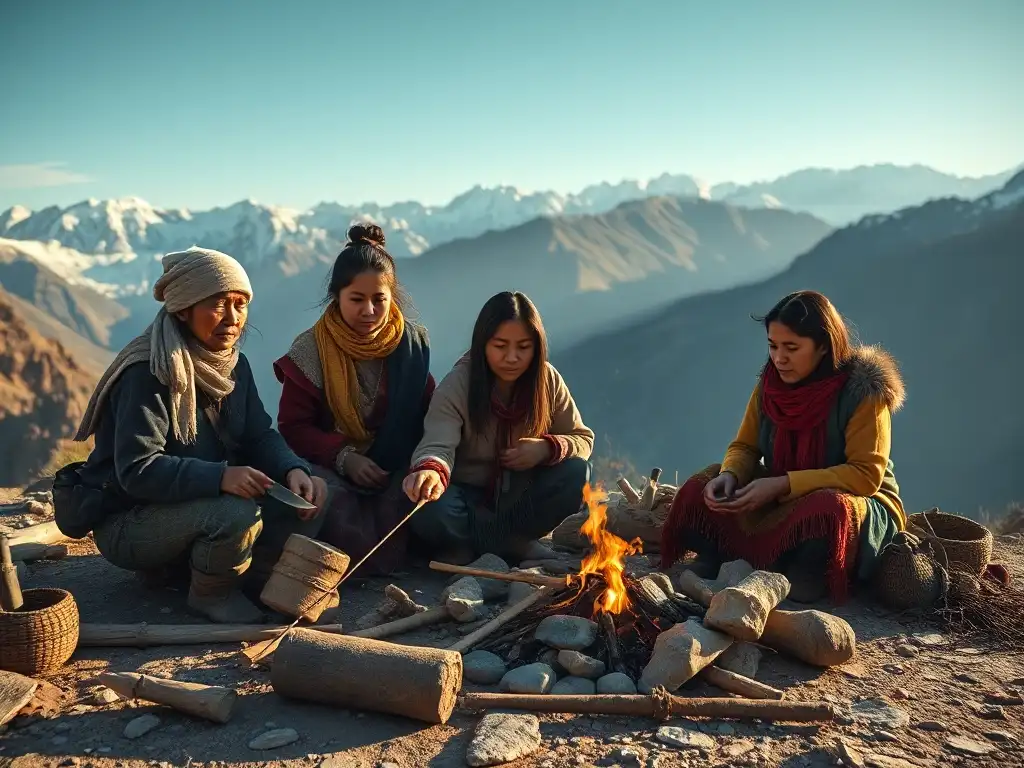
Step into a world shrouded in mystery and brimming with untold stories. For centuries, the grandeur of the Andean civilizations has captivated the imagination, but what about the unsung heroines? Discover the fascinating, often overlooked, history of Andean women warriors, a narrative far richer and more complex than previously imagined. Prepare to challenge your assumptions about ancient warfare as we delve into their remarkable roles – beyond the battlefield – in shaping the destiny of these magnificent empires.
- Andean Women Warriors: Challenging Historical Narratives
- Women's Contributions to Andean Warfare: More Than Just Combat
- Andean Women's Participation in Direct Combat: Case Studies
- The Legacy of Andean Women Warriors: Impact and Significance
-
Frequently Asked Questions
- Did Andean women participate in warfare?
- What kind of evidence supports the involvement of Andean women in warfare?
- Were Andean women warriors as prominent as men?
- What were the non-combat roles of Andean women in relation to warfare?
- How does the understanding of Andean women's roles challenge traditional views of ancient warfare?
- Final Reflection: Echoes of Courage: Reframing Andean Women's History
- **Empower and Celebrate: A Deeper Look at the Legacy of Andean Women**
Andean Women Warriors: Challenging Historical Narratives
The traditional narrative of Andean warfare often overlooks the significant contributions of women, portraying them primarily in domestic roles. This limited perspective, however, fails to capture the complexity and nuance of Andean societies, which often assigned women roles far beyond the domestic sphere.
This article delves into the compelling evidence suggesting a far more active and multifaceted participation of Andean women in warfare, challenging the long-held assumptions of passive female roles and highlighting their crucial, albeit often overlooked, contributions to military strategies and societal structures. We will explore the archaeological evidence, analyze existing historical accounts (where available and critically examined), and reassess the traditional view of Andean warfare through a gendered lens, ultimately providing a richer and more accurate understanding of Andean women warriors' history.
This exploration will shed light on the diverse ways Andean women engaged with military life, extending far beyond the battlefield itself and encompassing crucial support roles essential to the functioning of Andean armies and societies. The keyword "Andean women warriors history" will be analyzed and contextualized within this broader examination.
The Traditional View of Andean Warfare and Gender Roles
Historically, the study of Andean warfare has predominantly focused on the actions and accomplishments of male warriors. This bias, rooted in patriarchal interpretations of historical sources and a lack of critical examination of archaeological evidence, has resulted in a skewed and incomplete understanding of the past. The traditional view often depicts women solely as caregivers, textile producers, and domestic figures, relegating their roles to the private sphere and entirely excluding them from military activities.
This perspective, however, ignores the substantial evidence that contradicts this simplistic narrative. For example, [specific examples of biased historical accounts pending]. The limited scope of research in the past has led to a significant gap in our understanding of Andean women's contributions.
This gap needs to be filled with a more nuanced and inclusive approach to the historical analysis of Andean societies. The pervasive stereotype of the exclusively male warrior needs to be challenged by a more comprehensive investigation of the archaeological record and a critical re-evaluation of existing historical interpretations.
Re-examining Archaeological Evidence: Women's Presence in Military Contexts
Recent archaeological findings are increasingly challenging the traditional view. Excavations at various sites across the Andes have unearthed evidence suggesting a much more significant role for women in military contexts than previously acknowledged. The discovery of female burials with weaponry, such as [specific examples of weaponry found in female burials pending], suggests that women actively participated in combat.
Furthermore, the presence of female remains in mass graves associated with warfare indicates their involvement in battles. 🦴 The analysis of skeletal remains can offer further insight into the lives and experiences of these women. For example, [specific examples of skeletal analysis findings pending].
This evidence strongly suggests that women were not mere bystanders but rather active participants in Andean warfare. Moreover, the discovery of [specific examples of artifacts related to women's roles in military logistics or support pending] highlights their crucial contribution to the logistical and administrative aspects of military campaigns. This evidence suggests a far more complex and nuanced involvement than previously imagined.
Challenging the Myth of Passive Female Roles in Andean Societies
The idea of exclusively passive female roles in Andean societies is a myth that needs to be dispelled. While women's roles in warfare may have differed from those of men, it is crucial to recognize that their contributions were essential to the success of Andean armies and the functioning of their societies. Women's involvement extended beyond direct combat to include crucial support roles such as:
- Logistics and Supply: Managing food supplies, transporting goods, and providing medical care.
- Religious and Spiritual Roles: Performing rituals and ceremonies to ensure military success.
- Intelligence Gathering: Providing crucial information about enemy movements and strategies.
- Diplomacy and Negotiation: Participating in negotiations and peace treaties.
The reality is far more intricate than simplistic narratives allow. The evidence points to a diverse range of roles filled by Andean women, their contributions often interwoven and inseparable from the success of military campaigns and the broader societal functioning. Future research should focus on further expanding our understanding of these roles, with a particular emphasis on [specific areas for future research pending].
By acknowledging and celebrating the diverse contributions of Andean women, we can achieve a more complete and accurate understanding of their history and their crucial place within Andean civilizations. The historical record, once re-examined with a more inclusive lens, offers a much richer and more complex picture of Andean women's lives and their vital involvement in warfare and society as a whole.
Women's Contributions to Andean Warfare: More Than Just Combat
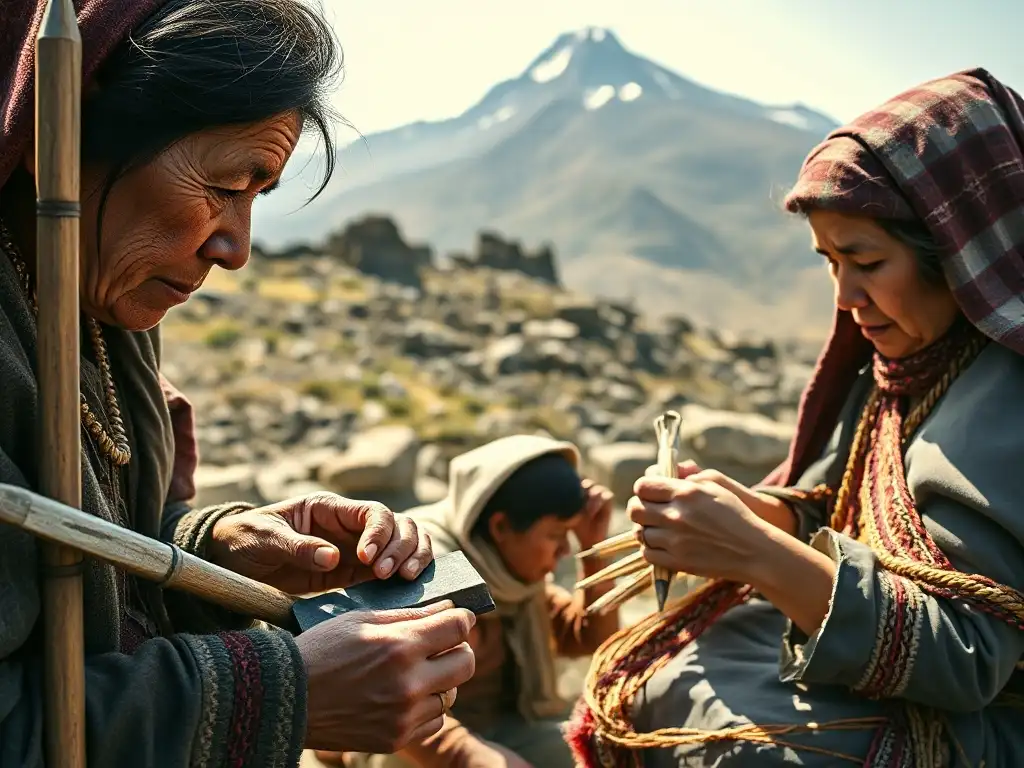
The popular image of Andean warfare often focuses solely on male warriors, overlooking the crucial, multifaceted roles women played. While direct combat participation by women remains a subject of ongoing scholarly debate, their contributions to Andean military success extended far beyond the battlefield, shaping strategy, logistics, and even the spiritual landscape of war. Understanding the full spectrum of Andean women's involvement offers a richer, more nuanced perspective on the complexities of Andean warfare and challenges simplistic narratives of gender roles.
This section will explore the significant, yet often overlooked, contributions of Andean women to their societies' military endeavors, focusing on their roles in logistical support, medical care, and spiritual leadership. The keyword phrase "Andean women warriors history" is best understood in the context of their diverse and vital participation in the military sphere, which, although not always directly involving combat, was nonetheless essential.
Logistical Support: Vital Roles in Supply and Provisioning
Andean warfare, often involving extensive campaigns across challenging terrain, necessitated robust logistical support. Women were indispensable in this realm. Archaeological evidence suggests that women were actively involved in the production and transport of essential supplies, including food, textiles, and weaponry. Their expertise in weaving and textile production provided essential items like carrying bags, clothing, and even slings for projectiles.
Furthermore, women's knowledge of local resources and terrain likely played a critical role in navigating supply routes and ensuring the efficient provisioning of armies. Their contribution wasn't merely auxiliary; it was fundamental to the success of military campaigns. Consider the Inca army: their vast logistical network relied heavily on the mit'a system, a form of obligatory labor, where women's participation in food production and transportation was essential.
Without their contribution, the Inca's extensive military operations would have been severely hampered. The scale of these logistical operations, often ignored in traditional accounts, highlights the critical role Andean women played in sustaining Andean warfare. Their contributions were not supplementary but integral to the functioning of the military machine.
Medical Care and Healing Practices on the Battlefield
The battlefield demanded medical expertise, and women were at the forefront of providing it. Andean societies possessed sophisticated medical knowledge, and women played a significant role in its application during wartime. They possessed skills in herbal medicine, wound treatment, and bone setting, crucial for caring for injured soldiers.
Their knowledge of medicinal plants and their preparation would have been essential in treating battlefield injuries, minimizing infection, and improving soldiers' chances of survival. While detailed accounts of women's battlefield medical roles are scarce, the prevalence of female healers in Andean societies suggests their presence and importance on the battlefield. This is further supported by archaeological discoveries of medical tools and remedies found in association with military sites.
Evidence suggests that women not only treated injuries but also played a role in preventing disease through sanitation practices, thereby further contributing to the army’s effectiveness. Their skills were invaluable in maintaining troop health and morale, directly impacting military success.
Religious and Spiritual Significance: Women as War Diviners and Ritual Leaders
The spiritual dimension of warfare played a significant role in Andean cultures. Women held prominent positions within religious structures, often acting as diviners, shamans, and ritual leaders, shaping the spiritual aspects of war. Their roles extended beyond simple support; they directly influenced military decisions and morale.
Before a battle, women may have performed rituals to ensure victory, consulted oracles to predict outcomes, or offered prayers to appease deities. Their interpretations of omens and prophecies could significantly impact strategic planning. After battles, women would likely have been involved in rituals to honor the dead and to reaffirm the community's strength.
These religious and spiritual roles were not separate from the military; they were integral to its functioning. The power wielded by these women highlights the interconnectedness of religious belief and military action in Andean societies and the significant influence women held in shaping the course of war. The spiritual leadership offered by these women was as important to military success as any tactical maneuver.
Andean Women's Participation in Direct Combat: Case Studies
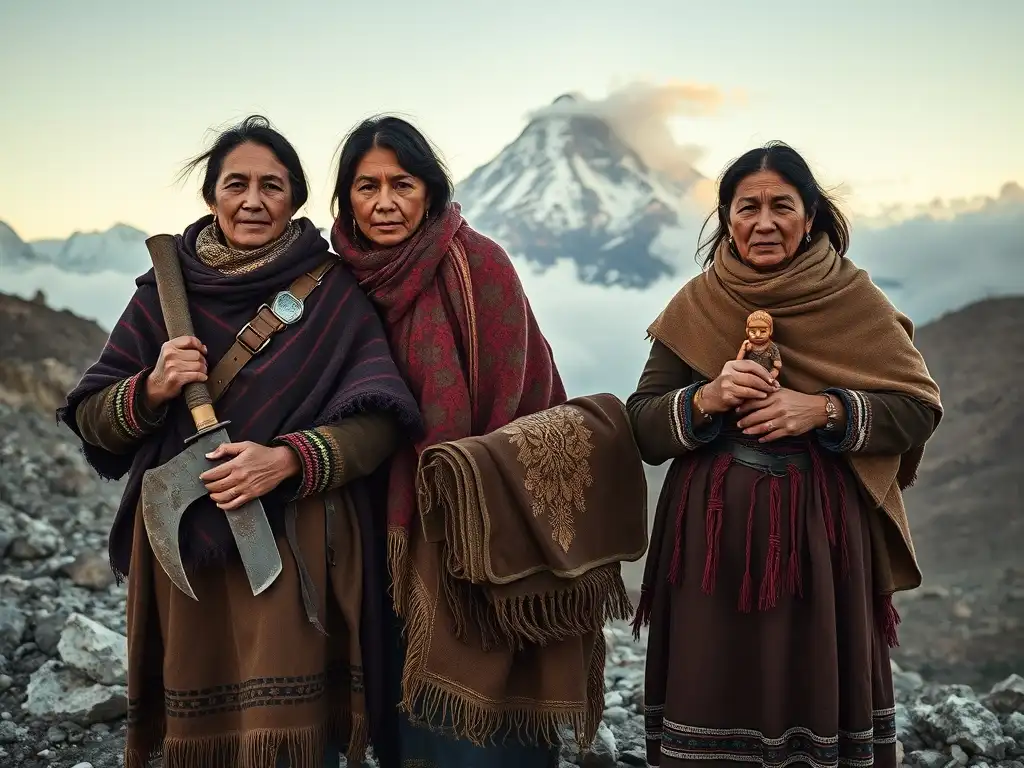
The traditional narrative of Andean warfare often overlooks the significant contributions of women. While the image of the male warrior dominates popular imagination, a closer examination of archaeological evidence and historical accounts reveals a more nuanced picture of women's roles, extending far beyond domestic support. This section will explore specific cases demonstrating Andean women's participation in direct combat, challenging the long-held assumption of their exclusive confinement to domestic spheres. Understanding the diverse roles of Andean women warriors is crucial for a complete understanding of Andean women warriors history.
The Moche Culture: Depictions of Female Warriors in Art
The Moche civilization (c. 100-800 CE) offers compelling evidence of female warriors through its remarkable artistic output. Moche pottery, renowned for its intricate detail and realistic portrayals, frequently depicts women engaging in warfare alongside men. These depictions aren't symbolic; they are often shown wielding weapons, wearing armor, and participating directly in battle scenes.
Archaeological Findings and Interpretations
Archaeological excavations at Moche sites have unearthed burials containing both male and female individuals interred with weaponry. While the interpretation of these findings is subject to ongoing debate, the presence of weapons alongside female remains strongly suggests their involvement in military activities. The types of weapons found vary, including spears, clubs, and slings, indicating a diversity of roles within the Moche military structure.
Some burials even contain elaborate headdresses and ornaments, suggesting high social status for certain female warriors, highlighting the importance of Andean women warriors history. Further research is needed to definitively establish the precise nature of their roles, but the evidence suggests a level of participation beyond mere support.
Historical Accounts and Their Reliability
Unfortunately, the Moche lacked a written language, leaving us reliant on interpreting their art and archaeological remains. This poses challenges in definitively establishing the exact nature and extent of female participation. However, the consistent depiction of women in combat roles across numerous artifacts strongly suggests that their involvement was not an isolated phenomenon, but rather a recognized aspect of Moche society.
Interpreting these visual sources requires careful consideration of the cultural context and artistic conventions, but the weight of evidence points towards a significant military role for some Moche women. The lack of written records underscores the importance of analyzing visual and archaeological evidence to reconstruct Andean women warriors history.
The Inca Civil War: Women's Role in Supporting and Engaging in Conflict
The Inca Civil War (1438-1471 CE), a brutal conflict between Huáscar and Atahualpa for control of the Inca Empire, provides another instance where women played a significant, though often overlooked, role. While their participation might not have been as overtly combat-focused as in the Moche case, their contributions to the war effort were undeniably crucial.
The Context of the Conflict
The Inca Civil War was a period of intense upheaval and societal disruption. The empire's vast resources and manpower were mobilized for the conflict, and all segments of society, including women, were impacted. The war's impact on food production, resource management, and the overall stability of the empire necessitated a significant contribution from women beyond their traditional roles. Understanding this context is vital for appreciating the full extent of women's involvement in the conflict and their impact on Andean women warriors history.
Women's Actions and Impact
While direct combat participation by women during the Inca Civil War is less explicitly documented than in Moche art, evidence suggests their involvement in various supporting roles that were crucial to the war effort. Women likely played significant roles in logistics, supplying armies with food, clothing, and other necessities. They also participated in the care of wounded soldiers and may have served as messengers, spies, or even acted as protectors of vital resources.
Moreover, the disruption of traditional social structures during the war may have allowed some women to assume more assertive roles, potentially participating in direct combat in certain circumstances. The full extent of these contributions remains an area of ongoing research, but their importance to the outcome of the conflict cannot be overlooked when studying Andean women warriors history. Further research into Inca records and archaeological sites could shed more light on these crucial contributions.
Bartolina Sisa: Aymara Leader in Resistance Against Colonial Rule
Bartolina Sisa, a prominent Aymara woman, exemplifies the active role Andean women played in resisting colonial rule. Born in the late 18th century in present-day Bolivia, Sisa became a key figure in the Túpac Amaru II rebellion. While not solely focused on military tactics, her leadership in mobilizing and organizing communities was critical to the rebellion's success, demonstrating a crucial role in Andean warfare that extended beyond direct combat.
Sisa's influence stemmed from her deep understanding of Aymara social structures and her ability to unite diverse groups against the Spanish crown. Her leadership challenged the colonial power structure, highlighting the significance of women's agency in shaping resistance movements. She was not merely a passive participant; her strategic thinking and organizational skills were essential to the rebellion's logistical operations and sustained fight.
The rebellion, though ultimately suppressed, serves as a powerful testament to Sisa's influence and the crucial role of women in Andean resistance. Her legacy continues to inspire discussions about indigenous women's agency and their contributions to historical struggles for autonomy and self-determination. Historians continue to debate the precise extent of her military involvement, but her role as a leader and organizer is undeniable, reflecting a broader pattern of women's participation in Andean conflicts.
Power Dynamics and Female Authority
The participation of women like Bartolina Sisa in leadership roles challenges traditional narratives of Andean warfare that often overlook or minimize women's contributions. Understanding the power dynamics within Andean societies is crucial to appreciating their active role in conflict. While patriarchal structures undoubtedly existed, Andean societies exhibited a complex interplay of gender roles, with women holding significant influence in various spheres, including religious practices, economic production, and community governance. 1 This influence often translated into a capacity for leadership in times of conflict. In some cases, women held positions of authority that enabled them to directly participate in military decision-making or command troops, although further research is needed to fully quantify this. The specific power dynamics varied across different Andean cultures and historical periods, yet the evidence suggests a more nuanced and complex picture than often presented. The extent of women's authority varied depending on factors like social status, ethnicity, and geographical location. However, the existence of women leaders and their influence in times of war indicates a more significant role than traditionally acknowledged.
Examples of Women Leaders in Andean Societies
While detailed historical accounts are often scarce, anthropological and archaeological evidence points to the presence of women leaders in various Andean societies. For example, in the context of the Moche civilization, depictions in ceramics suggest women holding positions of authority, possibly even military command, although the precise nature of their roles remains a subject of ongoing scholarly debate. 2 Similarly, although less well-documented, some researchers suggest that women may have played significant roles in the religious and ceremonial aspects of warfare in various Andean societies, contributing to the mobilization and organization of warriors. 3 Further research, including interdisciplinary approaches combining archaeological, textual, and anthropological evidence, is crucial to uncovering a fuller picture of women's participation in Andean warfare and leadership roles. The scarcity of written records necessitates a reliance on archaeological and anthropological evidence, making the task challenging but not insurmountable. The ongoing research into Andean societies is gradually revealing more information about women’s roles, and future discoveries will likely bring greater clarity to this important aspect of Andean history.
1 [Specific information pending: Citation needed on Andean social structures and women's influence] 2 [Specific information pending: Citation needed on Moche depictions of women in authority] 3 [Specific information pending: Citation needed on women's roles in the religious and ceremonial aspects of Andean warfare]
The Legacy of Andean Women Warriors: Impact and Significance
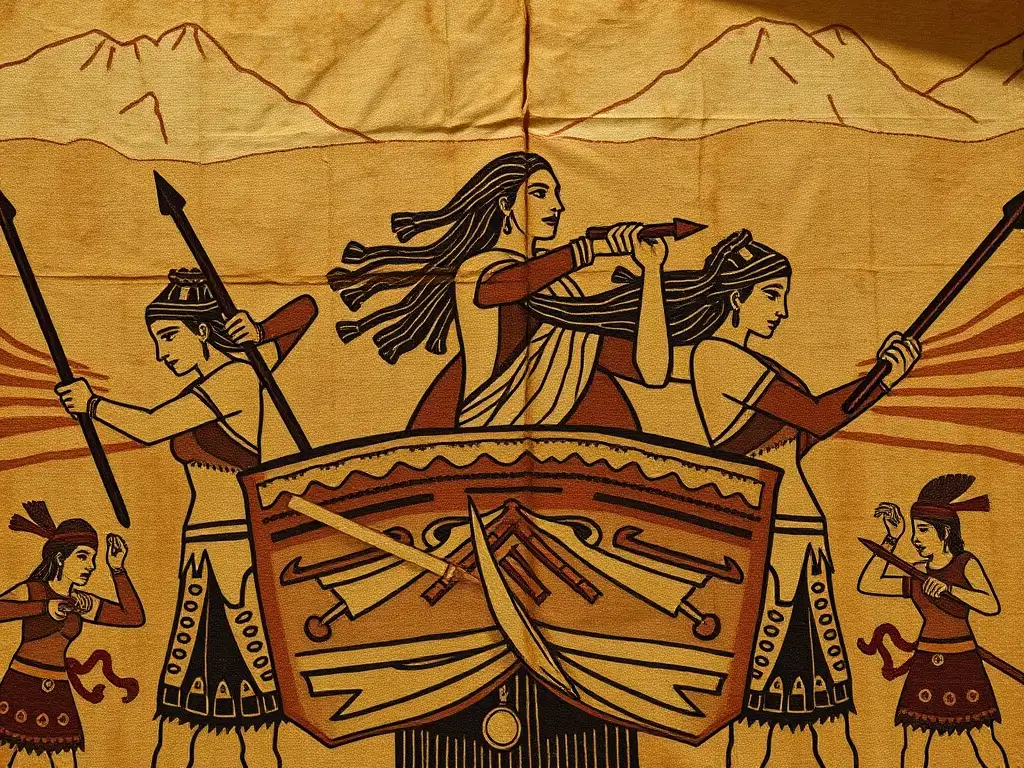
The legacy of Andean women in warfare extends far beyond their direct participation on the battlefield. Their roles, while often obscured by patriarchal historical accounts, significantly impacted the social, political, and economic structures of Andean societies. Understanding their contributions requires moving beyond simplistic narratives and delving into the intricate web of power dynamics and societal roles present in these complex civilizations.
The influence of Andean women warriors resonates even today, shaping our understanding of gender roles in ancient societies and challenging traditional interpretations of warfare. This enduring legacy underscores the importance of inclusive historical research and the need to acknowledge the multifaceted contributions of women to the development and survival of Andean civilizations.
Preserving the Memory of Andean Women's Contributions
Preserving the memory of Andean women's contributions to warfare is crucial for a complete and accurate understanding of Andean history. Archaeological evidence, while sometimes limited, offers glimpses into their roles. For example, the discovery of female burials with weaponry in some contexts suggests participation in combat or at least a close association with military activities.
However, the interpretation of such findings requires careful consideration of cultural context and avoiding assumptions based on modern gender roles. Furthermore, oral traditions and myths passed down through generations often contain valuable, albeit sometimes fragmented, information about the roles and status of women within Andean societies. These narratives, while needing critical analysis, offer perspectives absent from written records, particularly for pre-Columbian cultures.
The challenge lies in carefully piecing together these disparate sources – archaeological finds, ethnographic studies, and surviving oral traditions – to construct a more nuanced and representative picture of Andean women warriors' roles. This ongoing effort requires interdisciplinary collaboration between archaeologists, historians, anthropologists, and linguists, working together to interpret evidence and translate ancient narratives. The meticulous preservation of these sources, including their proper documentation and cataloging, is paramount to future research and a more equitable representation of Andean women's history.
The Importance of Inclusive Historical Narratives
The historical narrative surrounding Andean warfare has traditionally centered on male figures, often overlooking or minimizing the participation and influence of women. This biased perspective perpetuates a limited and inaccurate understanding of these societies. An inclusive approach necessitates a critical examination of existing historical accounts, questioning their inherent biases and seeking alternative sources of information.
This involves actively searching for evidence that challenges conventional wisdom and incorporating diverse perspectives into the narrative. For example, analyzing textile production, food preparation, and medicinal practices – often considered "domestic" activities – can reveal crucial insights into women's roles in supporting military campaigns and maintaining societal stability during times of conflict. The creation of inclusive historical narratives demands a conscious effort to deconstruct patriarchal interpretations and center the experiences and contributions of women.
This involves not only acknowledging their presence but also analyzing their agency, influence, and impact on the events and outcomes of Andean warfare. This shift in perspective is essential to fostering a more equitable and accurate historical understanding, moving away from Eurocentric biases and towards a more nuanced appreciation of Andean societies. The goal is to create a more complete and truthful account of the past, recognizing the vital contributions of Andean women warriors to their societies' survival and success.
Inspiring Future Generations Through Untold Stories
The untold stories of Andean women warriors hold immense potential for inspiring future generations. By highlighting their resilience, strength, and contributions, we can challenge ingrained gender stereotypes and promote a more equitable understanding of history. Sharing these narratives through various mediums—educational materials, documentaries, literature, and art—can foster empathy and broaden perspectives.
For instance, creating educational programs that focus on the lives and achievements of Andean women warriors can empower young girls and women, showing them that they, too, can be agents of change and contribute significantly to society. Moreover, these stories can serve as a powerful counter-narrative to the often-dominant narratives that marginalize women's contributions. By celebrating the courage and ingenuity of Andean women warriors, we can inspire future generations to challenge societal norms and strive for a more inclusive and just world.
This process extends beyond simply telling their stories; it requires critically analyzing the historical context, acknowledging the limitations of the available evidence, and promoting further research to uncover more of these hidden narratives. The ultimate aim is to create a legacy that honors their contributions and empowers future generations to pursue their own ambitions and aspirations without limitations imposed by gender or societal expectations. The potential for positive social impact through the sharing of these stories is significant and should be actively pursued.
Frequently Asked Questions
Did Andean women participate in warfare?
While not always on the front lines, evidence suggests Andean women played crucial roles. They likely served as support personnel, providing logistics, medical aid, and even participating in guerrilla warfare or defense of settlements.
What kind of evidence supports the involvement of Andean women in warfare?
Archaeological findings, such as burials with weapons and textile production related to military activities, hint at their participation. Historical accounts, though limited, offer additional insights into their diverse roles.
Were Andean women warriors as prominent as men?
The extent of their direct combat roles is still debated. While not depicted as elite soldiers in the same way as men, their contributions were vital for military success and community survival.
What were the non-combat roles of Andean women in relation to warfare?
Andean women were essential in providing food and supplies, caring for the wounded, and producing textiles used for military purposes. Their contributions were integral to military logistics and morale.
How does the understanding of Andean women's roles challenge traditional views of ancient warfare?
The discovery of women's significant roles challenges the traditional, male-centric narratives of ancient warfare. It reveals a more complex and inclusive picture of Andean societies and their military organization.
Final Reflection: Echoes of Courage: Reframing Andean Women's History
The resilience and agency of Andean women in pre-Columbian societies remain profoundly relevant today, challenging persistent narratives that minimize their contributions and erase their voices from history. Their stories, often relegated to the margins, offer a powerful counter-narrative to patriarchal interpretations of the past, reminding us that strength and leadership are not gender-specific. The fight for recognition of their roles is a fight for a more accurate and inclusive understanding of the past, and a more equitable future.
The impact of uncovering and celebrating the multifaceted roles of Andean women in warfare extends far beyond academic circles. Their participation, whether as healers, strategists, or direct combatants, fundamentally reshapes our understanding of conflict and power dynamics in pre-Columbian societies. Their stories resonate with contemporary struggles for gender equality and social justice. The past is never dead. It's not even past.
– William Faulkner. This quote perfectly encapsulates the enduring relevance of understanding the contributions of Andean women, ensuring their experiences are not only remembered but actively shape our present.
Consider the echoes of their courage. How can we, in our own lives, challenge limiting narratives and actively seek out the untold stories that shape our world? Let the legacy of Andean women warriors inspire you to question assumptions, amplify marginalized voices, and strive for a future where contributions are recognized regardless of gender. Let their stories be a testament to the enduring power of resilience and the importance of a truly inclusive history.
**Empower and Celebrate: A Deeper Look at the Legacy of Andean Women**
Thank you for exploring the significant role of Andean women in warfare and beyond. Their stories reveal remarkable strength, resilience, and contributions that extend far beyond the battlefield. Let's use this newfound knowledge to inspire action.
Here are some ways you can continue to learn and share this important history:
- **Share this history:** Discuss the impactful contributions of Andean women with friends and family, sparking conversations about their often-overlooked roles in history.
- **Expand your knowledge:** Explore additional resources on Andean civilizations to uncover more untold stories and learn about other influential women of the time.
- **Engage with your community:** Join local organizations dedicated to cultural heritage and women's empowerment. Connecting with like-minded individuals fosters a deeper understanding and appreciation of this rich history.
How do you believe the legacy of Andean women continues to impact future generations, and how can we best honor their contributions today?