
Nazca Agriculture: The Foundation of Their Social Power

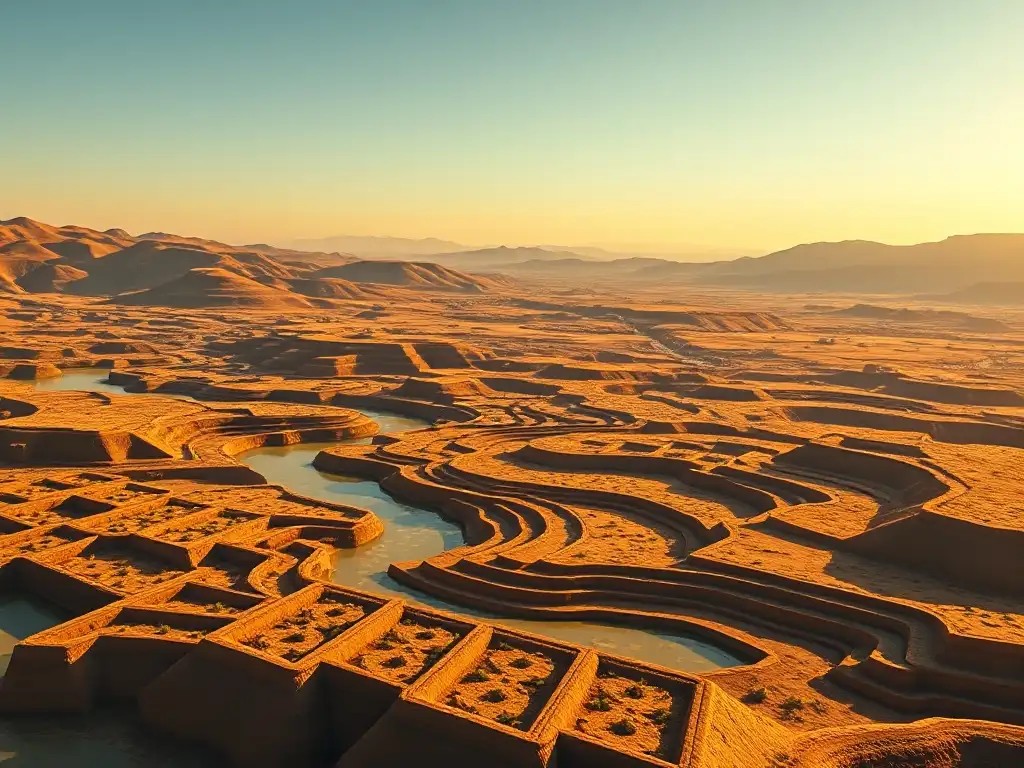
Step into a world lost to time, yet echoing with the ingenuity of a forgotten people. Imagine a civilization thriving in the harsh desert landscape of the Andes, defying the odds with astonishing agricultural prowess. Uncover the secrets of Nazca agricultural techniques, the very foundation of their social power and a testament to their remarkable adaptability. Prepare to be amazed by the ingenious systems that allowed the Nazca to flourish—a story waiting to be unearthed on these pages.
The Nazca civilization, flourishing along Peru's arid southern coast from approximately 100 BCE to 800 CE, is renowned for its enigmatic geoglyphs. However, far less discussed, yet equally impressive, are the sophisticated agricultural techniques that formed the bedrock of their complex society. This article delves into the ingenious methods the Nazca employed to cultivate their harsh environment, revealing how their mastery of agriculture directly fueled their social power, economic prosperity, and cultural achievements.
We will explore the crucial role agriculture played in their social structure, the challenges posed by the desert landscape, and the innovative solutions they devised to overcome these obstacles. Understanding Nazca agricultural techniques provides critical insight into the ingenuity and resilience of this remarkable civilization, highlighting their ability to thrive in one of the most challenging environments on Earth.
Their success wasn't simply about survival; it was about creating a thriving society built upon a foundation of carefully planned and expertly executed agricultural practices. This exploration of Nazca agricultural techniques will unveil the intricate connection between their agricultural prowess and the overall power structure of their society.
The Importance of Agriculture in Nazca Society
Agriculture was not merely a means of sustenance for the Nazca; it was the very foundation of their social, political, and economic systems. The ability to successfully cultivate crops in such an arid environment required immense organizational skill, technological innovation, and a highly structured society. Evidence suggests a complex system of water management, land distribution, and labor organization, all vital to the success of their agricultural endeavors.
The surplus produced through these techniques allowed for specialization of labor, the development of urban centers, and the creation of a powerful elite class. Without efficient agricultural practices, the elaborate artistry, monumental architecture, and complex social structures of the Nazca would have been impossible. The control and distribution of water resources, in particular, likely played a significant role in establishing and maintaining social hierarchies.
Archaeological findings consistently support the idea that successful agricultural yields directly translated to increased social influence and political power within Nazca society. Furthermore, the surplus food enabled the support of specialized craftspeople, priests, and rulers, further solidifying the importance of agriculture in their societal structure. This wasn't simply subsistence farming; it was a highly organized and efficient system that generated wealth and power.
Understanding the Arid Coastal Environment and its Challenges
The Nazca lived in one of the driest regions on Earth, facing significant challenges in cultivating crops. The coastal desert receives minimal rainfall, making reliable water sources crucial for survival. The scarcity of water, combined with infertile soil and strong winds, created a formidable environment for agriculture. The Nazca were not deterred, however.
They developed ingenious strategies to overcome these obstacles, demonstrating remarkable adaptability and engineering skills. Their solutions involved a sophisticated understanding of their environment, including precise knowledge of underground water sources and the ability to manipulate the landscape to maximize water retention. These techniques, which we will explore in detail later in this article, demonstrate not only their agricultural expertise but also their deep understanding of hydrology and engineering principles.
The challenges of this arid environment shaped their society, fostering innovation and cooperation on a scale necessary to successfully cultivate the land and ensure the survival and prosperity of their civilization. The ingenuity displayed in overcoming these obstacles is a testament to their remarkable resilience and adaptive capabilities. Their agricultural success was a direct result of their ability to understand and manage the limitations of their environment.
- The Importance of Agriculture in Nazca Society
- Understanding the Arid Coastal Environment and its Challenges
- What were the main challenges faced by Nazca farmers?
- How did the Nazca overcome the lack of water for agriculture?
- What were some of the unique agricultural techniques used by the Nazca?
- What crops did the Nazca cultivate, and how important were they?
- How did Nazca agricultural techniques contribute to their social power?
Nazca Agricultural Techniques: Innovations for Survival
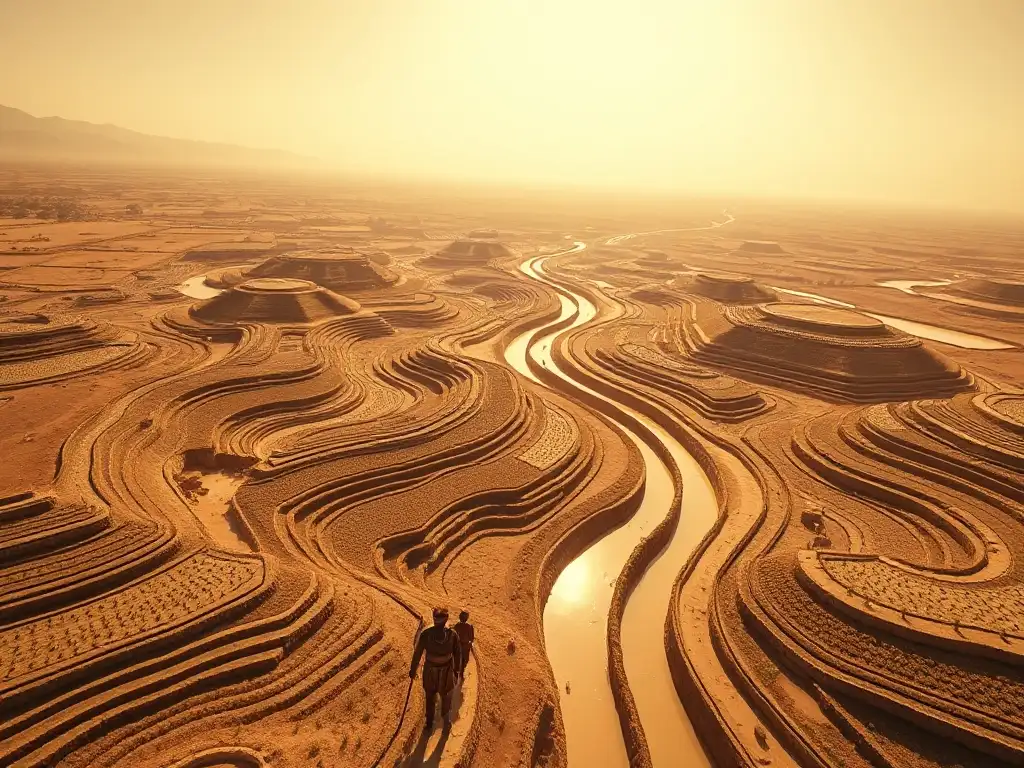
The Nazca civilization, famed for its enigmatic geoglyphs, thrived in a remarkably arid environment on the southern coast of Peru. Their success wasn't solely due to artistic prowess; it was fundamentally rooted in their mastery of Nazca agricultural techniques. These ingenious methods allowed them to cultivate crops in a desert landscape, forming the bedrock of their social structure and power.
Their ability to harness scarce water resources was a testament to their advanced understanding of hydrology and engineering, enabling them to create a surprisingly productive agricultural system. This section delves into the key innovations that underpinned Nazca agricultural success, showcasing their remarkable ingenuity and adaptability.
Canal Systems and Surface Water Management in Nazca
The Nazca people cleverly utilized the infrequent but intense rainfall events characteristic of their region. Instead of letting precious water run off into the Pacific Ocean, they developed extensive canal systems to capture and direct surface runoff. These canals, meticulously constructed, guided water across the desert landscape to irrigate their fields.
The construction itself was a feat of engineering, requiring precise surveying and the skillful manipulation of earth and stone. Evidence suggests the use of simple tools, but the scale and precision of the canal networks demonstrate a highly organized and collaborative society. Furthermore, the canals weren't simply straight lines; they were carefully designed to follow contours, minimizing erosion and maximizing water flow.
Detailed analysis of these canal systems reveals a sophisticated understanding of water dynamics. The gradients were carefully calculated to ensure a consistent flow without causing excessive erosion or flooding. The canals were also frequently maintained, suggesting a significant investment of labor and resources in their upkeep.
This ongoing maintenance points to the crucial role agriculture played in Nazca society; it was not just a matter of survival but a vital aspect of their social organization. The effectiveness of these systems is evidenced by the existence of large agricultural settlements thriving in what would otherwise be an uninhabitable environment. This demonstrates the profound impact of their innovative water management strategies on the overall prosperity and stability of the Nazca civilization.
Nazca Aqueducts: Sophisticated Engineering for Water Delivery
Beyond surface water management, the Nazca people also developed impressive aqueducts to transport water from distant sources to their fields. These weren't simple channels; they were sophisticated engineering marvels, often constructed from stone and featuring ingenious features to ensure efficient water delivery. The ingenuity of these aqueducts lay in their ability to navigate challenging terrain, often traversing hills and valleys with remarkable precision. The construction required a deep understanding of hydraulics and a high level of craftsmanship. The aqueducts often incorporated ventilation shafts and other features to prevent water stagnation and ensure a steady flow.
Unlike simple canals that relied on gravity, some Nazca aqueducts incorporated more complex systems that might have involved siphons or other mechanisms to overcome topographical obstacles. The precise construction techniques, including the use of carefully fitted stones and the incorporation of watertight seals, are a testament to their advanced engineering skills. The scale of these projects suggests a well-organized workforce and a strong centralized authority capable of coordinating large-scale construction endeavors.
The existence of these aqueducts further underscores the paramount importance of water management in the Nazca social and economic system. The investment in such large-scale infrastructure speaks volumes about their commitment to agricultural productivity and the overall well-being of their society.
Puquios: Underground Filtration and Water Access
The Nazca's mastery of water management extended beyond surface canals and aqueducts. They also developed a remarkable system of underground water access known as puquios. These ingenious structures tapped into underground aquifers, providing a reliable source of water even during extended periods of drought. The puquios weren't simply wells; they were sophisticated filtration systems that channeled water through layers of gravel and sand, naturally purifying it before it reached the surface.
This natural filtration process was critical in ensuring the quality and safety of their drinking water and irrigation supply. The construction of puquios required extensive knowledge of the local geology and hydrology, as well as advanced digging and engineering techniques. The shafts were often quite deep, and the intricate network of tunnels required careful planning and execution.
The design of puquios showcases a deep understanding of water table dynamics and the importance of water quality. The use of natural filtration minimized the risk of waterborne diseases, contributing significantly to the health and well-being of the Nazca population. The construction and maintenance of these underground systems required specialized skills and knowledge, passed down through generations.
The puquios represent a remarkable example of sustainable water management, providing a reliable water source for centuries. Their existence is a testament to the Nazca's resilience and their ability to adapt to the harsh environmental conditions of their homeland. The remarkable ingenuity displayed in their construction stands as a symbol of the Nazca civilization's ingenuity and their profound understanding of their environment.
Terracing and Soil Enhancement Practices
The Nazca's mastery of agriculture wasn't simply about planting seeds; it was a sophisticated system of land management that maximized yields in a harsh desert environment. Their most striking innovation was the extensive use of terracing. These weren't simple steps cut into hillsides; they were carefully engineered platforms, often supported by retaining walls made of stone and adobe.
The terraces followed the contours of the land, creating a series of level fields where water could be effectively channeled and retained. This was crucial in a region characterized by infrequent and unpredictable rainfall. The precise orientation and slope of the terraces were likely determined by careful observation of sunlight and water flow, reflecting a deep understanding of local hydrology.
The construction of these terraces was a monumental undertaking, requiring significant labor and coordination, demonstrating the societal organization and engineering prowess of the Nazca. Evidence suggests that different terrace sizes and orientations were used depending on the specific crop being cultivated, further highlighting the sophistication of their agricultural planning. The terraces not only increased the amount of arable land but also helped to prevent soil erosion and conserve moisture, contributing to higher crop yields.
Beyond terracing, the Nazca employed a range of soil enhancement practices. They understood the importance of soil fertility and developed techniques to improve it. Archaeological evidence points to the use of fertilizers, likely composed of animal manure and other organic matter.
This enrichment of the soil compensated for the naturally poor quality of the desert soils, allowing for more robust plant growth. Furthermore, they likely practiced crop rotation, alternating different crops in a given field to maintain soil health and prevent nutrient depletion. This sustainable approach to agriculture was essential for long-term food production in a challenging environment.
The precise composition of their fertilizers and the specific details of their crop rotation practices remain areas of ongoing research, but the overall impact on their agricultural success is undeniable. The Nazca's commitment to soil health stands as a testament to their forward-thinking agricultural strategies and their deep understanding of the delicate balance between human activity and the environment. Their methods are still relevant today, offering valuable insights into sustainable agricultural practices in arid regions.
Crops and Cultivation in the Nazca Civilization
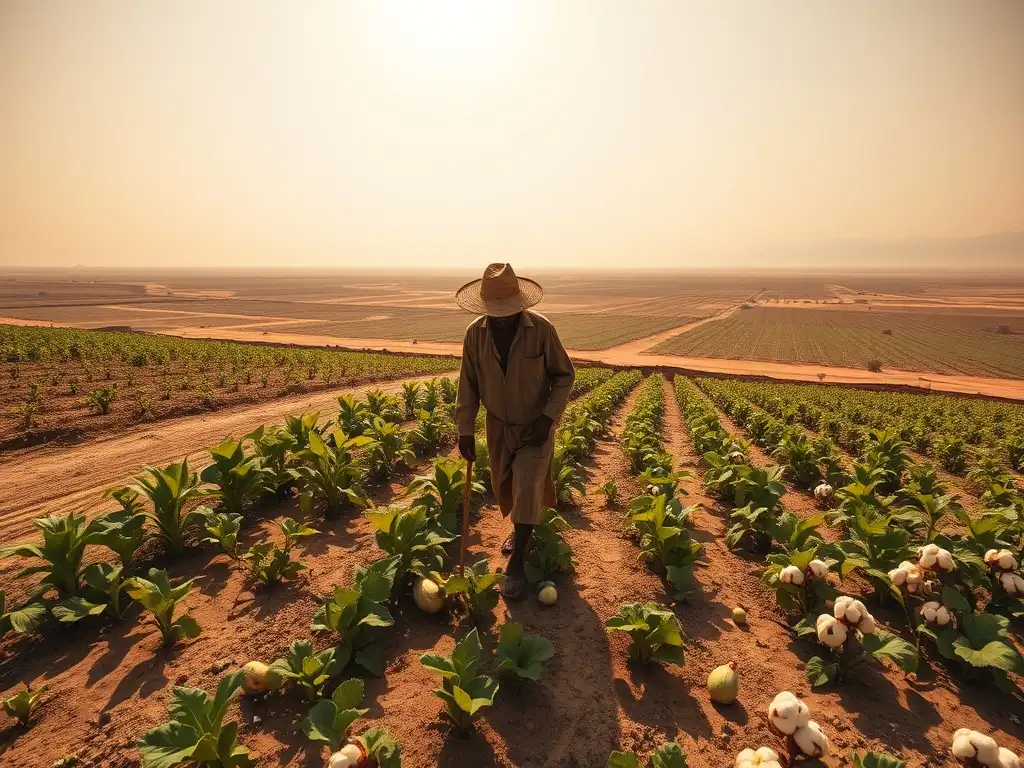
The Nazca's mastery of Nazca agricultural techniques in a seemingly arid environment is a testament to their ingenuity and a cornerstone of their societal structure. Their success wasn't merely about survival; it fueled their complex social organization, artistic expression, and the creation of a remarkable civilization. Understanding their agricultural practices provides crucial insight into their societal power and enduring legacy.
Their sophisticated understanding of water management, soil cultivation, and crop diversification allowed them to thrive in a challenging landscape, producing a surplus that supported a sizeable population and fostered specialization within their communities. This section will delve into the key crops cultivated, highlighting the importance of specific plants to their economy and society.
Key Agricultural Products of the Nazca People
The Nazca people weren't limited to a single crop; instead, they cultivated a diverse range of plants, demonstrating a deep understanding of their environment and its limitations. Archaeological evidence, including remnants found in Nazca sites and depictions in their art, reveals a sophisticated agricultural system capable of supporting a varied diet. Their agricultural prowess wasn't simply about sustenance; it represented a complex interplay of knowledge, labor, and resource management.
Their primary agricultural products included:
- Maize (corn): A staple food source, crucial for sustenance and possibly ritualistic purposes.
- Beans: Various types of beans provided essential protein and were likely an integral part of their daily diet.
- Squash: Different varieties of squash offered carbohydrates and other nutrients.
- Sweet Potatoes: A significant carbohydrate source, providing energy for their demanding agricultural practices.
- Cotton: Not solely a food source, cotton was vital for textile production, indicating a sophisticated understanding of fiber processing and weaving.
- Lúcuma: This fruit, known for its sweet flavor, was likely cultivated and consumed, adding to the diversity of their diet.
The successful cultivation of these diverse crops was intrinsically linked to their advanced water management systems, which we will explore further in subsequent sections. The careful selection and cultivation of these crops underscore the Nazca people's deep understanding of agriculture and their ability to harness the resources available to them, even in a desert environment. The surplus produced from these crops allowed for specialization of labor and the development of a complex social hierarchy.
The Role of Maize in Nazca Agriculture
Maize held a prominent position in Nazca agriculture, functioning not only as a primary food source but also potentially playing a significant role in their religious and ceremonial practices. Evidence suggests that maize cultivation was widespread and intensive, reflecting its importance in sustaining their population. The meticulous cultivation methods employed, which included terracing and irrigation, ensured optimal growth even in the challenging desert conditions.
Archaeological findings consistently show maize remains in various Nazca settlements, indicating its pervasive presence in their diet. Furthermore, depictions of maize in their art suggest a symbolic significance beyond mere sustenance, possibly representing fertility, abundance, or even a connection to their deities. The scale of maize production likely reflected the size and complexity of Nazca society, with surplus allowing for trade and the support of specialized craftspeople and elites.
Further research into the genetic diversity of Nazca maize could provide additional insights into their agricultural practices and trade networks. The precise varieties of maize cultivated remain a subject of ongoing research, [specific information pending].
Cultivation of Beans, Squash, and Sweet Potatoes
Beyond maize, beans, squash, and sweet potatoes formed an essential part of the Nazca diet, contributing significantly to the nutritional balance of their meals. These crops, like maize, were likely cultivated using similar techniques, including irrigation and terracing, to maximize yields in the arid environment. The diversity of these crops indicates a sophisticated understanding of agricultural diversification, mitigating risks associated with crop failure. The cultivation of these crops, alongside maize, ensured a varied and nutritious diet, contributing to the overall health and productivity of the Nazca population.
The presence of these crops in archaeological contexts, often found alongside maize remains, reinforces their importance in the Nazca diet. The combination of carbohydrates from maize and sweet potatoes, along with the protein from beans and the nutrients from squash, constituted a balanced diet capable of sustaining a large and complex society. The successful cultivation of these diverse crops speaks to the ingenuity and resilience of the Nazca people in adapting their agricultural practices to their environment.
Understanding the specific cultivation techniques used for these crops requires further investigation, with [specific information pending] regarding the methods used to optimize their growth in the desert climate. The development of efficient agricultural practices was crucial to the Nazca's success and the growth of their civilization.
Cotton Production and its Use in Textiles
Cotton played a vital role in the Nazca economy and social structure, forming the basis of their renowned textile production. The Nazca people cultivated several varieties of cotton, adapting their farming techniques to the arid coastal environment. Evidence suggests they employed irrigation systems, possibly including canals and subsurface water channels, to provide the necessary moisture for cotton growth. These sophisticated irrigation methods, a hallmark of Nazca agricultural techniques, allowed them to successfully cultivate this crucial crop in a region characterized by scarce rainfall. 1 The precise methods of cultivation, including seed selection, planting schedules, and pest control, remain areas of ongoing research, but archaeological findings point to a deep understanding of agricultural practices.
The harvested cotton was then processed into high-quality textiles, a testament to the Nazca's advanced technological capabilities. Archaeological excavations have unearthed numerous examples of intricate cotton textiles, showcasing a remarkable mastery of spinning, weaving, and dyeing techniques. These textiles were not simply utilitarian garments; they served important social and religious functions.
Elaborate cotton cloths were used in ceremonies, adorned burial sites, and signified social status within the Nazca hierarchy. The vibrant colors and complex designs of Nazca cotton textiles reflect a sophisticated understanding of natural dyes derived from plants and minerals found in the region. The production and use of cotton, therefore, were integral to the Nazca social fabric, highlighting their ingenuity in adapting their environment and their skills in transforming raw materials into valuable goods.
The intricate designs found on these textiles, often depicting deities, animals, and geometric patterns, provide invaluable insights into Nazca cosmology and worldview. The production of these textiles involved a complex division of labor, likely involving specialized artisans and workshops, further emphasizing the importance of cotton within the Nazca social structure.
1 Further research is needed to fully understand the specifics of Nazca irrigation techniques for cotton cultivation.
The Nazca's remarkable achievements in agriculture were not merely feats of engineering; they were the bedrock of their social structure and the engine of their power. The ability to cultivate the arid coastal plains of southern Peru, a seemingly inhospitable environment, allowed the Nazca to develop a complex society characterized by social stratification, specialized labor, and impressive artistic and technological advancements. Understanding their agricultural practices is crucial to understanding their civilization's rise and eventual decline.
The ingenuity displayed in their irrigation systems, water management techniques, and crop diversification directly contributed to their social complexity and the power dynamics within their society. This section will explore the intricate relationship between Nazca agricultural techniques and their social organization, highlighting the crucial role agriculture played in shaping their world.
The Nazca's success stemmed from their mastery of water management. Their sophisticated irrigation systems, including canals, aqueducts, and subterranean galleries ( puquios), allowed them to harness the scarce water resources from the Andes mountains and distribute it efficiently across their fields. This wasn't simply a matter of survival; the efficiency of these systems resulted in significant agricultural surpluses. This surplus was not merely a matter of having more food; it was a catalyst for social complexity.
With a reliable food supply exceeding immediate needs, a portion of the population could be freed from constant agricultural labor. This led to the specialization of labor, with individuals dedicating their time to crafting, artistry, religious practices, and administration. The surplus also facilitated the development of a stratified social hierarchy.
Evidence suggests a clear distinction between elite classes, likely those controlling resource allocation and religious authority, and commoners who worked the land. The surplus acted as a mechanism for consolidating power and wealth within the elite, fostering social inequality while simultaneously enabling the growth of a more complex society.
Archaeological finds, such as elaborate tombs containing rich grave goods, point towards a clear social differentiation based on access to resources. Further research is needed to fully quantify the surplus and its precise impact on population growth, but the available data strongly suggests a direct correlation between agricultural productivity and social complexity.
The Role of the Elite in Resource Allocation
The control and distribution of agricultural resources were likely centralized in the hands of a powerful elite. This elite, potentially comprised of priests, rulers, or a combination thereof, played a crucial role in managing the irrigation systems, allocating land, and regulating the distribution of the agricultural surplus. This control over essential resources translated directly into political and social power.
The evidence suggests a hierarchical system where the elite held sway over the agricultural production and its distribution, acting as intermediaries between the agricultural producers and the rest of society. This system could have involved various mechanisms, such as taxation in the form of agricultural produce, labor obligations, or a system of tribute. This centralized control allowed the elite to maintain their power and influence, reinforcing their social standing and facilitating the construction of monumental architecture, religious centers, and elaborate burial sites.
The elite's role in resource management was not merely administrative; it was fundamentally intertwined with their religious authority, suggesting a strong connection between religious beliefs and the control of essential resources. Further investigation into the organization of Nazca society is necessary to fully understand the precise methods used by the elite to maintain their power.
How Agricultural Practices Influenced Nazca Power Dynamics
Nazca agricultural techniques were not merely practical; they were potent symbols of power and social control. The construction and maintenance of the extensive irrigation systems required significant coordinated labor, highlighting the power of centralized organization and the ability of the elite to mobilize and control the workforce. The success of these systems directly translated into the elite's ability to maintain social order and exert control.
Furthermore, the control over water, the lifeblood of the Nazca civilization, served as a potent tool for enforcing social hierarchies. Access to water and fertile land was not equal; the elite likely controlled the most productive areas, ensuring their privileged access to resources. This unequal distribution of resources played a crucial role in maintaining the existing power structure and reinforcing social stratification.
The ability to control water resources was thus not only crucial for agricultural production but also a key element in maintaining the power dynamics within Nazca society. The intricate interplay between agricultural practices, resource allocation, and social control underscores the deep connection between Nazca agricultural techniques and their social power. Further research into specific locations and their access to irrigation systems would provide a more nuanced understanding of the relationship between agricultural resources and social power.
Nazca Agriculture vs. Other Andean Civilizations
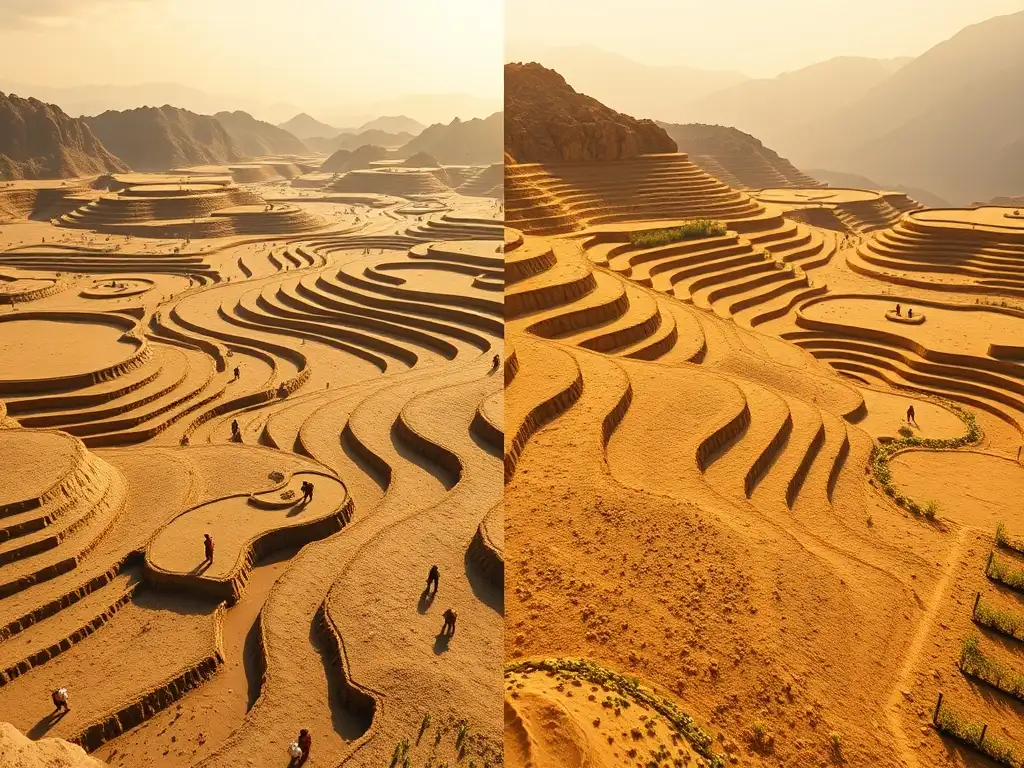
This section delves into a comparative analysis of Nazca agricultural techniques against those employed by other prominent Andean civilizations, focusing on the similarities and differences in their approaches to cultivating the arid coastal regions. Understanding these nuances provides crucial insights into the unique challenges faced by the Nazca and their innovative solutions. The aridity of the Nazca desert presented a vastly different agricultural landscape compared to the more varied terrain of other Andean societies.
Comparing Nazca Farming Methods with Moche Techniques
The Moche civilization, flourishing slightly before the Nazca along the northern Peruvian coast, also faced arid conditions. However, their access to river valleys like the Moche River provided a more reliable water source than the Nazca's reliance on subsurface water. While both cultures employed irrigation systems, the Moche's were often larger-scale canal networks leveraging river flow, whereas the Nazca relied heavily on subterranean aqueducts (puquios) to tap into underground water reserves. This difference reflects contrasting geographical conditions and resultant agricultural strategies.
The Moche also demonstrated a greater emphasis on intensive agriculture, particularly in the cultivation of maize, which formed a cornerstone of their diet and economy. Nazca agriculture, while diverse, showed a more balanced approach with crops like cotton, beans, and gourds playing significant roles alongside limited maize cultivation. This difference might be attributed to soil conditions and available water resources; the Moche's richer alluvial soils in river valleys were more suited to maize, while the Nazca adapted to the limitations of their environment.
Furthermore, analysis of Moche pottery frequently depicts elaborate agricultural scenes, highlighting the importance of farming in their social structure. Similar depictions in Nazca pottery are less frequent, possibly reflecting a different emphasis on artistic expression.
Nazca Water Management Compared to Tiwanaku Systems
The Tiwanaku civilization, located in the high Andes, faced a completely different set of challenges compared to the coastal Nazca. Tiwanaku's agricultural success hinged on sophisticated raised field systems, surrounding their fields with water channels to regulate water levels and soil fertility. This contrasts sharply with the Nazca's reliance on subsurface water extraction. The Tiwanaku's elevated fields allowed them to cultivate crops in the seasonally flooded areas of Lake Titicaca, while the Nazca had to contend with the scarcity of surface water.
This difference reflects not only geographical variations but also distinct technological solutions developed to overcome environmental limitations. The intricate network of Nazca puquios stands as a testament to their engineering prowess in extracting water from the depths, a feat unmatched by the Tiwanaku, who instead focused on managing surface water. Both, however, exhibit sophisticated understanding of water management necessary for survival and prosperity in their respective environments.
Unique Aspects of Nazca Agricultural Strategies
The Nazca agricultural system stands out for its ingenious adaptation to an exceptionally harsh environment. Their reliance on puquios, intricate underground aqueducts, is arguably their most remarkable achievement. These tunnels, often extending for kilometers, tapped into underground water sources and channeled water to the surface, enabling the cultivation of crops in an otherwise desolate landscape. Careful observation of the terrain and meticulous planning were essential for the successful construction and maintenance of these vital water systems.
Archaeological evidence suggests that the construction and upkeep of these puquios involved communal effort, underscoring the importance of collective labor in Nazca society. [Specific data on the average length of puquios pending]. Further research on the specific materials and techniques used in their construction is needed to fully appreciate the Nazca's engineering skills.
Beyond the puquios, the Nazca also developed techniques for soil improvement and water conservation. Evidence suggests the use of terraces and other land-management practices to maximize the limited resources available. Furthermore, the cultivation of a diverse range of crops, including cotton and beans, indicates a resilient and adaptable agricultural system capable of withstanding environmental fluctuations.
This diversification minimized risks associated with crop failure and ensured food security for the population. The meticulous planning and execution of their agricultural strategies showcase the Nazca's deep understanding of their environment and their ability to harness limited resources for their benefit. The Nazca’s ingenuity in developing and implementing these “Nazca agricultural techniques” is a testament to their remarkable adaptive capacity and societal organization.
The Legacy of Nazca Agriculture
The Nazca's mastery of agriculture in a seemingly inhospitable desert environment remains a testament to their ingenuity and organizational prowess. Their sophisticated techniques, developed over centuries, weren't merely a means of subsistence; they were the bedrock of their complex social structure, fueling their artistic achievements and societal advancements. Understanding their agricultural practices offers invaluable insights into their societal organization, resource management, and overall cultural flourishing.
The impact of Nazca agricultural techniques extends far beyond their own civilization, influencing subsequent Andean cultures and even inspiring modern approaches to water management in arid regions. This enduring legacy highlights the remarkable adaptability and foresight of the Nazca people.
Modern Applications of Nazca Water Management Concepts
The Nazca's innovative water management systems, including their intricate network of canals, underground aqueducts ( puquios), and sophisticated irrigation techniques, continue to fascinate and inspire modern engineers and agriculturalists. Many of their techniques, adapted to the unique challenges of the coastal desert, demonstrate remarkable efficiency and sustainability. For example, the puquios, which tapped into underground water sources, provided a reliable and consistent water supply, even during periods of drought.
These ingenious systems minimized water loss through evaporation and ensured equitable distribution across the agricultural lands. Modern researchers are actively studying these ancient systems to develop sustainable water management strategies for contemporary arid and semi-arid regions. The Nazca's understanding of water resource management serves as a valuable blueprint for addressing modern water scarcity challenges globally.
The efficiency and longevity of their systems stand as a powerful example of sustainable resource utilization, demonstrating a deep understanding of the interplay between water availability and agricultural productivity. The detailed study of Nazca puquios construction and maintenance could provide critical insights into the design of modern, low-energy water infrastructure. This could significantly benefit regions facing water stress, offering environmentally friendly alternatives to energy-intensive pumping methods.
The Influence of Nazca Farming on Later Coastal Cultures
The impact of Nazca agricultural techniques extended significantly beyond their own civilization, influencing subsequent coastal cultures in Peru. Their advanced irrigation methods, particularly the use of puquios and canal systems, were adopted and adapted by later groups like the Chimú and Inca. Archaeological evidence suggests a clear continuity in agricultural practices, with later societies building upon and refining the techniques pioneered by the Nazca.
This cultural transmission demonstrates the far-reaching influence of Nazca innovations in shaping the agricultural landscape of the Peruvian coast. The adoption and adaptation of Nazca irrigation techniques by subsequent cultures highlight their effectiveness and enduring relevance. This cultural exchange underscores the importance of sharing knowledge and technology for societal advancement.
Furthermore, the continuity of agricultural practices suggests a degree of social and economic interconnectedness between these different Andean societies. Specific examples of the transmission of Nazca agricultural knowledge to later cultures require further research and detailed analysis of archaeological data [specific information pending]. However, the overall pattern of continuity is evident in the widespread use of similar irrigation strategies across different periods and cultures.
Preserving and Studying Nazca Agricultural Sites
Preserving the fragile Nazca agricultural sites is crucial for understanding their advanced techniques and for informing modern approaches to sustainable agriculture. These sites, often threatened by erosion, human activity, and climate change, require careful conservation efforts. Archaeological surveys, coupled with advanced remote sensing technologies, are vital for mapping and monitoring these sites. Furthermore, educational initiatives aimed at raising public awareness about the importance of preserving these unique cultural heritage sites are necessary.
The preservation of Nazca agricultural sites is not merely a matter of protecting historical landmarks; it is also an opportunity to learn from the past and apply these lessons to modern challenges. The development of sustainable agricultural practices in arid regions requires understanding the long-term success of ancient techniques. Initiatives combining archaeological research with practical applications in sustainable agriculture could offer a valuable path forward. 💰 The economic benefits of tourism related to these sites also necessitate their preservation.
Furthermore, establishing protected areas and implementing strict regulations to limit human impact are crucial steps in preserving these invaluable resources for future generations. Careful excavation and analysis of these sites will provide crucial data for ongoing research into Nazca agricultural practices and their long-term sustainability. The ongoing study of Nazca agricultural techniques offers valuable insights into the ingenuity and resilience of ancient Andean societies and provides a blueprint for addressing modern environmental challenges.
Frequently Asked Questions
What were the main challenges faced by Nazca farmers?
The Nazca people faced challenges such as arid climate, scarce water resources, and infertile desert soils. Their success hinged on innovative solutions to overcome these limitations.
How did the Nazca overcome the lack of water for agriculture?
The Nazca developed sophisticated irrigation systems, including canals and aqueducts, to channel water from rivers and underground sources to their fields. They also employed techniques like water harvesting.
What were some of the unique agricultural techniques used by the Nazca?
The Nazca employed techniques like raised fields, terracing, and extensive canal systems to optimize water usage and increase crop yields in their harsh environment. These methods maximized limited resources.
What crops did the Nazca cultivate, and how important were they?
The Nazca cultivated crops like cotton, maize, beans, and squash. These crops were essential for their food supply, textiles, and trade, underpinning their societal structure.
Successful agriculture generated surplus food, enabling population growth and the development of specialized labor. This economic surplus fueled the rise of a complex social hierarchy and powerful elite.
Final Reflection: The Enduring Legacy of Nazca Ingenuity
The ingenious agricultural techniques employed by the Nazca people remain a testament to human adaptability and a powerful reminder of the crucial link between resource management and societal success. Their ability to flourish in a seemingly inhospitable desert environment offers invaluable lessons for contemporary societies grappling with issues of sustainability and resource scarcity. The challenges faced by the Nazca, and their innovative solutions, continue to resonate today.
The Nazca's mastery of water management, their sophisticated understanding of arid land cultivation, and their commitment to community-based agricultural practices profoundly shaped their social structure and cultural development. Their success wasn't merely about survival; it was about creating a thriving civilization. This resonates deeply with me, highlighting the power of collective action and ingenuity in overcoming seemingly insurmountable obstacles. The greatness of a nation and its moral progress can be judged by the way its animals are treated.
– Mahatma Gandhi. While not directly about the Nazca, this quote speaks to the broader theme of responsible resource management and its connection to societal well-being, a principle clearly demonstrated by the Nazca's agricultural achievements.
Now, consider the implications of the Nazca's achievements for your own life. How can we, in our own contexts, learn from their resourcefulness and dedication to sustainable practices? What innovative solutions can we develop to address the challenges of our time, drawing inspiration from the ingenuity of a civilization that thrived in the face of adversity? Let the legacy of Nazca agriculture inspire you to seek innovative and sustainable solutions for the challenges facing our world today. Let's cultivate a future as resilient and thriving as the Nazca civilization.
Unveil the Secrets of Nazca Agriculture!
Thank you for exploring the fascinating world of Nazca agriculture with us! You've discovered how vital these agricultural practices were to the rise of power in ancient Andean societies. Now, let's build on that knowledge and put it into practice!
Here are a few ways to deepen your understanding and connection to this incredible history:
- **Experiment with traditional Andean crops:** Grow ancient varieties like quinoa or amaranth in your garden or community plot. Experience firsthand the ingenuity of past agricultural techniques.
- **Share your knowledge:** Discuss the importance of sustainable agriculture, drawing on historical examples, with friends and family. This is a great way to spark conversations about our modern farming practices.
- **Join the online community:** Connect with others interested in Andean civilizations through social media or online forums. Share your insights, research findings, or even your own gardening experiments!
What aspect of Nazca agriculture most captivates you, and how might those principles inform modern agricultural practices?