
The Chimu Farmers: Managing the Irrigation System


Dive into the captivating world of the Andean civilizations! From the towering heights of the Inca empire to the intricate artistry of the Nazca lines, a hidden world of ingenuity and resilience awaits. But did you know the Chimu mastered unparalleled irrigation techniques? Discover the secrets behind their remarkable Chimu irrigation system techniques and uncover the ingenuity that allowed them to flourish in the harsh desert landscape. Explore the fascinating story of their agricultural prowess and learn how they shaped the very fabric of Andean history – a legacy that continues to intrigue and inspire.
- The Chimu Farmers: Mastering Irrigation in the Andean World
- Chimu Irrigation System Techniques: A Deep Dive
- Advanced Agricultural Practices of the Chimu People
- The Impact of the Chimu Irrigation System
- Legacy of Chimu Irrigation Techniques
-
Frequently Asked Questions
- How did the Chimu civilization manage water resources in a desert environment?
- What were some of the key techniques used in Chimu irrigation?
- How effective was the Chimu irrigation system?
- What materials did the Chimu use to build their irrigation systems?
- What impact did the Chimu irrigation system have on their society?
- Final Reflection: The Enduring Legacy of Chimu Ingenuity
- Unveil the Secrets of Sustainable Agriculture!
The Chimu Farmers: Mastering Irrigation in the Andean World
The Chimu civilization, flourishing along the arid northern coast of Peru from roughly 1000 to 1470 CE, stands as a testament to human ingenuity in overcoming environmental challenges. Their remarkable success wasn't built on conquest alone; it was fundamentally rooted in their mastery of irrigation techniques, transforming a seemingly inhospitable desert into a thriving agricultural powerhouse.
This article delves into the sophisticated irrigation systems employed by the Chimu, exploring the crucial role these systems played in their societal structure, economic prosperity, and ultimately, their remarkable achievements. We will examine the innovative strategies they employed to harness scarce water resources, highlighting the ingenuity and organizational prowess required to manage such a complex undertaking.
Understanding the Chimu's approach to irrigation provides invaluable insight into their overall societal development and offers a compelling case study in sustainable resource management within a challenging environment. The keyword "Chimu irrigation system techniques" will be explored in detail throughout this analysis, revealing the secrets behind their agricultural success.
Understanding the Chimu Civilization and its Agricultural Foundation
The Chimu, known for their impressive urban planning, particularly evident in the capital city of Chan Chan, were not simply skilled builders; they were also astute agriculturalists. Their survival depended entirely on their ability to cultivate crops in a desert environment. Unlike other Andean cultures that relied heavily on highlands agriculture, the Chimu focused on the coastal desert, developing incredibly intricate irrigation networks to support their large population.
This agricultural prowess was not merely a matter of survival; it fueled their economic growth, supported their social hierarchy, and underpinned their political power. The development of sophisticated irrigation systems allowed the Chimu to cultivate a diverse range of crops, including maize, beans, squash, cotton, and various fruits, ensuring food security and surplus for trade and societal needs. This agricultural abundance fueled the growth of their impressive urban centers and supported a complex social structure.
Their success demonstrates a profound understanding of hydrology, engineering, and social organization, all essential components of their irrigation strategies. The intricate interplay between these elements is a key factor in understanding the effectiveness of their "Chimu irrigation system techniques."
The Crucial Role of Irrigation in Chimu Society
The Chimu irrigation system wasn't simply a technological achievement; it was deeply intertwined with their social and political structures. The construction and maintenance of these extensive canals and reservoirs required a significant investment of labor and resources, implying a high level of centralized control and social organization. Evidence suggests a complex system of labor allocation, likely involving a combination of state-organized projects and communal efforts.
The intricate network of canals not only distributed water but also served as a powerful symbol of the state’s authority and control over vital resources. The equitable distribution (or lack thereof) of water likely played a significant role in social stratification and political power. Moreover, the surplus produced through efficient irrigation supported specialized craftspeople, religious elites, and the expansion of the Chimu state itself.
The success of the Chimu irrigation system techniques is a testament to their ability to integrate complex engineering with effective social and political management. This integrated approach allowed them to not only survive but thrive in a remarkably challenging environment, leaving behind a legacy of impressive urban planning and sophisticated agricultural practices. The management of this system, therefore, is crucial to understanding the overall success of the Chimu civilization.
Chimu Irrigation System Techniques: A Deep Dive
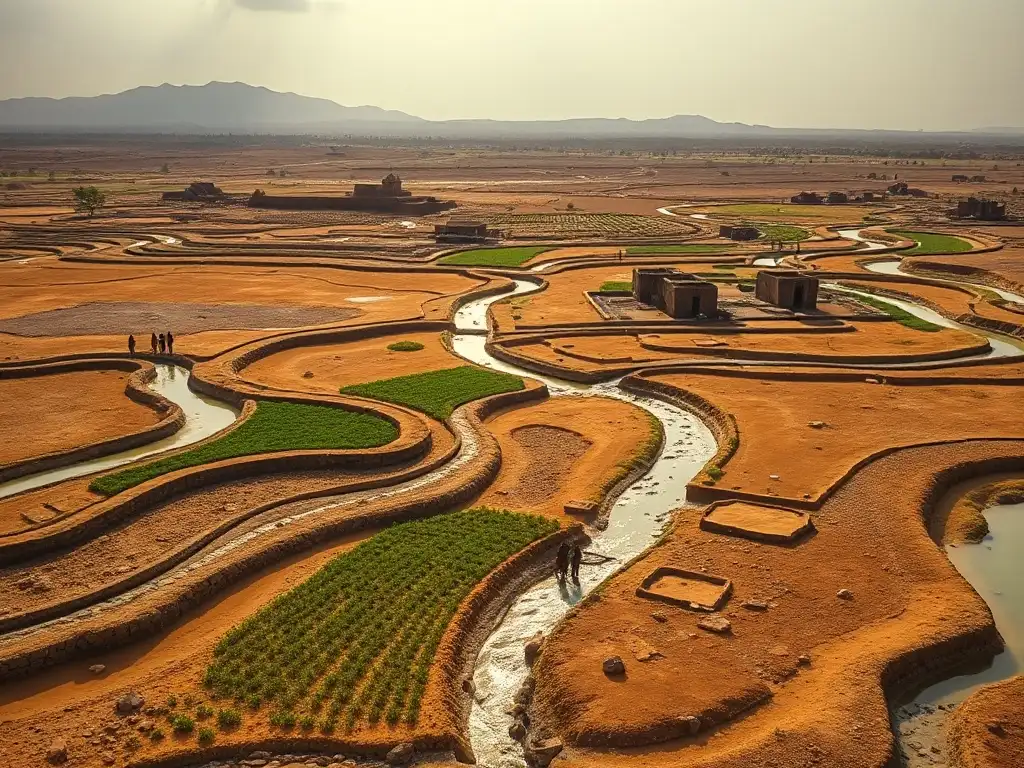
The Chimu civilization, flourishing along the arid northern coast of Peru from roughly 1300 to 1470 CE, demonstrated remarkable ingenuity in their mastery of water management. Their success hinged on sophisticated irrigation systems that allowed them to cultivate a remarkably productive agricultural economy in an otherwise unforgiving desert environment. Understanding their "Chimu irrigation system techniques" reveals a deep understanding of hydrology, engineering, and social organization.
The scale and complexity of their systems are a testament to their advanced technological capabilities and their profound connection to the land. This section delves into the specifics of their impressive water management achievements, focusing on the design, strategies, and construction techniques employed.
The Ingenious Design of Chimu Canals
The Chimu irrigation system wasn't a single monolithic structure; rather, it was a complex network of canals, ditches, and reservoirs, meticulously planned and expertly executed. The canals, often lined with stones or clay to prevent seepage, were strategically designed to follow the contours of the land, maximizing water flow efficiency. They were not simply straight lines; instead, they were carefully graded to ensure a consistent, controlled flow of water to the fields.
This required an advanced understanding of topography and hydraulics, far beyond simple trial and error. The canals were typically built at different elevations, creating a tiered system that allowed water to be diverted to various agricultural areas as needed. This sophisticated system minimized water loss and ensured equitable distribution across the vast agricultural lands.
Evidence suggests that they even incorporated check dams and spillways to control water flow during periods of heavy rainfall or flooding, preventing damage to the canals and ensuring the continued functionality of the system. The precision and scale of these canals remain impressive feats of engineering, even by modern standards.
Chimu Water Management Strategies: Optimizing Resources
Beyond the physical infrastructure, the Chimu also employed sophisticated water management strategies to optimize resource utilization. They understood the importance of water conservation and implemented techniques to minimize water loss and maximize yield. This included the construction of reservoirs to store excess water during periods of high rainfall, ensuring a steady supply during drier months.
They also developed techniques for water rationing and equitable distribution, reflecting a complex social organization that prioritized community needs. The use of smaller, secondary canals allowed for targeted irrigation of specific crops, further improving efficiency and yield. The Chimu also likely employed a system of monitoring and maintenance, regularly inspecting and repairing canals to ensure their continued functionality.
This continuous maintenance was crucial to the long-term success of their irrigation system. Archaeological evidence suggests a dedicated workforce was responsible for this upkeep, highlighting the importance of the system to their society. The Chimu’s ability to sustainably manage water resources in such a harsh environment is a testament to their ingenuity and resourcefulness.
Construction of Wachaques and Sunken Gardens
The Chimu’s mastery of irrigation extended beyond canals. They also developed innovative techniques for cultivating crops in the extremely arid coastal regions, including the construction of wachaques (raised fields) and sunken gardens (also known as aguadas). Wachaques involved constructing elevated platforms to improve drainage and soil aeration, while sunken gardens involved digging depressions to capture and retain moisture. Both techniques dramatically increased agricultural productivity in areas with minimal rainfall.
The construction of these features required considerable labor and planning. The precise alignment of wachaques and the careful design of sunken gardens suggest a deep understanding of hydrology and soil science. The use of these techniques, alongside their canal system, demonstrates the Chimu's diverse approach to water management, adapting their techniques to the specific challenges of their environment.
The legacy of these structures stands as a testament to their resourcefulness and ingenuity, offering valuable insights into sustainable agricultural practices in arid environments. The sophisticated engineering behind these systems, coupled with their effective water management strategies, allowed the Chimu to thrive in a seemingly inhospitable landscape. Their achievements continue to inspire awe and admiration, showcasing the remarkable capabilities of ancient Andean civilizations.
Use of Gravity-Fed Systems and Diversion Weirs
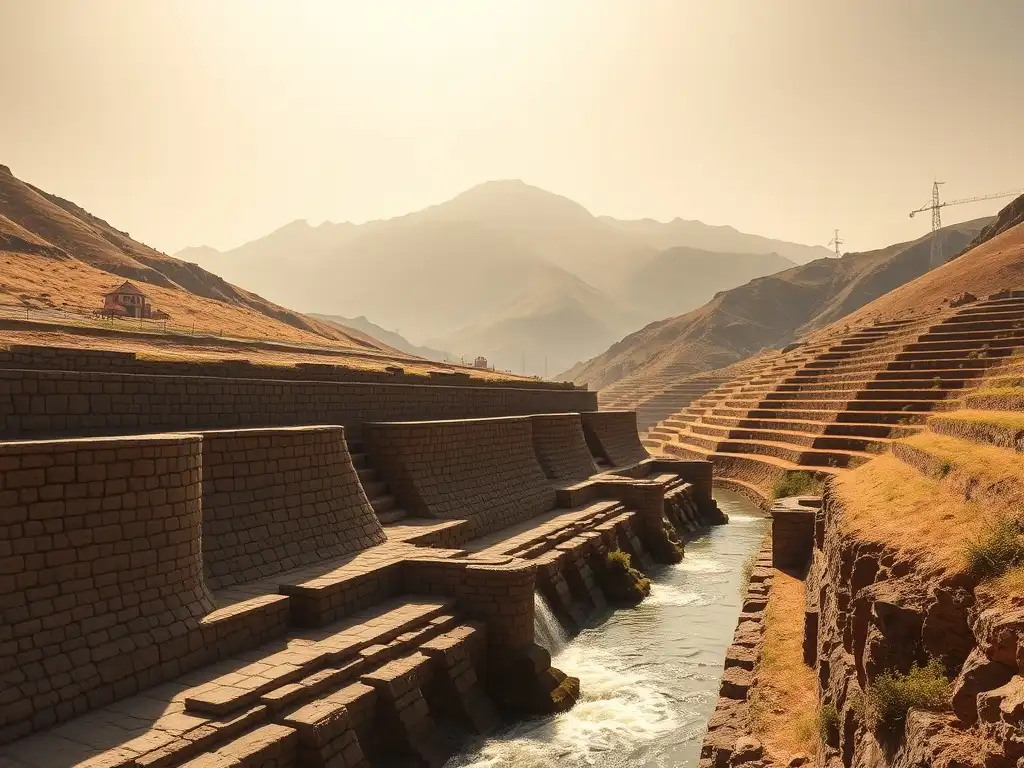
The Chimu, masters of arid-land agriculture, extensively employed gravity-fed irrigation systems, a testament to their sophisticated understanding of hydraulic engineering. These systems capitalized on the natural topography of the coastal valleys, skillfully channeling water from rivers and streams downhill towards cultivated fields. This wasn't a simple matter of digging ditches; the Chimu engineers meticulously surveyed the terrain, identifying optimal pathways to minimize water loss and maximize coverage. They constructed intricate networks of canals, often lined with stones or clay to prevent seepage and erosion.
These canals were not straight lines; they followed the contours of the land, demonstrating a deep understanding of water flow dynamics. The effectiveness of these systems depended on a precisely calculated gradient, ensuring a steady, controlled flow of water to all parts of the agricultural lands. The success of the Chimu's agricultural output is directly linked to the efficiency of this gravity-fed system.
A crucial component of their gravity-fed systems was the use of diversion weirs. These structures, often built from stone and carefully placed within the riverbeds, diverted a portion of the river's flow into the irrigation canals.
The design and placement of these weirs were crucial, as they needed to balance the amount of water diverted with the need to maintain a sufficient flow in the river itself, both to sustain the ecosystem and to ensure a continuous supply for downstream communities and agriculture. The construction of these weirs required a deep understanding of hydrology, as well as considerable engineering skills to build structures capable of withstanding the force of the river's currents, especially during periods of heavy rainfall or flooding.
The Chimu's ability to construct and maintain these weirs over extended periods demonstrates their advanced understanding of hydraulics and civil engineering. The precision in the construction of these weirs showcases their mastery of stonework and their ability to adapt to the often unpredictable nature of coastal rivers.
Creation of Reservoirs and Ponds for Water Storage
Beyond their impressive canal systems, the Chimu also developed sophisticated techniques for water storage. Recognizing the inherent unpredictability of water availability in the arid coastal region, they constructed numerous reservoirs and ponds to store water during periods of abundance for use during dry seasons. These weren't simply dug-out holes; they were meticulously engineered structures, often lined with clay or stone to prevent leakage and maintain water quality.
The size and location of these reservoirs varied depending on the local topography and the availability of suitable materials. Some were relatively small, serving individual farms or communities, while others were larger, capable of storing significant quantities of water for broader use. The construction of these reservoirs demonstrates a deep understanding of water management and the importance of ensuring a reliable water supply throughout the year, mitigating the risks associated with drought and ensuring consistent agricultural production.
The design of these reservoirs often incorporated ingenious features to optimize water storage and minimize evaporation. For example, some reservoirs were built with sloping sides to maximize their capacity, while others were covered with layers of clay or other materials to reduce water loss through evaporation.
The Chimu also employed techniques to minimize the growth of algae and other organisms that could contaminate the stored water. The creation of these reservoirs and ponds represents a significant achievement in water resource management, providing a vital buffer against the challenges of arid agriculture and contributing significantly to the Chimu civilization's economic prosperity and social stability.
The enduring legacy of these water storage systems stands as a testament to the Chimu's remarkable engineering skills and their foresight in anticipating and mitigating the challenges of a harsh environment. The scale of these projects, some of which are still visible today, underscores the importance of water management in the Chimu Empire.
Advanced Agricultural Practices of the Chimu People
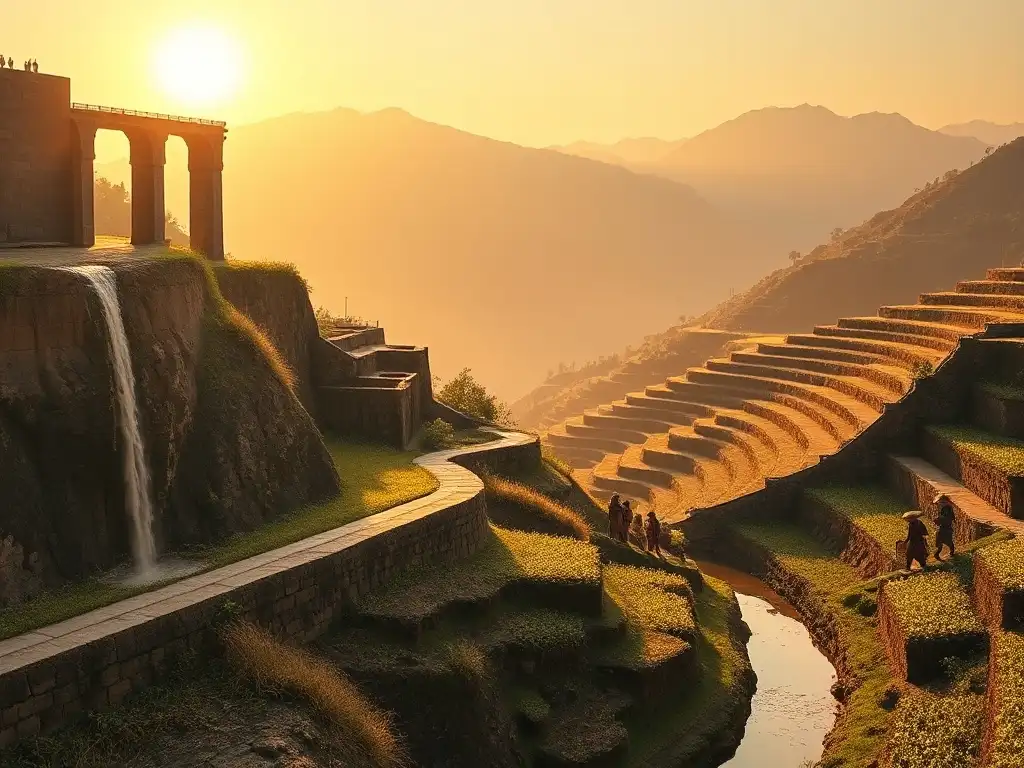
The Chimu, a pre-Columbian civilization flourishing along the northern coast of Peru (roughly 1300-1470 CE), demonstrated remarkable ingenuity in their agricultural practices. Their success wasn't simply a matter of fertile land; it was a testament to their sophisticated understanding of water management and innovative farming techniques. This allowed them to thrive in a geographically challenging environment characterized by arid deserts punctuated by fertile river valleys.
Mastering the "Chimu irrigation system techniques" was paramount to their societal and economic strength. The intricate network of canals, reservoirs, and terraces they developed showcases their advanced understanding of hydrology and engineering, allowing them to cultivate crops in an otherwise inhospitable landscape. This section will delve into the specifics of their agricultural achievements.
Chimu Farming Techniques: Maximizing Crop Yields
The Chimu's agricultural prowess wasn't solely dependent on their extensive irrigation systems. They employed a variety of farming techniques to maximize crop yields. These included:
- Crop Rotation: Evidence suggests they practiced crop rotation, alternating different crops in a given field to maintain soil fertility and prevent the depletion of specific nutrients. This sustainable approach ensured consistent harvests over time.
- Terracing: The Chimu skillfully carved terraces into hillsides, creating level platforms for planting. This technique prevented soil erosion and allowed for efficient water distribution, even on uneven terrain. The size and complexity of these terraces varied based on the available space and water resources.
- Fertilizers: While the precise composition of their fertilizers remains a subject of ongoing research, it's highly probable they utilized organic matter such as guano (bird droppings) and composted plant material to enrich the soil. Guano, in particular, was a readily available resource along the coast, known for its high nutrient content.
- Intensive Cultivation: The Chimu's densely populated urban centers required significant agricultural output. Their farming techniques were designed for intensive cultivation, maximizing the yield per unit of land. This meant careful planning and efficient use of resources.
The combination of these techniques, coupled with their sophisticated irrigation systems, allowed the Chimu to support a large and complex urban society. Their agricultural success was a crucial factor in their ability to build impressive cities and maintain a powerful empire.
The Importance of Fertile Lands and Agricultural Terraces
The Chimu civilization strategically selected locations for their agricultural endeavors, prioritizing access to fertile river valleys and suitable land for terracing. These valleys, though limited in extent, provided the essential alluvial soil necessary for successful cultivation. The Moche River valley, for instance, was a key area for Chimu agricultural production.
The construction of agricultural terraces was a monumental undertaking, requiring significant labor and engineering expertise. These terraces weren't simply haphazardly carved into hillsides; they followed carefully planned contours, maximizing the available arable land. The terraces were often supported by retaining walls made of adobe bricks or stone, designed to withstand the forces of erosion and water runoff.
The precise techniques used in the construction of these walls, and the choice of materials, were likely influenced by local geological conditions and available resources. Detailed studies of surviving terrace remnants are crucial for a deeper understanding of these construction methods. Further research is needed to fully quantify the extent of the terraced agricultural lands under Chimu control.
Cultivation of Maize, Beans, Squash, and Cotton
The Chimu's agricultural production focused primarily on staple crops like maize (corn), beans, and squash, forming the basis of their diet. Cotton was also a crucial crop, used for textiles and clothing. The cultivation of these crops was deeply intertwined with the intricate irrigation system and sophisticated farming techniques already discussed.
| Crop | Importance | Cultivation Methods |
|---|---|---|
| Maize | Staple food, primary source of carbohydrates | Planted in terraced fields, fertilized, rotated |
| Beans | Important source of protein | Intercropped with maize, beneficial for soil nitrogen |
| Squash | Source of vitamins and nutrients | Planted alongside maize and beans, efficient land use |
| Cotton | Textile production, clothing | Cultivated in areas with suitable irrigation and sunlight |
The Chimu's success in cultivating these crops was instrumental in their ability to sustain a large population and develop a complex society. The efficient use of land and water resources, coupled with the innovative farming techniques, allowed them to produce a surplus of food, supporting not only the farming population but also the artisans, builders, and administrators who lived in their thriving cities. The meticulous planning and execution visible in their agricultural practices highlight their remarkable engineering and organizational skills. The legacy of their agricultural innovations continues to inspire modern approaches to sustainable farming in arid and semi-arid regions.
Use of Taclla (Foot Plow) and Planting Sticks
The Chimu, masters of irrigation, also employed sophisticated tools to maximize their agricultural output. Central to their farming techniques was the taclla, a foot plow. This ingenious device, a simple yet effective tool, allowed for efficient tilling of the land, preparing the soil for planting with minimal effort. Unlike animal-drawn plows found in other regions, the taclla was uniquely adapted to the Andean terrain and the Chimu's labor-intensive approach.
Its use minimized soil disruption, preserving the delicate balance of the irrigation canals and preventing erosion. Archaeological evidence reveals widespread use of the taclla, suggesting its importance in the Chimu agricultural system. Furthermore, its relatively simple construction made it accessible to a broad segment of the Chimu population, contributing to the overall productivity of their farming efforts. The taclla wasn't just a tool; it was a symbol of Chimu ingenuity and resourcefulness in harnessing their environment.
Beyond the taclla, the Chimu utilized planting sticks. These weren't merely rudimentary implements; they were carefully crafted tools designed for specific crops and soil conditions. Different types of planting sticks, varying in size and shape, were likely used for planting different crops, ensuring optimal seed placement and depth.
The use of planting sticks, combined with the taclla, demonstrates the Chimu's detailed understanding of agriculture and their commitment to precision in their farming practices. The meticulous nature of their planting techniques, evident in the archaeological record, contributed significantly to the high yields achieved within the Chimu irrigation system. This combination of tools, the taclla for preparing the soil and the planting sticks for precise seed placement, showcases the Chimu's advanced understanding of agricultural efficiency.
The sophistication of these tools underscores their commitment to optimizing crop production within the constraints of their arid environment. The planting sticks, often made from durable wood, are indicative of the Chimu's ability to adapt available resources to develop sustainable farming practices.
The Impact of the Chimu Irrigation System

The Chimu irrigation system, a marvel of pre-Columbian engineering, profoundly impacted the lives and societal structures of the Chimu people. Its sophisticated design and effective implementation allowed for the flourishing of a remarkably large and densely populated urban center at Chan Chan, the largest pre-Columbian city in the Americas. The ingenuity of the Chimu in manipulating water resources in a desert environment is a testament to their advanced technological capabilities and understanding of hydraulic engineering.
This section will delve into the significant ways the Chimu irrigation system shaped their society, examining its role in sustaining their population, influencing their social structures, and serving as a tool for centralized political control. Understanding these aspects is crucial to grasping the complexity and success of the Chimu civilization. The effectiveness of their Chimu irrigation system techniques is a key element of their story.
Sustaining a Large Population: The Efficiency of Chimu Agriculture
The Chimu civilization's success hinges on their ability to cultivate vast tracts of arid land, transforming the otherwise barren coastal desert into a productive agricultural region. This feat was achieved through a complex network of canals, reservoirs, and aqueducts, expertly designed to capture and distribute water from rivers and streams. These Chimu irrigation system techniques weren't merely rudimentary ditches; they involved sophisticated methods of water diversion, filtration, and storage. Evidence suggests the use of sophisticated techniques such as:
- Canal lining: Many canals were lined with clay or stone to prevent water loss through seepage, maximizing efficiency.
- Reservoirs: Large reservoirs were constructed to store water during periods of abundance for use during dry spells, ensuring a consistent water supply throughout the year.
- Aqueducts: Ingenious aqueducts carried water across valleys and ravines, extending the reach of the irrigation system into previously inaccessible areas.
The efficiency of this system allowed the Chimu to produce surplus agricultural goods, supporting a population estimated to be in the hundreds of thousands. This agricultural surplus not only fed the populace but also facilitated the development of specialized labor, trade, and a complex social hierarchy. The ability to reliably produce food was fundamental to the Chimu's political and economic stability.
The scale and sophistication of their irrigation projects were unlike anything seen in the region before, a testament to their advanced understanding of hydrology and engineering. Analysis of pollen samples from archaeological sites provides further evidence of the diversity of crops cultivated, showcasing the system's capacity to support a wide range of agricultural products.
The Chimu irrigation system wasn't just a technological achievement; it was deeply intertwined with their social structure. The construction, maintenance, and management of the irrigation network required a significant workforce and a centralized system of organization. This led to the development of a hierarchical society, with specialized groups responsible for different aspects of irrigation management. Evidence suggests that:
- Specialized labor: Groups of skilled engineers, builders, and laborers were dedicated to the construction and upkeep of the irrigation infrastructure.
- Labor organization: The construction and maintenance likely involved organized labor, possibly through a system of corvée labor or specialized work crews under the control of the elite.
- Social stratification: The access to water and agricultural land likely played a significant role in determining social status, with those closest to the water sources and most fertile lands holding a privileged position.
The irrigation system, therefore, served as a foundation for the Chimu's social hierarchy, reinforcing the power of the elite and creating a system of dependence on the central authority for access to vital resources. The intricate network of canals and reservoirs mirrored the complex social relationships and power dynamics within Chimu society. Further research is needed to fully understand the precise mechanisms of labor organization and resource allocation within the Chimu irrigation system [specific information pending].
Irrigation as a Tool for Centralized Power and Control
The Chimu's sophisticated irrigation system served not only to sustain their population but also to consolidate and maintain political power. Control over water resources was synonymous with control over agricultural production, and ultimately, over the lives and livelihoods of the Chimu people. The centralized management of the irrigation network allowed the ruling elite to:
- Control food distribution: The ability to regulate water flow allowed the Chimu rulers to control food production and distribution, ensuring their own sustenance and maintaining their authority.
- Enforce labor obligations: The construction and maintenance of the system required a large workforce, providing the rulers with a means to control and organize labor.
- Maintain social order: Access to water and fertile land was a source of power, and the control exerted by the ruling class over these resources ensured social stability.
The Chimu irrigation system techniques, therefore, were not merely technical innovations; they were integral to the political organization and power structure of the Chimu state. The sophisticated design and centralized control of the irrigation system served as a powerful tool for consolidating power and maintaining social order in a densely populated, complex society.
The strategic placement of canals and reservoirs, and the control over their operation, effectively channeled resources and power towards the ruling elite, ensuring their continued dominance. The Chimu irrigation system stands as a compelling example of how infrastructure can be used to maintain centralized power and control in a pre-industrial society.
Legacy of Chimu Irrigation Techniques
The Chimu irrigation system, a marvel of pre-Columbian engineering, left an indelible mark on the Andean landscape and continues to inspire awe and study today. Their mastery of water management, particularly in the arid coastal desert of northern Peru, allowed them to cultivate vast quantities of food, supporting a large and complex urban civilization. This section delves into the lasting impact of their innovative techniques, exploring their influence on subsequent Andean cultures and modern approaches to water conservation. Understanding the Chimu irrigation system techniques is crucial to appreciating the ingenuity and resilience of this remarkable civilization.
Lessons from the Chimu: Sustainable Water Management
The Chimu weren't simply building canals; they were creating a complex and sustainable water management system. Their understanding of hydrology, coupled with their advanced engineering skills, allowed them to harness limited water resources with remarkable efficiency. They employed a variety of techniques, including:
- Canals and Aqueducts: Extensive networks of canals, some stretching for kilometers, channeled water from rivers and streams to agricultural fields. These weren't simply dug ditches; they were meticulously engineered structures, often lined with stone or clay to minimize water loss through seepage. The canals were also graded to ensure a consistent flow, preventing erosion and maintaining water levels.
- Reservoirs and Storage: The Chimu constructed reservoirs to store water during the rainy season for use during drier periods. These reservoirs, often built into the landscape, were strategically located to maximize water collection and minimize evaporation. This foresight ensured a reliable water supply even during prolonged droughts.
- Terracing: In areas with sloping terrain, the Chimu employed terracing to create level platforms for agriculture. This technique not only increased the available arable land but also slowed the runoff of rainwater, allowing it to be absorbed by the soil. This reduced erosion and improved water retention.
- Subsurface Irrigation: Evidence suggests the Chimu may have also employed subsurface irrigation techniques, channeling water underground to reach plant roots. This minimized evaporation losses in the harsh desert climate. Further research is needed to fully understand the extent of their use of this advanced method.
The Chimu's success demonstrates the importance of a holistic approach to water management, integrating various techniques to create a resilient system capable of withstanding environmental challenges. Their methods offer valuable lessons for modern sustainable water practices, emphasizing the need for integrated resource management and careful consideration of environmental impact.
The Influence of Chimu Agricultural Practices on Later Andean Civilizations
The Chimu's sophisticated irrigation system wasn't merely a local phenomenon; its influence extended to subsequent Andean civilizations. The Inca, for example, adopted and adapted many Chimu irrigation techniques, integrating them into their own vast agricultural infrastructure. The Inca empire, known for its extensive road system, also inherited and expanded upon the Chimu's canal networks, further demonstrating the enduring legacy of Chimu engineering. Specific examples of Chimu influence include:
- Canal Design: The Inca adopted the Chimu's use of stone-lined canals and sophisticated grading techniques, demonstrating a direct transfer of knowledge and technology.
- Reservoir Construction: The Inca continued to build reservoirs, adapting the Chimu's methods to suit their own geographical needs and expanding the scale of water storage.
- Agricultural Techniques: The Inca also adopted and refined Chimu agricultural practices, such as terracing and crop diversification, further enhancing their agricultural productivity.
The continuation and expansion of Chimu irrigation techniques by the Inca and other later Andean civilizations highlight the long-term impact of Chimu ingenuity and the significant contribution they made to the development of Andean agriculture. This demonstrates the lasting power of innovation and the capacity of successful systems to adapt and evolve over time.
Inspiration for Modern Water Conservation and Agriculture
The Chimu irrigation system continues to serve as a valuable source of inspiration for modern water conservation and agricultural practices. In a world facing increasing water scarcity, understanding the Chimu's sustainable approach is more relevant than ever. Modern engineers and agriculturalists are studying Chimu techniques to:
- Develop more efficient irrigation systems: Research into Chimu canal design and water management strategies is informing the development of new irrigation technologies aimed at reducing water waste and improving efficiency.
- Improve water storage and distribution: The Chimu's experience with reservoirs and water storage is guiding the design of modern water storage infrastructure, helping to ensure reliable water supplies in arid and semi-arid regions.
- Promote sustainable agricultural practices: The Chimu's holistic approach to water management serves as a model for sustainable agriculture, emphasizing the importance of integrated resource management and environmental stewardship.
The ingenuity of the Chimu in the face of environmental challenges provides a compelling case study for addressing modern water scarcity. Their legacy serves as a powerful reminder of the crucial role of innovative engineering and sustainable practices in ensuring food security and environmental sustainability. The study of "Chimu irrigation system techniques" is not merely an academic pursuit; it's a vital contribution to finding solutions for the challenges of the 21st century.
Frequently Asked Questions
How did the Chimu civilization manage water resources in a desert environment?
The Chimu relied on an ingenious irrigation system to cultivate their crops in the arid coastal region. This involved complex networks of canals, reservoirs, and aqueducts to divert water from rivers and streams.
What were some of the key techniques used in Chimu irrigation?
Their techniques included canal construction using sophisticated engineering, water management through reservoirs and diversion channels, and terracing to maximize water retention.
How effective was the Chimu irrigation system?
The Chimu irrigation system was remarkably effective, allowing them to support a large population and develop a complex society in a challenging environment. Their agricultural success is evident in the scale and sophistication of their infrastructure.
What materials did the Chimu use to build their irrigation systems?
The Chimu primarily used stone, earth, and wood to construct their irrigation systems. They also utilized labor-intensive techniques requiring significant manpower.
What impact did the Chimu irrigation system have on their society?
The efficient irrigation system was crucial to the Chimu's success, enabling agricultural surplus which supported population growth, specialization of labor, and the development of a powerful empire.
Final Reflection: The Enduring Legacy of Chimu Ingenuity
The Chimu's mastery of irrigation, a testament to their profound understanding of their environment, remains a powerful example of sustainable resource management in a world grappling with climate change and dwindling water supplies. Their sophisticated techniques, far from being relics of the past, offer invaluable lessons for contemporary societies facing similar challenges of water scarcity and the need for resilient agricultural practices.
The ingenuity of the Chimu continues to resonate, shaping our understanding of ancient civilizations and their capacity for innovation. Their intricate canal systems, carefully planned reservoirs, and innovative water management strategies stand as a powerful symbol of human adaptability and resourcefulness. The Chimu were not simply farmers; they were engineers, architects, and managers of a complex hydrological system.
This quote encapsulates the depth of their achievement and the enduring relevance of their methods. Their success highlights the importance of understanding and respecting the delicate balance of nature, a lesson we must heed today.
Consider the challenges facing our world today: droughts, desertification, and the ever-increasing demand for food. You, the reader, are now equipped with a deeper understanding of the Chimu's remarkable achievements. Let this knowledge inspire you to explore sustainable practices in your own life, whether it's conserving water, supporting responsible agriculture, or advocating for policies that protect our precious resources. The legacy of the Chimu farmers calls upon us to be equally innovative and responsible in our stewardship of the Earth.
Unveil the Secrets of Sustainable Agriculture!
Thank you for exploring the ingenious irrigation techniques of the Chimu civilization with us! You've gained valuable insights into sustainable agriculture practices that can inspire modern solutions.
Now, let's put that knowledge into action! Here are some ways you can deepen your understanding and make a real difference:
- **Embrace sustainable gardening techniques** inspired by ancient civilizations. Start small, and you'll be amazed at how your plants flourish!
- **Share your knowledge** with friends and family. Host a discussion or workshop on sustainable irrigation methods—it's a great way to spread the word.
- **Connect with local community groups** focused on agriculture and sustainability. Collaborate on projects that benefit your community and promote environmentally friendly practices.
How will you apply these ancient wisdoms to create a more sustainable future for food production?