
Chavín's Artistic Innovations: The Breakthroughs That Shaped Andean Art

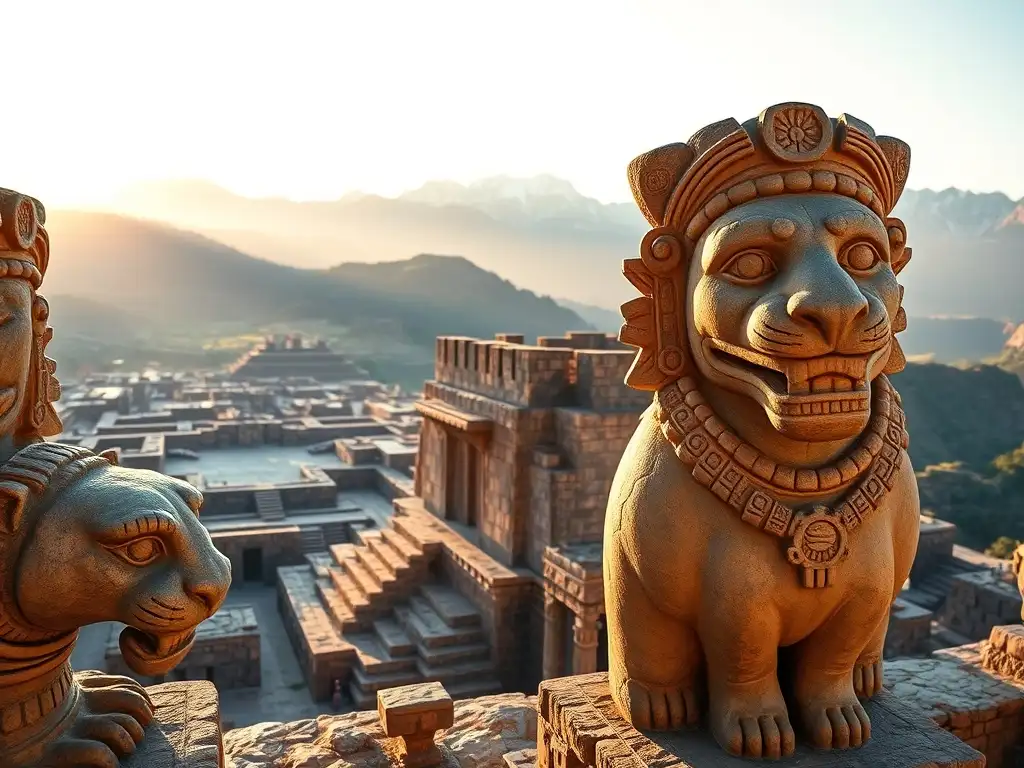
Step into a world lost to time, yet echoing with the whispers of a magnificent past. Discover the breathtaking artistry of the Andes, a legacy forged by ingenious cultures long before the Incas. Prepare to be amazed by the Chavín art innovations—groundbreaking techniques and symbolic power that laid the foundation for all subsequent Andean artistic expression. Journey with us as we unravel the mysteries behind these captivating creations and delve into the vibrant tapestry of Pre-Incan Cultures of the Coast. What secrets do these ancient masterpieces hold? Read on to find out...
The Chavín culture, flourishing in the Andes from roughly 1200 to 200 BCE, represents a pivotal moment in the development of Andean art. This pre-Inca civilization, located in what is now northern Peru, didn't simply create beautiful objects; they forged a revolutionary artistic style that profoundly influenced subsequent cultures across a vast region. This article will delve into the specific innovations of Chavín art, examining the techniques, motifs, and stylistic choices that established a unique artistic language and laid the groundwork for the artistic expressions of later Andean civilizations.
We will explore how Chavín's artistic breakthroughs continue to fascinate and inspire art historians and enthusiasts today, highlighting their enduring legacy on the artistic landscape of the Andes. Understanding Chavín's artistic contributions is key to appreciating the complexity and continuity of Andean artistic traditions.
The Unique Chavín Style: A Blend of Innovation and Tradition
Chavín art is immediately recognizable for its distinctive style, a fascinating blend of seemingly disparate elements. While drawing upon existing artistic traditions, Chavín artists developed novel techniques and iconography that set them apart. Their sculptures, often carved from stone, feature a mesmerizing blend of realism and abstraction. Animals, both real and mythical, are frequently depicted with a powerful, almost supernatural aura.
Noticeable is the frequent use of zoomorphic and anthropomorphic representations, often combined in a way that defies easy categorization. These hybrid forms, embodying a powerful spiritual symbolism, are a hallmark of Chavín artistry. The artists skillfully employed a variety of techniques, from meticulous carving and polishing to the use of contrasting colors and textures to enhance the impact of their creations. The sheer scale of some of the works, like the monumental Lanzón monolith, further emphasizes the power and ambition of Chavín artistic expression.
Mastery of Stone Carving: Techniques and Materials
The Chavín's mastery of stone carving is undeniably impressive. They expertly worked with a variety of hard stones, including diorite and granite, materials that present considerable challenges even to modern artisans. Their techniques involved meticulous planning and execution. Evidence suggests the use of sophisticated tools, possibly including copper chisels and abrasives, to achieve the intricate details and smooth surfaces characteristic of their sculptures.
Furthermore, their understanding of stone's properties allowed them to create pieces that were both structurally sound and aesthetically pleasing. The precision evident in their work speaks volumes about their advanced technical skills and profound understanding of their chosen materials. The durability of the stone ensured that many Chavín artworks have survived for millennia, allowing us to marvel at their artistry today.
Iconography and Symbolism: Decoding the Messages of Chavín Art
The iconography of Chavín art is rich in symbolism, often reflecting the culture's complex religious beliefs. Recurring motifs, such as jaguars, snakes, and stylized human figures, are believed to represent powerful deities or shamanistic figures. The intertwined nature of these figures often conveys a sense of interconnectedness and the cyclical nature of life and death. Interpretations vary, but it's clear that Chavín art served a significant religious and social function, conveying messages of power, ritual, and cosmology.
The intense and often unsettling expressions of the figures further suggest a potent spiritual dimension to their artistic creations. Further research is needed to fully unlock the secrets embedded within the intricate iconography of Chavín art. Ongoing archaeological excavations and stylistic analyses continuously shed new light on the meanings behind these captivating images.
The Legacy of Chavín: Influence on Subsequent Andean Cultures
The influence of Chavín art extended far beyond its geographical boundaries and temporal limits. Its distinctive style and innovative techniques left an indelible mark on the artistic traditions of later Andean cultures. Many of the motifs and stylistic elements found in Chavín art reappear, adapted and transformed, in the artistic expressions of the Moche, Nazca, and Inca civilizations. This widespread dissemination of Chavín artistic ideas highlights its central role in shaping the visual landscape of the Andes.
The impact of Chavín art is a testament to its enduring power and its ability to resonate with artists across generations and geographical locations. This artistic legacy serves as a potent reminder of the interconnectedness of Andean cultures and their shared artistic heritage. The study of Chavín art provides crucial insights into the evolution and development of Andean artistic traditions.
- The Unique Chavín Style: A Blend of Innovation and Tradition
- Mastery of Stone Carving: Techniques and Materials
- Iconography and Symbolism: Decoding the Messages of Chavín Art
- The Legacy of Chavín: Influence on Subsequent Andean Cultures
Introduction to Chavín Art and its Significance
Chavín art innovations represent a pivotal moment in the development of Andean artistic expression. The Chavín culture, flourishing in the northern Andes from roughly 900 to 200 BCE, didn't simply create art; they forged a stylistic language that profoundly influenced subsequent Andean civilizations. This unique artistic vocabulary, characterized by its distinctive iconography, sophisticated techniques, and monumental scale, laid the groundwork for much of what we recognize as classic Andean art.
Understanding Chavín art is key to understanding the broader trajectory of artistic development across the Andes. The stylistic elements and techniques pioneered by the Chavín artists became foundational building blocks, adopted and adapted by later cultures like the Moche, Nazca, and even the Inca. This section delves into the specific aspects of Chavín artistic innovation, exploring its impact and lasting legacy.
The Chavín Culture: A Foundation for Andean Art
The Chavín culture, centered around the monumental temple complex at Chavín de Huántar in the Andes of modern-day Peru, wasn't simply a regional phenomenon. Its influence spread far and wide, impacting artistic styles across a vast geographical area. This wasn't achieved through military conquest, but rather through the dissemination of ideas and artistic styles.
The intricate carvings, meticulously crafted ceramics, and imposing architecture of Chavín de Huántar served as a powerful model for other Andean societies. The Chavín artistic canon, with its emphasis on feline imagery (often interpreted as jaguars or pumas), stylized human figures, and complex geometric patterns, became a hallmark of Andean artistry for centuries. The use of specific materials, such as obsidian and turquoise, also became widespread, signifying the prestige and power associated with Chavín artistic traditions.
This widespread adoption showcases the cultural significance and artistic mastery achieved by the Chavín people. The impact of their artistic innovations continues to resonate in Andean art to this day.
Understanding the Chronology of Chavín Artistic Development
Pinpointing the exact chronological development of Chavín art remains a complex task for archaeologists. However, through careful analysis of stylistic changes in ceramics, textiles, and stone carvings, a general timeline can be established. Early Chavín art (circa 900-700 BCE) is characterized by a relative simplicity in design, with a focus on basic geometric shapes and less intricate details.
As the culture matured (circa 700-500 BCE), the complexity and sophistication of their art increased dramatically. This period witnessed the emergence of the iconic Chavín style, with its distinctive blend of zoomorphic and anthropomorphic motifs, intricate weaving techniques, and the masterful use of stone carving. The later stages of Chavín artistic development (circa 500-200 BCE) saw a continuation of these established styles, but with a gradual shift towards regional variations and a growing diversity in artistic expression.
This evolution reflects the complex social and political dynamics of the Chavín culture itself. Further research and analysis of newly discovered artifacts are crucial to refining our understanding of this chronology.
The Importance of Chavín Art in Pre-Incan History
The significance of Chavín art extends far beyond its intrinsic aesthetic value. It represents a crucial stage in the development of Andean civilization, laying the foundation for many of the artistic conventions and techniques that would characterize later cultures. The Chavín artistic innovations, particularly their mastery of stone carving and their unique iconography, provided a framework for subsequent artistic development.
The stylistic elements, such as the use of feline imagery and complex geometric patterns, became widely adopted and adapted by later Andean societies. This cultural diffusion, achieved not through conquest but through the exchange of ideas and artistic styles, highlights the profound influence of the Chavín culture. Furthermore, the monumental architecture of Chavín de Huántar, with its intricate carvings and symbolic representations, served as a powerful model for the construction of sacred sites in later Andean cultures.
In essence, Chavín art serves as a crucial link in understanding the continuous evolution of Andean artistic expression, from its early stages to the rise of the Inca Empire. The legacy of Chavín art is undeniable, shaping the artistic landscape of the Andes for centuries to come. Analyzing and appreciating Chavín art provides invaluable insight into the complex cultural and artistic history of the region.
Key Innovations in Chavín Art
The Chavín culture (c. 1200 – 200 BCE) represents a pivotal moment in Andean art history, introducing stylistic and technological innovations that profoundly influenced subsequent artistic developments across the region. Their artistic contributions, characterized by a unique blend of symbolism, architectural prowess, and masterful stone carving, laid the foundation for many artistic traditions that flourished in later Andean cultures. The term "Chavín art innovations" itself encapsulates the transformative nature of their artistic legacy, a legacy that continues to fascinate and inspire researchers today. This section delves into the key aspects of their artistic breakthroughs.
Chavín Iconography: Deciphering the Symbolic Language
Chavín iconography is renowned for its complex and often unsettling imagery. The artists didn't simply depict the natural world; they created a symbolic language that conveyed profound religious and cosmological beliefs. Understanding these symbols is key to appreciating the depth and sophistication of Chavín art. The recurring motifs, the use of composite figures, and the overall stylistic choices all contributed to a unique visual vocabulary that spread throughout the Andes.
The Recurring Motifs: Jaguars, Snakes, and Birds
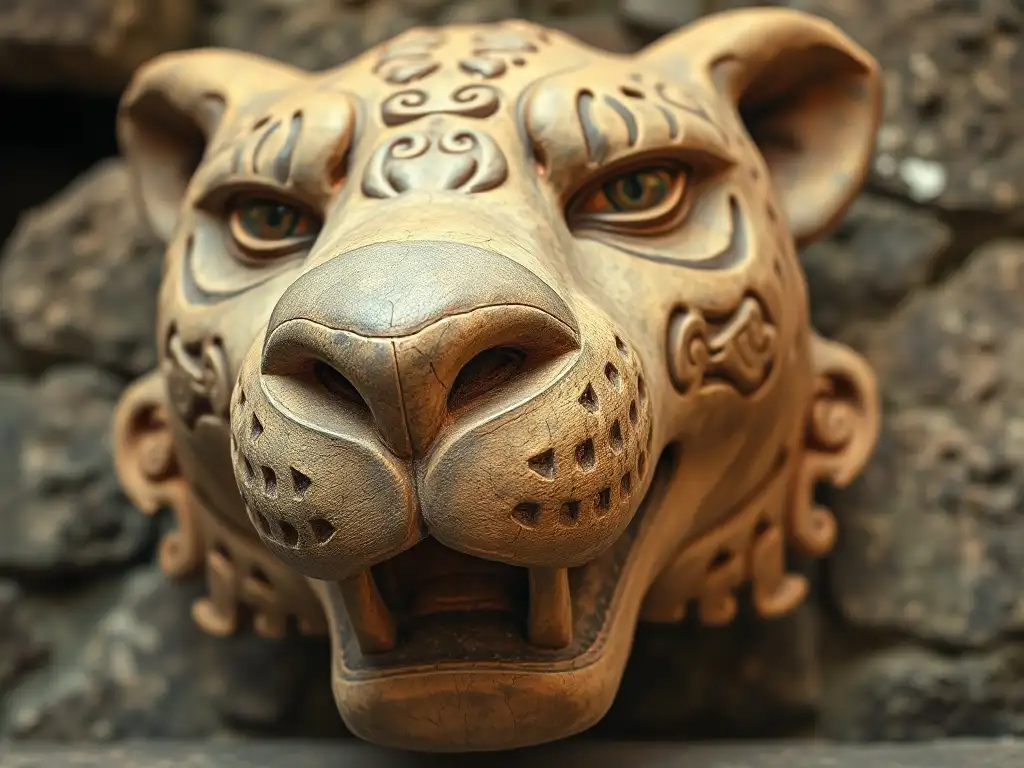
Jaguars, snakes, and birds are among the most frequently recurring motifs in Chavín art. These weren't merely realistic depictions; they represented powerful forces in the Chavín worldview. The jaguar, for instance, often symbolized power, ferocity, and the underworld. Snakes, with their associations with fertility and transformation, frequently appear intertwined with other motifs, creating complex visual narratives.
Birds, often depicted in flight, may have represented celestial beings or spirits. The consistent use of these motifs across various media – from textiles to ceramics to stone carvings – suggests their central importance in Chavín religious beliefs. Detailed studies of these motifs reveal subtle variations in their representation, hinting at a rich and nuanced symbolic system. Further research is needed to fully understand the specific meanings attributed to each variation.
The Use of Composite Figures and Mythological Beings
Perhaps the most striking aspect of Chavín iconography is the use of composite figures—creatures combining features of different animals and humans. These hybrid beings, often grotesque and awe-inspiring, likely represented mythological figures or deities. One common example is the “Lanzón,” a massive, anthropomorphic stone carving found within the main temple at Chavín de Huántar.
This imposing figure, with its fangs, claws, and intricate carvings, epitomizes the Chavín fascination with the blending of human and animal characteristics. The creation of these composite figures was a significant artistic innovation, demonstrating a high level of skill and imagination. The precise meaning of each composite figure remains a subject of ongoing scholarly debate, but their presence undeniably reflects a complex and sophisticated cosmology.
Architectural Innovations: Chavín de Huántar as a Model
The architectural achievements of the Chavín culture, particularly at the site of Chavín de Huántar, are equally remarkable. The planning and execution of the temple complex demonstrate advanced engineering skills and a profound understanding of spatial design. The integration of art and architecture is a defining feature of Chavín artistry.
The Layout and Design of the Temple Complex
The Chavín de Huántar temple complex is a testament to the sophisticated planning and engineering capabilities of the Chavín people. The layout itself, with its intricate network of passages, chambers, and plazas, is suggestive of a carefully designed ritual space. The use of acoustics within the complex, designed to amplify and manipulate sound, further underscores the importance of auditory experiences in Chavín religious practices. The complex's design, with its labyrinthine structure, may have been intended to create a sense of awe and mystery, guiding participants through a carefully orchestrated ritual journey.
The Use of Stone Carving in Architectural Decoration
The stone carving found throughout the Chavín de Huántar temple complex is unparalleled in its intricacy and precision. The artists employed a variety of techniques, including relief carving, incised lines, and the use of different colored stones to create visually stunning and complex designs. The mastery of these techniques is evident in the fine details and the sheer scale of some of the carvings.
The integration of these carvings into the architecture itself further enhances the overall aesthetic impact of the temple complex, transforming it into a powerful expression of Chavín religious beliefs and artistic skill. The precision and scale of this work are considered hallmarks of Chavín artistic innovations and technological advancements.
Chavín Sculpture: Masters of Stone Carving
Chavín sculpture represents a monumental leap forward in Andean artistic expression. The Chavín people demonstrated an unparalleled mastery of stone carving, utilizing techniques that would influence subsequent Andean cultures for centuries. Their ability to sculpt massive stones into intricate and evocative forms speaks to their advanced understanding of both engineering and artistic design.
The scale of their work, often involving the transport and manipulation of enormous blocks of stone, is particularly impressive considering the technological limitations of the time. This level of skill and organization suggests a highly structured society with specialized craftspeople and significant resources dedicated to artistic production.
The sheer artistry displayed in these sculptures is a testament to the Chavín's dedication to their craft and their profound spiritual beliefs, which heavily informed their artistic output. The enduring legacy of Chavín sculpture lies not only in its aesthetic beauty but also in its influence on later Andean art styles.
The Lanzón: A Monumental Representation of Power
The Lanzón, a massive, carved stone monolith, is arguably the most iconic example of Chavín sculpture. Standing over 15 feet tall, this imposing figure is carved from a single block of diorite, a notoriously difficult stone to work with. The Lanzón depicts a deity, likely a representation of the Chavín's primary god, characterized by fangs, claws, and other features associated with both power and ferocity.
Its imposing size and intricate detail served to reinforce the power and authority of the Chavín elite and the religious beliefs central to their society. The Lanzón’s placement within the main temple further amplified its symbolic significance, acting as a focal point for religious rituals and ceremonies.
Its presence likely instilled awe and reverence in the population, underscoring the religious and political power structure of the Chavín civilization. The Lanzón stands as a powerful testament to the technical skill and artistic vision of the Chavín sculptors and its enduring impact on Andean artistic traditions is undeniable.
The Raimondi Stele: A Showcase of Intricate Detail
The Raimondi Stele, another significant example of Chavín sculpture, is renowned for its exceptionally intricate detail and complex iconography. Unlike the monolithic grandeur of the Lanzón, the Raimondi Stele showcases a mastery of fine detail and precise carving. This smaller, yet equally impressive, sculpture depicts a central figure surrounded by a profusion of smaller, intricately carved motifs.
Scholars continue to debate the precise meaning of these symbols, but they are generally interpreted as representations of various deities, mythical creatures, and aspects of the Chavín worldview. The level of detail displayed in the Raimondi Stele is truly remarkable, highlighting the Chavín's advanced skills in stone carving and their ability to create highly nuanced and symbolic representations.
The precision of the carving, the depth of the relief, and the overall composition of the piece reflect the advanced artistic techniques and sophisticated artistic sensibilities of the Chavín culture. The careful attention to detail in this piece points to the immense value placed on artistic expression within Chavín society.
The Tello Obelisk: A Complex Narrative in Stone
The Tello Obelisk presents a different facet of Chavín artistic innovation: the ability to narrate complex stories through stone sculpture. This towering obelisk is covered in intricate reliefs depicting a variety of figures, animals, and symbolic motifs. Unlike the more straightforward iconography of the Lanzón, the Tello Obelisk presents a series of interconnected scenes that scholars interpret as a narrative sequence.
This suggests a more developed storytelling tradition within Chavín culture, utilizing art as a medium to transmit knowledge, beliefs, and historical accounts. The complexity of the narrative depicted on the Tello Obelisk points to the sophistication of Chavín artistic expression and their ability to convey meaning through a richly symbolic visual language.
The obelisk's intricate carvings invite closer examination and continued scholarly interpretation, revealing new layers of meaning with each study. Its existence highlights the multifaceted nature of Chavín art, moving beyond simple representation to encompass a sophisticated form of narrative art.
Ceramics and Pottery: A Medium for Artistic Expression
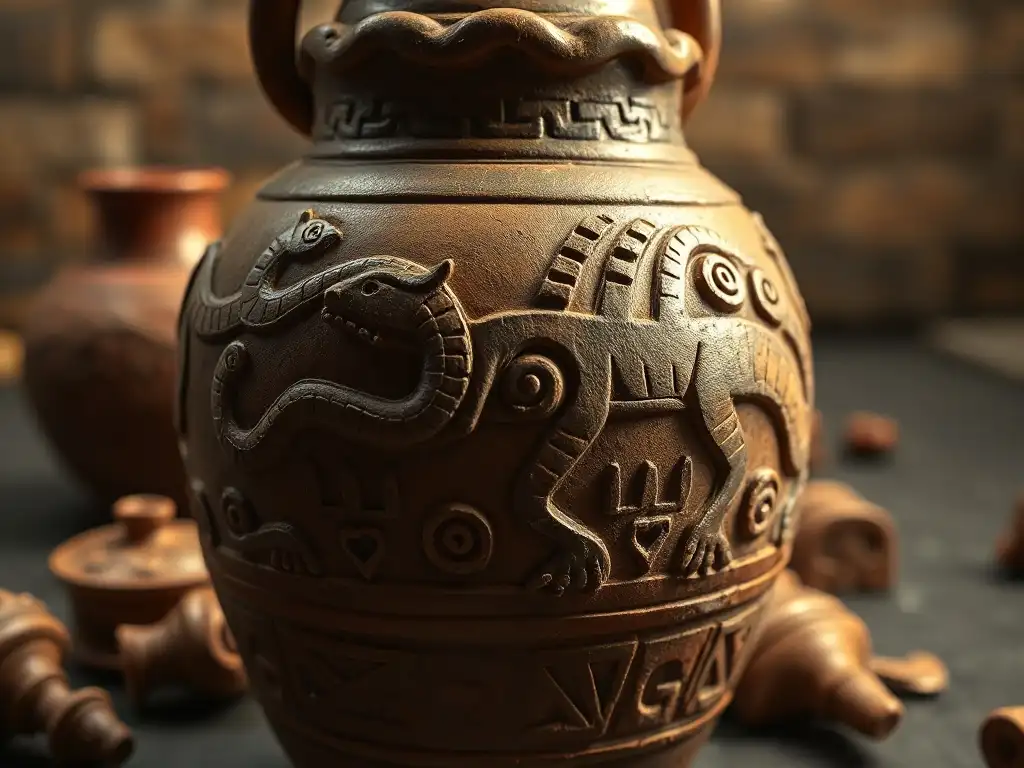
Chavín ceramics and pottery are characterized by their distinctive style and artistic sophistication. While less monumental than their stone sculptures, Chavín pottery provides valuable insights into their artistic techniques and worldview. The variety of forms, decorations, and techniques used in Chavín pottery demonstrates a high level of artistic experimentation and skill. The use of clay as a medium allowed for greater flexibility in design and decoration than stone, enabling the creation of a wider range of shapes and forms.
The Evolution of Chavín Pottery Styles
The evolution of Chavín pottery styles reveals a dynamic artistic tradition that underwent significant changes over time. Early Chavín pottery is often characterized by simpler forms and decorations, while later pieces exhibit greater complexity and sophistication. This development reflects the growth and evolution of Chavín culture itself, with changes in artistic styles mirroring broader cultural shifts.
The analysis of Chavín pottery styles helps archaeologists and art historians to trace the evolution of the culture and to understand its internal dynamics and interactions with other societies. The changes in style are not simply aesthetic; they often reflect changes in religious beliefs, social structures, and technological advancements.
The Use of Color and Decoration in Chavín Ceramics
The use of color and decoration in Chavín ceramics is another key aspect of their artistic innovation. Chavín potters employed a range of techniques to decorate their vessels, including painting, incision, and the application of slip. The colors used were often vibrant and striking, with a preference for reds, blacks, and yellows. These colors were not merely decorative; they often held symbolic meanings, reflecting the religious and spiritual beliefs of the Chavín people. The intricate patterns and designs found on Chavín pottery often incorporated elements of the Chavín iconography, such as feline features, stylized birds, and geometric motifs. The combination of color, form, and decoration in Chavín ceramics resulted in visually stunning and symbolically rich pieces that provide valuable insights into the Chavín worldview. The artistry displayed in these ceramics underscores the importance of artistic expression in Chavín society and its ability to combine aesthetic beauty with deep symbolic meaning.
Textile Art and Weaving: Exploring the Intricate Patterns
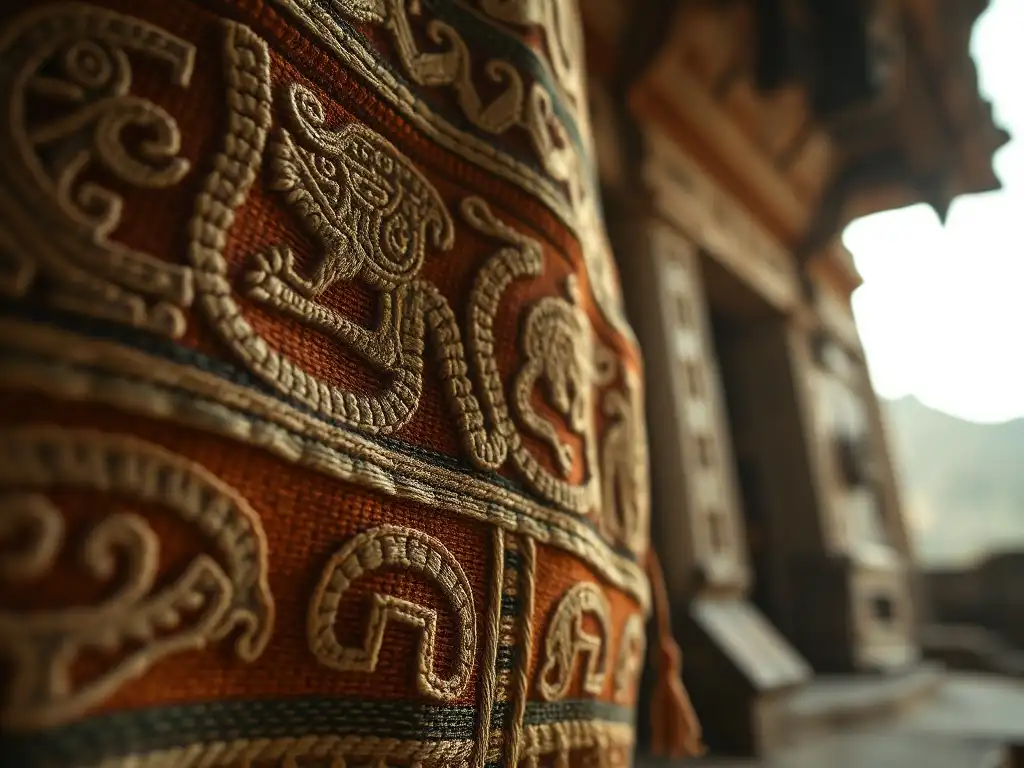
Chavín artistry extended beyond monumental architecture and sculpture; their mastery of textile production represents a significant innovation in Andean art. The surviving fragments, though often incomplete, reveal an astonishing level of skill and sophistication in weaving techniques and design. The complexity of the patterns, the use of diverse materials, and the clear symbolic intentionality all point to a highly developed textile tradition deeply intertwined with Chavín cosmology and religious beliefs.
These textiles weren't merely functional; they were integral components of ritual practices and social status, demonstrating the culture's advanced understanding of both craftsmanship and symbolic representation. The discovery of these textiles has provided invaluable insights into the everyday lives and spiritual world of the Chavín people. Further research is needed to fully understand the extent of their textile production and its role within the broader Chavín society.
Many unanswered questions remain regarding the specific techniques employed and the full range of designs created. However, even with the limitations of the existing evidence, the surviving examples are undeniably impressive. The intricate details and the apparent care taken in their creation speak volumes about the importance of textile art within the Chavín culture.
Chavín Textile Techniques and Materials
The Chavín artisans demonstrated exceptional skill in a variety of weaving techniques. Evidence suggests they employed both plain weave and more complex techniques like tapestry weaving, which allowed for intricate designs with multiple colors. The materials used were as diverse as the techniques. Cotton, a staple fiber in the Andes, was undoubtedly a primary material.
However, the Chavín also utilized camelid fibers, such as alpaca and llama wool, which would have provided a different texture and warmth. The use of these materials likely varied depending on the intended use of the textile—a ceremonial garment would perhaps have been crafted from finer materials than a simple everyday cloth. Further analysis of the remaining textile fragments is crucial to fully identify all the materials employed and to determine the specific proportions of each.
Color analysis of the surviving pigments could reveal further information about the dyes and techniques used to achieve the vibrant hues seen in some of the fragments. This detailed examination of both materials and techniques will allow for a more complete understanding of Chavín textile production and its place within the broader technological achievements of the culture. The precision and sophistication evident in the surviving examples showcase a deep understanding of fiber manipulation and textile construction.
The Symbolic Meanings Embedded in Chavín Textiles
The intricate patterns found on Chavín textiles are far from random; they are rich with symbolic meaning, reflecting the culture's complex religious beliefs and worldview. Recurring motifs, such as stylized jaguars, serpents, and birds of prey, are consistent with other Chavín art forms, suggesting a close connection between textile designs and the broader iconography of the culture. These motifs likely represented powerful deities or supernatural forces, and their presence on textiles suggests that these items played a significant role in rituals and ceremonies.
The arrangement and combination of these motifs could have held specific meanings, potentially communicating narratives or conveying messages related to the Chavín cosmology. Unfortunately, the fragmented nature of much of the surviving material makes deciphering the full meaning of these patterns challenging. Further research, incorporating comparative analysis with other Chavín art forms and a deeper understanding of Andean symbolism, is necessary to unlock the full significance of these complex textile designs.
The study of Chavín textiles provides a unique window into the worldview and spiritual beliefs of this influential Andean culture. The intricate weaving and symbolic patterns reveal a society with a sophisticated understanding of art, religion, and the power of symbolic representation. The patterns themselves could be interpreted as visual narratives, telling stories about the gods, the cosmos, or important events within the Chavín society.
The Influence of Chavín Art on Subsequent Andean Cultures
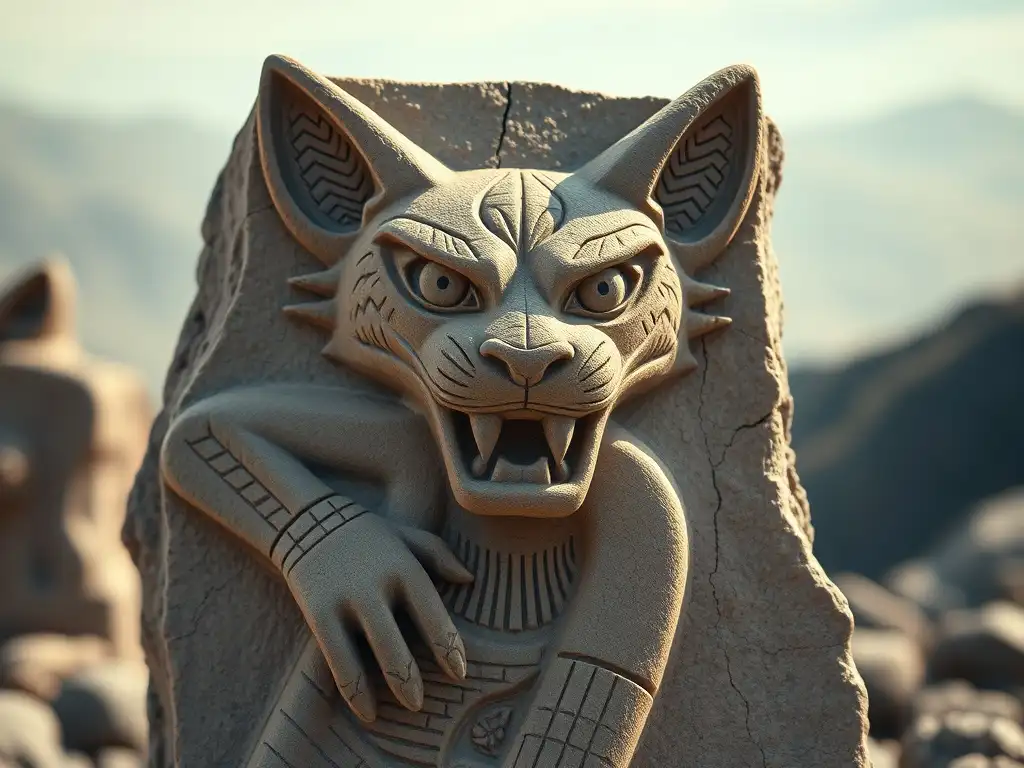
The Chavín culture, flourishing in the northern Andes from approximately 1200 to 200 BCE, left an indelible mark on the artistic landscape of the region. Their distinctive style, characterized by intricate carvings, zoomorphic motifs, and a powerful, almost mystical aesthetic, served as a powerful template for generations of Andean artists. The influence of Chavín art wasn't simply a matter of imitation; rather, it sparked a process of adaptation and transformation, resulting in the diverse yet interconnected artistic expressions of later Andean civilizations.
The spread of Chavín artistic principles, likely facilitated by trade networks and cultural exchange, showcases the dynamic nature of cultural transmission in the Andes. Understanding this influence is key to appreciating the complexity and continuity of Andean artistic development. Analyzing the stylistic echoes in later cultures reveals much about the evolution of artistic ideas and the enduring legacy of Chavín artistic innovations.
Chavín's Legacy in Paracas Art: Continuity and Transformation
The Paracas culture, known for its vibrant textiles and elaborate burial practices, emerged on the southern coast of Peru roughly contemporaneously with the late Chavín period. While geographically distant, the stylistic connections between Chavín and Paracas art are undeniable. Paracas textiles frequently feature motifs reminiscent of Chavín iconography, such as feline deities, stylized birds, and serpentine creatures. However, the Paracas artists didn't simply copy Chavín designs. Instead, they adapted and reinterpreted these motifs, integrating them into their own unique artistic vocabulary.
For example, the characteristic Chavín "Lanzón" (a large, carved stone monolith depicting a deity) inspired similar depictions of powerful figures in Paracas textiles, albeit with a distinct stylistic flair. The sharp, angular lines of Chavín carvings are softened in Paracas work, replaced by flowing curves and a greater emphasis on vibrant color. This adaptation demonstrates a creative engagement with Chavín artistic principles, rather than a mere replication.
The Paracas artists clearly understood and appreciated the power of Chavín imagery, but they also possessed their own aesthetic vision, resulting in a synthesis of tradition and innovation. Analyzing the subtle differences highlights the dynamic interplay between cultural exchange and artistic independence.
Nazca Art and the Echoes of Chavín Iconography
The Nazca culture, known for its monumental geoglyphs and intricate pottery, also demonstrates a clear connection to Chavín artistic traditions. While the Nazca style is undeniably distinct, with its emphasis on geometric patterns and stylized representations of flora and fauna, certain key motifs resonate strongly with Chavín iconography. The use of feline imagery, for example, is prominent in both cultures, albeit with variations in style and symbolic meaning.
Nazca pottery often features stylized feline heads, sometimes incorporated into complex compositions that include other zoomorphic elements. These feline representations, while sharing certain characteristics with Chavín feline deities, exhibit a more refined and abstract style. The Nazca artists seem to have selectively adopted certain aspects of Chavín iconography, filtering them through their own artistic lens.
The integration of these motifs within the broader context of Nazca artistic production reveals a complex relationship between continuity and change, demonstrating the enduring influence of Chavín's artistic innovations on subsequent Andean cultures. Further research into the specific symbolic meanings of these shared motifs could illuminate the intricate web of cultural exchange and artistic transformation.
Tiahuanaco Art: Tracing the Lineage of Chavín Motifs
The Tiahuanaco culture, located on the shores of Lake Titicaca, represents another significant example of the enduring influence of Chavín artistic innovations. Tiahuanaco art, characterized by its monumental architecture, intricate stone carvings, and distinctive stylistic features, shares several key elements with the Chavín style. The use of stylized feline and avian figures, for instance, is a recurring theme in both cultures. However, the Tiahuanaco artists developed a unique aesthetic, characterized by a greater emphasis on geometric precision and symmetry.
The intricate stone carvings found at Tiahuanaco sites often feature complex arrangements of stylized figures, many of which bear a striking resemblance to Chavín motifs. These similarities suggest a clear lineage, indicating that Tiahuanaco artists were likely familiar with and influenced by Chavín artistic traditions. However, the Tiahuanaco style also exhibits distinct innovations, reflecting the unique cultural context of the Tiahuanaco civilization.
The evolution of Chavín-derived motifs within the Tiahuanaco artistic repertoire provides a fascinating case study of how artistic ideas are transmitted, adapted, and transformed over time, highlighting the enduring impact of Chavín's artistic breakthroughs. Further investigation into the specific techniques and materials used by Tiahuanaco artists, compared to their Chavín predecessors, would deepen our understanding of this complex artistic lineage.
The Enduring Impact of Chavín Art on Andean Artistic Traditions
The Chavín artistic style, with its distinctive iconography and artistic techniques, left an indelible mark on subsequent Andean cultures. Its influence can be traced through centuries of artistic production, demonstrating a remarkable continuity and adaptation across diverse societies. The characteristic feline and serpent motifs, often intertwined in complex compositions, became recurring themes in the art of later cultures like the Moche and Nazca. These weren't mere copies, however; later artists reinterpreted and reimagined Chavín themes, incorporating their own cultural narratives and stylistic preferences.
This process of cultural exchange and artistic evolution is a testament to the power and longevity of Chavín's artistic innovations. The stylistic elements, such as the use of specific materials like obsidian and turquoise, along with the mastery of sculptural techniques, also appear in later artistic expressions, albeit with regional variations. This demonstrates that Chavín's influence extended beyond mere imitation, shaping the very foundation of Andean artistic traditions. The impact wasn't limited to visual arts; the symbolic language developed by the Chavín, particularly their representations of deities and mythological beings, influenced religious practices and worldview in subsequent Andean societies.
Understanding the enduring impact of Chavín art requires examining not only the direct stylistic borrowings but also the underlying principles and symbolic systems that resonated across time and space. The legacy of Chavín art is not just a matter of stylistic imitation; it represents a fundamental shift in Andean artistic sensibilities, laying the groundwork for future artistic achievements and establishing a shared cultural vocabulary that connected diverse Andean groups. The study of Chavín art innovations provides crucial insights into the interconnectedness of Andean cultures and the dynamic processes of cultural transmission and transformation.
Consider the following table summarizing the spread of Chavín influence:
| Andean Culture | Specific Chavín Influence | Unique Adaptations |
|---|---|---|
| Moche | Feline and serpent motifs, stylized figures | Elaborate ceramic artistry, unique narrative styles |
| Nazca | Geometric patterns, use of textiles | Complex geoglyphs, mastery of textile design |
| Wari | Architectural styles, stone carving techniques | Monumental architecture, urban planning |
The pervasive influence of Chavín art underscores its significance as a pivotal moment in the development of Andean artistic expression. The Chavín artistic canon acted as a sort of "artistic template," providing a framework upon which subsequent Andean cultures built their own unique artistic identities. It's a powerful example of how artistic traditions can transcend geographical boundaries and persist through time, shaping the cultural landscape of an entire region.
Conclusion: The Lasting Legacy of Chavín's Artistic Breakthroughs
The Chavín culture, despite its relatively brief dominance, left an indelible mark on the artistic landscape of the Andes. Their innovations weren't merely aesthetic flourishes; they represented a fundamental shift in Andean artistic expression, paving the way for the stylistic developments of subsequent cultures. The sophisticated techniques, iconic imagery, and widespread influence of Chavín art demonstrate a level of artistic sophistication rarely seen in pre-Columbian societies of the time.
Understanding Chavín's artistic breakthroughs is crucial to comprehending the trajectory of Andean art as a whole. The legacy of Chavín continues to resonate, shaping our understanding of Andean artistic heritage and its enduring power.
The Importance of Studying Chavín Art for Understanding Andean History
Studying Chavín art offers a unique window into the socio-political dynamics of the early Andean world. The widespread distribution of Chavín-style artifacts suggests a complex network of interaction and exchange across diverse ecological zones. The consistent stylistic elements found in objects across vast distances point towards a potential unified ideology or belief system that transcended geographical boundaries.
Analysis of Chavín art helps us reconstruct aspects of their religious beliefs, social structures, and economic systems. For example, the recurring motifs of jaguars, serpents, and other powerful creatures suggest a complex cosmology centered around these beings, reflecting their worldview and providing invaluable insights into their spiritual beliefs. Further research into the specific materials and techniques used in Chavín artistry, like the intricate carvings on obsidian and the masterful use of ceramics, could shed further light on their technological prowess and resource management.
The meticulous detail in their work reveals a highly organized society with a skilled labor force. The study of Chavín art is not merely an aesthetic endeavor; it’s a crucial step in unraveling the complexities of early Andean history and its far-reaching consequences.
Chavín's Contributions to the Development of Andean Art and Culture
Chavín's artistic innovations served as a catalyst for subsequent artistic developments in the Andes. Their mastery of stone carving, particularly in the creation of monumental sculptures and intricate reliefs, set a new standard for artistic execution. The iconic Chavín style, characterized by its stylized depictions of supernatural beings and its emphasis on powerful, often fearsome imagery, influenced numerous later Andean cultures.
This influence can be traced in the artistic styles of the Moche, Nazca, and even the later Inca civilizations. The Chavín's use of specific iconographic elements, such as the feline deity and the “Lanzón” monolith, became widespread motifs adopted and adapted by later Andean artists, demonstrating the lasting impact of their artistic vision. Moreover, the Chavín's sophisticated techniques in pottery, textiles, and metalwork laid the groundwork for the advanced artistic practices that would flourish in later Andean societies.
Their innovations weren't simply copied; they were reinterpreted and reimagined, leading to a dynamic evolution of Andean artistic expression. This artistic lineage is a testament to the profound and lasting influence of Chavín's artistic legacy.
The Enduring Relevance of Chavín Art in Contemporary Andean Identity
The enduring power of Chavín art is evident in its continued relevance to contemporary Andean identity. Many of the themes and motifs found in Chavín art, such as the veneration of nature and the depiction of powerful supernatural beings, resonate with contemporary Andean communities. The stylistic elements of Chavín art continue to inspire contemporary Andean artists, who draw upon its powerful imagery and sophisticated techniques in their own creative endeavors.
Furthermore, the archaeological sites associated with the Chavín culture are important sites of cultural heritage, attracting tourists and scholars alike and playing a crucial role in fostering a sense of cultural pride and continuity. The preservation and study of Chavín art are not only important for understanding the past but also for strengthening cultural identity and promoting intercultural dialogue.
The legacy of Chavín art serves as a powerful reminder of the rich and complex history of the Andean region and its continued importance in the present day. The enduring appeal of Chavín art showcases its timeless quality and its continued relevance to contemporary Andean society.
Frequently Asked Questions
What are some key characteristics of Chavín art?
Chavín art is characterized by its unique iconography, featuring feline and serpent motifs, often depicted in a highly stylized and abstract manner. These images were frequently carved into stone and used to decorate temples and other important structures.
How did Chavín art influence later Andean cultures?
Chavín's artistic innovations had a profound and lasting impact on subsequent Andean civilizations. Its stylistic elements and iconography were widely adopted and adapted, shaping the artistic traditions of cultures like the Moche and Nazca.
What materials were commonly used in Chavín art?
Stone, particularly granite and diorite, was a primary medium for Chavín artists. They also used other materials like wood, textiles, and precious metals, though these have survived less well than stone.
What were some of Chavín's most significant artistic breakthroughs?
Chavín artists pioneered new techniques in stone carving, achieving a level of detail and sophistication rarely seen before in the Andes. Their innovative use of perspective and composition also greatly influenced later Andean art.
Where can I see examples of Chavín art today?
Many examples of Chavín art are on display in museums throughout Peru, including the National Museum of Archaeology, Anthropology, and History in Lima. The Chavín de Huántar archaeological site itself also offers a glimpse into this significant civilization's artistic achievements.
Final Reflection: The Enduring Legacy of Chavín Artistic Innovation
The artistic breakthroughs of the Chavín culture weren't merely aesthetic achievements; they represent a foundational moment in Andean artistic expression, a moment whose influence resonates powerfully even today. The sophisticated techniques, the iconic imagery, and the widespread dissemination of Chavín styles laid the groundwork for centuries of artistic development across the Andes, shaping the visual language of countless subsequent cultures. This legacy continues to inspire awe and wonder, demonstrating the enduring power of creative vision.
The impact of Chavín art extends far beyond its geographical origins. Its stylistic elements, from the fierce jaguars and stylized deities to the intricate weaving techniques, became a common thread woven into the tapestry of Andean civilization. The power of these images, their ability to transcend time and space, speaks to a fundamental human need for artistic expression and the creation of shared cultural identity. Art washes away from the soul the dust of everyday life.
– Pablo Picasso. This quote, while not directly about Chavín art, perfectly encapsulates the enduring power and relevance of artistic creation, a power clearly demonstrated by the Chavín's lasting influence.
Consider the impact of Chavín art on your own understanding of creativity and cultural heritage. How does the ingenuity and innovation of this ancient civilization inspire you? Take a moment to reflect on the ways in which artistic expression shapes our world, both past and present. Let the legacy of Chavín inspire you to appreciate the power of art to connect us across time and cultures, and to create something beautiful and meaningful in your own life. Embrace the creative spirit, and let it guide you.
Unveil Your Creative Journey with Chavín Art!
Thank you for exploring the fascinating world of Chavín art! You've discovered how its innovations profoundly influenced Andean art, creating a lasting cultural legacy that continues to inspire. Now, it’s time to put that inspiration into practice!
Here's how you can further connect with this incredible artistic tradition:
- Take an Andean art class to learn traditional techniques and bring the spirit of Chavín into your own work.
- Share your knowledge with friends and on social media, sparking conversations about the importance of Andean art.
- Visit a museum or gallery showcasing Andean art to fully immerse yourself in this influential artistic tradition.
What aspects of Chavín art most inspire you, and how will you integrate them into your creative expression?