
The Resilience of the Ancients: How Early Andean Peoples Overcame Adversity

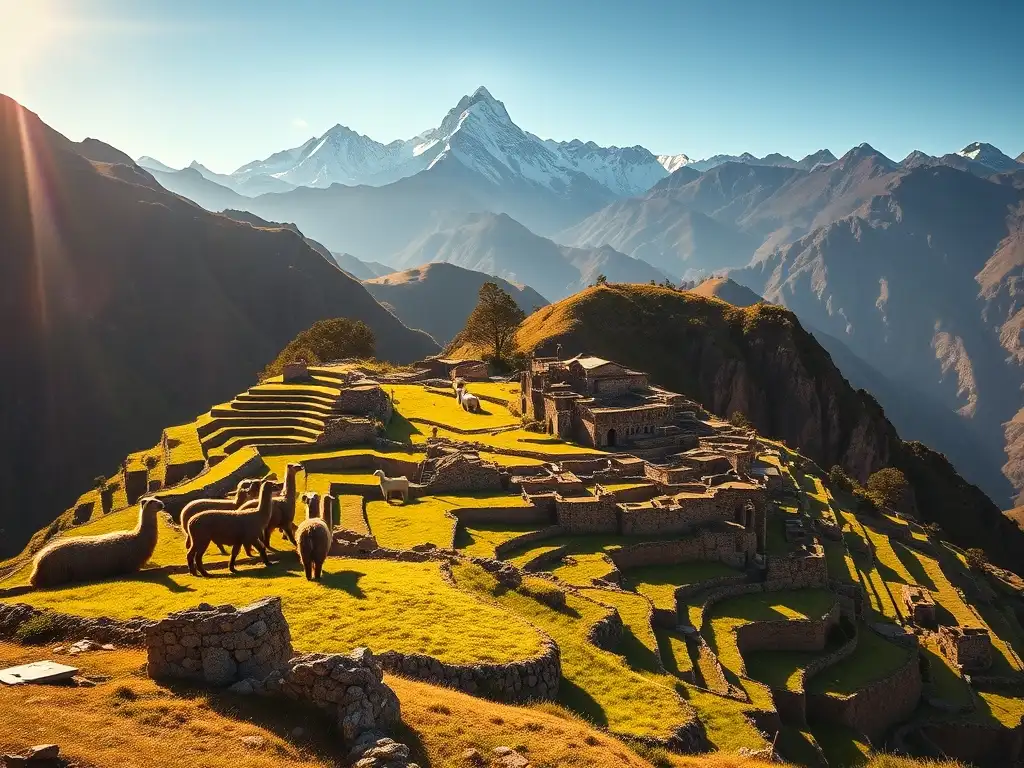
Step into a world lost to time, yet echoing with the resilience of giants. For centuries, the Andean civilizations thrived amidst towering mountains and unforgiving landscapes. But how did they overcome adversity? Discover the ingenious Andean civilizations resilience strategies employed by the Incas, Moche, Nazca, and Tiahuanaco—strategies that continue to fascinate and inspire. Unravel the secrets of their survival and witness the enduring legacy of these remarkable cultures. Prepare to be amazed.
The breathtaking landscapes of the Andes Mountains, while stunningly beautiful, presented immense challenges to the early inhabitants of South America. From the towering peaks and treacherous valleys to unpredictable weather patterns and scarce resources, life in the Andes was far from easy. Yet, over millennia, a succession of remarkable civilizations—the Incas, Moche, Nazca, Tiahuanaco, and many others—not only survived but thrived, leaving behind a legacy of sophisticated engineering, intricate art, and complex social structures.
This article delves into the ingenious resilience strategies employed by these Andean civilizations, exploring how they adapted to, and overcame, the formidable obstacles presented by their environment and the constant threat of natural disasters. Understanding their resilience provides valuable insights into the ingenuity and adaptability of human societies faced with adversity, a lesson particularly relevant in our modern world.
We will examine specific examples of their innovative approaches to agriculture, water management, and social organization, highlighting the key factors that contributed to their enduring success. This exploration of Andean civilizations resilience strategies will reveal the remarkable capacity of human beings to not only survive, but to flourish, even in the face of seemingly insurmountable odds.
Adapting to Extreme Altitudes and Diverse Climates
The Andes Mountains boast an incredibly diverse range of climates and altitudes, from arid coastal deserts to frigid high-altitude plains (puna) and lush cloud forests. Early Andean peoples demonstrated remarkable adaptability, developing unique agricultural techniques tailored to these varied environments. For instance, they employed sophisticated terracing systems on mountain slopes to create level fields for cultivation, maximizing arable land and preventing soil erosion.
These terraces, often meticulously constructed with stone walls, also helped to regulate temperature and moisture, allowing for the successful cultivation of crops like potatoes, maize, and quinoa, even at high altitudes. Furthermore, they developed a deep understanding of microclimates, strategically planting different crops in areas best suited to their specific needs.
This wasn't simply a matter of survival; it was a sophisticated system of agricultural engineering that allowed for significant surpluses, supporting larger and more complex societies. The ingenuity of these techniques is a testament to their profound knowledge of their environment and their ability to manipulate it to their advantage.
Ingenious Water Management Systems
Water scarcity is a perennial challenge in many parts of the Andes. To overcome this, Andean civilizations developed incredibly sophisticated water management systems, including canals, aqueducts, and reservoirs. These systems were not only crucial for irrigation but also for providing drinking water to settlements often located far from reliable water sources. The Nazca lines, for example, while famed for their enigmatic designs, also served a practical purpose, potentially guiding water channels and facilitating irrigation. The intricate network of canals and reservoirs constructed by various Andean cultures represents a remarkable feat of engineering and planning, showcasing their deep understanding of hydrology and their ability to cooperate on large-scale projects. These systems were vital for their agricultural productivity and their ability to sustain large populations in often arid environments. The precise details of many of these systems remain to be fully understood, highlighting the enduring mystery and complexity of these ancient achievements.
The resilience of Andean civilizations wasn't solely dependent on technological innovation; it was also deeply intertwined with their social structures and community organization. Many Andean societies were highly organized, with complex hierarchies and systems of reciprocal labor (ayni) and redistribution (mita). These systems ensured that resources were distributed equitably, helping to mitigate the impact of droughts, crop failures, or other natural disasters. Strong community bonds and a shared sense of identity played a crucial role in enabling them to overcome adversity collectively.
The concept of ayni, a system of mutual assistance and reciprocity, fostered cooperation and solidarity within communities, ensuring that everyone had access to the resources they needed, especially during times of hardship. [Specific examples of community-based disaster response mechanisms pending]. This social cohesion was a key factor in their long-term survival and prosperity.
Adapting to Natural Disasters and Environmental Change
The Andes are a seismically active region, prone to earthquakes, volcanic eruptions, and landslides. Early Andean peoples developed strategies to mitigate the risks associated with these natural hazards. Their building techniques, often employing earthquake-resistant materials and construction methods, demonstrate a remarkable understanding of seismic activity. [Specific examples of earthquake-resistant architecture pending].
Furthermore, their sophisticated agricultural practices, including crop diversification and the development of drought-resistant crops, helped to buffer against the impact of environmental variability and climate change. The ability to adapt to these unpredictable events highlights a remarkable capacity for learning and innovation in the face of recurrent threats. The integration of these strategies within their social fabric further strengthened their resilience.
- Adapting to Extreme Altitudes and Diverse Climates
- Ingenious Water Management Systems
- Social Organization and Community Resilience
- Adapting to Natural Disasters and Environmental Change
- What environmental challenges did the Andean civilizations face?
- How did the Incas adapt to the diverse Andean landscape?
- What role did social organization play in Andean resilience?
- What technological innovations helped Andean civilizations survive?
- How did Andean civilizations respond to natural disasters?
Understanding the Challenges Faced by Early Andean Societies
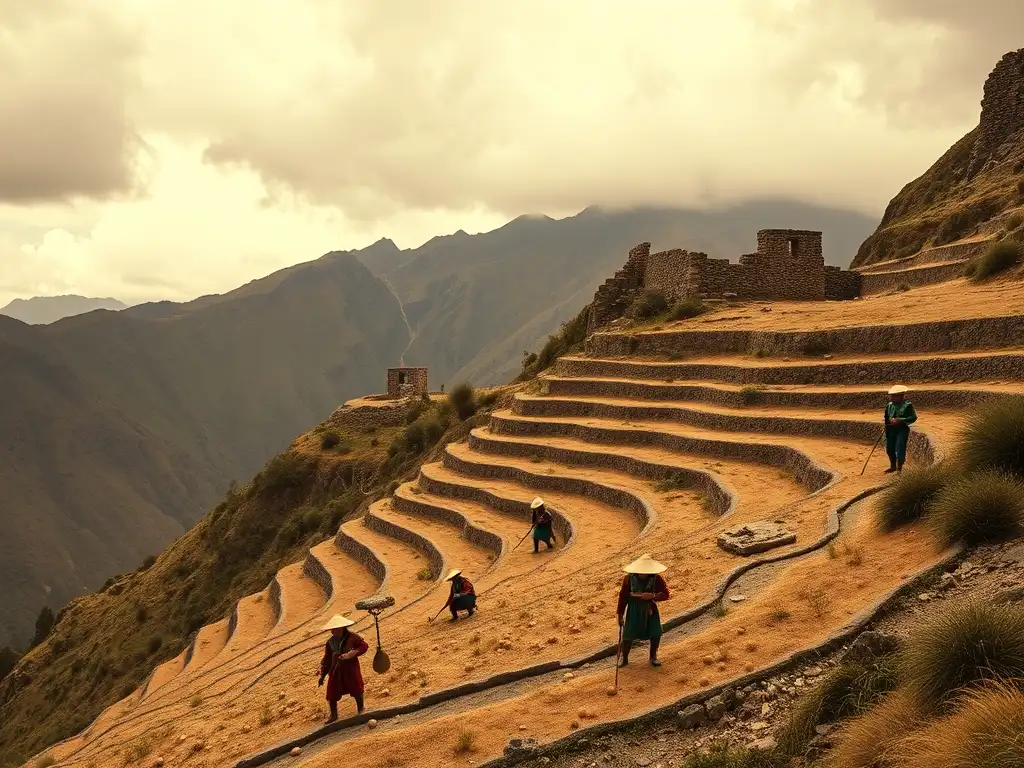
The remarkable achievements of Andean civilizations are even more impressive when considering the formidable obstacles they overcame. Their resilience, a defining characteristic of their existence, stemmed from ingenious adaptations and innovative strategies developed in response to a harsh and unpredictable environment. Studying these strategies offers invaluable insights into the ingenuity and adaptability of these ancient peoples and provides a compelling narrative for understanding their lasting legacy.
This section focuses on the key challenges faced by early Andean societies, setting the stage for examining their remarkable solutions. Understanding the difficulties they faced illuminates the true brilliance of their accomplishments and their capacity for innovation in the face of adversity – a testament to the power of human resilience within the context of Andean civilizations resilience strategies.
Geographical and Environmental Obstacles in the Andes
The Andes Mountains present a formidable geographical barrier, characterized by extreme altitudes, steep slopes, and treacherous terrain. Early Andean societies were not uniformly distributed; settlement patterns were heavily influenced by the availability of water and arable land, often concentrated in valleys and along river systems. This meant limited space for agriculture and settlement, leading to competition for resources and necessitating the development of sophisticated agricultural techniques to maximize yields.
The rugged terrain also posed significant challenges for transportation and communication, demanding the construction of intricate road networks – like the Inca Qhapaq Ñan – and ingenious methods for moving goods and people across vast distances. The sheer physical challenge of navigating such a landscape is often overlooked when discussing Andean civilizations resilience strategies.
Consider the sheer effort required to build terraces into near-vertical slopes, a feat of engineering that speaks volumes about their determination and resourcefulness. Even basic tasks like building shelters and securing water sources required extraordinary ingenuity and physical effort.
Climate Variability and its Impact on Early Andean Life
The Andean climate is notoriously unpredictable, characterized by dramatic fluctuations between wet and dry seasons, and significant variations in temperature at different altitudes. El Niño Southern Oscillation (ENSO) events, which cause periodic droughts and floods, posed a significant threat to agriculture and the overall stability of these societies. Evidence suggests that early Andean populations experienced devastating droughts, resulting in crop failures, famine, and societal upheaval.
The impact of these climate variations is evident in archaeological records, showing shifts in settlement patterns and changes in agricultural practices over time. The ability to adapt to such unpredictable conditions was crucial for survival, requiring flexible agricultural strategies, sophisticated water management systems (like canals and reservoirs), and the development of diverse food sources to minimize the impact of crop failures.
These responses highlight the crucial role of adaptable farming techniques as a core component of Andean civilizations resilience strategies. Furthermore, the development of complex social structures and governance systems helped communities manage resources and cope with climate-induced crises.
The Scarcity of Resources in the Andean Highlands
Beyond the challenges of geography and climate, the Andean highlands were characterized by a scarcity of essential resources. Access to fertile land, water, and building materials was often limited, forcing early Andean societies to develop innovative strategies for resource management and conservation. For example, the development of waru waru agriculture – raised bed agriculture – allowed for efficient water use and increased crop yields in arid environments.
The use of diverse building materials, adapted to local availability, showcases their resourcefulness. The scarcity of metals, for example, led to the creative use of readily available materials like stone and wood for construction and tool-making. The meticulous planning and organization required to manage scarce resources effectively demonstrate a sophisticated understanding of resource allocation and conservation – a testament to the ingenuity of Andean civilizations resilience strategies.
Evidence of sophisticated storage systems and trade networks also suggests a proactive approach to resource management, ensuring community survival in times of scarcity. This careful planning and execution were fundamental to their long-term survival and prosperity.
Andean Civilizations Resilience Strategies: Adapting to Survive
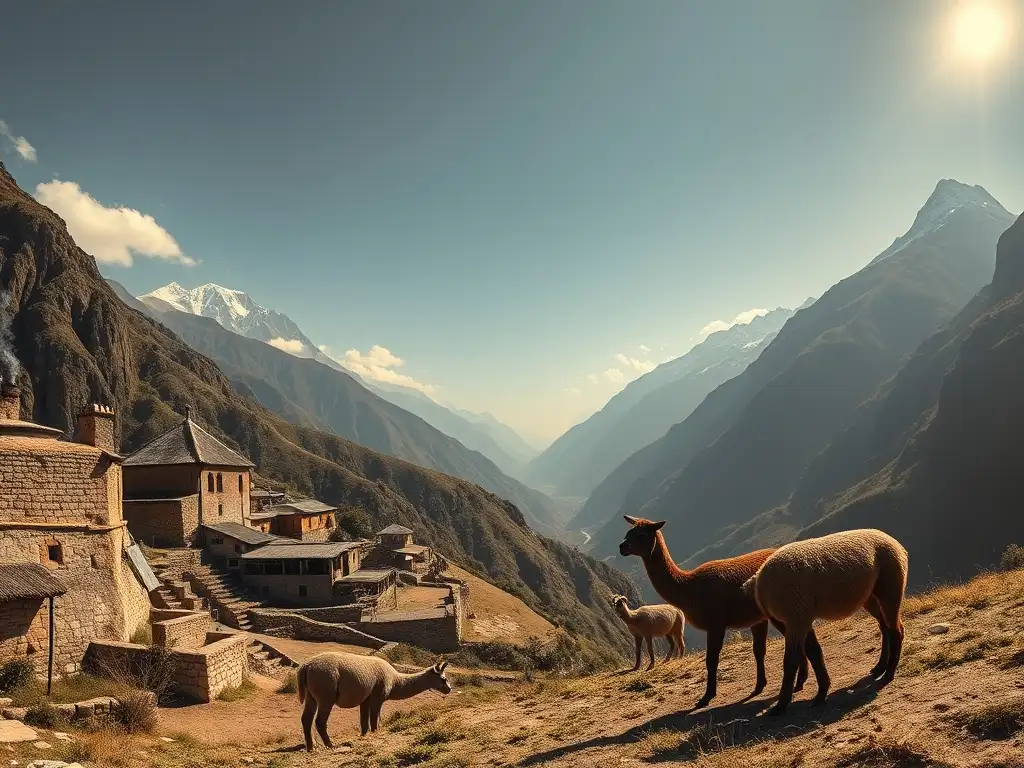
The Andes Mountains, a formidable and unforgiving environment, presented immense challenges to the early inhabitants of South America. Yet, these challenges spurred the development of ingenious strategies that enabled the flourishing of vibrant Andean civilizations. Understanding the resilience of these ancient peoples requires examining their innovative agricultural techniques, sophisticated social structures, and adaptive responses to environmental pressures.
This section delves into the key strategies that allowed these Andean civilizations to not only survive but thrive in such a demanding landscape, showcasing the remarkable ingenuity of their societal adaptations. The study of these "Andean civilizations resilience strategies" offers valuable insights into human adaptability and sustainable living.
Innovative Agricultural Techniques of the Ancient Andes
The harsh realities of the Andean terrain, characterized by steep slopes, unpredictable weather patterns, and limited arable land, necessitated the development of highly sophisticated agricultural practices. These techniques, passed down through generations, are testaments to the ingenuity and resourcefulness of the ancient Andean peoples. Their agricultural innovations are a cornerstone of understanding their remarkable resilience.
Terraced Farming: Maximizing Arable Land
Terraced farming, a hallmark of Andean agriculture, involved carving steps into the steep mountain slopes to create flat areas for cultivation. This ingenious method dramatically increased the amount of usable land, maximizing agricultural output in a region where flat land was scarce. The terraces also helped to control erosion and retain water, crucial factors in the unpredictable Andean climate. The precision and scale of these terraced systems are breathtaking, showcasing the advanced engineering skills of these ancient societies. Evidence suggests that some terrace systems were constructed over centuries, demonstrating a long-term commitment to sustainable agricultural practices.
Advanced Irrigation Systems: Harnessing Water Resources
The unpredictable rainfall patterns of the Andes demanded sophisticated water management systems. Andean civilizations developed intricate irrigation canals and channels to divert water from rivers and streams to their fields, ensuring a reliable water supply for crops even during dry periods. These systems, often constructed using stone and earth, were remarkably effective, enabling the cultivation of a wide range of crops in otherwise arid regions.
The construction and maintenance of these systems required considerable communal effort, highlighting the importance of cooperation and shared resources in Andean societies. The ingenuity displayed in these irrigation systems exemplifies the sophisticated understanding of hydrology possessed by these ancient engineers.
Crop Diversification: Ensuring Food Security
Andean farmers did not rely on a single crop. Instead, they cultivated a wide variety of crops, including potatoes, maize, quinoa, beans, and squash, ensuring food security even in the face of crop failures. This strategy of crop diversification minimized the risk of widespread famine, a constant threat in an environment subject to unpredictable weather patterns. The diverse range of crops also provided a balanced diet, rich in nutrients crucial for survival in the high altitudes. This approach to agriculture underscores the deep understanding of ecological principles and the importance of resilience in their farming practices.
Beyond technological innovations, the resilience of Andean civilizations stemmed from their intricate social structures and strong emphasis on community cooperation. These societal adaptations were crucial in mitigating the risks associated with living in a challenging environment.
The Role of Reciprocity in Andean Societies
Reciprocity – the principle of mutual exchange and obligation – formed the backbone of Andean social organization. Individuals and communities engaged in a continuous cycle of giving and receiving, ensuring the equitable distribution of resources and mutual support during times of need. This system fostered strong social bonds and ensured that everyone had access to essential resources, enhancing the overall resilience of the community. The concept of ayni, a Quechua term for reciprocal labor, illustrates this fundamental aspect of Andean social life.
Communal Labor and Resource Management
Many large-scale projects, such as the construction of irrigation systems and terraces, demanded significant communal effort. Andean societies organized communal labor to undertake these tasks, demonstrating a remarkable capacity for collective action. This collaborative approach not only facilitated the completion of vital infrastructure projects but also strengthened social cohesion and fostered a sense of shared responsibility. This cooperative spirit was essential for survival in a challenging environment where individual efforts were often insufficient.
Hierarchical Structures and Leadership in Early Andes
While cooperation was paramount, Andean societies also featured hierarchical structures with established leaders responsible for resource management, conflict resolution, and the organization of communal labor. These hierarchical structures provided a framework for effective decision-making and coordination, crucial for responding to challenges and ensuring the overall well-being of the community.
While the specifics varied across different Andean cultures, the presence of leadership structures facilitated the implementation of resilience strategies and ensured the continuity of traditions and knowledge. The effectiveness of these leadership structures is a testament to their understanding of social dynamics and the importance of organized governance in ensuring community survival.
Technological Adaptations and Innovation
Andean civilizations weren't simply passive recipients of their environment; they actively shaped it through remarkable technological innovations. Their survival hinged on their ability to adapt to the diverse and often challenging Andean landscape. This involved developing sophisticated techniques in agriculture, construction, and material processing, demonstrating a remarkable capacity for problem-solving and ingenuity.
The ingenuity displayed in adapting to high altitudes, arid climates, and treacherous terrains is a testament to their resilience. Their solutions were not merely temporary fixes but rather long-term strategies that allowed for sustained growth and development, even in the face of natural disasters and social upheaval. The complex interplay between their technological advancements and their social structures solidified their resilience against adversity.
For example, the intricate canal systems employed for irrigation in the coastal deserts are a clear indication of their proactive approach to resource management. This wasn't just about survival; it was about thriving in a demanding environment. The ability to consistently improve upon existing technologies allowed them to overcome obstacles and build prosperous societies.
Development of Durable Construction Techniques
The development of durable construction techniques was crucial for Andean civilizations' survival. The challenging terrain necessitated buildings capable of withstanding earthquakes, heavy rainfall, and extreme temperature fluctuations. The Incas, for instance, mastered the art of stonework, creating structures like Machu Picchu that stand as testament to their engineering prowess.
Their precise cutting and fitting of stones, without the use of mortar, showcases an advanced understanding of structural integrity and load-bearing capacity. This precision wasn't merely aesthetic; it was functional, ensuring the longevity of their buildings and infrastructure, even in the face of seismic activity. Other cultures, like the Tiahuanaco, also developed impressive architectural skills, constructing monumental structures from large stone blocks, demonstrating similar mastery of construction techniques adapted to their environment.
These techniques weren't solely confined to grand structures; they permeated all aspects of building, from domestic dwellings to agricultural terraces, ensuring the resilience of their settlements. The longevity of these structures speaks volumes about the effectiveness of their building methods and their understanding of the Andean environment.
Textile Production and its Economic Significance
Textile production was not just a craft but a cornerstone of Andean economic resilience. The diverse climates allowed for the cultivation of various fibers like cotton, alpaca, and llama wool, providing a foundation for a robust textile industry. The intricate weaving techniques, often incorporating complex designs and symbolic representations, highlight the sophisticated knowledge and skill of Andean artisans. The high quality of their textiles facilitated trade, both within and beyond the Andes, bolstering economic stability.
This trade network provided access to essential resources and fostered cultural exchange, strengthening their resilience against internal and external pressures. The economic stability derived from textile production served as a buffer against environmental fluctuations and social disruptions, ensuring the continuity of their societies. The remarkable durability and artistry of Andean textiles also played a role in their cultural identity, reinforcing social cohesion and contributing to overall societal resilience.
Metalworking and the Creation of Tools and Artifacts
Metalworking played a significant role in the resilience of Andean civilizations. The mastery of metallurgy, particularly in the production of bronze and gold, enabled the creation of tools for agriculture, construction, and warfare. These tools improved efficiency in various aspects of life, increasing agricultural yields, facilitating construction projects, and enhancing military capabilities. This technological advantage contributed to their ability to adapt to environmental changes and defend against external threats.
The intricate craftsmanship evident in metal artifacts also demonstrates a high level of technological sophistication and artistic expression. The creation of tools and ornaments from precious metals also facilitated trade and strengthened alliances, further enhancing their resilience. The sophisticated techniques employed in metalworking highlight their ingenuity and adaptability, contributing significantly to their overall survival and prosperity. The resourceful use of available metals showcases their ability to leverage their environment for economic and social advantage.
Case Studies: Examples of Andean Resilience
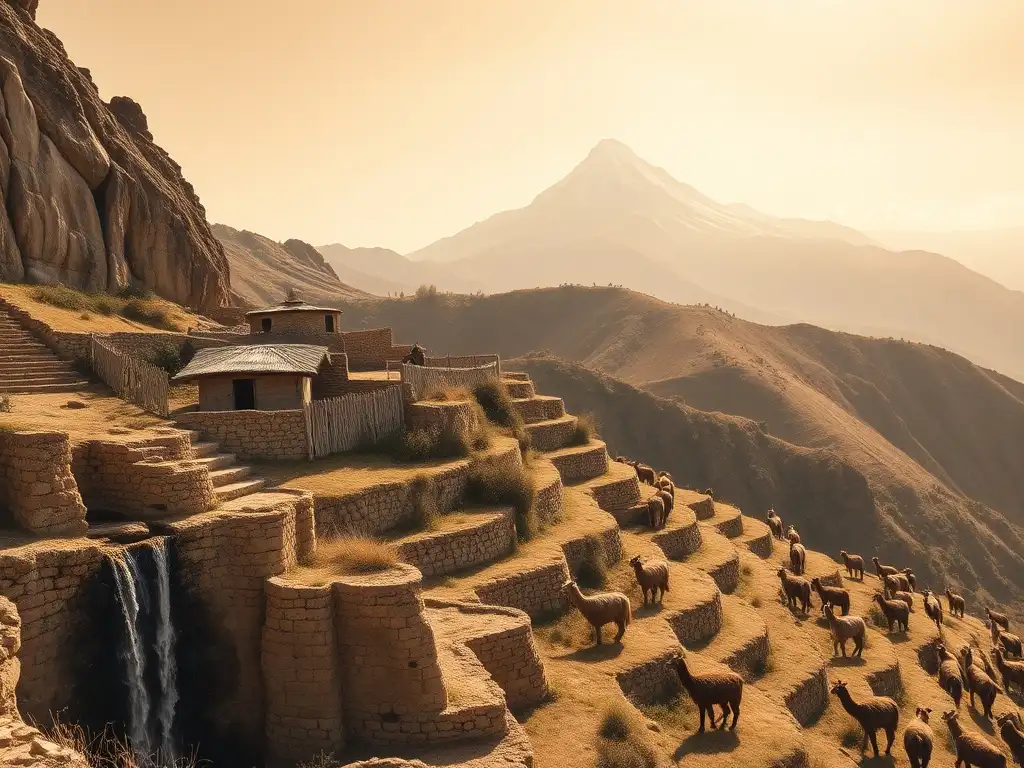
This section delves into specific examples of how different Andean civilizations developed ingenious strategies to overcome the significant environmental and social challenges they faced. Understanding these resilience strategies offers crucial insight into the ingenuity and adaptability of these ancient peoples, highlighting their remarkable achievements in the face of adversity. The unique approaches employed underscore the diversity of Andean cultures and their capacity for innovation. Analyzing these examples allows us to better appreciate the complexity and sophistication of Andean civilizations resilience strategies.
The Moche Civilization: Adapting to Coastal Desert Conditions
The Moche civilization (c. 100 – 800 CE), flourishing along the arid northern coast of Peru, faced the constant challenge of a harsh desert environment. Their resilience is evident in their sophisticated irrigation systems, which harnessed scarce water resources to support intensive agriculture. These weren't simple canals; they were complex networks of channels, reservoirs, and aqueducts, often carved into the hillsides, demonstrating advanced engineering skills. Evidence suggests a deep understanding of hydrology, with systems designed to capture and distribute water efficiently, even during periods of drought.
Furthermore, their agricultural practices went beyond irrigation. They developed techniques for terracing hillsides to maximize arable land and employed specialized farming methods suited to the desert climate. The cultivation of drought-resistant crops like beans, squash, and cotton, alongside the mastery of irrigation, allowed them to sustain a large and complex society in an otherwise inhospitable region. The Moche's success showcases the power of technological innovation and resource management in overcoming environmental limitations, a hallmark of Andean civilizations resilience strategies.
The Nazca People: Overcoming Water Scarcity in Southern Peru
The Nazca people (c. 100 BCE – 800 CE), inhabiting the arid coastal plains of southern Peru, faced even more extreme water scarcity than the Moche. Their survival hinged on their remarkable ability to manage water resources in a hyper-arid environment. They developed intricate underground aqueducts known as puquios, which channeled water from underground sources to the surface, providing a reliable water supply for agriculture and daily life. The construction of these puquios required significant engineering expertise and collaborative effort, reflecting a strong social organization and a shared commitment to survival.
The Nazca also developed sophisticated techniques for water harvesting, capturing even minimal rainfall through carefully designed channels and reservoirs. Their agricultural practices focused on drought-resistant crops and efficient water-use strategies. These techniques, coupled with the ingenious puquios, allowed the Nazca to flourish in one of the driest regions on Earth, demonstrating a profound understanding of their environment and a remarkable ability to adapt to its challenges. Their success is a testament to the effectiveness of community-based resource management as a key component of Andean civilizations resilience strategies.
The Tiahuanaco Empire: Thriving in a High-Altitude Environment
The Tiahuanaco Empire (c. 500 – 1000 CE), located on the Altiplano of the Andes at a high altitude, faced the unique challenges of thin air, cold temperatures, and limited arable land. Their resilience is exemplified by their mastery of agriculture in a challenging environment. They developed raised fields, creating artificial islands of fertile soil in shallow lakes, which improved drainage and soil fertility. These raised fields allowed for intensive agriculture, significantly increasing food production in a region with limited resources.
Furthermore, their sophisticated understanding of frost-resistant crops and their ability to adapt agricultural techniques to the high-altitude environment allowed them to support a large population. They also developed efficient systems for storing and distributing food, ensuring community survival during periods of scarcity. The Tiahuanaco's success highlights the importance of agricultural innovation and resource management as crucial aspects of Andean civilizations resilience strategies, demonstrating their ability to overcome the specific challenges of high-altitude living. Their achievements stand as a powerful example of human adaptation and ingenuity in the face of environmental adversity.
Lessons from the Past: The Enduring Legacy of Andean Resilience
This section explores the remarkable resilience strategies employed by early Andean civilizations, showcasing their ingenuity and adaptability in the face of adversity. Understanding these strategies offers valuable insights into human capacity for survival and thriving even under challenging circumstances. Analyzing their approaches to sustainable living, community building, and technological innovation reveals crucial lessons applicable even today. The study of Andean civilizations resilience strategies provides a rich tapestry of knowledge for modern societies facing similar environmental and social pressures.
The Importance of Sustainable Practices
Early Andean societies, despite lacking the technological advancements of later eras, developed sophisticated sustainable practices that allowed them to thrive in diverse and often challenging environments. Their understanding of their ecosystems was paramount. They developed intricate agricultural techniques tailored to the specific conditions of their regions. For example, the terraced farming systems of the Andes, still visible today, allowed them to maximize arable land on steep slopes, preventing soil erosion and optimizing water usage. These weren't merely agricultural practices; they were integral to their worldview, deeply connected to their spiritual beliefs and social structures.
The Nazca culture, famous for its geoglyphs, also demonstrated remarkable agricultural prowess. Their mastery of irrigation canals, some stretching for miles, allowed them to cultivate arid coastal regions, transforming seemingly barren landscapes into productive farmland. This ingenuity demonstrates a profound understanding of hydrology and a commitment to long-term resource management.
Their success highlights the power of meticulous planning and adaptation in ensuring food security, a crucial element of societal resilience. The careful management of water resources, alongside crop diversification and crop rotation techniques, minimized the risk of famine and ensured the long-term viability of their communities. These practices illustrate the crucial link between environmental stewardship and societal stability in the Andean civilizations resilience strategies.
The Value of Community and Collaboration
Resilience in the Andes wasn't solely about individual ingenuity; it was fundamentally rooted in strong community structures and extensive collaboration. The ayllu, the traditional Andean community system, played a vital role in resource management, labor distribution, and social support. This system fostered a sense of collective responsibility and mutual aid, crucial for navigating periods of drought, famine, or conflict. The mita system, a form of labor tax, while sometimes exploitative, also ensured the construction and maintenance of vital infrastructure, such as irrigation systems and roads, demonstrating the power of communal effort in overcoming infrastructural challenges.
Evidence suggests that inter-community cooperation also existed, particularly in times of crisis. The exchange of goods and resources between different groups mitigated the impact of localized shortages, creating a network of mutual support that strengthened overall resilience.
This collaborative approach extended beyond immediate needs; it fostered cultural exchange and the diffusion of knowledge and innovation, strengthening the overall capacity of Andean societies to adapt to change. The strength of these social bonds, built on reciprocal relationships and shared values, served as a powerful buffer against external shocks and internal disruptions, demonstrating the importance of social cohesion in Andean civilizations resilience strategies.
The Power of Innovation in Overcoming Challenges
The Andean civilizations were not passive recipients of their environment; they were active innovators who constantly adapted their technologies and practices to overcome challenges. Their ingenuity is evident in their mastery of metallurgy, particularly in the use of bronze and later, gold and silver. This allowed them to create sophisticated tools for agriculture, construction, and warfare, enhancing their capacity to shape their environment and respond to threats.
Their advancements in textile production, using intricate weaving techniques and diverse materials like alpaca and vicuña wool, not only provided essential clothing but also served as a means of social differentiation and cultural expression. These innovations, driven by necessity and fueled by creativity, illustrate the power of technological advancement in bolstering societal resilience.
Furthermore, their architectural achievements, such as the impressive stonework of Machu Picchu and the monumental structures of Tiahuanaco, demonstrate an advanced understanding of engineering and construction techniques. These structures, built to withstand earthquakes and other environmental hazards, not only served practical purposes but also symbolized the enduring strength and resilience of Andean societies.
The adaptation of building techniques to local geological conditions and the innovative use of materials showcase a remarkable capacity for problem-solving and adaptation, further highlighting the importance of technological innovation within Andean civilizations resilience strategies. The ability to adapt and innovate was a key factor that allowed these civilizations to not only survive but to thrive for centuries.
Frequently Asked Questions
What environmental challenges did the Andean civilizations face?
The Andean civilizations faced numerous environmental challenges, including extreme altitudes, variable climates, frequent earthquakes, and limited arable land. These factors significantly impacted their survival and necessitated innovative solutions.
How did the Incas adapt to the diverse Andean landscape?
The Incas implemented sophisticated agricultural techniques, such as terracing and irrigation systems, to maximize food production in diverse environments. Their extensive road network also facilitated efficient resource management and communication.
Strong social structures and community-based cooperation were crucial for the Andean civilizations' resilience. Collective labor, redistribution of resources, and religious beliefs fostered social cohesion and aided in overcoming hardship.
What technological innovations helped Andean civilizations survive?
Andean societies developed impressive engineering skills, evidenced by their complex irrigation systems, stonework, and textile production. These advancements allowed them to better adapt to their environment and overcome limitations.
How did Andean civilizations respond to natural disasters?
The Andean civilizations developed disaster preparedness strategies that included community-based relief efforts, flexible agricultural practices, and adaptive governance systems. Their responses reflect a deep understanding of their environment and its potential threats.
Final Reflection: Echoes of Resilience in the Andes
The ingenuity and adaptability of the ancient Andean peoples remain a potent lesson for our modern world, a testament to the power of human resilience in the face of seemingly insurmountable challenges. Their sophisticated strategies for survival, from intricate agricultural techniques to complex social structures, offer a blueprint for navigating the uncertainties of our own time, particularly as we grapple with climate change and resource scarcity. Their legacy is not just a historical record; it's a living example of what human ingenuity can achieve.
The enduring impact of Andean resilience is visible in the vibrant cultures that persist in the region today. Their capacity to adapt and innovate, to find solutions within their environment, continues to inspire. The spirit of ayni, the principle of reciprocity and mutual support, remains a powerful force, shaping communities and fostering cooperation. The mountains teach us patience. They teach us to endure. They teach us that even the strongest rock can be worn down by time, but that even the smallest seed can find a way to grow.
This sentiment, echoing through generations, encapsulates the essence of Andean resilience and its enduring relevance.
Consider the challenges you face, the obstacles that seem insurmountable. Reflect on the resourcefulness and determination of the ancient Andean peoples. Let their story be a source of inspiration, a reminder that even in the most adverse conditions, human ingenuity and community spirit can prevail. Embrace the spirit of adaptation, cultivate resilience in your own life, and find strength in the shared human experience of overcoming adversity. The echoes of their resilience resonate still, waiting to be heard and applied in your own journey.
Unveil the Secrets of Resilience!
Thank you for joining us on this inspiring journey into the resilience of the early Andean peoples. Their remarkable ability to overcome adversity offers valuable lessons we can all apply to our lives. Now, it's your turn to cultivate that same spirit!
Here's how you can embrace the ancient wisdom of resilience:
- Start a personal resilience journal: Reflect on past challenges and how you successfully navigated them. This process of self-reflection is key to building resilience.
- Share this article: Inspire your friends and family to explore the power of resilience by sharing this article on social media.
- Explore Andean history: Visit local museums or cultural centers to learn more about the fascinating history and ingenuity of the Andean civilizations. Their stories are filled with examples of overcoming incredible obstacles.
How will you apply these ancient lessons to build resilience in your own life?