
The Unseen Hand: Climate's Influence on Andean Politics

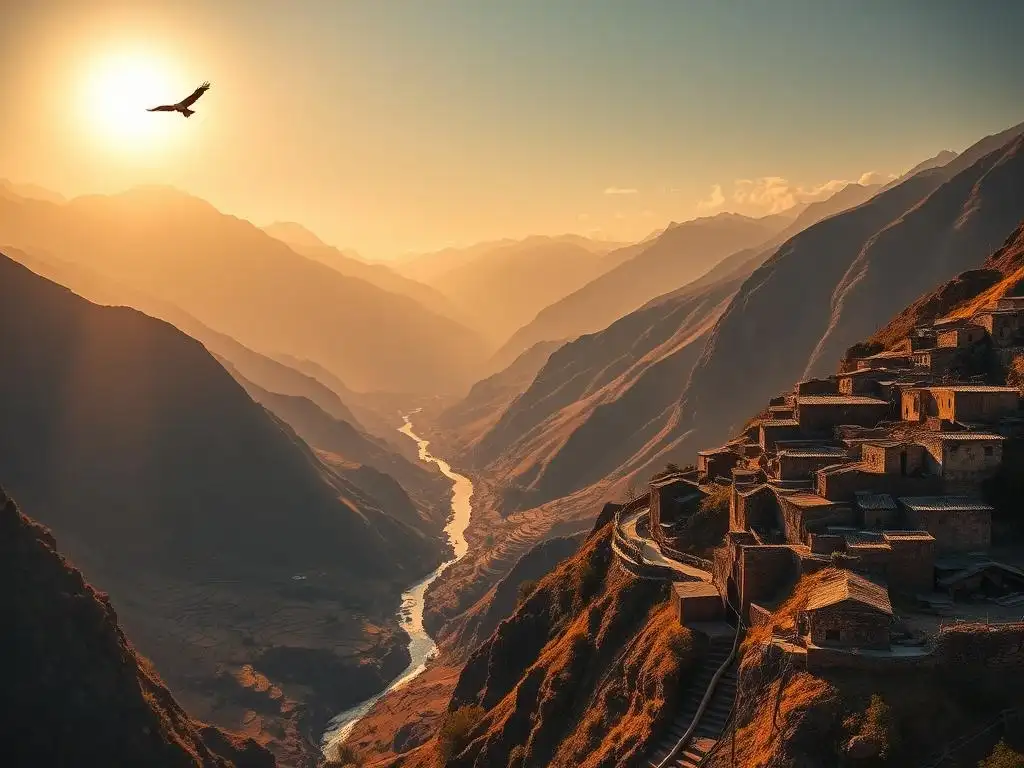
Step into a world lost to time, yet echoing with relevance today. Discover the intricate tapestry of Andean civilizations, from the towering Incas to the enigmatic Nazca. But what forces shaped their rise and fall? The answer might surprise you. Our exploration into Andean civilization climate change reveals a hidden hand, influencing politics and reshaping empires in ways you never imagined. Uncover the secrets of this fascinating connection and delve into the story of survival, adaptation, and ultimate legacy.
The rise and fall of Andean civilizations, from the monumental structures of Tiahuanaco to the sprawling empire of the Inca, were not solely the result of political maneuvering and military prowess. A powerful, often unseen force shaped their destinies: climate change.
This article delves into the complex interplay between environmental fluctuations and the political landscape of ancient Andean societies, exploring how shifts in climate directly impacted resource availability, agricultural practices, social structures, and ultimately, the power dynamics that defined these remarkable cultures. We will examine specific examples demonstrating the profound influence of climate variability on the political stability and trajectory of Andean civilizations, highlighting the intricate relationship between human societies and their environment.
Understanding this dynamic is crucial to appreciating the full complexity of Andean history and to drawing parallels with contemporary challenges related to climate change and its impact on societies worldwide. The study of Andean civilization climate change offers valuable lessons for navigating the uncertainties of our own time.
Andean Civilization Climate Change: A Historical Perspective
The Andean region has always been characterized by its environmental diversity, ranging from arid coastal deserts to the high-altitude Andes and lush Amazonian foothills. This variability, however, was not static. Paleoclimatological evidence, including ice core data and analysis of lake sediments, reveals a history of significant climatic fluctuations throughout the Andean region, including periods of prolonged drought, intense rainfall, and dramatic temperature shifts.
These changes were not gradual; they often occurred abruptly, creating periods of both abundance and scarcity that profoundly affected the political structures and social organizations of the various Andean civilizations. For instance, the collapse of certain societies has been directly linked to prolonged droughts that crippled their agricultural systems, leading to famine, social unrest, and ultimately, regime change. Conversely, periods of favorable climate often correlated with periods of expansion, prosperity, and increased political centralization.
The Inca Empire, for example, benefited from a period of relatively stable climate, allowing for agricultural intensification and the consolidation of their vast territories. Understanding the timing and intensity of these past climatic events is crucial for interpreting the historical record and assessing the resilience of Andean societies to environmental stress.
The Fragile Balance: Environmental Factors in Ancient Andean Societies
The relationship between Andean societies and their environment was far from passive. These civilizations developed sophisticated agricultural techniques, such as terracing and irrigation, to mitigate the inherent risks associated with the region's unpredictable climate. However, even these advanced technologies were not foolproof. Periods of extreme drought or flooding could overwhelm even the most ingenious irrigation systems, leading to widespread crop failures and famine.
This vulnerability to environmental shocks had profound political consequences. Periods of scarcity often resulted in increased competition for resources, leading to conflict between different groups and destabilizing existing power structures. Conversely, periods of abundance could lead to increased centralization of power, as rulers consolidated control over essential resources and used them to maintain social order.
The availability of water, for example, was a critical factor in determining the location of settlements and the distribution of power. Control over vital water sources often translated into political dominance, shaping the dynamics of inter-group relations and influencing the rise and fall of entire societies. The intricate interplay between environmental factors and political power in the Andes highlights the fragility of social systems in the face of environmental change and the critical importance of adaptive strategies for long-term sustainability.
Climate Variability and its Impact on Andean Political Structures
The Andes Mountains, a geographically diverse region, experienced significant climate variability throughout the history of Andean civilizations. This wasn't simply a matter of temperature fluctuations; it involved alterations in precipitation patterns, glacial melt, and the frequency of extreme weather events like droughts and floods. These changes directly impacted agricultural yields, a cornerstone of Andean economies. When harvests failed due to prolonged drought or devastating floods, it created widespread food shortages, leading to social unrest and challenges to the existing political structures.
For example, the collapse of certain pre-Inca societies has been linked to periods of severe drought, evidenced by archaeological findings showing a decline in population density and the abandonment of agricultural terraces. The resulting instability often led to power struggles, internal conflicts, and even the rise and fall of entire political entities. The ability of a ruling power to effectively manage resources and respond to climate-related crises directly influenced its legitimacy and longevity.
A ruler's success in mitigating the effects of climate variability often determined the stability of their reign and the strength of their empire. Understanding the intricate relationship between climate and political stability is crucial to fully grasping the complexities of Andean history. This interplay wasn't simply reactive; governing elites actively sought strategies to adapt to and even exploit these climatic fluctuations.
El Niño's Role in Shaping Andean Political Instability
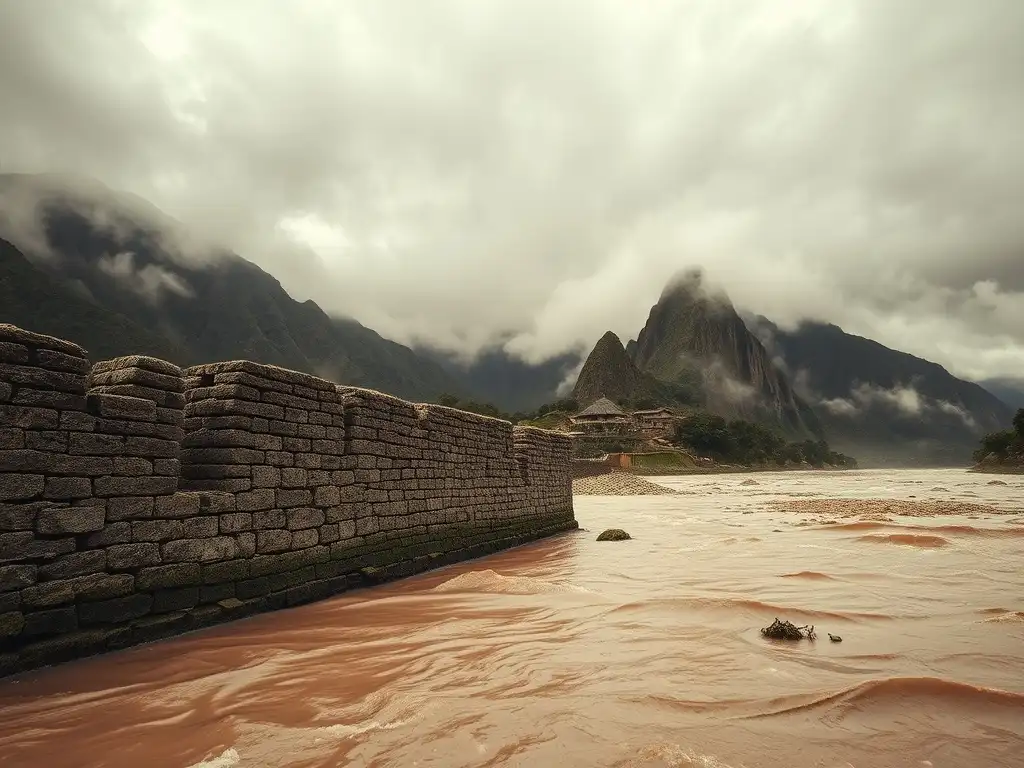
El Niño-Southern Oscillation (ENSO) events, characterized by unusually warm ocean temperatures in the central and eastern tropical Pacific, have profoundly influenced the climate of the Andes for millennia. These cyclical events, occurring every few years, bring about significant changes in rainfall patterns, causing either intense droughts or devastating floods across the region. The impact of these events on Andean societies was dramatic, often triggering periods of political instability.
During El Niño years, agricultural production could plummet, resulting in famine and societal disruption. This economic hardship frequently led to social unrest, uprisings, and challenges to the authority of ruling elites. Archaeological evidence suggests a correlation between periods of intense El Niño activity and the weakening or collapse of certain Andean states.
Conversely, successful responses to El Niño-induced crises could strengthen a ruler's position, enhancing their perceived legitimacy and power. The ability to manage resources effectively during these periods of extreme climate variability was a critical factor in determining the success or failure of Andean political systems. The intricate dance between ENSO cycles and political stability highlights the significant role climate played in shaping the trajectory of Andean civilizations.
Pre-Inca Societies and the Challenges of Extreme Weather
Pre-Inca societies in the Andes faced enormous challenges posed by extreme weather events. Their sophisticated agricultural systems, often built on intricate irrigation networks and terraced farming, were vulnerable to both prolonged droughts and catastrophic floods. The Moche civilization, known for its impressive irrigation systems, experienced periods of severe drought that severely impacted agricultural yields. Evidence suggests that these droughts contributed to internal conflicts and possibly the decline of the Moche state.
Similarly, the Nazca civilization, famed for its geoglyphs, relied heavily on agriculture and faced similar climatic challenges. Archaeological findings indicate that periods of intense rainfall caused widespread flooding, damaging crops and infrastructure. These societies developed ingenious methods for water management, but their resilience had limits.
The unpredictable nature of Andean weather patterns, coupled with the lack of sophisticated forecasting technologies, meant that these societies were constantly vulnerable to climate-related shocks. Their ability to adapt to such events varied greatly, influencing their long-term survival and political stability. The legacy of these adaptations and their limitations continues to inform our understanding of the resilience of pre-Inca societies in the face of climate change.
Inca Adaptations to Climatic Shifts and Resource Management
The Inca Empire, known for its impressive administrative capabilities, developed sophisticated strategies to cope with climate variability. Their vast network of roads and storehouses facilitated the redistribution of resources during times of shortage. The mit'a system, a form of mandatory labor, was also employed for infrastructure projects aimed at mitigating the effects of climate change, such as irrigation systems and flood control measures. The Inca also developed an extensive system of agricultural terraces, which helped to maximize crop yields in diverse environments.
Furthermore, their understanding of microclimates allowed them to cultivate a wide range of crops, reducing their vulnerability to localized droughts or floods. However, even the Inca Empire wasn't immune to the devastating effects of extreme climate events. Evidence suggests that periods of severe drought contributed to social unrest and challenges to imperial authority.
The Inca's response to climate change demonstrates a remarkable level of adaptation, but also highlights the inherent limitations of even the most powerful empires in the face of persistent and severe climatic shifts. Their strategies offer valuable insights into the complexities of managing resources and maintaining political stability in a region characterized by high levels of climate variability. The Inca's legacy in resource management and adaptation to climate change remains a significant topic of study for understanding the resilience of ancient societies.
The Politics of Water: Control and Distribution in the Andes
Water, the lifeblood of the Andes, was far more than a mere resource; it was a potent political tool. Control over water sources directly translated to political power and influence, shaping the social fabric and the very structure of Andean societies. The intricate networks of canals, aqueducts, and reservoirs weren't simply feats of engineering; they were statements of authority, meticulously planned and maintained to ensure the prosperity – or the submission – of entire populations.
Access to irrigation, particularly in arid regions, determined agricultural output, which in turn dictated economic strength and social standing. Those who controlled the water controlled the wealth and, consequently, wielded considerable political sway. This dynamic played out across various Andean civilizations, from the sophisticated hydraulic systems of the Nazca to the impressive water management infrastructure of the Inca Empire.
The very act of building and maintaining these systems served as a constant reminder of the ruling elite's power and control over the essential resource that sustained life itself. This wasn't simply a matter of physical control; it also involved sophisticated systems of water rights and distribution, often intricately tied to religious beliefs and practices, further solidifying the political dominance of those who managed this vital resource.
Irrigation Systems and Political Power in Andean Civilizations
The construction and maintenance of elaborate irrigation systems were not merely technical achievements; they were powerful political statements. The scale of these projects required significant organization and manpower, demonstrating the power and authority of the ruling class to mobilize and direct the labor of thousands. For instance, the Nazca lines, while famously enigmatic, are directly connected to their sophisticated irrigation networks.
The precise alignment of canals and channels suggests a deep understanding of hydrology and a high level of centralized planning, reflecting a powerful and organized state capable of undertaking such ambitious projects. Similarly, the Inca's sayas, a network of carefully engineered canals and terraces, allowed them to cultivate crops at various altitudes, creating a remarkably productive agricultural system that underpinned their vast empire. Control over these systems ensured the stability of the state by guaranteeing food security and preventing conflicts over water resources.
The political power derived from this control was immense, allowing rulers to maintain order and enforce their authority across vast territories. The impressive remnants of these systems even today serve as a testament to the political power that water management conferred upon Andean civilizations.
Water Scarcity and its Impact on Social Hierarchy
Periods of water scarcity in the Andes had profound and often devastating effects on social hierarchies. During droughts, access to water became a life-or-death matter, exacerbating existing social inequalities and sometimes leading to significant political shifts. Those with privileged access to water resources, often the elite or powerful landowners, maintained their positions of power, while those lacking access suffered disproportionately.
This could lead to social unrest, rebellion, and even the collapse of existing political structures. The unequal distribution of water resources during times of scarcity created a volatile environment that frequently challenged the legitimacy of ruling elites.
The ability to provide water to the population during drought became a crucial factor in maintaining political stability and preventing widespread societal collapse. The consequences of water scarcity were often far-reaching, impacting not only the economy but also religious and social practices, highlighting the deep entanglement between water, power, and social order in Andean societies.
Climate Change and the Decline of Andean Civilizations: A Complex Relationship
The influence of climate change on the rise and fall of Andean civilizations is a topic of ongoing research and debate. While it's crucial to avoid simplistic narratives of climate change as the sole cause of societal collapse, evidence strongly suggests that climate variability played a significant role in the decline of several major Andean cultures. The complex interplay between environmental pressures and social, political, and economic factors needs careful consideration.
Understanding the impact of climate change on Andean societies requires a nuanced approach that acknowledges the multiple factors contributing to societal change. It's not a straightforward cause-and-effect relationship, but rather a complex interaction of environmental stressors and societal responses. The extent to which climate change contributed to the decline of specific civilizations varies, highlighting the need for detailed case studies and interdisciplinary research.
Droughts and Famines: Catalysts for Political Upheaval
Severe droughts and the resulting famines were major catalysts for political instability and upheaval in the Andes. These events placed immense strain on existing political systems, often leading to widespread discontent, rebellion, and even the collapse of entire empires. Food shortages created competition for scarce resources, exacerbating existing social tensions and inequalities.
The inability of ruling elites to effectively manage these crises frequently led to a loss of legitimacy and support, paving the way for new power structures to emerge. The impact of these events was often far-reaching, leading to changes in agricultural practices, trade networks, and even religious beliefs, demonstrating the profound consequences of climate-induced crises on Andean societies. Historical records, archaeological evidence, and paleoclimatological data are increasingly providing insights into the significant role of droughts and famines in shaping the political landscapes of the Andes.
The Collapse of Tiwanaku and Climate Change
The decline of the Tiwanaku civilization, a powerful Andean empire that flourished between 500 and 1000 CE, is a compelling case study in the complex relationship between climate change and societal collapse. While the precise causes of Tiwanaku's decline remain a subject of debate, evidence suggests that prolonged droughts and shifts in precipitation patterns significantly weakened the empire’s agricultural base.
The empire's reliance on sophisticated irrigation systems made it particularly vulnerable to changes in water availability. When these systems failed due to prolonged drought, the agricultural surplus that sustained Tiwanaku's population and its powerful elite dwindled, leading to widespread food shortages and social unrest.
This environmental stress, coupled with other factors such as internal conflicts and competition from neighboring groups, contributed to the eventual fragmentation and decline of this once-mighty civilization. The Tiwanaku example underscores the critical role that environmental factors, particularly climate change, can play in the trajectory of Andean societies.
Modern Implications: Lessons from Andean History for Climate Adaptation
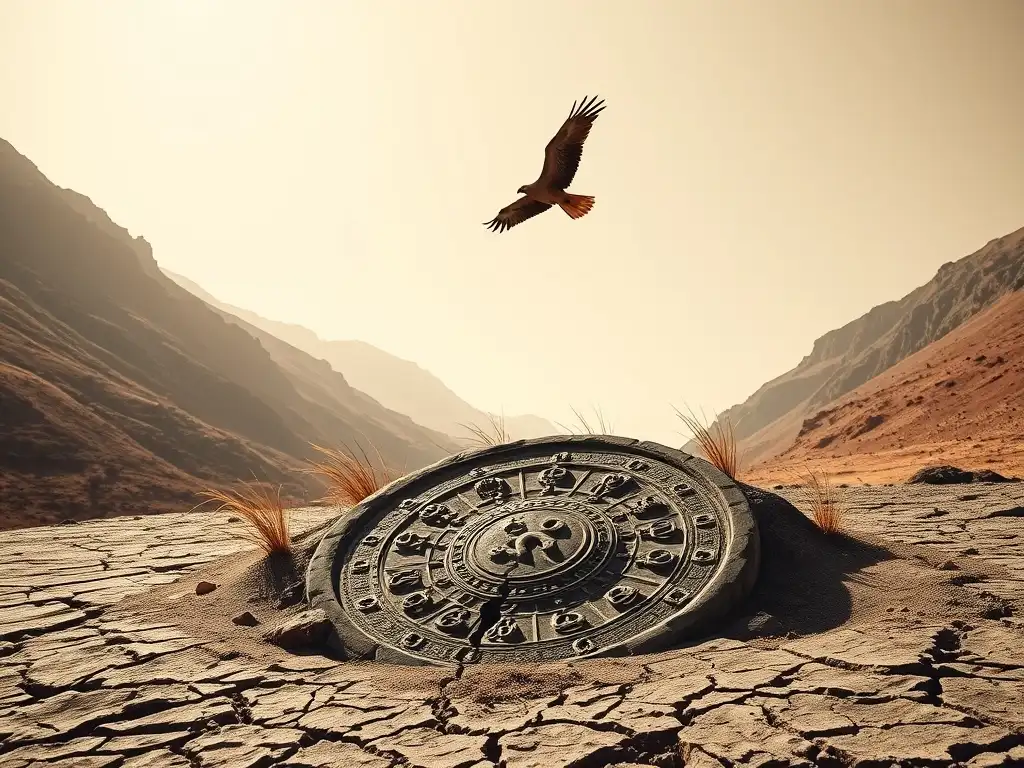
Understanding the profound impact of climate variability on Andean societies throughout history offers invaluable insights for contemporary climate adaptation strategies. The cyclical nature of droughts and floods, as evidenced by archaeological and paleoclimatological data, reveals the resilience and adaptive capacity of past Andean civilizations. However, it also highlights the vulnerability of these societies when faced with prolonged or extreme climate events.
Learning from their successes and failures – such as the sophisticated water management systems of the Inca or the societal collapse experienced by some smaller groups during periods of severe drought – allows us to develop more effective and sustainable approaches to climate change mitigation and adaptation in the modern Andes. For example, traditional Andean agricultural techniques, often tailored to specific microclimates and incorporating diverse crop varieties, offer valuable lessons for modern farmers facing increasingly unpredictable weather patterns.
Similarly, understanding how past Andean societies managed water resources during periods of scarcity can inform the design of resilient water infrastructure and management practices today. The lessons learned from Andean history emphasize the importance of community-based approaches, decentralized governance, and a deep understanding of local ecological knowledge in building climate resilience.
Understanding Historical Climate Patterns for Future Resilience
Predicting the future impacts of climate change on the Andes requires a thorough understanding of past climate patterns. Detailed paleoclimatological research, using methods such as ice core analysis, pollen records, and tree-ring data, is crucial for reconstructing past climate variability and identifying long-term trends. By analyzing these historical patterns, we can better understand the frequency, intensity, and duration of past climate events, such as droughts, floods, and temperature fluctuations.
This knowledge is fundamental for developing accurate climate models and projecting future climate scenarios for the region. Furthermore, integrating historical climate data with archaeological and ethnohistorical evidence provides a more holistic understanding of the interplay between climate change, societal adaptation, and political responses.
This integrated approach allows for a more nuanced assessment of the vulnerability of Andean communities to future climate change and helps inform the development of targeted adaptation strategies. For instance, identifying past periods of extreme drought can help us anticipate the potential impacts of future droughts on water resources, agriculture, and human settlements.
Bolivia and Current Climate Challenges
Bolivia, a nation largely situated within the Andes, serves as a compelling case study for the contemporary effects of climate change on Andean societies. The country faces significant challenges related to water scarcity, glacial melt, and changes in agricultural productivity. The shrinking glaciers, a critical source of freshwater for many communities, pose a serious threat to water security and hydropower generation.
Changes in rainfall patterns are impacting agricultural yields, particularly in the altiplano region, increasing food insecurity and economic vulnerability. These challenges are exacerbated by existing socioeconomic inequalities, making certain communities disproportionately vulnerable to the impacts of climate change. The Bolivian government has implemented various adaptation measures, including investments in water infrastructure, drought-resistant crops, and early warning systems.
However, further efforts are needed to address the complex interplay of climate change, poverty, and inequality. Effective climate adaptation strategies in Bolivia must integrate traditional ecological knowledge with modern scientific approaches, ensuring that policies are equitable and inclusive, reaching the most vulnerable populations. The country's experience offers valuable lessons for other Andean nations grappling with similar climate-related challenges.
Future Research Directions: Exploring the Link Between Andean Politics and Climate
Future research on the relationship between Andean politics and climate change should focus on several key areas. A more in-depth analysis of how past Andean states responded to climate variability is needed, examining the role of political institutions, leadership, and social structures in shaping adaptation strategies. This includes exploring the ways in which climate events influenced political stability, conflict, and social change.
Further research should investigate the complex interactions between climate change, resource scarcity, and political instability in contemporary Andean societies. This requires integrating qualitative and quantitative data from diverse sources, including archaeological records, historical documents, climate model outputs, and socioeconomic surveys. Studies exploring the effectiveness of different climate adaptation policies and governance structures in the Andes are crucial for informing future policy decisions.
Finally, interdisciplinary research involving climate scientists, archaeologists, historians, political scientists, and anthropologists is essential to develop a holistic understanding of the multifaceted link between Andean politics and climate change. This collaborative approach will lead to more comprehensive and effective solutions for addressing the challenges posed by climate change in the Andean region. This interdisciplinary approach is vital to fully understand the nuances of this complex relationship.
Conclusion: The Enduring Legacy of Climate on Andean Political Dynamics
The impact of climate change on Andean political dynamics wasn't a fleeting phenomenon; it was a persistent, shaping force across millennia. The rise and fall of empires, the shifting power balances between city-states, and the very structure of Andean societies were profoundly influenced by the availability of resources directly tied to climatic conditions. Droughts, floods, and shifts in temperature regimes acted as powerful catalysts, triggering conflicts, migrations, and societal adaptations.
Understanding this intricate relationship allows us to appreciate the resilience and adaptability of Andean civilizations, but also highlights their vulnerability to environmental pressures. The sophisticated agricultural techniques, water management systems, and social structures developed in response to climatic variability are testaments to human ingenuity in the face of adversity.
The study of Andean civilization climate change offers invaluable insights into the complex interplay between environment and society. It compels us to re-evaluate traditional narratives of political power and social organization, pushing us beyond simplistic explanations of conquest and internal strife. By recognizing the significant role of climate as a primary driver of change, we gain a more nuanced and accurate understanding of the historical trajectory of Andean societies.
This perspective is not only crucial for historical analysis but also provides crucial lessons for contemporary societies grappling with the challenges of climate change in a globalized world. The enduring legacy of climate on Andean political dynamics serves as a stark reminder of the interconnectedness between environmental stability and social order. The lessons learned from the past can inform our strategies for mitigating the risks and adapting to the inevitable changes that lie ahead.
Ignoring the crucial role of climate in shaping the past risks repeating historical mistakes in the present and future. The Andean experience underscores the need for a holistic approach to understanding societal development, one that fully integrates the environmental context. Only then can we hope to build more sustainable and resilient societies.
- Andean Civilization Climate Change: A Historical Perspective
- The Fragile Balance: Environmental Factors in Ancient Andean Societies
- Climate Variability and its Impact on Andean Political Structures
- El Niño's Role in Shaping Andean Political Instability
- The Politics of Water: Control and Distribution in the Andes
- Climate Change and the Decline of Andean Civilizations: A Complex Relationship
- Modern Implications: Lessons from Andean History for Climate Adaptation
- Future Research Directions: Exploring the Link Between Andean Politics and Climate
- Conclusion: The Enduring Legacy of Climate on Andean Political Dynamics
- How did climate change affect Andean civilizations?
- What specific climate events impacted the Andean region?
- Did climate change influence political power in the Andes?
- How did Andean civilizations adapt to climate variability?
- What evidence reveals the impact of climate change on Andean civilizations?
Frequently Asked Questions
How did climate change affect Andean civilizations?
Climate change significantly impacted Andean societies. Droughts and floods disrupted agriculture, leading to food shortages, social unrest, and even the collapse of entire civilizations. The variability in weather patterns challenged their ability to adapt.
What specific climate events impacted the Andean region?
The Andes experienced various climate events, including El Niño-Southern Oscillation (ENSO) cycles causing extreme weather, prolonged droughts, and intense periods of rainfall. These events had cascading effects on water resources, agriculture, and societal stability.
Did climate change influence political power in the Andes?
Absolutely. Climate-related disasters often weakened existing power structures. Successful adaptation and resource management were crucial for maintaining political stability, while failure could lead to conflict and the rise of new leaders.
How did Andean civilizations adapt to climate variability?
Andean societies developed sophisticated irrigation systems, terracing techniques, and diverse agricultural practices to mitigate the effects of climate variability. They also created complex social structures to manage resources and respond to crises.
What evidence reveals the impact of climate change on Andean civilizations?
Archaeological evidence, including changes in settlement patterns, shifts in agricultural practices, and analysis of ancient plant and animal remains, reveals the significant impact of climate change on Andean societies. Paleoclimatological data provides further insights into past climate conditions.
Final Reflection: Echoes of the Andes: Climate, Culture, and the Future
The melting glaciers of the Andes are not just a geographical phenomenon; they are a potent symbol of the interconnectedness of climate change, political stability, and cultural heritage. The cascading effects of a warming planet on Andean communities, from water scarcity to agricultural disruption, are reshaping the political landscape in profound and often overlooked ways. This is not a distant threat; it's a present reality demanding immediate attention.
The influence of climate on Andean civilizations is a story etched in the very fabric of their history, a narrative woven from adaptation, resilience, and, increasingly, vulnerability. The delicate balance between human life and the environment, a balance understood and respected for millennia, is now severely tested. The mountains are not just rocks; they are the veins of our lifeblood,
a Quechua elder once told me, a sentiment that encapsulates the deep-seated connection between the Andean people and their environment. This connection, so vital to their cultural identity and political stability, is being threatened by forces beyond their immediate control.
The future of the Andes, and indeed the future of our planet, hinges on our collective response to this crisis. You, the reader, are not merely a passive observer; you are a vital participant in shaping the narrative.
Consider the implications of climate change on vulnerable communities worldwide, and ask yourself: what actions, both large and small, can you take to contribute to a more sustainable and equitable future? Let the echoes of the Andes inspire you to become a champion for change, ensuring that the rich tapestry of Andean culture and the breathtaking beauty of its landscape endure for generations to come.
Unveil the Connection: Take Action for Our Planet’s Future!
Thank you for exploring the complex relationship between climate change and politics in the Andes. Your interest is crucial to understanding how these forces shape our world. Now that you've grasped the significance of this connection, it's time to act.
Here are some **concrete steps** you can take to make a positive difference:
- **Join a local environmental organization** working on climate advocacy in the Andes. Collaboration amplifies your voice and impact.
- **Share what you've learned** from this article on social media or within your community—start conversations and raise awareness about the climate's influence on political dynamics.
- Consider supporting sustainable agricultural practices in Andean communities. Look into opportunities to partner with initiatives that protect both the environment and local economies.
What are your thoughts on how climate change affects your community? Share your experiences and insights below and join the discussion!