
The Enduring Appeal: Why Andean Textiles Continue to Captivate

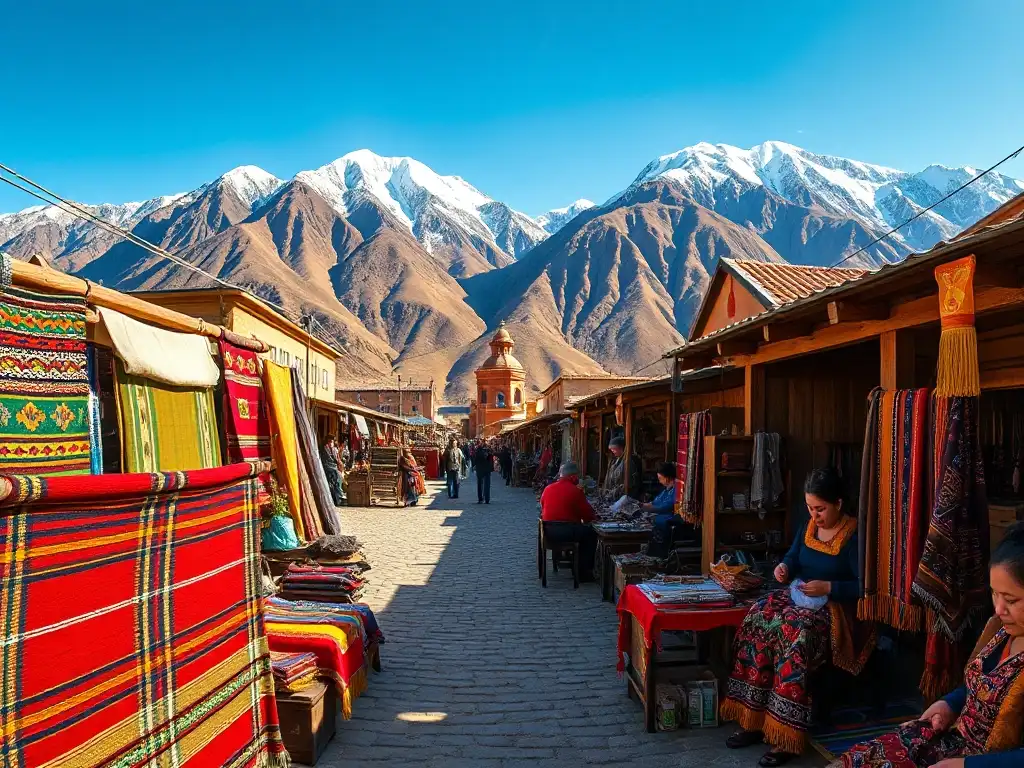
Step into a world woven with mystery and majesty. For centuries, the Andean civilizations have captivated the world with their breathtaking artistry, and nowhere is this more evident than in their textiles. Prepare to unravel the secrets behind Andean textiles history and significance, a story of intricate designs, innovative techniques, and enduring cultural power that continues to resonate today. Discover how these vibrant threads reveal a complex tapestry of beliefs, rituals, and societal structures—a legacy that awaits your exploration.
Andean textiles represent far more than just clothing; they are intricate tapestries woven into the very fabric of the region's history, culture, and identity. For centuries, the skilled artisans of the Andes—from the Incas to the pre-Inca cultures like the Moche, Nazca, and Tiahuanaco—have created breathtaking textiles that continue to captivate audiences worldwide. This enduring appeal stems not only from their aesthetic beauty, but also from their profound historical and social significance, reflecting complex belief systems, societal structures, and technological advancements.
This article delves into the rich history and significance of Andean textiles, exploring their enduring power to connect us to the past and inspire us in the present. We will examine the techniques employed, the symbolism embedded within the designs, and the lasting impact these textiles have had on Andean culture and beyond.
Understanding Andean textiles is key to understanding the Andean civilizations themselves; their intricate designs serve as visual records of a vibrant and complex past, offering invaluable insights into the lives and beliefs of their creators. Prepare to be amazed by the artistry and the stories woven into every thread.
Introduction to Andean Textiles: A Legacy Woven in Time
Andean textile production boasts a history stretching back millennia. Long before the Inca Empire, sophisticated weaving techniques were already flourishing. Early Andean cultures, such as the Paracas (circa 800 BCE – 100 CE) and the Nazca (circa 100 CE – 700 CE), are renowned for their mastery of complex weaving methods and vibrant color palettes.
They utilized a variety of natural dyes derived from plants, minerals, and insects, achieving an astonishing range of hues that remain remarkably vibrant even today. These early textiles often incorporated intricate designs featuring stylized animals, geometric patterns, and symbolic motifs reflecting their cosmology and religious beliefs. The techniques employed, such as tapestry weaving, embroidery, and the use of multiple warp and weft threads, demonstrate a level of technical sophistication that was unparalleled in many parts of the world at that time.
The sheer artistry and the dedication to detail evident in these ancient textiles are truly awe-inspiring. The legacy of these early masters continues to influence Andean textile traditions to this day.
The arrival of the Inca Empire (circa 1438 – 1533 CE) marked another significant chapter in the history of Andean textiles. Inca weavers maintained and further developed existing techniques, creating magnificent textiles that served both practical and ceremonial purposes. Royal garments, adorned with intricate designs and luxurious materials like alpaca and vicuña wool, were symbols of power and status.
Textiles also played a crucial role in Inca religious practices and social organization. The intricate designs and the quality of the materials used reflected the importance of textiles within Inca society. The Inca's mastery of textile production contributed significantly to the empire's overall economic and cultural strength.
The Historical Significance of Andean Textiles
The historical significance of Andean textiles is multifaceted. They serve as invaluable sources of information for archaeologists and historians, providing insights into various aspects of Andean life. The designs themselves often tell stories, depicting scenes from daily life, mythological narratives, or significant historical events. For example, certain motifs might represent specific deities, agricultural cycles, or social hierarchies.
The use of specific colors and materials can also reveal information about the social status of the wearer and the context in which the textile was created. Analyzing the types of fibers used—alpaca, llama, vicuña, cotton—can reveal information about trade routes and economic practices. Furthermore, the techniques employed often reflect technological advancements and cultural exchange. The discovery of new weaving techniques or the adoption of new dyes can indicate contact with other cultures or periods of innovation.
The study of Andean textiles also allows us to understand the complex social structures of Andean societies. The intricate designs and the quality of the materials often reflected the social status of the wearer. Royal garments, for instance, were typically adorned with more elaborate designs and made from finer materials than those worn by commoners.
The distribution of textiles within society also reveals important information about social hierarchy and economic systems. The production of textiles was often organized within a complex system of labor and exchange, with different groups specializing in different aspects of the process. Understanding these systems is crucial for comprehending the social and economic dynamics of Andean civilizations.
The enduring appeal of Andean textiles lies not only in their aesthetic beauty but also in their ability to illuminate the rich tapestry of Andean history and culture. They offer a unique window into the past, allowing us to connect with the lives and beliefs of the people who created them. The meticulous craftsmanship, the vibrant colors, and the profound symbolism embedded within these textiles continue to inspire and fascinate, ensuring their legacy endures for generations to come.
- Introduction to Andean Textiles: A Legacy Woven in Time
- The Historical Significance of Andean Textiles
Andean Textile History: Tracing the Threads Through Time
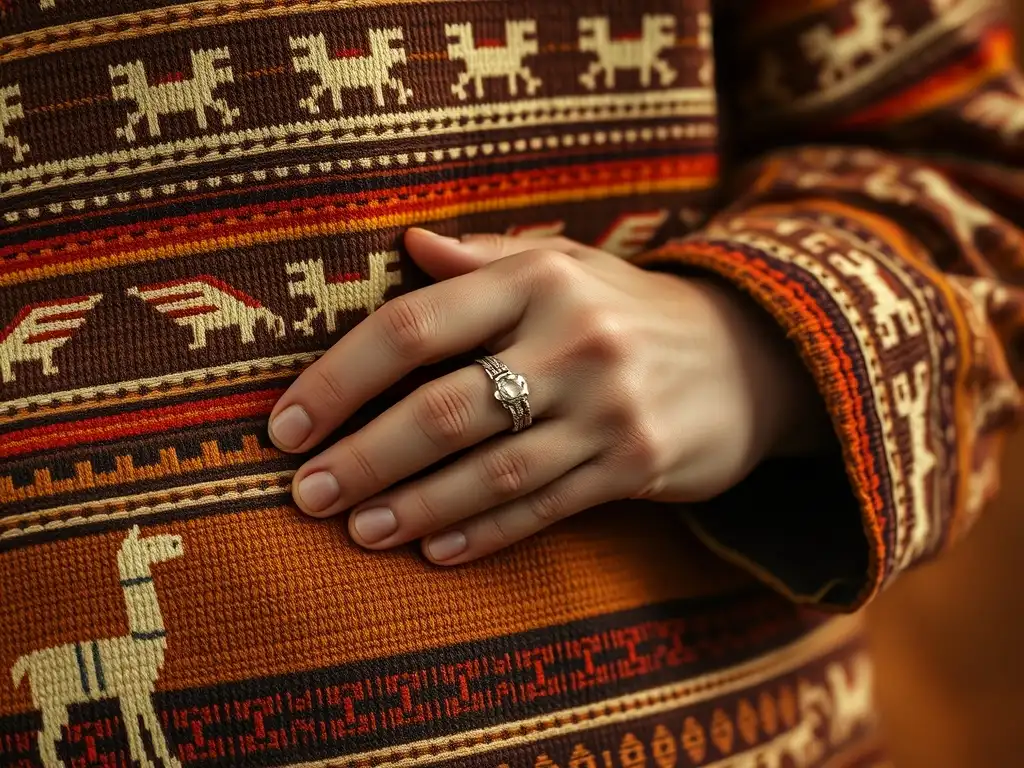
This section delves into the rich history of Andean textiles, exploring their evolution from pre-Inca traditions to the sophisticated techniques employed during the Inca Empire and beyond. Understanding this historical trajectory is crucial to appreciating the enduring appeal and cultural significance of Andean textiles today. The intricate designs and masterful craftsmanship reflect not only artistic skill but also complex social structures, religious beliefs, and technological advancements. This exploration will uncover the deep-rooted connection between Andean textiles and the identity of the civilizations that created them. Analyzing Andean textiles history and significance reveals a captivating narrative woven through time.
Pre-Inca Textile Traditions: Foundations of Andean Weaving
Long before the Inca Empire rose to prominence, diverse Andean cultures developed sophisticated textile traditions. Evidence from archaeological sites reveals a remarkable range of techniques and styles, showcasing the ingenuity of pre-Inca weavers. The Paracas culture (circa 800 BCE – 200 CE), for example, is renowned for its elaborate burial textiles, characterized by vibrant colors, intricate embroidery, and complex iconography.
These textiles, often found wrapped around mummies, were not merely funerary garments but rather powerful expressions of social status and religious beliefs. The use of camelid fibers like alpaca and vicuña, alongside cotton, demonstrates a keen understanding of material properties and the ability to manipulate these fibers to create remarkably durable and aesthetically pleasing fabrics. The intricate tapestry techniques used by the Paracas weavers, involving hundreds of individual threads to create detailed images, represent a high level of technical skill passed down through generations.
Similarly, the Nazca culture (circa 100 CE – 750 CE) displayed expertise in textile production, known for their finely woven textiles often depicting stylized figures and geometric patterns. These early Andean textile traditions laid the groundwork for the even more impressive achievements of the Inca Empire.
Inca Textile Mastery: Royal Weaves and Imperial Power
The Inca Empire (circa 1438 – 1533 CE) elevated Andean textile production to new heights. Inca textiles were not simply clothing; they were powerful symbols of imperial power, social status, and religious authority. The Inca state controlled the production and distribution of textiles, establishing specialized workshops ( yacu ) where skilled artisans created intricate garments for the elite, religious officials, and the Inca ruler himself.
The quality of the textiles was directly tied to the wearer's social standing, with the finest materials and most elaborate designs reserved for the imperial family and high-ranking officials. The Inca's mastery extended beyond weaving techniques; they also developed advanced dyeing methods, using natural pigments derived from plants, minerals, and insects to achieve a stunning array of colors. The use of spondylus shells, for example, provided a deep, rich purple dye highly valued for its rarity and symbolic significance.
The Inca also incorporated complex iconography into their textiles, weaving intricate designs that represented deities, mythical creatures, and important events. These narratives, woven into the fabric itself, provide valuable insights into Inca cosmology and worldview. Analyzing the Andean textiles of this period offers a window into the social and political organization of the Inca Empire.
Evolution of Andean Textile Techniques
Andean textile traditions didn't end with the Spanish conquest. While the Inca Empire fell, the expertise and knowledge of Andean weavers persisted. The techniques and styles evolved, incorporating new influences and adapting to changing circumstances.
The colonial period saw the introduction of new fibers, dyes, and weaving tools, leading to a fusion of Andean and European styles. However, traditional techniques remained largely intact, with weavers continuing to produce exquisite textiles using the same fundamental principles passed down through generations. This resilience highlights the enduring importance of textiles in Andean culture.
Even today, Andean communities continue to practice traditional weaving methods, preserving a legacy that stretches back millennia. Their creations, reflecting both ancient techniques and contemporary artistic expressions, continue to captivate audiences worldwide, demonstrating the lasting power and enduring appeal of Andean textiles. The study of this evolution provides a deeper understanding of Andean textiles history and significance in the context of cultural continuity and adaptation.
Techniques and Materials: The Artistry Behind Andean Weaving
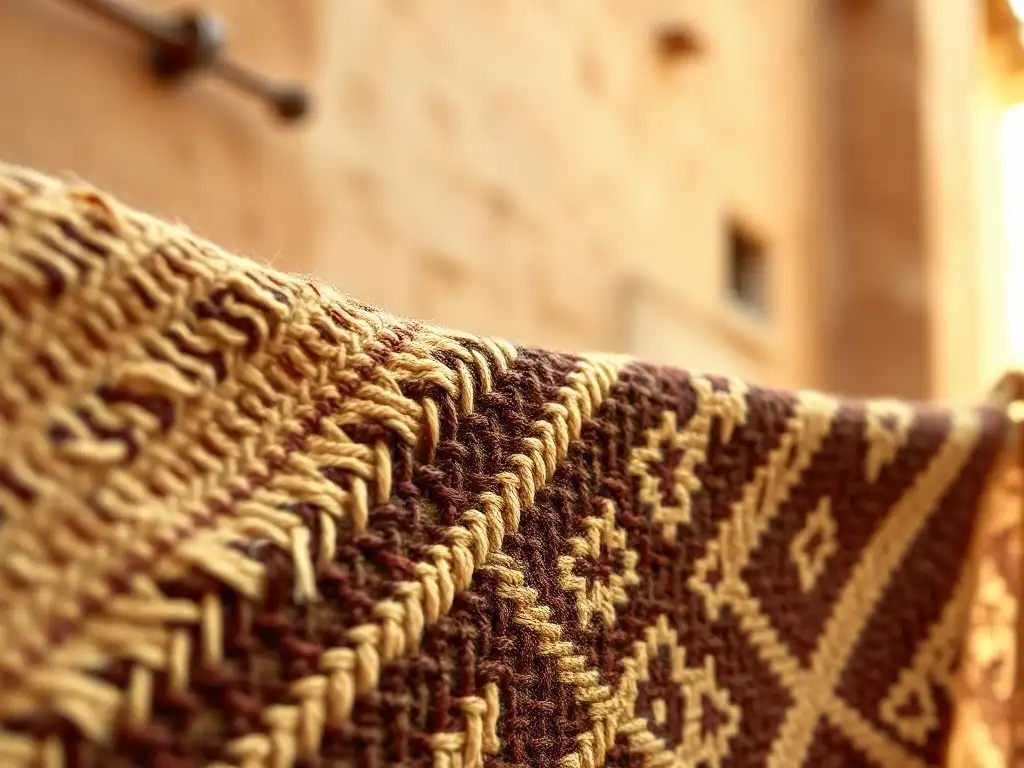
Andean textiles represent a pinnacle of artistic achievement, a testament to the ingenuity and skill of ancient Andean artisans. Their enduring appeal stems not only from their vibrant designs and symbolic richness but also from the sophisticated techniques and high-quality materials employed in their creation. Understanding the artistry behind these textiles provides a deeper appreciation for their cultural significance and lasting legacy. The mastery of Andean weaving techniques, passed down through generations, continues to inspire awe and admiration, solidifying their place as a key component of Andean textiles history and significance.
Natural Fibers: Wool, Cotton, and Alpaca
The foundation of Andean textiles lies in the remarkable natural fibers readily available in the diverse Andean landscape. Wool, sourced primarily from llamas and alpacas, provided warmth and durability. Alpaca wool, prized for its softness and luxurious feel, was often reserved for elite garments and ceremonial textiles.
Cotton, cultivated in warmer regions, offered a lighter, more breathable alternative, ideal for clothing worn in lower altitudes. The careful selection and preparation of these fibers were crucial steps in the weaving process, impacting the final textile's texture, drape, and overall quality. The fiber's quality directly reflected the skill and experience of the artisan, contributing to the unique character of each piece.
Different breeds of alpaca yielded fibers with varying qualities, leading to a spectrum of textures and colors in the finished textiles. This meticulous attention to detail is a hallmark of Andean textile traditions, highlighting the profound connection between the artisans and their environment.
Dyeing Techniques: Harnessing Natural Dyes from Plants and Minerals
The vibrant colors of Andean textiles are a result of sophisticated dyeing techniques, utilizing a palette of natural dyes derived from plants and minerals found throughout the Andes. Cochineal insects, for example, yielded a brilliant crimson, while various plants like indigo and añil provided shades of blue. Minerals, such as ochre and various clays, contributed yellows, browns, and reds.
The process involved meticulous preparation of the dyes and careful application to the fibers. The techniques employed ensured colorfastness and brilliance, resulting in textiles that retained their vibrancy for generations. Some dyes required complex processes of fermentation and mordanting to achieve the desired hues and ensure longevity.
The knowledge of these techniques was closely guarded and passed down through families, contributing to the uniqueness and artistry of each region's textile traditions. The diverse range of available dyes, combined with the skill of the artisans, allowed for an incredible variety of colors and patterns in Andean textiles. The careful selection and application of these dyes are a testament to the advanced understanding of natural resources and their transformative potential.
Weaving Methods: From Backstrap Looms to Complex Tapestry Weaving
Andean weavers employed a variety of techniques, adapting their methods to the specific textile and desired effect. The backstrap loom, a portable and versatile tool, was widely used for creating a range of fabrics, from simple cloths to intricate tapestries. More complex techniques, such as tapestry weaving, allowed for intricate designs and the incorporation of multiple colors and textures within a single piece.
These methods involved meticulous planning and execution, requiring significant skill and patience. The intricate designs often incorporated symbolic motifs, reflecting the weaver's worldview and cultural beliefs. The use of different weaving techniques allowed for diverse textures and patterns, showcasing the versatility and mastery of Andean artisans.
The evolution of weaving techniques throughout Andean history reflects both the adaptation to available resources and the continuous innovation within the craft. The sophistication of these techniques, combined with the artistic expression they enabled, contributed significantly to the enduring appeal and cultural importance of Andean textiles. The legacy of these weaving methods continues to inspire contemporary artisans and textile enthusiasts alike, highlighting their enduring relevance in the broader context of Andean textiles history and significance.
Decoding the Symbolism: Meaning in Andean Textile Designs
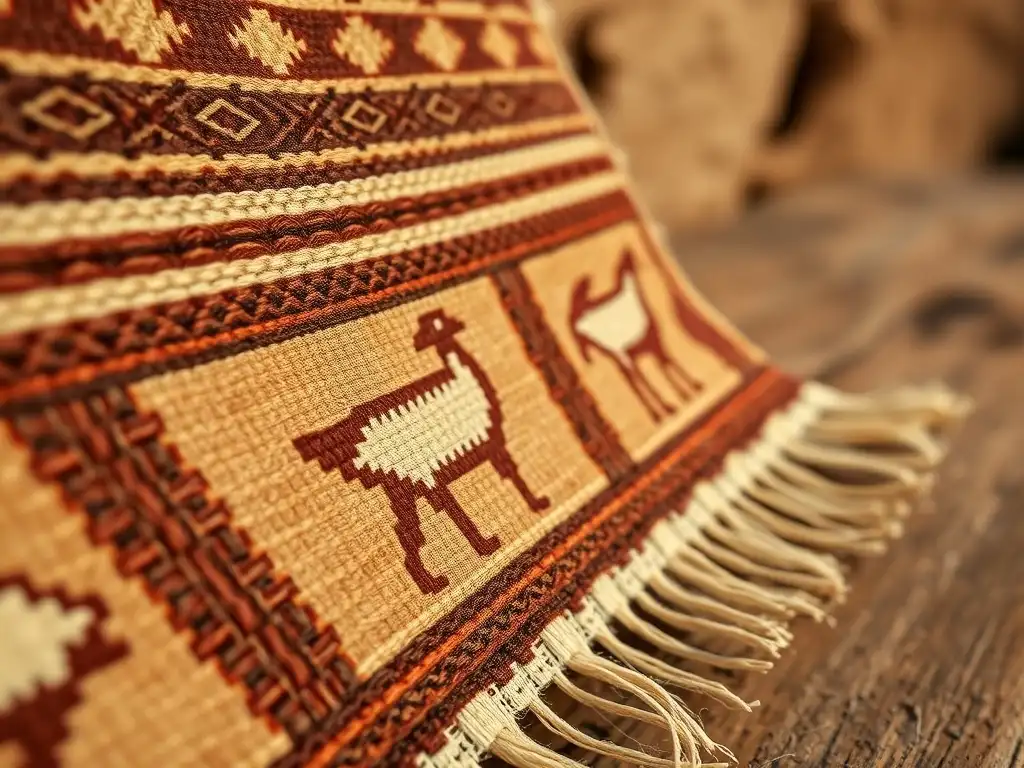
Andean textiles are not merely beautiful fabrics; they are rich tapestries woven with layers of meaning, reflecting the complex cosmology, social structures, and daily lives of the ancient Andean peoples. Understanding the symbolism embedded within these textiles provides a deeper appreciation for their artistry and historical significance. The enduring appeal of Andean textiles lies not only in their technical prowess but also in the intricate narratives they convey, narratives that continue to resonate with us today.
Scholars continue to decipher the complex iconography, revealing new insights into the beliefs and practices of these sophisticated civilizations. The study of Andean textiles history and significance reveals a fascinating interplay between art, religion, and society.
Motifs and Iconography: The Chakana, Hummingbird, and Serpent Motifs
The Andean worldview is vividly represented through recurring motifs in their textiles. Among the most prominent are the chakana (Andean cross), the hummingbird, and the serpent. The chakana, a stepped cross, symbolizes the connection between the earthly and spiritual realms, often depicting the four directions and the three worlds of the Andean cosmology: the underworld (Ukhu Pacha), the human world (Kay Pacha), and the upper world (Hana Pacha). Its presence on textiles suggests a desire for balance, harmony, and connection with the divine.
The hummingbird, a creature of swiftness and agility, often represents ayni, the principle of reciprocity and mutual exchange central to Andean society. Its depiction on textiles might signify the importance of balanced relationships within the community and with the natural world. The hummingbird's association with the sun and fertility further enhances its symbolic weight.
The serpent, a powerful symbol in many cultures, holds a significant place in Andean iconography. It often represents water, fertility, and the earth's life-giving forces. Depictions of serpents on textiles could indicate the importance of agriculture, water management, and the cyclical nature of life and death. Variations in the serpent's representation (e.g., size, posture) can further refine its specific meaning within a given textile.
Beyond individual motifs, the overall composition and patterns of Andean textiles convey profound social and ritual meanings. The use of specific colors, weaving techniques, and decorative elements often indicated social status, clan affiliation, or participation in specific rituals. For example, certain intricate techniques, like tapestry weaving or resist dyeing, might have been reserved for elite members of society, reflecting their power and prestige. The choice of colors also held significance.
Red, for instance, was often associated with power and fertility, while white represented purity and sanctity. The careful arrangement of patterns and colors in Andean textiles reveals a deep understanding of social hierarchy and ritual practices. The complexity and precision of the designs highlight the high value placed on these textiles within Andean societies.
Textiles as Communication: Record Keeping, Status and Lineage Markers
Andean textiles served not only as decorative items but also as crucial forms of communication and record-keeping. Complex patterns and designs could convey historical events, genealogies, or important social messages. The textiles acted as visual archives, transmitting knowledge and traditions across generations. Specific patterns might have marked family lineage, indicating membership in a particular clan or community.
Moreover, the intricate designs incorporated within the Andean textiles were not simply decorative; they represented a sophisticated system of encoding information. This encoded information often included details about the wearer's social status, their role in the community, and their family history. The use of specific colors, patterns, and weaving techniques allowed for the transmission of complex social and historical narratives.
The study of these visual records provides invaluable insights into the social dynamics and historical development of Andean civilizations. The enduring legacy of Andean textiles is a testament to their role as powerful instruments of communication and cultural preservation. Analyzing the patterns and motifs allows researchers to reconstruct social structures and historical events, revealing the intricate tapestry of Andean life.
Modern Day Andean Textiles: Continuity and Innovation
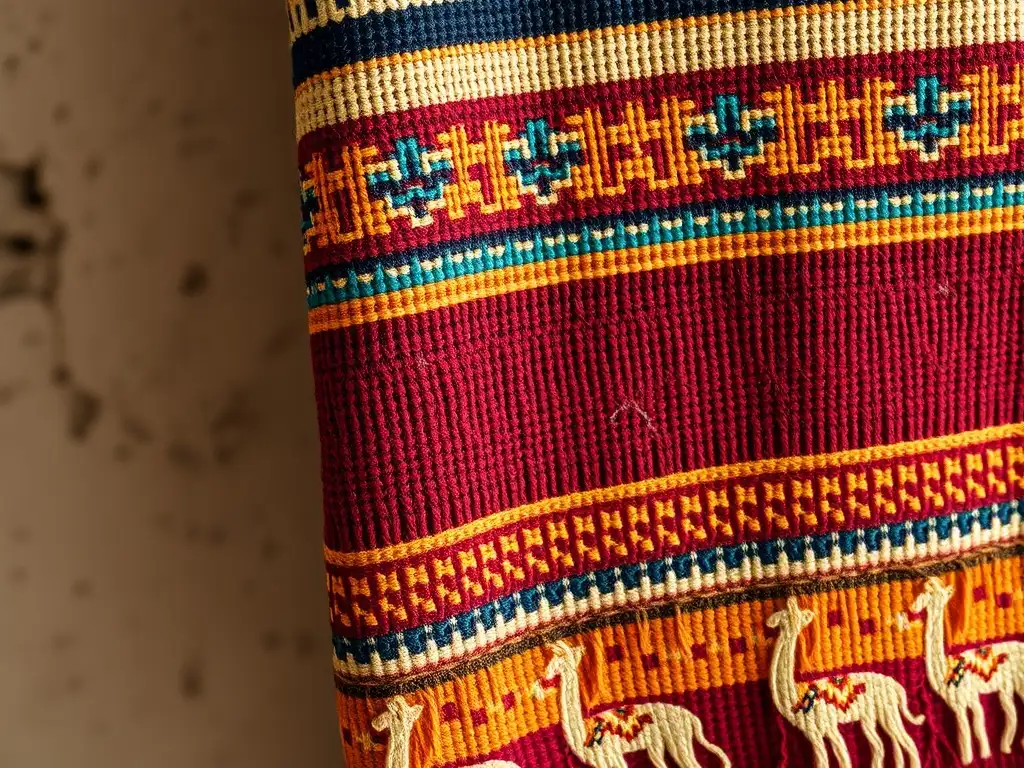
The vibrant legacy of Andean textiles continues to thrive in the 21st century, demonstrating a remarkable ability to adapt and innovate while preserving its ancient roots. This enduring appeal stems from a potent combination of factors: the inherent beauty of the materials and designs, the sophisticated techniques passed down through generations, and the cultural significance woven into every thread. Understanding the modern landscape of Andean textiles requires examining how these traditions are maintained and reinterpreted in contemporary society.
Contemporary Andean Weaving: Preserving Ancient Traditions
Many communities across the Andes maintain traditional weaving practices, using ancestral techniques and natural dyes. These artisans, often women, are the custodians of a vast knowledge base encompassing everything from sheep shearing and fiber preparation to intricate weaving patterns and finishing techniques. The process is often laborious and time-consuming, reflecting a deep respect for the materials and the cultural heritage they represent.
For example, the intricate backstrap loom, a hallmark of Andean weaving for centuries, remains a crucial tool, allowing for incredible precision and control. The use of natural dyes derived from plants, insects, and minerals continues to be favored, producing a unique range of earthy and vibrant colors, each imbued with symbolic meaning. The persistence of these traditional practices is not merely nostalgic; it's a vital component of cultural identity and economic sustainability for these communities.
Their work represents a living testament to the enduring strength of Andean textile traditions, showcasing the remarkable ability of these ancient techniques to endure and adapt to modern times. The intricate detail found in contemporary Andean textiles, often depicting mythical creatures, agricultural cycles, or celestial events, speaks to a profound connection with the past and the environment.
The Influence of Andean Designs in Modern Fashion and Art
The captivating aesthetic of Andean textiles has transcended geographical and cultural boundaries, influencing contemporary fashion and art in significant ways. Designers worldwide draw inspiration from the bold geometric patterns, intricate iconography, and vibrant color palettes of Andean weavings. This influence is evident in high-fashion runways, where Andean-inspired textiles grace garments for both men and women, and in the work of contemporary artists who incorporate Andean motifs into their paintings, sculptures, and installations.
The incorporation of traditional Andean designs into modern contexts not only celebrates the artistry of these ancient cultures but also challenges preconceived notions about "high art" versus "craft," highlighting the aesthetic sophistication and cultural depth embedded within these textiles. The popularity of Andean-inspired designs reflects a growing global appreciation for sustainable, ethically produced goods and a renewed interest in handcrafted artistry.
This appreciation isn't just a fleeting trend; it's a testament to the enduring power and timeless beauty of Andean textile art. The unique textures and the rich symbolic language of these textiles offer a captivating narrative that resonates with contemporary audiences.
The Future of Andean Textile Art and Craftsmanship
The future of Andean textile art hinges on several key factors: the preservation of traditional knowledge, the adaptation to evolving market demands, and the fostering of economic opportunities for Andean communities. Efforts to document and preserve weaving techniques, through workshops, apprenticeships, and digital archives, are crucial for safeguarding this invaluable cultural heritage. Furthermore, finding a balance between maintaining authenticity and adapting to modern tastes is essential for ensuring the continued relevance and economic viability of Andean textile production.
This involves exploring innovative approaches to marketing and distribution, while simultaneously protecting the integrity of traditional practices. Supporting fair trade initiatives and promoting ethical sourcing helps to ensure that the artisans receive fair compensation for their work, empowering them to continue their craft for generations to come. The ongoing dialogue between tradition and innovation ensures that Andean textiles remain not only a cherished part of cultural heritage but also a vibrant and evolving art form.
The future of Andean textiles is bright, promising a continued legacy of creativity, artistry, and cultural significance. The enduring appeal of these textiles rests on their ability to connect the past with the present, weaving a narrative of continuity and innovation that captivates audiences worldwide.
Andean Textiles: A Cultural Treasure and Legacy
Andean textiles represent far more than just clothing; they are intricate tapestries woven into the very fabric of Andean civilizations' history and significance. These textiles, produced for millennia, offer a captivating glimpse into the social structures, religious beliefs, and artistic achievements of cultures like the Inca, Moche, Nazca, and Tiahuanaco. Their enduring appeal stems from a unique combination of technical mastery, symbolic richness, and the sheer beauty of their designs.
The vibrant colors, intricate patterns, and the use of diverse materials – from alpaca and llama wool to cotton and even precious metals – all contribute to their exceptional artistry. Studying Andean textiles provides invaluable insights into the daily lives, cosmological beliefs, and artistic expressions of these ancient Andean societies. The level of detail and craftsmanship involved is astonishing, reflecting a deep understanding of both natural resources and advanced textile techniques.
The Importance of Protecting Andean Textile Heritage
The preservation of Andean textile heritage is paramount for several reasons. Firstly, these textiles are irreplaceable artifacts that provide crucial evidence for understanding past Andean societies. Their deterioration through time, damage, or loss would represent an immeasurable loss to our collective understanding of human history. Secondly, the knowledge and skills associated with their creation are increasingly rare.
Many traditional techniques are at risk of being lost forever if not actively preserved and passed down through generations. This loss would not only diminish our cultural heritage but also deprive future artisans of a rich artistic legacy. Thirdly, the economic impact of protecting this heritage is significant. The preservation and promotion of Andean textiles contribute to sustainable livelihoods for contemporary artisans, fostering cultural tourism and supporting local communities.
Active measures, such as establishing museums dedicated to Andean textiles, providing training programs for young artisans, and enacting legislation to protect these artifacts, are crucial for safeguarding this valuable cultural inheritance. Failure to protect this heritage would lead to an irreversible loss of knowledge, artistry, and cultural identity. The challenge lies in balancing the preservation of these delicate artifacts with the need for accessibility and education, ensuring that future generations can continue to appreciate and learn from this extraordinary legacy. The protection of Andean textile heritage is not merely a preservation of objects, but a preservation of stories, traditions, and cultural identity.
Understanding Andean Textiles: A Window into Andean Civilizations
Andean textiles offer a fascinating window into the complex social structures and belief systems of the Andean civilizations. The intricate designs often incorporated symbolic imagery reflecting the society's cosmology, social hierarchy, and religious practices. For example, the use of specific colors, patterns, and motifs could indicate social status, religious affiliation, or even historical events. Detailed analysis of these textile designs can reveal much about the lives and beliefs of the people who created them.
Consider, for instance, the intricate representations of mythical creatures or deities found in many textiles. These depictions provide invaluable insight into the Andean worldview and their understanding of the cosmos. Furthermore, the materials used – the type of wool, the dyes employed, and the weaving techniques – can also reveal information about trade routes, economic systems, and technological advancements. The diversity of techniques and styles across different Andean cultures further emphasizes the richness and complexity of their artistic expressions.
Each civilization developed its own unique textile traditions, reflecting their specific cultural context and artistic preferences. By studying these variations, we can gain a deeper appreciation for the diversity of Andean cultures and the remarkable creativity of their artisans. The systematic study of Andean textiles, therefore, is not just an aesthetic appreciation, but a vital tool for understanding the history, society, and culture of these captivating civilizations.
Conclusion: The Lasting Fascination with Andean Textiles
The enduring appeal of Andean textiles lies in their unique blend of artistic mastery, cultural significance, and historical importance. These textiles are not merely decorative objects; they are powerful expressions of cultural identity, reflecting the ingenuity and artistic vision of generations of Andean artisans. Their vibrant colors, intricate designs, and the stories they tell continue to fascinate and inspire, serving as a testament to the rich and complex history of the Andean civilizations.
The continued study and preservation of these textiles are essential for ensuring that their legacy lives on, allowing future generations to appreciate the artistry and cultural significance of this remarkable heritage. The captivating artistry and rich cultural significance of Andean textiles ensure their continued relevance and fascination, solidifying their position as a cultural treasure that transcends time. Their enduring appeal is a testament to the enduring power of art and the importance of preserving cultural heritage.
Frequently Asked Questions
What makes Andean textiles so unique?
Andean textiles are renowned for their exceptional craftsmanship, vibrant colors derived from natural dyes, and intricate designs that often tell stories or depict religious beliefs. Their techniques, passed down through generations, are truly remarkable.
How did the Incas use textiles?
Inca textiles served many purposes, including clothing, religious ceremonies, and status symbols. Royal garments were highly elaborate, showcasing the Inca's power and wealth. Textiles were also used for quipu (knotted record-keeping systems).
What materials were used in Andean textile production?
Alpaca, llama, and vicuña wool were the primary materials, prized for their softness and warmth. Cotton was also used, particularly in warmer coastal regions. The quality of the fiber directly reflected the status of the wearer.
What is the significance of the designs in Andean textiles?
Andean textile designs often depict mythological figures, animals, and geometric patterns with deep symbolic meaning. They provide invaluable insights into the belief systems and social structures of these ancient cultures.
Where can I learn more about the history of Andean textiles?
Many museums worldwide house significant collections of Andean textiles. You can also explore academic journals and books dedicated to Andean art and archaeology to delve deeper into their rich history and significance.
Final Reflection: The Woven Threads of Time and Identity
The enduring allure of Andean textiles isn't merely a historical curiosity; it's a vibrant testament to the power of cultural preservation in a rapidly changing world. These intricate weavings, imbued with centuries of tradition and innovation, continue to resonate deeply, offering a powerful connection to the past and a compelling vision for the future. Their survival speaks volumes about the resilience of Andean communities and the enduring strength of their artistic heritage.
The impact of Andean textiles extends far beyond their aesthetic beauty. They are living archives, narrating stories of Andean life, beliefs, and social structures. Their intricate designs, vibrant colors, and symbolic motifs offer a glimpse into a rich and complex history. These textiles are not just objects; they are active participants in shaping cultural identity, both within Andean communities and globally. The textile is not merely a product; it is a living expression of the culture that created it.
This quote encapsulates the profound connection between the weaver, the textile, and the enduring legacy of Andean culture.
Consider the stories woven into each thread, the knowledge passed down through generations, the artistry that transforms simple fibers into breathtaking works of art. You, the reader, are now part of this ongoing narrative. Take a moment to reflect on the power of cultural heritage, the importance of preserving traditions, and the beauty that can be found in the intricate details of a seemingly simple object. Let the enduring appeal of Andean textiles inspire you to appreciate the rich tapestry of human creativity and the enduring strength of cultural identity.
Unveil Your Connection to Andean Textiles Today!
Thank you for exploring the rich world of Andean textiles with us! We hope you've discovered the deep cultural significance and enduring beauty woven into each piece. Now, let's put that inspiration into action.
Here are some exciting next steps you can take:
- **Explore local textile artisans and craftspeople:** Connect with Andean craftsmanship by visiting local artisans or attending craft fairs in your area. Support their work directly by purchasing their creations.
- **Share your newfound appreciation for Andean textiles with friends and family:** Start a conversation about their history and artistry, or even host a gathering to showcase their beauty and unique qualities.
- **Join an online community dedicated to Andean arts and crafts:** Connect with fellow enthusiasts to share stories, tips, and inspiration. You'll find a wealth of knowledge and support within these communities.
Which Andean textile design most appeals to your personal style, and how will you incorporate its beauty and cultural significance into your life?