
Water's Flow: Symbolism of Rivers and Fertility in Andean Art

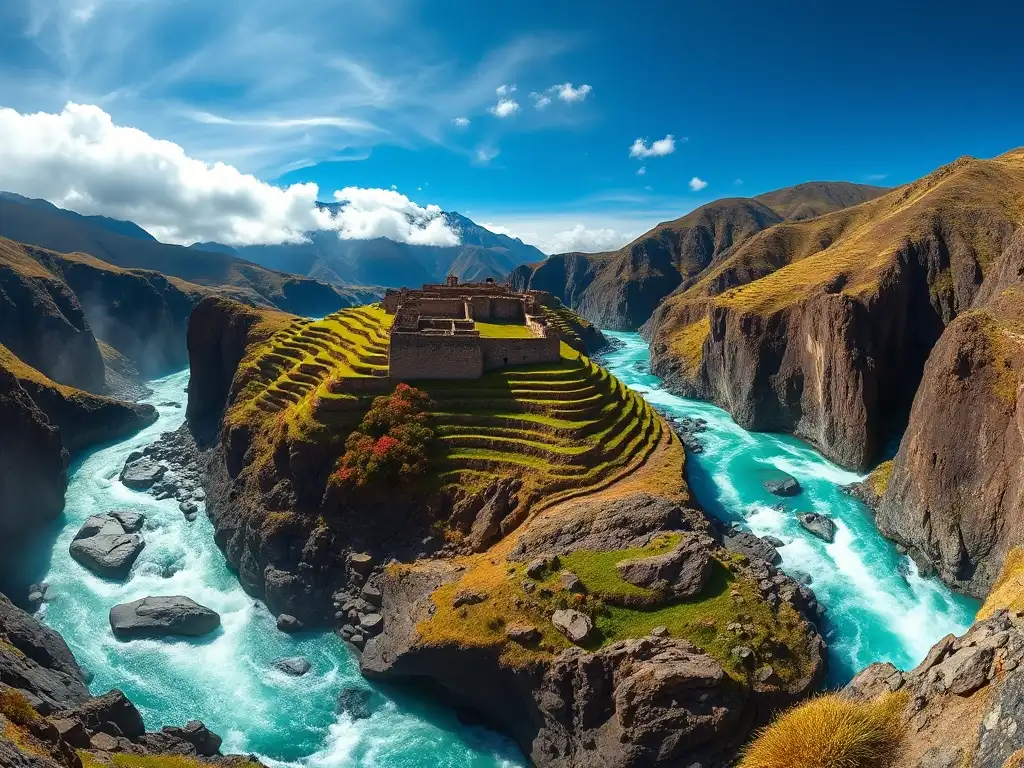
Dive into the mesmerizing world of Andean Civilizations! Journey through millennia of intricate artistry, breathtaking architecture, and captivating rituals. But have you ever considered the profound meaning hidden within the seemingly simple flow of a river? Our exploration of Andean river symbolism in ancient art unveils a world of fertility, power, and spiritual significance. Uncover the secrets embedded within these powerful symbols – prepare to be amazed.
The Andean civilizations, renowned for their breathtaking mountain landscapes and sophisticated artistry, held a profound reverence for water. This wasn't merely a practical appreciation for a vital resource; water, particularly rivers, held deeply symbolic meaning, intricately woven into their worldview, religious practices, and artistic expressions. This article delves into the rich symbolism of rivers and their association with fertility in Andean art, exploring how these powerful natural forces were represented across various cultures and time periods, from the intricate Nazca lines to the monumental Inca constructions.
We will uncover how Andean artists masterfully captured the life-giving essence of water, reflecting its crucial role in their societies and spiritual beliefs. This exploration will shed light on the complex relationship between the Andean people and their environment, revealing the profound ways in which they perceived and interacted with the natural world.
Understanding this symbolism is key to unlocking a deeper appreciation for the artistry and worldview of these remarkable ancient cultures. We will analyze specific examples across different Andean cultures, highlighting the variations and common threads in their artistic representations of this vital element.
The Life-Giving River: A Source of Sustenance and Spirituality
Andean rivers weren't simply geographical features; they were considered sacred veins of life, providing sustenance and shaping the very fabric of society. Their constant flow mirrored the cyclical nature of life, death, and rebirth, deeply ingrained in Andean cosmology. The rivers’ bounty – providing water for agriculture, supporting diverse ecosystems, and facilitating transportation – fostered a profound spiritual connection.
Many Andean cultures believed that deities resided within or controlled the flow of rivers, influencing agricultural yields and the overall well-being of the community. Artistic representations often depicted these divine beings interacting with or emerging from the river's waters, underscoring their sacred status. The abundance provided by the river was not just material; it was spiritual, sustaining the community in both physical and metaphysical ways.
This deep-seated connection is evident in the meticulous irrigation systems developed by the Andean people, a testament to their respect for and understanding of the life-giving power of water. Agricultural success was intimately linked to the river's benevolence, making it a focal point of ritual and artistic expression.
Depictions of Rivers in Andean Textiles and Ceramics
The artistic representations of rivers varied across different Andean cultures, reflecting their unique artistic styles and beliefs. Textiles, for example, often featured intricate designs depicting stylized rivers, flowing seamlessly through landscapes populated with humans, animals, and deities.
These designs, often using vibrant colors and complex weaving techniques, weren't merely decorative; they were powerful visual narratives, conveying stories and beliefs about the river's significance. Similarly, ceramic vessels frequently depicted river scenes, with water depicted through flowing lines, swirling patterns, and sometimes even the inclusion of miniature figures interacting with the water.
These vessels, used for both ritual and everyday purposes, served as a tangible link between the human and spiritual worlds, reinforcing the importance of the river in daily life and religious ceremonies. The varying styles across different regions – from the coastal Moche to the highland Tiahuanaco – demonstrate the unique artistic interpretations of this shared symbolic element, while maintaining the overarching theme of life, fertility, and divine power.
The River as a Symbol of Fertility and Renewal
The constant flow of water in Andean rivers was inextricably linked to the concept of fertility and renewal. The annual flooding, while potentially destructive, was also seen as a vital process that replenished the land, ensuring bountiful harvests. This cyclical pattern of destruction and renewal mirrored the Andean understanding of life and death, where death was not an end but a transition to rebirth. Artistic representations often emphasized this aspect, showcasing the river's ability to nurture life and sustain growth.
Depictions of abundant crops, flourishing vegetation, and thriving communities alongside river imagery reinforced this powerful association between water and fertility. This symbolism was crucial in agricultural societies where the success of the harvest directly impacted survival and societal well-being. The river's role as a source of life extended beyond the physical realm, encompassing the spiritual and cosmological dimensions of Andean beliefs.
The Nazca Lines and Water's Symbolic Representation
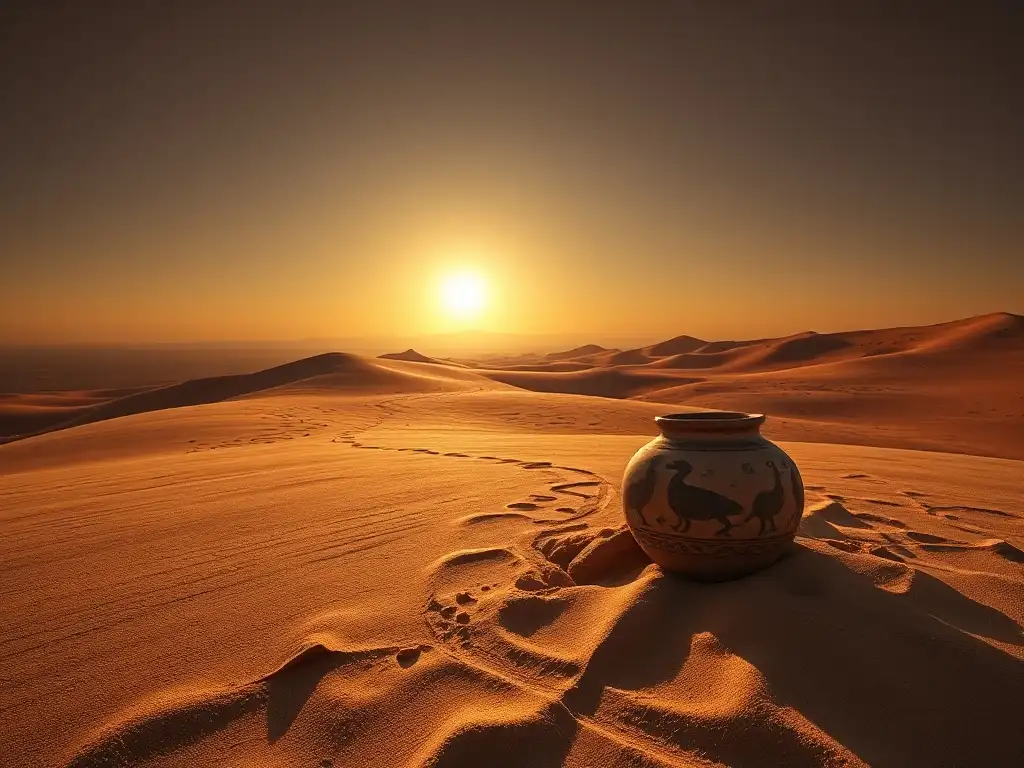
The enigmatic Nazca Lines, etched into the desert landscape, offer a unique perspective on Andean river symbolism. While the precise meaning of many lines remains a mystery, some scholars suggest that certain geoglyphs represent rivers and waterways, possibly indicating significant water sources or routes. These colossal designs, visible only from the air, raise questions about the Nazca's understanding of their environment and their sophisticated knowledge of water management.
The precision and scale of these geoglyphs suggest a profound reverence for water and its importance in sustaining life in a harsh desert environment. Further research is needed to fully decipher the symbolic meaning of these remarkable structures and their relationship to water, but their existence undeniably underscores the centrality of water in the Nazca worldview. The scale itself speaks volumes about the significance of water in their culture, exceeding the purely practical and entering the realm of the sacred.
Conclusion: Water as a Unifying Symbol in Andean Art
The symbolism of rivers and water in Andean art offers a compelling lens through which to understand the worldview and cultural practices of these ancient civilizations. From the intricate textiles and ceramics to the monumental Nazca Lines, the recurring theme of water's life-giving properties and its association with fertility underscores its central role in Andean society and spirituality. The diverse artistic representations across different cultures, while exhibiting unique styles, share a common thread: the profound reverence for water as a source of sustenance, renewal, and spiritual power. Further research into this rich symbolic landscape promises to uncover even deeper insights into the intricacies of Andean art and culture, enriching our understanding of these remarkable civilizations.
- The Life-Giving River: A Source of Sustenance and Spirituality
- Depictions of Rivers in Andean Textiles and Ceramics
- The River as a Symbol of Fertility and Renewal
- The Nazca Lines and Water's Symbolic Representation
- Conclusion: Water as a Unifying Symbol in Andean Art
The Vital Role of Water in Andean Cosmology
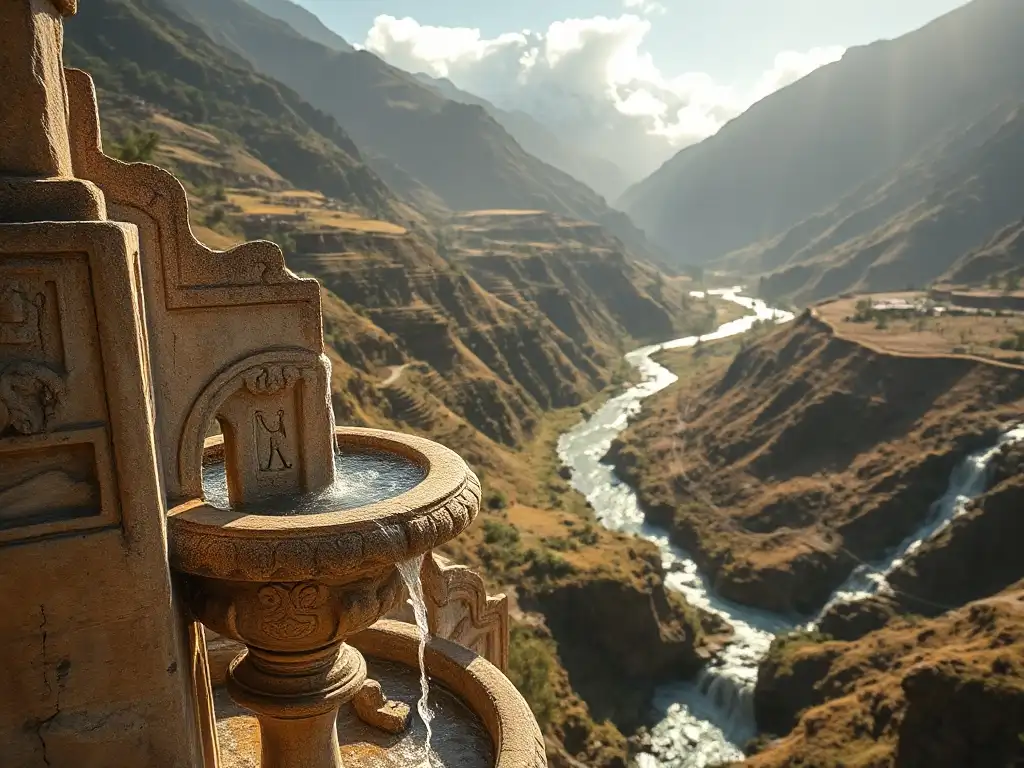
The Andean worldview profoundly intertwined the concept of water with life itself, fertility, and the very fabric of their cosmology. Water wasn't simply a resource; it was a sacred element, a powerful force shaping the landscape and influencing the spiritual realm. Understanding Andean river symbolism requires acknowledging this deep-seated reverence for water's life-giving properties.
Their intricate irrigation systems, stunning artwork depicting water deities, and elaborate ceremonies honoring water sources all testify to the centrality of this element in their beliefs and practices. This section will explore the significance of water sources in Andean beliefs and the conceptualization of rivers as life-giving arteries within the Andean worldview. The multifaceted symbolism surrounding water in Andean art reflects a complex relationship between the physical and spiritual worlds, where rivers acted as conduits connecting the earthly and celestial realms.
Analyzing these artistic expressions reveals a sophisticated understanding of hydrology and its profound impact on Andean society. The abundance or scarcity of water directly correlated with the success of agriculture, the cornerstone of their economy and social structure. This dependence fostered a deep spiritual connection, transforming water into a symbol of both prosperity and potential devastation.
The Significance of Water Sources in Andean Beliefs
Andean cultures, including the Inca, Moche, Nazca, and Tiahuanaco, held diverse yet interconnected beliefs about water sources. Springs, lakes, and rivers weren't just geographical features; they were considered sacred places, often inhabited by powerful deities or spirits. These sacred sites were frequently the focus of ritual activities, offerings, and pilgrimages. For example, the Inca revered certain springs as the origin points of life-giving energy, often constructing elaborate structures around these sources.
These structures weren't merely functional; they were imbued with religious significance, representing a tangible connection between the human and divine worlds. The precise rituals and beliefs varied across different Andean cultures, but the fundamental reverence for water as a sacred element remained constant. Archaeological evidence, such as the discovery of ritual objects near water sources, and ethnographic accounts from later periods, confirm the importance of these sites in Andean religious practices. The careful management of water resources, evident in their sophisticated irrigation systems, further underscores the deep-seated respect for this vital element.
The connection between water and fertility was paramount, as the success of agriculture depended entirely on the availability of water. This dependence shaped their worldview, weaving water into the very fabric of their spiritual and material lives. The abundance or scarcity of water directly affected their prosperity and survival, making it a central element in their prayers and ceremonies.
Rivers as Life-Giving Arteries: A Conceptual Overview
Andean river symbolism often portrays rivers as life-giving arteries, pulsating with vital energy that nourishes the land and its inhabitants. This conceptualization is vividly represented in their art, where rivers are depicted not merely as geographical features but as dynamic, flowing entities imbued with spiritual power. The imagery often includes anthropomorphic representations of rivers, suggesting a conscious, powerful force at play. For instance, some Moche pottery depicts river deities with flowing hair resembling water currents, emphasizing the river's life-giving and dynamic nature.
The visual representation of rivers in Andean art frequently connects them to the cyclical nature of life, death, and rebirth, mirroring the seasonal rhythms of the Andes. The flow of water itself becomes a metaphor for the continuous cycle of regeneration, reflecting the Andean understanding of the interconnectedness of all living things. The intricate network of canals and irrigation systems constructed by Andean civilizations further underscores their understanding of rivers as life-giving arteries, actively managing and harnessing the flow of water to sustain their communities.
These systems weren't simply engineering feats; they were expressions of a deep-seated respect for the river's power and a testament to their ability to work in harmony with the natural environment. The careful planning and execution of these irrigation projects demonstrate a sophisticated understanding of hydrology and a commitment to sustainable water management, showcasing the crucial role of rivers in their social and economic structures. The visual representation of these systems in some Andean art further emphasizes the importance of this controlled flow in their perception of Andean river symbolism.
Andean River Symbolism: Manifestations in Art
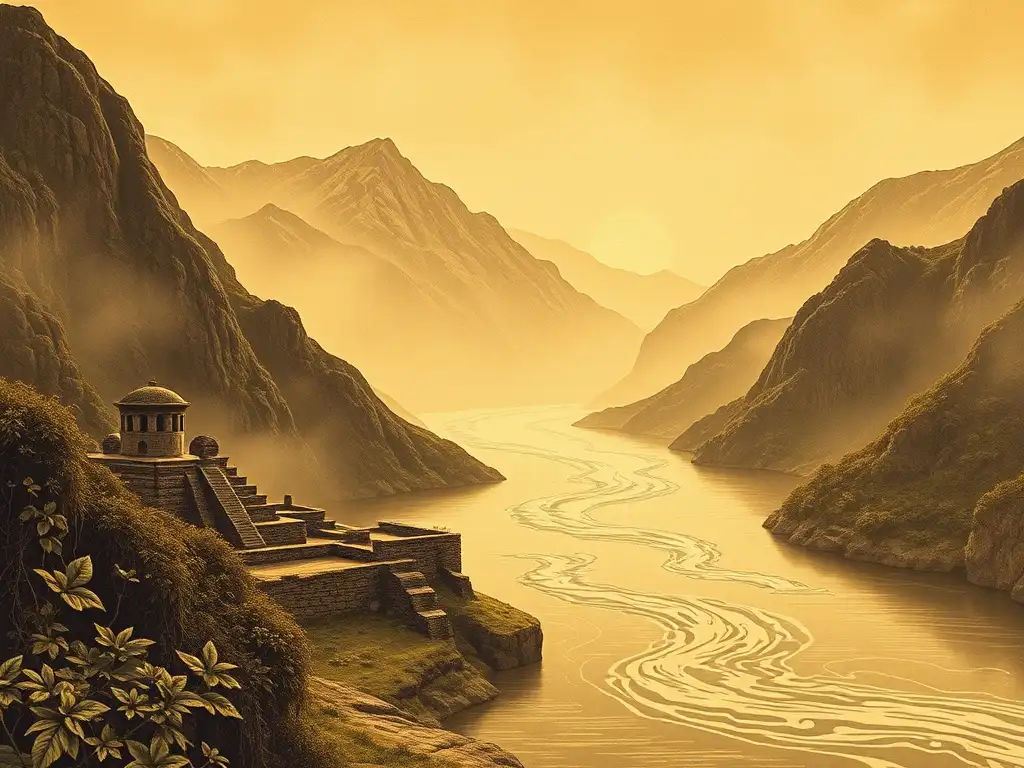
This section delves into the profound significance of rivers and water in the art and worldview of several prominent Andean civilizations. The lifeblood of these societies, water's symbolic power transcended mere sustenance, becoming deeply entwined with fertility, spirituality, and the very fabric of their existence. Analyzing the artistic expressions of the Moche, Nazca, and Tiahuanaco cultures reveals a consistent motif: the reverence for water as a source of life and a powerful force shaping their societies and beliefs.
This exploration of Andean river symbolism will uncover the intricate ways these civilizations represented this crucial element in their art, offering insights into their cosmology and social structures. Understanding Andean river symbolism provides a key to deciphering their rich artistic heritage and appreciating the profound connection they held with their environment.
Depictions of Rivers in Moche Ceramics
Moche pottery, renowned for its vibrant colors and intricate detail, frequently depicts rivers and aquatic life. These depictions are not mere naturalistic representations; rather, they are imbued with symbolic meaning, often portraying scenes of ritual, myth, and the power dynamics within Moche society. The rivers themselves are frequently shown as dynamic forces, sometimes raging torrents, other times calm and life-giving streams. This dynamic portrayal reflects the unpredictable nature of water in the arid coastal region where the Moche thrived, highlighting its both beneficial and destructive potential.
For instance, many Moche vessels showcase elaborate scenes of fishermen navigating rivers, reflecting the importance of fishing in their economy. However, the context often transcends simple documentation. The depiction of powerful figures overseeing or participating in these fishing scenes suggests the control and management of water resources as a crucial aspect of Moche power structures.
The presence of stylized aquatic creatures, such as fish and marine mammals, further emphasizes the connection between water, fertility, and the divine. These creatures are often depicted with exaggerated features, suggesting their ritual significance and their role in Moche mythology. The careful observation of these details in Moche ceramics reveals a complex understanding of Andean river symbolism, connecting water's power to social order and spiritual beliefs.
The Importance of Water Imagery in Nazca Lines
While less explicitly depicted than in Moche pottery, water imagery holds a significant, albeit more subtle, role in the enigmatic Nazca Lines. Although famed for their geoglyphs of animals and plants, a closer examination reveals a surprising number of designs that may represent channels, rivers, or water sources. The precise interpretation remains debated, but the placement of these lines in relation to actual water sources suggests a deep connection between the lines and the crucial role of water in the Nazca worldview.
Some scholars propose that certain lines might represent underground water channels or aquifers, reflecting a sophisticated understanding of hydrology. This hypothesis is supported by the fact that many of these lines are located near known water sources, suggesting an attempt to map and manage this precious resource. Other interpretations suggest a ritualistic purpose, with the lines serving as pathways for ceremonial processions related to water deities or fertility rites.
The immense scale of the Nazca Lines, coupled with their precise alignment, speaks to the profound importance of water for this civilization, even if its artistic representation is less direct than in Moche art. The complexity of interpreting these lines underscores the lasting mystery and the ongoing research into the sophisticated understanding of Andean river symbolism evident in Nazca culture.
Tiahuanaco Iconography: Water and its Deities
Tiahuanaco, a powerful Andean civilization, left behind a rich legacy of monumental architecture and intricate iconography, where water and its associated deities are central themes. Their art showcases a sophisticated understanding of water management and its symbolic representation. The iconic "Gateway of the Sun," for example, features intricate carvings that many scholars interpret as representations of water deities and associated symbols, including stylized water currents and aquatic creatures.
The repeated motif of a staff or scepter topped with a stylized bird or feline, often interpreted as a water deity, emphasizes the power and authority associated with controlling water resources. These figures are frequently depicted within elaborate architectural settings, suggesting their importance in Tiahuanaco's religious and political life. Furthermore, the city's sophisticated water management system, including canals and reservoirs, reflects a practical understanding of water's importance, reinforced by its prominent role in their religious and artistic iconography.
The intricate carvings and monumental architecture of Tiahuanaco provide compelling evidence of a complex cosmology centered around the veneration of water and its associated deities, demonstrating a sophisticated level of Andean river symbolism. Understanding this symbolism provides crucial insights into the societal structure and religious beliefs of this influential civilization.
Fertility and the Water Cycle in Andean Art
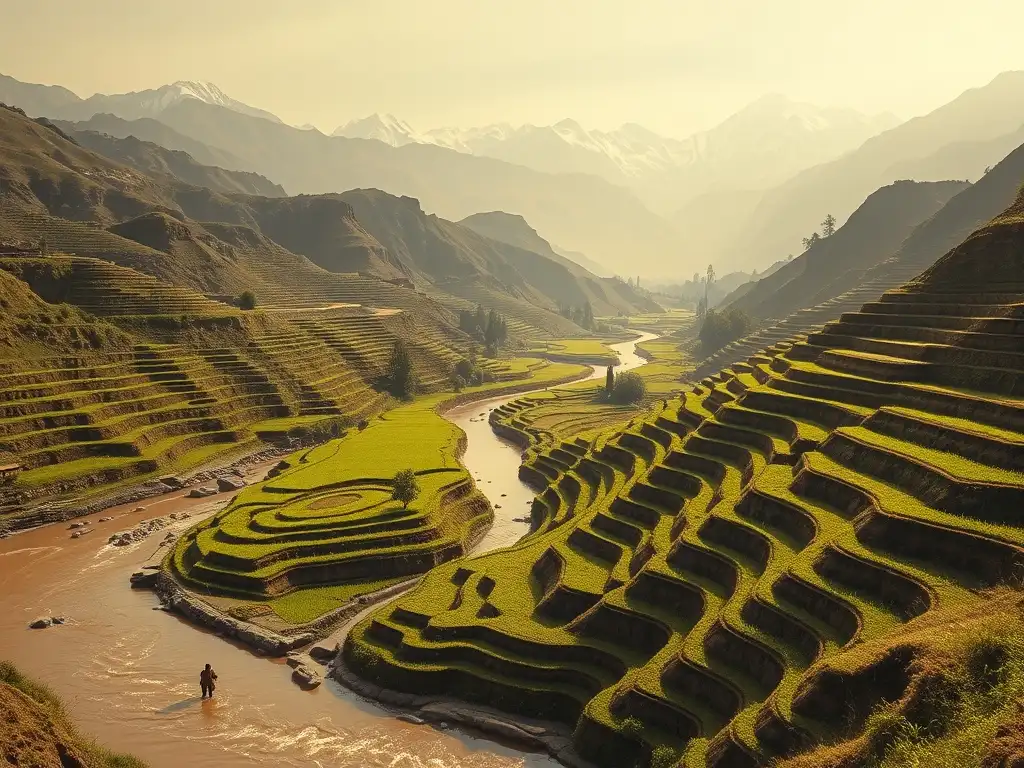
This section delves into the profound connection between water, fertility, and the agricultural success of Andean civilizations. Understanding this relationship is key to deciphering much of the symbolism present in their art. Andean river symbolism, deeply rooted in their cosmology, wasn't merely aesthetic; it was a reflection of their very survival.
The intricate relationship between the water cycle and agricultural abundance shaped their worldview and found potent expression in their artistic creations. The cyclical nature of water – from rainfall to river flow to irrigation – mirrored the cyclical nature of life itself, reinforcing the importance of venerating this precious resource. The success of their sophisticated agricultural techniques, such as terracing and waru waru, was directly dependent on the reliable flow of water, making it a central theme in their artistic representations.
The Connection Between Water and Agricultural Abundance
The Andean civilizations thrived on agriculture, and their survival depended on mastering the challenges of a varied and often unforgiving landscape. Their artistic depictions of water frequently emphasize its role in agricultural prosperity. Pottery, textiles, and even monumental architecture often showcase scenes of irrigation canals, flourishing crops, and abundant harvests, directly linking water to the bounty of the land.
For example, Moche pottery frequently depicts scenes of farmers working their fields, with canals meticulously channeling water to their crops. This isn't merely a depiction of daily life; it's a visual affirmation of the life-giving power of water and its crucial role in sustaining their society. The abundance depicted in these artworks, overflowing with fruits and vegetables, directly correlates to the successful management of water resources.
The meticulous detail in these representations underscores the high value placed on water management and its direct impact on their food security. Further research is needed to quantify the precise correlation between artistic representations of abundance and actual historical crop yields, but the visual evidence strongly suggests a direct link.
Representations of Fertility Deities Linked to Water
Many Andean deities were associated with water and fertility, their images frequently appearing in art alongside symbols of abundance. These deities, often depicted anthropomorphically or zoomorphically, acted as intermediaries between the human and supernatural realms, ensuring the continued flow of water and the prosperity of the land.
For example, the Inca god of water, Tawa Inti, is often represented in art with attributes related to both water and the sun, highlighting the essential role of solar energy in the water cycle. Similarly, representations of female deities associated with fertility and motherhood frequently appear in close proximity to water sources or symbols of water, reinforcing the interconnectedness of these concepts within their belief system.
Analysis of iconography reveals a consistent pattern: the presence of water often signifies fertility, abundance, and the divine favor necessary for successful harvests. The stylistic variations in these depictions, across different Andean cultures, offer valuable insights into regional variations in beliefs and practices surrounding water worship.
Rituals and Ceremonies Honoring Water's Power
Andean cultures performed numerous rituals and ceremonies to honor the power of water and ensure its continued flow. These ceremonies, often depicted in art, involved offerings, sacrifices, and prayers aimed at appeasing water deities and ensuring a bountiful harvest. The visual representations of these rituals provide crucial clues to understanding their religious beliefs and practices.
For instance, some pottery depicts processions carrying offerings to water shrines, indicating the importance of communal participation in these ceremonies. The careful execution of these rituals, as visually represented in Andean art, highlights the deep-seated reverence for water and its integral role in their social and religious life. Further research into specific ritual practices, using archaeological and ethnohistorical data, could provide even more detail on the connection between these ceremonies and the artistic representations found in surviving artifacts.
The integration of these findings with the artistic evidence would provide a richer, more nuanced understanding of Andean river symbolism and its cultural significance. The study of Andean river symbolism provides a fascinating glimpse into the intricate relationship between humans, nature, and the divine in ancient Andean societies.
Variations in Andean River Symbolism across Cultures
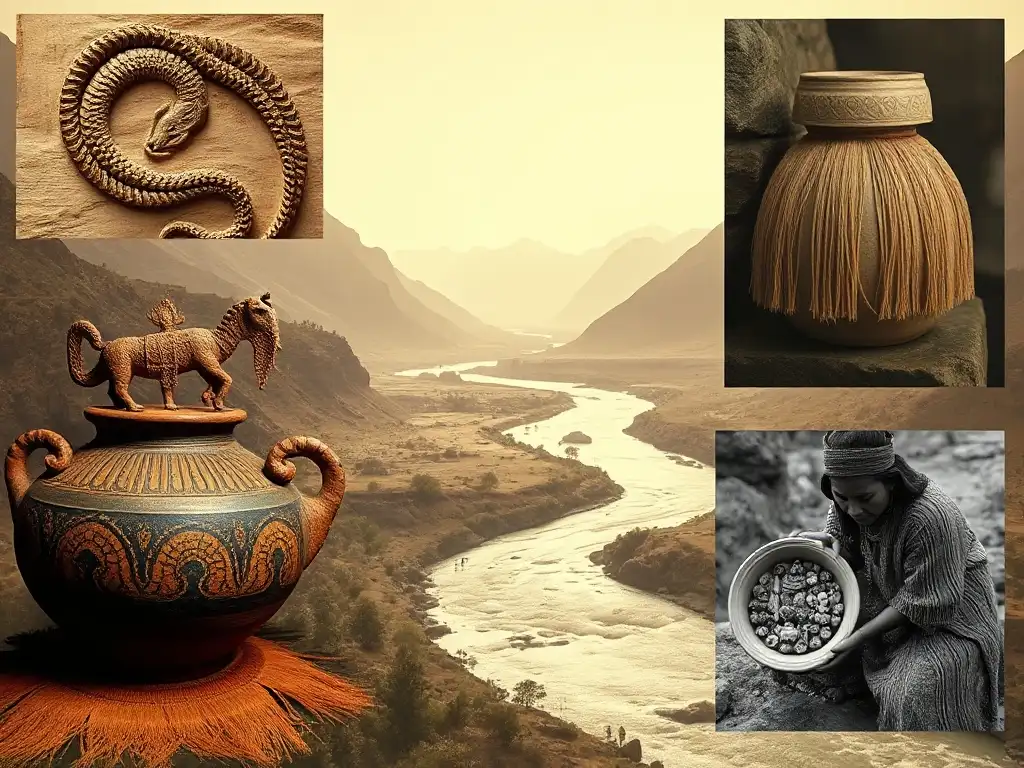
The interpretation of Andean river symbolism wasn't monolithic; it varied significantly across different cultures and time periods. While the life-giving properties of water were universally acknowledged, the specific artistic representations and associated beliefs differed substantially. Understanding these nuances is key to appreciating the rich tapestry of Andean art and its profound connection to the natural world. This section delves into these variations, highlighting the contrasting approaches of specific cultures and the regional differences in water-related iconography. We will examine how the concept of "Andean river symbolism" manifested uniquely across various Andean societies.
Contrasting Approaches: Moche vs. Inca
The Moche and Inca civilizations, though both deeply reliant on water for agriculture and survival, expressed their reverence for rivers in strikingly different ways. The Moche, known for their elaborate pottery, often depicted rivers as powerful, almost anthropomorphic entities. Their ceramics frequently show stylized rivers teeming with life, showcasing the abundance and fertility they provided. These depictions often included mythological creatures and scenes of ritual sacrifice, underscoring the sacred nature of water in their worldview. The rivers weren't just sources of life; they were active participants in the cosmic order.
In contrast, Inca art presents a more structured and formalized approach to river symbolism. While water's importance is undeniable, reflected in their sophisticated irrigation systems and agricultural practices, their artistic representations tend towards geometric patterns and symbolic motifs. Rather than depicting rivers directly, Inca art frequently utilizes symbols like stepped terraces or intricate knotwork to represent the controlled flow of water and its connection to agricultural prosperity.
This difference reflects the Inca’s highly organized societal structure and their emphasis on control and order, compared to the Moche's more dynamic and sometimes chaotic artistic portrayals. This contrast highlights how the same fundamental concept – the life-giving power of water – could be interpreted and represented in profoundly different ways within the Andean context.
Beyond the differences between major cultures, regional variations in Andean river symbolism are also noteworthy. The specific iconography used to represent water often varied depending on the local environment and the particular challenges and opportunities presented by the landscape. For example, coastal cultures might emphasize the connection between rivers and the ocean, depicting them as interconnected systems providing sustenance and resources. High-altitude cultures, on the other hand, might focus on the challenges of water management in arid environments, emphasizing the importance of irrigation and the careful control of water resources.
Consider the contrasting representations of water in the art of the Nazca and Tiahuanaco cultures. The Nazca, renowned for their geoglyphs, incorporated water imagery into their monumental earthworks. While not directly depicting rivers, the lines and patterns often suggest the flow of water and its connection to the land.
This subtly integrated approach stands in contrast to the more overtly symbolic representations found in Tiahuanaco art, where water is frequently depicted in conjunction with other deities and cosmological elements, emphasizing its role in the creation and maintenance of the world. The diverse regional expressions of "Andean river symbolism" enrich our understanding of the complex relationship between culture, environment, and artistic expression in the Andes.
Common Threads: The Unifying Theme of Water's Importance
Despite the significant variations discussed above, a common thread unites the diverse expressions of Andean river symbolism: the profound importance of water for life and sustenance. Across all cultures and regions, water is consistently depicted as a vital force, essential for agriculture, human survival, and the maintenance of cosmic order. This overarching theme underscores the deep-seated reverence for water that permeated Andean societies.
The consistent presence of water imagery in Andean art, regardless of the specific style or cultural context, highlights its central role in the Andean worldview. Whether depicted explicitly as flowing rivers, or symbolically represented through geometric patterns and motifs, water consistently appears as a powerful symbol of life, fertility, and the interconnectedness of the natural and spiritual worlds.
The enduring legacy of "Andean river symbolism" lies in its ability to convey this fundamental truth across diverse artistic expressions and cultural contexts, showcasing the enduring human connection to the life-giving power of water. This unifying theme transcends regional and cultural distinctions, emphasizing the shared experience of Andean civilizations and their deep-seated respect for the natural world.
The Enduring Legacy of Andean River Symbolism
The profound significance of rivers in Andean cultures extends far beyond their practical uses. Water, symbolized through intricate artistic representations, held a central role in the cosmology and worldview of numerous Andean civilizations, including the Inca, Moche, Nazca, and Tiwanaku. This symbolism wasn't merely decorative; it was deeply embedded in their religious beliefs, agricultural practices, and social structures. Understanding Andean river symbolism provides crucial insights into their complex societies and their intricate relationship with the natural world.
The imagery, often depicted in ceramics, textiles, and monumental architecture, consistently portrays rivers as life-giving forces, embodying fertility, abundance, and the cyclical nature of life and death. Analysis of these artistic expressions reveals a sophisticated understanding of hydrology and a profound respect for the power and mystery of flowing water. The enduring legacy of this symbolism is evident in contemporary Andean societies, where rivers continue to hold cultural and spiritual importance.
Modern Interpretations of Ancient Water Iconography
Contemporary scholars and artists continue to explore and reinterpret the ancient Andean depictions of rivers. Recent research emphasizes the multifaceted nature of this symbolism, moving beyond simplistic interpretations of fertility to encompass themes of power, social organization, and cosmic order. For instance, the intricate canal systems depicted in Moche pottery are not simply representations of irrigation; they also symbolize the sophisticated social engineering and hierarchical structures of Moche society.
Similarly, the stylized river depictions in Nazca ceramics, often associated with their famous geoglyphs, are being analyzed through the lens of astronomical alignments and cosmological beliefs, suggesting a connection between earthly water sources and celestial bodies. This renewed interest in Andean river symbolism is fostering a deeper appreciation for the artistic achievements and intellectual sophistication of these ancient cultures. The ongoing study of these artistic expressions continues to reveal nuanced layers of meaning, enriching our understanding of Andean civilization.
Furthermore, modern artists are drawing inspiration from these ancient motifs, creating contemporary works that engage with the enduring power of Andean water iconography. This ongoing dialogue between past and present ensures the continued relevance of Andean river symbolism in the 21st century.
The Continued Relevance of Water in Andean Culture
Despite centuries of cultural shifts and modernization, the reverence for water persists strongly within Andean communities. Rivers remain vital for agriculture, providing the lifeblood for crops and sustaining livelihoods. Many Andean communities continue traditional rituals and ceremonies centered around water sources, demonstrating the enduring spiritual significance of these natural elements.
These practices often involve offerings to water deities, prayers for abundant rainfall, and celebrations marking the cycles of water availability. The importance of water management, a legacy of the Inca's sophisticated hydraulic systems, continues to shape agricultural practices and community organization. The challenges of water scarcity in the Andes, exacerbated by climate change, have further highlighted the critical role of water in the region's social and economic stability.
This ongoing dependence on water and the continued practice of traditional water-related rituals underscore the powerful and enduring connection between Andean people and their water resources. The symbolic power of water, deeply rooted in their history and artistic heritage, remains a central element of their cultural identity.
Preserving the Cultural Significance of Water in Andean Art
The preservation of Andean art featuring river symbolism is crucial for safeguarding cultural heritage and promoting understanding of these ancient societies. Efforts to conserve and restore ancient artifacts, such as ceramics and textiles, are paramount. These preservation initiatives require careful handling, appropriate storage conditions, and the application of advanced conservation techniques.
Moreover, documenting and cataloging these artistic representations is essential for future research and analysis. This includes detailed photographic records, high-resolution scans, and comprehensive descriptions of the artifacts. Furthermore, promoting access to these collections through museums and digital archives makes Andean art more widely available to researchers, educators, and the public.
The education of local communities in the importance of their cultural heritage is also vital, encouraging participation in preservation efforts and fostering a sense of ownership and pride in their artistic legacy. By combining scientific preservation techniques with community engagement initiatives, we can ensure that the rich symbolism of Andean rivers continues to inspire and inform future generations. The ongoing commitment to preserving this artistic legacy helps to maintain the cultural significance of water in the Andes, furthering our appreciation of the region's rich history and enduring traditions.
Frequently Asked Questions
What is the significance of rivers in Andean cultures?
Rivers held immense spiritual and practical importance. They were seen as life-giving forces, essential for agriculture and sustaining communities, and often featured prominently in religious beliefs and ceremonies. Their flow symbolized fertility, abundance, and continuity.
How did Andean civilizations utilize rivers for agriculture?
Andean civilizations developed sophisticated irrigation systems to harness river water for agriculture. They built canals and terraces to manage water flow and cultivate crops in challenging terrains, leading to increased agricultural productivity and population growth. This is reflected in their art.
What role did rivers play in Andean religious beliefs?
Rivers were often considered sacred entities, embodying powerful deities or spirits. They were associated with fertility, life, and death, and many rituals and ceremonies were performed along riverbanks or involved offerings to river gods. Water's life-giving properties were deeply intertwined with their spiritual understanding.
How is the symbolism of rivers depicted in Andean art?
Andean art frequently portrays rivers using stylized imagery, often showing them as serpentine lines or flowing bands. They are depicted alongside other symbols of fertility and abundance, such as agricultural products or deities associated with water. This reflects their importance in daily life and religion.
Are there specific examples of Andean art showcasing river symbolism?
Yes, many examples exist. Textiles, ceramics, and metalwork from various Andean cultures often feature river motifs. For instance, Moche pottery frequently depicts rivers alongside scenes of agricultural activities or religious ceremonies, emphasizing the interconnectedness of water, fertility, and spirituality.
Final Reflection: The Enduring Flow of Andean River Symbolism
The vibrant symbolism of rivers in Andean art remains profoundly relevant today, a testament to the enduring power of cultural heritage and its connection to the very lifeblood of a civilization. Understanding this rich tapestry of meaning allows us to appreciate not only the artistic achievements of Andean cultures but also the deep-seated spiritual and practical relationship between people and their environment, a relationship that continues to shape societies worldwide.
The enduring influence of Andean river symbolism is evident in the continued reverence for water sources across the region, a legacy that transcends time and artistic expression. It's a powerful reminder of the interconnectedness of life, a concept echoed in the words of the Quechua people: The river is the vein of the earth, the lifeblood of our ancestors, and the future of our children.
This profound understanding of the river as a source of life, sustenance, and spiritual power is not merely a historical artifact; it's a living tradition that continues to inform contemporary Andean perspectives on environmental stewardship and cultural identity.
Consider the profound implications of this symbolism for your own life. How do you relate to the natural world around you? What sources of life and sustenance do you cherish? Take a moment to reflect on the power of symbols and their ability to connect us to something larger than ourselves. By understanding the deep-seated meaning of Andean river symbolism, we can gain a richer appreciation for the interconnectedness of all living things and the importance of preserving our planet's precious resources for generations to come.
Dive Deeper into Andean Inspiration!
Thank you for exploring the profound symbolism of rivers and fertility in Andean art. We hope you've gained new insights into how these elements shape cultural narratives and artistic expressions. Now, let's delve even further!
To deepen your connection with this rich heritage, consider these suggestions:
- Visit local galleries and museums showcasing Andean art to experience its beauty and symbolism firsthand.
- Share this article with friends and family to spark conversations about the importance of nature in art and culture.
- Join a community group or online forum dedicated to Andean civilizations to connect with fellow enthusiasts.
What aspect of Andean art resonates most with you, and how do you see its influence reflected in your own cultural background?