
Aymara Land Rights: Issues of Ownership and Resource Management

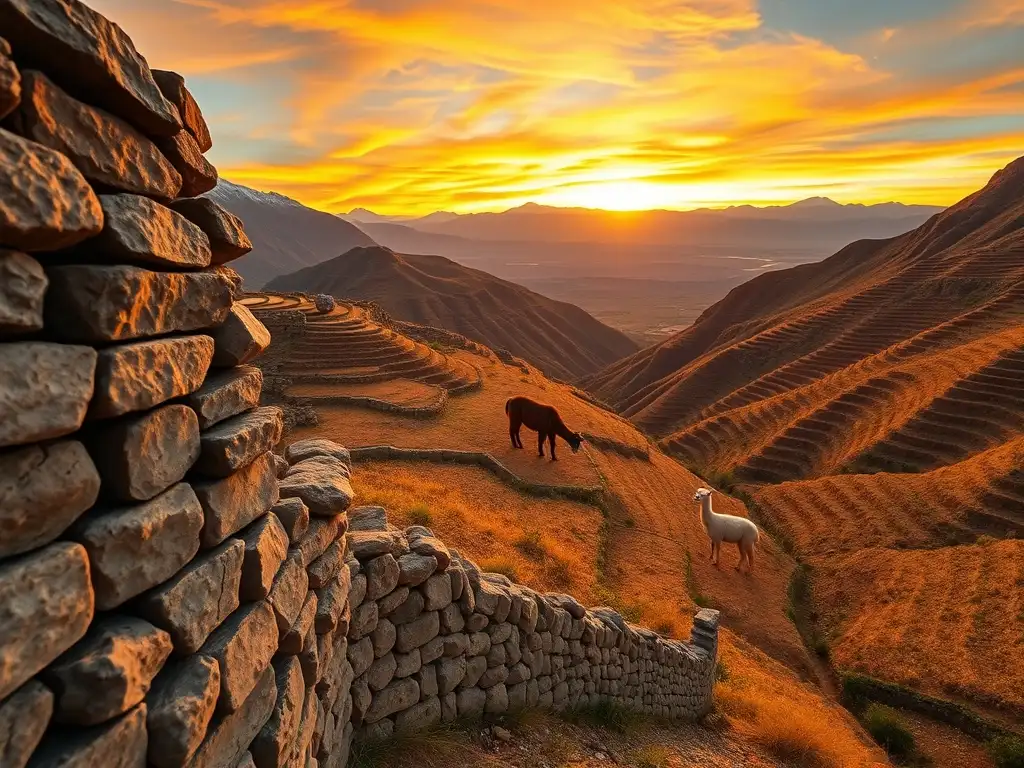
Step into a world lost to time, yet echoing powerfully in the present. For centuries, the Andes Mountains have witnessed the rise and fall of magnificent civilizations, each leaving behind a legacy of breathtaking artistry and ingenuity. But the story isn't just one of ancient wonders; it's a story that continues to unfold.
Discover how the fight for Aymara land rights is shaping the future of this captivating region, and delve into the complex issues of ownership and resource management that threaten the very heart of Andean heritage. Uncover the truth behind the headlines and explore the vibrant tapestry of Andean culture—the journey begins now.
The Aymara people, inhabiting the high Andes of Bolivia, Peru, and Chile, possess a deeply rooted and complex relationship with their land. This relationship, shaped over millennia, transcends mere ownership; it's interwoven with their spiritual beliefs, social structures, and economic survival. Understanding Aymara land rights requires moving beyond Western legal frameworks and delving into the intricate traditional systems that govern resource management and access.
This article explores the historical and contemporary challenges faced by the Aymara in securing and maintaining their land rights, focusing on the ongoing tensions between traditional practices and modern legal systems. The issues surrounding Aymara land ownership are not simply property disputes; they are fundamental to the preservation of their cultural identity and the sustainable management of their ancestral territories.
This analysis will examine the key conflicts, exploring the implications for the Aymara community and the broader Andean region. The struggle for land rights is, fundamentally, a struggle for self-determination and cultural survival.
Understanding Aymara Land Tenure Systems
Traditional Aymara land tenure systems are markedly different from Western models of individual ownership. Instead of private titles, Aymara communities often utilize collective or communal ownership structures. Land is typically held by the ayllu, an extended family group tracing ancestry back to a common ancestor, or by the community as a whole.
This communal system emphasizes shared responsibility for the land's sustainable use and ensures equitable access to resources for all members. Access rights are often determined by lineage, social standing within the community, and reciprocal obligations. This system, passed down through generations, is deeply ingrained in Aymara social and spiritual life.
The land is not merely a resource; it's a sacred entity, a source of life and identity. Understanding this fundamental difference is crucial to analyzing the contemporary challenges facing Aymara land rights. The lack of formal documentation of these traditional systems often places the Aymara at a disadvantage in interactions with national governments and external actors.
The complexities of these systems are further amplified by the historical context. Centuries of colonization and subsequent nation-state formation have significantly impacted traditional land tenure arrangements. The imposition of Western legal frameworks, often failing to recognize or accommodate customary practices, has led to widespread land disputes and dispossession. Many Aymara communities find themselves struggling to reconcile their traditional rights with the demands of modern legal systems.
This tension is a recurring theme in the ongoing fight for Aymara land rights. Further research is needed to fully document the diversity of Aymara land tenure systems across different regions and communities. [Specific information pending on regional variations in Aymara land tenure systems].
Traditional Aymara Concepts of Land Ownership
Traditional Aymara concepts of land ownership differ significantly from Western individualistic notions. The land is viewed not as a commodity to be bought, sold, or exploited, but as a vital part of a holistic ecosystem and a sacred element of their identity. The relationship between the Aymara and their land is spiritual and deeply interconnected. Mountains, rivers, and other natural features hold significant religious and cultural importance.
The concept of Pachamama (Mother Earth) is central to their worldview, emphasizing the interconnectedness of all living things and the responsibility to care for the environment. This respect for the land is reflected in their traditional farming practices, which emphasize sustainability and biodiversity. The concept of "ownership" is, therefore, a communal responsibility rather than an individual right. This understanding profoundly influences their approach to resource management and conflict resolution.
The impact of external pressures, such as mining and large-scale agricultural projects, has further complicated these traditional systems. These activities often disregard Aymara land rights and lead to environmental degradation and the displacement of communities. This has resulted in significant social and environmental conflicts.
The struggle to protect their ancestral lands is not just an economic fight; it's a fight to preserve their cultural heritage and maintain their traditional way of life. The challenge lies in finding ways to reconcile traditional Aymara land management practices with the demands of a globalized world, while safeguarding the rights and livelihoods of the Aymara people. Many Aymara communities are actively working to document and assert their land rights through legal and political means, seeking recognition of their traditional systems within the framework of national laws.
The Impact of Colonialism on Aymara Land Rights
Historical Dispossession of Aymara Lands
The Spanish conquest of the Andes profoundly altered Aymara land tenure systems. Prior to the arrival of Europeans, Aymara communities held collective rights to land, managed through complex systems of reciprocity and communal labor. These systems, often rooted in ancestral traditions and spiritual beliefs, ensured access to resources for all community members.
The Spanish, however, imposed a radically different system based on private property and individual ownership. Through a series of legal maneuvers and violent actions, they systematically dispossessed Aymara communities of their ancestral lands, often granting vast tracts to Spanish conquistadors and their descendants. This process, which involved forced labor (the mita) and the imposition of tribute systems, led to the fragmentation of Aymara landholdings and the erosion of traditional land management practices.
The impact of this historical dispossession continues to resonate today, shaping contemporary land conflicts and struggles for Aymara self-determination. Many Aymara communities still fight to reclaim lands unjustly taken during this period. The documentation of these historical injustices is crucial in current legal battles.
Changes in Land Management Practices
The imposition of colonial land tenure systems fundamentally altered Aymara land management practices. The shift from communal ownership to private property led to the breakdown of traditional cooperative farming systems. The ayllu, the traditional Aymara community structure, which played a central role in resource allocation and conflict resolution, was weakened.
The introduction of new agricultural techniques, often imposed by colonial authorities, sometimes proved detrimental to the delicate ecosystems of the Andes. The focus shifted from sustainable practices, such as crop rotation and terracing, towards monoculture farming aimed at maximizing profits for the colonial regime. This resulted in land degradation and loss of biodiversity in many regions.
The legacy of these changes continues to affect Aymara communities today, impacting their food security and their ability to maintain their traditional way of life. Modern agricultural practices, while sometimes increasing yields, often fail to account for the unique environmental challenges of the Andean highlands.
Contemporary Challenges to Aymara Land Rights
Legal Frameworks and Aymara Land Claims
Despite significant progress in recognizing indigenous rights in recent decades, Aymara communities continue to face significant challenges in securing their land rights. National legal frameworks often fail to adequately address the complexities of Aymara land tenure, which is often based on customary law and communal ownership rather than individual titles. The process of obtaining legal recognition of Aymara land claims can be lengthy, complex, and expensive, often requiring extensive documentation and legal expertise that may be beyond the reach of many communities.
Furthermore, bureaucratic inefficiencies and corruption can further impede the progress of land claims. The lack of clarity in legal frameworks regarding the intersection of customary and statutory law creates significant ambiguity and opens the door to land grabbing and exploitation. Many Aymara communities are actively working to strengthen their land claims through community-based mapping initiatives and advocacy efforts.
Conflicts over Resource Control
Conflicts over resource control remain a major challenge for Aymara communities. Competition for water resources, particularly in arid and semi-arid regions, is increasingly intense. The expansion of mining operations and other extractive industries often leads to land displacement and environmental degradation, impacting Aymara livelihoods and cultural heritage. These conflicts frequently pit Aymara communities against powerful corporations and government entities, creating significant power imbalances.
The lack of effective mechanisms for resolving land disputes and ensuring equitable access to resources exacerbates these tensions. The struggle for Aymara land rights is intrinsically linked to broader issues of environmental justice and self-determination, highlighting the need for inclusive and participatory approaches to resource management. Many Aymara communities are actively engaging in strategies of resistance and advocacy to protect their lands and resources from external threats. The fight for Aymara land rights is a complex and ongoing struggle, requiring sustained effort and international support.
Water Rights and Aymara Communities
The Importance of Water Resources in the Aymara Culture
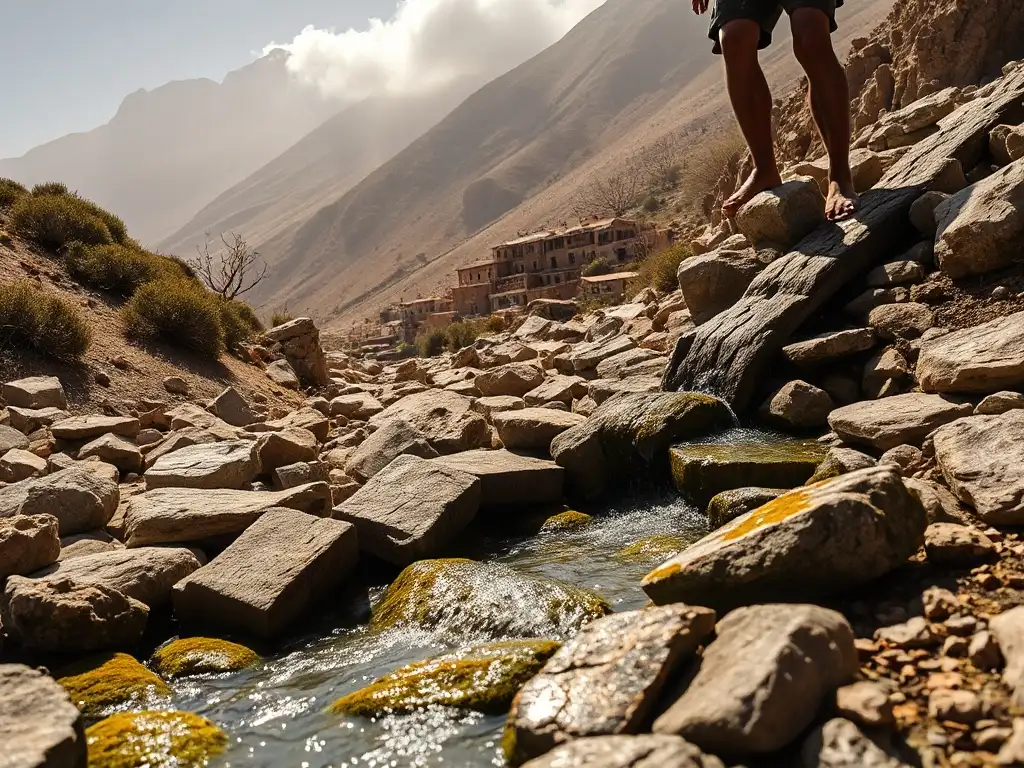
Water is life for the Aymara people, deeply intertwined with their spiritual beliefs, social structures, and agricultural practices. Their worldview recognizes the interconnectedness of all living things and considers water a sacred element, essential for sustaining life and maintaining ecological balance. Traditional Aymara communities have developed intricate systems of water management, passed down through generations, ensuring equitable distribution and sustainable use.
These systems, often based on communal ownership and cooperation, reflect a profound understanding of water's vital role in their livelihoods and cultural identity. The careful management of water sources is not merely a practical necessity but a fundamental aspect of their cultural heritage, reflecting their deep respect for nature and its resources.
Their ceremonies and rituals frequently incorporate water as a symbol of purity, fertility, and renewal. The loss of control over water resources, therefore, represents a significant threat not only to their economic well-being but also to their cultural survival.
Disputes Over Water Access and Distribution
The increasing scarcity of water resources, exacerbated by climate change and competing demands from external actors, has led to escalating disputes over water access and distribution among Aymara communities and with other stakeholders. These conflicts often arise from the tension between traditional Aymara water management practices and modern legal frameworks that may not adequately recognize their customary rights.
The privatization of water resources, driven by economic pressures, further undermines the communal systems that have long governed water use in Aymara communities. Specific cases involving disputes over irrigation channels, access to springs, and the allocation of water for different uses have resulted in conflicts and legal battles, highlighting the urgent need for a more just and equitable approach to water resource management that respects the rights and traditions of the Aymara people.
These disputes often involve complex negotiations and legal challenges, with varying degrees of success in upholding Aymara customary water rights. The lack of clear legal recognition of these rights often leaves Aymara communities vulnerable to exploitation and dispossession.
Mining and its Impact on Aymara Territories
Environmental Degradation and its Effects on Aymara Land
Mining activities, particularly large-scale industrial mining, pose a significant threat to Aymara territories and their traditional ways of life. The environmental degradation caused by mining operations, including deforestation, soil erosion, water pollution, and air pollution, has devastating consequences for Aymara communities who rely on these resources for their livelihoods and cultural practices. The contamination of water sources, for instance, directly impacts agriculture, livestock, and human health.
The destruction of ecosystems also disrupts traditional practices like pastoralism and the collection of medicinal plants. These environmental impacts are not merely economic losses but have profound social and cultural consequences, undermining the very foundations of Aymara society. The long-term effects of environmental degradation on Aymara health and well-being are particularly concerning, necessitating thorough investigation and mitigation strategies.
Conflicts with Mining Companies
Conflicts between Aymara communities and mining companies are frequently reported, arising from disagreements over land rights, environmental protection, and compensation for damages. Mining companies, often driven by profit maximization, may disregard the rights and concerns of Aymara communities, leading to resentment and resistance. These conflicts can manifest as protests, legal challenges, and even violent confrontations.
The lack of effective mechanisms for conflict resolution and the imbalance of power between multinational corporations and indigenous communities exacerbate these tensions. Many cases demonstrate the unequal distribution of benefits derived from mining activities, with Aymara communities often bearing the brunt of the environmental and social costs while receiving minimal compensation.
The lack of free, prior, and informed consent (FPIC) in many mining projects further fuels the conflict and undermines the self-determination of Aymara communities. The need for greater transparency and accountability in the mining industry, coupled with robust mechanisms to protect the rights of indigenous communities, is crucial for resolving these conflicts and fostering sustainable development.
The Struggle for Aymara Self-Determination
The Aymara people's struggle for land rights is intrinsically linked to their fight for self-determination. For centuries, their ancestral lands have been subject to encroachment, dispossession, and the imposition of external systems of land ownership that disregard their traditional practices and communal structures. This historical context significantly shapes contemporary land rights issues.
The denial of land rights has not only resulted in economic hardship but has also undermined the Aymara's cultural identity and ability to maintain their unique way of life. The struggle, therefore, is not simply about access to resources; it's about reclaiming autonomy and preserving a cultural heritage deeply rooted in the land. The ongoing fight for land rights represents a broader struggle for cultural survival and the recognition of Aymara sovereignty.
The implications extend beyond the immediate economic benefits, impacting social cohesion, environmental stewardship, and the preservation of invaluable traditional knowledge. This fight highlights the complex interplay between land, identity, and self-determination for indigenous communities worldwide.
Aymara Organizations and Land Rights Advocacy
Several Aymara organizations play a crucial role in advocating for land rights. These groups work at local, national, and international levels to raise awareness about the challenges faced by the Aymara communities and to lobby for policy changes. Their strategies range from community-based education and mobilization to legal challenges and international advocacy. [Specific names and details of Aymara organizations pending].
These organizations often collaborate with other indigenous groups and international NGOs to amplify their voices and build stronger coalitions. Their work is essential in navigating the complex legal and political landscapes to secure the recognition and protection of Aymara land rights. Successful advocacy often involves building alliances with sympathetic government officials, international bodies, and other stakeholders who support indigenous rights. The impact of these organizations is demonstrably significant in raising awareness and achieving some level of progress in land rights recognition.
Seeking Recognition of Traditional Land Rights
A critical aspect of the Aymara land rights struggle is the pursuit of recognition for their traditional land tenure systems. These systems, often based on communal ownership and customary practices, differ significantly from the Western model of individual land ownership. The challenge lies in bridging the gap between these contrasting systems and persuading governments to acknowledge the validity and legitimacy of Aymara traditional land rights. This involves demonstrating the historical continuity of Aymara land use and the effectiveness of their traditional management practices.
[Specific examples of successful legal cases or policy changes pending]. The recognition of these traditional systems is crucial not only for securing land access but also for preserving the cultural practices and knowledge associated with them. This struggle often requires a deep understanding of both Aymara customary law and the national legal frameworks governing land ownership.
Sustainable Land Management Practices in Aymara Communities
Aymara communities have, for generations, developed and refined sustainable land management practices that demonstrate a deep understanding of their environment and its limitations. These practices are crucial for ensuring long-term food security and environmental protection. These methods have proven remarkably resilient in the face of climate change and environmental degradation. Their success lies in a holistic approach that considers the interconnectedness of various ecological factors.
The preservation and promotion of these practices are essential not only for the Aymara people but also for broader efforts in sustainable development and environmental conservation. Their traditional knowledge offers valuable lessons for modern agricultural practices and environmental management worldwide. The integration of traditional wisdom with modern scientific approaches can lead to even more effective and sustainable land management strategies.
Traditional Agricultural Techniques
Traditional Aymara agricultural techniques are characterized by their ingenuity and adaptation to the challenging Andean environment. These techniques are often highly localized, varying depending on altitude, soil type, and microclimate. They emphasize biodiversity, minimizing environmental impact, and maximizing yields within the constraints of the available resources. [Specific examples of traditional Aymara farming techniques pending, such as crop varieties, irrigation systems, etc.].
These methods are not simply about food production; they are deeply intertwined with Aymara spiritual beliefs and cultural practices. The preservation of this traditional knowledge is vital for maintaining food security and cultural heritage. Understanding these techniques can provide valuable insights for developing climate-resilient agricultural practices in other regions facing similar challenges.
Terracing and Crop Rotation
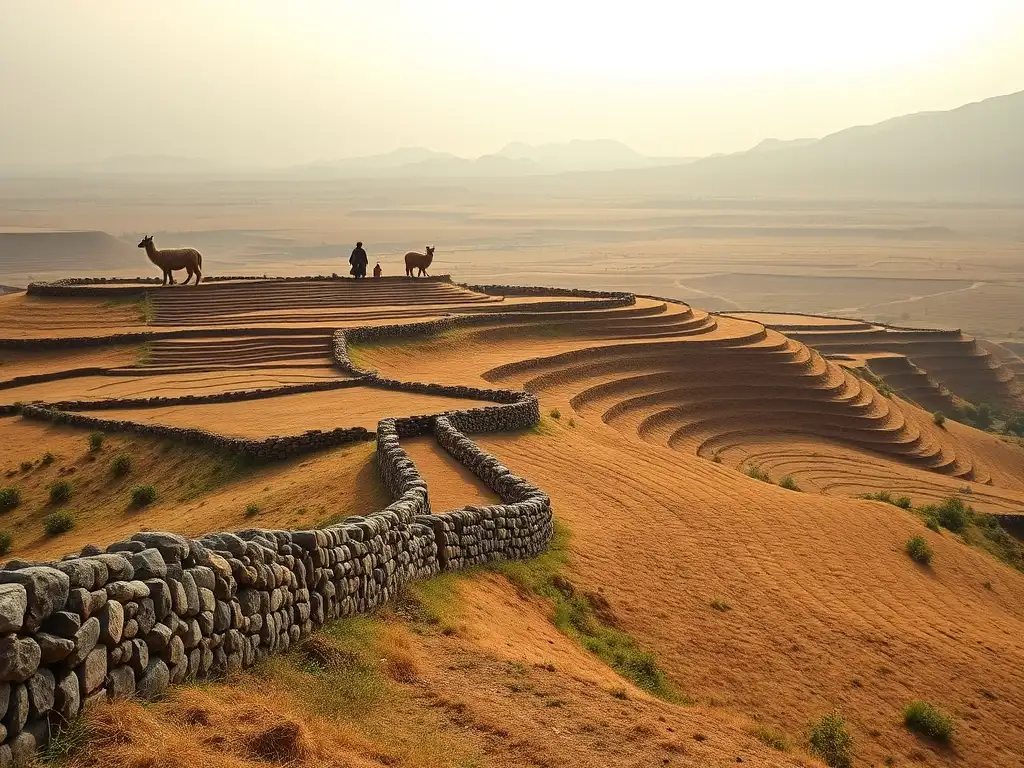
Two particularly noteworthy examples of sustainable Aymara agricultural practices are terracing and crop rotation. Terracing, the creation of level platforms on sloping land, dramatically reduces soil erosion and maximizes usable land area. This technique demonstrates a sophisticated understanding of water management and soil conservation. Crop rotation, the practice of planting different crops in succession, helps to maintain soil fertility, reduce pest infestations, and enhance biodiversity.
These practices, developed over centuries, showcase the Aymara's profound knowledge of their environment and their commitment to sustainable resource management. The effectiveness of these techniques is evident in the long-term productivity of Aymara agricultural lands. Studying and replicating these methods could offer valuable lessons for modern agriculture, particularly in areas with challenging terrains or environmental limitations. The integration of these traditional practices into contemporary agricultural strategies could contribute significantly to sustainable food production and environmental stewardship.
Case Studies: Land Disputes and Aymara Resilience
The struggle for Aymara land rights is a complex and ongoing process, marked by both significant challenges and remarkable resilience. Understanding specific cases illuminates the multifaceted nature of these issues and the strategies employed by Aymara communities to protect their ancestral territories. These disputes often involve not only land ownership but also access to crucial resources like water, pastureland, and minerals, which are essential for their livelihoods and cultural practices.
The Aymara people have consistently demonstrated a deep connection to their land, viewing it not merely as a source of economic sustenance but as an integral part of their identity and spiritual heritage. This profound connection fuels their determination to defend their rights against encroaching interests.
Many Aymara communities have successfully navigated legal and political landscapes to reclaim lost lands or secure better protection for their existing territories. Their strategies often involve community mobilization, legal advocacy, and collaborations with national and international organizations.
Case Study 1: The Mallku Khota Conflict
The Mallku Khota conflict, [specific location and timeframe pending], exemplifies the challenges faced by Aymara communities in defending their land rights against external pressures. This case involved a dispute over [specific area of land], a region crucial for [specific resources, e.g., grazing, water access]. [Specific details of the conflict, including the opposing parties and the nature of their claims, pending].
The Aymara community of Mallku Khota employed various strategies, including [mention specific strategies such as community mobilization, legal action, or alliances with NGOs], to assert their claims. The outcome of this conflict highlights the importance of [mention key lessons learned, e.g., strong community organization, legal expertise, and international support].
The struggle underscored the need for clear land demarcation and the strengthening of legal frameworks that protect indigenous land rights. The resilience shown by the Aymara community in the face of adversity serves as an inspiration for other indigenous groups facing similar challenges.
Case Study 2: The Community of Chipaya's Land Recovery
The Chipaya community's experience in recovering their ancestral lands provides a powerful example of successful Aymara land reclamation. [Specific details regarding the historical loss of land and the subsequent recovery efforts, pending]. The Chipaya community's success can be attributed to [mention key factors contributing to their success, e.g., effective community organization, strategic alliances, and legal expertise].
This case study demonstrates the importance of [mention key lessons, e.g., long-term planning, persistent advocacy, and the effective use of legal mechanisms] in securing indigenous land rights. The Chipaya’s success story offers a valuable lesson for other Aymara communities and indigenous groups worldwide, showcasing the power of collective action and strategic legal engagement. Their achievement serves as a testament to the enduring strength and determination of the Aymara people in protecting their cultural heritage and securing their future.
The Future of Aymara Land Rights
The future of Aymara land rights hinges on several crucial factors, requiring a multifaceted approach involving legal reforms, community empowerment, and international collaboration. Addressing these challenges requires a concerted effort from various stakeholders, including governments, NGOs, and international organizations. The ongoing struggle for Aymara land rights underscores the need for a more comprehensive understanding of the complex interplay between legal frameworks, customary practices, and the socio-economic realities of Aymara communities.
Continued advocacy and research are vital to ensure that the rights of the Aymara people are fully respected and protected. The ultimate goal is to create a system that not only recognizes but also effectively safeguards Aymara land ownership and resource control for generations to come.
Securing Land Titles and Resource Control
Securing legally recognized land titles is a paramount concern for Aymara communities. This involves streamlining existing land registration processes, addressing historical injustices in land allocation, and ensuring that Aymara customary land tenure systems are respected and incorporated into national legal frameworks. Furthermore, securing control over vital resources, such as water and mineral deposits, is essential for the economic and social well-being of Aymara communities. This requires implementing regulations that protect these resources from exploitation and ensure that Aymara communities benefit directly from their use.
The effective management of these resources is crucial for sustainable development and the preservation of Aymara cultural practices. Failure to address these issues could lead to further marginalization and displacement of Aymara communities. Therefore, securing land titles and resource control is not just a legal matter but a fundamental issue of social justice and environmental sustainability.
Protecting Aymara Heritage and Resources
Protecting Aymara heritage and resources goes beyond simply securing land titles. It encompasses safeguarding sacred sites, preserving traditional agricultural practices, and promoting sustainable resource management. This requires a holistic approach that integrates cultural preservation with economic development. The unique knowledge and practices of the Aymara people regarding resource management should be recognized and valued. This includes incorporating traditional ecological knowledge into modern conservation strategies.
Furthermore, promoting sustainable tourism that benefits Aymara communities while respecting their cultural heritage is essential for economic development and cultural preservation. Failure to adequately protect Aymara heritage and resources could lead to the irreversible loss of invaluable cultural knowledge and ecological diversity. A long-term strategy must be developed that ensures the preservation of Aymara heritage for future generations. This requires the collaboration of various stakeholders, including government agencies, academic institutions, and Aymara communities themselves.
- Understanding Aymara Land Tenure Systems
- Traditional Aymara Concepts of Land Ownership
- The Impact of Colonialism on Aymara Land Rights
- Contemporary Challenges to Aymara Land Rights
- Water Rights and Aymara Communities
- Mining and its Impact on Aymara Territories
- The Struggle for Aymara Self-Determination
- Sustainable Land Management Practices in Aymara Communities
- Case Studies: Land Disputes and Aymara Resilience
- The Future of Aymara Land Rights
- What are the main Aymara land rights issues?
- How does the history of colonialism affect current Aymara land rights?
- What role do natural resources play in Aymara land rights issues?
- What are the current legal frameworks governing Aymara land rights?
- How are Aymara communities addressing these land rights issues?
Frequently Asked Questions
What are the main Aymara land rights issues?
The main issues revolve around land ownership disputes, often stemming from unclear historical land titles and conflicting claims with the state or other groups. This leads to difficulties in accessing resources and securing economic development.
How does the history of colonialism affect current Aymara land rights?
Colonial policies resulted in the dispossession of Aymara lands and the imposition of systems that didn't recognize traditional forms of land tenure. These historical injustices continue to fuel present-day conflicts and legal battles.
What role do natural resources play in Aymara land rights issues?
Access to water, minerals, and fertile land are central to Aymara livelihoods. Disputes over these resources frequently escalate into conflicts over land ownership and control, exacerbating existing tensions.
What are the current legal frameworks governing Aymara land rights?
The legal landscape is complex, with a mix of national laws and international agreements attempting to address indigenous land rights. However, enforcement and implementation remain challenging, leaving many Aymara communities vulnerable.
How are Aymara communities addressing these land rights issues?
Aymara communities utilize various strategies, including community-based land management, legal advocacy, and political mobilization to protect their land and resources. They often work with NGOs and international organizations for support.
Final Reflection: Reclaiming the Land, Reclaiming the Future
The struggle for Aymara land rights remains a critical battleground in the fight for indigenous self-determination and environmental justice. The interconnectedness of land ownership, resource management, and cultural survival is starkly evident in the ongoing challenges faced by Aymara communities, highlighting the urgent need for global awareness and effective action. The implications extend far beyond Bolivia and Peru, serving as a microcosm of broader issues surrounding indigenous rights and sustainable development worldwide.
The enduring legacy of colonialism continues to shape the Aymara experience, impacting not only their access to resources but also their cultural identity and spiritual well-being. The fight for land rights is intrinsically linked to the preservation of ancestral knowledge and traditions. As the late Eduardo Galeano eloquently stated, Memory is the weapon of the powerless.
For the Aymara, reclaiming their land is a reclamation of their history, their identity, and their future. This fight is not merely about property; it's about the very essence of their existence.
Consider the profound implications of this struggle. What role can you play in amplifying the voices of marginalized communities? How can we, as individuals and as a global society, support initiatives that promote indigenous land rights and sustainable resource management? The future of the Aymara, and indeed the future of our planet, depends on our collective commitment to justice, equity, and the preservation of cultural diversity. Let us choose to be part of the solution, not the problem.
Unveil Your Impact on Aymara Land Rights!
Thank you for exploring the crucial issues surrounding Aymara land rights and resource management. Your interest is vital for raising awareness and promoting understanding. Now, let's take action!
Here's how you can make a difference:
- Join local advocacy groups working to protect Aymara land rights. Amplify their voices within your community.
- Share this information with friends and on social media to raise awareness and encourage discussion about land ownership and resource management.
- Learn more about Aymara culture through documentaries and books. Deepen your understanding of their challenges and triumphs.
What role do you believe local communities should play in addressing these land rights challenges? Let's discuss!