
Huari Iconography: Deciphering the Meaning Behind Their Powerful Symbols

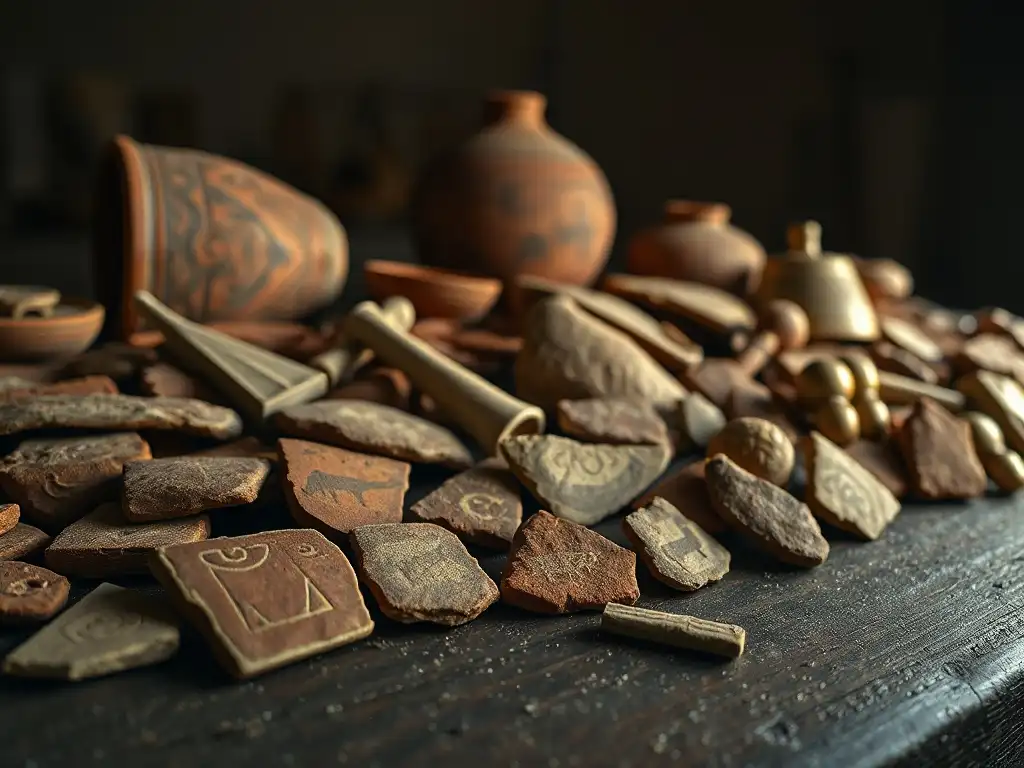
Step into a world lost to time, yet echoing with vibrant stories. Imagine deciphering the secrets held within the intricate designs of Huari pottery. This isn't just pottery; it's a window into the complex beliefs and sophisticated society of a pre-Inca civilization. Uncover the hidden meanings behind their powerful symbols and journey through the captivating world of Andean artistry – explore the enigmatic world of Huari pottery symbols meaning and unlock the mysteries of the Andes!
The Huari culture, a powerful pre-Inca civilization that flourished in the central Andes from approximately 600 to 1000 CE, left behind a rich legacy of intricate and enigmatic art. Their pottery, textiles, and stone carvings are replete with symbolic imagery, offering a fascinating glimpse into their complex religious beliefs, social structures, and worldview.
This article delves into the captivating world of Huari iconography, exploring the meanings behind their powerful symbols and the methods used by scholars to decipher this visual language. We will focus on interpreting the meaning of these symbols, primarily as found on their highly prized pottery, to understand the cultural significance and the clues they offer to the society and beliefs of the Huari people.
Understanding Huari pottery symbols meaning provides key insights into this remarkable civilization and its enduring impact on the Andes. This exploration will shed light on the sophisticated artistic techniques and the profound symbolic system that characterized Huari culture, contributing to a deeper appreciation of their achievements.
Introduction to Huari Art and Symbolism
Huari art is characterized by its distinctive style, often featuring stylized figures, geometric patterns, and repeated motifs. Unlike some other Andean cultures, Huari art doesn't depict realistic scenes as frequently. Instead, it uses a more abstract and symbolic language, making interpretation challenging but rewarding. The most common mediums for Huari art were pottery, textiles, and stone carvings.
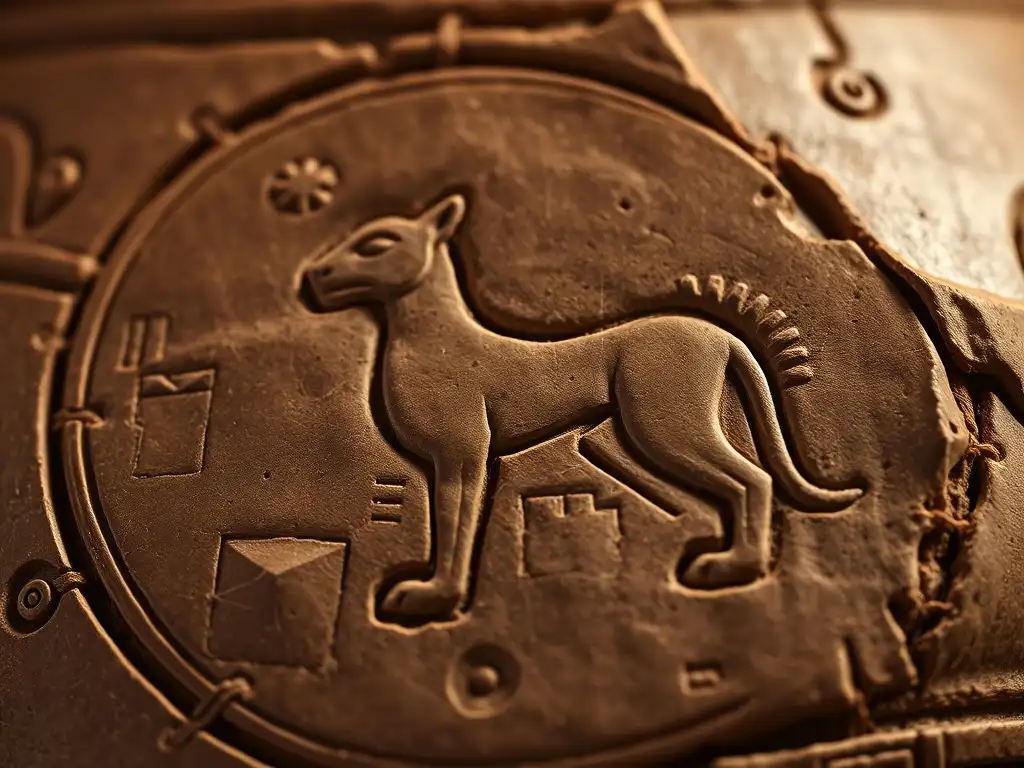
Pottery, in particular, serves as a rich source of information about Huari symbolism, with many vessels displaying complex iconographic designs. These designs weren't merely decorative; they conveyed potent messages and narratives integral to Huari society. For example, recurring motifs such as feline figures, stepped pyramids, and stylized birds likely held significant religious or political meaning.
The careful placement and combination of these symbols within a design further enhanced their complexity and potential interpretations. Understanding the context in which these artifacts were found—whether in tombs, temples, or domestic settings—is crucial to accurately interpreting their symbolism. Archaeological evidence suggests a standardized artistic style across the Huari empire, hinting at a centralized system of control and perhaps a shared ideology.
Understanding the Visual Language of the Huari
Deciphering Huari symbolism requires a multi-faceted approach. Scholars utilize a combination of comparative analysis with other Andean cultures, careful study of artifact placement within archaeological contexts, and an understanding of broader Andean iconographic traditions. For example, the frequent depiction of feline figures might connect to pan-Andean beliefs concerning feline deities or shamanistic practices. Similarly, stepped pyramids, a common motif in Huari art, could represent sacred architecture or cosmological concepts.
The use of color is also significant. Certain colors may have been associated with specific deities, social statuses, or ritual practices. Furthermore, the arrangement of symbols within a design is crucial; their proximity and relationship to one another can alter their meaning. The study of Huari pottery, in particular, benefits from examining the shapes and sizes of vessels, as these features could indicate the intended use and social context of the artifact, providing further clues to understanding the meaning of its symbolic decoration.
The ongoing research and collaboration between archaeologists and art historians continue to deepen our understanding of this sophisticated and fascinating visual language. The discovery of new artifacts and the application of advanced analytical techniques promise to further illuminate the rich tapestry of Huari symbolism. This ongoing effort helps us move beyond simple descriptions of the symbols to a richer understanding of their significance within the Huari worldview.
Key Elements in Huari Iconography
Huari iconography, a visual language rich in symbolism, is characterized by its distinctive style and recurring motifs. Understanding these elements is crucial to deciphering the messages embedded within their pottery, textiles, and architecture. The most prevalent elements include stylized human figures, often depicted in ceremonial attire or engaging in ritualistic activities.
These figures, while sometimes seemingly simplistic, convey complex social hierarchies and religious beliefs. Another key element is the prominent use of geometric shapes and patterns, which are not merely decorative but carry deeper symbolic meaning, often representing concepts like celestial bodies, agricultural cycles, or perhaps even abstract notions of power and order. The careful study of these elements, in conjunction with archaeological context, provides invaluable insights into the Huari worldview and social structure.
The use of vibrant colors, particularly reds, blacks, and yellows, further enhances the symbolic power of these images. These weren't just aesthetic choices; the specific colors themselves likely held symbolic significance, perhaps representing different deities, social classes, or natural elements. Further research is needed to fully understand the nuances of color usage in Huari iconography.
The Significance of Geometric Patterns in Huari Art
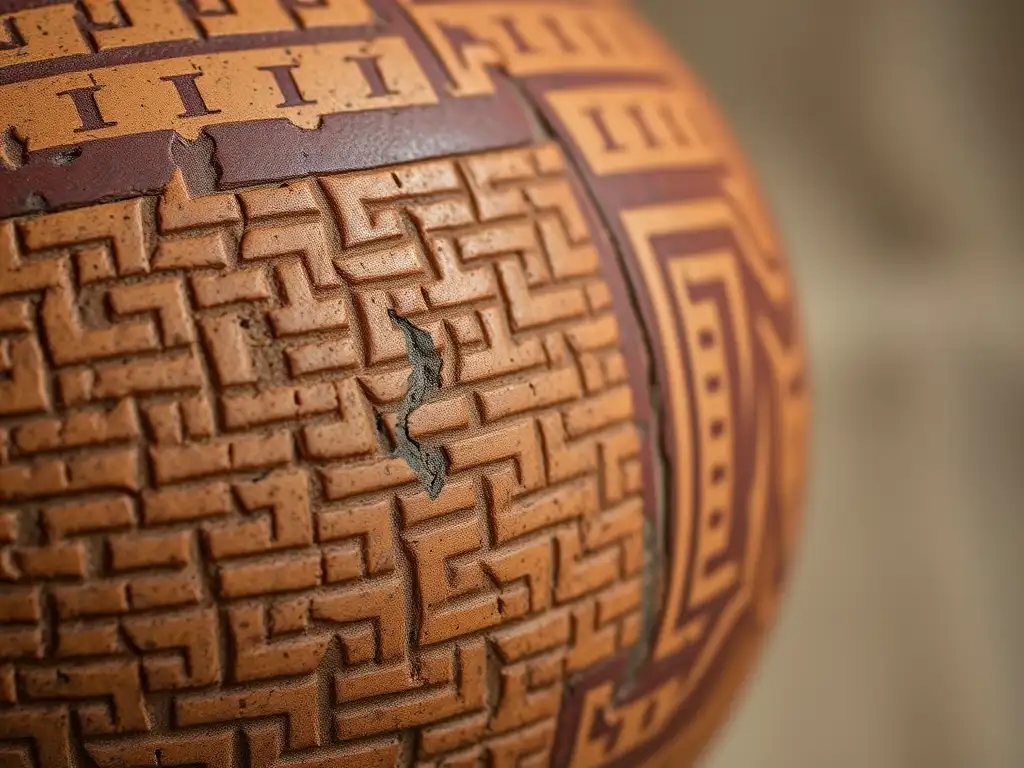
Geometric patterns form a significant portion of Huari iconography, appearing frequently on pottery, textiles, and architecture. These are not merely decorative elements but powerful symbols carrying complex meanings. Common patterns include stepped frets, triangles, zigzags, and concentric circles.
Scholars suggest these patterns may represent a connection to the cosmos, with triangles symbolizing mountains and stepped frets representing agricultural terraces, reflecting the importance of agriculture in Huari society. The precision and repetition of these patterns suggest a highly organized and structured society, where artistic expression was carefully controlled and imbued with symbolic meaning. For example, the prevalence of stepped fret patterns on elite pottery may reflect the importance of agricultural productivity and the control of resources by the ruling class.
The meticulous execution of these geometric designs also speaks to the advanced artistic skills of Huari artisans, showcasing their mastery of techniques and their dedication to precise representation. Further study into the specific combinations and contexts of these geometric patterns is needed to fully unlock their symbolic meanings.
Animal Motifs and Their Symbolic Meanings in Huari Culture
Animal motifs are prevalent throughout Huari art, frequently appearing on pottery, textiles, and stone carvings. These depictions weren't simply realistic representations; they held significant symbolic meaning within Huari culture, often representing power, fertility, and connection to the supernatural world. The choice of specific animals and their stylistic rendering convey a range of meanings, reflecting the complex beliefs and values of Huari society.
The careful observation of these animal representations, coupled with contextual analysis, allows for a deeper understanding of Huari cosmology and social structure. The symbolic weight of these animal motifs is evident in their prominent placement on important artifacts and their frequent association with human figures, suggesting a close relationship between the human and animal realms within Huari belief systems.
The Condor: A Recurring Symbol in Huari Visual Art
The condor, a majestic bird of the Andes, is a recurring symbol in Huari visual art. Its powerful presence in their iconography suggests a connection to the upper world, the realm of the gods and celestial forces. Depicted with outstretched wings or in a predatory pose, the condor often represents power, strength, and dominion. Its association with high altitudes and its ability to soar above the mountains likely contributed to its symbolic importance.
The condor's depiction on elite objects underscores its association with power and authority within Huari society. Variations in the condor's depiction—for instance, its size, pose, or accompanying elements—may indicate further nuanced meanings, demanding further research to fully appreciate the range of its symbolic significance. The condor's enduring presence in Andean iconography, even after the decline of Huari, speaks to the lasting impact of this powerful symbol.
The Feline: Power and Majesty in Huari Representations
Feline imagery, particularly depictions of pumas and jaguars, also holds a prominent position in Huari iconography. These powerful predators represent strength, agility, and hunting prowess—qualities highly valued in Huari society. The feline's association with the night and the underworld suggests a connection to the unseen forces and the mysteries of the supernatural.
Their depictions on pottery, textiles, and other artifacts often feature stylized features, emphasizing their power and majesty. The presence of felines alongside human figures may indicate a relationship between human rulers and the power of the animal world, suggesting a possible connection to shamanistic practices or ritualistic activities. The precise interpretation of these feline representations requires careful consideration of context and stylistic variations, allowing for a richer understanding of their symbolic meanings within the Huari worldview.
Other Animal Representations: Snakes, Birds, and More
Beyond condors and felines, Huari iconography includes a variety of other animal representations, each with its own potential symbolic meaning. Snakes, for example, are frequently depicted and may represent fertility, healing, or the underworld. Various bird species, beyond the condor, likely held specific symbolic values, potentially related to their ecological roles or their association with specific deities. The presence of camelids, such as llamas and alpacas, reflects the importance of these animals in Huari economy and society. The detailed study of these diverse animal representations requires a multidisciplinary approach, integrating archaeological findings with ethnozoological knowledge and comparative iconographic studies to unlock the full range of their symbolic meanings. Detailed analysis of the stylistic features and contextual placement of these animals is crucial for a nuanced understanding of Huari cosmology and social life. Unfortunately, the specific meanings of many of these less-prominent animal representations remain largely unknown and require further investigation.
- Introduction to Huari Art and Symbolism
- Understanding the Visual Language of the Huari
- Key Elements in Huari Iconography
- The Significance of Geometric Patterns in Huari Art
- Animal Motifs and Their Symbolic Meanings in Huari Culture
Huari Pottery Symbols Meaning: A Detailed Exploration
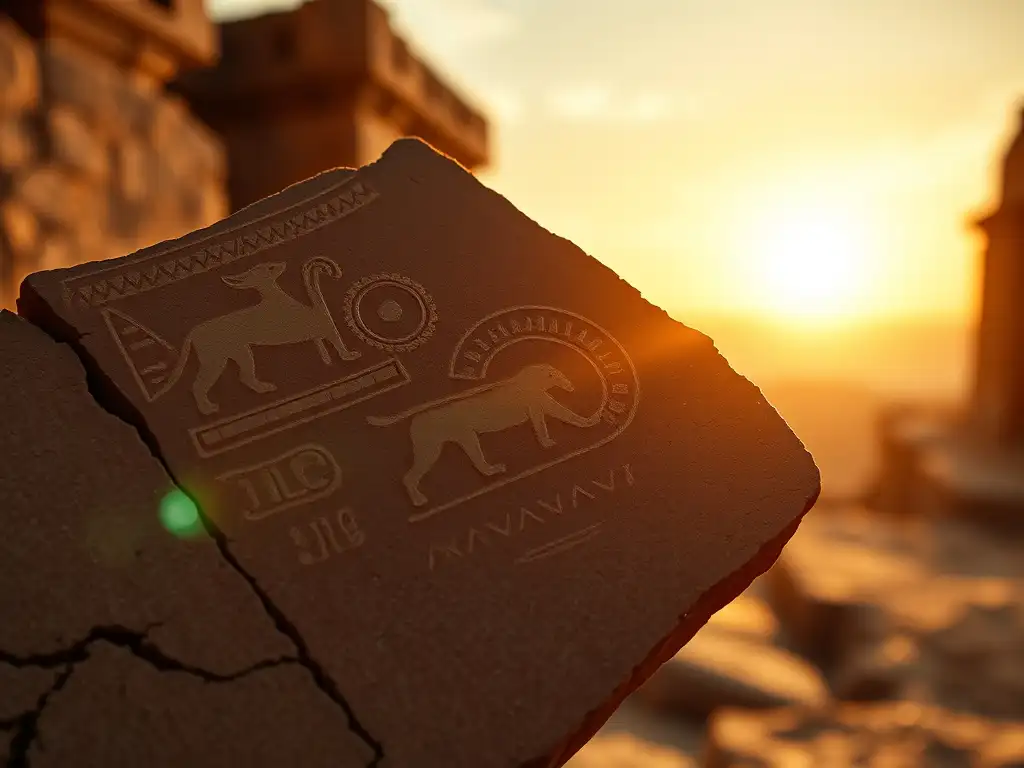
The Huari culture, flourishing in the Andes from approximately 600 to 1000 CE, left behind a rich legacy of pottery characterized by distinctive and often enigmatic iconography. Understanding the meaning behind these Huari pottery symbols provides crucial insights into their religious beliefs, social structures, and daily life. This section delves into the complexities of Huari ceramic art, exploring various motifs and attempting to decipher their symbolic significance.
The study of Huari pottery symbols meaning is an ongoing process, with new discoveries continuously refining our interpretations. However, through careful analysis of surviving artifacts, we can begin to unravel the stories encoded within these ancient vessels.
Analyzing Huari Pottery Designs
Huari pottery is easily distinguishable by its stylistic consistency across a vast geographical area. This uniformity suggests a centralized system of production and perhaps even a degree of state control over artistic expression. The designs themselves are often bold and geometric, featuring repeated motifs that are carefully arranged to create visually striking compositions. Colors are predominantly muted earth tones – browns, reds, creams, and yellows – with occasional use of black and white.
The use of color, alongside the choice of motifs, likely held symbolic meaning, contributing to the overall message conveyed by the vessel. For example, the prevalence of red may indicate associations with blood, sacrifice, or perhaps even the sun. Further research is needed to definitively establish the full chromatic symbolism.
Iconographic Motifs in Huari Ceramics
A wide array of iconographic motifs appears repeatedly in Huari pottery. These motifs, often integrated into complex scenes, are not merely decorative but rather serve as powerful visual narratives. Their recurrence suggests a standardized system of symbolic representation, understood and shared by the Huari people. The complexity and sophistication of these designs point to a highly developed artistic tradition, deeply intertwined with religious and political ideology. Many of the motifs are anthropomorphic or zoomorphic, representing figures or animals that may be deities, ancestors, or symbolic creatures.
Understanding the Meaning of Step-Fret Designs
One of the most prevalent motifs in Huari pottery is the step-fret design. This geometric pattern, consisting of a series of interlocking steps, appears in various forms and scales across different ceramic pieces. Some scholars interpret this motif as a representation of agricultural terraces, reflecting the importance of agriculture in Huari society. The precise meaning, however, remains open to debate.
The regularity of the design may also suggest a connection to the cosmos, with its structured arrangement mirroring the order of the universe. Further research, particularly comparative studies with other Andean cultures' step-fret representations, could shed light on its deeper significance. The frequency of its appearance, however, strongly suggests its importance within the Huari worldview.
The Significance of the Staff God in Huari Pottery
Another prominent figure in Huari iconography is the "Staff God." This deity is typically depicted holding a staff, sometimes accompanied by other symbols or figures. The Staff God's representation varies; sometimes it's shown as a fully realized figure, other times as a stylized representation. The staff itself is believed to be a symbol of authority and power.
The recurring presence of this figure suggests its crucial role in Huari religion and possibly in the political structure. Its consistently prominent placement in ceramic designs indicates the high status and importance of this deity within Huari society. More detailed analysis of the contexts in which the Staff God appears could reveal further insights into its functions and attributes.
Abstract Symbols and Their Interpretation in Huari Art
Besides anthropomorphic and zoomorphic figures, Huari pottery also features numerous abstract symbols. These symbols, often geometric or linear, are less easily deciphered. Their meanings are likely tied to specific rituals, beliefs, or social practices that are not fully understood. Some abstract symbols may represent celestial bodies, natural elements, or concepts related to the Huari worldview.
The challenge in interpreting these abstract symbols lies in the lack of direct textual evidence. Comparative analysis with other Andean cultures' symbolic systems and further archaeological discoveries are needed to unlock their meaning. The study of Huari pottery symbols meaning is a continuous process of discovery and interpretation, requiring meticulous analysis and careful consideration of contextual evidence. The enigmatic nature of these symbols only adds to the allure and the ongoing fascination with this remarkable ancient civilization.
Beyond Pottery: Huari Iconography in Textiles and Architecture
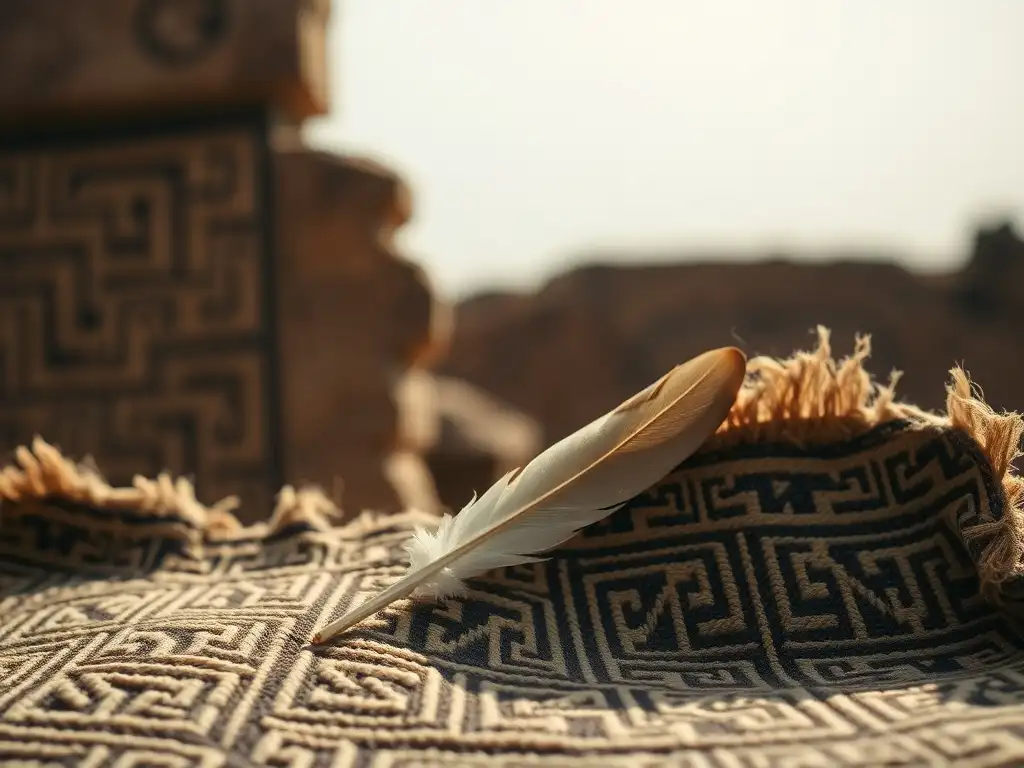
The iconic imagery found on Huari pottery is not limited to ceramic vessels. The sophisticated Huari civilization expressed their complex beliefs and societal structures through a variety of media, most notably textiles and architecture. Understanding these diverse applications of Huari iconography provides a richer, more nuanced picture of their worldview and artistic capabilities.
This section explores the symbolic representations found in Huari textiles and architecture, highlighting their parallels and differences with the well-documented pottery motifs. The recurring themes and variations reveal a sophisticated system of visual communication reflecting the power and reach of the Huari state. Analyzing these broader artistic expressions helps us refine our understanding of "Huari pottery symbols meaning" and place the ceramic art within its wider cultural context.
Huari Textiles: Iconographic Expressions in Woven Forms
Huari textiles, while often fragmentary due to the fragility of the materials, reveal a striking continuity with the iconography found on their pottery. Intricate designs featuring stylized felines, birds, and geometric patterns are frequently observed. Unlike pottery, however, the textiles often incorporate more complex narrative scenes, possibly depicting ritual events, mythological figures, or scenes of daily life. The use of vibrant colors and diverse weaving techniques further emphasizes the importance of these textiles within Huari society.
Analysis of surviving fragments suggests a hierarchical use of textiles, with certain motifs and techniques reserved for elite members of society. For instance, the use of rare dyes and intricate designs might have indicated high social status or religious authority. The detailed nature of these textile designs, though often requiring painstaking reconstruction, offers invaluable insights into the Huari worldview and the symbolism embedded within their artistic creations.
Further research into the chemical composition of the dyes used and the techniques employed in weaving could reveal more about the social organization and technological prowess of the Huari. The scarcity of well-preserved complete textiles, however, remains a challenge for researchers aiming to fully decipher the meaning behind these intricate woven narratives. More detailed analysis of existing fragments, combined with advanced imaging techniques, could significantly improve our understanding of Huari textile iconography.
Architectural Motifs and Their Relation to Huari Beliefs
Huari architecture, characterized by its monumental structures and urban planning, also incorporates significant iconographic elements. While not as readily decipherable as the motifs on pottery or textiles, architectural features such as doorways, wall niches, and decorative friezes often display repeated patterns and symbols that echo those found in other media. These architectural motifs, though less readily interpretable than the more clearly defined symbols on pottery, likely served as powerful visual statements reinforcing Huari ideology and social structure. For example, the repeated use of geometric patterns in stonework might represent a cosmological order or reflect the importance of specific numerical systems.
Similarly, the careful placement of niches and doorways could have been imbued with symbolic significance, reflecting a deep understanding of space and its relationship to the spiritual world. The scale of these architectural elements further emphasizes their significance, suggesting a deliberate attempt to convey power and authority through visual means. Unfortunately, the precise meanings of many of these architectural motifs remain uncertain. More research is needed to understand the context in which these architectural elements were created and used, particularly through detailed analysis of the spatial relationships between different architectural features within Huari sites.
Further investigation into possible connections between these architectural motifs and contemporaneous religious practices could shed light on the beliefs and practices of this advanced civilization. The study of Huari architecture, therefore, presents a significant opportunity for future research to deepen our understanding of "Huari pottery symbols meaning" within a broader cultural context. The integration of architectural analysis with the study of Huari pottery and textiles will undoubtedly lead to a more complete understanding of Huari iconography and its significance.
The Influence of Huari Iconography on Later Andean Cultures
The Huari Empire, flourishing between 600 and 1000 CE in the central Andes, left an indelible mark not only on the political landscape but also on the artistic traditions of subsequent Andean cultures. Their distinctive iconography, characterized by stylized figures, geometric patterns, and symbolic motifs, served as a powerful influence on the art and possibly even the belief systems of later societies, including the Inca. Understanding this influence is crucial to deciphering the complexities of Andean artistic development and the continuity of cultural ideas across centuries.
The spread of Huari iconographic elements wasn't simply a matter of imitation; it involved a complex process of adaptation and reinterpretation, reflecting the dynamic interactions and power dynamics between the Huari and their successors. This section will examine the lasting legacy of Huari symbols and the mechanisms through which these ideas were transmitted.
Legacy of Huari Symbols in Subsequent Andean Art
The impact of Huari iconography is readily apparent in the art of later Andean cultures. For example, certain stylistic features, like the depiction of stylized feline figures, recur in the pottery and textiles of the succeeding Wari-influenced cultures. The prevalence of stepped pyramids and other architectural motifs also shows a clear continuity.
While these later cultures adapted and transformed Huari styles to suit their own aesthetic preferences and cultural contexts, the underlying influence remains undeniable. This is particularly evident in the recurring use of specific symbolic motifs, such as the double-headed serpent, which appears in various forms across different periods and geographical regions. Detailed comparative analyses of Huari and post-Huari artifacts reveal subtle yet significant similarities in the representation of deities, mythological creatures, and ritual objects.
Analyzing these similarities provides valuable insights into the transmission of cultural beliefs and practices. The persistence of these Huari-derived motifs suggests a profound and lasting impact on the collective imagination of the Andean world. The continued use of these symbols may indicate a shared cultural heritage or the adoption of Huari religious beliefs and practices by later Andean societies.
The Transmission of Iconographic Ideas
Several mechanisms facilitated the transmission of Huari iconographic ideas. One primary pathway was through trade networks. The vast Huari empire controlled extensive trade routes, facilitating the dissemination of goods—including pottery, textiles, and metalwork—bearing Huari designs across a wide geographical area. These objects served as visual carriers of Huari artistic traditions, influencing the styles and preferences of artisans in distant regions. The presence of Huari-style pottery fragments in archaeological sites far from the Huari heartland underscores the reach of these trade networks.
Another crucial mechanism was political control and administrative structures. The Huari state established administrative centers throughout its empire, imposing its political and cultural influence on local populations. This often involved the integration of local artisans into the Huari production system, leading to the adoption and adaptation of Huari artistic styles. The imposition of Huari-style architecture, for example, influenced the construction techniques and aesthetic preferences of local communities. This process of cultural assimilation played a significant role in the widespread dissemination of Huari iconographic ideas.
Furthermore, the transmission of Huari iconography might have also involved migration and population movements. The collapse of the Huari empire resulted in population displacements and the movement of people and artisans across the Andes. These migrating populations carried their artistic traditions and knowledge with them, contributing to the spread of Huari-influenced styles in new regions.
Archaeological evidence suggests that Huari-derived artistic motifs appeared in areas far beyond the original boundaries of the Huari empire, indicating migration's role in the spread of these cultural elements. Analyzing the geographical distribution of Huari-influenced artifacts helps to reconstruct these migration patterns and their influence on the evolution of Andean art. The study of "Huari pottery symbols meaning" thus requires understanding these complex interwoven processes of trade, political control, and migration.
Decoding the Huari Worldview Through Their Symbols
The Huari culture, flourishing in the central Andes from approximately AD 600 to AD 1000, left behind a rich legacy of pottery adorned with intricate and enigmatic symbols. Understanding these Huari pottery symbols meaning is crucial to deciphering their complex worldview, social structure, and religious beliefs. Their iconography, far from being mere decoration, served as a powerful tool for communication, conveying narratives, ideologies, and perhaps even hidden meanings accessible only to the initiated.
The sheer variety of motifs—from stylized animals and geometric patterns to anthropomorphic figures and abstract designs—suggests a sophisticated system of symbolic representation reflecting a complex society. This section delves into the key elements of Huari iconography, exploring their potential interpretations and the ongoing scholarly debates surrounding their meaning. While complete understanding remains elusive, the available evidence offers compelling insights into the Huari civilization.
Huari Cosmology: A Reflection in Their Art
Huari cosmology, the Huari understanding of the universe, is significantly reflected in their artistic expressions, particularly in pottery. Repeated motifs suggest a worldview deeply connected to nature and the supernatural. For example, the frequent depiction of feline figures, often depicted with stylized features and exaggerated proportions, may represent powerful spirits or deities associated with hunting, warfare, or the night. These are not simply realistic portrayals; they are symbolic representations imbued with religious significance.
The prevalence of bird imagery, particularly raptors like condors and eagles, likely reflects a belief in their intermediary role between the earthly and spiritual realms. These powerful birds, masters of the skies, could symbolize shamanistic abilities, communication with the gods, or the attainment of spiritual heights. Further analysis is needed to ascertain the exact meanings behind the variations in their representations. Some scholars suggest that specific postures or accompanying elements might indicate different deities or aspects of the same entity.
Geometric patterns, often composed of intricate lines, triangles, and stepped designs, may represent cosmological principles or cycles of nature. These patterns could be interpreted as representations of mountains, celestial bodies, or the organization of the Huari social structure. The intricate weaving together of these geometric designs with zoomorphic and anthropomorphic figures further enriches the symbolic complexity.
Huari iconography played a pivotal role in both the social and religious life of the culture. Pottery, the most prevalent medium for artistic expression, was not merely utilitarian; it served as a vehicle for communicating social status, religious beliefs, and political power. The complexity and style of the decoration on a vessel could indicate the social standing of its owner or the occasion for which it was created.
Elaborate designs found on ceremonial vessels, for example, suggest their use in rituals and religious ceremonies. These vessels, often larger and more intricately decorated than everyday pottery, may have been used to present offerings to deities or to signify the power and authority of the elite.
Examples of Social Differentiation in Huari Pottery
Simple, undecorated pottery might have been used by commoners, while more elaborate pieces with complex designs were reserved for the elite. This distinction mirrors similar patterns observed in other Andean societies.
The use of specific symbols on textiles and other artifacts further reinforces the idea that Huari iconography was a sophisticated system of communication. The distribution of certain motifs across different regions of the Huari empire might indicate the extent of their political control and the standardization of religious practices. Further research into the regional variations in Huari iconography is crucial to understanding the nuances of their social and political organization.
The study of Huari iconography offers a fascinating glimpse into the beliefs, values, and social structure of this powerful pre-Columbian civilization, demonstrating how art served as a powerful tool for communication and social control in their society. More detailed analysis of specific motifs and their contexts is needed to fully unravel the secrets encoded within their artistic legacy. The ongoing research into Huari pottery symbols meaning promises to further illuminate this remarkable civilization.
Frequently Asked Questions
What is Huari pottery?
Huari pottery is a significant aspect of Huari culture, characterized by its distinctive styles and complex iconography. It provides valuable insights into their beliefs, social structures, and daily life.
What makes Huari pottery symbols unique?
Huari pottery symbols are unique due to their stylized representations of animals, humans, and mythical beings. They often depict complex narratives and abstract designs, making their interpretation challenging yet rewarding.
What are some common symbols found on Huari pottery?
Common symbols include stylized depictions of cats, birds, snakes, and geometric patterns. These symbols often appear in combination, creating layered meanings and complex narratives.
How do scholars interpret the meaning of Huari pottery symbols?
Scholars interpret Huari pottery symbols through comparative analysis with other artifacts, ethnohistoric accounts, and by considering the context in which the pottery was found. This multi-faceted approach is essential to understand their intended meaning.
Why is understanding Huari pottery symbols important?
Understanding Huari pottery symbols is crucial for reconstructing Huari society and its worldview. It offers valuable insights into their religious beliefs, social hierarchy, and political organization, contributing significantly to our understanding of Andean civilizations.
Final Reflection: Unraveling the Enduring Legacy of Huari Iconography
The intricate symbols adorning Huari pottery aren't mere decorations; they are powerful windows into a sophisticated civilization, offering invaluable insights into their beliefs, social structures, and daily lives, a legacy that continues to resonate today. Understanding these symbols allows us to connect with a past that, while distant, shares surprising parallels with our own concerns about power, community, and the enduring human spirit.
The impact of Huari iconography extends far beyond the realm of archaeology. Their symbolic language, rich in narrative and visual power, continues to inspire artists, historians, and anthropologists alike. The enduring mystery surrounding some of these symbols fuels ongoing research and debate, reminding us of the limitations of our understanding and the vastness of the unknown. The past is never dead. It's not even past.
– William Faulkner. This quote perfectly encapsulates the enduring relevance of Huari iconography, constantly prompting us to re-evaluate our interpretations and deepen our understanding.
Consider the intricate detail, the vibrant colors, the sheer artistry involved in creating these pieces. Now, imagine the hands that crafted them, the stories they whispered into existence. You too can become a part of this ongoing conversation. Take a moment to reflect on the power of visual communication, on the stories hidden within seemingly simple objects. Seek out further information, explore the images yourself, and let the legacy of Huari inspire you to find meaning in the symbols that surround you, both ancient and modern.
Unveil the Secrets of Huari Iconography Today!
Thank you for exploring the fascinating world of Huari iconography! We hope this exploration has revealed the powerful symbols that defined this ancient civilization and ignited your curiosity to learn more. Now, let's take the next step!
- Delve deeper into the meaning of specific Huari symbols by exploring our curated resources on ancient Andean art. We have a wealth of information available to help you understand the nuances of this captivating imagery.
- Share your fascination with Huari symbols with friends and family, or on social media, to help spread awareness of this rich culture. Let's celebrate the artistry and history together!
- Visit a local museum showcasing Andean artifacts or attend a related cultural event. Experiencing these symbols firsthand will deepen your appreciation for their significance.
Which symbol resonates most with you, and why? Share your thoughts in the comments below!