
Tiahuanaco's Engineers: Building a City Above the Clouds

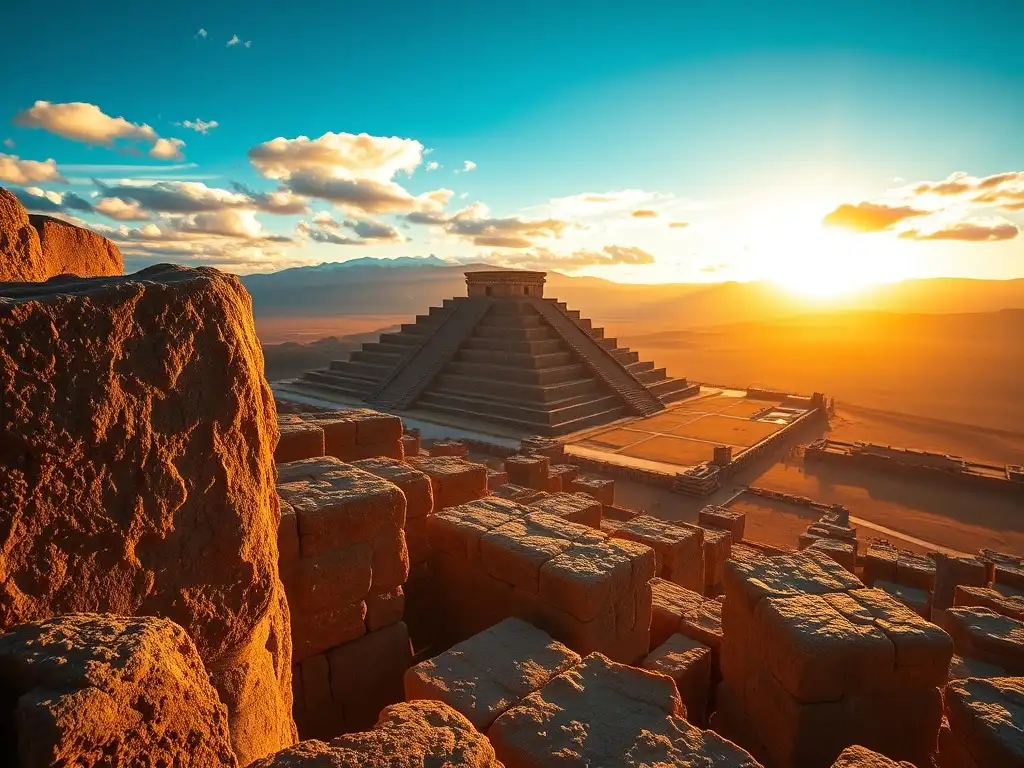
Welcome, explorer! Prepare to be captivated by the mysteries of the Andes. For centuries, these towering peaks have held secrets, and none are more intriguing than the astonishing engineering feats of Tiahuanaco. Discover how this ancient civilization, defying the thin air and challenging terrain, constructed a city that continues to inspire awe. Delve into the Tiahuanaco engineering techniques that shaped a civilization and left behind an enduring legacy – a legacy waiting to be uncovered. Read on to unravel the secrets of their ingenuity and power.
The Bolivian altiplano, a high-altitude plateau in the Andes Mountains, is a harsh environment. Thin air, extreme temperature fluctuations, and scarce resources presented immense challenges to any civilization attempting to thrive there.
Yet, between approximately 1500 BCE and 1000 CE, the Tiahuanaco culture flourished in this unforgiving landscape, constructing a monumental city that stands as a testament to their remarkable engineering prowess. This article delves into the sophisticated engineering techniques employed by the Tiahuanaco people, exploring how they overcame the environmental hurdles and built a city that continues to inspire awe and wonder centuries later.
Understanding their achievements offers invaluable insight into their societal organization, resource management, and technological capabilities, solidifying their place as masters of Andean engineering. This exploration of Tiahuanaco engineering techniques will reveal not only their practical skills but also their deep understanding of their environment and the ingenuity required to build a civilization at such a challenging altitude.
Mastering Stonework: Precision and Scale in Tiahuanaco Construction
The hallmark of Tiahuanaco architecture is its precise and massive stonework. The builders utilized massive blocks of andesite, a volcanic rock exceptionally hard to quarry and transport. Evidence suggests they employed advanced techniques, including sophisticated tools and possibly water-based methods to facilitate the cutting and shaping of these colossal stones.
The accuracy of the cuts and the seamless fit of the blocks, even in structures of immense size, are truly astonishing. Some stones weigh upwards of 100 tons! The sheer scale of these undertakings, coupled with the precision of the craftsmanship, points to a highly organized workforce and a deep understanding of engineering principles.
We can only imagine the logistical challenges involved in transporting these enormous stones across difficult terrain, further emphasizing the level of planning and coordination required. Further research into the exact tools used and the precise methods of transport is needed to fully understand the magnitude of this engineering feat.
Hydraulic Engineering: Managing Water in the Altiplano
Water scarcity is a defining characteristic of the altiplano. The Tiahuanaco engineers demonstrated a remarkable understanding of hydraulic engineering, developing sophisticated systems to manage and distribute water resources. This involved constructing intricate networks of canals, aqueducts, and reservoirs, allowing them to effectively harness the limited water sources available. These systems not only provided water for drinking and domestic use but also played a crucial role in agriculture, supporting the growth of crops in a challenging environment.
The complexity and efficiency of these hydraulic systems are evidence of their advanced knowledge of hydrology and their ability to solve engineering problems on a large scale. Analysis of the remaining structures suggests a sophisticated understanding of water flow and pressure, demonstrating considerable engineering skill. Further study is needed to fully comprehend the extent and sophistication of this water management system.
Architectural Innovations: Adapting to Altitude and Climate
The Tiahuanaco builders demonstrated ingenuity in adapting their architectural styles to the harsh conditions of the altiplano. Their structures incorporated features designed to withstand extreme temperature fluctuations and strong winds. The use of massive stones provided structural stability, while the design of the buildings likely incorporated elements that assisted in temperature regulation. The Kalasasaya Temple, for example, displays a careful orientation that may have optimized sunlight exposure during certain times of the year.
This suggests a deep understanding of the local climate and the impact it had on building design. Further investigation into the construction techniques used, especially regarding insulation and thermal regulation, is required to fully appreciate the level of sophistication in their architectural solutions. The integration of astronomical observations into their building designs also highlights their advanced knowledge and understanding of the environment.
The Legacy of Tiahuanaco Engineering
The engineering achievements of the Tiahuanaco culture remain a source of fascination and inspiration. Their ability to overcome the challenges of the altiplano and construct a monumental city speaks volumes about their organizational skills, technological advancements, and societal resilience. The precise stonework, intricate hydraulic systems, and innovative architecture continue to inspire researchers and engineers today. Studying their methods can provide valuable insights into sustainable building practices and resource management in challenging environments.
The legacy of Tiahuanaco engineering is not just about impressive structures; it's a testament to human ingenuity and the enduring power of adaptation. Continued research and exploration into Tiahuanaco engineering techniques will undoubtedly uncover further insights into this remarkable civilization. The impact of their engineering prowess is still felt today, reminding us of the remarkable capabilities of ancient Andean societies.
- Mastering Stonework: Precision and Scale in Tiahuanaco Construction
- Hydraulic Engineering: Managing Water in the Altiplano
- Architectural Innovations: Adapting to Altitude and Climate
- The Legacy of Tiahuanaco Engineering
- What makes Tiahuanaco's engineering so remarkable?
- What were some of the key engineering challenges faced by Tiahuanaco builders?
- How did Tiahuanaco engineers move such massive stones?
- What evidence exists to show Tiahuanaco's advanced water management?
- What impact did Tiahuanaco's engineering have on later cultures?
The Ingenuity of Tiahuanaco: An Introduction to their Engineering Prowess
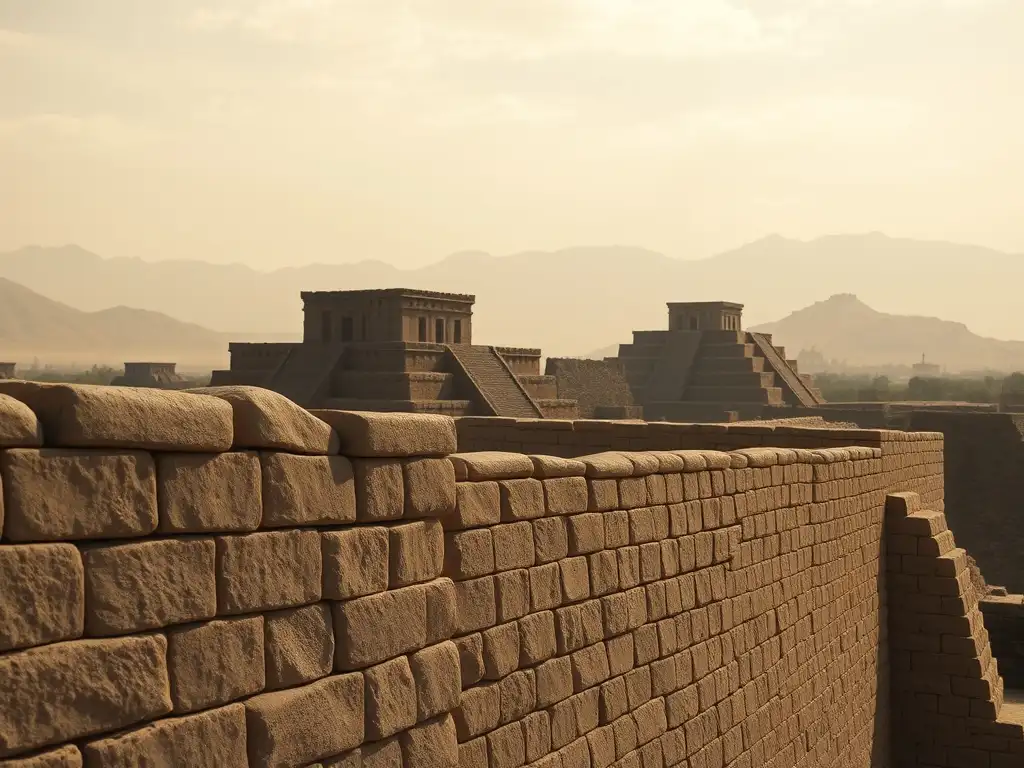
The city of Tiahuanaco, situated at an elevation of approximately 12,500 feet (3,800 meters) above sea level on the shores of Lake Titicaca, stands as a testament to the remarkable engineering capabilities of its builders. Its monumental architecture, intricate water management systems, and sophisticated agricultural techniques all speak to an advanced understanding of engineering principles, particularly impressive given the challenging high-altitude environment. Understanding Tiahuanaco's engineering achievements requires examining not only the what but also the how—the specific techniques employed to overcome the formidable obstacles presented by the Altiplano.
This section delves into the ingenuity of Tiahuanaco's engineers, focusing on their mastery of construction, resource management, and adaptation to a challenging landscape. The study of "Tiahuanaco engineering techniques" reveals a civilization deeply attuned to its environment and possessing remarkable problem-solving skills.
Tiahuanaco's Strategic Location at High Altitude and Its Engineering Challenges
Tiahuanaco's high-altitude location presented numerous engineering challenges. The thin air resulted in reduced oxygen levels, impacting both construction and the daily lives of the inhabitants. The extreme climate, characterized by intense solar radiation, freezing temperatures, and limited rainfall, further complicated construction and agricultural endeavors. The very foundation upon which the city was built – the Altiplano – posed its own set of difficulties.
The soil, often unstable and prone to erosion, necessitated innovative techniques for building foundations capable of supporting massive structures. Furthermore, the scarcity of readily available building materials required resourceful solutions for acquiring and transporting the necessary resources. The availability of water, crucial for both construction and daily life, also needed careful management. Engineers had to devise systems to ensure a reliable water supply, given the arid climate and the challenges of working at such a high altitude.
These challenges, far from hindering progress, spurred the development of sophisticated engineering solutions that remain a source of wonder today. Consider the sheer logistical feat of transporting colossal stones across vast distances and then precisely assembling them into monumental structures. This showcases not just technical skill, but also remarkable organizational capabilities.
Defining Tiahuanaco's Engineering Legacy in the Andes
Tiahuanaco’s engineering legacy is multifaceted, encompassing several key areas:
- Monumental Architecture: The precision and scale of Tiahuanaco's structures, such as the Puerta del Sol (Sun Gate) and the Kalasasaya Temple, are truly awe-inspiring. The precise cutting, fitting, and placement of massive stone blocks, some weighing many tons, demonstrate a sophisticated understanding of geometry, mechanics, and construction techniques. The methods used to transport these immense stones remain a subject of ongoing research and debate, highlighting the advanced logistical capabilities of the Tiahuanaco civilization.
- Water Management: Given the arid climate, efficient water management was crucial for Tiahuanaco's survival. Evidence suggests the existence of sophisticated irrigation systems, canals, and reservoirs, allowing for the cultivation of crops even in the challenging high-altitude environment. These systems demonstrate a deep understanding of hydrology and a commitment to sustainable resource management. Further research into the precise design and functionality of these systems is needed to fully appreciate their ingenuity.
- Agricultural Innovations: The success of Tiahuanaco's agriculture in such a harsh environment points to innovative farming techniques, likely involving terracing, raised fields, and other methods to optimize water use and crop yields. These techniques, adapted to the high altitude and limited rainfall, allowed for the sustenance of a large population. Further studies are needed to uncover the precise details of these agricultural practices.
- Stoneworking Techniques: The exceptional quality of Tiahuanaco's stonework, evident in the precision of the cuts and the masterful joining of stones, points to the use of advanced tools and techniques. While the precise tools and methods remain partially unknown, evidence suggests a mastery of stone cutting, shaping, and transport that was unparalleled in the Andes at that time. The analysis of the tools and techniques used would provide further insight into the sophistication of Tiahuanaco’s engineering skills.
The study of Tiahuanaco's engineering achievements offers valuable insights into the ingenuity and adaptability of Andean civilizations. The city's monumental architecture, sophisticated water management, and innovative agricultural practices stand as a powerful testament to their engineering prowess, showcasing a remarkable ability to overcome the challenges of a high-altitude environment. Further research into "Tiahuanaco engineering techniques" is crucial to fully understand and appreciate the remarkable accomplishments of this remarkable civilization.
Masterful Stone Construction: Key Tiahuanaco Engineering Techniques
The ingenuity of Tiahuanaco's engineers is evident in their monumental architecture, a testament to their advanced understanding of stonework and construction. Their achievements, particularly considering the limited technology available, continue to fascinate and inspire researchers today. The city's very existence at such a high altitude, coupled with its incredibly precise stone structures, points to sophisticated engineering techniques that deserve closer examination.
Understanding Tiahuanaco engineering techniques provides crucial insight into the capabilities and organizational prowess of this remarkable Andean civilization. The use of specific materials and innovative methods allowed them to overcome significant logistical and technical challenges. This section will delve into three key aspects of their masterful stone construction.
Precision Stone Cutting and Shaping with Bronze Tools
Tiahuanaco's builders demonstrated an unparalleled mastery of stone cutting and shaping. Despite lacking iron tools, they achieved astonishing precision using primarily bronze implements. Archaeological evidence reveals meticulously crafted stones, many fitted together with minimal mortar, showcasing an impressive level of skill and patience. The intricate carvings and the remarkably tight joints suggest the use of specialized bronze chisels, hammers, and possibly abrasives like sandstone to achieve the desired shapes and surfaces.
The level of precision surpasses that found in many later constructions, even those utilizing superior iron tools. This suggests a highly developed understanding of metallurgy and stoneworking techniques, possibly passed down through generations of skilled artisans. The process was undoubtedly laborious and time-consuming, requiring a high degree of cooperation and expertise among the workforce.
Further research into the specific types of bronze alloys used and the techniques employed would provide valuable insights into their technological capabilities. Analysis of tool marks on the stones themselves could offer additional clues to their methods. The incredible accuracy achieved, even on massive blocks, is a significant aspect of Tiahuanaco engineering techniques.
The Use of Massive Andesite and Sandstone Blocks in Tiahuanaco Architecture
The sheer scale of the stones used in Tiahuanaco's structures is breathtaking. The builders employed enormous blocks of andesite and sandstone, some weighing many tons, to construct temples, platforms, and other monumental buildings. The sourcing of these materials, their transportation to the construction site, and their subsequent manipulation represent considerable feats of engineering. Andesite, in particular, is a very hard and durable volcanic rock, making its extraction and shaping exceptionally challenging.
The quarries from which these massive stones were extracted are still under investigation, but their locations likely presented further logistical hurdles. The transportation of such heavy materials across significant distances, possibly over mountainous terrain, would have required complex systems of ramps, rollers, and possibly even human or animal power. The sheer weight of these blocks highlights the organizational capabilities of Tiahuanaco society and the sophisticated planning required for such large-scale projects. The selection of these specific materials also speaks to their understanding of the properties of different stones and their suitability for specific architectural purposes.
Advanced Techniques for Lifting and Placing Heavy Stones Using Ramps and Levers
The precise placement of these massive stones within the structures remains a subject of ongoing research and debate. While the exact methods remain unclear, it is likely that Tiahuanaco's engineers employed a combination of ramps, levers, rollers, and possibly even sophisticated scaffolding systems to lift and position these enormous blocks. The absence of advanced machinery necessitates the use of ingenious and labor-intensive techniques.
The construction of ramps, potentially made of earth and timber, would have been crucial for moving the stones into position. Levers and rollers, made from wood or stone, could have been employed to manipulate the blocks during their placement. The intricate fitting of the stones suggests a high degree of control and precision throughout the process.
The sheer scale of the undertaking indicates a well-organized workforce, capable of coordinating the efforts of many individuals. Future research may uncover further evidence of the techniques used, potentially through detailed analysis of the construction sites or through the discovery of new tools or artifacts. The efficiency and precision of these lifting and placement methods are undeniably crucial elements of Tiahuanaco engineering techniques.
Water Management Systems: A Hallmark of Tiahuanaco Civil Engineering
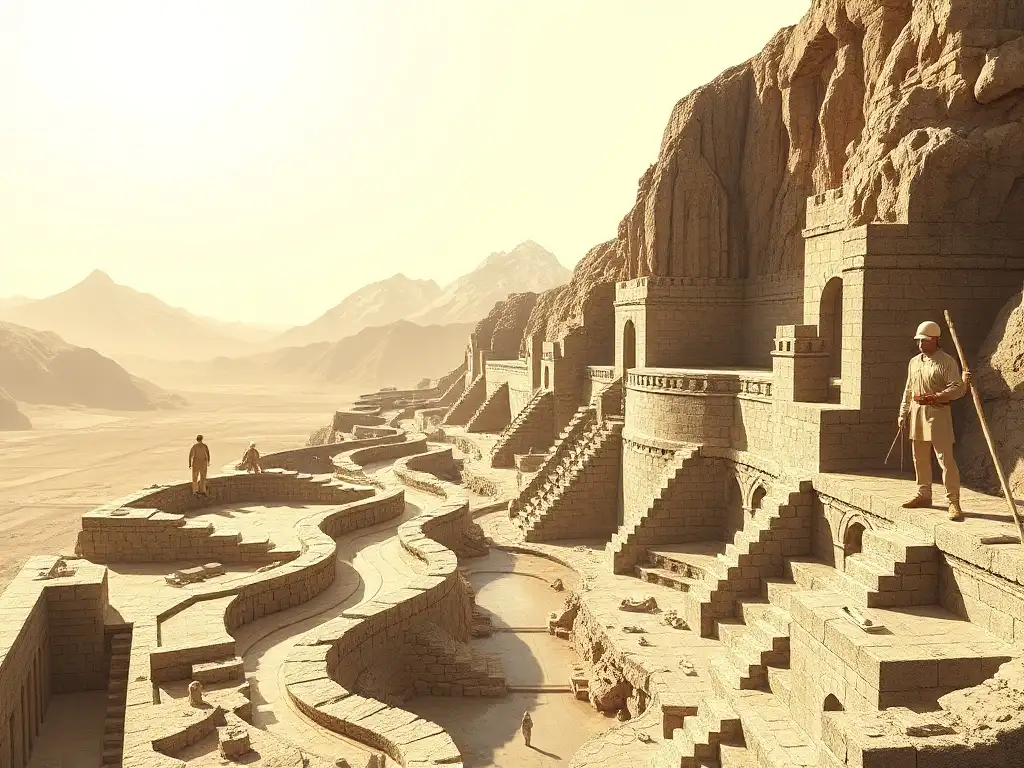
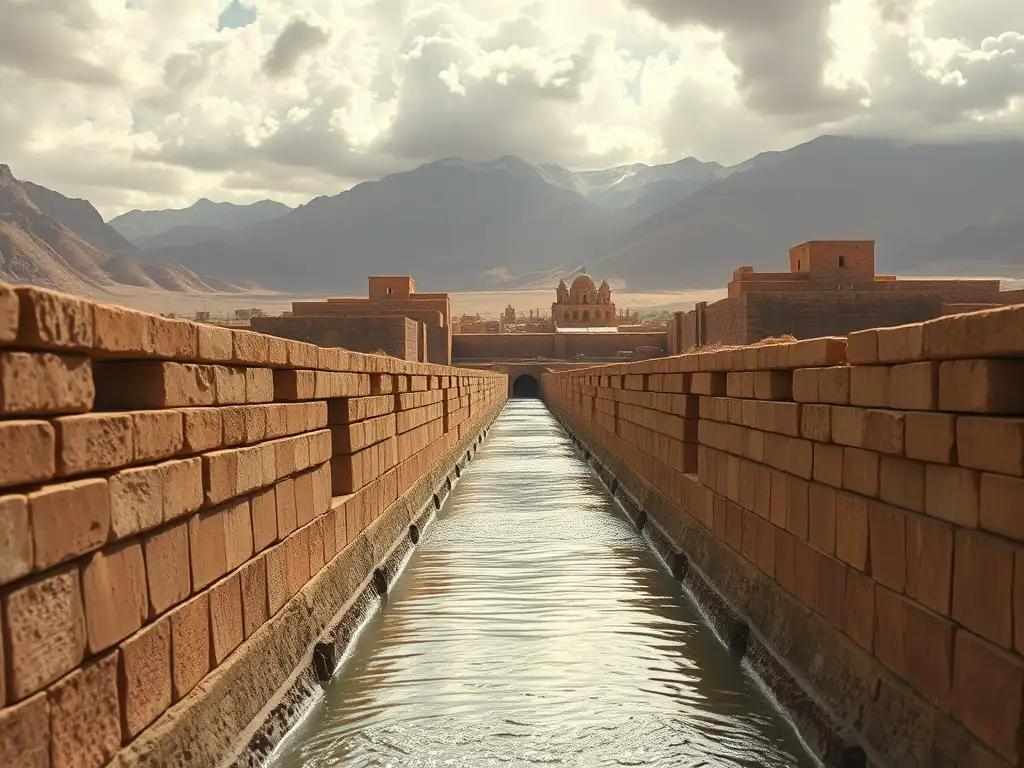
Tiahuanaco's remarkable achievements weren't solely based on impressive monumental architecture; their mastery of Tiahuanaco engineering techniques, particularly in water management, was crucial to their survival and prosperity in the high-altitude Altiplano. The ingenuity displayed in their hydraulic systems reflects a deep understanding of hydrology and a sophisticated approach to resource management, essential for thriving in a challenging environment.
These techniques, developed and refined over centuries, represent a significant contribution to Andean engineering and offer valuable insights into the civilization's technological prowess. The city's success hinged on effectively harnessing scarce water resources, a feat made all the more impressive considering the arid climate and elevation.
Efficient Raised Field Agriculture and Irrigation Canals
The hallmark of Tiahuanaco's agricultural innovation was its extensive system of raised fields. These elevated plots, meticulously constructed from earth and stone, allowed for efficient irrigation and crop cultivation in the otherwise waterlogged and challenging terrain. The fields were separated by canals, which acted as both irrigation channels and drainage systems.
This sophisticated design minimized water loss through evaporation and allowed for optimal crop yields. Evidence suggests that the canals were carefully graded to ensure a consistent flow of water, and that the system was integrated with a network of reservoirs to manage water availability throughout the year. The precise alignment and construction of these fields demonstrate a remarkable understanding of topography and hydraulic principles.
It is estimated that the raised field system covered thousands of hectares, providing a substantial food surplus for the city's population. The intricate planning and execution involved in creating and maintaining this system, a testament to the Tiahuanaco engineering techniques, showcase the civilization's advanced agricultural knowledge and organizational capabilities. This wasn't merely subsistence farming; it was a highly engineered system designed to maximize productivity in a challenging environment.
The Construction of Reservoirs like the Koani for Water Storage
The construction of reservoirs played a vital role in Tiahuanaco's water management strategy. These artificial water storage facilities, such as the well-known Koani reservoir, served as crucial buffers against seasonal variations in water availability. The Koani reservoir, for example, is a testament to the Tiahuanaco engineering techniques employed to harness and store water.
Its design and construction, likely involving sophisticated techniques of earthworks and possibly stone lining, highlight the civilization's impressive understanding of hydraulics and construction. The size and capacity of such reservoirs suggest a planned and systematic approach to water resource management, reflecting a level of societal organization and engineering expertise far beyond simple subsistence strategies. The ability to store water during periods of abundance and release it during times of scarcity was essential for the city's survival and agricultural productivity.
Further research is needed to fully understand the construction methods and the extent of the reservoir system, but available evidence clearly points to a remarkably advanced water management system. The scale of these projects and the precision of their construction are compelling evidence of the advanced engineering capabilities of Tiahuanaco. Moreover, the long-term effectiveness of these reservoirs speaks to the durability and sophistication of their design.
Drainage Systems to Manage Rainfall in the Highland City
Beyond irrigation and storage, Tiahuanaco’s engineers also developed effective drainage systems to manage the significant rainfall the city experienced during the wet season. The high altitude of the city meant that runoff could pose a significant threat to the stability of structures and agricultural areas. Therefore, the Tiahuanaco engineering techniques incorporated intricate drainage channels and canals designed to divert excess water away from crucial areas.
These systems were likely integrated with the irrigation canals, creating a complex network that both supplied water to the fields and prevented flooding. The precise engineering required to achieve this delicate balance is a further demonstration of the civilization's sophisticated understanding of hydrology. While the exact details of these drainage systems are still being investigated, archaeological evidence suggests a complex network of channels and ditches, strategically placed to manage water flow.
The effectiveness of this system, allowing the city to flourish despite significant rainfall, highlights the advanced engineering skills of the Tiahuanaco people. The integration of irrigation and drainage into a single, efficient system is a testament to their understanding of hydrological processes and their ability to manage water resources effectively. The careful planning and execution of these drainage systems further demonstrate the sophisticated nature of Tiahuanaco engineering techniques.
Architectural Achievements: Demonstrating Tiahuanaco's Engineering Skills
Tiahuanaco's remarkable urban planning and architectural feats stand as a testament to the advanced engineering techniques employed by its builders. The city's monumental structures, constructed using massive stone blocks with incredibly precise cuts and joins, continue to baffle modern engineers and archaeologists. Understanding the ingenuity behind these achievements provides crucial insight into Tiahuanaco's technological prowess and societal organization.
The mastery of stonework, hydraulics, and astronomical alignment showcased in their constructions highlights the sophisticated understanding of engineering principles possessed by the Tiahuanaco culture, solidifying their place as pioneers in Andean engineering. This section will delve into three key examples: the Akapana pyramid, Kalasasaya, and Puma Punku, each demonstrating different aspects of Tiahuanaco's exceptional engineering capabilities and the sheer scale of their ambition.
The Akapana Pyramid: An Artificial Hill with Internal Drainage
The Akapana pyramid, one of the largest structures in Tiahuanaco, is not merely a monumental pile of stones; it's a complex hydrological marvel. Archaeological evidence suggests it was an artificial hill, meticulously constructed with a sophisticated internal drainage system. This system, likely composed of channels and chambers, was designed to manage water runoff and prevent erosion, a crucial consideration given the high altitude and potential for heavy rainfall.
The precise arrangement of stones, their size, and the overall design of the pyramid demonstrate a deep understanding of hydraulic engineering principles, far surpassing basic construction techniques. The scale of the undertaking itself—moving and precisely placing enormous blocks of stone to create a functional and aesthetically pleasing structure—is breathtaking. Moreover, the discovery of various artifacts within the pyramid's internal chambers further supports the idea of its multifaceted purpose, potentially serving as a ceremonial center, storage facility, and even an astronomical observatory due to its strategic placement and alignment.
The integration of complex hydraulic engineering into a massive ceremonial structure showcases the sophistication of Tiahuanaco's planning and execution, a true hallmark of their advanced engineering capabilities. Further research is needed to fully understand the intricacies of the Akapana's internal drainage, but existing evidence strongly suggests a level of engineering sophistication rarely seen in other contemporary Andean cultures.
Kalasasaya: Engineering for Sun Observatories and Ceremonial Gatherings
Kalasasaya, meaning "standing stones," is another significant example of Tiahuanaco's engineering prowess. This large platform structure is characterized by its massive, precisely cut stone blocks, some weighing several tons. The precise alignment of the structure with the solstices and equinoxes strongly suggests its use as a solar observatory, highlighting a sophisticated understanding of astronomy and its integration with architectural design.
The construction of Kalasasaya required not only the ability to quarry, transport, and place enormous stones but also the precision to align them with astronomical events, demanding a high level of both engineering and astronomical knowledge. The meticulous craftsmanship evident in the stonework, with its intricate carvings and perfectly fitted joints, speaks to the skill and dedication of Tiahuanaco's builders.
Moreover, the scale of the platform suggests its use as a gathering place for large ceremonial events, indicating a well-organized society capable of mobilizing substantial resources for large-scale projects. The combination of astronomical observation capabilities and large-scale ceremonial functionality within a single structure underscores the multi-faceted engineering and societal achievements of Tiahuanaco.
Puma Punku: Exploring Complex Stone Structures and Precision Assembly
Puma Punku, meaning "the door of the puma," represents the pinnacle of Tiahuanaco's engineering achievements. This site features some of the most precisely cut and fitted stones ever found, with some blocks exhibiting tolerances of less than a millimeter. The sheer scale and precision of the stonework at Puma Punku pose significant challenges to modern engineering, leaving researchers continually impressed by the techniques employed by Tiahuanaco's builders.
The precise joining of these massive blocks, without the use of mortar, demonstrates a masterful understanding of stonework and structural engineering. The stones themselves show evidence of advanced quarrying and shaping techniques, suggesting a sophisticated understanding of materials science. The mystery surrounding the exact methods used to move and place these enormous stones remains a topic of ongoing debate and research, with various hypotheses ranging from advanced ramps and levers to potentially more advanced technologies.
The immense scale of Puma Punku, combined with its unprecedented precision, underscores the extraordinary engineering skills and organizational capabilities of the Tiahuanaco civilization, making it a globally significant example of ancient engineering. The enigmatic nature of its construction continues to inspire awe and fuel ongoing research into Tiahuanaco's engineering techniques.
Tiahuanaco Urban Planning and Design: Engineering for Community
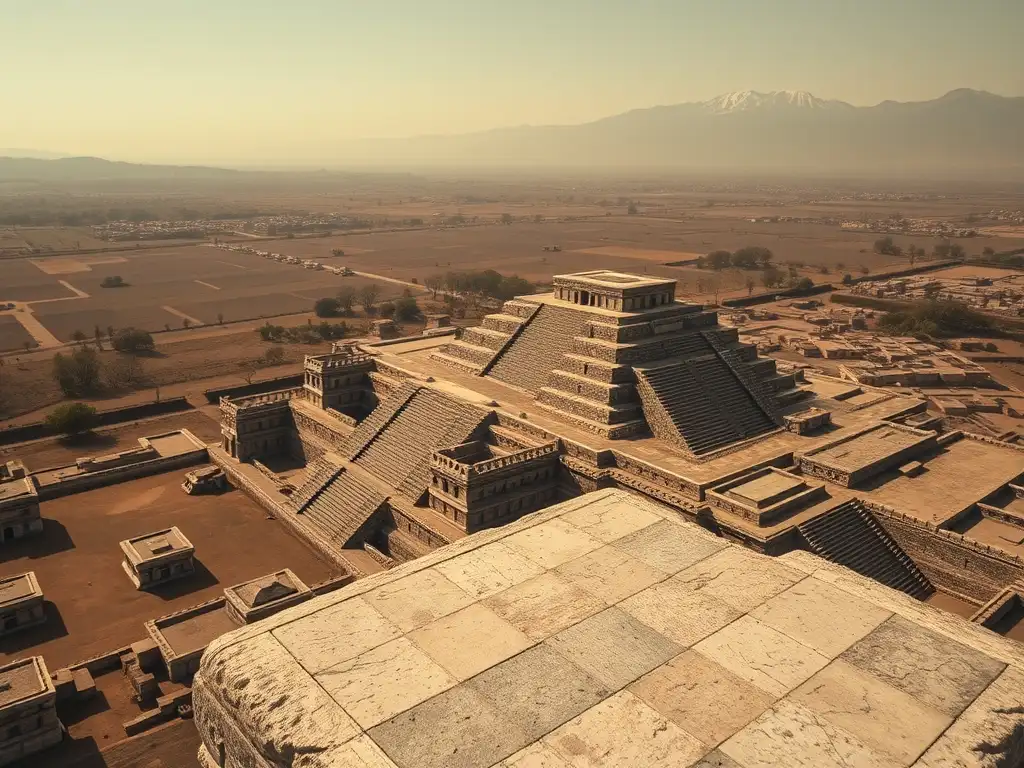
Tiahuanaco's remarkable achievements weren't solely confined to monumental architecture; its urban planning and design reveal sophisticated engineering techniques crucial to the city's functionality and social structure. The city's layout, road systems, and overall design reflect a deep understanding of engineering principles, resource management, and community needs, solidifying its reputation as a center of Andean innovation. Understanding Tiahuanaco's engineering techniques requires examining these interwoven aspects of city planning.
The city's success wasn't accidental; it was a testament to meticulous planning and execution, showcasing the advanced knowledge of its engineers and builders. This section delves into the specific engineering marvels that shaped Tiahuanaco's urban landscape.
The Grid-like Layout of the City: Reflecting Tiahuanaco's Engineering Principles
The most striking feature of Tiahuanaco's urban planning is its grid-like layout. This highly organized structure, unusual for its time, wasn't merely aesthetic; it was a testament to the city's advanced engineering capabilities. The grid system facilitated efficient movement of people and goods, simplifying navigation and resource distribution.
This systematic approach suggests a centralized planning authority, capable of managing complex logistical challenges. Evidence suggests that the grid wasn't rigidly enforced; some deviations exist, likely due to the city's organic growth and adaptation to the terrain. However, the overall pattern clearly demonstrates a commitment to structured urban development, a hallmark of sophisticated Tiahuanaco engineering techniques.
This strategic planning minimized potential conflicts over land use and optimized space utilization, demonstrating a sophisticated understanding of urban design principles. The precision of the grid also suggests advanced surveying tools and techniques, far beyond simple observation. Further research into the tools and methods used to create this grid could reveal even more about Tiahuanaco's engineering prowess.
Roads and Pathways: Facilitating Movement within the City
Beyond the grid layout, Tiahuanaco's road and pathway system played a vital role in its functionality. These thoroughfares weren't simply haphazard tracks; they were strategically designed to connect different parts of the city, facilitating trade, communication, and religious processions. The roads were likely constructed using sophisticated techniques, potentially involving stone paving and drainage systems to withstand the harsh Andean climate.
Archaeological evidence suggests the use of raised pathways in certain areas, possibly to prevent flooding or to create elevated walkways for ceremonial purposes. The precise construction and maintenance of this extensive network reflect a considerable engineering effort, highlighting the importance placed on efficient movement and communication within the city.
The engineering behind the roads and pathways directly supported the city's social and economic activities, showcasing the practical application of Tiahuanaco's engineering techniques. Analyzing the materials used and the construction methods employed in these pathways would provide further insights into Tiahuanaco's technological capabilities.
The engineering achievements of Tiahuanaco weren't isolated feats; they were deeply intertwined with the city's social and political organization. The sophisticated urban planning facilitated the efficient distribution of resources, reinforcing the power and authority of the ruling elite. The construction of monumental structures, such as the Kalasasaya and Puma Punku, required immense coordination and manpower, demonstrating the ability of the Tiahuanaco state to mobilize and organize its population for large-scale projects.
The impressive hydraulic systems, while needing further research to fully understand their extent, likely played a significant role in water management, crucial for agriculture and the city's survival in the high-altitude environment. This control over vital resources further consolidated the power of the ruling class. Therefore, analyzing Tiahuanaco's engineering techniques reveals not just technological advancements, but also insights into the social and political dynamics of this remarkable civilization.
The city's layout and infrastructure were instrumental in maintaining social order and reinforcing the authority of the state, demonstrating a deep connection between engineering prowess and political power. Further study of the relationship between engineering and social structures in Tiahuanaco could unveil more about the dynamics of this ancient Andean society.
The Legacy of Tiahuanaco Engineering: Its Influence on Later Cultures
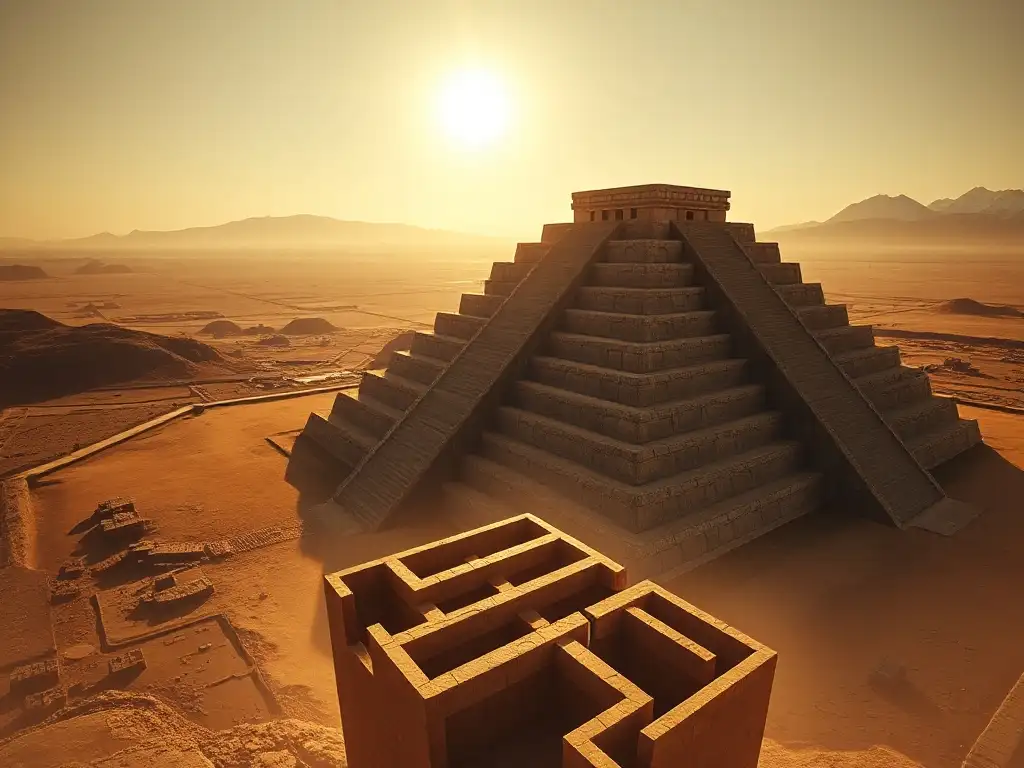
Tiahuanaco's remarkable engineering feats, achieved in a challenging high-altitude environment, weren't merely confined to its own era. The ingenuity displayed in its monumental architecture, sophisticated water management systems, and innovative agricultural practices left an undeniable mark on subsequent Andean civilizations. Understanding Tiahuanaco's engineering legacy helps us appreciate the interconnectedness of Andean cultures and the enduring impact of its technological advancements.
The sophisticated techniques developed in the construction of its iconic structures, such as the Puerta del Sol and Kalasasaya, along with its advanced agricultural methods, provided a foundation for later Andean societies to build upon and adapt. This influence is particularly evident in the subsequent rise of the Inca Empire, a civilization that adopted and refined many of Tiahuanaco's innovative approaches.
The sheer scale of Tiahuanaco's constructions, achieved with tools and techniques we are only beginning to fully understand, served as a powerful testament to the capabilities of Andean engineering, inspiring awe and emulation for centuries. The study of Tiahuanaco's engineering techniques provides invaluable insights into the resilience and adaptability of Andean societies in the face of environmental challenges.
How Tiahuanaco's Techniques Influenced Subsequent Andean Civilizations like the Inca
The Inca, who rose to prominence centuries after Tiahuanaco's decline, demonstrably inherited and adapted many of its engineering principles. While the Incas developed their own unique architectural style, the precision stonework evident in Inca constructions, such as Machu Picchu, echoes the meticulous craftsmanship seen in Tiahuanaco's structures. The mastery of stone cutting and fitting, the use of sophisticated joinery techniques without mortar, and the ability to create massive structures in challenging terrains all suggest a direct lineage.
Furthermore, Inca agricultural practices, particularly their mastery of terracing, bear striking similarities to the raised field agriculture pioneered by the Tiahuanaco. The Inca expanded upon and refined these techniques, adapting them to diverse ecological zones throughout their vast empire. Evidence suggests that the Inca's understanding of water management, crucial for their agricultural success, also drew inspiration from Tiahuanaco's sophisticated systems of canals and reservoirs.
The enduring influence of Tiahuanaco's engineering is not merely a matter of speculation; it's a tangible reality reflected in the architectural and agricultural practices of later Andean civilizations, most notably the Inca. Detailed comparative studies of stonework, agricultural techniques, and water management systems reveal a clear continuity and adaptation of Tiahuanaco's innovations.
The Spread of Raised Field Agriculture and Stone Construction Techniques
Tiahuanaco's ingenious raised field agricultural system, created in the seasonally flooded plains around Lake Titicaca, significantly boosted food production in a challenging environment. This innovative technique involved constructing raised platforms, separated by canals, to improve drainage and soil fertility. The system allowed for year-round cultivation, increasing crop yields and supporting a larger population.
The impact of this technology extended far beyond Tiahuanaco. Evidence suggests that this method of agriculture spread to other parts of the Andes, influencing agricultural practices in subsequent cultures. The precise mechanisms of dissemination—whether through migration, cultural exchange, or independent innovation inspired by Tiahuanaco's success—remain topics of ongoing research.
Similarly, Tiahuanaco's mastery of stone construction, characterized by its precision and monumental scale, influenced later Andean builders. The techniques used in shaping, transporting, and assembling massive stones were likely passed down through generations, contributing to the impressive architectural achievements of later civilizations. The legacy of Tiahuanaco's engineering is not just about grand structures; it's about the practical, life-sustaining technologies that supported Andean societies for centuries.
Lessons from Tiahuanaco's Engineering for Sustainable Water Management
Tiahuanaco’s sophisticated water management systems, developed to harness the resources of Lake Titicaca and its tributaries, offer valuable lessons for modern sustainable water management practices. Their intricate network of canals, aqueducts, and reservoirs demonstrates a deep understanding of hydrology and a commitment to efficient water distribution. The ability to manage water resources effectively was crucial to the success of Tiahuanaco's agricultural system and the sustenance of its population.
Analyzing Tiahuanaco's methods reveals insights into water conservation, efficient irrigation techniques, and the sustainable use of water resources in a high-altitude environment. These ancient techniques, adapted to the specific challenges of the Andean landscape, offer valuable models for contemporary societies grappling with water scarcity and the need for sustainable resource management. The principles of water harvesting, storage, and distribution employed by Tiahuanaco engineers, though developed centuries ago, remain highly relevant in the context of modern environmental concerns.
Further research into these techniques could provide valuable insights for developing more sustainable water management strategies in similar environments. The legacy of Tiahuanaco's engineering extends beyond its impressive monuments; it offers a blueprint for environmentally responsible practices that are crucial for the future.
Conclusion: Appreciating the Advanced Engineering of Tiahuanaco
The ingenuity displayed in Tiahuanaco's construction remains a testament to the advanced engineering capabilities of its builders. Their mastery of stonework, hydraulics, and city planning, considering the challenging high-altitude environment, surpasses many contemporary achievements. Understanding Tiahuanaco's engineering techniques provides invaluable insight into the societal organization, resource management, and technological prowess of this remarkable civilization.
The scale and precision of their projects, from the precise fitting of massive stones to the sophisticated irrigation systems, highlight a level of planning and execution rarely seen in pre-Columbian societies. Further research into the specific tools and methods employed would undoubtedly shed more light on their remarkable accomplishments. The legacy of Tiahuanaco's engineering prowess continues to inspire awe and wonder, prompting ongoing investigation and appreciation of their sophisticated civilization.
Reflecting on the Significance of Tiahuanaco's Engineering Expertise
The sophisticated engineering of Tiahuanaco wasn't simply a matter of technical skill; it was deeply intertwined with the social and religious fabric of the society. The monumental structures served not only practical purposes but also symbolic ones, signifying power, religious authority, and the civilization's connection to the cosmos. The precise alignment of structures with astronomical events suggests a deep understanding of celestial movements and their influence on agricultural cycles and religious practices.
The ability to mobilize vast resources and coordinate the efforts of thousands of workers speaks to a highly organized and centralized society capable of undertaking large-scale projects. Analyzing the social structures that allowed for such ambitious undertakings is crucial to understanding Tiahuanaco's success. We can infer a strong leadership structure, effective resource management systems, and a shared cultural vision that united the population behind these monumental projects.
The city's layout itself, with its carefully planned plazas, temples, and residential areas, reflects a sophisticated understanding of urban planning and societal needs. This level of organization and foresight is a key element in understanding Tiahuanaco's rise to prominence.
The Enduring Impact of Tiahuanaco's Engineering Innovations
Tiahuanaco's engineering innovations left an indelible mark on subsequent Andean cultures. Their mastery of stonework, for example, influenced later architectural styles across the region. The techniques used in quarrying, transporting, and precisely fitting massive stones were likely passed down through generations, contributing to the impressive stone structures found in other Andean civilizations.
Furthermore, their sophisticated water management systems provided a model for future irrigation projects, crucial for agriculture in the challenging Andean environment. The enduring legacy of Tiahuanaco's engineering can be seen in the continued use of similar techniques and the adaptation of their innovations in subsequent Andean societies. Their impact extended beyond mere technological transfer; it also inspired awe and emulation, contributing to the development of a shared Andean architectural and engineering tradition.
The study of Tiahuanaco's engineering techniques, therefore, provides crucial insights into the broader development of Andean technology and its lasting impact on the region. Understanding this continuity helps us appreciate the interconnectedness of Andean cultures and the long-term influence of Tiahuanaco's remarkable achievements. The echoes of their innovative spirit resonate even today.
Frequently Asked Questions
What makes Tiahuanaco's engineering so remarkable?
Tiahuanaco's engineering is remarkable due to its precise stonework, massive structures built at high altitude, and sophisticated water management systems, all achieved with limited technology. This demonstrates advanced understanding of construction and logistics.
What were some of the key engineering challenges faced by Tiahuanaco builders?
Builders faced challenges like the high altitude, scarcity of resources, and the need to transport huge stones over long distances. They overcame these through ingenuity and organized labor.
How did Tiahuanaco engineers move such massive stones?
The exact methods remain debated, but theories involve sophisticated ramps, leverage systems, and human power possibly aided by simple tools and ingenious techniques. The precision of the cuts implies careful planning and execution.
What evidence exists to show Tiahuanaco's advanced water management?
Evidence includes extensive canals, aqueducts, and reservoirs designed to manage water effectively in a high-altitude, arid environment. These systems show a deep understanding of hydrology and irrigation.
What impact did Tiahuanaco's engineering have on later cultures?
Tiahuanaco's innovative techniques and monumental architecture likely influenced later Andean cultures, inspiring their own building projects and demonstrating the lasting impact of Tiahuanaco's engineering prowess.
Final Reflection: The Enduring Legacy of Tiahuanaco's Ingenious Builders
The sophisticated engineering feats of Tiahuanaco continue to resonate today, a testament to human ingenuity and a powerful reminder of the potential for innovation even in the face of seemingly insurmountable challenges. Their mastery of hydraulics, monumental stonework, and city planning, achieved thousands of years ago in a harsh, high-altitude environment, remains a source of wonder and inspiration for modern engineers and archaeologists alike. The precision and scale of their accomplishments still defy easy explanation, prompting ongoing research and debate.
The impact of Tiahuanaco's engineering prowess extends far beyond the archaeological site itself; it speaks to the enduring human capacity for problem-solving and the creation of complex societies. Their innovative solutions to water management, for example, offer valuable lessons for contemporary societies facing similar issues of resource scarcity and climate change. The past is never dead. It's not even past.
– William Faulkner. This quote perfectly encapsulates the continuing relevance of Tiahuanaco's achievements, reminding us that the lessons learned from past civilizations can inform and inspire our present and future endeavors.
Consider, for a moment, the ingenuity required to construct such a magnificent city at such an altitude. Let the precision of their stonework, the complexity of their water systems, and the sheer scale of their ambition inspire you. You too possess the capacity for innovation and problem-solving.
Embrace the spirit of Tiahuanaco's engineers – their dedication, their creativity, their unwavering pursuit of excellence – and apply those same principles to the challenges you face in your own life. Let their legacy be a call to action, urging you to strive for greatness and to leave your own mark on the world.
Unleash the Secrets of Tiahuanaco!
Thank you for joining us on this journey through the marvels of Tiahuanaco. We hope you've discovered the ingenuity of the engineers who built this extraordinary city in the Andes! Now, let's put that knowledge to good use.
Here are some inspiring next steps:
- Deepen your knowledge: Explore the rich history of other fascinating Andean cultures to further your understanding of ancient engineering. Read books and articles on the Inca, the Wari, or other civilizations of the region.
- Experience Tiahuanaco firsthand: Plan a trip to explore the breathtaking ruins and witness the awe-inspiring architecture for yourself. The scale and precision of the stonework are truly remarkable.
- Share your discoveries: Discuss your favorite aspects of Tiahuanaco with friends and family, or spark a conversation online using #TiahuanacoCuriosity. Consider writing a blog post or creating a presentation to share your insights.
What aspect of Tiahuanaco's engineering most fascinates you, and how might you apply those principles of innovation and problem-solving to your own life or work?