
The Moche's Depiction of Plants and Agriculture in Art

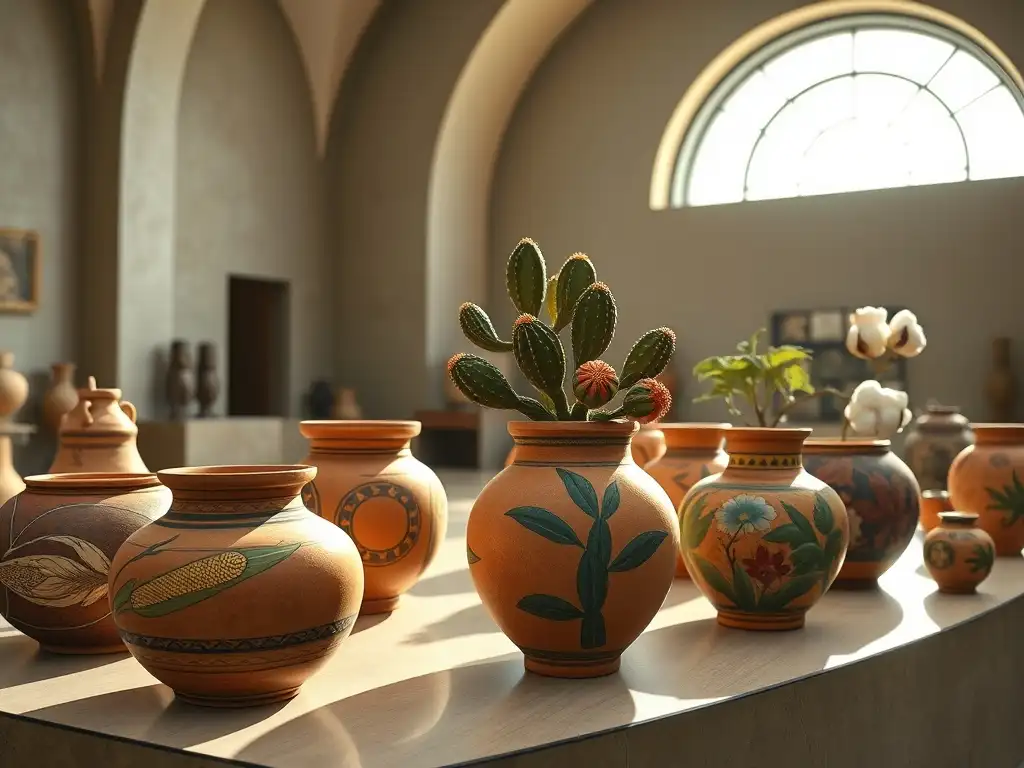
Step into a world lost to time, yet vividly preserved in vibrant hues and intricate detail. Dive into the captivating artistry of the ancient Andean civilizations, where breathtaking craftsmanship reveals the secrets of their societies. Prepare to be amazed by the Moche pottery plant imagery, a testament to their deep connection with agriculture and the natural world. Uncover the mysteries hidden within their stunning ceramics and discover how plants played a vital role in their culture—a story waiting to be explored.
The Moche civilization (circa 100-800 CE), a pre-Columbian society flourishing along the northern coast of Peru, left behind a remarkable legacy of artistic expression. Their mastery of ceramics, in particular, provides an unparalleled window into their daily lives, beliefs, and intricate relationship with their environment.
This article delves into the captivating world of Moche pottery, focusing specifically on the depiction of plants and agriculture – a crucial aspect of their society that reveals much about their sophisticated understanding of cultivation, resource management, and the symbolic significance of the natural world. By analyzing the imagery found on their meticulously crafted vessels, we can gain valuable insights into the Moche worldview and reconstruct a more complete picture of their agrarian practices and their reverence for the bounty of the land.
This exploration of "Moche pottery plant imagery" will uncover the rich symbolism embedded within these artistic representations, demonstrating how the Moche used their pottery not only as functional objects but also as powerful vehicles for conveying cultural and religious meaning.
Understanding Moche Art and Iconography
Moche art, renowned for its realism and detail, wasn't merely decorative. It served a multifaceted purpose, encompassing religious rituals, social status display, and historical record-keeping. Their iconic pottery, often featuring vibrant colors and intricate scenes, depicts a wide range of subjects, including warfare, rituals, daily life, and, significantly, the natural world.
The meticulous rendering of plants and animals reveals a deep understanding of the Moche environment and their intimate connection to it. The stylistic choices, such as the use of specific colors and the positioning of elements within the composition, often held symbolic meaning, reflecting their complex belief system and societal structure. Understanding the context of Moche iconography is crucial to interpreting the representations of plants and their role in Moche society.
Careful examination of these artistic expressions allows us to better understand the agricultural practices, religious beliefs, and social hierarchies of this fascinating civilization. For example, the depiction of specific plant species could indicate their importance in the Moche diet or in religious ceremonies.
Moche Pottery Plant Imagery: An Overview
Moche pottery showcases a diverse array of plant imagery, ranging from common food crops to more symbolic representations. Commonly depicted plants include maize (corn), beans, squash, and various fruits, reflecting their agricultural staples. The meticulous detail in these depictions, often showing the plants at different stages of growth, suggests a deep understanding of agricultural cycles and techniques. Furthermore, the inclusion of these plants in scenes depicting rituals and ceremonies highlights their religious significance.
Beyond the straightforward depiction of food crops, Moche artists also included more stylized and symbolic representations of plants. These could represent deities associated with fertility or abundance, or they might symbolize specific aspects of the Moche worldview. Analyzing the frequency and context of these plant depictions within the larger corpus of Moche pottery allows for a nuanced understanding of their cultural and religious significance.
The careful study of Moche pottery, therefore, provides a unique lens through which to examine the intricate relationship between the Moche and their environment, revealing a sophisticated understanding of agriculture and its crucial role in their society. Further research into specific motifs and their variations across different Moche sites could reveal even greater depth to this fascinating subject. The prevalence of certain plant motifs on pottery from specific regions might also indicate localized variations in agricultural practices or religious beliefs.
Agricultural Practices Reflected in Moche Ceramics
Moche pottery offers a fascinating window into the sophisticated agricultural practices of this ancient Andean civilization. Their ceramic art doesn't simply depict plants; it showcases the intricate techniques and deep understanding of agriculture that sustained their society. The Moche weren't just farmers; they were masters of water management, crop cultivation, and resource optimization, all reflected in the detail and artistry of their pottery.
The vibrant colors and dynamic compositions of their artwork tell a story of their agricultural prowess, demonstrating a profound connection between their daily lives and their artistic expression. Analyzing these depictions allows us to gain insights into their agricultural calendar, crop diversity, and the importance of agriculture in their social structure.
The meticulous detail in Moche ceramics reveals a deep appreciation for the natural world and the essential role it played in their survival and prosperity. This connection between art and agriculture is a hallmark of Moche culture, setting it apart from other contemporary civilizations.
Irrigation Techniques in Moche Art
The Moche mastery of irrigation is vividly portrayed in their ceramics. Many pieces depict intricate canal systems, carefully constructed terraces, and the careful channeling of water from rivers and streams to fields. These depictions aren't mere decorations; they provide valuable evidence of their advanced water management techniques.
For instance, some pots show representations of acueductos, demonstrating their understanding of gravity-fed irrigation systems and their ability to transport water across significant distances. The level of detail often includes representations of workers maintaining the canals, highlighting the collaborative effort involved in irrigation. This artistic documentation of their engineering feats is invaluable for understanding their agricultural success in a challenging desert environment.
The precision and realism in these depictions suggest a deep familiarity with the practical aspects of irrigation, indicating a high degree of technical knowledge within the Moche society. These artistic representations are not simply decorative; they're a testament to their ingenuity and their ability to thrive in a demanding landscape.
Moche Depictions of Cultivated Crops
Moche pottery showcases a wide variety of cultivated crops, providing a detailed catalog of their agricultural achievements. The meticulous rendering of plants, often depicted in lifelike detail, reveals the importance of agriculture in their daily lives and their deep understanding of botany. The accuracy of their depictions allows us to identify many of the crops they cultivated, including maize, beans, squash, and various other fruits and vegetables.
The abundance and variety of crops represented in Moche art suggest a robust and diverse agricultural system capable of supporting a large population. Furthermore, the context in which these crops are shown—often alongside humans engaged in agricultural activities—underscores their significance in Moche society and their central role in their economy and social structure. The careful observation and artistic representation of these plants highlight the Moche's intimate knowledge of their environment and their ability to harness its resources effectively.
Common Plants Represented in Moche Pottery
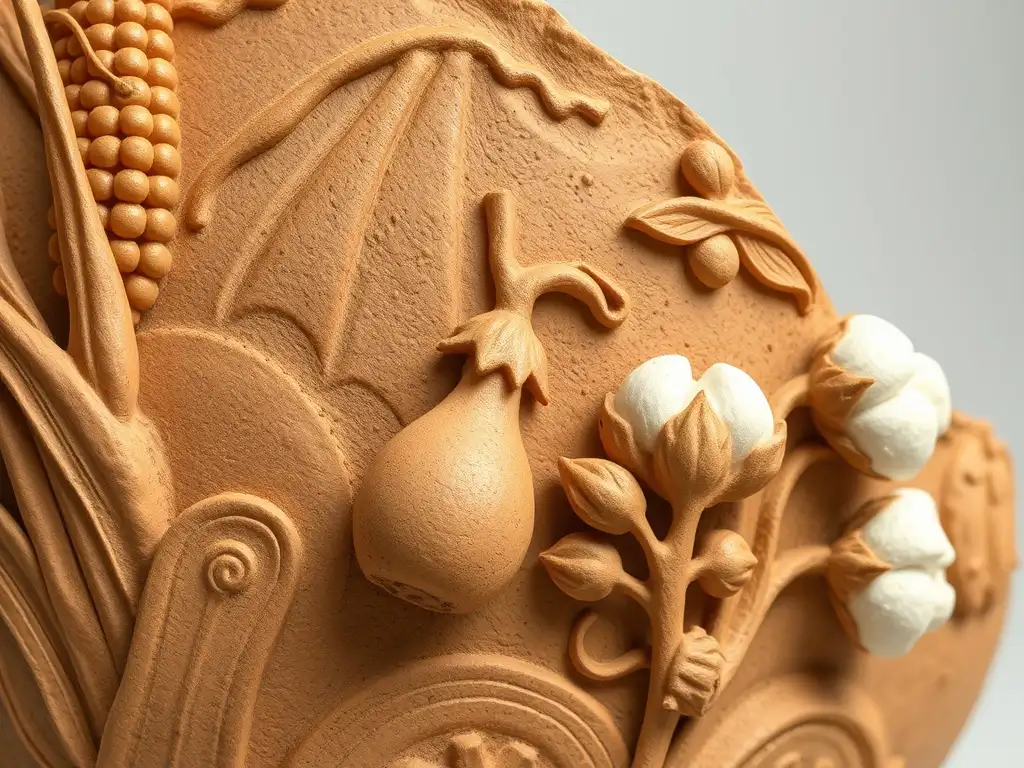
The Moche's artistic repertoire included a wide array of plants, each imbued with symbolic meaning and reflecting their agricultural importance. Beyond the major crops, their pottery displays a diverse range of flora, indicating a sophisticated understanding of plant life and its role in their society. The careful depiction of these plants, often in combination with other elements such as animals or human figures, creates complex narratives that tell stories about Moche life, beliefs, and agricultural practices.
Careful study of these representations helps to reconstruct their agricultural practices, their ecosystem, and their worldview. The prevalence of certain plants in Moche art suggests their particular importance in their diet, religious ceremonies, or medicinal practices. The careful attention to detail in these representations reveals the Moche's profound connection to the natural world and their deep understanding of the plants that sustained them.
Maize in Moche Art: Symbolism and Significance
Maize, or corn, holds a prominent position in Moche art, reflecting its crucial role as a staple crop. It's frequently depicted in various stages of growth, from the tender shoots to the mature ears, demonstrating a close observation of the plant's life cycle. Beyond its agricultural importance, maize likely held significant symbolic meaning in Moche culture, possibly representing fertility, abundance, and even divinity. Its prominent placement in many artistic works underscores its central role in Moche society.
The diverse representations of maize—in various forms, colors, and contexts—suggest a multifaceted appreciation for this essential crop. Some depictions may even hint at ceremonial uses or religious beliefs associated with maize cultivation. The pervasive imagery of maize in Moche pottery highlights its centrality to their sustenance, culture, and possibly even their spiritual beliefs.
Beans and Legumes in Moche Ceramics
Beans and other legumes were an important part of the Moche diet, and their presence in Moche pottery reflects this significance. These crops are often depicted alongside maize, highlighting their complementary roles in their agricultural system. The careful rendering of beans, often showing their distinctive shapes and colors, indicates a keen awareness of their agricultural value and their importance in providing protein and other essential nutrients.
The inclusion of beans in scenes depicting agricultural activities underscores their integral role in the Moche economy and their contribution to the overall prosperity of the civilization. The detailed depiction of beans in Moche art demonstrates a deep understanding of their agricultural practices and their appreciation for the nutritional value of these crops. This attention to detail reflects the Moche's holistic approach to agriculture and their appreciation for the diversity of their cultivated plants.
The Importance of Squash in Moche Iconography
Squash, in its various forms, features prominently in Moche pottery, indicating its importance in their diet and culture. Its depiction, often alongside other crops, highlights its role in their agricultural system. The variety of squash types represented suggests a diverse range of cultivars, reflecting their sophisticated agricultural knowledge and their ability to adapt different species to their environment.
The artistic representations of squash, often with meticulous attention to detail, showcase the Moche's keen observation skills and their appreciation for the beauty and utility of this versatile crop. Beyond its nutritional value, squash may also have held symbolic significance in Moche culture, possibly related to fertility or abundance. The prominence of squash in their artwork emphasizes its importance in their daily lives and its contribution to their overall well-being.
Other Plants Depicted: Peanuts and Peppers
Beyond maize, beans, and squash, Moche pottery also depicts other important crops, including peanuts and peppers. These plants, though perhaps less prominent than the "big three," still hold significance in understanding the Moche agricultural system and their diet.
The inclusion of peanuts and peppers in their artistic representations highlights the diversity of their cultivated plants and their ability to utilize a wide range of resources. Peanuts, a valuable source of protein and oil, and peppers, a crucial ingredient for flavoring their food, demonstrate the Moche's sophisticated understanding of agriculture and their ability to cultivate a diverse range of crops to meet their nutritional needs.
The careful depiction of these plants, though less frequent than maize, beans, and squash, underscores the Moche's holistic approach to agriculture and their appreciation for the diversity of the plants that sustained them. Their inclusion in the artistic record further enriches our understanding of the complexity of Moche agriculture and their relationship with their environment.
The Symbolic Meaning of Plants in Moche Culture
The Moche people, inhabiting the northern coast of Peru from approximately 100 CE to 800 CE, held a deep reverence for the natural world, particularly plants. Their art, especially their exquisite pottery, reveals a complex symbolic system interwoven with agricultural practices and spiritual beliefs. Plants were not merely depicted for their aesthetic value; they held profound symbolic weight, representing vital aspects of Moche life and cosmology.
The careful observation and detailed rendering of various plant species in their artwork underscore the importance of agriculture and its connection to their worldview. This intricate relationship is clearly evident in the numerous examples of Moche pottery showcasing a vast array of flora, from common crops to more exotic species. The meticulous detail suggests a deep understanding of botany and a symbolic language embedded within the artistic representation.
The consistent presence of specific plants across different pottery pieces points to a codified system of meaning, waiting to be fully deciphered by modern scholars. Further research into the specific contexts of these depictions, including their location within larger scenes and accompanying iconography, will further illuminate their significance.
Plants as Representations of Fertility and Abundance
Many Moche plant depictions directly symbolize fertility and abundance. The frequent portrayal of maize, beans, and squash—the staples of their diet—is not simply a record of their agricultural practices but a visual affirmation of prosperity and the successful continuation of life. The lush growth and abundant yield of these plants, meticulously rendered on the pottery, are visual metaphors for the desired outcome of their agricultural efforts and a prayer for continued bounty.
The vibrant colors and lifelike depictions further enhance this symbolism, conveying a sense of vitality and the life-giving power of nature. Furthermore, the frequent association of these plants with other symbols of fertility, such as stylized human figures or animals, reinforces their symbolic meaning within the broader context of Moche religious beliefs. For example, the depiction of a maize plant alongside a pregnant woman would strongly reinforce the themes of fertility and abundance.
Plants as Markers of Ritual and Ceremony
Beyond representing fertility and abundance, Moche plant imagery also plays a significant role in depicting ritual and ceremony. Certain plants, possibly possessing psychoactive properties or holding specific religious significance, appear prominently in scenes depicting rituals and shamanistic practices. These plants, often depicted alongside ritual paraphernalia or figures engaged in ritualistic activities, might have been used in ceremonies to alter consciousness or communicate with the supernatural world.
The precise identification of these plants and their specific roles within Moche rituals remains a subject of ongoing research, requiring careful analysis of the iconography and comparison with ethnobotanical studies of later Andean cultures. The context of the depiction is crucial for understanding their symbolic meaning, as the same plant could have different meanings depending on the accompanying figures and objects.
The Role of Agriculture in Moche Society
Agriculture formed the backbone of Moche society. Their ability to cultivate crops in the arid coastal region was a testament to their advanced irrigation systems and agricultural techniques. The prominence of plant imagery in Moche art reflects the centrality of agriculture in their social and economic structure. The detailed depictions of agricultural activities, including planting, harvesting, and processing crops, showcase the labor-intensive nature of their agricultural practices and the value placed on agricultural productivity.
The art is not just an aesthetic expression but a record of their daily life and the collective effort required to sustain their society. The meticulous representation of different agricultural stages points to a deep understanding of the agricultural cycle and its importance for the survival and prosperity of the Moche people. This close relationship between the people and their agricultural landscape is powerfully conveyed through the art.
Analyzing Moche Plant Motifs: Artistic Techniques
The artistry of Moche pottery showcases a remarkable ability to capture the essence of plants through various artistic techniques. The skill of the artisans is evident in the diversity of styles and levels of detail employed in depicting plant life. Their mastery of ceramic techniques allowed them to render plants with incredible realism and stylistic flair, demonstrating a deep understanding of both botany and artistic expression. The analysis of these techniques provides valuable insights into Moche artistic practices and their worldview.
Stylization and Realism in Moche Plant Depictions
Moche artists skillfully balanced stylization and realism in their depictions of plants. While some plants are rendered with almost photographic accuracy, others are stylized, emphasizing certain features or aspects of the plant's form. This stylistic variation likely reflects the intended meaning and context of the depiction.
Highly realistic renderings might be used to showcase the abundance of nature, while more stylized depictions could represent specific symbolic meanings within a ritual context. The level of detail varies considerably, ranging from highly detailed representations of individual leaves and flowers to more schematic representations emphasizing overall form and structure. The choice between realism and stylization was a deliberate artistic decision that reflects the artist's understanding of the plant's significance within the artwork's broader narrative.
Color and Detail in Moche Plant Imagery
The use of color and detail further enhances the impact of Moche plant imagery. The vibrant colors, achieved through the use of natural pigments, create a sense of vitality and realism. The meticulous attention to detail, particularly in the rendering of leaves, flowers, and fruits, showcases the artist's skill and the importance placed on accurate botanical representation. The choice of colors may also hold symbolic meaning.
For example, certain colors may be associated with specific plants or with broader themes such as fertility or spirituality. The interplay of color and detail creates a rich tapestry of visual information, conveying not only the appearance of the plants but also their symbolic significance within Moche culture. The careful selection and application of pigments demonstrate a sophisticated understanding of color theory and its use in conveying meaning.
The Significance of Moche Plant Imagery for Understanding their World
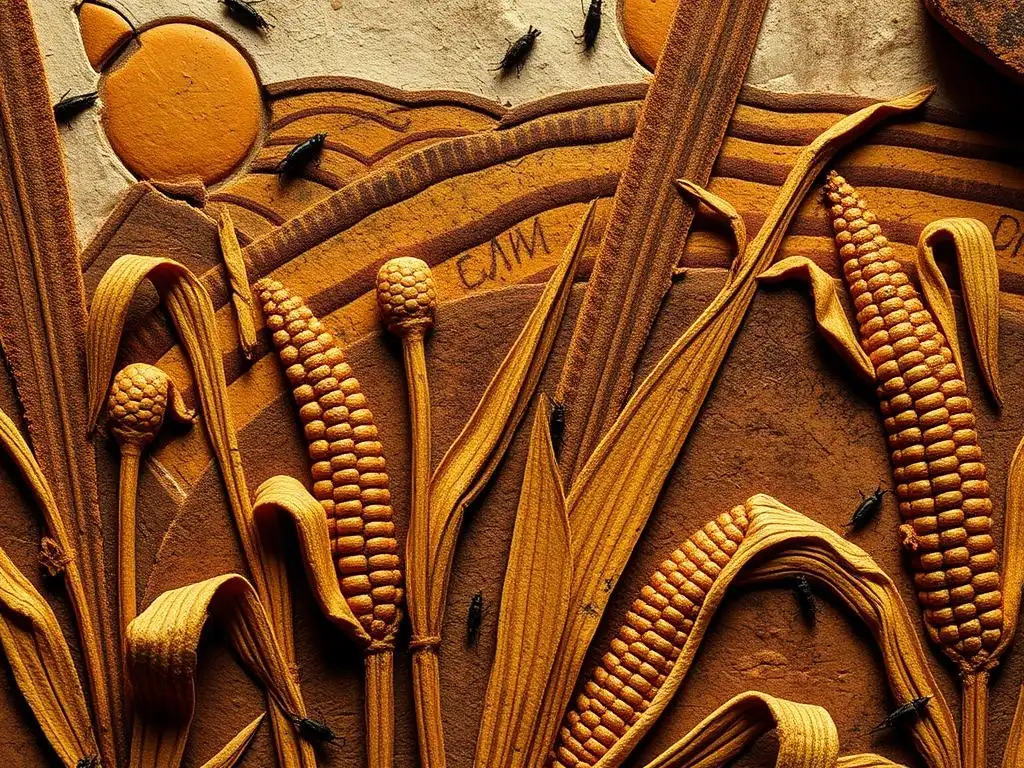
The Moche civilization, flourishing along the northern coast of Peru from approximately 100 to 800 CE, left behind a remarkable artistic legacy. Their pottery, in particular, is renowned for its intricate detail and vibrant depictions of daily life, including a significant focus on plants and agriculture. Analyzing this imagery offers invaluable insights into the Moche worldview, their sophisticated understanding of agriculture, and their complex relationship with the natural environment. The prevalence of plant motifs in Moche pottery transcends mere decoration; it reveals a deep-seated connection between the Moche people and the life-sustaining resources provided by their environment.
This connection is not merely utilitarian; it's deeply symbolic, reflecting their beliefs, rituals, and social structures. The meticulous detail in which plants are portrayed—from the subtle variations in leaf shapes to the accurate depiction of fruits—demonstrates a profound botanical knowledge and an artistic skill that aimed to capture the essence of the plant world. This attention to detail speaks volumes about the importance of agriculture in their society.
Understanding the significance of these plant depictions is crucial to understanding the Moche themselves. The careful observation and representation of botanical details, often paired with human figures engaged in agricultural activities, strongly suggests that plants were not just a source of sustenance but also held symbolic or ritualistic meaning within their culture. Further research into the specific species depicted and their cultural significance would offer a deeper comprehension of Moche cosmology and societal values.
Insights into Moche Agricultural Knowledge
Moche pottery provides a unique window into their advanced agricultural practices. Depictions of irrigation canals, terraced fields, and various agricultural tools reveal a sophisticated understanding of water management and farming techniques. The careful representation of different plant species, including maize (corn), beans, squash, cotton, and various fruits, showcases their diverse agricultural production.
The level of detail in the pottery, showing specific planting and harvesting methods, suggests that these were not just artistic representations but also potentially instructional or ritualistic depictions of agricultural practices passed down through generations. For example, the depiction of specific tools, such as digging sticks or irrigation scoops, allows for the reconstruction of their agricultural technology. Furthermore, the presence of multiple plant species within a single pot might indicate intercropping practices, highlighting their understanding of crop rotation and diversification.
Studying the arrangement and combination of different plants in Moche artwork offers valuable clues about the techniques they used to optimize their agricultural yields. The prevalence of certain crops, like maize, which was a staple food, also reflects the importance of that crop in their diet and economy. By examining the pottery, we can gain a clearer understanding of the Moche's ingenuity in adapting to their unique environmental challenges and maximizing their agricultural output.
Reconstructing Moche Diet and Subsistence
The detailed portrayal of plants in Moche pottery allows for a more nuanced understanding of their diet and subsistence strategies. The frequency with which specific plants appear in the artwork can provide clues about their relative importance in the Moche diet. For instance, the abundant depiction of maize strongly suggests its central role as a staple crop.
Similarly, the presence of other plants such as beans, squash, and various fruits indicates a diversified diet, incorporating both cultivated and wild plants. The depiction of fishing scenes and marine life alongside agricultural products points to a balanced diet that combined agricultural production with the resources of the coastal environment. Furthermore, by identifying the plant species depicted, researchers can gain insights into the nutritional value of the Moche diet and how it contributed to their overall health and well-being.
The absence or scarcity of certain plant species might indicate limitations in their agricultural production or seasonal variations in food availability. The combination of agricultural and marine resources in Moche artistic representations demonstrates a resilient and adaptable subsistence strategy that allowed them to thrive in a challenging coastal environment. It's important to note that further research is needed to fully understand the specific nutritional aspects of the Moche diet, relying on both the art and archaeological evidence.
Moche Art: A Window into their Relationship with Nature
Moche pottery showcases a profound understanding and respect for the natural world. The detailed representations of plants, animals, and landscapes are not merely decorative; they reflect a deep-seated connection between the Moche and their environment. The meticulous depiction of plants, from their growth stages to their fruits, shows an intimate knowledge of the life cycles of various species. This attention to detail highlights the importance of agriculture and the natural world in the Moche worldview.
Their art isn't solely focused on human figures; it encompasses the entire ecosystem, reflecting a holistic understanding of the interconnectedness of life. The presence of both cultivated and wild plants in their artwork suggests a harmonious relationship with nature, not one of domination or exploitation. Furthermore, the symbolic use of certain plants in their art might indicate their role in religious practices or ceremonies. The integration of plants within broader narrative scenes, depicting rituals or human interactions with the natural world, illustrates the significance of these elements in their culture.
Studying Moche art, therefore, provides an invaluable opportunity to understand their perception of nature, their relationship with it, and their place within the larger ecosystem. This perspective transcends the purely utilitarian; it shows a spiritual and cultural connection to the land and its bounty, a fundamental aspect of the Moche civilization's identity. The detailed, almost reverential, depiction of plants in their pottery serves as a testament to this deep and enduring connection.
Conclusion: The Enduring Legacy of Moche Plant Depictions
The meticulous detail and vibrant artistry showcased in Moche pottery depicting plants offer invaluable insights into their agricultural practices, societal structures, and spiritual beliefs. These aren't simply decorative elements; they are powerful statements reflecting the profound connection the Moche people had with their environment. The pervasive presence of plant imagery in their ceramic art underscores the crucial role agriculture played in shaping their daily lives, their economy, and their worldview. From the humble maize cob to the more exotic fruits and vegetables, each plant holds a symbolic weight, hinting at complex rituals, social hierarchies, and a sophisticated understanding of the natural world.
The enduring legacy of these depictions lies not only in their aesthetic beauty but also in their ability to connect us to a civilization that thrived centuries ago through its deep understanding and respect for the land. Studying these artifacts allows us to appreciate the ingenuity and artistry of the Moche, while also gaining a deeper understanding of their culture and the vital role agriculture played in their success. The meticulous preservation and ongoing study of Moche pottery featuring plant imagery continues to enrich our understanding of "Moche pottery plant imagery" and the broader context of Andean civilizations. Further research could delve into specific plant species depicted, their potential symbolic meanings within different Moche contexts, and their correlation with archaeological evidence of agricultural practices at various Moche sites.
The continued analysis of these fascinating works of art promises to further illuminate the rich tapestry of Moche life and their legacy. The vibrant colors and intricate details still speak volumes today, offering a powerful testament to the enduring spirit of a civilization deeply intertwined with its agricultural heritage. 🌱
- Understanding Moche Art and Iconography
- Moche Pottery Plant Imagery: An Overview
- Agricultural Practices Reflected in Moche Ceramics
- Common Plants Represented in Moche Pottery
- The Symbolic Meaning of Plants in Moche Culture
- Analyzing Moche Plant Motifs: Artistic Techniques
- The Significance of Moche Plant Imagery for Understanding their World
- Moche Art: A Window into their Relationship with Nature
- Conclusion: The Enduring Legacy of Moche Plant Depictions
Frequently Asked Questions
What is the significance of plants in Moche pottery?
Moche pottery frequently depicts plants, reflecting the importance of agriculture in their society. These images aren't merely decorative; they provide insights into their cultivation techniques and beliefs. The detailed representations show a deep connection to their environment.
What types of plants are commonly depicted in Moche pottery?
The Moche art portrays a wide variety of plants, including maize, beans, squash, and cotton, all crucial crops in their agricultural system. Other plants with ceremonial or medicinal significance are also featured. The level of detail is remarkable.
How did the Moche depict plants in their pottery?
The Moche artists used realistic and stylized representations of plants. Some show plants in a natural setting, while others depict them in a more symbolic or ritualistic context. The vibrant colors and intricate details are truly captivating.
What can Moche pottery plant imagery tell us about their culture?
The detailed depictions of plants in Moche pottery provide valuable information about their agricultural practices, social structures, and religious beliefs. Analyzing the imagery allows us to understand their relationship with the natural world.
Where can I see examples of Moche pottery with plant imagery?
Examples of Moche pottery showcasing plant imagery can be found in museums worldwide, including the Larco Museum in Lima, Peru, and other major collections featuring pre-Columbian art. Many online resources and academic publications also feature images.
Final Reflection: The Enduring Legacy of Moche Agricultural Art
The vibrant depictions of plants and agriculture in Moche pottery aren't just relics of a bygone era; they are powerful testaments to the enduring human relationship with the land, a relationship as vital today as it was millennia ago. The intricate detail and symbolic power embedded within these ancient artifacts offer a profound insight into a civilization's deep connection to its environment, a connection we are only beginning to fully appreciate in our increasingly urbanized world.
The Moche's artistic celebration of agriculture continues to resonate, reminding us of the fundamental importance of sustainable practices and the inherent beauty found in the natural world. Their art serves as a potent counterpoint to modern agricultural practices that often prioritize quantity over quality and sustainability. The earth provides enough to satisfy every man's needs but not every man's greed.
– Mahatma Gandhi. This quote speaks volumes about the wisdom embedded within the Moche's artistic reverence for their agricultural bounty, a wisdom we would do well to heed in our current climate crisis.
Consider the intricate details in a Moche pot, the careful rendering of a single maize cob, or the vibrant hues depicting a flourishing landscape. Let these images inspire you to reconnect with the source of your food, to appreciate the intricate web of life that sustains us, and to consider your own role in preserving the planet's precious resources. Take a moment to reflect on your own relationship with nature; how can you cultivate a deeper appreciation for the land and its bounty, mirroring the profound respect shown by the Moche in their breathtaking art?
Unveil the Richness of Andean Agriculture!
Thank you for exploring the fascinating world of the Moche civilization and their vibrant artistic depictions of plants and agriculture. Your insights demonstrate a deeper understanding of the intricate relationship between culture and nature in ancient societies. Now, let's put that knowledge into practice!
Here are some ways you can further explore this captivating topic:
- **Explore local farming practices:** Visit a nearby farm or community garden to observe how modern techniques connect to those of ancient civilizations. You might be surprised by the similarities!
- **Share your discoveries:** Connect with other history enthusiasts online; share an interesting fact you learned about the Moche and their art, or start a discussion about what resonates most with you.
- **Create your own artwork:** Inspired by the Moche's artistic style, try depicting plants that hold cultural significance in your own community. This is a great way to connect the past with the present.
What agricultural themes from ancient cultures would you like to see reinterpreted in modern art? Let's discuss!