
The Art of Diplomacy: Exploring the Political Strategies of Early Andean Leaders

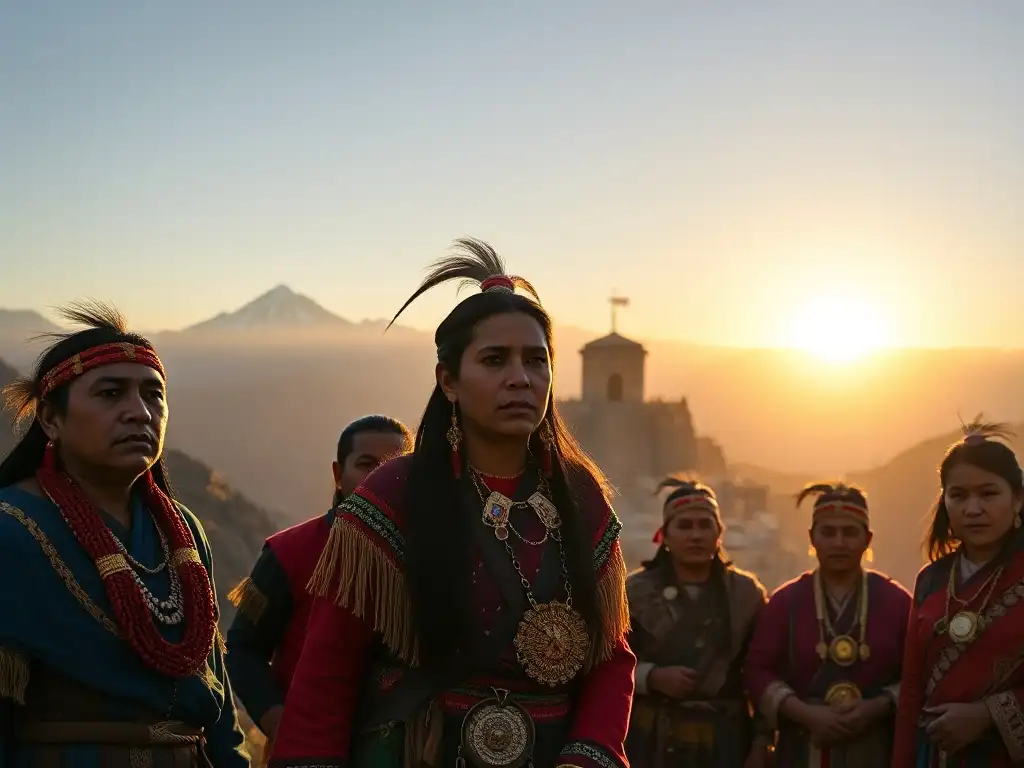
Uncover the secrets whispered on the wind across the Andes! For centuries, the towering peaks have guarded the legacies of remarkable civilizations. But how did the Incas, Moche, and other Andean empires rise to power? Delve into the fascinating world of Andean political strategies – a realm of intricate alliances, cunning diplomacy, and surprising innovation – and discover the ingenious methods that shaped the destiny of these ancient societies. Prepare to be amazed by the ingenuity and resilience of these early Andean leaders; their stories await.
The rise of complex societies in the Andes was not solely a matter of military might or agricultural innovation; it was profoundly shaped by the sophisticated political strategies employed by its leaders. This article delves into the fascinating world of Andean political power, examining the diverse methods used by rulers of civilizations like the Inca, Moche, Nazca, and Tiahuanaco to maintain control, expand their influence, and forge alliances across vast and challenging terrains. We will explore how these strategies, often subtle and nuanced, contributed significantly to the development and longevity of these remarkable Andean civilizations.
Understanding these "Andean political strategies" offers a critical lens through which to appreciate the complexity and resilience of pre-Columbian Andean societies. We'll move beyond simplistic narratives of conquest and explore the intricate web of diplomacy, kinship ties, religious authority, and economic control that underpinned Andean political power.
Introduction to Andean Political Power Dynamics
The Andean region, characterized by its diverse geography and challenging environment, fostered the development of unique political systems. Unlike centralized empires in other parts of the world, Andean political structures often exhibited a more decentralized, yet intricately networked, organization. Power was frequently distributed amongst various levels of authority, from local leaders and clan heads to regional chiefs and ultimately, in some cases, to paramount rulers.
This decentralized nature, however, did not equate to political instability. Instead, it necessitated sophisticated strategies for managing relationships, resolving conflicts, and maintaining a degree of cohesion across potentially disparate groups. These strategies involved a complex interplay of factors:
- Kinship and Marriage Alliances: Many Andean societies utilized strategic marriages and kinship ties to solidify political alliances and consolidate power. Royal marriages between different ruling lineages served to create extensive networks of influence and legitimacy. This practice was crucial in maintaining order and preventing conflicts between competing groups.
- Religious Authority and Ritual: Religion played a crucial role in legitimizing political power. Rulers often claimed divine ancestry or acted as intermediaries between the gods and their people. Elaborate religious rituals and ceremonies served to reinforce their authority and foster social cohesion. The construction of monumental architecture, such as temples and pyramids, further enhanced their divine status.
- Control of Resources: Access to and control of essential resources, such as fertile land, water sources, and minerals, were critical elements in Andean political power. The ability to manage and distribute these resources strategically allowed leaders to maintain their influence and reward loyal followers. Control over trade routes also provided significant economic and political leverage.
The social structures of early Andean societies significantly influenced their political dynamics. While specific structures varied across different civilizations, several common themes emerge:
- Hierarchical Societies: Most Andean societies were characterized by a hierarchical social structure, with a clear distinction between elites, commoners, and potentially marginalized groups. This hierarchy was often reflected in access to resources, social status, and political influence. The elite class typically held significant religious and political authority.
- Specialized Labor and Craft Production: The development of specialized labor and craft production played a key role in the growth and stability of Andean societies. Specialized artisans and craftsmen produced high-quality goods, which were often used to reward allies, legitimize power, and enhance the prestige of the ruling class. This specialization contributed to social complexity and economic interdependence.
- Reciprocity and Redistribution: The concept of reciprocity – the exchange of goods and services – was fundamental to Andean social and political organization. Leaders often played a central role in redistributing resources, ensuring social cohesion and mitigating potential conflicts arising from unequal access to resources. This system fostered a sense of community and mutual obligation.
The interplay between these social structures and the political strategies employed by Andean leaders created a complex and dynamic system of power. Further research into specific Andean civilizations will reveal the unique nuances and variations in these strategies, enriching our understanding of the rise of complex societies in the Andes.
- What were the primary political strategies employed by Andean civilizations?
- How did the Incas use diplomacy to consolidate their empire?
- Did all Andean civilizations use the same political strategies?
- What role did religion play in Andean political strategies?
- How did Andean political strategies contribute to the rise and fall of civilizations?
The Foundations of Andean Political Strategies
The rise of complex societies in the Andes was not solely a matter of military might or technological innovation. Sophisticated political strategies, often interwoven with religious beliefs and economic practices, were crucial for maintaining power and stability across diverse and challenging landscapes. Understanding these strategies requires looking beyond the grandeur of empires like the Inca and focusing on the foundational principles that shaped Andean governance for centuries.
The effective management of resources, the skillful deployment of religious authority, and the pervasive system of reciprocity were key pillars underpinning Andean political power. Analyzing these elements provides invaluable insights into the nuanced nature of "Andean political strategies."
The Role of Reciprocity in Andean Governance
Reciprocity, or ayni, formed the bedrock of Andean social and political organization. It wasn't simply a system of mutual exchange; it was a deeply ingrained principle that shaped relationships at all levels of society, from interpersonal interactions to inter-community relations. Ayni involved the obligation to reciprocate services, goods, or labor, creating a web of interconnectedness that bound communities together. This system fostered social cohesion and stability, reducing reliance on centralized coercion.
Political leaders skillfully leveraged ayni to consolidate power. By strategically distributing resources and demanding labor in return, they created a system of obligations that fostered loyalty and ensured the smooth functioning of the political system. The effective management of this reciprocal system was a crucial aspect of Andean political strategies, ensuring both social harmony and the leader's continued authority.
Failure to uphold the reciprocal obligations could lead to significant social unrest and political instability. For example, [specific example of a community experiencing instability due to disrupted reciprocity pending]. The successful implementation of ayni required sophisticated political acumen and a deep understanding of social dynamics.
Religious authority was inextricably linked to political legitimacy in the Andes. Rulers often claimed divine ancestry or a special relationship with the gods, thereby justifying their rule and enhancing their authority. Elaborate religious ceremonies, monumental architecture, and the creation of powerful iconography served to reinforce this sacred connection. The Inca, for instance, emphasized their descent from the sun god Inti, using this lineage to bolster their claims to power and unify their vast empire.
Other Andean civilizations employed similar strategies, albeit with different deities and rituals. The Moche, known for their elaborate religious iconography, likely used religious authority to maintain control over their sophisticated irrigation systems and resource distribution. Furthermore, temples and religious sites often served as centers of political power, demonstrating the close relationship between the sacred and the secular.
This intertwining of religion and politics was a core element of Andean political strategies. The construction of impressive religious structures, such as the monumental complexes at Tiahuanaco, served not only religious purposes but also as powerful symbols of state power and control over resources. The skillful manipulation of religious beliefs and rituals was a potent tool for consolidating and maintaining political power.
Managing Resources and Labor: Key Political Tools
Control over resources – particularly water, fertile land, and labor – was paramount in Andean political strategies. Sophisticated irrigation systems, such as those developed by the Nazca and the Moche, were not merely technological achievements; they were also instruments of political control. Access to water and arable land was carefully regulated, creating a system of dependencies that reinforced the authority of the ruling elite. Similarly, the mobilization of labor for large-scale projects, like the construction of monumental architecture or the maintenance of irrigation systems, was crucial for consolidating power.
The Inca mita system, a form of mandatory labor service, is a well-known example of this. However, other Andean civilizations employed similar strategies, adapting them to their specific needs and social structures. The effective management of resources and labor required sophisticated administrative skills and the ability to mobilize and control large populations. Successful Andean leaders demonstrated a mastery of these skills, using them to maintain political stability and consolidate their power.
This intricate interplay of resource management, labor organization, and political control was a defining characteristic of Andean political strategies, highlighting the complex relationship between power, economy, and society. Analyzing the distribution of resources and labor patterns offers crucial insights into the dynamics of Andean power structures. For example, [specific data on resource distribution in a particular Andean civilization pending]. The ability to efficiently manage these crucial elements was a key determinant of success in Andean politics.
Case Studies of Andean Political Strategies
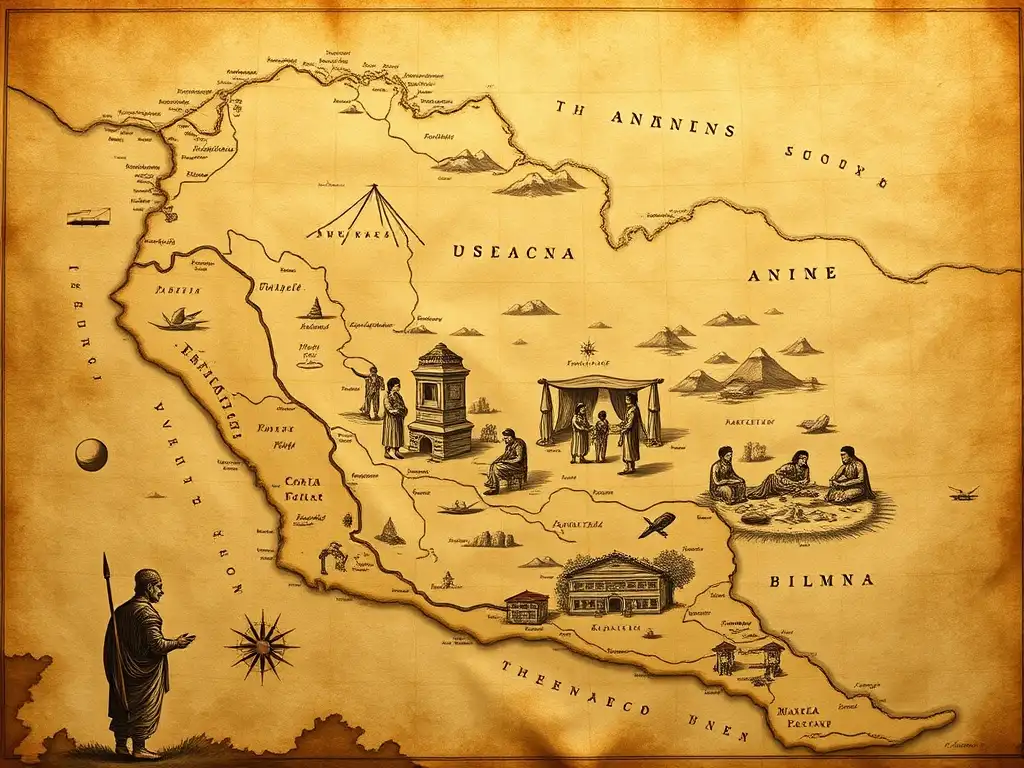
This section delves into the diverse political strategies employed by several prominent Andean civilizations, demonstrating the ingenuity and complexity of their approaches to governance and regional influence. Analyzing specific examples allows us to understand how these societies navigated challenges, consolidated power, and maintained stability, often through innovative political maneuvering rather than solely through military might. Understanding these Andean political strategies offers crucial insights into the development of complex societies in the Andes.
The Moche: Military Prowess and Strategic Alliances
The Moche civilization (c. 100 – 800 CE) in northern Peru is renowned for its sophisticated irrigation systems and impressive artistic achievements, particularly its elaborate ceramics depicting warfare and ritual activities. However, their success was also deeply intertwined with shrewd political strategies. While military prowess undoubtedly played a significant role in their expansion, the Moche also employed strategic alliances to consolidate their power and control resources. Archaeological evidence suggests a complex network of alliances and tributary relationships extending across the Moche heartland.
This wasn't simply brute force; the Moche likely utilized a combination of coercion and diplomacy. The impressive scale of their military infrastructure, as evidenced by the size and sophistication of their weaponry and fortifications, likely served as a potent deterrent, facilitating the establishment of tributary relationships with neighboring groups.
Simultaneously, offering protection or access to vital resources—like water controlled by their advanced irrigation systems—could have been used to forge strategic alliances and extend Moche influence. The Moche's depiction of warfare in their art may have served a propagandistic purpose, showcasing their military strength and deterring potential rivals, while also demonstrating the power and authority of their rulers.
The Nazca: Managing Water Resources and Community Cohesion
The Nazca civilization (c. 100 BCE – 800 CE), also located in southern Peru, faced a different set of geographical and environmental challenges. Their survival hinged on effective water management in a largely arid region. Consequently, Andean political strategies in Nazca society were heavily focused on controlling water resources and maintaining social cohesion within their communities.
The Nazca developed sophisticated irrigation systems, including canals and underground aqueducts, that allowed them to cultivate crops in the desert. Control over these vital water sources was undoubtedly a key element of their political power structure. However, simply controlling the water wasn't enough.
The Nazca also needed to manage the distribution of water fairly among the different communities that relied on it. This likely involved intricate systems of cooperation, conflict resolution, and possibly even ritual practices that reinforced social harmony and prevented conflict over this precious resource. The success of the Nazca demonstrates that effective governance in arid environments demanded a keen understanding of social dynamics and resource management as much as, if not more than, military strength.
Nazca Geoglyphs and their Potential Political Significance
The iconic Nazca Lines, vast geoglyphs etched into the desert surface, remain a source of fascination and debate. While their exact purpose remains uncertain, their potential political significance cannot be overlooked. The immense scale and labor required to create these figures suggest a highly organized and centralized society capable of mobilizing significant manpower.
This implies a powerful political structure capable of directing and coordinating such a massive undertaking. Some scholars suggest that the geoglyphs might have served as markers of territorial boundaries, symbols of religious authority, or even as astronomical calendars.
Regardless of their precise function, the Nazca Lines stand as a testament to the Nazca’s organizational abilities and centralized political power, showcasing a different facet of Andean political strategies compared to the militaristic approach of the Moche. Further research, potentially involving [specific information pending on advanced geospatial analysis techniques], could shed more light on this intriguing aspect of Nazca society.
This exploration of Moche and Nazca political strategies highlights the diversity of approaches employed by Andean civilizations. Their success demonstrates that the path to power and stability in the Andes was not singular, but rather a complex interplay of military might, diplomatic skill, resource management, and social cohesion—a testament to the adaptability and ingenuity of these remarkable societies.
The Tiahuanaco: Trade Networks and Regional Integration
The Tiahuanaco civilization, flourishing in the southern Andes between 500 and 1000 CE, stands as a compelling example of how sophisticated trade networks facilitated political influence and regional integration. Their mastery of agriculture, particularly the cultivation of potatoes and quinoa, allowed them to generate surplus food, a crucial element in their political strategy. This agricultural prowess wasn't just about sustenance; it was a powerful tool for diplomacy. By controlling access to vital resources and strategically distributing surplus food, Tiahuanaco cultivated alliances and fostered dependency among neighboring groups.
This wasn't simply altruistic aid; it was a carefully calculated political maneuver that strengthened their position within the Andean political landscape. The distribution of agricultural goods wasn’t haphazard; it was a deliberate act, reinforcing their authority and ensuring loyalty from communities who relied on their access to these resources. Archaeological evidence, such as the widespread distribution of Tiahuanaco pottery and artifacts across a vast area, supports this assertion. The uniformity of these items suggests a significant degree of control and influence exerted by Tiahuanaco over trade routes and regional interactions.
Furthermore, the construction of monumental architecture, including the iconic Puma Punku, served as a powerful symbol of their power and centralized authority, further solidifying their position as a dominant force in the region. Their sophisticated understanding of irrigation systems and water management also contributed to their political power. By controlling access to vital water resources, a scarce commodity in the Andean highlands, Tiahuanaco further solidified their control and influence over the surrounding communities.
Tiahuanaco's Influence on Andean Political Landscape
Tiahuanaco's impact on the Andean political landscape was profound and long-lasting. Their influence extended far beyond their immediate territory, reaching into regions hundreds of kilometers away. This wasn't achieved through military conquest alone, although evidence suggests some military campaigns, but rather through a complex interplay of trade, diplomacy, and the strategic deployment of their resources and cultural symbols. The adoption of Tiahuanaco-style architecture, pottery, and religious iconography in distant communities demonstrates the extent of their cultural and political sway. This cultural diffusion wasn't merely a passive process; it actively promoted the acceptance of Tiahuanaco authority and ideology.
The standardization of weights and measures in trade further emphasizes their role in establishing a unified economic sphere, furthering their political control. This created a level of interdependence that reinforced their position as a dominant power. The collapse of the Tiahuanaco state around 1000 CE didn't negate its significant impact. The legacy of their political strategies—the use of trade networks, controlled resource distribution, and cultural influence—continued to shape the political dynamics of the Andean region for centuries to come. Many subsequent Andean societies adopted and adapted elements of Tiahuanaco's political model, illustrating its enduring significance in the development of complex Andean societies.
The influence of Tiahuanaco’s sophisticated political strategies is clearly visible in the subsequent rise of other powerful Andean states. The meticulous planning and execution of their strategies serve as a testament to the advanced political thinking of this remarkable civilization. Understanding Tiahuanaco's political strategies provides invaluable insights into the complex dynamics of power and influence in the ancient Andes, offering a crucial lens through which to analyze Andean political strategies more broadly. The long-term effects of their political and economic strategies are still evident in the archaeological record and continue to shape our understanding of Andean history.
Comparison of Andean Political Tactics
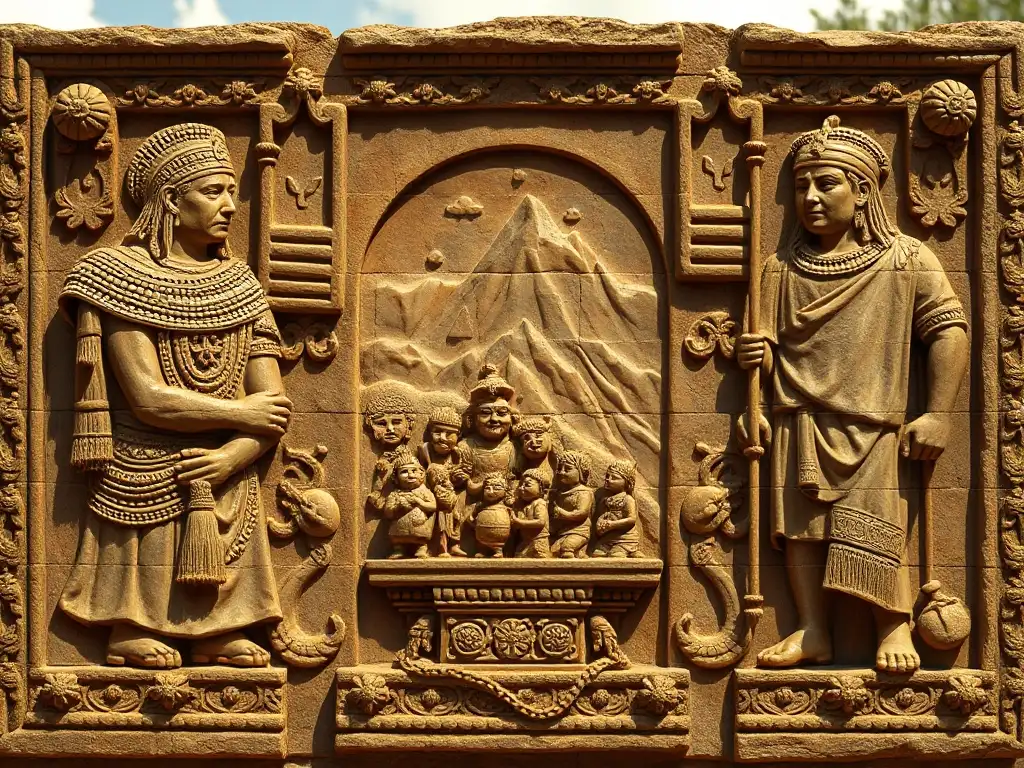
This section delves into a comparative analysis of the political strategies employed by various Andean civilizations, focusing on similarities and differences in their approaches to leadership and control. Understanding these nuances is crucial to appreciating the diverse ways in which power was consolidated and maintained across the vast Andean region. The diverse landscape and varied resource distribution significantly influenced the development of unique political strategies. Analyzing these strategies reveals a complex tapestry of political innovation and adaptation. The keyword "Andean political strategies" is central to this discussion.
Similarities in Andean Political Leadership Styles
Despite the geographical and cultural differences between Andean societies like the Inca, Moche, Nazca, and Tiahuanaco, certain similarities in leadership styles emerge. Many Andean leaders cultivated a divine or semi-divine image, bolstering their authority and legitimacy. This was achieved through elaborate rituals, monumental architecture, and carefully crafted narratives that presented rulers as intermediaries between the human and spiritual realms. For example, the Inca emperors were considered descendants of the sun god Inti, a belief that reinforced their absolute power. Similarly, Moche rulers were often depicted in elaborate iconography, emphasizing their power and connection to the supernatural.
Furthermore, many Andean societies utilized kinship networks and marriage alliances to solidify political power and expand their influence. Strategic marriages between ruling elites fostered political stability and created a web of loyalties that extended across regional boundaries. This practice was particularly evident in the Inca Empire, where the mita system – a form of tribute labor – was reinforced by intricate marital arrangements. This system not only provided a workforce but also integrated conquered populations into the imperial structure. The effective use of kinship ties and marriage alliances represents a key aspect of successful Andean political strategies.
Differences in Regional Approaches to Political Control
Despite shared characteristics, significant regional variations existed in how Andean leaders exercised control. The Inca Empire, for instance, implemented a highly centralized administrative system with a complex bureaucracy and a network of strategically placed governors. This allowed for efficient resource management and effective control over a vast territory. Their sophisticated road system facilitated rapid communication and troop movement, further strengthening their grip on power. This centralized approach stands in contrast to the seemingly less centralized political organization of earlier societies like the Nazca.
The Moche civilization, known for its impressive irrigation systems and monumental architecture, appears to have employed a more decentralized approach, with power possibly concentrated in regional centers rather than a single, overarching capital. This is suggested by archaeological evidence showing variations in Moche art styles and architectural techniques across different regions. Limited evidence suggests that the Moche may have relied more on alliances, tribute, and the control of vital resources like water to maintain their power, rather than a large, centralized bureaucracy. The Nazca, similarly, left behind evidence of sophisticated societal organization but lacked the extensive administrative infrastructure of the Inca.
Their societal control likely relied heavily on religious authority and community-based practices. These differences highlight the adaptive nature of Andean political strategies, shaped by unique environmental and social contexts. Understanding these differences is crucial for a comprehensive understanding of "Andean political strategies."
The contrasting approaches of the Inca, Moche, and Nazca exemplify the diverse ways in which Andean societies navigated the challenges of political organization and control. Further research and archaeological discoveries continue to refine our understanding of the complexities of Andean political strategies and the factors that contributed to their success or failure. The study of these strategies provides valuable insights into the dynamics of power and the development of complex societies in the Andes.
The Legacy of Early Andean Political Systems
The intricate tapestry of Andean political strategies woven by pre-Inca civilizations profoundly impacted the trajectory of later societies, particularly the Inca Empire. Understanding this legacy requires acknowledging the diverse approaches employed by earlier Andean leaders. While the Inca famously implemented a highly centralized system, their success was built upon—and in some ways, reacted against—the precedents set by civilizations like the Wari, Tiwanaku, and Moche.
These earlier societies experimented with various forms of political organization, from regional alliances and tributary networks to more centralized control. The Wari, for example, established a vast network of administrative centers across a wide territory, showcasing a sophisticated understanding of resource management and population control – elements the Inca later refined and expanded upon. Similarly, the Tiwanaku's influence, demonstrated through their iconic architecture and widespread religious iconography, suggests a powerful ideological control that facilitated political cohesion across a significant geographical area.
The Moche, on the other hand, while less expansive geographically, developed a highly stratified society with complex rituals and iconography that likely reinforced the power of their elite. These diverse approaches, while varying in their exact mechanisms, all contributed to the complex political landscape that ultimately shaped the Inca Empire. Analyzing these diverse strategies reveals a sophisticated understanding of power dynamics and social control that extended far beyond simple military might.
Impact on Later Andean Civilizations, including the Inca
The Inca's rise to dominance was not a spontaneous event but rather a culmination of centuries of experimentation with Andean political strategies. The Inca inherited and adapted existing administrative structures, integrating them into their own highly centralized system. Evidence suggests that the Inca's mita system, a form of obligatory labor service, drew inspiration from earlier forms of tribute and communal work.
The meticulous record-keeping practices of the Inca, evidenced by the quipus (knotted-string records), arguably built upon earlier methods of accounting and resource management employed by preceding civilizations. However, the Inca also learned from the failures of previous empires. The collapse of the Wari and Tiwanaku empires likely informed the Inca’s approach to governance, leading them to implement strategies to prevent similar internal fragmentation and external threats.
For example, the Inca’s extensive road network facilitated rapid communication and troop movement, a crucial element in maintaining control over their vast empire, potentially learned from observing the limitations of earlier communication systems. The Inca’s success, therefore, was not solely based on military conquest but also on their ability to strategically integrate and adapt the political innovations of their predecessors, creating a system that was both powerful and remarkably long-lasting. The echoes of these earlier Andean political strategies resonate throughout the Inca Empire’s impressive legacy.
Lessons from Andean Political Strategies for Modern Understanding
Studying Andean political strategies offers valuable insights for contemporary political science and leadership studies. The diverse approaches employed by these ancient civilizations highlight the importance of adaptability and context-specific solutions. The Inca's success, for instance, underscores the value of integrating diverse perspectives and adapting existing structures rather than imposing entirely new systems.
Furthermore, the rise and fall of various Andean empires illustrate the critical role of effective communication, resource management, and social cohesion in maintaining political stability. The complex interplay between ideology, power, and social control, as witnessed in the development of Andean political systems, provides a rich case study for analyzing the dynamics of power in any society. The careful study of the quipus and other record-keeping systems offers lessons in data management and the importance of accurate information for effective governance.
Understanding how Andean leaders navigated challenges such as environmental limitations, internal conflicts, and external threats provides valuable lessons for modern leaders facing similar complexities. The adaptability and ingenuity of these ancient civilizations offer a powerful counterpoint to the often-rigid approaches of modern governance. The study of Andean political strategies reminds us that successful leadership requires flexibility, innovation, and a deep understanding of both the strengths and weaknesses of existing systems.
Conclusion: The enduring significance of Andean ingenuity
The study of Andean political strategies reveals a rich and complex history of societal development and adaptation. From the ingenious systems of the Wari and Tiwanaku to the highly centralized empire of the Inca, these civilizations demonstrated remarkable ingenuity in managing resources, maintaining control, and navigating the challenges of political power.
Their legacies extend far beyond their geographical boundaries and temporal limitations, offering valuable lessons for modern political science and leadership. By analyzing the successes and failures of these ancient Andean societies, we gain a deeper understanding of the enduring principles that underlie effective governance and the importance of learning from the past to inform the future.
The study of Andean political strategies is not merely an academic exercise; it's a journey into the heart of human ingenuity and a testament to the enduring power of adapting and innovating in the face of complex challenges. The echoes of their strategies continue to resonate, reminding us of the enduring significance of Andean political ingenuity.
Frequently Asked Questions
What were the primary political strategies employed by Andean civilizations?
Andean leaders utilized a range of strategies, including military conquest, diplomatic alliances, and economic control to expand and maintain their power. These strategies often overlapped and adapted to specific circumstances.
How did the Incas use diplomacy to consolidate their empire?
The Incas skillfully employed diplomatic marriages, the exchange of gifts, and the integration of conquered elites into their administrative system to maintain control over their vast empire. This reduced resistance and fostered loyalty.
Did all Andean civilizations use the same political strategies?
No, the political strategies varied significantly between different Andean civilizations. While some, like the Incas, focused on empire building, others, like the Nazca, prioritized internal stability and religious practices.
What role did religion play in Andean political strategies?
Religion played a crucial role, with rulers often claiming divine legitimacy. Religious rituals and beliefs were used to justify rule, solidify power, and foster social cohesion.
How did Andean political strategies contribute to the rise and fall of civilizations?
Successful political strategies such as effective administrative systems and control of resources led to expansion and prosperity. Conversely, failures in these areas, including internal conflict or external pressure, often contributed to the decline and collapse of civilizations.
Final Reflection: Echoes of Diplomacy in the Andes
The sophisticated political strategies employed by early Andean leaders remain strikingly relevant today. Understanding their methods of alliance-building, conflict resolution, and resource management offers invaluable lessons for navigating the complexities of modern international relations and even interpersonal dynamics. The echoes of their ingenuity resonate in our current world, reminding us that effective leadership transcends time and geography.
The enduring legacy of Andean diplomacy is not merely historical; it's a living testament to the power of strategic thinking and cultural understanding. Their ability to forge vast empires through intricate networks of alliances, rather than solely through military might, is a powerful counterpoint to contemporary narratives that prioritize force above all else. The most effective diplomacy is not the absence of conflict, but the skillful management of it.
This quote, though not directly from an Andean source, perfectly encapsulates the nuanced approach to power demonstrated by these early leaders. Their achievements underscore the importance of empathy, negotiation, and long-term vision in achieving lasting peace and prosperity.
Consider the intricate systems of reciprocity and exchange that underpinned Andean societies. Think about how these principles, adapted to a modern context, could foster greater cooperation and understanding in our own communities and nations. You, too, can cultivate the art of diplomacy in your daily life. By practicing active listening, seeking common ground, and prioritizing collaboration over confrontation, you can build stronger relationships and contribute to a more peaceful and just world, echoing the wisdom of the Andean past.
**Unleash Your Inner Diplomat! **
Thank you for exploring the fascinating world of early Andean leaders and their remarkable political strategies! Your interest in diplomacy reveals a keen understanding of powerful historical lessons. Now, let's apply this knowledge.
- **Reflect on your relationships:** Consider a situation where diplomacy could improve your daily life—at work, school, or within your community. How could a more diplomatic approach have changed the outcome?
- **Share your insights:** Discuss what you've learned with friends or colleagues, exploring the relevance of diplomacy in contemporary society.
- **Deepen your understanding:** Continue your exploration of Andean civilizations to uncover further insights into their strategies and discover how they might inform modern approaches to conflict resolution and negotiation.
Which diplomatic strategy discussed in this article resonates most strongly with you, and how could you adapt it to your own life? We'd love to hear your thoughts in the comments!