
Decoding Inca Agricultural Texts: Insights from Ancient Records


Step into a world lost to time, yet echoing with ingenuity and resilience. Imagine a civilization that defied treacherous landscapes to build a thriving empire. Here, on Andean Civilizations, we unravel the mysteries of the Andes, from the breathtaking artistry of the Nazca lines to the sophisticated engineering of the Tiahuanaco. But prepare to be captivated by our exploration of Inca agricultural practices, a testament to their remarkable understanding of nature and a key to their enduring success. Discover how these ancient techniques continue to inspire us today – the secrets are waiting to be revealed.
The Inca Empire, renowned for its sophisticated engineering feats like Machu Picchu and its extensive road network, also possessed a remarkably advanced agricultural system that sustained a large and densely populated empire in a challenging Andean environment. Understanding Inca agricultural practices is crucial to appreciating the ingenuity and resilience of this civilization. This article delves into the fascinating, yet challenging, task of deciphering the records left behind by the Inca, exploring how they documented their innovative agricultural techniques and the insights we can glean from these often fragmented sources.
We will uncover the methods they used to manage resources, optimize crop yields, and ensure food security across diverse and demanding terrains, ultimately revealing a complex and highly effective system that stands as a testament to their agricultural prowess. This exploration of Inca agricultural practices will unveil a nuanced understanding of their societal organization, technological innovation, and environmental adaptation.
Understanding the Significance of Inca Agricultural Practices
The Inca agricultural system was far more than simply a means of food production; it was integral to the empire's social, political, and economic structures. Their success in cultivating the challenging Andean landscape relied on a sophisticated understanding of terracing, irrigation, and crop diversification. These practices allowed them to maximize yields in areas with limited arable land and varying altitudes. The Inca's mastery of water management, for instance, involved the construction of intricate canal systems that channeled water to fields, even in arid regions.
This wasn't simply a matter of engineering skill; it reflected a deep understanding of hydrology and the specific needs of different crops. Furthermore, the mit'a system, a form of labor tribute, played a vital role in the construction and maintenance of these agricultural infrastructure projects. The Inca's innovative techniques, such as the use of fertilizer derived from guano (bird droppings), further enhanced their agricultural productivity.
This allowed them to support a large population and maintain a powerful empire. The importance of their agricultural achievements cannot be overstated; it was a cornerstone of their civilization's success and longevity. Their agricultural practices serve as a valuable lesson in sustainable resource management and environmental stewardship, especially relevant in today's world.
The Challenge of Deciphering Inca Records: Absence of a Standardized Written Script
Unlike many other ancient civilizations, the Inca did not possess a fully developed phonetic writing system. Their record-keeping primarily relied on a system of knotted cords called quipus. These intricate devices, made from various colors and thicknesses of string, encoded numerical data and possibly other forms of information.
However, the exact nature of this encoding remains a subject of ongoing debate among scholars. The absence of a standardized written script presents a significant hurdle in fully understanding Inca agricultural practices. While the quipus provide valuable numerical data on things like crop yields and storage quantities, they often lack the contextual information necessary to fully interpret their meaning.
Furthermore, many quipus have been lost or damaged over time, further limiting our access to this crucial source of information. Therefore, deciphering Inca agricultural practices requires a multi-faceted approach that draws on archaeological evidence, ethnohistorical accounts, and careful analysis of the surviving quipus. The challenge is significant, but the potential rewards in understanding this remarkable civilization are immense.
Exploring Alternative Forms of Record Keeping in the Inca Empire
While the quipus were the most prominent form of record-keeping, the Inca also utilized other methods to document and transmit knowledge, especially concerning agricultural practices. Oral traditions played a significant role, with knowledge passed down through generations of farmers and specialists. This oral history, though not easily documented, is reflected in the enduring agricultural techniques that persisted even after the Spanish conquest.
Additionally, archaeological evidence, such as the layout of agricultural terraces and irrigation systems, provides invaluable insights into Inca agricultural practices. The careful observation of these physical remnants offers a tangible record of their engineering skills and agricultural knowledge. Furthermore, analysis of plant remains found at archaeological sites helps to identify the types of crops cultivated and provides further clues about their agricultural methods.
The combination of these diverse sources – quipus, oral traditions, archaeological findings, and even the analysis of the landscape itself – presents a complex but ultimately rewarding path toward a fuller understanding of Inca agricultural practices. The picture is slowly emerging, revealing a sophisticated and remarkably effective system adapted to a challenging environment.
- Understanding the Significance of Inca Agricultural Practices
- The Challenge of Deciphering Inca Records: Absence of a Standardized Written Script
- Exploring Alternative Forms of Record Keeping in the Inca Empire
- Land Management and Terracing Techniques in Inca Agriculture
- Crop Rotation and Soil Conservation Methods Employed by the Inca
- Irrigation Systems: Engineering Marvels of Inca Agriculture
- The Importance of Crop Diversity in Inca Food Security
- Labor Organization and Agricultural Production in the Inca Empire
- What innovative agricultural techniques did the Incas employ?
- How did Inca agricultural practices contribute to their societal stability?
- What role did the ayllu community play in Inca agriculture?
- What crops were most important in Inca agriculture?
- How did the Incas adapt their agricultural practices to diverse environments?
Key Sources for Reconstructing Inca Agricultural Knowledge
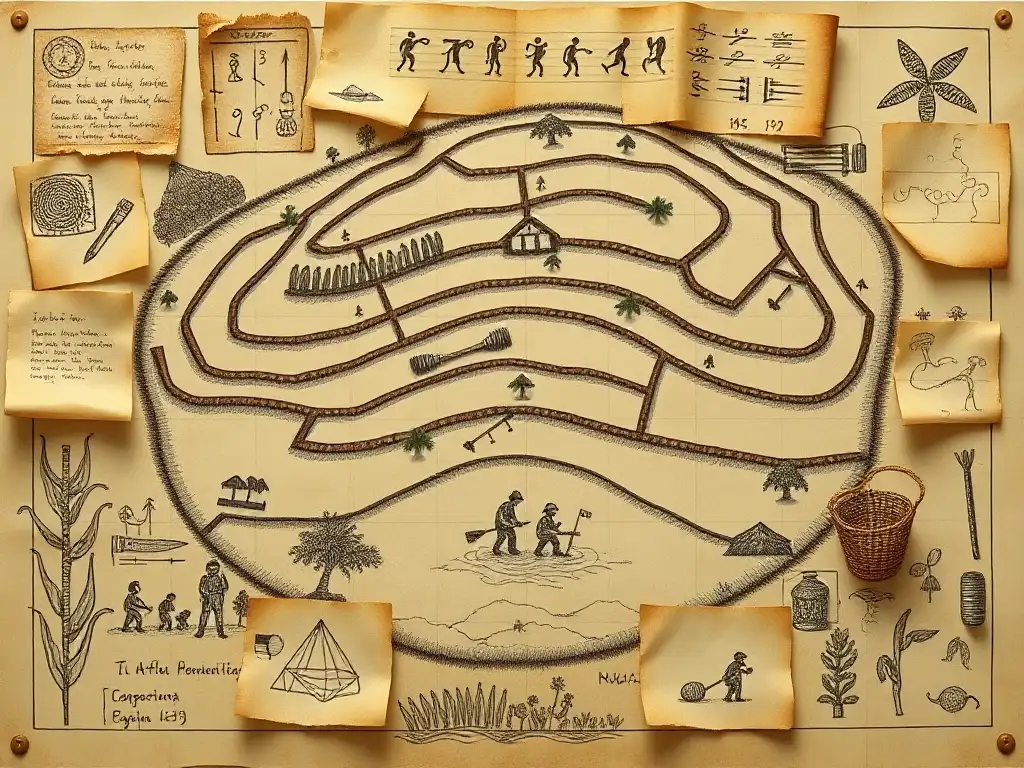
Understanding Inca agricultural practices requires piecing together information from various sources, each offering unique insights into this sophisticated system. The absence of a widespread, easily decipherable written language in the Inca Empire presents a challenge, forcing researchers to rely on indirect evidence. However, the combination of these diverse sources provides a surprisingly rich picture of Inca agricultural innovations and ingenuity. Successfully decoding Inca agricultural knowledge demands a careful and critical evaluation of these disparate sources. This section will outline the key sources used to reconstruct this vital aspect of Inca civilization, focusing on their strengths and limitations.
The Role of Khipus in Documenting Inca Agriculture
Khipus, complex systems of knotted strings, served as the Inca Empire's primary record-keeping system. While their precise meaning remains a subject of ongoing research and debate, evidence suggests that khipus recorded a wide variety of information, including census data, tribute records, and potentially, agricultural data. The interpretation of khipus related to agriculture is particularly challenging due to the absence of a clear key or comprehensive understanding of the knotting system.
However, some scholars believe that certain khipu patterns may represent crop yields, storage quantities, or even land allocation. The potential for quantitative data within these khipus makes them invaluable for understanding the scale and organization of Inca agricultural production. Further research into khipu analysis, including the development of improved methodologies and technological advancements in imaging and analysis, holds the key to unlocking further insights into Inca agricultural practices.
The use of advanced statistical techniques, combined with careful contextual analysis, is crucial for extracting meaning from these complex artifacts. This ongoing process of deciphering khipus contributes significantly to our understanding of Inca agricultural management and planning.
Examining Colonial Chronicles for Descriptions of Inca Farming
Spanish colonial chronicles, written in the aftermath of the conquest, offer firsthand accounts of Inca agricultural practices, albeit through a potentially biased lens. Chroniclers like Garcilaso de la Vega, himself of Inca and Spanish descent, provide detailed descriptions of Inca terracing, irrigation systems, and agricultural techniques. These accounts often highlight the Inca's impressive engineering skills and their ability to adapt farming techniques to diverse environments.
However, it's crucial to approach colonial chronicles with caution. The chroniclers' perspectives were shaped by their own cultural backgrounds and the political context of the conquest. Their accounts may unintentionally (or intentionally) exaggerate or misinterpret certain aspects of Inca agriculture.
Furthermore, the information they recorded might have been filtered through the lens of the Inca elites who interacted with them, potentially omitting details about the daily lives of common farmers. Despite these limitations, colonial chronicles remain a crucial source of information, providing valuable contextual data and corroborating evidence for insights gained from archaeological findings and khipu analysis. A comparative analysis of multiple chronicles, paying close attention to potential biases and discrepancies, is necessary for a complete understanding.
Archaeological Evidence: Unearthing Inca Agricultural Techniques
Archaeological excavations across the Andes provide tangible evidence of Inca agricultural techniques. The discovery of extensive irrigation canals, sophisticated terracing systems, and carefully planned agricultural landscapes testifies to the Inca's mastery of water management and land use. Excavations at sites like Moray, with its concentric circular terraces, reveal ingenious methods for manipulating microclimates to cultivate diverse crops at varying altitudes.
These sites offer compelling visual evidence of the Inca's advanced understanding of agricultural science and engineering. The analysis of pollen and plant remains found at archaeological sites provides further insights into the types of crops cultivated and the organization of agricultural production. Furthermore, the study of tools and artifacts associated with agriculture, such as stone hoes and irrigation implements, helps us to understand the technology used by Inca farmers.
Careful stratigraphic analysis of archaeological sites is essential to date these features and understand their role within the broader Inca agricultural system. Archaeological findings, meticulously documented and analyzed, offer irrefutable physical proof of the scale and sophistication of Inca agricultural practices. Combining this evidence with data from khipus and colonial chronicles provides a more complete and nuanced understanding of Inca agricultural innovations and their impact on the Empire's success.
Specific Insights from Inca Agricultural Records

This section delves into the fascinating world of Inca agricultural practices, revealing details gleaned from surviving records and archaeological evidence. Understanding these techniques provides crucial insights into the Inca Empire's remarkable success in managing resources and sustaining a large population in a challenging Andean environment. The sophisticated systems they developed were essential to their societal stability and economic prosperity, showcasing remarkable ingenuity and adaptation to their surroundings. We will explore key aspects of their agricultural prowess, focusing on land management, crop rotation, and irrigation.
Land Management and Terracing Techniques in Inca Agriculture
Inca agricultural practices were deeply intertwined with their understanding of the Andean landscape. The challenging terrain, characterized by steep slopes and limited arable land, necessitated innovative solutions. The most striking example of their ingenuity is their mastery of terracing. Terraces, meticulously carved into hillsides, transformed otherwise unusable slopes into productive farmland. These weren't simply flat platforms; they were carefully designed systems incorporating intricate drainage channels and retaining walls built from stone.
The construction of these terraces was a monumental undertaking, requiring significant labor and engineering skill. The size and complexity varied depending on the location and the specific needs of the terrain. Some terraces were relatively small, while others formed vast, interconnected agricultural complexes covering entire hillsides. The precise orientation of the terraces, often aligned with the sun's path, maximized solar exposure and minimized soil erosion.
This careful positioning also helped regulate temperature and moisture levels, further enhancing crop yields. Archaeological evidence suggests the use of different soil types within individual terraces, suggesting a sophisticated understanding of soil composition and its impact on crop growth. This meticulous approach to land management is a testament to the Inca's deep understanding of their environment and their ability to adapt their agricultural practices to the specific challenges presented by the Andes.
Crop Rotation and Soil Conservation Methods Employed by the Inca
Beyond terracing, the Inca employed sophisticated crop rotation and soil conservation techniques to ensure long-term agricultural productivity. Evidence suggests they rotated crops systematically, preventing soil depletion and the spread of pests and diseases. This practice was particularly crucial in the Andean highlands, where the growing season is relatively short and soil fertility can be limited. The specific rotation patterns varied depending on the altitude and the types of crops being cultivated, demonstrating a high level of agricultural knowledge and adaptation.
Furthermore, the Inca implemented various soil conservation methods to minimize erosion and maintain soil fertility. This included the use of organic fertilizers, such as manure and composted plant matter, to replenish nutrients in the soil. They also employed techniques such as contour plowing and the creation of small, stone-lined channels to manage water flow and prevent soil runoff.
These methods, combined with their terracing techniques, ensured that the land remained productive for generations. The Inca's commitment to sustainable agricultural practices allowed them to support a large population and maintain a stable food supply, even in the face of environmental challenges. The long-term success of their agricultural system underscores the importance of integrating ecological principles into agricultural practices.
Irrigation Systems: Engineering Marvels of Inca Agriculture
The Inca's mastery of water management is another key element of their agricultural success. Their irrigation systems were remarkably sophisticated, channeling water from rivers and streams to fields located at considerable distances. These systems involved complex networks of canals, aqueducts, and reservoirs, often carved into rock or constructed from stone. The construction of these systems required advanced engineering skills and a deep understanding of hydrology.
The Inca's irrigation systems were not only functional but also aesthetically pleasing. Many of the canals and aqueducts were integrated seamlessly into the landscape, demonstrating a remarkable level of artistry and engineering prowess. Some systems were remarkably extensive, transporting water across vast distances and supplying water to numerous agricultural terraces. The efficient distribution of water ensured that crops received adequate moisture even in the driest periods, contributing significantly to higher crop yields and food security.
The ingenuity displayed in these irrigation systems underscores the Inca's ability to overcome environmental obstacles and create a sustainable agricultural system capable of supporting a large and thriving empire. The legacy of these engineering marvels continues to inspire awe and admiration today. Further research into the precise techniques and materials used in construction would provide even more detailed insights into Inca agricultural practices.
The Importance of Crop Diversity in Inca Food Security

The Inca Empire, renowned for its sophisticated agricultural practices, prioritized crop diversity as a cornerstone of its food security strategy. This wasn't merely a matter of culinary preference; it was a crucial element of resilience against environmental challenges and crop failures. The diverse Andean ecosystem, with its varying altitudes and microclimates, allowed the Incas to cultivate a remarkable array of crops. From potatoes, quinoa, and maize at higher elevations to coca and other tropical plants in lower valleys, the Inca agricultural system capitalized on this natural variability.
This wasn't haphazard; meticulous planning and careful selection of crops for specific environments were essential. For example, the terracing techniques, so characteristic of Inca agriculture, were not only designed to maximize arable land but also to create micro-environments suited to different crops. This strategy significantly reduced the risk of widespread crop failure due to drought, frost, or disease. A failure in one crop, therefore, did not necessarily translate into famine.
The meticulous record-keeping, though not fully deciphered, likely detailed the success and failures of different crops in specific locations, informing future planting decisions and bolstering food security. The Inca's understanding of agro-ecology was remarkably advanced for its time, emphasizing the interconnectedness of crops and environment in maintaining a stable food supply for their vast empire. The integration of diverse crops also contributed to a balanced diet, reducing nutritional deficiencies within the population.
Labor Organization and Agricultural Production in the Inca Empire
Inca agricultural production was far from a disorganized effort; it was a highly structured system reliant on a complex system of labor organization. The mita system, a form of mandatory labor service, played a central role. While often associated with mining and construction, the mita also encompassed agricultural activities, particularly in large-scale projects like terracing and irrigation. This ensured that the necessary labor was available for maintaining and expanding agricultural infrastructure. However, the mita wasn't the only form of labor organization.
Ayllus, the kinship-based communities that formed the basic social units of the Inca Empire, also played a crucial role in agricultural production. Agricultural tasks were often undertaken collectively within the ayllu, fostering a sense of community and shared responsibility. This communal approach facilitated efficient resource allocation and ensured that everyone contributed to the food supply. The Inca state, however, maintained overall control, organizing and directing labor according to its needs.
Records, likely kept by specialized officials, would have tracked the allocation of labor to different agricultural projects and regions. This centralized management, combined with the communal efforts of the ayllus, created a highly efficient and productive agricultural system capable of supporting a large and densely populated empire. The effectiveness of this system is evidenced by the impressive agricultural output and the relative stability of the Inca Empire's food supply. The integration of communal and centralized control demonstrates a sophisticated understanding of labor management in the context of large-scale agricultural production.
The Impact of Inca Agricultural Innovations
The Inca Empire, renowned for its sophisticated administrative and social structures, also boasted remarkably advanced agricultural techniques. These innovations weren't merely about producing food; they were crucial for sustaining a vast, densely populated empire across diverse and challenging terrains. The impact of these innovations extended far beyond the Inca period, shaping Andean agricultural practices for centuries to come and offering valuable lessons for sustainable agriculture today.
Understanding the ingenuity of Inca agricultural practices provides critical insights into their societal success and enduring legacy. Their mastery of water management, terracing, and crop diversification enabled them to thrive in environments that would otherwise have been inhospitable to large-scale agriculture. This success wasn't solely due to technological advancements; it was also a product of a sophisticated understanding of ecology and the environment, demonstrating a deep respect for the land and its resources.
The Legacy of Inca Agricultural Practices in Modern Andean Farming
Many Inca agricultural techniques are still employed in modern Andean farming. Terracing, for example, remains a vital method for cultivating slopes, preventing soil erosion, and maximizing arable land. The waru waru system, a sophisticated form of raised-bed agriculture, is experiencing a resurgence as a climate-resilient farming technique.
This system, characterized by interconnected raised beds and irrigation channels, improves water retention and soil fertility, making it particularly valuable in arid and semi-arid regions. These methods, passed down through generations, represent a living testament to the ingenuity and long-term sustainability of Inca agricultural practices. Modern farmers continue to adapt and refine these ancient techniques, integrating them with contemporary knowledge to address challenges like climate change and population growth.
The continued use of these methods highlights the enduring relevance and effectiveness of Inca agricultural knowledge. Studies comparing yields and sustainability between traditional Inca methods and modern industrial farming practices consistently demonstrate the superior long-term benefits of the former, particularly in terms of environmental impact and resource conservation.
Lessons Learned from Inca Agricultural Resilience and Sustainability
Inca agricultural practices offer invaluable lessons in resilience and sustainability. Their mastery of water management, through systems like qanatos (underground channels) and sophisticated irrigation networks, allowed them to cultivate crops even in water-scarce environments. Their understanding of crop diversification, planting a variety of crops to minimize the risk of crop failure, is crucial for modern agriculture seeking to mitigate the impact of climate change and pest infestations.
Furthermore, their emphasis on organic farming, avoiding harmful chemicals and prioritizing soil health, provides a model for environmentally conscious agriculture. The Inca's integrated approach, combining careful planning, resource management, and a deep understanding of their environment, offers a powerful example of sustainable agricultural practices that can be applied in contemporary contexts.
Their success highlights the importance of long-term planning and the integration of ecological principles into agricultural systems. The Inca legacy underscores the need for a holistic approach to farming, one that considers both productivity and environmental stewardship.
The Case of Moray: An Agricultural Research Station
Moray, a remarkable archaeological site in the Sacred Valley of the Incas, is widely believed to have served as an agricultural research station. Its concentric circular terraces, descending to a considerable depth, created microclimates with varying temperatures and humidity levels. This allowed Inca agriculturalists to experiment with different crops and farming techniques, adapting them to diverse conditions.
The meticulous construction and organization of Moray suggest a systematic approach to agricultural experimentation and innovation. By studying the variations in temperature and humidity across the terraces, researchers can gain insights into the Inca understanding of agricultural science and their ability to manipulate environmental factors to optimize crop yields. Moray stands as a powerful testament to the Inca's advanced knowledge and their dedication to agricultural research and development.
The site's sophisticated design demonstrates a level of agricultural understanding that surpasses many contemporary practices, particularly in its innovative approach to microclimate management and experimentation. Further research on Moray holds the potential to unlock even more secrets regarding Inca agricultural practices and their remarkable achievements.
Analysis of Quinoa and its Significance in Inca Agriculture
Quinoa, a pseudocereal native to the Andes, played a pivotal role in Inca agricultural practices and their overall societal structure. Its significance extended far beyond simple sustenance; it represented a cornerstone of their food security, economic stability, and even spiritual beliefs. The Inca's mastery of quinoa cultivation, particularly their adaptation of diverse varieties to different altitudes and microclimates, showcased their advanced understanding of agricultural techniques.
This wasn't simply a matter of planting seeds; it involved meticulous terracing, irrigation systems, and crop rotation strategies to maximize yields in challenging Andean environments. The resilience of quinoa, its ability to thrive in harsh conditions, mirrored the Inca's own ability to adapt and overcome obstacles.
The nutritional profile of quinoa further solidified its importance. A complete protein source, rich in essential amino acids, vitamins, and minerals, quinoa provided a balanced diet crucial for sustaining a large and active population. This nutritional density allowed the Inca to maintain a robust workforce capable of constructing impressive infrastructure projects, engaging in warfare, and managing their vast empire.
The widespread cultivation of quinoa also contributed to social stability by ensuring a reliable food supply, reducing the risk of famine and subsequent societal unrest. Archaeological evidence, including the discovery of quinoa remains in Inca settlements and storage facilities, further underscores its central role in the Inca diet and economy. In short, quinoa wasn't just a crop; it was a foundational element of Inca civilization.
Furthermore, the Inca developed sophisticated techniques for processing and storing quinoa. They understood the importance of preserving the crop for extended periods, employing methods such as drying, grinding, and fermentation to enhance its shelf life and nutritional value. These methods, passed down through generations, ensured the availability of quinoa year-round, providing a crucial buffer against seasonal fluctuations in food production.
The Inca's dedication to preserving quinoa is a testament to their foresight and their commitment to securing the well-being of their population. The sophisticated techniques used weren’t only practical but also reflected a deep understanding of food science and preservation, surpassing the methods of many contemporaneous societies.
The legacy of Inca quinoa cultivation continues to this day, with the crop experiencing a resurgence in popularity globally, highlighting the enduring value of their agricultural innovations. The impact of Inca agricultural practices, particularly their cultivation and management of quinoa, remains a significant area of study for understanding their societal success and technological prowess.
Frequently Asked Questions
What innovative agricultural techniques did the Incas employ?
The Incas utilized several innovative techniques, including terracing on steep slopes, irrigation systems to manage water resources, and fertilizers derived from animal manure and guano to enrich the soil. These methods maximized crop yields in diverse environments.
How did Inca agricultural practices contribute to their societal stability?
Efficient farming methods ensured a reliable food supply, supporting a large and complex population. This food security was crucial for social stability and the maintenance of the Inca Empire's power. A surplus allowed for specialization and trade.
What role did the ayllu community play in Inca agriculture?
The ayllu, or extended family group, played a vital role, working cooperatively on agricultural projects. This collective labor was essential for large-scale projects like terracing and irrigation, demonstrating the importance of community in Inca society.
What crops were most important in Inca agriculture?
Potatoes, maize (corn), quinoa, and beans were staple crops. Their cultivation was crucial, providing essential nutrients and supporting the Inca diet and economy. These crops were adapted to various altitudes and climates.
How did the Incas adapt their agricultural practices to diverse environments?
The Incas showed remarkable adaptability, employing different techniques based on altitude and climate. Terracing was used in mountainous regions, while irrigation was crucial in drier areas. This environmental awareness allowed them to thrive in diverse landscapes.
Final Reflection: Harvesting the Legacy of Inca Agriculture
The ingenious agricultural techniques of the Inca remain a powerful testament to human ingenuity and a vital lesson for sustainable practices in the face of modern challenges. Their sophisticated understanding of terracing, irrigation, and crop diversification offers a blueprint for addressing contemporary issues of food security and environmental sustainability, particularly in regions facing similar geographical constraints. The insights gleaned from their ancient records are not merely historical curiosities; they are urgently relevant solutions waiting to be rediscovered and implemented.
The enduring impact of Inca agricultural practices extends far beyond the Andes. Their innovative methods, meticulously documented in surviving texts and archaeological evidence, continue to inspire modern agricultural research and inform sustainable farming practices worldwide. Their emphasis on biodiversity and resource management offers a stark contrast to the often unsustainable methods of modern industrial agriculture. The Inca showed us that harmony with nature, not domination of it, is the key to long-term prosperity.
This simple truth, gleaned from centuries-old wisdom, holds profound implications for our future.
Consider the ingenuity of the waru waru system, or the intricate network of canals that channeled water to even the most challenging terrains. These weren't simply agricultural techniques; they were expressions of a deep understanding of ecological balance. You, the reader, are now equipped with a deeper understanding of this legacy. Let us move beyond passive observation and actively seek ways to integrate these time-tested principles into our own lives and communities. Embrace sustainable practices, support local farmers, and advocate for policies that prioritize ecological harmony. The future of food security depends on it.
Unveil the Secrets of Inca Agriculture Today!
Thank you for exploring the fascinating world of Inca agricultural techniques with us! We hope you've gained valuable insights into the innovative practices and wisdom of this remarkable civilization. Now, let's put that knowledge to practical use and delve deeper into the wonders of Andean agriculture.
Here are some ways you can continue your exploration and connect with this rich heritage:
- Learn from local farmers: Visit a nearby farm, community garden, or agricultural museum to see Inca-inspired techniques in practice. Observe how modern farmers adapt and utilize ancient knowledge.
- Share your discoveries: Discuss what you've learned about Inca agriculture with friends, family, or online communities. Inspire others to appreciate this ancient wisdom and its relevance today.
- Connect with experts: Join a workshop or online forum focused on sustainable and traditional farming practices. Network with fellow enthusiasts and expand your knowledge base.
What aspect of Inca agriculture intrigues you the most, and how do you see it impacting contemporary farming methods? We'd love to hear your thoughts!