
Inca Road Engineering: Lessons for Modern Infrastructure

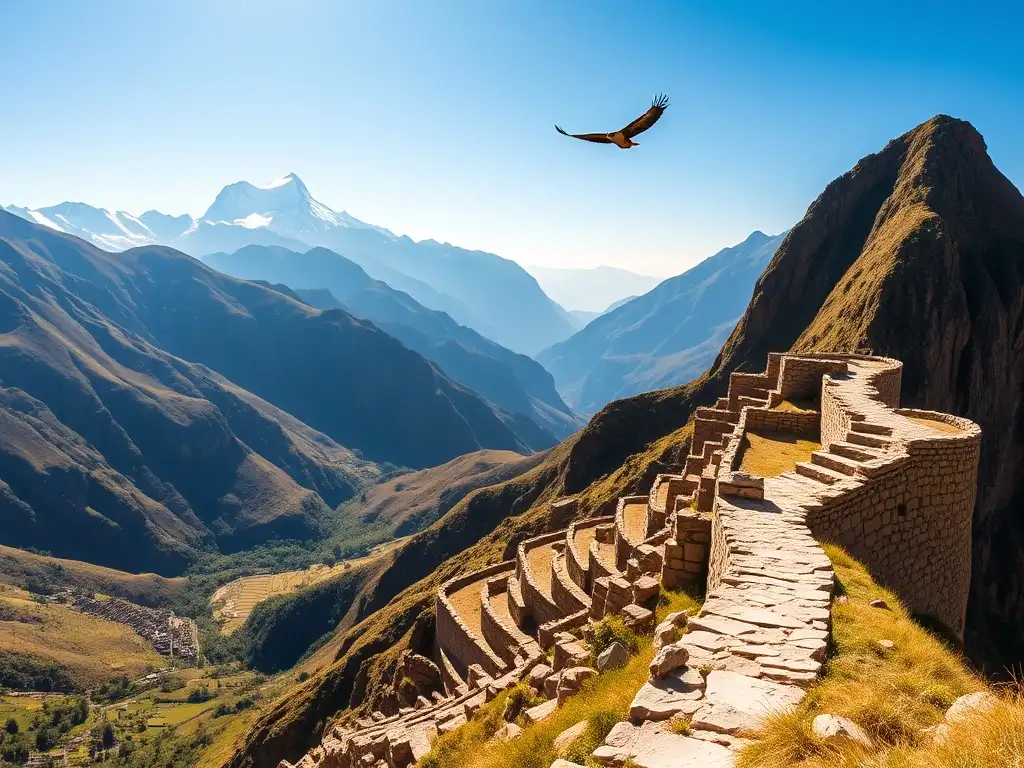
Unravel the mysteries of the Andes! Journey back in time to discover the ingenuity of ancient civilizations, from the breathtaking artistry of the Nazca lines to the awe-inspiring architecture of the Incas. But prepare to be amazed by the sheer brilliance of their engineering prowess. This website delves into the captivating world of Andean cultures, and we begin with an exploration of the Inca road system engineering, a feat of construction that continues to challenge modern understanding. Dare to uncover the secrets behind this lost world and its lasting legacy? Read on…
The Inca Empire, a civilization that flourished in the Andes Mountains from the 15th to the 16th century, left behind a remarkable legacy: a vast and sophisticated road network that connected its far-flung territories. This intricate system, a testament to their advanced engineering prowess, wasn't merely a means of transportation; it was a crucial element of their social, political, and economic structure.
This article delves into the ingenuity of Inca road engineering, exploring its key features and examining the valuable lessons it holds for modern infrastructure development. We will analyze the techniques employed by Inca engineers, their understanding of environmental factors, and the remarkable sustainability of their designs, highlighting how their approaches could inspire more resilient and ecologically conscious infrastructure projects today.
Understanding the Inca road system engineering offers a unique opportunity to re-evaluate our current practices and potentially create more efficient and environmentally friendly solutions for the future. This exploration will focus on the key principles behind the Inca road system's success and explore their potential applications in contemporary engineering challenges.
The Strategic Importance of the Inca Road System
The Inca road system wasn't simply a collection of paths; it was a strategically planned network designed to facilitate communication, trade, and military movements across a diverse and challenging landscape. Spanning thousands of miles across the Andes, the roads connected major cities, administrative centers, and remote villages, ensuring efficient communication and resource distribution throughout the empire. The system's importance extended beyond mere transportation; it played a vital role in maintaining political control, facilitating religious pilgrimages, and fostering cultural exchange.
The meticulous planning and construction of these roads reflect a deep understanding of geography, engineering principles, and the needs of a vast and diverse population. This strategic planning, prioritizing accessibility and connectivity, is a lesson modern infrastructure projects could benefit from.
Consider the impact of similar strategic planning on modern transportation networks, potentially reducing congestion and improving accessibility in underserved areas. The Inca's success in connecting disparate communities offers a valuable paradigm for contemporary urban planning.
Innovative Construction Techniques of the Inca Engineers
Inca engineers employed sophisticated techniques in constructing their roads, adapting to the challenging terrain of the Andes Mountains. They expertly utilized locally sourced materials, including stone, earth, and wood, demonstrating a remarkable understanding of sustainable construction practices. Their mastery of stonework is particularly noteworthy; they crafted precisely fitted stones, creating durable and stable road surfaces that withstood the test of time.
The roads were not merely paved surfaces; they incorporated sophisticated drainage systems, retaining walls, and suspension bridges to navigate diverse terrains, from steep mountain slopes to deep ravines. Their ability to integrate their construction with the natural environment minimized environmental disruption and maximized the longevity of their structures.
For example, the use of retaining walls not only stabilized the roads but also prevented erosion, showcasing an understanding of environmental engineering that remains relevant today. The Inca's adaptive construction techniques, responsive to the specific challenges of their environment, offer valuable insights into resilient infrastructure design.
Sustainability and Environmental Consciousness in Inca Road Engineering
The Inca road system serves as a compelling example of sustainable infrastructure. Their construction methods prioritized the use of local materials, minimizing transportation costs and environmental impact. The integration of the roads with the natural landscape, rather than imposing upon it, is a hallmark of their approach.
The Inca understood the importance of respecting the environment and minimizing disruption to ecosystems. This contrasts sharply with some modern large-scale infrastructure projects that often prioritize speed and cost-effectiveness over environmental sustainability. The Inca's legacy reminds us that sustainable infrastructure is not just about using eco-friendly materials; it is about a holistic approach that considers the long-term environmental impact of construction and operation.
The long-term durability of the Inca roads, a testament to their sustainable practices, provides a compelling case study for modern engineers seeking to build more environmentally responsible infrastructure. Analyzing their methods can inspire innovative solutions for reducing the carbon footprint of construction and improving the overall sustainability of infrastructure projects.
Lessons for Modern Infrastructure Development from Inca Road Engineering
The Inca road system offers numerous valuable lessons for modern infrastructure development. Their emphasis on strategic planning, innovative construction techniques, and environmental consciousness provides a framework for creating more resilient, sustainable, and efficient infrastructure networks. By studying their methods, we can learn to better integrate infrastructure projects with the natural environment, reducing their environmental impact and improving their longevity.
Furthermore, their focus on accessibility and connectivity provides a valuable model for addressing infrastructure disparities and improving access to essential services for underserved communities. The Inca's success in building a vast and durable road network across challenging terrain is a testament to the power of careful planning, skilled engineering, and a deep understanding of the environment.
Their legacy provides a powerful example of how to build infrastructure that is not only functional but also environmentally responsible and socially equitable. The Inca road system stands as a powerful symbol of human ingenuity and a valuable source of inspiration for modern infrastructure development.
- The Strategic Importance of the Inca Road System
- Innovative Construction Techniques of the Inca Engineers
- Sustainability and Environmental Consciousness in Inca Road Engineering
- Lessons for Modern Infrastructure Development from Inca Road Engineering
- What makes Inca road engineering so impressive?
- How did the Incas adapt their road building to different environments?
- What were some of the key materials used in Inca road construction?
- How did the Inca road system contribute to the empire's success?
- What lessons can modern infrastructure projects learn from Inca road engineering?
The Ingenious Inca Road System: An Overview
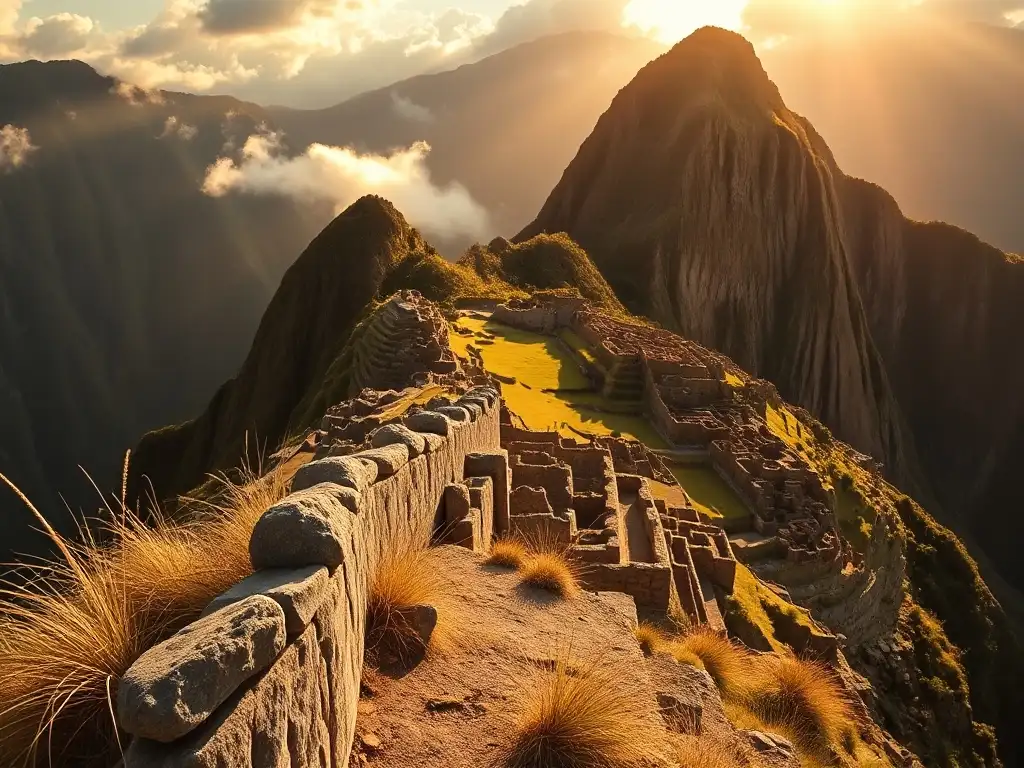
The Inca road system, a marvel of ancient engineering, stands as a testament to the ingenuity and organizational prowess of the Inca Empire. Spanning thousands of miles across the challenging Andean terrain, this network facilitated communication, trade, and military movement, ultimately contributing significantly to the empire's consolidation and longevity. Understanding the Inca road system's engineering principles provides valuable insights into sustainable infrastructure development, even in modern contexts.
The sheer scale of this achievement, considering the tools and technology available to the Inca, remains deeply impressive. This section delves into the scope and key features of this remarkable feat of Inca road system engineering.
Understanding the Scope of the Inca Road Network
The Inca road network, often referred to as the Qhapaq Ñan, wasn't merely a collection of unconnected paths. It was a meticulously planned and executed system of highways, secondary roads, and trails, extending approximately 40,000 kilometers (25,000 miles) across the Andes Mountains. This extensive network connected the far-flung regions of the Inca Empire, from present-day Colombia to central Chile and Argentina.
Its strategic placement facilitated efficient communication and transportation of goods and people, crucial for maintaining control over such a vast and diverse empire. The roads were not uniformly constructed; their design and materials varied depending on the specific geographic challenges presented by the landscape. Some sections traversed high-altitude passes, while others wound through dense forests and across arid deserts.
This adaptability speaks volumes about the Inca's deep understanding of their environment and their ability to tailor their engineering solutions accordingly. The complexity of the Inca road system engineering is only beginning to be fully appreciated through ongoing archaeological research.
The network's impressive scale is further underscored by the integration of sophisticated infrastructure elements, including bridges, tunnels, and way stations (tambos). These features provided essential services to travelers, highlighting the Inca's commitment to ensuring the safe and efficient passage of people and goods throughout their domain. The network’s strategic importance is evident in its design, which facilitated rapid troop movements and the efficient delivery of vital resources across the empire.
This demonstrates a sophisticated understanding of logistics and infrastructure planning that remains relevant today. The precise number of tambos remains a subject of ongoing research, but estimates suggest hundreds, if not thousands, existed across the network.
Key Features of Inca Road Construction
Inca road construction demonstrated remarkable skill and ingenuity in adapting to the varied terrains of the Andes. The roads were typically built using locally sourced materials, including stone, earth, and wood. The use of different materials reflected both the readily available resources and the specific engineering challenges posed by the terrain. For example, in mountainous regions, stone paving was often employed for durability and stability. In flatter areas, earth and gravel might have sufficed. This practical approach to material selection is a hallmark of sustainable engineering practices.
One of the most striking aspects of Inca road construction was their mastery of stonework. Inca masons were renowned for their precision and skill in fitting stones together without the use of mortar. This technique, known as ashlar masonry, resulted in incredibly durable and stable roads that withstood the test of time and the harsh Andean climate. The stones were carefully selected and shaped to fit together perfectly, creating surfaces that were both strong and smooth.
Analyzing the precision of Inca stonework reveals a sophisticated understanding of geometry and engineering principles. The lack of mortar further highlights the Inca's understanding of structural integrity. The Inca road system engineering showcases a remarkable understanding of the properties of materials and the application of construction techniques.
The Inca roads also incorporated innovative drainage systems to prevent erosion and damage from water. These systems, often consisting of carefully placed stones and ditches, effectively channeled water away from the road surface, ensuring its longevity. The integration of effective drainage systems demonstrates a comprehensive understanding of hydrology and its impact on infrastructure. Moreover, the strategic placement of bridges and tunnels further showcases the Inca’s engineering prowess, allowing them to navigate challenging geographical features.
The ingenuity of these solutions continues to inspire modern engineers. The enduring legacy of the Inca road system provides invaluable lessons for modern infrastructure development, emphasizing the importance of sustainable practices, adaptive design, and a deep understanding of the local environment. The legacy of Inca road system engineering is a testament to human ingenuity.
Inca Road System Engineering: Design and Construction Techniques
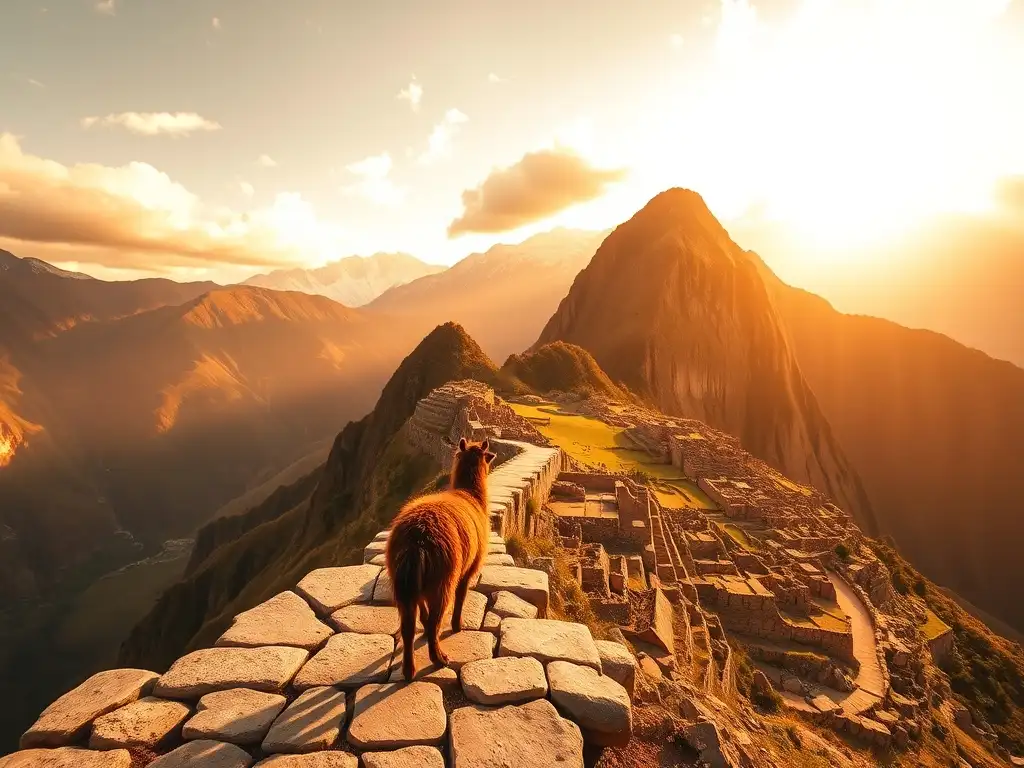
The Inca road system, a marvel of ancient engineering, stands as a testament to the ingenuity and organizational prowess of the Inca Empire. Spanning thousands of miles across diverse and challenging Andean terrain, this intricate network facilitated communication, trade, and military movements, showcasing sophisticated design and construction techniques far ahead of their time. Understanding the engineering principles behind the Inca road system provides invaluable insights for modern infrastructure projects, particularly in challenging geographical contexts. The keyword "Inca road system engineering" is central to understanding their remarkable achievements.
Inca Trail Planning and Route Selection
Inca trail planning wasn't a haphazard undertaking. It involved meticulous surveying and route selection, prioritizing practicality and minimizing environmental impact. Surveyors, likely utilizing advanced astronomical knowledge and observation of natural features, meticulously chose routes that minimized steep grades and maximized usability.
They cleverly utilized existing natural features like valleys and ridges, reducing the need for extensive earthworks. Evidence suggests they prioritized strategic locations, connecting major population centers, agricultural regions, and resource-rich areas. This strategic planning is evident in the system's overall design, optimizing accessibility and efficiency across the vast empire.
The selection of materials for road construction was also carefully considered, with local resources prioritized to minimize transportation costs and environmental disruption. This approach is a valuable lesson in sustainable infrastructure development, emphasizing the importance of integrating infrastructure projects with the surrounding environment. The Inca's understanding of terrain and their ability to adapt their designs to it represent a sophisticated level of engineering skill, far exceeding simple path creation.
Advanced Inca Techniques for Road Bed Preparation
The construction of Inca roads involved sophisticated techniques for road bed preparation. Unlike many modern road constructions that rely heavily on machinery, the Inca employed manual labor, demonstrating remarkable organizational capabilities and a deep understanding of materials science. The process often began with careful excavation and leveling of the terrain. They skillfully utilized different types of stone, carefully selecting those best suited to the specific conditions of each section of the road.
Larger stones were used for foundations, while smaller stones and gravel were used to create a stable and durable road surface. They employed techniques such as dry-stone masonry, fitting stones together without mortar, creating incredibly strong and resilient structures capable of withstanding the harsh Andean climate and seismic activity. This method minimized the need for binding agents and maximized the use of readily available local materials.
Furthermore, drainage systems were incorporated into the road design to prevent erosion and maintain the integrity of the road surface. This meticulous attention to detail highlights the advanced understanding of geotechnical engineering possessed by Inca builders, a feat particularly impressive given the limitations of their technology. The durability of these roads, many of which remain partially intact today, is a testament to their engineering prowess.
Inca Bridge Engineering: Suspension and Pontoon Designs
Inca bridge engineering represents another peak of their technological achievements. Faced with the challenge of crossing deep gorges and fast-flowing rivers, they developed ingenious solutions, notably suspension and pontoon bridges. Suspension bridges, often made of strong fibers like llama wool and vines, were suspended across chasms, demonstrating an understanding of tension and load distribution.
While the exact construction techniques remain somewhat of a mystery, archaeological evidence and historical accounts suggest a remarkable level of sophistication in their designs and construction. Pontoon bridges, on the other hand, were constructed using bundles of reeds or other buoyant materials, anchored to the riverbanks. These temporary structures were practical solutions for crossing waterways, particularly during times of high water flow, showcasing an adaptability and resourcefulness that is highly relevant to modern engineering challenges.
The ingenuity and practicality of these bridge designs highlight the Inca's innovative problem-solving skills and their ability to adapt to varied geographical conditions. The combination of suspension and pontoon bridge designs showcased a flexibility and adaptability that allowed them to overcome the challenges of their rugged environment, highlighting an impressive understanding of materials science and structural engineering within the context of "Inca road system engineering".
Inca Road Paving and Surface Materials
The Inca road system, a marvel of ancient engineering, wasn't just a network of trails; it was a meticulously planned and constructed infrastructure project. The paving and surface materials used varied significantly depending on the terrain and the intended use of the road segment. In flatter areas, particularly those with abundant stone resources, the Incas often employed sophisticated paving techniques.
They selected durable, locally sourced stones, carefully shaping and fitting them together to create remarkably smooth and stable surfaces. These stones, often andesite or other hard volcanic rocks, were laid with precision, minimizing gaps and ensuring a long-lasting road. The selection of stone type itself demonstrates a keen understanding of material science; the Incas chose materials best suited to withstand the local climate and traffic loads.
Evidence suggests that some sections incorporated techniques similar to modern dry-stone walling, where stones were interlocked without mortar, demonstrating an impressive mastery of stonework. This meticulous approach minimized maintenance and ensured the roads' longevity.
In more mountainous or challenging terrain, where large, precisely shaped stones were less readily available, the Incas adapted their approach. They might use smaller stones, gravel, or even compacted earth to create a more rudimentary but still functional road surface. In some cases, they employed a layered approach, with larger stones forming a base layer, topped with smaller stones and finally a layer of compacted earth or gravel.
This flexible approach allowed them to build roads suitable for different conditions and resource availability across the vast Inca empire. The ingenuity is evident in how they adapted their construction methods to suit the specific challenges presented by the varied Andean landscape. Furthermore, the durability of these roads, many sections of which remain visible today, speaks volumes about the quality of materials and the construction techniques employed.
The Inca road system stands as a testament to their understanding of both material science and construction engineering. Their ability to adapt and innovate, selecting and utilizing materials efficiently based on the local environment, remains a remarkable feat of engineering. The careful selection and placement of stones, along with the layered approach in challenging terrains, ensured the roads remained functional for centuries, a testament to their enduring legacy.
Inca Road Maintenance and Management
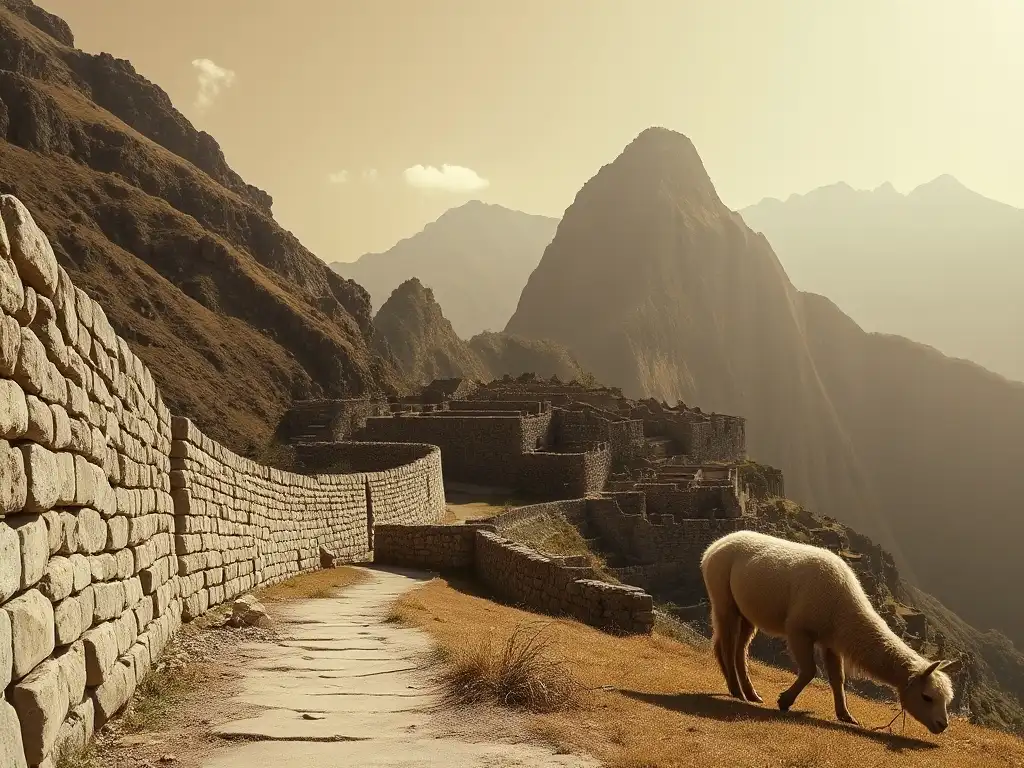
The Inca road system, a marvel of ancient engineering, wasn't simply built and then forgotten. Its longevity and effectiveness hinged on a sophisticated system of maintenance and management, reflecting the empire's organizational prowess and commitment to infrastructure. Understanding this aspect of Inca road engineering provides valuable insights into their logistical capabilities and offers potential lessons for modern infrastructure projects. The sheer scale of the network, spanning thousands of miles across diverse and challenging terrain, necessitates a deep dive into the methods employed for its upkeep.
This wasn't a haphazard process; it was a strategically planned and meticulously executed operation vital to the empire's stability and prosperity. Effective maintenance ensured the seamless flow of communication, trade, and military movements, underpinning the Inca's impressive control over their vast territory. The keyword "Inca road system engineering" highlights the intricate interplay between design, construction, and, crucially, maintenance.
Organization and Labor Force Behind Inca Road Maintenance
The maintenance of the Inca road system was a highly organized undertaking, relying on a complex interplay of labor organization and resource allocation. The mita system, a form of mandatory public service, played a central role. Specific communities were assigned responsibility for sections of the road network, ensuring regular inspections and prompt repairs. This wasn't a random assignment; it was carefully planned based on proximity and the community's capabilities.
Highly skilled specialists, likely trained from a young age, were responsible for more complex tasks, such as bridge construction and repair. These individuals formed a specialized workforce capable of addressing a wide range of maintenance challenges. Evidence suggests that the Inca government oversaw this process, ensuring accountability and the efficient allocation of resources. This centralized approach minimized duplication of effort and maximized the effectiveness of maintenance operations.
The system was remarkably efficient, considering the vastness of the road network and the limited technology available at the time. Furthermore, the organization of this labor force, while demanding, fostered a sense of community responsibility and collective ownership of the infrastructure. The integration of the mita system with road maintenance highlights the Inca's ability to effectively mobilize human resources for large-scale projects.
Inca Strategies for Road Repair and Preservation
Inca road repair techniques were remarkably effective, considering the available tools and materials. They employed a variety of strategies adapted to the specific challenges presented by different terrains and climates. For example, in mountainous regions, they utilized locally sourced materials like stone and timber, constructing durable retaining walls and bridges to prevent erosion and landslides. In drier areas, they may have employed techniques like paving with stones or compacted earth to improve drainage and road stability.
The use of natural materials, carefully selected for their durability and availability, minimized the environmental impact and ensured the sustainability of repair efforts. Evidence suggests that they understood the importance of proper drainage in preventing road damage. They skillfully integrated drainage systems into their road designs, diverting water away from the road surface and preventing erosion. They also likely employed preventative maintenance strategies, such as regular inspections and prompt repairs of minor damage to prevent larger, more costly repairs later.
This proactive approach minimized disruption to travel and trade. The ingenuity of their repair strategies is evident in the longevity of many road sections, some of which remained functional for centuries after the fall of the Inca Empire. This speaks volumes about the quality of their workmanship and their understanding of engineering principles. Further research into specific Inca road repair techniques could provide valuable insights for modern infrastructure maintenance practices.
Significance of the Inca Road System for Communication and Trade
The Inca road system wasn't just a network of pathways; it was a vital artery for communication and trade, underpinning the empire's political and economic stability. Its effectiveness in facilitating rapid communication allowed for swift transmission of information, crucial for coordinating military campaigns, managing resources, and maintaining control across the vast empire. The speed of communication was significantly enhanced, compared to pre-Inca methods. Messages could be relayed quickly between distant regions, enabling a rapid response to emergencies or changes in policy.
The roads also greatly facilitated trade, enabling the exchange of goods and resources across the empire. This fostered economic integration and allowed for the equitable distribution of resources. The standardized road width and construction techniques ensured the smooth passage of goods, even for large caravans of llamas carrying heavy loads. The strategic placement of tambos (roadside inns) provided resting places for travelers and facilitated the safe passage of goods and people.
The positive economic impact of the Inca road system is undeniable, contributing significantly to the empire’s prosperity and stability. The efficient movement of goods and people fostered economic growth, and the rapid communication enabled efficient governance. The Inca road system, therefore, serves as a powerful example of how strategically planned infrastructure can contribute to the success of a large and complex civilization. The legacy of this system continues to inspire awe and admiration, showcasing the remarkable achievements of Inca engineering.
Lessons from Inca Road Engineering for Modern Infrastructure Projects
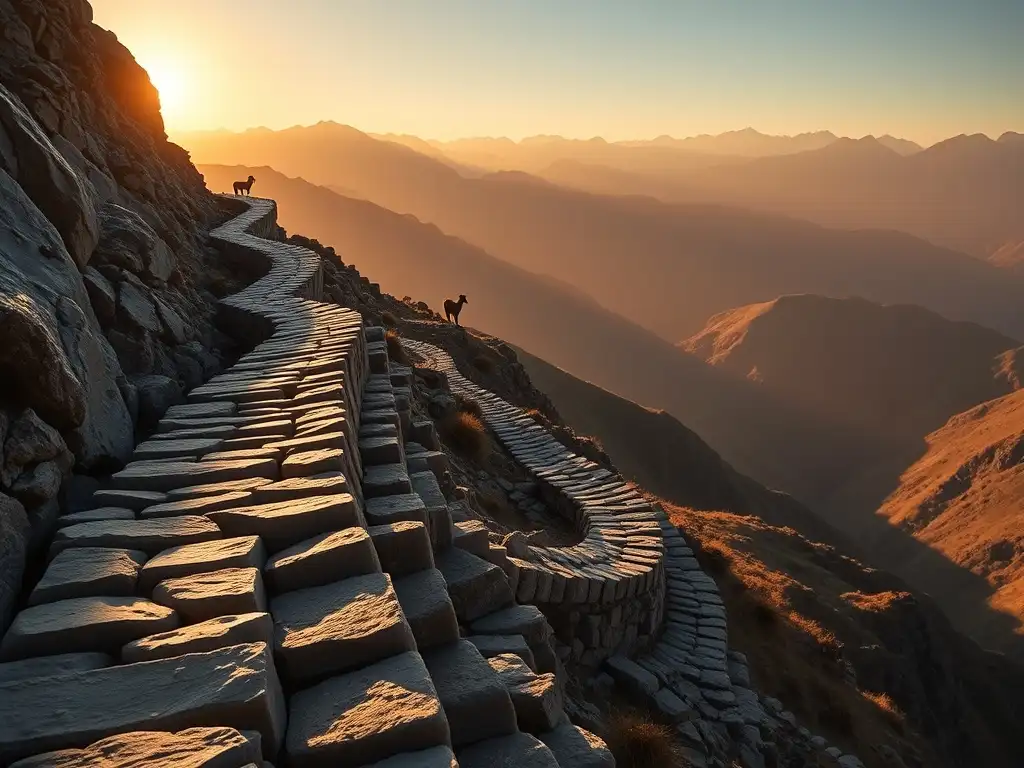
The Inca road system, a marvel of ancient engineering, offers invaluable lessons for modern infrastructure projects. Its impressive scale, spanning thousands of kilometers across diverse and challenging terrain, showcases a sophisticated understanding of engineering principles that remain relevant today. The Inca's ability to construct durable roads in mountainous regions, often using locally sourced materials and adapting to the environment, presents a compelling case study in sustainable and resilient infrastructure development.
Analyzing their techniques can inform contemporary approaches to road building, contributing to more efficient, environmentally conscious, and cost-effective projects. This section explores specific aspects of Inca road engineering and how their wisdom can be applied to modern challenges.
Applying Inca Principles of Sustainable Construction
The Inca’s commitment to sustainability in road construction is particularly striking. They prioritized the use of readily available local materials, minimizing transportation costs and environmental impact. Stone, readily quarried from nearby mountains, formed the backbone of many Inca roads.
This contrasts sharply with modern practices that often involve transporting materials over long distances, resulting in increased carbon emissions and higher costs. The Incas' masterful use of dry-stone techniques, requiring no mortar, further exemplifies their sustainable approach. This technique, characterized by precisely fitted stones, created incredibly strong and durable structures that withstood the test of time and seismic activity.
Furthermore, their understanding of drainage systems, incorporating carefully placed channels and ditches to divert water, prevented erosion and road damage – a crucial aspect of long-term road maintenance that modern engineers continue to grapple with. The Inca road system stands as a testament to the effectiveness of sustainable construction practices, offering a powerful model for minimizing environmental impact and maximizing the longevity of infrastructure projects. The integration of these principles into modern road building could significantly reduce construction costs and environmental footprint.
Adapting Inca Road Design to Modern Challenges
While the Inca road system was remarkably effective for its time, adapting its design principles to modern challenges requires careful consideration. The Incas’ roads were primarily designed for pedestrian and animal traffic. Modern infrastructure, however, must accommodate significantly heavier loads, including large vehicles and high-speed transit.
This necessitates modifications to road design, including the use of stronger materials and wider roadbeds. However, the Inca's understanding of terrain adaptation – their ability to navigate steep inclines and treacherous landscapes – remains highly relevant. Their use of switchbacks, ramps, and strategically placed retaining walls to mitigate the impact of gravity can inform modern approaches to road construction in mountainous regions.
Similarly, their incorporation of suspension bridges and ingenious drainage systems can be adapted and improved upon using modern materials and techniques. The challenge lies in incorporating the essence of Inca ingenuity—adaptability, resilience, and sustainability—into modern designs that meet the demands of contemporary traffic and safety standards.
The Inca Legacy in Contemporary Road Engineering
The Inca road system’s enduring legacy in contemporary road engineering is undeniable. Modern engineers increasingly recognize the importance of sustainable construction practices, mirroring the Inca emphasis on local materials and environmentally conscious design. The increasing focus on resilient infrastructure, capable of withstanding extreme weather events and seismic activity, also reflects the inherent robustness of Inca road construction.
Furthermore, the Inca's mastery of adapting to diverse terrains continues to inspire innovative solutions in modern road design, particularly in challenging geographical contexts. While the scale and technology differ vastly, the fundamental principles of careful planning, sustainable material selection, and adaptation to the environment remain strikingly similar. The study of Inca road engineering provides valuable insights into achieving infrastructure that is not only functional but also environmentally responsible and economically viable.
The Inca legacy serves as a compelling reminder that ancient wisdom can offer valuable lessons for solving modern challenges, particularly in the field of sustainable infrastructure development. Further research into Inca road construction techniques could unlock even greater potential for innovation in this critical area.
The Impact of Inca Road System Engineering on Andean Society
The Inca road system, a marvel of ancient engineering, profoundly impacted Andean society in numerous ways, extending far beyond simple transportation. Its influence permeated the social, economic, and political fabric of the empire, shaping daily life and facilitating unprecedented levels of integration across diverse geographical regions. Understanding the impact of this sophisticated infrastructure requires examining its multifaceted roles within the Inca state.
The sheer scale of the undertaking – a network spanning thousands of miles across challenging terrain – speaks volumes about the Inca's organizational capacity and technological prowess. This intricate network wasn't merely a collection of paths; it was a carefully planned and meticulously maintained artery, vital for the functioning of the entire empire.
The Role of the Inca Road System in Unifying the Empire
The Inca road system played a crucial role in unifying the vast and geographically diverse Inca Empire. Before the Inca, the Andes were home to numerous independent groups, often separated by treacherous mountains and deep valleys. The Inca, however, utilized their engineering skills to overcome these natural barriers, building roads that connected previously isolated communities.
This facilitated the movement of people, goods, and information, fostering a sense of shared identity and allegiance to the Inca state. The construction itself also served as a unifying force, employing individuals from different regions and ethnic groups, promoting cooperation and shared purpose. The roads themselves became symbols of Inca power and control, demonstrating the empire's reach and ability to overcome any obstacle.
Imagine the logistical marvel of transporting materials, such as the massive stones used in Inca constructions, across such challenging landscapes – a feat only possible due to the meticulously planned road system. This unified infrastructure greatly enhanced the empire's political stability and longevity.
Inca Road System and its Influence on Cultural Exchange
Beyond political unification, the Inca road system significantly stimulated cultural exchange throughout the empire. The movement of people along these routes facilitated the dissemination of ideas, customs, and technologies. Artisans, farmers, and religious leaders traveled extensively, sharing knowledge and practices that enriched the cultural landscape of the empire.
This exchange wasn't simply a one-way flow; it was a dynamic process of reciprocal influence, leading to a remarkable degree of cultural blending and adaptation. The Inca themselves actively promoted this exchange, fostering a sense of shared cultural identity while allowing regional variations to persist. For example, the unique artistic styles and agricultural techniques of different regions were not suppressed but rather integrated into the broader Inca cultural context.
This process of cultural synthesis, facilitated by the interconnectedness of the road network, enriched the empire's overall cultural tapestry. The impact is visible in the diverse yet unified characteristics of Inca art, architecture, and religious practices.
The Enduring Legacy of the Inca Road Network
The Inca road system's impact extends far beyond the Inca Empire itself. Its sophisticated engineering principles and construction techniques continue to inspire awe and admiration. Many sections of the road network remain visible today, standing as a testament to the ingenuity and skill of Inca engineers. The legacy of the Inca road system is not simply historical; it has practical implications for modern infrastructure projects.
Studying Inca road engineering offers valuable insights into sustainable construction, adaptation to challenging terrain, and the importance of community involvement in infrastructure development. The ingenuity of the Inca in utilizing readily available materials and understanding the local topography provides a blueprint for environmentally conscious infrastructure design. Their understanding of drainage systems, for instance, remains remarkably relevant in modern engineering.
The Inca road system serves as a powerful reminder of the enduring power of human ingenuity and the lasting impact of well-planned infrastructure. The application of these lessons can contribute to the development of more resilient and sustainable infrastructure solutions in the modern world. Understanding the Inca road system engineering provides crucial insights for present-day infrastructure challenges.
Frequently Asked Questions
What makes Inca road engineering so impressive?
The Inca road system was remarkably extensive, spanning thousands of miles across diverse and challenging terrain. Its innovative construction techniques, including suspension bridges and sophisticated drainage systems, were far ahead of their time. This allowed for efficient communication and transportation throughout their vast empire.
How did the Incas adapt their road building to different environments?
Inca engineers skillfully adapted their techniques to the varied landscapes. They utilized locally sourced materials like stone, wood, and earth, integrating their roads seamlessly into the environment. They also employed different construction methods depending on the terrain, from mountain passes to coastal regions.
What were some of the key materials used in Inca road construction?
Inca roads primarily used stone paving, often meticulously fitted without mortar. They also utilized earthworks, retaining walls, and bridges made from wood, rope, and stone. The selection of materials was directly influenced by the local availability and the specific environmental challenges.
How did the Inca road system contribute to the empire's success?
The extensive network facilitated the movement of troops, goods, and messages throughout the empire. This efficient communication and transportation network was crucial for political control, economic prosperity, and cultural exchange. It ensured the seamless functioning of the vast Inca empire.
What lessons can modern infrastructure projects learn from Inca road engineering?
Modern engineers can learn valuable lessons from the Inca's sustainable and adaptive approach. Their respect for the environment, use of locally sourced materials, and ability to construct durable infrastructure in challenging terrains provide valuable insights for modern projects emphasizing sustainability and resilience.
Final Reflection: Echoes of the Inca: Building for the Future
The ingenuity of Inca road engineering remains a potent lesson for modern infrastructure development, a testament to sustainable design and community-focused planning that continues to resonate in our increasingly complex world. While separated by centuries, the challenges faced by Inca engineers – navigating treacherous terrain, utilizing locally sourced materials, and building for longevity – mirror many of the issues we grapple with today in constructing resilient and environmentally responsible infrastructure. The enduring legacy of the Inca road system serves as a powerful reminder that sustainable solutions are not merely an option, but a necessity.
The Inca's understanding of integrating their infrastructure with the natural landscape, minimizing environmental impact, and fostering community collaboration, remains profoundly relevant. Their approach stands in stark contrast to many modern practices that prioritize speed and profit over long-term sustainability and social equity. The best engineers are those who can build with nature, not against it.
– This timeless principle, though not explicitly stated by an Inca engineer, perfectly encapsulates the essence of their approach and offers a valuable perspective for contemporary infrastructure projects.
Consider the implications of this legacy. How can we, as individuals and as a society, learn from the Inca's commitment to sustainable practices and community engagement? You have the power to advocate for infrastructure projects that prioritize long-term sustainability, community benefit, and environmental responsibility. Demand transparency and accountability from those responsible for building our future, and let the echoes of the Inca's remarkable engineering inspire you to build a better world, one road at a time.
Unlock the Secrets of Ancient Engineering!
Thank you for exploring the fascinating world of Inca road engineering! You've discovered valuable insights into how this ancient civilization overcame significant geographical obstacles to create a lasting legacy. Now, let's consider how their ingenuity can inspire solutions to modern infrastructure challenges.
Here are some ways you can apply these lessons:
- **Explore** local infrastructure projects and find opportunities to volunteer your skills and contribute to your community's improvement.
- **Share** this article with your network—friends, colleagues, and social media contacts—to spark conversations about innovative and sustainable engineering solutions.
- **Research** how ancient construction techniques can inform the development of modern, eco-friendly urban planning and building methods.
What innovative ideas from ancient civilizations could revolutionize our approach to modern infrastructure? Share your thoughts in the comments below!