
Huari Innovation: How They Improved Upon Earlier Technologies

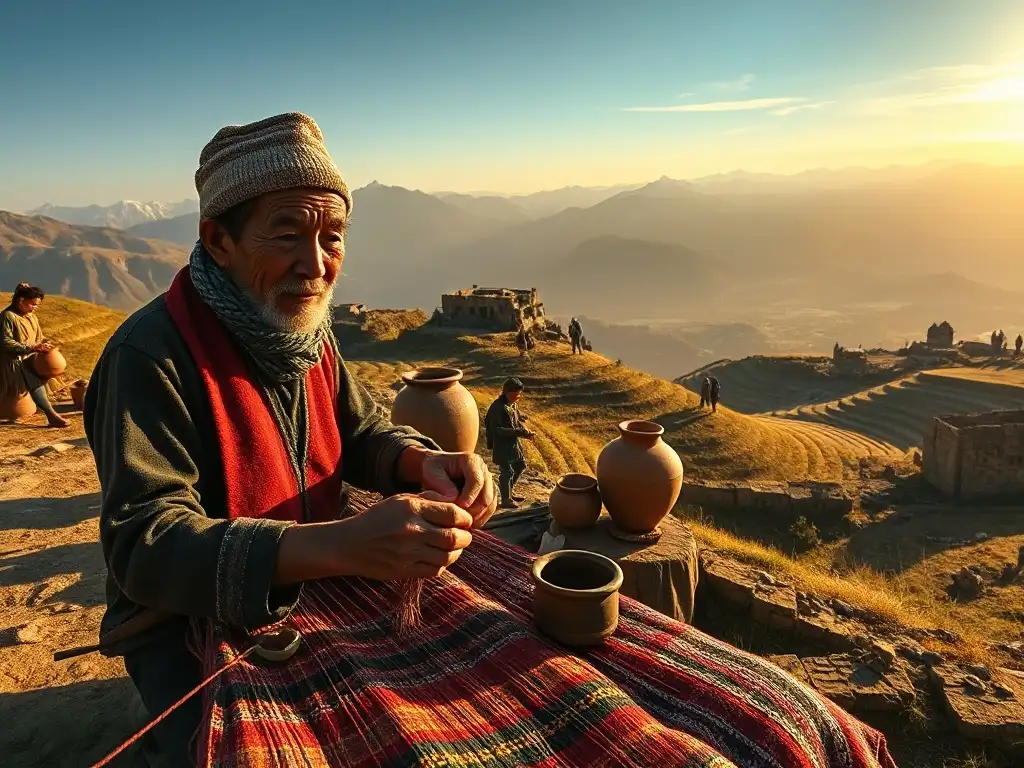
Step into a world lost to time, yet echoing with ingenuity. For centuries, the Andes Mountains have held secrets whispered on the wind – secrets of advanced civilizations that thrived long before the Incas. Prepare to be amazed by the remarkable achievements of the Huari, a culture whose technological advancements redefined Andean life. Discover how their innovations laid the groundwork for future empires, and unravel the mysteries behind their remarkable legacy in our exploration of Huari technological advancements. The journey begins now…
The Huari Empire, flourishing in the Peruvian Andes from approximately 600 to 1000 CE, represents a significant chapter in Andean history. While often overshadowed by the later Inca civilization, the Huari left an undeniable mark on the region, particularly through their impressive technological advancements. This article will explore the key innovations of the Huari, focusing on how they built upon and refined the technologies inherited from preceding Andean cultures, ultimately shaping the landscape and agricultural practices of the central Andes.
We will delve into their remarkable achievements in agriculture, demonstrating the ingenuity and organizational capabilities that fueled their expansive empire and enduring legacy. Understanding Huari technological advancements provides crucial insights into the complexities of pre-Columbian Andean societies and their remarkable capacity for adaptation and innovation. The Huari's impact resonates even today, shaping our understanding of sustainable practices and resource management in challenging environments.
Introduction to Huari Technological Achievements
The Huari, unlike many other Andean societies of their time, did not focus solely on improving existing technologies. Instead, they implemented a significant process of synthesis, combining and enhancing existing techniques with their own innovations. This approach led to remarkable advancements across various sectors, most notably in agriculture, ceramics, textiles, and urban planning.
Their success stemmed not only from technological breakthroughs but also from their sophisticated administrative and organizational skills, enabling them to effectively manage resources and implement large-scale projects. The Huari state's ability to mobilize labor and resources allowed for the development and implementation of complex engineering feats that shaped the landscape and economy of the central Andes. Their impact is still visible today in the ruins of their cities and the enduring influence of their agricultural practices.
This systematic approach to technological development allowed the Huari to create a sustainable and prosperous empire, leaving a lasting legacy on subsequent Andean cultures, including the Inca. The scale and sophistication of their technological advancements set them apart and highlight their crucial role in the development of Andean civilization.
Huari Contributions to Agriculture
Huari agricultural practices were a cornerstone of their societal success. Building upon the established knowledge of earlier cultures such as the Moche and Nazca, the Huari significantly expanded and improved upon existing techniques, leading to increased agricultural yields and supporting a larger population. Their innovations were not isolated advancements but rather a comprehensive system designed to optimize resource utilization and ensure food security across their vast empire.
This systematic approach, characterized by careful planning and execution, allowed them to sustain a dense population in a challenging high-altitude environment. Their impact on agricultural technology in the Andes was profound, influencing subsequent civilizations for centuries to come.
Advanced Irrigation Techniques in the Huari Empire
The Huari perfected existing irrigation systems, constructing extensive networks of canals and aqueducts to bring water to arid regions. These weren't simple ditches; they involved complex engineering feats, including the construction of reservoirs and the management of water flow to optimize distribution. Evidence suggests the use of sophisticated techniques to manage water pressure and prevent erosion. The scale of these projects highlights the Huari's organizational prowess and their understanding of hydraulic engineering.
Their mastery of water management allowed them to cultivate larger areas of land, leading to significant increases in agricultural output. This efficient irrigation system was crucial to supporting the large population of their urban centers and surrounding agricultural areas. The precision and scale of the Huari irrigation networks are testament to their advanced understanding of hydrology and engineering.
Terracing Innovations for Enhanced Crop Yields
Huari agricultural innovation extended beyond irrigation. They also mastered the art of terracing, creating extensive hillside terraces to maximize arable land. These terraces weren't just simple steps cut into hillsides; they were carefully designed to optimize water retention and reduce soil erosion. The construction involved significant labor, but the resulting increase in crop yields made it a worthwhile investment.
The Huari terraces demonstrate a deep understanding of soil science and environmental management, allowing them to cultivate slopes that would otherwise be unsuitable for agriculture. This innovative approach to land management was crucial to the success of their agricultural system, further contributing to the empire's prosperity and stability. The remaining terraces stand as a testament to the Huari's ingenuity and agricultural expertise.
The Huari Use of Diverse Agricultural Practices
The Huari didn't rely on a single agricultural technique. Instead, they employed a diversified approach, utilizing a variety of crops and farming methods to ensure food security. This included the cultivation of potatoes, maize, beans, and other Andean staples, utilizing techniques like crop rotation and intercropping to maintain soil fertility and maximize yields. This diversified strategy minimized the risk of crop failure and ensured a reliable food supply, even in the face of environmental challenges.
Their agricultural practices showcase a sophisticated understanding of ecological principles and the importance of biodiversity in ensuring a stable food supply. The Huari's approach served as a model for later Andean civilizations, highlighting the importance of sustainable and diversified agricultural practices. This holistic approach to agriculture is a testament to their advanced understanding of ecological principles and resource management.
Huari Engineering and Construction Prowess
The Huari, a powerful pre-Inca civilization flourishing in the central Andes from roughly 600 to 1000 CE, demonstrated remarkable engineering and construction skills. Their achievements significantly surpassed those of their predecessors, laying the groundwork for later Andean empires. This prowess is evident in their impressive urban planning, sophisticated architecture, and extensive road networks, all testament to their advanced understanding of engineering principles and resource management.
The scale and complexity of their projects suggest a highly organized society with a centralized authority capable of mobilizing vast human resources and coordinating intricate logistical operations. Their innovations were not merely aesthetic; they were functional, designed to support a large, expanding empire and facilitate efficient administration and communication. The sheer volume of construction undertaken during the Huari period indicates a level of technological and social organization rarely seen in pre-Columbian South America.
The Sophistication of Huari Urban Planning
Huari urban planning stands out for its methodical approach and standardization. Unlike the more organically developed cities of earlier cultures, Huari cities were meticulously planned, exhibiting a remarkable degree of symmetry and regularity. Rectangular city blocks, standardized building sizes, and strategically placed plazas and administrative centers are hallmarks of Huari urban design. This level of sophistication suggests a highly centralized administrative system capable of enforcing uniform building codes and overseeing large-scale construction projects.
Researchers believe this standardized planning aided in efficient resource allocation, population control, and the quick deployment of resources in case of emergencies or natural disasters. The uniformity also reflects a strong sense of social order and a desire for visual uniformity across the empire. The precise layout of these cities provides compelling evidence of advanced urban planning techniques far beyond those of their predecessors.
Huari Architectural Advancements in Wari Cities
Huari architecture is characterized by its monumental scale and the use of sophisticated construction techniques. The use of adobe bricks, though not a Huari innovation, was refined and perfected to an unprecedented degree. They mastered techniques for creating durable, large-scale structures capable of withstanding earthquakes and other environmental challenges. Wari cities like Wari itself boast impressive examples of monumental architecture, including large platforms, temples, and residential complexes.
These structures display a mastery of stonework, intricate carvings, and sophisticated techniques for creating large, load-bearing walls. The precise cutting and fitting of stones, the use of complex mortar systems, and the integration of different building materials all point to a high level of skill and technological knowledge. Furthermore, the consistent use of standardized building modules across various sites suggests a centralized system of architectural design and construction management.
Huari Road Networks: Infrastructure for Expansion
The Huari constructed an extensive network of roads and pathways that facilitated the expansion and administration of their empire. This infrastructure was crucial for communication, transportation of goods, and the movement of troops. The roads were often strategically located to connect important administrative centers, agricultural regions, and resource-rich areas. The construction of these roads required advanced engineering skills, including surveying, grading, and drainage techniques.
The use of stone paving in certain sections indicates a concern for durability and long-term maintenance. The scale and reach of the Huari road network are a testament to their logistical capabilities and their understanding of the importance of infrastructure for empire building. These roads were not just paths; they were the arteries of a powerful and far-reaching empire, enabling efficient communication and control over a vast territory.
Huari Advances in Craftsmanship and Manufacturing
The Huari were renowned for their sophisticated craftsmanship and manufacturing capabilities, producing high-quality goods in diverse media, including pottery, textiles, and metalwork. Their mastery of various technologies reflects a highly specialized and skilled workforce, organized to meet the demands of a large and complex society. The standardization seen in their urban planning also extended to their manufacturing processes, resulting in consistent quality and style across their empire.
This standardization suggests centralized control over production and distribution networks, ensuring a steady supply of goods for the elite and the general population alike. The quality and sophistication of Huari craftsmanship far exceeded that of earlier cultures, reflecting advancements in both technology and artistic expression.
Huari Pottery Techniques and Artistic Styles
Huari pottery is easily recognizable for its distinctive styles and high-quality production. They employed advanced techniques such as the use of molds and slip painting to create intricate designs and uniform shapes. The standardization of pottery forms and decorative styles suggests a centralized production system, perhaps involving specialized workshops or state-controlled kilns.
The designs often featured geometric patterns, stylized animals, and human figures, reflecting the cultural values and beliefs of the Huari people. The consistency in quality and style across vast distances suggests a well-organized system of distribution and trade. The artistry and technical skill demonstrated in Huari pottery establish it as a significant contribution to Andean ceramic traditions.
Huari Textile Production and Weaving Technology
Huari textiles are renowned for their fine quality and intricate designs. They employed advanced weaving techniques, using high-quality fibers such as cotton and camelid wool to create durable and aesthetically pleasing fabrics. The intricate designs and use of various colors suggest a high level of skill and artistic sophistication.
The production of textiles likely involved specialized workshops and a skilled workforce, highlighting the importance of textiles in Huari society. The use of complex weaving patterns and the incorporation of different colors and materials demonstrate a mastery of weaving technology. These textiles were likely used for clothing, ceremonial purposes, and other important societal functions.
Huari Metalworking Innovations and Metallurgy
Huari metalworking represents a significant advancement in Andean metallurgy. They produced high-quality metal objects, including tools, weapons, and ornaments, using techniques such as casting, hammering, and gilding. Their mastery of copper and bronze alloys allowed them to create durable and aesthetically pleasing objects. The precision and detail in their metalwork suggest a high level of skill and technological sophistication.
Evidence suggests specialized workshops dedicated to metalworking, and the distribution of metal objects across the empire speaks to a sophisticated system of production and trade. The quality and variety of Huari metalwork reflect their advanced understanding of metallurgy and their ability to harness these skills for both practical and ceremonial purposes. The sophistication of their metalwork is a clear marker of their technological advancement compared to their predecessors.
Huari's Impact on Water Management
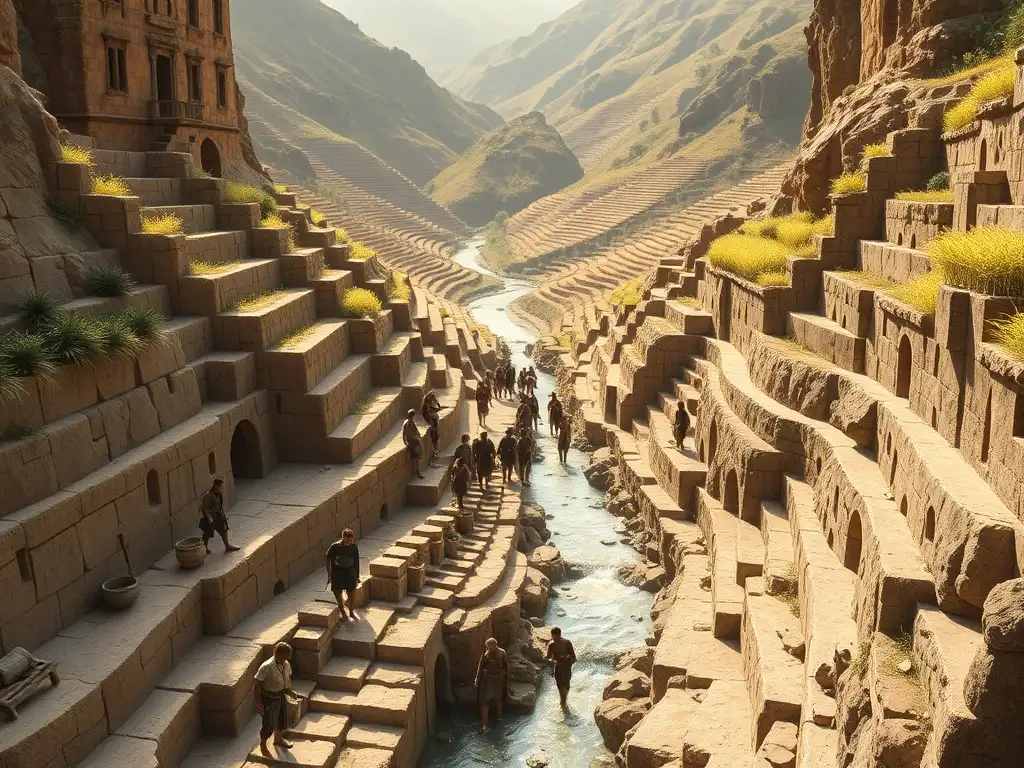
The Huari civilization, flourishing in the Andes between roughly 600 and 1000 CE, significantly advanced water management techniques inherited from previous Andean cultures. Their innovations were crucial for supporting their large, complex urban centers and extensive agricultural production in a challenging, high-altitude environment. The Huari weren't simply replicating existing systems; they refined and expanded upon them, creating a more sophisticated and resilient infrastructure capable of handling the demands of a growing population and increasingly complex social structure.
This involved a comprehensive approach encompassing storage, distribution, and adaptation to the specific challenges of their arid environment. Their success in water management is a testament to their engineering prowess and understanding of the Andean landscape. This mastery of hydraulic engineering played a vital role in their ability to consolidate power and maintain control over a vast territory.
Huari Water Storage and Distribution Systems
Huari water storage systems were impressive feats of engineering, utilizing a combination of techniques. They built extensive reservoirs, some quite large, to collect rainwater and meltwater from the mountains. These reservoirs were strategically located to maximize water capture and minimize evaporation. The construction often involved carefully cut stonework, demonstrating a high level of precision and skill.
Beyond reservoirs, they also developed sophisticated systems for distributing water to agricultural fields and urban centers. This included intricate networks of canals, aqueducts, and channels, often carved into the landscape with remarkable precision. These systems were designed to efficiently transport water over long distances, ensuring a reliable supply for both irrigation and domestic use. The efficiency of these systems is evident in the scale of Huari agriculture and the size of their settlements.
Improvements in Canal Construction by the Huari
The Huari significantly improved upon existing canal construction techniques. While earlier cultures had constructed canals, the Huari's canals were often larger, longer, and more precisely engineered. They employed advanced techniques in stonework, creating durable and leak-resistant channels capable of withstanding the harsh Andean climate and the erosive forces of water flow.
Evidence suggests the use of sophisticated surveying techniques to ensure accurate alignment and gradient, maximizing the efficiency of water transport. The construction of these canals required considerable labor organization and coordination, highlighting the advanced administrative capabilities of the Huari state. This efficient water delivery system was instrumental in supporting their large-scale agricultural production, a key component of their economic and political power.
Huari Solutions for Arid Environments
The Andes are characterized by significant variations in rainfall and water availability. The Huari faced the challenges of arid environments head-on, developing innovative solutions to ensure a reliable water supply. Their strategies included not only the construction of large-scale storage and distribution systems, but also techniques for water conservation and efficient irrigation. They likely employed terracing and other soil management techniques to reduce water runoff and increase infiltration.
Their understanding of the local hydrology allowed them to strategically locate their settlements and agricultural fields to maximize access to water resources. Furthermore, evidence suggests they developed techniques for managing water during periods of drought, ensuring the survival of their population and the continued functioning of their society. This adaptability is a key factor in understanding their long-term success.
Huari Innovations in Administration and Logistics
The Huari state's administrative and logistical innovations were crucial for maintaining control over a vast and diverse empire. Their success wasn't just about military might; it was also about effectively managing resources, communication, and infrastructure across a challenging terrain. This involved a sophisticated system of resource management, efficient communication networks, and well-developed infrastructure to support governance and trade. These innovations were interconnected and mutually reinforcing, enabling the Huari to maintain stability and prosperity for centuries. The Huari's administrative system was likely far more complex than earlier Andean states, requiring significant advancements in record-keeping and organization.
Huari Strategies for Resource Management
Effective resource management was paramount for the Huari. Their strategies involved controlling access to key resources like water, land, and minerals. This likely involved a centralized system for allocating resources, ensuring equitable distribution (or at least the appearance thereof) to maintain social stability.
The scale of their infrastructure projects indicates a sophisticated system for mobilizing labor and materials, suggesting a highly organized and efficient bureaucracy. This efficient resource management contributed significantly to the Huari's ability to support a large population and maintain a powerful, centralized state. Understanding the specifics of their resource management strategies is crucial to understanding their political and economic success.
The Huari System of Communication and Trade
The Huari developed an extensive network of roads and pathways to facilitate communication and trade across their empire. These roads connected distant regions, allowing for the rapid movement of goods, people, and information. The construction of these roads required significant engineering skills and labor organization, demonstrating the Huari's capacity for large-scale projects.
The system also likely included relay systems or other forms of communication to transmit messages over long distances quickly. This efficient communication network was essential for coordinating activities across the empire and maintaining control over distant provinces. The integration of communication and trade networks was crucial for the Huari's political and economic stability.
Efficient Huari Infrastructure for Governance
The Huari built impressive infrastructure to support their governance. This included not only roads and communication systems but also administrative centers and storage facilities. These centers likely served as hubs for collecting taxes, distributing resources, and coordinating activities across the empire. The construction of these structures required significant planning and organization, reflecting the sophisticated administrative capabilities of the Huari state.
The scale and complexity of their infrastructure testify to their ability to mobilize resources and coordinate labor on an unprecedented scale for the time. This efficient infrastructure was essential for maintaining control over their vast empire and ensuring its long-term stability. The strategic placement of these administrative centers also suggests a sophisticated understanding of regional needs and population distribution.
Comparison of Huari Technology with Preceding Cultures
How Huari Improved Upon Earlier Andean Technologies
The Huari, a powerful Andean civilization flourishing between approximately 600 and 1000 CE, significantly advanced upon the technological foundations laid by preceding cultures like the Moche and Nazca. While these earlier societies demonstrated impressive skills in irrigation, pottery, and textile production, the Huari implemented innovations on a larger scale, driven by their expansive empire.
For instance, the Moche excelled in intricate metalwork and elaborate funerary practices, but the Huari adapted and refined these techniques, creating standardized metal tools for agriculture and large-scale public works projects. Similarly, Nazca's mastery of intricate textiles and geoglyphs was surpassed by the Huari's ability to produce textiles in larger quantities for both practical and ceremonial use, and their adoption of monumental architecture demonstrates a shift towards more complex engineering.
The Huari's advancements weren't simply about quantity; they also involved improvements in efficiency and standardization, reflecting a more centralized and organized approach to production and construction. This is clearly seen in their improved irrigation systems which supported a larger population and more extensive agricultural output than previously seen.
Huari's Unique Technological Contributions
Beyond improvements on existing technologies, the Huari also made unique contributions. Their sophisticated administrative system, facilitated by a standardized system of record-keeping (possibly using quipu, though evidence is debated), allowed for efficient resource management and allocation, a key factor in their ability to support a large urban population and vast infrastructure projects. Their distinctive pottery styles, while building upon existing traditions, developed new techniques and decorative motifs that reflected their imperial power and centralized control.
Furthermore, the Huari's expertise in stonework, as evidenced by their impressive architectural achievements like the monumental structures at Piquillacta, showcased advanced understanding of construction techniques and engineering principles, surpassing the scale and complexity of earlier constructions. This mastery extended to their road networks, facilitating communication and trade throughout their extensive empire. Their innovative approaches to urban planning, with organized residential areas and public spaces, also represent a significant technological and organizational achievement.
The Legacy of Huari Engineering and Innovation
The Huari legacy is deeply embedded in the subsequent development of Andean technology. Their innovations in agriculture, particularly their advanced irrigation systems, laid the groundwork for future civilizations. The standardized production techniques they employed, particularly in pottery and textiles, became models for later Andean societies.
Their monumental architecture, impressive road networks, and urban planning principles influenced the Inca, who would later inherit and expand upon the Huari's technological achievements. The Huari's efficient administrative system, although the specifics remain partially enigmatic, likely influenced later empires' ability to manage vast territories and resources effectively. The echoes of Huari engineering and innovation are clearly audible in the later Andean world, proving their lasting impact on the region's technological landscape.
The Lasting Impact of Huari Technological Advancements
Huari Influence on Later Andean Civilizations
The Huari's impact on subsequent Andean civilizations, particularly the Inca, is undeniable. The Inca Empire inherited and built upon the Huari's technological infrastructure, including their advanced irrigation systems and extensive road networks. The Inca's mastery of stonework, while arguably reaching new heights of precision, clearly demonstrates a lineage traceable to Huari techniques.
Furthermore, the Inca administrative system, renowned for its efficiency, likely drew inspiration from the Huari's sophisticated organizational structures. The similarities in architectural styles and urban planning between Huari sites and later Inca cities further underscore the continuity and influence of Huari technological advancements. The evidence suggests a direct line of technological transmission and adaptation, with the Inca refining and expanding upon the foundations laid by the Huari.
Lessons from Huari's Ingenious Solutions
Studying Huari technology offers valuable lessons for contemporary society. Their success in managing resources and sustaining a large population in a challenging environment highlights the importance of sustainable practices and efficient resource management. Their innovative solutions to problems of irrigation, construction, and administration provide valuable insights for tackling similar challenges today.
The Huari’s ability to integrate diverse populations and technologies into a functioning empire demonstrates the power of collaboration and adaptability. Analyzing their successes and failures provides a rich case study for understanding the interplay between technology, society, and environment, offering crucial insights for sustainable development and effective governance. Their achievements underscore the significance of long-term planning and the importance of investing in infrastructure and technology for societal advancement.
The Significance of Huari's Technological Heritage
The Huari's technological achievements represent a significant chapter in Andean history, demonstrating the ingenuity and resilience of this remarkable civilization. Their innovations in agriculture, architecture, and administration profoundly shaped the course of Andean development, leaving an enduring legacy that continues to inspire and inform. Understanding Huari technology is essential for a comprehensive understanding of Andean civilization and its evolution. Preserving and studying Huari sites and artifacts is crucial for appreciating their cultural and technological heritage.
The Huari's technological advancements serve as a testament to human creativity and the power of innovation in overcoming challenges and building thriving societies. Their legacy reminds us of the importance of preserving and learning from the achievements of past civilizations. Their story is a vital part of the broader narrative of human progress and innovation.
- Introduction to Huari Technological Achievements
- Huari Contributions to Agriculture
- Huari Engineering and Construction Prowess
- Huari Advances in Craftsmanship and Manufacturing
- Huari's Impact on Water Management
- Huari Innovations in Administration and Logistics
- Comparison of Huari Technology with Preceding Cultures
- The Lasting Impact of Huari Technological Advancements
- What were the Huari's most significant technological advancements?
- How did Huari irrigation differ from previous Andean systems?
- What impact did Huari technological advancements have on their empire?
- How did Huari technology compare to that of the Inca?
- What evidence exists to support claims about Huari technological advancements?
Frequently Asked Questions
What were the Huari's most significant technological advancements?
The Huari significantly improved upon existing technologies. They excelled in irrigation systems, creating vast networks to support their large population and agriculture. Their mastery of ceramics and textiles also stands out.
How did Huari irrigation differ from previous Andean systems?
Huari irrigation systems were more extensive and sophisticated than those of earlier cultures. They employed advanced techniques like terracing and canals, allowing them to cultivate larger areas of land. This was crucial for their large empire.
What impact did Huari technological advancements have on their empire?
Huari's technological prowess was essential to their ability to maintain a large and powerful empire. Efficient agriculture fed their population, while advancements in construction and logistics supported their political and military control.
How did Huari technology compare to that of the Inca?
While the Inca later built upon Huari achievements, the Huari were pioneers in many areas. The Inca benefited from and expanded upon Huari innovations in irrigation, urban planning, and road systems, but Huari's influence is undeniable.
What evidence exists to support claims about Huari technological advancements?
Archaeological evidence, including extensive irrigation networks, large-scale urban planning, sophisticated ceramic styles, and finely crafted textiles, provides strong support for Huari's technological sophistication. These findings are found throughout their former territory.
Final Reflection: The Enduring Legacy of Huari Innovation
The ingenuity of the Huari civilization continues to resonate today, reminding us of the power of adaptation and the enduring human capacity for technological advancement. Their sophisticated advancements in agriculture, metallurgy, and urban planning weren't merely historical footnotes; they represent a crucial step in the development of Andean societies and offer valuable lessons for sustainable development in the modern world. Understanding their achievements allows us to appreciate the complexities of pre-Columbian societies and the remarkable ingenuity of their people.
The Huari's impact extends far beyond their immediate geographical boundaries. Their innovations in irrigation and terracing, for example, profoundly shaped the agricultural landscape of the Andes, influencing subsequent cultures and leaving a lasting imprint on the region's ecology. Their mastery of metallurgy, evident in their intricate tools and weaponry, showcases a level of technological sophistication that continues to fascinate archaeologists and historians. The past is never dead. It's not even past.
- William Faulkner. This quote perfectly encapsulates the enduring relevance of studying the Huari, as their legacy continues to shape our understanding of Andean history and technological progress.
Consider the challenges facing our world today: climate change, resource scarcity, and the need for sustainable urban planning. The Huari, faced with similar challenges in their time, developed innovative solutions that allowed them to thrive. You too can draw inspiration from their resilience and ingenuity. By studying their achievements, we can gain a deeper appreciation for the importance of collaboration, resource management, and adapting to environmental changes. Let the story of Huari innovation inspire you to find creative solutions to the challenges of our own time, and to strive for a future built on sustainable progress and mindful innovation.
**Embrace the Future: Take Action with Huari's Innovations! **
Thank you for exploring the transformative innovations of the Huari civilization with us! You've gained valuable insights into how they built upon earlier technologies, leaving a lasting legacy in the Andean region. Now, let's put that knowledge to work!
Here are a few ways you can further explore Huari's achievements:
- **Delve deeper** into the Huari era by visiting local museums or exploring online resources showcasing artifacts and technologies. This will provide a richer understanding of their impact.
- **Connect** with other enthusiasts! Join online discussion forums or social media groups dedicated to Andean civilizations to share your insights and learn from others passionate about this fascinating history.
- **Engage creatively:** Consider a small project inspired by Huari technologies—perhaps sketching or creating a model of a significant artifact you learned about.
Which aspect of Huari innovation most captivates you, and how will you continue to explore it?