
The Valdivia Child Burials: Rituals of Life and Death

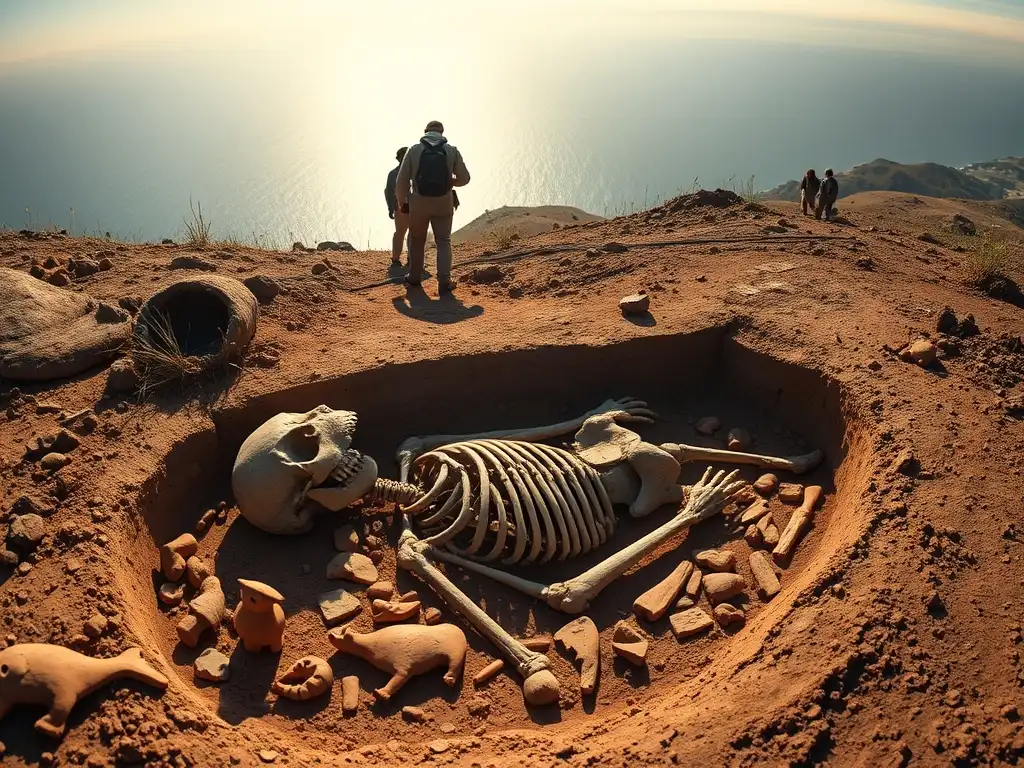
Step into a world lost to time, where the whispers of ancient Andean cultures still resonate. For centuries, the mysteries of these remarkable societies have captivated explorers and historians alike. But few enigmas are as compelling as the Valdivia child burial rituals, a glimpse into the complex spiritual beliefs of one of the earliest coastal civilizations. Prepare to uncover the secrets hidden within these sacred practices – a journey into the heart of Pre-Incan life and death awaits.
- Valdivia Child Burials: Rituals of Life and Death in Ancient Ecuador
- Unveiling the Valdivia Child Burial Rituals
- The Purpose of Valdivia Child Funeral Rites
- Insights from Archaeological Discoveries of Valdivia Child Burials
- Comparing Valdivia Child Burial Rites with Other Andean Cultures
- Conclusion: The Enduring Legacy of Valdivia Child Burial Practices
-
Frequently Asked Questions
- What were the Valdivia people known for?
- What is the significance of child burials in Valdivia culture?
- What kind of grave goods were typically found with Valdivia child burials?
- How do Valdivia child burial rituals compare to those of later Andean cultures?
- Where can I learn more about Valdivia child burial rituals?
- Final Reflection: Echoes of the Valdivia Children: A Legacy of Ritual and Remembrance
- Unveil the Mysteries of the Valdivia Culture!
Valdivia Child Burials: Rituals of Life and Death in Ancient Ecuador
The discovery of meticulously preserved child burials within the Valdivia culture sites of coastal Ecuador has unveiled a fascinating glimpse into the spiritual beliefs and societal structures of one of South America's earliest complex societies. This article delves into the intriguing world of Valdivia child burial rituals, examining the archaeological evidence and interpreting its implications for understanding Valdivia life, death, and the profound significance placed on the youngest members of their community.
We will explore the context of these burials within the broader Valdivia culture, analyzing the artifacts found alongside the remains and considering the potential social, religious, and symbolic meanings embedded within these poignant practices. By examining these unique rituals, we gain a deeper appreciation for the complexity and sophistication of this formative Andean civilization, a crucial stepping stone in the long and rich history of the region.
The analysis will focus on the available archaeological data, aiming to provide a comprehensive and insightful understanding of "Valdivia child burial rituals," shedding light on the beliefs and practices surrounding the death and afterlife in this ancient culture.
Introduction to Valdivia Culture and Burial Practices
The Valdivia culture, flourishing along the coast of present-day Ecuador from approximately 3500 to 1800 BCE, represents one of the earliest known complex societies in South America. Known for its sophisticated ceramic artistry, particularly its iconic female figurines, the Valdivia people developed a distinct social structure and complex belief system, aspects of which are revealed through their burial practices. While adult burials provide valuable information about social hierarchy and status, the discovery of numerous child burials offers a unique window into Valdivia cosmology and the role of children within their society.
These burials, often containing grave goods such as miniature pottery, shell ornaments, and even food offerings, suggest a deliberate and ritualistic approach to the interment of children, indicating their importance within the Valdivia worldview. The careful placement of the bodies, the selection of grave goods, and the location of the burial sites all speak to a deeply ingrained system of beliefs surrounding childhood, death, and the afterlife.
Further research is needed to fully understand the nuances of these rituals, but the available data already paints a compelling picture of a culture deeply invested in its children and their spiritual journeys. Analysis of isotopic ratios in skeletal remains might provide further insights into dietary habits and social status of the interred children, potentially revealing more about the social dynamics surrounding these burials.
The Significance of Child Burials in Valdivia Society
The presence of numerous child burials within Valdivia sites, often with elaborate grave goods, suggests that the death of a child was not simply a biological event, but a significant social and ritualistic one. The careful preparation of the bodies, the inclusion of specific artifacts, and the location of the burials all point to a deliberate and symbolic act, reflecting the importance of children within the Valdivia social structure and cosmology. Some interpretations suggest that these child burials represent offerings or sacrifices to appease deities or ensure the fertility of the land.
Others propose that they reflect a belief in the child's continued existence in the spirit world, with the grave goods providing sustenance and support in the afterlife. The presence of miniature pottery, for example, might represent a symbolic continuation of the child's life in a miniature form, mirroring the adult world they would never experience.
The detailed analysis of the skeletal remains, combined with the study of the associated artifacts, is crucial to further understanding the significance of these burials. For instance, the presence of specific types of shell ornaments or the orientation of the body within the grave might reveal information about the child's social status or the specific ritual performed.
Furthermore, comparative studies with other contemporary cultures in the region could help to illuminate the unique aspects of Valdivia child burial rituals and their place within the broader Andean cultural landscape. The study of these burials continues to offer valuable insights into the rich tapestry of Valdivia life and beliefs, providing a powerful testament to the complexity and enduring legacy of this remarkable civilization.
Unveiling the Valdivia Child Burial Rituals
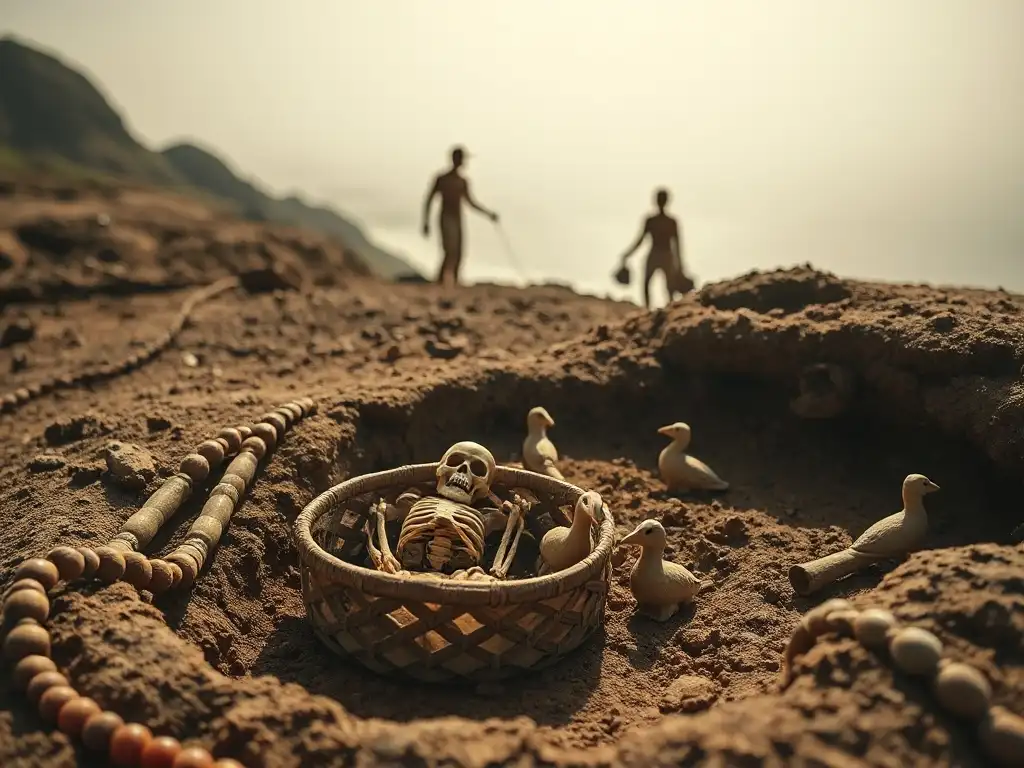
This section delves into the fascinating and often enigmatic world of Valdivia child burial rituals, offering a glimpse into the beliefs and practices of this formative South American culture. The careful examination of these burial sites provides invaluable insight into their social structures, spiritual beliefs, and understanding of life and death. Understanding these "Valdivia child burial rituals" requires a nuanced approach, considering both the commonalities across different sites and the unique variations that reflect individual circumstances or evolving cultural practices.
Common Characteristics of Valdivia Child Burials
Valdivia child burials, discovered primarily in Ecuador's coastal region, exhibit several recurring features. The most prevalent is the flexed burial position, where the child's body is placed in a curled fetal position. This posture is interpreted by many archaeologists as symbolic of returning to the womb, representing a cyclical view of life and rebirth.
The burials are often found in simple pits, sometimes lined with stones or shells, indicating a degree of care and intentionality even in the simplest interments. The location of the graves varies; some are found within larger settlements, suggesting a connection to family or community, while others are situated in more isolated areas, potentially indicating specific ritual significance. The age range of the interred children also presents a range, from infants to young children, suggesting that death at a young age was not necessarily treated differently based on age.
Further research is needed to fully understand the demographic patterns reflected in these burials. The absence of elaborate grave goods in some burials, contrasted with the richness of others, further complicates the picture, and highlights the need for more detailed analysis of grave context and associated artifacts.
Burial Goods and Their Symbolic Meanings
The objects found alongside Valdivia children in their graves offer crucial insights into the beliefs and practices surrounding death and the afterlife. These artifacts, while seemingly simple, carry profound symbolic weight, reflecting a complex worldview. The careful selection and placement of these grave goods suggest a deliberate ritual process, demonstrating the importance placed on the transition from life to death. The presence of certain artifacts may also indicate social status or the child's role within the community.
Shells and Ornaments in Valdivia Child Graves
Shells, particularly those of marine species, frequently appear in Valdivia child graves. These shells weren't merely discarded; many show signs of careful preparation and adornment. They were often perforated and strung together as necklaces or bracelets. The use of marine shells suggests a connection between the land-based community and the sea, potentially representing a source of sustenance, spiritual power, or both.
The specific types of shells used may also have held individual symbolic meanings, possibly related to specific deities or beliefs, although further research is needed to definitively determine this. The careful selection and arrangement of the shells emphasize their ritual significance in these "Valdivia child burial rituals". Some burials include rarer, more elaborately worked shells, potentially indicating higher status or a more significant ritual role.
Pottery and Figurines as Grave Offerings
Pottery shards and figurines are also common grave goods in Valdivia child burials. The pottery, often featuring simple designs, likely served practical purposes in life, but their inclusion in the grave suggests a continuation of their use in the afterlife. Figurines, frequently depicting stylized human forms, animals, or abstract designs, are particularly intriguing.
These artifacts may represent ancestors, spirits, or other supernatural beings, suggesting a belief in an afterlife or a continued connection between the living and the dead. The style and features of these figurines vary, but their presence in child burials points to a complex spiritual landscape and the importance of these objects in the burial rites. The positioning of the figurines relative to the child's body could also hold symbolic meaning, indicating a protective role or a connection to the child's spiritual journey.
The variations in the types and quantities of pottery and figurines found in different burials suggest a degree of individualization in the burial rituals, reflecting either social distinctions or unique family traditions. The analysis of these artifacts provides crucial information to better understand the complexities of "Valdivia child burial rituals".
Variations in Burial Practices: Coastal vs. Inland Sites
The Valdivia culture, known for its sophisticated ceramics and early evidence of agriculture in South America, also reveals intriguing variations in its child burial practices depending on geographical location. While a comprehensive, unified picture remains elusive due to the fragmented nature of archaeological findings, discernible differences emerge when comparing coastal and inland settlements. Coastal Valdivia sites, often characterized by proximity to abundant marine resources, show a higher frequency of child burials associated with grave goods suggestive of a connection to maritime activities.
These goods might include small, meticulously crafted shell ornaments, miniature fishing implements, or even fragments of pottery depicting marine life. This suggests a possible ritualistic emphasis on the child's future role within the community's fishing and gathering economies, or perhaps a symbolic connection between the child and the bountiful ocean.
In contrast, inland Valdivia sites, situated further from the coast and often associated with agricultural practices, present a different pattern. While the exact nature of the differences requires further investigation and more robust data sets, initial findings hint at a possible shift in the types of grave goods found alongside the child remains. Instead of marine-related artifacts, inland sites may reveal a greater presence of agricultural tools, seeds, or pottery depicting agricultural scenes.
This variation could indicate a focus on the child's potential role in agricultural activities and the overall prosperity of the inland communities. The types of offerings may also reflect the different resources available in each environment, influencing the symbolic representations associated with the afterlife for the deceased child. Further research, including detailed comparative analysis of grave goods from both coastal and inland sites, is crucial to refine our understanding of these variations and their implications for Valdivia societal structure and beliefs.
The potential for regional variations within the Valdivia culture underscores the complexity of this fascinating early civilization and the need for continued archaeological investigation. The subtle differences in burial practices may reflect nuanced variations in worldview and societal organization across different Valdivia communities.
The Purpose of Valdivia Child Funeral Rites
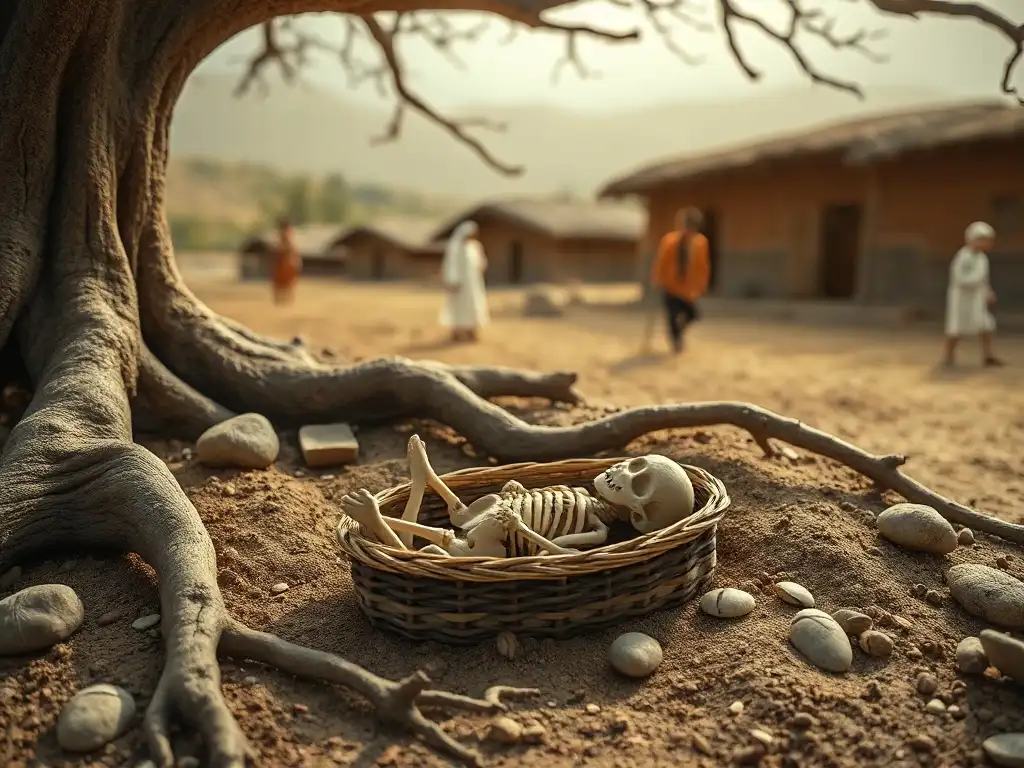
The Valdivia culture, flourishing along the coast of present-day Ecuador from approximately 3500 to 1800 BCE, left behind a compelling archaeological record, including intriguing evidence of elaborate child burial rituals. These rituals, far from being simple interments, represent a complex interplay of beliefs about the afterlife, societal structures, and the high mortality rates experienced by the Valdivian people.
Understanding these practices offers invaluable insights into the worldview and social organization of this early Andean civilization. The careful placement of grave goods, the specific postures of the interred children, and the location of the burials themselves all point towards a deeply meaningful and ritualistic approach to dealing with the death of children.
Analysis of these "Valdivia child burial rituals" reveals a society grappling with life's fragility and expressing its beliefs through carefully orchestrated funerary practices. The sheer number of child burials discovered suggests that these weren't exceptional events but rather a significant aspect of Valdivian life and death.
Beliefs About the Afterlife in Valdivia Culture
The limited textual evidence available from the Valdivia period necessitates reliance on archaeological findings to decipher their beliefs regarding the afterlife. The presence of grave goods, such as intricately crafted pottery, shell ornaments, and even food remains, suggests a belief in a continued existence after death, where the deceased would require provisions for their journey. The careful selection and placement of these artifacts indicate a deliberate effort to equip the child for this afterlife, possibly reflecting specific beliefs about the nature of the other world and the requirements for a successful transition.
Furthermore, the consistent orientation of bodies and the positioning of grave goods might hint at a structured cosmology or a specific understanding of the relationship between the living and the dead. For example, the frequent inclusion of miniature pottery vessels could symbolize provisions for a journey to a spirit world or offerings to appease ancestral spirits.
Further research, including detailed analysis of the chemical composition of food remains, could shed more light on these intriguing aspects of Valdivian spiritual life. This research into "Valdivia child burial rituals" and the associated artifacts promises to deepen our understanding of their beliefs.
Child Mortality and its Impact on Rituals
High infant and child mortality rates were likely a pervasive reality in the Valdivia culture, as in many pre-industrial societies. The prevalence of child burials in the archaeological record strongly supports this hypothesis. The sheer number of these burials, compared to adult burials, underscores the significant impact child death had on Valdivian families and communities.
The elaborate nature of some of these burials, despite the presumed high frequency of child deaths, suggests that each loss was deeply felt and merited a ritualistic response, rather than a simple disposal. This could indicate a strong emphasis on family bonds and the importance of children within the social structure. Further research is needed to determine if there were variations in burial practices based on the age of the child at death, potentially reflecting differing beliefs about the soul's journey at various developmental stages.
The study of skeletal remains for signs of disease or malnutrition could also provide valuable insights into the causes of mortality and their relation to burial practices. The high prevalence of "Valdivia child burial rituals" highlights the profound impact of child mortality on their society.
While determining social status in a pre-literate society like the Valdivia presents challenges, variations in burial practices may offer clues. The presence or absence of grave goods, the quality of the pottery, and the location of the burial within a cemetery could all potentially reflect social distinctions. However, it's crucial to note that the interpretation of these factors requires cautious consideration of other variables, such as the age of the deceased and the overall context of the burial site.
For example, a child buried with relatively few grave goods might not necessarily reflect a lower social standing but could instead reflect the age of the child or the prevailing cultural norms. It is possible that, even within the context of high child mortality, certain children were afforded more elaborate burials, suggesting the existence of social hierarchy, even within the pediatric population.
More research is needed to determine if "Valdivia child burial rituals" reflect social differences or simply variations in practices related to age and circumstance. A systematic comparison of burial goods and grave contexts across multiple Valdivia sites is crucial to establish any reliable correlation between burial practices and social status.
Insights from Archaeological Discoveries of Valdivia Child Burials
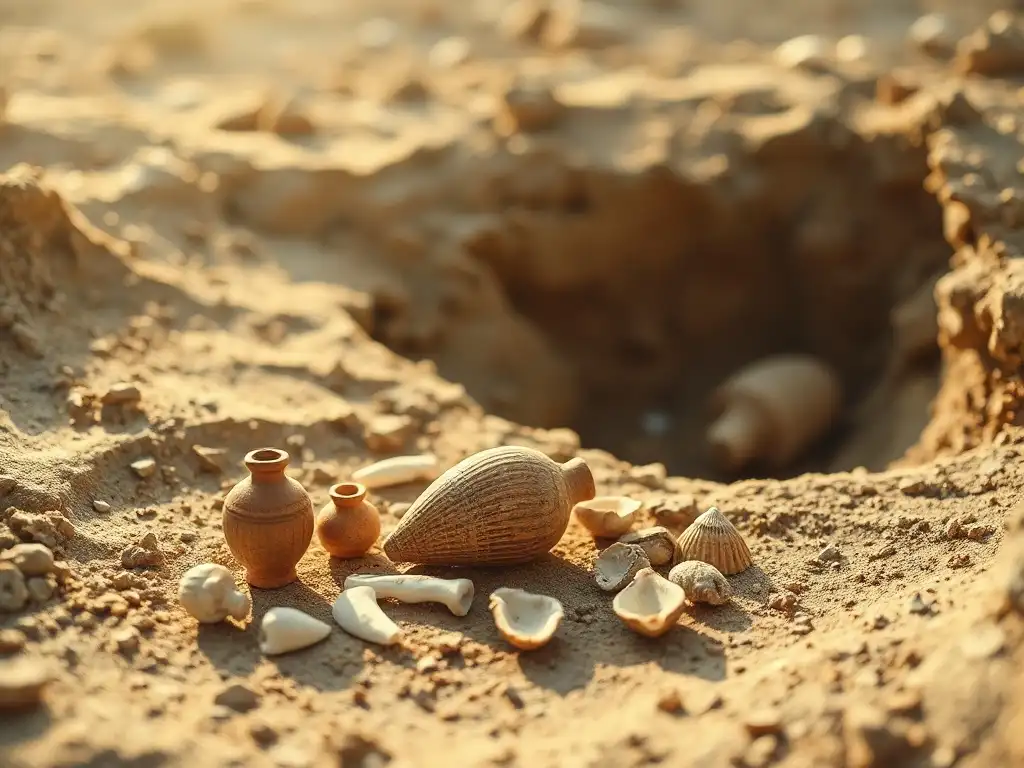
This section delves into the fascinating world of Valdivia child burial rituals, examining the archaeological evidence that sheds light on the beliefs and practices of this early South American culture. Understanding these rituals provides crucial insights into the social structures, worldview, and daily life of the Valdivia people. The careful excavation and analysis of burial sites have revealed a complex tapestry of funerary practices, challenging previously held assumptions and offering a more nuanced understanding of Valdivia society.
The meticulous work of archaeologists has unearthed invaluable data, allowing us to reconstruct aspects of their beliefs about life, death, and the afterlife. The unique characteristics of Valdivia child burials, compared to adult burials, highlight the special significance attributed to children within their social fabric.
The careful placement of grave goods, the orientation of the bodies, and the context of the burial sites themselves all contribute to a richer understanding of Valdivia culture. The study of Valdivia child burial rituals offers a powerful lens through which to explore the complexities of this formative Andean civilization.
Specific Burial Sites and Their Significance: Real Alto and Loma Alta
The most informative Valdivia child burial sites are Real Alto and Loma Alta. These locations, though geographically distinct, exhibit striking similarities in burial practices, suggesting a degree of cultural homogeneity across the Valdivia region. At Real Alto, archaeologists have unearthed numerous child burials, often interred with carefully selected grave goods.
These artifacts, including miniature pottery vessels, shell ornaments, and even small stone tools, provide clues to the roles and status of children within the community. The careful placement of these objects suggests a belief in an afterlife, with children prepared for a continued existence beyond the physical realm. The meticulous nature of the burials also points towards a structured, ritualistic approach to death, emphasizing the importance of proper funerary rites.
Loma Alta, on the other hand, presents a slightly different picture. While similar grave goods are found, the overall context of the burials suggests a potentially more diverse range of practices. Some burials at Loma Alta indicate a greater emphasis on the symbolic aspects of death, while others seem to reflect more pragmatic approaches to the disposal of the deceased.
This variation within a single site highlights the complexity of Valdivia funerary practices and suggests the possibility of regional or social variations within the broader Valdivia culture. Further research is needed to fully understand the nuances of these differences, but the comparative study of Real Alto and Loma Alta provides a valuable starting point for understanding the diversity and complexity of Valdivia child burial rituals. The careful documentation and analysis of these sites are crucial in reconstructing a more accurate picture of Valdivia society.
Analysis of Skeletal Remains: Evidence of Diet and Health
Analysis of skeletal remains from Valdivia child burials provides valuable insights into the diet and overall health of the population. Isotopic analysis of bone samples can reveal details about the children's diets, indicating the types of food they consumed and their access to various resources. For example, the presence of specific isotopes might suggest a reliance on marine resources or a predominantly agricultural diet. This information is crucial for understanding the subsistence strategies employed by the Valdivia people and the role of children within these strategies.
Further analysis of skeletal remains can also reveal evidence of disease and malnutrition. The presence of skeletal lesions or other indicators of illness can provide insights into the health challenges faced by Valdivia children and the overall health of the population. Such findings can help researchers better understand the environmental conditions and living standards during the Valdivia period.
The prevalence of certain diseases or nutritional deficiencies can also provide clues to the social organization and the distribution of resources within the community. [Specific data on the prevalence of diseases and nutritional deficiencies in Valdivia children pending]. A detailed study of these skeletal remains, combined with other archaeological evidence, offers a holistic perspective on the lives and experiences of Valdivia children.
What Valdivia Child Burials Tell Us About Their Society
The study of Valdivia child burial rituals offers a unique window into the social organization and worldview of this ancient culture. The careful preparation and placement of the deceased, along with the inclusion of grave goods, suggest a belief in an afterlife and a structured social hierarchy.
The types and quantity of grave goods found with child burials can reflect the status of the child's family, providing insights into social stratification within Valdivia society. The presence of miniature pottery vessels, for example, might indicate a belief in providing children with the necessary tools and possessions for their journey into the afterlife.
Furthermore, the consistent presence of child burials in many Valdivia sites underscores the significant role of children within their communities. The meticulous nature of these burials, compared to those of adults, suggests that children held a special place in Valdivia society, perhaps reflecting their importance in the continuation of the lineage or their perceived spiritual significance. The analysis of Valdivia child burial rituals, therefore, provides invaluable information about the social structures, beliefs, and worldview of this early Andean civilization.
It challenges the notion of a simple, homogenous society and reveals a culture rich in complexity and symbolism. Further research and comparative studies with other contemporary cultures will continue to deepen our understanding of the fascinating world of the Valdivia people and their unique approach to life and death.
Comparing Valdivia Child Burial Rites with Other Andean Cultures
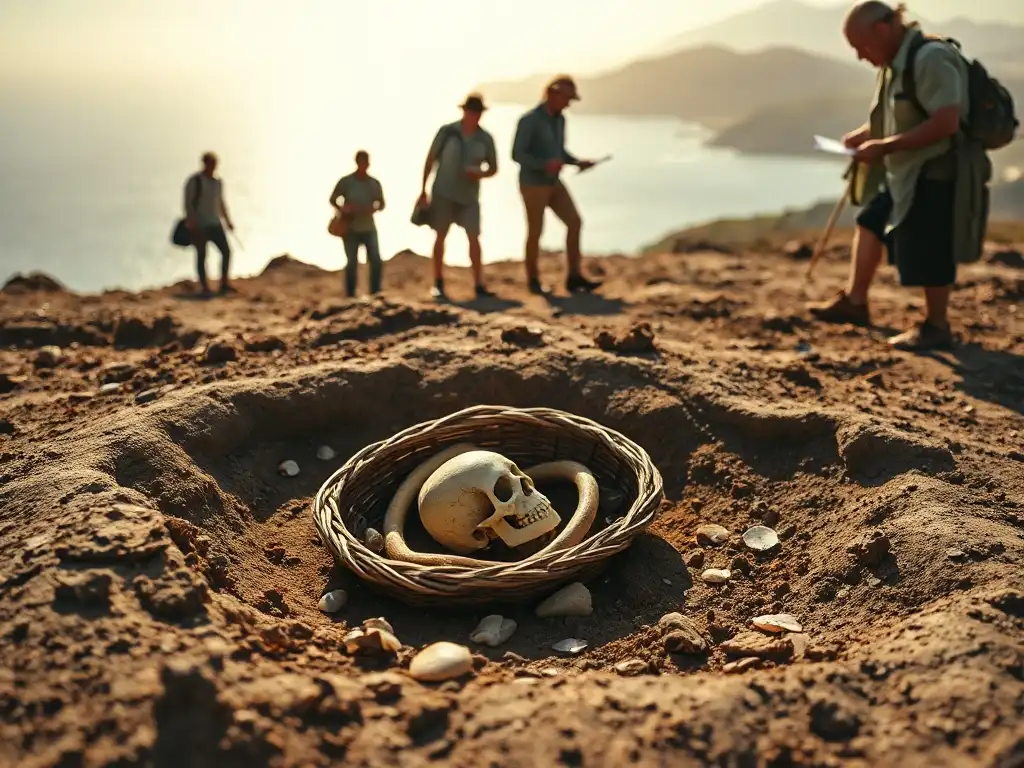
Similarities and Differences with other Pre-Incan Child Burial Practices
The Valdivia culture, flourishing along the Ecuadorian coast from approximately 3500 to 1800 BCE, presents a fascinating case study in early Andean mortuary practices. While distinct in many ways, their child burial rituals share some intriguing parallels with other contemporaneous and later Pre-Incan cultures. A key similarity lies in the importance placed on the burial of infants and young children. Across various Andean societies, the death of a child was clearly a significant event demanding specific ritual attention, reflecting the societal value placed on children and their potential contributions to the community.
However, the specific rituals varied considerably. For instance, while some cultures, like the later Moche, practiced elaborate child sacrifices, there's no definitive evidence suggesting similar practices within the Valdivia culture. Instead, Valdivia child burials often involved simpler interments, sometimes accompanied by grave goods such as shell ornaments or pottery fragments – a stark contrast to the opulent grave goods frequently associated with elite Moche child burials.
The scarcity of evidence regarding the Valdivia's social stratification makes it difficult to determine whether these differences reflect class distinctions. Further research is needed to fully understand the social context surrounding Valdivia child burials and to compare it with the more extensively documented practices of later Andean cultures.
We can create a simple table to highlight these contrasts:
| Feature | Valdivia Child Burials | Moche Child Burials (Example) |
|---|---|---|
| Scale of Ritual | Relatively simple, less elaborate | Often elaborate, sometimes sacrificial |
| Grave Goods | Sparse: shell ornaments, pottery fragments | Abundant: gold, silver, textiles, etc. |
| Evidence of Sacrifice | None definitively confirmed | Evidence of ritual sacrifice exists |
| Social Context | Uncertain, further research needed | Often linked to elite status |
The differences likely reflect a variety of factors, including technological capabilities, social organization, and religious beliefs that evolved over time and across different geographical regions. The Valdivia culture's coastal location also likely played a role in shaping its unique mortuary traditions, influencing the types of materials used in burial practices.
The Unique Aspects of Valdivia Mortuary Rituals
The Valdivia child burial rituals possess several unique characteristics that set them apart from other Andean cultures. One striking feature is the apparent lack of evidence for large-scale cemeteries or organized burial grounds. While some sites have yielded multiple burials, these are often scattered, suggesting a more individualized approach to interment compared to the planned cemeteries found in later Andean societies. This may indicate a difference in population density or beliefs about the sacredness of specific locations. Further research into settlement patterns could illuminate this aspect.
Another distinguishing factor is the relatively simple nature of the grave goods associated with Valdivia child burials. While the presence of shell ornaments and pottery fragments suggests some level of ritual significance, the absence of elaborate offerings contrasts sharply with the opulent burials of elite children in later Andean cultures. This simplicity might reflect differences in material culture, economic resources, or spiritual beliefs. It's also possible that perishable organic materials, which may have accompanied the burials, have not survived the passage of time. Archaeological excavation techniques and preservation methods significantly influence what survives to be discovered today.
Furthermore, the limited number of excavated Valdivia child burials makes it challenging to draw definitive conclusions about their mortuary practices. While existing data provides valuable insights, a larger sample size would be needed to gain a more comprehensive understanding of the variations and patterns in Valdivia child burial rituals. The ongoing nature of archaeological research in the Valdivia region holds the promise of uncovering more evidence to enrich our knowledge of this fascinating culture.
The discovery of new burial sites and the application of advanced analytical techniques could significantly contribute to our understanding of Valdivia child burial rituals and their place within the broader context of Andean mortuary traditions. 🧐
Conclusion: The Enduring Legacy of Valdivia Child Burial Practices
The Valdivia culture, flourishing along the Ecuadorian coast millennia ago, left behind a complex and fascinating legacy, particularly evident in their unique child burial practices. These rituals, far from being simple interments, reveal a sophisticated understanding of life, death, and the cosmos.
The careful placement of grave goods, the selection of burial sites, and the apparent ritualistic aspects of the burials all speak to a deep-seated belief system that continues to intrigue and challenge archaeologists today. Understanding these "Valdivia child burial rituals" provides a crucial window into the social structures, beliefs, and worldview of this formative Andean civilization.
The meticulous attention to detail in these burials suggests a society with a strong sense of community and shared values, where even the youngest members held significant social and spiritual importance. The insights gained from studying these practices offer valuable perspectives on the evolution of Andean mortuary traditions and their influence on subsequent cultures.
The Importance of Studying Valdivia Mortuary Practices
The study of Valdivia child burial rituals is essential for several reasons. Firstly, it provides invaluable data on the demographic structure of the Valdivia population. Analyzing the age and sex of the interred children, along with the presence of any congenital anomalies, can offer insights into infant and child mortality rates, health conditions, and overall population dynamics. This data can then be compared with findings from other contemporaneous cultures, allowing for broader interpretations of societal health and environmental factors.
Secondly, the analysis of grave goods sheds light on the social and economic organization of the Valdivia. The types and quantities of artifacts buried with children provide clues about social stratification, gender roles, and the transmission of cultural knowledge across generations. For example, the presence of miniature tools or pottery might suggest the importance of early childhood socialization into specific roles within the community. Finally, the careful examination of burial contexts—the positioning of bodies, the arrangement of grave goods, and the type of burial site—allows us to reconstruct aspects of Valdivia cosmology and religious beliefs.
The deliberate placement of certain objects might indicate beliefs about the afterlife, ancestor veneration, or the relationship between the living and the dead. Understanding these aspects allows us to paint a more complete picture of Valdivia society and its place within the broader trajectory of Andean cultural development. The meticulous nature of these "Valdivia child burial rituals" highlights the significance placed on these young lives within their community.
Further Research and Unanswered Questions About Valdivia Burials
Despite significant progress in understanding Valdivia child burial practices, many questions remain unanswered. Further research is crucial to refine our understanding of these complex rituals. For instance, more detailed analysis of the skeletal remains using advanced techniques such as isotopic analysis could reveal dietary habits and migration patterns, adding another layer of understanding to the lives of these children. Furthermore, a more comprehensive survey of Valdivia burial sites is necessary to build a larger and more representative sample size.
The current data, while significant, is limited geographically and chronologically, potentially hindering a complete understanding of the variability in burial practices across different Valdivia communities and time periods. Additionally, advanced imaging techniques could provide non-destructive analysis of the grave goods, potentially revealing intricate details previously missed. The application of new technologies and interdisciplinary approaches will undoubtedly contribute to a more nuanced and comprehensive understanding of the symbolic meaning embedded within these intriguing "Valdivia child burial rituals".
🔎 The ongoing exploration of these practices promises to unveil more secrets of this enigmatic ancient culture, enriching our knowledge of early Andean societies and their enduring legacy. The meticulous nature of the burial process, coupled with the enigmatic artifacts, underscores the rich tapestry of belief systems and social structures that characterized the Valdivia. Further study into this fascinating area is crucial to unlocking the complete story of the Valdivia culture and their unique approaches to life and death.
Frequently Asked Questions
What were the Valdivia people known for?
The Valdivia culture is renowned for its early pottery, particularly its unique figurines, and its sophisticated social organization, predating other significant Andean cultures. They are also known for their coastal adaptation.
What is the significance of child burials in Valdivia culture?
Valdivia child burials provide crucial insights into their beliefs about life and death, and potentially their social structures. The careful placement of grave goods suggests ritualistic practices surrounding death.
What kind of grave goods were typically found with Valdivia child burials?
Burials often included miniature pottery vessels, shell ornaments, and other artifacts, reflecting the child's potential status or the community's beliefs about the afterlife. The presence of specific objects may indicate rituals.
How do Valdivia child burial rituals compare to those of later Andean cultures?
While further research is needed, preliminary findings suggest that some elements of Valdivia burial practices may have influenced or presaged those of later Andean cultures, particularly concerning the treatment of children in funerary contexts.
Where can I learn more about Valdivia child burial rituals?
You can explore scholarly articles and books on Early Formative Period archaeology in Ecuador, focusing on the Valdivia culture. Museums with Valdivia collections also offer valuable information.
Final Reflection: Echoes of the Valdivia Children: A Legacy of Ritual and Remembrance
The meticulous study of Valdivia child burials offers a poignant glimpse into a vanished civilization, revealing not just funerary practices but a complex societal structure deeply intertwined with the spiritual world. These ancient rituals, far from being mere historical artifacts, resonate powerfully with contemporary understandings of life, death, and the enduring human need to commemorate our loved ones. The meticulous care taken in these burials speaks volumes about the value placed on children within Valdivian society, challenging our modern assumptions about childhood and mortality.
The enduring power of these rituals lies in their ability to transcend time, prompting us to reflect on our own cultural practices surrounding death and remembrance. The careful placement of grave goods, the deliberate positioning of the bodies, and the evident emotional investment in these burials speak to a profound connection between the living and the dead, a connection that continues to fascinate and inspire anthropologists and archaeologists today. The past is never dead. It's not even past.
- William Faulkner. This quote perfectly encapsulates the ongoing relevance of the Valdivia child burials; they are not simply relics of the past, but active participants in shaping our understanding of the human experience across millennia.
Consider the implications of these findings. How do the Valdivia rituals compare to your own cultural traditions surrounding death and remembrance? What does the meticulous care shown to these children tell us about the values and beliefs of their society? Take a moment to reflect on the enduring power of ritual and the importance of honoring our ancestors, regardless of the passage of time. Let the echoes of the Valdivia children inspire you to explore your own connection to the past and to consider the legacy you will leave behind.
Unveil the Mysteries of the Valdivia Culture!
Thank you for exploring the fascinating world of Valdivia child burials! You've gained valuable insight into the rituals surrounding life and death in this ancient Andean civilization. Now, let's delve even deeper into this remarkable topic.
Here are some suggestions for further exploration:
- **Learn more** about the Valdivia culture by exploring related articles on our website. Discover the artistry, beliefs, and daily life of this incredible civilization!
- **Join** our community discussions! Share your thoughts on the significance of these burial rituals by commenting below or participating in our forums. We'd love to hear your perspectives.
- **Visit** local museums or exhibitions featuring Andean artifacts. Seeing these ancient practices represented in physical artifacts can bring a new dimension to your understanding.
Which aspect of the Valdivia burial rituals most intrigues you, and how do you think they reflect broader themes in human societies and cultures? We encourage you to share your thoughts!