
Huari Political Organization: How Did They Maintain Stability?

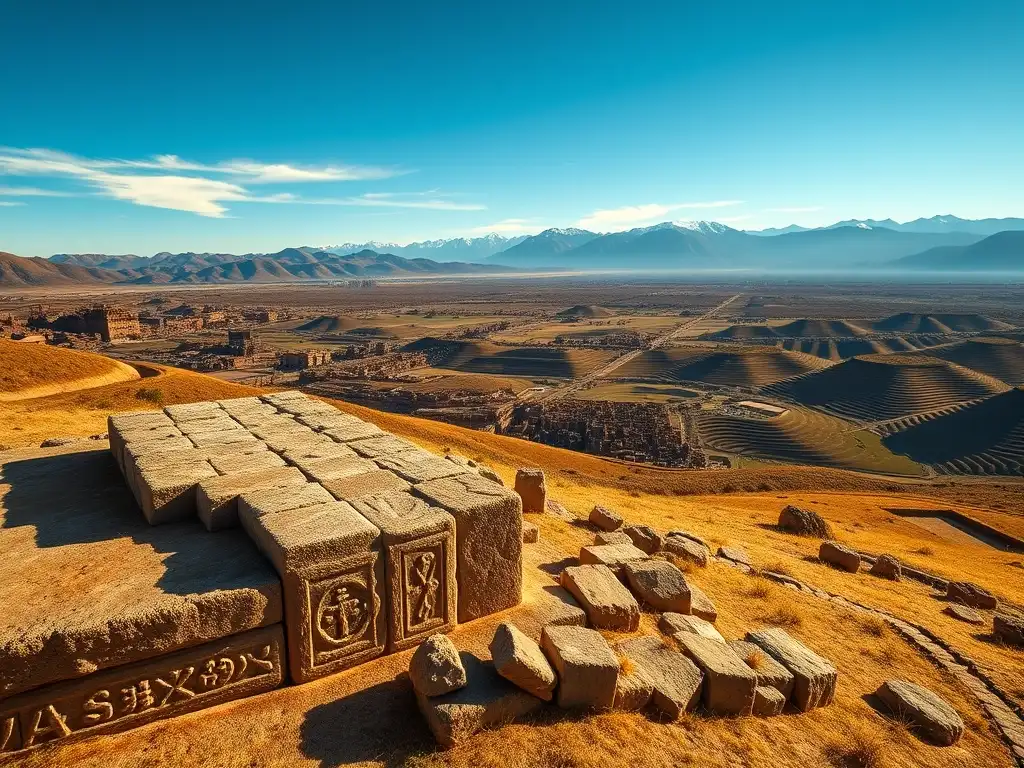
Dive into the enigmatic world of the Andes! Prepare to unravel the mysteries of ancient empires, from the intricate artistry of the Nazca to the sophisticated engineering of the Inca. But first, let's confront a puzzle that has captivated historians for centuries: the Huari empire political structure. How did this powerful, pre-Inca civilization maintain stability across such a vast and diverse landscape? Discover the answers and much more as we journey through the fascinating history and legacy of the Andean civilizations.
The Huari empire, a powerful pre-Inca civilization that flourished in the Andes between the 7th and 12th centuries CE, remains a fascinating enigma for historians and archaeologists. Its vast territorial control, encompassing a diverse landscape and population, raises fundamental questions about its political organization and the mechanisms it employed to maintain stability across such a wide expanse. Understanding the Huari empire's political structure is crucial to comprehending its remarkable success and eventual decline.
This article delves into the intricacies of Huari political organization, exploring the strategies and systems they implemented to manage their expansive empire and ensure its longevity. We will examine evidence from archaeological findings, analyzing settlement patterns, administrative structures, and the potential role of ideology in solidifying their power and maintaining social order, all while focusing on the keyword "Huari empire political structure" and its semantic variations.
The Evidence: Archaeological Insights into Huari Administration
Archaeological excavations across the Huari heartland and its peripheral regions offer crucial insights into the empire's political structure. The discovery of standardized architecture, including monumental structures and administrative centers, suggests a highly centralized system. These sites, often located strategically within the landscape, likely served as centers for resource management, tribute collection, and the dissemination of imperial ideology.
For example, the consistent use of specific architectural styles and building materials across vast distances points towards a coordinated, top-down approach to construction and urban planning. Further investigation is needed to fully understand the exact administrative functions of these sites, but preliminary data strongly suggests a complex network of interconnected administrative centers. Detailed analysis of pottery styles and iconography also reveals regional variations within a broader framework of imperial standardization, hinting at a complex system of regional governance.
Centralized Control vs. Regional Autonomy: A Balancing Act?
The Huari empire's political organization likely involved a delicate balance between centralized control and regional autonomy. While evidence points to a strong central authority, expressed through standardized architecture and administrative practices, the presence of regional variations in material culture suggests that local traditions and governance structures weren't entirely suppressed. This may have been a deliberate strategy to manage the diversity of the empire and maintain stability.
The empire's vast territory encompassed diverse ecological zones and pre-existing political entities, each with its unique cultural characteristics. The Huari likely adapted their administrative strategies to accommodate these variations, allowing for some degree of local autonomy while maintaining overall imperial control. Further research focusing on the relationship between the central authority and regional elites is crucial to fully understand this complex dynamic.
The Role of Ideology and Symbolism in Maintaining Order
The Huari empire likely relied on more than just military might and administrative efficiency to maintain stability. The strategic use of ideology and symbolism played a vital role in consolidating power and fostering a sense of unity across the diverse population. Analysis of Huari iconography, including the use of specific motifs and symbols in textiles, pottery, and monumental architecture, reveals the potential propagation of a unified imperial ideology.
This ideology may have served to legitimize Huari rule, fostering a sense of shared identity and loyalty among the diverse groups within the empire. The standardization of certain artistic motifs across vast distances further underscores the importance of ideology in forging a sense of imperial unity. However, more research is needed to determine the specific nature of this ideology and its impact on social cohesion.
The Collapse of the Huari Empire: Lessons from Instability
The Huari empire's eventual collapse, around the 12th century CE, provides valuable insights into the fragility of even the most powerful political systems. While the exact causes remain a subject of debate, factors such as internal conflicts, environmental changes, and the rise of competing power centers likely contributed to its downfall. Understanding the factors that led to the Huari empire's disintegration is crucial for gaining a more comprehensive understanding of the complexities of imperial governance and the challenges of maintaining stability over a long period.
The study of the Huari empire's collapse serves as a cautionary tale, highlighting the importance of adaptability, effective resource management, and social cohesion in ensuring the longevity of any political entity. Analyzing the evidence of the empire's final years offers valuable lessons applicable to the study of other ancient empires.
- The Evidence: Archaeological Insights into Huari Administration
- Centralized Control vs. Regional Autonomy: A Balancing Act?
- The Role of Ideology and Symbolism in Maintaining Order
- The Collapse of the Huari Empire: Lessons from Instability
Understanding the Huari Empire's Political Foundations
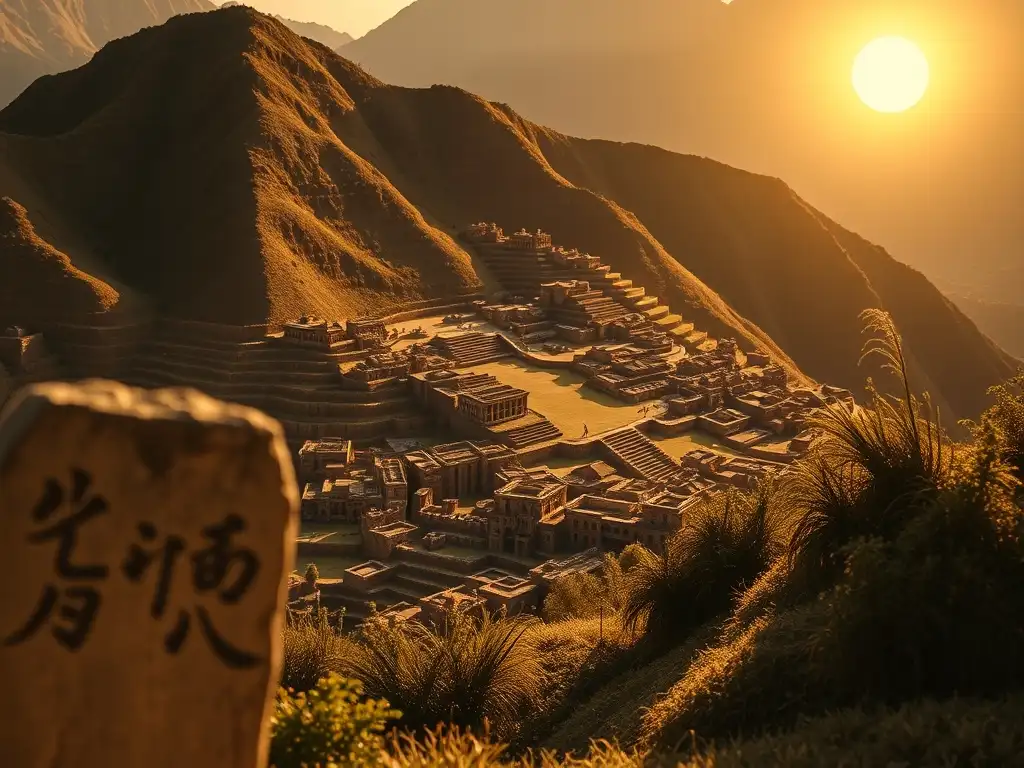
The Huari empire, a significant pre-Inca civilization flourishing in the Andes from approximately 600 to 1000 CE, presented a complex and sophisticated political structure. Understanding their ability to maintain stability across a vast and diverse territory requires examining their organizational strategies, administrative systems, and the ideological underpinnings that cemented their power.
This wasn't simply a matter of military might; the Huari's success stemmed from a multifaceted approach to governance, integrating control with cultural influence. The Huari empire political structure was far from monolithic; instead, it was a dynamic system adapting to the specific needs of different regions and populations under its sway.
This section delves into the key elements that contributed to the Huari's remarkable political stability, focusing on the factors that enabled them to effectively govern such a large and diverse realm. The very nature of their political organization is crucial to understanding their lasting impact on the Andean region.
The Rise of the Huari: A Need for Organized Governance
The expansion of the Huari state necessitated a robust and adaptable political system. Prior to their dominance, the central Andes were characterized by a multiplicity of smaller, independent polities. The Huari's rise to power was not a swift conquest but a gradual process of integration and assimilation. This process inherently required a sophisticated approach to governance.
Evidence suggests that the Huari utilized a strategy of incorporating conquered territories into their administrative structure, rather than simply imposing their rule through brute force. This approach minimized resistance and facilitated the smooth flow of resources and manpower. The need to manage diverse populations, coordinate infrastructure projects (such as irrigation systems and road networks), and maintain control over a wide geographical area spurred the development of a highly organized political system.
Archaeological findings, such as standardized pottery styles and architectural designs across vast distances, point towards a centralized authority capable of implementing and enforcing widespread policies. The Huari's success in achieving and maintaining this level of control underscores the effectiveness of their political organization. Further research into [specific Huari administrative records pending] could shed more light on the specifics of their early governance strategies.
Key Elements of the Huari Political System
The Huari political system was characterized by several key elements contributing to its stability. These include:
- Centralized Administration: A strong central authority, likely located in the capital city of Huari (near modern Ayacucho, Peru), oversaw the empire's administration. This central government likely delegated authority to regional governors or administrators, ensuring effective governance across the vast territory. The extent of this delegation and the precise mechanisms of control remain areas of ongoing research. 🤔
- Standardized Infrastructure: The construction of extensive road networks, irrigation systems, and standardized architecture points towards a centralized planning and execution capacity. These projects not only facilitated trade and communication but also served to visually represent the power and reach of the Huari state. The uniformity in design across different regions suggests a deliberate effort to project a sense of unity and shared identity within the empire. This standardization also likely played a role in streamlining administrative functions.
- Control of Resources: The Huari empire controlled vital resources such as agricultural land, water, and minerals. This control allowed them to exert influence over their subject populations and maintain economic stability. They may have implemented systems of tribute or taxation to ensure a steady flow of resources to the capital. Further research is needed to fully understand the specific mechanisms of resource management within the Huari empire. [Details on Huari taxation systems pending].
- Ideological Control: Beyond material control, the Huari likely employed ideological strategies to maintain their rule. The prevalence of standardized iconography and religious practices across the empire suggests a deliberate effort to create a shared cultural identity. This could have involved the promotion of specific religious beliefs or the imposition of standardized artistic styles. This cultural unification could have served to legitimize Huari rule and foster a sense of unity among diverse populations. The role of religion in consolidating Huari power warrants further investigation. 🙏
The Huari empire's political structure, a complex interplay of centralized authority, standardized infrastructure, resource control, and ideological influence, provides a fascinating case study in ancient Andean governance. While many questions remain unanswered, the available evidence points towards a sophisticated and remarkably effective system that enabled the Huari to maintain stability and control over a vast and diverse empire for centuries. The legacy of their political innovations continues to shape our understanding of Andean civilization.
The Huari Administrative Structure: Centralized Power
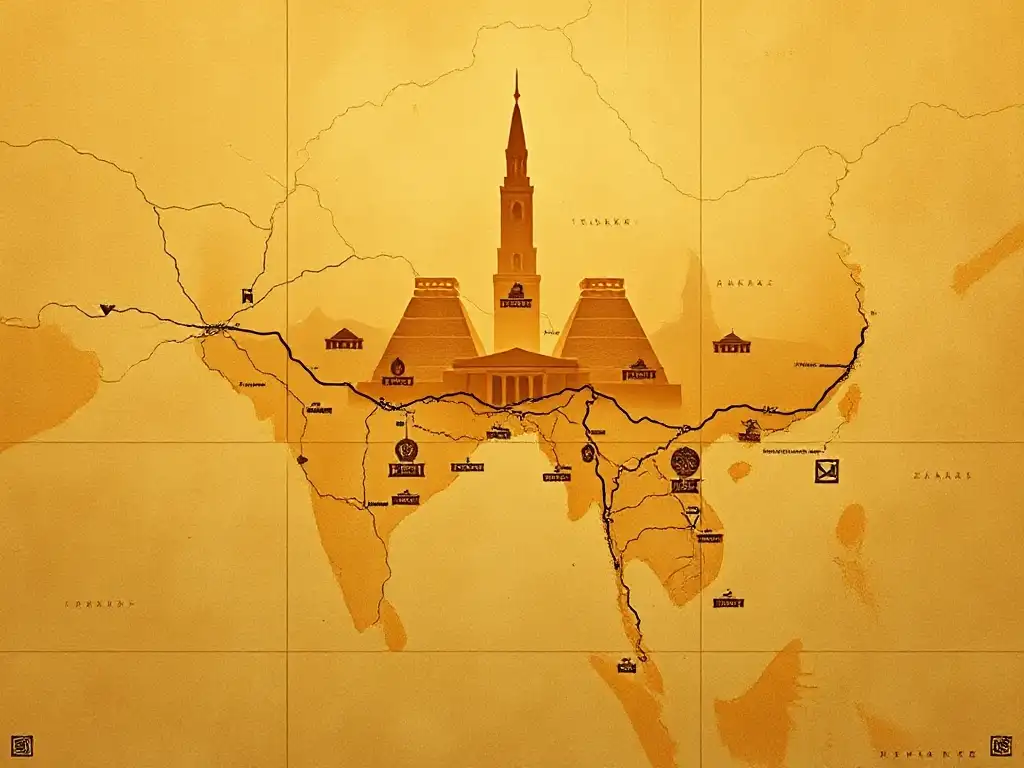
The Huari empire, flourishing between 600 and 1200 CE in the Andes, presented a sophisticated political organization crucial to its expansion and longevity. Unlike its predecessors, the Huari didn't rely solely on kinship ties for control. Instead, they implemented a highly centralized system, radiating power from a core capital and extending influence through a network of regional centers.
This intricate Huari empire political structure facilitated efficient resource management, tribute collection, and the standardization of cultural practices across a vast and diverse territory. Understanding this administrative structure is key to comprehending the empire's remarkable stability and influence.
The success of this system hinged on several key elements: strategic placement of administrative centers, a complex bureaucratic system, and – though evidence is limited – likely a sophisticated form of record-keeping. The scale of the Huari empire's infrastructure projects, such as extensive road networks and irrigation systems, further underscores the centralized nature of its political power.
The Role of the Huari Capital: Pikillaqta
Pikillaqta, located near present-day Cusco, served not only as the Huari capital but also as the central hub of their administrative network. Archaeological evidence suggests a planned city layout, indicative of meticulous urban planning and centralized control. The city's architecture, featuring standardized building styles and materials across different sectors, demonstrates a deliberate effort to create a unified and imposing image of imperial power.
The layout likely facilitated efficient distribution of resources and communication with various administrative branches. Furthermore, the strategic location of Pikillaqta, situated within a fertile valley and near important trade routes, provided a logistical advantage for managing the empire's vast resources and population. The capital's monumental architecture likely served not only as a center of power, but also as a powerful symbol of the Huari's authority and legitimacy to its subjects.
While much remains to be discovered about the daily functioning of Pikillaqta, the available evidence strongly suggests its pivotal role in the empire's centralized governance. It wasn't merely a seat of power; it was the engine room of the Huari administrative machine.
Regional Centers and Provincial Administration in the Huari Empire
The Huari empire's vast territory wasn't governed directly from Pikillaqta. Instead, the empire employed a system of strategically placed regional centers that acted as provincial capitals. These centers, often located in fertile valleys or near crucial resources, facilitated the administration of subordinate regions.
Archaeological findings reveal a pattern of standardized architecture and urban planning in these regional centers, mirroring the style of Pikillaqta but on a smaller scale. This consistency suggests a deliberate policy of imposing imperial control and cultural uniformity across the empire. These regional centers likely housed administrative officials, military garrisons, and specialized craft workshops, playing a crucial role in collecting tribute, managing local populations, and enforcing imperial policies.
The precise organizational structure within these provincial centers remains a subject of ongoing research, but it's clear they were essential components of the Huari's effective governance system. The distribution of these centers, often located at points of strategic importance, showcases a sophisticated understanding of territorial control and resource management. Analysis of these regional centers is crucial to understanding the complexity of the Huari empire's political structure.
Huari Governance: Bureaucracy and Record Keeping
The effective administration of the Huari empire required a sophisticated bureaucracy. While direct evidence of bureaucratic structures is scarce, the scale and complexity of the empire strongly suggest the presence of specialized officials responsible for tasks such as tax collection, resource allocation, and the maintenance of infrastructure. The standardization of architecture, pottery, and other aspects of material culture across the empire points towards a centralized system for controlling production and distribution.
It's likely that these officials were organized in a hierarchical manner, reporting to higher authorities in regional centers and ultimately to the central administration in Pikillaqta. The existence of a system for record-keeping is implied by the complexity of the empire's administration, though the precise methods remain unknown. Speculation ranges from knotted cords (quipus, similar to those used by the Inca) to other forms of written or symbolic record-keeping.
Further research, especially focused on the excavation and analysis of administrative centers, is needed to shed more light on the precise nature of Huari bureaucracy and record-keeping systems. This understanding is vital to fully appreciating the sophisticated nature of Huari governance and its contribution to the empire's stability and longevity. The intricate interplay between centralized power and regional administration, facilitated by a likely sophisticated bureaucracy, represents a remarkable achievement in Andean political organization.
Mechanisms of Control and Integration in the Huari State
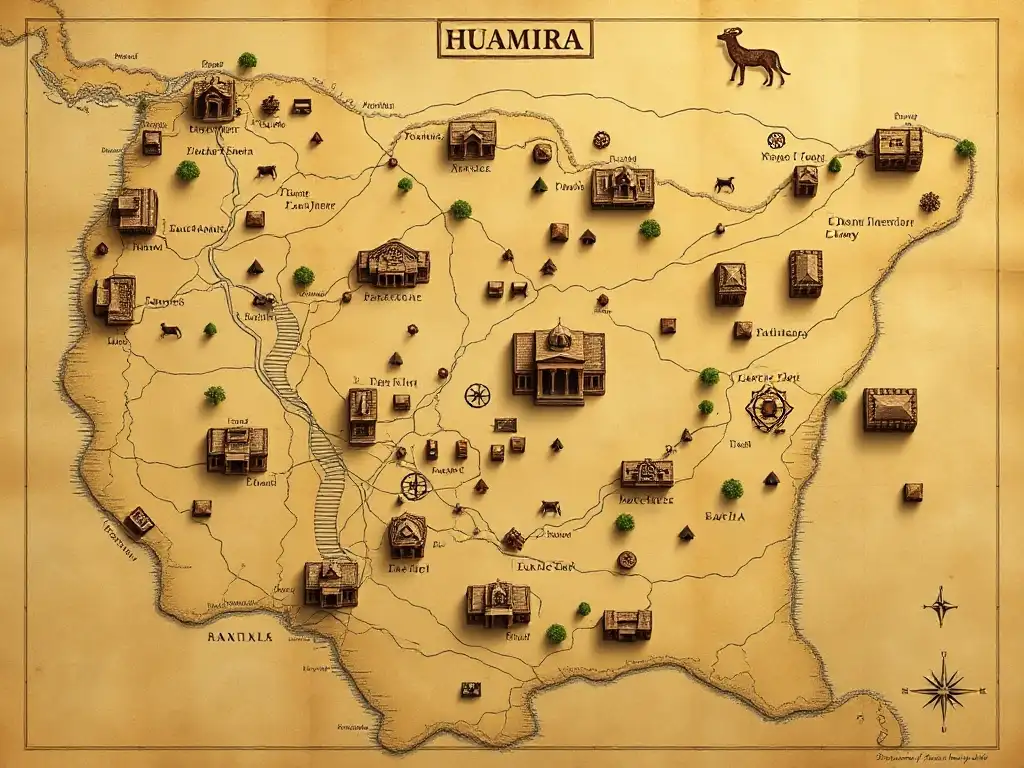
The Huari empire, flourishing between 600 and 1000 CE in the Andes, presented a complex political organization that enabled its remarkable expansion and relative stability over several centuries. Understanding the Huari empire political structure requires examining the multifaceted mechanisms they employed to control and integrate their vast territory. This wasn't achieved through brute force alone; rather, it was a sophisticated system weaving together military might, religious ideology, and shrewd economic management.
The Huari's success lies in their ability to blend these elements effectively, creating a cohesive, albeit arguably oppressive, empire. The following sections delve deeper into the key components of this system, revealing the intricacies of Huari power.
Huari Military Strength and Expansion Strategies
The Huari military was a crucial instrument in establishing and maintaining control over their expansive empire. While precise details about their army's size and composition remain debated amongst scholars, archaeological evidence suggests a well-organized and powerful fighting force. Their expansion wasn't a haphazard process; instead, it involved strategic military campaigns, likely incorporating advanced logistical planning. The construction of extensive road networks, for example, facilitated rapid troop movement and efficient communication across the empire.
The Huari likely employed a combination of strategies, including swift, decisive offensives to subdue rebellious provinces and more protracted campaigns of pacification to integrate conquered territories. The presence of Huari military outposts and administrative centers in conquered regions underscores a deliberate strategy of consolidating power and projecting strength. These outposts were not merely temporary encampments; they represented a long-term commitment to controlling specific areas and suppressing potential uprisings.
The standardization of weaponry and military equipment across the empire further suggests a centralized control over military resources and training. Unfortunately, precise details on the specific tactics and weaponry used by the Huari army are still under investigation, with much research focusing on analyzing recovered artifacts. Further research is needed to completely unravel the full extent of their military capabilities.
Religious Integration and the Cult of the Staff God
Beyond military prowess, the Huari utilized religion as a powerful tool for integrating their diverse population. The cult of the Staff God, a prominent deity depicted in numerous Huari artifacts, played a central role in this process. The widespread dissemination of Staff God iconography across the empire suggests a deliberate effort to promote religious uniformity and foster a sense of shared identity amongst the conquered peoples.
The standardization of religious practices and iconography likely served to unify the diverse cultures within the Huari empire. Temples and religious structures built in a standardized architectural style across the empire further reinforced this sense of unity. It is hypothesized that the Huari elite used religious rituals and ceremonies to legitimize their rule and consolidate power, presenting themselves as divinely appointed rulers.
This strategy skillfully intertwined political authority with religious belief, creating a powerful system of social control. However, the extent to which the conquered populations genuinely embraced the cult of the Staff God or simply practiced it out of compliance remains a topic of ongoing scholarly debate. Further investigation into the religious beliefs of different groups within the Huari empire would provide a more comprehensive understanding of the effectiveness of this integration strategy.
Economic Control and Resource Management by the Huari
The Huari empire's remarkable stability also stemmed from its efficient economic system. The Huari implemented strategies to control and manage resources across their vast territory, ensuring a steady flow of goods and services to support their administrative centers and military. This involved the centralization of key resources, such as textiles, agricultural products, and metals.
Evidence of standardized pottery styles and the widespread distribution of similar types of ceramics across the empire suggests a centralized system of production and distribution. This might indicate state-controlled workshops or a system of tribute from conquered populations. The construction of large-scale irrigation systems and agricultural terraces in various regions showcases the Huari's ability to manage and optimize agricultural production.
Furthermore, the control over vital resources like metals, used in the production of tools and weapons, was essential for maintaining military strength and reinforcing the empire's power. While the exact mechanisms of economic control remain partially unclear, the evidence points to a sophisticated system that ensured the Huari state's economic viability and supported its political authority. Further research into the economic organization of the Huari, specifically the analysis of administrative records (if any survive), would reveal more about their complex economic system.
Infrastructure and Communication Networks of the Huari Empire
The Huari empire's remarkable political stability hinged significantly on its sophisticated infrastructure and communication networks. These weren't merely haphazardly constructed roads; they were strategically planned arteries facilitating the movement of people, goods, and information across vast distances. The construction itself represented a massive undertaking, requiring a highly organized workforce and advanced engineering skills.
Archaeological evidence reveals extensive networks of paved roads, some running hundreds of kilometers, connecting major urban centers and smaller settlements throughout the empire. These roads weren't simply pathways; they were carefully engineered to withstand the harsh Andean terrain, often incorporating impressive feats of civil engineering, such as bridges and retaining walls to navigate challenging landscapes.
The construction of these roads likely involved a complex system of labor organization, possibly incorporating mita systems similar to those later employed by the Inca, where communities contributed labor to state projects. The effectiveness of this system is evidenced by the scale and quality of the infrastructure that remains today.
The importance of these roads extended beyond mere transportation. They facilitated the rapid dissemination of information and the efficient movement of troops, enabling the Huari state to react swiftly to any potential threats or uprisings. The strategic placement of administrative centers along these routes suggests a deliberate attempt to maintain control and monitor activity throughout the empire.
Furthermore, the standardization of architectural styles and pottery across wide geographical areas indicates a degree of cultural and economic integration facilitated by these communication networks. While the precise methods of communication remain partially obscured by the passage of time, it's reasonable to assume that a combination of runners, messengers, and perhaps even early forms of signaling systems were employed to transmit information quickly across the empire. The efficiency of this communication system was crucial for maintaining the cohesion and stability of the Huari state.
Further research into the material culture associated with these roads, such as the types of tools used in their construction and the presence of any waystations or rest stops, could offer further insights into the logistical complexity of maintaining this vital infrastructure. The Huari's ability to build and maintain these extensive networks stands as a testament to their organizational prowess and its critical role in their political success.
The Impact of Huari Political Organization on Andean Societies
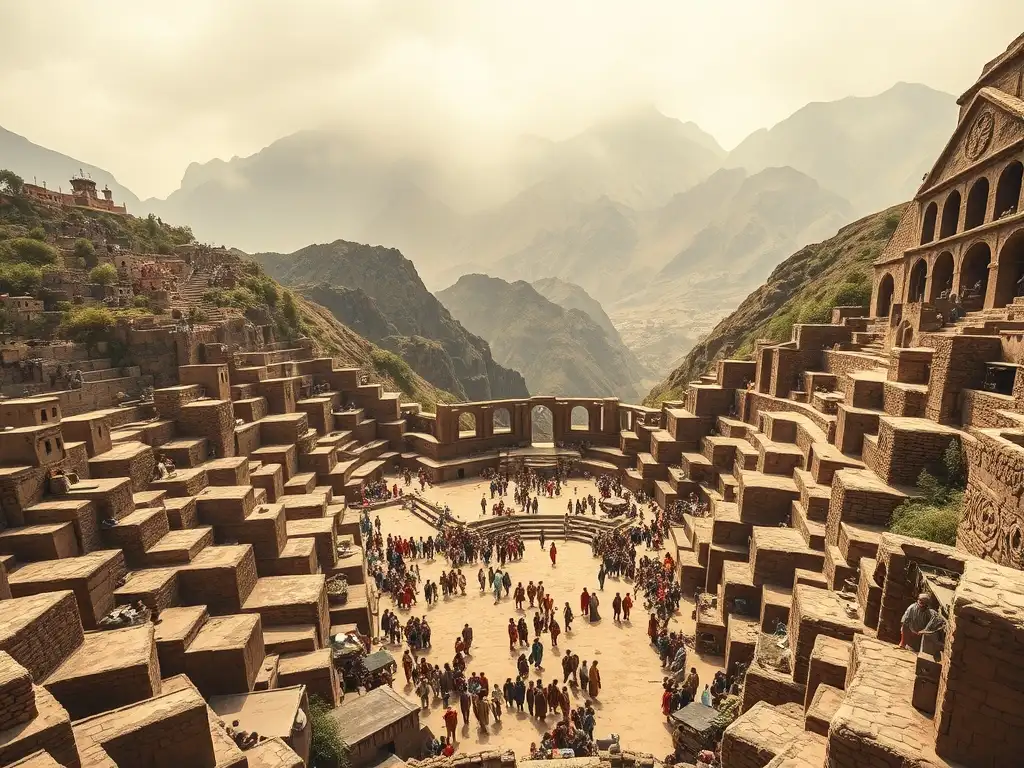
The Huari empire's political organization profoundly impacted Andean societies, leaving an enduring legacy on subsequent cultures and shaping the political landscape for centuries. Understanding this influence requires examining both the direct effects of Huari rule and the long-term consequences of their administrative strategies. The Huari's sophisticated system of control, while imposing, also facilitated a degree of cultural exchange and standardization across a vast territory. This section will delve into the specifics of this impact, exploring both the positive and negative consequences of their political dominance.
Huari Influence on Subsequent Andean Cultures
The collapse of the Huari empire didn't mark the end of its influence. Many aspects of Huari political and administrative structures were adopted or adapted by succeeding Andean cultures, most notably the Inca. For example, the Huari's use of standardized pottery styles and building techniques, indicative of centralized control, found echoes in Inca practices.
The Inca's mita system, a form of mandatory labor service, bears similarities to potential Huari labor organization, suggesting a possible lineage. Further research is needed to fully quantify the degree of direct influence versus independent development of similar systems. However, the similarities are striking and suggest a continuity of administrative thought.
Evidence suggests that the sophisticated road networks and administrative centers established by the Huari facilitated easier communication and trade for later civilizations, laying the groundwork for future expansions and consolidations of power within the Andes. The Huari's success in integrating diverse groups, albeit through forceful means, offered a model—albeit a problematic one—for future empires seeking to unify disparate Andean communities.
Huari Legacies in Political Administration
The Huari empire's administrative innovations were remarkable for their time. While the exact mechanisms of their political system remain partially enigmatic, archeological evidence suggests a sophisticated bureaucratic structure. This involved the establishment of administrative centers strategically located throughout the empire, facilitating effective communication and resource management.
These centers, often characterized by monumental architecture and standardized urban planning, served as hubs for collecting tribute, distributing goods, and maintaining control over outlying regions. The standardization of weights and measures, observed in Huari artifacts, further suggests a degree of economic control and regulation. This centralized approach to administration, while potentially oppressive to conquered populations, allowed for a degree of efficiency and stability previously unseen in the Andean region.
The Huari's legacy in political administration is evident in the later development of more centralized and bureaucratic states in the Andes, showcasing the lasting impact of their innovations, even after their decline. The precise details of their tax collection methods remain a topic of ongoing scholarly debate, however, the overall impact of their administration on subsequent empires is undeniable.
Analysis of Huari Political System's Strengths and Weaknesses
The Huari political system, while undeniably successful in establishing a large and relatively stable empire, was not without its flaws. One of its greatest strengths lay in its ability to integrate diverse Andean populations through a combination of military might and sophisticated administrative strategies. The construction of a vast network of roads and administrative centers facilitated communication and control over a wide geographical area. This centralized system, however, also proved to be a significant weakness.
Over-reliance on a centralized bureaucracy potentially made the empire vulnerable to disruptions in communication or internal conflicts. The sheer size and complexity of the empire likely strained resources and led to inefficiencies. Furthermore, the methods employed to maintain control, including forced relocation and the imposition of Huari cultural elements, likely fostered resentment among conquered populations, contributing to the empire's eventual fragmentation and decline.
The long-term consequences of this centralized approach highlight the inherent tensions between the need for control and the dangers of over-centralization in a vast and diverse empire. The Huari empire's success and ultimate failure offer a valuable case study in the complex dynamics of power and governance in the ancient Andes. Further research, particularly focusing on the socio-economic impacts of Huari rule on different communities, is needed to fully understand the nuanced picture of their political organization and its lasting consequences.
How the Huari Maintained Political Stability
The Huari empire, a powerful pre-Inca civilization flourishing in the central Andes from roughly 600 to 1000 CE, presented a complex political structure that enabled it to maintain a remarkably stable and expansive realm for several centuries. Understanding the Huari empire political structure requires examining a multifaceted system involving sophisticated strategies, centralized control, and effective resource management.
The success of the Huari in consolidating and controlling such a vast and diverse territory remains a topic of ongoing scholarly debate, but several key factors stand out. This section delves into the mechanisms employed by the Huari to ensure political stability, exploring the strategies they used to maintain order and the role of their elite class in consolidating power.
Strategies for Maintaining Order and Compliance
The Huari empire's political stability wasn't solely reliant on military might, although their impressive military capacity certainly played a role. Instead, the Huari employed a range of sophisticated strategies to maintain order and compliance across their extensive territory. These strategies included:
- Administrative Centralization: The Huari implemented a highly centralized administrative system. Evidence suggests the existence of a complex bureaucracy responsible for collecting taxes, managing resources, and overseeing public works projects. This centralized control allowed for efficient resource allocation and the swift response to potential threats to stability.
- Standardized Architecture and Iconography: The uniformity seen in Huari architecture and iconography across their empire points to a deliberate effort to create a shared cultural identity. This visual consistency likely fostered a sense of unity and belonging among diverse populations, strengthening the empire’s cohesion. The repetition of specific architectural styles and decorative motifs in settlements from the coast to the highlands helped reinforce the authority of the central government.
- Control of Resources: The Huari controlled vital resources, including agricultural lands and water sources. This control allowed them to exert significant influence over local populations, ensuring their cooperation and preventing potential uprisings. Strategic control of trade routes also played a pivotal role in maintaining economic and political stability.
- Provincial Administration: The Huari empire wasn't a monolithic entity. Instead, it was divided into provinces, each likely governed by appointed officials responsible for maintaining order and collecting tributes. This decentralized yet controlled administration allowed for localized governance while ensuring loyalty to the central authority. Archaeological evidence suggests the existence of administrative centers in key regions, indicating a structured system of provincial control.
The Role of Huari Elites and Power Dynamics
The Huari elite played a crucial role in maintaining political stability. Their power rested on a combination of factors, including:
- Religious Authority: The Huari elite likely held significant religious authority, possibly acting as intermediaries between the people and the supernatural world. This religious authority enhanced their political legitimacy and ensured the compliance of the populace. Evidence of elaborate religious rituals and iconography supports this hypothesis.
- Control of Resources and Labor: The elite controlled access to key resources and commanded the labor force necessary for large-scale public works projects. This control solidified their position and fostered dependency among the common population.
- Military Strength: The Huari military was a powerful instrument of control, used to enforce compliance and suppress any rebellion. Elite warriors, likely drawn from the ruling class, led these military campaigns and played a key role in maintaining the empire's territorial integrity.
The power dynamics within the Huari elite themselves remain somewhat unclear. However, the consistency of their architectural and iconographic styles suggests a degree of centralized control over the dissemination of power and information, preventing any significant fragmentation of authority within the ruling class.
Factors Contributing to the Decline of Huari Stability
While the Huari empire demonstrated remarkable stability for centuries, several factors ultimately contributed to its decline and eventual collapse around 1000 CE. These factors include:
- Overextension of the Empire: The vast size of the Huari empire may have ultimately become unsustainable. Managing such a large territory with diverse populations and geographically dispersed resources likely presented significant challenges to the central administration.
- Internal Conflicts: While evidence of widespread internal conflict is limited, it's plausible that power struggles within the Huari elite or resistance from subjugated populations contributed to the empire's weakening. Further research is needed to fully understand the dynamics of internal dissent.
- Environmental Factors: Climate change or other environmental factors could have impacted agricultural production, weakening the empire's economic base and potentially leading to social unrest.
- External Pressures: The rise of other powerful groups in the Andes may have exerted external pressure on the Huari empire, contributing to its eventual downfall. The emergence of new political entities undoubtedly played a role in the shift in power dynamics in the region.
The precise reasons for the Huari empire's collapse are still debated by scholars. However, it's likely a combination of internal and external pressures, along with environmental challenges and possibly the inherent difficulties of managing a vast and diverse empire, that ultimately led to its decline, marking the end of an era of remarkable political stability in the central Andes. The study of the Huari empire continues to offer valuable insights into the complexities of ancient Andean political organization and the factors contributing to both stability and decline in pre-Columbian societies.
Frequently Asked Questions
What was the Huari Empire's political structure?
The Huari Empire employed a highly centralized political system. They controlled a vast territory through a network of provincial capitals and administrative centers, ensuring effective governance across their domain.
How did the Huari maintain control over such a large empire?
The Huari maintained control through a combination of military might, economic control, and ideological influence. They likely used a system of provincial governors to enforce their rule and collect tribute.
What role did religion play in the Huari Empire's political structure?
Religion played a significant role, likely legitimizing the Huari rulers' authority. State-sponsored religious practices and the construction of monumental architecture helped unify the diverse populations under their control.
Did the Huari Empire have a standing army?
While the exact size and organization remain debated, evidence suggests the Huari maintained a substantial military force. This army was crucial for conquest, maintaining order, and projecting power across their empire.
How did the Huari's political organization compare to that of the Inca?
While both were highly organized, the Huari's system was arguably less formalized than the later Inca empire. The Inca developed a more elaborate bureaucracy and a clearer system of succession, whereas the Huari's system remains less understood.
Final Reflection: The Enduring Legacy of Huari Political Organization
The sophisticated political strategies employed by the Huari empire remain remarkably relevant today, offering valuable lessons in maintaining stability and managing vast, diverse populations. Understanding their successes and failures provides a crucial lens through which to examine modern challenges in governance, resource management, and social cohesion. The echoes of their ingenuity resonate even across millennia.
The Huari's ability to integrate diverse ethnic groups and maintain a relatively peaceful, centralized state for centuries is a testament to their political acumen. Their system, while undoubtedly hierarchical, demonstrated a remarkable capacity for adaptation and innovation. The strength of the Huari lay not in brute force, but in their ability to create a system of mutual benefit, albeit one heavily weighted in their favor.
This quote, though speculative, highlights the crucial element of pragmatic compromise that underpins successful governance, a lesson applicable to any society striving for stability. The ongoing archaeological discoveries continue to refine our understanding, constantly challenging and enriching our perspectives on this fascinating civilization.
Consider the Huari's achievements: their sophisticated road networks, standardized pottery, and impressive administrative capabilities. These were not mere accidents of history; they were the deliberate outcomes of a carefully crafted political system. You, the reader, are now equipped with a deeper understanding of this remarkable civilization. Reflect on the parallels between the Huari's challenges and those facing our modern world. What strategies employed by the Huari could inform our own approaches to building more equitable and sustainable societies? Let the legacy of Huari inspire you to seek innovative solutions to the complex problems of our time.
**Unveil the Secrets of Huari Stability: Engage, Explore, Evolve! **
Thank you for exploring the fascinating world of Huari political organization! We hope you've gained valuable insights into how this complex society maintained stability. Now, let's deepen your understanding of Andean civilizations.
Here's how you can continue your exploration:
- **Delve Deeper into the Huari Legacy:** Research their governance structures, religious practices, or artistic achievements to understand their lasting influence on subsequent Andean societies.
- **Share Your Discoveries:** Discuss your newfound knowledge with friends, colleagues, or online communities to raise awareness of the Huari people's historical importance.
- **Join Our Community:** Subscribe to our Andean Civilizations newsletter to receive updates on the latest research, discussions, and events related to Andean history.
How can studying the political strategies of ancient civilizations like the Huari inform our understanding of modern governance and its challenges?