
Aymara Future: Preserving Cultural Heritage for Generations to Come

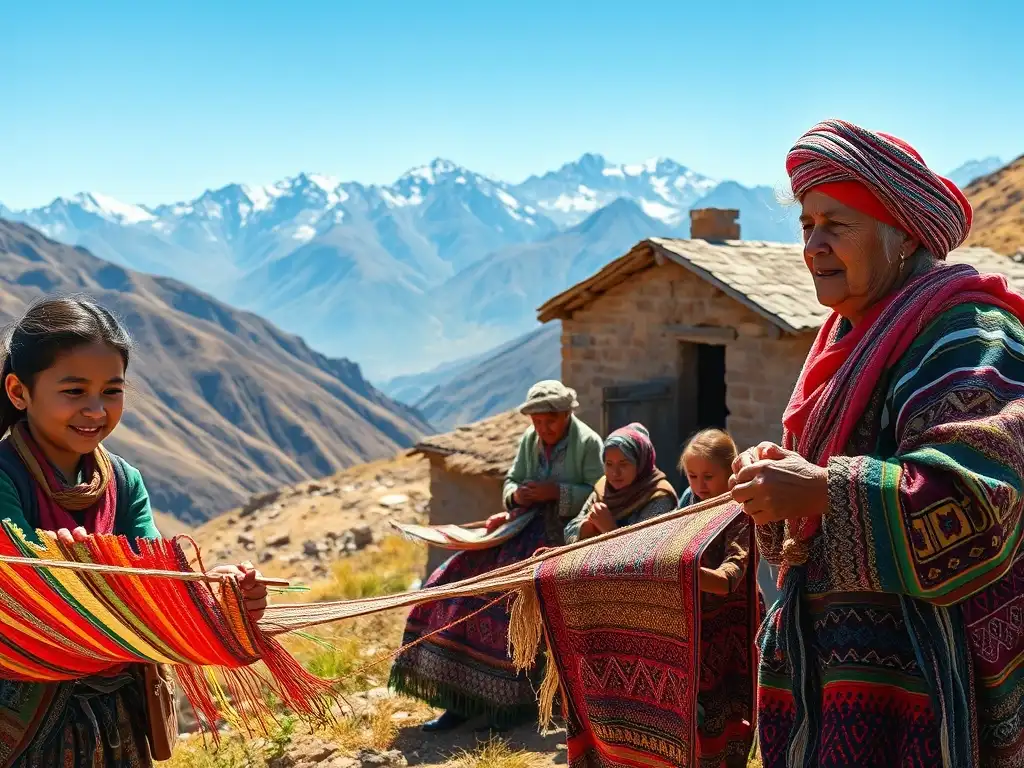
Welcome to Andean Civilizations, where the echoes of a magnificent past resonate through time. Journey with us into the heart of the Andes, uncovering the intricate tapestry of ancient cultures – from the Incas' mastery of engineering to the Nazca's enigmatic lines. But what of the future? Our exploration of Aymara culture preservation reveals a captivating story of resilience and innovation, a fight to safeguard a vibrant heritage for generations to come. Dare to delve deeper and discover the secrets whispered on the wind of the Andes.
The Aymara people, inhabiting the high Andes of Bolivia, Peru, and Chile, possess a rich and vibrant cultural heritage spanning millennia. Their unique language, traditions, and worldview represent a significant contribution to the tapestry of Andean civilizations. This article explores the crucial efforts underway to preserve Aymara culture, facing the considerable challenges of globalization, economic pressures, and the ever-present threat of language loss.
Understanding the significance of Aymara cultural preservation is not merely an academic pursuit; it is a vital act of safeguarding a living legacy, ensuring its continuity for future generations and contributing to the broader understanding of Andean history and the resilience of indigenous communities. The preservation of Aymara culture is paramount not only for the Aymara people themselves but also for the global community, enriching our shared human heritage.
We will delve into the specific challenges facing Aymara culture and the innovative strategies being implemented to address these critical issues. This exploration will highlight the importance of supporting and promoting Aymara culture preservation efforts for the benefit of both the Aymara community and the world.
Understanding the Significance of Aymara Culture
Aymara culture is characterized by a complex interplay of spiritual beliefs, intricate social structures, and remarkable adaptability to a challenging high-altitude environment. Their traditional knowledge systems, deeply intertwined with their understanding of the Andean landscape, encompass sophisticated agricultural techniques, medicinal practices, and a profound connection to the natural world. Aymara textiles, known for their vibrant colors and intricate designs, are not merely decorative; they tell stories, transmit knowledge, and reflect the social standing of their creators.
Their oral traditions, encompassing myths, legends, and historical accounts, preserve a wealth of information about their history and worldview, often passed down through generations. The Aymara language itself, with its unique grammatical structures and rich vocabulary, is a vital component of their cultural identity and a key element in preserving their unique perspective on the world.
The loss of this language would represent an irreplaceable loss of knowledge and cultural heritage. Understanding the multifaceted nature of Aymara culture highlights the urgency and importance of its preservation.
The Challenges Facing Aymara Culture Preservation
The preservation of Aymara culture faces a multitude of interconnected challenges, requiring multifaceted and collaborative solutions. These challenges necessitate a comprehensive understanding of the specific pressures impacting the community and the development of targeted strategies to mitigate these threats. The following sections will delve into the key challenges facing Aymara cultural preservation.
Loss of Aymara Language Speakers
The dwindling number of Aymara speakers poses a significant threat to the preservation of the language and the cultural knowledge embedded within it. Younger generations are increasingly adopting Spanish as their primary language, leading to a decline in Aymara fluency and a potential loss of traditional storytelling, songs, and knowledge systems. This linguistic shift impacts not only communication but also the transmission of cultural values and historical narratives. [Specific data on the decline of Aymara speakers needed]. Efforts to revitalize the language through educational programs and community initiatives are crucial to reversing this trend.
Impact of Globalization on Aymara Traditions
Globalization has brought both opportunities and challenges to Aymara communities. While access to technology and global markets can improve economic conditions, it can also lead to the erosion of traditional practices and values. The influx of foreign goods and media can overshadow local crafts and traditions, impacting the economic viability of traditional artisans and diminishing the cultural significance of traditional practices. [Specific examples of the impact of globalization on Aymara traditions needed]. Strategies to promote and support traditional Aymara arts and crafts are essential to counter this effect.
Economic Pressures and Cultural Shift
Economic pressures, including poverty and lack of opportunities, contribute to the cultural shift away from traditional Aymara practices. The allure of better-paying jobs in urban centers often leads to migration, disrupting traditional community structures and weakening the transmission of cultural knowledge. [Data on migration patterns and their impact on Aymara culture needed]. Sustainable economic development initiatives that empower Aymara communities and support traditional livelihoods are crucial to preserving their cultural heritage. The integration of traditional knowledge into modern economic activities can create unique opportunities for economic growth while preserving cultural identity.
Strategies for Aymara Culture Preservation
The preservation of Aymara culture requires a multifaceted approach, encompassing language revitalization, safeguarding traditional practices, and empowering Aymara communities. This isn't simply about archiving history; it's about ensuring the vibrant continuation of a living culture. Success hinges on collaboration between Aymara communities, researchers, and governmental organizations.
A holistic strategy must address both immediate needs and long-term sustainability. Furthermore, it must acknowledge and respect the inherent rights and knowledge held within Aymara communities themselves, ensuring that preservation efforts are driven by their own priorities and visions for the future. This collaborative and community-led approach is crucial for the long-term success of any Aymara culture preservation initiative.
Revitalization of the Aymara Language
The Aymara language, a cornerstone of Aymara identity, faces significant challenges in the modern world. Efforts to revitalize it must focus on several key areas. Immersive language programs in schools and communities are crucial, aiming to make Aymara a primary language of instruction, not just a subject. This requires training teachers proficient in Aymara and developing age-appropriate educational materials.
Furthermore, integrating Aymara into everyday life – through signage, media, and government services – is vital for its normalization and widespread use. The creation of Aymara-language media, including books, films, and music, is also essential for fostering language use and cultural pride. Finally, supporting and celebrating Aymara language use in various public spaces can greatly contribute to its revitalization.
Safeguarding Aymara Traditional Practices
Aymara culture is rich in traditional practices, from weaving and agriculture to music and storytelling. These practices are not merely historical artifacts; they are living traditions that embody Aymara knowledge and worldview. Preservation efforts should focus on documenting these practices through detailed ethnographic studies and oral histories, ensuring accurate record-keeping for future generations.
Furthermore, actively supporting the continuation of these practices through workshops, apprenticeships, and community events is crucial for their survival. This involves identifying and supporting master practitioners who can transmit their knowledge to younger generations, preserving the nuances and subtleties often lost in written documentation. Finally, fostering a sense of pride and value in these traditional practices within Aymara communities themselves is paramount for their long-term sustainability.
Empowering Aymara Communities
Ultimately, the success of Aymara culture preservation hinges on empowering Aymara communities to lead their own preservation efforts. This means providing them with the resources, training, and support they need to take ownership of their cultural heritage. This includes access to funding, educational opportunities, and platforms for self-expression and advocacy.
Empowerment also entails actively involving Aymara communities in decision-making processes related to cultural preservation initiatives, ensuring that their voices and perspectives are central to all aspects of the work. Supporting Aymara-led initiatives and prioritizing their cultural priorities will ultimately lead to more effective and sustainable outcomes. This approach recognizes the inherent knowledge and agency within Aymara communities and ensures that preservation efforts are truly community-driven.
The Role of Technology in Aymara Heritage Preservation
Technology offers powerful tools for preserving and promoting Aymara culture, bridging the gap between tradition and modernity. By leveraging digital technologies, we can ensure the accessibility and longevity of Aymara cultural heritage for future generations. The strategic use of technology can enhance and complement existing preservation efforts, making them more effective and far-reaching.
Digital Archives of Aymara Cultural Artifacts
Creating comprehensive digital archives of Aymara cultural artifacts is crucial for preserving fragile materials and making them accessible to a wider audience. This includes high-resolution scans of textiles, photographs of archaeological sites, and recordings of traditional music and storytelling. These digital archives must be carefully curated and managed, utilizing metadata standards to ensure searchability and accessibility. Furthermore, the archives should be openly accessible, allowing researchers, educators, and Aymara communities themselves to utilize this valuable resource. Proper digital preservation techniques are essential to guarantee the longevity and integrity of these digital materials.
Online Platforms for Aymara Language Learning
Online platforms offer a powerful way to reach a broad audience of Aymara language learners, both within and outside of Aymara communities. These platforms can provide interactive lessons, vocabulary builders, and opportunities for language practice. Utilizing multimedia elements, such as audio and video recordings of native speakers, can enhance the learning experience and promote cultural immersion. Such platforms should be designed collaboratively with Aymara language experts, ensuring authenticity and accuracy. Furthermore, incorporating social features can foster a sense of community among learners, encouraging interaction and language use.
Utilizing Technology for Cultural Transmission
Technology can play a crucial role in transmitting Aymara cultural knowledge and practices to future generations. This includes creating interactive documentaries, virtual museum tours, and online storytelling platforms. By utilizing engaging and accessible formats, technology can make Aymara culture more readily available to a wider audience, fostering a deeper understanding and appreciation. Furthermore, technology can facilitate the connection between Aymara communities and diaspora populations, strengthening cultural bonds and fostering intergenerational exchange. The strategic integration of technology should always prioritize cultural sensitivity and community engagement, ensuring that technological advancements serve the needs and priorities of Aymara communities.
The Importance of Intergenerational Transmission of Aymara Culture
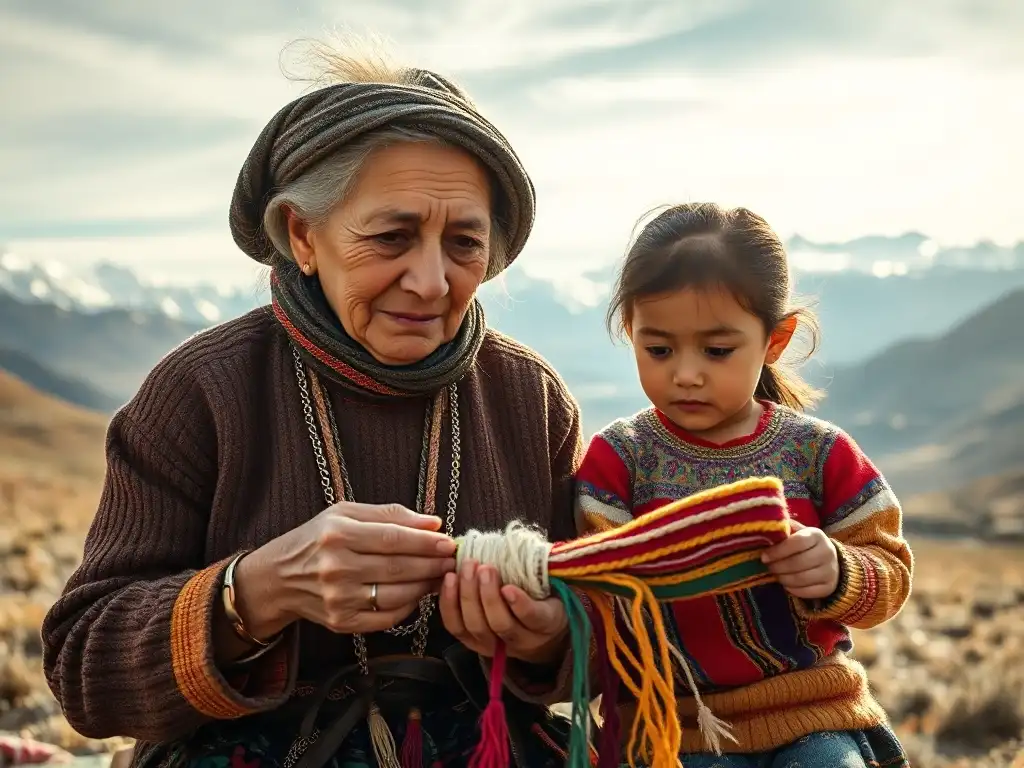
The survival of Aymara culture hinges on the successful transmission of knowledge, traditions, and values from one generation to the next. This intergenerational transfer is not merely the passing down of facts; it's a dynamic process involving emotional connection, shared experiences, and active participation. Grandparents sharing stories in Quechua, parents teaching traditional weaving techniques, and children participating in community festivals—these are the vital threads that weave the tapestry of Aymara heritage.
Without this continuous flow of cultural knowledge, the rich traditions risk being lost to time, a significant threat to Aymara cultural preservation efforts. The challenge lies in fostering environments where this transmission happens organically and effectively, ensuring that younger generations actively engage with and appreciate their heritage. This requires a conscious effort from both elders and the younger generation, fostering a reciprocal relationship of respect and understanding.
Engaging Aymara Youth in Cultural Activities
Engaging Aymara youth is paramount for Aymara culture preservation. Traditional methods, like storytelling and hands-on craft workshops, need to be adapted to resonate with modern sensibilities. Incorporating technology, such as creating interactive apps showcasing Aymara art and language, can make cultural learning more accessible and engaging for younger generations. Furthermore, organizing youth-led initiatives, like dance troupes performing traditional Aymara music or art exhibitions showcasing contemporary interpretations of Aymara aesthetics, can foster a sense of ownership and pride in their heritage.
The key is to create spaces where young people feel empowered to express their identity while connecting with their roots. This requires collaborative efforts between educators, community leaders, and the youth themselves, ensuring that cultural preservation is not seen as a burden but as a vibrant and enriching experience. Successful examples include [specific examples of successful youth engagement programs pending].
Strengthening Family Ties and Cultural Education
The family unit plays a crucial role in transmitting Aymara cultural values. Strengthening family bonds and incorporating cultural education within the home environment is essential. This can be achieved through family-oriented cultural events, such as traditional celebrations and storytelling sessions. Parents can actively involve their children in preparing traditional foods, learning the Aymara language, and participating in community activities.
Educational initiatives aimed at parents, providing resources and guidance on how to effectively integrate Aymara culture into their children’s upbringing, are also vital. This approach goes beyond simply teaching facts; it focuses on nurturing a deep understanding and appreciation for Aymara heritage within the family structure, creating a strong foundation for future generations. This requires community support and resources to help families engage in these practices.
Creating Aymara Cultural Centers and Programs
Establishing dedicated Aymara cultural centers and programs is vital for the long-term preservation of the culture. These centers could serve as repositories of Aymara knowledge, offering language classes, workshops on traditional crafts, and exhibitions showcasing Aymara art and history. They should also act as community hubs, hosting cultural events and festivals to foster a sense of shared identity and belonging.
Crucially, these centers need to be designed and run in collaboration with the Aymara community, ensuring that they reflect the needs and aspirations of the people they serve. The creation of such spaces requires substantial investment, both in terms of infrastructure and ongoing support, but the benefits in terms of cultural preservation are immeasurable. The success of these centers depends on their accessibility and their ability to engage people of all ages and backgrounds.
The Future of Aymara Culture: A Collective Responsibility
The future of Aymara culture is not predetermined; it is a collective responsibility that requires the concerted efforts of the Aymara community, national governments, international organizations, and individuals who appreciate the richness of this ancient heritage. The challenges are significant, but so too is the potential for success. By working together, we can ensure that the vibrant traditions, language, and artistic expressions of the Aymara people continue to thrive for generations to come.
This requires a multi-faceted approach that addresses the economic, social, and cultural factors that impact Aymara culture preservation. A holistic strategy is needed to tackle the challenges and build a sustainable future for the Aymara people and their unique cultural heritage.
Collaborative Efforts for Aymara Culture Preservation
Effective Aymara culture preservation demands collaborative efforts across various sectors. Governments need to implement policies that support the Aymara language and cultural practices, including funding for educational programs, cultural centers, and community initiatives. Academic institutions can contribute through research, documentation, and the training of future generations of Aymara scholars and cultural practitioners.
Non-governmental organizations (NGOs) can play a crucial role in supporting community-based initiatives, providing resources and expertise to local communities. Most importantly, the Aymara community itself must be at the heart of these efforts, driving the preservation of their heritage and shaping its future. This collaborative approach ensures that Aymara culture preservation is not imposed from the outside, but emerges organically from within the community itself.
The Importance of International Support and Recognition
International support and recognition are crucial for Aymara culture preservation. International organizations can provide funding, technical assistance, and advocacy support to local initiatives. UNESCO's recognition of Aymara cultural heritage through programs like the Intangible Cultural Heritage list can raise global awareness and attract further support.
International collaborations between researchers, cultural institutions, and communities can facilitate the sharing of best practices and resources, enriching Aymara culture preservation efforts. The global recognition of Aymara culture not only helps secure its survival but also contributes to the broader understanding and appreciation of cultural diversity worldwide. This international collaboration can also help to prevent cultural appropriation and ensure that Aymara culture is preserved authentically and respectfully.
Ensuring the Continuity of Aymara Heritage
Ensuring the continuity of Aymara heritage requires a long-term commitment to cultural revitalization. This involves not only preserving existing traditions but also fostering creativity and innovation within the Aymara community. Supporting contemporary Aymara artists, musicians, and writers allows for the expression of Aymara identity in new and evolving ways.
This dynamic approach ensures that Aymara culture remains relevant and engaging for future generations, adapting to changing circumstances while retaining its core values and traditions. It's about creating a sustainable future where Aymara culture is not just preserved but celebrated and actively shaped by its own people. This requires a holistic approach that integrates tradition with innovation, ensuring the vibrancy and continuity of Aymara heritage for centuries to come.
The Legacy of Aymara Culture in the Andes
The Aymara people, inhabiting the high Andes for millennia, have left an indelible mark on the region's cultural landscape. Their legacy extends far beyond their vibrant traditions and rich oral history; it's woven into the very fabric of Andean life. From their sophisticated agricultural techniques to their intricate social structures, the Aymara have shaped the Andes into what it is today.
Their influence is visible in the architecture of Andean towns and villages, the patterns of their textiles, and even the very language spoken by many in the region. Understanding the Aymara legacy is crucial to grasping the complexities and richness of Andean civilization as a whole. The enduring strength of their cultural identity serves as a testament to their resilience and adaptability throughout history, facing colonization, modernization, and globalization.
This resilience is a crucial element in their ongoing efforts towards cultural preservation. Their heritage is a living testament to the enduring power of cultural identity in the face of immense challenges.
Aymara Contributions to Andean Agriculture
The Aymara's mastery of high-altitude agriculture is a remarkable achievement. Their sophisticated understanding of terracing, irrigation, and crop rotation allowed them to thrive in challenging environments where other civilizations struggled. Techniques like waru waru, a system of raised fields, allowed for efficient water management and increased crop yields, even in arid climates.
This knowledge, passed down through generations, ensured food security and contributed significantly to the overall prosperity of Andean communities. The impact of Aymara agricultural practices extends beyond the immediate benefits; it showcases an intricate understanding of their environment and a deep respect for sustainable practices that are increasingly relevant in today's world. These ancient techniques offer valuable lessons for modern agriculture, especially in the face of climate change and the need for sustainable food production.
The Aymara's legacy in agriculture is not merely historical; it's a vital resource for future generations. Their innovative methods continue to inspire contemporary agricultural research and practices aimed at improving food security in challenging environments.
Impact of Aymara Traditions on Modern Andean Society
Aymara traditions continue to exert a profound influence on modern Andean society. Their vibrant cultural expressions, including music, dance, and storytelling, remain central to community life. The Aymara language, despite facing challenges from dominant languages, persists as a powerful symbol of cultural identity and is actively promoted through educational initiatives and cultural revitalization programs.
Their traditional social structures, emphasizing community and cooperation, offer valuable insights into alternative models of social organization. The Aymara worldview, deeply connected to nature and spirituality, provides a framework for understanding the environment and fostering sustainable practices. The enduring strength of Aymara cultural practices demonstrates their adaptability and resilience in the face of modernization.
The preservation of these traditions is not just about preserving the past; it's about creating a more vibrant and sustainable future for Andean communities. Their influence can be seen in everything from local governance to artistic expression, highlighting the enduring relevance of Aymara cultural heritage.
The Aymara People as Custodians of Andean History
The Aymara people are not just participants in Andean history; they are its custodians. Their oral traditions, passed down through generations, preserve invaluable knowledge about the region's past. This knowledge, often overlooked in traditional historical accounts, provides a crucial indigenous perspective on Andean history, enriching our understanding of the complexities and nuances of the region's development.
Their continued presence in the Andes ensures that the region's rich history continues to be remembered and celebrated. The Aymara's role as custodians of Andean history is crucial for preserving a complete and accurate understanding of the past. Their oral histories, archaeological knowledge, and continued cultural practices offer a unique and valuable perspective that complements and enriches other historical narratives.
Supporting their efforts in cultural preservation is essential for ensuring that the full story of the Andes is told and understood. Their active participation in preserving their heritage is vital for a more comprehensive and accurate understanding of Andean history. Their contributions to the field of archaeology and anthropological studies are invaluable.
- Understanding the Significance of Aymara Culture
- The Challenges Facing Aymara Culture Preservation
- Strategies for Aymara Culture Preservation
- The Role of Technology in Aymara Heritage Preservation
- The Importance of Intergenerational Transmission of Aymara Culture
- The Future of Aymara Culture: A Collective Responsibility
- The Legacy of Aymara Culture in the Andes
- What is the Aymara culture, and why is its preservation important?
- What are some of the biggest threats to Aymara cultural heritage?
- How are communities working to preserve Aymara culture?
- What role does technology play in Aymara culture preservation?
- How can I support Aymara culture preservation efforts?
Frequently Asked Questions
What is the Aymara culture, and why is its preservation important?
The Aymara are an Indigenous group whose culture thrived in the Andes. Preserving their unique traditions, language, and worldview is crucial for maintaining biocultural diversity and recognizing the contributions of Indigenous peoples to global heritage. Loss of Aymara culture represents a loss of invaluable knowledge and history.
What are some of the biggest threats to Aymara cultural heritage?
Major threats include globalization, environmental changes, and discrimination. Modernization can lead to the abandonment of traditional practices, while climate change affects their livelihoods. Lack of recognition and support from governments also hinders preservation efforts.
How are communities working to preserve Aymara culture?
Aymara communities are actively involved in language revitalization programs, traditional art preservation, and promoting their cultural practices. They are also working to gain greater political recognition and land rights. Community-based tourism initiatives are also proving effective.
What role does technology play in Aymara culture preservation?
Technology plays a vital role in documenting and disseminating Aymara knowledge. Digital archives preserve oral histories and traditional knowledge. Social media helps connect Aymara communities globally and promotes their culture. Educational resources in the Aymara language are also being developed online.
How can I support Aymara culture preservation efforts?
You can support these efforts by learning about Aymara culture, supporting Aymara-owned businesses, and donating to organizations working to protect their heritage. Raising awareness through education and advocacy is also crucial. Respecting Aymara land rights and their self-determination is paramount.
Final Reflection: Weaving the Aymara Tapestry into Tomorrow
The vibrant threads of Aymara culture, once threatened by the relentless tide of globalization, are now being consciously woven into a resilient tapestry for future generations. This resurgence is not merely a nostalgic pursuit; it is a vital act of cultural preservation that safeguards unique knowledge, traditions, and a profound connection to the Andean landscape. The fight to preserve Aymara heritage is a fight for the preservation of human diversity itself.
The enduring power of Aymara storytelling, music, and spiritual practices continues to shape the identity of its people and inspire a growing global appreciation for indigenous wisdom. This enduring legacy reminds us of the interconnectedness of all cultures and the importance of respecting and learning from diverse perspectives. The past is never dead. It's not even past.
– William Faulkner. This quote resonates deeply, as the Aymara people demonstrate the power of carrying their rich history forward, shaping their present and future with its wisdom. Their resilience serves as a powerful example for other indigenous communities facing similar challenges.
Consider the impact of your own cultural heritage. How are you actively contributing to its preservation and transmission to future generations? Let us all be inspired by the Aymara commitment to their cultural legacy and actively seek ways to support and celebrate the richness of indigenous cultures worldwide. Embrace the opportunity to learn from their resilience, their wisdom, and their profound connection to the land. The future of Aymara culture, and indeed all cultures, depends on our collective commitment to understanding, respecting, and celebrating their unique contributions to the human experience.
Ignite Your Passion for Cultural Preservation!
Thank you for exploring the fascinating world of Aymara culture with us! Your commitment to preserving cultural heritage is crucial for future generations. Let's work together to make a real difference!
- Join a local community group or organization dedicated to preserving Aymara traditions. This is a powerful way to contribute directly to your community.
- Share this article with your friends, family, and social networks to raise awareness about the importance of protecting cultural heritage.
- Immerse yourself in Aymara culture by exploring its **vibrant art, music, and literature**. This deeper understanding will allow you to truly appreciate its richness and significance.
How will you personally contribute to safeguarding the rich tapestry of Aymara culture?