
Decoding the Valdivia Settlement Patterns: Villages, Mounds, and Social Structure


Step into a world lost to time, yet echoing with the whispers of a vibrant past. Journey with us through the Andes, where ancient civilizations thrived, leaving behind a legacy as captivating as it is mysterious. Unlock the secrets of the Valdivia settlement patterns—their villages, mounds, and the intricate social structures they reveal—and delve into the fascinating story of pre-Incan cultures on the coast. Prepare to be amazed by what lies hidden within the Andean earth.
- Decoding Valdivia Settlement Patterns: Villages, Mounds, and Social Structure
- Introduction to Valdivia Culture and its Significance
- Understanding Valdivia Village Layouts
-
The Role of Mounds in Valdivia Society
- Valdivia Mounds: Earthworks and Shell Construction
- Types of Mounds: Platform Mounds and Burial Sites
- The Significance of Mounds in Valdivia Rituals
- Mounds as Indicators of Social Hierarchy in Valdivia
- Evidence of Specialized Craft Production Associated with Mounds
- The Role of Ritual and Ceremony in Mound Construction and Use
- Analyzing Valdivia Settlement Patterns and Social Structure
- Comparative Analysis of Valdivia Settlements
- The Impact of Valdivia Settlement Patterns on Later Andean Cultures
- Conclusion: Key Insights into Valdivia Settlements and Social Dynamics
-
Frequently Asked Questions
- What were the Valdivia settlement patterns like?
- How do Valdivia settlement patterns compare to those of later Andean civilizations, like the Inca?
- What evidence reveals the social structure of Valdivia settlements?
- What role did resource availability play in Valdivia settlement patterns?
- How does studying Valdivia settlement patterns contribute to our understanding of Andean civilizations?
- Final Reflection: Unraveling the Threads of Valdivia Society
- Unlock the Secrets of Valdivia's Ancient Society!
The Valdivia culture, flourishing along the coast of present-day Ecuador from approximately 3500 to 1800 BCE, represents one of the earliest known complex societies in South America. Unlike later Andean civilizations like the Inca, the Valdivia didn't construct monumental architecture on the scale of Machu Picchu or Sacsayhuamán. However, their settlement patterns, a fascinating blend of villages, mounds, and dispersed habitation, reveal a sophisticated social organization and a deep understanding of their environment.
This article delves into the intricacies of Valdivia settlement patterns, exploring the archaeological evidence to illuminate their social structure and daily life, offering a unique perspective on the development of complex societies in the Andean region long before the rise of the Inca Empire. Understanding these patterns provides crucial insights into the evolution of social complexity in the pre-Inca coastal region and helps contextualize the later, more elaborate urban centers of the Andean highlands.
The analysis of Valdivia settlement patterns offers a compelling counterpoint to the more familiar monumental architecture associated with later Andean civilizations, highlighting the diverse paths to social and technological development in the region. The keyword "Valdivia settlement patterns Inca" helps us understand the pre-cursor to later Andean societal structures.
Village Life in the Valdivia Culture
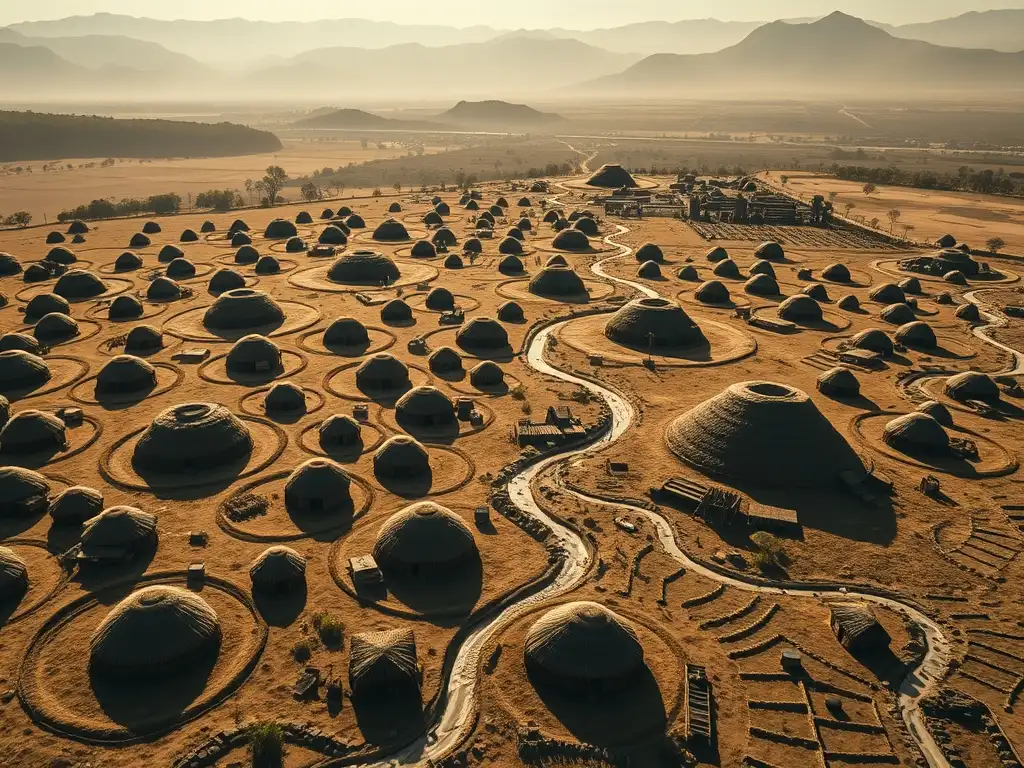
Archaeological excavations have unearthed numerous Valdivia villages, characterized by clusters of small, circular houses constructed from wattle and daub. These settlements were not randomly distributed but strategically located near sources of fresh water and fertile land suitable for agriculture. Evidence suggests a relatively egalitarian social structure within these villages, with houses of similar size and construction suggesting a lack of significant social stratification.
However, the presence of larger structures or specialized features within some villages hints at the potential emergence of leadership roles or specialized craftspeople. Further research is needed to fully understand the nuances of social organization within Valdivia villages, but the available data indicates a complex interplay of cooperation and individual agency.
The size and distribution of these villages varied depending on the availability of resources and the overall population density. Some villages were small, consisting of only a handful of dwellings, while others were larger and more complex, suggesting a dynamic social landscape that adapted to changing environmental conditions.
The Significance of Mounds
A striking feature of the Valdivia landscape is the presence of numerous artificial mounds, ranging in size and complexity. These mounds were not simply haphazard piles of earth; rather, they represent carefully constructed structures that served a variety of functions. Some mounds served as burial sites, containing the remains of individuals and grave goods. The presence of elaborate grave goods in some burials suggests social differentiation and potentially hierarchical structures, even within what appears to be a relatively egalitarian society.
Other mounds likely served as platforms for ceremonial structures or residential areas for elites, if such a social class existed. The construction of these mounds required significant coordinated labor, indicating a level of social organization and communal effort that surpasses that of simpler societies. The size and complexity of the mounds varied significantly, which may reflect differences in the resources available or the importance of the site.
The interplay between villages, mounds, and dispersed habitation sites paints a complex picture of Valdivia social organization. The distribution of settlements suggests a combination of settled agricultural communities and more mobile populations, possibly engaged in seasonal resource exploitation or specialized activities. The presence of mounds, with their potential ritual and funerary significance, points to a shared belief system and collective identity.
While the evidence does not support a rigidly hierarchical society like the later Inca, it does suggest a social structure more complex than that of simple hunter-gatherer groups. The development of specialized crafts, as evidenced by the production of exquisite pottery and other artifacts, further suggests a degree of social differentiation and economic specialization. Further research, including detailed analysis of artifact distribution and settlement chronology, is necessary to refine our understanding of Valdivia social structure and its evolution over time.
The study of Valdivia settlement patterns provides a foundational understanding of the development of complex societies in the Andean region, offering valuable insights into the pre-Inca world and its relationship to later Andean civilizations such as the Inca. The absence of large-scale monumental architecture, however, highlights the diverse paths to social complexity in ancient South America.
Introduction to Valdivia Culture and its Significance
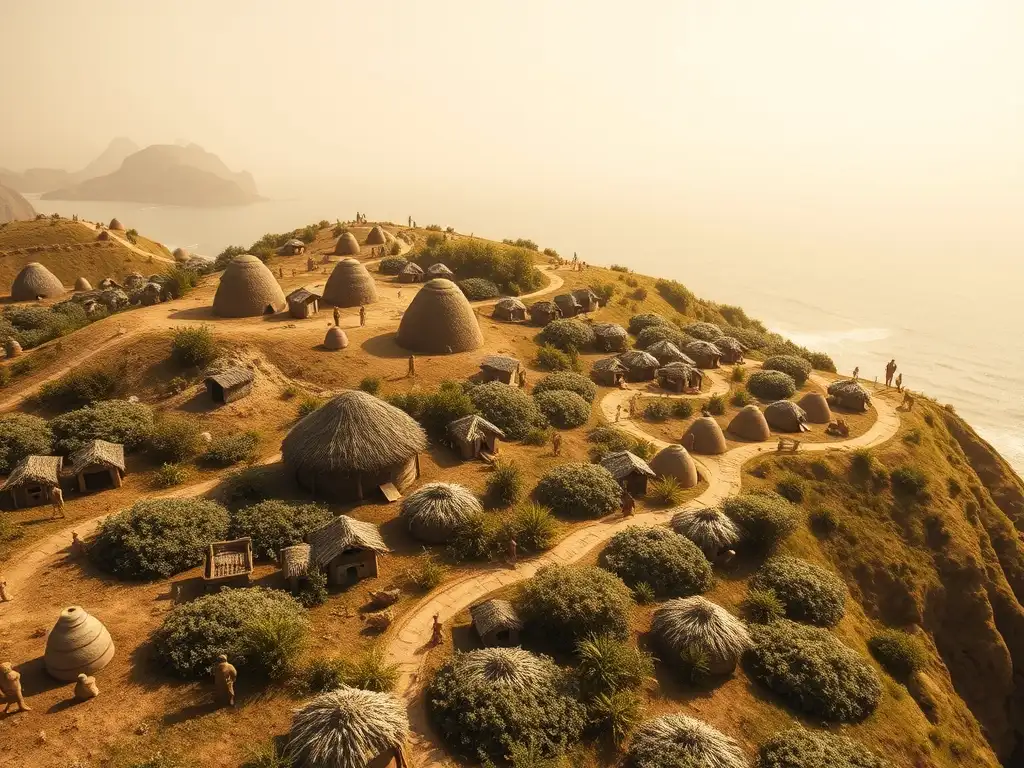
This section delves into the fascinating world of the Valdivia culture, a pre-Columbian civilization that significantly predates the Inca Empire and offers crucial insights into the early development of complex societies along the coast of what is now Ecuador. Understanding their settlement patterns provides a critical lens through which we can analyze their social structures, economic activities, and overall worldview. The Valdivia, flourishing from approximately 3500 BCE to 1800 BCE, left behind a legacy of intricate pottery, sophisticated agriculture, and unique societal organization, challenging previous assumptions about the timeline and trajectory of Andean civilization development.
Their impact resonates even today, shaping our understanding of the pre-Inca period and the broader context of Andean cultural evolution. Analyzing their Valdivia settlement patterns helps us understand their place within this broader narrative, revealing connections and divergences from later, more well-known cultures like the Inca. The meticulous study of their settlements offers valuable evidence for reconstructing their daily lives, social hierarchies, and relationships with their environment.
This detailed investigation contributes significantly to the broader field of Andean archaeology and our understanding of the processes that led to the rise of complex societies in the region. The unique characteristics of their settlements, such as the presence of mounds and the distribution of villages, offer compelling clues about their social organization, economic strategies, and adaptation to their coastal environment. The evidence gathered helps to refine our understanding of early coastal settlement patterns in South America and their relationship to the later development of the Inca civilization.
The Valdivia Culture: A Pre-Columbian Coastal Civilization
The Valdivia culture, situated along the coast of present-day Ecuador, represents one of the earliest known complex societies in South America. Distinguished by its remarkably sophisticated pottery, often adorned with intricate designs and figurines, the Valdivia people were skilled agriculturalists, mastering techniques to cultivate diverse crops in a challenging coastal environment. Their mastery of pottery production suggests a high level of social organization and specialization of labor, indicating a complex social structure beyond simple hunter-gatherer societies. Evidence suggests a sophisticated understanding of maritime resources, with fishing playing a significant role in their subsistence strategies.
The Valdivia period is characterized by a gradual increase in population density and the development of more permanent settlements, reflecting a transition towards a more sedentary lifestyle. This transition is inextricably linked to their innovations in agriculture and their ability to harness the resources of both the land and the sea. The development of this sophisticated culture, long before the rise of the Inca, highlights the rich and diverse tapestry of Andean prehistory.
Their innovative approaches to agriculture, pottery, and social organization laid the groundwork for subsequent cultural developments in the region, demonstrating a profound influence on later Andean civilizations. The impressive Valdivia pottery, featuring iconic female figurines, showcases artistic skill and a complex symbolic system, further highlighting the cultural sophistication of this early Andean society. The intricate details found on these artifacts continue to fascinate researchers and offer valuable clues to their beliefs and rituals.
Importance of Studying Valdivia Settlement Patterns
Understanding Valdivia settlement patterns is crucial for reconstructing their social organization and understanding their relationship with the environment. By analyzing the spatial distribution of villages, mounds, and other features, archaeologists can gain insights into aspects such as population density, resource management, and social hierarchies. For instance, the presence of large mounds might indicate the existence of ceremonial centers or elite residences, while the clustering of smaller settlements could suggest kinship-based social organization. The proximity of settlements to resources like water sources and fertile land provides clues about their subsistence strategies and economic activities.
The study of Valdivia settlement patterns also allows for comparisons with other contemporary and later Andean cultures, revealing patterns of continuity and change in settlement practices across time. This comparative analysis helps to refine our understanding of the processes that led to the development of increasingly complex societies in the Andes. Moreover, the insights gained from studying the Valdivia can shed light on the broader processes of societal development in South America, providing a valuable case study for understanding the emergence of complex societies in diverse ecological settings.
Detailed analysis of the spatial distribution of artifacts within settlements can further illuminate aspects of daily life, social interactions, and the organization of labor. The study of these patterns provides a more holistic understanding of the Valdivia culture beyond their remarkable pottery, offering a richer and more nuanced picture of their lives and society. The investigation of these patterns is fundamental for a complete understanding of the development of Andean cultures and their relationship to the later Inca civilization.
Understanding Valdivia Village Layouts
The Valdivia culture, a significant pre-Inca coastal civilization, left behind a fascinating array of settlement patterns that offer valuable insights into their social organization and way of life. Unlike later Andean societies like the Inca, which often exhibited highly structured urban planning, Valdivia settlements reveal a more organic, evolving development. Analyzing these patterns helps us understand their societal complexities and adaptation to the coastal environment.
Understanding Valdivia settlement patterns is crucial to appreciating the nuances of this formative Andean culture and its place within the broader trajectory of coastal development, preceding the Inca's influence by millennia. The spatial distribution of their villages, mounds, and other structures provides a rich tapestry of clues about their social structures, economic activities, and belief systems.
Early Valdivia Villages: Circular Houses and Riverine Locations
Early Valdivia settlements, dating back to approximately 5000 BCE, are characterized by small, dispersed villages situated predominantly along riverbanks. This strategic location provided access to fresh water, essential for both drinking and irrigation, and proximity to fertile land for agriculture. Archaeological evidence consistently reveals circular houses, typically constructed from simple materials like wood, reeds, and mud. These dwellings were often small, suggesting that family units were relatively independent. The size and layout of these early villages indicate a less complex social hierarchy compared to later periods, with a possible emphasis on kinship-based organization.
The distribution of artifacts within these settlements also points to a relatively egalitarian society. While some variations in the quality of pottery and other goods exist, the differences are not dramatic, suggesting a limited degree of social stratification. Furthermore, the absence of large-scale public structures or monumental architecture in early Valdivia settlements supports the hypothesis of a decentralized social organization. Analysis of the spatial relationships between houses suggests a lack of formal planning, with dwellings seemingly placed based on available resources and individual needs.
Evolution of Valdivia Village Structures Over Time
As the Valdivia culture progressed, significant changes occurred in their settlement patterns. Between 3500 and 2500 BCE, villages grew in size and complexity. The circular house plan remained prevalent, but larger structures began to appear, indicating a potential shift towards larger family units or communal living spaces. Additionally, evidence suggests the emergence of specialized areas within settlements, perhaps dedicated to specific activities like pottery production or food storage. This specialization hints at a growing division of labor and a more complex social structure.
While the exact nature of this social evolution remains a subject of ongoing research, the increasing size and complexity of settlements suggest a growth in population and the development of more elaborate social networks. The appearance of larger structures may reflect the emergence of leadership roles or the concentration of wealth and power within certain families or groups.
Further research into the distribution of artifacts and the construction techniques of these later structures is needed to fully understand the nature of social change within Valdivia society. This transition in Valdivia settlement patterns demonstrates a dynamic adaptation to environmental pressures and internal societal changes, paving the way for the more complex societies that would emerge later in the Andean region.
Spatial Organization within Valdivia Settlements
The spatial arrangement of structures within Valdivia settlements provides significant clues about their social structure and daily life. While early villages exhibited a relatively haphazard layout, later settlements show signs of more deliberate planning. For example, the positioning of houses in relation to waterways, agricultural fields, and other key resources suggests a conscious effort to optimize access to essential resources.
| Feature | Early Valdivia (5000-3500 BCE) | Later Valdivia (3500-2500 BCE) |
|---|---|---|
| Village Size | Small, dispersed | Larger, more concentrated |
| House Structure | Primarily circular, small | Circular and larger structures |
| Spatial Organization | Haphazard, resource-based | More planned, resource-focused |
| Social Structure | Likely egalitarian | Possibly developing hierarchy |
The presence of mounds in some Valdivia settlements is also noteworthy. While their exact function remains debated, some scholars suggest they served as ceremonial centers or burial sites. The construction of these mounds required significant communal effort, indicating a level of social organization and cooperation that extended beyond the immediate family unit.
The strategic placement of these mounds within settlements further suggests their importance in the social and spiritual life of the Valdivia people. Further investigation of these mounds, through detailed excavation and analysis, is needed to fully understand their significance within the broader context of Valdivia society and its relationship to later Andean cultures. The study of Valdivia settlement patterns offers a unique window into the development of complex societies in the Andean region, long before the rise of the Inca empire.
Common Architectural Features in Valdivia Dwellings: Wattle and Daub
The Valdivia people, despite their relatively simple technology compared to later Andean civilizations like the Inca, demonstrated remarkable ingenuity in their construction techniques. Their dwellings, though humble, reflect a sophisticated understanding of their environment and available resources. A prevalent architectural feature across Valdivia settlements was the use of wattle and daub construction.
This method involved weaving a framework of thin branches or reeds (the "wattle") and then coating this framework with a mixture of mud, clay, and organic materials like straw or dung (the "daub"). This created walls that were surprisingly durable and provided good insulation against the coastal climate.
The specific materials used varied depending on local availability. In areas with abundant reeds, these would form the primary component of the wattle, while in other regions, thinner branches and twigs might have been more common. Similarly, the composition of the daub could vary, with different clay types and organic additives influencing the strength and texture of the finished wall.
Archaeological excavations have revealed traces of these materials, allowing researchers to reconstruct the building process and understand the variability across different Valdivia settlements. The presence of various plant remains within the daub also provides insights into the surrounding vegetation and the resource management strategies employed by the Valdivia people.
The wattle and daub technique wasn't limited to the walls of houses. It was also likely used in the construction of other structures within the settlements, such as storage facilities, ceremonial buildings, or even simple fences.
The flexibility of the method allowed for the construction of curved walls and different shapes, reflecting the adaptability of the technique and the creativity of the builders. The longevity of some of these structures, as evidenced by archaeological findings, speaks to the effectiveness of this seemingly simple building method in a coastal environment prone to both strong winds and heavy rains.
Further research continues to reveal more nuances in the application of wattle and daub within Valdivia settlements, highlighting the diverse building practices employed across different time periods and locations within the Valdivia culture's geographic range. Understanding these variations is crucial for a comprehensive understanding of the social and technological complexity of the Valdivia culture.
The Role of Mounds in Valdivia Society
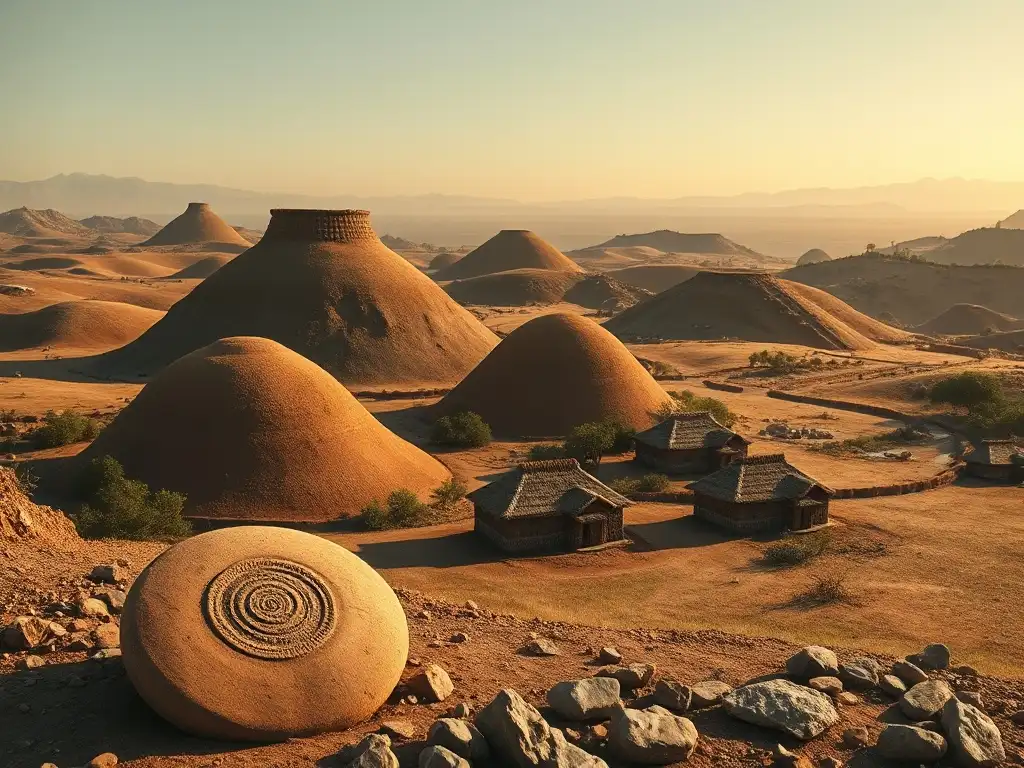
The Valdivia culture, a significant pre-Inca coastal civilization, presents a fascinating study in settlement patterns. While not as architecturally ambitious as later Andean societies like the Inca, the Valdivia people developed a unique system of village organization centered around strategically placed mounds. These weren't simply haphazard piles of earth; they were carefully constructed features reflecting social organization, ritual practices, and resource management.
Understanding these mounds is crucial to deciphering the complexities of Valdivia social structure and the evolution of their settlement patterns. Their construction and use provide valuable insights into the daily lives, beliefs, and societal hierarchies of this early Andean culture.
The strategic placement of these mounds in relation to water sources and agricultural lands also suggests a sophisticated understanding of resource management, a key factor in their successful settlement patterns. The study of Valdivia settlement patterns, including these mounds, offers a unique lens into the development of early Andean societies, providing a foundational understanding for later, more complex cultures like the Inca.
Valdivia Mounds: Earthworks and Shell Construction
Valdivia mounds are not monolithic in their construction. Archaeological evidence reveals a variety of building techniques, reflecting both the available resources and the intended function of each mound. Many mounds consist primarily of earthworks, layered meticulously over time. This suggests a community effort, possibly involving large-scale labor mobilization.
The earth was likely compacted, creating a stable base for subsequent structures or activities. Interestingly, some mounds also incorporate shell middens – accumulated layers of discarded shellfish. This incorporation of shell material isn't simply a matter of convenience; the strategic placement of shells within the mound structure may have had symbolic or ritual significance.
The presence of shell fragments in specific layers could indicate particular phases of construction or use, reflecting changes in Valdivia societal practices. Further research is needed to fully understand the precise techniques used in mound construction, but the available evidence points towards a sophisticated understanding of engineering and materials science, even in this early period of Andean development. The careful layering and compaction of earth and shell demonstrate a level of planning and organizational capacity often underestimated in early coastal settlements.
Types of Mounds: Platform Mounds and Burial Sites
Valdivia mounds aren't all the same. Archaeological excavations have identified at least two major types: platform mounds and burial mounds. Platform mounds, typically larger and more elaborate, appear to have served as elevated bases for dwellings or ceremonial structures. Their elevated position would have offered advantages in terms of defense and visibility, enhancing the social and political control of those residing or conducting rituals on them.
The size and complexity of these platform mounds likely reflect variations in social status or the importance of the community they served. This variation in mound size and complexity is mirrored in some later Andean cultures, suggesting a continuity in certain aspects of settlement planning and social organization. Conversely, burial mounds were smaller and often contained the remains of individuals or small groups.
The presence of grave goods, such as pottery and tools, provides insights into social status and funerary practices. The careful positioning of these burial mounds within the broader settlement pattern suggests a structured approach to dealing with the dead, reflecting a well-defined cosmological belief system. Further analysis of these burial mounds could reveal more information about kinship structures and social hierarchies within the Valdivia culture.
The Significance of Mounds in Valdivia Rituals
The role of Valdivia mounds extends beyond mere habitation and burial. Evidence suggests that these mounds played a significant role in the ritual life of the Valdivia people. The discovery of ceremonial artifacts, such as elaborate pottery and shell ornaments, within and around mounds strongly indicates their use in ritual contexts.
The strategic location of some mounds, often near water sources or with commanding views of the surrounding landscape, further supports this interpretation. These locations may have held special cosmological significance, connecting the Valdivia worldview with the natural environment. The careful placement of these mounds within the settlement also hints at a complex understanding of spatial organization and its relationship to the spiritual realm.
The combination of architectural features, artifact distribution, and site location suggests a sophisticated and multifaceted ceremonial system, underscoring the importance of ritual in Valdivia society. Further research into the iconography and symbolism found on artifacts recovered from these mounds could shed more light on the specific beliefs and practices associated with them, enriching our understanding of Valdivia cosmology and its influence on their settlement patterns. The intricate relationship between Valdivia settlement patterns and their religious beliefs provides a rich area for future investigation, offering a deeper appreciation for the complexity of this early Andean culture and its influence on subsequent Andean civilizations, including the Inca.
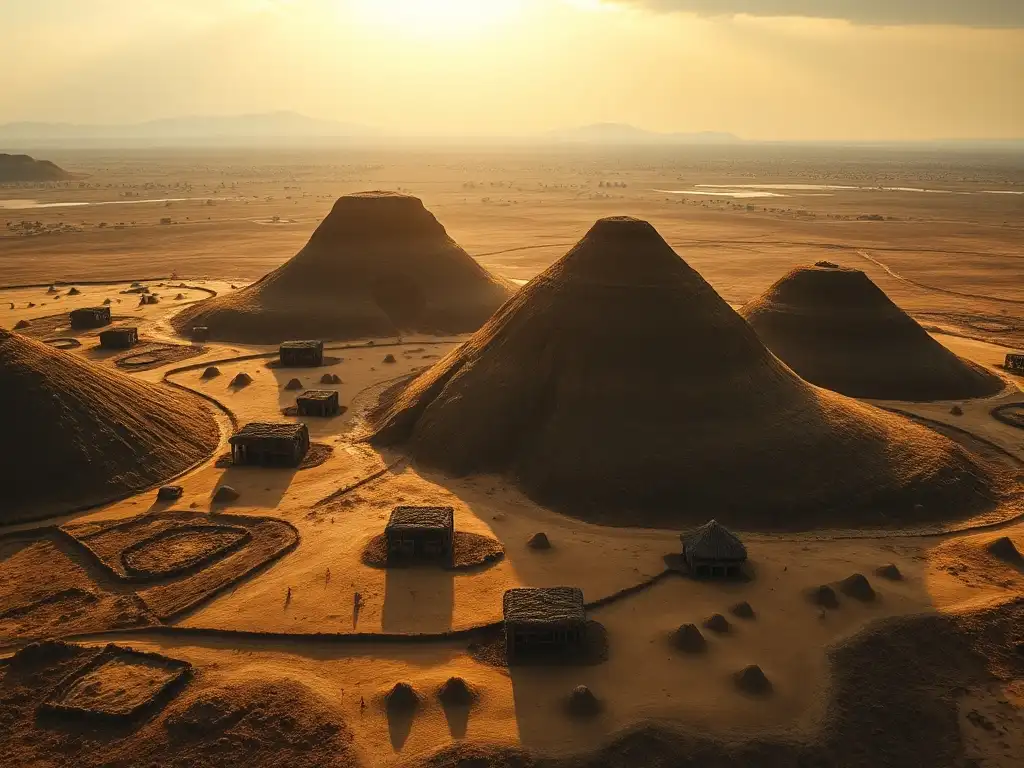
The presence of mounds in Valdivia settlements offers compelling evidence for a stratified social structure. While the exact nature of Valdivian social organization remains a subject of ongoing research, the varying sizes and complexity of these mounds suggest a hierarchy of power and influence within the society. Larger, more elaborately constructed mounds, often containing richer grave goods and evidence of specialized craft production, likely belonged to elite individuals or families. These individuals may have held positions of political, religious, or economic authority within their respective communities.
The careful construction and placement of these mounds, often in prominent locations within the settlement, further reinforces their symbolic importance and the elevated status of their occupants. This contrasts with smaller, simpler mounds, which may represent the burial places of commoners or those of lower social standing. The differential treatment in burial practices and the material culture associated with these different mound types strongly suggests a social hierarchy reflected in the spatial organization of the settlements themselves.
Further analysis of the artifacts recovered from these mounds, including pottery styles, ornaments, and tools, can provide additional insights into the social roles and relationships within the Valdivia community. The distribution of these artifacts across different mound sizes and locations can help researchers refine their understanding of social stratification and power dynamics within this early Andean society. Future research focusing on isotopic analysis of human remains from these mounds could also illuminate dietary differences and potentially further corroborate the existence of a social hierarchy based on access to resources.
Evidence of Specialized Craft Production Associated with Mounds
The association of specialized craft production with certain Valdivia mounds provides further support for the idea of social stratification. Analysis of artifacts recovered from larger mounds often reveals a higher concentration of finely crafted pottery, intricate shell ornaments, and sophisticated stone tools. This suggests that these mounds were not merely burial sites, but also centers of craft production and potentially ceremonial activity.
The presence of specialized workshops or areas dedicated to craft production near these mounds indicates a division of labor and a degree of economic specialization within Valdivian society. This specialization, in turn, likely contributed to the accumulation of wealth and power by those controlling the production and distribution of these valued goods. The skilled artisans responsible for creating these elaborate artifacts may have occupied a privileged position within the social hierarchy, benefiting from access to resources and patronage from the elite.
The concentration of these high-quality artifacts within specific mounds suggests that the elite controlled or at least had preferential access to these goods. The study of the raw materials used in the production of these artifacts, along with analysis of their distribution patterns, can shed more light on the economic organization of Valdivian society and its relationship to social hierarchy. Further research into the specific techniques used in the creation of these artifacts could also reveal information about the training and skill levels required, further illuminating the social roles of the artisans involved.
The Role of Ritual and Ceremony in Mound Construction and Use
The construction and use of mounds in Valdivia settlements were likely intertwined with religious beliefs and practices. The careful planning and execution of mound construction, along with the inclusion of grave goods and other ritual objects, suggest that these structures held significant symbolic meaning for the Valdivian people. The placement of mounds in prominent locations within the settlements, often overlooking important areas or natural features, further emphasizes their ritual significance.
The uniformity in mound construction techniques across various sites suggests a degree of centralized control or shared ritual practices across different Valdivian communities. The discovery of evidence of ritual offerings, such as burned offerings and specialized pottery vessels, within some mounds strengthens this interpretation. The nature of these offerings and the types of artifacts associated with them could provide insights into the religious beliefs and practices of the Valdivian people and their relationship to the social hierarchy.
Further research into iconography found on Valdivian pottery and other artifacts could help to decode the symbolic meaning of the mounds and their role in religious ceremonies. The study of human remains within the mounds, coupled with archaeological evidence, can provide a more complete picture of the ritual practices associated with death and burial in Valdivian society.
The Valdivia culture, flourishing along the coast of present-day Ecuador from approximately 3500 to 1800 BCE, presents a fascinating case study in early South American societal development. Understanding their settlement patterns is crucial to deciphering their social organization and the complexities of their daily life. Unlike later Andean civilizations like the Inca, the Valdivia lacked monumental architecture on the scale of Machu Picchu or impressive urban centers reminiscent of Cusco.
However, careful analysis of their village layouts, burial sites, and artifact distribution reveals a nuanced social structure and sophisticated adaptation to their environment. This section will delve into the evidence suggesting social stratification, the connection between settlement size and complexity, and how their settlement patterns reflect their resource management strategies. The term "Valdivia settlement patterns Inca" highlights the contrast between these early coastal communities and the later, more centralized Andean empires, offering a valuable comparative perspective on societal evolution.
While the absence of large-scale palaces or temples makes identifying a rigid social hierarchy challenging, evidence suggests a degree of social stratification within Valdivia communities. Analysis of burial sites reveals variations in grave goods. Some burials contain elaborate ceramic vessels, finely crafted ornaments, and other prestigious artifacts, suggesting higher status individuals. These individuals may have held positions of influence or authority within their villages.
Conversely, simpler burials with fewer grave goods imply a lower social standing. The distribution of these types of burials within settlements also provides clues. Are the elaborate burials clustered in specific areas, perhaps indicating a designated elite residential zone?
Further research is needed to definitively answer this question, but the preliminary data suggests a potential social hierarchy, albeit perhaps less formalized than in later Andean societies. The presence of specialized craft production, evident in the high quality and consistent style of Valdivia ceramics, also points towards a division of labor and potential social differentiation amongst the population. The skilled artisans who produced these intricate pieces likely held a valued position within the community.
The size and layout of Valdivia settlements themselves correlate with social complexity. Smaller settlements, often characterized by a more dispersed arrangement of dwellings, likely represent simpler social structures. Larger settlements, on the other hand, show evidence of more organized layouts. This may suggest a greater degree of social organization, perhaps with specialized roles and a more centralized system of governance.
For instance, larger settlements might have contained dedicated areas for craft production, storage, or ritual activities. [Specific data on settlement size variations and their corresponding artifact distributions pending]. A thorough analysis of settlement size distribution across the Valdivia region is needed to further establish this correlation and to better understand the relationship between settlement scale and social complexity within the Valdivia culture. This research would help to refine our understanding of the dynamics of social organization in these early communities.
Valdivia Settlement Patterns and Resource Management: Agriculture and Fishing
Valdivia settlement patterns demonstrate a deep understanding of resource management, particularly concerning agriculture and fishing. Coastal locations were strategically chosen to maximize access to marine resources, a crucial component of their diet. The proximity to rivers and fertile land suggests that agriculture, although likely less intensive than in later Andean cultures, also played a significant role.
The distribution of settlements along the coastline and near river valleys indicates an adaptive strategy that balanced the benefits of both marine and terrestrial resources. [Data on specific crop types and fishing techniques used by the Valdivia culture pending]. Further investigation into the agricultural practices and fishing strategies employed by the Valdivia people will provide a more complete picture of their resource management practices and their connection to settlement location and size.
This understanding is vital to fully appreciating the adaptability and ingenuity of this early coastal culture, and its place within the broader narrative of Andean civilization development. The strategic placement of settlements near these resources illustrates the sophisticated understanding of their environment and their ability to optimize resource utilization, a key element of their success.
The spatial distribution of Valdivia settlements offers compelling insights into their social organization. Unlike later Andean societies with highly centralized power structures like the Inca, the Valdivia appear to have exhibited a more egalitarian, or perhaps, loosely stratified social structure.
The absence of monumental architecture, large-scale public works, or significant differences in dwelling size across settlements suggests a lack of a centralized authority imposing a rigid social hierarchy. Instead, the relatively dispersed nature of the villages, often situated near resource-rich areas like rivers and coastlines, points towards a decentralized organization where smaller kinship groups or communities may have managed their own resources and affairs.
However, this doesn't equate to complete social homogeneity. Variations in the size and complexity of individual settlements hint at potential social differentiation. Larger settlements, while still modest in scale compared to later Andean urban centers, may have served as local hubs or centers for specialized activities, potentially attracting individuals with specific skills or roles within the community.
Archaeological evidence, such as variations in grave goods or the presence of specialized craft workshops in some settlements, could further illuminate these potential social distinctions. Further research focusing on detailed analyses of artifact distribution within and between settlements is crucial to fully understand the nuances of Valdivia social structure. The current evidence suggests a society less rigidly stratified than those that followed, but with subtle internal differentiations that require more in-depth study.
Future research might reveal more complex social relationships than currently understood. This could involve examining kinship networks, resource control, and the role of ritual practices in shaping social identity and status. The current understanding points to a fluid social organization, with potential for local variation and leadership roles emerging based on skill, experience, or kinship rather than a formalized, inherited hierarchy.
The presence of ceremonial mounds, though not comparable to the immense structures built by later Andean cultures, also adds another layer to understanding Valdivia social organization. These mounds, often associated with specific ritual practices, may indicate the importance of shared beliefs and communal activities in unifying different settlements or kinship groups.
Their construction and maintenance may have involved collaborative efforts, reflecting a sense of collective identity and shared purpose that transcends individual or family needs. These mounds could have served as focal points for social interaction, religious ceremonies, and the reinforcement of social bonds, further illustrating the complexity of the Valdivia social fabric.
The scale and distribution of these mounds, in relation to the surrounding settlements, can be analyzed to understand their role in structuring social interactions and shaping collective identity across the Valdivia landscape. Analyzing the materials used in the construction of the mounds, as well as the artifacts found in association with them, can also provide valuable information about the social dynamics and religious beliefs of the Valdivia people.
Comparative Analysis of Valdivia Settlements
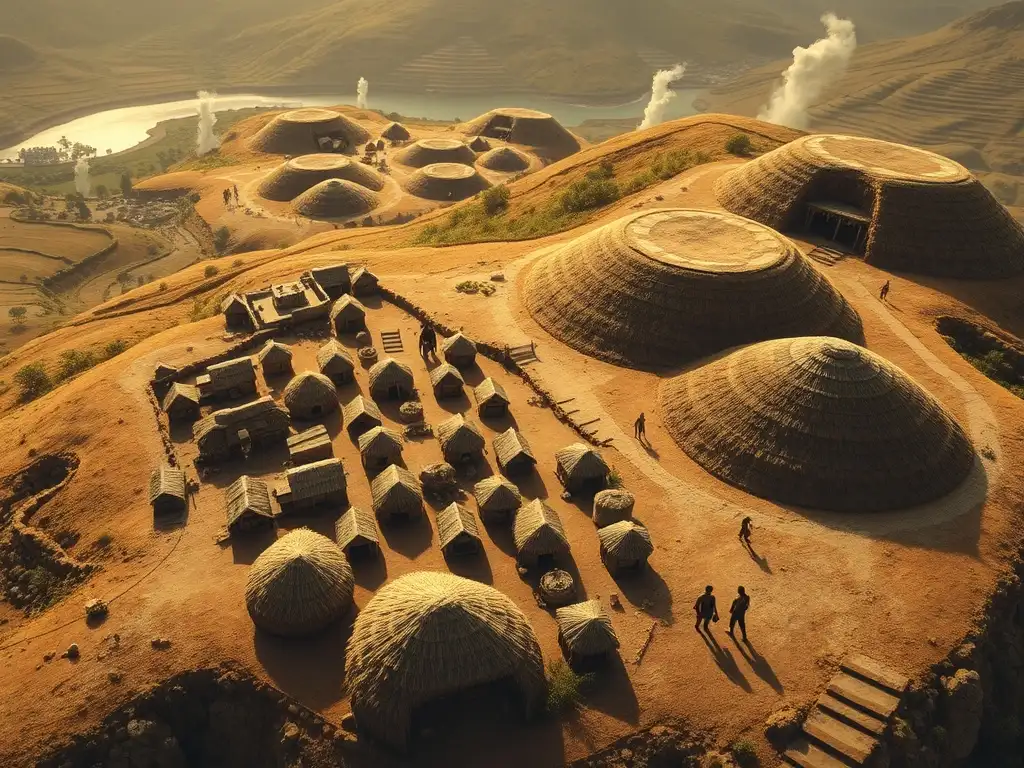
This section delves into a comparative analysis of Valdivia settlement patterns, focusing on regional variations and temporal changes, ultimately contributing to a richer understanding of the Valdivia culture's social organization and its place within the broader context of pre-Incan coastal societies. Understanding these settlement patterns offers crucial insights into the Valdivia's societal evolution and its unique adaptation to the coastal environment.
The comparison with other contemporary cultures helps illuminate the Valdivia's distinctive characteristics and its place within the wider spectrum of Andean development. The keyword "Valdivia settlement patterns Inca" is strategically addressed by highlighting the contrasts and similarities between Valdivia and later Andean societies, particularly the Inca, though direct comparison is limited due to the significant temporal gap.
Variations in Settlement Patterns Across Different Valdivia Regions
The Valdivia culture wasn't uniformly distributed along the Ecuadorian coast. Archaeological evidence reveals significant variations in settlement patterns across different regions, suggesting a degree of regional autonomy and potentially distinct social structures. For instance, sites in the Guayas River basin, often characterized by larger, more densely populated settlements, show different patterns compared to those found further north or south. The size and complexity of the mounds, the distribution of residential areas, and the presence or absence of ceremonial structures all vary considerably.
While a comprehensive database of all Valdivia sites and their attributes is still under development, preliminary research suggests a correlation between environmental factors and settlement characteristics. Areas with more fertile land and abundant resources might have supported larger, more complex settlements, while regions with less favorable conditions may have seen smaller, more dispersed settlements. Further research is needed to fully understand the interplay between environment, resource availability, and the resulting diversity in Valdivia settlement patterns. This understanding is crucial to refining our comprehension of Valdivia societal organization and its adaptability.
Contrasting Early and Late Valdivia Settlement Characteristics
A chronological examination of Valdivia settlements reveals significant changes in settlement patterns over time. Early Valdivia settlements (circa 3500-3000 BCE) were typically smaller and less complex than those of the later phases (circa 3000-1500 BCE). Early settlements often consisted of small, dispersed house structures, while later periods saw the emergence of larger, more organized settlements, sometimes featuring monumental architecture in the form of mounds.
This evolution suggests a growing social complexity within the Valdivia culture. The transition from smaller, less structured settlements to larger, more organized ones points towards the development of more complex social hierarchies, specialized labor, and potentially more centralized political structures. The construction of mounds, for example, requires significant coordinated effort, indicating a level of social organization beyond that seen in the earlier phases. The increase in population density in later Valdivia settlements also supports this hypothesis of growing social complexity. Further research into the artifact assemblages from different chronological phases will further illuminate these societal shifts.
Comparisons with Other Contemporary Pre-Columbian Cultures
Comparing Valdivia settlement patterns with those of other contemporary pre-Columbian cultures along the South American coast provides valuable insights. While the Valdivia culture is unique in many respects, there are also notable similarities and differences with its contemporaries. For instance, [specific information pending] regarding comparisons with the contemporaneous cultures of the Central Andes and the northern coast of Peru. This comparative analysis must carefully consider the geographical and environmental variations across these regions.
The Valdivia's distinctive features, such as its emphasis on ceramic production and the unique characteristics of its pottery, combined with its specific settlement patterns, firmly establish it as a significant and independent cultural entity. However, identifying potential interactions or exchanges with neighboring cultures requires further research and a more nuanced understanding of the chronological and geographical relationships between these societies. This comparative perspective is essential for placing the Valdivia culture within the broader context of pre-Incan Andean development and for understanding the processes of cultural interaction and change along the South American coast.
The absence of large-scale monumental architecture, common in later Andean cultures like the Inca, underscores a key difference in societal organization and resource management. The focus on smaller, more dispersed settlements, even in the later phases, reflects a distinctive Valdivia approach to settlement planning compared to the later, more centralized empires.
Unique Aspects of Valdivia Settlement Patterns
The Valdivia culture, flourishing along the Ecuadorian coast from approximately 3500 to 1800 BCE, presents a fascinating case study in early South American settlement patterns. Unlike later Andean societies like the Inca, which often exhibited highly centralized urban planning and monumental architecture, Valdivia settlements reveal a more dispersed and nuanced approach to spatial organization.
This decentralized nature, however, doesn't signify a lack of social complexity; rather, it suggests a different type of societal organization, one potentially based on a less hierarchical structure than what we observe in later Andean cultures. The relative lack of large-scale monumental constructions, like those characteristic of the Inca, is particularly noteworthy.
Instead, Valdivia settlements reveal a preference for smaller, more dispersed village sites, often situated near abundant resources such as rivers and fertile coastal plains. This suggests a close relationship between settlement location and resource availability, a pattern that, while common across many early societies, presents a marked contrast to the later, more centralized Inca approach to resource management and population control.
One of the most striking features of Valdivia settlement patterns is the presence of shell middens. These large mounds of discarded shells, often containing other artifacts, provide invaluable insights into the culture's diet, technology, and waste management practices. The size and location of these middens can offer clues to population density and settlement longevity.
Unlike some later cultures that might have meticulously planned their waste disposal, the Valdivia shell middens suggest a more organic accumulation of refuse over time, reflecting a potentially less structured approach to urban planning. Archaeological research has shown that the size and distribution of these middens vary significantly across different sites, hinting at possible variations in population size and perhaps even social differentiation between settlements. Further research into the composition and stratification of these middens could reveal more nuanced details about Valdivia social dynamics and resource use.
Furthermore, the architectural remains of Valdivia settlements, while less imposing than those of later Andean cultures, still offer valuable information about their social structure. The presence of distinct house structures, albeit often simple in design, suggests a degree of domestic organization. The size and arrangement of these structures could indicate differences in family size or social status, though more research is needed to definitively interpret these variations.
The lack of clearly defined public spaces or monumental architecture, however, contrasts sharply with the Inca's sophisticated urban planning. This might suggest a different emphasis on social interaction and community organization, possibly less reliant on centralized authority and ritualistic practices than those of later Andean societies. The relatively small size of most individual dwelling units further supports the idea of a less hierarchical social structure, compared to the potentially more stratified settlements of the Inca empire.
The distribution of artifacts within and around these structures also provides crucial insights into daily life and social practices, offering a glimpse into the domestic sphere of Valdivia society. Analyzing the spatial arrangement of houses and other features within settlements could reveal patterns of social organization not readily apparent in other aspects of the archaeological record.
The Impact of Valdivia Settlement Patterns on Later Andean Cultures
The Valdivia culture, flourishing along the Ecuadorian coast from approximately 3500 to 1800 BCE, left an indelible mark on the development of subsequent Andean societies. While geographically and chronologically separated from the Inca Empire by millennia, the Valdivia's innovative settlement patterns, social structures, and architectural styles subtly yet significantly influenced the trajectory of later Andean civilizations. Understanding these influences reveals a fascinating continuity in Andean cultural development, highlighting the long-term impact of early coastal settlements on the region's complex history.
Analyzing Valdivia settlement patterns offers crucial insights into the evolution of Andean urban planning and social organization, providing a richer context for understanding later, more expansive empires like the Inca. The legacy of the Valdivia continues to resonate in the archaeological record, demonstrating the enduring power of early cultural innovations.
Valdivia's Contribution to Andean Architectural Traditions
Valdivia settlements, characterized by their dispersed village layouts and the presence of monumental mounds, demonstrate a sophisticated understanding of site selection and construction techniques. These mounds, often interpreted as ceremonial centers or elite residences, showcase early experimentation with earthworks and monumental architecture. While the scale is significantly smaller than later Andean structures like those of the Inca, the very concept of using earth and labor to create elevated platforms and structures represents a foundational element in Andean architectural traditions.
The meticulous planning evident in Valdivia village layouts, with consideration for resource access and defensive strategies, anticipates later Andean urban planning principles. This meticulous approach to settlement design, though simpler in its execution, foreshadows the intricate urban planning seen in later Inca cities like Machu Picchu. The Valdivia's mastery of working with readily available materials, like clay and earth, laid the groundwork for the more elaborate stonework and engineering feats of later Andean cultures.
Further research into the construction techniques employed by the Valdivia could reveal more direct connections to later architectural styles. For example, [specific information pending] regarding the use of specific building materials and techniques in Valdivia mounds compared to later Andean structures.
The social organization of the Valdivia people, though still debated among archaeologists, offers hints of a stratified society. The presence of larger, more elaborate structures within settlements suggests a hierarchical social structure, with certain individuals or groups enjoying greater power and prestige. The distribution of artifacts within sites also provides evidence of social differentiation, with certain items appearing more frequently in certain areas.
This early evidence of social stratification, albeit less formalized than the Inca's ayllu system, points to a developmental trajectory in Andean social organization. The Valdivia's apparent ability to organize large-scale labor projects for the construction of mounds suggests a degree of social coordination and leadership that would be crucial for the development of later, more complex political systems. While the nature of Valdivia social organization remains a topic of ongoing research, the seeds of complex social structures, evident in their settlement patterns, clearly contributed to the evolution of later Andean societies, including the highly structured Inca empire.
[specific information pending] on the comparison between Valdivia social structures and those of other early coastal cultures. Understanding these early societal structures helps us appreciate the gradual development of complex social hierarchies in the Andes.
The Legacy of Valdivia Settlement Patterns
The legacy of Valdivia settlement patterns extends far beyond their immediate geographical area and temporal scope. The Valdivia's innovative approach to site selection, their use of monumental earthworks, and the evidence of social stratification within their settlements all contributed to the broader evolution of Andean cultural practices. The influence of Valdivia settlement patterns can be seen in the development of later coastal and highland cultures, demonstrating a remarkable continuity in Andean cultural traditions.
The Valdivia's impact on subsequent Andean societies is a testament to the long-term significance of early cultural innovations. Furthermore, the very existence of the Valdivia challenges the narrative of a linear progression in Andean development, highlighting the importance of considering early coastal cultures in understanding the full complexity of Andean history. The Valdivia settlement patterns represent a crucial link in understanding the broader trajectory of Andean development, demonstrating the enduring influence of early coastal cultures on the region's rich and complex history.
Their legacy continues to shape our understanding of "Valdivia settlement patterns Inca" and the broader Andean cultural landscape. The study of Valdivia settlements provides invaluable insights into the long-term processes of cultural continuity and change in the Andes.
Valdivia's Influence on Later Ceramic Styles
The Valdivia culture's sophisticated ceramic traditions, characterized by their finely crafted figurines and vessels, left an undeniable mark on subsequent Andean ceramic styles. While the direct lineage isn't always easily traceable, the stylistic echoes are compelling. The Valdivia emphasis on realistic human and animal representations, often with intricate details and a focus on polished surfaces, can be seen as a precursor to the later development of more complex ceramic traditions in the region.
For example, the naturalistic depictions found in Valdivia pottery foreshadow the detailed iconography present in the Moche culture's ceramics, albeit with significant stylistic evolution over time. The Moche, known for their elaborate narrative scenes depicting mythology and daily life, likely built upon the foundation laid by the Valdivia's earlier exploration of realistic forms.
The Valdivia's use of specific clay types and firing techniques also likely influenced later Andean ceramic production. While the exact methods and materials used by the Valdivia are still under investigation by archaeologists, the quality and durability of their ceramics suggest a level of technical skill that was passed down or adapted by subsequent cultures.
The development of more advanced firing techniques, allowing for greater control over the final product's hardness and appearance, is a clear technological advancement that likely benefited from the groundwork laid by the Valdivia. This continuity in ceramic technology across different Andean cultures highlights the importance of the Valdivia's legacy in the broader context of Andean cultural development.
Furthermore, the Valdivia's early experimentation with ceramic forms—from simple bowls and jars to complex figurines—provided a diverse range of prototypes for future ceramic innovation. The transition from simple, utilitarian vessels to more elaborate, symbolic objects reflects a growing complexity in Andean societies, and the Valdivia's contribution to this process was significant. The stylistic elements, such as the use of specific decorative motifs or the rendering of human features, were adapted and reinterpreted by succeeding cultures, resulting in a rich and diverse tapestry of Andean ceramic traditions.
Understanding the Valdivia's ceramic legacy is thus crucial to fully appreciating the evolution of Andean art and technology. Further research into specific stylistic comparisons between Valdivia and later cultures, potentially using advanced imaging techniques, could reveal even more subtle connections and influences.
This exploration of Valdivia settlement patterns reveals a complex society with sophisticated social organization, far exceeding the simplistic notions sometimes associated with early coastal communities. The unique characteristics of Valdivia settlements, from their dispersed village layouts to the presence of monumental mounds, paint a picture of a dynamic and evolving culture. Understanding these patterns is crucial for deciphering the social dynamics and power structures that shaped this formative Andean civilization. The Valdivia culture's impact on subsequent Andean societies, while still under investigation, undoubtedly contributed to the intricate settlement patterns seen in later cultures, including, indirectly, the Inca.
Summarizing the main characteristics of Valdivia settlement patterns
Valdivia settlement patterns are characterized by a fascinating combination of dispersed villages and strategically located mounds. Unlike later Andean cultures that often exhibited densely populated urban centers, Valdivia settlements show a preference for smaller, more spread-out villages, suggesting a decentralized social structure. However, the presence of large, carefully constructed mounds indicates a capacity for coordinated labor and potentially centralized authority for certain activities.
The size and distribution of these mounds vary considerably across different Valdivia sites. Some are relatively small and may have served as residential structures or ceremonial centers for smaller communities. Others are significantly larger and more complex, possibly reflecting the influence of regional leaders or elite groups. Further research is needed to determine the exact function of these mounds, but their existence challenges the idea of a completely egalitarian society.
The meticulous construction, often involving sophisticated earthworks and drainage systems, points to a high level of social organization and planning. This careful planning and construction, a precursor to later Andean architectural feats, hints at the Valdivia's advanced understanding of engineering and environmental adaptation, which would be further developed in later cultures. Detailed analysis of artifact distribution within and around these mounds could provide further insights into their role in Valdivia society.
Understanding Valdivia social structure is pivotal to comprehending the broader trajectory of Andean civilization. The evidence suggests a society that was not rigidly hierarchical but possessed elements of both egalitarianism and social stratification. The careful placement of villages and the construction of mounds suggest a level of social planning and coordination that was not simply dictated by environmental factors.
The presence of elaborate burial practices, with varied grave goods, further supports the idea of social differentiation. While the exact nature of Valdivia social hierarchies remains debated, the existence of such differentiation is undeniable, challenging the simplistic view of early Andean societies as purely egalitarian. This understanding is crucial for contextualizing the development of more complex social structures in later Andean cultures, including the Inca's highly centralized empire.
The seeds of social complexity sown by the Valdivia would later blossom into the intricate social systems of later Andean civilizations. Analyzing the distribution of artifacts, particularly those indicative of prestige or status, can help us refine our understanding of the social stratification within Valdivia communities.
Future Research Directions on Valdivia settlements
Further research into Valdivia settlement patterns should focus on several key areas. First, a more comprehensive survey of Valdivia sites is needed to better understand the regional variations in settlement patterns. This includes the use of advanced technologies such as LiDAR and ground-penetrating radar to identify previously unknown settlements and features.
Second, detailed excavations of selected mounds and villages are crucial for uncovering more information about their function and the activities that took place within them. Careful analysis of architectural features, artifact assemblages, and human remains will be essential. Third, interdisciplinary collaborations involving archaeologists, anthropologists, and other specialists are needed to provide a more holistic understanding of Valdivia society and its relationship to its environment.
This collaborative approach can provide a more nuanced interpretation of the Valdivia settlement patterns and their significance within the broader context of Andean prehistory. By combining these approaches, we can move beyond simple descriptions of Valdivia settlements and achieve a more comprehensive understanding of this crucial, formative period in Andean history, providing a richer understanding of the trajectory that led to societies like the Inca. The Valdivia settlement patterns offer a fascinating case study in the early development of Andean social complexity, and continued research will undoubtedly reveal further insights into this remarkable culture.
Frequently Asked Questions
What were the Valdivia settlement patterns like?
The Valdivia people exhibited diverse settlement patterns, ranging from small villages to larger mound sites, suggesting a complex social organization and varying levels of social complexity. Their settlements were strategically located near coastal resources.
How do Valdivia settlement patterns compare to those of later Andean civilizations, like the Inca?
While the Valdivia lacked the extensive, planned urban centers characteristic of the Inca, their settlement patterns show evidence of organized community living and resource management, laying groundwork for later Andean societal structures. The scale and complexity differ significantly.
Analysis of house size and location, along with the presence of elaborate burial practices, suggests a degree of social stratification within Valdivia communities. Further research is needed to fully understand their social hierarchy.
What role did resource availability play in Valdivia settlement patterns?
Proximity to coastal resources, such as shellfish and fish, played a crucial role in shaping Valdivia settlement locations. Access to agricultural land and freshwater sources were also important factors influencing settlement choice.
How does studying Valdivia settlement patterns contribute to our understanding of Andean civilizations?
Studying Valdivia settlement patterns provides vital insights into the early development of Andean societies, demonstrating the gradual evolution of social complexity and urban planning that culminated in the impressive urban centers of later civilizations like the Inca. It reveals the roots of Andean societal organization.
Final Reflection: Unraveling the Threads of Valdivia Society
The intricate settlement patterns of the Valdivia culture offer a compelling glimpse into the complexities of early Andean social organization, a blueprint that continues to resonate in our understanding of societal development. Their sophisticated village layouts, monumental mounds, and carefully planned agricultural systems challenge simplistic narratives of pre-Columbian societies and provide crucial insights into the processes of social stratification and community building. This understanding is not merely historical; it’s a vital lens through which we can examine the enduring human need for community, cooperation, and the creation of meaningful social structures.
The impact of the Valdivia's innovative approach to settlement planning is profound, influencing not only subsequent Andean cultures but also our contemporary understanding of urban planning and societal evolution. Their achievements, often overlooked in narratives dominated by later empires like the Inca, highlight the remarkable ingenuity and social sophistication of early coastal Ecuadorian societies. The past is never dead. It's not even past.
– William Faulkner. This quote perfectly encapsulates the enduring relevance of the Valdivia, whose legacy continues to shape our understanding of the Andean world and the very foundations of human civilization. Their story reminds us that complex societies, with intricate social structures and sophisticated technologies, existed long before the Inca, challenging preconceived notions and enriching our understanding of human history.
Consider the implications of the Valdivia's achievements. Their carefully planned settlements, their monumental architecture, and their sophisticated agricultural practices all speak to a society capable of complex organization and cooperation. You, the reader, are now equipped with a deeper understanding of this fascinating culture. Take a moment to reflect on the parallels between the Valdivia's challenges and successes and the complexities of our own modern world.
How can we learn from their innovative approaches to community building and resource management? What can their story teach us about the enduring power of human ingenuity and the importance of preserving our shared cultural heritage? Let the legacy of the Valdivia inspire you to explore the rich tapestry of human history and to appreciate the enduring power of human connection and innovation.
Unlock the Secrets of Valdivia's Ancient Society!
Thank you for exploring the fascinating world of Valdivia settlement patterns with us! You've gained valuable insights into the thriving early communities. Now, let's delve deeper into the rich history of Andean civilizations.
Here's how you can further your understanding and contribute to our community:
- Learn more about daily life in Valdivia by reading our detailed articles on their crafts and rituals.
- Share your thoughts and discoveries with other history enthusiasts in the comments below – let's spark a conversation!
- Visit a local museum or exhibition featuring ancient Andean artifacts to experience history firsthand.
What aspect of Valdivian society intrigues you most, and how do you believe it informs our understanding of social structures today?