
Huari Metalworking: The Skills of Their Craftsmen and Artisans

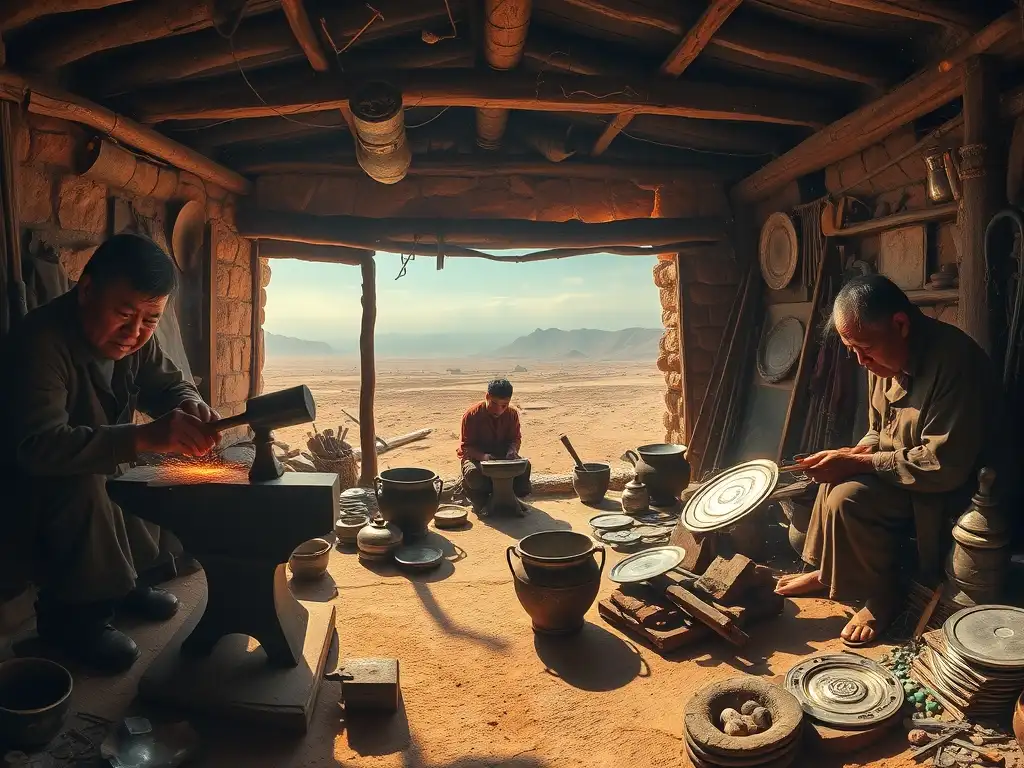
Dive into the enigmatic world of the Andes! Prepare to be amazed by the ingenuity and artistry of ancient civilizations that shaped a continent. From the towering heights of the Andes Mountains, we uncover the secrets of their remarkable achievements, and in this exploration, we delve specifically into the lost techniques of Huari metalworking. Discover the skills of their craftsmen and artisans – a story waiting to be unearthed. What innovative methods did they employ? Continue reading to unravel the mysteries of this fascinating pre-Incan culture.
The Huari civilization, flourishing in the Andes from approximately 600 to 1200 CE, left behind a remarkable legacy in metalworking. This sophisticated craft, far beyond simple ornamentation, played a crucial role in their social, religious, and political structures. This article delves into the impressive technical skills of Huari artisans, exploring the techniques they employed to create stunning objects of gold, silver, copper, and bronze. Understanding Huari metalworking techniques reveals a complex society with advanced metallurgical knowledge and a deep appreciation for artistry.
We will examine the processes, tools, and artistic styles that characterized their metalwork, revealing insights into their daily lives and worldview. The mastery displayed in Huari metalworking offers a compelling window into the technological prowess and cultural richness of this influential Andean civilization. Prepare to be amazed by the ingenuity and skill of these ancient masters.
Sourcing and Preparation of Metals
Huari metalworkers demonstrated a sophisticated understanding of metal sourcing and preparation. They likely mined copper and other ores from various locations within their extensive empire, utilizing techniques that are still being researched and uncovered by archaeologists. The process involved extracting the metal from the ore, a labor-intensive task requiring specialized knowledge of smelting and refining. Evidence suggests they employed furnaces and crucibles made of clay or stone, reaching high temperatures to separate the pure metal from impurities.
The refined metal was then hammered and shaped into various forms, demonstrating a remarkable level of control over the material's malleability. Specific details regarding the exact composition of their furnaces and the precise temperatures achieved remain areas of ongoing research, but the quality of their finished products speaks volumes about their mastery of these processes. The meticulous preparation laid the foundation for the intricate and beautiful objects they created.
Casting Techniques: Lost-Wax and Other Methods
The Huari were skilled in various casting techniques, most notably the lost-wax method (also known as cire perdue). This complex process involved creating a model of the desired object in wax, covering it in clay, and then melting out the wax to leave a mold. Molten metal was then poured into the mold, resulting in a near-perfect replica of the original wax model. This technique allowed for the creation of intricate designs and detailed figurines, often depicting deities, animals, or human figures.
While the lost-wax method was prevalent, Huari artisans likely also employed other casting techniques, such as open mold casting, adapted to the specific needs of each project. Further research is needed to fully understand the range of casting techniques used and their specific applications. The precision and artistry evident in surviving Huari castings underscore their exceptional skill and ingenuity.
Metalworking Tools and Techniques: Hammers, Mallets, and Annealing
The creation of Huari metalwork relied on a diverse array of tools. Stone hammers and mallets were used for shaping and forming the metal, often in conjunction with anvils made of stone or other durable materials. The artisans likely employed different types of hammers, varying in size and weight, to achieve different effects. The process often involved annealing, a heat treatment that softens the metal, making it easier to work with.
This cyclical process of hammering and annealing allowed for the creation of incredibly thin and delicate sheets of metal, as well as intricate designs. Archaeological finds have revealed some of these tools, but a comprehensive understanding of the entire toolkit remains a subject of ongoing investigation. The meticulous precision required for the creation of their artifacts suggests a high degree of skill and experience among the Huari metalworkers.
Styles and Motifs: Iconography and Artistic Expression
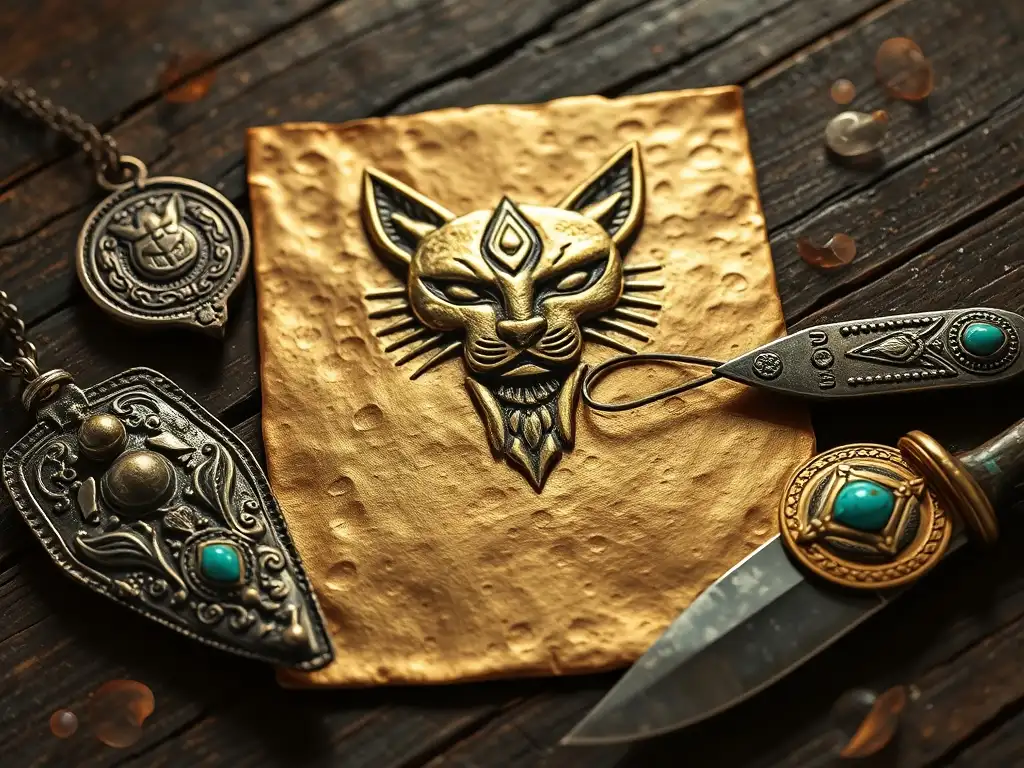
Huari metalwork is characterized by distinctive styles and motifs. Recurring themes include stylized animals, such as felines and birds, as well as human figures often depicted in ceremonial or ritualistic contexts. Geometric patterns and intricate designs are also common. The use of gold, silver, copper, and bronze, sometimes in combination, contributed to the richness and complexity of their aesthetic.
The iconography of Huari metalwork likely held significant religious and symbolic meaning, reflecting their beliefs and worldview. While much remains to be deciphered regarding the specific symbolism, the artistry and craftsmanship are undeniable. The stylistic consistency across different objects suggests a degree of standardization and perhaps even centralized production in certain workshops or centers. Further research into the iconography will provide deeper insights into Huari culture and belief systems.
The Legacy of Huari Metalworking
The sophisticated metalworking techniques of the Huari civilization had a lasting impact on subsequent Andean cultures. Their innovations and artistic styles influenced the metalwork of later groups, including the Inca. The high quality and artistry of Huari metalwork are testament to the skill and dedication of their artisans.
The legacy of their achievements continues to inspire awe and admiration, highlighting the remarkable technological and artistic capabilities of this pre-Columbian civilization. Continued research and analysis of Huari metalwork will undoubtedly reveal further insights into their culture and society, enriching our understanding of this fascinating period in Andean history. The mastery of Huari metalworking serves as a powerful reminder of the ingenuity and creativity of ancient Andean peoples.
- Sourcing and Preparation of Metals
- Casting Techniques: Lost-Wax and Other Methods
- Metalworking Tools and Techniques: Hammers, Mallets, and Annealing
- Styles and Motifs: Iconography and Artistic Expression
- The Legacy of Huari Metalworking
The Significance of Metalwork in the Huari Culture
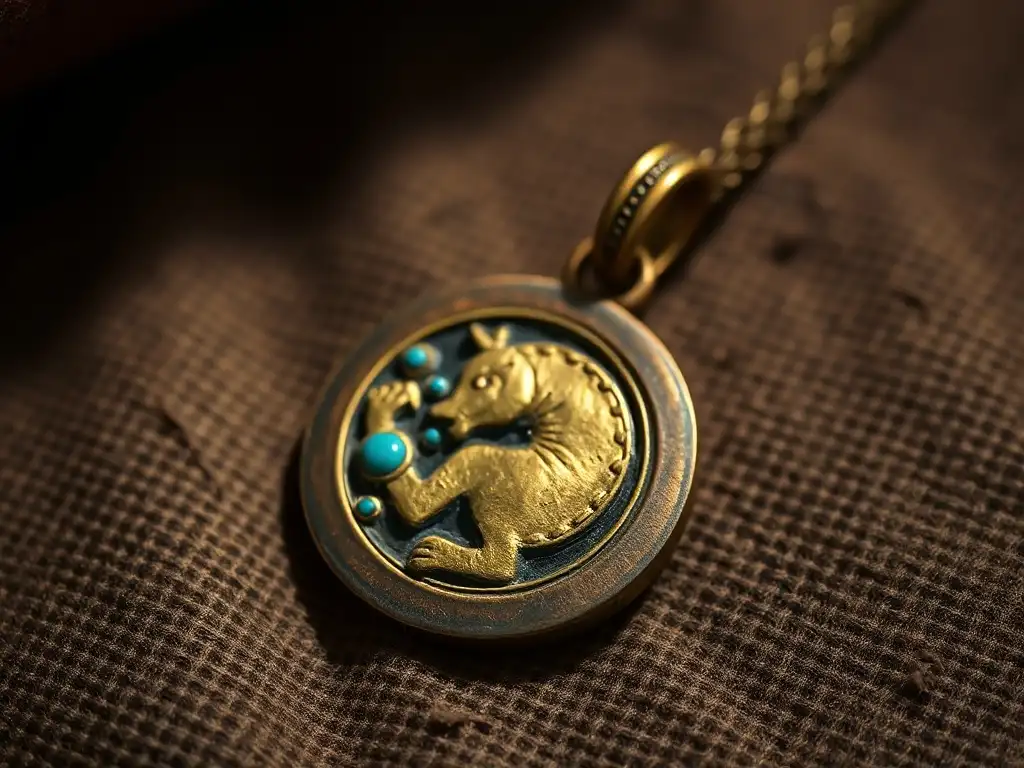
The Huari culture (c. AD 600-1000), a powerful and influential civilization of the central Andes, left behind a remarkable legacy, and its metalworking traditions stand out as a testament to their sophisticated craftsmanship and technological prowess. Huari metalworking techniques were not merely utilitarian; they were deeply intertwined with the fabric of Huari society, reflecting its social structure, religious beliefs, and political organization.
Understanding these techniques allows us to gain a deeper appreciation for the complexity and artistry of this remarkable culture. The sheer volume and diversity of Huari metal artifacts unearthed by archaeologists are compelling evidence of the scale and importance of metalworking within their society.
The precise methods and techniques employed by Huari artisans are still being researched, but the surviving artifacts provide undeniable insight into their skills and the value placed upon their creations. Analysis of the metals used, the casting methods, and the intricate decorative styles all contribute to our understanding of Huari metalworking's significance.
Huari Society and the Importance of Skilled Artisans
Huari society was highly stratified, with a complex hierarchy that likely dictated access to resources and specialized skills. The creation of metal artifacts, requiring specialized knowledge and considerable skill, was undoubtedly a highly valued profession. Artisans likely held positions of prestige within the Huari social structure, possibly working under the patronage of the elite or within centralized workshops.
The meticulous detail and technical sophistication evident in surviving metal objects suggest a high level of training and specialization among Huari metalworkers. Evidence suggests a structured apprenticeship system, where skills were passed down through generations, ensuring the continuity of these crucial techniques. Further research is needed to fully illuminate the social organization of Huari metalworking workshops, but the quality of the artifacts speaks volumes about the skill and dedication of the artisans involved.
We can hypothesize about their social standing based on the quality and importance of their work, but more archaeological data is needed to confirm these suppositions. The organization of labor and the social standing of artisans are key areas of ongoing research in Huari studies.
The Role of Metal Artifacts in Huari Society: Status, Ritual, and Power
Huari metal artifacts served a variety of purposes, reflecting their importance in both secular and religious contexts. Many objects, such as elaborate headdresses, ceremonial knives ( tumi ), and finely crafted ornaments, clearly served to display wealth and status within the Huari hierarchy. The use of precious metals like gold and silver, often combined with other materials like copper and alloys, reinforced the symbolic value of these artifacts. The intricate designs and masterful craftsmanship further enhanced their prestige and power.
Furthermore, the discovery of metal objects in elite tombs and ceremonial contexts strongly suggests their role in ritual practices and religious beliefs. These artifacts may have been used in ceremonies, offerings, or as symbols of power and authority. The presence of specific motifs and iconography on some metal objects offers clues to their ritual significance and potential connections to Huari mythology and cosmology. For example, certain animal figures or abstract designs might represent deities, ancestral spirits, or other important symbols within the Huari belief system.
The careful study of these motifs can provide valuable insights into the religious beliefs and practices of the Huari culture, further illuminating the role of metalworking in their society. The interplay between status, ritual, and power is a complex and fascinating aspect of Huari metalworking that continues to intrigue researchers. Analyzing the context of discoveries alongside the artifacts themselves provides the most comprehensive understanding of their function.
Unveiling Huari Metalworking Techniques
The Huari culture, flourishing in the Andes from approximately 600 to 1000 CE, left behind a remarkable legacy of metalwork. Their artisans displayed exceptional skill in extracting, refining, shaping, and decorating metals, contributing significantly to the understanding of Huari metalworking techniques. This section delves into the specific processes employed, revealing the ingenuity and technical prowess of these ancient Andean metalworkers.
The sophistication of their techniques, particularly evident in their gold, silver, and copper artifacts, showcases a high level of technological advancement for its time. Understanding these techniques allows us to appreciate the artistry and cultural significance embedded within each piece.
Extraction and Preparation of Metals by Huari Craftsmen
Huari metalworkers sourced their raw materials from various Andean deposits. Copper, the most commonly used metal, was likely obtained from mines located in the highlands, requiring considerable effort in extraction and transportation. Evidence suggests that the Huari likely employed techniques similar to those used by other Andean cultures, potentially involving open-pit mining and the use of basic tools like stone hammers and chisels.
Once extracted, the copper ore underwent a series of processes to prepare it for smelting. This included crushing and grinding the ore to reduce its size, increasing the surface area for efficient extraction of the pure metal. The exact methods for separating the copper from the ore remain partly unknown, but likely involved some form of washing and concentration techniques to remove unwanted impurities.
This initial preparation phase was crucial for the success of subsequent smelting processes. Further research is needed to ascertain the precise techniques used for the preparation of gold and silver, although it is likely they followed similar principles of extraction and initial processing. The intricate nature of many Huari gold and silver artifacts points to the mastery of these early metallurgical processes.
Huari Smelting Processes: Furnaces and Technologies
The smelting of metals was a critical stage in Huari metalworking. Archaeological evidence points towards the use of simple but effective furnaces, likely constructed from clay or stone. These furnaces were probably fueled by charcoal, providing the high temperatures necessary to melt the copper, silver, and gold ores.
The process involved careful control of the airflow and temperature to ensure efficient extraction of the molten metal. The exact design and operation of these furnaces remain a subject of ongoing research, but it is likely that Huari metalworkers developed sophisticated techniques for achieving consistent results. The quality and purity of the resulting metal directly impacted the final product's quality and workability.
It’s important to note that the smelting process for each metal – copper, silver, and gold – likely required different temperatures and furnace configurations, showcasing the advanced knowledge of Huari metallurgists in adapting their techniques to different materials. The ability to consistently produce high-quality metal was fundamental to the creation of the exquisite Huari metalwork we see today. The high purity of some specimens indicates a sophisticated understanding of metallurgical processes far beyond simple melting.
Shaping Huari Metals: Hammering, Engraving, and Repoussé
Once smelted, the metals were shaped using a variety of techniques. Hammering was undoubtedly a primary method, allowing the artisans to create various forms and thicknesses. The Huari employed both cold and hot hammering, depending on the metal and desired outcome. Hot hammering, performed on heated metal, made shaping easier and resulted in a more malleable material.
Cold hammering, on the other hand, provided more control and allowed for finer details. Beyond basic hammering, Huari artisans mastered techniques like engraving and repoussé. Engraving involved carving intricate designs into the metal's surface using sharp tools. Repoussé, a more complex technique, involved hammering the metal from the back to create raised designs on the front surface.
This required exceptional skill and precision. The detailed imagery found in numerous artifacts suggests a high level of proficiency in these techniques. The combination of hammering, engraving, and repoussé allowed the Huari to create highly detailed and aesthetically pleasing metal objects. Their mastery of these techniques, combined with their understanding of metallurgical processes, is what allowed them to produce the remarkable range of metalwork that has survived to this day and continues to fascinate researchers and art enthusiasts alike.
The Art of Huari Gilding and Plating
Huari metalworkers displayed exceptional skill in gilding and plating, techniques that significantly enhanced the aesthetic appeal and value of their artifacts. Gilding, the application of a thin layer of gold, often involved meticulous hammering and burnishing to achieve a smooth, lustrous finish. The Huari weren't limited to solid gold; they cleverly employed techniques like gold leaf, layering extremely thin sheets of gold onto a base metal. This allowed them to create a rich golden effect while conserving precious gold resources. Evidence suggests they utilized mercury amalgamation, a process where gold is mixed with mercury to create an easily workable paste, which was then applied and the mercury later evaporated. This process, while effective, presented health risks to the artisans. 1 The precise methods of applying and securing the gold leaf remain a subject of ongoing research, but analysis of surviving artifacts reveals a remarkable level of precision and artistry.
Beyond gilding, the Huari mastered the art of plating, which involved covering a base metal, such as copper or silver, with a thin sheet of a more valuable metal. This technique not only improved the appearance but also added durability and resilience to the objects. The plating process required a high level of skill and precision, ensuring the adherence of the plating metal without compromising the integrity of the base metal.
Archaeological finds reveal instances where copper objects were expertly plated with silver, creating stunning visual effects. Interestingly, some pieces show evidence of multiple plating layers, suggesting a sophisticated understanding of metallurgical processes and a desire for exceptional quality.
The Huari's mastery of gilding and plating techniques reflects their advanced understanding of metallurgy and their commitment to creating visually stunning and durable metalwork. The techniques employed, though now partially understood, continue to inspire awe and admiration for the skill and artistry of these ancient Andean metalworkers.
1 Further research is needed to fully understand the health implications of mercury use in Huari metalworking. [Specific information pending: Detailed studies on the prevalence of mercury poisoning among Huari artisans].
The Diverse Range of Huari Metal Objects
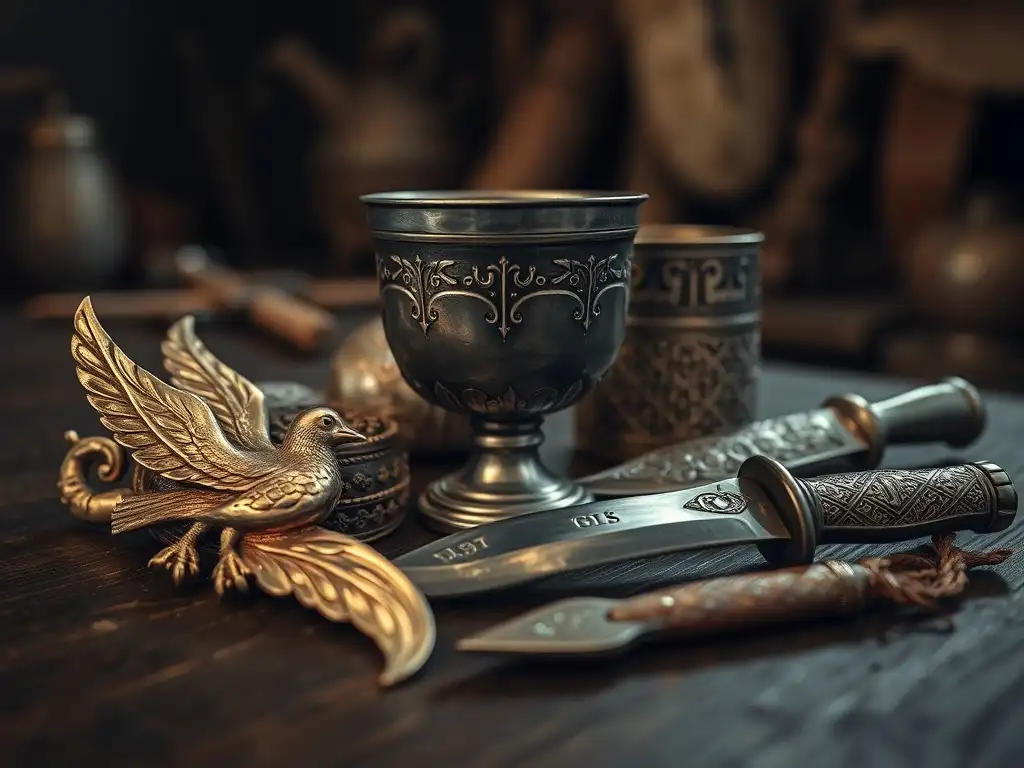
The Huari civilization, flourishing in the Peruvian Andes from approximately 600 to 1000 CE, left behind a remarkable legacy of metalwork. Their artisans, exhibiting exceptional skill and ingenuity, produced a wide array of objects, reflecting their sophisticated understanding of metallurgy and their rich cultural practices. This section delves into the diverse range of Huari metal objects, showcasing the breadth of their metalworking capabilities and the artistry embedded within each piece. Understanding Huari metalworking techniques is crucial to appreciating the complexity and sophistication of this Andean culture.
The sheer variety of objects discovered demonstrates a mastery not only of technical processes but also of aesthetic design. From delicate jewelry to robust tools, each piece tells a story of Huari life, beliefs, and societal structure. The stylistic consistency across different object types suggests a degree of centralized control over production, possibly indicating the existence of specialized workshops or guilds.
Huari Jewelry: Ornaments and Adornments
Huari jewelry represents a pinnacle of their metalworking achievements. Gold, silver, and copper, often combined with other materials like turquoise and shell, were meticulously crafted into intricate necklaces, earrings, and headdresses. These ornaments were not merely decorative; they likely held significant symbolic meaning, reflecting social status, religious beliefs, and possibly even personal identity.
Analysis of surviving pieces reveals a high level of technical skill, including techniques such as hammering, annealing, soldering, and repoussé (a method of shaping metal from the back). For example, some earrings feature incredibly fine filigree work, demonstrating a level of precision rarely seen in other contemporary Andean cultures. The use of varied alloys and the incorporation of semi-precious stones further enhanced the aesthetic appeal and potential symbolic value of these pieces.
The intricate designs often depict stylized animals, geometric patterns, and anthropomorphic figures, all reflecting the rich iconography of the Huari culture. The discovery of numerous burial sites containing elaborate jewelry provides evidence of the importance of these ornaments in Huari society.
Huari Tools and Utensils: Functional Metalwork
Beyond decorative objects, Huari artisans produced a range of functional metal items. These included tools for agriculture, such as finely crafted copper knives and sickles, which improved efficiency in farming practices. The metallurgical expertise required to produce durable and sharp tools indicates a deep understanding of metal properties and heat treatment.
Evidence suggests the use of different alloys to create tools with specific properties; some tools were designed for strength, while others prioritized sharpness. Additionally, various types of utensils, including bowls, spoons, and containers, were crafted from copper and other metals. These objects demonstrate the practical application of Huari metalworking techniques in daily life, supporting their complex agricultural and domestic systems.
The standardization in the shape and size of some tools may suggest mass production, potentially indicating a level of economic organization and specialization within Huari society. Further research is needed to fully understand the distribution and use of these functional metal objects within different social strata.
Huari Ceremonial Objects: Ritual Metal Artifacts
A significant portion of Huari metalwork served ceremonial and ritual purposes. These objects, often crafted from gold and silver, frequently featured intricate designs and symbolic motifs. Examples include intricately decorated plates, vessels, and figurines, many of which were likely used in religious ceremonies or to represent deities.
The use of precious metals in these objects underscores their importance and the high status of those who used or controlled them. The symbolic imagery found on these artifacts provides valuable insights into Huari religious beliefs and cosmology. Analysis of these objects suggests that they may have been used in rituals related to fertility, ancestor veneration, and possibly warfare.
For instance, some vessels exhibit depictions of stylized animals and deities, while others are decorated with geometric patterns that may represent cosmological concepts. The scale and complexity of some of these ceremonial objects indicate a significant investment of resources and labor, highlighting the importance of religious practices within Huari society. Further investigation into the context of their discovery is crucial to more fully understand their function and significance.
Huari Military Metalwork: Weapons and Armor
Huari military metalwork represents a significant aspect of their technological prowess and societal structure. While not as extensively studied as their elaborate ceremonial objects, the surviving examples of Huari weaponry and armor provide valuable insights into their warfare strategies and the importance of metalworking in their military capacity. The scarcity of these artifacts, however, makes definitive conclusions challenging, often relying on fragmented pieces and indirect evidence.
One of the most intriguing aspects of Huari military metalwork is the limited evidence of large-scale production of weapons like swords or spears. Unlike some other Andean cultures, the Huari didn't seem to rely heavily on mass-produced metal weapons. Instead, existing evidence points towards a more personalized approach, with weapons potentially crafted for specific warriors or elite members of the army. This could be interpreted as reflecting a social hierarchy where access to high-quality metal weaponry was restricted.
The surviving fragments of Huari armor offer a glimpse into their defensive capabilities. These fragments, primarily consisting of small plates and possibly components of larger breastplates or helmets, suggest the use of metal for protection. The precise techniques employed in the construction of these armor pieces remain unclear due to the fragmented nature of the discoveries. However, the quality of the metalwork suggests a level of craftsmanship comparable to that found in their ceremonial objects, indicating a significant investment in military preparedness. Further research is needed to determine the extent of metal armor use within the Huari military.
The scarcity of complete Huari weapons and armor necessitates further archaeological investigation. More comprehensive excavations, particularly focusing on sites associated with warfare or elite burials, could yield more complete artifacts, providing more detailed information about their design, manufacturing techniques, and the role of metal in Huari military organization. This would allow researchers to better understand the Huari's military technology and its contribution to their expansion and control across the Andes.
The potential discovery of complete weapons and armor would revolutionize our understanding of Huari military strategies and the role of metalworking in their power projection. It is a testament to the enduring mystery surrounding this culture that even these fundamental aspects of their military remain largely unknown.
Materials Utilized in Huari Metal Craftsmanship
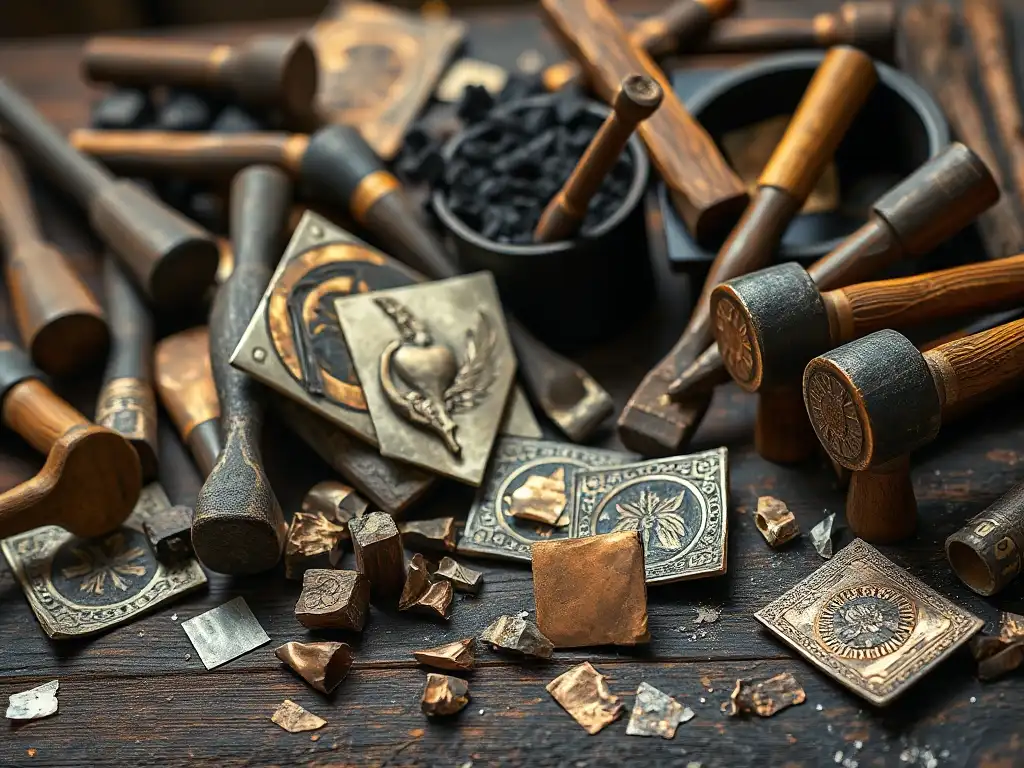
The Huari civilization, flourishing in the central Andes from approximately 600 to 1000 CE, demonstrated remarkable skill in metalworking, a testament to their advanced technological capabilities and artistic sensibilities. Their mastery extended beyond simple ornamentation; Huari metalworkers created intricate objects reflecting their social hierarchy, religious beliefs, and daily life. Understanding their techniques requires examining the materials they skillfully manipulated: gold, silver, copper, and bronze.
The availability and distribution of these metals, along with their symbolic value, significantly shaped Huari metalworking practices and the resulting artifacts. Analyzing these materials provides key insights into the sophistication of Huari metallurgy and its place within the broader Andean technological landscape. The prevalence of certain metals in specific artifact types also reveals important clues about social stratification and ritual practices within Huari society.
The Use of Gold in Huari Metalworking
Gold, a highly prized metal throughout the Andes, held significant symbolic value for the Huari. Its malleability allowed for intricate designs, often incorporating techniques like hammering, repoussé (hammering from the reverse side to create relief), and soldering. While less common than copper and bronze in terms of sheer volume of artifacts, gold objects were often associated with elite status and ritual contexts.
For example, many surviving gold artifacts are small, finely detailed items such as ear ornaments, nose rings, and small decorative plates, suggesting their use as elite adornments or offerings in ceremonies. The purity of the gold used, often exceeding 90%, speaks to the advanced metallurgical knowledge of Huari artisans. Analysis of gold artifacts reveals that the Huari sometimes alloyed gold with other metals, likely to alter its color or hardness, demonstrating a sophisticated understanding of metallurgical processes.
Further research is needed to fully understand the sourcing of Huari gold and the specific techniques employed in its refinement and shaping. [Specific information on gold alloying percentages pending]. The scarcity of large-scale gold objects suggests that gold was carefully managed and controlled within Huari society, reinforcing its association with power and prestige.
Silver and Its Application in Huari Artifacts
Silver, another precious metal, played a less prominent role in Huari metalworking than gold, but its use was still significant. Unlike gold, which was often used in its pure form, Huari artisans frequently alloyed silver with copper to create a stronger, more durable metal. This alloy, often referred to as electrum in other Andean contexts, allowed for the creation of larger and more complex objects.
Silver objects found in Huari contexts include sheets, wires, and small decorative elements, often incorporated into larger artifacts made of other metals. The presence of silver suggests a more widespread use than gold, potentially indicating a less restrictive control over its distribution and use within Huari society. [Data on the specific silver-copper ratios in Huari alloys pending].
The techniques used in silverworking were similar to those employed with gold, including hammering, repoussé, and soldering, highlighting the adaptability of Huari metallurgical skills across different metals. Further investigation is required to definitively determine the sources of Huari silver and fully characterize the metallurgical practices involved in its processing.
Copper and Bronze in Huari Metal Production
Copper and bronze were the most commonly used metals in Huari metalworking, reflecting their relative abundance and ease of processing. Copper, often found in its native state, was readily available in various parts of the Huari empire. Bronze, an alloy of copper and tin, required a more advanced metallurgical understanding to produce. The Huari demonstrated mastery in creating bronze objects of varying shapes and sizes, ranging from tools and weapons to elaborate ceremonial items.
The presence of tin in these bronze artifacts indicates access to tin sources, potentially through trade networks. [Specific details on Huari bronze composition and tin sources pending]. Huari metalworkers employed various techniques, including casting (using molds), hammering, and annealing (heating and cooling to alter properties) to shape copper and bronze.
The wide variety of copper and bronze objects discovered – from simple tools like chisels and axes to intricate ceremonial vessels and ornaments – reveals the versatility and skill of Huari artisans and their ability to adapt their techniques to produce a wide range of functional and decorative items. The prevalence of copper and bronze objects suggests a widespread availability of these materials within Huari society, possibly indicating a more egalitarian distribution compared to the precious metals. 👨🔧 The study of Huari metalworking techniques using copper and bronze provides crucial insight into their technological prowess and economic organization.
Other Metals and Alloys Employed by Huari Artisans
Beyond gold and silver, Huari artisans demonstrated remarkable skill in working with a variety of other metals and alloys, showcasing their advanced metallurgical knowledge and ingenuity. Copper, for instance, was a readily available resource in the Andes, and Huari smiths expertly crafted tools, weapons, and decorative items from it. The techniques employed often involved hammering and annealing to shape the metal, creating both functional and aesthetically pleasing objects.
Evidence suggests that copper alloys, particularly bronze (an alloy of copper and tin), were also utilized. The precise composition of these alloys varied, likely reflecting the availability of tin in different regions and the artisans' experimentation with different ratios to achieve desired properties like hardness and malleability. While the exact methods used to produce bronze remain under investigation, the presence of bronze artifacts in Huari sites points to a sophisticated understanding of metallurgy.
The use of other less common metals, such as lead and arsenic, also merits attention. These metals, while not as visually striking as gold or silver, played crucial roles in Huari metalworking. Lead, for example, may have been used as a flux during smelting processes to assist in removing impurities and achieving a purer metal.
Arsenic, on the other hand, could have been added to copper alloys to increase their hardness and durability, making them suitable for tools and weapons. The inclusion of these elements highlights the Huari artisans' deep understanding of the properties of different metals and their ability to manipulate them to achieve specific functionalities. Further research into the chemical composition of Huari metal artifacts is crucial to fully understand the range of materials and techniques employed by these skilled craftsmen.
The careful analysis of these artifacts could reveal further insights into the sophisticated techniques and the extent of the Huari metallurgical knowledge. This detailed understanding will help us to better appreciate the complexity of their metalworking traditions and their place within the broader Andean metallurgical landscape. The discovery of new artifacts and advanced analytical techniques continues to shed light on the innovative practices of Huari artisans, constantly refining our understanding of their impressive metalworking skills.
Huari Metalworking Styles and Decoration
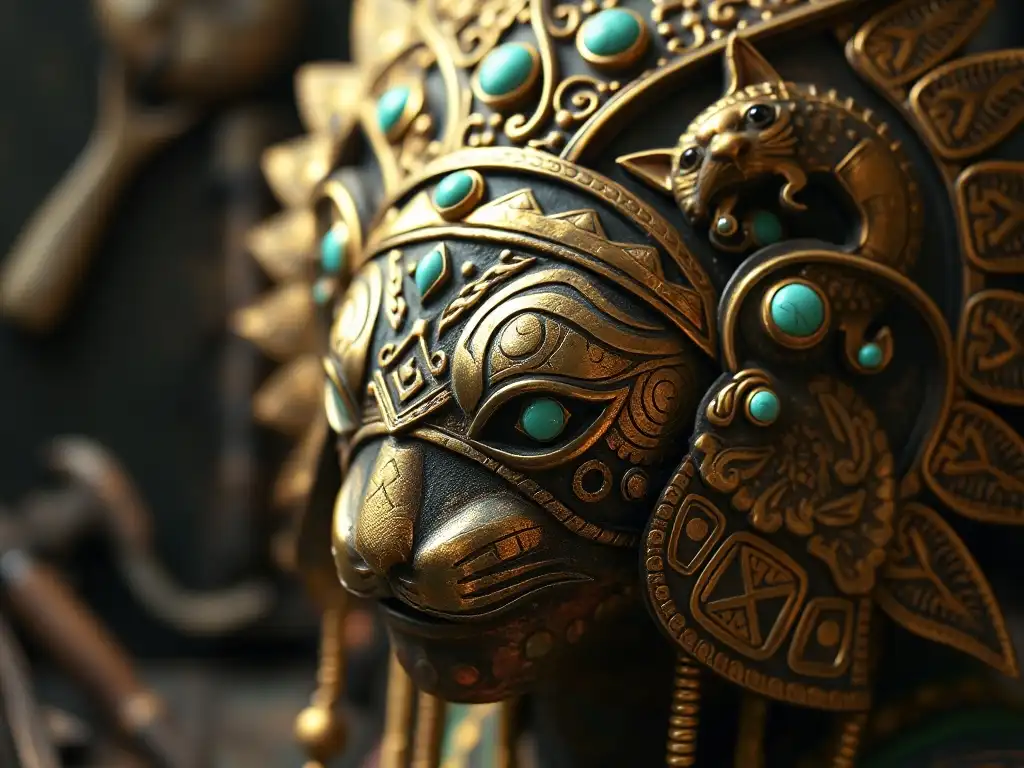
The Huari, a powerful pre-Inca civilization flourishing in the central Andes from approximately 600 to 1000 CE, left behind a remarkable legacy of metalworking. Their artisans were masters of diverse techniques, producing objects ranging from intricate jewelry to imposing ceremonial tools. Understanding Huari metalworking techniques reveals not only their technical prowess but also their sophisticated artistic sensibilities and worldview.
The style itself reflects a blend of indigenous traditions and innovations, showcasing a distinct aesthetic that sets it apart from other Andean cultures of the time. Analyzing their metalwork offers a unique window into the societal structures, religious beliefs, and artistic expressions of this influential civilization. The meticulous craftsmanship evident in Huari artifacts demonstrates a high level of skill and specialization within their society.
Their mastery of various metals, including gold, silver, copper, and bronze, along with their innovative techniques, contributed significantly to the development of Andean metalworking traditions. The widespread distribution of Huari-style metalwork across the Andes further underlines the empire's reach and influence.
Distinctive Motifs in Huari Metal Art
Huari metal art is characterized by a distinctive set of recurring motifs, often integrated into complex compositions. These motifs, frequently stylized representations of animals and mythical beings, are deeply symbolic and reveal a rich cosmology. Commonly depicted are:
- Condor: A powerful bird of prey, symbolizing strength, power, and the upper world. Often depicted in flight or perched majestically.
- Puma: A feline predator representing strength, agility, and the earthly realm. Frequently shown in profile or engaged in predatory action.
- Snake: A symbol of fertility, water, and the underworld. Often depicted in coiled or undulating forms.
- Anthropomorphic figures: Stylized human representations, sometimes depicted with elaborate headdresses and adornments. These figures may represent deities, ancestors, or shamans.
- Geometric patterns: Repeating geometric designs, such as stepped frets, triangles, and zigzags, often integrated into the background or used to frame figurative motifs. These patterns likely had symbolic meanings related to cosmology or social organization.
The arrangement and combination of these motifs frequently create narratives or convey specific messages, showcasing a sophisticated understanding of visual communication. Further research is needed to fully understand the nuanced symbolism encoded within these intricate designs. The level of detail and precision in rendering these motifs demonstrates the high level of skill possessed by Huari artisans. The use of these motifs not only enhanced the aesthetic appeal of the objects but also conveyed their social and religious significance.
Huari Decorative Techniques: Inlay and Filigree
Huari metalworkers were exceptionally skilled in a variety of decorative techniques, enhancing the beauty and value of their creations. Two prominent techniques are inlay and filigree.
- Inlay: This technique involves setting pieces of contrasting materials—often semiprecious stones such as turquoise, lapis lazuli, or shell—into recesses carved into the metal surface. This creates intricate patterns and adds vibrant color to the piece. Huari artisans displayed remarkable precision in this process, perfectly fitting the inlaid materials to create seamless, visually stunning designs. The choice of materials and their arrangement likely held symbolic meaning.
- Filigree: This technique involves creating delicate, intricate designs from thin wires of metal, often soldered together to form complex patterns. Huari filigree work is often incredibly fine and detailed, demonstrating exceptional dexterity and patience on the part of the artisans. Filigree was used to adorn various objects, from jewelry to ceremonial tools, adding a sense of lightness and elegance to their creations.
These two techniques, often used in conjunction with each other, demonstrate the Huari's mastery of metalworking and their ability to combine different materials and techniques to achieve spectacular results. The complexity and precision of these techniques are testaments to the specialized training and expertise of Huari artisans. Further study of surviving examples could reveal more specific information about the tools and processes used in these techniques.
Huari Metal Designs and Their Symbolic Meanings
The designs found on Huari metalwork are not merely decorative; they carry deep symbolic meanings tied to their religious beliefs and social structure. While complete decipherment remains a challenge, scholars have made significant progress in interpreting some of these symbols. For example, the recurring presence of feline imagery, particularly the puma, suggests a connection to earthly power and shamanistic practices.
The presence of condor imagery, in contrast, points towards a connection to the upper world and celestial deities. The interplay between these two powerful symbols, often seen together in a single piece, may represent the Huari understanding of the cosmos and their relationship to the natural world.
The use of geometric patterns, such as stepped frets and triangles, likely holds further symbolic significance, potentially reflecting concepts of cosmology, social hierarchy, or agricultural cycles. Further research is needed to fully understand the complex system of symbols employed by the Huari. Analyzing the context of discovery for each artifact—its location, associated grave goods, and other contextual clues—is crucial in interpreting its symbolic meaning.
The study of Huari iconography requires a multidisciplinary approach, combining art historical analysis with anthropological and archaeological data to fully appreciate the richness and complexity of their symbolic world. The ongoing research into Huari metalworking techniques and their symbolic meanings continues to shed light on this fascinating and influential civilization.
The Legacy of Huari Metalworking
The Huari civilization, flourishing in the central Andes from approximately 600 to 1000 CE, left behind a remarkable legacy, and a significant part of that legacy lies in their sophisticated metalworking techniques. Huari metalworking wasn't simply a practical skill; it was deeply interwoven with their religious beliefs, social structures, and artistic expression. The intricate artistry and technical proficiency displayed in their metal artifacts provide invaluable insights into their culture and worldview.
Understanding Huari metalworking techniques helps us appreciate the complexity of their society and its influence on subsequent Andean cultures. This sophisticated craft, characterized by its innovative techniques and unique aesthetic, continues to fascinate and inspire researchers and enthusiasts alike.
The sheer variety of objects produced – from elaborate ceremonial objects to everyday tools – underscores the pervasive role of metalworking in Huari life. The legacy of Huari metalworking is not merely a collection of artifacts; it's a testament to the ingenuity and artistry of a remarkable civilization.
Huari Metalworking Influences on Later Andean Cultures
Huari metalworking techniques significantly impacted subsequent Andean cultures, particularly the Inca. While the Inca developed their own distinctive styles, clear evidence suggests a continuity of certain techniques and aesthetic principles. For example, the Inca's mastery of hammering and repoussé, techniques used to shape thin metal sheets into three-dimensional forms, shows a clear lineage from Huari practices.
Furthermore, the use of specific alloys and the preference for certain decorative motifs reveal a direct connection. The stylistic elements and technical expertise inherited from the Huari period are evident in Inca goldwork, silverwork, and bronzework. This transmission of knowledge and skills represents a crucial aspect of cultural continuity in the Andes.
Analyzing the stylistic evolution of metalworking across different Andean cultures allows us to trace the influence of Huari artisans and their innovative approaches. Their legacy is not just a historical footnote; it's a living thread woven into the tapestry of Andean metalworking traditions. The sophisticated techniques developed by Huari artisans laid the foundation for future generations of Andean metalworkers, demonstrating the enduring impact of their contributions.
Archaeological Discoveries and Insights into Huari Metal Craft
Archaeological excavations at various Huari sites have unearthed a wealth of metal artifacts, providing invaluable insights into their metalworking techniques. Sites like Wari Kayan and Pikillacta have yielded significant collections of gold, silver, copper, and bronze objects. These discoveries reveal a high level of technical sophistication, including mastery of casting, hammering, repoussé, soldering, and inlay. The meticulous craftsmanship evident in these artifacts points to specialized workshops and a hierarchical organization of labor.
For instance, the intricate details found on ceremonial objects suggest the presence of highly skilled artisans who dedicated themselves to the craft. Analysis of the metal composition and the manufacturing processes employed provides further clues to their technological capabilities. Studies of the tools used, along with the analysis of metallurgical residues, provide crucial details on their working methods.
The combination of archaeological evidence and scientific analysis is essential to reconstruct the complexities of Huari metalworking. This detailed approach enhances our understanding of their techniques and the social context of their production. The careful study of these artifacts allows us to piece together a more complete picture of Huari society and its remarkable achievements.
The Enduring Skill of Huari Metalworkers: A Lasting Cultural Legacy
The skill and artistry of Huari metalworkers continue to inspire awe and admiration. Their legacy extends beyond the impressive collection of surviving artifacts; it represents a significant contribution to Andean cultural heritage. The sophisticated techniques they developed, refined over generations, left an indelible mark on subsequent Andean cultures. Their mastery of various metallurgical processes, coupled with their artistic creativity, created objects of exceptional beauty and technical brilliance.
The enduring appeal of Huari metalwork lies in its unique blend of technical proficiency and aesthetic sophistication. The intricate designs, often incorporating zoomorphic and anthropomorphic motifs, reflect their cosmological beliefs and worldview. The study of Huari metalworking offers a window into their religious practices, social hierarchy, and artistic sensibilities. Their craftsmanship serves as a powerful testament to the ingenuity and creativity of a civilization that flourished in the challenging environment of the Andes.
The lasting impact of Huari metalworking techniques demonstrates the enduring power of cultural innovation and the transmission of knowledge across generations. The legacy of Huari metalworking is a source of both inspiration and scholarly inquiry, continuing to captivate researchers and enthusiasts alike. Their sophisticated artistry and remarkable technical abilities are a significant part of the rich tapestry of Andean history.
Frequently Asked Questions
What were the Huari people known for?
The Huari were a powerful Andean civilization that flourished between 600 and 1000 CE. They are known for their extensive empire, impressive administrative skills, and sophisticated metalworking techniques.
What materials did Huari metalworkers use?
Huari artisans primarily utilized gold, silver, copper, and bronze, often combining these metals to create alloys with unique properties. They also incorporated precious stones into their metalwork.
What were some common Huari metalworking techniques?
Huari metalworkers were masters of casting, hammering, repoussé, and inlay. They created intricate designs using these techniques, showcasing their advanced technical skills.
How did Huari metalworking compare to that of other Andean cultures?
Huari metalworking was remarkably sophisticated, exhibiting a high degree of technical skill and artistic innovation. It built upon and surpassed the techniques of earlier Andean cultures like the Moche.
Where can I learn more about Huari metalworking techniques?
You can explore further by researching Huari archaeological sites, visiting museums with Huari artifacts, and consulting scholarly publications and academic journals focusing on Andean archaeology and metallurgy.
Final Reflection: The Enduring Legacy of Huari Metalworking
The intricate artistry of Huari metalworking remains a testament to the ingenuity and skill of a vanished civilization, a legacy that continues to inspire awe and inform modern techniques. The precision, the innovative alloys, and the sheer artistry displayed in their work offer a powerful window into a sophisticated society, reminding us of the enduring power of human creativity even in the face of historical obscurity.
The Huari's mastery of metalworking wasn't merely a technical achievement; it was a cultural statement, a reflection of their social structure, religious beliefs, and artistic sensibilities. Their techniques, passed down through generations, shaped their identity and left an indelible mark on the Andean region. The past is never dead. It's not even past.
- William Faulkner. This quote resonates deeply, as the Huari's metalworking continues to speak to us across the centuries, prompting us to consider the enduring impact of craftsmanship and cultural heritage.
Consider the Huari legacy. Reflect on the dedication and skill required to create such exquisite objects. You too possess the capacity for mastery and innovation in your own field. Let the spirit of Huari metalworking inspire you to pursue excellence, to appreciate the artistry in all forms of creation, and to recognize the lasting power of human ingenuity. Embrace the challenge, hone your skills, and leave your own mark on the world, just as the Huari craftsmen did centuries ago.
Unleash Your Creative Spirit with Huari Craftsmanship!
Thank you for exploring the fascinating world of Huari metalworking! We hope you're inspired by the incredible skill and dedication of the Huari artisans. Now, let's translate that inspiration into action!
Here are some ways to connect further with the essence of Huari craftsmanship:
- **Try your hand at metalworking:** Gather some basic tools and create a small metal piece. Begin with simple shapes and let your creativity flow!
- **Join a local workshop:** Find artisan courses in your area to learn traditional metalworking techniques and connect with other enthusiasts.
- **Share your progress:** Document your metalworking journey on social media. Use hashtags like #HuariCraft to connect with a community celebrating ancient and modern craftsmanship.
Ready to forge your own path and become part of this ancient artistry? What creative project will you tackle next? Let us know in the comments!