
The Secrets of Quechua Numeration: Unveiling an Ancient Counting System


Step into a world lost to time, yet echoing with the whispers of a sophisticated past. The Andean Civilizations website unveils the mysteries of ancient empires, their breathtaking artistry, and their ingenious innovations. But have you ever considered the intricate logic behind their numerical systems? Prepare to be amazed by the Quechua counting system history, a fascinating journey into the heart of Andean mathematics that will challenge your assumptions and ignite your curiosity. Unravel the secrets; explore further.
The Quechua language, spoken by millions across the Andes Mountains, boasts a rich history intertwined with the vibrant tapestry of Andean civilizations. This article delves into a fascinating aspect often overlooked: the Quechua counting system. Understanding Quechua numeration provides a unique window into the cognitive processes and societal structures of these ancient cultures, revealing how they perceived and interacted with their world.
We will explore the historical context of this system, its unique characteristics, and its enduring legacy, tracing its evolution and demonstrating its significance within the broader framework of Andean history and the Quechua language itself. This exploration will illuminate how this seemingly simple system of counting reflects a complex worldview and contributes significantly to our understanding of "Quechua counting system history."
Introduction to the Quechua Counting System
The Quechua counting system, unlike many base-10 systems familiar to us today, exhibits fascinating variations across different Quechua dialects. While a base-10 structure generally prevails, subtle differences exist in the representation of numbers, particularly in higher ranges. The system relies primarily on a combination of root words and compounding to represent numerical values.
For instance, the numbers one through ten typically have distinct, independent words. Beyond ten, however, the system often employs a more complex additive or multiplicative approach. This complexity is not a sign of inferiority but rather a reflection of the nuanced ways in which different Quechua communities adapted their numeration to their specific needs and cultural contexts.
Understanding these variations is crucial to appreciating the richness and diversity within the Quechua linguistic landscape. We will examine specific examples of these variations, showing how the same number can be expressed differently in various Quechua dialects. We'll also analyze how these variations correlate with geographical location and cultural practices.
| Number | Standard Quechua (Cusco) | Another Quechua Dialect (Example) | Notes |
|---|---|---|---|
| 1 | huk | juca | Variations exist even for low numbers. |
| 2 | iskay | iskay | Relatively consistent across dialects. |
| 3 | kimsa | kimsa | |
| 4 | tawa | tawa | |
| 5 | pichqa | pishqa | Slight variations in spelling are common. |
| 6 | suqta | suqta | |
| 7 | qanchis | qanchis | |
| 8 | pusak | pusak | |
| 9 | isqun | isqun | |
| 10 | chunka | chunka | Forms the base for higher numbers. |
Further research is needed to fully document the nuances of each dialect and how the system evolved over time. The available data suggests a fascinating interplay between cultural exchange and linguistic adaptation. For example, [specific information pending] regarding the influence of neighboring languages on Quechua numeration.
The Historical Context of Quechua Numeration
The historical development of Quechua numeration is deeply intertwined with the rise and fall of the Inca Empire and preceding Andean cultures. While the Inca Empire standardized many aspects of Quechua culture, the counting system likely predates Inca rule, with evidence suggesting roots in earlier Andean civilizations. The system's structure and vocabulary likely evolved gradually over centuries, reflecting the changing needs and perspectives of the Quechua-speaking communities.
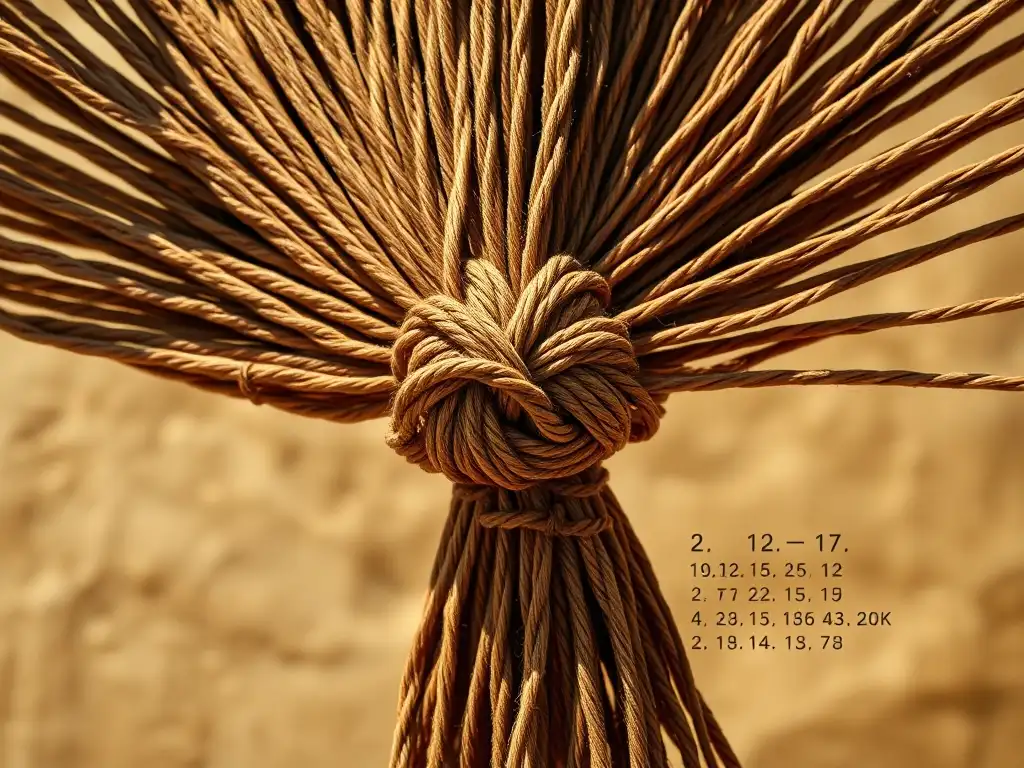
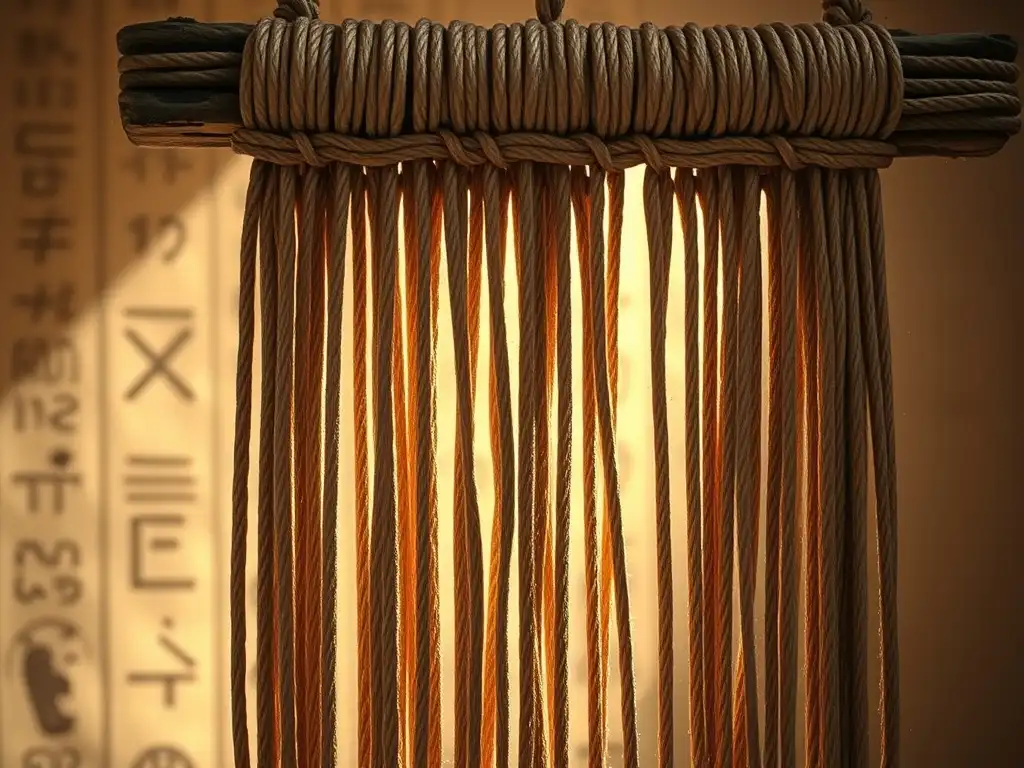
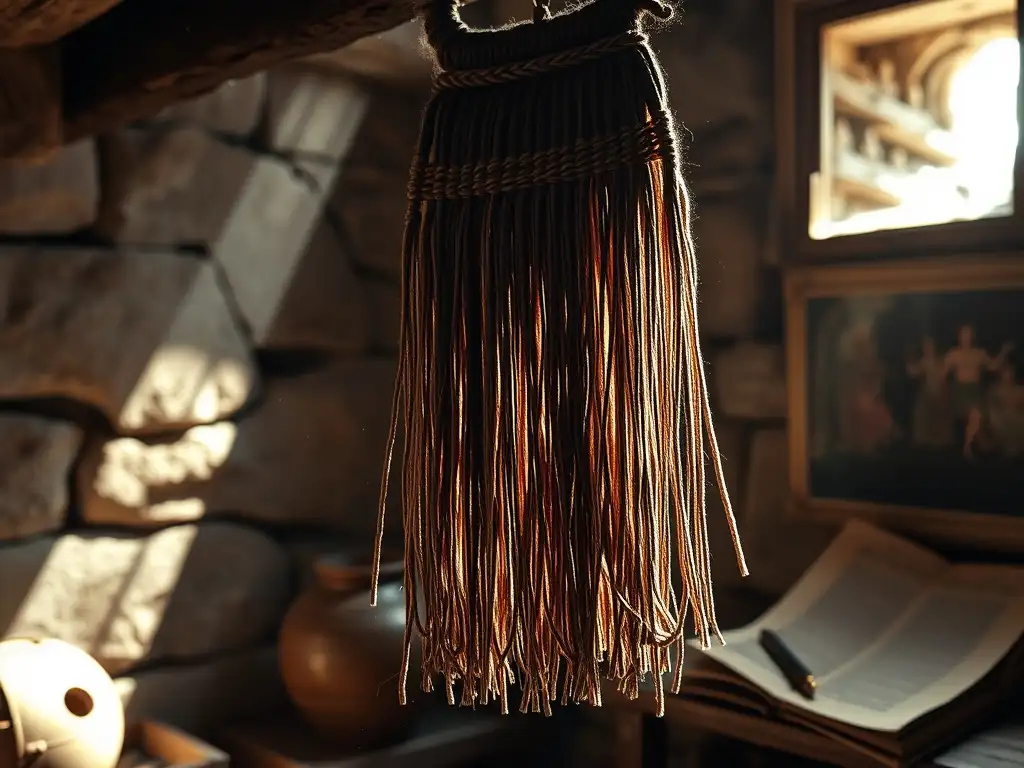
[Specific information pending] on archaeological findings that shed light on the use of numeration in pre-Inca contexts, such as the use of quipu (knotted string records) for storing numerical data. The quipu, a complex system of knotted strings used for record-keeping, provides compelling evidence of sophisticated numerical understanding within Andean societies. Analyzing the patterns and combinations of knots on quipu offers valuable insights into the development and application of Quechua numeration.
The Inca's use of the quipu for administrative purposes, such as census taking and resource management, further demonstrates the practical significance of the Quechua counting system within their empire. The standardization efforts of the Inca likely contributed to a degree of uniformity across different Quechua dialects, but regional variations persisted and continue to exist today. This demonstrates the system's remarkable resilience and adaptability.
Understanding the Base-10 System in Quechua
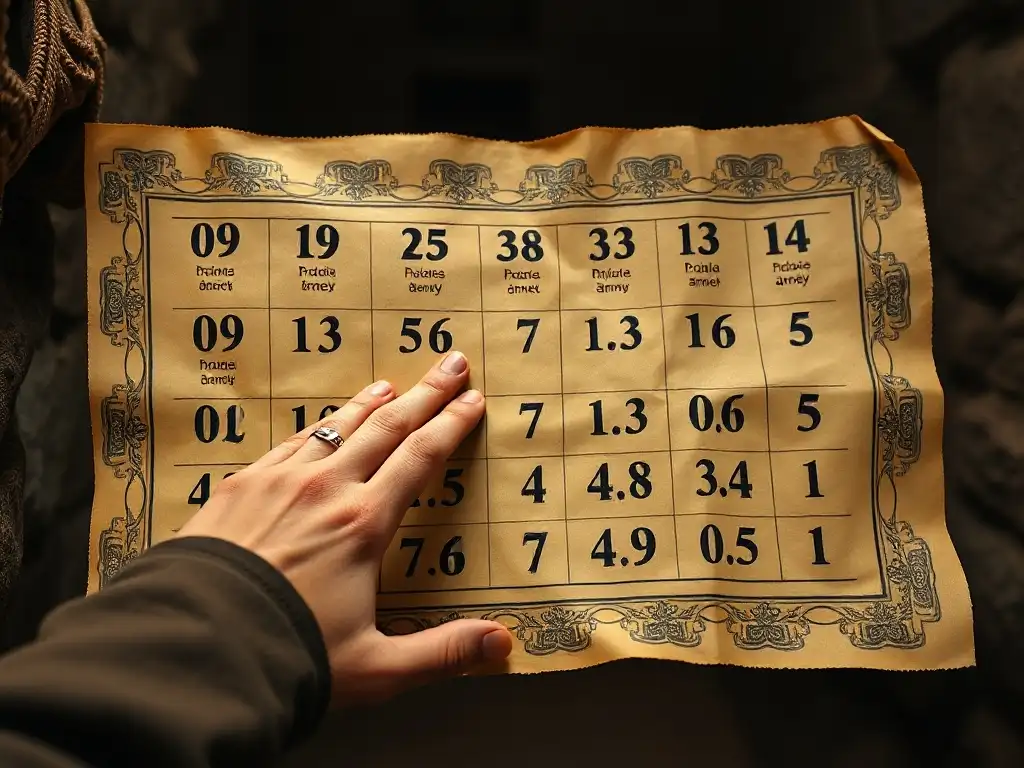
The Quechua counting system, a fascinating aspect of Quechua language and culture, reveals a sophisticated understanding of mathematics within the Andean civilizations. Unlike some numeral systems that employ different bases (e.g., base-20 or base-60), Quechua utilizes a decimal, or base-10, system. This means it's fundamentally structured around the number 10, mirroring the familiar system used globally today. This base-10 structure, however, wasn't simply a matter of convenience; it likely reflects a deep-seated cultural understanding of counting based on the human hand's ten fingers.
This intuitive connection to the physical world facilitated the development and transmission of numerical concepts across generations. The elegance and simplicity of the base-10 system in Quechua allowed for efficient calculation and record-keeping, essential for managing resources and societal organization within the complex Andean societies. Understanding this foundational aspect is crucial to appreciating the nuances of the entire system.
The consistent use of base-10 across various Quechua dialects also highlights the linguistic unity and shared cultural heritage amongst different Andean communities. Further research into the historical development of this system could potentially reveal even more about the cognitive abilities and societal structures of the ancient Quechua people. The efficiency of the base-10 system significantly contributed to the success of the Inca Empire's administration and record-keeping practices.
Basic Numbers in Quechua: Foundations of Counting
The cornerstone of the Quechua counting system lies in its basic numerals. These represent the numbers from one to nine, forming the building blocks for expressing larger quantities. While slight variations exist across different Quechua dialects, the core vocabulary remains remarkably consistent.
For instance, "one" is typically represented by huk, "two" by iskay, "three" by kimsa, and so on, up to nine ( isqun). This consistency underscores the interconnectedness of the various Quechua communities and their shared cultural heritage. The simplicity and memorability of these basic terms facilitated the transmission of numerical knowledge across generations, orally and through practical application.
The use of these basic terms, combined with the decimal system's inherent logic, made complex calculations possible, even without the aid of writing materials. Furthermore, the presence of these terms in various Quechua dialects provides valuable insight into the linguistic evolution of this ancient language. Detailed analysis of the phonetic evolution of these words could offer a deeper understanding of the linguistic history and migration patterns within the Andean region.
Quechua Number Formation: Building Larger Values
Building upon the foundation of the basic numerals, Quechua employs a systematic approach to constructing numbers beyond nine. The system utilizes compounding, combining the basic numerals with terms representing multiples of ten, hundred, and thousand. For example, ten is typically chunka, twenty is iskay chunka (two tens), and one hundred is pachaq. Numbers beyond one hundred are formed by combining these elements.
For instance, 250 might be expressed as iskay pachaq waranka pichqa chunka (two hundreds, five tens), showcasing the system's additive nature. The consistent application of this additive principle demonstrates a sophisticated understanding of mathematical principles within the Quechua culture. The lack of a specific term for "one thousand" in some dialects might indicate a less frequent need for expressing extremely large numbers in day-to-day life. However, the ease with which the system can accommodate larger numbers by simply adding the necessary components reflects the system's flexibility and adaptability.
Further research is required to fully understand the variations in the expressions of higher numbers across different Quechua dialects and the historical reasons behind them. The study of Quechua number formation offers valuable insights into the cognitive processes and cultural practices of ancient Andean civilizations. 😜
Unique Features of the Quechua Numerical System
The Quechua counting system, used by Quechua-speaking communities across the Andes for centuries, presents fascinating features distinct from Western numerical systems. Its structure, based on a vigesimal (base-20) system, reflects a unique cultural understanding of quantity and measurement, deeply intertwined with Andean cosmology and practical life. Unlike our decimal system (base-10), Quechua utilizes 20 as its base unit, incorporating unique terminology and structure that reflect a different way of perceiving numbers.
This system wasn't just a mathematical tool; it was integral to their social fabric, influencing trade, agriculture, and even religious practices. Understanding its nuances reveals a deeper appreciation for the sophistication of Quechua mathematical thought. The system's inherent flexibility allowed for the expression of both small and large quantities, crucial for managing resources and societal organization within their complex environment.
The Role of 'Pachak', 'Waranqa', and 'Hunu'
The Quechua counting system hinges on key terms that represent significant numerical milestones. Pachak (100) forms a crucial building block, serving as a stepping stone towards larger numbers. It represents a significant quantity, possibly reflecting the importance of the number 100 in their societal structures or agricultural practices. For example, a pachak of llamas might have represented a significant herd size for a community. Then, waranqa (1000) signifies a much larger quantity, possibly connected to larger-scale economic transactions or land ownership within the Andean communities. The term hunu (100,000) represents an astronomical number, suggesting a capacity for expressing vast quantities, exceeding the immediate needs of daily life and potentially used for historical records or measuring astronomical events. The use of these terms highlights the system's scalability and its ability to handle large numbers, a testament to the mathematical sophistication of the Quechua people. The precise origins and cultural significance of these terms are still being researched, but their continued use in modern Quechua demonstrates their enduring importance. Understanding these base units is essential to deciphering the entire system.
Quechua Numeral Modifiers: Expressing Quantity
Beyond the base numbers, Quechua utilizes a system of modifiers to express quantities more precisely. These modifiers are not simply additive; they interact with the base numbers in ways that reflect a deeper understanding of mathematical relationships. For instance, the term for 20 is "iskay chunka" (two tens), illustrating the system's base-20 foundation.
This is significantly different from simply saying "twenty" in a base-10 system. The incorporation of these modifiers adds layers of complexity and nuance, making the system highly flexible and capable of expressing a wide range of quantities with precision. Further research is needed to fully document all the variations in modifiers across different Quechua dialects, as regional differences undoubtedly exist.
However, the core principle of using modifiers to build upon the base numbers remains consistent across different communities. This system of modifiers is one of the key elements that distinguishes the Quechua counting system from simpler counting methods.
Comparison with Incan Quipu and Other Ancient Counting Methods
The Quechua counting system, while distinct, shows interesting parallels and divergences from other ancient Andean counting methods, notably the Incan quipus. While quipus used knotted strings to represent numerical data, their base system remains debated. Some evidence suggests a decimal base in some contexts, while others point towards a vigesimal system, similar to the Quechua oral tradition.
The relationship between the quipus and the oral Quechua counting system requires further investigation to determine the extent of their interdependence or if they represented parallel systems used for different purposes. The Quechua system, being oral, might have been more suited to everyday transactions, while the quipus may have been better adapted to recording larger-scale data, like census information or tribute records.
Comparing these methods reveals the diverse strategies ancient Andean communities employed for numerical representation, highlighting the complex interplay between oral and written traditions in their mathematical practices. Further research focusing on comparative analysis of these systems will significantly contribute to a more holistic understanding of Andean mathematics.
The Legacy of Quechua Numeration
The Quechua language, spoken by millions across the Andes Mountains, boasts a rich history intertwined with a unique numeration system. Understanding this system offers a fascinating glimpse into the mathematical and cultural sophistication of pre-Columbian Andean societies. While the Inca Empire is often associated with Quechua, its numerical system predates the Inca's rise to power, reflecting a much longer history of mathematical development in the Andean region.
The influence of this system extends far beyond mere counting, impacting aspects of daily life, religious practices, and even the very structure of Andean society. This section will delve into the unique characteristics of the Quechua counting system and its enduring legacy. The keyword "Quechua counting system history" is central to understanding this rich heritage.
Quechua Counting System History: Its Evolution
The evolution of the Quechua counting system is a complex topic, with limited direct historical documentation. However, archaeological evidence, linguistic analysis, and anthropological studies provide valuable insights. Early forms of Quechua numeration likely relied on a base-10 system, similar to many other global counting systems. This suggests a natural inclination towards grouping items in tens, possibly stemming from the use of fingers and toes for basic counting.
Evidence from pre-Inca cultures, such as the Moche and Nazca, hints at sophisticated mathematical practices, suggesting a foundation upon which the Quechua system built. While we lack detailed written records from these periods, intricate designs on textiles and pottery might encode numerical patterns or represent calendrical systems related to counting cycles. The Inca, with their advanced administrative capabilities, further standardized and formalized the Quechua counting system for record-keeping, taxation, and resource management. This standardization, however, didn't necessarily signify a radical departure from earlier forms but rather a refinement and adaptation for imperial needs.
The system became integral to the empire's functioning, demonstrating the importance of numerical literacy in Andean society. Different Quechua dialects might display minor variations in terminology or specific counting methods, reflecting the language's diverse regional development. Studying these variations is crucial to achieving a comprehensive understanding of the Quechua counting system history.
Quechua Numbers in Modern Andean Culture
Despite centuries of influence from European numerical systems, elements of the traditional Quechua counting system persist in modern Andean communities. While decimal systems are commonly used in formal contexts, traditional methods remain relevant in daily interactions, particularly in rural areas. For example, in markets and informal transactions, Quechua speakers might still use traditional counting words, reflecting a continuity with ancestral practices. The use of Quechua numbers in songs, stories, and traditional ceremonies also demonstrates their enduring cultural significance. The preservation of these counting methods is vital for maintaining cultural identity and linguistic diversity.
The integration of traditional and modern systems isn't necessarily a conflict; rather, it showcases adaptability and cultural resilience. It's not uncommon to see a blending where the Quechua numerical framework is understood but expressed within a decimal format. This reflects a dynamic interplay between ancient traditions and contemporary needs. Further research is needed to fully document the range of modern applications of Quechua numeration and how it varies across different Andean communities. This includes investigating the possible influence of globalization and modernization on the continued usage of traditional counting practices within different social groups.
The Importance of Preserving Quechua Mathematical Knowledge
Preserving the Quechua counting system is not merely an academic exercise; it represents safeguarding a crucial element of Andean cultural heritage and mathematical knowledge. The system offers valuable insights into the cognitive processes and societal structures of ancient Andean civilizations. By studying this system, we can gain a deeper understanding of their worldview, their relationship with the environment, and their capacity for complex mathematical reasoning. The loss of this knowledge would represent a significant loss for both historical understanding and the preservation of linguistic and cultural diversity.
Active efforts are needed to document, analyze, and transmit this knowledge to future generations. This involves collaborative work between linguists, anthropologists, mathematicians, and Andean communities themselves. Educational initiatives that incorporate the Quechua counting system into curricula can help promote cultural appreciation and linguistic revitalization.
Furthermore, digital archiving and the development of online resources can make this valuable knowledge accessible to a wider audience. The preservation of Quechua mathematical knowledge is a collective responsibility that requires sustained commitment and interdisciplinary collaboration. It's essential to recognize the historical significance and cultural value of this ancient counting system and work actively towards its preservation.
Advanced Concepts in Quechua Numeration
The Quechua counting system, while seemingly simple at first glance, reveals surprising sophistication when delving into its advanced applications. Understanding its historical context is crucial to appreciating the ingenuity embedded within this ancient system. The "Quechua counting system history" is rich with evidence of practical mathematical applications far beyond basic enumeration. This section will explore some of these advanced concepts, moving beyond simple counting to reveal the intricacies of Quechua mathematical thought.
Quechua Fractions and Partitions
Unlike many base-10 systems, the Quechua system didn't utilize a readily apparent fractional notation. However, evidence suggests that the Quechua people skillfully managed fractions through practical methods. Instead of symbolic representation, they likely employed a system of partitioning and proportional reasoning. For instance, dividing land amongst family members or distributing resources within a community would have required a nuanced understanding of fractions, even without a formal notation.
Consider the example of dividing a field of ccahua (potatoes) amongst three families. While they might not have had a symbol for ⅓, they understood the concept implicitly. They would have used practical methods like dividing the field into three equal parts based on visual estimation and practical measurements using readily available tools. This emphasizes the pragmatic nature of the Quechua mathematical approach, prioritizing functionality over abstract symbolism.
The partitioning of resources was not limited to agriculture. The distribution of textiles, tools, or livestock would also have required similar proportional reasoning. This suggests a deep understanding of ratios and proportions, even without a formal system of fractions as we know it today. Further research is needed to fully understand the techniques employed, but the evidence points to a sophisticated system of practical mathematics. Archaeological evidence, including the distribution of goods within settlements, could offer further insights into these practices. [Specific information pending: detailed analysis of archaeological findings regarding resource distribution in Quechua settlements]
Quechua Mathematical Operations
Beyond simple counting, the Quechua system facilitated basic mathematical operations. Addition and subtraction were likely performed using concrete objects or visual aids. Imagine a farmer counting his llamas (llamas) after a successful shearing season. He might use pebbles or knots in a string to represent each animal, adding or subtracting based on sales or losses.
Multiplication and division were likely more complex, potentially involving iterative addition or subtraction. For example, calculating the total number of chicha (corn beer) jars needed for a large community gathering might have involved repeatedly adding the number of jars per family. Similarly, dividing a harvest between several individuals likely involved repeated subtraction.
The absence of a written numerical system doesn't imply a lack of sophistication. The Quechua system, deeply rooted in practical applications, prioritized efficient methods for everyday calculations. The focus was on practical results rather than abstract mathematical principles. This practical approach is a hallmark of many ancient counting systems, reflecting the close relationship between mathematics and daily life.
Examples of Quechua Calculations in Agriculture and Trade
The Quechua counting system was intrinsically linked to their daily lives, particularly in agriculture and trade. Accurate calculations were crucial for successful farming practices and fair trade.
Agricultural applications involved calculating the necessary seeds, estimating harvest yields, and determining the optimal distribution of crops. For example, determining the appropriate amount of fertilizer for a particular field would have required estimating the field's size and the amount of fertilizer needed per unit area. This points towards a practical understanding of area calculation, likely based on observation and experience rather than formalized formulas.
In trade, the Quechua system facilitated bartering and exchange. Accurate counting was necessary for fair transactions, ensuring that both parties received an equitable amount of goods. The system's adaptability allowed for the counting of diverse items, from textiles and tools to livestock and agricultural produce. The absence of a standardized monetary system reinforced the importance of accurate counting in trade negotiations. [Specific information pending: detailed examples of Quechua trade practices and their mathematical implications]
The Quechua counting system demonstrates the resilience and adaptability of ancient Andean mathematics, seamlessly integrating into the daily fabric of their society. Its practical nature, while lacking the abstract sophistication of later systems, highlights the ingenuity and effectiveness of a system tailored to the specific needs of its users. Further research will undoubtedly uncover more intricate details of this fascinating system.
Conclusion: The Enduring Significance of Quechua Numerals
The Quechua counting system, while seemingly simple at first glance, reveals a fascinating glimpse into the cognitive processes and societal structures of the ancient Andean civilizations. Its unique base-10 structure, distinct from other numeral systems prevalent in the Americas, speaks to the ingenuity and independent development of Andean mathematics.
Understanding this system is not merely an academic exercise; it offers a crucial window into the worldview and practical needs of Quechua-speaking communities throughout history. The persistence of elements of this system in modern Quechua dialects demonstrates its enduring cultural relevance and its capacity to adapt and evolve alongside the language itself.
The numerals themselves are not merely abstract symbols; they are deeply intertwined with the cultural fabric of Andean societies, reflecting their relationship with nature, their social hierarchies, and their practical needs in agriculture, trade, and daily life. Analyzing these numerals provides valuable insights into the complex interplay between language, culture, and mathematics in shaping Andean societies.
The Value of Studying Quechua Counting Systems
The study of the Quechua counting system offers numerous benefits, extending beyond the realm of pure linguistics and mathematics. Firstly, it contributes significantly to our understanding of the cognitive development of ancient Andean populations. By comparing the Quechua system with those of other cultures, both in the Americas and elsewhere, we can gain insights into universal patterns in human cognition and the development of mathematical thought.
Secondly, studying this system enhances our appreciation of the diversity of mathematical traditions worldwide, challenging Eurocentric biases that often dominate narratives of mathematical history. The Quechua counting system, with its unique structure and terminology, highlights the rich tapestry of human intellectual achievement. Thirdly, understanding the historical evolution of Quechua numerals can inform contemporary efforts to revitalize and preserve the Quechua language and culture.
By appreciating the historical depth and complexity of the language, we can better support its continued use and transmission to future generations. Finally, the study of this system can inform educational practices, offering innovative approaches to teaching mathematics that draw on diverse cultural perspectives and engage students with the history and richness of different mathematical traditions. The incorporation of Quechua numerals into educational materials could foster a more inclusive and culturally sensitive approach to mathematics education.
Further Research and Exploration of Quechua Mathematics
Further research on the Quechua counting system is crucial to deepen our understanding of Andean mathematics. Areas for future exploration include a more comprehensive comparative analysis of Quechua numeral systems across different dialects and regions. This comparative work should account for both synchronic (variations within a single time period) and diachronic (variations across time) changes. Moreover, research should delve deeper into the relationship between Quechua numerals and other aspects of Andean culture, such as astronomy, agriculture, and social organization.
Investigating how Quechua numerals might have been used in practical contexts, such as land measurement or trade negotiations, would yield valuable insights. Additionally, the integration of archeological evidence with linguistic data could provide a richer and more nuanced understanding of the historical development of Quechua mathematics. The discovery of new inscriptions or artifacts containing Quechua numerals could significantly impact our current knowledge.
Finally, exploring the potential connections between Quechua mathematics and other Andean mathematical traditions, such as those of the Inca, Moche, or Nazca cultures, could reveal broader patterns of mathematical development in the Andes. This interdisciplinary research, combining linguistics, anthropology, archaeology, and mathematics, promises to illuminate the fascinating complexities of Andean civilization and its enduring legacy. The potential for uncovering further secrets within the Quechua counting system remains vast and exciting, promising to enrich our understanding of "Quechua counting system history" for years to come.
Frequently Asked Questions
What is the Quechua counting system?
The Quechua counting system is a base-ten system, meaning it uses ten as its base unit, unlike some other ancient systems. It was used by the Quechua people, the largest indigenous group in the Andes, and its history is deeply intertwined with their culture and daily life. It's a significant part of their cultural heritage.
How did the Quechua count?
Quechua numerals were often represented using fingers and toes, making it a practical system for everyday use. They also used a system of verbal counting, with specific words for each number and groupings of numbers. This system allowed for complex calculations.
How does the Quechua counting system compare to other Andean systems?
While variations exist between Quechua dialects, the base-ten structure is consistent across most. This differs from some other Andean systems which might have used different base numbers. Understanding these variations provides valuable insight into the regional diversity of Andean mathematics.
What is the historical significance of the Quechua counting system?
The Quechua counting system offers crucial insights into the cognitive abilities and societal structures of the ancient Quechua people. Its survival through generations demonstrates its practicality and cultural importance. Its study helps historians understand their daily lives and economic practices.
Where can I learn more about the Quechua counting system?
Further research into the Quechua language and its history will provide more detailed information. Academic journals and books specializing in Andean history and linguistics are excellent resources. Look for materials that specifically address Quechua numeration and its cultural context.
Final Reflection: Echoes of the Andes: The Enduring Legacy of Quechua Numeration
The intricate system of Quechua numeration, far from being a relic of the past, offers a powerful lens through which to understand the enduring ingenuity and cultural resilience of Andean civilizations. Its unique structure, based on a decimal system with fascinating variations, continues to resonate in modern Quechua communities and provides valuable insights into the cognitive processes behind mathematical development across diverse cultures.
The study of Quechua counting reveals not only a sophisticated mathematical system but also a profound connection to the land and the cosmos. The very words used to represent numbers often reflect the natural world, weaving together mathematics and mythology in a way that is both beautiful and deeply meaningful. Numbers are not merely abstract symbols; they are living expressions of a culture's worldview.
This quote encapsulates the richness and depth revealed through the exploration of Quechua numeration, highlighting how mathematical systems are inextricably linked to cultural identity and historical experience.
Consider, for a moment, the implications of this ancient knowledge. How might understanding the Quechua counting system challenge your own assumptions about mathematics and its development? I invite you to explore further, to seek out the stories embedded within these numbers, and to appreciate the enduring legacy of a culture that continues to thrive, its history woven into the very fabric of its mathematical language. Let the echoes of the Andes inspire you to look beyond the surface of numbers and discover the rich tapestry of human ingenuity and cultural expression that lies beneath.
Uncover the Secrets of Ancient Counting Systems!
Thank you for exploring the fascinating world of Quechua numeration with us! You've gained valuable insights into this ancient counting system and its rich cultural significance. Now, let's build on this knowledge and continue your exploration.
Here are a few suggestions to deepen your understanding:
- Expand Your Knowledge: Explore other indigenous counting systems to broaden your appreciation of diverse cultures and their unique mathematical traditions. Consider researching the counting methods of the Mayan civilization or the Incan empire for a comparative perspective.
- Share Your Discoveries: Discuss your newfound knowledge with friends, family, or online communities. Inspire others to learn about the importance of preserving and understanding cultural heritage.
- Integrate Your Learning: Incorporate elements of Quechua counting into your daily life. This could be as simple as practicing counting in Quechua or exploring creative projects inspired by its unique structure.
How will you apply your understanding of Quechua numeration to further your appreciation of ancient cultures and their mathematical innovations?