
The Role of Spies and Scouts: Gathering Intelligence in the Andes


Step into a world shrouded in mystery and intrigue. For centuries, the towering peaks of the Andes have guarded secrets of unparalleled power and ingenuity. But who were the eyes and ears of empires like the Inca, Moche, and Nazca? Discover the crucial, often overlooked, role of Andean civilizations spies and scouts in shaping the fate of these remarkable societies. Their stories, hidden within the breathtaking landscapes and ancient ruins, await your exploration. Uncover the truth behind their clandestine operations and their impact on Andean warfare – a world of cunning strategies and daring missions.
-
The Crucial Role of Spies and Scouts in Andean Civilizations: Gathering Intelligence in the Andes
- Introduction to Andean Military Intelligence: Spies and Scouts
- The Importance of Reconnaissance for Andean Warfare
- Pre-Incan Intelligence Gathering Methods
- Incan Espionage and Scouting: A Sophisticated System
- Types of Intelligence Gathered by Andean Scouts and Spies
- Methods and Techniques Used by Andean Spies
- The Impact of Effective Intelligence on Andean Military Successes
- The Consequences of Intelligence Failures in Andean Warfare
- The Legacy of Andean Spies and Scouts
- Conclusion: The Essential Role of Intelligence in Andean History
-
Frequently Asked Questions
- What role did spies and scouts play in Andean civilizations?
- How did Andean civilizations recruit spies and scouts?
- What types of information did Andean spies and scouts gather?
- What technologies or methods did Andean spies and scouts employ?
- Were women involved in espionage within Andean civilizations?
- Final Reflection: Echoes of the Andes: Legacy of Intelligence Gathering
- Unveil the Secrets of the Andes - Take Action Today!
The Crucial Role of Spies and Scouts in Andean Civilizations: Gathering Intelligence in the Andes
The vast and challenging terrain of the Andes Mountains presented unique challenges to warfare. Conquering these heights and controlling the strategically vital passes and valleys demanded more than just brute force; it required meticulous planning and, crucially, superior intelligence.
This article explores the vital role played by spies and scouts within the military strategies of various Andean civilizations, including the Incas, Moche, Nazca, and Tiahuanaco. We will delve into the methods they employed to gather intelligence, the significance of reconnaissance in their warfare, and the impact this intelligence had on the outcomes of battles and campaigns.
Understanding their sophisticated intelligence networks offers a fascinating glimpse into the strategic depth of these remarkable Andean cultures and sheds light on their military prowess, often overlooked in favor of narratives focused solely on their impressive architecture and artistry. The effective use of spies and scouts was not merely a supplementary tactic; it was a fundamental pillar of success in Andean warfare.
Introduction to Andean Military Intelligence: Spies and Scouts
Andean civilizations, despite lacking the written records abundant in other parts of the world, developed sophisticated systems for gathering intelligence. While the precise details remain shrouded in the mists of time, archaeological evidence, combined with ethnohistorical accounts and analyses of their warfare tactics, paint a compelling picture. Spies, often operating undercover within enemy territories, likely played a vital role in providing information about troop movements, resources, and overall enemy strength.
These individuals, often drawn from marginalized groups or those with existing networks within enemy populations, possessed a crucial understanding of local geography, dialects, and customs. Their reports, relayed through a complex network of messengers utilizing established trails and relay systems, would have been invaluable to military commanders. Furthermore, the use of scouts, often highly trained in observation and survival, was essential for reconnaissance missions.
These scouts would map terrain, assess defensible positions, and identify potential weaknesses in enemy fortifications, providing invaluable strategic insights before any engagement. The combination of these two crucial elements – spies providing strategic intelligence and scouts conducting tactical reconnaissance – formed the backbone of Andean military intelligence. The effectiveness of these methods is evident in the success of many Andean military campaigns, highlighting a level of strategic sophistication often underestimated.
The Importance of Reconnaissance for Andean Warfare
Reconnaissance was paramount to Andean warfare. The mountainous terrain, with its unpredictable weather and limited visibility, made surprise attacks and ambushes extremely hazardous without thorough prior knowledge. Scouts, often traveling in small, highly mobile groups, were crucial in identifying suitable locations for ambushes, assessing the strength of enemy defenses, and mapping alternative routes. Their reports on water sources, suitable campsites, and the availability of local resources were equally important for logistical planning.
Consider, for example, the Inca's extensive road network – the Qhapaq Ñan. This wasn't just a transportation system; it also served as a crucial communication artery, facilitating the rapid dissemination of intelligence gathered by scouts across vast distances. The meticulous nature of Inca planning, evident in their infrastructure and administrative systems, strongly suggests a deeply ingrained appreciation for the role of intelligence in military success.
The lack of detailed written records makes precise quantification of their reconnaissance efforts challenging, but the overall success of their military campaigns speaks volumes about the effectiveness of their intelligence-gathering systems. The integration of intelligence gathering into their broader logistical and strategic planning underscores its importance within the context of Andean warfare. Without thorough reconnaissance, Andean armies would have been significantly hampered, highlighting the critical role of scouts and their contribution to the success of their military endeavors.
Pre-Incan Intelligence Gathering Methods
Early Forms of Spying in Andean Societies
Long before the Inca Empire rose to prominence, various Andean societies developed rudimentary methods of intelligence gathering. Evidence suggests that even small, relatively isolated communities utilized basic forms of spying and scouting. These early methods likely relied heavily on observation and the use of trusted individuals within the community to relay information about neighboring groups.
The absence of sophisticated writing systems meant that information was primarily transmitted orally, often through songs, stories, and rituals that subtly encoded important intelligence. Archaeological findings, while limited in directly revealing espionage activities, support the inference that inter-community tensions and conflicts necessitated the development of some form of intelligence gathering.
For example, the discovery of fortified settlements and defensive structures in various pre-Inca cultures points towards a need to anticipate and respond to potential threats, suggesting a proactive approach that likely involved monitoring the activities of neighboring populations. The degree of sophistication in these early methods varied considerably depending on the specific culture and its level of societal complexity.
The Use of Scouts by Moche and Nazca Warriors
The Moche and Nazca cultures, known for their distinctive artistic achievements and complex social structures, also employed scouting and reconnaissance in their military operations. While direct evidence of formalized spy networks is scarce, depictions in their art, particularly ceramics, often illustrate warriors engaged in activities that suggest scouting and surveillance. These images frequently show individuals positioned strategically, observing the surrounding landscape, or carrying what may be interpreted as signaling devices.
The Moche's extensive irrigation systems and the Nazca's elaborate geoglyphs suggest a detailed understanding of their territories, implying a capacity for long-range observation and mapping. This geographical knowledge would have been crucial for military planning, enabling them to identify advantageous positions, predict enemy movements, and lay ambushes effectively.
The use of scouts was likely integral to their military campaigns, providing vital information about the terrain, enemy troop strength and movements, and the overall strategic situation. This allowed them to make informed decisions before committing to battle, maximizing their chances of success.
Incan Espionage and Scouting: A Sophisticated System
The Inca Empire, renowned for its administrative prowess and military capabilities, possessed a remarkably sophisticated intelligence network. This system played a crucial role in maintaining the empire's vast territory and suppressing rebellions. The Inca's mastery of engineering and infrastructure, particularly their extensive road network, facilitated the rapid transmission of information across their domain. This efficient communication system was critical for the success of their intelligence operations.
The empire's centralized administration, with its intricate bureaucracy, provided a framework for collecting and disseminating intelligence effectively. The organization and structure of the Inca's intelligence network was critical in ensuring the swift and effective response to any threats to the empire. The strategic integration of intelligence gathering into the broader administrative framework made it significantly more effective than those of preceding Andean civilizations.
The Inca Intelligence Network: Eyes and Ears of the Empire
The Inca intelligence network was far-reaching, extending to even the most remote corners of the empire. Its effectiveness stemmed from a combination of factors, including a highly organized system of informants, a network of dedicated spies, and the utilization of the chasquis, a relay runner system. Local officials were responsible for reporting on events within their jurisdictions, providing continuous streams of information to higher authorities.
This bottom-up approach ensured a constant flow of intelligence, enabling the central government to stay abreast of issues across the vast empire. This system wasn't merely reactive; it was proactive, actively seeking information about potential threats and challenges before they escalated into significant problems. The constant flow of information allowed the Inca rulers to react effectively and swiftly to any internal or external threats.
Specialized Roles of Inca Spies: The Chasquis and Beyond
While the chasquis are often associated with message delivery, many also served as spies and scouts. Their extensive travels across the Inca road system provided them with unique opportunities to gather intelligence. They could discreetly observe local activities, collect rumors, and report any unusual occurrences. Beyond the chasquis, the Inca employed specialized spies who infiltrated other communities and even foreign nations.
These individuals often posed as traders, religious pilgrims, or other seemingly innocuous roles, allowing them to gather information without arousing suspicion. The training and methods employed by these specialized spies remain largely unknown, but their effectiveness is undeniable, given the empire's longevity and stability. The diversity of roles and methods employed by Inca spies highlights the sophistication of their intelligence gathering system.
Inca Scout Training and Selection Process
The selection of Inca scouts was a rigorous process, emphasizing physical fitness, loyalty, and discretion. Candidates were rigorously tested for endurance, agility, and survival skills. They underwent extensive training in stealth, observation, and information gathering techniques. Loyalty to the Inca emperor was paramount, ensuring that scouts would prioritize the empire's interests above all else.
This rigorous selection process ensured that only the most capable and trustworthy individuals were entrusted with such a crucial role. The training involved both physical conditioning and specialized skills in observation, camouflage, and survival in diverse environments. This comprehensive approach to scout training contributed significantly to the effectiveness of the Inca's military campaigns and overall intelligence gathering efforts. The emphasis on loyalty and discretion guaranteed that sensitive information would remain confidential and not compromise the empire's security.
Types of Intelligence Gathered by Andean Scouts and Spies
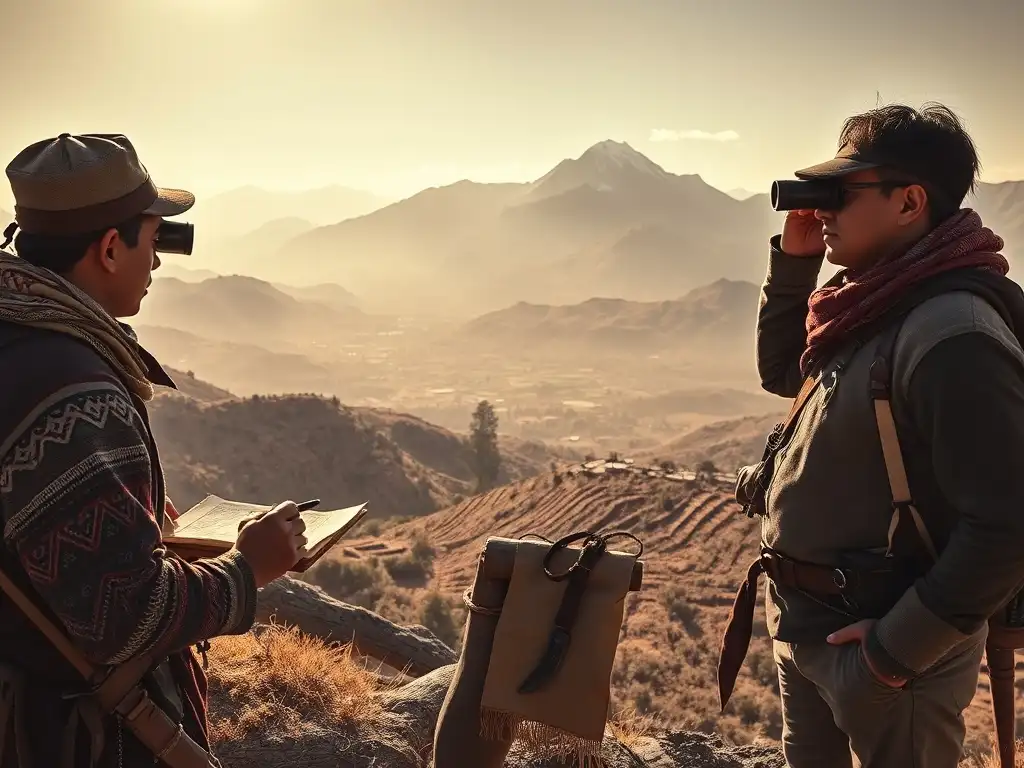
Andean scouts and spies played a vital role in gathering a wide range of intelligence crucial for military success and political stability. The information they collected wasn't limited to purely military matters; it encompassed a broad spectrum impacting various aspects of Andean societies. Their efforts ensured that leaders were well-informed, enabling them to make strategic decisions with a clear understanding of the landscape, both literally and figuratively. The types of intelligence gathered can be broadly categorized into strategic, tactical, and economic intelligence.
Strategic Information: Troop Movements and Enemy Strength
Strategic intelligence focused on the bigger picture, providing crucial information for long-term planning and decision-making. This included monitoring the movements of enemy armies, assessing their overall strength (number of soldiers, weaponry, and logistical capabilities), and identifying potential alliances or threats from neighboring groups. For example, knowledge of an approaching Inca army's size and route allowed for proactive defensive strategies or even preemptive strikes.
Accurate assessments of enemy strength were critical for avoiding costly defeats and ensuring the survival of a community or empire. The lack of such intelligence could easily lead to devastating consequences, as seen in several historical conflicts where surprise attacks overwhelmed unprepared forces. This type of intelligence was paramount in the constant power struggles and territorial disputes that characterized the Andean region.
Tactical Data: Terrain Analysis and Resource Assessment
Tactical intelligence focused on the immediate battlefield and its surroundings. Scouting parties meticulously mapped the terrain, identifying advantageous positions for defense or attack, such as high ground, natural barriers, or water sources. They also assessed the availability of resources like food, water, and building materials within the region, crucial for sustaining an army during campaigns or sieges. A thorough understanding of the terrain could be the difference between a successful ambush and a disastrous defeat.
For instance, knowledge of hidden paths or treacherous terrain could be used to outmaneuver an enemy or set up effective traps. Accurate resource assessment, on the other hand, ensured that armies wouldn't be caught short of supplies during long expeditions. This detailed knowledge was a significant factor in the success of many Andean military campaigns.
Economic Intelligence: Identifying Supply Routes and Resources
Beyond military matters, Andean spies also gathered economic intelligence. This involved identifying and mapping vital supply routes, crucial for understanding the economic strength of rival groups or potential allies. Knowing where resources like gold, silver, textiles, or agricultural products were located and how they were transported provided a critical understanding of an enemy's vulnerabilities and capabilities.
Control of these supply lines was often a key objective in Andean warfare, as disrupting them could cripple an enemy’s ability to sustain itself. This type of intelligence was equally valuable for establishing trade relationships and securing access to resources beneficial to one's own community. The intricate network of trade routes in the Andes made this type of intelligence particularly valuable for both economic and political maneuvering.
Methods and Techniques Used by Andean Spies
The effectiveness of Andean intelligence gathering depended heavily on sophisticated methods and techniques, honed over centuries of conflict and competition. These methods ranged from clever disguise and infiltration to the use of secret communication systems.
Disguise and Infiltration Tactics
Andean spies frequently employed elaborate disguises to blend seamlessly into enemy territory. They might adopt the clothing and mannerisms of local populations, allowing them to move freely and gather information without arousing suspicion. Some might pose as traders, pilgrims, or even messengers, gaining access to otherwise restricted areas and interacting with high-ranking officials.
The effectiveness of these disguises depended on a deep understanding of the social norms and customs of the target community. Successful infiltration often required exceptional acting skills and a calm demeanor under pressure, abilities highly valued within Andean espionage circles. Failure could result in capture, torture, or even death.
Secret Communication Methods and Codes
Secrecy was paramount, and Andean spies used various methods to communicate their findings discreetly. These might include coded messages, hidden compartments in clothing or objects, or the use of pre-arranged signals. The complexity of these codes varied depending on the sensitivity of the information being transmitted.
Simple codes might involve substituting letters or words, while more sophisticated systems could employ complex ciphers and steganography (hiding messages within other messages). Maintaining the secrecy of these communication methods was vital to prevent the enemy from intercepting and deciphering vital information. The development and maintenance of these systems required a high level of skill and trust within the spy network.
The Role of Local Informants in Intelligence Gathering
Andean intelligence networks relied heavily on local informants. These individuals, often integrated into the target community, provided invaluable insights into the enemy's plans, strengths, and weaknesses. They could report on troop movements, resource availability, and local sentiments, offering a ground-level perspective often unavailable to outside observers.
Cultivating and maintaining these informant networks required trust, discretion, and the ability to build rapport with individuals from diverse backgrounds. These informants provided a critical link between the spy network and the communities they operated in, providing timely and accurate information that could significantly impact the outcome of conflicts. The successful use of informants was a crucial element in the success of Andean intelligence gathering.
The Impact of Effective Intelligence on Andean Military Successes
Effective intelligence gathering significantly influenced the success of Andean armies. Superior knowledge of enemy troop movements, fortifications, and strategies allowed commanders to make informed decisions, leading to decisive victories with minimal casualties. This was particularly crucial in mountainous terrain, where ambushes and strategic positioning were paramount. The ability to anticipate enemy actions, whether it was a surprise attack or a strategic retreat, gave Andean armies a considerable advantage.
Access to detailed information about resources, such as food supplies and water sources, also proved invaluable in prolonged campaigns, ensuring the army's sustainability and bolstering morale. The element of surprise, often achieved through well-placed spies and scouts, frequently tipped the balance of power in favor of the better-informed army. This strategic advantage allowed for more efficient resource allocation and the deployment of troops where they were most needed.
Examples of Military Victories Attributed to Superior Intelligence
While precise details are often scarce in historical accounts, several Andean military victories can be attributed, at least partially, to superior intelligence. For example, the Inca conquest of various smaller groups in the Andes often involved extensive reconnaissance efforts. Inca spies, often disguised as traders or religious pilgrims, infiltrated enemy territories to gather information on troop numbers, defenses, and leadership structures.
This information allowed Inca armies to select optimal attack points and strategies, minimizing losses and maximizing gains. Another example, albeit less documented, might involve the Moche's successful campaigns along the northern coast of Peru. Their sophisticated network of coastal settlements and observation points likely facilitated effective intelligence gathering, allowing them to control trade routes and suppress rebellions.
The lack of detailed written records makes definitively linking specific victories to intelligence difficult, but the strategic importance of intelligence is undeniable in the context of Andean warfare. Further research using archaeological evidence and anthropological studies could reveal more concrete examples.
How Intelligence Shaped Andean Conquests and Expansion
The ability to gather intelligence played a pivotal role in the expansion and consolidation of power by major Andean civilizations. The Incas, for instance, relied heavily on an extensive network of spies and messengers (chasquis) to maintain control over their vast empire. This network provided continuous updates on potential threats, rebellions, and resource availability across the empire.
This constant flow of information enabled the Inca leadership to respond swiftly and effectively to any challenges, preventing rebellions from escalating and ensuring the stability of the empire. Similarly, other Andean empires, like the Wari and Tiwanaku, likely employed similar strategies, although the specifics remain less well-documented. The gathering of intelligence was not merely a military endeavor; it was integral to the political and administrative functioning of these large-scale empires.
The successful integration of conquered territories often hinged on understanding the local population's dynamics, resources, and potential resistance. Effective intelligence was crucial to both military conquest and the subsequent peaceful administration of the newly acquired territories.
The Consequences of Intelligence Failures in Andean Warfare
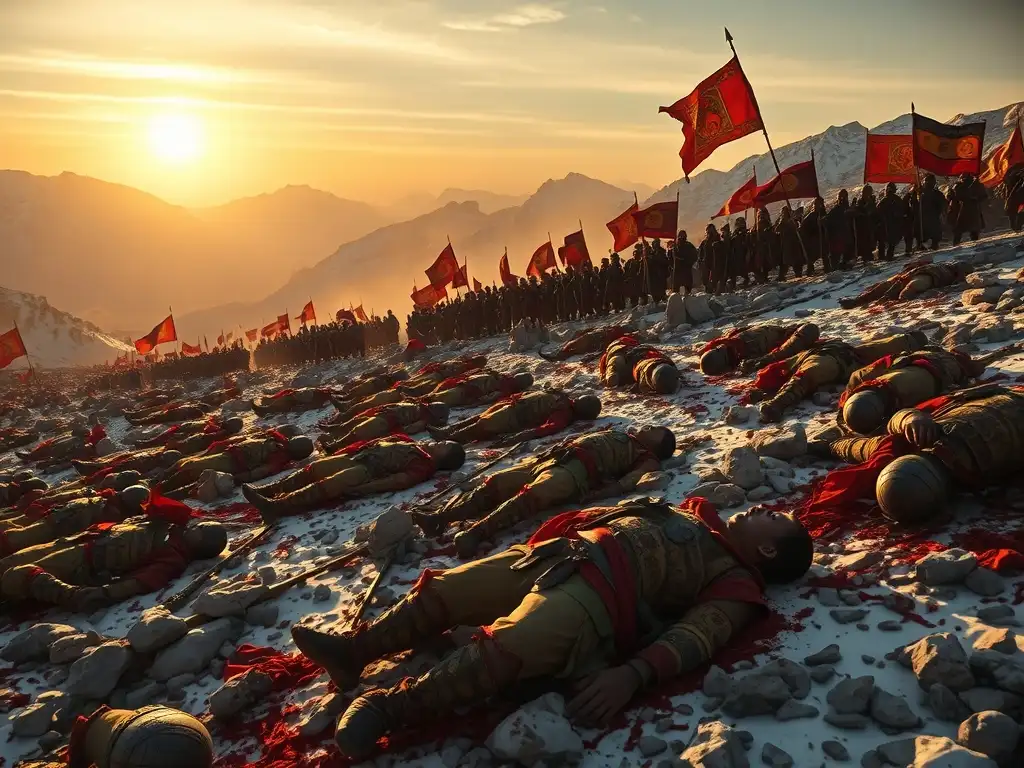
Conversely, a lack of reliable intelligence often led to significant setbacks and defeats for Andean armies. Underestimating enemy strength, misjudging terrain, or failing to anticipate enemy strategies could result in heavy casualties and lost battles. The element of surprise, when wielded by the enemy, could be devastating.
Furthermore, a failure to gather accurate intelligence about resource availability could lead to supply shortages, impacting troop morale and combat effectiveness. This was especially problematic in long campaigns, where maintaining supply lines was a significant logistical challenge. The consequences of intelligence failures extended beyond immediate military losses; they could undermine confidence in leadership, weaken morale, and even contribute to the disintegration of alliances.
Cases of Military Setbacks Due to Lack of Information
While specific documented cases are limited due to the nature of historical records, we can infer instances where poor intelligence likely contributed to military defeats. The occasional rebellions within the Inca Empire, for example, might have been exacerbated by a failure to gather sufficient information about local discontent or the strength of opposition movements. Similarly, conflicts between different Andean groups could have been influenced by inaccurate assessments of enemy capabilities, leading to ill-prepared engagements and costly defeats.
The lack of detailed records makes it difficult to pinpoint specific battles and definitively link them to intelligence failures, but the logical conclusion is that poor intelligence almost certainly played a role in many such conflicts. Further research into archaeological findings, coupled with a deeper understanding of Andean social structures, could potentially unearth more detailed evidence of this.
The Importance of Counterintelligence in Andean Societies
Given the importance of intelligence gathering, Andean societies also developed counterintelligence measures to protect their own information and thwart enemy spies. This likely involved surveillance, interrogation techniques, and possibly even the use of double agents. The Inca, with their extensive administrative network, likely had sophisticated systems to identify and neutralize potential threats within their empire.
Maintaining secrecy about military strategies, troop movements, and resource allocation was crucial for preventing enemy attacks and maintaining control. The effectiveness of these counterintelligence strategies would have been crucial in maintaining the stability and security of the Andean empires, limiting the damage caused by enemy espionage and ensuring the continued success of their military campaigns. The specific methods employed remain largely unknown, but the need for such countermeasures is self-evident given the importance of intelligence in Andean warfare.
The Legacy of Andean Spies and Scouts
The sophisticated intelligence networks employed by Andean civilizations left a lasting mark on their military strategies and overall societal structures. Their methods, though varying across different cultures like the Inca, Moche, and Nazca, shared a common thread: the understanding that accurate information was paramount to success in both warfare and governance. The impact extended beyond the battlefield, influencing how these societies managed resources, planned infrastructure projects, and even maintained social order.
For instance, the Inca's extensive road system, while primarily for communication and trade, also served as a vital artery for the movement of intelligence gatherers, ensuring rapid dissemination of information across their vast empire. The effectiveness of their intelligence network is evidenced by the relative stability and longevity of the Inca Empire compared to its predecessors. The ability to anticipate threats, manage internal dissent, and swiftly respond to crises speaks volumes about the importance placed on intelligence gathering within their society.
Furthermore, the sophisticated system of chasquis, runners who relayed messages across the empire, highlights the dedication to rapid communication and information sharing, a crucial component of any effective intelligence operation. The legacy is not just about military prowess but also about effective governance and societal control.
How Andean Intelligence Methods Influenced Later Cultures
The innovative strategies employed by Andean spies and scouts weren't confined to their own historical context. Their influence reverberated through subsequent centuries and even impacted modern intelligence practices. The use of informants embedded within rival communities, a common tactic among Andean societies, foreshadowed similar techniques adopted by later empires and even modern intelligence agencies.
The emphasis on disguise, coded messages, and the careful selection of reliable messengers represent a level of sophistication that has been recognized and studied by military historians and intelligence experts. While the specific methodologies might have evolved over time, the underlying principles of information gathering, analysis, and dissemination remain remarkably consistent. The Inca's system of quipus, knotted cords used to record information, though not directly related to espionage, demonstrates a sophisticated approach to data management that influenced later record-keeping systems.
The enduring legacy is not merely in specific techniques, but in the fundamental recognition of the importance of comprehensive and accurate intelligence in achieving strategic objectives. The Inca's success in integrating intelligence gathering into their administrative and military structures serves as a testament to its enduring relevance.
The Enduring Importance of Reconnaissance in Military Strategies
The importance of reconnaissance, a core function of Andean spies and scouts, remains a cornerstone of modern military doctrine. The Andean civilizations understood the critical need to gather information about enemy troop movements, fortifications, and resources before engaging in battle. This understanding translates directly to modern military operations, where reconnaissance plays a crucial role in planning successful campaigns and minimizing casualties.
The use of observation points, strategic placement of scouts, and the interpretation of terrain features for tactical advantage were all hallmarks of Andean warfare and continue to be essential components of military strategy today. The emphasis on stealth, careful observation, and the ability to quickly relay crucial information to commanders highlights the timeless nature of these skills.
The effectiveness of Andean reconnaissance efforts, as evidenced by their military successes, underscores the enduring significance of intelligence gathering in shaping the outcomes of conflicts, regardless of the era. Modern military strategists still study the tactics and techniques of past civilizations, including those of the Andes, to glean insights applicable to contemporary challenges.
Conclusion: The Essential Role of Intelligence in Andean History
The study of Andean spies and scouts reveals the crucial role that intelligence played in the rise and fall of these remarkable civilizations. From the intricate networks of the Inca Empire to the strategic deployments of the Moche and Nazca, the gathering of information was not merely a supplementary activity but an integral component of their military strategies, governance, and overall societal stability.
Their innovative techniques, emphasis on reliable communication, and understanding of the value of accurate intelligence offer valuable lessons for the study of warfare and statecraft. The enduring legacy of Andean intelligence gathering demonstrates its timeless significance and continues to inform modern practices in fields as diverse as military strategy, international relations, and even corporate espionage.
The effectiveness of their systems, despite the technological limitations of their time, serves as a powerful testament to human ingenuity and the enduring importance of accurate, timely intelligence. Understanding their methods provides valuable insights into the complexities of ancient Andean societies and their lasting impact on the world.
Frequently Asked Questions
What role did spies and scouts play in Andean civilizations?
Spies and scouts played a vital role in Andean civilizations. They provided crucial intelligence on enemy movements, resource availability, and potential threats, aiding in military strategy and resource management. Their information was essential for survival and expansion.
How did Andean civilizations recruit spies and scouts?
Recruitment methods varied across different Andean civilizations. Some may have relied on volunteers motivated by loyalty or ambition, while others may have conscripted individuals or used existing networks of informants. Trust and discretion were paramount.
What types of information did Andean spies and scouts gather?
The information gathered was wide-ranging. This included details on military strength, agricultural yields, political alliances, and even social unrest. This intelligence directly impacted decision-making at all levels.
What technologies or methods did Andean spies and scouts employ?
Andean spies and scouts utilized various methods, including extensive road networks for rapid communication and encoded messages or symbol systems to relay sensitive information discreetly. Camouflage and disguise were also likely employed.
Were women involved in espionage within Andean civilizations?
While direct evidence is limited, it's plausible that women played a role in espionage. Their social roles could have provided unique opportunities for gathering information undetected. Further research is needed to fully understand their contributions.
Final Reflection: Echoes of the Andes: Legacy of Intelligence Gathering
The intricate networks of spies and scouts within Andean civilizations remain a potent reminder of the enduring human need for information, a need as relevant today as it was centuries ago. The sophisticated systems employed by these ancient societies, from the Inca's chasquis to the less-documented networks of earlier cultures, highlight the critical role intelligence played in maintaining power, security, and social order. Their methods, though vastly different from modern techniques, offer valuable lessons in strategic planning and the importance of effective communication.
The impact of these ancient intelligence systems extends far beyond the historical record; their echoes resonate in our modern world. The strategic use of information, the careful cultivation of informants, and the rapid dissemination of news – these are principles that remain fundamental to both military and civilian operations. As the world becomes increasingly interconnected, the need for accurate and timely intelligence only grows more critical. The greatest empires of the past were built not on brute force alone, but on the subtle art of knowing one's enemy and one's own strengths.
This quote, though not directly from an Andean source, encapsulates the enduring power of intelligence gathering.
Consider the lessons learned from the ingenuity and dedication of Andean spies and scouts. Think about how the principles of observation, analysis, and communication can be applied to your own life, whether in your professional endeavors, personal relationships, or simply navigating the complexities of the modern world. Embrace the spirit of inquiry, the pursuit of knowledge, and the power of understanding – for in doing so, you too can become a more informed and effective participant in the world around you.
Unveil the Secrets of the Andes - Take Action Today!
Thank you for exploring the fascinating world of espionage in the Andes! You've discovered the crucial role spies and scouts played in shaping ancient Andean civilizations and their sophisticated intelligence-gathering methods. Let's delve deeper into this captivating topic.
Here are some ways to expand your knowledge and understanding:
- Visit a local museum exhibiting artifacts from ancient Andean cultures to witness firsthand the tools and techniques used in espionage.
- Participate in online forums or discussion groups dedicated to Andean history. Sharing your insights with others can generate new perspectives and lead to stimulating conversations.
- Challenge your creativity by writing a short story or imagining a day in the life of an Andean scout. This imaginative exercise can foster a deeper understanding of their lives and challenges.
Consider how the strategic approaches of Andean spies and scouts might inform modern intelligence practices. Share your thoughts in the comments below!