
The Tiahuanaco Blueprint: How its Urban Planning Influenced Subsequent Andean Cities

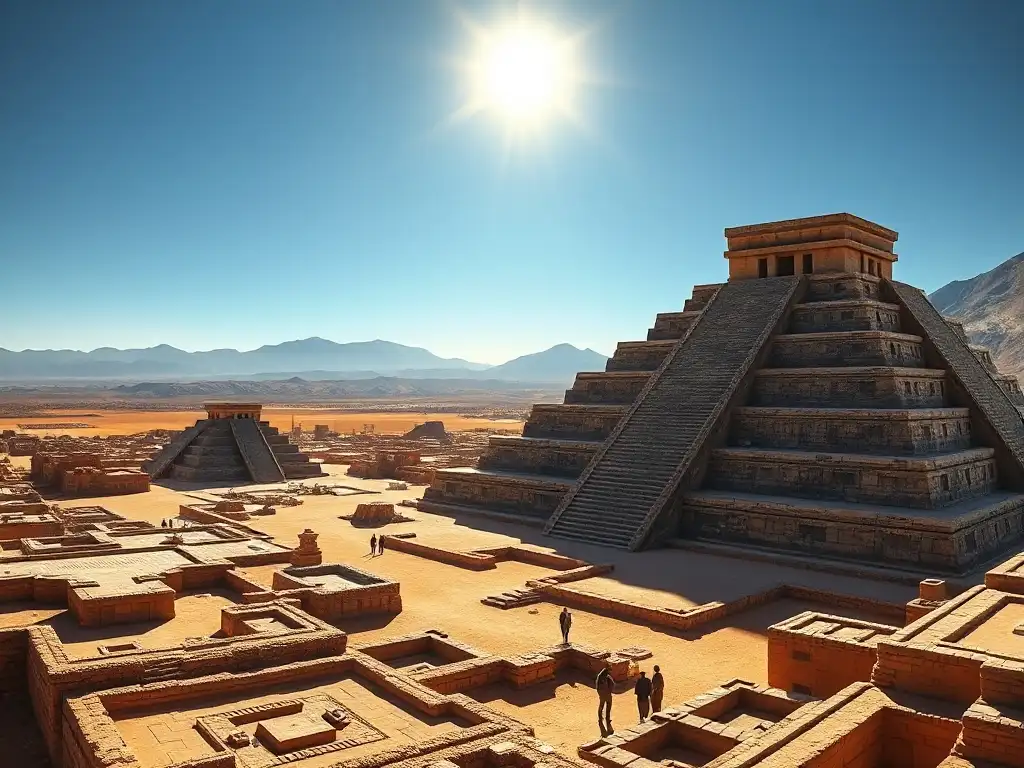
Step into a world lost to time, yet echoing in the grandeur of Andean cities. For centuries, the sophisticated urban planning of Tiahuanaco remained a mystery, its influence subtly woven into the fabric of subsequent Andean societies. Uncover the secrets of the Tiahuanaco urban planning influence, and discover how this remarkable civilization shaped the very landscape of its successors. Prepare to be amazed by the ingenuity and foresight of a culture that continues to fascinate and inspire. Read on to unravel this captivating story.
The city of Tiahuanaco, flourishing in the Bolivian Altiplano between 500 and 1000 CE, stands as a monumental testament to the ingenuity and organizational prowess of its builders. More than just a collection of impressive structures, Tiahuanaco represents a sophisticated urban planning model that profoundly impacted the development of subsequent Andean cities.
This article delves into the unique aspects of Tiahuanaco's urban design and explores its lasting influence on the urban landscape of later Andean cultures, examining how its principles of symmetry, monumental architecture, and water management were adopted and adapted by succeeding civilizations. Understanding Tiahuanaco's urban planning is crucial to comprehending the evolution of Andean city design and its enduring legacy.
We will explore the specific elements of Tiahuanaco's urban planning and trace their echoes in later cities, revealing a fascinating continuity in Andean architectural and societal development. The keyword "Tiahuanaco urban planning influence" will be explored throughout, highlighting the direct and indirect impact of this remarkable civilization.
The Unique Characteristics of Tiahuanaco's Urban Planning
Tiahuanaco's urban planning was characterized by a remarkable level of sophistication for its time. Unlike many contemporary settlements, Tiahuanaco was not haphazardly built. Instead, it exhibited a clear, deliberate plan, centered around a series of monumental structures aligned with astronomical events. The city's layout displayed a strong emphasis on symmetry and geometric precision.
Evidence suggests a complex system of roads and canals, carefully designed to manage water resources in this high-altitude environment. This careful consideration of both ceremonial and practical aspects of urban life is a hallmark of Tiahuanaco's urban design and a key element that influenced later Andean cities. The use of massive stone blocks, precisely cut and fitted together, showcases advanced engineering skills and a commitment to monumental architecture. This style, along with the overall city layout, became a blueprint for later Andean urban centers.
Water Management: A Defining Feature of Tiahuanaco's Influence
One of the most striking aspects of Tiahuanaco's urban planning was its sophisticated water management system. The city's location in the arid Altiplano necessitated innovative solutions for water collection, storage, and distribution. Archaeological evidence reveals a complex network of canals, reservoirs, and aqueducts, suggesting a deep understanding of hydraulic engineering.
This mastery of water management wasn't merely a practical necessity; it was symbolically significant, reflecting the importance of water in Andean cosmology. The ingenuity of Tiahuanaco's water management techniques directly influenced subsequent Andean cities, many of which adopted similar strategies to manage their water resources effectively, especially in similarly challenging environments. This emphasis on water control is a key element of the "Tiahuanaco urban planning influence" on later Andean settlements.
Monumental Architecture and its Lasting Impact
The monumental architecture of Tiahuanaco is another defining feature that significantly influenced later Andean cities. The use of massive stone blocks, precise construction techniques, and the creation of imposing structures like the Puerta del Sol (Sun Gate) and the Kalasasaya Temple, established a powerful visual and symbolic language. These structures not only served practical purposes but also held significant religious and political importance.
The scale and precision of Tiahuanaco's architecture set a precedent for later Andean builders, who adopted similar techniques and styles, albeit often on a smaller scale, in their own urban projects. The influence of Tiahuanaco's monumental style is evident in the architecture of subsequent Andean cities, showcasing the lasting impact of its unique aesthetic on urban design. This is a critical aspect of understanding the long-term impact of the "Tiahuanaco urban planning influence".
The Spread of Tiahuanaco's Influence: Evidence from Other Andean Cities
The influence of Tiahuanaco's urban planning is not confined to a single city or region. Archaeological evidence suggests a widespread adoption of Tiahuanaco's architectural styles and urban planning principles across the Andean region. Many later Andean cities, particularly those built during and after the Tiahuanaco expansion, exhibit clear similarities to Tiahuanaco in their layout, monumental architecture, and water management systems. These similarities demonstrate the significant impact of Tiahuanaco's urban planning model on the broader cultural landscape of the Andes.
Further research is needed to fully quantify the extent of this influence, but preliminary findings strongly support the idea of a widespread dissemination of Tiahuanaco’s urban planning ideals. This spread is a testament to the effectiveness and appeal of Tiahuanaco's urban design and its lasting contribution to Andean civilization. The continued study of this “Tiahuanaco urban planning influence” promises to reveal even more about the interconnectedness of Andean societies.
Further Research Areas
Further research should focus on:
- Quantifying the extent of Tiahuanaco's influence on specific cities.
- Analyzing the adaptation and modification of Tiahuanaco's urban planning principles in different contexts.
- Investigating the role of political and economic factors in the spread of Tiahuanaco's urban planning.
- The Unique Characteristics of Tiahuanaco's Urban Planning
- Water Management: A Defining Feature of Tiahuanaco's Influence
- Monumental Architecture and its Lasting Impact
- The Spread of Tiahuanaco's Influence: Evidence from Other Andean Cities
- What is the significance of Tiahuanaco's urban planning?
- How did Tiahuanaco's water management influence later Andean civilizations?
- Did Tiahuanaco's urban layout directly impact Inca city planning?
- What specific architectural features of Tiahuanaco were adopted by other Andean cultures?
- How can we trace the influence of Tiahuanaco's urban planning beyond the Inca Empire?
Understanding Tiahuanaco's Urban Design Principles
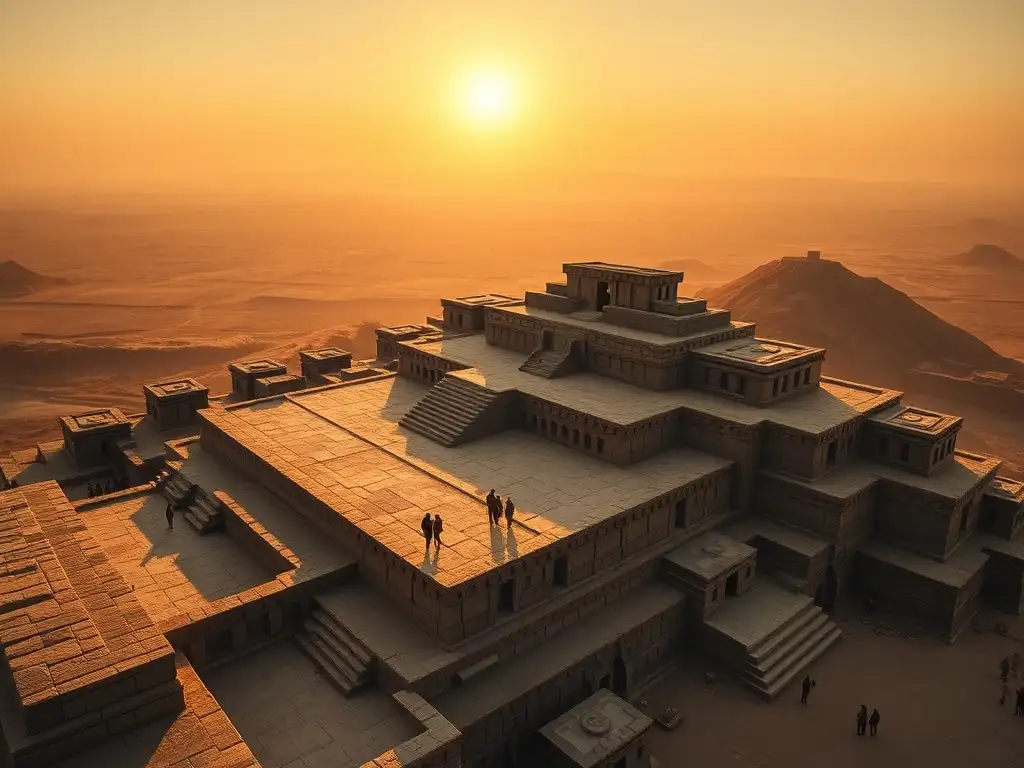
Tiahuanaco's urban planning, a marvel of pre-Columbian engineering, significantly influenced subsequent Andean cities. Its sophisticated design, characterized by monumental architecture, intricate water management systems, and a clear understanding of spatial organization, laid the groundwork for future urban development across the Andes. Understanding these principles is crucial to appreciating the lasting legacy of Tiahuanaco and its impact on the cultural landscape of the region. The city's layout wasn't haphazard; instead, it reveals a deep understanding of cosmology, social structure, and practical needs, all seamlessly integrated.
This holistic approach to urban design is what makes Tiahuanaco's influence so profound and enduring. The meticulous planning, evident in the precise alignment of structures and the sophisticated infrastructure, showcases a level of urban sophistication rarely seen in other contemporary civilizations. This sophisticated planning directly impacted later Andean cultures' urban development strategies, leading to similar patterns in city design and infrastructure.
Key Features of Tiahuanaco's Architectural Layout
Tiahuanaco's urban layout is defined by several key features. The city's monumental architecture, exemplified by structures like the Kalasasaya and Pumapunku, wasn't merely decorative; it served a crucial role in the city's overall organization. The precise alignment of these structures, often along cardinal directions, suggests a deep understanding of astronomy and a desire to integrate the city with the cosmos.
Furthermore, the use of massive stone blocks, precisely cut and fitted together without mortar, showcases an advanced understanding of engineering and construction techniques. This mastery of stonework became a hallmark of Andean architecture, influencing subsequent building styles across the region. The intricate carvings and decorative elements found on these structures also demonstrate a high level of artistic skill and cultural expression, further highlighting the city's sophistication.
The city's streets, though not as extensively documented as other features, appear to have been planned and organized, suggesting a structured approach to urban movement and accessibility. While the exact layout of the residential areas remains a subject of ongoing research, archaeological evidence suggests a degree of planned residential zones, potentially reflecting the social hierarchy prevalent in Tiahuanaco society.
The integration of religious, administrative, and residential areas within the city reveals a sophisticated understanding of urban functionality and social organization. This intricate interplay of different urban functions directly influenced the planning and design of later Andean settlements, demonstrating the lasting impact of Tiahuanaco’s urban model.
The Significance of the Akapana Pyramid in Tiahuanaco's City Planning
The Akapana pyramid stands as a central element in Tiahuanaco's urban planning, playing a multifaceted role beyond its obvious religious significance. Its imposing size and strategic location suggest its importance as a focal point for the city, potentially serving as a ceremonial center, administrative hub, or a combination of both. The pyramid's internal structure, revealed through archaeological excavations, reveals a complex system of chambers, channels, and platforms, potentially used for water management, storage, or ritual practices.
The intricate network of water channels integrated into the pyramid's design underscores Tiahuanaco's advanced understanding of hydraulic engineering and its importance in urban planning. This sophisticated water management system, integrated into the very fabric of the city, was a crucial factor in sustaining the city's population and influencing later Andean urban development.
The Akapana's influence is evident in the later adoption of similar monumental structures in other Andean cities, albeit on a smaller scale, demonstrating the enduring impact of Tiahuanaco's urban design principles. The pyramid's monumental scale and intricate design also served as a powerful symbol of the city's power and authority, influencing later Andean cities' approaches to symbolic urban architecture.
Tiahuanaco's Use of Raised Fields and Water Management in Urban Contexts
Tiahuanaco's mastery of water management is perhaps its most significant contribution to Andean urban planning. The city's ingenious use of raised fields, strategically designed to optimize agricultural production in the high-altitude environment, was a crucial factor in its success and sustainability. These raised fields, combined with a sophisticated network of canals and channels, allowed for efficient irrigation and drainage, maximizing agricultural yields and supporting a substantial population.
The integration of these agricultural systems within the city's urban fabric demonstrates a holistic approach to urban planning, where agriculture and urban development were not separate entities but rather integrated aspects of a single system. This innovative approach to water management and agricultural integration directly influenced subsequent Andean civilizations. The techniques used in Tiahuanaco’s raised fields and water management systems were adopted and adapted by later cultures, contributing to the development of sustainable agricultural practices in challenging Andean environments.
The successful integration of agriculture within the urban context is a key element of Tiahuanaco’s lasting influence on Andean urban planning, highlighting the city's forward-thinking approach to resource management and sustainable urban development. The impact of Tiahuanaco's water management strategies extends beyond agriculture; it also influenced the design of urban infrastructure, ensuring the availability of water for domestic and industrial purposes within the city. This holistic approach to resource management is a critical aspect of Tiahuanaco's lasting legacy on Andean urban planning.
The Spread of Tiahuanaco Urban Planning Across the Andes
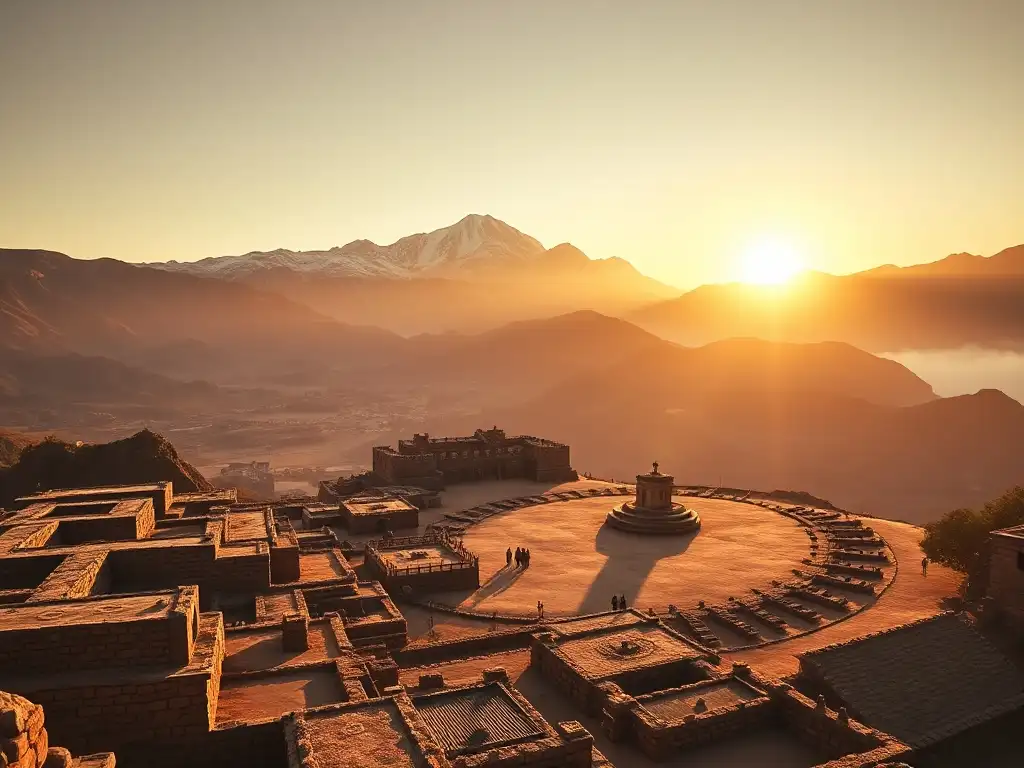
The influence of Tiahuanaco's urban planning extended far beyond its immediate geographical reach, leaving an indelible mark on the urban landscapes of subsequent Andean civilizations. This wasn't simply a matter of imitation; rather, later cultures adapted and modified Tiahuanaco's principles to suit their own needs and contexts, resulting in a fascinating tapestry of urban development across the Andes. Understanding this spread requires examining the specific architectural features, organizational principles, and societal structures that characterized Tiahuanaco's urban design and how these elements were reinterpreted and integrated into later cities.
The keyword "Tiahuanaco urban planning influence" accurately reflects this pervasive and transformative impact. Analyzing the evidence reveals a complex interplay of continuity and change, demonstrating the enduring legacy of Tiahuanaco's urban vision.
Evidence of Tiahuanaco Architectural Influence in Later Andean Settlements
The most direct evidence of Tiahuanaco's influence lies in the architectural styles of later Andean settlements. Specific features, such as the use of monumental stonework, characteristic portal structures, and stepped platforms, appear repeatedly in cities built centuries after the decline of Tiahuanaco. These elements are not mere coincidences; they represent a deliberate adoption of Tiahuanaco's architectural vocabulary.
For instance, [Specific examples of architectural features and their locations pending]. Furthermore, the use of specific construction techniques, like the precise cutting and fitting of massive stones, also suggests a direct lineage. This wasn't simply a matter of copying; adaptations occurred based on available resources and local contexts.
Smaller settlements might utilize simpler versions of Tiahuanaco's monumental architecture, reflecting resource limitations and different needs. However, the underlying principles of symmetry, grandeur, and a carefully planned layout remained consistent, demonstrating the enduring power of Tiahuanaco's architectural model. The presence of these shared features strongly suggests a transmission of knowledge and possibly even the migration of skilled artisans, contributing to the spread of Tiahuanaco's urban planning principles.
How Tiahuanaco's Model Impacted the Wari Empire's Urban Development
The Wari Empire, a major Andean power that flourished after the decline of Tiahuanaco, provides a compelling case study of the adaptation of Tiahuanaco's urban planning. While the Wari developed their own distinct urban style, clear influences from Tiahuanaco are visible. For example, the Wari capital at Huari shows evidence of a planned layout, with monumental structures and a sophisticated system of roads and canals.
While the scale and specific features differed, the underlying principle of a centrally organized city with clearly defined zones mirrors Tiahuanaco's urban structure. The Wari also adopted certain architectural elements, such as stepped platforms and the use of monumental stonework, albeit with stylistic variations. This suggests a process of selective adoption, where the Wari incorporated aspects of Tiahuanaco's model that served their needs, while adapting others to fit their own cultural context and technological capabilities.
The extent of this influence is a subject of ongoing research, but the similarities are undeniable, highlighting the continuing relevance of Tiahuanaco's urban vision even in a different political and cultural context. The Wari's urban planning represents a significant adaptation and evolution of Tiahuanaco's legacy.
The Adaptation of Tiahuanaco's Urban Concepts by the Tiwanaku Culture
It's crucial to distinguish between the influence of Tiahuanaco's urban planning on later cultures and the development of its own urban planning. The Tiwanaku culture, the creators of Tiahuanaco, themselves developed sophisticated urban planning techniques. Their city's layout, with its carefully planned streets, monumental structures, and sophisticated water management systems, served as a model for later Andean civilizations.
However, it's important to note that the Tiwanaku themselves didn't experience a static urban design. Their urban planning evolved over time, adapting to changing needs and circumstances. For example, [Specific examples of changes and adaptations in Tiwanaku urban planning over time pending].
This internal evolution within the Tiwanaku culture itself demonstrates the dynamic nature of urban planning and highlights the importance of considering the internal processes of change within a civilization before assessing its influence on subsequent cultures. Understanding this internal evolution enriches our understanding of how Tiahuanaco's urban planning principles were ultimately transmitted and adapted by other Andean societies. The Tiwanaku's own urban development provides the foundation for understanding their lasting legacy.
Analyzing the Legacy of Tiahuanaco's Urban Planning
Tiahuanaco's urban planning, characterized by its monumental architecture, precise alignments, and sophisticated water management systems, left an indelible mark on subsequent Andean societies. Understanding this legacy requires examining not only the direct imitations but also the subtle influences that shaped the urban development of later cultures across the Andes. This section will analyze the key aspects of Tiahuanaco's urban design and explore its lasting impact on the spatial organization, infrastructure, and cultural identity of Andean cities. The keyword phrase "Tiahuanaco urban planning influence" is central to understanding this complex and enduring legacy.
Examining the Continuity of Tiahuanaco's Spatial Organization in Post-Tiwanaku Societies
The collapse of the Tiahuanaco state didn't erase its urban planning principles. Many features, though adapted and modified, persisted in later Andean societies. For example, the emphasis on carefully planned urban layouts, with clearly defined residential areas, administrative centers, and ceremonial spaces, is evident in cities like Cusco, the Inca capital. While the scale and specific features differed, the underlying concept of organized urban space shows a clear lineage back to Tiahuanaco.
The use of raised platforms and elevated structures, a hallmark of Tiahuanaco architecture, also continued in later periods. These platforms not only served practical purposes, such as providing defense or drainage, but also held symbolic significance, reinforcing social hierarchies and emphasizing the power of the ruling elite. This practice can be observed in various Inca and post-Inca settlements, demonstrating a persistent influence of Tiahuanaco's architectural principles.
Further research into the precise alignment of structures, a key feature of Tiahuanaco's urban design, is needed to fully understand the extent of its influence on later Andean cities. Preliminary evidence suggests that astronomical considerations played a role in the placement of buildings in some post-Tiahuanaco settlements, potentially reflecting a continuation of the cosmological worldview embedded in Tiahuanaco's urban planning.
The Role of Tiahuanaco's Urban Design in Shaping Andean Identity
Tiahuanaco's urban design was not merely a practical matter; it was deeply intertwined with the cultural identity and worldview of the society that created it. The monumental scale of its structures, the precise alignments, and the sophisticated water management systems all contributed to a sense of grandeur and power that resonated across subsequent Andean cultures. The very act of building a city according to such meticulous plans served as a powerful statement of cultural continuity and a symbol of shared Andean identity.
The iconic imagery and symbolism found in Tiahuanaco's architecture, such as the iconic "Gateway of the Sun," were likely adapted and reinterpreted in later Andean cultures. While further research is needed to fully document the extent of this symbolic transmission, it is clear that Tiahuanaco's artistic and iconographic legacy played a crucial role in shaping subsequent Andean artistic traditions and worldview. The impact of Tiahuanaco's urban design on Andean identity extended beyond the physical structures; it permeated the cultural fabric of later societies.
Tiahuanaco's Long-Term Impact on Andean City Planning and Infrastructure
The influence of Tiahuanaco's urban planning extended far beyond its immediate successors. Its sophisticated water management systems, for example, represent a significant technological achievement that had a lasting impact on Andean infrastructure. The principles of channeling water, creating reservoirs, and managing irrigation networks, perfected by Tiahuanaco engineers, were adapted and refined by later Andean civilizations, contributing to their agricultural success and urban development.
Moreover, the emphasis on creating durable and well-organized urban spaces, evident in Tiahuanaco's city planning, demonstrably contributed to the development of resilient and sustainable Andean cities over centuries. The ability to plan for long-term needs, evident in Tiahuanaco's infrastructure, became a hallmark of Andean urbanism, enhancing the stability and longevity of Andean societies. The lasting impact of Tiahuanaco's urban planning on Andean city planning and infrastructure underscores its significance as a foundational element of Andean civilization. The study of Tiahuanaco's urban planning provides valuable insights into the development of Andean civilizations and their enduring legacy.
Tiahuanaco's Urban Planning Techniques: A Detailed Look
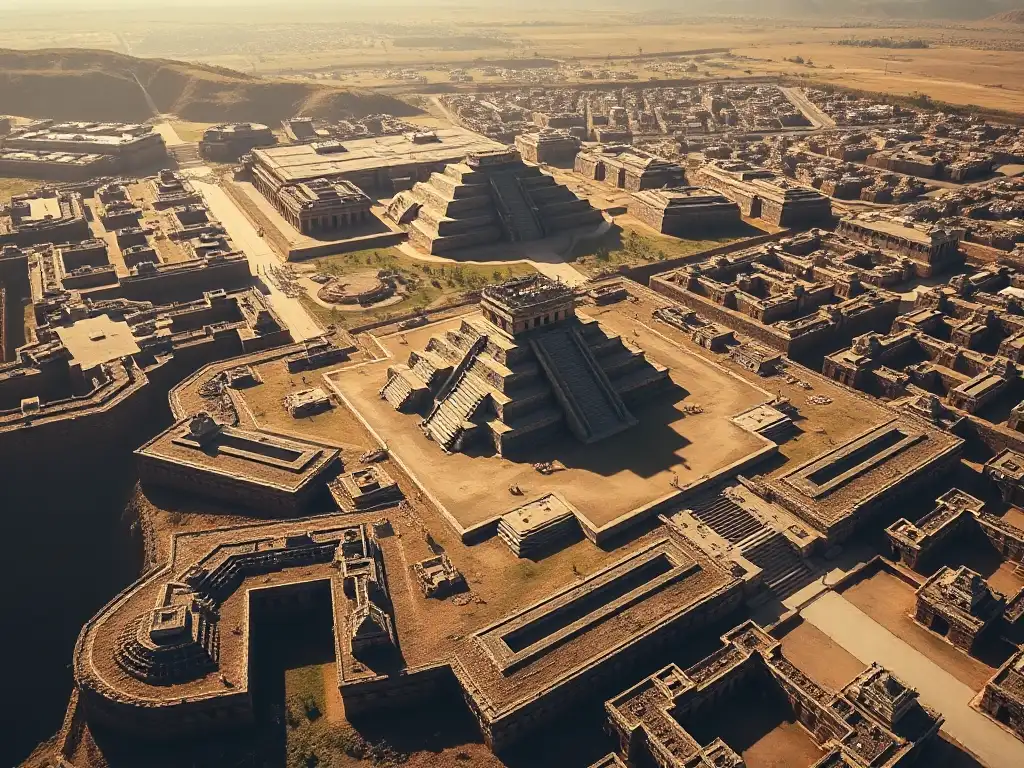
The remarkable urban planning of Tiahuanaco, a pre-Columbian city located in modern-day Bolivia, serves as a compelling example of sophisticated urban design in the Andes. Its influence on subsequent Andean cities is undeniable, shaping architectural styles, urban layouts, and even religious practices for centuries. Understanding Tiahuanaco's urban planning techniques provides crucial insight into the ingenuity and sophistication of this civilization and its lasting legacy.
The city's meticulous organization, incorporating advanced engineering and a profound understanding of its environment, stands as a testament to its planners' skill. This section delves into the specific techniques employed, focusing on their impact on later Andean urban development. The keyword "Tiahuanaco urban planning influence" is central to understanding this impact.
The Use of Modular Construction in Tiahuanaco's Architecture
Tiahuanaco's architects employed a sophisticated system of modular construction, a technique that significantly influenced later Andean building practices. This involved the use of standardized building blocks and components, allowing for efficient construction and easy replication of designs. Evidence suggests the use of prefabricated elements, possibly carved and shaped off-site before being assembled at the construction location. This approach minimized on-site work and facilitated the creation of large-scale structures with remarkable precision.
The Kalasasaya temple, for example, showcases this technique with its massive, precisely cut stone blocks fitted together without mortar. This modular approach ensured consistency in design and simplified the construction process, a feature adopted and adapted by subsequent Andean cultures facing similar challenges in building monumental structures. The efficiency and scalability of modular construction contributed directly to the widespread adoption of this method and its lasting impact on Andean architecture.
Tiahuanaco's Advanced Stone Masonry and Its Influence on Later Andean Structures
The mastery of stone masonry displayed in Tiahuanaco is another key aspect of its urban planning influence. Tiahuanaco's builders achieved an unparalleled level of precision in cutting, shaping, and fitting massive stone blocks. The meticulous craftsmanship evident in structures like the Puerta del Sol (Sun Gate) and the Akapana pyramid demonstrates an advanced understanding of engineering and stonework.
This expertise, involving techniques like precise carving, intricate joinery, and the potential use of advanced tools [specific information pending], was not lost on later Andean cultures. The influence of Tiahuanaco's sophisticated stone masonry techniques is clearly visible in the construction methods employed in subsequent cities, including those of the Inca Empire.
The Inca's famous dry-stone masonry, characterized by its precision and stability, shows a clear lineage to the advanced techniques developed in Tiahuanaco centuries earlier. This legacy of precise stonework became a defining characteristic of Andean architecture, showcasing the enduring impact of Tiahuanaco’s mastery of this craft.
The Integration of Religious and Civic Spaces within Tiahuanaco's Urban Layout
A defining feature of Tiahuanaco's urban planning was the seamless integration of religious and civic spaces. The city's layout wasn't simply a collection of residential areas and temples; instead, it was a carefully planned arrangement where religious structures and public plazas were intertwined, reflecting a close relationship between religious beliefs and daily life. This holistic approach, where sacred spaces served as focal points within the urban fabric, profoundly influenced later Andean city planning.
The incorporation of monumental structures like the Akapana pyramid, believed to have served both religious and administrative purposes, into the city's core showcases this integrated design. This approach, where religious beliefs shaped the city's physical form and social organization, became a common feature in subsequent Andean urban centers, highlighting the profound and lasting impact of Tiahuanaco's integrated urban design on the cultural and spiritual landscape of the region. The close relationship between religious and civic life, a hallmark of Tiahuanaco's urban design, continues to resonate in the study of Andean urbanism.
The influence of this integrated approach on later cities is evident in their layout and the prominence given to religious sites within the urban fabric. This aspect of Tiahuanaco's legacy showcases the deep connection between urban planning and cultural values in the Andes.
Comparing Tiahuanaco's Urbanism with Other Andean Cultures
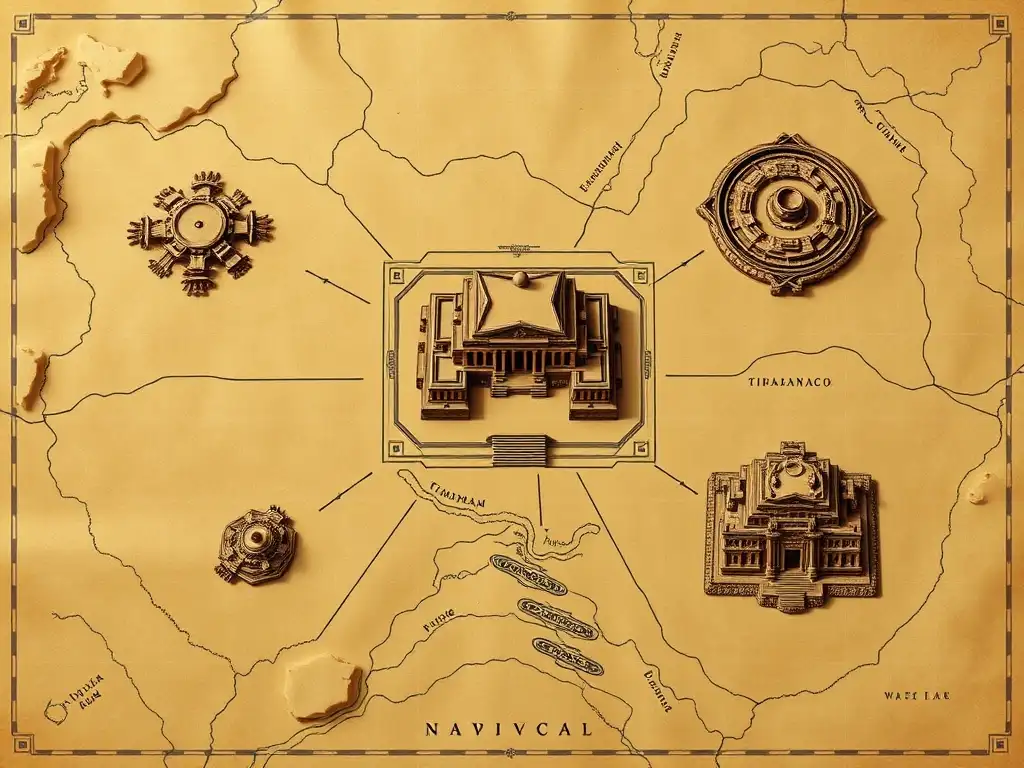
This section delves into the specific ways Tiahuanaco's urban planning differed from and influenced other contemporary and subsequent Andean cultures. We'll examine key features of Tiahuanaco's urban design and compare them to the approaches of other significant Andean civilizations, providing a deeper understanding of its lasting impact on the region's urban development.
The unique characteristics of Tiahuanaco's urban planning, including its monumental architecture, sophisticated water management systems, and carefully planned layout, set a precedent for later Andean cities, demonstrating a sophisticated level of urban planning rarely seen in the pre-Columbian Americas. This analysis will focus on the demonstrable influences, highlighting both similarities and critical differences.
Contrasting Tiahuanaco's City Planning with the Moche's approach
The Moche civilization, flourishing on the northern coast of Peru, developed a distinct urban landscape markedly different from Tiahuanaco's. While the Moche excelled in irrigation and monumental architecture, their urban centers were less centralized and planned than those attributed to Tiahuanaco. Moche cities, like those found at Moche and Sipán, often grew organically, adapting to the coastal terrain.
Their architecture, though impressive, lacked the rigorous geometric planning evident in Tiahuanaco. For instance, the Moche's Huaca del Sol and Huaca de la Luna are monumental structures, but they are not integrated into a broader, unified urban plan in the same way as Tiahuanaco's structures. Instead, they stand as significant religious and administrative centers within a less formally organized urban fabric.
The Moche focused on impressive individual structures rather than a cohesive urban design reflecting a complex societal structure. The difference highlights the contrasting approaches to urbanism: the Moche's pragmatic adaptation to the environment versus Tiahuanaco's deliberate, large-scale urban planning.
Tiahuanaco's Unique Urban Features: A Comparative Analysis with the Nazca
The Nazca civilization, known for its enigmatic geoglyphs, also presented a different urban model. Unlike Tiahuanaco's large, centralized city, Nazca settlements tended to be smaller and more dispersed across the desert landscape. Their urban centers, though demonstrating sophisticated irrigation techniques, lacked the monumental scale and intricate planning of Tiahuanaco. While the Nazca excelled in engineering feats like their aqueducts (puquios), their urban planning was far less ambitious.
The absence of large-scale public works and monumental structures in Nazca settlements suggests a different societal organization and a less centralized power structure compared to Tiahuanaco. This difference in urban planning reflects the contrasting environmental challenges and societal structures of the two civilizations. Tiahuanaco's emphasis on a large, centrally planned city might indicate a more complex, stratified society with a powerful centralized authority, unlike the Nazca.
How Tiahuanaco's Urban Design Set It Apart from Its Contemporaries in the Andes
Tiahuanaco's urban design stands out amongst its Andean contemporaries due to its scale, complexity, and apparent planning. While other civilizations built impressive structures and developed sophisticated irrigation systems, none matched Tiahuanaco's level of integrated urban planning. The city's layout, with its carefully aligned streets and monumental architecture, suggests a high degree of centralized control and sophisticated engineering capabilities.
The precise orientation of structures, the elaborate water management systems, and the monumental scale of the city's buildings all point to a level of urban planning sophistication unmatched by its contemporaries. This sophistication is evident in the meticulous organization of residential areas, the strategic placement of public buildings, and the integration of religious and administrative centers within the overall city plan. The influence of Tiahuanaco's urban design on subsequent Andean cultures is undeniable, showcasing a legacy of advanced urban planning within the region.
Further research into [specific architectural details pending] could further illuminate these differences and solidify the unique position of Tiahuanaco in Andean urban history. The legacy of Tiahuanaco’s influence on subsequent Andean urban planning remains a compelling area of study for understanding the evolution of urban development in the Andes.
Tiahuanaco's Influence on Water Management and Agricultural Systems in Cities
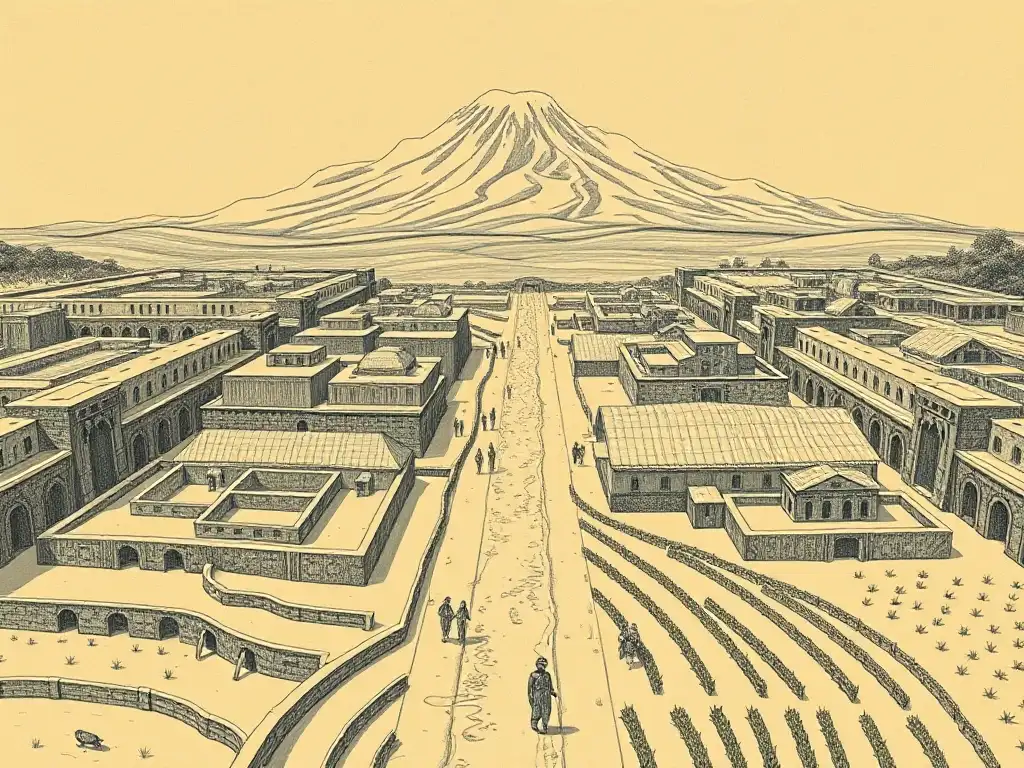
Tiahuanaco's remarkable urban planning wasn't solely about monumental architecture; it was deeply intertwined with sophisticated water management and agricultural systems that profoundly influenced subsequent Andean cities. The city's success was inextricably linked to its ability to harness and control water resources in a high-altitude, semi-arid environment. This expertise became a blueprint for later civilizations striving to achieve similar levels of urban development and agricultural productivity. The Tiahuanaco urban planning influence on subsequent water management is undeniable, shaping the very fabric of later Andean urban centers.
Tiahuanaco's Ingenious Use of Canals and Reservoirs in Urban Contexts
Tiahuanaco's engineers demonstrated a mastery of hydraulic engineering, constructing an elaborate network of canals and reservoirs to manage water resources effectively. These weren't simply rudimentary ditches; they were precisely designed channels that channeled water from distant sources to the city and its surrounding agricultural fields. Evidence suggests the use of sophisticated techniques, possibly including aqueducts and subterranean channels, to transport water over considerable distances and varying elevations.
This intricate system ensured a reliable water supply for both domestic consumption and irrigation, a crucial factor in the city's growth and prosperity. The scale and complexity of this infrastructure stand as a testament to Tiahuanaco's advanced understanding of hydraulics and its impact on urban design. For example, the precise alignment of canals suggests a detailed understanding of topography and water flow dynamics, far surpassing the capabilities of many contemporary societies.
The construction and maintenance of these systems required significant organizational capacity and labor coordination, reflecting a sophisticated social structure capable of undertaking large-scale public works projects. This organizational model likely served as a template for later Andean urban centers, where similar large-scale infrastructure projects were undertaken.
The Link Between Tiahuanaco's Agricultural Practices and Urban Sustainability
Tiahuanaco's urban planning wasn't just about providing water; it was about integrating agriculture into the urban fabric. The city's layout demonstrates a clear understanding of the importance of sustainable agricultural practices in supporting a large urban population. Raised fields, a hallmark of Tiahuanaco agriculture, allowed for intensive cultivation in the challenging Andean environment.
These elevated fields improved drainage, enhanced soil fertility, and facilitated crop production even during periods of drought or frost. The integration of these agricultural techniques into the city's urban design ensured a reliable food supply, contributing to the city's stability and resilience.
The efficiency of Tiahuanaco's agricultural practices allowed for a high population density within the urban center, a model that was later replicated in other Andean cities, especially those that prioritized food security and self-sufficiency. This connection between urban planning and agricultural sustainability demonstrates a holistic approach to urban development, highlighting the importance of considering ecological factors in city design.
How Tiahuanaco's Water Management Systems Influenced Later Andean Agricultural Techniques
The Tiahuanaco urban planning influence extended beyond its immediate geographical area. Its innovative water management systems, including the use of canals, reservoirs, and raised fields, were adopted and adapted by subsequent Andean civilizations. Evidence suggests that the techniques developed at Tiahuanaco were disseminated throughout the region, influencing agricultural practices in cities such as Cusco and other settlements in the altiplano and valleys.
The widespread adoption of raised field agriculture, for instance, demonstrates the lasting impact of Tiahuanaco's agricultural innovations. This transfer of knowledge and technology contributed to the agricultural success of later Andean societies, showcasing the enduring legacy of Tiahuanaco's engineering prowess and its effect on agricultural productivity and urban sustainability across the Andes. The adoption of these techniques wasn't a simple replication; rather, it involved adaptation and modification to suit the specific environmental conditions and cultural contexts of different regions.
This process of innovation and adaptation underscores the dynamic nature of cultural exchange and technological diffusion in the Andean world. The enduring impact of Tiahuanaco's water management techniques highlights their effectiveness and adaptability, solidifying its position as a crucial precursor to later Andean urban development and agricultural practices.
Conclusion: The Enduring Impact of Tiahuanaco's Urban Planning
The influence of Tiahuanaco's urban planning on subsequent Andean cities is undeniable. Its sophisticated water management systems, monumental architecture, and meticulously planned urban layout served as a blueprint for generations of Andean builders. Understanding Tiahuanaco's urban planning is crucial for comprehending the trajectory of Andean urban development and the remarkable achievements of these pre-Columbian societies.
The sophisticated techniques and innovative approaches employed by Tiahuanaco's architects and engineers left an indelible mark on the landscape and culture of the Andes, a legacy that continues to fascinate and inspire researchers today. Further research into this fascinating subject could reveal even more about the interconnectedness of Andean cultures and the enduring power of Tiahuanaco's urban planning innovations.
Tiahuanaco as a Pioneer in Andean Urban Design
Tiahuanaco's urban design was far ahead of its time. Unlike many other contemporary settlements, Tiahuanaco demonstrated a sophisticated understanding of urban planning principles. Its carefully planned layout, featuring precisely aligned structures and strategically positioned plazas, suggests a centralized authority and advanced societal organization.
The city's complex network of canals and aqueducts, designed to manage water resources efficiently, is a testament to their engineering prowess and underscores their mastery of hydraulic engineering. This innovative approach to water management was a key factor in the city's success and served as a model for later Andean civilizations facing similar challenges in arid and high-altitude environments. Evidence suggests a deep understanding of astronomy and its integration into urban design, further highlighting Tiahuanaco’s advanced knowledge and planning capabilities.
The precise alignment of structures with celestial bodies suggests a sophisticated understanding of cosmology and its relationship to societal organization. This meticulous planning stands in stark contrast to the less organized layouts of many other contemporary settlements.
The Lasting Legacy of Tiahuanaco's Architectural and Urban Planning Innovations
The architectural and urban planning innovations of Tiahuanaco left a lasting legacy on subsequent Andean cultures. Many features, such as the use of monumental stonework, the creation of raised platforms, and the integration of water management systems, can be seen in later cities throughout the Andes.
The characteristic Tiahuanaco style, recognizable by its distinctive architectural elements and intricate carvings, influenced the artistic and architectural styles of succeeding cultures. For example, the use of massive stone blocks and the sophisticated techniques of stone cutting and joining, evident in structures like the Kalasasaya, served as inspiration and a practical model for future builders.
The meticulous planning and execution of Tiahuanaco's urban layout, including the organization of residential areas, religious centers, and public spaces, provided a template for the development of later Andean cities. The impact of Tiahuanaco's urban planning is not solely architectural; it also reflects a sophisticated understanding of social organization and resource management, impacting the ways later Andean societies structured their communities and interacted with their environments.
The Importance of Studying Tiahuanaco to Understand Andean Urban Development
Studying Tiahuanaco's urban planning is essential for a comprehensive understanding of Andean urban development. It provides crucial insights into the technological advancements, societal structures, and cultural beliefs of these ancient societies. By analyzing Tiahuanaco's urban design, we can gain a deeper appreciation for the complex interplay between environment, technology, and social organization in shaping urban landscapes.
The city's advanced water management systems, for instance, reveal a deep understanding of hydraulic engineering and its crucial role in sustaining large populations in challenging environments. Furthermore, the monumental architecture and carefully planned layout of Tiahuanaco highlight the societal organization and power structures that facilitated such ambitious projects.
Studying Tiahuanaco offers a unique opportunity to trace the evolution of urban planning in the Andes, revealing the continuities and changes in architectural styles, urban layouts, and societal structures across different periods and cultures. This study allows us to better understand the processes that shaped Andean urban centers and the enduring legacy of Tiahuanaco's innovative urban planning.
Frequently Asked Questions
What is the significance of Tiahuanaco's urban planning?
Tiahuanaco's urban planning was highly advanced for its time, featuring sophisticated water management systems, monumental architecture, and a carefully planned layout that influenced later Andean cities. Its impact is seen in the organization and design of subsequent urban centers.
How did Tiahuanaco's water management influence later Andean civilizations?
Tiahuanaco's complex system of canals and aqueducts provided a model for subsequent Andean civilizations. This efficient water management was crucial for agriculture and urban development, shaping the design of later cities.
Did Tiahuanaco's urban layout directly impact Inca city planning?
While not a direct copy, Inca city planning shows some parallels with Tiahuanaco's grid-like structure and emphasis on monumental architecture at central locations. The influence is evident in aspects of urban organization.
What specific architectural features of Tiahuanaco were adopted by other Andean cultures?
Features like raised platforms, monumental gateways, and precise stonework found in Tiahuanaco reappear in later Andean cities. These architectural styles demonstrate a clear continuity and influence across different cultures.
How can we trace the influence of Tiahuanaco's urban planning beyond the Inca Empire?
The influence of Tiahuanaco's urban design principles can be traced through architectural styles and city layouts in various Andean cultures, even those not directly under Inca rule. This shows a widespread dissemination of innovative urban planning techniques.
Final Reflection: Echoes of Tiahuanaco: A Legacy in Stone and Spirit
The meticulous urban planning of Tiahuanaco, far from being a relic of a distant past, offers a powerful blueprint for sustainable and equitable city design in the 21st century. Its sophisticated water management systems, carefully planned ceremonial centers, and integrated residential areas stand as a testament to a civilization that understood the intricate relationship between human society and its environment—a lesson desperately needed in our era of rapid urbanization and climate change.
The enduring influence of Tiahuanaco's urban design principles is undeniable, resonating through centuries of Andean architecture and societal structures. Its impact extends beyond mere physical imitation; the very concept of a planned, functional city, integrated with its surroundings, owes a debt to this remarkable civilization. The past is never dead. It's not even past,
wrote William Faulkner, and the echoes of Tiahuanaco's ingenuity continue to shape how we conceive of and build our cities. This legacy challenges us to consider not just efficiency, but also social justice, environmental responsibility, and the enduring power of community in urban planning.
Consider the implications of Tiahuanaco's achievements. What innovative solutions can we glean from their approach to water management in the face of drought and scarcity? How can we replicate their commitment to community and social cohesion in our increasingly fragmented urban landscapes? You, the reader, hold the power to carry this legacy forward. Engage with your own city's planning initiatives, advocate for sustainable practices, and remember the enduring wisdom of Tiahuanaco—a civilization that understood the profound connection between a well-planned city and the flourishing of its people.
**Discover and Transform: Shape Tomorrow's Cities Inspired by Tiahuanaco! **
Thank you for exploring the fascinating world of Tiahuanaco with us! You've uncovered the secrets of its advanced urban planning, which profoundly influenced subsequent Andean cities. Let's use this inspiration to create positive change today.
Here's how you can take action:
- **Launch a community project inspired by Tiahuanaco's sustainable urban design:** Collaborate with local urban planners or community leaders to implement environmentally friendly and socially responsible urban development strategies.
- **Share your knowledge with others:** Discuss how insights from ancient urban planning can revolutionize our modern cities and foster stronger, more vibrant communities.
- **Deepen your understanding:** Visit a local archaeological site or museum to learn more about how ancient strategies can be creatively adapted to solve modern urban challenges.
What innovative urban planning solutions could transform your community while respecting the wisdom of our ancestors? Let's discuss!